This article contains AI generated content.
· UpdatedErythromelalgia: 5 Genes And 7 Biomarkers To Track
Introduction
Living with erythromelalgia means navigating a reality that most people — including many clinicians — have never encountered. The burning, redness, and heat that flood your hands or feet without warning are not a vague complaint or an overreaction. They are the visible output of a dysregulated nervous system and vascular network, often underpinned by specific molecular mechanisms that standard care barely touches. If you have been told to "avoid heat," "cool your feet," and "take low-dose aspirin," you already know how incomplete that picture feels.
The challenge with erythromelalgia is that the standard clinical approach treats the surface phenomenon — heat and redness — rather than the mechanisms driving it. For some people, the root cause is a gain-of-function mutation in a sodium channel gene present from birth. For others, the condition is secondary to a blood disorder, a mast cell problem, or a state of chronic neuroinflammation that has quietly escalated over years. These are not the same disease wearing the same mask, which is why a single protocol rarely works for everyone.
What this article offers instead is a framework built on two complementary layers of information. The first layer is biomarkers: measurable signals in your blood and body that can reveal what is actually happening beneath the symptoms, from myeloproliferative disease risk to inflammatory load to histamine dysregulation. The second layer is genetics: understanding which sodium channel and pain-processing genes may be working against you, and what the evidence says about compensating for them. Neither layer gives you a cure. Together, they give you significantly better information than a diagnosis alone.
Better information leads to better questions, which leads to better decisions. Whether your next step is a conversation with a specialist, a targeted lab panel, or a lifestyle adjustment grounded in mechanism rather than guesswork, the goal here is the same: to move from managing symptoms reactively to understanding your condition proactively.
Summary
This article covers 7 actionable biomarkers — including the JAK2 V617F mutation panel that rules out dangerous secondary causes, inflammatory markers tied to neuroinflammation, and lesser-known signals like histamine enzyme activity and ferritin — along with 5 key genes directly linked to primary erythromelalgia and pain amplification (SCN9A, SCN10A, TRPA1, COMT, HCN1). For each biomarker and gene, you will find how to measure it, what a bad result actually means, and what to do about it — with and without supplements. Beyond the lab data, the article also covers what chronic pain science (including insights from the Huberman Lab podcast on pain) reveals about central sensitization and nervous system retraining, plus five complementary approaches with clinical evidence specifically relevant to this condition.
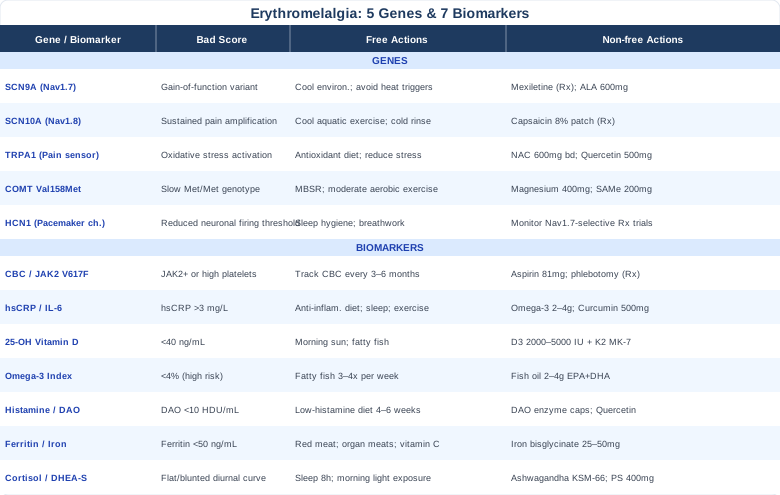
7 Biomarkers That Can Reshape How You Understand Your Erythromelalgia
Most erythromelalgia patients have normal routine blood panels. That is part of what makes the diagnosis so isolating — nothing appears visibly wrong. But "normal" on a standard panel and "optimal" on a targeted panel are very different things. The seven biomarkers below were chosen because they each illuminate a specific mechanism relevant to erythromelalgia: secondary causes, neuroinflammation, nerve membrane health, mast cell involvement, iron status, and stress-axis dysregulation. None of these replace a clinical diagnosis, but together they can reveal which levers are worth pulling.
Biomarker 1: Complete Blood Count and JAK2 V617F Mutation
Why it matters. Secondary erythromelalgia — the kind that develops as a consequence of another disease — is most commonly associated with myeloproliferative neoplasms, particularly essential thrombocythemia and polycythemia vera. In these conditions, elevated platelet counts or excess red blood cells cause microvascular occlusion in the digits, triggering the characteristic burning and redness. The JAK2 V617F point mutation is present in approximately 95% of polycythemia vera cases and roughly 50-60% of essential thrombocythemia cases. Missing this diagnosis is clinically meaningful: untreated myeloproliferative disease carries risks of thrombosis and transformation that go well beyond erythromelalgia symptoms.
How to measure it. A standard complete blood count (CBC) will flag elevated hemoglobin, hematocrit, or platelet counts that warrant further investigation. The JAK2 V617F allele-specific PCR test is ordered separately and is available through most major labs. Cost range: CBC is typically $15–40; JAK2 mutation testing is $100–300 depending on the laboratory and whether it is bundled with a myeloproliferative neoplasm panel. Some specialized hematology panels include both for under $400.
If the result is concerning — without supplements. If JAK2 V617F is positive and CBC shows elevated counts, this is a hematology referral, not a self-management situation. The appropriate response is phlebotomy (for polycythemia vera), cytoreductive therapy (hydroxyurea or interferon-alpha), and low-dose aspirin under physician guidance. Erythromelalgia symptoms frequently improve dramatically once the underlying blood disorder is controlled. Tracking platelet counts and hematocrit regularly (every 3–6 months) is the most important non-pharmacological tool in secondary EM management.
If the result is concerning — with supplements or equipment. Low-dose aspirin (81mg daily) has well-documented, nearly complete relief in secondary erythromelalgia from thrombocythemia because it inhibits thromboxane A2-mediated platelet aggregation. This is one of the few scenarios in medicine where a single intervention reliably resolves the burning within hours. However, this only applies to secondary EM — it does not work for primary EM and should not be self-prescribed without a confirmed platelet-related diagnosis. Cooling devices (controlled glove or sock-based cooling, not ice immersion) can provide symptomatic relief while hematological treatment is being initiated, but ice should be avoided due to rebound hyperemia risk.
Biomarker 2: High-Sensitivity CRP and Interleukin-6
Why it matters. Neuroinflammation — inflammation specifically affecting nervous tissue — is increasingly understood as a driver of pain amplification across many conditions, including neuropathic pain syndromes that overlap with erythromelalgia. High-sensitivity C-reactive protein (hsCRP) is the most accessible proxy for systemic inflammatory load. Interleukin-6 (IL-6) is a pro-inflammatory cytokine that directly sensitizes nociceptors and is elevated in several pain conditions. When both are chronically elevated, they suggest a state where the nervous system is being driven toward hyperexcitability from the outside in — regardless of whatever genetic predisposition may exist internally.
How to measure it. hsCRP is widely available at any standard lab and is often included in cardiac risk panels. Cost: $15–50. IL-6 is less routinely ordered and more expensive ($80–200), but it adds specificity because hsCRP is a downstream marker. Peter Attia has consistently advocated for hsCRP as a minimum standard inflammatory biomarker that every adult should track annually. Optimal range: hsCRP below 1.0 mg/L is considered low-risk; 1.0–3.0 mg/L is moderate; above 3.0 mg/L is high. IL-6 optimal reference ranges vary by lab but values consistently above 3 pg/mL in a non-acute setting deserve investigation.
If the score is elevated — without supplements. Anti-inflammatory dietary patterns (Mediterranean-style or similar whole-food approaches) consistently reduce hsCRP over 8–12 weeks. Eliminating ultra-processed foods, refined seed oils, and excess sugar is the most impactful non-supplement intervention. Sleep optimization is critical: even two nights of partial sleep deprivation significantly increases IL-6. Aerobic exercise at moderate intensity three to five times per week reduces hsCRP by 15–25% in most studies. For erythromelalgia patients whose exercise tolerance is limited by flares, low-impact options like swimming in cool water or cycling with climate control can preserve the anti-inflammatory benefit without triggering symptoms.
If the score is elevated — with supplements or equipment. Omega-3 fatty acids (EPA + DHA at 2–4g per day) are the most evidence-supported supplement for reducing both IL-6 and hsCRP. Curcumin with piperine (500–1000mg daily) has demonstrated anti-inflammatory effects in multiple randomized trials, though absorption varies significantly by formulation — choose a phospholipid-complexed or nanoparticle form. Cycling consideration: omega-3s can be taken continuously without known cycling concerns; curcumin may be taken daily for 8–12 weeks, then reassessed. Side effects: high-dose omega-3s may increase bleeding time and should be disclosed to any prescribing physician. Low-level laser therapy (LLLT/photobiomodulation) to affected limb areas has emerging evidence for reducing local neuroinflammation, discussed in the complementary approaches section.
Biomarker 3: 25-OH Vitamin D
Why it matters. Vitamin D deficiency is associated with increased pain sensitivity, worsened neuropathic pain, and heightened inflammation — all of which are relevant to erythromelalgia. Vitamin D receptors are expressed on sensory neurons, immune cells, and vascular endothelial cells. Deficiency does not cause erythromelalgia, but it creates conditions where the nervous system operates in a more sensitized, pro-inflammatory state. Studies across multiple chronic pain conditions show that correcting deficiency frequently reduces pain intensity scores, even without addressing the primary diagnosis.
How to measure it. The 25-hydroxyvitamin D serum test (25-OH D) is widely available, inexpensive ($40–80), and should be measured twice yearly in anyone managing a chronic pain or inflammatory condition. Optimal levels for pain and immune function are generally considered to be 40–70 ng/mL by practitioners who focus on functional optimization. Standard lab reference ranges (20–50 ng/mL) are based on bone health minimums, not neurological or immune optimums — an important distinction for erythromelalgia patients.
If the level is low — without supplements. Midday sunlight exposure to large skin surfaces (arms and legs, 15–30 minutes, depending on skin tone and latitude) remains the most physiologically natural way to raise vitamin D. This is unfortunately complicated for many erythromelalgia patients, as heat exposure is a primary trigger. For these individuals, sun exposure during cooler morning hours, with cooling accessories (ice-pack wristbands, fans), may allow some benefit without triggering flares. Dietary sources (fatty fish, egg yolks, fortified foods) provide modest amounts and are insufficient on their own to correct significant deficiency.
If the level is low — with supplements or equipment. Vitamin D3 supplementation at 2,000–5,000 IU daily, paired with vitamin K2 (MK-7 form, 100–200 mcg), is the standard evidence-based approach to correcting deficiency. K2 directs calcium appropriately and prevents the hypercalcemia concern that arises at higher vitamin D doses. Retest at 3 months to assess response. For severe deficiency (below 20 ng/mL), a physician-prescribed loading protocol (50,000 IU weekly for 8–12 weeks) achieves faster correction. Side effects: vitamin D toxicity is rare below 10,000 IU/day when monitored, but always check calcium levels if taking doses above 5,000 IU. Magnesium deficiency impairs vitamin D conversion — if supplementing D3 and levels remain stubbornly low, adding 250–400mg of magnesium glycinate daily may help.
Biomarker 4: Omega-3 Index
Why it matters. The Omega-3 Index measures the percentage of EPA and DHA in red blood cell membranes — a stable, 3-month average that reflects actual tissue incorporation rather than short-term dietary intake. For erythromelalgia, this matters because omega-3 fatty acids are incorporated into nerve cell membranes and influence the behavior of ion channels, including the sodium channels central to EM pathophysiology. A higher Omega-3 Index is associated with reduced neuroinflammation, improved autonomic nervous system regulation, and lower overall pain sensitivity. Thomas Dayspring and Peter Attia have both emphasized this as one of the most actionable cardiovascular and inflammatory biomarkers available.
How to measure it. The Omega-3 Index is not a standard lab test but is available through specialized labs (OmegaQuant is the most validated). It requires a simple finger-prick dried blood spot sample that can be done at home and mailed. Cost: $50–100. An optimal Omega-3 Index is above 8%; below 4% is high risk. The average American is in the 4–5% range — well below what the evidence suggests is protective.
If the index is low — without supplements. Increasing dietary intake of fatty fish (wild salmon, mackerel, sardines, herring) three to four times per week can meaningfully raise the Omega-3 Index over 3–4 months. Cold-water fatty fish are preferable to farm-raised for EPA/DHA content. For erythromelalgia patients who tolerate it, this is one of the most sustainable dietary levers available, with benefits extending to cardiovascular health, mood, and inflammation simultaneously.
If the index is low — with supplements or equipment. High-quality triglyceride-form fish oil at 2–4g of combined EPA+DHA daily is the most evidence-supported approach. Algae-based omega-3s are an effective alternative for those who do not consume fish. Retest the Omega-3 Index at 4 months to verify incorporation. Side effects at these doses include fishy aftertaste (take with meals, store refrigerated), mild blood-thinning effect, and occasional GI discomfort — all of which resolve with dose reduction. Cycling: omega-3s are safe for continuous use. Do not take with anticoagulant medications without physician oversight.
Biomarker 5: Plasma Histamine and Diamine Oxidase (DAO) Enzyme Activity
Why it matters. Histamine intolerance is a frequently overlooked contributor to erythromelalgia-like flares. Histamine is a vasoactive amine that directly triggers vasodilation, skin flushing, burning sensations, and warmth — the core symptom cluster of erythromelalgia. Diamine oxidase (DAO) is the primary enzyme responsible for breaking down ingested histamine in the gut. Low DAO activity allows dietary histamine to accumulate systemically, potentially triggering or worsening flares in people whose vascular system is already reactive. Mast cell activation — a condition involving dysregulated mast cell degranulation and histamine release — is increasingly recognized in erythromelalgia case series, and some patients have dramatic symptomatic improvement when histamine load is reduced.
How to measure it. Plasma histamine (best drawn during a flare or within 30 minutes of symptom onset) and serum DAO activity can be measured through specialty labs. Elevated histamine above 1.8 nmol/L (or lab-specific reference) alongside low DAO activity (below 10 HDU/mL depending on the lab) suggests histamine intolerance. Cost: $100–250 for both panels. Some functional medicine physicians include these in comprehensive panels. Alternatively, a structured 4-week low-histamine elimination diet followed by systematic reintroduction can be used as a clinical test without lab cost.
If the result is concerning — without supplements. A low-histamine diet for 4–6 weeks is the most practical first intervention. Foods high in histamine include fermented foods (wine, aged cheeses, sauerkraut, kombucha, vinegar), smoked or leftover fish and meat, canned foods, and certain vegetables (tomatoes, spinach, avocado). Freshly prepared whole foods, cooked and eaten promptly, are generally well tolerated. Many patients with EM and histamine intolerance report that this dietary shift reduces both the frequency and intensity of flares, which provides both symptom relief and a diagnostic signal.
If the result is concerning — with supplements or equipment. DAO enzyme supplementation (taken before meals, 1–3 capsules depending on the brand) helps break down ingested histamine before it reaches systemic circulation. This is not a cure for histamine intolerance but a practical tool for managing dietary exposure. Quercetin (500–1000mg, twice daily with meals) is a natural mast cell stabilizer with anti-histamine properties — it inhibits mast cell degranulation rather than blocking histamine receptors, which makes it different in mechanism from antihistamines. Vitamin B6 (P5P form, 25–50mg daily) is a DAO cofactor and may help restore enzyme activity. Cycling: quercetin can be used continuously; reassess need after 3–6 months. Side effects: DAO supplements are generally well tolerated; quercetin may cause mild headache at high doses.
Biomarker 6: Ferritin and Serum Iron
Why it matters. Iron deficiency — even without frank anemia — is associated with small fiber neuropathy, restless legs syndrome, and dysautonomia, all of which share mechanistic territory with erythromelalgia. Ferritin, the iron storage protein, is the most sensitive early indicator of iron depletion and is almost never optimized by routine care unless anemia is present. In the nervous system, iron is essential for myelin synthesis, mitochondrial function in neurons, and dopamine metabolism. Low iron can create or worsen a state of peripheral nerve vulnerability that amplifies pain and dysregulates vascular tone — both relevant to EM pathophysiology.
How to measure it. A comprehensive iron panel includes serum ferritin, serum iron, total iron-binding capacity (TIBC), and transferrin saturation. Cost: $30–80 as a bundled panel. Ferritin below 30 ng/mL is generally considered deficient even if within the lab reference range. Many functional practitioners and pain specialists consider ferritin below 50–70 ng/mL to be suboptimal for neurological function. Women and regular blood donors are at particular risk.
If ferritin is low — without supplements. Dietary optimization is the first step: organ meats (liver), red meat, and shellfish (especially clams and oysters) are the highest-bioavailability iron sources. Consuming vitamin C with plant-based iron sources significantly improves absorption. Avoiding coffee and tea within 60 minutes of iron-rich meals reduces competition for absorption. Cooking in cast iron pans measurably increases the iron content of acidic foods.
If ferritin is low — with supplements or equipment. Iron bisglycinate (chelated form, 25–50mg elemental iron) is better tolerated and better absorbed than ferrous sulfate with significantly less GI irritation. Take on an empty stomach or with a small amount of vitamin C; avoid calcium within two hours. Retest ferritin at 3 months. Cycling: supplement until ferritin stabilizes at 70–100 ng/mL, then reassess dietary intake. Side effects: constipation at higher doses — increasing fiber and hydration mitigates this. If ferritin remains low despite supplementation, investigate celiac disease, H. pylori, or other causes of malabsorption before escalating iron dosing.
Biomarker 7: Diurnal Cortisol Curve and DHEA-S
Why it matters. The hypothalamic-pituitary-adrenal (HPA) axis governs the body's stress response, and chronic HPA dysregulation — whether blunted, elevated, or erratic — profoundly amplifies pain sensitivity. In erythromelalgia, which is already characterized by a hyperexcitable sensory nervous system, a chronically dysregulated cortisol curve effectively turns up the gain on an already overactive system. Low morning cortisol (often seen in HPA exhaustion) correlates with worsened fatigue and central sensitization. DHEA-S, an adrenal androgen with anti-inflammatory properties that opposes cortisol, is commonly depleted in chronic pain and stress states. Thomas Dayspring and Peter Attia both advocate diurnal cortisol testing as a meaningful biomarker in any patient with unexplained fatigue, pain amplification, or sleep disruption.
How to measure it. The four-point salivary cortisol test (morning, noon, afternoon, evening) gives a full picture of the diurnal curve. DHEA-S can be measured from a single serum sample. Salivary cortisol testing is available through functional medicine labs (DUTCH test is one of the most comprehensive, including metabolites). Cost: salivary cortisol four-point: $100–200; DUTCH complete: $350–500; serum DHEA-S alone: $30–60. A flat cortisol curve or blunted morning peak, alongside low DHEA-S, is a meaningful finding in a chronic pain context.
If the curve is dysregulated — without supplements. Sleep is the most powerful HPA restorative lever: targeting 7.5–9 hours in a cool, dark environment (relevant for EM patients who often overheat at night) with consistent wake times begins to normalize the cortisol curve within 2–3 weeks. Morning light exposure (10–20 minutes outdoors within 30 minutes of waking) anchors the cortisol peak and the circadian rhythm simultaneously. Reducing late-day caffeine and screen light exposure reduces evening cortisol that should be declining. These interventions are not adjuncts — they are foundational.
If the curve is dysregulated — with supplements or equipment. Ashwagandha (KSM-66 extract, 300–600mg daily) has demonstrated cortisol reduction in multiple randomized controlled trials and may help regulate HPA tone. Phosphatidylserine (400mg daily in divided doses) has evidence for blunting excessive cortisol. Low-dose DHEA replacement (5–25mg for women, 25–50mg for men) can be considered under physician supervision when DHEA-S is demonstrably low — self-prescribing higher doses carries androgenic side effect risks. Magnesium glycinate (300–400mg at night) supports sleep quality and modulates HPA axis reactivity. Cycling: adaptogens like ashwagandha are typically used for 8–12 week cycles with 2–4 week breaks. Side effects: DHEA can affect hormonal balance — measure follow-up levels 6–8 weeks after starting.
The Genetic Side of Erythromelalgia: What Your DNA May Be Telling You
Genetics does not determine destiny, but in erythromelalgia — one of the few pain conditions with well-characterized genetic mechanisms — it comes closer than in most. Understanding which genes may be working against you provides context for why certain treatments work poorly, why symptoms are often severe and disabling, and which biological pathways deserve targeted attention. Gene testing is now accessible through consumer platforms, but interpretation requires care: most relevant variants are rare and context-dependent.
SCN9A: The Nav1.7 Sodium Channel Gene
What it affects. SCN9A encodes the Nav1.7 voltage-gated sodium channel, expressed primarily in peripheral sensory and sympathetic neurons. This is the most important gene in erythromelalgia: Yang et al. first demonstrated in 2004 that gain-of-function mutations in SCN9A cause familial primary erythromelalgia, establishing this as a true channelopathy. These mutations cause Nav1.7 to activate at lower voltages and inactivate more slowly — essentially making sensory neurons far more excitable and easier to fire. The result is that stimuli that would be mildly warm to most people are experienced as burning by someone with this variant.
If the gene is implicated — the plan without supplements. Channel stabilization through behavioral means is the primary non-pharmacological approach. Avoiding warm environments, exercising in cool conditions, using climate-controlled sleeping environments, and identifying individual triggers (spicy foods, alcohol, exertion) all reduce unnecessary channel activation. Sensory grounding techniques — carefully modulated touch, proprioceptive input — can help recalibrate sensory thresholds over time. Transcutaneous electrical nerve stimulation (TENS) at low frequencies can modulate sodium channel activity in peripheral sensory fibers and has been used with benefit in some neuropathic pain conditions, though evidence specific to SCN9A-related EM is limited to case series.
If the gene is implicated — the plan with supplements or equipment. Mexiletine, a sodium channel blocker used for cardiac arrhythmias, has been used off-label for SCN9A-related erythromelalgia with variable but sometimes striking benefit — this requires a physician prescription and ECG monitoring. From a supplemental angle, alpha-lipoic acid (600mg daily) has some evidence for nerve membrane stabilization and may reduce sodium channel hyperactivation in a more modest, non-targeted way. Magnesium (400mg elemental daily) influences voltage-gated channels broadly. For gene-driven primary EM specifically, the most promising frontier is the development of Nav1.7-selective blockers — clinical trials are ongoing, and staying informed about these through erythromelalgia patient registries (The Erythromelalgia Association) is a meaningful action.
SCN10A: The Nav1.8 Sodium Channel Gene
What it affects. SCN10A encodes Nav1.8, a sodium channel expressed almost exclusively in nociceptive sensory neurons. Unlike Nav1.7, Nav1.8 is resistant to tetrodotoxin (the toxin that blocks most sodium channels) and plays a key role in sustaining the repetitive firing of pain neurons during inflammation. Variants in SCN10A have been linked to painful small-fiber neuropathy and have been found in some erythromelalgia cases without SCN9A mutations. This channel is essentially the amplifier that sustains the burning once Nav1.7 has initiated the firing — making it a secondary but still clinically meaningful target.
If the gene is implicated — the plan without supplements. Small-fiber neuropathy associated with SCN10A variants may respond to neuromodulatory strategies aimed at reducing repetitive nerve firing. Regular, cool-water aquatic exercise maintains peripheral nerve health without triggering excessive heat exposure. Cold water (not ice) to affected extremities for 5–10 minutes during flares can briefly suppress Nav1.8-driven firing, though the response should be moderate to avoid rebound. Some patients find that consistent aerobic conditioning over months reduces the frequency of high-intensity flares — this is consistent with what exercise does to reduce neuroinflammation and improve autonomic balance.
If the gene is implicated — the plan with supplements or equipment. Capsaicin (topical 8% patch, applied by a clinician) depletes TRPV1 and indirectly affects Nav1.8-positive fiber populations, temporarily reducing pain fiber density. This is an FDA-approved treatment for neuropathic pain with some evidence in small-fiber conditions. Alpha-lipoic acid, as noted for SCN9A, also has modest evidence for small-fiber neuropathy. Cycling frequency: the capsaicin 8% patch is applied once every 90 days under clinical supervision with pre-treatment topical anesthetic.
TRPA1: The Heat and Chemical Pain Sensor
What it affects. TRPA1 encodes a transient receptor potential ion channel that functions as a polymodal sensor for noxious stimuli — heat, reactive chemicals, oxidative stress byproducts, and certain inflammatory molecules. In erythromelalgia, TRPA1 is relevant because it is co-expressed with Nav1.7 in sensory neurons and acts as a secondary amplifier of the pain signal. Crucially, TRPA1 is activated by endogenous oxidative stress products (such as 4-HNE from lipid peroxidation), meaning that a high systemic oxidative burden can drive TRPA1 activation independent of external heat exposure. Variants in TRPA1 that increase channel sensitivity may explain why some patients react intensely to chemical exposures, dietary irritants, or even emotional stress.
If the gene is implicated — the plan without supplements. Reducing dietary and environmental sources of oxidative stress is the primary lever. This includes eliminating refined vegetable oils (high in oxidation-prone linoleic acid), reducing ultra-processed foods, minimizing alcohol, and improving antioxidant-rich whole food intake (berries, green vegetables, herbs like rosemary and thyme). Sleep and stress management reduce the endogenous oxidative burden that activates TRPA1 independently. Identifying and eliminating chemical triggers in personal care products, cleaning agents, and the home environment can also reduce unnecessary TRPA1 stimulation.
If the gene is implicated — the plan with supplements or equipment. N-acetylcysteine (NAC, 600mg twice daily) replenishes glutathione and directly scavenges reactive oxygen species that activate TRPA1. Quercetin (500mg twice daily) has TRPA1-antagonizing properties alongside its mast cell stabilizing effects. Magnesium (400mg daily) broadly modulates TRP channel activity. Note that TRPA1 is also activated by cold temperatures in some contexts, so the cooling strategies commonly used in EM management may paradoxically contribute to TRPA1-driven symptoms in those with hypersensitive variants — this deserves clinical monitoring.
COMT: The Pain Sensitivity Gene
What it affects. The COMT Val158Met polymorphism is one of the most studied variants in pain genetics. Catechol-O-methyltransferase breaks down catecholamines (dopamine, epinephrine, norepinephrine) in the brain and prefrontal cortex. The Met/Met genotype ("slow" COMT) results in higher ambient dopamine and reduced pain tolerance — specifically, these individuals tend to develop sensitized mu-opioid systems and experience greater pain intensity from equivalent stimuli compared to Val/Val individuals. In erythromelalgia, which already involves a hyperexcitable peripheral nervous system, a slow COMT genotype adds a central amplification layer that makes pain harder to manage. This is not rare: approximately 25% of the population carries two Met alleles.
If COMT is slow — the plan without supplements. Behavioral strategies that regulate catecholamine levels become particularly relevant. Regular moderate aerobic exercise improves COMT enzyme induction and helps normalize dopamine turnover. Mindfulness-based stress reduction (MBSR) has shown neuroimaging evidence of altering pain processing in the prefrontal cortex — a direct mechanism relevant to slow-COMT individuals. Cold exposure (brief, moderate — not prolonged ice immersion, which worsens erythromelalgia) activates noradrenergic pathways in a way that may temporarily help catecholamine regulation without sustained elevation. Sleep quality is critical: sleep deprivation worsens dopamine receptor sensitivity and amplifies pain centrally.
If COMT is slow — the plan with supplements or equipment. Magnesium (400mg glycinate form daily) has documented benefits for catecholamine regulation and mood. B vitamins — specifically riboflavin (B2) and methylfolate (for those with concurrent MTHFR variants) — support the methylation cycle that feeds COMT enzyme activity. SAMe (S-adenosylmethionine, 200–400mg daily) is a methyl donor that directly feeds COMT and has evidence in mood and pain conditions — but it can cause anxiety in some individuals and should be started at low doses. Cycling: SAMe is typically used in 8-week cycles; B vitamins can be continuous.
HCN1: The Hyperpolarization-Activated Pacemaker Channel
What it affects. HCN1 encodes a hyperpolarization-activated cyclic nucleotide-gated channel — a less-familiar player that gained attention in erythromelalgia research relatively recently. HCN channels control the resting excitability of sensory neurons and help set the threshold for firing. Loss-of-function or dysregulated HCN1 leads to neurons that are more prone to spontaneous or sustained firing — conceptually similar to SCN9A gain-of-function but from the opposite end of the channel regulatory spectrum. Early research suggests that certain HCN1 variants can modify the phenotype of SCN9A-related EM or act independently to produce EM-like symptoms. The evidence here is still developing and is largely based on animal models and small case series rather than large human genetic studies.
If the gene is implicated — the plan without supplements. No specific behavioral intervention reliably targets HCN1 dysfunction at present. General neurological health strategies apply: consistent sleep, aerobic exercise, stress reduction, and avoiding neurotoxic exposures (alcohol in excess, certain medications). The autonomic nervous system influences HCN channel activity via cAMP signaling — so practices that balance sympathetic/parasympathetic tone (breathing exercises, vagal stimulation techniques) may indirectly modulate HCN1 behavior, though this is speculative.
If the gene is implicated — the plan with supplements or equipment. Ivermectin, a widely used antiparasitic, has been shown in research contexts to modulate HCN1 channels — but this is not a clinical application and should not be self-prescribed. The main practical takeaway for HCN1 variants is awareness: if sodium channel-targeting treatments (mexiletine, Nav1.7-selective agents) provide incomplete relief, HCN channel modulation may represent a future therapeutic target. Staying connected to erythromelalgia research communities and clinical trial listings at ClinicalTrials.gov is the most actionable step when the genetic picture is complex.
What the Huberman Lab Podcast on Pain Can Teach Erythromelalgia Patients
Andrew Huberman's pain episodes — particularly the deep-dive on chronic pain and the nervous system — pull together dozens of peer-reviewed studies into a framework that most erythromelalgia patients never encounter in a clinical setting. The core idea challenges a commonly held assumption: that pain equals damage. In erythromelalgia, as the science makes clear, pain can persist and intensify in the absence of ongoing tissue injury. What is driving it is often the nervous system itself — and the nervous system, unlike a gene mutation, is partially trainable. Here are ten of the most impactful insights from that framework.
1. Pain Is a Brain Output, Not Just a Tissue Signal
The brain constructs the experience of pain as a protective output, weighing sensory input alongside context, expectation, memory, and threat assessment. In erythromelalgia, the peripheral signal (from sodium channels) is real — but the intensity of the experience is also shaped by what the central nervous system believes is happening. This matters because it opens a window for top-down modulation that is not available in purely mechanical damage.
2. Central Sensitization Is Trainable in Both Directions
Repeated pain experiences cause the pain-processing circuitry of the spinal cord and brain to become more sensitive — a process called central sensitization. This is real, measurable, and documented in EM patients. The important counterpoint: neural circuits can be de-sensitized through graded, safe re-exposure to previously avoided stimuli, cognitive retraining, and reducing the threat perception associated with pain signals.
3. The Anterior Cingulate Cortex Controls Pain's Unpleasantness
Pain has two components: the sensory dimension (where it is, how intense) and the affective dimension (how unpleasant, how alarming). The anterior cingulate cortex (ACC) governs the second. Practices that modulate ACC activity — including mindfulness, certain breathing protocols, and cognitive reframing — measurably reduce pain unpleasantness without necessarily changing the sensory signal. For EM patients with significant central sensitization, this is a legitimate target.
4. Non-Sleep Deep Rest (NSDR) Resets Dopamine and Pain Thresholds
Huberman frequently discusses the protocol of non-sleep deep rest — 10–20 minutes of directed relaxation in a supine, non-sleeping state. Evidence suggests this restores striatal dopamine and resets pain tolerance. For erythromelalgia patients whose COMT genetics or chronic pain experience has depleted dopamine signaling, NSDR is a practical, zero-cost daily intervention.
5. The Breathing-Pain Connection Is Direct and Bidirectional
Controlled breathing (specifically exhale-emphasized patterns like 4-7-8 or physiological sighs) activates the parasympathetic nervous system, reduces cortisol, and lowers pain sensitivity. Huberman cites evidence that slow breathing at 4–6 breaths per minute directly reduces pain ratings. For EM patients during a flare, this is not about ignoring pain — it is about reducing the autonomic amplification that makes the flare worse.
6. Sleep Deprivation Amplifies Pain More Than Any Other Behavioral Factor
Even one night of partial sleep loss increases pain sensitivity measurably. In chronic conditions, the sleep-pain relationship becomes bidirectional: pain disrupts sleep, which then amplifies pain the following day. Addressing sleep architecture — including temperature management critical for EM patients — is arguably the highest-yield behavioral intervention for pain management.
7. Omega-3s Are Not Just Anti-Inflammatory — They Reduce Pain Signal Transmission
EPA and DHA from fish oil are incorporated into neuronal membranes and produce specialized pro-resolving mediators (SPMs) that actively resolve neuroinflammation. Huberman references studies showing that high-dose omega-3 supplementation reduces pain sensitivity through mechanisms distinct from simple COX-2 inhibition — relevant for EM patients seeking non-NSAID options.
8. Heat and Cold Exposure Must Be Calibrated, Not Maximized
Huberman discusses the benefits of thermal contrast as an autonomic training tool, but he also emphasizes that the goal is calibrated, controlled exposure — not maximum stress. For erythromelalgia patients, this framework means that therapeutic cold (cool water, not ice) has genuine neurophysiological benefit, while extremes should be avoided. Ice immersion causes rebound hyperemia that can worsen EM flares by triggering reactive vasodilation.
9. Exercise Is Analgesic — But Intensity Must Match Tolerance
Moderate aerobic exercise releases endorphins, endocannabinoids, and other endogenous analgesics. Huberman discusses how even 20 minutes of walking can elevate pain thresholds for several hours. The key for EM patients is matching exercise modality and intensity to heat tolerance: swimming, water aerobics, stationary cycling with a fan, and early-morning outdoor exercise when ambient temperatures are low.
10. Placebo Is a Real Biological Mechanism You Can Deliberately Engage
Open-label placebo (where subjects know they are taking placebo) still reduces pain in clinical trials — suggesting that the expectation of improvement and the ritual of self-care activate measurable analgesic pathways. For EM patients who feel powerless, understanding that deliberate positive action creates neurobiological analgesic responses is not just encouraging — it is mechanistically grounded.
Complementary Approaches with Clinical Evidence
The strategies below were selected because they have meaningful human clinical evidence relevant to erythromelalgia's core mechanisms — neuroinflammation, central sensitization, autonomic dysregulation, and vascular hyperreactivity. None are presented as treatments for erythromelalgia itself; they are tools that address the biological terrain.
Mindfulness-Based Stress Reduction (MBSR)
MBSR is an 8-week structured program that trains systematic present-moment awareness through body scan, sitting meditation, and mindful movement. For erythromelalgia, its relevance lies in the well-documented effect of mindfulness on central pain processing — specifically reducing activity in the ACC and the pain matrix while increasing activity in prefrontal regulatory regions. The practice also measurably lowers cortisol and IL-6, addressing two of the biomarkers discussed above.
A 2016 randomized trial in JAMA (Cherkin et al.) found that MBSR reduced chronic low-back pain and functional limitations as effectively as cognitive behavioral therapy and significantly better than usual care. While this trial focused on back pain, the central sensitization mechanisms it targeted overlap substantially with those in EM. A meta-analysis of mindfulness for chronic pain broadly shows consistent effects on pain unpleasantness (the affective dimension) even when sensory intensity remains unchanged.
For practical application: start with the official MBSR curriculum (available through the Center for Mindfulness online or in person) rather than generic meditation apps. The body scan is the most relevant practice — it trains discriminative attention to bodily sensation, which can recalibrate catastrophic interpretation of sensory signals over time. Begin with 10-minute sessions; the full protocol involves 45 minutes daily. The learning curve is real, and benefits typically emerge at weeks 4–6. Heat management during sessions: practice in a cool room, on a cooling mat if needed.
Biofeedback
Biofeedback trains conscious regulation of normally involuntary physiological processes by providing real-time feedback on physiological signals — skin temperature, heart rate variability, galvanic skin response, or muscle tension. For erythromelalgia, thermal biofeedback is particularly relevant: it teaches patients to consciously influence peripheral blood flow and skin temperature, directly addressing the vascular dysregulation at the core of the condition. There are documented cases and small case series of EM patients achieving meaningful flare reduction through sustained biofeedback training.
Heart rate variability (HRV) biofeedback has the strongest clinical evidence base in the broader pain and autonomic dysregulation literature. By learning to breathe at the resonant frequency (approximately 5.5 breaths per minute for most adults), patients can demonstrably improve vagal tone, which modulates both sympathetic-driven vascular reactivity and pain sensitivity. Devices such as the HeartMath Inner Balance sensor or the Polar H10 with appropriate software make this accessible at home at a cost of $100–300.
For EM patients, a practical protocol involves 20 minutes of HRV biofeedback daily for 8–12 weeks, with the goal of identifying the breathing rate that maximizes heart rate oscillations (your personal resonant frequency). As vagal tone improves, many patients report not only reduced flare frequency but also improved sleep and stress resilience — both of which feed back into pain regulation. Temperature biofeedback sessions with a dedicated provider can also be arranged through pain clinics or functional medicine practices with biofeedback training.
Low-Level Laser Therapy (Photobiomodulation)
Photobiomodulation (PBM) uses red and near-infrared light wavelengths (typically 630–850nm) at low intensities to stimulate mitochondrial activity in tissue, reduce local inflammation, and modulate nerve conduction. For erythromelalgia, its relevance is twofold: PBM has documented effects on reducing neuroinflammation in peripheral sensory fibers, and it may modulate sodium channel activity in nociceptors at the cellular level — though evidence specifically for SCN9A-related EM does not yet exist.
A 2009 Lancet systematic review and meta-analysis (Chow et al.) of 16 randomized controlled trials found that low-level laser therapy significantly reduced pain in neck pain conditions with neuropathic components. Evidence in small-fiber neuropathy more broadly supports PBM for reducing pain and improving epidermal nerve fiber density, which is directly relevant to EM's neuropathic component.
For practical application: clinical PBM sessions are available through some physiotherapy and pain clinics. Home devices (panels emitting red + near-infrared at 660nm and 850nm) are increasingly available at $200–600 for consumer-grade units. For erythromelalgia, application to affected extremities during remission periods (not during active flares, as any local warming effect could trigger symptoms) for 10–15 minutes per session, 3–5 times weekly, is a reasonable starting protocol. Avoid units that generate significant heat. As with all adjuncts, track symptoms carefully to verify benefit before committing to a device.
Breathing-Based Therapies
Structured breathing practices — including diaphragmatic breathing, coherent breathing, and the Physiological Sigh — directly engage the autonomic nervous system through the vagus nerve. In erythromelalgia, where sympathetic-driven vascular reactivity contributes to flare triggering, practices that shift autonomic balance toward parasympathetic dominance can reduce the likelihood and severity of episodes. This is not a metaphor — vagal afferent signals directly inhibit spinal dorsal horn pain neurons, creating a measurable analgesic effect.
Multiple randomized trials have examined slow-paced breathing for chronic pain conditions. A consistent finding is that breathing at 5–6 breaths per minute (matching the Mayer wave frequency of blood pressure oscillation) maximally engages the baroreflex and increases HRV — the same mechanism targeted by biofeedback. The Physiological Sigh (a double inhale through the nose followed by a slow exhale through the mouth) is the most rapid-acting technique for acute sympathetic activation, and Huberman has discussed its neurophysiological basis extensively.
For EM patients, the most practical application is developing a daily breathing practice of 10–20 minutes at the coherent frequency (4–6 breaths per minute), plus using the Physiological Sigh at the onset of any perceived stress or flare trigger. Free apps (including Breathwrk, Othership) can guide the pacing. No equipment is required, and the technique carries no side effects or contraindications relevant to erythromelalgia. The investment needed is consistency — benefits on autonomic regulation accumulate over 4–8 weeks of daily practice.
Microbiome-Directed Therapies
The gut-brain-pain axis is increasingly understood as a bidirectional communication system where the composition of the gut microbiome influences neuroinflammation, central sensitization, and even the expression of pain sensitivity. In conditions with a systemic inflammatory component, dysbiosis (imbalanced gut microbiota) can perpetuate elevated IL-6 and LPS-driven immune activation that amplifies the neurological dysfunction underlying EM. Additionally, DAO enzyme production — central to histamine metabolism discussed above — is partially dependent on gut microbial health.
Clinical evidence for microbiome-directed therapy in neuropathic pain conditions is early but growing. A 2021 study found that probiotic supplementation significantly reduced inflammatory markers and pain scores in fibromyalgia — a condition with substantial overlap in central sensitization mechanisms. Specific strains relevant to histamine regulation include Lactobacillus rhamnosus and Bifidobacterium longum, which have been shown to reduce intestinal histamine production and improve DAO activity.
For practical application: a 12-week gut restoration protocol including a diverse whole-food prebiotic-rich diet (varied vegetables, legumes, resistant starch), a high-quality multi-strain probiotic (10–30 billion CFU including Lactobacillus and Bifidobacterium species), and fermented foods appropriate to individual histamine tolerance is a reasonable starting point. If histamine intolerance is suspected (Biomarker 5), avoid high-histamine fermented foods initially and focus on prebiotic fiber and probiotic capsules. Reassess gut symptoms, histamine tolerance, and inflammatory markers at 12 weeks. Side effects of probiotics are typically mild and transient (bloating, gas) during the first 1–2 weeks.
Conclusion
Erythromelalgia is a condition that rewards careful investigation. The burning episodes, the unpredictability, and the frequent disconnect between what you feel and what standard tests show are not mysteries — they are the visible surface of specific biological mechanisms: sodium channel hyperexcitability, neuroinflammation, mast cell activation, histamine dysregulation, HPA axis strain, and iron or vitamin D insufficiencies that compound an already difficult baseline. None of these are guaranteed to apply to every individual, and that is exactly the point: knowing which mechanisms are relevant to your biology makes a material difference in what you do next.
The practical next step is not to implement everything at once. Start with the biomarkers that require the least investment and offer the most diagnostic information — the CBC with JAK2 V617F mutation to rule out secondary causes, hsCRP to gauge inflammation, and 25-OH vitamin D. From there, build a picture methodically. If your genetics are accessible, understanding your SCN9A and COMT status adds context that no amount of trial and error can substitute for. And alongside the lab work, the behavioral foundations — sleep, breathing practice, moderate exercise, inflammation-reducing diet — remain the lowest-risk, highest-impact levers regardless of what the tests show.
Work with a physician who takes your symptoms seriously, share what you learn, and use this information to ask better questions rather than draw final conclusions. The field of EM research is moving — sodium channel-selective therapies are in development, and patient registries are generating data that will shape treatment options in coming years. Staying informed is itself a meaningful action.
Neurological: Nerve Conditions
Cardiovascular: Vascular Conditions
Skin: Inflammatory Skin Conditions
Autoimmune: Inflammatory Conditions