This article contains AI generated content.
· UpdatedFamilial Cold Autoinflammatory Syndrome - 5 Genes And 6 Biomarkers To Track
Introduction
If you or someone you care about has been diagnosed with Familial Cold Autoinflammatory Syndrome, you already know how strange it feels to explain that cold air can trigger a cascade of inflammation, joint pain, rash, and fever. It is a rare condition, which means most people have waited years before getting a name for what they experience, and most general practitioners still do not routinely recognize it. That gap between what patients feel and what medicine typically offers is real, and it matters.
FCAS belongs to the CAPS spectrum — Cryopyrin-Associated Periodic Syndromes — and unlike many inflammatory conditions where the cause remains elusive, the genetic architecture here is unusually well-mapped. The mutations driving it are known, the downstream inflammatory cascades are characterized, and the biomarkers that reflect disease activity can be measured. This is both a challenge and an opportunity: you are dealing with a hard-wired biological tendency, but one that modern tools can help you monitor and, in meaningful ways, modulate.
Generic anti-inflammatory advice — eat less sugar, reduce stress, sleep more — is not wrong, but it is not nearly specific enough here. FCAS involves constitutive activation of the NLRP3 inflammasome, which drives interleukin-1 beta production at a level that general lifestyle advice barely touches. Understanding the specific genes involved, and tracking the specific biomarkers that reflect inflammasome output, gives you a far sharper picture of what is actually happening and what levers you realistically have.
This article takes that sharper approach. The first section walks through the five most relevant genes, what each one does in the FCAS context, and what evidence-based strategies — both with and without supplements — can help compensate for each variant. The second section covers six biomarkers worth tracking regularly, with practical guidance on how to measure them and what to do when they trend in the wrong direction. Further sections cover a landmark perspective on inflammasome science and practical complementary approaches that have meaningful human evidence behind them.
Summary
This article covers the five genes most implicated in FCAS — starting with NLRP3, the master driver of the condition — and explains what each variant does mechanistically, what practical plans exist without supplements, and which supplements or tools have evidence for each. It then profiles six biomarkers — including IL-1β, high-sensitivity CRP, serum amyloid A, and IL-18 — with measurement costs, interpretation guidance, and action plans for bad scores. Beyond genetics and labs, you will find a summary of one of the most relevant scientific frameworks on inflammasome biology, and four complementary approaches that have clinical evidence in autoinflammatory or related conditions, including the Sarah Ballantyne Autoimmune Protocol.
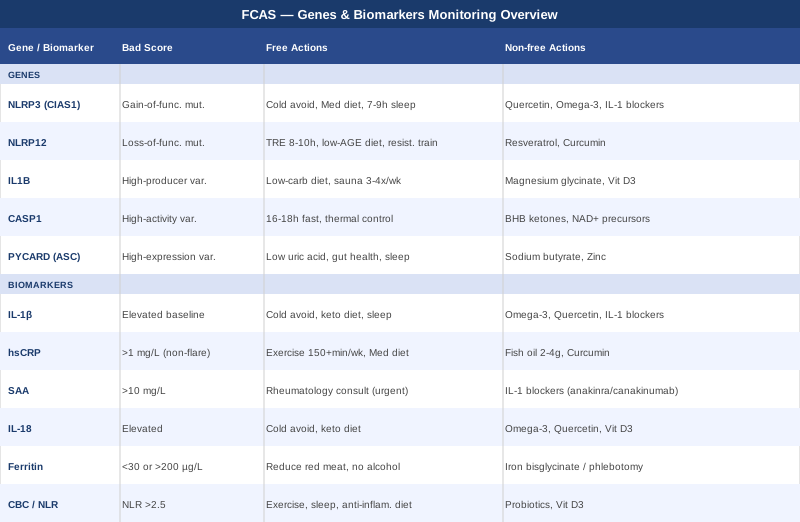
The 5 Key Genes in Familial Cold Autoinflammatory Syndrome — And What to Do About Each
Understanding the genetics of FCAS is not purely academic. Because the condition follows an autosomal dominant pattern with high penetrance, knowing which variant you carry — and understanding what that variant does molecularly — helps you and your medical team make smarter decisions about monitoring, treatment, and lifestyle. The gene-by-gene breakdown below reflects current human evidence, with honest notes about where that evidence is strong and where it is still emerging.
Gene 1: NLRP3 (CIAS1) — The Master Driver
NLRP3 encodes cryopyrin, the central protein of the NLRP3 inflammasome complex. In FCAS, gain-of-function mutations in this gene cause the inflammasome to activate with far less stimulus than normal — including the stimulus of mild cold. When activated, the NLRP3 inflammasome cleaves pro-caspase-1 into active caspase-1, which then processes pro-interleukin-1β and pro-IL-18 into their mature, highly inflammatory forms. More than 180 pathogenic variants in NLRP3 have been identified in CAPS patients, with FCAS typically caused by milder variants concentrated in exon 3. The GeneReviews entry on CAPS remains the most authoritative clinical reference for variant classification.
If the NLRP3 variant is confirmed — the plan without supplements: Cold avoidance is the most direct and evidence-grounded intervention. This means practical layer strategies in daily life, monitoring ambient temperature thresholds that personally trigger episodes (usually below 10–15°C for most patients), and using heated car seats, clothing insulation, and indoor temperature regulation. Regular aerobic exercise at moderate intensity — performed indoors in a temperature-controlled environment — helps maintain metabolic flexibility and reduces baseline inflammatory tone without the cold-exposure trigger. A Mediterranean-style dietary pattern with high polyphenol intake (olive oil, leafy greens, legumes) has demonstrated reductions in NLRP3 inflammasome activation in human observational and intervention studies. Frequency: daily consistency matters more than any single intervention. Sleeping 7.5–9 hours in a consistently warm room is not a trivial point — sleep deprivation robustly activates NLRP3 signaling.
If the NLRP3 variant is confirmed — the plan with supplements or equipment: The best-supported compound for NLRP3 inflammasome inhibition in humans is colchicine, though it is prescription-only and requires physician supervision. For over-the-counter or lifestyle supplement approaches, quercetin (500–1000 mg/day, taken with meals to improve absorption) has demonstrated direct NLRP3 inflammasome inhibition in preclinical studies and some human inflammatory models. Omega-3 fatty acids (EPA + DHA combined, 2–4 g/day from fish oil or algae-based sources) reduce upstream arachidonic acid competition and downstream prostaglandin production, indirectly lowering NLRP3 activation signals. Cycling: continuous use is generally well-tolerated for omega-3s; quercetin is often taken for 8–12 weeks followed by a reassessment period. Side effects: omega-3s at higher doses may affect platelet aggregation; always discuss with your physician if you are on anticoagulants. The primary pharmacological treatment for FCAS — anakinra or canakinumab — works by blocking IL-1β directly and represents the current standard of care when episodes are frequent and severe.
Gene 2: NLRP12 — The FCAS2 Variant
NLRP12 is less well-known but clinically important. Loss-of-function mutations in NLRP12 cause a condition called FCAS2 or NLRP12-associated autoinflammatory disease, which presents similarly to FCAS but with some distinct features including more prominent lymphadenopathy and neurological symptoms in some patients. Where NLRP3 mutations cause gain-of-function (the inflammasome is overactive), NLRP12 mutations represent a loss of a normal braking mechanism — NLRP12 typically suppresses NF-κB signaling, so its loss leads to constitutive NF-κB activation and chronic inflammation. Genetic testing that sequences only NLRP3 will miss FCAS2, which is why a comprehensive CAPS gene panel is recommended for patients who present with cold-triggered autoinflammatory symptoms but test negative for NLRP3.
If the NLRP12 score is poor — the plan without supplements: Because NLRP12 dysfunction leads to elevated NF-κB activity, interventions that naturally suppress NF-κB without pharmacological inhibitors are relevant. Time-restricted eating (a feeding window of 8–10 hours) has demonstrated reductions in NF-κB activation markers in human trials, likely through autophagy upregulation and AMPK activation. Reducing dietary advanced glycation end-products (AGEs) — found in high-temperature-cooked, processed foods — lowers one major upstream NF-κB stimulus. Physical activity, particularly resistance training 3 times per week, shows consistent evidence of post-exercise NF-κB suppression in resting tissue.
If the NLRP12 score is poor — the plan with supplements or equipment: Resveratrol (250–500 mg/day with a fat-containing meal for better absorption) has shown NF-κB suppression in human inflammatory studies. Curcumin (with piperine or in a phospholipid-complexed form, 500–1500 mg/day) is one of the most studied NF-κB inhibitors in humans. Because NLRP12 is less studied than NLRP3 in clinical trials, the evidence base for targeted supplementation is largely extrapolated from NF-κB biology. Cycling: curcumin and resveratrol are often used in 12-week cycles with periodic breaks. Side effects: curcumin at high doses may interact with anticoagulants and iron absorption; take 2 hours apart from iron-containing supplements.
Gene 3: IL1B — The Cytokine Gene
IL1B encodes interleukin-1 beta, the primary downstream effector of NLRP3 inflammasome activation. While IL1B mutations are not the cause of FCAS itself, common functional polymorphisms in IL1B — particularly rs16944 and rs1143634 — influence baseline and stimulated IL-1β production. Individuals who carry high-producer variants in IL1B on top of an NLRP3 or NLRP12 mutation may experience more severe or more frequent episodes, because the machinery for producing IL-1β is running at higher baseline output. This gene-by-gene interaction concept is increasingly recognized in inflammasome biology, even if large FCAS-specific studies remain limited.
If the IL1B variant is high-producer — the plan without supplements: Dietary patterns that reduce IL-1β induction matter here. A low-refined-carbohydrate diet consistently reduces stimulated IL-1β production in human clinical trials — one well-cited mechanism is through reduced NLRP3 priming signal from glucose-driven reactive oxygen species. Regular sauna use (15–20 minutes at 80–100°C, 3–4 times per week) has shown reductions in circulating IL-1β in Finnish cohort studies, though FCAS patients need to be cautious about transitioning from the sauna to cold environments, which would negate the benefit and potentially trigger a flare.
If the IL1B score is poor — the plan with supplements or equipment: Magnesium glycinate (300–400 mg/day in the evening) has shown modest reductions in IL-1β in human inflammatory studies and addresses a widespread nutrient insufficiency. Vitamin D3 (2000–5000 IU/day, calibrated to serum 25-OH-D targets of 40–60 ng/mL) suppresses IL-1β at the transcriptional level and is strongly recommended given that indoor-bound FCAS patients are at higher risk of deficiency. Side effects: vitamin D at high doses requires monitoring of serum calcium; pair with K2 (100 mcg/day) and test 25-OH-D every 3 months when adjusting dosage.
Gene 4: CASP1 — The Caspase-1 Gene
CASP1 encodes caspase-1, the enzymatic executioner within the inflammasome complex. Once the NLRP3 inflammasome assembles, it recruits and activates caspase-1, which processes both IL-1β and IL-18 into their biologically active forms and also initiates pyroptosis — a form of inflammatory cell death. Genetic variants in CASP1 that increase enzymatic efficiency or baseline expression amplify the downstream effects of NLRP3 activation. While CASP1 mutations do not cause FCAS independently, they may modify disease severity in established CAPS patients. Early evidence from ex vivo studies suggests that individuals with high-activity CASP1 variants show significantly higher IL-18 responses to cold stimulation.
If the CASP1 variant is high-activity — the plan without supplements: Fasting periods of 16–18 hours suppress caspase-1 activation through ketone body production — beta-hydroxybutyrate directly inhibits NLRP3 inflammasome assembly and caspase-1 activation, as demonstrated in human and animal studies. Even moderate ketogenic dietary approaches (under physician guidance) can meaningfully reduce inflammasome output. Physical environment control remains key: sudden thermal shifts appear to be the most potent CASP1-dependent trigger in FCAS patients.
If the CASP1 score is poor — the plan with supplements or equipment: Exogenous ketone supplements (beta-hydroxybutyrate salts, 10–15 g before potentially cold-exposed periods) represent an emerging strategy with mechanistic evidence but limited FCAS-specific clinical data. NAD+ precursors such as NMN or NR (250–500 mg/day) support mitochondrial function and have shown indirect inflammasome suppression effects by reducing reactive oxygen species that prime caspase-1. Cycling: ketone supplements are generally used situationally rather than daily. Side effects: GI discomfort at higher doses of ketone salts is common; start with half-doses.
Gene 5: PYCARD (ASC) — The Inflammasome Scaffold
PYCARD encodes the ASC protein (Apoptosis-associated Speck-like protein containing a CARD), the structural adapter that bridges NLRP3 to caspase-1 and is essential for functional inflammasome assembly. Variants in PYCARD that affect ASC expression or stability can either amplify or dampen inflammasome output. In FCAS, elevated ASC speck formation — a visible marker of inflammasome activation detectable in blood — has been proposed as both a biomarker and a modifier of severity. Research groups in Europe and the US are developing ASC speck quantification as a clinical tool, though it is not yet widely available.
If the PYCARD variant is high-expression — the plan without supplements: Reducing upstream danger signals that prompt ASC speck nucleation is the most accessible strategy. This means controlling uric acid levels (through reducing fructose and purine-rich foods), maintaining gut barrier integrity (to reduce bacterial LPS translocation, a potent ASC nucleation signal), and ensuring adequate sleep quality (ASC specks clear more efficiently during slow-wave sleep in animal models).
If the PYCARD score is poor — the plan with supplements or equipment: Short-chain fatty acid support via dietary fiber or direct butyrate supplementation (1–3 g/day sodium butyrate) strengthens intestinal barrier function and reduces LPS-driven ASC activation. Zinc (15–30 mg/day as zinc picolinate or bisglycinate) has direct evidence for inhibiting NLRP3/ASC complex assembly in human cell studies. Side effects: zinc above 40 mg/day competes with copper absorption; add a copper cofactor (1–2 mg/day) if using higher zinc doses long-term.
Moving from genetics to measurable outcomes, biomarkers give you the real-time feedback that genes alone cannot provide. They tell you whether the genetic tendencies you carry are currently expressed — and whether your interventions are working.
6 Biomarkers Worth Tracking if You Have FCAS
The following biomarkers are chosen for their direct relevance to FCAS pathophysiology, their practical measurability, and their ability to guide both clinical and lifestyle decisions. They are not all equally accessible — some require specialist ordering — but each provides unique information.
Biomarker 1: IL-1β (Interleukin-1 Beta)
Why it matters: IL-1β is the primary inflammatory mediator in FCAS. Everything in NLRP3 biology ultimately converges here. Elevated IL-1β drives fever, rash, joint inflammation, and the amyloid A production that, over years, can lead to systemic amyloidosis. Tracking IL-1β levels allows you to measure whether your baseline inflammatory state is controlled or whether it is running elevated between episodes.
How to measure it: IL-1β can be measured in serum or plasma by ELISA. It is not included in standard panels and requires specific ordering. Cost: $80–$200 depending on the laboratory, typically not covered by standard insurance panels unless justified by diagnosis. Some research centers offering CAPS follow-up include it in disease activity monitoring. Levels should be drawn during a clinically stable, non-flare period for baseline, and ideally repeated during a flare to capture the delta.
If the score is bad — the plan without supplements: Cold avoidance, ketogenic dietary adaptation (which directly reduces inflammasome-driven IL-1β), anti-inflammatory dietary patterns, and optimization of sleep architecture are the primary levers. A flare diary cross-referenced with measured IL-1β values helps identify personal trigger thresholds.
If the score is bad — the plan with supplements or equipment: Omega-3 fatty acids (2–4 g EPA+DHA daily), quercetin (500 mg with meals), and vitamin D3 optimization (to 40–60 ng/mL serum 25-OH-D) all have human evidence for IL-1β reduction. The biological gold standard remains IL-1 blockade with anakinra or canakinumab under physician care. Frequency: recheck IL-1β at 12 weeks after any significant intervention change.
Biomarker 2: High-Sensitivity CRP (hsCRP)
Why it matters: C-reactive protein is the most accessible general inflammation marker, and its high-sensitivity version (hsCRP) can detect subclinical inflammation even between flares. In FCAS patients, hsCRP values above 1 mg/L between episodes suggest ongoing low-grade inflammasome activity. Cardiologist Peter Attia consistently emphasizes hsCRP as a cardiovascular risk modifier — a concern especially relevant in chronic inflammatory conditions where vascular inflammation compounds over time.
How to measure it: hsCRP is widely available in standard labs. Cost: $15–$40, frequently covered by insurance as part of a metabolic or cardiovascular panel. Target: below 0.5 mg/L between FCAS flares; values above 1 mg/L in the non-flare state should prompt review of disease control.
If the score is bad — the plan without supplements: Exercise (150+ minutes/week of moderate aerobic activity in a warm environment), Mediterranean dietary adherence, weight management, and sleep optimization consistently reduce hsCRP in human trials. Each of these carries a meaningful effect size.
If the score is bad — the plan with supplements or equipment: Fish oil (2–4 g/day), curcumin in bioavailable form (500–1000 mg/day), and statin therapy (if cardiovascular risk is also elevated) have the strongest human evidence for hsCRP reduction. For FCAS patients specifically, IL-1 blockade almost invariably normalizes hsCRP. Recheck: every 3 months while optimizing.
Biomarker 3: Serum Amyloid A (SAA)
Why it matters: Serum amyloid A is, arguably, the most critical long-term safety biomarker in FCAS. When IL-1β chronically elevates SAA production in the liver, amyloid fibrils can deposit in the kidneys, gut, and other organs — a serious complication called AA amyloidosis that can lead to renal failure. Keeping SAA consistently below 10 mg/L is the primary goal in CAPS management per European league against rheumatism guidelines. This is not a marker you track out of academic curiosity; it is a proxy for whether your treatment is genuinely protective.
How to measure it: SAA is not in every standard lab panel and typically requires specific ordering or reference lab testing. Cost: $50–$150. It is often ordered alongside CRP by CAPS specialists. Some centers monitor it quarterly in untreated or undertreated patients.
If the score is bad — the plan without supplements: Persistent SAA elevation in the absence of effective pharmacological IL-1 blockade is a medical emergency in the long-term sense — it signals inadequate disease control and should prompt urgent rheumatology consultation. Lifestyle measures alone are insufficient if SAA is consistently elevated above 10 mg/L.
If the score is bad — the plan with supplements or equipment: IL-1 blockade (anakinra, canakinumab) is the only intervention with demonstrated rapid SAA normalization in FCAS/CAPS. Anti-inflammatory dietary and supplement strategies may provide marginal support but should not be considered adequate treatment for elevated SAA. Recheck: monthly when SAA is elevated, then every 3 months once stable below 10 mg/L.
Biomarker 4: IL-18
Why it matters: Like IL-1β, IL-18 is a direct product of NLRP3 inflammasome activation via caspase-1. IL-18 drives interferon-gamma production and contributes to the neurological and systemic features that some FCAS patients — especially those with NLRP12 involvement — experience. Elevated IL-18 also correlates with macrophage activation risk in the broader CAPS spectrum. Measuring IL-18 alongside IL-1β provides a more complete picture of inflammasome output and helps distinguish FCAS from other autoinflammatory conditions.
How to measure it: IL-18 is a specialty lab test, not widely available outside academic medical centers or reference labs. Cost: $100–$300. More commonly ordered in suspected cases of MAS (macrophage activation syndrome) or for CAPS disease activity research protocols.
If the score is bad — the plan without supplements: The same inflammasome-modulating strategies that address IL-1β also reduce IL-18 production, since both share the same upstream activation pathway. Cold avoidance, ketogenic dietary approaches, and sleep optimization apply equally.
If the score is bad — the plan with supplements or equipment: No specific supplement has been validated for IL-18 reduction in FCAS. Broad NLRP3 inflammasome suppression strategies (omega-3s, quercetin, vitamin D) theoretically apply. Biologics that block IL-18 directly (such as tadekinig alfa) are in development for inflammasome disorders but are not yet standard of care for FCAS. Recheck: every 6 months in stable patients.
Biomarker 5: Ferritin
Why it matters: Ferritin serves a dual role in FCAS monitoring: it is a marker of both iron stores and acute-phase inflammation. Markedly elevated ferritin (above 500 µg/L in the absence of iron overload) signals macrophage activation or systemic inflammatory surges. Lipidologist Thomas Dayspring has highlighted ferritin as frequently overlooked in standard metabolic workups — it is inexpensive and informative. In CAPS patients, ferritin trends can track inflammatory burden over time, especially during treatment transitions.
How to measure it: Ferritin is part of most standard iron panels. Cost: $15–$40, widely covered. Target range: 30–150 µg/L in women, 30–200 µg/L in men, for the non-flare state. Very low ferritin (below 30) is its own problem — fatigue and immune dysfunction — so the goal is the middle range.
If the score is bad — the plan without supplements: High ferritin in FCAS is best addressed by improving overall disease control rather than directly targeting ferritin. Reducing red meat in favor of plant-based iron sources, and avoiding alcohol (which elevates ferritin independently of inflammation), are practical first steps.
If the score is bad — the plan with supplements or equipment: If ferritin is high due to iron overload rather than inflammation, therapeutic phlebotomy under physician supervision is the treatment. If ferritin is low, iron bisglycinate (25 mg/day, taken with vitamin C, away from calcium and tea) is the gentlest form. Recheck: every 3 months while adjusting.
Biomarker 6: Complete Blood Count with Differential (Neutrophils and Eosinophils)
Why it matters: The CBC provides a window into acute and chronic leukocyte dynamics. In FCAS, neutrophilia during flares is characteristic, reflecting IL-1β-driven granulopoiesis. Between flares, a persistent subtle neutrophilia or eosinophilia can indicate ongoing subclinical inflammation. The neutrophil-to-lymphocyte ratio (NLR) — derivable from a standard CBC — is increasingly used as a systemic inflammatory index in autoinflammatory conditions and correlates with disease activity better than either count alone.
How to measure it: Standard CBC with differential. Cost: $15–$30, universally available and covered. Calculate NLR by dividing the absolute neutrophil count by the absolute lymphocyte count. A resting NLR above 2.5 in an FCAS patient warrants attention.
If the score is bad — the plan without supplements: Chronic exercise training consistently lowers resting NLR. Adequate sleep (7.5–9 hours) supports lymphocyte replenishment. An anti-inflammatory diet with high polyphenol content and low ultra-processed food load has shown improvements in NLR in metabolic and inflammatory cohort studies.
If the score is bad — the plan with supplements or equipment: Probiotic supplementation (multi-strain, 10–50 billion CFU/day) has shown modest NLR reductions in human trials involving chronic inflammatory conditions. Vitamin D3 optimization is also relevant here, as deficiency is associated with impaired lymphocyte counts. Recheck: with every quarterly lab draw.
What Inflammasome Science Teaches Us That Most Doctors Won't Tell You
The Inflammasome: The Key to Understanding Modern Diseases by Jürg Tschopp and the body of work it inspired — along with Sid Bhatt, Kristin Manthey, and the NIH CAPS research group's published findings — form one of the most important frameworks for understanding FCAS that most patients never encounter. More practically accessible is the work of Dr. Raphaela Goldbach-Mansky at the NIH, who has published extensively on CAPS patient outcomes and inflammasome biology in a way that bridges molecular science and clinical medicine. Her research group's findings offer ten things every FCAS patient and caregiver would benefit from understanding.
1. The NLRP3 inflammasome does not need a classic infection to activate in FCAS
In healthy individuals, the inflammasome assembles in response to real threats like bacterial toxins or viruses. In FCAS, the mutant cryopyrin lowers the activation threshold so dramatically that physical stimuli — cold temperatures, mechanical stress — are sufficient. This is not an immune overreaction in the psychological sense; it is a hardwired structural change in the protein.2. IL-1β is the therapeutic target, not the disease
Blocking IL-1β with anakinra or canakinumab does not fix the underlying genetic defect, but it can reduce flare frequency and severity dramatically and — crucially — normalize SAA and prevent amyloidosis. The distinction matters because patients sometimes delay treatment hoping lifestyle changes alone will be sufficient. For moderate-to-severe FCAS, they are not.3. Cold avoidance thresholds are individual and should be measured
Most FCAS patients have a personal threshold temperature below which episodes reliably occur. That threshold is not universal. Goldbach-Mansky's team found significant inter-patient variation even among those sharing the same NLRP3 variant. Keeping a structured flare diary linked to environmental temperature data is more informative than general cold-weather avoidance.4. FCAS is underdiagnosed, especially in milder variants
Patients with milder NLRP3 variants may have been told for years they have "hives" or "cold urticaria," which is a different and non-genetic condition. The distinction matters enormously for treatment — antihistamines do not touch inflammasome-driven rash, while IL-1 blockade typically does.5. Amyloidosis risk is real and preventable
The research consistently shows that sustained SAA elevation — not occasional flares — drives amyloid deposition. Patients who achieve consistent SAA normalization through IL-1 blockade have amyloidosis rates approaching zero. This is one of the strongest arguments for early, consistent treatment.6. Neurological involvement is more common than recognized
Headaches, sensorineural hearing loss (particularly in Muckle-Wells syndrome, the adjacent CAPS phenotype), and mild cognitive effects during flares reflect IL-1β and IL-18 activity in the central nervous system. FCAS patients experiencing any neurological symptom pattern should discuss expanded CAPS evaluation with their specialist.7. Pregnancy and FCAS requires specialized planning
IL-1 blockers cross the placenta to varying degrees. Anakinra has the most safety data in pregnancy among CAPS biologics. Uncontrolled FCAS activity during pregnancy carries its own risks. This is not an area for improvisation — it requires preconception coordination with a rheumatologist experienced in CAPS.8. Genetic testing should include a full CAPS panel, not just NLRP3
NLRP12, and in some cases somatic mosaicism in NLRP3 detectable only by deep sequencing, account for a meaningful proportion of clinically clear CAPS cases with initially negative standard genetic tests. If your NLRP3 panel was negative but your clinical picture is strongly consistent with FCAS, deeper genetic evaluation is warranted.9. Beta-hydroxybutyrate directly inhibits NLRP3 inflammasome assembly
This finding — published in a landmark Nature Medicine paper by Youm et al. — showed that the ketone body BHB directly blocks NLRP3 inflammasome assembly in macrophages by preventing potassium efflux. This is the biological basis for why ketogenic dietary approaches may have a role in FCAS management as a complement (not replacement) to medical treatment.10. Patient registries are actively recruiting and matter
Given the rarity of FCAS, data from patient registries directly drives research. Eurofever and the NIH's CAPS research protocols offer patients the dual benefit of specialized expert evaluation and contribution to the evidence base that will improve care for the next generation.Complementary Approaches With Meaningful Human Evidence
The following modalities are selected specifically for their relevance to autoinflammatory disease, their human clinical evidence base, and their practical compatibility with FCAS management. They are not alternatives to medical treatment — they are potential additions that address aspects of the condition that biologics and genetics alone do not fully reach.
The Autoimmune Protocol (AIP) — Sarah Ballantyne
The Autoimmune Protocol, developed by Dr. Sarah Ballantyne and detailed in The Paleo Approach, is a structured elimination and reintroduction dietary framework designed to reduce gut permeability, modulate immune function, and lower systemic inflammation. For FCAS and other autoinflammatory conditions, its relevance lies in the gut-inflammasome axis: intestinal permeability allows bacterial lipopolysaccharides (LPS) to reach the bloodstream, where they prime the NLRP3 inflammasome and lower the activation threshold further. Reducing this priming signal is a rational complement to IL-1 blockade.
The protocol begins with a 30–90 day elimination phase removing grains, legumes, dairy, eggs, nightshades, nuts and seeds, alcohol, and NSAIDs — all foods with evidence for increasing gut permeability or immune stimulation. Reintroduction is systematic, one food at a time, with symptom tracking. A 2017 clinical trial published in Inflammatory Bowel Diseases demonstrated clinically meaningful improvements in inflammatory bowel disease patients following AIP, representing one of the stronger human study results for this protocol in an inflammatory condition.
For FCAS patients, the most practical implementation starts with the elimination phase under a registered dietitian's supervision to avoid nutritional deficiencies (particularly calcium, vitamin D, and B vitamins). The protocol should be treated as a structured experiment, not a permanent restrictive diet. Most patients find the reintroduction phase as informative as the elimination phase — identifying individual food triggers that amplify their inflammatory baseline.
Mindfulness-Based Stress Reduction (MBSR)
Chronic inflammatory conditions reliably activate the HPA (hypothalamic-pituitary-adrenal) axis, and cortisol dysregulation in turn modulates NLRP3 inflammasome sensitivity. While stress does not cause FCAS, there is meaningful human evidence that MBSR reduces circulating inflammatory markers including IL-6 and CRP. A meta-analysis in Brain, Behavior, and Immunity covering 20 randomized controlled trials found MBSR consistently reduced inflammatory biomarkers compared to active controls.
The standard MBSR program is an 8-week course involving 2.5-hour weekly sessions, a day-long retreat, and approximately 45 minutes of daily home practice. It was developed by Jon Kabat-Zinn at the University of Massachusetts and has been replicated across dozens of institutions globally. Key practices include body scan meditation, mindful movement, and sitting meditation focused on breath and sensation.
For FCAS patients, the most relevant application is the reduction of anticipatory stress around potential flares — a common pattern where anxiety about cold exposure and episode risk creates a physiological state that amplifies inflammatory readiness. MBSR does not require belief in any particular framework; it is a skills-based practice that can be learned through in-person programs, validated apps, or the free resources available through UMass Medical School's Center for Mindfulness.
Breathing-Based Therapies
Controlled breathing techniques, particularly those that extend the exhalation phase or involve slow diaphragmatic breathing at 5–6 breaths per minute, activate the parasympathetic nervous system and have measurable anti-inflammatory effects. A study published in the Proceedings of the National Academy of Sciences examining Wim Hof Method practitioners — a breathing + cold exposure combination — showed that voluntarily activated autonomic responses significantly reduced inflammatory markers after endotoxin challenge. For FCAS patients, the cold exposure component of the Hof Method is contraindicated, but the breathing component translates directly.
Resonance frequency breathing (approximately 5.5 breaths per minute) has the strongest evidence for vagal tone improvement and inflammatory marker reduction. The technique is simple: inhale for approximately 5.5 seconds, exhale for approximately 5.5 seconds, repeated for 10–20 minutes. This can be guided by a simple paced breathing audio track or an HRV biofeedback device (Polar H10 paired with Elite HRV app represents an accessible entry point).
Practical implementation for FCAS: 10–20 minutes of resonance frequency breathing daily, ideally in the morning before leaving a warm indoor environment. HRV biofeedback devices (cost: $80–$150 for a chest strap and app combination) add objective feedback on training response. Avoid hyperventilation-based techniques (like tummo or rapid Wim Hof breathing) which can alter arterial CO2 in ways that may destabilize inflammatory homeostasis.
Microbiome-Directed Therapies
The gut-inflammasome connection in FCAS is mechanistically plausible and increasingly supported by human data from related autoinflammatory conditions. Dysbiosis — an imbalance in gut microbial composition — elevates intestinal permeability and circulating LPS, which primes NLRP3. Microbiome-directed interventions aim to restore barrier function and shift the microbial composition toward LPS-reducing, short-chain fatty acid-producing species. While FCAS-specific microbiome trials do not yet exist, data from IBD, rheumatoid arthritis, and familial Mediterranean fever studies support the general principle.
The most evidence-supported microbiome intervention is dietary fiber diversity — specifically, aiming for 30+ distinct plant species per week, which is associated with higher microbial diversity in the British Journal of Nutrition analysis of the American Gut Project. This is a structural dietary change, not a supplement. Specific probiotic strains with human evidence for gut barrier support include Lactobacillus rhamnosus GG and Bifidobacterium longum, available as commercial single or multi-strain preparations.
For FCAS patients, the practical starting point is the dietary fiber diversity approach, which is free, evidence-based, and compatible with any other treatment. If adding probiotics, start with a single-strain preparation for 4–6 weeks before assessing response. Stool microbiome testing (through clinical labs or validated direct-to-consumer services) can provide a baseline and post-intervention comparison, though interpretation standards are still evolving.
Conclusion
Familial Cold Autoinflammatory Syndrome is one of the rare inflammatory conditions where the science has caught up sufficiently to offer genuinely specific guidance. The five genes reviewed here — NLRP3, NLRP12, IL1B, CASP1, and PYCARD — represent different points in the same inflammatory cascade, and understanding which variants you carry helps prioritize both medical and lifestyle interventions with more precision than generic anti-inflammatory advice allows. The six biomarkers — IL-1β, hsCRP, SAA, IL-18, ferritin, and CBC with NLR — give you a monitoring framework that can catch problems early, track treatment response, and prevent the long-term complication of amyloidosis that makes untreated FCAS genuinely dangerous over decades.
None of this replaces a rheumatologist experienced in CAPS. But it gives you the vocabulary, the testing framework, and the lifestyle evidence base to be a far more informed participant in your own care. The next smart step is choosing one concrete action from this article — whether that is requesting a full CAPS gene panel, adding SAA to your next lab draw, or beginning an AIP dietary trial — and tracking what changes. Better information, translated into consistent small decisions, is how outcomes actually improve.
Musculoskeletal: Joint Conditions
Skin: Inflammatory Skin Conditions
Autoimmune: Inflammatory Conditions