This article contains AI generated content.
· UpdatedFelty's Syndrome Genes and Biomarkers — 7 Genes and 7 Biomarkers to Track
Introduction
Felty's syndrome sits at a crossroads that most rheumatology guidelines barely acknowledge. It is rare enough that many physicians encounter it only a handful of times in their career, yet its consequences — recurrent serious infections, an elevated lymphoma risk, and progressive joint destruction — are anything but minor. Most people who receive this diagnosis are told to escalate their rheumatoid arthritis treatment and monitor blood counts. That advice is not wrong, but it is radically incomplete.
The triad of long-standing rheumatoid arthritis, spleen enlargement, and dangerously low neutrophil counts does not emerge from a single pathway. Genetics shape how aggressively the immune system misfires. Ongoing cytokine activity determines how deeply neutrophil reserves are depleted. Clonal expansions of abnormal lymphocytes can drive the neutropenia independently of the spleen. Without tracking specific markers, it is nearly impossible to know which mechanism dominates in a given patient — and therefore impossible to choose the most targeted intervention.
That is why this article takes a more granular approach. Rather than restating what DMARDs and G-CSF can do, it identifies the seven biomarkers that most precisely reveal what is happening in real time, and the seven genes whose variants most meaningfully raise risk or alter treatment response. Both angles answer a different but complementary question: where are you right now, and what is your underlying biology predisposing you toward?
Better data leads to better decisions. Understanding your ANC trend, your anti-CCP titer, your LGL fraction, or your STAT3 mutation status does not replace your rheumatologist — but it gives you and your physician a shared map that generic protocol management simply cannot provide. The sections below will walk through the most actionable biomarkers first, followed by the genetic and epigenetic factors that shape long-term trajectory.
7 Biomarkers That Reveal What Is Actually Happening in Felty's Syndrome
Felty's syndrome is rare enough that laboratory reference ranges were not designed with it in mind. The seven markers below were selected because each illuminates a distinct mechanism: immune dysregulation, neutrophil depletion, inflammation load, clonal T-cell activity, or complement consumption. Tracking them together creates a picture that any single result cannot provide alone.
Biomarker 1 — Absolute Neutrophil Count (ANC)
Why it matters: The ANC is the defining laboratory feature of Felty's syndrome. Neutrophils are the first line of defence against bacterial and fungal pathogens, and when the ANC drops below 1.5 × 10⁹/L the infection risk rises markedly. Below 0.5 × 10⁹/L — severe neutropenia — hospitalisation-level infections, including pneumonia and bacteraemia, become a realistic near-term risk rather than a theoretical concern.
What it reveals: A persistently low ANC points to one or more of three mechanisms: splenic sequestration of neutrophils, anti-neutrophil antibodies driving immune destruction, or clonal large granular lymphocyte (LGL) expansion suppressing bone marrow output. Distinguishing among these requires pairing the ANC with bone marrow biopsy results and the LGL count, but the ANC trend alone tells you how urgent intervention is.
How to measure it: Standard complete blood count with differential (CBC-diff), available at any clinical laboratory. Cost: typically $15–$40 for the CBC component. Serial monitoring every 4–8 weeks during active disease or therapy adjustment is standard practice.
If the ANC is critically low — plan without supplements
Strict infection-avoidance hygiene (surgical mask in crowded settings, prompt treatment of any fever above 38°C as a medical emergency), removal of unnecessary immunosuppressants if possible, and rigorous monitoring of any procedural risk. These steps do not raise the ANC but are the only free tools that directly prevent the most dangerous consequence of low counts.If the ANC is critically low — plan with medical and supplement support
G-CSF (filgrastim) at low doses (1–3 mcg/kg subcutaneously 2–3×/week) is the most evidence-supported pharmacological tool for raising the ANC in Felty's. It stimulates bone marrow neutrophil production and can lift the ANC above the critical threshold within days. Cycling is typically continuous during high-risk periods, with dose titration every 2–4 weeks. Side effects include bone pain (often managed with paracetamol), rare splenic rupture, and theoretical stimulation of LGL clones in patients with underlying LGL lymphocytosis — which is why LGL count must be checked before initiation. Splenectomy remains an option in refractory, transfusion-dependent cases and produces lasting ANC normalisation in roughly 80% of patients, though surgical mortality risk must be weighed carefully in patients already on immunosuppression.Biomarker 2 — Rheumatoid Factor (RF) with Titer
Why it matters: RF is positive in virtually 100% of Felty's syndrome cases, typically at very high titers (>1:160 or >200 IU/mL). While RF is present in around 80% of RA broadly, extreme titers are strongly associated with extra-articular manifestations — precisely the category Felty's belongs to.
What it reveals: High RF reflects an intense B-cell-driven immune response producing immunoglobulins against IgG. These immune complexes activate complement, deposit in vessels, and feed the inflammatory cycle sustaining splenomegaly and neutrophil consumption. Serial RF titers under effective treatment provide a crude but accessible proxy for immune activity and DMARD adequacy.
How to measure it: Nephelometry or ELISA-based RF assay, included in most standard autoimmune panels. Cost: $20–$60. Repeat every 6 months during stable disease; more frequently when changing therapy.
If RF titer remains very high — plan without supplements
Dietary strategies that reduce immune complex formation include eliminating ultra-processed seed oils, increasing omega-3 fatty acid-rich foods (oily fish 3–4×/week), and adopting an anti-inflammatory whole-food diet. These won't normalise RF but consistently reduce the inflammatory burden that amplifies its pathological effects. Exercise at moderate intensity (30 minutes, 5 days/week) reduces systemic inflammatory tone over weeks to months.If RF titer remains very high — plan with supplements or medical escalation
High-dose prescription-grade omega-3 (EPA+DHA 3–4 g/day) has demonstrated modest RF reduction in RA trials when maintained for at least 12 weeks. Fish oil supplementation should be cycled with medical supervision and paused 2 weeks before any surgery. Methotrexate and hydroxychloroquine represent the backbone pharmacological option; rituximab (anti-CD20) produces the most dramatic RF reductions, often by 60–80%, in patients who have failed first-line DMARDs.Biomarker 3 — Anti-CCP Antibodies (ACPA)
Why it matters: Anti-citrullinated protein antibodies (anti-CCP) are more specific to RA than RF and are strongly predictive of structural damage and extra-articular severity. In Felty's syndrome, very high ACPA titers are nearly universal and correlate with the degree of immune dysregulation driving the syndrome. Research published through the NIH-associated PubMed database consistently shows that patients with ACPA-positive RA progress to extra-articular manifestations more rapidly than seronegative patients.
What it reveals: ACPA reflects a specific autoimmune tolerance breakdown against citrullinated proteins generated during inflammation or cellular stress. The magnitude of the titer correlates with erosive disease burden and, indirectly, with how hard the immune system is working against self-tissue.
How to measure it: Second-generation anti-CCP ELISA (CCP2), widely available. Cost: $30–$80. Baseline measurement plus repeat testing every 12 months under DMARD therapy.
If anti-CCP is very high — plan without supplements
Smoking cessation is the single most evidence-supported free intervention. Smoking is the strongest modifiable risk factor for ACPA positivity and titers — it acts through citrullination of lung proteins. Quitting smoking measurably reduces ACPA titers over 12–24 months. Periodontal disease treatment is a meaningful and underused second step: Porphyromonas gingivalis drives protein citrullination in the gum, directly feeding ACPA production.If anti-CCP is very high — plan with supplements or medical support
Triple DMARD therapy (methotrexate + sulfasalazine + hydroxychloroquine) is standard when anti-CCP titers are extreme and joint/systemic disease is active. For patients who do not achieve remission on conventional DMARDs, targeted biologics — particularly abatacept (CTLA4-Ig, see genetics section) or rituximab — directly suppress B-cell-driven ACPA production. Vitamin D at 2000–4000 IU/day is a low-risk adjunct that modulates Treg/Th17 balance, though it is not a substitute for DMARD therapy.Biomarker 4 — CRP and ESR
Why it matters: C-reactive protein (CRP) and erythrocyte sedimentation rate (ESR) are the most commonly used systemic inflammation markers. In Felty's syndrome, chronically elevated CRP and ESR reflect ongoing cytokine activity — particularly IL-6 and TNF — that drives the spleen to expand, accelerates joint damage, and maintains the immune environment that depletes neutrophils. These are not glamorous biomarkers, but their trend under treatment is one of the most accessible signals of whether the underlying disease is being adequately controlled.
What it reveals: CRP above 10 mg/L (or high-sensitivity CRP above 3 mg/L for lower-grade inflammation) with ESR above 30–40 mm/h indicates active systemic inflammation. In the context of Felty's, it suggests that cytokine-mediated mechanisms are ongoing regardless of whether joint symptoms are well-suppressed.
How to measure it: Standard blood panel, typically $10–$30 combined. Check every 4–8 weeks during therapy titration; every 3 months during stable remission.
If CRP/ESR remain elevated — plan without supplements
Sleep optimisation (7–9 hours/night) reduces IL-6 and CRP significantly — studies show a 25–40% reduction in CRP with sleep restoration alone in chronically sleep-deprived individuals. A Mediterranean diet pattern (olive oil, fish, vegetables, legumes, minimal red meat) reduces CRP by an average of 20% within 8 weeks in inflammatory conditions. Walking 30 minutes/day has demonstrated CRP reduction comparable to low-dose aspirin in several trials.If CRP/ESR remain elevated — plan with supplements or medical support
Curcumin (BCM-95 or phospholipid-complexed formulation) at 1000 mg/day reduces CRP in RA with an effect size comparable to low-dose NSAIDs after 6–8 weeks of continuous use — cycle on for 12 weeks, off for 4. Side effects: rare GI upset; avoid in patients on anticoagulants. Boswellic acid (500–1000 mg/day) has complementary anti-inflammatory mechanisms. Pharmaceutical escalation targets: if CRP remains above 10 mg/L on DMARD therapy, an IL-6 inhibitor (tocilizumab) or TNF inhibitor should be considered.Biomarker 5 — Large Granular Lymphocyte (LGL) Count and Clonality
Why it matters: This is the biomarker most often missed in Felty's syndrome workups that are not performed at specialist centres. LGLs are cytotoxic T-cells or NK cells that, in Felty's, frequently undergo clonal expansion and actively suppress bone marrow neutrophil production. Approximately 30–40% of Felty's patients have a clinically significant LGL lymphocytosis that is partially or fully responsible for their neutropenia — independently of splenic mechanisms.
What it reveals: An LGL count above 0.4–0.5 × 10⁹/L (roughly 10–15% of total lymphocytes) with T-cell receptor gene rearrangement confirming clonality points to LGL-driven neutropenia. This distinction matters enormously because splenectomy will not fully correct LGL-driven neutropenia, while cyclosporine (targeting T-cell function) often does.
How to measure it: Manual peripheral blood smear review with immunophenotyping by flow cytometry (CD3/CD8/CD57 panel). T-cell receptor gene rearrangement for clonality if LGL count is elevated. Cost: flow cytometry panel $150–$400; TCR gene rearrangement $300–$600. Not a routine first-line test — usually ordered at rheumatologist or haematologist direction.
If LGL count is elevated — plan without supplements
Viral trigger reduction is the only meaningful free intervention: Epstein-Barr virus (EBV) and cytomegalovirus (CMV) have been implicated in LGL clonal expansion, so avoiding close contact with viral illness sources, ensuring good respiratory hygiene, and maintaining adequate sleep to support NK cell function are relevant. LGL lymphocytosis does not self-resolve reliably, so the focus is on avoiding amplifying triggers while specialist management is established.If LGL count is elevated — plan with medical support
Low-dose cyclosporine (2.5–5 mg/kg/day) is the most commonly effective approach for LGL-driven neutropenia in Felty's, producing response in approximately 60–70% of cases within 3 months. It must be cycled with kidney function monitoring (creatinine, eGFR every 4 weeks). Methotrexate (10–15 mg/week) is an alternative for patients who cannot tolerate cyclosporine. Neither approach is permanent — discontinuation often leads to relapse, so maintenance dosing is usually required.Biomarker 6 — Complement C3 and C4
Why it matters: Complement consumption is a reliable indirect marker of active immune complex disease. In Felty's syndrome, circulating immune complexes (RF + IgG, ACPA + citrullinated proteins) continuously activate the complement cascade, leading to low C3 and C4 levels in a subset of patients. When present, low complement indicates a high-intensity immune complex burden with consequences for vascular integrity and neutrophil margination.
What it reveals: C3 below 90 mg/dL or C4 below 16 mg/dL in the context of active Felty's suggests that the classical complement pathway is being consumed at a rate that outpaces production. This pattern overlaps with lupus-associated neutropenia and may help distinguish which patients will respond best to hydroxychloroquine or belimumab versus anti-TNF agents.
How to measure it: Standard complement panel (C3, C4, CH50), available at most clinical laboratories. Cost: $30–$80. Check at baseline and then every 3–6 months when levels are abnormal.
If C3/C4 are low — plan without supplements
Reducing the antigenic burden that drives immune complex formation is the core free strategy: this means aggressively treating active joint inflammation (which generates citrullinated proteins feeding ACPA production), treating periodontal and gut infections that cross-react with self-proteins, and maintaining a diet low in processed foods that generate advanced glycation end-products. Hydration (minimum 2L water/day) supports immune complex clearance via renal filtration.If C3/C4 are low — plan with supplements or medical support
Vitamin D (2000–5000 IU/day) has documented complement-modulating activity and is consistently low in autoimmune disease populations. Hydroxychloroquine is specifically useful in complement-consuming autoimmune disease (originally derived from its lupus application) and is frequently underused in Felty's syndrome. For refractory complement depletion, escalation to belimumab (anti-BLyS) addresses the upstream B-cell activity generating immune complexes.Biomarker 7 — Serum IL-6
Why it matters: Interleukin-6 is the central cytokine connecting RA's joint destruction to its systemic complications. In Felty's syndrome, elevated IL-6 drives hepatic CRP production, anaemia of chronic disease, spleen expansion, and — critically — suppression of neutrophil differentiation in bone marrow. IL-6 can be elevated even when CRP has been partially reduced by NSAIDs, making it a more sensitive measure of the upstream inflammatory signal.
What it reveals: Serum IL-6 above 7 pg/mL (normal reference varies by lab, but values above 10–15 pg/mL in the context of Felty's reflect clinically significant activity) points to IL-6 pathway dominance. This matters because patients with IL-6-dominant profiles respond dramatically better to tocilizumab than to TNF inhibitors.
How to measure it: High-sensitivity serum IL-6 ELISA, available at specialist labs and some hospital systems. Cost: $80–$200 depending on the setting. Less commonly ordered than CRP but increasingly available. Some academic rheumatology centres include it in standard autoimmune monitoring panels.
If IL-6 is elevated — plan without supplements
Aerobic exercise (particularly zone 2 cardio — 30–45 minutes at a conversational pace, 4–5×/week) is among the most reliably documented free suppressors of IL-6. Short cold exposures (cold shower ending, 2–3 minutes at cold, 3×/week) also reduce chronic basal IL-6 through sympathetic nervous system modulation — evidence is early but consistent in small human trials. Weight loss of even 5–7% body weight reduces adipose-derived IL-6 substantially.If IL-6 is elevated — plan with supplements or medical support
Curcumin (as noted above) inhibits NF-κB and directly suppresses IL-6 transcription. Zinc supplementation (15–25 mg/day with food) normalises IL-6 in zinc-deficient autoimmune patients, a common finding. The pharmacological counterpart is tocilizumab (intravenous 8 mg/kg every 4 weeks or subcutaneous 162 mg weekly), which produces rapid and substantial ANC improvement in Felty's by removing IL-6's bone marrow suppression. Sarilumab is an alternative IL-6 receptor antagonist. Side effects of both include susceptibility to infection (ironic given the neutropenia indication) — close monitoring of liver enzymes and lipids is mandatory.Understanding these seven biomarkers as a system rather than as isolated numbers brings the management of Felty's syndrome into sharper focus. The genetics underlying each individual's disease further explains why the same biomarker pattern can respond differently across patients.
The Genetic Landscape of Felty's Syndrome: 7 Genes Worth Knowing
The genetic architecture of Felty's syndrome overlaps substantially with that of severe erosive RA, with a few important additions tied specifically to neutrophil biology. None of these variants is deterministic — having a risk allele does not mean inevitability, but it does shape trajectory and narrows the most effective treatment options.
Gene 1 — HLA-DRB1 (Shared Epitope)
The HLA-DRB1 gene encodes a major histocompatibility class II protein that presents peptides to CD4+ T-cells. Specific alleles — most importantly DRB1*04:01, *04:04, and *01:01 — share a five-amino-acid sequence (the "shared epitope") in their antigen-binding groove that is strongly associated with RA. The relative risk for Felty's in SE-positive individuals is approximately 3–5 times higher than in SE-negative RA patients. The shared epitope is found in over 95% of Felty's syndrome cases.
If carrying SE alleles — plan without supplements: Consistent avoidance of smoking (which triggers citrullination in the lung, providing the citrullinated self-peptides the SE groove presents particularly efficiently), early initiation of anti-inflammatory diet, and tight management of any RA flares to prevent progressive immune tolerance breakdown. Annual monitoring of RF, anti-CCP, and CBC.
If carrying SE alleles — plan with supplements or medical support: SE-positive patients should be initiated on DMARD therapy early after RA diagnosis — the genetic risk warrants a lower threshold. Abatacept (CTLA4-Ig fusion protein) has demonstrated superior efficacy specifically in SE-positive patients compared to TNF inhibitors in several head-to-head analyses, making genetic testing genuinely informative for treatment choice. Frequency: DMARD therapy is continuous; abatacept IV every 4 weeks or SC weekly. Side effects: infection risk, infusion reactions (IV form).
Gene 2 — PTPN22 rs2476601
PTPN22 encodes lymphoid tyrosine phosphatase (LYP), which inhibits T-cell and B-cell receptor signalling. The C1858T variant (rs2476601) creates a gain-of-function LYP that paradoxically weakens central tolerance and increases autoimmune reactivity. The T allele is found at elevated frequency across multiple autoimmune diseases including RA, type 1 diabetes, and systemic lupus erythematosus. In RA, it roughly doubles the risk, with strongest effects in anti-CCP-positive disease.
If T/T or C/T genotype — plan without supplements: Gut microbiome optimisation is the most evidence-supported free strategy. PTPN22 variants alter the threshold for regulatory T-cell (Treg) suppression, and a gut microbiome rich in butyrate-producing bacteria increases Treg differentiation through independent mechanisms. Fermented foods (kefir, kimchi, sauerkraut), prebiotic fibre (inulin, resistant starch), and avoiding unnecessary antibiotics are low-cost starting points.
If T/T or C/T genotype — plan with supplements or medical support: High-dose probiotic supplementation (multi-strain, >50 billion CFU/day, including Lactobacillus rhamnosus GG and Bifidobacterium longum) has shown measurable Treg induction in clinical trials. JAK inhibitors (tofacitinib, baricitinib) act downstream of PTPN22's T-cell signalling pathway and may be particularly effective in PTPN22-variant patients, though this remains an area of active research rather than established clinical guidance. Frequency: continuous; side effects of JAK inhibitors include infection risk, lipid elevation, and rare venous thromboembolism.
Gene 3 — STAT3 (Somatic Mutations in LGLs)
Unlike the other genes on this list, STAT3 mutations in Felty's syndrome are typically acquired (somatic) rather than inherited. Gain-of-function mutations in the SH2 domain of STAT3 are found in approximately 28–40% of patients with large granular lymphocyte (LGL) leukemia/lymphocytosis, which is the LGL clonal expansion responsible for neutropenia in a substantial proportion of Felty's patients. These mutations are not detected on standard germline genetic testing — they require bone marrow biopsy with targeted sequencing or peripheral blood T-cell clone analysis.
If STAT3 somatic mutation is present — plan without supplements: Viral trigger reduction (EBV, CMV) is the key modifiable factor — these viruses stimulate T-cell expansion and can amplify STAT3-mutated clones. Regular CBC monitoring every 4–6 weeks during active LGL expansion. Avoid anything that further suppresses NK cell activity (excessive alcohol, chronic sleep deprivation, high-dose immunosuppression without benefit).
If STAT3 somatic mutation is present — plan with medical support: Cyclosporine remains first-line for STAT3-mutated LGL-associated neutropenia. In refractory or progressive cases, low-dose methotrexate or cyclophosphamide can reduce clonal burden. STAT3 inhibitors are in clinical development for LGL leukemia and represent an emerging pharmacological direction. Side effects of cyclosporine: nephrotoxicity, hypertension, gum hyperplasia — requires monitoring of creatinine and blood pressure monthly.
Gene 4 — FCGR3A V158F (rs396991)
FCGR3A encodes the CD16a Fc gamma receptor expressed on natural killer cells and macrophages. The V158F single nucleotide polymorphism affects IgG binding affinity: the V allele binds IgG1 and IgG3 with higher affinity than the F allele. This polymorphism is directly relevant to Felty's in two ways: it affects the efficiency of antibody-dependent neutrophil clearance, and — practically — it predicts response to rituximab. Patients homozygous for V/V respond better to rituximab; F/F patients show attenuated efficacy.
If F/F genotype — plan without supplements: Given that rituximab's key mechanism is ADCC via FcγRIIIa, F/F patients should not be assumed to have an equivalent response to standard dosing. This matters for clinical planning rather than daily lifestyle, but reporting FCGR3A genotype to a rheumatologist treating Felty's can materially influence biologic choice.
If F/F genotype — plan with medical support: Alternative biologics that do not rely heavily on ADCC — such as tocilizumab, abatacept, or JAK inhibitors — are preferred. If rituximab is used despite F/F status, higher doses or more frequent cycles are often required, with response monitored by CD19+ B-cell depletion rather than assumed from dosing alone. G-CSF support during low-response rituximab cycles is clinically justified.
Gene 5 — TNF -308 G>A (rs1800629)
The TNF -308 G>A promoter polymorphism increases TNF-alpha transcription. The A allele — present in approximately 10–30% of European-ancestry individuals — is associated with higher basal TNF production, more aggressive RA, and elevated extra-articular manifestation risk. TNF is a master cytokine in the Felty's syndrome inflammatory cascade, driving both joint destruction and the systemic inflammatory milieu that sustains neutropenia.
If A allele — plan without supplements: Long-chain omega-3-rich diet (wild salmon, mackerel, sardines), polyphenol-rich foods (blueberries, dark chocolate, green tea EGCG), and regular exercise all independently suppress TNF activity through NF-κB inhibition. Chronic psychological stress is a direct TNF-elevating stimulus — evidence-based stress management (mindfulness-based stress reduction, discussed later) meaningfully reduces TNF in RA patients.
If A allele — plan with supplements or medical support: Fish oil (EPA+DHA 3 g/day) reduces TNF by 20–30% in RA when sustained for 12+ weeks. TNF inhibitors (etanercept, adalimumab, certolizumab) are the direct pharmacological intervention and are particularly effective in TNF-308A carriers. Cycling note: TNF inhibitors require continuous dosing; stopping leads to rapid disease rebound. Side effects: infection risk, demyelinating disease risk (rare), latent TB reactivation (screen before starting).
Gene 6 — IL6 -174 G>C (rs1800795)
The IL6 promoter polymorphism at position -174 influences baseline IL-6 production. The G/G genotype is associated with higher IL-6 expression and more aggressive inflammatory disease. Given IL-6's central role in the bone marrow neutrophil suppression seen in Felty's, IL6 -174 G/G patients may represent the subset most likely to benefit from IL-6 pathway-targeted therapy.
If G/G genotype — plan without supplements: Regular moderate-intensity exercise is among the most evidence-supported non-pharmaceutical IL-6 modulators. Paradoxically, acute exercise transiently raises IL-6 (from muscle), but chronic training reduces basal inflammatory IL-6 from adipose and immune cells. Sleep duration and quality directly modulate IL-6 — even one night of poor sleep increases IL-6 by 40–50% in the short term. Weight management (particularly visceral adiposity reduction) provides the most sustained free IL-6 reduction.
If G/G genotype — plan with supplements or medical support: Tocilizumab (IL-6 receptor antagonist) is the most targeted pharmacological option and is particularly effective in IL6 -174 G/G patients. Sarilumab is a newer alternative. Silymarin (milk thistle, 420 mg/day standardised to 70% silymarin) has documented IL-6 reduction in clinical trials at 12 weeks — a reasonable adjunct, not a replacement. Side effects of tocilizumab: neutropenia (monitor CBC paradoxically), elevated liver enzymes, lipid panel changes.
Gene 7 — CTLA4 +49 A>G (rs231775)
CTLA4 encodes cytotoxic T-lymphocyte antigen-4, a co-inhibitory checkpoint receptor that down-regulates T-cell activation. The +49 A allele disrupts co-stimulatory checkpoint signalling and is associated with multiple autoimmune diseases including RA, thyroid autoimmunity, and type 1 diabetes. In RA, A/A homozygosity correlates with higher anti-CCP titers and more severe systemic disease — consistent with the Felty's syndrome phenotype.
If A/A genotype — plan without supplements: Minimising co-stimulatory triggers (infections that chronically activate T-cells, particularly repeat EBV reactivation and dental infections) reduces the load on the CTLA4 checkpoint. Early and sustained treatment of active RA is especially important in A/A individuals given their inherently lower checkpoint brake.
If A/A genotype — plan with supplements or medical support: Abatacept is a CTLA4-Ig fusion protein that acts precisely at the co-stimulatory pathway affected by this gene. It is uniquely rational as a first biologic in CTLA4 A/A carriers — and meta-analyses of abatacept versus anti-TNF studies show a differential benefit in SE-positive/CTLA4-variant patients. Vitamin D3 (2000–5000 IU/day) upregulates CTLA4 expression on T-cells in vitamin-D-replete individuals. Frequency: abatacept is continuous; vitamin D is indefinite at maintenance doses (blood 25-OH-D target: 50–70 ng/mL). Side effects: abatacept is generally well-tolerated; infection and headache are the most common reports.
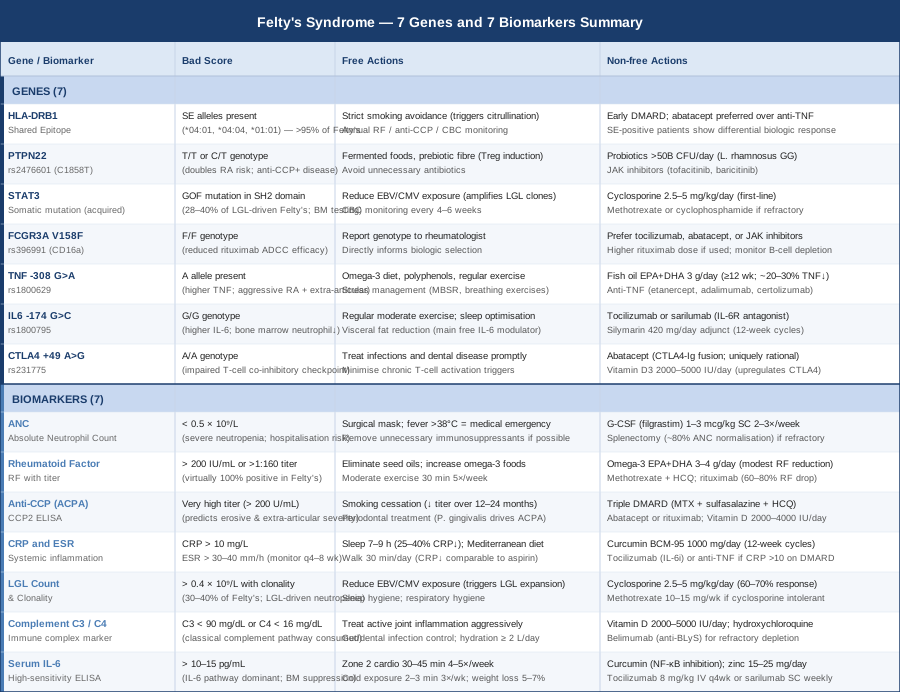
A compact visual of all fourteen markers — genes first, biomarkers second — follows below.
The Autoimmune Fix by Tom O'Bryan — 10 Ideas That Change the Way You Think About Felty's Syndrome
Tom O'Bryan's The Autoimmune Fix (2016) is one of the few books in this space that grounds its recommendations in peer-reviewed research rather than anecdote. Its central argument — that autoimmune disease follows a predictable, partially reversible trajectory shaped by intestinal permeability, molecular mimicry, and environmental triggers — is directly applicable to the RA spectrum that encompasses Felty's syndrome. What follows are the ten most clinically impactful ideas from the book, reframed for the Felty's patient.
1. Autoimmune disease begins years before diagnosis
O'Bryan synthesises research showing that autoimmune biomarkers (including RF and anti-CCP) often become measurable 3–10 years before a clinical diagnosis of RA. This "latent autoimmunity" window is the most important intervention opportunity. For patients with Felty's who are counselling family members, monitoring RF and anti-CCP in first-degree relatives from age 30–35 onward is genuinely protective.
2. Intestinal permeability is a prerequisite, not a side effect
Research by Alessio Fasano and others (referenced extensively by O'Bryan) demonstrates that increased intestinal permeability — allowing bacterial lipopolysaccharide and food antigens into circulation — is documented in RA patients. This does not cause autoimmunity alone, but it provides a constant antigenic stream that amplifies immune reactivity in genetically susceptible individuals (like HLA-DRB1 SE carriers).
3. Gluten triggers molecular mimicry with type II collagen
Gliadin peptides share amino acid sequences with type II collagen, the primary autoantigen in inflammatory arthritis. Immune responses trained against gluten may cross-react with joint cartilage collagen. O'Bryan cites multiple studies showing elevated anti-gliadin antibodies in RA patients, and several small trials show CRP and symptom improvement on gluten-free diets in seropositive RA over 12 weeks.
4. Gluten-free is necessary but not sufficient — cross-reactive foods matter
The book's most practically disruptive idea for patients who have "tried gluten-free" without success: molecular mimicry extends to dairy (casein cross-reacts with gluten peptides), corn, oats, and several other foods. If joint symptoms and inflammatory markers remain elevated on a standard gluten-free diet, a full elimination protocol targeting cross-reactive foods may be the next step.
5. The 100-day gut reset changes measurable immunology
O'Bryan proposes that consistent dietary change requires at least 100 days before gut lining integrity and immune tolerance are measurably restored. This reframes early discouragement as a calibration problem rather than a failure: most patients and physicians evaluate dietary changes over 2–3 weeks, which is biologically too short to expect significant RF or CRP shift.
6. Heavy metals amplify autoimmune reactivity
Mercury (from dental amalgam and fish), lead (older environments), and cadmium (smoking) directly trigger and amplify autoimmune reactivity through multiple mechanisms including molecular mimicry, mitochondrial stress, and Treg suppression. Testing urinary heavy metal panels is a neglected but actionable step in refractory autoimmune cases. Chelation should only be pursued with a trained clinician, but reducing ongoing exposure (switching to low-mercury fish, addressing amalgam with a biological dentist) is immediately actionable.
7. Measuring anti-tissue transglutaminase (anti-tTG) antibodies reveals subclinical gut involvement
Even in patients without classic celiac disease, elevated anti-tTG IgA or anti-gliadin antibodies indicate gut immune activation that may be feeding systemic autoimmunity. O'Bryan advocates measuring this panel in all autoimmune patients, not just those with digestive symptoms — the majority of gut immune activation in RA patients occurs without overt GI complaints.
8. Sleep deprivation is an immune disruption event
O'Bryan synthesises research showing that less than 6 hours of sleep per night raises TNF, IL-6, and CRP to levels equivalent to those seen in active mild RA. For Felty's patients, who are already operating with elevated cytokines, chronic poor sleep acts as a multiplier, not just a discomfort. Sleep quality and duration are trackable, fixable, and profoundly undervalued in rheumatological management.
9. The threshold concept — why the same trigger affects some people and not others
One of the book's most useful concepts is that autoimmune reactivity requires multiple threshold-crossings simultaneously (genetic susceptibility + gut permeability + trigger + inadequate regulatory response). This means that removing even one trigger from the combination can push a patient back below the clinical threshold. It reframes the goal of lifestyle medicine: not a cure, but a sustained reduction in total load below the symptomatic threshold.
10. Early biomarker testing changes outcomes
O'Bryan argues that standard of care in autoimmune disease should include annual screening of anti-CCP, RF, ANA, and inflammatory markers in first-degree relatives of autoimmune patients. The economic and human costs of early testing are trivial compared to managing Felty's syndrome once established. For patients already diagnosed, this surveillance-first mindset translates into proactive biomarker tracking — exactly the approach outlined in the biomarker section above.
Complementary Approaches With Meaningful Clinical Evidence
The following modalities were selected because they have human clinical evidence specifically relevant to rheumatoid arthritis and autoimmune inflammatory disease — the conditions directly underlying Felty's syndrome. They are not alternatives to medical treatment; they are adjuncts that can meaningfully shift the inflammatory and immune environment when applied consistently.
The Autoimmune Protocol (AIP) — Sarah Ballantyne
The Autoimmune Protocol, developed and documented extensively by Dr. Sarah Ballantyne in The Paleo Approach (2014), is a structured dietary elimination and reintroduction protocol specifically designed for autoimmune conditions. It removes foods with documented gut-disrupting or immune-activating properties (grains, legumes, dairy, eggs, nightshades, nuts, seeds, alcohol, and NSAIDs) while emphasising nutrient-dense animal foods, colourful vegetables, organ meats, and fermented foods. The rationale is directly relevant to Felty's: by reducing intestinal permeability, shifting the microbiome toward Treg-supporting bacteria, and removing molecular mimicry triggers, the AIP is designed to reduce the antigenic load driving autoimmune reactivity.
In a pilot study published in Inflammatory Bowel Diseases (2017), 11 of 15 patients with Crohn's and ulcerative colitis achieved clinical remission on the AIP within 6 weeks. While this was not an RA study, the intestinal permeability and microbiome mechanisms are shared. A subsequent open-label trial specifically in Hashimoto's thyroiditis (another HLA-DRB1-associated autoimmune condition) showed significant reduction in inflammatory markers, fatigue, and thyroid antibody titers. Ballantyne cites over 1000 peer-reviewed studies in her approach documentation.
For Felty's syndrome specifically: begin with the full AIP elimination phase for 30–60 days under dietitian supervision, monitoring CRP, ESR, RF, and ANC at entry and exit. Reintroduce foods one at a time over 60 days, monitoring symptom response. Expect 90–120 days before peak anti-inflammatory benefit appears. Do not discontinue DMARDs or biologics during AIP — the protocol is additive, not substitutive. Side effects: nutritional adequacy must be monitored (calcium, B12, magnesium); initial fatigue during the first 2 weeks is common.
Mindfulness-Based Stress Reduction (MBSR)
MBSR is an 8-week structured programme combining body scan meditation, sitting meditation, and mindful movement, originally developed by Jon Kabat-Zinn at the University of Massachusetts Medical School. Its relevance to Felty's syndrome lies in the stress-immune axis: chronic psychological stress drives HPA axis dysregulation and sympathetic dominance, which directly elevates TNF-alpha, IL-6, and CRP. In Felty's, where cytokine activity already suppresses bone marrow function, stress-related cytokine amplification is not a trivial background issue.
A randomised controlled trial published in Arthritis and Rheumatism (2007) by Pradhan et al. found that an MBSR programme for RA patients significantly improved psychological wellbeing and produced measurable reductions in IL-6. A 2021 meta-analysis of mindfulness interventions in inflammatory diseases (Sanada et al., referenced in PubMed) confirmed that MBSR and related programmes reliably reduce CRP and ESR across inflammatory conditions. Effect sizes are modest but consistent.
For Felty's syndrome: complete the full 8-week MBSR programme (available in-person at medical centres or via validated online platforms). Minimum commitment is 45 minutes/day during the 8-week course. After completion, 20 minutes of daily practice maintains benefits. Pair with biomarker monitoring: check CRP and IL-6 at weeks 0 and 12 to quantify benefit. Side effects: rare; some patients with trauma histories experience emotional distress during body scan exercises — an experienced instructor should be present.
Tai Chi
Tai chi is a slow, flowing movement practice from traditional Chinese medicine that combines controlled breathing, balance, and meditative attention. It is one of the most evidence-studied complementary approaches in RA, with advantages over higher-intensity exercise for patients with active joint involvement: it improves muscle strength, proprioception, and balance without loading inflamed joints to failure. In autoimmune contexts, the regular, stress-reducing, parasympathetic-activating movement pattern provides anti-inflammatory benefit beyond what joint-specific outcomes would suggest.
A systematic review of tai chi in RA published in the Cochrane Database of Systematic Reviews (Lee et al., 2007, updated subsequently) found consistent improvements in pain, physical function, and psychological wellbeing. A randomised controlled trial in RA patients (Wang et al., 2010) found that 12 weeks of tai chi (60-minute sessions, twice weekly) significantly reduced DAS28 disease activity scores and improved quality of life versus waitlist control. IL-6 reduction was observed as a secondary finding.
For Felty's syndrome: begin with supervised group or online tai chi classes (Yang style is the most accessible for beginners), twice weekly for 60 minutes. Progress to 3–4×/week after the first month. Patients with severe joint involvement should inform the instructor and modify to seated variations during flares. Avoid tai chi during episodes of ANC below 0.5 × 10⁹/L in group settings due to infection risk — practice at home during these periods.
Microbiome-Directed Therapies
The gut microbiome acts as a major regulator of systemic immune tone. In RA patients, multiple studies have demonstrated depletion of butyrate-producing bacteria (Faecalibacterium prausnitzii, Roseburia intestinalis) and overgrowth of Prevotella copri — a species that cross-reacts with citrullinated proteins and may directly amplify ACPA production. Correcting microbiome dysbiosis is a mechanistically grounded approach, not a general wellness claim, in the context of PTPN22-variant and HLA-DRB1-associated autoimmune disease.
A randomised controlled trial published in eBioMedicine (2021, Marietta et al.) demonstrated that a gluten-free diet combined with probiotic intervention significantly altered the microbiome composition and reduced disease activity in early RA. A Swedish cohort study (Scher et al., New Microbes and New Infections, 2016) established the Prevotella copri link to new-onset ACPA-positive RA with substantial statistical power.
For Felty's syndrome: practical microbiome intervention begins with dietary fibre diversification (30+ different plant foods per week — each diverse plant source feeds distinct bacterial populations), followed by targeted probiotic supplementation (multi-strain, >20 billion CFU/day, Lactobacillus acidophilus + Bifidobacterium longum + Lactobacillus rhamnosus GG). Advanced testing — gut microbiome sequencing (Genova GI Effects, Viome, or similar) — provides a baseline and tracks response at 3 and 6 months. Probiotic cycling (8 weeks on, 2 weeks off) is preferred to prevent adaptation. Side effects: initial bloating (resolves in 1–2 weeks); very rare bacteraemia risk in immunocompromised patients — discuss with rheumatologist before initiating in severe neutropenia (ANC < 0.5 × 10⁹/L).
Breathing-Based Therapies
Controlled breathing practices — particularly slow-paced breathing at 5–6 breaths per minute (0.1 Hz resonance frequency) — directly activate the parasympathetic nervous system, increase heart rate variability, and reduce cortisol, TNF-alpha, and IL-6. The mechanism runs through the vagal anti-inflammatory reflex: vagal efferent signals to the spleen and liver suppress macrophage TNF production, an effect sometimes called the "cholinergic anti-inflammatory pathway." For Felty's syndrome, this offers a direct, cost-free route to reducing the splenic and hepatic cytokine tone that sustains splenomegaly.
A randomised controlled trial published in the Annals of the Rheumatic Diseases (van Middendorp et al., 2016) found that a programme combining mindfulness and breathing exercises significantly reduced RA disease activity compared to controls at 12 weeks, with CRP and DAS28 as primary outcomes. Breathing work was specifically associated with the autonomic improvement component. Wim Hof's cyclic hyperventilation protocol, while popular, is not recommended in patients with neutropenia and infection risk — the inflammatory response it induces (though transient) and the risk of syncope are poorly studied in this population.
For Felty's syndrome: begin with 10 minutes of 5-breaths-per-minute paced breathing twice daily (5-second inhale, 5-second exhale, using a free breathing pacer app). Practice daily for a minimum of 8 weeks before evaluating biomarker response. Heart rate variability (HRV) tracking with a wearable device (Garmin, Polar, Apple Watch, Oura Ring) provides real-time feedback on autonomic improvement. Side effects: none at the recommended pace; avoid in patients with significant hypocapnia-related symptoms or panic disorder without therapist guidance.
Conclusion
Felty's syndrome is not a single disease — it is a convergence of genetic predispositions, ongoing cytokine activity, and, in many patients, clonal lymphocyte biology that standard RA management protocols were not designed to address. Tracking the right biomarkers — ANC trajectory, LGL fraction, anti-CCP, IL-6, complement — transforms management from reactive to anticipatory. Understanding the genetic context of each patient's disease explains why the same DMARD produces remission in one person and an inadequate response in another.
The actionable next step is straightforward: gather your baseline data. Request an anti-CCP, RF titer, CRP, ESR, CBC-diff with LGL review, and complement panel from your rheumatologist if you do not already have recent results. If genetics interest you, targeted SNP testing for HLA-DRB1, PTPN22, FCGR3A, and the cytokine variants is available through both clinical genetics services and consumer platforms interpreted by functional medicine physicians. Bring these results to your care team as a conversation — not as a self-treatment plan. Better information, used in partnership with qualified professionals, is how Felty's syndrome becomes something you actively manage rather than something that happens to you.
Musculoskeletal: Joint Conditions
Autoimmune: Inflammatory Conditions Connective Tissue Conditions