This article contains AI generated content.
· UpdatedFilariasis Arthritis Genes and Biomarkers: 5 Genes and 7 Biomarkers to Track
Introduction
Filarial arthritis sits at an unusual crossroads: it is simultaneously a parasitic disease, an immunological condition, and a joint disorder — and it is frequently misdiagnosed as something else entirely. The pain, swelling, and restriction it causes in large joints such as the knee and ankle are real and often debilitating, yet because many clinicians in non-endemic regions are unfamiliar with the filarial worm's capacity to migrate into joint spaces, patients can spend years cycling through rheumatology referrals without a clear answer.
Generic anti-inflammatory advice — reduce stress, eat better, take ibuprofen — is not useless, but it addresses the surface while leaving the underlying parasite burden and immune dysregulation untouched. Filariasis-associated arthritis requires a more specific lens: understanding what is driving the immune response, how severely the joint is involved, and whether the body is still harboring active worms or reacting to dead parasite fragments.
What makes this picture more nuanced is that not everyone exposed to filarial parasites develops arthritis. Individual variation in immune response, genetic susceptibility at key loci, and the microenvironment of the joint all influence outcomes. Two people with identical exposures can have profoundly different disease trajectories — and that gap is increasingly explainable through measurable biomarkers and genetic variants.
This article maps out the most useful biomarkers for tracking filarial arthritis and its immune drivers, then adds a complementary look at the genes that shape vulnerability. The goal is not to replace medical evaluation — antiparasitic treatment remains the cornerstone of care — but to give you a clearer biological picture, one that can inform smarter conversations with your clinician and more targeted self-management decisions.
Summary
This article covers 7 key biomarkers directly relevant to filarial arthritis — from eosinophil count and circulating filarial antigen to Th2 cytokines and synovial fluid markers — with a practical, actionable plan for each abnormal result, both with and without supplements. It then explores 5 genetic variants that determine why some people develop severe filarial arthritis while others with equal exposure remain symptom-free, including what each variant means and what you can realistically do about it. Beyond the biomarkers and genes, there is a synthesis of immune-regulation science drawn from the Huberman Lab, a review of complementary approaches with real clinical evidence for this specific condition, and clear guidance on tracking, acting, and knowing when to escalate to a specialist. If you have been managing joint pain without a clear diagnosis — or know the diagnosis but want to go deeper — this article is a practical starting point.
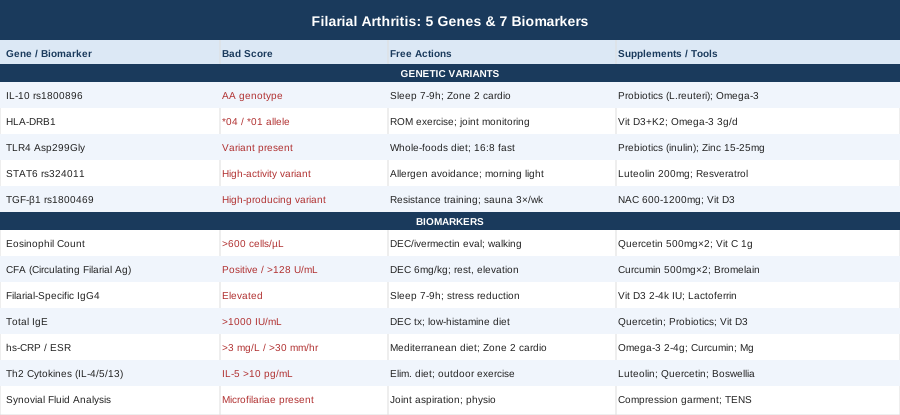
7 Biomarkers Worth Tracking in Filarial Arthritis
Tracking the right biomarkers in filarial arthritis is not about running every test available — it is about choosing the markers that together paint a picture of parasite burden, immune activation, and joint inflammation. The seven below are the most diagnostically meaningful and practically accessible, covering the full arc from active infection detection to tissue-level inflammatory damage. Each one tells a different part of the story, and together they give you a framework for measuring progress over time.
Biomarker 1: Eosinophil Count
Why it matters: Eosinophils are white blood cells that rise in response to parasitic infections. In lymphatic filariasis, persistent eosinophilia — often above 600 cells/µL — is one of the earliest systemic signals that the immune system is reacting to filarial antigens. In the context of arthritis, elevated eosinophils point toward a parasitic rather than an autoimmune cause, which completely changes the treatment approach. Research from endemic populations consistently documents eosinophil counts in the range of 1000–3000 cells/µL in symptomatic filarial disease.
What it reveals: A chronically elevated eosinophil count in someone with unexplained joint pain from an endemic region is a red flag for filarial involvement. It also provides a rough proxy for immune activation intensity — very high counts above 1500 cells/µL suggest significant ongoing parasitic load or a strong Th2 immune response to persisting antigen.
How to measure it: Eosinophil count is part of a standard complete blood count (CBC) with differential, one of the least expensive and most widely available tests in clinical medicine. Cost: $10–40 depending on location and healthcare system.
If the count is high — the plan without supplements: Seek urgent antiparasitic evaluation. Diethylcarbamazine (DEC) or ivermectin, prescribed by a physician, is the primary intervention and will lower eosinophil counts as parasite burden decreases. Alongside treatment, reducing dietary ultra-processed foods and refined sugar supports immune modulation. Daily low-intensity movement — walking, cycling, swimming — supports lymphatic flow without stressing inflamed joints. Retest the CBC every 6–8 weeks during treatment to monitor trajectory.
If the count is high — the plan with supplements or equipment: Quercetin (500 mg twice daily with meals) has demonstrated anti-eosinophilic and mast cell-stabilizing effects in human studies of allergic and parasitic-adjacent conditions. Vitamin C (1 g daily) supports eosinophil regulation and reduces oxidative stress from immune activation. Cycle quercetin 8 weeks on, 2 weeks off; gastrointestinal discomfort is possible but uncommon at these doses. Note: supplements manage immune overreaction — they do not replace antiparasitic treatment, which is non-negotiable.
Biomarker 2: Circulating Filarial Antigen (CFA)
Why it matters: Circulating filarial antigen is the most specific biomarker for active Wuchereria bancrofti infection. Unlike antibody tests, which may remain positive for years after infection has resolved, CFA directly detects antigens shed by living adult worms. A positive CFA in someone with joint inflammation confirms ongoing parasitic activity as a contributor to arthritis — which demands antiparasitic treatment, not just anti-inflammatory management.
What it reveals: A positive CFA result via the Og4C3 ELISA or the immunochromatographic card test (ICT) confirms the presence of adult W. bancrofti worms. The quantitative Og4C3 ELISA gives a rough estimate of worm burden: values above 128 U/mL are considered high-positive and correlate with more significant lymphatic and potentially articular involvement. For Brugia malayi, indirect antibody tests remain the standard, as a validated CFA test is less widely available for this species.
How to measure it: The ICT card is available in endemic countries and many travel medicine clinics. The Og4C3 ELISA requires a reference laboratory. Cost: $20–80 for ICT; $80–200 for quantitative ELISA. Both use a simple venous blood sample.
If CFA is positive — the plan without supplements: Medical treatment is non-negotiable. DEC (6 mg/kg/day for 12 days) or annual mass drug administration (MDA) doses of DEC plus albendazole or ivermectin plus albendazole significantly reduce adult worm load and CFA levels over 12–24 months of follow-up. Retesting CFA at 6 and 12 months monitors clearance. Joint rest, elevation, and compression during active flares reduce mechanical stress.
If CFA is positive — the plan with supplements or equipment: No supplement replaces antiparasitic medication for CFA reduction. However, curcumin (500 mg standardized 95% curcuminoids twice daily with black pepper extract) can reduce the inflammatory burden triggered by dying worms — a Mazzotti-like reaction — during antiparasitic treatment. Bromelain (500 mg between meals) acts as a proteolytic enzyme that may support lymphatic clearance. Cycle curcumin 12 weeks on, 2 weeks off; long-term use at high doses may reduce iron absorption. Bromelain: avoid if taking blood-thinning medications.
Biomarker 3: Filarial-Specific IgG4
Why it matters: Filarial-specific IgG4 antibodies are a hallmark of chronic, tolerogenic infection — the immunological state where the immune system has essentially accepted the parasite and downregulated its attack response. High IgG4 levels in filariasis correlate with microfilaraemia (circulating larval worms) and a regulatory immune phenotype that paradoxically reduces some acute symptoms while allowing the infection to persist silently. It is one reason why many chronically infected individuals feel relatively well until the joint or lymphatic complications become impossible to ignore.
What it reveals: Elevated filarial IgG4 in the context of joint pain suggests chronic exposure and ongoing antigenic stimulation, even when blood smear for microfilariae is negative. It also helps differentiate filariasis-driven arthritis from autoimmune forms: in filarial arthritis, IgG4 is elevated alongside eosinophilia and CFA positivity, whereas in rheumatoid arthritis, the pattern is entirely different — elevated rheumatoid factor, anti-CCP antibodies, and typically normal eosinophil count.
How to measure it: Filarial-specific IgG4 ELISA is available at reference laboratories and some travel and tropical medicine centers. Cost: $50–150. A standard blood draw is all that is required.
If IgG4 is elevated — the plan without supplements: The driving force behind elevated IgG4 is chronic antigen exposure — meaning the parasite or its remnants must be addressed medically. Once antiparasitic treatment is initiated, IgG4 levels typically decline over 12–24 months. In the interim, optimizing sleep (7–9 hours nightly) and managing psychosocial stress reduces the IL-10 and regulatory T-cell activity that sustains the tolerogenic state. IgG4 normalization is a useful long-term treatment response marker — more informative than CFA in the post-treatment window.
If IgG4 is elevated — the plan with supplements or equipment: Vitamin D3 (2000–4000 IU/day) helps recalibrate Th1/Th2/Treg balance, which may partially counteract the immune tolerance state. Check serum 25-OH-D first; target 40–60 ng/mL; take D3 with K2 (100–200 µg MK-7) to support calcium metabolism. Lactoferrin (200–300 mg daily) has been studied for immunomodulatory effects in parasitic and allergic conditions — mechanisms align with reducing Treg overactivation. No cycling required for D3 at these doses; avoid above 10,000 IU/day sustained without medical supervision.
Biomarker 4: Total IgE
Why it matters: Total IgE is a broad marker of the Th2-dominant immune state that characterizes both parasitic infections and allergic disease. In filariasis, IgE is often markedly elevated — sometimes 10–20 times above the upper limit of normal — reflecting the immune system's allergic-type response to parasite antigens. High IgE also correlates with worse outcomes in filarial arthritis because it amplifies mast cell and basophil degranulation within synovial tissue, worsening joint inflammation and perpetuating the inflammatory cycle.
What it reveals: Very high IgE above 1000 IU/mL in a patient from an endemic region with joint inflammation strongly suggests parasitic involvement. As antiparasitic treatment proceeds, IgE levels typically normalize over months, making it a useful treatment response marker that is more widely available than CFA. Persistently elevated IgE despite treatment may indicate re-exposure, incomplete parasite clearance, or concurrent atopic disease.
How to measure it: Total serum IgE is a standard laboratory test included in most allergy panels. Cost: $30–80. A simple blood draw is sufficient, and results are typically available within 24–48 hours.
If IgE is elevated — the plan without supplements: Antiparasitic treatment is the primary driver of IgE normalization. Dietary changes also contribute: eliminating gluten (for those with sensitivity), dairy, and high-histamine foods reduces the allergic background that sustains IgE production. Regular nasal saline irrigation reduces airborne allergen load, lowering one additional IgE stimulus. Retesting every 3 months during treatment tracks normalization.
If IgE is elevated — the plan with supplements or equipment: Quercetin (500 mg twice daily) stabilizes mast cells and inhibits IgE-mediated degranulation — among the best-studied natural anti-allergic interventions. Multi-strain probiotics including Lactobacillus rhamnosus GG support Th1/Th2 rebalancing by improving intestinal barrier function, which is a major source of ongoing IgE antigenic stimulation in chronic parasitic disease. Vitamin D3 downregulates IgE synthesis through its effect on B-cell class switching. Quercetin: 8 weeks on, 2 weeks off; may interact with thyroid medications. Probiotics: daily use is safe for most adults; discontinue if severely immunocompromised without physician guidance.
Biomarker 5: High-Sensitivity CRP and ESR
Why it matters: C-reactive protein — particularly the high-sensitivity version — and erythrocyte sedimentation rate are the most widely used general markers of systemic inflammation. In filarial arthritis, they quantify how much inflammatory activity is currently present in the joint and systemic circulation, independently of the parasitic cause. CRP above 3 mg/L on the hs-CRP assay signals significant acute-phase inflammation; ESR above 30 mm/hr points toward chronic sustained inflammation of clinical significance.
What it reveals: Together, CRP and ESR help track whether joint inflammation is improving or worsening over time, regardless of what other tests show. They are also clinically important for differentiating active synovitis from pure lymphedema: lymphedema alone does not typically drive acute-phase reactant elevation to the same degree as active joint inflammation. Serial monitoring every 3–6 months during treatment provides a clear trajectory that makes treatment decisions more objective.
How to measure it: Both are included in most standard inflammatory panels. hs-CRP cost: $15–40. ESR is similarly priced and often bundled in a rheumatology screen. Blood draw only; fasting is not required but morning testing reduces diurnal variation.
If CRP or ESR is elevated — the plan without supplements: A Mediterranean-style diet — high olive oil, fatty fish, vegetables, legumes; minimal processed food and refined carbohydrate — has been shown in multiple trials to reduce hs-CRP by 20–30%. Sleep optimization (7–9 hours; poor sleep acutely elevates CRP), regular moderate aerobic exercise (Zone 2, 30 minutes 3–4 times per week), and achieving healthy body weight each independently reduce systemic inflammation through distinct but complementary pathways.
If CRP or ESR is elevated — the plan with supplements or equipment: Omega-3 fatty acids (EPA+DHA 2–4 g/day, pharmaceutical-grade triglyceride form for best absorption) reduce CRP and ESR through eicosanoid pathway modulation — among the most consistently replicated anti-inflammatory supplement findings across hundreds of trials. Curcumin (500 mg twice daily, with piperine) reduces NF-κB activity, a central driver of CRP production. Magnesium glycinate (300–400 mg nightly) modestly reduces CRP in magnesium-deficient individuals. Omega-3 at doses above 4 g/day: discuss with your physician given mild antiplatelet effect; no cycling required. Curcumin: 12 weeks on, 2 weeks off; avoid at high doses with active gallstone disease.
Biomarker 6: Th2 Cytokines — IL-4, IL-5, IL-13
Why it matters: The immune response to filarial parasites is fundamentally Th2-driven: the body produces large quantities of interleukin-4, IL-5, and IL-13, which drive eosinophil production, IgE synthesis, and mast cell activation. In filarial arthritis, this Th2 cytokine environment is directly responsible for much of the synovial inflammation and joint damage. Measuring these cytokines — particularly IL-5 — gives a more precise picture of immune activation intensity than CRP or eosinophil count alone and is especially valuable in ambiguous clinical presentations.
What it reveals: Elevated IL-5 above 10 pg/mL in serum is particularly useful: it directly drives eosinophil survival and is one of the most reliable indicators of ongoing type-2 immune activation. IL-13 elevation is associated with tissue fibrosis and lymphatic remodeling, which contributes to the lymphedema-arthritis overlap seen in chronic filariasis. These markers are also relevant for monitoring response to treatment — IL-5 should fall as antiparasitic treatment reduces worm burden.
How to measure it: Th2 cytokines are measured by multiplex ELISA or Luminex panels at reference or academic medical laboratories. Not all commercial labs offer these routinely. Cost: $100–350 for a cytokine panel. More accessible in research settings in endemic countries, where filarial disease is a priority research area.
If Th2 cytokines are elevated — the plan without supplements: Reducing Th2 dominance through lifestyle is a slow but real strategy. An elimination diet removing the most common intestinal permeability triggers — gluten, dairy, eggs, soy — for 4–6 weeks reduces the antigenic load driving Th2 activity. Outdoor exercise in clean-air environments activates NK cells and Th1 responses, helping rebalance the immune axis. Reducing chronic psychological stress through evidence-based techniques — which activates the cortisol–IL-4 feedback loop — also measurably shifts cytokine balance over weeks.
If Th2 cytokines are elevated — the plan with supplements or equipment: Luteolin (100–300 mg/day) is a flavonoid with documented IL-4 and IL-13 inhibitory activity in human cell studies. Quercetin inhibits IL-5 production from mast cells and basophils — its repeated appearance across multiple biomarkers reflects how central Th2 suppression is to this entire condition. Boswellia serrata extract (300 mg twice daily, standardized to 60% boswellic acids) reduces leukotriene production, which modulates downstream Th2 amplification. Boswellia: generally well-tolerated; rare gastrointestinal effects; 8–12 weeks on with 4-week breaks. Luteolin: 8 weeks on, 3 weeks off; minor interactions with thyroid function at very high doses.
Biomarker 7: Synovial Fluid Analysis
Why it matters: Synovial fluid analysis is the most direct method of characterizing joint inflammation in filarial arthritis. Unlike blood biomarkers, which reflect systemic conditions, synovial fluid is drawn directly from the joint space and can reveal the presence of microfilariae, parasite fragments, locally elevated eosinophil counts, and the overall inflammatory cell pattern. It can definitively confirm filarial arthritis in cases where all other tests give ambiguous results.
What it reveals: The finding of microfilariae in synovial fluid is pathognomonic for filarial arthritis — it leaves no diagnostic doubt. Even when microfilariae are not visible, a markedly eosinophil-rich synovial fluid with high protein and moderate cell count (2,000–50,000 cells/µL) in someone from an endemic region with elevated CFA strongly supports the diagnosis. The analysis simultaneously rules out bacterial septic arthritis and crystal-induced gout, both of which require entirely different management and can mimic filarial joint presentation.
How to measure it: Requires joint aspiration (arthrocentesis) performed by a rheumatologist or orthopedic physician. The fluid is sent for cell count, differential, glucose, protein, culture, and crystal analysis. Microfilariae should be specifically requested when filariasis is suspected — laboratories will not look for them by default. Cost: $150–400 for the procedure and analysis combined. Performed under local anesthesia at the joint surface.
If synovial fluid shows filarial involvement — the plan without supplements: This finding is a clear indication for antiparasitic treatment — discuss urgently with an infectious disease specialist. Joint drainage itself provides immediate symptomatic relief by reducing intra-articular pressure. Post-aspiration: rest the joint for 24–48 hours, avoid high-impact activity during the acute phase, and begin physiotherapy to maintain range of motion once inflammation has subsided.
If synovial fluid shows filarial involvement — the plan with supplements or equipment: Compression garments (30–40 mmHg class II) over the affected joint reduce lymphedema formation and support venous return — particularly important for knee involvement. Omega-3 and curcumin at doses described above reduce post-aspiration synovitis recurrence. A TENS unit (transcutaneous electrical nerve stimulation) provides non-pharmacological pain relief between medical visits and is safe for daily use; avoid over open wounds or in patients with metallic joint implants.
Tracking these seven markers as a panel at baseline, then at 3-month intervals during antiparasitic treatment, gives you a meaningful dashboard of progress. As parasite burden decreases, the cascade — CFA, IgG4, IgE, eosinophilia, Th2 cytokines — should progressively normalize. CRP and ESR track the joint inflammation layer independently. Together, they tell you whether you are moving in the right direction and how fast.
The Genetic Landscape Behind Filarial Arthritis
Why do some people develop severe filarial arthritis while neighbors with equal parasite exposure remain largely asymptomatic? Genetics is a significant part of that answer. The five variants below shape how the immune system mounts or fails to properly resolve a response to filarial worms, and how much of that response ends up concentrated in joint tissue. Understanding them does not change the need for antiparasitic treatment, but it does clarify why some individuals need more aggressive monitoring and more sustained anti-inflammatory support.
Gene 1: IL-10 Promoter Polymorphisms (rs1800896)
IL-10 is a key anti-inflammatory cytokine that also enables the tolerogenic immune state characterizing chronic filariasis. The rs1800896 polymorphism at the −1082 position is among the most studied in parasitic disease immunology: individuals carrying the AA genotype produce lower IL-10, which can paradoxically increase inflammatory symptoms (less tolerance, more symptomatic reaction) while also impairing parasite persistence. The GG genotype (high IL-10 producer) correlates with the asymptomatic microfilaraemic phenotype — infection without obvious disease — but with less effective natural parasite clearance. Understanding which end of this spectrum you sit on helps calibrate treatment urgency and immune support strategies.
If the gene is a concern — the plan without supplements: Regular sleep (7–9 hours) is one of the most potent natural drivers of IL-10 production. Moderate aerobic exercise at Zone 2 intensity (30 minutes, 3–4 sessions per week) consistently upregulates IL-10 in human trials. Chronic stress markedly suppresses IL-10 — even 10 minutes of daily diaphragmatic breathing measurably shifts the IL-10/TNF-α ratio over 4–8 weeks.
If the gene is a concern — the plan with supplements or equipment: Probiotics — specifically Lactobacillus reuteri ATCC 55730 — have been shown in human trials to upregulate IL-10 production via the gut-immune axis. Omega-3 fatty acids (2–3 g EPA+DHA daily) also raise IL-10 through PPAR-γ activation. Cycle probiotics 12 weeks on, 4 weeks off; fish oil can be taken continuously without cycling at these doses. Both are well-tolerated and free of serious side effects in most healthy adults.
Gene 2: HLA-DRB1 Risk Alleles
HLA-DRB1 alleles determine how efficiently the immune system presents filarial antigens to T-cells. Certain HLA-DRB1 alleles — particularly DRB1*04 and DRB1*01, also associated with rheumatoid arthritis susceptibility in some populations — may lead to a more aggressive and prolonged T-cell response when filarial antigens are encountered in the joint space. Research from filarial-endemic Indian populations has identified associations between specific HLA types and the severity of filarial joint involvement, particularly erosive disease. Individuals with these variants warrant earlier and more complete antiparasitic treatment before joint damage accumulates.
If the gene is a concern — the plan without supplements: HLA risk alleles cannot be modified, but their consequences can be minimized. Early and complete antiparasitic treatment is the most important mitigation — the less antigen the immune system encounters in the joint, the less opportunity for HLA-driven hyperactivation. Regular non-impact range-of-motion exercises preserve cartilage integrity even in genetically susceptible individuals. Annual joint assessment in the form of clinical examination or joint ultrasound allows early detection of erosive change.
If the gene is a concern — the plan with supplements or equipment: Vitamin D3 (3000–5000 IU/day, adjusted to maintain serum 25-OH-D between 40–60 ng/mL) modulates HLA expression and T-cell activation thresholds in autoimmune-adjacent contexts. Omega-3 (3 g EPA+DHA daily) reduces the synovial membrane inflammation that HLA-DRB1 risk variants amplify when parasitic antigen is present. Take D3 with K2 (100–200 µg MK-7); monitor serum levels every 6 months to avoid excess.
Gene 3: TLR4 Variants (Asp299Gly)
Toll-like receptor 4 recognizes LPS-like molecules, including those released by Wolbachia bacteria — the gram-negative endosymbionts that live inside most filarial worms and are now understood to be a major driver of filarial inflammatory disease. The Asp299Gly polymorphism reduces TLR4 receptor signaling and has been associated with altered innate immune responses to filarial infections: in some populations, it reduces the pro-inflammatory cascade acutely while in others it impairs parasite clearance, allowing long-term persistence. Either scenario has implications for joint inflammation management. Notably, doxycycline-based Wolbachia depletion (which reduces the TLR4-activating bacterial load inside worms) is now an adjunct to standard antiparasitic therapy and is especially relevant for TLR4 variant carriers.
If the gene is a concern — the plan without supplements: Gut barrier integrity directly modulates TLR4 signaling — bacterial LPS from a leaky gut constantly trains TLR4 activity. A whole-foods diet low in refined carbohydrates reduces dietary LPS exposure and improves barrier function. Intermittent fasting (16:8 protocol) has been shown in human trials to reduce TLR4 pathway activation independently of weight loss, through changes in gut microbiome composition.
If the gene is a concern — the plan with supplements or equipment: Prebiotics (inulin or arabinoxylan, 5–10 g/day) feed butyrate-producing bacteria that downregulate TLR4 expression on intestinal epithelial cells. Zinc (15–25 mg/day) supports innate immune function and modulates TLR signaling at the cellular level. Start prebiotics low at 2–3 g/day and increase gradually to avoid bloating. Zinc: do not exceed 40 mg/day chronically; separate from iron and calcium supplements by at least 2 hours.
Gene 4: STAT6 Polymorphisms (rs324011)
STAT6 is the transcription factor that translates IL-4 and IL-13 receptor signals into Th2 immune gene expression — making it one of the central molecular switches of the allergic-type immune response. The rs324011 polymorphism has been associated with enhanced STAT6 activity, higher IgE levels, and more pronounced Th2 responses in parasitic infection settings. Individuals carrying the high-activity STAT6 variant are more likely to develop the eosinophilic, high-IgE phenotype of filariasis and potentially more severe synovial inflammation when worms access the joint space. This variant helps explain the subset of filarial patients whose IgE and eosinophil levels remain disproportionately high relative to their apparent parasite burden.
If the gene is a concern — the plan without supplements: Reducing the overall Th2 antigenic burden is the core strategy: completing antiparasitic treatment, eliminating food allergens during the elimination phase, and minimizing environmental mold and dust mite exposure. Morning outdoor light exposure activates the sympathetic immune axis, which counterbalances STAT6-driven Th2 dominance over daily cycles.
If the gene is a concern — the plan with supplements or equipment: Luteolin (200–300 mg/day) directly inhibits STAT6 phosphorylation in human cell studies — one of the most specific natural interventions for this pathway. Resveratrol (250–500 mg/day) has shown STAT6-modulatory effects in allergic disease models, reducing downstream Th2 gene transcription. Luteolin: 8 weeks on, 3–4 weeks off. Resveratrol: avoid with anticoagulants; 8-week cycles are appropriate.
Gene 5: TGF-β1 Variants (rs1800469, Codon 10)
Transforming growth factor-beta 1 drives both immune tolerance — which allows worms to persist by suppressing effector T-cell responses — and tissue fibrosis, which underlies lymphedema and the progressive cartilage and synovial changes seen in chronic filarial arthritis. High-producing TGF-β1 variants at rs1800469 are associated with greater fibrotic outcomes in filarial disease: more lymphedema, more tissue remodeling, and greater joint structural damage over years. Research from filariasis cohorts in South Asia has linked TGF-β1 overproduction with the most severe chronic pathological outcomes, making this variant particularly relevant for anyone planning long-term disease management.
If the gene is a concern — the plan without supplements: Resistance exercise (3 sessions per week of compound movements) reduces TGF-β1 in muscle and connective tissue and supports anti-fibrotic signaling pathways — one of the most consistent findings in fibrosis biology. Avoiding excess dietary sugar and refined carbohydrates reduces the advanced glycation end-product (AGE) pathway that amplifies TGF-β1-driven fibrosis. Regular sauna use (3–4 sessions per week, 20 minutes at 80–90°C) has been explored in small human studies for lymphatic function and TGF-β1 modulation.
If the gene is a concern — the plan with supplements or equipment: N-acetylcysteine (NAC) (600–1200 mg/day) is among the most studied anti-fibrotic interventions, reducing TGF-β1 downstream signaling in multiple organ systems; joint-specific human data is limited but the mechanistic rationale is strong. Sodium butyrate (3–4 g/day or equivalent via high dietary fiber) suppresses TGF-β1 in the gut-immune axis. Vitamin D3 inhibits TGF-β1 pathway activity in fibrotic disease contexts. NAC: generally well-tolerated; rare bronchospasm in severe asthmatics; cycle 12 weeks on, 4 weeks off. Vitamin D: as previously described.
With the genetic and biomarker picture mapped, the practical question becomes how to incorporate immune-regulation science into daily life — and that is where the most accessible recent synthesis of the evidence becomes genuinely useful.
What the Huberman Lab Reveals About Immune Regulation and Parasitic Inflammation
Dr. Andrew Huberman's Huberman Lab podcast has produced some of the most accessible summaries of peer-reviewed immune and inflammation science currently available. While no single episode addresses filarial arthritis directly, his work on immune function, the autonomic nervous system's role in inflammation, and the role of lifestyle inputs in cytokine regulation maps with remarkable precision onto the biology of filarial joint disease. The ten insights below are drawn from his episodes and the research he summarizes — each directly relevant to managing the immune dysregulation at the center of filarial arthritis.
1. The Vagus Nerve Directly Suppresses Cytokines
Huberman explains research by Dr. Kevin Tracey showing that the vagus nerve regulates systemic cytokine levels — including TNF-α and IL-6 — through the inflammatory reflex. Activating vagal tone through slow diaphragmatic breathing (4-second inhale, 6–8-second exhale) for 5–10 minutes daily has direct, measurable anti-inflammatory effects. This is not relaxation advice — it is a specific neurobiological intervention for cytokine modulation.
2. Brief Cold Exposure Drives Epinephrine Without Chronic Cortisol
Cold water immersion acutely raises epinephrine, which engages the anti-inflammatory reflex via adrenergic receptors on immune cells. Unlike chronic psychological stress (which sustains high cortisol and amplifies IL-6 and Th2 skewing), brief cold exposure delivers an acute anti-inflammatory stimulus without chronically suppressing immune function. Protocol: 1–3 minutes at water temperature below 15°C, 3–4 times per week. Avoid cold immersion over actively inflamed joints.
3. Morning Light Regulates Immune Circadian Timing
Ten to twenty minutes of outdoor light exposure within 30–60 minutes of waking entrains the circadian clock in immune cells, improving the temporal precision of cytokine release. In filarial arthritis, where nocturnal microfilaraemia causes overnight immune activation, circadian alignment may help moderate the amplitude of the nocturnal immune response. This costs nothing and takes 15 minutes.
4. Zone 2 Cardio Is the Most Efficient Anti-Inflammatory Exercise Mode
Sustained moderate aerobic exercise — where you can maintain a conversation — reduces hs-CRP, IL-6, and TNF-α more consistently than high-intensity interval training or strength work alone. For filarial arthritis patients with joint involvement, cycling, swimming, or walking at Zone 2 intensity (roughly 60–70% of maximum heart rate) for 30–45 minutes, 3–4 times per week, is the most evidence-backed non-pharmacological anti-inflammatory exercise prescription.
5. Sleep Is the Master Immune Reset
Deep slow-wave sleep drives IL-10 production, clears inflammatory debris via the glymphatic system, and resets cytokine baselines. Even one night of under 6 hours of sleep acutely elevates CRP and IL-6. Target: 7–9 hours at consistent timing; dark cool room at 18–20°C; no bright overhead light in the final hour before bed.
6. Gut Health Is a Direct Lever for Th2 Rebalancing
Short-chain fatty acid production by gut bacteria directly influences Th1/Th2 balance — the exact balance disrupted in filarial infection. High-fiber diets (30+ grams daily from diverse plant sources), fermented foods, and targeted probiotics shift the immune environment away from Th2 dominance. This is not general wellness advice; it is a specific immune-modulatory strategy relevant to the core pathophysiology of filarial arthritis.
7. Chronic Stress Is the Hidden Amplifier of Th2 Disease
Chronic psychological stress, through cortisol's effect on Th2 skewing and IgE production, can sustain and worsen the precise immune state that drives filarial arthritis forward. Practical tools from Huberman's framework: physiological sighs (double nasal inhale followed by a long exhale) to acutely reduce cortisol, and non-sleep deep rest (NSDR) protocols of 10–20 minutes to restore the nervous system after high-demand days.
8. Sauna Supports Heat Shock Proteins and Lymphatic Flow
Human studies referenced by Huberman show that regular sauna use (80–90°C, 20 minutes, 3–4 times per week) reduces systemic inflammatory markers, activates heat shock proteins that reduce protein misfolding and support anti-fibrotic pathways, and promotes lymphatic drainage — directly relevant to the lymphedema-arthritis overlap in chronic filariasis. Avoid sauna during acute flares with high CRP or active fever.
9. Omega-3 and Vitamin D Lead the Evidence-Based Supplement Tier
Across many Huberman Lab episodes, omega-3 fatty acids (EPA+DHA, 2–4 g/day) and vitamin D3 (2000–5000 IU/day) consistently appear as the highest-evidence, most broadly applicable supplements for systemic inflammation. Both are directly relevant here: omega-3 reduces synovial inflammation; vitamin D modulates Th2 dominance and supports HLA-related immune precision. If you use only two supplements from this entire article, these are the two.
10. Social Connection Drives IL-10 and Reduces TNF-α
One of the more surprising findings Huberman has discussed: perceived social isolation acutely increases TNF-α and IL-6 while reducing IL-10 — a pattern that directly worsens filarial inflammation. Regular positive social interaction is not a soft wellness cliché in this context; it is an evidence-supported behavior with measurable effects on the same cytokines targeted by anti-inflammatory drugs.
Complementary Approaches With Meaningful Clinical Evidence
Medical antiparasitic treatment is the anchor of filarial arthritis management. The following modalities have human clinical evidence supporting their use as adjuncts for managing joint inflammation, lymphatic function, and immune balance in conditions with overlapping mechanisms. Each has been selected for its specific relevance to this condition.
Manual Lymphatic Drainage
Manual lymphatic drainage (MLD) is a specialized form of massage that uses gentle, rhythmic pressure to stimulate superficial lymphatic vessels and redirect fluid away from congested areas. It is directly relevant to filarial arthritis because lymphatic obstruction — caused by adult worms and the inflammatory debris they generate — is both a cause and a consequence of joint and limb swelling in lymphatic filariasis. MLD helps decongest tissues around affected joints, reduce the fluid pressure driving pain and stiffness, and improve functional mobility in a way that pharmacological treatment alone does not address.
The WHO's lymphatic filariasis morbidity management and disability prevention (MMDP) program includes basic lymphatic drainage exercises as a core component. Clinical studies in adults with filarial lymphedema have documented that combined decongestive physiotherapy — which includes MLD, compression, and exercise — reduces limb volume meaningfully over 3–6 months of consistent application. The approach is endorsed in multiple tropical medicine guidelines for filarial morbidity management.
Practically: find a physiotherapist certified in manual lymphatic drainage (Vodder or Földi technique). An initial intensive phase of 5 consecutive daily sessions is standard, followed by 1–2 maintenance sessions per month. Compression garments (Class II, 30–40 mmHg) worn between sessions sustain gains. Simple self-drainage techniques can be taught for daily home use. Avoid MLD during active fever or signs of acute bacterial cellulitis, which requires antibiotics first.
Chinese Herbal Medicine
Traditional Chinese medicine has a long documented history of use for parasitic diseases and inflammatory joint conditions, and several herbs have been examined in modern pharmacological frameworks for relevant mechanisms. Artemisia annua — the source of artemisinin — has demonstrated antifilarial activity in animal models, and artemisinin derivatives are now being studied as adjuncts to standard antiparasitic regimens in human settings. For the joint inflammation component specifically, Tripterygium wilfordii (Thunder God Vine) has been studied in randomized controlled human trials for arthritis with an immune-driven mechanism.
A randomized controlled trial published in the Annals of the Rheumatic Diseases found that standardized Tripterygium wilfordii extract was comparable to methotrexate in reducing joint inflammation markers in rheumatoid arthritis — though this evidence is in autoimmune, not filarial, arthritis specifically. The mechanistic overlap (Th1/Th2 modulation, NF-κB inhibition, synovial inflammation reduction) is relevant to filarial joint disease, but direct filarial arthritis trials are not yet available.
Consult a licensed TCM practitioner with experience in infectious or inflammatory conditions before initiating any herbal protocol. Do not self-administer concentrated Tripterygium wilfordii extracts — they carry hepatotoxic and immune-suppressive risks if used without appropriate clinical oversight. Discuss any herbal use explicitly with your infectious disease physician, particularly regarding potential interactions with DEC and ivermectin.
Microbiome-Directed Therapies
The gut microbiome is a central regulator of systemic immune tone, and in filarial disease there is now direct evidence that gut bacterial composition shapes the type, intensity, and duration of the immune response to filarial worms. A key mechanism: Wolbachia bacteria inside filarial worms are gram-negative organisms whose LPS is recognized by TLR4 on intestinal immune cells — meaning the gut microbiome's diversity directly influences how the innate immune system responds to filarial antigen at systemic sites, including joint synovium. Research published in PLOS Neglected Tropical Diseases has documented distinct gut microbiome signatures in filarial-infected individuals with symptomatic disease compared to asymptomatic carriers from the same region, with reduced short-chain fatty acid-producing bacteria and increased intestinal permeability markers in those with active symptoms.
These differences in gut composition are associated with increased systemic inflammatory marker levels — the gut is not just passively bystander but an active participant in determining disease severity. Interventions that restore microbiome diversity and SCFA production therefore have direct mechanistic relevance to reducing the inflammatory burden of filarial arthritis, independent of antiparasitic treatment.
Practical protocol: increase dietary fiber to 30+ grams per day from diverse plant sources (legumes, oats, root vegetables, varied vegetables); incorporate 1–2 servings of fermented foods daily (kefir, yogurt with live cultures, kimchi, sauerkraut); consider a multi-strain probiotic for 12 weeks including L. rhamnosus GG, L. plantarum, and Bifidobacterium longum. Avoid unnecessary antibiotic courses that flatten microbiome diversity. Prebiotic fiber (inulin or FOS at 5 g/day, introduced gradually) supports the butyrate-producing bacteria that modulate TLR4 signaling and reduce intestinal permeability.
Yoga for Lymphatic Flow and Joint Mobility
Yoga is specifically relevant to filarial arthritis for two reasons: the rhythmic muscle contractions during practice directly stimulate lymphatic vessels (which have no pump of their own and depend on muscle and respiratory movement), and yoga has documented effects on systemic inflammatory markers including CRP and IL-6 in human clinical trials. For joints affected by filarial arthritis — particularly the knee and ankle — gentle yoga poses that promote lymphatic drainage and maintain range of motion without joint impact are both safe and practically meaningful.
A randomized controlled pilot study from Swami Vivekananda Yoga Anusandhana Samsthana in India examined yoga-based intervention in patients with lymphatic filariasis and found that 30 minutes of daily practice over 8 weeks reduced limb circumference and self-reported pain scores compared to a standard physiotherapy control. Sample sizes in these studies remain small and replication is needed, but the mechanistic rationale is strong and the risk profile is minimal when practice is appropriately modified for joint involvement.
Begin with yin yoga or restorative yoga rather than vigorous vinyasa flow, especially during active inflammatory phases. The single most useful posture for lower-limb lymphatic return is legs-up-the-wall (Viparita Karani): lie on your back with legs resting vertically against a wall for 5–10 minutes. Add gentle ankle circles, knee-supported chair yoga, and supine hip opening to maintain joint range of motion. Practice 5–6 days per week; reduce to passive stretching only during acute inflammatory flares with elevated CRP.
The Autoimmune Protocol (AIP)
Filarial arthritis is not a classic autoimmune condition, but the immune dysregulation it produces — potential molecular mimicry between worm antigens and host joint tissue, persistent Th2 activation, and gut barrier compromise from chronic systemic inflammation — creates an autoimmune-adjacent state that can persist or worsen even after antiparasitic treatment clears the worm burden. The Autoimmune Protocol developed by Dr. Sarah Ballantyne (author of The Paleo Approach) addresses several of these overlapping mechanisms through a structured dietary intervention.
The AIP is a phased elimination-reintroduction diet removing the most common intestinal permeability and immune-activating triggers — grains, legumes, nightshades, dairy, eggs, seed oils, alcohol — for 30–90 days, before systematically reintroducing them one at a time to identify individual reactors. A clinical trial published in Inflammatory Bowel Diseases (2017) documented significant reductions in inflammatory markers and disease activity in patients following the AIP — the most rigorous published evidence for the protocol's anti-inflammatory efficacy in an immune-inflammatory condition.
In the context of post-treatment filarial arthritis — where joint symptoms persist despite parasite clearance — the AIP provides a systematic, evidence-structured framework for identifying whether food-driven gut inflammation is sustaining the joint immune response. Start with a strict 30-day elimination, reintroduce one food every 3 days, and track joint pain, swelling, and fatigue in a symptom diary. Work with a registered dietitian familiar with AIP to ensure nutritional adequacy during the elimination phase; the diet is nutrient-dense but needs planning.
Conclusion
Filarial arthritis is a condition where the biological picture genuinely determines what you should do next. Knowing whether your joints are actively inflamed by a live parasite, immune debris from a treated infection, or a Th2 immune environment that has become self-sustaining changes the treatment logic entirely — and the biomarkers in this article help answer exactly that question.
The clearest starting point is a structured panel: eosinophil count and circulating filarial antigen as the first tier, hs-CRP, total IgE, and filarial-specific IgG4 as the second, and synovial fluid analysis if joint involvement is clinically significant. If genetic testing is accessible, IL-10 and TGF-β1 variants offer the most actionable information about long-term susceptibility and treatment intensity.
Work with an infectious disease specialist or tropical medicine physician for antiparasitic treatment — no lifestyle strategy substitutes for this foundational step. Then use the protocols here to reduce the immune burden, support lymphatic function, and track whether your markers are moving in the right direction over 3-to-6-month intervals. Better information, consistently acted on, is how outcomes improve.
Musculoskeletal: Joint Conditions
Autoimmune: Inflammatory Conditions
Infectious: Parasitic Infections