This article contains AI generated content.
· UpdatedFluoroquinolone-Induced Arthropathy - 6 Genes And 7 Biomarkers To Track
Introduction
Joint pain that starts after a course of ciprofloxacin, levofloxacin, or moxifloxacin rarely fits the standard narrative. You finish the antibiotic, expect to feel better, and instead find yourself with stiffness, cartilage discomfort, or a joint problem that didn't exist before. If you've experienced this, you also know that the medical system often has little to offer beyond acknowledgment that yes, fluoroquinolones can do this — and then a suggestion to rest and wait.
The problem is that waiting without tracking is a shot in the dark. Fluoroquinolone-induced arthropathy has well-documented mechanisms: mitochondrial dysfunction, magnesium chelation, matrix metalloproteinase upregulation, and oxidative stress in cartilage tissue. These mechanisms don't resolve at the same pace in every person, and they don't leave the same fingerprints. Generic advice — anti-inflammatory diet, rest, time — is not wrong, but it treats a mechanistic problem as though it were uniform.
The growing research on fluoroquinolone toxicity makes one thing increasingly clear: individual biology matters enormously. Why does one person fully recover in six weeks while another is still struggling two years later? The answer likely involves both measurable physiological markers — things you can test and track — and genetic factors that shape how your body metabolizes these drugs, defends against oxidative damage, and repairs connective tissue.
This article offers two practical frameworks that go deeper than the standard advice. The first is a biomarker-based approach identifying seven specific signals you can measure and use to guide your recovery — tracking what is actually happening in your joints, mitochondria, and inflammatory system. The second is a genetics-based framework covering six gene variants that influence your risk, your severity, and your most effective recovery strategies. Together, they offer something more useful than hope: a map.
Summary
This article covers 7 measurable biomarkers — including COMP, urinary CTX-II, RBC magnesium, 8-OHdG, and MMP-3 — that track the specific damage mechanisms fluoroquinolones trigger in cartilage and mitochondria. For each, you'll find how to measure it, what an abnormal result suggests, and concrete plans both with and without supplementation, including protocols, dosages, and cycling guidance.
The genetics section reveals 6 key gene variants — including SOD2, COMT, CYP1A2, and TNFA — that explain why some people are hit harder and recover more slowly. Each gene is paired with targeted, actionable strategies.
Beyond biomarkers and genes, the article includes a summary of the most relevant insights from Mitochondria and the Future of Medicine by Dr. Lee Know — arguably the most directly applicable resource for understanding why fluoroquinolone symptoms persist — plus four complementary approaches (photobiomodulation, microbiome-directed therapy, tai chi, and MBSR) with specific protocols and study references.
If you've been searching for something more precise and actionable than "give it time," this is where to start.
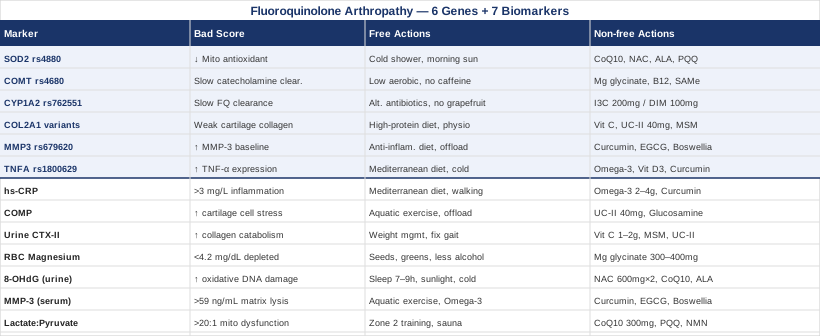
7 Biomarkers That Track Fluoroquinolone Joint Damage
The challenge with fluoroquinolone-induced arthropathy is that standard clinical tests — X-rays, basic inflammatory panels — often come back unremarkable even when you feel clearly unwell. That's because the damage in many cases is subclinical at the tissue level: elevated enzymes, increased oxidative stress markers, subtle mitochondrial impairment. The biomarkers below are chosen specifically because they map to the known mechanisms of fluoroquinolone toxicity and provide actionable information.
Biomarker 1: High-Sensitivity C-Reactive Protein (hs-CRP)
Why it matters: hs-CRP is the most accessible marker of systemic low-grade inflammation. While not specific to joint damage, persistently elevated hs-CRP after fluoroquinolone exposure signals that the inflammatory cascade triggered by the drug has not resolved. In the context of arthropathy, ongoing inflammation accelerates cartilage degradation.
What it reveals: Levels below 1.0 mg/L are optimal. Between 1 and 3 mg/L represents average cardiovascular and inflammatory risk. Above 3 mg/L suggests active inflammation. In people with FQ arthropathy, sustained elevation beyond four to six weeks after stopping the antibiotic suggests the inflammatory process is self-perpetuating, not winding down.
How to measure it
Standard blood draw. Widely available through any primary care physician or direct-to-consumer labs. Cost: $20–60. Specify high-sensitivity CRP — regular CRP is too coarse for low-grade inflammation tracking. Retest every 6–8 weeks to track trajectory.
If the score is bad: the plan without supplements
A strict Mediterranean-style diet reduces hs-CRP by 20–40% over 12 weeks in most studies. Concretely: eliminate processed vegetable oils (soybean, corn, canola), refined carbohydrates, and alcohol. Increase oily fish (sardines, mackerel, salmon) to three servings per week. Prioritize 7–9 hours of sleep consistently — poor sleep is independently associated with elevated CRP. Add 30–45 minutes of daily low-intensity walking.
If the score is bad: the plan with supplements or equipment
Omega-3 (EPA+DHA): 2–4g/day from fish oil. Well-documented reduction in CRP at this dose range over 8–12 weeks. Take with food. Side effects: GI discomfort at higher doses, possible blood thinning — discontinue 1 week before surgery. Long-term use is generally safe.
Curcumin phytosome (e.g., Meriva or BCM-95 formulation): 500mg twice daily. Standard curcumin has poor bioavailability; phospholipid or piperine-enhanced formulations are necessary. Cycle 8 weeks on, 2 weeks off. Caution with anticoagulants.
Boswellia serrata extract (AKBA): 300mg three times daily. Has documented NF-κB inhibiting effects. Side effects rare at this dose; occasional GI discomfort.
Biomarker 2: COMP (Cartilage Oligomeric Matrix Protein)
Why it matters: COMP is released into the blood when chondrocytes (cartilage cells) are stressed or damaged. It is not a general inflammation marker — it is specific to the cartilage matrix. Elevated serum COMP tells you that cartilage is actively breaking down, not merely that inflammation is present.
What it reveals: COMP rises acutely during cartilage loading and damage, then normalizes in healthy tissue. Persistently elevated COMP following fluoroquinolone exposure is a direct signal that cartilage-level damage is ongoing, even when imaging appears normal. Some research has also linked COMP elevation to tendinopathy progression, which is highly relevant given that FQs target both joint and tendon tissue.
How to measure it
Serum test. Less commonly ordered in standard care; may require a functional medicine practitioner or rheumatologist referral, or direct-to-consumer specialty labs. Cost: $100–250. Interpret in combination with symptoms and other biomarkers.
If the score is bad: the plan without supplements
Joint offloading is the first priority. This means eliminating impact activities (running, jumping, heavy weight-bearing) from affected joints during the elevated phase. Aquatic exercise — pool walking, swimming — allows joint movement without compressive stress and maintains blood flow to cartilage (which has no direct blood supply and depends on diffusion). Correct any biomechanical loading asymmetries with a physiotherapist.
If the score is bad: the plan with supplements or equipment
Undenatured type II collagen (UC-II): 40mg/day on an empty stomach. UC-II works through oral tolerance mechanisms — it appears to reduce the immune response attacking cartilage collagen. A 2016 double-blind RCT showed UC-II superior to glucosamine + chondroitin for knee OA outcomes. Take consistently; effect builds over 90 days.
Glucosamine sulfate: 1500mg/day. Evidence is mixed for pain but there is reasonable data supporting structural effects. Use the sulfate form, not hydrochloride.
Hyaluronic acid (oral, high molecular weight): 200mg/day. Supports synovial fluid quality and cartilage hydration. Side effects minimal. Safe long-term.
Biomarker 3: Urinary CTX-II (C-terminal Telopeptide of Type II Collagen)
Why it matters: CTX-II is widely considered the most direct non-invasive marker of cartilage catabolism available. It measures fragments of type II collagen — the structural protein unique to cartilage — excreted in urine as the cartilage matrix breaks down. Unlike COMP, which reflects cartilage cell stress, CTX-II specifically reflects the breakdown of the collagen scaffold itself.
What it reveals: Elevated urinary CTX-II indicates active cartilage matrix degradation. It correlates with structural progression in osteoarthritis and can detect changes months before they appear on imaging. In FQ arthropathy, it can help distinguish between resolution (CTX-II normalizing over time) and progressive damage.
How to measure it
First-morning urine sample (highest concentration, lowest diurnal variability). Available through specialty labs including Mayo Clinic Laboratories and ARUP, and through some functional medicine diagnostic platforms. Cost: $150–350. Retest every 8–12 weeks when monitoring progression or response to intervention.
If the score is bad: the plan without supplements
Weight management is highly impactful: every 1 kg reduction in body weight removes approximately 4 kg of knee joint load. A 10% reduction in BMI has been associated with 30–40% reductions in CTX-II in OA studies. Correct lower-limb biomechanics (overpronation, hip weakness) with targeted physiotherapy — abnormal loading patterns accelerate the very degradation CTX-II measures.
If the score is bad: the plan with supplements or equipment
Vitamin C: 1–2g/day divided doses. Vitamin C is a required cofactor for the hydroxylation of proline and lysine residues in procollagen — without adequate vitamin C, collagen synthesis quality degrades. Essential, inexpensive, and safe. Reduce dose if GI discomfort develops.
Methylsulfonylmethane (MSM): 1–3g/day. Provides sulfur for cartilage glycosaminoglycan synthesis. A 2006 randomized trial showed MSM at 3g/day twice daily significantly reduced pain and improved function in OA. Side effects minimal at standard doses.
UC-II (as above): 40mg/day on empty stomach. Crosses the first biomarker and this one — use if both COMP and CTX-II are elevated.
Biomarker 4: RBC Magnesium (Erythrocyte Magnesium)
Why it matters: This is arguably the most mechanistically direct biomarker for fluoroquinolone arthropathy. Fluoroquinolones chelate divalent cations — magnesium most significantly — within tissues. This is not incidental: magnesium is a required cofactor for over 300 enzymatic reactions, including those governing cartilage matrix synthesis, mitochondrial ATP production, and DNA repair. Standard serum magnesium is often normal even when intracellular stores are severely depleted. RBC magnesium reflects true intracellular magnesium status.
What it reveals: RBC magnesium below 4.2 mg/dL (or equivalent in your lab's reference range) indicates cellular deficiency that serum testing would miss entirely. In FQ-exposed individuals, RBC magnesium depletion may persist for weeks to months, explaining why cartilage and tendon dysfunction outlasts the drug.
How to measure it
Blood draw — but you must specifically request erythrocyte magnesium or RBC magnesium. Most labs default to serum magnesium, which will give you a misleadingly normal result. Available through standard labs if ordered correctly. Cost: $40–90. Retest 8 weeks after starting magnesium repletion.
If the score is bad: the plan without supplements
Dietary magnesium is meaningful and should be maximized regardless: pumpkin seeds (one ounce provides ~168mg), dark leafy greens (cooked spinach, Swiss chard), dark chocolate (70%+), almonds, and avocado are highest-density sources. Reduce alcohol and caffeine, both of which increase renal magnesium excretion. Eliminate refined sugar — it depletes magnesium through insulin-mediated urinary losses.
If the score is bad: the plan with supplements or equipment
Magnesium glycinate: 300–400mg elemental magnesium at night. The glycinate chelation dramatically improves absorption and tolerability compared to oxide. Glycine additionally supports sleep and cartilage collagen synthesis. Start at 200mg and build up. Side effects: loose stools if dose is too high — reduce and build more slowly.
Magnesium malate: 300mg during the day if fatigue is prominent. Malate participates in the Krebs cycle and may support mitochondrial energy production alongside magnesium repletion.
Magnesium threonate: if neurological symptoms (cognitive fog, anxiety) accompany the arthropathy, threonate crosses the blood-brain barrier more efficiently. Use 1.5–2g/day (contains ~145mg elemental magnesium at standard dosing). More expensive.
Transdermal magnesium (Epsom salt baths): evidence for transdermal absorption is limited but anecdotally helpful. 400–500g Epsom salts in a warm bath, 20 minutes, 3x/week. No side effects.
Biomarker 5: 8-OHdG (8-Hydroxydeoxyguanosine)
Why it matters: 8-OHdG is a product of oxidative damage to DNA — specifically, the oxidation of guanine by reactive oxygen species (ROS). It appears in urine and can be measured as a systemic indicator of oxidative stress load. Its significance in fluoroquinolone arthropathy lies in the documented ability of FQs to generate mitochondrial ROS, and in the fact that cartilage chondrocytes are particularly sensitive to oxidative damage because of their relatively low antioxidant enzyme activity.
What it reveals: Elevated 8-OHdG suggests that oxidative damage to DNA — including mitochondrial DNA — is ongoing. This can explain persistent symptoms: if mitochondrial DNA is being continuously damaged, energy metabolism in cartilage and muscle cells remains impaired long after the drug is cleared.
How to measure it
First-morning urine, ELISA assay. Available through specialty labs including Doctor's Data, Genova Diagnostics, and some international labs. Not commonly available through standard hospitals. Cost: $100–200. Values reported as ng/mg creatinine to adjust for urine concentration.
If the score is bad: the plan without supplements
Sleep optimization is non-negotiable: the bulk of oxidative damage clearance (via the glymphatic system and antioxidant enzyme upregulation) occurs during deep sleep. Prioritize 7–9 hours with consistent timing. Morning sunlight exposure (10–20 minutes within one hour of waking) regulates circadian antioxidant rhythms via melatonin. Cold exposure — brief cold showers or cold water immersion — activates the Nrf2 pathway, the master regulator of antioxidant gene expression. Eliminate additional pro-oxidant inputs: alcohol, cigarette smoke, excessive processed cooking oils.
If the score is bad: the plan with supplements or equipment
N-acetylcysteine (NAC): 600mg twice daily. NAC is the rate-limiting precursor to glutathione — the dominant intracellular antioxidant. In mitochondrial oxidative stress contexts, NAC is one of the best-supported interventions. Cycle 4–6 weeks on, 2 weeks off — prolonged uninterrupted use may paradoxically blunt the body's own antioxidant upregulation. Side effects: occasional GI discomfort; rare anaphylaxis in sensitive individuals.
CoQ10 (ubiquinol form): 200–400mg/day. Ubiquinol is the reduced, active form and is better absorbed than ubiquinone. CoQ10 functions both as an electron carrier in the mitochondrial chain and as a membrane-bound antioxidant. Particularly relevant if statin use accompanies the arthropathy (statins deplete CoQ10). Generally safe long-term.
Alpha-lipoic acid: 300mg twice daily. Both water- and fat-soluble, meaning it works in both aqueous and lipid environments — a rare property. Regenerates vitamins C and E, and helps recycle glutathione. Side effects: may lower blood sugar (relevant for diabetics); caution in thiamine deficiency.
Red/near-infrared light therapy device: home devices delivering 630–850nm wavelengths directly stimulate cytochrome c oxidase (mitochondrial Complex IV), reducing oxidative stress in treated tissue. 10–15 minutes per session, 4–5x/week over affected joints and lower back/spine region.
Biomarker 6: MMP-3 (Matrix Metalloproteinase-3 / Stromelysin-1)
Why it matters: Matrix metalloproteinases are the enzymes responsible for breaking down the extracellular matrix of cartilage, tendons, and connective tissue. MMP-3 specifically degrades aggrecan, fibronectin, and multiple collagen types — essentially dismantling the structural scaffolding of joints. Critically for this context, fluoroquinolones have been documented in cell studies to directly upregulate MMP-3 expression in chondrocytes and tenocytes. An elevated serum MMP-3 confirms that this degradative process is active.
What it reveals: MMP-3 above approximately 59 ng/mL in serum (check your lab's reference range) indicates active extracellular matrix breakdown. It is also elevated in rheumatoid arthritis and is sometimes used in that context — making it a marker rheumatologists may be willing to order. Tracking MMP-3 over time helps you determine whether interventions are actually reducing the degradative enzyme load.
How to measure it
Serum ELISA. Increasingly available through rheumatology-associated labs and functional medicine diagnostics. Not universally available through standard panels. Cost: $150–250. Trend over time matters more than single measurements.
If the score is bad: the plan without supplements
Mechanical loading of degrading cartilage dramatically increases local MMP expression — so the first intervention is to reduce compressive and shear forces on affected joints while keeping movement going (aquatic exercise, cycling with low resistance, yoga with modified weight-bearing). Dietary pattern matters: a diet high in arachidonic acid (from corn-fed meat, processed foods) upregulates the MMP-stimulating prostaglandin pathway. Shift toward pastured animal products and omega-3-rich fish.
If the score is bad: the plan with supplements or equipment
Curcumin (piperine-enhanced): 500–1000mg/day with 20mg piperine. Piperine increases curcumin bioavailability by approximately 2000%. Curcumin is one of the best-studied natural MMP-3 inhibitors, working through NF-κB suppression. Cycle 8 weeks on, 2 weeks off. Caution with anticoagulants.
EGCG (epigallocatechin-3-gallate, from green tea extract): 400–800mg/day standardized to at least 50% EGCG. Has demonstrated MMP-inhibitory effects in joint tissue. Take with food to avoid GI irritation. Can be taken long-term at this dose but cycle every 12 weeks if sensitivity develops.
Boswellia serrata (AKBA-enriched): 300mg three times daily. AKBA (acetyl-11-keto-β-boswellic acid) specifically inhibits 5-LOX and has downstream MMP-suppressing effects. Well-tolerated; rare GI side effects.
Low-dose doxycycline (prescription required): Sub-antimicrobial doses of doxycycline (20mg twice daily, the formulation marketed as Periostat in dental contexts) have a well-documented MMP-inhibiting effect independent of antibiotic activity. Requires physician involvement but is an established pharmacological approach to MMP suppression. Cycle in 3-month blocks with assessment.
Biomarker 7: Plasma Lactate:Pyruvate Ratio (Mitochondrial Function)
Why it matters: Fluoroquinolones are documented inhibitors of mitochondrial topoisomerase II — the enzyme bacteria use for DNA replication, but which also exists in mammalian mitochondria given their bacterial evolutionary origin. FQ-induced inhibition of mitochondrial topoisomerase II impairs mitochondrial DNA replication and electron transport chain function. When the electron transport chain is impaired, cells shift toward anaerobic glycolysis, producing more lactate relative to pyruvate. An elevated lactate:pyruvate ratio (L:P) is therefore a systemic fingerprint of mitochondrial dysfunction.
What it reveals: A normal plasma L:P ratio is below approximately 20:1. Ratios above 20–25 suggest impaired mitochondrial electron transport. This is clinically meaningful: it explains why FQ-exposed individuals often report profound fatigue, exercise intolerance, and muscle weakness alongside joint symptoms — the muscle cells are running on inefficient anaerobic metabolism.
How to measure it
Plasma lactate and pyruvate must be drawn together and processed immediately — the sample is unstable. Functional medicine practitioners and metabolic disease specialists can order this. Some hospital labs with rapid processing capability can also perform it. Cost: $100–250. Fasting state is preferred.
If the score is bad: the plan without supplements
Zone 2 aerobic training is the most evidence-based non-pharmacological stimulus for mitochondrial biogenesis. Zone 2 means sustained aerobic effort at approximately 60–70% of maximum heart rate — you can speak in full sentences but breathing is noticeably elevated. 45–60 minutes, 4 times per week. This is the primary training approach advocated by longevity physicians including Peter Attia. It upregulates PGC-1α, the master regulator of new mitochondria formation. Start conservatively given exercise intolerance; even 15–20 minutes is meaningful at first.
Intermittent fasting (16:8 daily schedule) triggers mitophagy — the cellular process that clears damaged mitochondria. This is prerequisite to healthy mitochondrial proliferation. Pair with Zone 2 training for additive benefit.
Sauna: 20–25 minutes at 80–100°C, 3–4x/week. Heat stress activates heat shock proteins and independently upregulates mitochondrial biogenesis. Evidence in this area is growing.
If the score is bad: the plan with supplements or equipment
CoQ10 (ubiquinol): 300–400mg/day. Directly participates in the electron transport chain at Complex I and II — addressing the core mitochondrial impairment. Take with a fat-containing meal. Safe long-term.
PQQ (pyrroloquinoline quinone): 20mg/day. One of the few compounds with demonstrated mitochondrial biogenesis activity in human trials. Works synergistically with CoQ10. Take with CoQ10 for additive effect. Generally safe; cycle every 3 months for sustained benefit.
NMN or NR (NAD+ precursors): 250–500mg/day. Mitochondrial dysfunction depletes cellular NAD+, impairing the electron transport chain further. NMN and NR both increase NAD+ levels; NMN may have slightly superior bioavailability. Take in the morning. Cycle 3 months on, 1 month off. Minimal side effects at standard doses.
Riboflavin (Vitamin B2): 200–400mg/day. A rate-limiting cofactor for mitochondrial Complex I and Complex II. Frequently overlooked in mitochondrial support protocols. Inexpensive and very safe. Will turn urine bright yellow — normal and harmless.
With these seven biomarkers, you have a detailed picture of the specific damage mechanisms active in your case. The next layer of insight comes from your genetic profile — which explains why these mechanisms hit you specifically hard, and which recovery strategies are most likely to work for your biology.
The Genetic Blueprint: How Your DNA Shapes Your Risk
Two people take the same fluoroquinolone at the same dose for the same number of days. One recovers fully in a month. The other is still dealing with joint symptoms a year later. The difference is not willpower or attention. It is, in significant part, genetics — specifically, variants in genes governing how fluoroquinolones are metabolized, how much oxidative stress the body can withstand, how aggressively inflammation is amplified, and how efficiently cartilage is repaired.
The six gene variants below are not rare. Several have minor allele frequencies of 30–50% in European-ancestry populations, meaning many people carry at least one unfavorable variant without knowing it. Consumer genetic tests like 23andMe report some of these; others require clinical pharmacogenomics panels or research-grade sequencing. All of them have actionable implications regardless of whether you know your status.
SOD2 rs4880 (Val16Ala) — Mitochondrial Antioxidant Capacity
What it affects: SOD2 encodes manganese superoxide dismutase, the primary antioxidant enzyme inside mitochondria. The Val16Ala substitution (A allele) impairs the import of the SOD2 protein into the mitochondrial matrix — the protein is made correctly but cannot get to where it needs to work. Homozygous A/A carriers have significantly reduced mitochondrial antioxidant defense.
In the context of fluoroquinolone exposure — which generates mitochondrial reactive oxygen species — a compromised SOD2 means far less protection against the oxidative cascade the drug triggers. This is likely one of the clearest genetic explanations for severe, persistent FQ toxicity.
If the gene is bad: the plan without supplements
Morning sunlight exposure (outdoor, unfiltered glass, 10–20 minutes) within 60 minutes of waking supports circadian regulation of antioxidant enzyme rhythms. Cold water immersion (cold shower or ice bath, 2–3 minutes, 3–4x/week) activates Nrf2, upregulating the body's own antioxidant gene expression cascade — partially compensating for the SOD2 deficit. Minimize additional oxidative stressors: alcohol, processed cooking oils, heavy exercise during acute recovery phases.
If the gene is bad: the plan with supplements or equipment
Since SOD2 protein cannot be supplemented directly, the strategy is to support every other component of the antioxidant network:
CoQ10 (ubiquinol): 200–400mg/day — both an electron carrier and a membrane antioxidant that partially substitutes for SOD2 function in the mitochondrial inner membrane.
NAC: 600mg twice daily. Glutathione is the downstream antioxidant that SOD2-generated superoxide would eventually be neutralized by. Supporting glutathione synthesis compensates upstream.
Alpha-lipoic acid: 300mg twice daily. Regenerates vitamins C and E after they have been oxidized — sustaining the antioxidant network even under high oxidative load.
PQQ: 20mg/day. If mitochondria are being oxidatively damaged, growing new, healthier mitochondria via biogenesis provides resilience. PQQ is one of the few agents with demonstrated biogenesis activity in humans.
Cycle guidance: NAC 4–6 weeks on, 2 weeks off. Others generally safe long-term. Monitor for GI sensitivity with alpha-lipoic acid.
COMT rs4680 (Val158Met) — Pain Processing and Catecholamine Clearance
What it affects: COMT encodes catechol-O-methyltransferase, the enzyme responsible for breaking down catecholamines (dopamine, epinephrine, norepinephrine) and estrogen metabolites. The Met/Met variant (homozygous for the "slow" allele) results in significantly slower clearance. Slow COMT is strongly associated with central sensitization — a phenomenon where the nervous system becomes hyperresponsive to pain signals, amplifying even moderate tissue damage into severe, persistent pain.
This does not mean COMT causes the cartilage damage — it doesn't. But it means that slow-COMT individuals may experience FQ arthropathy as significantly more severe and more distressing than their tissue damage alone would predict, and may find standard pain management less effective.
If the gene is bad: the plan without supplements
Aerobic exercise at low-to-moderate intensity is one of the most effective tools for depleting excess catecholamines and reducing pain amplification in slow-COMT individuals. Mindfulness-based interventions (MBSR) have demonstrated structural brain changes in pain-processing regions — see the complementary approaches section below. Limit caffeine, which increases the catecholamine burden COMT must process. Consistent sleep scheduling matters acutely: sleep deprivation dramatically worsens pain sensitization in slow-COMT carriers.
If the gene is bad: the plan with supplements or equipment
Magnesium glycinate: 300–400mg at night. Magnesium is a COMT cofactor — without adequate magnesium, COMT function slows further. This creates a direct interaction with the magnesium depletion FQs cause.
Methyl-B12 + Methylfolate: COMT requires methyl groups (SAM-e is the methyl donor) to function. Support the methylation cycle with methylcobalamin (1000–2000mcg) and 5-MTHF (400–800mcg) rather than synthetic folic acid. Start low and increase gradually — overmethylation can cause anxiety in sensitive individuals.
SAMe (S-adenosylmethionine): 400mg in the morning on an empty stomach. The direct methyl donor substrate. Shown in some studies to reduce joint pain independently. Caution if personal or family history of bipolar disorder (can trigger hypomanic episodes). Cycle 6 weeks on, 2 weeks off.
CYP1A2 rs762551 — Fluoroquinolone Metabolism Speed
What it affects: CYP1A2 is a hepatic cytochrome P450 enzyme involved in the metabolism of several fluoroquinolones, including ciprofloxacin. The C allele at rs762551 produces a slower CYP1A2 enzyme. Slow metabolizers maintain higher plasma fluoroquinolone concentrations for significantly longer than normal or fast metabolizers — essentially receiving a higher effective dose from the same prescribed amount.
This is one of the most clinically direct genetic explanations for why certain individuals are devastated by doses that others tolerate without incident. The drug does not clear as quickly, the tissue exposure is prolonged, and the cumulative damage is proportionally greater.
If the gene is bad: the plan without supplements
For future decisions, discuss CYP1A2 status with your prescriber. In many infections for which fluoroquinolones are prescribed, alternative antibiotics (penicillins, macrolides, trimethoprim-sulfamethoxazole) are effective with lower toxicity risk for slow metabolizers. Avoid charcoal-grilled meats, which induce CYP1A2 paradoxically but come with other inflammatory costs. Avoid grapefruit and grapefruit juice, which inhibit related CYP enzymes and can compound drug clearance issues.
If the gene is bad: the plan with supplements or equipment
Indole-3-carbinol (I3C) or DIM (diindolylmethane): Compounds from cruciferous vegetables can modestly modulate CYP1A2 activity. I3C 200mg/day or DIM 100–200mg/day with food. These are primarily useful as part of a long-term detoxification support strategy. Side effects: occasional GI discomfort.
The most impactful intervention for CYP1A2 is prevention — making an informed decision about fluoroquinolone use in the future rather than attempting to change metabolism after the fact. If you carry the C allele and have experienced FQ arthropathy, that history is medically significant and should be part of any future antibiotic discussion.
COL2A1 Variants — Cartilage Collagen Quality and Repair
What it affects: COL2A1 encodes the alpha-1 chain of type II collagen — the dominant structural protein in articular cartilage. Polymorphisms in COL2A1 affect collagen fiber quality, cross-linking efficiency, and the baseline integrity of the cartilage matrix. Individuals with disadvantageous COL2A1 variants start with cartilage that is structurally more vulnerable to degradation — meaning that when fluoroquinolone-induced MMP upregulation occurs, there is less structural resilience to absorb it.
Multiple COL2A1 variants are associated with osteoarthritis susceptibility and altered cartilage repair capacity. Whole genome sequencing or research-grade panels are needed to fully assess this gene; standard consumer tests do not report it comprehensively.
If the gene is bad: the plan without supplements
Dietary protein is the raw material for collagen synthesis — ensure consistent intake of 1.6–2.0g/kg body weight per day. Glycine-rich protein sources are specifically valuable: collagen from bone broth contains high concentrations of glycine, proline, and hydroxyproline — the specific amino acids that make up cartilage collagen. Maintain a healthy body weight to reduce mechanical loading on structurally vulnerable cartilage. Correct lower-limb alignment issues with targeted physiotherapy.
If the gene is bad: the plan with supplements or equipment
Vitamin C: 1–2g/day divided doses. Absolutely essential for the hydroxylation of proline and lysine — the chemical modification that gives collagen its structural strength. Without adequate vitamin C, newly synthesized collagen is weak regardless of how much collagen precursor you consume. Safe at these doses; reduce if GI sensitivity.
UC-II (undenatured type II collagen): 40mg/day on empty stomach. 90-day commitment minimum before assessing effect. Works via immune tolerance mechanisms rather than simply providing raw material — particularly relevant when immune cells may be targeting damaged type II collagen.
Proline and glycine (standalone amino acids): 2–3g each per day. These are the primary amino acids in cartilage collagen and are often limiting in modern diets. Affordable and safe long-term.
MSM: 2–3g/day. Provides bioavailable sulfur, necessary for proteoglycan synthesis (the "gel" component of cartilage that provides compressive resilience).
MMP3 rs679620 — Cartilage Matrix Degradation Rate
What it affects: The A allele at rs679620 is associated with higher baseline transcription of the MMP3 gene. This means carriers produce more MMP-3 enzyme at baseline — and when fluoroquinolones additionally upregulate MMP-3 in cartilage and tendon tissue, the combined effect is significantly greater matrix destruction than in non-carriers.
This gene essentially amplifies the very mechanism that makes fluoroquinolone arthropathy destructive. Carriers of the A allele may experience faster cartilage degradation, longer recovery timelines, and higher baseline MMP-3 on the biomarker test above.
If the gene is bad: the plan without supplements
Strict joint mechanical management: eliminate compressive loading during elevated MMP-3 phases, maintain low-intensity movement (aquatic, cycling) to keep synovial fluid circulating. Adopt a comprehensively anti-inflammatory diet with emphasis on omega-3 rich fish, colorful vegetables (polyphenol-rich), and elimination of refined vegetable oils and processed starches. Avoid NSAIDs as a long-term solution — they mask symptoms without addressing MMP activity and can impair cartilage healing over time.
If the gene is bad: the plan with supplements or equipment
The supplement protocol here overlaps substantially with the MMP-3 biomarker plan above — which is expected, since the gene variant is the reason for elevated MMP-3. Use the biomarker to confirm the gene is actively expressing and guide dosing:
Curcumin phytosome: 500–1000mg/day. Cycle 8 weeks on, 2 weeks off. EGCG: 400–800mg/day. Cycle every 12 weeks. Boswellia (AKBA): 300mg 3x/day, long-term safe. Omega-3 (EPA+DHA): 3–4g/day. Long-term safe and broadly anti-inflammatory.
TNFA rs1800629 — TNF-Alpha Inflammatory Magnitude
What it affects: The A allele at position -308 in the TNF-alpha promoter region increases the transcription rate of TNF-alpha — the primary pro-inflammatory cytokine of the innate immune system. A/G or A/A carriers mount more intense and more prolonged inflammatory responses to tissue injury. In the context of FQ-induced cartilage damage, this means that the initial inflammatory signal is amplified, secondary damage from inflammation-driven protease activity is greater, and resolution takes longer.
TNF-alpha also directly stimulates MMP production — meaning the TNFA and MMP3 variants interact, and carriers of both are at compounded risk.
If the gene is bad: the plan without supplements
Mediterranean diet strictly followed (not loosely interpreted) is the single most evidence-backed dietary intervention for reducing circulating TNF-alpha. Time-restricted eating (16:8 schedule) has demonstrated reductions in inflammatory cytokines including TNF-alpha in human trials. Cold water immersion 2–3 times per week has reproducible anti-inflammatory effects. Optimize sleep — TNF-alpha follows a diurnal rhythm and is significantly elevated by insufficient sleep duration.
If the gene is bad: the plan with supplements or equipment
Omega-3 fish oil (EPA+DHA): 3–4g/day. One of the few supplements with direct, replicated evidence of reducing TNF-alpha expression. EPA specifically competes with arachidonic acid for inflammatory enzyme activity.
Vitamin D3: 4000–6000 IU/day. Low vitamin D status is strongly and consistently associated with elevated TNF-alpha in population studies. Test quarterly to maintain 60–80 ng/mL serum level. Add vitamin K2 (MK-7, 100–200mcg) to prevent soft tissue calcification at higher D3 doses. Side effects: hypercalcemia possible at very high doses — test regularly.
Curcumin: 500–1000mg with piperine. Specifically suppresses the NF-κB pathway through which TNF-alpha activates downstream inflammation cascades.
Boswellia: 300mg 3x/day. Long-term safe and complementary to curcumin.
With the genetic picture added to the biomarker profile, you have a genuinely individualized framework. The next resource worth understanding is the mitochondrial science underlying much of why fluoroquinolone symptoms persist — which one book covers better than any other currently available.
What "Mitochondria and the Future of Medicine" Teaches Us About Fluoroquinolone Recovery
Mitochondria and the Future of Medicine by Dr. Lee Know (Chelsea Green Publishing, 2018) is not about antibiotics. But it may be the most directly applicable book for anyone trying to understand why fluoroquinolone symptoms persist long after the drug clears. The reason is straightforward: FQs are now well-characterized mitochondrial toxins, and this book provides the clearest lay-accessible framework for understanding what mitochondrial dysfunction means, why it self-perpetuates, and what actually reverses it. Here are the ten most impactful insights from the book, viewed through the lens of FQ arthropathy recovery.
1. Fluoroquinolones Target Mitochondrial Topoisomerase II
This is not officially stated in the book — but it is the mechanistic bridge that makes the book essential reading. FQs inhibit bacterial gyrase (topoisomerase II) because bacteria and mitochondria share an evolutionary origin. Mammalian mitochondria have their own topoisomerase II, and FQs inhibit it at therapeutic doses. Dr. Know's detailed explanation of how mitochondrial DNA replication works makes this threat immediately legible: damage to mitochondrial DNA replication means new mitochondria cannot be made properly.
2. Mitochondrial Disease Exists on a Spectrum
Most people associate "mitochondrial disease" with rare, catastrophic pediatric conditions. Dr. Know argues compellingly that mitochondrial dysfunction exists on a continuous spectrum — and that acquired mitochondrial damage (from drugs, toxins, or sustained oxidative stress) can push people who were previously subclinical into overt symptoms. This reframes FQ toxicity: it may be exposing pre-existing mitochondrial vulnerabilities in those who are hardest hit.
3. CoQ10 Is the Linchpin of the Electron Transport Chain
CoQ10 carries electrons between Complex I/II and Complex III in the mitochondrial inner membrane. It is irreplaceable. Dr. Know documents how CoQ10 depletion — from statins, aging, or mitochondrial stress — creates an energy deficit that no dietary strategy can fully compensate for. For FQ-exposed individuals, CoQ10 supplementation is not optional — it is mechanistically essential.
4. Damaged Mitochondria Must Be Cleared Before New Ones Can Thrive
The book introduces mitophagy — the selective autophagy of dysfunctional mitochondria — as a prerequisite for mitochondrial renewal. New mitochondria forming in an environment full of damaged ones simply become damaged themselves. This is why intermittent fasting and caloric restriction, both potent mitophagy triggers, are relevant to FQ recovery. Clearing the debris must come before building back.
5. PQQ Is One of the Only Compounds That Grows New Mitochondria
Pyrroloquinoline quinone (PQQ) activates PGC-1α signaling, stimulating mitochondrial biogenesis in multiple tissue types. Dr. Know's review of PQQ research — including human studies showing increased mitochondrial density markers — makes this one of the most uniquely compelling interventions in the mitochondrial toolkit. For cartilage chondrocytes, where mitochondrial density is already low, this is particularly relevant.
6. The Electron Transport Chain Is Self-Amplifyingly Destructive When Impaired
When the electron transport chain is impaired, electrons are "leaked" to oxygen prematurely, generating superoxide radicals. These damage the very mitochondrial DNA and membrane proteins needed to repair the chain — a vicious cycle. Dr. Know explains why early intervention (before the self-amplifying damage becomes entrenched) produces dramatically better outcomes than delayed treatment.
7. Riboflavin (B2) Is a Rate-Limiting Factor Almost Nobody Addresses
FADH2, derived from riboflavin, is the electron donor for Complex II. Without adequate riboflavin, Complex II function is impaired — yet B2 is almost never included in mitochondrial support discussions. Dr. Know highlights multiple case reports where pharmacological doses of riboflavin (200–400mg/day) produced dramatic improvements in mitochondrial disease states. Given that FQs impair Complex I and II, riboflavin is a legitimate and very inexpensive addition.
8. NAD+ Depletion Is a Second-Order Consequence of Mitochondrial Stress
Mitochondrial dysfunction depletes cellular NAD+ through multiple pathways — including PARP activation in response to DNA damage. Low NAD+ then further impairs the electron transport chain (since NAD+ is the electron donor for Complex I), creating a second reinforcing loop of dysfunction. NMN and NR supplementation address this specific bottleneck.
9. Zone 2 Training Is the Most Evidence-Based Mitochondrial Biogenesis Trigger
Dr. Know reviews the exercise physiology literature showing that sustained sub-threshold aerobic work — the kind you can maintain for 45–60 minutes — is the most potent stimulus for PGC-1α activation and mitochondrial biogenesis. High-intensity interval training generates more acute oxidative stress without the sustained biogenesis signal. For FQ-recovery individuals with exercise intolerance, this legitimizes starting with very gentle, consistent aerobic work rather than intense protocols.
10. Heat Exposure Is a Powerful Mitochondrial Stimulus
Regular sauna use (Finnish-style, 80–100°C) activates heat shock proteins, reduces systemic inflammation, and directly stimulates mitochondrial biogenesis through multiple pathways. Dr. Know's review of sauna literature supports what Finnish longevity research shows: regular heat exposure has measurable mitochondrial and inflammatory benefits that accumulate over time. For FQ-recovery individuals, sauna can substitute when vigorous exercise is not yet tolerated.
Complementary Approaches Worth Considering
Science-based complementary therapies can address aspects of fluoroquinolone arthropathy that biomarkers and genetic data alone cannot fully reach — particularly the microbiome devastation caused by the antibiotic itself, the chronic pain experience, and the tissue healing potential. The four approaches below have meaningful human clinical evidence and specific relevance to FQ arthropathy mechanisms.
Low-Level Laser Therapy (LLLT) and Photobiomodulation
What it is and why it matters: Photobiomodulation delivers light at wavelengths of 630–1000nm into tissue, where photons are absorbed by cytochrome c oxidase — the terminal enzyme of the mitochondrial electron transport chain (Complex IV). This directly stimulates mitochondrial energy production and reduces oxidative stress in treated tissue. Given that mitochondrial dysfunction is central to FQ arthropathy, this is not an incidental approach but a mechanistically targeted one. Additionally, LLLT has documented effects on tendon and cartilage healing, collagen synthesis stimulation, and MMP modulation.
Specific protocol and evidence: 808–1064nm wavelength, 50–100mW/cm² delivered over affected joints, 3 times per week for 8–12 weeks. Home devices (red/near-infrared panels) at 660nm + 850nm are accessible options. Clinical physiotherapy LLLT devices are available in many sports medicine and physiotherapy clinics. Multiple systematic reviews have documented LLLT's efficacy for tendinopathy and joint pain, though direct evidence for FQ-induced arthropathy specifically is absent — the mechanism justifies its use, and tendinopathy evidence is highly relevant given the overlap.
Practical application: Home devices offering 650–850nm are commercially available and represent a cost-effective long-term investment ($200–600). Apply over affected joints 10–15 minutes per session. Avoid use over active cancer sites or if on photosensitizing medications. Evidence is strongest when used consistently over weeks rather than single sessions.
Microbiome-Directed Therapies
What it is and why it matters: Fluoroquinolones are among the most microbiome-disruptive antibiotics available. A single course can reduce microbiome diversity by 30–50% and eliminate entire bacterial lineages. This matters for joint health because the gut-joint axis is well-established: microbiome disruption elevates systemic inflammation, alters immune regulation, and may perpetuate the inflammatory arthropathy even after the drug clears. Restoring microbiome diversity is not peripheral to FQ arthropathy recovery — it is central to reducing the inflammatory burden that drives it.
Specific protocol and evidence: Multi-strain probiotic with Lactobacillus rhamnosus GG and Bifidobacterium longum at a minimum of 10 billion CFU/day started during or immediately after antibiotic course. Palleja et al. (Nature Microbiology, 2018) demonstrated that gut microbiome recovery following broad-spectrum antibiotics is incomplete after six months without active intervention, and that probiotic supplementation significantly accelerates recovery of key lineages.
Practical application: Begin probiotics immediately alongside or after the antibiotic — there is no benefit to waiting. After two weeks, add prebiotic fiber (10–15g/day of inulin or galacto-oligosaccharides) to feed recovering bacterial populations. Incorporate fermented foods — kefir, kimchi, sauerkraut, miso — daily. Avoid additional broad-spectrum antibiotics for at least 12 months if medically possible. Reassess with microbiome diversity testing (e.g., Viome or uBiome-equivalent platforms) at 3 months to confirm recovery trajectory.
Tai Chi
What it is and why it matters: Tai chi is a form of slow, controlled movement combining low-impact weight-bearing exercise, balance training, and focused breathing. For FQ arthropathy specifically, it addresses a critical challenge: maintaining joint movement and proprioception without the mechanical loading that would accelerate cartilage degradation. Tai chi also has documented anti-inflammatory effects — regular practice reduces circulating inflammatory markers including CRP and TNF-alpha — making it relevant beyond simple mobility maintenance.
Specific protocol and evidence: Yang-style tai chi, 60-minute sessions three times per week for 12 weeks. Wang et al. (2016), published in Annals of Internal Medicine, conducted a rigorous RCT demonstrating that 12 weeks of tai chi produced outcomes equivalent to physical therapy for knee osteoarthritis, with additional improvements in psychological wellbeing, depression scores, and physical function beyond the joint. Given the overlap between OA mechanisms and FQ arthropathy mechanisms, this evidence is directly applicable.
Practical application: Find a qualified instructor or use structured online programs (many hospital systems now offer telehealth tai chi). Begin with 20–30 minute sessions and build to the full 60-minute protocol as tolerated. Avoid postures that cause acute joint pain — modify with an instructor. Tai chi is appropriate for all fitness levels and ages, and risks of worsening joint damage are extremely low given its inherently gentle nature.
Mindfulness-Based Stress Reduction (MBSR)
What it is and why it matters: MBSR is a structured 8-week program combining mindfulness meditation, body scanning, and mindful movement. Its relevance to FQ arthropathy extends beyond general stress reduction: central sensitization — the amplification of pain signals by a hyperactivated nervous system — is increasingly recognized as a component of chronic musculoskeletal conditions, and MBSR has documented neurological effects on pain-processing regions. For slow-COMT gene carriers especially, this is mechanistically critical.
Specific protocol and evidence: The standard 8-week MBSR curriculum developed by Jon Kabat-Zinn at UMass Medical School: 2.5-hour weekly group sessions plus 45 minutes of daily home practice. Goyal et al. (2014), published in JAMA Internal Medicine, conducted a comprehensive meta-analysis of mindfulness meditation programs and found moderate evidence for significant improvement in pain, anxiety, and depression — with neuroimaging studies confirming structural changes in brain regions governing pain perception.
Practical application: Formal MBSR programs are available in many medical centers and online. The Palouse Mindfulness online course offers a free, structured 8-week MBSR-equivalent program. Even informal daily practice of 20 minutes of breath-focused meditation has measurable effects on inflammatory markers over 8 weeks. Apps such as Insight Timer provide free guided sessions. Begin with 10 minutes daily and build consistently — the evidence is dose-responsive.
Conclusion
Fluoroquinolone-induced arthropathy is not a vague or poorly understood condition — it has clear mechanisms, measurable biological markers, and genetic factors that explain individual vulnerability. What has lagged behind the science is the translation into practical, trackable guidance for people living with it.
The seven biomarkers covered here — hs-CRP, COMP, urinary CTX-II, RBC magnesium, 8-OHdG, MMP-3, and the lactate:pyruvate ratio — give you a window into the specific processes active in your case. The six gene variants add a layer of context that explains why you may be more affected than someone else who took the same drug, and which interventions are most likely to match your biology. The mitochondrial science from Dr. Know's work explains why symptoms persist — and what is actually needed to address that persistence, not just mask it.
The next smart step is not trying to implement everything at once. Pick the most accessible biomarker (hs-CRP and RBC magnesium are the best starting points, given their cost and relevance) and establish a baseline. If you have genetic testing data from a consumer service, check your SOD2 and COMT status — they'll immediately sharpen your supplement priorities. Discuss the MMP-3 and CTX-II tests with a functional medicine physician if you have access to one.
Better data leads to better decisions. Recovery from fluoroquinolone arthropathy is real, but it is rarely accidental — it tends to happen when people understand what they are dealing with and respond systematically.
Musculoskeletal: Joint Conditions Tendon & Ligament Conditions
Autoimmune: Inflammatory Conditions Connective Tissue Conditions