This article contains AI generated content.
· UpdatedFolliculitis Genes and Biomarkers – 5 Genes and 6 Biomarkers to Track
Introduction
If you've dealt with folliculitis more than once, you've probably noticed that the standard advice only goes so far. Keep the area clean, change your razor, wear looser clothing — and yet the flare comes back. That experience of doing everything right and still struggling is worth taking seriously, because it usually signals that something deeper is driving the condition.
Susceptibility to folliculitis is not arbitrary. Your skin's first-line defense depends on a network of tightly connected factors: how intact your skin barrier is at a structural level, how quickly your immune cells detect and respond to bacteria, how much local antimicrobial peptide activity your follicles can generate, and whether systemic inflammation is already taxing your immune resources. Two people can share the same environment, the same hygiene habits, and the same exposure to Staphylococcus aureus and have completely different outcomes. That gap is biology.
Generic protocols don't account for this variation. They treat folliculitis as a single condition with a single mechanism, when in practice, the drivers can be a weak skin barrier gene, low vitamin D impairing antimicrobial peptide production, insulin resistance creating sebum-rich follicles, or persistent nasal Staph carriage that keeps re-seeding the skin. The intervention that resolves one of those root causes does nothing for the others.
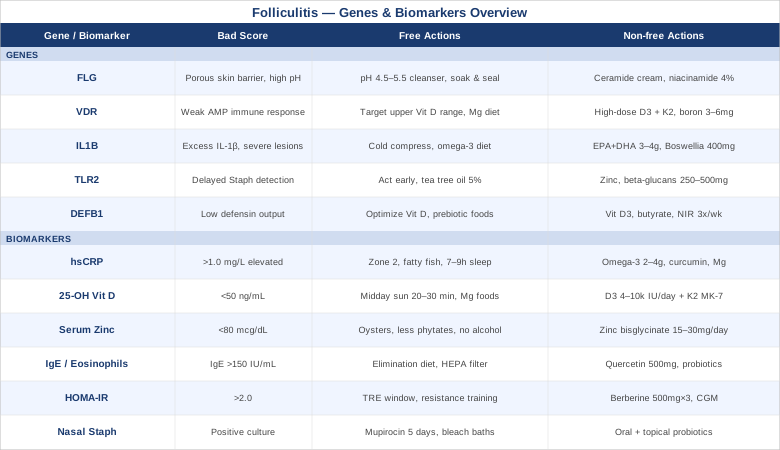
This article approaches the problem differently. It covers the six most actionable biomarkers you can test to map your personal vulnerability to folliculitis, along with concrete protocols for improving each one. It also covers the five key genes most relevant to skin barrier integrity and follicular immunity — and what to do if your variants are working against you. Beyond that, you'll find insights from a dense, research-grounded episode of the Huberman Lab podcast, and a review of complementary approaches with genuine clinical evidence for this condition. Better information doesn't cure folliculitis on its own — but it makes the path to resolution significantly clearer.
Summary
This article maps the biological drivers of chronic and recurrent folliculitis through two complementary lenses: measurable biomarkers you can test today and genetic variants that shape your baseline vulnerability. Here is what you'll find:
- Six biomarkers — hsCRP, 25-OH vitamin D, serum zinc, total IgE with eosinophil count, fasting insulin/HOMA-IR, and nasal Staph carriage — and what each reveals about your specific risk profile - For each marker: how to measure it (with realistic cost ranges), what to do if the result is poor without supplements, and what to do with supplements or equipment — including dosing, cycling, and side effects - Five genes — FLG, VDR, IL1B, TLR2, and DEFB1 — with compensatory strategies for each problematic variant - A breakdown of the ten most actionable insights from the Huberman Lab's episode on immune function, reframed for folliculitis - Four complementary modalities with real clinical evidence: photobiomodulation, microbiome-directed therapies, mindfulness/MBSR, and Chinese herbal medicine - Throughout: clear separation between what has strong human evidence and what is still early-stage
The goal is not to overwhelm — it is to give you a map precise enough to know where to focus first.
6 Biomarkers to Track If You Have Chronic Folliculitis
Most standard dermatology workups for folliculitis don't include these markers. That's not a flaw in the dermatologist — it's a flaw in the framing. Folliculitis is treated as a local skin problem when it is often the visible tip of a systemic vulnerability. Each of the following biomarkers reveals something specific and actionable about why your follicles keep succumbing.
1. High-Sensitivity CRP — Reading Your Systemic Inflammatory Background
Why it matters: C-reactive protein rises when the liver receives signals from inflammatory cytokines — particularly IL-6. In the context of chronic folliculitis, elevated hsCRP doesn't diagnose an infection; it tells you that your immune system is operating against a background of systemic inflammation that slows and weakens local responses. Neutrophils that should converge quickly on a follicular infection are less effective when they're already responding to diffuse inflammatory signals throughout the body.
Peter Attia has consistently highlighted hsCRP as one of the most underused markers in clinical practice — inexpensive, available at any standard lab, and highly informative. A result below 0.5 mg/L versus one above 3.0 mg/L represents a meaningfully different immune landscape for your skin.
How to measure it: A fasting blood draw. Request high-sensitivity CRP specifically — the standard CRP assay lacks resolution at low levels. Cost: $15–$50 out of pocket. Optimal: under 0.5 mg/L. Borderline elevated: 1.0–3.0 mg/L. Significant inflammation: above 3.0 mg/L.
If the score is bad — the plan without supplements: - Eliminate refined seed oils and ultra-processed carbohydrates for 6–8 weeks; these are among the most reliable dietary CRP drivers - Increase fatty fish consumption to 3–4 servings per week — EPA and DHA reduce IL-6 at the transcriptional level, which directly lowers CRP - Prioritize 7–9 hours of sleep consistently; sleep debt raises CRP through nighttime cortisol dysregulation and inflammatory signaling - Zone 2 cardio (150–200 minutes per week at a conversational pace) is one of the most reliably documented lifestyle interventions for reducing CRP - Investigate and treat any occult inflammatory source: untreated periodontal disease, gut dysbiosis, or a subclinical chronic infection all independently raise CRP
If the score is bad — the plan with supplements or equipment: - Omega-3 (EPA + DHA): 2–4g/day of combined EPA+DHA. Can be taken daily long-term. Side effects: mild fishy breath, blood-thinning effect at higher doses — flag to any physician before surgery. - Curcumin (liposomal or with piperine): 500–1000 mg/day. Cycling: 8–12 weeks on, 4 weeks off. Side effects: rare GI upset; caution with anticoagulants. - Magnesium glycinate: 300–400 mg nightly — magnesium deficiency is independently associated with elevated CRP and is highly prevalent. Low side effects; daily use.
2. 25-OH Vitamin D — The Antimicrobial Peptide Driver
Why it matters: Vitamin D's role in skin immunity is direct and mechanistically specific. When TLR2 receptors in the skin detect bacterial cell wall components — the first step in recognizing a follicular invader — they trigger a vitamin D-dependent pathway that upregulates cathelicidin (LL-37) and beta-defensins, the antimicrobial peptides that form the skin's front-line chemical defense against bacteria. Without sufficient circulating vitamin D, this pathway is impaired from the very first step of the immune response.
This mechanism was established in a landmark Science paper showing that TLR triggering of an antimicrobial response in human skin cells is vitamin D-dependent. You can read the study on PubMed (Liu et al., 2006). For folliculitis specifically, this means low vitamin D weakens the exact molecular machinery that should be neutralizing S. aureus at the follicle entrance.
How to measure it: Blood draw testing 25-hydroxyvitamin D. Cost: $30–$70. Standard labs flag deficiency below 20 ng/mL — but for skin immunity, the functional threshold appears to be higher. Optimal range for immune function: 50–80 ng/mL (125–200 nmol/L). Many clinicians focused on preventive medicine, including Rhonda Patrick, recommend testing and targeting the upper half of this range rather than the bottom.
If the score is bad — the plan without supplements: - 20–30 minutes of midday sun exposure on bare arms and legs, 3–5x per week — the timing and season matter significantly depending on latitude and skin tone - Dietary sources (fatty fish, egg yolks, some mushrooms) contribute but rarely raise levels meaningfully on their own - Ensure adequate magnesium intake (nuts, seeds, dark leafy greens): magnesium is a required cofactor for converting vitamin D into its active form — deficiency of magnesium blunts the effect of sun exposure
If the score is bad — the plan with supplements or equipment: - Vitamin D3: 4,000–10,000 IU/day depending on baseline deficiency. Always pair with vitamin K2 (MK-7 form, 100–200 mcg/day) to direct calcium to bone rather than soft tissue. Retest at 90 days. - Physician-supervised loading: 50,000 IU/week for 8 weeks is sometimes used for severe deficiency, then dropping to a maintenance dose. Monitor serum calcium and parathyroid hormone during high-dose protocols. - Cycling: no strict cycling is necessary at maintenance doses. Toxicity risk begins above 150 ng/mL — test before and after supplementing at high doses, especially above 5,000 IU/day.
3. Serum Zinc — Follicular Immunity and Skin Repair
Why it matters: Zinc is concentrated in hair follicles at levels higher than almost any other tissue in the body. It is required for keratinocyte proliferation, wound healing after follicular damage, and the function of the immune cells — neutrophils, natural killer cells, macrophages — responsible for clearing follicular infections. Mild zinc deficiency, which is common and frequently subclinical, produces follicular hyperkeratosis (excess keratin plugging the follicle opening), impairs the skin barrier, and slows bacterial clearance — a triple hit on folliculitis vulnerability.
A comprehensive review published in Dermatology Research and Practice summarized decades of evidence for zinc across inflammatory and infectious skin conditions, noting its direct antimicrobial, anti-inflammatory, and wound-healing properties. Read the review on PubMed (Gupta et al., 2014). Zinc is also a cofactor for over 300 enzymes involved in immune signaling — its deficiency has cascading effects well beyond any single pathway.
How to measure it: Fasting morning serum zinc. Cost: $20–$50. Note: serum zinc can appear normal even with tissue-level or intracellular deficiency — RBC zinc or hair mineral analysis provide additional context but are more expensive ($75–$200) and less standardized. Optimal serum zinc: 80–120 mcg/dL.
If the score is bad — the plan without supplements: - Prioritize zinc-rich foods: oysters are the richest dietary source by a significant margin; red meat, pumpkin seeds, hemp seeds, and cashews are meaningful secondary sources - Reduce phytate competition: eating large amounts of whole grains and legumes at every meal inhibits zinc absorption by 20–50%. Soaking and sprouting reduce phytates significantly. - Avoid excessive iron supplementation (iron and zinc compete for the same intestinal transporter) - Limit alcohol: alcohol reduces zinc absorption and increases urinary zinc excretion
If the score is bad — the plan with supplements or equipment: - Zinc bisglycinate or zinc picolinate: 15–30 mg/day of elemental zinc — these forms have significantly better bioavailability than zinc oxide or zinc sulfate. - Cycling is essential: do not supplement zinc above 40 mg/day without pairing with copper. Long-term unsupplemented zinc above 40 mg/day depletes copper, causing its own set of problems. Protocol: take 1–2 mg of copper per 15 mg of zinc supplemented, or cycle 8 weeks on, 4 weeks off with reassessment. - Take zinc with food to prevent nausea — this is the most common side effect of zinc on an empty stomach. - Topical application: zinc pyrithione shampoos and cleansers for scalp folliculitis provide local antimicrobial and anti-inflammatory benefit independently of systemic zinc status.
4. Total IgE and Eosinophil Count — The Atopic and Allergic Driver
Why it matters: Not all folliculitis is bacterial in the conventional sense. Eosinophilic folliculitis is a distinct subtype where the immune infiltrate consists primarily of eosinophils rather than neutrophils — indicating Th2-skewed, allergic-type immune dysregulation rather than a primary infection. More broadly, individuals with atopic disease (elevated IgE, Th2 dominance) have significantly compromised skin terrain: IgE-driven inflammation degrades the skin barrier, disrupts antimicrobial peptide production, and creates conditions that strongly favor S. aureus colonization and secondary follicular infection.
Measuring total IgE alongside an absolute eosinophil count tells you whether your immune system is operating in an allergy-biased mode that is driving follicular vulnerability from a completely different angle than most standard treatments address.
How to measure it: Blood draw. Total IgE and eosinophil count (part of a CBC with differential). Cost: $20–$60 combined. Optimal total IgE: under 100 IU/mL (significant elevation typically above 150–200 IU/mL). Optimal eosinophil count: under 300 cells/µL.
If the score is bad — the plan without supplements: - Identify and eliminate the most common food allergens for 4–6 weeks (dairy, gluten, eggs, soy, tree nuts) using a structured elimination-reintroduction protocol; IgE sensitization to food antigens is a significant driver of systemic allergic tone - Reduce dietary histamine load: fermented foods, alcohol, aged cheeses, and certain fish all raise histamine burden and amplify IgE-mediated signaling - Improve gut barrier integrity: "leaky gut" increases antigen exposure and IgE sensitization. This means reducing alcohol, NSAIDs, ultra-processed foods, and emulsifiers (polysorbate 80, carrageenan) - Reduce indoor allergen exposure: dust mite encasements, HEPA filtration, pet-free sleeping areas if eosinophils are significantly elevated
If the score is bad — the plan with supplements or equipment: - Quercetin: 500–1000 mg/day — acts as a natural mast cell stabilizer, reducing IgE-mediated degranulation and histamine release. Cycling: 8–12 weeks on, 4 weeks off. Side effects: minimal; occasional mild headache at high doses. - Vitamin C: 500–1000 mg/day — supports mast cell stability and assists eosinophil regulation. Daily use; minimal side effects. - Multi-strain probiotics (Lactobacillus rhamnosus GG, Bifidobacterium longum): meta-analyses of atopic disease consistently show IgE reduction with consistent probiotic use over 12–16 weeks. 10–20 billion CFU/day. - For confirmed eosinophilic folliculitis specifically: discuss with a dermatologist — indomethacin (NSAID) or, in immunocompromised cases, antiretroviral optimization are the standard approaches. This subtype does not respond to standard antibiotics.
5. Fasting Insulin and HOMA-IR — The Metabolic-Skin Axis
Why it matters: Insulin resistance creates a skin environment that is genuinely more favorable to folliculitis through several simultaneous mechanisms. Elevated insulin and IGF-1 stimulate excess sebum production — sebum-rich follicles are a richer growth environment for bacteria. Simultaneously, insulin resistance impairs neutrophil chemotaxis and phagocytic killing — the same cells responsible for clearing follicular bacteria. And the intermittent hyperglycemia that accompanies insulin resistance provides a more nutrient-rich extracellular environment for bacterial proliferation directly.
This metabolic-skin connection is particularly well-documented in acne-associated folliculitis and gram-negative folliculitis, but the mechanism applies more broadly. Thomas Dayspring, Peter Attia, and other precision medicine practitioners have consistently recommended HOMA-IR as a core metabolic health metric — and it is inexpensive.
How to measure it: Fasting glucose and fasting insulin, both drawn after an 8–12 hour fast. Calculate HOMA-IR using the formula: (fasting glucose in mg/dL × fasting insulin in µIU/mL) ÷ 405. Cost: $25–$60 for both values. Optimal HOMA-IR: under 1.0. Above 2.0 indicates meaningful insulin resistance. Above 2.75 is clinically significant.
If the score is bad — the plan without supplements: - Eliminate sugar-sweetened beverages and ultra-processed foods — the highest glycemic-load dietary components drive the most acute insulin demand - Implement a 10–12 hour eating window (time-restricted eating) without severe caloric restriction — this alone improves insulin sensitivity in most population studies - Resistance training 3x/week is the single most effective lifestyle intervention for insulin sensitivity, working by increasing GLUT4 transporter density in muscle tissue - Walk for 10–15 minutes after each major meal — even a brief post-meal walk reduces postprandial insulin demand by 20–30% by engaging muscle glucose uptake
If the score is bad — the plan with supplements or equipment: - Berberine: 500 mg 2–3x/day with meals — one of the best-studied natural interventions for insulin sensitivity, with effects comparable to metformin in some trials. Cycling: 12 weeks on, 6 weeks off, then reassess. Side effects: GI discomfort in the first 1–2 weeks (nausea, loose stool); do not combine with diabetes medications without physician supervision. - Myo-Inositol: 2–4g/day — improves insulin receptor signaling; particularly well-supported for PCOS-associated folliculitis. Long-term use at lower maintenance doses is generally well tolerated. - Magnesium glycinate: 300–400 mg/day — magnesium deficiency is nearly universal in insulin-resistant individuals and worsens the cycle. - Continuous glucose monitor (CGM): A 2-week trial with a consumer CGM (Abbott Libre Sense, Dexcom Stelo) identifies which specific foods spike your glucose and insulin, enabling personalized dietary correction without guessing. Cost: approximately $60–$90 for a 2-week sensor.
6. Nasal Staph Aureus Carriage and Skin Microbiome — The Microbial Terrain
Why it matters: Approximately 30–40% of the general population persistently carries Staphylococcus aureus in their nasal passages — and persistent nasal carriage is the strongest single risk factor for recurrent S. aureus skin infections. Carriers continuously re-inoculate their own skin via hand-to-nose-to-skin contact, often without awareness. If you have recurrent folliculitis and you are a persistent nasal carrier, every topical treatment you apply is working against an ongoing re-exposure that has never been identified or addressed.
Beyond nasal carriage, the balance between commensal and pathogenic bacteria on the skin surface matters. S. epidermidis — a harmless skin commensal — actively produces bacteriocins and fatty acids that inhibit S. aureus growth. When the skin microbiome is disrupted by antibiotics, harsh cleansers, or excessive washing, this natural microbial competition disappears and pathogen overgrowth becomes more likely.
How to measure it: - Nasal swab culture: simple and inexpensive, ordered by any GP. Results in 2–3 days. Cost: $30–$80. - Skin microbiome testing: commercial services (Biohm, Jona Health, or custom dermatology labs) offer swab-based microbiome analysis. Cost: $100–$250. Less standardized than culture but informative about commensal-to-pathogen ratios.
If the score is bad — the plan without supplements: - For confirmed persistent nasal S. aureus carriage: mupirocin nasal ointment (prescription) applied twice daily for 5 days to both nostrils is the standard first-line decolonization protocol for both MRSA and MSSA. Repeat culture 4 weeks later. - Dilute bleach bath protocol for recurrent skin S. aureus: one teaspoon of 5.25% household bleach per gallon of bathwater, soak for 10 minutes, 2x/week — this reduces skin bacterial load effectively without the collateral disruption of topical antibiotics. Well-supported in pediatric atopic dermatitis literature and increasingly in adult folliculitis management. - Switch from antibacterial soaps (which kill commensal populations indiscriminately) to gentle, pH-balanced cleansers (pH 4.5–5.5) that support rather than disrupt normal skin flora. - Do not share towels, razors, loofahs, or other skin-contact items during active infection.
If the score is bad — the plan with supplements or equipment: - Topical probiotic application: an emerging area — applying commensal bacteria topically may restore competitive inhibition against S. aureus. Products using Nitrosomonas eutropha (e.g., early-stage Mother Dirt) represent this direction. Evidence specific to folliculitis remains preliminary. - Oral probiotics for skin: Lactobacillus plantarum and Lactobacillus reuteri have shown skin-relevant antimicrobial and anti-inflammatory effects in small RCTs. Take daily for 12–16 weeks consistently to see benefit. - Phage therapy: experimental and not widely available in most countries, but increasingly discussed for antibiotic-resistant recurrent S. aureus infections including folliculitis. Worth exploring with an infectious disease specialist when conventional approaches have repeatedly failed.
The Genetic Dimension: 5 Genes That Shape Follicular Vulnerability
Genetic variants don't determine outcomes — they shift probabilities and reveal where your biology needs the most support. Understanding which genes may be working against you tells you where to concentrate your intervention efforts. Raw genetic data from consumer platforms (23andMe, AncestryDNA) can be analyzed through third-party tools like SelfDecode, Promethease, or Genetic Genie to identify many of the variants discussed below.
FLG (Filaggrin) — The Skin Barrier Structural Gene
What it does: Filaggrin is a structural protein that processes into natural moisturizing factor (NMF) — the mixture of amino acids and organic acids that hydrates the outer skin layers and maintains the acidic skin surface pH (typically 4.5–5.5) that inhibits pathogenic bacterial growth. FLG also controls the tight junction architecture of the stratum corneum, determining how porous the outer barrier actually is.
Loss-of-function variants in FLG (the most studied being R501X and 2282del4, present in roughly 10% of European populations) produce a structurally compromised barrier: wider intercellular spaces, elevated skin pH, reduced NMF, and impaired antimicrobial protection. A landmark New England Journal of Medicine review established FLG loss-of-function mutations as among the strongest known risk factors for atopic dermatitis and secondary skin infections. Read the full review (Irvine et al., 2011). The connection to folliculitis is logical: a compromised barrier at the follicle opening provides less resistance to bacterial penetration.
If the gene is bad — the plan without supplements: - Apply the "soak and seal" method: after bathing, pat skin mostly dry and immediately (within 3 minutes) apply a thick emollient before the skin dries completely. This mechanically compensates for the barrier FLG cannot fully build. - Use low-pH cleansers (pH 4.5–5.5): standard alkaline soaps (pH 9–10) strip what little barrier FLG carriers have and significantly raise skin pH — creating more favorable terrain for S. aureus. Brands specifically formulated for atopic skin (Dove Sensitive, CeraVe hydrating cleanser) are worth the switch. - Avoid prolonged skin occlusion: tight waistbands, synthetic fabrics against the skin, and sweat-soaked clothing create environments that compound follicular infection risk in FLG carriers. - Bedroom humidifier at 45–55% RH: FLG-deficient skin has elevated transepidermal water loss (TEWL). A humidifier is a simple, continuous intervention.
If the score is bad — the plan with supplements or equipment: - Ceramide-containing topicals (CeraVe Healing Ointment, Eucerin Atopi Control, La Roche-Posay Cicaplast): FLG loss reduces ceramide synthesis in the skin; ceramide-rich emollients directly replace what the gene is failing to produce. Apply 2x/day. No cycling necessary. - Topical niacinamide (4–5%): upregulates ceramide production and strengthens the tight junction barrier, partially compensating for FLG insufficiency. Apply once daily; safe for long-term use. - Oral gamma-linolenic acid (GLA) from evening primrose oil or borage oil (3–4g/day): GLA is a precursor to skin barrier lipids and supports barrier repair. Cycling: 12 weeks on, 4 weeks off. Minimal side effects.
VDR (Vitamin D Receptor) — The Immune Activation Gate
What it does: Even if your circulating vitamin D level is optimal, a less functional VDR gene means the signal does not translate as effectively into downstream biological action — including the cathelicidin and beta-defensin antimicrobial response that protects your follicles. Think of VDR as the lock, and vitamin D as the key: a poorly shaped lock requires more pressure to turn even with a correctly cut key.
Common VDR single nucleotide polymorphisms — FokI, BsmI, ApaI, and TaqI — affect receptor binding efficiency and downstream immune gene expression. The FokI ff genotype is associated with reduced receptor efficiency and has been studied in relation to susceptibility to skin and respiratory infections. VDR variants do not show up on standard blood tests — genetic analysis is required.
If the gene is bad — the plan without supplements: - Target the upper range of the vitamin D optimal window (60–80 ng/mL rather than 40–50 ng/mL): a less efficient VDR requires a higher circulating signal to produce the same downstream immune effect. - Magnesium sufficiency is particularly important for VDR carriers: magnesium acts as a cofactor for VDR activation. Prioritize magnesium-rich foods (dark leafy greens, pumpkin seeds, dark chocolate) or supplementation. - Sun exposure remains valuable even with VDR variants — skin-synthesized vitamin D goes through the same VDR pathway, but the activation is local in the skin at the point of synthesis.
If the score is bad — the plan with supplements or equipment: - Higher-dose vitamin D3 targeting the upper optimal range: work with a physician and test every 90 days during dose adjustments to avoid overshooting. K2 (MK-7, 200 mcg/day) remains essential at higher doses. - Boron (3–6 mg/day): emerging evidence suggests boron may upregulate VDR expression and enhance the effectiveness of available vitamin D. Low-risk at these doses; can be taken daily. - Regular resistance exercise upregulates VDR expression in muscle and immune cells — not a supplement, but an underappreciated tool for improving the downstream impact of available vitamin D.
IL1B — The Inflammatory Amplifier
What it does: IL-1β is one of the most potent pro-inflammatory cytokines in the innate immune arsenal. When immune cells detect S. aureus, the NLRP3 inflammasome activates and cleaves pro-IL-1β into its active form, driving local inflammation, pain, and swelling at the infection site. Variants in the IL1B gene — particularly in the promoter region at positions -511 and -31 — influence how much IL-1β your immune system generates per unit of bacterial stimulus.
High-producer IL1B genotypes mount more aggressive inflammatory responses to S. aureus. This has a paradoxical effect: these individuals may clear infections slightly faster at the systemic level, but they experience more severe, painful, and visible follicular inflammation — and are significantly more prone to post-inflammatory hyperpigmentation that persists long after the infection resolves.
If the gene is bad — the plan without supplements: - Reduce arachidonic acid intake: grain-fed meat and eggs contribute to the arachidonic acid pool that feeds IL-1β-mediated inflammation. Favor grass-fed, pasture-raised, or wild-caught options where possible. - Apply cold compresses or ice directly on early folliculitis lesions for 2–3 minutes, twice daily: cold application reduces local IL-1β-driven vascular permeability and can interrupt lesion progression if applied early. - Stress management is especially critical for IL1B high-producers: psychological stress directly amplifies NLRP3 inflammasome activation and IL-1β output. Sleep and mindfulness practice are functional tools, not optional additions.
If the score is bad — the plan with supplements or equipment: - Omega-3 (EPA + DHA), 3–4g/day: EPA specifically inhibits NLRP3 inflammasome assembly, reducing IL-1β production at the source. The most direct supplement match for IL1B high-producer genotypes. - Boswellia serrata (AKBA standardized extract): 400–600 mg 2x/day — selectively inhibits 5-lipoxygenase and has demonstrated IL-1β-suppressing effects in clinical trials for inflammatory conditions. Cycling: 12 weeks on, 4 off. Side effects: rare GI upset. - Low-dose colchicine (0.5 mg/day, prescription): colchicine directly inhibits NLRP3 inflammasome activation and has been used off-label for IL-1β-driven inflammatory skin conditions. Worth discussing with a physician if the pattern of folliculitis is consistently severe, rapid-onset, and heavily inflammatory.
TLR2 (Toll-Like Receptor 2) — The S. Aureus Recognition Sensor
What it does: TLR2 is the primary pattern-recognition receptor that detects S. aureus cell wall components — specifically peptidoglycan and lipoteichoic acid. When TLR2 encounters these signals, it initiates the NF-κB pathway and triggers rapid antimicrobial cytokine production, starting the inflammatory clearance cascade. In a healthy immune context, this detection happens within minutes of bacterial contact.
The TLR2 R753Q variant has been associated with reduced receptor signaling capacity in human studies — meaning the immune system is slower to detect and respond to S. aureus in the follicle. During that detection delay, bacteria are already proliferating. The result is not necessarily less inflammation ultimately, but a delayed response that allows infection to establish more fully before the immune system catches up.
If the gene is bad — the plan without supplements: - Intervene early, every time: because TLR2 variants slow the initial detection window, acting at the very first sign of a developing lesion (a small papule, localized itch, or redness around a follicle) rather than waiting for a visible pustule is essential. - Apply diluted tea tree oil (5% solution in a carrier oil) to high-risk skin areas after exercise, swimming, or shaving — TTO has direct bactericidal activity against S. aureus at this concentration and reduces bacterial load before TLR2 needs to respond. - Shower immediately after exercise: reducing the window during which sweat-moistened skin provides favorable conditions for S. aureus penetration is especially relevant for TLR2 carriers.
If the score is bad — the plan with supplements or equipment: - Zinc (as covered above): supports TLR2 downstream NF-κB signaling and is relevant regardless of genetic status, but especially important for TLR2 variant carriers. - Beta-glucans (250–500 mg/day) from oat bran or yeast: beta-glucans activate innate immune surveillance through Dectin-1, a separate pathogen recognition receptor that can partially compensate for reduced TLR2 sensitivity. Cycling: 8 weeks on, 4 off. Minimal side effects. - Echinacea purpurea extract (400 mg 2x/day, standardized to alkylamides): some studies show TLR-activating effects and enhanced innate immune mobilization. Use preventively during high-risk periods (post-travel, post-antibiotic course, humid seasons). Cycling: 4–6 weeks on, 2–4 weeks off. Side effects: rare allergic reaction, particularly in those sensitive to other Asteraceae plants.
DEFB1 (Beta-Defensin 1) — The Constitutive Antimicrobial Peptide Gene
What it does: Beta-defensin 1, encoded by the DEFB1 gene, is a constitutively expressed antimicrobial peptide — meaning it is produced continuously by skin and follicular epithelial cells, not only in response to infection. It works by disrupting bacterial membranes, killing a broad spectrum of pathogens including S. aureus, at the follicle entrance before a full immune response is even required.
Three promoter region SNPs in DEFB1 (-52G/A, -44C/G, -20G/A) affect constitutive expression levels. Lower-expressing genotypes produce less beta-defensin 1 in the follicle — reducing this continuous front-line chemical shield. This is particularly relevant in individuals who develop recurrent folliculitis without other obvious immune deficits.
If the gene is bad — the plan without supplements: - Vitamin D optimization remains the most evidence-based compensatory strategy: the VDR-vitamin D axis directly upregulates DEFB gene expression in skin, providing the clearest known pathway to boosting beta-defensin levels irrespective of baseline genetic output. - Probiotic-rich diet supports the gut-skin axis, which emerging evidence suggests influences defensin expression in skin epithelium via short-chain fatty acid production.
If the score is bad — the plan with supplements or equipment: - Vitamin D3 (as described above): targeting the upper half of the 50–80 ng/mL range is especially important for DEFB1 low-expresser genotypes. - Short-chain fatty acid support: butyrate — produced by gut bacteria from prebiotic fiber — has been shown to upregulate defensin expression in epithelial cells. Increase dietary prebiotic fiber (cooked and cooled resistant starch, inulin-rich foods, green banana) or supplement with tributyrin/sodium butyrate (300–600 mg/day). Long-term use; minimal side effects at these doses. - Photobiomodulation (810–940 nm near-infrared): early evidence suggests mitochondrial stimulation via near-infrared light upregulates antimicrobial peptide gene expression in skin keratinocytes. 5–10 minutes, 3x/week on affected areas. Low risk; evidence is preliminary.
Ten Insights From the Huberman Lab on Immune Function and Folliculitis
The Huberman Lab episode dedicated to immune function and fighting infections pulls together an unusually dense body of peer-reviewed research on how lifestyle factors control innate immune surveillance — the same layer of immunity most relevant to chronic folliculitis. Here are the ten most impactful insights, applied directly to the folliculitis context.
1. Sleep Is the Primary Immune Reset Mechanism — Nothing Substitutes for It
During deep sleep, the immune system undergoes its most significant maintenance cycle: cytokine secretion patterns shift, pathogen-specific immune memory consolidates, and tissue-level immune cells replenish. Huberman cites data showing that even a single night below 6 hours reduces NK (natural killer) cell activity by up to 70%. For folliculitis, this means chronic poor sleep is fundamentally degrading the immune surveillance that clears early S. aureus colonization before it progresses to a visible follicular infection. Sleep is not recovery — it is the mechanism.
2. Cold Water Exposure Activates Innate Immune Mobilization
Deliberate cold exposure (cold showers or plunges, 1–3 minutes at temperatures below 15°C/60°F) triggers a norepinephrine surge that mobilizes innate immune cells, including NK cells, into circulation. The protocol Huberman describes: morning cold exposure 2–3x/week, 1–3 minutes total immersion. The acute immune-activating effect is distinct from the anti-inflammatory effect and may briefly raise the threshold at which follicular bacteria can establish without triggering a clearance response.
3. Nasal Breathing During Sleep Has Antimicrobial Implications
Nitric oxide produced in the nasal sinuses during nasal breathing has direct antimicrobial properties and systemic anti-inflammatory effects. Mouth breathing during sleep — which bypasses this NO production — is associated with increased systemic inflammation and impaired immune regulation. Huberman recommends mouth tape for confirmed mouth-breathers (after ruling out structural obstruction) as a low-cost intervention with wide-ranging immune and sleep quality benefits.
4. Morning Sunlight Sets the Immune Circadian Clock
Many immune cell populations — including neutrophils that patrol skin for pathogens — operate on circadian rhythms synchronized by light. Huberman's protocol: 10–20 minutes of outdoor light (no sunglasses) within 30–60 minutes of waking. A desynchronized circadian system impairs immune surveillance at the tissue level — a mechanism largely absent from conventional folliculitis discussions but biologically well-supported.
5. Zinc and Vitamin C Address Different Immune Pathways — Both Count
Huberman distinguishes their mechanisms clearly: zinc acts primarily on T-cell development, barrier integrity, and viral replication inhibition; vitamin C supports neutrophil function and collagen synthesis in healing tissue. Both are relevant to folliculitis: zinc for the antimicrobial and barrier reasons already described, vitamin C (500–1000 mg/day) for supporting healing in the tissue aftermath of follicular infection and reducing scar formation.
6. Exercise Has a Biphasic Effect on Immune Function
Moderate-intensity aerobic exercise (Zone 2, 150+ minutes/week) enhances immune surveillance and reduces systemic inflammation. But prolonged high-intensity exercise without adequate recovery temporarily suppresses immune function during the "open window" period immediately after — during which infection risk is demonstrably elevated. For active folliculitis: avoid high-intensity workouts until the flare has resolved, and always shower immediately after any exercise session.
7. Chronic Stress Is a Sustained Immunosuppressant, Not Just a Trigger
Huberman explains the neuroimmune distinction clearly: acute, short-duration stress briefly enhances innate immune function through catecholamine-mediated cell mobilization. Chronic low-grade stress — the kind most people actually experience — does the opposite: it sustains elevated cortisol, which suppresses T-cell function and impairs epidermal barrier repair over time. This form of stress does not cause a single acute folliculitis episode — it maintains the vulnerability that allows repeated ones.
8. The Skin Microbiome Functions as an Immune Training Environment
Commensal skin bacteria actively train local immune memory T-cells to respond rapidly and specifically to pathogen intrusion. Huberman discusses research showing that disrupting this microbial community — through repeated antibiotic use, antibacterial soaps, or over-cleansing — degrades this training. The balance between necessary hygiene and microbiome disruption is a critical and underappreciated clinical consideration.
9. Sauna Use Has Documented Effects on Infection Frequency
Huberman references Finnish sauna research showing reduced rates of common respiratory infections in regular sauna users (20 minutes at 80°C, 2–3x/week). Heat stress activates heat shock proteins and enhances immune cell function. For folliculitis, regular sauna may help open and clear follicular debris — but the protocol must be paired with an immediate cool shower afterward and changing out of damp clothing, to prevent creating the warm, moist environment that favors S. aureus.
10. The Gut-Skin Immune Axis Is Measurable and Modifiable
Gut microbiome composition influences the systemic immune set-point, including the behavior of skin-resident immune cells. A gut microbiome low in SCFA-producing bacteria and high in pro-inflammatory species corresponds with more reactive skin immune responses. The practical levers: 30+ grams of prebiotic fiber daily, regular fermented food consumption, and avoiding unnecessary antibiotics — each measurably shifts gut microbiome composition in a direction that downstream benefits skin immunity.
Complementary Approaches With Meaningful Clinical Evidence
The following modalities have genuine human evidence relevant to folliculitis or closely related inflammatory skin conditions. Only approaches with condition-relevant data are included.
Photobiomodulation (Red and Blue Light Therapy)
Photobiomodulation (PBM) uses specific wavelengths of light to stimulate cellular mitochondrial activity, reduce oxidative stress, and modulate local inflammatory signaling. For folliculitis, two wavelength ranges are most relevant. Blue light (405–420 nm) has direct bactericidal activity against S. aureus by activating bacterial porphyrins — molecules within the bacteria that become cytotoxic when exposed to blue light. Red and near-infrared light (630–940 nm) does not kill bacteria directly but reduces local inflammation, supports wound healing after follicular damage, and may upregulate antimicrobial peptide expression in keratinocytes.
Clinical RCTs for blue light phototherapy in S. aureus-associated skin infections have shown significant reductions in bacterial counts and inflammatory lesion scores with repeated sessions. A protocol used in published studies involves blue light application to affected areas for 10–15 minutes per session, 3x/week over 4–6 weeks. Red/NIR light is typically added in subsequent sessions for anti-inflammatory and healing support.
Consumer red light therapy panels (Joovv, Mito Red, Hooga) are available at $200–$800 for home use and are practical for ongoing maintenance. Medical-grade blue light devices are more effective than most consumer products for direct bactericidal applications. Evidence is strongest for superficial and scalp folliculitis; deep or cystic presentations have less direct study data. Always follow manufacturer safety protocols, especially for eye protection with blue light.
Microbiome-Directed Therapies
Given the centrality of microbial dysbiosis — both cutaneous and intestinal — to recurrent folliculitis, therapeutic approaches that restore ecological balance in the skin and gut microbiome are directly relevant. This category includes dietary prebiotic fiber strategies, multi-strain probiotic supplementation, and emerging topical bacteriotherapy. The common mechanism is either restoring competitive inhibition of S. aureus by commensal bacteria or shifting the gut-immune axis toward a less inflammatory baseline.
A systematic review of probiotic interventions in atopic skin conditions (which shares significant pathophysiological overlap with atopic folliculitis) found that strains including Lactobacillus rhamnosus GG and Bifidobacterium lactis reduced inflammatory markers and improved skin barrier function over 12–16 weeks of consistent use. The oral protocol: 10–20 billion CFU/day of a multi-strain formula including these species, taken consistently for at least 12 weeks before evaluating response.
In practice, start with diet: 30+ grams of prebiotic fiber daily from diverse plant sources (chicory root, green banana, legumes, oats), daily fermented foods, and limited antibiotics where clinically avoidable. Add a clinically tested oral probiotic formulation. Topical microbiome restoration (commensal sprays) is a promising but still early-stage area. For antibiotic-resistant cases, discuss bacteriophage therapy with an infectious disease or dermatology specialist — this is not yet widely available but is being pursued actively in clinical research.
Mindfulness Meditation and MBSR
Mindfulness-Based Stress Reduction (MBSR) is an 8-week structured program combining seated meditation, body scan practice, and gentle movement — originally developed at the University of Massachusetts Medical School by Jon Kabat-Zinn. Its relevance to folliculitis is grounded in the neuroimmune axis: chronic psychological stress elevates cortisol and IL-6, impairs skin barrier repair, disrupts sleep architecture, and increases sebum production. These are not hypothetical links — they are among the most robustly documented connections in psychodermatology.
A controlled study by Kabat-Zinn and colleagues published in Psychosomatic Medicine showed that psoriasis patients who practiced mindfulness meditation during phototherapy cleared significantly faster than control groups receiving phototherapy alone — demonstrating a measurable effect on inflammatory skin disease resolution. MBSR has also been shown in RCTs to reduce serum IL-6 and normalize cortisol awakening response, both directly relevant biomarkers for folliculitis susceptibility.
The full MBSR program is 8 weekly sessions plus daily 45-minute home practice. A more accessible entry point is 10–20 minutes of daily breath-focused meditation using a structured app (Waking Up, Insight Timer, or Ten Percent Happier). The minimum effective dose for cytokine benefit in research appears to be approximately 10–20 minutes/day sustained over 8+ weeks — this is a cumulative practice with a latency curve, not an acute intervention. Set expectations accordingly and measure progress over months, not days.
Chinese Herbal Medicine
Traditional Chinese medicine classifies folliculitis-type presentations under "heat-toxin accumulation" and has a documented history of treating inflammatory skin infections with formulas that combine antimicrobial and anti-inflammatory plant compounds. Modern pharmacological analysis has validated some of these mechanisms — particularly for herbs containing berberine, baicalin, and palmatine, which have demonstrated activity against S. aureus (including MRSA strains) and inhibitory effects on NF-κB and IL-1β signaling.
The formula Huang Lian Jie Du Tang — containing Coptis chinensis, Scutellaria baicalensis, Phellodendron amurense, and Gardenia jasminoides — has been studied for anti-inflammatory and antibacterial properties. Berberine (already discussed above as an insulin-sensitizing supplement) is the most evidence-backed individual component and is accessible as a standardized extract. A systematic review of Chinese herbal medicine components for skin infection pathogens noted antimicrobial efficacy against both standard and antibiotic-resistant S. aureus strains in laboratory and some human studies. Evidence at the whole-formula clinical trial level remains limited.
In practice, work with a qualified TCM practitioner for individualized formula selection rather than self-prescribing complex multi-herb preparations. Herb-drug interactions are real — disclose all herbal supplementation to any prescribing physician, particularly if you are taking anticoagulants, immunosuppressants, or antifungals. Standalone berberine supplementation (covered in the metabolic biomarker section) represents the most accessible and evidence-supported entry point from the CHM pharmacopoeia.
Conclusion
Chronic folliculitis rarely has a single root cause — but it almost always has identifiable causes. The six biomarkers covered in this article give you a concrete, low-cost testing framework that goes meaningfully beyond what a standard dermatology visit offers. The five genetic variants explain why some people are structurally more vulnerable and point toward targeted compensatory strategies rather than generic protocols. The lifestyle insights, complementary approaches, and metabolic considerations layer on top of that foundation.
The most important next step is not to attempt everything at once. Identify the two or three markers most relevant to your presentation — if your flares worsen with stress or in winter, start with vitamin D and hsCRP; if they follow antibiotic courses, start with microbiome assessment and nasal Staph carriage; if you have metabolic syndrome features, prioritize HOMA-IR. Retest at 90 days after focused intervention and adjust based on what changes.
If you are working with a dermatologist, bringing these specific biomarkers to the conversation — and asking whether they can be included in a workup — is a reasonable, evidence-grounded request. Most of these tests are inexpensive and widely available. The path to lasting resolution for recurrent folliculitis is almost always through more precise information, not more aggressive empirical treatment.