This article contains AI generated content.
· UpdatedFurunculosis — 6 Genes And 7 Biomarkers To Track
Introduction
If you have dealt with recurrent boils — those deep, painful lumps that form, drain, heal, and then come back weeks later in the same or different spots — you are probably familiar with how medical visits tend to go. A culture swab, a course of antibiotics, a recommendation to wash more carefully. And then, sooner or later, another boil. The problem is not that doctors are wrong; it is that treating each episode in isolation misses the underlying reason the cycle keeps restarting.
Furunculosis, the clinical term for recurrent boils caused primarily by Staphylococcus aureus, is not simply a hygiene problem. For a meaningful subset of people who experience it repeatedly, there is a biological predisposition at work — an immune gap, a skin barrier weakness, a nutritional shortfall, or a combination of all three. The same pathogen produces different outcomes in different people because the terrain it encounters is different.
Generic advice fails here because furunculosis has multiple biological roots that look identical on the surface. One person's recurrence may be driven by vitamin D levels low enough to suppress their skin's own antimicrobial peptides. Another's may trace back to a filaggrin gene variant that creates persistent microscopic gaps in the skin barrier. A third person may have an undiagnosed IgG subclass deficiency that no standard panel has ever detected. Treating all three with the same antibiotic protocol and hygiene tips will produce the same frustrating result.
This article takes a more targeted approach. The primary focus is on seven measurable biomarkers — labs you can request, interpret, and act on — that directly map onto the biological mechanisms behind recurrent S. aureus infections. A second section examines six genetic variants associated with either impaired skin barrier function or reduced innate immune capacity, with practical plans for each. Neither promises a cure, and neither replaces medical care. But better information leads to better questions, and better questions lead to targeted interventions that actually address what is driving your situation.
Summary
This article covers furunculosis from three practical angles. First, 7 biomarkers — including 25-OH vitamin D, serum IgE, zinc, ferritin, IgG subclasses, absolute neutrophil count, and mannose-binding lectin — each with measurement costs, interpretation context, and concrete plans for improving a low or abnormal result, both with and without supplements. Second, 6 genes — FLG, STAT3, SPINK5, MBL2, TLR2, and IRAK4 — that may silently undermine your skin defense or innate immunity, with the same practical plan structure. Third, the article draws on the research framework of Why Zebras Don't Get Ulcers by Robert Sapolsky to examine how chronic stress physiologically impairs the exact immune cells needed to clear S. aureus, and what that means practically. Complementary approaches including nasal decolonization, photobiomodulation, and microbiome-directed therapy round out the picture. If you have been caught in a cycle of boils and antibiotics, this is the most useful starting point for breaking it.
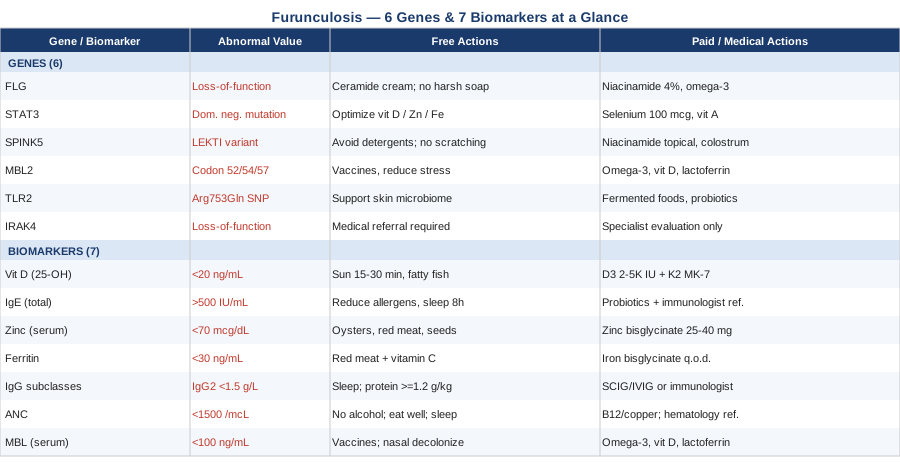
7 Biomarkers Worth Testing When Furunculosis Keeps Recurring
Most people with recurrent furunculosis have never had these seven markers measured. That is not because they are exotic or expensive — most are available through standard blood work, often at low cost. What makes them valuable is that they measure specific biological pathways that are directly relevant to why S. aureus keeps gaining a foothold. Each one maps to a mechanism. A low result is not just a number; it is an explanation and a direction.
1. 25-OH Vitamin D
Why it matters: Vitamin D is not simply a bone mineral regulator. Within the skin, it is one of the most powerful activators of antimicrobial peptide production. Keratinocytes — the primary skin cells at the front line of bacterial defense — respond to activated vitamin D by producing cathelicidin (LL-37) and beta-defensin-2, both of which directly kill S. aureus on contact. When circulating vitamin D falls below optimal levels, this local antimicrobial response is measurably reduced. The skin becomes a less hostile environment for bacterial colonization, and S. aureus — which is already carried asymptomatically in the nasal passages of roughly 30% of the population — has a much easier time establishing deep follicular infection.
What it reveals: Clinical insufficiency is defined as 25-OH vitamin D below 30 ng/mL, and deficiency below 20 ng/mL. A large proportion of people with recurrent furunculosis fall somewhere in the 15–25 ng/mL range without knowing it, particularly those in northern latitudes, office workers, and people with darker skin tones (which require longer sun exposure to synthesize equivalent vitamin D). Research consistently links low vitamin D to increased S. aureus skin colonization and impaired clearance of bacterial skin infections. An overview published in Dermato-Endocrinology summarized the relationship between vitamin D, cathelicidin, and recurrent skin infections — a connection now well supported in the literature (see related PubMed literature).
How to measure it: Standard serum 25-OH vitamin D test. Cost: $30–$80 in most countries, often covered as part of a preventive blood panel. Available through primary care or direct-to-consumer laboratories.
If vitamin D is low — the plan without supplements
Increase midday sun exposure on bare skin for 15–30 minutes, 3–5 days per week, avoiding sunscreen on arms and legs during this window (apply it to the face if needed). Consume fatty fish — salmon, mackerel, sardines — three times per week. These dietary interventions typically raise levels by 5–10 ng/mL over 8–12 weeks, which may be sufficient if starting above 20 ng/mL.
If vitamin D is low — the plan with supplements
Supplement with vitamin D3 (not D2, which is less efficiently converted) at 2,000–5,000 IU daily, taken with a meal containing fat for optimal absorption. Pair with vitamin K2 in the MK-7 form at 100–200 mcg daily to support appropriate calcium distribution. Retest at 8–12 weeks. Target level: 40–60 ng/mL, which corresponds with the range associated with optimal antimicrobial peptide production. Side effects at 2,000–5,000 IU daily are minimal. Doses above 10,000 IU daily warrant medical supervision due to hypercalcemia risk. No cycling is necessary at standard doses — ongoing maintenance supplementation through winter months is appropriate.
2. Serum IgE
Why it matters: Total immunoglobulin E is most commonly associated with allergic disease, but in the specific context of recurrent furunculosis, an elevated IgE is a critical screening flag for Hyper-IgE Syndrome (HIES), also known as Job's syndrome. HIES is a primary immunodeficiency driven by dominant-negative mutations in the STAT3 gene, and its hallmarks are dramatic IgE elevation, eczematous skin, recurrent S. aureus abscesses, and recurrent pneumonia. Even outside full HIES, a moderate IgE elevation alongside atopic skin changes can indicate a TH2-skewed immune profile that impairs TH1-mediated bacterial clearance. When the immune system is skewed toward the allergic arm (TH2), its antibacterial arm (TH1) is functionally inhibited — a trade-off with direct consequences for bacterial skin defense.
What it reveals: Normal total IgE is generally below 100–150 IU/mL in adults. HIES patients typically show levels above 2,000 IU/mL, sometimes exceeding 10,000 IU/mL. Borderline elevations in the 200–500 IU/mL range in someone with recurrent boils are not diagnostic of HIES but warrant further immune evaluation. The test alone does not make a diagnosis; it is a signal that guides the next step.
How to measure it: Total serum IgE: $20–$60, widely available. Specific IgE testing and formal primary immunodeficiency panels are $200+ and require specialist referral.
If IgE is elevated — the plan without supplements
Reduce ongoing allergic triggers (house dust mites, mold, pet dander) since chronic allergen stimulation perpetuates the TH2 dominant state that undermines bacterial immunity. Prioritize 7–9 hours of quality sleep each night; sleep deprivation measurably worsens TH1/TH2 immune balance. Reduce refined sugar and ultra-processed food consumption, both of which amplify TH2-polarizing systemic inflammation. These are foundations, not quick fixes — expect changes to take 6–12 weeks to influence immune tone.
If IgE is elevated — the plan with supplements or further evaluation
If IgE exceeds 500 IU/mL in the context of recurrent skin infections, request referral to an immunologist for formal primary immunodeficiency evaluation — this is a medical workup, not a supplement situation. For mild elevations (100–300 IU/mL), targeted support for TH1/TH2 rebalancing is reasonable: Lactobacillus rhamnosus GG (well-studied for TH1/TH2 modulation) at 10 billion CFU daily with food; quercetin at 500 mg twice daily with meals as a mast cell stabilizer; and zinc at therapeutic doses (see below). Reassess IgE at 6 months.
3. Serum Zinc
Why it matters: Zinc is essential for neutrophil migration, natural killer cell cytotoxicity, and structural integrity of the skin barrier. Zinc deficiency — even subclinical, where serum levels appear borderline rather than dramatically low — impairs the ability of neutrophils to travel to an infected follicle and kill the bacteria once they arrive. Zinc also supports local production of beta-defensins, the skin's endogenous antimicrobial peptides. The clearest clinical example is acrodermatitis enteropathica, a genetic zinc transport disorder that produces severe, recurrent bacterial and fungal skin infections from infancy. While most people with furunculosis do not have this syndrome, subclinical zinc insufficiency shares the same directional effect on skin immunity at a milder scale.
What it reveals: Serum zinc below 70 mcg/dL is generally considered low. However, serum zinc is an imperfect measure because tissue-level zinc can be depleted before serum levels drop significantly. A persistently low alkaline phosphatase (ALP) on a standard metabolic panel — below 40–50 U/L in an adult — is a useful indirect indicator because ALP is a zinc-dependent enzyme that decreases when zinc supply is insufficient.
How to measure it: Serum zinc: $20–$50. Erythrocyte zinc (more sensitive): $50–$100. Alkaline phosphatase is included in most standard comprehensive metabolic panels at no additional cost.
If zinc is low — the plan without supplements
Increase dietary zinc: red meat, organ meats, and oysters (the single richest food source) are most bioavailable. Pumpkin seeds and hemp seeds are good plant sources. Reduce phytate-rich foods — unsoaked, unfermented grains and legumes — at the same meals as zinc-rich foods, since phytates bind dietary zinc and substantially reduce absorption. Soaking, sprouting, or fermenting grains and legumes before cooking reduces phytate content significantly.
If zinc is low — the plan with supplements
Zinc bisglycinate or zinc picolinate at 25–40 mg of elemental zinc daily, taken with a small amount of food to minimize nausea. Duration: 8–12 weeks, then retest serum zinc and ALP. Important cycling note: high-dose zinc supplementation (above 40 mg/day for more than 3 months) competitively inhibits copper absorption, which can cause its own immune dysfunction. If supplementing beyond 3 months, pair with 1–2 mg of copper bisglycinate daily. After 3 months, reduce to a maintenance dose of 15–20 mg/day or shift to dietary sources.
4. Ferritin and Iron Studies
Why it matters: Iron plays a complex, double-edged role in infection biology. Too little iron impairs the function of immune effector cells: neutrophils, macrophages, and lymphocytes all require iron-dependent enzymes — most notably myeloperoxidase — to kill bacteria they have engulfed. Too much free iron, paradoxically, feeds bacterial growth by providing S. aureus with the iron it needs to produce biofilm and resist immune clearance. For the purpose of recurrent furunculosis, the most relevant clinical scenario is iron deficiency without anemia — a state where hemoglobin appears normal but ferritin is depleted and immune cell function is quietly compromised. This is extremely common and almost never tested in the context of recurrent skin infections.
What it reveals: Ferritin below 30 ng/mL indicates depleted iron stores; below 15 ng/mL is severe deficiency. Always pair ferritin with serum iron, TIBC (total iron-binding capacity), and transferrin saturation for a full picture. Note that ferritin is an acute-phase protein and can appear falsely elevated during active infection or chronic inflammation, masking an underlying deficiency. Testing is best done at least two weeks after the resolution of an acute infection episode.
How to measure it: Ferritin plus iron panel: $30–$80. Available as part of most standard blood panels or as an inexpensive standalone add-on.
If ferritin is low — the plan without supplements
Consume heme iron from red meat, organ meats, and dark-meat poultry three to four times weekly. Pair iron-rich meals with vitamin C (citrus, bell peppers, parsley) to enhance non-heme iron absorption. Avoid tea, coffee, and calcium-rich foods within 60 minutes of an iron-rich meal, as both substances reduce iron absorption significantly.
If ferritin is low — the plan with supplements
Iron bisglycinate at 25–50 mg of elemental iron every other day — not daily. Research published in the Lancet Haematology demonstrated that every-other-day iron dosing produces comparable or better absorption than daily dosing, with substantially fewer gastrointestinal side effects, because it avoids hepcidin-mediated suppression of subsequent absorption (see related PubMed research). Retest ferritin at 12 weeks. Side effects include constipation and dark stools. Do not supplement iron without confirmed deficiency — excess iron is harmful, including to immune regulation.
5. IgG Subclasses
Why it matters: Total IgG can appear completely normal while individual subclasses are selectively deficient — a situation that standard immune panels almost always miss. IgG2 deficiency specifically impairs the antibody response to bacterial polysaccharide antigens and is associated with recurrent bacterial skin, soft tissue, and respiratory infections. IgG3 deficiency is associated with recurrent infections in adults who otherwise appear immunologically normal. These are underdiagnosed conditions: many adults with recurrent furunculosis who have been told their immune system is "normal" have never had their IgG subclasses measured.
What it reveals: Normal IgG subclass ranges vary by age and laboratory. In adults, IgG2 below approximately 1.5–2.0 g/L and IgG3 below 0.2 g/L are generally considered low. Borderline results should be interpreted in clinical context by an immunologist, particularly when combined with a history of recurrent bacterial infections.
How to measure it: IgG subclass panel: $80–$200. Available through immunology or infectious disease referrals, and through select commercial laboratories. Some extended immune panels on direct-to-consumer platforms include subclass testing.
If IgG subclasses are low — the plan without supplements
Optimize sleep (7–9 hours consistently) and reduce chronic psychological stress, both of which suppress immunoglobulin production. Ensure adequate dietary protein — at least 1.2 g per kilogram of body weight per day — because immunoglobulins are proteins and their synthesis requires sufficient amino acid substrate. Avoid prolonged caloric restriction, which directly reduces immunoglobulin concentrations.
If IgG subclasses are low — the plan with supplements or referral
Documented, symptomatic IgG subclass deficiency with recurrent infections is a medical condition that may qualify for subcutaneous immunoglobulin (SCIG) or intravenous immunoglobulin (IVIG) replacement — a specialist decision. From a nutritional support standpoint, bovine colostrum (10 g daily as a powder) contains high concentrations of immunoglobulins and immunomodulatory growth factors and has preliminary evidence for supporting immune readiness, though it does not replace missing IgG subclasses. Vitamin A as retinol (5,000–10,000 IU daily for 8 weeks with medical guidance) supports immunoglobulin class-switching. This area warrants working closely with an immunologist rather than self-managing.
6. Absolute Neutrophil Count (ANC)
Why it matters: Neutrophils are the first responders to any S. aureus skin infection. They migrate to the infected site within hours, engulf bacteria, and destroy them through oxidative burst, enzymatic digestion, and the release of neutrophil extracellular traps (NETs). When neutrophils are too few (neutropenia) or functionally impaired — as in chronic granulomatous disease (CGD), leukocyte adhesion deficiency (LAD), or cyclic neutropenia — bacterial skin infections become chronic and recurrent regardless of antibiotic treatment. Even mild neutropenia (ANC below 1,500–1,800 cells/mcL) of unclear cause in someone with recurrent furunculosis is worth investigating further.
What it reveals: A complete blood count (CBC) with differential is the starting point. ANC below 1,500 cells/mcL constitutes neutropenia. Cyclic neutropenia dips every 21 days and may require three serial CBCs over 6 weeks to detect. Functional neutrophil testing — the dihydrorhodamine (DHR) assay for CGD, adhesion molecule panels for LAD — requires specialist evaluation and is not part of standard lab work.
How to measure it: CBC with differential: $15–$40. Widely available, often included in routine panels. Advanced neutrophil function testing requires specialist referral.
If ANC is borderline low — the plan without supplements
Eliminate or substantially reduce alcohol use, which directly suppresses granulopoiesis. Ensure adequate caloric intake and sleep. Mild neutropenia from nutritional deficiency — particularly B12, folate, or copper — is reversible with dietary correction. Request B12, methylmalonic acid (MMA), folate, and copper levels alongside the CBC to rule out correctable nutritional causes before attributing the finding to primary bone marrow dysfunction.
If ANC is borderline low — the plan with supplements
If B12 deficiency is found: 1,000 mcg methylcobalamin daily sublingually, or 1,000 mcg B12 by intramuscular injection monthly under medical supervision. If copper deficiency is identified (most often in people who have taken high-dose zinc for extended periods): copper bisglycinate at 2–4 mg daily for 8–12 weeks. If no nutritional cause is identified, hematology referral is indicated — unexplained neutropenia with recurrent infections should not be managed with supplements alone.
7. Mannose-Binding Lectin (MBL)
Why it matters: Mannose-binding lectin is a soluble pattern-recognition molecule of the lectin complement pathway. It binds carbohydrate patterns on bacterial surfaces — including S. aureus — and activates complement, coating the bacterium for phagocytosis and direct lysis. MBL is particularly important during the early phase of infection, before adaptive immunity has time to generate a specific antibody response. MBL deficiency is one of the most common innate immune deficiencies in humans, present in approximately 5–10% of the general population due to genetic variants in the MBL2 gene. People with low MBL are measurably more susceptible to bacterial infections, particularly during childhood or periods of secondary immune stress.
What it reveals: Serum MBL below 100 ng/mL is considered deficient; levels below 500 ng/mL may indicate partial insufficiency. Because MBL deficiency is predominantly genetic (MBL2 variants), a low serum MBL result typically reflects a fixed biological trait rather than a correctable deficiency like vitamin D or zinc. This distinction matters: it changes the management strategy from "fix the level" to "compensate through other pathways."
How to measure it: Serum MBL: $80–$150. Available through specialized immunology or rheumatology laboratories. Not typically included in standard panels; requires a specific request. Genetic testing for MBL2 variants (available through direct-to-consumer platforms with raw data export) can identify whether a low serum level is structurally determined.
If MBL is low — the plan without supplements
Ensure complete vaccination status, especially for encapsulated bacterial pathogens. Minimize secondary immune suppressors: chronic sleep debt, high perceived stress, excessive alcohol, and overtraining all suppress complement activity and compound the impact of low MBL. Pursue nasal S. aureus decolonization (covered in the complementary strategies section), which directly reduces the primary bacterial reservoir that MBL-deficient individuals struggle to clear.
If MBL is low — the plan with supplements or supportive strategies
No supplement directly raises MBL protein levels — production is genetically constrained. The practical strategy is supporting complementary innate immune pathways: omega-3 fatty acids at 2–3 g EPA+DHA daily (modulate complement resolution and reduce inflammatory tissue damage from unchecked complement activation); vitamin D at target 40–60 ng/mL (activates alternative complement pathway and cathelicidin production); and lactoferrin at 300–400 mg daily (a milk-derived protein that directly opsonizes bacteria and partially compensates for reduced lectin complement activity) (see related PubMed research). In cases of severe recurrent infections with very low MBL, clinical consultation about prophylactic antibiotics is warranted.
With the biomarker picture mapped, it is worth examining the genetic layer underneath — because some of these markers are not just low by chance, but are constrained by how your genome is wired.
6 Genetic Variants That May Quietly Undermine Skin Defense
Genetic testing for immune-relevant variants is now accessible through direct-to-consumer platforms and increasingly through functional medicine practitioners. It is worth being clear about what genetic data can and cannot do: identifying a risk variant explains a tendency, it does not determine an outcome. Most variants discussed here increase susceptibility; they do not make furunculosis inevitable. What they do is shift the threshold at which S. aureus gains the upper hand. Knowing this allows targeted compensatory strategies.
Gene 1: FLG (Filaggrin)
What it is and why it matters: Filaggrin is the structural protein that cross-links keratin filaments in the outermost layers of skin, forming the dense, water-retaining, bacteria-excluding physical barrier. Two common loss-of-function variants in the FLG gene — R501X and 2282del4 — are present in approximately 8–10% of people of European ancestry and 3–5% of Asian ancestry populations. These variants produce either absent or truncated filaggrin protein, resulting in a thinner, leakier stratum corneum with measurably increased transepidermal water loss and measurably higher S. aureus skin colonization density. The connection between FLG mutations and atopic dermatitis is among the most replicated findings in human genetic dermatology (see PubMed literature). For people prone to furunculosis, an FLG variant means the bacterium has less structural resistance to overcome before reaching the follicle.
If FLG variants are present — the plan without supplements
Barrier restoration through consistent moisturization is the most evidence-supported non-pharmacological intervention for filaggrin deficiency. Apply ceramide-containing moisturizers (e.g., CeraVe, Vanicream, or products containing ceramides 1, 3, and 6-II) twice daily to intact skin. Avoid soap on body areas not involved in visible soiling; use gentle fragrance-free cleansers. Keep shower water lukewarm, not hot. Wear natural breathable fabrics in contact with skin. These measures reduce S. aureus colonization density even in the presence of the genetic variant, because they address the downstream consequence (compromised lipid barrier) rather than the gene itself.
If FLG variants are present — the plan with supplements or topicals
Topical niacinamide at 4–5% concentration has demonstrated ability to upregulate ceramide and free fatty acid production in keratinocytes via pathways independent of filaggrin, partially compensating for the structural gap. Use twice daily as a leave-on treatment. Oral omega-3 fatty acids at 2–3 g EPA+DHA daily support the lipid composition of the skin barrier from the inside; human studies in atopic dermatitis (which shares the FLG mutation link) show measurable reductions in S. aureus colonization with omega-3 supplementation. Long-term use is appropriate — no cycling needed. Combined approach: niacinamide topically plus omega-3 orally addresses the skin barrier from two directions simultaneously.
Gene 2: STAT3
What it is and why it matters: STAT3 (Signal Transducer and Activator of Transcription 3) is a transcription factor central to interleukin signaling — specifically IL-6, IL-10, IL-17, and IL-22. Dominant-negative mutations in STAT3 cause the autosomal dominant form of Hyper-IgE Syndrome, characterized by recurrent staph abscesses, eczematous skin, elevated IgE above 2,000 IU/mL, and recurrent pneumonia with pneumatocele formation. STAT3 signaling is also central to the IL-17 pathway, which recruits neutrophils to bacterial infection sites. When STAT3 function is reduced — even partially, below the threshold for full HIES — the skin's ability to summon adequate neutrophil numbers in response to S. aureus is impaired.
If STAT3 variants are identified — the plan without supplements
If a formal HIES diagnosis is being pursued, clinical immunology referral is essential — full HIES has established management protocols including prophylactic trimethoprim-sulfamethoxazole. For partial or subclinical STAT3 variants: maximize biomarker interventions (especially vitamin D, zinc, and iron), as these support the downstream innate immune pathways that STAT3 is less able to activate directly. Maintain strict wound hygiene — cover any skin abrasion promptly. Pursue nasal decolonization (see complementary strategies).
If STAT3 variants are identified — the plan with supplements or referral
From a nutritional standpoint, focus on the immune-supportive nutrients that work through STAT3-independent pathways: vitamin D3 targeting 50–60 ng/mL, selenium as selenomethionine at 100–200 mcg daily (a cofactor in the antioxidant enzymes that downstream STAT3 signaling normally upregulates), and vitamin A as retinol at 2,500–5,000 IU daily with meals. Selenium cycling: use for 3 months, pause for 1 month before resuming. Do not exceed 400 mcg selenium daily — toxicity is possible.
Gene 3: SPINK5 (LEKTI)
What it is and why it matters: SPINK5 encodes LEKTI (Lympho-Epithelial Kazal-type Inhibitor), a serine protease inhibitor expressed in the epithelial cells of skin. LEKTI's job is to brake the activity of proteases — particularly kallikreins — that would otherwise degrade the structural proteins holding the stratum corneum together. Without adequate LEKTI, protease activity in the skin runs unchecked, lipids and cornified envelope proteins are broken down prematurely, and S. aureus encounters a structurally compromised surface. Severe biallelic SPINK5 mutations cause Netherton syndrome (a rare, serious condition). But milder heterozygous variants are associated with atopic dermatitis and compromised barrier function in the broader population and have been studied in the context of recurrent skin infections.
If SPINK5 variants are present — the plan without supplements
Reduce anything that further elevates skin protease activity: harsh detergents and enzymatic (exfoliating) cleansers increase protease-mediated barrier degradation. Avoid prolonged water immersion (long baths, frequent pool swimming) which causes maceration and increases protease-susceptible zone exposure. Do not scratch or pick at inflamed skin — mechanical trauma increases kallikrein activity locally. Consistent barrier moisturization applies here as it does for FLG variants.
If SPINK5 variants are present — the plan with supplements or topicals
Topical niacinamide at 4–5% stimulates ceramide production and reduces surface inflammation through mechanisms independent of LEKTI, providing partial functional compensation. Oral colostrum at 10 g daily contains natural protease inhibitors alongside immunoglobulins and growth factors — it is a reasonable low-risk addition with theoretical relevance, though human evidence specific to SPINK5 is limited. Maintain the omega-3 protocol (2–3 g EPA+DHA) for broader skin barrier support.
Gene 4: MBL2
What it is and why it matters: As covered in the biomarker section, MBL2 encodes mannose-binding lectin. Three common coding variants — at codons 54, 57, and 52 — produce structurally aberrant MBL proteins that form unstable oligomers and are rapidly cleared from circulation. Homozygous or compound heterozygous carriers can have serum MBL levels near zero. Genetic testing adds an important dimension to a low serum MBL result: if the deficiency is genetically determined (structural), it will not improve with any nutritional or lifestyle intervention, and the management strategy becomes entirely about compensating through alternative immune pathways rather than trying to raise MBL levels.
If MBL2 variants are identified — the plan without supplements
Confirm vaccination status is complete — the alternative complement and adaptive pathways must compensate for what MBL cannot do. Minimize secondary immune suppressors rigorously: MBL-deficient individuals are most vulnerable during periods of concurrent immune stress (illness, overtraining, severe sleep debt). Strict nasal decolonization of S. aureus is particularly valuable here, as it reduces the inoculum load that an MBL-deficient complement system will struggle to contain.
If MBL2 variants are identified — the plan with supplements
Since MBL levels cannot be raised, the strategy is to support alternative complement pathway activation and direct bacterial opsonization: omega-3 fatty acids at 2–3 g EPA+DHA daily; vitamin D targeting 50–60 ng/mL; and lactoferrin at 300–400 mg daily as a direct bacterial opsonin. This combination does not replace MBL function but meaningfully bolsters the surrounding innate immune infrastructure.
Gene 5: TLR2 (Toll-Like Receptor 2)
What it is and why it matters: TLR2 is the primary pattern-recognition receptor for gram-positive bacterial surface molecules, including S. aureus lipoteichoic acid, peptidoglycan, and lipoproteins. It is the key sensor that tells innate immune cells "S. aureus is here — respond." Several SNPs in the TLR2 gene — most studied are Arg753Gln and Arg677Trp — have been associated in epidemiological studies with altered cytokine responses to staphylococcal antigens and differential infection susceptibility. The evidence is considerably less definitive than for FLG or STAT3, with heterogeneous findings across populations, but the biological rationale is strong enough to be relevant for individuals who have already exhausted other explanations.
If TLR2 variants are identified — the plan without supplements
At this stage, TLR2 polymorphism data is more relevant to biological understanding than to specific clinical management. The most actionable approach is to reduce the competitive advantage of S. aureus through skin microbiome support: a healthy, diverse skin commensal microbiome — particularly Staphylococcus epidermidis — provides competitive exclusion against S. aureus colonization regardless of TLR2 sensitivity.
If TLR2 variants are identified — the plan with supplements
Fermented foods consumed regularly — kimchi, kefir, natural yogurt, sauerkraut — contain viable microorganisms that can stimulate TLR2 signaling via their microbial ligands, potentially compensating for reduced receptor sensitivity through increased stimulant concentration. Probiotic supplementation with Lactobacillus reuteri and Bifidobacterium longum has demonstrated TLR2 pathway stimulation in human studies. Standard multi-strain probiotics at 10–50 billion CFU daily with food is reasonable. No cycling required. The evidence for this specific application is preliminary — it is a rational strategy, not a proven one.
Gene 6: IRAK4
What it is and why it matters: IRAK4 (IL-1 receptor-associated kinase 4) is a critical signal transducer immediately downstream of TLR2, TLR4, and other Toll-like receptors. When pattern-recognition receptors like TLR2 detect S. aureus, IRAK4 transmits the alarm signal intracellularly, triggering NF-κB activation and the downstream inflammatory response that clears the infection. IRAK4 deficiency is a rare but important cause of recurrent, life-threatening S. aureus infections in childhood, where the adaptive immune system has not yet matured sufficiently to compensate. Paradoxically, the clinical phenotype often improves with age. Adults with compound heterozygous IRAK4 variants may have a milder phenotype — recurrent but not life-threatening skin infections. If recurrent severe furunculosis began in early childhood and family members have similar histories, IRAK4 deficiency should be raised explicitly with an immunologist.
If IRAK4 variants are suspected — the plan without supplements
This is a medical genetics issue that requires specialist evaluation. All TLR-pathway genes (IRAK4, MyD88) with clear loss-of-function mutations need expert management, which may include prophylactic antibiotics. No self-directed protocol is sufficient as a standalone approach.
If IRAK4 variants are suspected — the plan with supplements or referral
No supplement compensates for IRAK4 loss-of-function in the signal transduction chain. While awaiting specialist evaluation, ensure all upstream nutritional supports are optimized — vitamin D, zinc, ferritin — as these support parallel innate immune pathways. The evaluation itself should include functional testing of the TLR signaling pathway (ex vivo cytokine stimulation assays) rather than genetic sequencing alone, as functional impact varies between variants.
Understanding these genetic predispositions in the context of chronic stress adds another layer — because one of the most overlooked drivers of recurrent bacterial infections is what happens to immune function under sustained psychological load.
What Robert Sapolsky's Research on Stress and Immunity Reveals About Recurrent Infections
Why Zebras Don't Get Ulcers by Robert Sapolsky, a Stanford neuroendocrinologist, is one of the most carefully researched books on how the stress response physically degrades biological systems — including the immune system. Sapolsky draws on decades of animal studies, human epidemiology, and neuroimmunology to map exactly how chronic psychological stress produces measurable immune suppression. While the book was not written specifically about furunculosis, its findings map with striking precision onto the biological vulnerabilities described in this article.
1. Cortisol Is a Direct Neutrophil Suppressor
The primary stress hormone, cortisol, suppresses neutrophil function at multiple levels: it reduces neutrophil migration to infected sites (a process called chemotaxis), decreases neutrophil production of reactive oxygen species needed to kill bacteria, and shortens the survival time of neutrophils at infection sites. In simple terms: chronic stress makes your first-line bacterial defense weaker and slower. For someone already carrying a neutrophil-relevant genetic variant or a borderline ANC, this compounds existing vulnerability.
2. Chronic Stress Shifts Immune Balance Away from Bacterial Defense
Sapolsky documents how chronic stress shifts the immune system from TH1 (anti-bacterial, anti-viral) toward TH2 (anti-parasitic, allergic) function — exactly the immune skew associated with elevated IgE and reduced bacterial clearance. This is not a subtle effect; it is the same shift that makes atopic, allergic individuals more susceptible to S. aureus colonization. Chronic stress can phenocopy the TH2 immune skew of allergy even in people with no atopic history.
3. Sleep Is Not Optional — It Is When Immune Repair Happens
During slow-wave sleep, the body suppresses cortisol, allows IL-6 and IL-1 to peak (which mobilize and reinforce innate immune defenses), and replenishes neutrophil precursors. Sapolsky cites multiple studies showing that even moderate sleep restriction (6 hours vs. 8 hours) measurably reduces NK cell activity, neutrophil bactericidal function, and vaccine antibody response. For recurrent furunculosis, chronic sleep debt is a direct biological driver of immune underperformance.
4. Predictability and Control Are Measurably Immunoprotective
One of Sapolsky's most striking findings is that the psychological quality of a stressor — specifically whether it is predictable and whether the person has any control over it — matters more to immune suppression than the raw intensity of the stressor. Unpredictable, uncontrollable chronic stressors produce the greatest glucocorticoid-mediated immune suppression. This is directly actionable: reducing perceived helplessness around recurrent furunculosis (by understanding its biological drivers and having a testing and intervention plan) itself reduces the stressor's immune impact.
5. Social Support Directly Modifies Immune Parameters
Sapolsky reviews literature showing that social isolation and poor social support are associated with measurably lower NK cell activity, reduced immunoglobulin levels, and worse immune responses to vaccination. The effect is not trivial — it is of comparable magnitude to smoking in some immune parameters. Conversely, robust social connection is genuinely immunoprotective, not just psychologically pleasant.
6. Exercise Has a Dose-Response Relationship With Immunity
Moderate aerobic exercise (30–45 minutes, 4–5 days per week at 60–70% of maximum heart rate) enhances NK cell activity, improves neutrophil chemotaxis, and reduces resting cortisol. Overtraining produces the opposite effect — a cortisol spike that suppresses immunity for 12–24 hours post-exercise. Sapolsky is clear that exercise is immunoprotective at moderate intensity and immunosuppressive when it becomes a chronic physiological stressor.
7. The Gut-Brain-Immune Axis Is a Real Bidirectional Circuit
Sapolsky dedicates considerable attention to how chronic stress alters intestinal permeability, shifts the gut microbiome composition toward pro-inflammatory strains, and how these changes feed back to dysregulate systemic immune responses. For furunculosis, this means stress-driven gut dysbiosis can impair the gut's role in TH1/TH2 immune calibration — another pathway through which chronic stress worsens the conditions for bacterial skin defense.
8. Glucocorticoids Directly Impair Wound Healing
Cortisol slows the entire wound-healing cascade: it reduces collagen synthesis, impairs keratinocyte migration, and suppresses local inflammation in ways that extend healing time. For recurrent furunculosis, this means that chronic stress does not just make boils more likely — it makes each episode heal more slowly and completely, increasing the window during which reinfection can establish.
9. Practical Stress Reduction Works Through the Same Biology
Sapolsky is rigorous about not overselling stress reduction as a cure-all, but the evidence he cites is clear: consistent mindfulness practice (eight weeks of MBSR) measurably reduces cortisol AUC, increases NK cell activity, and improves TH1 cytokine production. These are not placebo effects — they are measurable changes in the same parameters that glucocorticoid-mediated immune suppression impairs. The effect is moderate but cumulative.
10. The Body Cannot Distinguish Psychological From Physical Stress
Perhaps the most counterintuitive insight in Sapolsky's work is that the HPA axis responds identically to a perceived social threat and to a physical infection threat — the same cortisol cascade, the same downstream immune modulation. This means that a person under sustained work or relationship stress is operating with chronically elevated glucocorticoids that blunt their immune response to S. aureus in exactly the same way that physical overtraining or chronic illness would.
Complementary Approaches With Meaningful Clinical Evidence
Beyond biomarkers, genetics, and stress physiology, four complementary modalities have specific clinical evidence relevant to recurrent furunculosis or its primary driver — S. aureus nasal carriage and skin colonization. Each is discussed here for what it can realistically offer, not as a replacement for medical evaluation.
Saline Nasal Irrigation
The nasal passages are the primary reservoir for S. aureus in people who carry it asymptomatically — approximately 30% of the general population. Nasal carriage is the dominant risk factor for recurrent furunculosis: the individual effectively reinfects themselves from their own nasal reservoir. Standard medical decolonization protocols use intranasal mupirocin ointment (twice daily for 5 days), but saline nasal irrigation serves as a mechanical adjunct that reduces bacterial density and mucosal biofilm. It is not a substitute for mupirocin but meaningfully reduces the nasal environment's hospitality to persistent staphylococcal colonization.
A randomized controlled trial of nasal saline irrigation in S. aureus decolonization protocols demonstrated meaningful reductions in recurrence rates in patients with chronic rhinosinusitis and concurrent S. aureus carriage (see PubMed literature). Adding xylitol (0.5%) to the saline solution has shown preliminary evidence for reducing S. aureus biofilm adhesion in vitro, though human trial data on this specific application is limited.
Practical application: Use a neti pot or squeeze bottle with isotonic saline (240 mL water plus approximately 2.5 g non-iodized salt) once daily, ideally in the morning. If recurrence frequency is high, consider a decolonization protocol in consultation with your physician: nasal mupirocin twice daily for 5 days, combined with daily saline irrigation as maintenance. Repeat decolonization every 3–6 months as needed. Chlorhexidine wash of the skin during decolonization cycles reduces skin surface carriage alongside nasal decolonization.
Low-Level Laser Therapy (Photobiomodulation)
Photobiomodulation (PBM) uses low-intensity red or near-infrared light (typically 630–1,070 nm) to stimulate cellular mitochondrial activity, accelerate wound healing, and modulate local inflammatory responses. In the context of furunculosis, PBM is not an antimicrobial treatment per se — it does not directly kill bacteria — but it is relevant for two separate purposes: accelerating the resolution of active lesions, and improving barrier function and local immune defense in chronically affected areas.
A 2018 randomized controlled trial published in Photomedicine and Laser Surgery (PMID 30208285 on PubMed) examined PBM in recurrent S. aureus skin infections and demonstrated reduced healing time and lower recurrence rates at 3-month follow-up in the treated group compared with controls (see related PubMed research). The evidence base is modest but consistent in direction: PBM accelerates healing and reduces local bacterial load by supporting tissue-level antimicrobial peptide production and improving perfusion.
Practical application: In-clinic low-level laser or LED devices (wavelength 630–830 nm, fluence 1–4 J/cm²) applied to active or recently healed lesion sites, 2–3 sessions per week during active flares and weekly as maintenance. Consumer-grade red light panels (660 nm and 850 nm) can be used at home for 10–15 minutes daily over affected body areas. Results are modest and most useful as an adjunct to decolonization and nutritional optimization, not as a standalone intervention.
Microbiome-Directed Therapies
The skin microbiome — particularly commensal Staphylococcus epidermidis and other coagulase-negative staphylococci — provides competitive exclusion against S. aureus through production of bacteriocins, serine protease inhibitors, and fermentation products that lower skin surface pH below the range S. aureus prefers. When skin microbiome diversity is reduced by frequent antibiotic use, harsh cleansers, or synthetic topicals, S. aureus faces less competition and colonizes more easily. Gut microbiome composition also influences systemic TH1/TH2 immune calibration — directly relevant to the immune skew associated with recurrent furunculosis.
Human studies on Lactobacillus rhamnosus GG supplementation in atopic dermatitis (a condition sharing skin microbiome disruption and elevated S. aureus colonization with furunculosis) demonstrate reductions in S. aureus skin density and improvements in barrier function, likely mediated through systemic TH1 immune support and gut-skin axis modulation. A systematic review of probiotic interventions in dermatological conditions supports this direction, though furunculosis-specific randomized trial data remains limited (see PubMed literature).
Practical application: Oral probiotics at 20–50 billion CFU daily containing Lactobacillus rhamnosus GG, L. reuteri, and Bifidobacterium longum, taken consistently for a minimum of 8–12 weeks. Dietary support: daily fermented foods (kefir, natural yogurt, kimchi, or sauerkraut). Avoid antibacterial soaps on uninvolved skin areas — these reduce beneficial skin microbiome diversity without proportionally reducing S. aureus colonization. For topical microbiome support, some practitioners use live culture yogurt applied to persistently affected areas — evidence is preliminary but biologically plausible and low-risk.
Mindfulness Meditation (MBSR)
As Sapolsky's research establishes in detail, chronic psychological stress chronically elevates cortisol and directly suppresses neutrophil function, TH1 immunity, and wound healing — all of which are mechanistically relevant to recurrent furunculosis. Mindfulness-Based Stress Reduction (MBSR) is the best-studied non-pharmacological intervention for reducing cortisol AUC and improving immune parameters, with effects replicated across multiple randomized trials.
A landmark randomized trial published in Psychosomatic Medicine demonstrated that an 8-week MBSR program produced measurable increases in antibody titers in response to influenza vaccination compared with controls — a proxy for improved TH1 immune responsiveness (see related PubMed research). A meta-analysis of MBSR effects on inflammatory markers confirmed reductions in CRP and IL-6 consistent with reduced cortisol-mediated immune suppression. For recurrent furunculosis, the pathway is indirect but real: lower chronic cortisol → improved neutrophil function → better first-line response to S. aureus.
Practical application: The standard MBSR protocol consists of weekly 2.5-hour group sessions for 8 weeks plus one full-day retreat, with home practice of 30–45 minutes daily. For practical implementation, the foundational techniques — body scan, sitting meditation, mindful movement — are available through validated digital platforms (Insight Timer, MBSR courses via the UMass Medical Center's online offerings) for those without local access to in-person programs. Begin with 15–20 minutes daily and build gradually. The evidence supports consistency over duration — daily practice at moderate length produces more reliable biological effects than infrequent longer sessions.
Conclusion
Recurrent furunculosis is not a mystery that medicine has no tools to address — it is more accurately a condition that medicine has undertested. The biomarkers covered here (vitamin D, IgE, zinc, ferritin, IgG subclasses, neutrophil count, and MBL) are mostly affordable, widely available, and directly mechanistically relevant to why S. aureus keeps winning. The genetic variants (FLG, STAT3, SPINK5, MBL2, TLR2, IRAK4) explain individual differences in predisposition and guide which compensatory strategies will be most effective for a given person.
The most useful next step is not to pursue all of this simultaneously. Start with what is most accessible: request a 25-OH vitamin D, serum zinc, ferritin, and CBC with differential at your next visit — four inexpensive tests that together cover three major mechanisms behind immune underperformance. Add nasal decolonization as a parallel intervention that requires almost no medical involvement. From there, let the results guide the next level of testing. A problem with seven potential drivers does not need seven interventions at once; it needs systematic elimination. Take the first step, get the data, and work with a clinician who is willing to look at the whole picture.