This article contains AI generated content.
· UpdatedGaucher Disease Genes And Biomarkers - 5 Genes And 6 Biomarkers To Track
Introduction
Gaucher disease sits in an unusual place in medicine: rare enough that many physicians see only a handful of cases throughout their careers, yet consequential enough that a missed or delayed diagnosis can mean years of unexplained fatigue, bone crises, and progressive organ enlargement. If you or someone close to you has received this diagnosis—or is still working toward one—you may already know how disorienting the information landscape feels. Most resources explain what the disease is, but few explain what to actually watch, measure, and do about it over time.
Generic advice rarely fits here. Gaucher disease is caused by mutations in a single gene, but those mutations produce an astonishing range of outcomes: some people live for decades with barely noticeable symptoms, while others face severe complications in childhood. Even within the same family, two people carrying identical mutations can have dramatically different levels of organ involvement, bone disease, and response to enzyme replacement therapy. This biological variability makes blanket guidance not just unhelpful—sometimes it is actively misleading.
This article takes a more precise approach. Rather than stopping at the diagnosis, it focuses on what you can actually measure—specific biomarkers that reflect disease activity in real time—and on the underlying genetic landscape that explains why some individuals are more vulnerable than others. Understanding these layers will not replace your specialist, but it can help you ask better questions, track your response to treatment more accurately, and recognize warning signs earlier.
The first section covers six biomarkers that together offer a comprehensive picture of Gaucher disease activity and treatment response, including practical guidance on what to do when numbers move in the wrong direction. The second section examines five key genes—including the primary causative gene and several modifiers—that explain much of the clinical variability patients experience. Together, they offer a roadmap for navigating this condition with greater clarity.
6 Biomarkers That Track Gaucher Disease Activity
Biomarker monitoring is the backbone of Gaucher disease management. Unlike many chronic conditions where symptoms alone guide treatment decisions, Gaucher disease has a well-developed set of measurable markers that track disease burden, organ involvement, and therapeutic response. Some are included in standard blood panels; others require specialty laboratories. Together, they give a far more complete picture than any single test alone.
1. Lyso-GL1 (Glucosylsphingosine): The Most Specific Signal
Why it matters: Lyso-GL1—also called glucosylsphingosine or lyso-Gb1—is the direct toxic byproduct of glucocerebrosidase deficiency. When the enzyme encoded by GBA1 is deficient, glucocerebroside accumulates, and a portion is converted to lyso-GL1, a bioactive lipid that activates macrophages, triggers systemic inflammation, and contributes to neurological complications. Critically, lyso-GL1 is elevated in all types of Gaucher disease, including neuropathic forms where other markers are less sensitive.
What it may reveal: Elevated lyso-GL1 correlates directly with disease severity and the degree of macrophage activation. In treated patients, a falling lyso-GL1 confirms that enzyme replacement therapy (ERT) or substrate reduction therapy (SRT) is working. In undertreated patients, persistently high levels signal ongoing disease burden. Research published in Molecular Genetics and Metabolism has identified lyso-GL1 as superior to chitotriosidase for reflecting overall disease burden and neurological risk, and many specialist centers now consider it the primary monitoring biomarker.
How to measure it: Lyso-GL1 is measured from dried blood spot or plasma at specialty laboratories. Values above 80–100 ng/mL in adults are generally considered elevated, though reference ranges vary by lab. Cost ranges from approximately $150–$400. Testing is available at centers with lysosomal disease expertise.
If the score is bad, the plan without supplements
If lyso-GL1 is persistently elevated, the single most impactful non-supplement action is working with a Gaucher specialist to reassess treatment adequacy. If you are not yet on ERT or SRT, this result is a strong argument for initiating treatment. If you are already on therapy, elevated lyso-GL1 suggests that dose adjustment or a change in therapeutic agent may be warranted. Lifestyle-wise, reducing inflammatory triggers—ultra-processed foods, excess alcohol, inadequate sleep—can modulate macrophage activation that amplifies lyso-GL1 signaling.
If the score is bad, the plan with supplements or equipment
No supplement directly lowers lyso-GL1 the way ERT or SRT does. However, omega-3 fatty acids (EPA + DHA, 2–4 g/day from fish oil or algae oil, taken with a fat-containing meal) have documented anti-inflammatory effects on macrophage activation. Take daily, no cycling needed. Side effects: mild GI upset at high doses and potential blood-thinning effect above 3 g/day—relevant given Gaucher-related thrombocytopenia risk. Curcumin with piperine (500 mg twice daily with food) shows anti-macrophage activity in metabolic research; evidence in Gaucher specifically is indirect. Some prefer a 5 days on, 2 days off cycle to reduce GI adaptation.
2. Chitotriosidase: The Traditional Benchmark
Why it matters: Chitotriosidase was the first validated biomarker for Gaucher disease, introduced in the 1990s, and it remains widely used. Produced by activated macrophages—the same cells that accumulate glucocerebroside—its blood levels reflect total macrophage disease burden. It rises steeply in untreated Gaucher disease, often 100–1,000-fold above normal, and falls predictably with ERT or SRT.
What it may reveal: Chitotriosidase is a reliable indicator of disease activity and treatment response in patients who can produce the enzyme. The critical caveat: approximately 6% of individuals of European descent carry a homozygous null mutation in the CHIT1 gene—a 24 base-pair duplication that eliminates enzyme activity entirely. For these individuals, chitotriosidase will always read zero regardless of disease burden, making it completely uninformative as a monitoring tool. GeneReviews on Gaucher Disease recommends testing for this null allele before relying on chitotriosidase-based monitoring.
How to measure it: Chitotriosidase is measured in plasma at specialty labs. Normal values are typically below 100–200 nmol/hr/mL, though this varies by lab. Cost: approximately $100–$200. Most Gaucher centers measure it at every clinical visit—typically every 6–12 months during stable treatment.
If the score is bad, the plan without supplements
Persistently elevated chitotriosidase in a treated patient is a red flag that should prompt a conversation with your Gaucher specialist about whether your current therapy is achieving adequate suppression. Between appointments, the most impactful non-supplement steps are consistent sleep (7–9 hours nightly), avoiding smoking (which activates macrophages independently of Gaucher), and regular low-impact aerobic exercise—swimming, cycling, or walking for 30 minutes, 4–5 days per week—to reduce systemic inflammation over time.
If the score is bad, the plan with supplements or equipment
Vitamin D3 (2,000–4,000 IU daily with vitamin K2 at 100 mcg) supports immune modulation and reduces macrophage hyperactivation through anti-inflammatory pathways. Vitamin D deficiency is common in Gaucher disease and independently associated with worse bone outcomes. Check 25-OH vitamin D levels to avoid over-supplementation. N-acetylcysteine (NAC, 600 mg twice daily) supports cellular glutathione production, indirectly reducing oxidative stress-driven macrophage activation. Cycle 5 days on, 2 off. GI side effects possible on an empty stomach—take with food.
3. CCL18 (PARC): The Alternative Macrophage Marker
Why it matters: CCL18, also known as PARC, is a chemokine secreted specifically by activated macrophages. Unlike chitotriosidase, CCL18 is not affected by the CHIT1 null allele, making it the preferred primary marker in patients who cannot produce chitotriosidase. Studies have shown CCL18 rises and falls in parallel with chitotriosidase in CHIT1-functional patients, and it provides particularly useful information about pulmonary and hepatic macrophage involvement.
What it may reveal: CCL18 is essential as both a complementary marker and the primary tool for the ~6% of patients who are CHIT1-null. It also reflects lung involvement in Gaucher disease—a feature that bone marrow and spleen markers may underestimate. Cohort data show CCL18 levels correlate with hepatomegaly and the degree of bone marrow infiltration, offering a cross-organ view of macrophage burden.
How to measure it: CCL18 is measured via ELISA in plasma at specialty labs, often simultaneously with chitotriosidase. Normal range is typically below 100–150 ng/mL in adults without Gaucher, though labs vary. Cost: approximately $150–$350, often bundled with chitotriosidase at Gaucher specialty centers.
If the score is bad, the plan without supplements
Elevated CCL18 in a treated patient warrants clinical reassessment. Because CCL18 reflects pulmonary macrophage activity more specifically than chitotriosidase, unexpectedly elevated CCL18 alongside normalizing chitotriosidase may justify pulmonary function testing and chest imaging review. General macrophage-calming strategies—anti-inflammatory diet, sleep optimization, weight management—remain directly relevant.
If the score is bad, the plan with supplements or equipment
Omega-3 EPA+DHA (2–3 g/day) and vitamin D3 with K2 as described above apply equally here. Magnesium glycinate (200–400 mg nightly) supports anti-inflammatory pathways and is particularly relevant in Gaucher patients with bone disease, where magnesium deficiency impairs bone mineralization and sleep quality. No cycling required at these doses. Avoid high-dose magnesium oxide, which is poorly absorbed and causes GI issues.
4. Ferritin: The Inflammation Thermometer
Why it matters: Ferritin is an acute phase reactant that rises during inflammation and macrophage activation. In Gaucher disease, macrophages accumulate both lipids and iron abnormally, and ferritin levels are often significantly elevated—even in patients without classical iron overload. It is a non-specific but highly accessible indicator of systemic inflammatory burden, and serial monitoring provides a simple, affordable way to track macrophage activity over time.
What it may reveal: Ferritin above 300–500 ng/mL in a Gaucher patient (with other causes such as liver disease or alcohol excess ruled out) suggests elevated macrophage activation burden. In patients on ERT or SRT, falling ferritin over 6–12 months is a positive signal. Peter Attia and Thomas Dayspring both advocate monitoring ferritin as a broad inflammatory and iron-status marker, targeting values in the 50–150 ng/mL range for optimal metabolic health—a useful frame even for Gaucher patients whose elevated ferritin reflects macrophage pathology rather than iron excess.
How to measure it: Ferritin is part of standard iron panels, available through primary care. Cost: $15–$50 alone, often included in metabolic panels. Measure when well—ferritin rises spuriously after illness, trauma, or intense exercise and should not be interpreted in those contexts.
If the score is bad, the plan without supplements
Reduce fructose and sugar intake, which independently elevates ferritin through liver inflammation. Eliminate or significantly reduce alcohol, a potent driver of ferritin elevation. Moderate exercise (not overtraining) lowers systemic inflammation over time; excessive training temporarily spikes ferritin. Blood donation can modestly lower ferritin in cases of true iron excess, but should not be considered without checking complete iron indices first—Gaucher patients with anemia may have low iron stores despite elevated ferritin.
If the score is bad, the plan with supplements or equipment
IP6 (inositol hexaphosphate, 1–2 g daily taken on an empty stomach) may reduce ferritin by chelating excess stored iron; metabolic research is promising though Gaucher-specific evidence is absent. Avoid taking it with meals as it reduces mineral absorption. Quercetin (500 mg twice daily with food) has both iron-chelating and anti-inflammatory properties in small human studies. Cycle 6 weeks on, 2 weeks off. Important caution: iron chelation approaches are only appropriate when ferritin is elevated due to macrophage inflammation, not when it is elevated as a compensation for true iron deficiency anemia—confirm with serum iron, TIBC, and transferrin saturation before using.
5. Hemoglobin: Tracking the Anemia That Drives Fatigue
Why it matters: Anemia is among the most commonly reported quality-of-life complaints in Gaucher patients and correlates directly with hemoglobin levels. ERT clinical trials have consistently shown hemoglobin increases of 1–2 g/dL within the first 12 months of treatment in anemic patients. But hemoglobin can remain low or fail to normalize even in patients who are technically on therapy, and understanding why—bone marrow infiltration, iron deficiency, B12 deficiency, or insufficient treatment dose—requires systematic tracking.
What it may reveal: In Gaucher disease, anemia is typically normocytic (normal-sized red cells) and reflects bone marrow infiltration by lipid-laden macrophages. If hemoglobin is low and MCV is also low, co-existing iron deficiency should be suspected. If MCV is high, B12 or folate deficiency may be contributing. These distinctions change the treatment response entirely, making the complete blood count essential rather than optional.
How to measure it: Hemoglobin is part of the complete blood count (CBC), one of the most affordable and accessible tests in medicine. Cost: $20–$40. Target: above 12 g/dL for women, above 13 g/dL for men in most Gaucher management guidelines.
If the score is bad, the plan without supplements
Confirm that Gaucher-specific treatment is adequately dosed—most ERT-naive anemic patients see significant hemoglobin improvement within 12 months of starting at appropriate doses. Prioritize heme iron dietary sources (red meat, poultry, seafood), which are more bioavailable than plant sources. Pair plant iron sources with vitamin C to enhance absorption. Avoid tea or coffee within 1 hour of iron-rich meals—tannins significantly reduce non-heme iron absorption.
If the score is bad, the plan with supplements or equipment
If iron studies confirm true deficiency alongside Gaucher-related anemia: iron bisglycinate (25–50 mg elemental iron daily) is better tolerated than ferrous sulfate with fewer GI side effects. Take on an empty stomach or with vitamin C; avoid calcium supplements within 2 hours. Recheck hemoglobin and ferritin at 6–8 weeks. If MCV is elevated, suggesting macrocytic anemia: methylcobalamin B12 (1,000 mcg sublingual daily) and methylfolate (400–800 mcg daily) should be added. B12 at these doses is well-tolerated with minimal side effects.
6. Platelet Count: The Bleeding Risk Indicator
Why it matters: Thrombocytopenia—low platelet count—is one of the most common and clinically consequential complications of Gaucher disease. It results from splenic sequestration of platelets and bone marrow infiltration by Gaucher cells, creating real risks: easy bruising, prolonged bleeding after minor injuries, surgical and dental complications, and concerns during procedures. Platelet count is part of the standard CBC, making it one of the most accessible variables to monitor.
What it may reveal: Platelets below 100,000/µL indicate significant thrombocytopenia and should prompt specialist review of treatment adequacy. Below 50,000/µL, clinical bleeding risk becomes meaningful. In treated patients, rising platelet counts over 12–24 months reflect successful bone marrow decompression and splenic response to therapy. Platelets that fail to rise despite ERT suggest the spleen burden or marrow involvement remains high and may need reassessment.
How to measure it: Part of CBC. Cost: included in CBC at $20–$40. Measure every 3–6 months during active treatment titration, and every 6–12 months during stable disease.
If the score is bad, the plan without supplements
Avoid NSAIDs and aspirin unless medically essential—they impair platelet function and meaningfully increase bleeding risk in already thrombocytopenic patients. Minimize high-risk physical activities when platelets are below 80,000/µL. Inform all treating physicians and dentists about your current platelet level before any procedure. Work with your Gaucher specialist to evaluate whether ERT dose needs adjustment or a switch to an alternative treatment regimen is warranted.
If the score is bad, the plan with supplements or equipment
Methylfolate (400–800 mcg daily) and methylcobalamin B12 (1,000 mcg daily) support platelet production through bone marrow cell division pathways. Melatonin at 1–3 mg nightly has shown thrombocyte-supporting activity in small studies of thrombocytopenic conditions; evidence in Gaucher specifically is absent but safety at these doses is good. Avoid high-dose vitamin E above 400 IU and fish oil above 3 g/day when platelets are already low—both increase bleeding time through platelet inhibition.
With a clear picture of what to measure and why, it becomes easier to ask why different patients with Gaucher experience such different trajectories. The answer lies partly in the genes themselves.
5 Genes Behind Gaucher Disease and Clinical Variability
All Gaucher disease begins with mutations in the GBA1 gene, but the clinical picture is shaped by far more than that single locus. Modifier genes influence how severely the body responds to glucocerebrosidase deficiency, and additional genes explain risks—like Parkinson's disease—that Gaucher patients face at higher rates than the general population. Understanding the genetic landscape behind this condition is less about finding new things to worry about and more about knowing which signals deserve early attention.
Gene 1: GBA1 — The Root Cause
What it is: The GBA1 gene on chromosome 1q22 encodes glucocerebrosidase, the lysosomal enzyme that breaks down glucocerebroside into glucose and ceramide. More than 400 pathogenic variants have been identified in GBA1. The most clinically important include N370S (most common in Ashkenazi Jewish populations), L444P, RecNciI, and IVS2+1. Gaucher disease follows autosomal recessive inheritance—two mutated copies are required for disease—but one mutated copy (carrier status) significantly increases Parkinson's disease risk.
What it affects: The specific mutation largely determines disease type and trajectory. N370S is associated exclusively with type 1 (non-neuropathic) Gaucher disease and generally with milder phenotypes. L444P, particularly in compound heterozygosity or homozygosity, correlates with types 2 and 3, which involve neurological deterioration. Null mutations (producing no functional enzyme) tend to produce the most severe phenotypes. Genotype-phenotype correlation is imperfect, however—additional genetic and environmental modifiers explain considerable residual variation.
If the gene is bad, the plan without supplements
For confirmed Gaucher disease (biallelic mutations), the central action is initiating or optimizing enzyme replacement therapy (imiglucerase, velaglucerase alfa, or taliglucerase alfa) or substrate reduction therapy (eliglustat or miglustat) under Gaucher specialist guidance. For L444P or other neuropathic-associated variants, neurological monitoring every 6–12 months is appropriate. Regular weight-bearing exercise—walking, resistance training 3 days per week—actively supports bone density, which is critical given the fracture risk in Gaucher bone disease.
If the score is bad, the plan with supplements or equipment
Calcium (1,000–1,200 mg/day from combined diet and supplement) and vitamin D3 (2,000–4,000 IU daily) are foundational for bone protection in GBA1-confirmed patients with skeletal involvement—the specialist literature consistently supports this. Magnesium glycinate (300–400 mg nightly) further supports bone mineral density and sleep quality. No cycling is required for any of these at standard doses. Bone density DEXA scanning every 1–2 years allows tracking of skeletal response.
Gene 2: PSAP (Saposin C) — The Rare Functional Mimic
What it is: The PSAP gene encodes prosaposin, a precursor protein cleaved into four saposins (A, B, C, D). Saposin C is required to activate glucocerebrosidase inside the lysosome—without it, even structurally normal enzyme cannot efficiently break down glucocerebroside. Mutations in PSAP causing saposin C deficiency produce a Gaucher-like phenotype despite normal glucocerebrosidase activity on standard enzyme assays.
What it affects: This rare cause of Gaucher phenotype is frequently missed because routine enzyme activity testing returns normal. If a patient presents with splenomegaly, bone disease, and anemia but has normal glucocerebrosidase activity, PSAP sequencing should be considered, particularly when the clinical picture is severe or neuropathic in a child. The recognition matters because management differs from GBA1 disease.
If the gene is bad, the plan without supplements
Saposin C deficiency does not respond as robustly to standard ERT as GBA1 disease does, because the replacement enzyme still lacks adequate lysosomal activation. Management centers on supportive care, neurological monitoring, and symptom management. Consultation with a lysosomal disease specialist at a center with PSAP experience is essential—this is not a condition to manage with general resources.
If the score is bad, the plan with supplements or equipment
No supplement directly compensates for saposin C deficiency. General anti-inflammatory support—omega-3 EPA+DHA, curcumin, vitamin D3—may reduce downstream macrophage activation without addressing the root cause. Investigational gene therapy approaches targeting the PSAP pathway are in early-stage research. Close specialist coordination is the most important action.
Gene 3: CHIT1 — When the Primary Biomarker Cannot Be Trusted
What it is: The CHIT1 gene encodes chitotriosidase, the enzyme used as the primary monitoring biomarker for Gaucher disease for over two decades. Approximately 6% of individuals of European descent—and varying frequencies in other populations—carry a homozygous 24 base-pair duplication in CHIT1 that eliminates all enzyme activity. Heterozygotes have approximately 50% of normal activity.
What it affects: A patient who is homozygous for the CHIT1 null allele will always have undetectable chitotriosidase levels—regardless of disease severity. This makes chitotriosidase a completely useless monitoring tool in these individuals and has historically led to systematic underestimation of disease activity. The clinical consequence is serious: treatment may appear to be working perfectly when disease burden remains high. Testing for CHIT1 null allele status should be done before establishing any chitotriosidase-based monitoring plan.
If the gene is bad, the plan without supplements
If the CHIT1 null allele is homozygous: immediately switch to CCL18 and lyso-GL1 as primary monitoring biomarkers and inform your treating team if they are currently using chitotriosidase results to guide dosing decisions. Continuing to rely on chitotriosidase in a CHIT1-null patient is one of the most consequential monitoring errors in Gaucher disease management.
If the score is bad, the plan with supplements or equipment
No supplement modifies CHIT1 null allele status—this is a fixed genetic variant. The entire management response is about using the right alternative biomarkers. The genetic information itself is the intervention.
Gene 4: SCARB2 (LIMP-2) — Lysosomal Trafficking Modifier
What it is: SCARB2 encodes lysosome membrane protein 2 (LIMP-2), responsible for trafficking newly synthesized glucocerebrosidase from the endoplasmic reticulum to the lysosome. Without functional LIMP-2, glucocerebrosidase fails to reach the lysosome and is instead secreted extracellularly, where it has no therapeutic function. Homozygous SCARB2 loss-of-function mutations cause action myoclonus-renal failure syndrome, a related but distinct lysosomal pathology.
What it affects: As a modifier gene, SCARB2 variants may influence how efficiently any given GBA1-encoded glucocerebrosidase reaches the lysosome. Variants in SCARB2 have also been studied in Parkinson's disease risk—the lysosomal trafficking connection creates a plausible mechanism. For Gaucher patients whose ERT or residual enzyme is not producing expected improvements despite adequate dosing, SCARB2 trafficking efficiency is a factor worth evaluating in specialty research settings.
If the gene is bad, the plan without supplements
No established clinical intervention directly targets SCARB2 trafficking in Gaucher patients. Maintaining lysosomal health through autophagy-supportive practices—intermittent fasting (16:8 pattern), moderate caloric restriction, and avoiding chronic overnutrition—may support lysosomal membrane function and turnover. Mechanistic relevance is plausible; Gaucher-specific evidence does not yet exist.
If the score is bad, the plan with supplements or equipment
Spermidine (1–2 mg/day from food sources: wheat germ, aged cheese, soybeans—or supplement form) has demonstrated autophagy-activating effects in aging research with a good safety profile. Urolithin A (500–1,000 mg daily) supports mitophagy and lysosomal membrane health in human trials. Neither is Gaucher-specific; both represent general lysosomal support. No cycling required. These are adjunctive, not primary interventions.
Gene 5: SNCA (Alpha-Synuclein) — The Parkinson's Connection
What it is: SNCA encodes alpha-synuclein, the protein central to Parkinson's disease pathology. GBA1 mutations—even in heterozygous carriers without Gaucher disease—represent one of the strongest known genetic risk factors for Parkinson's disease, increasing risk approximately 5–10 fold. The connection runs bidirectionally: impaired glucocerebrosidase activity leads to alpha-synuclein accumulation in neurons, and conversely, alpha-synuclein aggregates further inhibit glucocerebrosidase activity—a self-reinforcing cycle.
What it affects: For Gaucher patients with biallelic GBA1 mutations, Parkinson's risk is further elevated beyond that of heterozygous carriers. SNCA variants themselves modulate how readily alpha-synuclein aggregates when glucocerebrosidase is deficient, making SNCA a genuine modifier of the GBA1-Parkinson's relationship. Practically, tremor, rigidity, or early cognitive changes in a Gaucher patient or GBA1 carrier should prompt neurological evaluation earlier than standard Parkinson's guidelines would suggest—because the disease often begins earlier in GBA1-associated cases.
If the gene is bad, the plan without supplements
Regular aerobic exercise—walking, cycling, swimming—is among the best-evidenced strategies for both Parkinson's prevention and symptom management. Target 150 minutes per week of moderate intensity activity. Sleep quality is critical: alpha-synuclein clearance from the brain depends on glymphatic drainage, which occurs predominantly during slow-wave sleep. Address sleep apnea if present—it directly impairs this clearance process. Early neurology consultation for any Gaucher patient or GBA1 carrier with motor or cognitive signs is the single most important clinical action.
If the score is bad, the plan with supplements or equipment
Omega-3 EPA+DHA (2–3 g/day) has neuroprotective and anti-neuroinflammatory properties with strong human evidence. Coenzyme Q10 (200–400 mg daily with a fat-containing meal) supports mitochondrial function in dopaminergic neurons; it has been studied in early Parkinson's disease with mixed but suggestive results. Green tea extract (EGCG, 400–500 mg daily) inhibits alpha-synuclein fibrillation in preclinical models; human evidence is limited but safety is acceptable at this dose for short-term use. Cycle EGCG: 8 weeks on, 2 weeks off, and check liver enzymes if using continuously given reports of hepatotoxicity at very high doses.
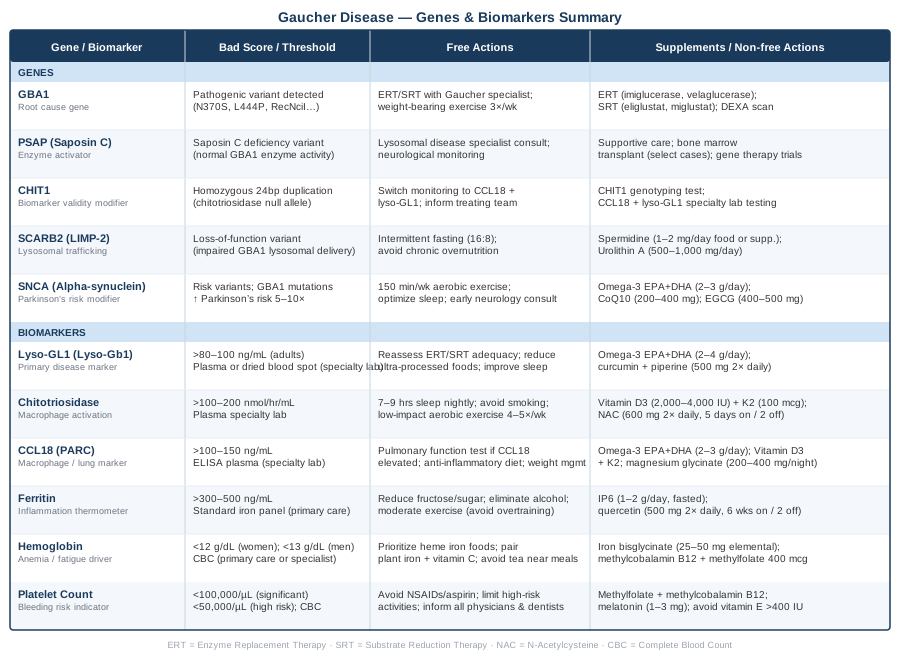
Quick Reference: Genes and Biomarkers at a Glance
What Peter Attia's Biomarker Framework Teaches Us About Gaucher Monitoring
Outlive: The Science and Art of Longevity by Peter Attia, MD (2023) is not about Gaucher disease—but its core framework maps with striking precision onto how the best Gaucher specialists approach disease monitoring. Attia's central argument is that waiting for symptoms to appear before measuring biological signals is a losing clinical strategy. The same logic, applied to Gaucher disease, reframes how patients should interact with their care from the first day of diagnosis.
Here are ten insights from Attia's framework that directly reframe Gaucher monitoring and management:
1. Biomarkers Are Not a Report Card—They Are a Navigation System
Attia frames biomarkers not as pass/fail scores but as real-time instruments. In Gaucher disease, this means tracking lyso-GL1, chitotriosidase, CCL18, and platelet count continuously—not just at diagnosis and then sporadically. Trends over serial measurements matter far more than any single data point.
2. Establish Your Baseline Before Disease Becomes Obvious
Attia emphasizes establishing personal baselines early. For newly diagnosed Gaucher patients or known GBA1 carriers, getting a comprehensive baseline of all six biomarkers before or immediately at treatment initiation creates the only valid reference point for tracking true improvement over time.
3. Ferritin Is an Underused Inflammatory Signal
Attia specifically calls out ferritin as a neglected inflammation and iron-status marker. For Gaucher patients, it provides an independent macrophage signal that complements disease-specific markers—and it is accessible through any primary care physician, making it easy to track between specialty visits.
4. Sleep Is the Most Underrated Treatment in Chronic Disease
Attia dedicates significant attention to sleep as the foundation of recovery, immune regulation, and metabolic health. For Gaucher patients dealing with fatigue, bone pain, and elevated Parkinson's risk, sleep quality is not optional—seven to nine hours of quality sleep has measurable downstream effects on inflammatory markers and alpha-synuclein clearance.
5. Zone 2 Exercise Lowers Inflammation Across Every Biomarker
Zone 2 aerobic exercise—a pace where you can still hold a conversation, roughly 60–70% of maximum heart rate—is Attia's most consistently recommended intervention for metabolic and inflammatory health. Four sessions of 45 minutes per week. For Gaucher patients without significant thrombocytopenia or bone fragility, this is both safe and directly relevant to macrophage and inflammatory burden.
6. Never Optimize One Biomarker While Ignoring the Others
Attia warns explicitly against tunnel vision on a single number. In Gaucher disease, a patient might see chitotriosidase normalizing while platelet count stagnates—a signal that one tissue compartment is responding while another is not. The full panel tells a story no single marker can.
7. The Right Lab Matters as Much as the Right Test
Attia's practice involves careful selection of specialty labs for sensitive biomarkers. In Gaucher monitoring, lyso-GL1 and CCL18 results from non-specialized labs may be less reliable than those from centers with established lysosomal disease expertise. Where you test matters, not just what you test.
8. Muscle Mass Is a Metabolic Reserve—Protect It
Gaucher-related anemia and fatigue drive muscle loss through inactivity, and Attia's emphasis on muscle preservation as a longevity strategy applies directly here. Resistance training 2–3 times per week, adequate protein (1.6–2.2 g per kg of body weight daily), and creatine monohydrate (3–5 g daily) can preserve muscle mass even during periods of disease-driven fatigue.
9. The Goal Is Optimal Function, Not Just "Normal"
A Gaucher patient whose platelet count rises from 40,000 to 90,000/µL has not finished optimizing simply because they have crossed a clinical threshold. Attia's model pushes toward optimal biological function, not just the absence of overt disease. The same standard applied to Gaucher treatment monitoring changes what success looks like.
10. Patient Data Literacy Changes Clinical Outcomes
Attia explicitly argues that patients who understand their own biomarkers advocate more effectively for appropriate care. In a rare disease where many physicians may lack deep Gaucher experience, an informed patient who tracks their own trends is a genuine clinical advantage—not just psychologically, but practically.
Complementary Approaches for Gaucher Disease Symptom Management
Gaucher disease requires medical treatment at its core, but several evidence-supported complementary approaches can meaningfully improve quality of life—particularly for the fatigue, bone pain, and psychological burden that persist even in well-treated patients. The following modalities were selected because they have meaningful human evidence relevant to the symptom profile of this condition.
Mindfulness-Based Stress Reduction (MBSR) for Chronic Pain and Fatigue
MBSR is an 8-week structured program combining meditation, body scan, and gentle movement, developed by Jon Kabat-Zinn. Chronic pain and fatigue—both prominent features of Gaucher disease, particularly during bone crises and in patients with ongoing anemia—respond to MBSR independently of the underlying medical cause. The mechanism involves down-regulation of the stress-pain amplification cycle through prefrontal cortex modulation of pain perception and autonomic regulation.
A systematic review and meta-analysis in JAMA Internal Medicine found that mindfulness meditation programs produced significant reductions in chronic pain, depression, and fatigue across multiple conditions. A subsequent randomized trial by Cherkin et al. demonstrated that MBSR outperformed usual care for chronic musculoskeletal pain at 26 weeks. No Gaucher-specific MBSR trial exists, but the symptom overlap—chronic multifocal bone pain, fatigue, psychological burden of rare disease—is substantial and the evidence base is strong.
Practically, MBSR programs run 8 weeks with weekly 2.5-hour group sessions and 45-minute daily home practice. Many community hospitals and academic medical centers offer these programs; online structured 8-week MBSR courses provide accessible alternatives. Start with 10 minutes of daily body scan practice before committing to the full program to assess personal fit.
Yoga for Bone Health and Fatigue
Yoga combines weight-bearing postures, flexibility work, and regulated breathing—all relevant to the bone disease and fatigue that characterize Gaucher. Gentle yoga provides low-impact mechanical stress through standing postures that signal bone formation pathways. Important caution: high-impact or inversion-heavy styles should be avoided in patients with significant thrombocytopenia (platelets below 80,000/µL) or active bone disease given fracture and bleeding risk. Restorative and Iyengar styles with props are generally the safest entry points.
Multiple randomized trials have examined yoga's effects on bone mineral density and chronic musculoskeletal pain. A study in patients with osteoporosis-associated musculoskeletal conditions found 12 weeks of Iyengar yoga produced significant improvements in pain, fatigue, and functional capacity. Yoga has also demonstrated measurable effects on bone mineral density in women with osteopenia in controlled studies, providing a plausible mechanistic rationale for Gaucher patients with skeletal involvement.
Begin with gentle or restorative yoga 2–3 times per week, 30–45 minutes per session. Inform your instructor about thrombocytopenia and bone fragility before the first class. Avoid hot yoga—temperature extremes can exacerbate fatigue and may affect platelet function. Look for instructors with experience in therapeutic or adaptive yoga. Progress very gradually; Gaucher-related bone involvement means the threshold for injury is lower than in the general population.
Massage Therapy for Musculoskeletal Pain
Massage therapy addresses the musculoskeletal component of Gaucher disease—bone pain, secondary muscle tension from protective posturing around painful joints, and impaired peripheral circulation. In patients with significant thrombocytopenia, massage carries bleeding risks through subcutaneous bruising from pressure, and must be adapted accordingly: only light-touch or lymphatic drainage techniques are appropriate when platelets are below 80,000/µL.
A meta-analysis in Pain Medicine demonstrated significant reductions in musculoskeletal pain scores with therapeutic massage across heterogeneous chronic pain populations. In Gaucher disease, massage is most useful for patients whose disease-level bone pain is medically managed but who experience secondary muscle tension and joint restriction—a common pattern in patients with avascular necrosis or prior fractures, where guarding creates its own pain cycle.
Seek a licensed massage therapist with training in medical massage or oncology massage, as these practitioners understand precautions for patients with hematological vulnerabilities. Disclose your Gaucher status and current platelet count before every session. Begin with 30-minute sessions using only gentle pressure and assess tolerance. During high-symptom periods: weekly sessions. For maintenance: bi-weekly. Coordinate with your specialist before initiating if platelets are below 100,000/µL.
Breathing-Based Therapies for Fatigue and Autonomic Regulation
Slow, paced breathing—particularly resonance frequency breathing at approximately 5–6 breaths per minute—activates the parasympathetic nervous system, reduces sympathetic overdrive, and improves heart rate variability. For Gaucher patients experiencing chronic fatigue and the sustained physiological stress of living with a progressive rare disease, autonomic dysregulation contributes meaningfully to symptom burden. Breathing retraining is accessible, free, and can be practiced anywhere.
Resonance frequency breathing has been studied in chronic fatigue syndrome and inflammatory conditions, with positive effects on fatigue scores and inflammatory markers. A pilot study in patients with chronic inflammatory bowel disease found that daily resonance breathing practice reduced pro-inflammatory cytokines over 8 weeks—a mechanism plausibly relevant to macrophage-driven inflammation in Gaucher disease, though direct evidence for Gaucher is not yet available. Safety is excellent and there are no drug interactions.
Practice 10–15 minutes of slow rhythmic breathing—inhale for 5 seconds, exhale for 5 seconds—once or twice daily, ideally in the morning and before sleep. Apps such as Coherence Coach or the HRV4Training app can guide pacing precisely. This requires no equipment beyond a quiet space and can be efficiently combined with the MBSR body scan for those pursuing both approaches simultaneously.
Conclusion
Gaucher disease is manageable—but effective management is not passive. The patients who do best over time are those who monitor consistently, understand what their numbers mean, and work collaboratively with specialists who see this disease regularly. Tracking the six biomarkers in this article—lyso-GL1, chitotriosidase, CCL18, ferritin, hemoglobin, and platelet count—gives you a real-time window into disease activity that symptoms alone cannot match. Understanding the five genes—GBA1, PSAP, CHIT1, SCARB2, and SNCA—explains why your experience may differ from someone else with the same diagnosis, and which additional risks deserve proactive attention.
The next smart step is concrete: if you do not already have recent levels for all six biomarkers, request them at your next specialist or primary care visit. Bring a printed list, ask that they be repeated on a consistent schedule, and track trends over time rather than reacting to individual readings. Pair that monitoring with the lifestyle adjustments most relevant to your specific pattern of results, and consider discussing the genetic picture with a Gaucher specialist who can interpret it in your clinical context.
Neurological Endocrine & Metabolic
Musculoskeletal: Bone Conditions
Neurological: Movement Disorders
Autoimmune: Inflammatory Conditions