This article contains AI generated content.
· UpdatedGenicular Neuralgia - 5 Genes And 7 Biomarkers To Track
Introduction
Genicular neuralgia sits in an uncomfortable space in medicine: it is real, often disabling, and yet routinely missed or misclassified as generic knee osteoarthritis, post-surgical pain syndrome, or "unexplained" chronic pain. The genicular nerves — small sensory branches running from the femoral, sciatic, and obturator nerves to the knee joint capsule — can be irritated, compressed, or damaged by surgery, direct trauma, or sustained joint inflammation. When they misfire chronically, the result is burning, aching, or electric pain that does not respond the same way to the same interventions for every person.
That inconsistency is the key. Two people with similar knee imaging and similar surgical histories can have radically different pain experiences and radically different responses to nerve blocks, physical therapy, or anti-inflammatory protocols. That gap is not random. It is driven, in part, by biology that standard pain assessments never measure: inflammatory signaling, nerve sensitization pathways, and genetic variation in how pain signals are amplified or dampened at the molecular level.
Generic advice — rest, ice, anti-inflammatories, and "wait and see" — is too broad precisely because it ignores these individual differences. A person with elevated neuroinflammatory biomarkers and a COMT gene variant that slows dopamine and adrenaline clearance will experience genicular pain very differently from someone with a robust endocannabinoid tone and healthy vitamin D levels. Treating them identically makes little biological sense.
This article takes a different approach. It examines the seven most clinically relevant biomarkers that can be measured today to understand the inflammatory and neurochemical terrain beneath genicular neuralgia, then covers the genetic variants most likely to modulate pain intensity and treatment response. Neither path offers a cure. Both offer better information — and better information is where more targeted decisions begin.
Summary
This article covers 7 trackable biomarkers and 5 key genetic variants most relevant to genicular neuralgia. The biomarker section — the primary focus — includes hsCRP, IL-6, homocysteine, vitamin D, substance P, BDNF, and the omega-6/omega-3 ratio. Each one comes with a clear explanation of what it reveals about your pain biology, how to measure it (with cost ranges), and specific plans for improving it — both with and without supplementation. The genetics section follows as a shorter but equally practical guide to COMT, OPRM1, SCN9A, TRPV1, and FAAH — the five variants most tied to pain amplification and nerve sensitivity. Beyond biology, the article includes a summary of a landmark podcast on pain neuroscience, plus four complementary approaches with real clinical evidence for nerve pain: mindfulness-based stress reduction, low-level laser therapy, biofeedback, and tai chi. If you have been told your pain is hard to explain or hard to treat, this article may help you understand why — and what to do next.
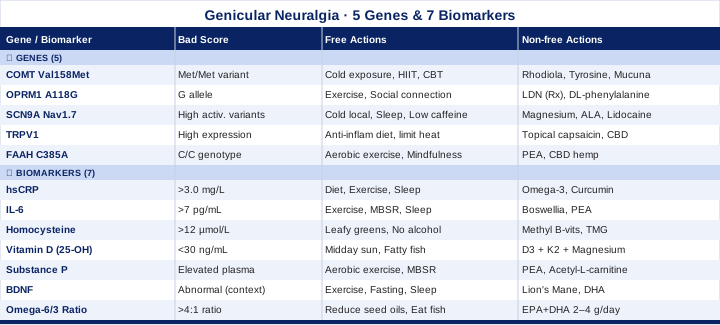
7 Biomarkers to Track in Genicular Neuralgia
Understanding genicular neuralgia through biomarkers is not about finding a single cause. It is about mapping the terrain — identifying which inflammatory, neurochemical, or metabolic signals are abnormal and which are not. That map makes interventions more precise. The seven markers below represent the most actionable, evidence-supported measurements available for this type of chronic neuropathic knee pain.
Biomarker 1: High-Sensitivity C-Reactive Protein (hsCRP)
Why it matters. hsCRP is the most accessible measure of systemic low-grade inflammation. In genicular neuralgia, peripheral nerve irritation is often sustained and amplified by inflammatory mediators in the joint microenvironment and in the bloodstream. Elevated hsCRP (above 1.0 mg/L, with greater concern above 3.0 mg/L) signals that inflammatory processes are active and likely feeding the neuroinflammatory cycle that keeps genicular nerves sensitized. Peter Attia has repeatedly emphasized hsCRP as a foundational cardiovascular and metabolic health marker, but its relevance to chronic pain is equally significant: chronic neuroinflammation and systemic inflammation share many of the same molecular drivers.
How to measure it. A standard hsCRP blood draw is available at any clinical lab. Cost: roughly $10–$40 out of pocket in the US, often covered by insurance as part of a cardiovascular panel. Request hsCRP specifically (not standard CRP, which is less sensitive at low levels). Optimal target is below 0.5 mg/L; 1.0–3.0 mg/L is borderline elevated; above 3.0 mg/L warrants attention.
If the score is bad: the plan without supplements. The most powerful non-supplemental intervention for elevated hsCRP is reducing dietary ultra-processed foods, refined carbohydrates, and seed oils (linoleic acid-heavy oils like corn, soybean, and sunflower). Time-restricted eating (a 10–12 hour eating window) has shown consistent hsCRP reductions in clinical trials. Aerobic exercise at moderate intensity — 150 minutes per week minimum — lowers hsCRP reliably. Sleep optimization matters significantly: a systematic review published on PubMed showed that short sleep (under 6 hours) independently raises hsCRP. Cold exposure (cold showers or cold water immersion) may also reduce inflammatory markers with consistent practice, though evidence specific to genicular neuralgia is not yet established. Frequency: apply these lifestyle habits daily, with measurable improvement in hsCRP typically visible within 8–12 weeks.
If the score is bad: the plan with supplements or equipment. Omega-3 fatty acids (EPA + DHA at 2–4 g/day) are among the best-studied natural hsCRP-lowering agents. High-dose curcumin with piperine (500–1000 mg curcumin with 5–10 mg piperine, twice daily) has shown significant reductions in inflammatory markers in randomized trials. Cycling curcumin at 8 weeks on, 2 weeks off is a reasonable approach to avoid adaptation. Magnesium glycinate (300–400 mg at night) also modestly reduces inflammatory signaling. Side effects: omega-3 at high doses may cause mild GI discomfort and can thin blood slightly — caution with anticoagulants. Curcumin may cause loose stools at high doses. Photobiomodulation devices (low-level laser or red light panels) applied locally to the knee area have emerging evidence for reducing local inflammatory cytokines.
Biomarker 2: Interleukin-6 (IL-6)
Why it matters. IL-6 is a pro-inflammatory cytokine with a direct role in neuropathic pain sensitization. Unlike hsCRP, which is a downstream marker, IL-6 is closer to the source: it signals to the central nervous system and promotes central sensitization — the process by which the spinal cord and brain begin to amplify pain signals beyond what the peripheral injury alone would generate. In patients with chronic knee pain and nerve involvement, elevated circulating IL-6 often indicates that the pain is being driven as much by central neuroinflammation as by local tissue damage. This distinction matters enormously for treatment: local nerve blocks alone will underperform if central sensitization is active.
How to measure it. IL-6 is measurable through a standard blood draw but is not included in routine panels. It must be specifically ordered. Some functional medicine practitioners and specialized labs (Quest Diagnostics, LabCorp) offer it. Cost: $50–$120 out of pocket. Optimal levels are typically below 2–3 pg/mL; levels above 7–10 pg/mL are clinically significant in the context of chronic pain.
If the score is bad: the plan without supplements. Vigorous exercise paradoxically raises IL-6 acutely but dramatically lowers baseline IL-6 over time by improving insulin sensitivity and reducing visceral fat — which is a major IL-6 source. Reducing body fat through a whole-food diet is one of the most effective non-supplemental strategies. Stress reduction matters: chronic psychological stress activates the HPA axis and drives IL-6 production. An 8-week mindfulness-based stress reduction program has been shown in multiple trials to reduce circulating inflammatory cytokines including IL-6. Sleep quality, again, is a key non-negotiable variable.
If the score is bad: the plan with supplements or equipment. Boswellia serrata (Boswellic acids, 300–500 mg three times daily) has demonstrated IL-6-lowering effects in knee osteoarthritis trials. PEA (palmitoylethanolamide, 600 mg twice daily) is a lipid mediator with consistent evidence for downregulating neuroinflammation, including IL-6 signaling. Cycling PEA at 3 months on, 1 month off is a reasonable approach. Infrared sauna use (3–4 sessions per week, 20 minutes each) has shown reductions in inflammatory cytokines in small human trials. Side effects: Boswellia may cause mild GI upset; PEA is generally very well tolerated with minimal reported side effects.
Biomarker 3: Homocysteine
Why it matters. Homocysteine is an amino acid metabolite that, when elevated, is directly toxic to peripheral nerves and endothelial cells. High homocysteine (above 10–12 µmol/L) impairs myelin sheath integrity, reduces nerve conduction velocity, and promotes oxidative stress in neural tissue. For genicular neuralgia — a condition defined by nerve dysfunction — homocysteine levels are a surprisingly overlooked but mechanistically relevant marker. Elevated levels can worsen the underlying neuropathic component even when the original trigger was mechanical or post-surgical. Thomas Dayspring has highlighted homocysteine as a key underappreciated cardiovascular and neurological risk marker, and the same logic applies directly to peripheral nerve health.
How to measure it. Homocysteine is a standard blood test available at most labs. Cost: $30–$70. Optimal range is below 8–9 µmol/L; 10–15 µmol/L is mildly elevated; above 15 µmol/L is a clinically significant concern for nerve health.
If the score is bad: the plan without supplements. Dietary methionine excess (from very high protein animal food intake without corresponding greens) can elevate homocysteine. Increasing leafy green intake naturally raises folate, a key methyl donor that recycles homocysteine. Eliminating alcohol (which depletes B vitamins) and reducing coffee intake (which has been associated with mildly elevated homocysteine in some studies) are practical first steps. Adequate protein — but balanced — and regular moderate exercise both support methylation.
If the score is bad: the plan with supplements or equipment. The standard evidence-based protocol for elevated homocysteine is methylated B vitamins: methylfolate (400–800 mcg/day), methylcobalamin (B12, 500–1000 mcg/day), and pyridoxal-5-phosphate (B6, 25–50 mg/day). This combination, studied in multiple clinical trials including a well-known VITACOG study, significantly lowers homocysteine within 8–12 weeks. Trimethylglycine (TMG, 500–2000 mg/day) is an additional methyl donor that has additive effects. Side effects: excess B6 (above 200 mg/day) can paradoxically cause peripheral neuropathy; stay within recommended ranges. TMG is well tolerated but may cause mild GI effects at higher doses.
Biomarker 4: 25-OH Vitamin D
Why it matters. Vitamin D is not merely a bone health marker. Vitamin D receptors are present on neurons, immune cells, and sensory nerve fibers, and vitamin D plays a direct role in modulating pain sensitization, nerve growth factor expression, and neuroinflammation. Multiple observational studies have found an inverse relationship between vitamin D levels and chronic musculoskeletal and neuropathic pain intensity. For genicular neuralgia, low vitamin D is a relevant amplifier: it appears to lower the threshold at which nerves fire in response to stimuli — a form of peripheral sensitization that makes already-irritated nerves even more reactive.
How to measure it. A 25-OH vitamin D blood test is inexpensive ($30–$60) and widely available. The optimal range for nerve health (not just bone health) is debated, but most functional medicine practitioners target 50–80 ng/mL. Below 30 ng/mL is deficient; 30–50 ng/mL is suboptimal for neurological purposes.
If the score is bad: the plan without supplements. Midday sun exposure (arms and legs exposed, 15–30 minutes) is the most efficient non-supplemental strategy, but is latitude- and skin-tone-dependent. For most people in northern climates, supplementation is essentially unavoidable for reaching optimal levels. Focus on dietary sources (fatty fish, egg yolks, liver) as a supporting factor alongside sun exposure.
If the score is bad: the plan with supplements or equipment. Vitamin D3 at 2000–5000 IU/day is the standard approach for deficiency correction, always paired with vitamin K2 (MK-7 form, 100–200 mcg/day) to prevent soft-tissue calcium deposition. Magnesium glycinate (300–400 mg/day) is also necessary for vitamin D conversion. Retest 25-OH levels at 3 months. Side effects: vitamin D toxicity is rare below 10,000 IU/day in adults without underlying conditions, but monitoring is prudent. K2 is extremely well tolerated.
Biomarker 5: Substance P (Plasma)
Why it matters. Substance P is a neuropeptide released by primary sensory neurons — including genicular nerve fibers — in response to tissue damage or persistent inflammation. It acts as a direct amplifier of pain transmission at the spinal cord level and promotes neurogenic inflammation in peripheral tissues. Elevated plasma substance P is one of the clearest biochemical signatures of a pain state that has moved beyond simple nociception into central sensitization. In chronic joint pain and neuropathic pain research, elevated substance P consistently correlates with pain severity and treatment resistance, making it a uniquely informative marker for understanding whether genicular neuralgia is primarily peripheral or has taken on a central component.
How to measure it. Substance P measurement in plasma is available through specialized labs (often requiring a functional or integrative medicine referral). It is not a standard primary care test. Cost: $100–$200. Reference ranges vary by lab; the key clinical question is whether levels are elevated relative to population norms.
If the score is bad: the plan without supplements. The most effective non-pharmacological approach to reducing substance P signaling is consistent aerobic exercise — which upregulates endorphin tone and inhibits substance P release through descending pain modulation pathways. Mind-body therapies (particularly MBSR) have shown reductions in pain-related neuropeptide levels in clinical trials. Reducing the total inflammatory load (via diet and sleep) also indirectly lowers the stimuli that drive substance P release. Capsaicin exposure (topical cream at 0.025–0.075% concentration) is counterintuitive but clinically established: it depletes substance P from sensory nerve terminals with repeated application, reducing pain signal transmission over time.
If the score is bad: the plan with supplements or equipment. PEA (palmitoylethanolamide, 600 mg twice daily) has specific evidence for modulating neuropeptide release including substance P in neuropathic pain models. Acetyl-L-carnitine (1500–3000 mg/day in divided doses) supports peripheral nerve repair and has shown reductions in neuropathic pain markers in diabetic neuropathy trials — with potential relevance to genicular neuralgia. Cycling ALC at 12 weeks on, 4 weeks off is reasonable. Side effects: ALC may cause mild GI effects; at high doses, caution is warranted in individuals with seizure disorders or active thyroid conditions.
Biomarker 6: Brain-Derived Neurotrophic Factor (BDNF)
Why it matters. BDNF is paradoxical in pain biology: while it promotes neuronal health and plasticity in most contexts, elevated peripheral BDNF in the context of chronic pain is associated with central sensitization — specifically, it acts as a neuromodulator that lowers the threshold for spinal pain neurons to fire. In genicular neuralgia, abnormally elevated BDNF in the joint and spinal cord microenvironment contributes to the "wind-up" phenomenon — where repetitive pain stimuli produce increasingly larger neural responses. Conversely, appropriate BDNF signaling in the prefrontal cortex is necessary for the top-down inhibition of pain, so the picture is nuanced: the goal is not to suppress BDNF globally, but to understand the context of its elevation and whether it reflects adaptive or maladaptive neuroplasticity.
How to measure it. Serum BDNF is available through specialized lab panels. Cost: $80–$150. Interpretation requires clinical context; levels should be assessed alongside pain history and other neuroinflammatory markers.
If the score is bad: the plan without supplements. Exercise is the single most evidence-based modulator of BDNF: both aerobic and resistance training have shown robust BDNF increases in the brain regions responsible for pain inhibition. Intermittent fasting (16:8 protocol) upregulates BDNF through BDNF gene expression. Cognitive engagement and learning tasks also promote beneficial BDNF signaling in cortical regions. Sleep — particularly deep slow-wave sleep — is critical for BDNF-dependent synaptic pruning and pain memory consolidation.
If the score is bad: the plan with supplements or equipment. Lion's Mane mushroom extract (500–1000 mg twice daily, standardized to hericenones/erinacines) stimulates BDNF and NGF production and has shown early evidence in human trials for neuroprotective effects. Omega-3 DHA specifically (1–2 g/day) supports BDNF signaling in neuronal membranes. Photobiomodulation (red light at 630–850 nm applied to the spine and skull) has shown BDNF-modulating effects in animal studies, with human data emerging. Cycling Lion's Mane at 8 weeks on, 2 weeks off. Side effects: Lion's Mane is very well tolerated; rare reports of mild GI discomfort.
Biomarker 7: Omega-6 to Omega-3 Ratio
Why it matters. The ratio of omega-6 to omega-3 fatty acids in cell membranes determines the baseline inflammatory tone of the entire body, including neural tissue. The modern Western diet produces ratios of 15:1 to 20:1 in favor of omega-6 (pro-inflammatory). An optimal ratio is closer to 4:1 or lower. In the context of genicular neuralgia, a high omega-6/omega-3 ratio promotes sustained prostaglandin and leukotriene production in the knee joint, prolongs nerve inflammation, and reduces the synthesis of pro-resolving lipid mediators (resolvins, protectins, maresins) that are necessary for inflammation to wind down. Peter Attia and others tracking longevity biomarkers have increasingly identified this ratio as one of the most underappreciated but modifiable inflammatory parameters.
How to measure it. The OmegaCheck or Omega-3 Index test (available from specialized labs including Cleveland HeartLab) measures the omega-3 index (EPA + DHA as a percentage of total red blood cell fatty acids) as well as the omega-6/omega-3 ratio. Cost: $80–$150. Target omega-3 index: above 8%. Optimal omega-6/omega-3 ratio: below 4:1.
If the score is bad: the plan without supplements. The most impactful dietary change is eliminating or dramatically reducing seed oils (corn, soybean, sunflower, canola) and replacing them with olive oil, avocado oil, and animal fats. Increasing fatty fish consumption (salmon, sardines, mackerel) 3–4 times per week is the most effective food-first strategy. Reducing processed snack foods (which are almost universally made with high-linoleic seed oils) makes a significant difference within 3–4 months.
If the score is bad: the plan with supplements or equipment. High-quality concentrated EPA + DHA (2–4 g combined per day, in triglyceride form for better absorption) is the standard intervention. Krill oil at lower doses may offer comparable bioavailability for some individuals. Re-test omega-3 index at 3–4 months. Side effects: blood-thinning effect at high doses — note with anticoagulant therapy. Fish burps can be minimized with enteric-coated formulas or by taking with food.
The Genetics Behind Genicular Neuralgia: 5 Variants Worth Knowing
Genetic testing does not diagnose pain or predict its severity with certainty. What it does is add a layer of biological context that can explain why some people develop severe, treatment-resistant genicular neuralgia from what appears to be a modest injury, while others recover more easily. The five variants below are the most clinically discussed in neuropathic and musculoskeletal pain research. Testing is available through consumer genetic platforms (23andMe raw data analyzed through tools like SelfDecode or Genetic Genie) or clinical-grade panels through integrative medicine practitioners.
Gene 1: COMT (Val158Met) — The Pain Amplifier Switch
What it affects. COMT encodes an enzyme that breaks down catecholamines — dopamine, adrenaline, and noradrenaline — in the prefrontal cortex and other brain regions involved in pain modulation. The Val158Met polymorphism (rs4680) creates three functionally distinct profiles: Val/Val (fast metabolism, lower pain sensitivity), Val/Met (intermediate), and Met/Met (slow metabolism, significantly higher pain sensitivity). Zubieta et al. published landmark research in Science (2003) demonstrating that Met/Met individuals have reduced µ-opioid receptor binding capacity during pain challenges — meaning their natural pain-dampening response is structurally less efficient. This variant is one of the most replicated in the entire pain genetics literature.
If the gene is bad: the plan without supplements. For Met/Met individuals, the focus is on upregulating natural dopaminergic tone and strengthening descending pain inhibitory pathways. Cold exposure (ending showers with 1–2 minutes cold water, daily) stimulates noradrenaline release and activates descending pain inhibition. High-intensity interval training (HIIT, 2–3 sessions per week) robustly boosts dopamine synthesis. Avoiding chronic stress — which depletes catecholamines and worsens COMT-related pain amplification — is critical. CBT-based pain management programs are particularly effective for Met/Met individuals because they work on top-down regulatory circuits.
If the gene is bad: the plan with supplements or equipment. Rhodiola rosea (200–400 mg standardized extract, daily for 8 weeks, then 2 weeks off) modulates catecholamine metabolism and HPA axis response. Tyrosine (500–1000 mg in the morning) is a precursor to dopamine and noradrenaline — particularly useful under stress. Mucuna pruriens (standardized to 15% L-DOPA, 200–300 mg/day) provides direct catecholamine precursor support; cycling at 4 weeks on, 2 weeks off is important to avoid receptor downregulation. Side effects: mucuna can cause GI distress; avoid with MAOIs or Parkinson's medications. Tyrosine is generally well tolerated.
Gene 2: OPRM1 (A118G) — Opioid Receptor Sensitivity
What it affects. OPRM1 encodes the mu-opioid receptor — the primary target of both endogenous pain-relieving molecules (endorphins, enkephalins) and opioid medications. The A118G variant (rs1799971) produces a receptor with lower affinity for beta-endorphin. Carriers of the G allele have been shown in multiple clinical studies to require higher doses of opioid medications for pain control and to have blunted endogenous pain inhibitory responses. For genicular neuralgia, this means natural recovery may be slower, standard analgesic doses less effective, and the importance of upregulating non-opioid pain-inhibitory mechanisms proportionally greater.
If the gene is bad: the plan without supplements. Exercise is the most evidence-based way to upregulate endogenous opioid tone. Both moderate aerobic exercise and resistance training increase beta-endorphin and enkephalin release. Consistent social connection also activates the opioid system — isolation downregulates it. Laughter and positive social engagement have measurable effects on endogenous opioid release. A gradual return to activity despite pain (graded exposure) is important to maintain and rebuild opioid receptor sensitivity.
If the gene is bad: the plan with supplements or equipment. Low-Dose Naltrexone (LDN, 1.5–4.5 mg/day at bedtime) works by briefly blocking opioid receptors, which paradoxically causes a rebound upregulation in endogenous opioid production and receptor sensitivity. LDN has meaningful human evidence for neuropathic pain, fibromyalgia, and chronic inflammatory conditions. It requires a prescription. DL-phenylalanine (500–1000 mg/day) inhibits enzymes that break down enkephalins, effectively extending the action of endogenous opioids. Side effects: LDN can cause vivid dreams and mild GI effects in the first few weeks; well-tolerated long-term for most. DL-phenylalanine is generally safe but avoid with phenylketonuria.
Gene 3: SCN9A — Sodium Channel Nav1.7
What it affects. SCN9A encodes Nav1.7, the voltage-gated sodium channel most selectively expressed on pain-sensing neurons (nociceptors). It is sometimes called the "pain channel" because gain-of-function mutations cause extreme, spontaneous pain syndromes, while loss-of-function mutations cause complete insensitivity to pain. Common variants in SCN9A influence individual pain thresholds across the population. Individuals with variants associated with increased Nav1.7 activity have lower pain thresholds, more robust pain signal initiation, and potentially more severe genicular nerve hypersensitization following injury or inflammation.
If the gene is bad: the plan without supplements. Reducing the dietary and environmental inputs that depolarize pain neurons — including excessive caffeine, alcohol, and refined sugars — can lower baseline nociceptor excitability. Cold exposure applied locally (ice packs on the knee, 10–15 minutes, 2–3x daily during flares) transiently reduces sodium channel activity. Consistent sleep is critical: sleep deprivation significantly increases nociceptor sensitivity and appears to amplify Nav1.7-related pain signaling.
If the gene is bad: the plan with supplements or equipment. Magnesium (glycinate or threonate, 300–450 mg/day) is a natural sodium channel stabilizer with evidence for reducing neuropathic pain. Alpha-lipoic acid (600 mg/day) supports nerve membrane stability. Topical lidocaine patches (available OTC at low concentrations) act directly on Nav1.7 and provide localized relief. TENS (transcutaneous electrical nerve stimulation) devices, when applied around the knee, alter peripheral nerve firing patterns and provide non-pharmacological sodium channel modulation — cycles of 20–30 minutes daily. Side effects: magnesium at higher doses can cause loose stools; ALA may lower blood sugar — caution in diabetics on medication.
Gene 4: TRPV1 — The Heat and Inflammation Receptor
What it affects. TRPV1 encodes the transient receptor potential vanilloid 1 channel, the ion channel activated by heat, capsaicin, and acid — as well as by inflammatory mediators such as bradykinin and prostaglandins. TRPV1 variants that increase channel activity or expression lower the threshold for generating pain signals in response to tissue inflammation. In a joint environment already primed by inflammation — as in genicular neuralgia — an overactive TRPV1 channel means that even minor thermal or chemical stimuli produce pronounced pain responses.
If the gene is bad: the plan without supplements. Reducing dietary arachidonic acid (found heavily in factory-farmed animal products) lowers the production of prostaglandins and other TRPV1 activators. An anti-inflammatory whole food diet is the cornerstone. Avoiding hot environments and vigorous exercise during acute flares prevents unnecessary TRPV1 activation. Graded heat desensitization — using warm (not hot) water therapy on the knee — may reduce TRPV1 sensitivity over time through receptor downregulation, similar to the mechanism of capsaicin desensitization.
If the gene is bad: the plan with supplements or equipment. Topical capsaicin cream (0.025–0.075%) applied to the knee 3–4 times daily initially causes burning, then progressively desensitizes TRPV1 channels by depleting substance P and causing receptor internalization. This is a clinically established approach for localized neuropathic pain. Full desensitization typically requires 2–4 weeks of consistent use. CBD (cannabidiol, oral 25–75 mg/day or topical formulations) interacts with TRPV1 as a partial agonist/desensitizer and has shown modest evidence for neuropathic pain reduction. Side effects: topical capsaicin causes significant initial burning — use gloves during application, avoid mucous membranes. CBD is generally well tolerated; verify legal status and quality (third-party tested products).
Gene 5: FAAH (C385A) — Endocannabinoid Tone
What it affects. FAAH encodes fatty acid amide hydrolase, the enzyme that breaks down anandamide — the body's primary endocannabinoid, often called the "bliss molecule." The C385A variant (rs324420) reduces FAAH activity, allowing anandamide to remain active longer. Individuals with the A allele have higher natural endocannabinoid tone, which is associated with reduced anxiety and pain sensitivity. Conversely, individuals with the standard C/C genotype have more efficient anandamide breakdown, lower endocannabinoid baseline, and potentially higher baseline pain sensitivity. For genicular neuralgia, FAAH status helps explain why some people have a naturally more robust internal analgesic buffer than others.
If the gene is bad: the plan without supplements. Exercise — specifically aerobic exercise at moderate to high intensity — is the most evidence-based way to naturally elevate anandamide. The "runner's high" is largely mediated by endocannabinoid, not endorphin, release. Even short bouts of moderate activity (30 minutes of brisk walking or cycling) measurably raise plasma anandamide. Mindfulness meditation has also been shown to increase endocannabinoid system tone over time. Reducing chronic stress is again key, as stress hormones accelerate anandamide degradation.
If the gene is bad: the plan with supplements or equipment. PEA (palmitoylethanolamide, 600 mg twice daily) is an endocannabinoid system modulator that works as an "entourage" compound — it does not directly raise anandamide but inhibits its competing degradation pathways. It is one of the most evidence-backed supplements for neuropathic pain, with a particularly clean safety profile. OECO hemp-derived CBD (25–75 mg/day) is a partial FAAH inhibitor and CB1/CB2 modulator that effectively raises anandamide activity. Cycling PEA at 12 weeks on, 4 weeks off; CBD can be used more continuously. Side effects: both are extremely well tolerated; rare reports of mild drowsiness with higher CBD doses.
A Podcast That May Change Your Approach to Nerve Pain
The Huberman Lab podcast episode titled "Science of Pain & How to Overcome It" (available on all major podcast platforms) is among the most science-dense public discussions of pain neuroscience available outside of academic settings. Andrew Huberman, a Stanford neuroscientist, synthesizes decades of research on peripheral and central pain processing in a way that is directly relevant to anyone with chronic nerve pain including genicular neuralgia. The following are the ten most impactful takeaways.
1. Pain is not a signal — it is a decision made by the nervous system
The brain does not passively receive pain from the body. It actively constructs the pain experience based on context, threat level, and prior experience. This means the intensity of genicular neuralgia is not fixed by the degree of nerve damage alone — it is modulated by brain state, belief, attention, and expectation.
2. Descending pain modulation is trainable
The periaqueductal gray (PAG) and anterior cingulate cortex send inhibitory signals down to the spinal cord that actively suppress pain transmission. Exercise, social safety, and repeated exposure (graded activity) are the most evidence-based ways to strengthen this system. It is a trainable circuit, not a fixed one.
3. Hyperventilation temporarily suppresses pain — and has clinical uses
Brief cyclic hyperventilation (like Wim Hof breathing) raises adrenaline, which activates descending inhibitory pathways. This is why intense focus or physical activity can temporarily override chronic pain. Used deliberately and carefully, breathing-based interventions can offer a window of reduced pain to perform rehabilitation exercises.
4. Inflammation is the bridge between peripheral and central sensitization
IL-6, TNF-alpha, and prostaglandins produced at the site of nerve irritation cross the blood-brain barrier and directly activate microglial cells in the spinal cord, escalating pain centrally. Managing inflammation biologically is not just symptom management — it is interrupting the pathway to chronic central sensitization.
5. Expectation shapes pain intensity at the biological level
Placebo and nocebo research has shown that expectation of pain relief or pain worsening activates or suppresses the same opioid and cannabinoid receptors as pharmacological interventions. This has practical implications: the framing of genicular neuralgia as "permanent" or "untreatable" is not neutral — it may actively worsen the pain experience.
6. Sunlight and circadian regulation directly affect pain thresholds
Serotonin — the precursor to melatonin and a co-regulator of pain inhibitory pathways — is synthesized in response to morning light exposure. Disrupted circadian rhythms predictably worsen pain sensitivity, and stabilizing them (morning light, consistent sleep timing, reduced blue light at night) has measurable effects on pain thresholds.
7. Acupuncture works partly through adenosine release at needle sites
Huberman cites research showing that needling in connective tissue near peripheral nerves releases adenosine, which has analgesic properties and activates local anti-inflammatory signaling. This partially explains why localized needling near the knee can produce meaningful pain relief in some genicular neuralgia patients.
8. Touch and pressure activate large-diameter nerve fibers that inhibit pain signals
The gate control theory of pain — that non-painful touch and pressure can compete with pain signals at the spinal cord level — remains one of the most robust frameworks in pain science. Massage, manual pressure, and TENS devices work through this mechanism and are genuinely neurobiologically grounded.
9. NSAID overuse can paradoxically prolong inflammation
Prostaglandins are not only pro-inflammatory — they also play a role in initiating the resolution phase of inflammation. Consistent NSAID use can blunt this resolution signaling, potentially prolonging the inflammatory microenvironment that keeps genicular nerves sensitized. This challenges the default long-term NSAID strategy for genicular pain.
10. The social environment is a biological pain modulator
Social isolation elevates baseline cortisol and reduces endogenous opioid and oxytocin tone — both of which are pain inhibitory. Chronic pain patients in social isolation have meaningfully worse outcomes than those with strong social support, independent of the severity of their underlying condition. Reconnection is a legitimate pain management tool.
Complementary Approaches With Clinical Evidence for Genicular Neuralgia
The following modalities have meaningful human evidence for chronic neuropathic or musculoskeletal knee pain. None replace medical evaluation or treatment. All can be integrated alongside conventional care.
Mindfulness-Based Stress Reduction (MBSR)
MBSR is an 8-week structured program combining body scan meditation, sitting meditation, and mindful movement. It is relevant to genicular neuralgia because chronic nerve pain is substantially amplified by the attentional and emotional processing that occurs in the brain — not as a psychological weakness, but as a neurobiological reality. MBSR directly targets the cortical circuits that amplify pain through catastrophizing and threat appraisal.
A 2016 JAMA randomized trial of 342 adults with chronic low back pain found that MBSR produced significantly greater reductions in pain and functional limitation compared to usual care at 26 and 52 weeks. While specific genicular neuralgia trials are limited, the neurobiological mechanisms are shared with other neuropathic and musculoskeletal pain states.
In practice: enroll in a structured 8-week MBSR course (available in person or online through programs like UMass CFM). Daily practice of 30–45 minutes is required for efficacy. Maintain a realistic expectation — effects build gradually over weeks, with the most significant improvements often appearing at the 8-week point and continuing with sustained practice.
Low-Level Laser Therapy (Photobiomodulation)
Low-level laser therapy (LLLT) or photobiomodulation applies near-infrared and red light at specific wavelengths (630–1064 nm) to tissue at low power densities. In neural tissue, LLLT stimulates mitochondrial cytochrome c oxidase activity, reducing oxidative stress, promoting local anti-inflammatory cytokine shifts, and supporting axonal repair. For genicular neuralgia, local application to the knee targets the superficial genicular nerve branches and the joint tissue they innervate.
A meta-analysis published in the European Journal of Pain (2007) found that LLLT produced statistically significant reductions in knee osteoarthritis pain with a clinically meaningful effect size. More recent studies in neuropathic pain models support the anti-neuroinflammatory mechanism. A typical protocol involves 808 nm or 1064 nm wavelength, 4–8 J/cm² energy density, applied to the medial and lateral knee, 3–5 sessions per week for 4–6 weeks.
Practically, home devices (handheld red light or near-infrared panels from companies like Joovv or BioMax) can deliver therapeutic wavelengths. Position the device 6–12 inches from the knee. Results are modest to moderate and are most consistent when treatment begins before severe central sensitization has developed. Side effects are minimal; do not use directly over active malignancy.
Biofeedback
Biofeedback trains patients to consciously modulate physiological states — heart rate variability, muscle tension, skin conductance — that are otherwise involuntary. For genicular neuralgia, it is relevant because sympathetic nervous system activation (chronic stress, fear of movement, pain hypervigilance) maintains peripheral and central sensitization. HRV biofeedback specifically strengthens vagal tone and downregulates the sympathetic drive that keeps pain amplified.
A 2014 systematic review of biofeedback for chronic pain found consistent evidence for reductions in pain intensity and psychological distress across multiple pain conditions. EMG biofeedback applied to muscles around the knee may also reduce involuntary muscle guarding — a common contributor to secondary genicular nerve compression.
Practical protocol: 8–12 sessions of biofeedback with a trained therapist, combined with daily home practice using a consumer HRV device (Garmin, Polar H10, or the Elite HRV app). Coherent breathing (5.5 seconds inhale, 5.5 seconds exhale) during HRV biofeedback sessions builds vagal tone over time. Daily practice of 10–15 minutes is sufficient for a conditioning effect.
Tai Chi
Tai chi is a slow, deliberate movement practice rooted in traditional Chinese martial arts, combining coordinated movement with controlled breathing and meditative focus. For genicular neuralgia, it is relevant because it improves proprioception, reduces fear of movement, strengthens muscles supporting the knee without high-impact loading, and activates parasympathetic nervous system pathways that reduce pain amplification.
A landmark 2016 JAMA Internal Medicine randomized trial compared tai chi to physical therapy for knee osteoarthritis over 52 weeks and found equivalent outcomes for pain and function, with additional benefits for depression and quality of life in the tai chi group. While this study focused on osteoarthritis, the knee pain mechanisms and the importance of movement confidence overlap directly with genicular neuralgia management.
Practically, beginner tai chi classes (in person or via video platforms) require no equipment and can be adapted to seated or limited-range participants. Start with 20–30 minutes, 3 sessions per week, and build to daily practice over 4–8 weeks. The Yang style 24-form is the most widely studied and accessible starting point.
Conclusion
Genicular neuralgia does not yield well to generic approaches precisely because its intensity and persistence are shaped by individual biology — the inflammatory terrain, the neurochemical baseline, and the genetic architecture of pain processing vary meaningfully from person to person. The seven biomarkers covered here offer a concrete and measurable starting point: hsCRP and IL-6 map the inflammatory load; homocysteine and vitamin D indicate the state of nerve health and protection; substance P and BDNF reveal how deeply the pain has embedded itself into the nervous system; and the omega-6/omega-3 ratio reflects the foundational inflammatory diet. Together, they form a picture that standard care almost never obtains.
The genetic layer — COMT, OPRM1, SCN9A, TRPV1, and FAAH — adds depth to that picture, helping explain why pain is as intense as it is and which intervention categories are most likely to match the underlying biology. Neither genetics nor biomarkers replace clinical diagnosis or medical care. They add precision to it.
The next smart step is not to change everything at once. It is to identify the one or two abnormal values that are most likely driving your specific pain experience, address those systematically, and retest. Track symptoms alongside labs. Work with a physician or integrative medicine practitioner who can help interpret and act on these results. Better information, applied patiently and precisely, is where durable improvement becomes possible.
Musculoskeletal Endocrine & Metabolic
Musculoskeletal: Joint Conditions
Neurological: Nerve Conditions
Autoimmune: Inflammatory Conditions