This article contains AI generated content.
· UpdatedGiant Cell Arteritis — 4 Genes and 6 Biomarkers to Track
Giant cell arteritis is not a condition that announces itself gently. It tends to arrive with crushing headaches, jaw pain that appears from nowhere, and in some cases a sudden threat to vision that demands urgent attention. For the person living through it, the path from early symptoms to a confirmed diagnosis — and then to a stable, manageable state — is rarely straightforward. Standard care often focuses almost entirely on corticosteroids and waiting for inflammation to calm down, leaving many patients with little sense of what is actually happening inside their blood vessels or how to track progress beyond a general blood test.
That gap matters. Giant cell arteritis is a systemic vasculitis involving medium and large arteries, driven by a complex immune response that varies meaningfully from one person to the next. Two people with the same diagnosis can have very different underlying inflammatory drivers, different genetic susceptibilities, and different patterns of response to treatment. Generic advice — take your prednisone, avoid stress, eat well — is not wrong, but it leaves too much on the table.
This article takes a more targeted approach. It focuses first on the biomarkers most relevant to disease activity and vascular risk in GCA, explaining what each one reveals and what practical steps can influence it. It then looks at the genetic landscape that influences individual susceptibility and inflammatory burden. From there, it covers what recent science on inflammation and immune regulation suggests, and closes with complementary approaches that have meaningful human evidence behind them.
Better information does not replace a rheumatologist, but it changes the quality of every conversation you have with one. The goal here is to give you that information in a form you can actually use.
Summary
This article covers 6 biomarkers and 4 genes most relevant to giant cell arteritis — from IL-6, the cytokine directly targeted by one of GCA's approved therapies, to MMP-9 and Pentraxin 3, which give a more granular picture of vascular damage. For each, you will find out how to measure it affordably, what an abnormal result actually means for your vessels and immune system, and what specific steps — both with and without supplementation — can help bring it in the right direction.
The genetics section explains why some people develop GCA at all, with a focus on four key genes including HLA-DRB1 and PTPN22, and what those variants suggest for practical lifestyle and supplementation strategies. A dedicated section draws on Andrew Huberman's research synthesis on the immune system and chronic inflammation, pulling out the ten most actionable insights. Finally, the complementary approaches section reviews the best-supported non-pharmacological strategies — including Sarah Ballantyne's Autoimmune Protocol, which has strong relevance for any autoimmune-driven condition — with real protocols and evidence citations.
If you have been told your ESR is elevated, or that you are doing well because your CRP has dropped, this article will show you why that picture may be incomplete — and what a more complete view looks like.
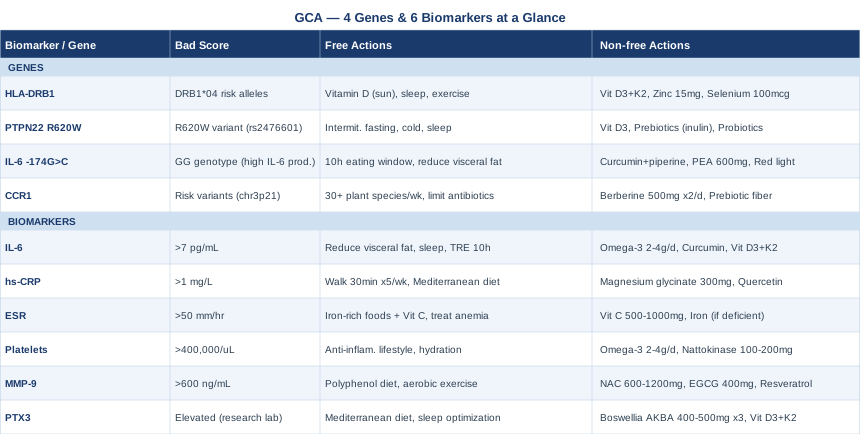
6 Biomarkers That Define Disease Activity in Giant Cell Arteritis
Most rheumatologists track GCA using ESR and CRP, which are useful but incomplete. The biomarkers below give a more layered picture of what is happening at the vascular level, how severe the inflammatory burden is, and where targeted intervention has the strongest leverage. They range from tests available at any commercial lab to more specialized panels that require a specific request.
1. IL-6 (Interleukin-6): The Cytokine at the Center
IL-6 is not just one marker among many in GCA — it is the primary inflammatory signal driving the disease. The pathogenesis of giant cell arteritis involves activated CD4+ T helper cells and macrophages in the adventitia of affected arteries producing large quantities of IL-6. This cytokine orchestrates the acute phase response, stimulates platelet production, promotes endothelial dysfunction, and sustains the inflammatory cycle. The FDA-approved biological therapy for GCA — tocilizumab — works by blocking the IL-6 receptor, which is the clearest possible signal that this cytokine is central to the disease process.
Elevated IL-6 in active GCA can reach 50 to 150 pg/mL or higher, compared to a normal range typically below 7 pg/mL. What makes it particularly valuable is that it can remain elevated even when ESR and CRP have normalized in some patients — making it a more sensitive marker of subclinical disease activity. Falling IL-6 tends to precede clinical flares as steroids are tapered, giving it some predictive value when tracked over time.
How to Measure It
IL-6 is measured via a serum blood draw using ELISA technology. It is not included in standard inflammatory panels and must be ordered specifically. Quest Diagnostics and LabCorp both offer it in the United States under the name "Interleukin-6, Serum." Cost typically ranges from $80 to $200 out of pocket, though insurance often covers it when a diagnosis of vasculitis or autoimmune disease is established. Sample handling matters: blood must be processed promptly, as IL-6 can degrade if left at room temperature.
If the Score Is High: The Plan Without Supplements
The most powerful non-pharmacological lever for IL-6 is visceral fat reduction. Adipose tissue, particularly visceral fat, is a major source of IL-6 and other inflammatory cytokines. Even modest reductions in visceral adiposity — achievable through a modest caloric deficit and daily movement — produce measurable drops in circulating IL-6. Time-restricted eating (eating within a 10-hour window) has also been shown to reduce IL-6 independently of caloric intake in some studies. Optimizing sleep quality is another primary tool: poor or fragmented sleep drives nocturnal IL-6 surges. Addressing sleep apnea, maintaining a consistent bedtime, and reducing light exposure after dark all support this pathway. Cold-water face immersion or brief cold showers (30–60 seconds) can also transiently reduce pro-inflammatory signaling through vagal activation, though this is an adjunct rather than a primary strategy.
If the Score Is High: The Plan With Supplements or Equipment
Omega-3 fatty acids (EPA/DHA) at 2–4 g/day from fish oil or algae-based sources have the strongest evidence for reducing IL-6 among accessible supplements. EPA in particular competes with arachidonic acid in the inflammatory cascade. Use daily, with fatty meals for absorption. Cycle of 3 months on, 1 month off is reasonable to assess response. Side effects at this dose include fish breath, loose stools, and a modest anticoagulant effect — relevant in GCA patients already on low-dose aspirin. Curcumin with piperine (500–1000 mg curcumin, with 5–20 mg piperine for absorption) inhibits NF-κB signaling, a key driver of IL-6 production. Cycle 8 weeks on, 4 weeks off. Avoid high doses with anticoagulants. Vitamin D3 at 2000–5000 IU/day (adjusted to serum level; target 50–70 ng/mL) modulates T helper cell activity and can reduce IL-6 production. Always co-administer with Vitamin K2 (100–200 mcg MK-7) to prevent arterial calcification — particularly relevant in GCA, which already affects arterial walls.
2. High-Sensitivity CRP: The Accessible Inflammation Gauge
C-Reactive Protein is produced by the liver in direct response to circulating IL-6, making it a useful downstream signal of the same inflammatory process. High-sensitivity CRP (hs-CRP) can detect elevations that standard CRP misses, which matters in the context of monitoring GCA during steroid tapering when the inflammatory signal may be subtler. In active, untreated GCA, CRP is typically above 2.45 mg/dL (24.5 mg/L), often dramatically so. Below 1 mg/L suggests low systemic inflammatory load.
hs-CRP is also one of the most predictive cardiovascular biomarkers — relevant because GCA significantly increases the risk of aortic aneurysm, large vessel stenosis, and ischemic events. Peter Attia and other longevity-focused clinicians consistently include hs-CRP as a core tracking biomarker precisely because it reflects both immune activation and vascular risk simultaneously.
How to Measure It
hs-CRP is widely available on standard metabolic panels when specifically requested. It distinguishes itself from regular CRP by sensitivity at low concentrations. Cost: $10–40 out of pocket at commercial labs, frequently included in cardiovascular risk panels. Request hs-CRP specifically — standard CRP is less sensitive. Retest every 6–8 weeks during active management phases, then every 3–6 months once stable.
If the Score Is High: The Plan Without Supplements
Physical activity has a well-documented effect on CRP reduction — even a 30-minute brisk walk five times per week produces meaningful decreases over 12 weeks. For GCA patients on corticosteroids, however, exercise must be balanced against steroid-induced muscle weakness and bone density loss; weight-bearing, low-impact activity (walking, gentle resistance training) is appropriate. Dietary changes targeting ultra-processed foods, trans fats, and refined carbohydrates are additive. The Mediterranean dietary pattern, with its high olive oil, vegetable, legume, and fish content, reduces hs-CRP by 20–30% in sustained adherence. Stress reduction is also measurably effective — chronic psychological stress elevates CRP through cortisol dysregulation.
If the Score Is High: The Plan With Supplements or Equipment
Magnesium glycinate (300–400 mg nightly) reduces CRP in people with elevated levels, likely through modulation of NF-κB signaling. Well-tolerated; side effect is loose stools at higher doses. Quercetin (500–1000 mg/day) has anti-inflammatory properties and reduces CRP in intervention trials. Cycle 6 weeks on, 2 weeks off. Interaction with certain medications (cyclosporine, some statins) warrants a check with prescribers. Berberine (500 mg twice daily with meals) reduces systemic inflammation and improves metabolic markers associated with CRP elevation. Do not combine with metformin or certain cardiac medications without guidance.
3. ESR (Erythrocyte Sedimentation Rate): The Classic but Imperfect Mirror
ESR has been used in GCA diagnosis for decades and remains part of the American College of Rheumatology classification criteria. In active, untreated disease, ESR typically exceeds 50 mm/hr — often climbing above 100 mm/hr. But ESR has real limitations as a monitoring tool. It is sensitive to age (naturally rises with age), anemia (elevated in anemia, which is itself common in GCA), pregnancy, and various unrelated conditions. It is slow to change with treatment and can remain elevated due to anemia or other factors even when GCA inflammation has resolved. This makes it useful for initial diagnosis but less reliable as a primary monitoring biomarker.
That said, a persistently high ESR during steroid taper, especially alongside other markers, is clinically meaningful and should not be ignored. The Westergren method is the standard for measurement.
How to Measure It
ESR is available at every standard lab and is inexpensive: $5–20 out of pocket, and almost always covered by insurance with a GCA or vasculitis diagnosis. It requires a complete blood count to interpret correctly, since anemia dramatically affects ESR values. Track alongside CRP for context.
If the Score Is High: The Plan Without Supplements
Given ESR's sensitivity to anemia, addressing iron-deficiency anemia (common in GCA due to chronic inflammation) is a direct lever. Dietary iron from heme sources (red meat, liver), combined with vitamin C to enhance absorption, helps correct this when appropriate. Treating underlying inflammation through the strategies outlined for IL-6 and CRP will bring ESR down as part of a coordinated improvement, though ESR lags behind IL-6 and CRP in response time.
If the Score Is High: The Plan With Supplements or Equipment
Vitamin C (500–1000 mg/day) reduces fibrinogen, one of the proteins that drives the sedimentation rate. Effect size is modest but consistent. Side effects: loose stools at high doses; use buffered or liposomal forms for better tolerance. Iron supplementation (when deficiency confirmed by ferritin and serum iron) corrects anemia-driven ESR elevation. Use ferrous bisglycinate for best GI tolerance. Never supplement iron without confirmed deficiency.
4. Platelet Count: The Overlooked Clotting Signal
Reactive thrombocytosis — an elevated platelet count — is a consistent and often overlooked feature of active giant cell arteritis. IL-6 directly stimulates thrombopoiesis, making elevated platelets a downstream marker of the same IL-6-driven process. In active GCA, platelet counts commonly exceed 400,000/μL, sometimes reaching 600,000–800,000/μL. Beyond reflecting disease activity, elevated platelets matter because GCA already carries a substantially increased risk of ischemic events — including anterior ischemic optic neuropathy (the leading cause of GCA-related blindness), stroke, and myocardial infarction. Most rheumatologists prescribe low-dose aspirin (75–100 mg/day) as a standard part of GCA management partly for this reason.
How to Measure It
Platelet count is part of a standard CBC (Complete Blood Count), costing $10–30 and available everywhere. In GCA monitoring, the CBC is typically ordered regularly anyway. Request it specifically if your practitioner is not already tracking it. Platelet count trends over time — rising, falling, or stable — matter as much as single values.
If the Score Is High: The Plan Without Supplements
Reducing the underlying inflammatory burden is the primary lever, since thrombocytosis in GCA is reactive rather than primary. The anti-inflammatory dietary and lifestyle changes outlined for IL-6 and CRP are additive here. Staying well-hydrated reduces blood viscosity, which is relevant given the clotting risk. Moderate exercise (not sedentary, not excessively strenuous) supports healthy platelet function without further inflammatory stimulation.
If the Score Is High: The Plan With Supplements or Equipment
Omega-3 fatty acids (as above, 2–4 g/day EPA/DHA) reduce platelet aggregation and are particularly relevant here given the dual effect on platelet function and IL-6. Note the anticoagulant interaction with low-dose aspirin — the combination is generally considered safe and even synergistic in GCA, but inform your prescriber. Nattokinase (100–200 mg/day, 2,000–4,000 FU) is a fibrinolytic enzyme with emerging evidence for reducing thrombotic risk markers. Do not combine with anticoagulants or antiplatelet therapy without medical oversight. Cycle: 8 weeks on, 4 weeks off.
5. MMP-9 (Matrix Metalloproteinase-9): The Vessel Damage Marker
While the previous biomarkers reflect systemic inflammation, MMP-9 gives a more specific picture of what is happening at the vascular wall itself. Matrix metalloproteinase-9, also known as gelatinase B, is an enzyme that degrades the extracellular matrix — particularly the elastic lamina of artery walls. In GCA, infiltrating macrophages and giant cells in the vessel wall produce large quantities of MMP-9, contributing to the structural degradation that leads to intimal hyperplasia, lumen narrowing, and aneurysm formation in large vessels like the aorta.
Serum MMP-9 is elevated in active GCA and correlates with disease activity. Its particular value is as a marker of tissue-level damage that standard inflammatory markers do not capture. Elevated MMP-9 in a patient with apparently controlled CRP and ESR warrants closer investigation for subclinical vascular involvement or persistent granulomatous inflammation.
How to Measure It
MMP-9 requires a specific lab order and is not part of standard inflammatory panels. Both Quest Diagnostics and LabCorp offer it. Cost ranges from $100 to $300 out of pocket, depending on the lab and whether it is bundled with other tests. It is measured via ELISA from a serum sample. A reference range in healthy adults is typically below 600 ng/mL, though laboratory-specific ranges vary. Request it every 3–6 months as part of a comprehensive vascular monitoring panel.
If the Score Is High: The Plan Without Supplements
Reducing oxidative stress is the primary dietary lever for MMP-9, since reactive oxygen species (ROS) directly activate MMP-9 transcription. A diet high in polyphenol-rich vegetables (dark leafy greens, cruciferous vegetables, berries) and low in refined sugar provides a meaningful antioxidant load. Moderate aerobic exercise — which reduces ROS through mitochondrial adaptation — is beneficial when tolerated. Alcohol, which generates ROS through hepatic metabolism, is worth limiting given its dual effect on MMP-9 and vascular health.
If the Score Is High: The Plan With Supplements or Equipment
N-Acetylcysteine (NAC) (600–1200 mg/day) is a glutathione precursor with well-documented antioxidant activity and evidence for reducing MMP-9 in inflammatory contexts. Take with meals. Cycle: 12 weeks on, 4 weeks off. Side effects: nausea at higher doses, sulfur odor. EGCG (green tea extract) at 400–800 mg/day (standardized to 50% EGCG) inhibits MMP-9 activity directly in laboratory studies and has human evidence for reducing inflammatory MMP activity in vascular disease contexts. Take with food; avoid close to bedtime due to caffeine content. Resveratrol (150–500 mg/day) downregulates NF-κB-mediated MMP-9 expression and has human cardiovascular data. Use the trans-resveratrol form. Cycle: 8 weeks on, 4 weeks off. Avoid high doses with blood thinners.
6. Pentraxin 3 (PTX3): The Emerging Vascular Inflammation Signal
Pentraxin 3 is in a different category from CRP — and that difference matters for GCA. CRP is produced primarily in the liver in response to IL-6. PTX3, by contrast, is produced locally at the site of vascular inflammation — by endothelial cells, macrophages, and dendritic cells in the vessel wall itself. This means PTX3 reflects the intensity of local vascular inflammation in a way that CRP does not. In patients where CRP appears controlled on treatment but GCA activity persists in the vessel wall, PTX3 may catch what CRP misses.
Research published in recent years, including work from Tombetti and colleagues, has demonstrated elevated PTX3 in GCA patients compared to controls, with levels correlating with disease activity and large-vessel involvement. It is also elevated less by non-specific conditions that confound CRP and ESR, making it a potentially more specific marker of active vasculitis.
How to Measure It
PTX3 is currently not widely available in standard clinical labs and is more commonly used in research settings or specialized academic medical centers. Some university hospital labs and specialty reference labs offer PTX3 ELISA assays. Cost, where available, ranges from $150 to $400. If your care is managed at a major academic rheumatology center, it is worth asking whether PTX3 is available or tracked in research protocols. Expect broader clinical availability as the marker gains traction in vasculitis monitoring guidelines.
If the Score Is High: The Plan Without Supplements
Given its local vascular production, PTX3 responds to the same anti-inflammatory lifestyle interventions that reduce IL-6 and CRP, but with a longer lag time since the driver is tissue-level rather than systemic. The most targeted non-supplement approach is consistent Mediterranean dietary adherence combined with sleep optimization — both of which reduce the systemic IL-6 load that drives local vascular inflammation over time.
If the Score Is High: The Plan With Supplements or Equipment
Boswellia serrata extract (400–500 mg 3x/day of standardized AKBA extract) has evidence for reducing vascular and joint inflammation through 5-lipoxygenase inhibition and may reduce PTX3-driven local inflammation. Cycle: 8–12 weeks on, 4 weeks off. Avoid in pregnancy. Vitamin D3 (target serum level 50–70 ng/mL with K2) is also relevant here, as vitamin D receptor signaling modulates the innate immune response in endothelial cells that drives PTX3 production.
What Genetics Reveals About Giant Cell Arteritis Risk
Understanding biomarkers tells you what your body is doing right now. Genetics tells you something different — it tells you why your immune system is predisposed to behave this way, which pathways carry the most risk, and where targeted intervention has the most leverage. GCA has a clear genetic component, and while no single gene determines whether you will develop the condition, the following four variants have the strongest human evidence and the most actionable implications.
HLA-DRB1: The Immune Identity Gene
HLA-DRB1 is the most consistently replicated genetic risk factor for GCA across multiple populations. The HLA-DRB1 gene encodes a component of the MHC class II molecule that presents antigens to CD4+ T helper cells — the exact cell type that drives GCA pathogenesis in the vessel wall. Specific allele clusters — particularly DRB1*04:01, DRB1*04:04, and DRB1*04:08 — are significantly overrepresented in GCA patients compared to the general population. Research from StatPearls' GCA overview and multiple genetic studies confirm HLA loci as the primary inherited risk factor.
Carrying one of these alleles does not cause GCA — it raises the probability that an environmental trigger (infection, oxidative stress, UV exposure) will set off the T-cell-mediated attack on vessel walls that defines the condition. Different HLA-DRB1 alleles may also influence disease phenotype, with some associated with more cranial artery involvement and others with predominantly large-vessel disease affecting the aorta and its branches.
If the Gene Is Bad: The Plan Without Supplements
You cannot change HLA-DRB1 status, but you can modify the environment that activates it. The primary strategies are reducing immune activation triggers: minimizing recurrent infections through adequate sleep, optimizing vitamin D status (which modulates MHC II antigen presentation), and adopting an anti-inflammatory dietary pattern that reduces the baseline IL-6 and TNF-α load that sets the immune system's activation threshold. Regular moderate aerobic exercise reduces regulatory T cell dysfunction — which is part of why HLA-DRB1 risk materializes in some people and not others. Avoiding excessive UV exposure (particularly relevant given geographic clustering of GCA in Northern populations with sun-deprived winters) and maintaining a robust sleep-wake cycle are also meaningful environmental levers.
If the Gene Is Bad: The Plan With Supplements or Equipment
Vitamin D3 at 3000–5000 IU/day (with K2, targeting serum 25-OH-D at 50–70 ng/mL) is the most evidence-supported supplement for modulating MHC II-driven immune responses. In populations with HLA-DRB1 risk alleles, adequate vitamin D status appears to reduce autoimmune incidence broadly. Monitor serum levels every 6 months. Zinc (15–25 mg/day with food) supports T-regulatory cell function and thymic health — the thymus being the organ where T cell education occurs. Cycle 12 weeks on, 4 weeks off; excess zinc depletes copper. Selenium (100–200 mcg/day as selenomethionine) supports Treg induction and has evidence for reducing autoimmune thyroid disease in genetically susceptible individuals — a related HLA-mediated condition. Do not exceed 400 mcg/day.
PTPN22: The T-Cell Regulator
The PTPN22 R620W variant (rs2476601) is one of the most broadly implicated genetic risk factors across autoimmune diseases, and GCA is among them. PTPN22 encodes a protein tyrosine phosphatase that acts as a brake on T cell and B cell receptor signaling — essentially, it damps down the immune response after activation. The R620W substitution creates a version of this protein that is less effective at applying this brake, meaning immune cells remain activated for longer than they should. In a condition where T cell overactivation against self-antigens in vessel walls is the core pathology, this has direct mechanistic relevance.
Evidence for PTPN22 association with GCA is supported by genome-wide association studies, though the effect size is more modest than HLA-DRB1. Its relevance is that it points to T-regulatory cell dysfunction as a modifiable pathway.
If the Gene Is Bad: The Plan Without Supplements
T-regulatory (Treg) cell enhancement is the primary non-supplement target. Intermittent fasting — particularly a 16:8 eating pattern or a 5:2 protocol — has been shown to increase Treg cell populations in human studies, reducing immune overactivation. Cold exposure (brief cold showers of 30–90 seconds, or 2–3 minutes of cold water face immersion daily) activates the parasympathetic nervous system and has been associated with immune regulation. Adequate and consistent sleep (7–9 hours, regular schedule) is among the most powerful regulators of Treg function — one night of poor sleep measurably disrupts this.
If the Gene Is Bad: The Plan With Supplements or Equipment
Vitamin D3 is again relevant here — it directly induces Treg differentiation from naive T cells, compensating partially for PTPN22-mediated deficits in natural Treg induction. Short-chain fatty acids from prebiotic fiber (inulin, resistant starch, psyllium at 5–10 g/day) support butyrate production in the gut, which is one of the most potent natural inducers of colonic Treg cells. This represents a gut-immune axis intervention that is both safe and broadly supported. Increase fiber gradually to avoid GI discomfort. Probiotic strains with Treg-inducing evidence — specifically Lactobacillus reuteri and Bifidobacterium longum — taken daily at clinically studied doses (1–10 billion CFU) provide an additional input. Refrigerate probiotics; rotate strains every 3 months.
IL-6 Gene Variant (-174G>C): When Your Body Makes More Fire
The IL-6 gene promoter polymorphism at position -174 (rs1800795) directly affects how much IL-6 your body produces in response to immune stimulation. The G allele at this position is associated with higher IL-6 production, and since IL-6 is the central cytokine in GCA — the one whose receptor is blocked by tocilizumab — individuals carrying the GG genotype may face a greater inflammatory burden when GCA is triggered. The C allele is associated with lower constitutive IL-6 production. This variant has been studied in GCA specifically, and while its effect size is modest, it is relevant for understanding why some patients have dramatically elevated IL-6 while others show more moderate elevations even in clinically similar disease states.
Evidence quality: mostly human genetic association studies and clinical observational data. Mechanistic plausibility is high given tocilizumab's efficacy as a primary therapy.
If the Gene Is Bad: The Plan Without Supplements
The IL-6 -174G/G genotype calls for a more aggressive implementation of anti-inflammatory lifestyle strategies, since the baseline IL-6 production machinery is set higher. Time-restricted eating (10-hour window) reduces fasting IL-6 levels independently of caloric intake by reducing circadian disruption in inflammatory signaling. Visceral fat minimization is the highest-leverage single target, as adipocytes in visceral depots are among the most prolific producers of IL-6. Regular moderate-intensity exercise (150–200 minutes/week of brisk walking or equivalent) reduces IL-6 gene expression in adipose tissue over 12 weeks.
If the Gene Is Bad: The Plan With Supplements or Equipment
Curcumin with piperine (as above) directly inhibits the transcription factors (NF-κB, AP-1) that drive IL-6 gene expression — making it particularly targeted for the -174G variant. Palmitoylethanolamide (PEA) at 600 mg twice daily is a naturally occurring lipid mediator with anti-inflammatory activity through PPAR-α activation, including evidence for reducing IL-6 production. It is well-tolerated with minimal drug interactions. Cycle: 12 weeks on, then assess. Low-level red light therapy (photobiomodulation) — 10 minutes daily at 630–850 nm wavelength over large body surface areas — has emerging evidence for reducing systemic inflammatory cytokine levels including IL-6 through mitochondrial activation. Devices include home panels from reputable manufacturers; cost ranges from $200 to $800 for entry-level equipment.
CCR1: The Immune Cell Traffic Controller
CCR1 (C-C motif chemokine receptor 1) controls where immune cells go. Located on chromosome 3p21, CCR1 is expressed on monocytes, dendritic cells, natural killer cells, and certain T cell subsets. It responds to chemokines like CCL3 and CCL5, guiding cell migration to sites of inflammation. In GCA, a critical early event is the activation of adventitial dendritic cells and their recruitment of T cells into the vessel wall — a process that depends in part on CCR1-mediated cell trafficking. Genetic variants in CCR1 and the neighboring CCR5 gene have been identified in GWAS studies of GCA, with associations suggesting that altered chemokine receptor function may lower the threshold for pathological immune cell recruitment to arterial tissue.
This is early-stage evidence by comparison to HLA-DRB1 — effect sizes are modest and replication across populations is ongoing. But the mechanistic logic is solid, and the CCR1 pathway has therapeutic interest in rheumatology broadly.
If the Gene Is Bad: The Plan Without Supplements
Gut microbiome optimization is the most practical non-supplement target here, because chemokine receptor expression and immune cell trafficking are significantly shaped by gut-derived signals. A diet high in diverse plant fiber (30+ plant species per week), fermented foods, and low in emulsifiers and ultra-processed compounds supports a microbiome that produces regulatory signals — including SCFAs — that dampen aberrant immune cell migration. Minimizing antibiotic use except when medically necessary protects the microbial diversity that supports balanced CCR1/CCR5 signaling.
If the Gene Is Bad: The Plan With Supplements or Equipment
Berberine (500 mg twice daily with meals) has documented effects on gut microbiome composition and on monocyte/macrophage behavior, reducing aberrant chemokine-driven migration in experimental models. It also has well-established effects on inflammatory pathways relevant to GCA. Tributyrin or butyrate supplements (as discussed under PTPN22, through prebiotic fiber) modulate dendritic cell maturation and CCR1 expression. This is one of the more accessible microbiome-targeted interventions with improving clinical data. Increase gradually; monitor for GI adaptation over 4–6 weeks.
What Andrew Huberman's Research on Inflammation Teaches Us About GCA
Andrew Huberman, a neuroscientist at Stanford, has produced one of the most widely-listened-to science translation platforms on immune function, inflammation, and longevity biology. While his work does not address giant cell arteritis specifically, his synthesis of foundational research on how the immune system is regulated — and how lifestyle parameters control inflammatory signaling — maps directly onto the mechanistic drivers of GCA. What follows draws on key points from his episodes on the immune system, inflammation, and biological optimization.
1. Morning Sunlight as an Immune Synchronizer
Huberman has consistently emphasized that getting 10–30 minutes of natural morning light within 30–60 minutes of waking sets the circadian clock in a way that downstream regulates cortisol, melatonin, and inflammatory cytokine rhythms. Cortisol has a powerful anti-inflammatory effect when it peaks correctly in the morning — it is, in fact, one reason that prednisone (a synthetic glucocorticoid) works in GCA. Natural morning light helps maintain this cortisol rhythm without pharmacological support.
2. Sleep Quality Is an Immune Drug
Non-REM deep sleep is the primary period when the immune system performs its regulatory maintenance — including production of T-regulatory cells and clearance of damaged immune complexes. Huberman's synthesis of sleep immunology research shows that even partial sleep deprivation (6 vs. 8 hours) reduces T-regulatory cell populations measurably within days. For GCA patients already dealing with immune dysregulation, protecting sleep architecture — not just duration — is non-negotiable. Cool room temperature (65–68°F), consistent sleep timing, and eliminating late blue light exposure are the primary structural tools.
3. Exercise Intensity Has a U-Shaped Relationship With Inflammation
Moderate exercise reduces systemic inflammation; excessive exercise transiently amplifies it. Huberman's discussions on exercise immunology clarify this: zone 2 aerobic exercise (conversational pace, 150–200 min/week) produces a sustained anti-inflammatory effect through mitochondrial biogenesis and myokine release (including IL-6 post-exercise, which paradoxically has anti-inflammatory downstream effects when transient). Very high-intensity training in a GCA patient — particularly one on corticosteroids — risks musculoskeletal injury and immune stress. The practical prescription: walk, swim gently, and do light resistance training.
4. Nasal Breathing Activates the Parasympathetic Immune Response
Huberman has dedicated significant time to how nasal breathing — compared to mouth breathing — triggers a different autonomic state, activating the parasympathetic nervous system and reducing inflammatory sympathetic tone. The parasympathetic state directly reduces production of pro-inflammatory cytokines including IL-6 and TNF-α. Chronic mouth breathing, common in people with nasal congestion, perpetuates inflammatory sympathetic tone. Simple interventions: nasal strips at night, addressing nasal polyps or congestion, and practicing conscious nasal breathing during rest.
5. The Gut-Brain-Immune Axis Is Bidirectional
In multiple episodes, Huberman reviews how gut microbiome composition communicates with the central nervous system via the vagus nerve, directly affecting immune cell behavior. A diverse, fiber-rich diet that supports microbial diversity is not a peripheral addition — it is a primary immune regulatory input. For GCA specifically, where gut microbiome-immune connections are increasingly investigated in autoimmune vasculitis, this is a mechanistically plausible and low-risk intervention with no downside.
6. Deliberate Cold Exposure Has a Real Anti-Inflammatory Signal
Brief cold exposure — 30 to 90 seconds of cold water at the end of a shower, or cold face immersion — activates the vagus nerve, triggers norepinephrine release, and produces a measurable reduction in systemic pro-inflammatory markers over time. Huberman cites multiple studies showing that regular brief cold exposure reduces TNF-α and IL-6 over weeks. This is not a substitute for pharmacological management, but as an additive habit, it is accessible, free, and well-supported. GCA patients should avoid full cold immersion while on corticosteroids without medical clearance given circulatory considerations.
7. Omega-3 to Omega-6 Ratio Governs Inflammation at the Cell Membrane Level
The ratio of omega-3 to omega-6 fatty acids in cell membranes determines how readily cells produce inflammatory eicosanoids. The modern diet provides a ratio of roughly 15:1 omega-6 to omega-3; optimal is closer to 4:1 or less. Huberman explains this mechanistically: arachidonic acid (from omega-6) competes directly with EPA (from omega-3) at cyclooxygenase and lipoxygenase enzymes. In a condition where the inflammatory cascade is already overactivated, shifting this ratio through dietary change and supplementation is one of the most direct molecular-level interventions available.
8. Social Connection Measurably Reduces Inflammatory Signaling
Huberman synthesizes research showing that chronic loneliness or social isolation elevates inflammatory cytokines — including IL-6 — through NF-κB pathway activation, while meaningful social connection and belonging reduce this signal. GCA disproportionately affects older adults, a demographic with high rates of social isolation. This is not a soft observation — the effect size on inflammatory markers from chronic loneliness is comparable to smoking in some analyses.
9. Stress and the HPA Axis Are Direct Immune Modulators
Chronic psychological stress dysregulates the HPA (hypothalamic-pituitary-adrenal) axis, producing patterns of cortisol that are either too flat (blunted response) or too high (chronic elevation). Both patterns worsen immune regulation. Huberman's work points to stress-reappraisal tools — physiological sighing (double inhale, long exhale), cognitive reframing — as direct tools to normalize HPA axis function over weeks of practice. These are not fluffy additions; they measurably change cortisol patterns and downstream immune cytokine profiles.
10. Photobiomodulation Has Emerging Mitochondrial and Anti-Inflammatory Data
Huberman has discussed red and near-infrared light therapy as a mitochondrial intervention with downstream anti-inflammatory effects through reduced oxidative stress and improved cellular energy production. For GCA patients managing steroid-related mitochondrial burden, and for those tracking elevated MMP-9 or IL-6, regular photobiomodulation sessions (10–15 minutes daily at 660–850 nm) represent a low-risk, increasingly accessible adjunct. Evidence is early but mechanistically grounded and growing.
Complementary Approaches That Have Real Evidence
The strategies below are not alternatives to rheumatological care — they are additions that have human clinical evidence supporting their relevance to either autoimmune conditions broadly or to the specific physiological processes disrupted in GCA. They were selected for the quality of their evidence and the specificity of their potential benefit.
The Autoimmune Protocol (AIP) by Sarah Ballantyne
The Autoimmune Protocol, developed and extensively documented by Dr. Sarah Ballantyne (author of The Paleo Approach), is a dietary and lifestyle framework specifically designed to address the root factors driving autoimmune diseases — including gut barrier dysfunction, immune dysregulation, and chronic micronutrient deficiencies. For GCA, an autoimmune-driven vasculitis, the relevance is direct: the AIP addresses three of the core upstream drivers of immune overactivation. The elimination phase removes grains, legumes, dairy, eggs, nightshades, nuts, seeds, alcohol, and NSAIDs — all potential drivers of intestinal permeability and immune sensitization. The reintroduction phase is systematic and data-guided.
Human evidence: A 2017 prospective cohort study published in Inflammatory Bowel Diseases showed that 73% of participants with IBD (another autoimmune gut condition) achieved clinical remission within 6 weeks of AIP adherence. While direct GCA trials of AIP do not yet exist, the underlying mechanisms — reducing intestinal permeability, normalizing Treg:Th17 ratios, improving micronutrient status — are mechanistically identical to those relevant in GCA. Ballantyne has also documented self-reported case improvements in multiple forms of vasculitis within the AIP community.
Practical application: The AIP is best approached in two phases. Begin with a strict elimination phase of 30–60 days, ensuring adequate protein (1.2–1.6 g/kg body weight) from compliant sources, and supplement with magnesium, vitamin D, and omega-3 as described above. Keep a symptom and biomarker diary. Then reintroduce foods one at a time, every 5–7 days, watching for responses in energy, inflammation markers, and symptoms. Discuss the dietary change with your rheumatologist, particularly regarding food-drug interactions if on corticosteroids.
Mindfulness-Based Stress Reduction (MBSR)
MBSR, developed by Jon Kabat-Zinn, is an 8-week structured program combining body scan meditation, mindful movement, and sitting meditation. Its relevance to GCA is through two primary pathways: HPA axis regulation (reducing chronic cortisol dysregulation that impairs immune function) and direct reduction of inflammatory cytokine production. This is not speculative — RCTs have demonstrated MBSR reduces CRP, IL-6, and markers of NF-κB activity in participants with chronic inflammatory conditions. For GCA patients navigating the significant psychological stress of vision threat, corticosteroid side effects, and disease uncertainty, the HPA-axis stabilizing effect is particularly relevant.
A systematic review and meta-analysis by Pascoe and colleagues (published in Brain, Behavior, and Immunity) examined mindfulness interventions across 18 RCTs and found consistent reductions in CRP and IL-6 compared to active control conditions. Effect sizes were greatest in participants with higher baseline inflammatory burden — exactly the population of active or recently active GCA patients.
Practical application: The gold-standard is an in-person 8-week MBSR course, which is available through hospitals, university wellness programs, and online via established providers. A minimum viable version for daily use: 20 minutes of body scan or breath-focused meditation in the morning, using apps like Waking Up or Insight Timer. Results on inflammatory markers emerge after 6–8 weeks of consistent daily practice. GCA patients specifically benefit from practices that address anxiety around vision — body scan meditations can help reduce the hypervigilance that often accompanies this diagnosis.
Breathing-Based Therapies
The autonomic nervous system is a direct modulator of inflammatory cytokine production — the vagus nerve, when activated, releases acetylcholine which directly suppresses macrophage IL-6 and TNF-α production. This is the neural basis of the "inflammatory reflex." Breathing techniques that increase vagal tone — slow, deep breathing at 5–6 breaths per minute — activate this pathway measurably. For GCA patients, where macrophage-driven IL-6 production in vessel walls is the central pathological event, any tool that reduces macrophage inflammatory activation is mechanistically relevant.
A study by Tracey and colleagues (published in Nature) established the foundational science of the inflammatory reflex; subsequent human trials have demonstrated that slow respiratory training reduces circulating IL-6 and CRP in patients with chronic inflammatory conditions. Heart rate variability (HRV) biofeedback, which trains this same slow breathing rhythm using real-time feedback, has RCT-level evidence for reducing inflammatory markers in patients with coronary artery disease.
Practical application: Practice diaphragmatic breathing at 5–6 breaths per minute (approximately 5 seconds in, 5 seconds out) for 10–15 minutes daily. The coherence breathing app or a simple timer works. For those wanting biofeedback support, devices like the Polar H10 heart rate monitor paired with the Elite HRV or HRV4Training app provide real-time feedback during sessions. Target: practice daily for 8 weeks, then assess HRV baseline change. GCA patients on beta-blockers should note these can blunt HRV responsiveness.
Tai Chi
Tai chi is a slow, flowing movement practice that combines balance, proprioception, coordination, and deep breathing. For GCA patients — who are predominantly older adults dealing with corticosteroid-related muscle loss, bone density reduction, and fall risk — tai chi addresses several of the condition's downstream complications simultaneously. Beyond physical benefits, tai chi practice consistently reduces inflammatory markers including IL-6 and CRP in RCTs involving older adults with chronic inflammatory conditions.
A meta-analysis published in Ageing Research Reviews (2015) reviewed 15 RCTs of tai chi in older adults and found significant reductions in CRP across multiple chronic disease contexts. A separate RCT specifically in patients with immune-mediated inflammatory arthritis showed improvements in Treg:Th17 ratios after 12 weeks of twice-weekly tai chi practice.
Practical application: Seek a beginners' Yang-style tai chi class (the most common and accessible form), taught by a certified instructor. Most community centers, YMCAs, and senior centers offer beginner-friendly sessions. Frequency: 2–3 sessions per week of 30–45 minutes each. Begin at a very gentle level if on high-dose corticosteroids. After 8 weeks, the goal is to develop a daily solo practice using a short form (10–15 minutes of the sequence independently). Online platforms including Tai Chi for Health Institute (developed by Dr. Paul Lam, specifically for people with health conditions) offer evidence-based programs.
Microbiome-Directed Therapies
The gut microbiome is one of the primary educators and regulators of the immune system. Disruption of microbial diversity — through antibiotic exposure, low-fiber diet, or chronic stress — is increasingly associated with autoimmune disease development and flare. In GCA specifically, the gut-immune axis is an emerging research focus: small studies have identified differences in gut microbiome composition between GCA patients and healthy controls, and the immunological pathway connecting them — gut epithelial barrier integrity → microbial metabolite signaling → Treg/Th17 balance → systemic cytokine tone — is mechanistically solid.
While direct GCA microbiome intervention trials do not yet exist, the evidence base from adjacent autoimmune conditions (IBD, RA, lupus) is substantial enough to support microbiome-directed strategies as a meaningful addition. A 2019 systematic review in Autoimmunity Reviews documented consistent correlations between gut dysbiosis and systemic autoimmune disease activity.
Practical application: A three-pronged approach is most evidence-supported: (1) Diet diversity — aim for 30+ different plant species per week (the diversity that supports microbial diversity), with emphasis on prebiotic fibers (chicory root, leeks, garlic, onion, green banana). (2) Fermented foods — daily intake of at least one serving of a live-culture fermented food (plain yogurt, kefir, kimchi, sauerkraut, miso); a 2021 Stanford RCT by Sonnenburg and colleagues showed a high-fermented-food diet increased microbiome diversity and reduced 19 inflammatory proteins including IL-6 after just 10 weeks. (3) Targeted probiotics — Lactobacillus rhamnosus GG and Bifidobacterium longum strains have the most evidence for Treg induction; use a refrigerated multi-strain product at 10–50 billion CFU, rotating every 3 months.
Conclusion
Giant cell arteritis is a serious condition that demands medical expertise — but it also rewards the patient who understands what is happening in their own body. The biomarkers covered here — from the central role of IL-6 to the emerging utility of Pentraxin 3 and MMP-9 — give you a more complete picture of disease activity and vascular risk than standard monitoring alone. The genetic lens adds another layer: understanding your HLA-DRB1 status, PTPN22 variant, or IL-6 gene variant does not change your diagnosis, but it points to the specific pathways where lifestyle and supplementation have the most leverage.
The complementary approaches in this article are not alternatives to your rheumatologist's guidance. They are additions — grounded in human clinical evidence — that can meaningfully shift the biological environment in which GCA either smolders or settles. Anti-inflammatory diet, sleep optimization, microbiome support, and stress regulation are not passive choices. They are active interventions with measurable effects on the exact cytokines and immune cells driving this condition.
The best next step is a targeted one: request an IL-6 level and hs-CRP at your next blood draw if they are not already being tracked, begin a Mediterranean dietary pattern this week, and bring this article to your next rheumatology appointment as the basis for a more detailed conversation about biomarker monitoring. Better information, applied consistently, leads to better decisions over time.
Neurological: Headache & Migraine
Cardiovascular: Blood Vessel Conditions Vascular Conditions
Autoimmune: Inflammatory Conditions
Eye: Vision Conditions