This article contains AI generated content.
· UpdatedGraft-Versus-Host Disease Genes Biomarkers — 6 Genes And 7 Biomarkers To Track
When Standard Monitoring After a Stem Cell Transplant Leaves You Guessing
After an allogeneic stem cell or bone marrow transplant, the uncertainty is relentless. You watch for signs, follow every protocol your team prescribes, and still feel like the information you are receiving is reactive — that you are always catching up to what your body is doing rather than staying ahead of it. Graft-versus-host disease (GVHD) is one of the most complex complications in transplant medicine, and the standard approach of monitoring for clinical symptoms, while necessary, can feel profoundly unsatisfying when your health depends on early signals you do not yet know how to read.
Standard GVHD monitoring usually focuses on clinical signs: skin rashes, diarrhea, elevated liver enzymes. These matter, but they are late-stage signals. By the time they appear, the immune attack is already underway. Generic advice about managing GVHD often centers on immunosuppressant compliance and infection prevention — which is both correct and essential — but rarely equips patients or caregivers with the deeper biological intelligence that has emerged from two decades of biomarker and genetic research.
What has changed in the last fifteen years is the identification of specific blood-based proteins that can predict GVHD severity days to weeks before symptoms escalate, guide treatment decisions in real time, and reflect how well current interventions are working. Beyond that, genetic research has identified which gene variants — in both donor and recipient — increase or modulate GVHD risk at the biological level. This is not fringe science. The MAGIC algorithm, built on validated biomarkers and used at major transplant centers worldwide, is a direct product of this work.
This article covers two complementary layers of biological intelligence: seven of the most clinically validated biomarkers to track after a stem cell transplant, and six genetic factors that shape GVHD risk and immune response. It also looks at the rapidly growing microbiome research that is quietly reshaping how researchers think about GVHD prevention, and at five complementary approaches with real human clinical evidence. Better information does not guarantee better outcomes — but it does make conversations with your medical team more focused, your decisions more grounded, and your chances of intervening early meaningfully higher.
Summary
This article breaks down the most clinically useful biomarkers for graft-versus-host disease — proteins measurable in blood that predict severity, organ involvement, and mortality risk before symptoms escalate. You will learn what ST2, REG3α, TNFR1, elafin, CXCL10, gut microbiome diversity, and inflammatory cytokine panels actually signal, how to get them measured, what a concerning result looks like, and what both lifestyle-based and supplement-based approaches may offer. The genetics section covers six specific gene variants — in innate immunity, immune regulation, and cytokine production — that influence who develops severe GVHD and how intensely the immune response burns. Beyond that, the article covers why the gut microbiome may be the most underappreciated variable in GVHD biology, what the emerging microbiome research is demanding that standard care reconsider, which complementary interventions have real clinical evidence for this specific condition, and how the autoimmune protocol framework applies to immune-driven tissue damage. Each section includes both lifestyle-based and supplement-based action plans with doses, frequencies, cycling protocols, and drug interaction warnings relevant to post-transplant patients.
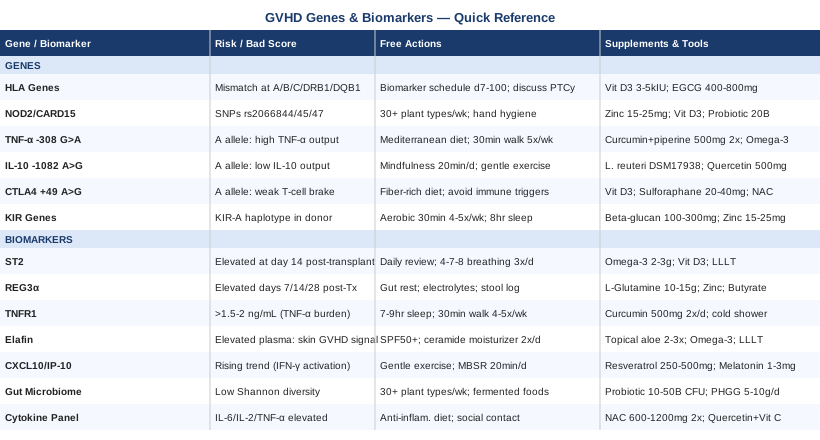
7 Biomarkers to Monitor After a Stem Cell Transplant
The shift from symptom-based GVHD monitoring to biomarker-guided monitoring represents one of the most clinically significant advances in transplant medicine over the past fifteen years. These biomarkers do not replace clinical assessment — they work alongside it, offering earlier and more precise signals about what is happening at the tissue and immune-system level. For each one below, the measurement approach, cost range, and both lifestyle-based and supplement-based responses to concerning results are described. All supplement use during the post-transplant period must be discussed with the transplant team before starting, given the potential for interactions with calcineurin inhibitors (tacrolimus, cyclosporine), mTOR inhibitors (sirolimus), and other immunosuppressants.
Biomarker 1: ST2 (Soluble Suppression of Tumorigenicity 2)
Why it matters: ST2 is a decoy receptor for interleukin-33 (IL-33), an alarm cytokine released when tissues are damaged. When gut or lung tissue is under attack, ST2 rises in the blood, capturing IL-33 and reflecting the depth of immune-driven tissue injury. High plasma ST2 at day 14 post-transplant is one of the strongest currently available predictors of GVHD-related non-relapse mortality. The MAGIC (Mount Sinai Acute GVHD International Consortium) algorithm uses ST2 as its primary biomarker.
A landmark 2013 study published in the New England Journal of Medicine by Vander Lugt and colleagues demonstrated that ST2 levels at day 14 predicted overall survival and GVHD-related mortality independently of clinical GVHD grade. Patients with high ST2 had dramatically worse outcomes even when clinical signs appeared mild — making it a genuine early warning signal, not simply a confirmation of existing disease.
How to Measure It
ST2 is measured via a plasma ELISA assay. It is not part of standard transplant bloodwork and must be specifically requested or available through centers running the MAGIC protocol. Cost ranges from approximately $150–$400 depending on the laboratory. It is most informative at day 7 and day 14 post-transplant; serial measurements are more useful than a single reading.
If ST2 Is Elevated — The Plan Without Supplements
An elevated ST2 at day 14 warrants immediate escalation of team communication. Practically: - Increase monitoring frequency: Request daily or every-other-day clinical review, especially for gastrointestinal symptoms. - Tighten infection vigilance: Elevated ST2 often precedes gut GVHD, which disrupts the mucosal barrier and creates entry points for pathogens. Strict hand hygiene and immediate reporting of any gastrointestinal changes are essential. - Dietary coordination: If gut GVHD is suspected, coordinate with the transplant dietitian. Low-residue eating may be necessary acutely, but prolonged low-fiber diets harm the microbiome — a balance that requires professional guidance. - Stress reduction practice: Chronic stress elevates IL-33 and tissue alarm signaling. Structured breathing (4–7–8 breathing pattern, 5 minutes 3x daily) or guided imagery (20 minutes daily) can measurably reduce HPA axis activation without any drug interaction risk.
If ST2 Is Elevated — The Plan With Supplements or Equipment
- Omega-3 fatty acids (EPA/DHA): 2–3g daily with meals. EPA and DHA downregulate IL-33/ST2 pathway activity and reduce pro-inflammatory cytokine production. Frequency: Daily, continuous. Cycling: Not required at moderate doses, but doses above 4g increase anticoagulation risk — particularly important in thrombocytopenic post-transplant patients. Side effects: Fishy aftertaste, mild GI discomfort; monitor bleeding risk at higher doses. - Vitamin D3 with K2: 2000–4000 IU daily, titrated to serum 25-OH-D of 50–70 ng/mL. Vitamin D modulates IL-33/ST2 signaling and enhances regulatory T-cell (Treg) function — central to controlling GVHD. Frequency: Daily, continuous. Side effects: Minimal at recommended doses; hypercalcemia risk above 10,000 IU daily without serum monitoring. - Low-level laser therapy / photobiomodulation (LLLT): 630–850nm wavelength panels applied to relevant mucosal areas (oral, gut-directed where accessible). Oral LLLT is used clinically in transplant centers for mucositis and mucosal healing. Frequency: 3–5x/week. No drug interactions; avoid over active biopsy sites or broken skin.
Biomarker 2: REG3α (Regenerating Islet-Derived Protein 3-Alpha)
Why it matters: REG3α is a protein secreted by intestinal epithelial cells in response to mucosal damage. It is a direct signal of gut lining injury and, when elevated, reflects the breakdown of the intestinal barrier that amplifies immune activation and drives more severe GVHD. In the MAGIC algorithm, REG3α is combined with ST2 to create a composite score that outperforms either marker alone. High REG3α specifically identifies patients at highest risk for steroid-refractory intestinal GVHD, where outcomes are considerably worse.
How to Measure It
REG3α is measured via ELISA from plasma. It is available primarily through specialized transplant centers and research protocols. Cost ranges from $150–$350 per measurement. Like ST2, it is most informative when measured serially at days 7, 14, and 28 post-transplant. The MAGIC consortium has published reference ranges used for clinical risk stratification.
If REG3α Is Elevated — The Plan Without Supplements
- Gut rest and mucosal recovery: If REG3α rises, the gut is under active attack. Request elemental formula or low-fat, low-fiber nutritional support as appropriate for the phase of recovery — the goal is adequate nutrition without further aggravating the intestinal lining. - Hydration and electrolyte management: Intestinal inflammation increases fluid and electrolyte losses rapidly. IV or oral electrolyte supplementation guided by daily labs is essential. - Antibiotic stewardship communication: Broad-spectrum antibiotics during gut GVHD further deplete the microbiome and can worsen long-term outcomes. Discuss with the team whether narrow-spectrum alternatives are feasible for any concurrent infection management. - Stool monitoring: Track output volume, consistency, and frequency daily. This provides real-time feedback about gut GVHD activity that is more granular than laboratory values alone.
If REG3α Is Elevated — The Plan With Supplements or Equipment
- L-Glutamine: 10–15g daily in divided doses. Glutamine is the primary fuel for enterocytes (intestinal lining cells) and supports mucosal barrier repair. Evidence specific to GVHD is limited but consistent with established use in oncology nutrition protocols for gut injury. Frequency: Daily. Cycling: Continue during active gut injury; reassess at 4–6 weeks. Side effects: Generally well-tolerated; mild GI discomfort at high doses. - Zinc bisglycinate: 15–30mg elemental zinc daily. Zinc is essential for intestinal barrier integrity and immune function and is frequently depleted in post-transplant patients. Cycling: 4–8 weeks, then reassess serum zinc. Side effects: Nausea (take with food); copper depletion at doses above 40mg long-term — supplement 1–2mg copper if continuing beyond 8 weeks. - Butyrate supplementation: Tributyrin capsules or sodium butyrate 500mg–2g daily. Butyrate is the primary fuel for colonocytes and a key immune-regulatory short-chain fatty acid. Evidence specific to GVHD is emerging; use with team awareness. Side effects: Initial flatulence and bloating; start low and titrate.
Biomarker 3: TNFR1 (Soluble Tumor Necrosis Factor Receptor 1)
Why it matters: Soluble TNFR1 is a blood-based marker of systemic TNF-α activity. TNF-α is a major pro-inflammatory cytokine driving tissue destruction in GVHD — particularly in the gut and liver. Elevated sTNFR1 reflects high systemic inflammatory burden and has been associated with increased GVHD severity, higher GVHD grade, and non-relapse mortality across multiple transplant cohorts. It is part of the expanded MAGIC biomarker panel and provides a complementary signal to ST2 by reflecting TNF-driven rather than IL-33-driven injury.
How to Measure It
Soluble TNFR1 can be measured by ELISA or as part of a multiplex cytokine assay panel. Some clinical laboratories offer it within inflammatory cytokine panels. Cost: $200–$500 as part of an inflammatory panel. In healthy adults, sTNFR1 is typically below 1.5–2 ng/mL; post-transplant patients with active GVHD commonly show significantly elevated values. Serial measurement to track trend is more informative than a single reading.
If TNFR1 Is Elevated — The Plan Without Supplements
- Sleep prioritization: Sleep is a primary regulator of TNF-α production. Insufficient or disrupted sleep independently elevates overnight TNF-α. Consistent 7–9 hour sleep schedules, dark and cool sleep environment, and avoiding blue light 90 minutes before bed are the highest-leverage adjustments. - Moderate physical activity: Gentle aerobic movement — 15–30 minutes, 4–5 days per week — consistently reduces TNF-α levels over time. The effect is cumulative rather than acute; daily movement outperforms periodic intense sessions. Avoid vigorous exertion during neutropenia or active GVHD due to infection risk and fatigue. - Anti-inflammatory dietary pattern: A Mediterranean-style approach — olive oil, fatty fish, colorful vegetables, legumes, minimal ultra-processed food and refined sugar — has the most consistent evidence for reducing TNF-α in human studies. Even partial adherence produces measurable reductions in inflammatory markers.
If TNFR1 Is Elevated — The Plan With Supplements or Equipment
- Curcumin with piperine: 500–1000mg curcuminoids combined with 10mg piperine, twice daily with meals. Curcumin is among the most studied natural inhibitors of NF-κB signaling and TNF-α transcription. Frequency: Twice daily with food. Cycling: 8 weeks on / 2 weeks off to assess baseline; can also be used continuously with monitoring. Side effects: GI discomfort at high doses; mild CYP3A4 interaction — discuss with transplant team before starting if on tacrolimus or cyclosporine. Avoid if on anticoagulants without guidance. - Contrast shower therapy: Ending showers with 1–2 minutes of cold water (10–15°C), 3–4 times weekly. Cold exposure is a controlled hormetic stressor that, over weeks, trains the body toward reduced TNF-α production and greater anti-inflammatory resilience. Frequency: Start with 30 seconds cold and build. Side effects: Cold shock response (breathe steadily through initial exposure); cardiovascular strain — avoid in patients with cardiac conditions or early post-transplant fragility. Start only when medically stable.
Biomarker 4: Elafin (Skin-Specific GVHD Signal)
Why it matters: Elafin is a serine protease inhibitor secreted by keratinocytes under inflammatory stress. Research by Sophie Paczesny and colleagues identified it as a skin-specific GVHD biomarker that distinguishes immune-driven skin damage from other post-transplant skin conditions more accurately than clinical assessment alone. Many conditions cause skin changes after transplant — drug reactions, viral reactivations, infection — and elafin helps identify the subset driven specifically by GVHD. Elevated plasma elafin correlates with skin GVHD severity and clinical outcomes.
How to Measure It
Elafin is measured from plasma by ELISA. It is available primarily through academic medical centers with specialized transplant biomarker programs. Commercial availability is limited. Cost when available: $150–$400 as part of a multi-biomarker panel. Skin biopsies can also be analyzed for elafin protein expression when histologic diagnosis is being pursued simultaneously.
If Elafin Is Elevated — The Plan Without Supplements
- Skin barrier protection: Maintaining an intact skin barrier reduces antigen exposure and localized immune signaling. Daily application of fragrance-free, ceramide-containing emollients twice daily supports barrier function. Avoid hot showers, which strip barrier lipids and promote transepidermal water loss. - Sun avoidance: UV radiation activates keratinocyte stress pathways and directly worsens skin GVHD. SPF 50+ sunscreen daily, UV-protective clothing, and minimizing sun exposure between 10am and 4pm are practical protective steps — especially important given many patients' photosensitivity from conditioning. - Pruritus management: Skin GVHD is intensely itchy, and scratching amplifies barrier damage and inflammatory signaling. Cool compresses, menthol-containing lotions (under team guidance), and topical calcineurin inhibitors (tacrolimus cream) for localized involvement are first-line non-systemic options.
If Elafin Is Elevated — The Plan With Supplements or Equipment
- Topical aloe vera gel: Applied pure (without alcohol or fragrances) to affected skin 2–3 times daily. Aloe contains acemannan and related compounds with documented anti-inflammatory effects on keratinocytes, including reduction in prostaglandin-mediated erythema. Side effects: Rare — mild skin irritation in a small proportion of users. No systemic drug interactions when applied topically. - Omega-3 fatty acids: As above (2–3g EPA/DHA daily). Omega-3s support keratinocyte membrane integrity and reduce leukotriene-driven skin inflammation, directly relevant to the elafin pathway. Frequency: Daily, continuous; no cycling needed at moderate doses. - LLLT for skin (photobiomodulation): 630–680nm panels applied to affected skin areas, 3–5 times per week. Small clinical studies in inflammatory skin conditions show reduced erythema, pruritus, and improved tissue repair with photobiomodulation. No systemic drug interactions. Caution: Avoid over active biopsy sites or infected skin until cleared.
Biomarker 5: CXCL10 / IP-10 (Real-Time Immune Activation Signal)
Why it matters: CXCL10, also known as IP-10 (interferon-gamma-induced protein 10), is a chemokine released by multiple cell types in response to interferon-gamma (IFN-γ) — the cytokine that drives T-cell-mediated tissue destruction in GVHD. Elevated CXCL10 reflects active immune cell trafficking and ongoing IFN-γ-mediated attack. It has been associated with acute GVHD severity, liver involvement, and treatment-resistance in multiple transplant studies. Unlike tissue damage markers (REG3α, elafin), CXCL10 reflects the immune response itself — making it a useful signal for monitoring whether immune activation is escalating, plateauing, or resolving.
How to Measure It
CXCL10 is measured by ELISA or Luminex multiplex cytokine assay. It is increasingly available through clinical immunology laboratories and academic medical centers. Cost: $200–$600 as part of a multiplex panel. Serial measurement is essential — trend is more informative than any absolute value, and reference ranges in post-transplant patients are center-specific.
If CXCL10 Is Elevated — The Plan Without Supplements
- Exercise regulation: Sustained moderate aerobic exercise over weeks reduces pathological IFN-γ production. However, intense exercise acutely elevates IFN-γ temporarily — gentle daily activity (walking, yoga, swimming, 30 minutes) is the target, not high-intensity sessions. - Sleep optimization: Dysregulated IFN-γ production is strongly linked to poor sleep. Consistent sleep schedules, cool and dark sleeping environments, and eliminating electronic screen use before bed are first-line interventions. Low-dose melatonin (0.5–1mg, 30 minutes before bed, if approved by team) supports sleep architecture. - Mindfulness practice: Chronic psychological stress upregulates IFN-γ through HPA axis activation. MBSR-aligned practices of 20–30 minutes daily — breath-focused meditation, body scanning — have measurable cytokine-lowering effects in human clinical trials and are risk-free for post-transplant patients.
If CXCL10 Is Elevated — The Plan With Supplements or Equipment
- Resveratrol: 250–500mg daily with meals. Resveratrol modulates IFN-γ and NF-κB signaling and has demonstrated anti-CXCL10 effects in inflammatory contexts. Cycling: 4–8 week cycles with 2-week breaks; long-term continuous use is less studied. Side effects: GI discomfort at high doses; mild estrogenic activity at high doses (monitor if hormonally relevant); potential CYP3A4 interaction with tacrolimus — must discuss with transplant team. - Melatonin: 1–3mg at bedtime. Beyond sleep regulation, melatonin has direct immunomodulatory effects including reduction of excessive IFN-γ and CXCL10 production in inflammatory contexts. Frequency: Nightly. Side effects: Morning grogginess if dose is too high (reduce to 0.5mg if needed); vivid dreaming. Cycling: Use as needed; can be continuous.
Biomarker 6: Gut Microbiome Diversity Index
Why it matters: The gut microbiome is not traditionally framed as a single biomarker, but the evidence is now clear enough that it functions as one of the most powerful predictors of GVHD outcomes available. Multiple large cohort studies from major transplant centers have shown that low gut bacterial diversity — specifically the Shannon diversity index — at the time of engraftment is independently associated with increased GVHD severity and higher non-relapse mortality. The bacteria that are depleted by conditioning regimens and antibiotics are precisely those that produce butyrate, indole-based compounds, and other immune-regulatory signals that prevent T-cell alloreactivity in the intestinal mucosa.
Research published in Blood by Taur and colleagues from Memorial Sloan Kettering showed that patients with high microbiome diversity at engraftment had significantly better three-year survival rates compared to those with depleted, low-diversity microbiomes — a result that challenges the assumption that immunosuppression alone controls GVHD biology.
How to Measure It
Microbiome diversity is measured through stool DNA sequencing using 16S rRNA gene sequencing or shotgun metagenomics. Consumer-level kits (Viome, Biomesight, Thryve) are available for $100–$200 but offer limited clinical resolution. Research-grade sequencing through academic transplant centers provides the most actionable data. Some major centers now offer sequential stool microbiome analysis as part of their transplant research programs — ask about enrollment if this is available at your center.
If Microbiome Diversity Is Low — The Plan Without Supplements
- Plant food diversity as the primary lever: The single most impactful modifiable driver of microbiome diversity is the variety of plant foods consumed. Aim for 30+ different plant foods per week — vegetables, fruits, legumes, whole grains, nuts, seeds. Different plant fiber types feed different bacterial species; variety matters more than quantity of any single food. - Fermented foods: Small, consistent servings of live-culture fermented foods (yogurt, kefir, mild kimchi, sauerkraut) have been shown in a 2021 randomized trial published in Cell to significantly increase microbiome diversity and reduce 19 inflammatory markers including IL-6. Introduce cautiously post-transplant with team approval (food safety protocols apply during immunocompromised periods). - Antibiotic stewardship: Every broad-spectrum antibiotic course meaningfully reduces microbiome diversity, often for weeks to months. Communicate with the team about whether narrow-spectrum alternatives are feasible and whether antibiotic duration can be minimized when infection management allows.
If Microbiome Diversity Is Low — The Plan With Supplements or Equipment
- Multi-strain probiotic: Lactobacillus rhamnosus GG, Lactobacillus reuteri, Bifidobacterium longum. Dose: 10–50 billion CFU/day. Critical note: Probiotics must be cleared by the transplant team during the immunocompromised period — there are rare reports of bacteremia in severely immunosuppressed patients. Once cleared: Frequency: Daily with breakfast. Cycling: Continuous during the recovery period. Side effects: Bloating initially (start at lower dose and titrate over 2 weeks). - Prebiotic fiber (partially hydrolyzed guar gum): 5–10g daily. PHGG selectively feeds Bifidobacterium and Clostridia species — exactly those most depleted by conditioning and antibiotics. Frequency: Daily, mixed into liquid or food. Side effects: Flatulence and bloating initially; start at 2.5g and titrate up over 2 weeks.
Biomarker 7: Inflammatory Cytokine Panel (IL-6, IL-2, TNF-α)
Why it matters: While individual cytokine signaling pathways have their own dedicated biomarkers (see TNFR1 for TNF-α activity), a full inflammatory cytokine panel provides a composite picture of the immune storm driving GVHD across multiple pathways simultaneously. IL-6 is a key driver of the systemic febrile inflammatory response and correlates with GVHD grade. IL-2 reflects the degree of T-cell activation — the fundamental immune mechanism behind GVHD. IL-10 (ideally included) reflects counter-regulatory activity. Measuring these together reveals whether immune activation is multi-pathway and escalating, or single-pathway and potentially more controllable.
How to Measure It
Cytokine panels are measured using Luminex multiplex assays from serum or plasma. Many academic medical centers and large commercial laboratories offer cytokine storm panels that include IL-6, IL-2, TNF-α, IFN-γ, and IL-10. Cost: $300–$700 for a comprehensive panel. Reference ranges for post-transplant patients are not identical to healthy-adult ranges; interpret results with the transplant team. Individual cytokines (IL-6 alone, for example) are available from some labs at $80–$150.
If the Cytokine Panel Is Elevated — The Plan Without Supplements
- Temperature and symptom tracking: IL-6 elevation correlates with fever in both GVHD and infection — daily temperature monitoring (twice daily) helps differentiate GVHD flare from infectious cause, which determines the treatment pathway. - Dietary modification: Simple carbohydrates, ultra-processed foods, and refined seed oils each acutely elevate IL-6 production. Shift toward polyphenol-dense foods: berries, dark leafy greens, extra-virgin olive oil, green tea (2–3 cups daily) — all with direct evidence for IL-6 and TNF-α reduction. - Social and psychological support: Social isolation and perceived helplessness are independent drivers of IL-6 elevation in human studies. Structured daily contact with supportive family members or peers, and participation in a peer support group (in-person or online), measurably reduces IL-6 in cancer populations.
If the Cytokine Panel Is Elevated — The Plan With Supplements or Equipment
- NAC (N-Acetyl Cysteine): 600–1200mg twice daily with meals. NAC is a glutathione precursor with documented reductions in IL-6 and TNF-α in inflammatory conditions. Widely used in clinical settings. Cycling: 4–8 weeks on / 1–2 weeks off. Side effects: Sulfur odor, mild nausea (take with food); discuss with team if on acetaminophen (interaction risk); avoid at very high doses if also on nitroglycerin. - Quercetin with vitamin C: 500–1000mg quercetin daily with meals, combined with 500mg vitamin C to enhance bioavailability. Quercetin inhibits NF-κB-driven IL-6 and TNF-α production. Cycling: 6-week cycles. Side effects: Mild GI effects; significant CYP3A4 interaction potential with tacrolimus and cyclosporine — this combination must be reviewed by the transplant team before use.
Moving from tracking what is happening in the blood to understanding why some individuals face more severe GVHD biology than others brings us to the genetic layer — the inherited variants in both donor and recipient that set the immune system's baseline inflammatory character.
The Genetic Landscape of GVHD Risk
GVHD is fundamentally a genetic mismatch problem, but the relevant genetics extend well beyond HLA compatibility. Multiple gene variants in innate immunity, cytokine regulation, and T-cell checkpoint biology influence whether GVHD develops, how severe it becomes, and how well it responds to standard treatment. The six variants below represent the most clinically studied and biologically explanatory genetic factors identified in transplant cohort research.
Gene 1: HLA Genes — The Foundation of GVHD Biology
Why it matters: HLA (human leukocyte antigen) genes are the immune system's identity markers. GVHD occurs when donor T-cells recognize the recipient's tissues as foreign — a process driven primarily by HLA mismatches between donor and recipient. Every additional HLA mismatch at loci HLA-A, -B, -C, -DRB1, and -DQB1 meaningfully increases the risk of both acute and chronic GVHD. HLA-DPB1 mismatches are increasingly recognized as clinically significant — with distinctions between permissive and non-permissive mismatches influencing outcomes in ways that are still being characterized.
The degree of HLA matching is the most powerful genetic predictor of GVHD risk, and the choice of donor (matched related, matched unrelated, mismatched unrelated, haploidentical) is built around this biology.
If HLA Matching Is Suboptimal — The Plan Without Supplements
HLA mismatches cannot be corrected post-transplant, but their impact can be mitigated: - Intensive biomarker monitoring: Request that the team implement a structured biomarker schedule (day 7, 14, 28, 60, 100 plasma ST2 and REG3α draws) if you have a mismatched unrelated or haploidentical donor. - Prophylaxis discussion: Higher mismatch degrees often justify more intensive GVHD prophylaxis — post-transplant cyclophosphamide (PTCy) is increasingly used in mismatched settings and has shown strong efficacy. Initiate a direct conversation about what the mismatch profile means for your specific prophylaxis strategy. - Gut and microbiome prioritization: The gut microbiome modulates how severely alloreactive T-cells attack intestinal tissues. Proactive microbiome support — dietary diversity, antibiotic stewardship, probiotic discussion with team — is especially valuable when HLA mismatch is significant.
If HLA Matching Is Suboptimal — The Plan With Supplements or Equipment
- Vitamin D3: 3000–5000 IU daily, titrated to serum 25-OH-D of 50–70 ng/mL. Vitamin D directly modulates T-cell differentiation toward less alloreactive phenotypes and enhances Treg function. Frequency: Daily, continuous. Side effects: Minimal at these doses; monitor serum calcium if above 5000 IU daily; ensure K2 (100–200mcg MK-7) is included to support appropriate calcium distribution. - Green tea extract (EGCG): 400–800mg standardized EGCG extract daily. EGCG has been shown in preclinical models to reduce alloreactive T-cell proliferation and has anti-inflammatory properties well-established in human studies. Human evidence specific to GVHD is limited. Cycling: 6–8 weeks on / 2 weeks off. Side effects: Hepatotoxicity at very high doses (avoid exceeding 800mg EGCG); take with food; space away from iron-containing meals as EGCG inhibits iron absorption; check for tacrolimus interactions with team.
Gene 2: NOD2/CARD15 Polymorphisms — The Innate Immunity Gateway
Why it matters: NOD2 (encoded by the CARD15 gene) is a pattern recognition receptor in gut innate immune cells that detects muramyl dipeptide — a bacterial cell wall component. When NOD2 is dysfunctional due to gene polymorphisms, the gut's ability to calibrate immune responses to commensal bacteria is impaired. Research published in Blood by Holler and colleagues showed that NOD2 polymorphisms in either donor or recipient are associated with significantly higher GVHD-related mortality and transplant-related mortality — a finding replicated in multiple subsequent cohorts.
Three key NOD2 SNPs — rs2066844, rs2066845, and rs2066847 — are most commonly tested. Risk variants in donor, recipient, or both significantly increase GVHD risk, particularly intestinal GVHD, because the gut's innate immune balance is directly dysregulated.
If NOD2 Risk Variants Are Present — The Plan Without Supplements
- Gut microbiome optimization as priority: NOD2 dysfunction impairs the gut's ability to maintain appropriate immune responses to commensal bacteria. Maximizing beneficial microbiome composition becomes mechanistically more important: dietary plant diversity (30+ types/week), antibiotic stewardship, early probiotic discussion with team. - Infection prevention emphasis: NOD2 dysfunction impairs innate bacterial defense, increasing infection risk that can trigger dysregulated immune activation. Stringent food safety, consistent hand hygiene, and immediate reporting of fever or new GI symptoms are critical. Frequency: Daily vigilance during high-risk period. - Dietary anti-inflammatory approach: Reduce ultra-processed foods, high-fructose corn syrup, and artificial additives — compounds that trigger NOD2-pathway dysregulation. Emphasize whole, minimally processed foods.
If NOD2 Risk Variants Are Present — The Plan With Supplements or Equipment
- Zinc bisglycinate: 15–25mg daily. Zinc is a cofactor for NOD2-pathway innate immune signaling and is frequently depleted in post-transplant patients. Deficiency worsens innate immune dysfunction. Cycling: 8–12 weeks; reassess serum zinc. Side effects: Nausea (take with food); copper depletion at doses above 40mg — add 1–2mg copper if continuing beyond 8 weeks. - Vitamin D: As above. NOD2 expression is partly regulated by vitamin D receptor signaling, making vitamin D optimization particularly relevant for NOD2 risk carriers. - Multi-strain probiotic (team-approved): Once cleared: focus on Bifidobacterium and Lactobacillus species that interact with innate immune receptors. Dose: 20–50 billion CFU/day. See Biomarker 6 for full precaution details.
Gene 3: TNF-α Promoter Polymorphism (-308 G>A) — The Inflammatory Output Switch
Why it matters: A single nucleotide polymorphism (SNP) at position -308 in the TNF-α gene promoter (rs1800629) significantly affects how much TNF-α the immune system produces under activation. Carriers of the high-producing A allele generate substantially more TNF-α in response to immune stress — meaning the inflammatory cascade in GVHD burns hotter and causes more tissue destruction. In transplant cohort studies, the -308 high-producer genotype is associated with higher GVHD grade, more severe organ involvement, and higher non-relapse mortality. This variant is relevant in both the donor's and recipient's genome.
If the High-Production TNF-α Variant Is Present — The Plan Without Supplements
- Mediterranean dietary pattern: The Mediterranean diet has the strongest and most consistent evidence for reducing TNF-α production. Prioritize: extra-virgin olive oil (2–3 tablespoons daily), fatty fish (2–3x/week), colorful vegetables (5+ servings daily), legumes, and minimal ultra-processed food. - Regular moderate exercise: 30 minutes of moderate aerobic activity 4–5 times per week consistently reduces TNF-α over time. The anti-inflammatory effect is cumulative. Walking, cycling, and gentle swimming are well-tolerated post-transplant. Avoid vigorous exercise during active GVHD or neutropenia. - Sleep quality: Short or disrupted sleep independently elevates TNF-α production. Seven to nine hours nightly with consistent timing is the minimum standard; sleep hygiene protocols (cool/dark room, no screens 60–90 minutes before bed) reinforce this.
If the High-Production TNF-α Variant Is Present — The Plan With Supplements or Equipment
- Curcumin with piperine: 500–1000mg curcuminoids with 10mg piperine, twice daily. Curcumin directly inhibits NF-κB, the transcription factor responsible for TNF-α production — particularly relevant for -308 high producers, in whom this pathway is constitutively more active. See Biomarker 3 for full interaction and cycling details. - Omega-3 fatty acids: 2–4g EPA/DHA daily. Multiple meta-analyses confirm omega-3 reduction of TNF-α output. Frequency: Daily; no cycling required at moderate doses. See Biomarker 1 for anticoagulation caution. - Boswellia serrata extract: 300–500mg standardized extract (AKBA content ≥30%), twice daily. Boswellia inhibits 5-LOX, a prostaglandin and leukotriene pathway that drives TNF-α and related inflammatory mediators. Cycling: 6–8 weeks on / 2 weeks off. Side effects: Generally mild — nausea, GI discomfort; check for interactions with immunosuppressants before starting.
Gene 4: IL-10 Gene Polymorphisms — The Anti-Inflammatory Brake
Why it matters: IL-10 is the immune system's primary anti-inflammatory cytokine. It is produced by regulatory T-cells (Tregs) and macrophages and acts as a brake on excessive immune activation. Polymorphisms in the IL-10 gene promoter — particularly -1082 A>G — influence how much IL-10 is produced. Low IL-10 producer genotypes have a reduced ability to dampen the immune response, meaning the inflammatory cascade in GVHD is less well-regulated from within. Transplant cohort studies have shown that low IL-10 producer genotypes are associated with higher GVHD rates and severity, particularly when combined with high TNF-α producer genotypes — a combination that represents both an overactive accelerator and a faulty brake simultaneously.
If the Low IL-10 Production Variant Is Present — The Plan Without Supplements
- Stress management as primary biological intervention: IL-10 production is acutely sensitive to psychological stress. Chronic stress suppresses Treg function and IL-10 output. Formal relaxation practices — mindfulness, breathing-based therapies, guided imagery — practiced 20–30 minutes daily measurably increase IL-10 production in human studies. - Moderate sustained exercise: Over weeks, sustained moderate physical activity increases IL-10 production and expands the Treg pool. Thirty minutes, five times per week at gentle-to-moderate intensity is the target. Avoid intense exercise, which transiently suppresses IL-10. - Social connection: Positive social interactions and perceived social support are among the few behavioral factors consistently documented to increase IL-10 in human studies. Structured support group participation, family contact, and peer connection have measurable immunological effects — not just psychological ones.
If the Low IL-10 Production Variant Is Present — The Plan With Supplements or Equipment
- Lactobacillus reuteri DSM 17938: This specific probiotic strain has demonstrated IL-10 induction in human studies. Team clearance required. Dose: 1–2 × 10^8 CFU/day. Frequency: Daily. Cycling: Continuous once team-approved. Side effects: Mild bloating initially. - Quercetin: 500mg twice daily (with team review for drug interactions). Quercetin increases IL-10 output while simultaneously reducing pro-inflammatory cytokines — a dual mechanism particularly relevant for low IL-10 producers. See Biomarker 7 for full interaction warnings with calcineurin inhibitors.
Gene 5: CTLA4 Gene Variants — Immune Checkpoint Control
Why it matters: CTLA4 (cytotoxic T-lymphocyte antigen 4) is an immune checkpoint protein on T-cells that competes with CD28 for B7 ligands on antigen-presenting cells — effectively acting as a molecular brake on T-cell activation. The +49 A>G polymorphism (rs231775) in the CTLA4 gene alters this braking function. The A allele at this position is associated with reduced CTLA4 expression, potentially allowing stronger and less well-regulated T-cell responses. In GVHD, inadequate CTLA4 function means alloreactive T-cells encounter less checkpoint resistance, amplifying tissue destruction. CTLA4 pathways are also directly relevant because abatacept — a CTLA4-Ig fusion protein — is now being studied as GVHD prophylaxis precisely because of this mechanism.
If CTLA4 Braking Function Is Reduced — The Plan Without Supplements
- Minimize unnecessary immune activation: During high-risk periods, avoid situations that transiently amplify T-cell activation. Vaccination timing should be carefully coordinated with the transplant team. - Regulatory T-cell supporting lifestyle: Regular moderate exercise and adequate sleep both expand Treg cell counts and enhance their suppressive function — partially compensating for reduced CTLA4 checkpoint activity. Thirty minutes of daily gentle activity, consistent sleep schedule. - Gut microbiome focus: The gut microbiome strongly influences CTLA4 expression on T-cells and overall regulatory-to-effector T-cell balance. A diverse, fiber-rich microbiome supports immune regulation through multiple pathways that intersect with CTLA4 biology.
If CTLA4 Braking Function Is Reduced — The Plan With Supplements or Equipment
- Vitamin D3: As above; vitamin D enhances CTLA4 expression and Treg function, making it particularly relevant for CTLA4 risk variants. Target serum 25-OH-D of 50–70 ng/mL. - Sulforaphane (from broccoli sprout extract): 20–40mg sulforaphane equivalents daily. Sulforaphane activates the NRF2 pathway, which reduces oxidative stress-driven T-cell hyperactivation and supports immune checkpoint integrity. Frequency: Daily with meals. Cycling: Continuous. Side effects: Mild GI effects initially; extract form provides more consistent dosing than raw sprouts. - NAC: 600mg twice daily. Supports glutathione synthesis, reducing oxidative stress in T-cells and dampening excessive activation. See Biomarker 7 for side effect details.
Gene 6: KIR Genes — Natural Killer Cell Licensing
Why it matters: KIR (Killer Immunoglobulin-like Receptor) genes encode proteins on NK cells that determine which cells NK cells spare and which they destroy. In transplantation, KIR-HLA interactions between donor NK cells and recipient tissues determine whether NK cells contribute to the beneficial graft-versus-leukemia (GVL) effect or amplify GVHD. KIR genes are organized into haplotypes: KIR-A haplotypes have fewer activating receptors; KIR-B haplotypes have more. Certain KIR-B haplotype donors have been associated with reduced GVHD while maintaining GVL activity in specific disease contexts — making KIR genotyping an emerging tool for donor selection when multiple compatible donors are available.
If KIR Genotype Is Unfavorable — The Plan Without Supplements
- Request KIR analysis: KIR genotyping is available at many major transplant centers. If multiple compatible donors were or are available, this is a conversation worth initiating proactively — it may inform both donor choice and prophylaxis strategy. - NK-supporting exercise: Regular moderate aerobic exercise is among the most consistently documented enhancers of NK cell number and cytotoxicity in human studies. Thirty minutes of aerobic exercise, 4–5 times per week. Importantly, overtraining (intense exercise exceeding one hour) transiently suppresses NK activity — moderate is the target. - Sleep as an NK intervention: NK cell activity drops sharply with sleep restriction. Even a single night of four hours of sleep reduces NK cell cytotoxicity by approximately 70% in healthy individuals. Prioritizing consistent, adequate sleep is one of the highest-leverage single interventions for NK function.
If KIR Genotype Is Unfavorable — The Plan With Supplements or Equipment
- Beta-glucan (oat or yeast-derived): 100–300mg daily of standardized beta-1,3/1,6-glucan. Beta-glucan has multiple human studies demonstrating NK cell activation and improved innate immune response. Frequency: Daily with meals. Cycling: 8 weeks on / 2 weeks off. Side effects: Minimal; mild GI bloating initially. Important: Beta-glucan is an immune stimulant. Use only when the transplant team confirms that immune stimulation will not risk escalating active GVHD. - Zinc bisglycinate: 15–25mg daily. NK cell cytotoxic activity is critically dependent on zinc — deficiency reduces NK cytotoxicity by 30–50% in published research. See Gene 2 for full dosing and side effect details.
With the biomarker and genetic picture in place, the field of gut microbiome research offers a third dimension — one that is now directly challenging how standard GVHD care approaches nutrition and microbial management in the post-transplant period.
What the Microbiome Research Is Starting to Demand
Why Gut Health Is Central to GVHD Biology
Dr. Will Bulsiewicz's book Fiber Fueled is not written about GVHD — but the science it synthesizes is directly relevant to it. The central argument is that dietary fiber diversity is the single most powerful modifiable driver of gut microbiome diversity, which is in turn foundational to immune regulation. This argument maps almost perfectly onto the microbiome-GVHD research emerging from major transplant centers. Standard post-transplant dietary advice — including low-fiber, low-microbial-load diets — may unintentionally harm outcomes by depleting the gut ecosystem at precisely the moment when its immune-regulatory function matters most.
10 Things the Microbiome Research Is Teaching Us About GVHD
1. Microbiome Diversity Predicts Survival Independently
Multiple large transplant cohort studies have confirmed that patients with higher microbiome diversity at engraftment have significantly better three-year survival rates. This is not a small effect — its magnitude is comparable to clinical GVHD grade. Diversity is a meaningful outcome predictor, not a minor variable.
2. Antibiotics Are the Primary Cause of Microbiome Collapse Post-Transplant
The single biggest driver of microbiome depletion in transplant patients is antibiotic exposure — particularly ciprofloxacin, metronidazole, and vancomycin-based regimens used during conditioning and the neutropenic period. Antibiotic stewardship is therefore not merely antimicrobial management — it is a direct GVHD intervention.
3. Loss of Blautia Species Is a Specific Warning Sign
Research from Memorial Sloan Kettering identified Blautia species specifically — whose depletion is associated with significantly worse GVHD outcomes and higher mortality. Blautia produces butyrate and indole-based compounds that directly regulate intestinal T-cell responses. Dietary strategies that support Blautia — legumes, whole grains, resistant starch — may be protective.
4. Butyrate Is the Key Immune-Regulatory Messenger
Short-chain fatty acids — especially butyrate — produced by bacterial fermentation of dietary fiber directly signal intestinal immune cells to maintain tolerance. Low butyrate output means less immune tolerance in the gut lining, which means higher GVHD risk. Butyrate supplementation and high-fiber diets are mechanistically rational, not merely theoretical.
5. Low-Microbial-Load Diets May Backfire
Diets designed to minimize bacterial exposure — intended to reduce infection during neutropenia — also remove the microbial signals needed to maintain gut immune balance. Several transplant experts now challenge the use of these diets beyond the active neutropenic window, and updated guidelines at some centers reflect this shift toward reintroducing dietary diversity earlier in recovery.
6. Fecal Microbiota Transplantation Is Under Active Clinical Investigation
FMT — transferring gut microbiota from a healthy donor — is currently in clinical trials for steroid-refractory intestinal GVHD. Early published results show response rates of approximately 30–50% in cases that failed conventional treatment. This is investigational, not standard of care — but it signals how seriously the transplant field is now taking microbiome biology.
7. Timing of Microbiome Collapse Is Critical
Microbiome depletion occurring during the conditioning regimen appears more damaging to outcomes than depletion occurring later. This suggests that proactive dietary microbiome building in the weeks before conditioning — maximizing diversity before the storm — may preserve enough resilience to improve post-engraftment outcomes.
8. Plant Variety Matters More Than Quantity
The concept of 30 different plant foods per week — promoted in Fiber Fueled and validated by the American Gut Project — is directly supported by microbiome research: different fiber types selectively feed different bacterial taxa. Eating large amounts of one vegetable does not provide the diversity benefit of consuming 30 different plant types in the same quantity.
9. Fermented Foods Reduce Inflammation Across 19 Markers
The 2021 randomized trial by Wastyk and colleagues published in Cell showed that high-fermented-food diets over 10 weeks reduced 19 inflammatory markers — including IL-6 and IL-12 — more effectively than high-fiber diets alone. Given that IL-6 is a central driver of GVHD activity, this is a clinically meaningful biological signal from dietary intervention.
10. The Microbiome Is Modifiable in Weeks — This Is Good News
Perhaps the most important practical takeaway: the gut microbiome is not fixed. It can be meaningfully improved within weeks through dietary changes that are, for the most part, accessible and low-risk. For GVHD patients, this means a modifiable biological lever exists — one that acts on the same immune-regulatory pathway as the disease itself.
The complementary approaches below further extend what is practically available to patients and caregivers working alongside, not instead of, the transplant medical team.
Complementary Approaches With Real Clinical Evidence
The five modalities selected below each have meaningful human clinical evidence relevant to GVHD biology — addressing immune modulation, mucosal healing, gut health, skin repair, and quality-of-life symptoms that significantly affect long-term function and recovery. None of these replace medical treatment. Each is described for realistic integration alongside standard care.
Microbiome-Directed Therapies
Microbiome-directed therapies include dietary interventions, probiotics, prebiotics, postbiotics (such as butyrate), and fecal microbiota transplantation — all targeting the gut microbial ecosystem. In GVHD, the microbiome is not peripheral to disease biology. The gut bacteria depleted by conditioning and antibiotics are precisely those producing the immune-regulatory signals — butyrate, indoles, short-chain fatty acids — that prevent T-cell alloreactivity in the intestinal mucosa. Restoring them is a mechanistically rational intervention.
The most compelling human evidence comes from two directions simultaneously. First, large retrospective cohort studies from Memorial Sloan Kettering and Fred Hutchinson Cancer Center show that microbiome diversity at engraftment independently predicts survival. Second, clinical trials of probiotic supplementation in allogeneic transplant patients show mixed results overall, but specific strains — particularly VSL#3 and Lactobacillus rhamnosus GG — have shown reductions in acute GVHD rates in randomized controlled trials. FMT trials for steroid-refractory intestinal GVHD are showing early promise with response rates around 30–50% in published pilot data.
For practical application, the most accessible starting point is dietary: 30+ different plant foods per week, careful reintroduction of fermented foods with team approval, minimized antibiotic courses, and active discussion with the team about probiotic safety and eligibility. For intestinal GVHD symptoms, prebiotic fiber (PHGG 5g daily) supports colonocyte health. FMT remains investigational — ask your center whether an active trial is enrolling.
The Autoimmune Protocol — Sarah Ballantyne's Framework for Immune-Driven Conditions
The Autoimmune Protocol (AIP), developed and comprehensively documented by Dr. Sarah Ballantyne, is a dietary elimination and reintroduction protocol designed for immune-mediated conditions characterized by tissue damage from dysregulated immune responses. It removes foods associated with intestinal permeability and immune dysregulation — grains, legumes, dairy, eggs, nightshades, nuts, seeds, alcohol — while emphasizing nutrient-dense whole foods that support mucosal healing. GVHD is not a classical autoimmune disease, but the immune-mediated tissue attack mechanism and the centrality of intestinal barrier integrity to disease severity make AIP's underlying framework directly applicable.
The most relevant AIP elements for GVHD are the gut-healing dietary emphasis and the anti-inflammatory nutrient density focus. The protocol prioritizes bone broth for collagen, glutamine, and glycine content (all relevant to intestinal repair), organ meats for dense micronutrient density, and fermented foods for microbiome support. Clinical research on the Specific Carbohydrate Diet — a related approach — has shown improvements in mucosal healing markers in pediatric inflammatory bowel disease, a condition with mechanistic parallels to intestinal GVHD. Ballantyne's published research review also includes multiple human studies on intestinal permeability reduction, inflammatory cytokine modulation, and immune balance.
For realistic application in active GVHD, a full elimination protocol is unlikely to be appropriate — many foods are also restricted by food safety protocols post-transplant, and nutritional adequacy during recovery is critical. The most practical approach is selective adoption: eliminate ultra-processed foods and refined grains universally, prioritize bone broth and collagen-rich foods for gut healing, incorporate tolerated fermented foods when team-cleared, and use AIP nutrient-density principles (colorful vegetables, omega-3 sources, organ meats where acceptable) as a healing food base. The reintroduction phase can systematically identify individual food triggers once the gut is more stable. Always coordinate with the transplant dietitian.
Mindfulness-Based Stress Reduction (MBSR)
MBSR is an 8-week structured program developed by Jon Kabat-Zinn at UMass Medical School, combining meditation, body scan, and mindful movement. It has been extensively studied in cancer and transplant populations for effects on psychological distress and, increasingly, on immune markers directly relevant to GVHD. Psychological stress is not a passive bystander in GVHD biology — it elevates IL-6, TNF-α, and IFN-γ through HPA axis and sympathetic nervous system pathways, potentially amplifying immune dysregulation. Stress reduction is therefore a biological intervention, not merely quality-of-life support.
A meta-analysis in Brain, Behavior, and Immunity showed that mindfulness-based interventions significantly reduced IL-6, CRP, and TNF-α in clinical populations. In cancer and transplant populations specifically, MBSR randomized controlled trials have demonstrated improvements in psychological outcomes, sleep quality, and immune cell profiles. A study in allogeneic stem cell transplant patients found that MBSR-trained patients had significantly lower distress scores and measurably better immune reconstitution metrics at day 100 post-transplant.
Post-transplant MBSR is most realistic as an adapted program. Many cancer centers offer modified 8-week curricula designed for patients with fatigue and physical limitations. If formal MBSR is not accessible, the core practices can be self-initiated: 20-minute body scan meditation daily, breath-focused awareness practice, and gentle mindful movement. Consistency matters far more than session length — 20 minutes daily outperforms 2-hour weekly sessions for cytokine modulation. Apps including Insight Timer, Calm, and Headspace offer structured guided programs as accessible starting points.
Low-Level Laser Therapy / Photobiomodulation
Low-level laser therapy (LLLT), or photobiomodulation, uses specific wavelengths of light (typically 630–850nm) to stimulate mitochondrial energy production, reduce local inflammation, and accelerate tissue repair. In GVHD specifically, the strongest and most directly applicable evidence is for oral mucositis and oral GVHD — among the most debilitating manifestations of transplant-related immune attack. Oral GVHD causes painful mucosal lesions, salivary gland damage, and loss of taste that significantly impairs nutrition, quality of life, and long-term recovery.
A randomized controlled trial published in Bone Marrow Transplantation (Antunes and colleagues, 2011) showed that LLLT at 660nm applied to the oral mucosa three times per week significantly reduced oral mucositis severity and pain in bone marrow transplant patients. Multiple systematic reviews and meta-analyses have since confirmed LLLT efficacy for oral mucositis in hematologic malignancy settings. For skin GVHD, smaller clinical studies have shown reductions in erythema and pruritus with photobiomodulation applied to affected skin areas.
In practice, LLLT for oral GVHD is typically administered by trained physical therapists or oral health specialists within the transplant or cancer center. Frequency: 3–5 times per week during active disease phases. Home photobiomodulation devices exist (handheld 660nm panels) and can be used under guidance — wavelength, power density, and treatment duration must be matched to indication for efficacy. There are no systemic drug interactions. The primary caution is avoiding treatment over actively infected sites or open wounds until cleared by the team.
Massage Therapy
Massage therapy — particularly gentle lymphatic drainage and myofascial release techniques — is relevant to chronic GVHD because musculoskeletal manifestations are common and significantly limit function. Joint contractures, fascial fibrosis, reduced range of motion, and skin tightness characterize chronic GVHD, and these are exactly the tissue-level problems that manual therapy is designed to address. The relaxation response induced by massage also reduces sympathetic nervous system activation and its downstream inflammatory consequences.
Clinical evidence in cancer populations shows that massage therapy significantly reduces cortisol, anxiety, and inflammatory markers in randomized studies. In the context of chronic GVHD specifically, clinical reports and smaller studies of manual lymphatic drainage in cGVHD patients have shown improvements in joint range of motion, skin mobility, and quality-of-life scores that physical therapy exercise protocols alone often do not fully achieve. The evidence base specific to GVHD is smaller than for cancer care in general, but the mechanisms are direct and the risk profile with appropriate training is low.
For GVHD patients, myofascial release and gentle lymphatic drainage massage at 1–2 sessions per week is the most appropriate protocol — not deep tissue or sports massage, which can be too aggressive for post-transplant skin and tissue fragility. Seek therapists specifically trained in oncology or transplant patient massage — they are familiar with immunocompromised precautions including clean technique, avoiding active rash areas, and adapting pressure for fragile tissues. Massage should be avoided over active skin GVHD rash, open wounds, or during severe thrombocytopenia. Always confirm clearance with the transplant team before starting.
Moving Forward With Clearer Information
GVHD is complex, but it is not entirely opaque. The seven biomarkers covered in this article — ST2, REG3α, TNFR1, elafin, CXCL10, gut microbiome diversity, and the inflammatory cytokine panel — are real, validated biological signals that can guide earlier action and more focused conversations with the transplant team. The six genetic factors — HLA compatibility, NOD2/CARD15 variants, TNF-α -308 polymorphism, IL-10 producer genotype, CTLA4 checkpoint variants, and KIR gene profile — help explain why some individuals face more severe GVHD biology than others, and what targeted strategies may partially compensate for that baseline vulnerability.
No biomarker alone tells the full story, and no supplement or lifestyle change replaces immunosuppressive therapy when GVHD is active. But navigating on clinical symptoms alone — without the earlier, more specific signals these biomarkers provide — means working with deliberately limited information in a situation where earlier precision matters enormously.
The most useful next step is a structured conversation with the transplant team: which biomarkers are currently being tracked, which genetic analyses have been performed for both donor and recipient, and where the informational gaps are. From there, dietary optimization, microbiome support, targeted stress reduction, and carefully reviewed supplementation can be built into the plan thoughtfully. Knowledge does not make this easier — but it makes it more navigable.
Digestive: Intestinal Conditions
Skin: Inflammatory Skin Conditions
Autoimmune: Inflammatory Conditions Autoimmune Digestive Conditions