This article contains AI generated content.
· UpdatedGrowing Pains — 5 Genes And 6 Biomarkers To Track
Introduction
Your child wakes up at midnight, legs aching, inconsolable for fifteen minutes — and then it passes. By morning, they're running around like nothing happened. The pediatrician tells you it's growing pains and there's nothing to worry about. That answer is probably accurate as far as it goes. It just doesn't go very far.
Growing pains affect somewhere between 25 and 40 percent of children between ages 3 and 12, and they are, in most cases, benign. But "benign" doesn't mean "without cause." It means no serious pathology is driving them. What stays largely unaddressed in most clinical conversations is why some children experience these episodes almost nightly for years, while others never have them at all — or why the same child can go six weeks without pain and then have five consecutive nights of it. Biology varies. Responses vary.
Emerging research points to a specific set of measurable and testable factors that appear to raise or lower a child's risk and intensity of growing pains. Some of these are blood-level deficiencies that show up in routine testing. Others sit in the genetic code and shape how a child's nervous system handles pain signals, how their connective tissue is assembled, and how efficiently they metabolize key nutrients. Neither category alone tells the complete story, but together they offer a more actionable picture than "wait and see."
This article walks through six biomarkers worth testing and five genetic variants worth knowing about. It also includes a book summary that reframes the genetics conversation in practical terms, and a review of complementary approaches that have genuine clinical evidence behind them for this specific condition. Better data leads to better decisions — and in many cases, simple targeted changes have made a real difference.
Summary
This article breaks down the biology of growing pains into four layers: six measurable biomarkers, five genetic variants, a book summary on how to practically work with those genetics, and evidence-based complementary approaches. The six biomarkers — 25-OH Vitamin D, ferritin, RBC magnesium, hs-CRP, alkaline phosphatase, and homocysteine — each reveal something specific about the pain mechanisms at play, and each has a clear action plan when the number is off. The five genes — VDR, COMT, MTHFR, COL1A1, and SCN9A — explain why some children are structurally more vulnerable to these pain episodes, with targeted lifestyle and supplementation strategies for each. Beyond that, a breakdown of Dr. Ben Lynch's Dirty Genes shows how to use genetic data without overcomplicating it. And four complementary approaches — with specific protocols and study references — round out the picture. If your child's growing pains have felt like a mystery without a handle, these pages give you the handle.
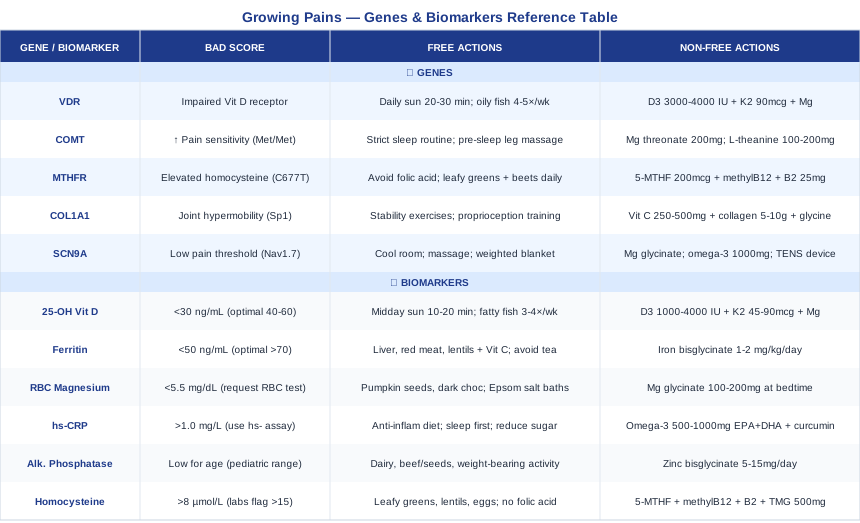
These markers are accessible, testable, and most can be ordered through your child's pediatrician at a standard blood draw. Here is what each one reveals.
6 Key Biomarkers to Track for Growing Pains
Why Testing Matters More Than Waiting
Most children with growing pains are never tested for anything beyond a physical exam. This is understandable — the condition is common, self-limiting, and rarely indicates anything serious. But "not serious" and "not addressable" are different things. Several nutrient deficiencies and inflammatory markers are directly linked to nocturnal leg pain, muscle cramping, heightened pain sensitivity, and poor tissue recovery. Correcting them often changes the picture significantly — without medication and without guesswork.
The six markers below cover bone health, muscle function, nerve sensitivity, inflammation, and methylation. They can be ordered individually or in combination, and most are part of standard pediatric blood panels or easily added to one.
Biomarker 1: 25-OH Vitamin D
Why it matters and what it may reveal
Vitamin D deficiency is one of the most consistently identified factors in children with growing pains. Multiple studies — including work by Hashkes PJ and colleagues published in clinical rheumatology literature — found significantly lower 25-OH vitamin D levels in children experiencing growing pains compared to healthy controls. In several cases, correcting the deficiency led to meaningful reduction in pain frequency and intensity. Vitamin D receptors are present throughout bone tissue, muscle fibers, and nerve cells, which explains its relevance across multiple pain pathways simultaneously. Low vitamin D also impairs calcium absorption, which disrupts bone remodeling — a process that creates the mechanical stress component some researchers believe is central to the nocturnal localization of growing pains.
How to measure it
A standard 25-hydroxyvitamin D (25-OH vitamin D) blood test. Cost: $30–80 USD without insurance; often covered with a pediatrician referral. Most labs define 20 ng/mL as the lower threshold of "sufficiency," but researchers including Dr. Michael Holick at Boston University recommend 40–60 ng/mL for optimal physiological function. Children with growing pains and confirmed deficiency may benefit from targeting the 50–70 ng/mL range.
If the score is bad — the plan without supplements
Increase midday sun exposure: 10–20 minutes of direct sun on arms and legs during peak UVB hours (10am–2pm), adjusted for skin type — darker skin tones require longer exposure times for the same output. Make daily outdoor play a priority, particularly during daylight hours rather than early morning or evening. Increase dietary vitamin D through fatty fish (salmon, sardines, mackerel) 3–4 times per week, whole eggs, and full-fat dairy if tolerated. Reduce factors that impair vitamin D production: excessive sunscreen during brief exposures, and sedentary indoor time that accumulates across weeks.
If the score is bad — the plan with supplements or equipment
Vitamin D3 (cholecalciferol): 1,000–2,000 IU/day for younger children, 2,000–4,000 IU/day for older children or confirmed deficiency; dosing should be guided by the child's baseline level and bodyweight, ideally in consultation with a pediatrician. Always pair with Vitamin K2 (MK-7 form) at 45–90 mcg/day for children — K2 directs calcium to bones and away from soft tissue; taking D3 without K2 over time creates risk of calcium misdeposition in arteries and kidneys. Magnesium is also required to convert vitamin D to its active hormonal form (see Biomarker 3) — supplementing D3 without adequate magnesium reduces its effectiveness. Retest 25-OH vitamin D after 8–12 weeks to calibrate dosing. For northern latitudes or winter months with limited natural sun, a medical-grade UVB phototherapy lamp provides a non-supplemental vitamin D stimulus (10–15 minutes at appropriate distance; cost $100–400 USD). No cycling is needed for vitamin D — maintain optimal levels year-round with seasonal dose adjustments. Side effects at recommended doses are rare; fat-soluble accumulation is a risk at high doses without monitoring, so retest every 3–6 months.
Biomarker 2: Ferritin — Iron Stores
Why it matters and what it may reveal
Ferritin is the body's iron storage protein, and it is one of the most underappreciated markers in pediatric pain assessment. Iron deficiency at a subclinical level — meaning ferritin is low-normal but not yet flagged as anemia — affects oxygen delivery to muscles, dopamine synthesis in the brain, and peripheral nerve function. More specifically, low ferritin is a known driver of restless legs syndrome (RLS) in children, a condition frequently misdiagnosed as growing pains or that overlaps with it clinically. Even without a formal RLS diagnosis, children with ferritin below 50 ng/mL often experience nocturnal leg discomfort, sleep disruption, and higher pain intensity. Peter Attia and practitioners in functional medicine have consistently pointed out that the standard lab reference range for ferritin — often marking deficiency only at values below 12–15 ng/mL — is far below what is physiologically optimal, particularly for active growing children.
How to measure it
Serum ferritin, ideally ordered alongside a complete blood count (CBC) to distinguish iron deficiency from frank anemia. Cost: $20–50 USD. Target: above 50 ng/mL for children with pain symptoms; above 70 ng/mL in children where restless legs features are prominent.
If the score is bad — the plan without supplements
Increase iron-rich foods substantially: red meat (especially liver), dark leafy greens (spinach, kale), lentils, chickpeas, tofu, pumpkin seeds. Always consume plant-based iron sources alongside vitamin C to enhance non-heme iron absorption — a squeeze of lemon on spinach, or bell peppers alongside lentils. Avoid iron blockers within 1–2 hours of iron-rich meals: black tea, coffee, and calcium-rich foods all significantly reduce absorption. Cooking with cast iron cookware provides a small but consistent contribution from leaching into food. Ensure meals are genuinely iron-dense rather than calorie-diluted by excessive filler foods.
If the score is bad — the plan with supplements or equipment
Iron bisglycinate: 1–2 mg/kg elemental iron per day for deficiency; the bisglycinate form is significantly gentler on the digestive system than iron sulfate and better absorbed. Take on an empty stomach or with a small amount of vitamin C-rich food; avoid dairy within 1–2 hours of dosing. Retest ferritin every 8–12 weeks while supplementing — do not supplement indefinitely without monitoring. Continue until ferritin stabilizes above 50–70 ng/mL, then shift to dietary maintenance; iron overload is a genuine risk with unsupervised long-term supplementation. Side effects include dark stools (normal) and occasional constipation (less common with bisglycinate than other forms); take with a small amount of food if any GI sensitivity occurs.
Biomarker 3: RBC Magnesium
Why it matters and what it may reveal
Magnesium participates in more than 300 enzymatic processes, including every major step of muscle contraction and relaxation, nerve signal propagation, and sleep regulation. Low magnesium is clinically associated with muscle cramps, nocturnal leg pain, heightened pain sensitivity (hyperalgesia), and sleep disruption — a near-complete overlap with the growing pains symptom profile. The critical distinction: standard serum magnesium is a poor indicator of actual tissue-level stores. Serum levels are tightly regulated by the kidneys and often remain within "normal" range even when intracellular depletion is significant. RBC (red blood cell) magnesium is a substantially more accurate measure of functional magnesium status and must be requested explicitly — it is not the default test ordered in standard panels.
How to measure it
Specify RBC magnesium when ordering — standard labs default to serum magnesium. Cost: $40–80 USD. Optimal range: approximately 5.5–6.5 mg/dL (RBC); confirm reference units with your specific lab, as they vary.
If the score is bad — the plan without supplements
Increase dietary magnesium through the most concentrated sources: dark chocolate (above 70% cacao), pumpkin seeds, almonds, spinach, black beans, avocado, and whole intact grains. Ultra-processed food intake dramatically reduces magnesium — the processing strips it from grains and removes it from packaged foods. Epsom salt baths (magnesium sulfate dissolved in warm water): 1–2 cups in a 20-minute bath, 3–4 times per week; transdermal magnesium absorption is debated in formal research but widely reported as practical, and the bath itself reduces muscle tension through warmth. Address chronic stress exposure in the child's daily environment — cortisol depletes magnesium, and predictable, calm routines make a measurable difference.
If the score is bad — the plan with supplements or equipment
Magnesium glycinate: best absorbed, least likely to cause loose stools; 100–200 mg elemental magnesium before bed for children, starting at the lower end and adjusting by age and weight. Magnesium threonate: crosses the blood-brain barrier more readily and may be more relevant for sleep quality and pain perception specifically; used at similar doses. Topical magnesium oil applied directly to the legs before bed provides a practical alternative for younger children who resist oral supplements — 2–4 sprays per leg is a common starting point. No cycling is required; ongoing supplementation is appropriate for sustained deficiency with monitoring every 6 months. The main side effect at higher doses is loose stools — glycinate and threonate forms minimize this considerably compared to magnesium oxide or citrate.
Biomarker 4: High-Sensitivity CRP
Why it matters and what it may reveal
Growing pains were historically categorized as non-inflammatory, which differentiated them from arthritis and other rheumatological conditions. While that distinction remains clinically valid in a strict diagnostic sense, there is increasing recognition that low-grade systemic inflammation contributes to pain sensitization — the process by which the central nervous system becomes amplified in its pain responses. Elevated hs-CRP in children with recurrent growing pains may indicate this sensitized state. Equally important, it serves as a differential tool: levels consistently above 1.0–2.0 mg/L in a child with significant limb pain warrant closer evaluation to rule out juvenile idiopathic arthritis or other inflammatory conditions before attributing symptoms solely to growing pains.
How to measure it
Request high-sensitivity CRP (hs-CRP) specifically — standard CRP and hs-CRP are different assays; the high-sensitivity version detects lower concentrations. Cost: $20–40 USD. Optimal for children: below 1.0 mg/L; levels above 3.0 mg/L warrant further clinical evaluation regardless of the pain picture.
If the score is bad — the plan without supplements
Shift to an anti-inflammatory dietary pattern: emphasize fatty fish, colorful vegetables, berries, olive oil, walnuts, and flaxseed. Remove or significantly reduce processed vegetable oils high in omega-6 linoleic acid (sunflower, soybean, canola as found in most packaged foods). Optimize sleep first: inadequate sleep is one of the most potent drivers of CRP elevation — even two consecutive nights of shortened sleep produces measurable inflammatory increase. Regular moderate physical activity lowers CRP over time; excessive high-intensity training without recovery has the opposite effect. Reduce added sugars and refined carbohydrate load substantially. Address identifiable sources of chronic stress (parental conflict, school anxiety, excessive evening screen stimulation before bed).
If the score is bad — the plan with supplements or equipment
Omega-3 fatty acids (fish oil): 500–1,000 mg combined EPA+DHA per day for children; select third-party tested, molecularly distilled products to minimize mercury and PCB exposure. Curcumin with piperine or in phospholipid form (Theracurmin, Meriva, or CurcuWIN formats): 250–500 mg for older children and teenagers after meals; absorption-enhanced forms substantially outperform standard turmeric extract; the evidence base is stronger in adults, making this most appropriate for adolescents. Retest hs-CRP after 12 weeks of dietary changes. Omega-3s are appropriate for ongoing daily use; curcumin can be cycled at 12 weeks on, 4 weeks off for longer-term use. Side effects are minimal at these doses; curcumin may slightly reduce iron absorption if taken with meals containing iron.
Biomarker 5: Alkaline Phosphatase
Why it matters and what it may reveal
Alkaline phosphatase (ALP) is an enzyme central to bone mineralization and is naturally elevated in growing children due to active bone remodeling during development. This means it must always be interpreted against age-appropriate reference ranges — values that appear high by adult standards are often completely normal for a growing child. The relevance for growing pains works in two directions: ALP abnormally low for age can suggest impaired bone mineralization, often reflecting deficiencies in zinc or magnesium — both required cofactors for ALP enzyme activity — and may leave bone tissue more mechanically vulnerable during growth spurts. Bone-specific alkaline phosphatase (bAP) isolates the osteoblastic component and provides more targeted information.
How to measure it
Standard ALP is included in a basic metabolic panel at minimal additional cost. Bone-specific ALP (bAP) is a separate test at approximately $50–100 USD. Always review results against pediatric reference ranges — never compare against adult intervals for a growing child.
If the score is bad — the plan without supplements
Ensure calcium-rich foods are consistent: dairy products, fortified plant milks, tahini, canned fish with bones (sardines and salmon), and leafy greens such as kale, bok choy, and broccoli. Increase zinc-rich foods meaningfully: beef, pumpkin seeds, legumes, hemp seeds, oysters — zinc is a critical cofactor that directly activates ALP. Regular weight-bearing activity stimulates healthy bone remodeling and osteoblast activity; walking, jumping, running, and sports are all effective and appropriate. Optimize vitamin D status simultaneously (see Biomarker 1) — vitamin D is essential for calcium absorption and bone mineralization quality.
If the score is bad — the plan with supplements or equipment
Zinc bisglycinate: 5–10 mg/day for younger children, up to 15 mg for older children; take with food to reduce nausea; retest ALP and serum zinc after 8 weeks. Avoid supplementing zinc and iron simultaneously — they compete for the same absorption pathway; separate them by at least 2 hours. Calcium supplementation is generally unnecessary if dietary intake is adequate and vitamin D is optimized; food sources are preferable, as calcium supplements carry more uncertainty around cardiovascular outcomes in adults, and pediatric data is limited. Cycling: zinc supplementation for 8–12 weeks with reassessment; long-term zinc use requires monitoring of copper levels, as zinc depletes copper at sustained higher doses.
Biomarker 6: Homocysteine
Why it matters and what it may reveal
Homocysteine is an amino acid that accumulates when the methylation cycle is impaired — typically due to impaired folate or B12 metabolism, which often has a genetic basis (the MTHFR gene variant, covered in the genetics section below). Elevated homocysteine is associated with increased inflammatory tone, impaired cellular repair, and heightened nerve sensitivity. While most homocysteine research centers on cardiovascular risk in adults, its role in pain amplification is biologically plausible and increasingly recognized. In children with growing pains who also show other signs of poor methylation — fatigue, mood instability, poor sleep quality — homocysteine adds a diagnostic window into the biochemical root cause. It bridges the biomarker layer and the genetic layer of this article directly.
How to measure it
Serum homocysteine. Cost: $30–60 USD. Optimal range: below 7–8 µmol/L for neuroprotective and anti-inflammatory purposes. Most standard labs only flag above 15 µmol/L as elevated — this represents a population upper limit, not a wellness target. A reading of 10–12 µmol/L that passes standard screening is still meaningfully above optimal.
If the score is bad — the plan without supplements
Prioritize whole food folate daily: dark leafy greens, lentils, chickpeas, black beans, avocado, and asparagus. Where MTHFR variants are suspected, avoid synthetic folic acid — found in most fortified cereals, enriched breads, and many standard supplements — as it competes with natural methylfolate at receptor sites. Increase dietary B6 through poultry, fish, bananas, potatoes, and sunflower seeds. Ensure B12 adequacy, particularly critical for children on reduced animal protein diets: meat, fish, eggs, and dairy are the primary sources. Choline from egg yolks and liver supports alternative methylation routes independent of folate.
If the score is bad — the plan with supplements or equipment
Methylated B vitamins are the cornerstone: 5-methyltetrahydrofolate (5-MTHF) at 200–400 mcg/day and methylcobalamin (B12) at 500–1,000 mcg/day for children; pediatric-formulated methylated B-complex products simplify dosing for families. Riboflavin (B2) at 25–50 mg/day: an essential cofactor for MTHFR enzyme function, dramatically improving remaining methylation capacity regardless of the gene variant — this is frequently the most underused intervention in homocysteine management. TMG (trimethylglycine) at 500 mg for older children activates an alternative homocysteine recycling pathway (BHMT) that bypasses MTHFR entirely; discuss dosing with a practitioner for younger children. Retest homocysteine after 8–12 weeks. Methylated B vitamins can be taken continuously with monitoring every 3–6 months; riboflavin turns urine bright yellow — this is harmless and expected. A small subset of individuals with slow COMT variants may experience agitation at higher methylation support doses — start low and observe.
Understanding these biomarkers is one half of the picture. The other half — why some children run these deficiencies more chronically than others, and why pain sensitivity varies so dramatically — often sits at the genetic level.
The Genetic Layer: 5 Genes Worth Understanding
Why Family History Is More Than a Coincidence
Growing pains run in families. Twin and family studies consistently show a hereditary component — the likelihood a child experiences them increases significantly when a parent or sibling has. This reflects shared genetic tendencies around pain processing, nutrient metabolism, and connective tissue architecture. The genes below don't cause growing pains in isolation. They create vulnerabilities — in how efficiently vitamin D is utilized, how quickly pain signals are amplified, how well collagen is assembled — that interact with nutritional and environmental factors. Knowing which variants a child carries can explain persistent patterns that don't respond to standard advice and can direct more precise interventions. Genetic testing for these variants is available through services including 23andMe, with free interpretation available through tools like Genetic Genie or through practitioners trained in functional genomics.
Gene 1: VDR — The Vitamin D Gateway
What the gene does and why it matters
The VDR gene encodes the receptor through which vitamin D acts in target tissues — including bone cells, muscle fibers, and immune cells. Several common polymorphisms in VDR, particularly Fok1 (rs2228570), Bsm1 (rs1544410), Taq1 (rs731236), and Apa1 (rs7975232), alter receptor efficiency. A child with a less functional VDR variant may require substantially higher circulating 25-OH vitamin D levels to achieve the same biological response as a child with a fully functional receptor. Given vitamin D's role in bone mineralization, muscle function, and pain signaling — all implicated in growing pains — VDR variants compound the risk of symptoms even when dietary vitamin D appears nominally adequate.
If the gene is bad — the plan without supplements
Aggressive sun exposure strategy: VDR-impaired children need more substrate to compensate for reduced receptor efficiency; target daily midday sun exposure on large skin surfaces (arms, back, legs) for 20–30 minutes during appropriate seasons. Regular weight-bearing exercise has been shown to upregulate VDR expression in bone-forming cells independently of circulating vitamin D levels — a practical non-supplemental lever. Maximize dietary vitamin D through oily fish 4–5 servings per week, eggs daily, and full-fat dairy. Support gut health through fermented foods (yogurt, kefir) and prebiotic fiber (oats, bananas, legumes) — VDR signaling is partly modulated by the gut microbiome. Minimize chronic inflammation through diet and lifestyle: inflammatory cytokines directly downregulate VDR expression, making anti-inflammatory habits doubly important for this variant.
If the gene is bad — the plan with supplements or equipment
Children with impaired VDR function often need to target serum 25-OH vitamin D at 60–80 ng/mL to achieve equivalent cellular effect — requiring approximately 3,000–4,000 IU vitamin D3/day under pediatric guidance. K2 (MK-7, 90–120 mcg/day) is essential at these levels to manage calcium distribution to appropriate tissues. Magnesium glycinate as a cofactor is non-negotiable; without adequate magnesium, high-dose D3 may not translate into effective hormonal activity. A UVB phototherapy lamp during winter months provides a non-supplemental vitamin D stimulus, 10–15 minutes at the recommended distance, 3–4 times per week. Retest 25-OH vitamin D every 8–10 weeks; do not allow levels to exceed 100 ng/mL; K2 and monitoring mitigate all major risks associated with higher-dose supplementation.
Gene 2: COMT — Pain Sensitivity and Stress Clearance
What the gene does and why it matters
The COMT gene (catechol-O-methyltransferase) encodes an enzyme that breaks down dopamine, epinephrine, and norepinephrine in the prefrontal cortex and other brain regions. The Val158Met polymorphism (rs4680) creates three distinct profiles: Val/Val (fast enzyme, rapid catecholamine clearance), Val/Met (intermediate), and Met/Met (slow enzyme, dopamine and stress hormones linger longer). The Met/Met variant — discussed extensively by Gary Brecka in the context of pain processing and stress resilience — is associated with higher baseline pain sensitivity, more intense emotional responses to pain, and more disrupted sleep in pain contexts. A Met/Met child may experience the same mechanical tissue stress as a Val/Val child but register the nocturnal sensation far more intensely. This does not mean the pain is imagined. It means the amplification system is running at higher gain.
If the gene is bad — the plan without supplements (Met/Met variant)
A rigidly consistent sleep schedule is the single most impactful intervention — COMT-impaired children are particularly sensitive to sleep deprivation, which lowers pain threshold and slows catecholamine clearance simultaneously. Establish a wind-down routine in the final 60–90 minutes before bed: screens off, dim lighting, calm activities only. Avoid high-intensity exercise within 3–4 hours of bedtime — adrenaline and cortisol remain elevated longer in slow COMT individuals. Warm leg massage before sleep provides competing tactile sensory input that modulates pain signal intensity through separate nerve pathways. Keep the bedroom cool and dark — temperature and light disruption hit slow COMT individuals harder in terms of sleep architecture and nocturnal pain experience.
If the gene is bad — the plan with supplements or equipment (Met/Met variant)
Magnesium threonate (200 mg before bed) specifically supports synaptic function and modulates pain signaling pathways while improving sleep quality — directly relevant for this variant. L-theanine (100–200 mg before bed) may support sleep onset and nervous system calming; generally well tolerated in children though pediatric dosing should be verified with a practitioner. PEMF (pulsed electromagnetic field) therapy devices are emerging as a low-risk tool for musculoskeletal pain relief; home-use devices are available and some practitioners use them for nocturnal leg pain management — consult a practitioner for appropriate settings. An important caution: avoid SAMe in children with slow COMT — SAMe increases methylation throughput and can push dopamine higher, causing agitation or anxiety in Met/Met individuals. Low-dose riboflavin (25 mg) supports upstream catecholamine metabolism pathways and is safe to add. Reassess every 3 months; monitor for mood changes when adding anything that touches neurotransmitter systems.
Gene 3: MTHFR — The Methylation Gene
What the gene does and why it matters
The MTHFR gene (methylenetetrahydrofolate reductase) controls the conversion of folate to its active form (5-methyltetrahydrofolate), which drives the methylation cycle — a master regulatory process affecting DNA repair, inflammation control, glutathione production, and neurotransmitter synthesis. The C677T variant (rs1801133) reduces enzyme efficiency by 30–70%, depending on whether one or both gene copies are affected. Ali Torkamani and Gary Brecka have both highlighted MTHFR as one of the most practically important variants to identify, because its downstream effects are broad and addressable. For growing pains, MTHFR impairs homocysteine clearance (Biomarker 6 above), elevates inflammatory tone, and reduces the availability of neurotransmitter precursors that modulate pain signaling — a convergence of mechanisms directly relevant to the condition.
If the gene is bad — the plan without supplements (C677T homozygous)
Eliminating synthetic folic acid is the single most important dietary change: folic acid, found in most fortified cereals, enriched breads, and standard prenatal supplements, competes with methylfolate at receptor sites and can worsen MTHFR-impaired function. Read labels carefully. Replace with natural dietary folate: dark leafy greens daily, lentils, chickpeas, avocado, asparagus. Choline-rich foods support an alternative methylation route (the PEMT pathway) that does not require MTHFR: egg yolks, liver, salmon. Betaine from beets, spinach, and quinoa activates a separate homocysteine recycling pathway. Riboflavin (B2) from dairy, almonds, mushrooms, and eggs is the essential cofactor for whatever MTHFR enzyme activity remains — its presence in the diet meaningfully improves function even when the gene is impaired.
If the gene is bad — the plan with supplements or equipment (C677T homozygous)
5-methyltetrahydrofolate (5-MTHF): the active form of folate that bypasses the MTHFR enzyme entirely; 200–400 mcg/day for children; verify the supplement explicitly states methylfolate or 5-MTHF — not folic acid. Methylcobalamin (B12): sublingual or liquid form for better absorption; 500–1,000 mcg/day; methylcobalamin (not cyanocobalamin) is the appropriate form for MTHFR variants. Riboflavin (B2): 25–50 mg/day dramatically improves remaining MTHFR enzyme activity — this is the most underused intervention for this variant; urine turns bright yellow (normal, harmless). TMG (trimethylglycine): 500 mg for older children activates the alternative BHMT methylation pathway and directly reduces homocysteine. Monitor homocysteine every 3–6 months. Methylated B vitamins can be taken continuously; some practitioners prefer 12 weeks on, 4 weeks off to reassess baseline. Over-methylation can cause irritability in sensitive individuals — always start at the lowest effective dose and increase gradually.
Gene 4: COL1A1 — Collagen and Connective Tissue Architecture
What the gene does and why it matters
COL1A1 (collagen type I alpha 1) encodes a structural component of type I collagen — the most abundant protein in tendons, ligaments, bone, and connective tissue. Variants in COL1A1, particularly the Sp1 polymorphism (rs1800012), are associated with reduced collagen fiber quality, increased joint hypermobility, and elevated soft tissue susceptibility to strain. Joint hypermobility is consistently identified in clinical research as a risk factor for growing pains. Hypermobile joints create higher mechanical stress and load distribution irregularities during activity that must then be recovered overnight — which is precisely when pain episodes emerge. Children who hyperextend their knees, have flat arches, or are noticeably flexible may be expressing this genetic contribution. Collagen quality also affects the bone periosteum (the fibrous outer bone layer), and periosteal stretch has been proposed as a mechanism for the characteristic lower leg pain localization.
If the gene is bad — the plan without supplements
Joint stabilization exercises are the foundation: gentle, progressive strength work targeting muscles around hypermobile joints — quadriceps, glutes, calf complex — using bodyweight and low-load resistance appropriate for the child's age; a pediatric physiotherapist can design a structured program. Proprioceptive training (balance boards, single-leg balance, and activities requiring joint stability) trains the nervous system to compensate for ligamentous laxity. Avoid hyperextension sports or extreme passive stretching as a primary activity — hypermobile children need more stability, not more range of motion. Swimming and cycling build muscular support without high joint impact. Supportive footwear and custom or semi-custom orthotics may meaningfully reduce mechanical stress at the legs when flat arches are present, which is common in hypermobile children; cost $100–400 USD.
If the gene is bad — the plan with supplements or equipment
Vitamin C: an essential cofactor for collagen synthesis at the hydroxylation steps of proline and lysine; 250–500 mg/day for children; food sources preferable (bell peppers, kiwi, strawberries) but supplementation at this level is well-supported and very safe. Hydrolyzed collagen peptides: 5–10 g/day mixed into food or drinks; emerging evidence in adults supports connective tissue benefit, particularly when taken alongside vitamin C; very well tolerated with no meaningful side effects. Glycine: the most abundant amino acid in collagen; 2–5 g/day; mild in taste, can be added to warm drinks; supports collagen synthesis independently of animal protein intake. Compression sleeves on calves or knees during high-activity periods reduce joint stress and may reduce post-activity soreness that precedes nocturnal episodes. No cycling required; reassess outcomes every 3 months. Vitamin C at this dose and collagen peptides are extremely well tolerated in children.
Gene 5: SCN9A — The Pain Amplification Channel
What the gene does and why it matters
SCN9A encodes Nav1.7, a voltage-gated sodium channel expressed predominantly in pain-sensing neurons (nociceptors). Gain-of-function variants in SCN9A lower the threshold at which pain signals fire — in effect, making the pain detection system more trigger-sensitive than average. The extreme end of this spectrum produces rare inherited pain conditions, but subtler variants exist that likely contribute to elevated pain sensitivity across a broader population. Research in this area remains emerging — primarily from family genetic studies and early genomic data — but the biological plausibility is strong and Nav1.7's role in determining individual pain thresholds is among the most significant findings in modern pain genetics. For growing pains, SCN9A variants offer a genetic explanation for why identical mechanical stress can produce dramatically different pain intensity across children with otherwise similar profiles.
If the gene is bad — the plan without supplements
Temperature management at night: Nav1.7 is thermosensitive in gain-of-function variants; a consistently cool sleeping environment reduces one category of nocturnal pain triggers. Warm pre-sleep leg massage: gentle, rhythmic tactile pressure uses large-diameter nerve fibers (Aβ fibers) that can partially block smaller pain-signaling fibers (C and Aδ fibers) through the gate control mechanism — competing sensory input reduces perceived pain intensity. Prioritize restorative sleep as a primary intervention: sleep deprivation lowers central pain inhibition independently of Nav1.7 by reducing descending pain-suppression pathway activity. Anti-inflammatory dietary pattern (as per the hs-CRP section) reduces neuroinflammation that amplifies sodium channel activity. A weighted blanket during sleep provides deep pressure stimulation that may dampen nociceptive signaling through proprioceptive competition; widely used in pediatric settings and generally well tolerated.
If the gene is bad — the plan with supplements or equipment
Magnesium (glycinate or threonate) is particularly relevant here: magnesium naturally modulates sodium channel activity and raises the firing threshold of pain-detecting neurons — one of its least-discussed mechanisms; dose as per Biomarker 3 protocol. Omega-3 fatty acids (EPA+DHA): 500–1,000 mg combined per day for children; modulate neuronal membrane composition and reduce the neuroinflammation that sensitizes pain channels. Red light therapy / photobiomodulation (630–850 nm): emerging evidence suggests reduced peripheral nerve excitability with red and near-infrared light exposure; 5–10 minutes on affected limbs; consumer devices cost $100–500 USD; pediatric-specific trials are limited but the safety profile is favorable for this application. TENS (transcutaneous electrical nerve stimulation): low-intensity electrical stimulation reduces nocturnal pain through competing sensory input; home units cost $30–150 USD; use only as directed and with pediatric guidance for younger children, and never near the head or chest. Reassess pain frequency every 4–6 weeks as an objective measure of response.
With the biomarkers and genetic context established, the next step is understanding how these pieces fit together in practice — and one book does that exceptionally well.
What "Dirty Genes" Reveals About Pain, Genetics, and Recovery
Dr. Ben Lynch's Dirty Genes (2018) is one of the most practical frameworks available for understanding how genetic variants interact with daily habits — and what to actually do about impaired genes without getting lost in biochemistry. The book focuses on seven key genes, including MTHFR and COMT, and builds a protocol that prioritizes lifestyle correction before supplementation. This challenges the common approach of jumping straight to targeted nutrients. The 10 most relevant insights for growing pains:
1. Genes Are Switches, Not Sentences
A genetic variant doesn't mean a gene is broken — it means the gene runs differently. The environment around the gene determines how much that difference actually matters in daily life. This reframe shifts the conversation from "what is wrong with my child" to "what is the gene responding to, and what can we change."
2. A "Dirty" Gene Is Simply an Overburdened One
Lynch defines a dirty gene as one being pushed further in the wrong direction by external inputs — poor diet, inadequate sleep, toxin exposure, or unmanaged stress — on top of an existing variant. Removing the burden frequently produces more improvement than supplementing around it ever could.
3. MTHFR Has the Broadest Downstream Impact
Lynch devotes the most detail to MTHFR because its dysfunction touches nearly every other pathway in the book simultaneously: inflammation, glutathione production, neurotransmitter synthesis, and DNA repair. Identifying and correcting impaired MTHFR function often resolves clusters of symptoms that appeared unrelated.
4. Folic Acid and Folate Are Not Interchangeable
Synthetic folic acid, found in most fortified foods and standard supplements, cannot be efficiently converted to active methylfolate in people with MTHFR variants. Worse, it competes with real folate at the receptor site. Switching the entire family to 5-MTHF is, in Lynch's framing, the single most impactful single dietary change for anyone with a confirmed MTHFR variant.
5. COMT Sets the Pain Volume Dial
Lynch explains the Met/Met variant in direct terms: it controls how long stress hormones and pain-signaling catecholamines remain active in the nervous system after a triggering event. The volume doesn't just go higher — it stays high longer. Managing this through sleep, predictable routines, and sensory calming is more impactful than any supplement.
6. B Vitamins Are the Master Keys for Nearly All Dirty Genes
Most of the key gene pathways in the book are B vitamin-dependent. MTHFR requires B2 and methylfolate. COMT requires magnesium and methylation support. CBS requires B6. Deficiency in the B-vitamin complex creates simultaneous dysfunction across multiple pathways. Correcting B vitamin status is the foundation before any targeted genetic protocol is built on top.
7. Homocysteine Is the Downstream Warning Signal That Confirms Action Is Needed
Lynch returns repeatedly to homocysteine as the most practically accessible biomarker for methylation dysfunction. A high reading confirms impaired pathways. A falling reading after intervention confirms the protocol is working. It translates genetic data into a measurable number anyone can track.
8. Sleep Is a Gene-Cleaner, Not Simply Recovery
Lynch presents restorative sleep as the most potent gene-cleaning tool that exists. During slow-wave sleep, cellular repair, methylation processes, and gene expression regulation reset. Children who sleep poorly run dirtier genes even when their diet is carefully managed — because the nightly repair cycle doesn't complete. This makes sleep the non-negotiable first intervention in any gene-based protocol for growing pains.
9. Lifestyle Always Comes Before Supplements
The book's central organizing principle: supplements applied to an unchanged stressful lifestyle are like cleaning a floor while it is still raining. Dietary changes, sleep normalization, toxin reduction, and stress management create the conditions in which targeted supplements actually produce results. This is directly relevant to pediatric growing pains because the child's nocturnal environment — light exposure, sleep timing, evening emotional stress — directly affects gene expression in pain pathways.
10. Stacking Is the Real Explanation for Disproportionate Symptoms
Lynch introduces the concept of gene stacking — the compounding effect of multiple suboptimal variants running simultaneously. A child with slow COMT combined with impaired MTHFR and poor VDR function will experience more compounded symptoms than any single gene would predict alone. This explains why some children with growing pains seem disproportionately affected compared to peers in similar physical situations. The protocol must address all relevant layers, not just the most obvious one.
These principles shift the conversation from passive symptom management to active optimization of the biological environment. The final layer — one that often gets overlooked — is the evidence base for hands-on and behavioral approaches.
Complementary Approaches With Real Evidence
Massage Therapy
Massage therapy has direct, condition-specific clinical evidence for growing pains — which makes it more relevant here than most complementary approaches. It is one of the few non-pharmacological interventions studied specifically in children with growing pain episodes, rather than extrapolated from adult populations. The mechanism involves both increased local tissue blood flow and competitive sensory input: tactile stimulation through large-diameter Aβ nerve fibers can partially block smaller pain-signaling fibers through the gate control mechanism, reducing perceived pain intensity during and after episodes.
A study by Vetter (2008) in the Journal of Pediatric Health Care found that teaching parents to perform gentle leg massage on their children — focusing on calf and thigh musculature — significantly reduced pain frequency and intensity over a four-week period. Parents with no prior training were able to learn and apply the protocol effectively, which speaks to its practical accessibility.
In practice: a 5–10 minute pre-sleep leg massage performed by a parent is the most effective and sustainable application. Begin with effleurage (long slow strokes from ankle to thigh), followed by gentle compression and rhythmic kneading of the calf. Warm hands first; consider using magnesium oil as a massage medium for the added transdermal magnesium benefit. Perform nightly as prevention and immediately at the onset of a pain episode. A physiotherapist can refine technique after the first few sessions if frequency of episodes warrants it.
Progressive Muscle Relaxation
Progressive muscle relaxation (PMR) is a technique in which children systematically tense and then fully release individual muscle groups — typically progressing from feet to the head — with guided attention on the contrast between tension and release states. For growing pains, it addresses two overlapping contributors: the physical muscle tension that accumulates during daytime activity and the autonomic arousal (heightened sympathetic nervous system activity) that amplifies nocturnal pain perception. Children with COMT Met/Met variants respond particularly well, as the technique directly targets the nervous system sensitivity that makes their pain experience more intense.
A controlled study by Evans (2008) and subsequent work in pediatric musculoskeletal pain found that children trained in PMR by parents showed measurable reductions in pain episode frequency compared to wait-list control groups. The effect was sustained over follow-up periods and appeared to improve across the first month of consistent practice, suggesting the nervous system is developing better baseline tone over time rather than responding only acutely.
In practice: guide the child through a 10–15 minute session at bedtime. Starting at the feet — tense each muscle group firmly for 5–7 seconds, then release completely for 20–30 seconds, directing attention to the sensation of relaxation. Move progressively upward through calves, thighs, abdomen, hands, forearms, shoulders, and face. A calm, low, unhurried parental voice is more effective than an audio recording for younger children; pre-recorded child-focused PMR tracks work well for children aged 8 and older. Target nightly practice during high-frequency pain periods; a condensed calf-focused 5-minute version can be used during an acute episode.
Mindfulness Meditation and MBSR
Mindfulness-based approaches are increasingly well-supported in the pediatric chronic pain literature. While the strongest evidence base centers on functional abdominal pain, headaches, and juvenile fibromyalgia, the mechanisms — reduced pain catastrophizing, improved central pain modulation, and better sleep architecture — translate meaningfully to growing pains. Of particular relevance is the reduction in pain-related anticipatory anxiety: children who develop fear of the next pain episode often heighten their central pain sensitization, creating a feedback loop that increases both frequency and perceived intensity. Mindfulness interrupts this by training attention toward neutral awareness rather than threat detection.
A systematic review published in JAMA Pediatrics (Schechter et al., 2018) documented that mindfulness-based interventions in children reduce pain intensity scores and improve pain-related disability across multiple chronic pain conditions. A Cochrane review on psychological therapies for pediatric chronic pain similarly found moderate to strong evidence for their effectiveness, with mindfulness-based approaches among the better-supported modalities.
In practice: age-appropriate mindfulness is accessible even for young children. For ages 4–7, simple guided belly breathing (4 counts in, hold 1, 6 counts out), a brief body scan, or "balloon breathing" exercises are effective entry points. For ages 8 and above, structured apps such as Headspace for Kids, Calm, or Smiling Mind provide child-adapted programs in 10–15 minute sessions. Parents practicing alongside their child consistently improves adherence and creates a co-regulatory benefit — the parent's calmer nervous system state supports the child's. Four to eight weeks of consistent nightly practice shows the most meaningful outcomes; using it only reactively during episodes produces less robust results.
Yoga and Targeted Stretching
Yoga is relevant for growing pains through two distinct mechanisms. The first is tissue-level: regular stretching of the muscle groups most implicated in growing pains — gastrocnemius, soleus, hamstrings, and hip flexors — reduces the accumulated mechanical tension that is believed to be recovered overnight, manifesting as nocturnal pain. The second is systemic: breath-linked movement activates the parasympathetic nervous system, lowering sympathetic tone and reducing the autonomic contribution to pain amplification. For children with COL1A1-related hypermobility, yoga requires deliberate modification — the goal is building stability rather than increasing range of motion.
While no large randomized controlled trial has studied yoga specifically for growing pains, a 2016 study in the Journal of Alternative and Complementary Medicine found that yoga improved pain outcomes and functional capacity in adolescents with musculoskeletal conditions, with effects comparable to standard physiotherapy exercises. Multiple meta-analyses of yoga for pediatric chronic pain and anxiety confirm its general benefit and safety profile. The stretching component is the mechanism with the most direct relevance to growing pains.
In practice: a 10–15 minute evening routine targeting the posterior leg chain is the most practical starting point. Include: a standing calf stretch against a wall (30–45 seconds per leg), a seated hamstring stretch with relaxed breathing (45 seconds), and a reclined hip flexor stretch. For hypermobile children, prioritize standing balance poses — warrior I, tree pose, single-leg balance — over deep passive stretches; stability is the therapeutic goal. Practice 5–6 evenings per week during high-frequency pain periods. Avoid intense stretching during an active pain episode. Free family-accessible yoga videos are widely available on YouTube and provide a low-barrier entry point for any age.
Conclusion
Growing pains are real, they are common, and they are routinely undertreated — not because nothing can be done, but because the standard approach stops at the diagnosis rather than continuing to investigation. The six biomarkers covered here — 25-OH vitamin D, ferritin, RBC magnesium, hs-CRP, alkaline phosphatase, and homocysteine — are practical, affordable, and directly linked to mechanisms that influence pain frequency and intensity. The five genetic variants — VDR, COMT, MTHFR, COL1A1, and SCN9A — explain the individual differences that make some children structurally more vulnerable, and they point toward specific lifestyle and supplementation strategies that can compensate meaningfully. Together they provide a more complete picture than a physical exam and a reassuring "they'll grow out of it."
The most productive next step is not trying everything at once. It is picking the most accessible starting point — typically a blood panel that includes 25-OH vitamin D, ferritin, and RBC magnesium — and reviewing the results with a pediatrician or integrative medicine practitioner who is willing to evaluate optimal ranges rather than simply standard reference intervals. From there, the picture builds. Add complementary approaches gradually. Track pain episode frequency as an objective outcome measure. Adjust based on what the data shows. This approach does not promise overnight results, but it replaces guesswork with testable information — and that is a significantly better foundation for making decisions.
Musculoskeletal: Bone Conditions Muscle Conditions
Neurological: Nerve Conditions
Autoimmune: Inflammatory Conditions