This article contains AI generated content.
· UpdatedHamstring Contracture — 5 Genes And 7 Biomarkers To Track
Introduction
Tight hamstrings are one of the most common musculoskeletal complaints across all age groups — from desk workers who sit for hours to athletes who train intensively. Most people are told to stretch more, sit less, or strengthen their glutes. And while those recommendations are not wrong, they rarely explain why some people struggle with persistent hamstring contracture despite following standard advice consistently for months or even years.
Hamstring contracture is not just a flexibility problem. It involves connective tissue composition, neurological tension patterns, local and systemic inflammation, hormonal balance, and nutrient availability at the cellular level. Two people can have seemingly identical habits and still respond very differently to the same stretching routine — because their underlying biology differs significantly. Without understanding those differences, most self-care efforts remain partially blind.
This article takes a more precise approach. It examines the blood biomarkers that reflect the internal environment where your hamstrings either recover or stay contracted, and the genetic variants that shape your connective tissue architecture and inflammatory response. Neither area gives you a magic solution, but both give you better questions — and better questions consistently lead to better decisions than generic protocols.
What follows covers seven measurable biomarkers you can test through standard blood work, five genetic variants with the strongest evidence for hamstring stiffness and contracture risk, a summary of the most actionable insights from neuroscience research on flexibility, and a review of complementary physical approaches with real clinical backing. No cure promises. No miracle claims. Just sharper tools for a problem that deserves a sharper approach.
7 Biomarkers Worth Tracking If Your Hamstrings Stay Tight
Blood work rarely appears in conversations about hamstring contracture. Physiotherapists focus on biomechanics. Trainers focus on strengthening. But if you stretch consistently, correct your posture, and still cannot make lasting progress, blood biomarkers may tell you something your training log cannot. The seven below cover inflammation, nutrient sufficiency, hormonal balance, and tissue repair capacity — all directly relevant to why a muscle-tendon unit refuses to lengthen.
1. High-Sensitivity C-Reactive Protein (hs-CRP)
Why it matters: hs-CRP is one of the most accessible markers of systemic low-grade inflammation. When the body runs in a chronic low-level inflammatory state, muscles and their surrounding fascia respond by increasing stiffness as a protective mechanism. This neurologically mediated tension can make hamstrings feel perpetually tight regardless of how often you stretch, because the nervous system perceives the inflamed tissue as vulnerable and dials up its guarding response accordingly.
How to measure it: A standard blood panel or cardiovascular risk panel will include hs-CRP. It is inexpensive, widely available, and typically costs between $15 and $50 depending on location and whether it is ordered by a physician or through a direct-to-consumer lab. Optimal range: under 1.0 mg/L. Values above 3.0 mg/L indicate elevated systemic inflammation; values above 10 mg/L suggest acute infection or significant injury and warrant immediate medical evaluation.
If the score is high — plan without supplements: Prioritize sleep quality consistently at 7–9 hours, as sleep deprivation is one of the strongest drivers of elevated CRP. Eliminate ultra-processed foods and refined seed oils, and adopt a Mediterranean-style whole-foods dietary pattern. Reduce sitting time with structured movement breaks every 30–45 minutes. Daily walking of at least 30 minutes has solid human evidence for reducing CRP over 8–12 weeks. Cold exposure through cold showers (3–5 minutes at end of shower, daily) has emerging support for anti-inflammatory signaling. Reduce alcohol to under 7 units per week and eliminate smoking.
If the score is high — plan with supplements or equipment: Omega-3 fatty acids (EPA + DHA, 2–4g/day from fish oil or algae-based sources) have multiple randomized controlled trials supporting CRP reduction — cycle 12 weeks on, 4 weeks off to avoid excessive blood-thinning effects. Curcumin standardized to 95% curcuminoids (500–1000mg/day with piperine for absorption) has RCT evidence for reducing CRP and inflammatory cytokines — take with meals to improve absorption. A continuous glucose monitor (CGM, approximately $50–80/month) can reveal post-meal glucose spikes that quietly drive systemic inflammation without obvious symptoms. Side effects of high-dose omega-3 include increased bleeding risk; avoid if on anticoagulant medication.
2. 25-OH Vitamin D
Why it matters: Vitamin D receptors are present on skeletal muscle cells, and deficiency is strongly associated with muscle weakness, cramping, and myofascial pain. Low vitamin D impairs calcium signaling in muscle fibers, which contributes to poor relaxation after contraction — a core mechanism in chronic muscle contracture. Multiple studies have found that patients with chronic musculoskeletal complaints have significantly lower circulating vitamin D than pain-free controls.
How to measure it: Request a serum 25-hydroxyvitamin D (25-OH D) test through your GP or directly through a consumer lab service. Cost ranges from $30 to $80. Optimal target: 40–60 ng/mL (100–150 nmol/L), as recommended by practitioners including Peter Attia. Clinical deficiency is defined as below 20 ng/mL; insufficiency falls between 20 and 30 ng/mL. The difference between adequate and optimal in the context of musculoskeletal health is meaningful.
If the score is low — plan without supplements: Sun exposure on large skin surface areas (arms, legs, torso) between 10am and 2pm, 15–30 minutes daily without sunscreen, is the most effective and free intervention. Effectiveness varies enormously by skin tone, latitude, and season — darker skin and northern latitudes require significantly more exposure time. Dietary sources — fatty fish, egg yolks, beef liver — contribute modestly but meaningfully and should be included regardless.
If the score is low — plan with supplements or equipment: Vitamin D3 (cholecalciferol) at 2000–5000 IU/day is the standard supplementation range; always pair with vitamin K2 (MK-7 form, 100–200mcg/day) to support appropriate calcium distribution away from soft tissues. Retest after 90 days of consistent supplementation to verify your individual response. For severely deficient individuals, short-term higher doses (up to 10,000 IU/day for 4–8 weeks) may be used under medical supervision. UVB light therapy devices (cost approximately $100–300) can substitute for natural sun in low-light environments during winter months.
3. Red Blood Cell (RBC) Magnesium
Why it matters: Magnesium is the primary mineral responsible for muscle relaxation. After every muscle contraction, calcium must be actively pumped out and magnesium must move in to allow the muscle fiber to fully release. When intracellular magnesium is depleted, muscles remain in a semi-contracted state — a biochemical mechanism directly and specifically relevant to hamstring contracture. Chronic stress, excess caffeine, poor diet, and heavy training all accelerate magnesium depletion in ways that serum testing completely misses.
How to measure it: Request specifically RBC magnesium — not serum magnesium. Serum magnesium is tightly regulated by the body and will appear normal even when intracellular stores are depleted, making it nearly clinically useless for this purpose. RBC magnesium accurately reflects what is actually available inside your cells. This test costs $30–60 and is available through functional medicine labs including SpectraCell and Quest Diagnostics. Optimal range: 5.5–6.8 mg/dL (RBC). Below 5.0 mg/dL indicates deficiency.
If the score is low — plan without supplements: Increase dietary magnesium through dark leafy greens (spinach, Swiss chard), pumpkin seeds, black beans, avocado, and dark chocolate (85%+). Reduce caffeine and alcohol, which both significantly increase urinary magnesium excretion. Epsom salt baths (magnesium sulfate dissolved in warm bathwater, 20-minute soak) have plausible transdermal absorption and no downside — though the evidence for meaningful systemic absorption is limited. Reducing sugar intake preserves intracellular magnesium stores.
If the score is low — plan with supplements or equipment: Magnesium glycinate or magnesium malate (300–400mg of elemental magnesium daily, taken in the evening) are the best-tolerated forms for muscle relaxation purposes. Avoid magnesium oxide — it has poor bioavailability. Higher loading doses (500–600mg elemental) for 4–6 weeks can accelerate repletion, then taper to a maintenance dose. Side effects: loose stools at higher doses (significantly less likely with glycinate than with citrate or oxide forms). Transdermal magnesium sprays exist but the evidence for meaningful systemic absorption through skin is weak.
4. IGF-1 (Insulin-Like Growth Factor 1)
Why it matters: IGF-1 is the primary downstream signal of growth hormone and is a key driver of tissue repair, collagen synthesis, and muscle regeneration after stress. Low IGF-1 means slower recovery from muscle microtrauma, reduced flexibility adaptation after stretching sessions, and impaired collagen remodeling in the muscle-tendon junction. In people with chronically suppressed IGF-1, the repair cycle after physical stress is delayed, and connective tissue accumulates micro-fibrosis over time — contributing progressively to stiffness that compounds with age.
How to measure it: A serum IGF-1 blood test is typically ordered through functional medicine, sports medicine, or endocrinology. Costs $50–150. Optimal range varies meaningfully by age. For adults aged 30–50, a functional optimal range is generally 150–250 ng/mL. Peter Attia recommends targeting the upper quartile for age-matched references, as higher IGF-1 within physiological range correlates with better tissue repair capacity and physical resilience.
If the score is low — plan without supplements: Resistance training with progressive overload (3–4 sessions per week focusing on compound movements) is the most potent natural stimulator of IGF-1 and growth hormone. High-quality sleep, prioritizing 7–9 hours and protecting the deep sleep stages through consistent sleep timing, drives the growth hormone pulses that elevate IGF-1. Regular sauna use (4 sessions per week at 80–100°C for 20 minutes) has compelling human evidence for raising growth hormone significantly in the acute post-sauna window. Time-restricted eating patterns also have modest evidence for increasing growth hormone pulsatility.
If the score is low — plan with supplements or equipment: Zinc (15–30mg/day as zinc picolinate) supports the growth hormone and IGF-1 axis and is inexpensive. Ashwagandha (KSM-66 standardized extract, 600mg/day) has RCT data showing improved muscle recovery and hormonal support. Red light and near-infrared therapy (660–850nm, 10–20 minutes per session on targeted muscle groups) shows growing evidence for improving tissue repair and recovery signaling at the cellular level. Quality consumer devices cost $150–500. Cycle ashwagandha 12 weeks on, 4 weeks off; side effects are generally mild but include sedation in sensitive individuals.
5. Morning Cortisol
Why it matters: Cortisol is the body's primary stress hormone, and while it serves essential physiological functions, chronically elevated cortisol creates a catabolic state in which collagen breakdown outpaces synthesis. High cortisol also directly increases neuromuscular resting tone — the baseline tension your muscles carry at rest — making hamstrings feel perpetually braced and resistant to lengthening. Cortisol additionally suppresses the immune and anabolic signals needed for genuine connective tissue recovery. This makes it one of the most underappreciated contributors to persistent contracture in high-stress individuals.
How to measure it: A serum cortisol drawn between 7–9am (at the natural morning peak) or a 4-point salivary cortisol test measuring the full daily curve (morning, noon, afternoon, and night) for greater precision. Blood test costs $30–80; comprehensive saliva panels such as the DUTCH Complete cost $150–350 and offer a fuller picture of cortisol metabolism. Optimal morning cortisol: 10–18 mcg/dL. High morning values combined with high evening values indicate HPA axis dysregulation that will undermine flexibility training regardless of technique.
If the score is high — plan without supplements: Fix sleep consistency first — a fixed wake time and a minimum of 7.5 hours in bed is the single most impactful cortisol intervention. Practice structured daily breathing: 10–20 minutes of diaphragmatic breathing (box breathing or 4-7-8 pattern) has solid human evidence for reducing HPA axis activation. Eliminate caffeine after noon. During periods of chronic high stress, replace high-intensity training sessions with walking, yoga, or low-intensity resistance work, which are neutral to cortisol rather than additive. Social connection and deliberate time in nature are genuinely meaningful cortisol modulators with emerging neuroscience support.
If the score is high — plan with supplements or equipment: Phosphatidylserine (400–600mg/day) has RCT evidence specifically for blunting exercise-induced cortisol spikes — cycle 8 weeks on, 4 weeks off. Ashwagandha (KSM-66, 600mg/day) reduces cortisol by approximately 28% in RCTs conducted in chronically stressed adults. Rhodiola rosea (400–600mg standardized extract, morning dosing) supports stress adaptation and blunts excessive HPA reactivity. Biofeedback devices such as the HeartMath Inner Balance (approximately $120) teach active heart rate variability control, which measurably shifts autonomic balance toward parasympathetic dominance over 6–8 weeks of regular use.
6. Homocysteine
Why it matters: Homocysteine is an amino acid that accumulates when methylation pathways are impaired — particularly in individuals with MTHFR variants discussed in the genetics section below. Elevated homocysteine is directly toxic to collagen cross-linking: it interferes with lysyl oxidase, the enzyme responsible for stabilizing collagen and elastin fibers in connective tissue. The result is structurally weaker, less compliant fascial tissue that is more prone to contracture, slower to remodel, and more vulnerable to re-injury. This marker is frequently overlooked in musculoskeletal contexts despite its clear mechanistic relevance.
How to measure it: A standard homocysteine blood test, available through most GPs and direct-to-consumer labs. Costs $30–60 and is widely accessible. Optimal target: under 9 µmol/L. Values of 9–15 µmol/L are borderline and merit dietary intervention. Values above 15 µmol/L indicate elevated hyperhomocysteinemia requiring active intervention. Values above 30 indicate severe hyperhomocysteinemia requiring medical evaluation.
If the score is high — plan without supplements: Increase dietary intake of folate (leafy greens, legumes, eggs, liver), B6 (poultry, bananas, potatoes), and B12 (meat, fish, dairy) simultaneously — these three nutrients work together in the methylation pathway. Reduce alcohol intake substantially, as alcohol severely impairs folate metabolism and is one of the most common dietary drivers of elevated homocysteine. Eliminate smoking. Support gut health through fermented foods and dietary fiber to optimize B12 absorption in the small intestine.
If the score is high — plan with supplements or equipment: The standard methylation support protocol uses methylfolate (5-MTHF, 400–800mcg/day), methylcobalamin B12 (500–1000mcg/day), and P5P (the active form of B6, 25–50mg/day) — taken together, this combination typically reduces elevated homocysteine within 6–12 weeks. If the MTHFR C677T variant is confirmed (see below), use only methylated forms — never folic acid, which competes with methylfolate in deficient individuals and can worsen outcomes. Betaine/TMG (trimethylglycine, 1–3g/day) provides an alternative methylation pathway and has strong clinical evidence for homocysteine reduction independent of B vitamin status. Side effects of TMG: fishy body odor at high doses; generally well-tolerated at 1–2g. Retest homocysteine after 12 weeks.
7. Testosterone and DHEA-S
Why it matters: Testosterone (total and free) and DHEA-S (its adrenal precursor) are anabolic hormones critical for collagen synthesis, muscle mass maintenance, and connective tissue repair. In both men and women, low-normal or below-range levels reduce the body's capacity to remodel the muscle-tendon unit after training stress and support genuine flexibility adaptation. Athletes and aging adults with low androgen levels frequently report that their recovery plateaus and hamstring stiffness becomes harder to address — a phenomenon driven in part by reduced collagen turnover and impaired tissue remodeling.
How to measure it: Order total testosterone, free testosterone (or SHBG to calculate free fraction), and DHEA-S simultaneously as a hormonal panel. Costs $80–150 for the complete panel. For women, timing within the menstrual cycle matters — test on days 19–21 for consistent luteal phase values. Practical optimal ranges: total testosterone for men 600–900 ng/dL with free testosterone in the upper quartile for age. For women, 50–100 ng/dL total testosterone. DHEA-S: 200–300 mcg/dL for men, 100–250 mcg/dL for women. Values in the lower half of the "normal" reference range may still be suboptimal for tissue repair capacity.
If the score is low — plan without supplements: Resistance training with compound movements (deadlifts, squats, overhead press) at 3–4 sessions per week provides the strongest natural androgenic signal. Optimize sleep architecture — testosterone is produced primarily during slow-wave and REM sleep stages, so quality matters as much as duration. Reduce chronic psychological stress, since cortisol directly suppresses testosterone production at the gonadal level. Ensure adequate dietary fat from whole food sources (avocado, olive oil, fatty fish, eggs) — steroid hormones are synthesized from cholesterol, and very low fat intake impairs production. Achieve and maintain a healthy body composition — both chronically low and very high body fat suppress androgen levels.
If the score is low — plan with supplements or equipment: Zinc (15–30mg/day) is the most evidence-backed supplement for testosterone support and is deficient in many people with low androgen levels. Ashwagandha (KSM-66, 600mg/day) has RCTs showing 15–17% increases in total testosterone in men with low-normal baseline levels. Tongkat ali (standardized extract, 400mg/day) has emerging human evidence for supporting free testosterone and SHBG modulation. Red light therapy to the lower abdomen and inner thighs has small but mechanistically plausible studies showing effects on steroidogenic tissue. Side effects: most adaptogens are well-tolerated; avoid combining multiple testosterone-supporting supplements without monitoring, and avoid Tongkat ali during periods of very high chronic stress without also addressing cortisol.
With these seven biomarkers measured and addressed, you have a meaningful biochemical baseline that most conventional musculoskeletal workups miss entirely. The picture becomes clearer still when you layer in the genetic variants that shaped your connective tissue architecture before you ever had a chance to influence it.
What Your Genes May Be Telling You About Persistent Hamstring Tightness
Genetics does not determine your destiny, but it does shift the probabilities that shape how your body responds to training, stretching, and recovery protocols. Certain gene variants alter how your collagen is built, how quickly your muscles recover from loading stress, how efficiently you manage inflammation, and how your body processes the nutrients needed for connective tissue health. Understanding where your biology is less favorable tells you where to apply more precise interventions — and where standard stretching protocols may simply be insufficient without additional support.
COL5A1 — The Connective Tissue Flexibility Gene
COL5A1 encodes type V collagen, a regulatory component of collagen fibrils in tendons, ligaments, and muscle fascia. The rs12722 single nucleotide polymorphism in this gene has been directly associated with posterior chain flexibility and hamstring injury risk. The TT genotype is associated with decreased natural tissue flexibility and higher hamstring injury susceptibility; the CC genotype correlates with greater inherent extensibility of connective tissue structures.
Mokone et al. (2005) were among the first researchers to demonstrate that COL5A1 variants significantly affect both hamstring flexibility and acute hamstring injury risk in athletes, establishing a genetic basis for what clinicians had long observed as individual variability in response to identical training loads.
If the gene is unfavorable (TT genotype) — plan without supplements: Longer and more frequent stretching sessions are not optional for this genotype — they are physiologically necessary to achieve what comes more naturally to CC individuals. Prioritize contract-relax (PNF) stretching over passive static stretching: 3–4 sessions per week, 30–60 seconds per stretch, with a 6–10 second isometric contraction before releasing into deeper range. Consistency across months (not weeks) is required before meaningful changes are visible. Eccentric hamstring exercises in the lengthened position (Nordic curls, Romanian deadlifts with slow lowering) specifically stimulate collagen remodeling and are particularly important for TT genotype individuals. Avoid high-intensity sprint work without extensive warm-up protocol.
If the gene is unfavorable — plan with supplements or equipment: Glycine (5–10g/day) is a primary substrate for collagen synthesis and is inexpensive. Vitamin C (500–1000mg, taken 30–60 minutes before exercise or stretching) directly supports hydroxylation of collagen precursors — this timing-sensitive effect is often missed when vitamin C is taken at other times of day. Collagen peptide supplementation (10–15g/day, ideally hydrolyzed and taken around training) has RCT evidence for improving connective tissue properties. Vibrating foam rollers (30Hz frequency setting) applied before stretching sessions have evidence for improving fascial extensibility, which is particularly useful when genetic factors limit natural tissue compliance. Side effects are minimal across this stack.
MMP3 — Collagen Remodeling and Matrix Maintenance
Matrix metalloproteinase 3 (MMP3) is an enzyme central to extracellular matrix remodeling — the ongoing process by which old and damaged collagen is broken down and rebuilt in tendons and fascia. The rs679620 polymorphism affects MMP3 activity levels. Individuals with the AA genotype have lower MMP3 activity, meaning collagen remodeling is slower and accumulated micro-damage within the hamstring muscle-tendon unit clears less efficiently. Over time, this progressive accumulation contributes to increased stiffness and elevated contracture risk.
If the gene is unfavorable — plan without supplements: Heat therapy before stretching is particularly impactful for this genotype — 10–15 minutes of moist heat application, infrared sauna use, or a hot bath before mobility work increases collagen viscoelasticity and supports the thermal environment in which matrix remodeling enzymes work more efficiently. Eccentric loading specifically in the hamstring's lengthened position (pausing at the bottom of Romanian deadlifts) stimulates MMP expression and remodeling more effectively than concentric-only training. Crucially, avoid complete rest after minor hamstring strains — controlled early movement (gentle loading within 48–72 hours of acute strain) supports better matrix remodeling outcomes in individuals with constitutively slow-remodeling genotypes.
If the gene is unfavorable — plan with supplements or equipment: Curcumin (500–1000mg with piperine daily) modulates MMP expression toward more balanced collagen turnover. Bromelain (400–800 GDU/day, taken away from meals on an empty stomach for systemic absorption) has anti-fibrotic properties and may support connective tissue turnover and clearance — cycle 4 weeks on, 2 weeks off. Infrared sauna sessions (3–4 times per week, 20–30 minutes) support both circulatory delivery and the thermal conditions that favor MMP-mediated tissue remodeling. Chronic NSAID use should be avoided in this genotype specifically — these drugs blunt the prostaglandin-mediated remodeling signals that already function suboptimally in the AA genotype.
ACTN3 — Muscle Fiber Architecture and Stiffness Tendency
ACTN3 encodes alpha-actinin-3, a structural protein found exclusively in fast-twitch (type IIx) muscle fibers. The R577X polymorphism (rs1815739) results in a non-functional or absent protein in individuals with the XX genotype, shifting their muscle fiber profile toward slow-twitch, endurance-type characteristics. While this is advantageous for sustained aerobic performance, it is associated with altered biomechanical stiffness properties and a higher tendency toward neurologically driven tightness — meaning the hamstring contracture in XX individuals is often more about neuromotor tone than structural connective tissue shortening.
Yang et al. (2003) comprehensively documented the ACTN3 R577X variant and its consequences for human muscle fiber architecture and athletic performance, establishing the foundational understanding of this polymorphism that subsequent sports science research has built upon.
If the gene is unfavorable — plan without supplements: For XX genotype individuals, neurological flexibility interventions are more effective than purely mechanical approaches. Proprioceptive neuromuscular facilitation (PNF) stretching works particularly well because it directly addresses the neuromotor component of stiffness. Yoga with deliberate attention — especially held poses with conscious breathing and active body scanning — is particularly well-suited to this genotype. Mindfulness-based movement practices, where you scan for and intentionally release tension patterns during exercise, appear to have greater effect in endurance-muscle-profile individuals than passive stretching sessions of equivalent duration.
If the gene is unfavorable — plan with supplements or equipment: Creatine monohydrate (3–5g/day, maintenance dose after loading) can partially compensate for reduced fast-twitch function and supports muscle energy metabolism at all intensities. TENS units (transcutaneous electrical nerve stimulation, consumer devices $30–120) applied to the hamstrings before and after exercise can modulate neuromuscular tone effectively and are easy to self-apply. Whole-body vibration platforms or local vibration devices have RCT evidence for reducing perceived muscle stiffness in endurance-predominant muscle profiles, which makes them a practical tool for XX individuals dealing with contracture.
IL6 — Inflammatory Signaling and Recovery Speed
Interleukin-6 is both a pro-inflammatory cytokine and — in the specific context of muscle contraction — a myokine that supports tissue remodeling after exercise. The rs1800795 (G/C) promoter polymorphism affects baseline IL-6 production levels and the magnitude of the inflammatory response to tissue stress. Individuals with the CC genotype produce lower resting IL-6 but often show amplified responses to inflammatory triggers. This pattern can simultaneously impair recovery signaling after training and produce exaggerated inflammatory responses after injury — creating prolonged stiffness windows that outlast the underlying tissue damage.
If the gene is unfavorable — plan without supplements: Prioritize structured active recovery on off-days — light cycling, swimming, or walking — rather than complete rest. Heat-cold contrast therapy (alternating 3 minutes hot and 1 minute cold water, for 4–6 cycles) supports circulatory-driven tissue clearance that partly compensates for IL-6 signaling variability. An anti-inflammatory dietary pattern (Mediterranean, emphasis on omega-3 rich fish, olive oil, colorful vegetables) is particularly important for this genotype. Sleep is especially non-negotiable here — IL-6 regulation is strongly sleep-dependent, and even mild sleep restriction exaggerates inflammatory responses in genetically susceptible individuals.
If the gene is unfavorable — plan with supplements or equipment: Omega-3 EPA+DHA (2–4g/day) modulates IL-6 pathways effectively and is supported by multiple human trials. Quercetin (500–1000mg/day, paired with bromelain for enhanced absorption) has human evidence for moderating exercise-induced IL-6 responses in athletic populations. Medical-grade compression garments (20–30 mmHg) worn during and for 2–4 hours after training have RCT support for reducing IL-6 elevation, perceived muscle soreness, and recovery time. Cycle quercetin supplementation 12 weeks on, 4 weeks off. Side effects across this protocol are minimal.
MTHFR — Methylation, Homocysteine, and Connective Tissue
The MTHFR C677T variant (rs1801133) reduces the efficiency of the methylenetetrahydrofolate reductase enzyme, impairing folate metabolism and the conversion of homocysteine to methionine. Individuals with the TT genotype (homozygous for the variant) may experience a 40–70% reduction in enzyme activity compared to CC individuals. Elevated homocysteine — the direct consequence — damages collagen cross-linking through lysyl oxidase inhibition, directly affecting connective tissue compliance and hamstring contracture risk. This gene connects the biomarker and genetics sections in a clinically actionable way: if your homocysteine is elevated and you carry TT, the treatment approach is specific.
If the gene is unfavorable — plan without supplements: Prioritize naturally occurring dietary folate (not synthetic folic acid) from leafy greens, lentils, chickpeas, asparagus, and beef liver. Support gut health to optimize B12 absorption — the intrinsic factor pathway in the small intestine is the limiting step for many TT individuals. Actively avoid folic acid-fortified processed foods if you carry the TT genotype: synthetic folic acid competes with 5-MTHF (the active form) for receptor sites and can paradoxically worsen methylation status.
If the gene is unfavorable — plan with supplements or equipment: Use exclusively methylated B vitamins — methylfolate (5-MTHF, 400–1000mcg/day depending on severity), methylcobalamin B12 (500–1000mcg/day), and P5P (the active pyridoxal-5-phosphate form of B6, 25–50mg/day). Add trimethylglycine/betaine (TMG, 1–3g/day), which provides an alternative methylation pathway entirely independent of the MTHFR enzyme and has strong evidence for reducing homocysteine reliably. Start methylfolate at a low dose (200mcg) and increase gradually — high-dose methylfolate can cause anxiety or over-stimulation in sensitive individuals with significant methylation impairment. Retest homocysteine after 12 weeks to verify response.
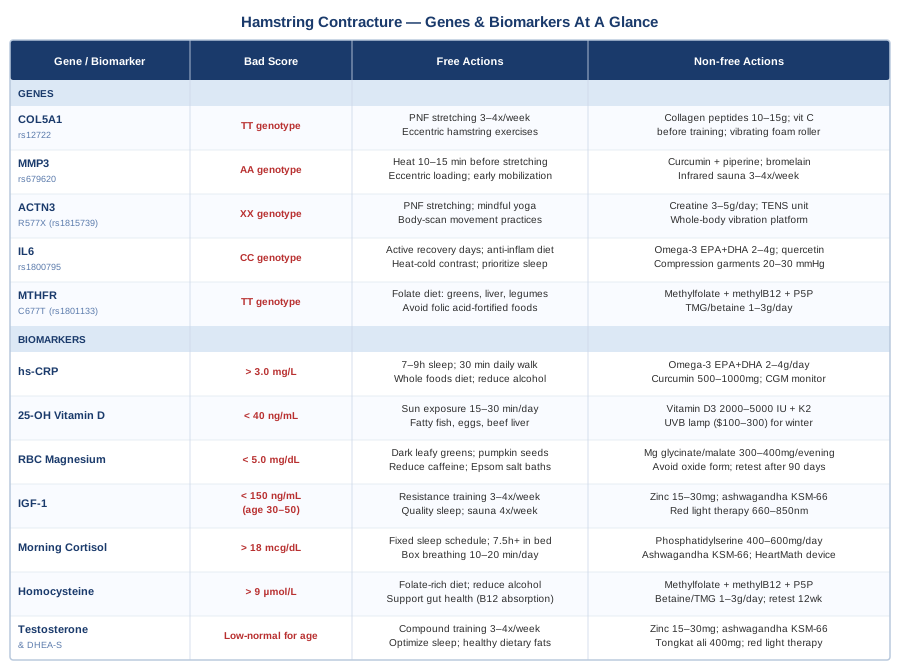
The genetic and biomarker layers together provide a considerably more complete picture than either would alone. From that foundation, the neuroscience of why muscles stay tight — and what actually changes when they do not — adds the third dimension.
The Neuroscience of Flexibility — Key Insights Worth Knowing
Andrew Huberman's Huberman Lab podcast has dedicated significant and research-grounded attention to the neuroscience underlying flexibility — specifically, why muscles resist lengthening and what actually changes when flexibility genuinely improves. The core finding challenges a widespread assumption: that hamstring tightness is primarily a structural problem of short muscles. In many cases, the limiting factor is primarily neurological — and this changes both the diagnosis and the treatment approach substantially.
1. Flexibility Is Largely a Nervous System Override
The hamstrings do not stay tight simply because they are anatomically too short. They stay tight because the nervous system perceives lengthening as a potential threat to tissue integrity and activates the stretch reflex to resist it. The Golgi tendon organs (GTOs) and muscle spindles are the primary sensory units setting this threshold — and they define the permitted range of motion based on learned threat assessment, not on actual tissue length. This means that applying more force to a tight hamstring without addressing the neurological component will rarely produce lasting change and can trigger protective co-contraction that worsens the problem.
2. The Minimum Effective Dose Is Smaller Than Expected
Research cited by Huberman suggests that as little as 5 minutes of static stretching per muscle group per week is sufficient to produce measurable neurological adaptation, provided the discomfort during the stretch is moderate — at roughly a 5–6 out of 10 on a perceived discomfort scale. The evidence-based protocol is 30–60 seconds per stretch, 3 repetitions, 2–3 times per week. What determines success is not volume or intensity but rather consistent neural exposure over weeks and months. Exceeding this dose does not linearly increase adaptation; consistency of the stimulus does.
3. Breathing Quality Determines How Much the Nervous System Allows
The nervous system's tolerance for a stretched position is directly modulated by breathing state at the time. Slow, diaphragmatic exhales during a hold activate the parasympathetic branch, which reduces muscle spindle firing frequency and allows the muscle to relax progressively deeper into the stretch. Attempting to stretch while breathing shallowly, holding the breath, or breathing into the chest maintains sympathetic tone and effectively signals danger to the nervous system — which responds by limiting how far it permits the muscle to lengthen. The quality of your exhale during a hamstring stretch is not incidental; it is mechanistically relevant.
4. Cold Exposure Before Stretching Is Counterproductive
Cold exposure acutely reduces muscle extensibility by increasing spindle sensitivity and lowering tissue viscoelasticity. Attempting deep stretching immediately after cold water immersion, ice application, or cold showers places you in the physiological state least permissive of neurological flexibility adaptation. Huberman emphasizes timing flexibility work specifically after exercise (when tissue temperature is elevated) or after heat application — conditions in which spindle sensitivity is reduced and the nervous system more readily accepts lengthening. This timing consideration alone can meaningfully change outcome without altering the stretching protocol itself.
5. PNF Stretching Outperforms Static Stretching for Speed of Gains
Proprioceptive neuromuscular facilitation — briefly contracting the target muscle against resistance for 6–10 seconds, then releasing into a deeper passive stretch — produces faster and greater range-of-motion improvements than static stretching in matched comparisons. The mechanism is autogenic inhibition through the GTOs: a sustained isometric contraction at the barrier of the range signals biomechanical safety to the nervous system, which then permits greater relaxation and lengthening upon release. This is a neurological negotiation, not a tissue-level force application.
6. Yoga Has a Mechanistic Advantage Over Standard Stretching
Many yoga poses require holding an isometric contraction at end-range — precisely the position where hamstrings feel most threatened and most resistant. This trains the nervous system to become comfortable with mechanical load in the lengthened position, which is the most effective neurological signal for durable flexibility improvement. It also recruits stabilizing muscles during the lengthened position, which builds the positional confidence the nervous system requires before permitting deeper range. This neurological training effect partly explains why yoga practitioners consistently outperform static-only stretchers on posterior chain flexibility assessments.
7. Visual Focus During Stretching Affects Muscle Tone
A practically underappreciated insight from Huberman's work concerns visual input during stretching. Soft, panoramic visual focus (gaze directed slightly downward and into the middle distance, peripheral vision engaged) activates neural circuits associated with restful calm and measurably lowers overall muscle tone. In contrast, tight, focused visual attention — staring at a screen, phone, or close object — maintains the alertness circuits associated with sympathetic activity and elevated neuromuscular tension. Stretching while watching your phone may be producing sub-maximal gains due to this mechanism, independent of distraction effects.
8. Neurological Flexibility Is Lost Quickly Without Maintenance
Most range-of-motion gains from stretching represent neurological adaptation — the nervous system's permissive threshold for the stretched position moving outward. This threshold resets toward its baseline within 2–4 weeks of detraining, because the system is conserving protective capacity rather than discarding it. Unlike structural connective tissue changes (which are slower to gain and slow to lose), neurological flexibility requires regular maintenance stimulation. This is why athletes returning from unrelated injuries often find their hamstring flexibility has regressed significantly even when the hamstrings themselves were not injured.
9. The Hip Flexor and Pelvic Tilt Connection
Hamstring tightness frequently co-exists with shortened hip flexors and the resulting anterior pelvic tilt — a position that places the hamstrings in a mechanically shortened starting position before any stretching begins, creating an artificial apparent tightness that does not originate in the hamstrings at all. Addressing hip flexor mobility (particularly the psoas and iliacus) concurrently with hamstring work can significantly accelerate posterior chain flexibility gains. Dedicating equal time to hip flexor stretching and hamstring work is often more efficient than doubling the hamstring protocol while ignoring the pelvis.
10. Sleep Drives the Flexibility Recovery Rate
During deep sleep stages, the nervous system undergoes systematic recalibration of baseline muscle tone across the whole body. Chronically sleep-deprived individuals show persistently elevated resting neuromuscular tone — including in the posterior chain — which directly limits the ceiling of flexibility that any stretching protocol can achieve in a given training period. Huberman's recommended protocol includes prioritizing 7–9 hours of quality sleep and using non-sleep deep rest (NSDR — structured yoga nidra-type body scanning) for 10–20 minutes after training sessions, which has measurable effects on neuromuscular recovery that complement the structural adaptations driven by the training itself.
Complementary Approaches With Meaningful Clinical Evidence
The five modalities below each have relevant human clinical evidence for chronic muscle tightness, hamstring flexibility, or connective tissue rehabilitation. They are not substitutes for the foundational biomarker and genetic work — they are productive additions when applied with appropriate expectations and within a coherent overall plan.
Yoga
Yoga is among the most thoroughly studied complementary approaches for musculoskeletal flexibility, and its effects on posterior chain contracture specifically are well-documented. Unlike simple stretching protocols, yoga integrates breath regulation with isometric holds at end-range and proprioceptive awareness simultaneously — addressing both the mechanical and neurological components of hamstring contracture within the same practice. This multidimensional engagement makes it more effective than equivalent time spent in passive stretching alone.
A randomized controlled trial by Grabara and Szopa (published in Journal of Human Kinetics, 2015) demonstrated statistically significant improvements in hamstring flexibility and posterior chain range of motion after 10 weeks of structured yoga practice compared to a control group — with effects visible as early as week 4. The protocol most supported by evidence for posterior chain flexibility combines Hatha and Yin elements: Uttanasana (standing forward fold), Upavistha Konasana (seated wide-angle), Supta Padangusthasana (supine hand-to-foot), and Downward Dog held for 60–120 seconds in Yin-style practice.
A practical starting protocol is 3–4 sessions per week of 40–60 minutes, beginning each session with 10 minutes of warm-up movement before attempting deeper hamstring holds. Use props — blocks, straps — to maintain proper spinal alignment rather than compensating with lumbar rounding to reach farther. Expect meaningful change within 6–10 weeks; the neurological component adapts faster than the structural. Evidence is strongest for adults aged 20–65 without acute injury; avoid forced deep stretching into sharp or radiating pain.
Massage Therapy
Manual massage directly addresses the myofascial tension and neurological guarding components of hamstring contracture. It does not mechanically elongate muscle fibers, but it reduces protective neuromuscular tone, improves local circulation and metabolic waste clearance, begins to address early adhesions at the muscle-tendon junction, and lowers perceived stiffness — all of which make subsequent stretching and movement training significantly more effective. For people whose contracture has a strong protective-tone component (visible through elevated morning cortisol or high hs-CRP), massage provides a safe entry point into deeper mobility work.
A systematic review by Crawford et al. (Cochrane Database of Systematic Reviews, 2016) assessed massage therapy for lower-limb musculoskeletal conditions and found meaningful short-term benefits for pain and functional movement when combined with active exercise programs. For hamstring contracture specifically, deep-tissue massage and trigger point therapy applied to the biceps femoris, semimembranosus, and semitendinosus — 30–45 minutes per session, 1–2 times per week — shows the strongest practical evidence. Myofascial release technique adds connective tissue specificity beyond standard effleurage.
Realistically, professional massage therapy once or twice per month can be combined with daily self-massage using a foam roller (2–3 minutes per hamstring) or a percussion massage device (2 minutes per muscle group at medium intensity setting). Self-massage is most effective when performed immediately before stretching sessions, not as a standalone recovery tool. Contraindications include acute muscle tears (avoid the injured area for 48–72 hours), varicose veins in the treatment area, and active skin infection.
Progressive Muscle Relaxation
Progressive muscle relaxation (PMR) is a structured mind-body technique involving the sequential deliberate tensing and releasing of muscle groups, including the hamstrings. It targets the neurological component of contracture — specifically the inability to fully downregulate a muscle that has developed habitual high resting tone through chronic stress, pain sensitization, or persistent sympathetic nervous system activation. For individuals whose cortisol is elevated and whose hamstrings tighten progressively with stress, PMR addresses the root mechanism rather than the mechanical symptom.
A randomized trial by Sheu et al. (published in Journal of Clinical Nursing, 2003) demonstrated that PMR produced significant reductions in perceived muscle tension and improved functional flexibility in participants with chronic muscle tightness, with effects building progressively over 4–6 weeks. For hamstring contracture specifically, a daily 15–20 minute PMR session focused on the posterior chain — calves, hamstrings, glutes, and lower back in sequence — performed before sleep produces measurable improvements in resting muscle tone and morning flexibility within 3–4 weeks of consistent practice.
The technique: lie supine in a quiet space. For hamstrings, gently press the heel into the floor (activating the hamstring without joint movement), hold 8–10 seconds, then release completely and consciously scan for any residual tension for 20 seconds before repeating. Two repetitions per side. The quality of the release phase matters far more than the tension phase — the goal is training your nervous system in the skill of complete release, not building strength. PMR requires no equipment, has no financial cost, and has no meaningful contraindications. Apps including Insight Timer offer guided PMR sessions that structure the practice effectively for beginners.
Low-Level Laser Therapy (Photobiomodulation)
Low-level laser therapy, also known as photobiomodulation, uses red and near-infrared light (typically 630–850nm wavelengths) to stimulate mitochondrial energy production, reduce local inflammatory signaling, and accelerate tissue repair processes at the cellular level. For hamstring contracture, it is particularly relevant when the contracture is driven by chronic myofascial micro-damage, persistent inflammation in the muscle-tendon junction, or post-injury fibrosis that limits normal tissue extensibility. The mechanism — increasing ATP synthesis via cytochrome c oxidase stimulation — provides a non-thermal cellular stimulus that complements mechanical interventions.
A meta-analysis by de Brito Vieira et al. (published in Lasers in Medical Science, 2014) found that photobiomodulation applied before exercise reduced delayed onset muscle soreness and improved short-term recovery markers in human subjects. Clinical protocols for musculoskeletal applications typically use 830nm devices delivering 4–8 joules/cm² over the posterior thigh, applied 3 times per week for 4–6 weeks as a course of treatment. Professional sessions with clinical-grade devices cost $50–150 per visit. Consumer-grade near-infrared devices (Joovv, PlatinumLED, and similar brands) cost $300–700 and allow home-based protocols.
For self-directed use, begin with 10-minute sessions per hamstring (device placed in contact with skin or 6 inches away depending on device specifications), 3–4 times per week, for a minimum of 8–12 weeks to observe cumulative tissue effects. Do not expect acute pain relief after a single session — photobiomodulation works through progressive cellular change over weeks. Avoid applying directly over tattooed skin (pigmentation may alter light absorption) and protect eyes during sessions. Evidence for contracture-specific applications is growing but still developing; the strongest current evidence supports pain reduction and post-exercise muscle recovery rather than direct flexibility improvement.
Tai Chi
Tai chi is a slow, deliberate movement practice that integrates weight-shifting, precise postural alignment, and synchronized breath coordination. Its relevance for hamstring contracture lies in its ability to train the body to move through functional ranges of motion under low-load, neurologically calm conditions — the exact state in which the nervous system is most receptive to expanding its permissive range. Unlike intense stretching approaches that can trigger protective co-contraction, tai chi reaches toward the barriers of range while maintaining a parasympathetic state throughout.
A meta-analysis by Uhlig et al. (published in BMC Musculoskeletal Disorders, 2010) found statistically significant improvements in lower-extremity flexibility, proprioception, and balance in adults practicing tai chi regularly compared to controls. Yang-style 24-form tai chi — which emphasizes low stances, single-leg weight-bearing through wide hip arcs, and continuous posterior chain lengthening — is most relevant to hamstring contracture. The combination of controlled slow tempo, deliberate relaxation cuing, and sustained single-leg loading creates gentle progressive stimulation of the hamstring in the lengthened position without exceeding the nervous system's tolerance threshold.
A practical protocol is two 30–45 minute sessions per week, with instructor guidance for the first 4–6 weeks to ensure sufficient technique quality for the movement to be therapeutically effective. Tai chi can be learned from structured videos at minimal cost or in group classes. Flexibility and stiffness improvements typically accumulate over 3–6 months of consistent practice, though pain reduction and perceived ease of movement are often noticed within the first 4–8 weeks. There are no significant contraindications for hamstring contracture; tai chi is particularly appropriate for older adults or deconditioned individuals for whom higher-intensity stretching carries meaningful injury risk.
Conclusion
Persistent hamstring contracture rarely resolves through generic stretching advice alone. For most people who have been consistent with basic protocols without adequate results, the missing piece is precision — understanding the specific biological conditions that are maintaining the tightness and addressing them directly rather than around them.
The most accessible next step for most people is a targeted blood panel: hs-CRP, 25-OH vitamin D, RBC magnesium, IGF-1, morning cortisol, homocysteine, and a hormonal panel including testosterone and DHEA-S. That information tells you where to focus first and gives you a measurable baseline to track against after 90 days of targeted intervention. If genetic testing is accessible, the five variants discussed — COL5A1, MMP3, ACTN3, IL6, and MTHFR — add another layer of personalization that can explain why standard approaches have not worked and what specific compensations are warranted.
Choose one primary intervention to optimize first, apply it consistently, and reassess. Better information genuinely does lead to better decisions — and in the case of chronic hamstring contracture, a sharper strategy almost always outperforms more effort applied in the wrong direction.