This article contains AI generated content.
· UpdatedHemoglobin SC Disease - 6 Genes And 7 Biomarkers To Track
Introduction
Living with Hemoglobin SC disease means navigating a condition that is often described as milder than sickle cell anemia — yet anyone who has experienced a painful crisis, a sudden vision change, or the quiet uncertainty of not knowing where their numbers stand knows that "milder" is a relative term that offers very little comfort. HbSC disease sits in a space where it is frequently undermanaged precisely because it is under-discussed, and where standard monitoring advice too often stops at a simple blood count without looking at the downstream signals that actually predict organ damage, vascular stress, or crisis risk over time.
The challenge is that generic advice built for sickle cell anemia (HbSS) does not map perfectly onto HbSC disease. Your hemoglobin is typically higher, your crises may be less frequent, and your hematocrit may look almost normal on a basic panel — which can create a false sense of security. But the complications that define long-term outcomes, including retinopathy, avascular necrosis, nephropathy, and pulmonary hypertension, occur in HbSC patients at rates that demand active monitoring, not passive watchfulness.
This article takes a more specific approach. Rather than covering sickle cell disease in broad strokes, it focuses on the biological signals and genetic factors that are most relevant to the HbSC genotype specifically. The goal is to give you a framework — grounded in what the research actually shows — for understanding what to track, what the numbers mean, and what evidence-informed actions may help.
Better information does not replace a specialist hematologist, but it makes those conversations far more productive. Two strategies anchor this article: a biomarker tracking approach that identifies the seven most meaningful signals to monitor, and a genetics layer that examines six modifier genes capable of shifting disease severity independent of the core HbS and HbC mutations. Combined, they offer a more complete picture of what drives this condition and where the leverage points actually are.
Summary
This article identifies 7 key biomarkers — including LDH, HbF percentage, NT-proBNP, eGFR, and hs-CRP — that are among the most informative signals to track in Hemoglobin SC disease. For each one, you will find what it reveals, how to measure it (with realistic cost ranges), and a practical plan with and without supplements or equipment if your result falls outside the optimal range.
A second section covers 6 modifier genes — BCL11A, HBS1L-MYB, NOS3, HMOX1, UGT1A1, and VCAM1 — that do not cause HbSC disease but can significantly influence its severity and trajectory. For each variant, the article explains what a suboptimal result means biologically and how it may be compensated through lifestyle, targeted supplementation, or physician-guided therapies.
The article also includes a summary of emerging science on breathing physiology and vascular function relevant to HbSC, four complementary modalities with meaningful human evidence, and a conclusion with a grounded, actionable next step.
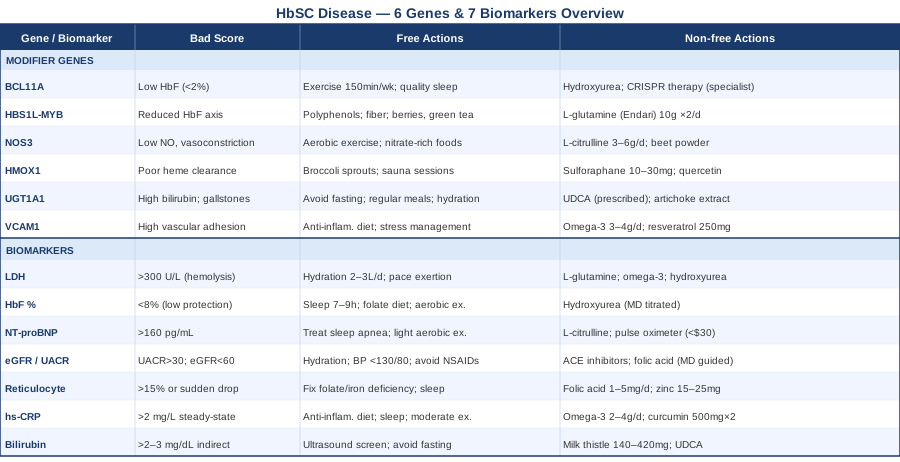
7 Biomarkers That Reveal How Your Body Is Managing Hemoglobin SC Disease
Most routine blood panels ordered for HbSC patients capture only a fraction of what is biologically happening. The following seven biomarkers — selected for their clinical relevance specifically to HbSC disease, their measurability in standard laboratory settings, and the strength of available evidence — offer a significantly more complete picture. Tracking these over time, not just at a single point, is what makes them truly useful.
Biomarker 1: LDH (Lactate Dehydrogenase) — The Hemolysis Signal
Why it matters: LDH is released when red blood cells break apart, making it one of the most direct measurable indicators of ongoing hemolysis. In HbSC disease, even moderate chronic hemolysis drives a cascade of downstream harm: free hemoglobin scavenges nitric oxide, impairing vascular tone and endothelial function. Elevated LDH correlates with pulmonary hypertension risk, leg ulcers, priapism, and stroke — a pattern identified in landmark work on the hemolytic subphenotype of sickle cell disease.
How to measure it: LDH is part of a standard comprehensive metabolic panel or can be ordered as a standalone test. Cost is typically $10–$40 in the US. Optimal range for someone with HbSC is ideally below 300 U/L, though many patients run higher chronically — the key is the trend over time and the ratio relative to baseline.
If the score is bad, the plan without supplements: Consistent hydration is the most accessible lever — dehydration concentrates sickle and C hemoglobin and accelerates sickling and hemolysis. Aim for 2–3 liters of water per day. Avoid cold exposure, high altitude without acclimatization, and intense unplanned physical exertion. Temperature regulation and pacing activities across the week (not one explosive day followed by recovery) reduces sickling burden meaningfully.
If the score is bad, the plan with supplements or equipment: L-glutamine (Endari) is FDA-approved specifically for sickle cell disease and has demonstrated a reduction in the number of painful crises and hospitalizations in a randomized controlled trial. Typical dosing is 10g twice daily for adults, taken with food. It is not a supplement in the casual sense — it should be prescribed and monitored. Omega-3 fatty acids (EPA/DHA, 2–4g daily from fish oil) have shown anti-adhesion and mild anti-inflammatory effects in some SCD studies; cycle off every 3 months and check for bleeding time if on other anticoagulants. Discuss hydroxyurea eligibility with your hematologist — it remains the most evidence-backed pharmacological option for reducing hemolysis severity.
Biomarker 2: HbF Percentage — The Most Protective Number in Your Panel
Why it matters: Fetal hemoglobin (HbF) does not participate in sickle polymer formation. Every percentage point of HbF in circulation is essentially sickle-resistant hemoglobin. In HbSC disease, naturally higher HbF levels are strongly associated with fewer crises, reduced organ damage, and longer life expectancy. HbF percentage is measurable, actionable, and one of the few biomarkers in this disease where a real treatment exists that can shift it upward.
How to measure it: HbF is measured by high-performance liquid chromatography (HPLC) on a hemoglobin electrophoresis panel, or as part of a comprehensive hemoglobin fractionation test. Cost is typically $50–$150. In adults with no treatment, HbF is usually below 2–3% naturally. A level above 8–10% is generally considered clinically beneficial.
If the score is bad, the plan without supplements: Robust sleep (7–9 hours) and consistent aerobic exercise at moderate intensity support erythropoietic stress in ways that can marginally influence HbF. More importantly, avoiding conditions that suppress erythropoiesis (iron deficiency, folate deficiency, zinc deficiency) keeps the marrow producing red cells optimally. Folic acid 1mg daily is a standard low-risk recommendation in any chronic hemolytic anemia.
If the score is bad, the plan with supplements or equipment: Hydroxyurea is the primary pharmacological agent for increasing HbF and is approved for use in HbSC disease. It requires regular CBC monitoring (every 4–8 weeks at initiation) and is not a supplement. The NHLBI sickle cell guidelines recommend considering hydroxyurea for patients with recurrent crises, symptomatic anemia, or organ damage regardless of genotype. Butyrate derivatives (arginine butyrate) have been explored experimentally as HbF inducers; evidence remains in early clinical stage and should not be used outside of formal protocols.
Biomarker 3: NT-proBNP or BNP — The Silent Pulmonary Warning
Why it matters: Pulmonary hypertension (PH) is one of the most serious and often undetected complications of HbSC disease. It develops insidiously through chronic hemolysis, nitric oxide depletion, and endothelial inflammation. NT-proBNP (N-terminal pro-B-type natriuretic peptide) is released by cardiac muscle under elevated pressure load. Elevation of this marker — even before symptoms appear — signals early cardiopulmonary stress and is a meaningful predictor of mortality risk in sickle cell populations.
How to measure it: NT-proBNP or BNP is a blood test available through most laboratories. Cost is approximately $40–$100. A value above 160 pg/mL for NT-proBNP should prompt a conversation with a cardiologist and consideration of echocardiography, including measurement of tricuspid regurgitant jet velocity (TRV ≥ 2.5 m/s on Doppler echo is a key threshold).
If the score is bad, the plan without supplements: Reduce modifiable contributors to pulmonary vascular stress: address sleep apnea (a common undiagnosed co-factor), manage anemia aggressively, and limit dehydration. Supervised low-intensity aerobic exercise, performed consistently 4–5 times per week, has been shown to improve cardiopulmonary function in SCD when done safely without triggering hypoxia. Avoid smoking entirely, and minimize exposure to particulate air pollution.
If the score is bad, the plan with supplements or equipment: L-citrulline (3–6g per day) supports the nitric oxide pathway and has been studied in sickle cell-related vasculopathy as a means of improving endothelial function. It is generally well-tolerated and cycles of 8–12 weeks on with 4 weeks off are a reasonable approach while monitoring response. A home pulse oximeter is a practical low-cost tool (under $30) for daily tracking — any persistent baseline SpO2 below 94–95% warrants medical evaluation. If PH is confirmed, pharmaceutical treatment (such as sildenafil or bosentan) becomes a physician-guided conversation — supplementation is not a substitute.
Biomarker 4: eGFR and Urine Albumin-to-Creatinine Ratio (UACR) — Kidney Health Under the Surface
Why it matters: Sickle cell nephropathy is common in HbSC disease and begins silently. The kidney's medulla operates in a chronically hypoxic, hypertonic environment — ideal conditions for sickling even in HbSC. Microalbuminuria (protein leaking into urine) is often the first detectable sign of glomerular damage, and it can appear well before eGFR begins to decline. Tracking both together gives a fuller picture of where kidney function actually stands.
How to measure it: eGFR is calculated from a serum creatinine blood test (cost $10–$30). UACR is measured in a urine sample (spot or first-morning void) and typically costs $20–$50. A UACR above 30 mg/g constitutes microalbuminuria; above 300 mg/g is macroalbuminuria. eGFR below 60 mL/min/1.73m² indicates moderate chronic kidney disease. Annual measurement is recommended; more frequent monitoring if results are abnormal.
If the score is bad, the plan without supplements: Aggressive hydration (2.5–3L of water daily) reduces the hyperosmolarity stress on renal tubules. Blood pressure control is critical — target below 130/80 mmHg. Avoid NSAIDs (ibuprofen, naproxen), contrast dyes without nephrology clearance, and nephrotoxic herbal supplements. A low-protein diet (0.8g/kg/day) may be recommended by a nephrologist if eGFR is significantly reduced.
If the score is bad, the plan with supplements or equipment: ACE inhibitors or ARBs (prescribed medications) are first-line for albuminuria management in SCD nephropathy — a physician conversation is essential. On the supplement side, folic acid (1–5mg daily) supports erythropoiesis and has a mild role in supporting homocysteine clearance which stresses the endothelium including glomeruli. SGLT2 inhibitors have shown renoprotective effects in diabetic nephropathy and are under investigation in SCD nephropathy — this is an area to watch with your hematologist.
Biomarker 5: Reticulocyte Count — Reading the Bone Marrow's Response
Why it matters: Reticulocytes are immature red blood cells, and their count reflects how hard the bone marrow is working to compensate for hemolysis. A very high reticulocyte count (above 10–15%) means the marrow is under significant stress to replace cells being destroyed. In HbSC disease, chronically elevated reticulocytes are also more adhesive to the vascular endothelium, contributing to vaso-occlusion risk. This marker is almost always available on a standard CBC with differential and yet is frequently underinterpreted.
How to measure it: Included in most CBC with differential panels. Cost is $10–$40 as part of a complete blood count. Normal reticulocyte count in non-anemic individuals is 0.5–2.5%. In compensated HbSC disease, values of 4–10% are common; values above 15% warrant closer monitoring for marrow stress or aplastic crisis risk (especially in the setting of parvovirus B19 exposure).
If the score is bad, the plan without supplements: Rule out folate or iron deficiency, which can limit the marrow's ability to produce cells and lead to inappropriately low reticulocyte counts during hemolysis — a dangerous mismatch. Ensure sleep quality is adequate: bone marrow erythropoiesis is tied to circadian rhythm and is significantly impaired by chronic sleep fragmentation.
If the score is bad, the plan with supplements or equipment: Folic acid 1–5mg daily is the standard recommendation in any hemolytic anemia to prevent macrocytic crisis. Zinc supplementation (15–25mg elemental zinc per day) has been studied in sickle cell disease and associated with improved hematological parameters and reduced crisis frequency in some trials; cycle every 3 months and recheck zinc levels, as excess zinc depletes copper. If reticulocyte count falls suddenly and unexpectedly (below 1% in the setting of worsening anemia), seek emergency evaluation — this may represent aplastic crisis.
Biomarker 6: hs-CRP — Tracking Systemic Inflammation
Why it matters: High-sensitivity C-reactive protein (hs-CRP) is the most accessible general marker of systemic inflammatory burden. In HbSC disease, ongoing vascular inflammation — driven by activated endothelium, adherent white blood cells, free heme, and pro-inflammatory cytokines — contributes directly to organ damage, crisis frequency, and long-term vascular stiffening. Chronic low-grade hs-CRP elevation (above 2–3 mg/L) in the steady state signals that the inflammatory baseline is higher than it should be and that downstream risk accumulates.
How to measure it: hs-CRP is a simple blood test, cost $10–$50. Optimal steady-state target in HbSC disease: below 2 mg/L. Values above 10 mg/L suggest active inflammation or an infection and should not be used as a baseline reference.
If the score is bad, the plan without supplements: Anti-inflammatory diet with an emphasis on whole foods, low ultra-processed food intake, adequate fiber (25–35g per day), and polyphenol-rich vegetables and fruits. Omega-3-heavy foods (sardines, mackerel, salmon 3x weekly). Consistent sleep (chronically poor sleep is one of the strongest drivers of elevated hs-CRP). Regular low-to-moderate intensity physical activity — exercise is robustly anti-inflammatory when not performed at extremes of exertion.
If the score is bad, the plan with supplements or equipment: Omega-3 fatty acids (2–4g EPA+DHA daily) have the strongest supplemental evidence for hs-CRP reduction across populations. Take with meals to reduce gastrointestinal side effects. Cycle: 12 weeks on, 4 weeks off; monitor for easy bruising if on aspirin or anticoagulants. Curcumin with piperine (500mg twice daily with black pepper extract) has shown modest hs-CRP reductions in inflammatory conditions; it is generally safe but should not be combined with warfarin or anticoagulants without monitoring. Sauna sessions (2–4x per week at 70–80°C for 15–20 minutes, if medically cleared) have shown benefits for vascular inflammation in some populations, though hydration before and after is non-negotiable in HbSC disease.
Biomarker 7: Total and Fractionated Bilirubin — The Hemolytic Burden Gauge
Why it matters: Every time a red blood cell is destroyed, hemoglobin is broken down into bilirubin. Chronically elevated bilirubin — particularly indirect (unconjugated) bilirubin — reflects ongoing hemolysis and places the liver, gallbladder, and kidneys under sustained pressure. Gallstones (pigment stones from bilirubin accumulation) affect a large proportion of HbSC patients, often silently. Following total and indirect bilirubin trends gives a reliable, inexpensive signal of hemolytic load that complements LDH nicely.
How to measure it: Part of a standard liver function panel (comprehensive metabolic panel). Cost: $10–$40. Total bilirubin above 2–3 mg/dL in steady-state HbSC disease, or a trend of rising values over months, signals increased hemolysis. Fractionation into direct and indirect tells you whether it is liver-driven (direct) or hemolysis-driven (indirect).
If the score is bad, the plan without supplements: Schedule an abdominal ultrasound to rule out gallstones if not done recently. Optimize hydration and avoid fasting for extended periods, which can spike bilirubin transiently. Annual liver ultrasound is a reasonable monitoring cadence for HbSC patients with chronically elevated bilirubin.
If the score is bad, the plan with supplements or equipment: Avoid hepatotoxic supplements (high-dose vitamin A, kava, valerian in high doses, certain herbal weight-loss products). Milk thistle (silymarin) 140–420mg daily has a long-standing safety record and modest hepatoprotective evidence; it can be used as supportive therapy during periods of elevated liver stress, cycling every 3 months. If the UGT1A1*28 variant is present (see genetics section), indirect bilirubin may run chronically high independent of hemolysis — genetic testing helps clarify this.
The Genetic Layer: 6 Modifier Genes That Shape How HbSC Disease Behaves
The HbS and HbC mutations in the HBB gene are what define this disease. But the question of how severe that disease expresses in any individual is substantially shaped by a second layer of genetics — modifier genes that do not cause sickle hemoglobinopathy but profoundly influence how the body responds to it. These six genes represent some of the most well-studied and clinically relevant modifiers in current sickle cell research. Understanding which variants you carry can help explain divergence in disease severity between two people with identical HbSC genotypes — and in some cases point toward specific interventions.
Genetic testing for modifier gene variants is available through direct-to-consumer platforms (such as 23andMe with data interpretation via third-party tools) or through clinical whole-exome/genome sequencing. Raw SNP data can be analyzed through tools like Genetic Genie or interpretation by a clinical geneticist. Cost ranges from $100 for consumer testing to $500–$2000 for clinical panels.
Gene 1: BCL11A — The Fetal Hemoglobin Gatekeeper
BCL11A encodes a transcription factor that functions as a repressor of fetal hemoglobin production in adult erythroid cells. Variants in the BCL11A erythroid enhancer region (particularly the rs1427407 and rs7606173 SNPs in intron 2) are among the most powerfully validated genetic modifiers in sickle cell disease. When these enhancer variants reduce BCL11A activity in red blood cell precursors, HbF is derepressed — more HbF is produced, and disease severity decreases measurably. This finding is supported by Bauer et al. (2010) in Science, one of the landmark papers in sickle cell disease genetics.
If the gene is unfavorable (standard BCL11A repressor activity, low HbF): the plan without supplements
Consistent moderate aerobic exercise (150 minutes per week of zone 2 intensity) and adequate sleep activate pathways that reduce inflammatory suppression of erythropoiesis and may support marrow sensitivity to HbF-inducing signals. Avoid factors known to suppress HbF indirectly — chronic alcohol consumption, severe nutritional deficiencies, and poorly controlled inflammation all work against the already-challenged erythroid environment.
If the gene is unfavorable: the plan with supplements or equipment
This is the biomarker where the physician conversation matters most. Hydroxyurea specifically targets BCL11A-mediated HbF suppression through ribonucleotide reductase inhibition and downstream erythroid stress signaling. It is the only widely validated HbF inducer. Dosing begins at 15mg/kg/day and titrates upward over months. CBC monitoring every 4–8 weeks is required. Gene therapy approaches targeting BCL11A (such as Casgevy, the first CRISPR-based therapy approved for SCD) represent a paradigm shift — while not yet widely accessible, they are a meaningful development for patients with severe disease under specialist care.
Gene 2: HBS1L-MYB (6q23) — The Second HbF Axis
Variants in the intergenic region between HBS1L and MYB on chromosome 6q23 are the second major quantitative trait locus for HbF levels in adults. MYB is a transcription factor regulating erythropoiesis; reduced MYB expression through 6q23 variants leads to accelerated erythroid differentiation and increased HbF output. The combined effect of favorable BCL11A and HBS1L-MYB variants can raise HbF by 10 percentage points or more — a clinically significant buffer.
If the gene variant is unfavorable: the plan without supplements
The same lifestyle principles supporting BCL11A apply here. Since HBS1L-MYB variants work through erythroid differentiation timing, there is theoretical interest in dietary factors that influence MYB activity — flavonoids and polyphenols (found in berries, green tea, and dark chocolate) modulate MYB expression in hematopoietic cells in some laboratory studies, though human clinical evidence for HbF elevation through this mechanism is not yet established. These foods are safe and broadly anti-inflammatory, making them reasonable additions regardless.
If the gene variant is unfavorable: the plan with supplements or equipment
L-glutamine (Endari) 10g twice daily supports antioxidant defenses in sickle erythrocytes and is FDA-approved for reducing crisis frequency — it works through oxidative stress pathways rather than HbF directly, but the result is reduced sickling burden. Butyrate (found in foods like butter, ghee, and produced by gut fermentation of resistant starch) has been explored as an HbF inducer in early clinical trials; clinical application remains experimental. Prioritize gut health through prebiotic fiber intake as a practical proxy.
Gene 3: NOS3 (eNOS) — The Nitric Oxide Production Gene
Nitric oxide (NO) is central to vascular health in sickle cell disease. Free hemoglobin released through hemolysis avidly scavenges NO, collapsing local vascular dilation and driving endothelial dysfunction. NOS3, which encodes endothelial nitric oxide synthase (eNOS), has several variants (including Glu298Asp, rs1799983, and the 4b/4a VNTR in intron 4) associated with reduced eNOS activity and basal NO production. These variants shift the balance further toward vasoconstriction and vascular inflammation in a patient already losing NO to hemolysis.
If the gene is unfavorable: the plan without supplements
Regular aerobic exercise is one of the most potent stimulators of eNOS expression and activity through shear stress signaling in vessel walls. Even 20–30 minutes of brisk walking daily measurably increases NO bioavailability. Nitrate-rich foods (beets, arugula, spinach, celery) provide dietary NO precursors through the enterosalivary nitrate-nitrite-NO pathway — this route bypasses eNOS entirely and provides NO independently of NOS3 genotype. Cold avoidance (cold causes vasoconstriction independently of NO status) is especially important in NOS3-unfavorable individuals.
If the gene is unfavorable: the plan with supplements or equipment
L-citrulline (3–6g per day) is the preferred substrate for eNOS because it recycles more efficiently than L-arginine, which is partially degraded by arginase (upregulated in SCD). Take in the morning and post-exercise. Cycle: 8 weeks on, 3–4 weeks off. Side effects are minimal; monitor for low blood pressure if combined with antihypertensives. Beet root powder or concentrated nitrate supplements (400–800mg nitrate equivalent per day) provide a genotype-independent NO source; chew food well and avoid antibacterial mouthwash which eliminates the oral bacteria needed for dietary nitrate conversion. A home blood pressure monitor is a low-cost way to track vascular response to these interventions.
Gene 4: HMOX1 — Heme Oxygenase and Cytoprotection
Heme oxygenase-1 (HMOX1) is an inducible enzyme that breaks down free heme — released in bulk during hemolysis — into carbon monoxide (CO, anti-inflammatory), biliverdin (antioxidant), and iron. In sickle cell disease, HMOX1 is a critical cytoprotective response. Critically, the HMOX1 gene contains a promoter repeat polymorphism (short vs. long GT repeats); short repeats are associated with higher HMOX1 inducibility, more rapid heme clearance, and better vascular protection. Long repeats (low HMOX1 inducibility) correlate with worse inflammatory and vascular outcomes in SCD populations.
If the gene variant is unfavorable (long repeats, low HMOX1 induction): the plan without supplements
HMOX1 is strongly induced by Nrf2 pathway activators. Dietary factors that activate Nrf2 include sulforaphane (from broccoli sprouts, consumed within 40 minutes of preparation), polyphenols, and intermittent mild caloric restriction. Cold hormesis (brief cold exposure, 2–3 minutes cold shower, 3–5x weekly) and heat exposure (sauna) both activate Nrf2/HMOX1 through heat and oxidative stress preconditioning. The principle is mild, repeated, controlled stressors — not extremes.
If the gene variant is unfavorable: the plan with supplements or equipment
Sulforaphane supplementation (10–30mg per day from standardized broccoli extract with myrosinase) is the most direct and bioavailable Nrf2/HMOX1 activator with human evidence. Take with breakfast, cycle 8 weeks on / 3 weeks off, as sustained Nrf2 activation may paradoxically reduce sensitivity over time. Quercetin (500mg twice daily) has complementary Nrf2-activating and anti-hemolysis effects in some laboratory models. Infrared sauna (15–20 minutes, 3x weekly) provides HMOX1-activating heat stress with less cardiovascular load than traditional sauna; ensure hydration before and after.
Gene 5: UGT1A1 — Bilirubin Metabolism and Gallstone Risk
UGT1A1 encodes the enzyme responsible for conjugating bilirubin in the liver, making it water-soluble for excretion. The UGT1A1*28 variant (a common promoter polymorphism) reduces enzyme activity by approximately 30–70% depending on zygosity — this is the genetic basis of Gilbert's syndrome. In a person with HbSC disease who is already producing large amounts of unconjugated bilirubin through hemolysis, the UGT1A1*28 variant compounds the bilirubin burden dramatically, accelerating gallstone formation (pigment gallstones from calcium bilirubinate) and elevating indirect bilirubin into ranges that can trigger jaundice even in steady state.
If the gene variant is unfavorable: the plan without supplements
Annual abdominal ultrasound to screen for gallstones and biliary sludge is strongly recommended if UGT1A1*28 is confirmed. Avoid prolonged fasting (fasting raises bilirubin further in Gilbert's individuals), and maintain consistent meal timing. Stay well hydrated — bile concentration is driven up with dehydration, promoting stone formation.
If the gene variant is unfavorable: the plan with supplements or equipment
Ursodeoxycholic acid (UDCA) is a bile acid supplement that has been used to reduce gallstone formation in high-risk populations and is sometimes prescribed by gastroenterologists in SCD patients — this is a physician-level conversation. Avoid high-dose vitamin A (above 5000 IU retinol) and supplements that stress the conjugation pathway. Artichoke leaf extract (320–640mg daily) has mild evidence for supporting bile flow and reducing bilirubin accumulation in individuals with Gilbert's variant; cycle 8 weeks on / 4 weeks off.
Gene 6: VCAM1 — Vascular Adhesion and Vaso-Occlusion Risk
Vascular cell adhesion molecule-1 (VCAM-1) is a surface protein expressed on activated endothelial cells that mediates the adhesion of sickle red blood cells, leukocytes, and platelets to the vessel wall — the cellular hallmark of vaso-occlusive crisis. The VCAM1 gene has variants (including rs1409419) that influence baseline endothelial VCAM-1 expression levels. Higher VCAM-1 expression is associated with more frequent adhesion events and crisis-prone phenotypes. Plasma VCAM-1 is also measurable directly as a biomarker, though not yet in standard panels.
If the gene variant is unfavorable: the plan without supplements
The most direct intervention is reducing endothelial activation: control blood pressure, avoid smoking, manage sleep apnea, maintain a high-polyphenol diet, and practice consistent moderate-intensity exercise. Inflammatory triggers — including uncontrolled infection, dehydration, sudden temperature changes, and severe psychological stress — acutely upregulate VCAM-1 expression and precipitate vaso-occlusive events. A stress management practice (mindfulness, breathing techniques, adequate sleep) is not optional for VCAM1-unfavorable individuals.
If the gene variant is unfavorable: the plan with supplements or equipment
Omega-3 fatty acids (3–4g EPA+DHA daily) reduce endothelial VCAM-1 expression through anti-inflammatory prostaglandin and resolvin pathways. Polyphenol-rich supplements such as trans-resveratrol (250–500mg with food) and green tea extract (400–600mg EGCG equivalent) reduce NF-kB-mediated VCAM-1 upregulation in endothelial studies. Both are generally safe; cycle every 3 months and avoid in pregnancy. Wearable heart rate variability (HRV) monitoring (devices such as Garmin, Polar, or Whoop) can help identify days where autonomic nervous system stress is high — a useful signal to scale back exertion and prioritize recovery and hydration.
What Research on Oxygen Delivery and Vascular Biology Reveals for HbSC Patients
Among the most practically relevant bodies of science for HbSC disease management is the growing research on nitric oxide physiology, oxygen delivery optimization, and breath-based vascular modulation. This is not a single book or podcast — it represents a convergence of findings from vascular biology, exercise physiology, and pulmonary medicine that translates directly into actionable daily practices.
The foundational insight is that HbSC disease creates a chronic nitric oxide depletion state through continuous low-grade hemolysis, even in patients who feel relatively well. Free hemoglobin released by red cell destruction consumes NO at a rate far exceeding what eNOS can replace. The vascular consequences — reduced endothelial dilation, increased adhesion molecule expression, elevated baseline vascular tone — accumulate silently for years before manifesting as detectable complications.
1. Nasal Breathing and Nitric Oxide Production
The nasal sinuses are the primary endogenous source of inhaled NO. Nasal breathing produces approximately 100 parts per billion of NO with each breath — a pharmacologically meaningful amount that reaches the pulmonary vasculature and enhances local oxygenation. Mouth breathing bypasses this entirely. For HbSC patients with already-compromised NO biology, the habit of consistent nasal breathing during rest and light exercise is a zero-cost, evidence-adjacent intervention worth taking seriously.
2. Diaphragmatic Breathing and Autonomic Tone
Slow, diaphragmatic breathing at 4–6 breaths per minute activates the parasympathetic nervous system, lowers circulating inflammatory cytokines, reduces heart rate and blood pressure, and has been shown to improve HRV. In sickle cell disease, autonomic dysfunction is an underappreciated contributor to vascular instability. A practice of 5–10 minutes of coherent slow breathing daily (inhale 5 seconds, exhale 5 seconds, no breath-holding) is one of the simplest interventions with a plausible biological mechanism in this disease context.
3. Heat Acclimatization and Erythropoiesis
Controlled heat exposure (sauna, hot bath) induces plasma volume expansion, increases red cell deformability in some studies, and triggers erythropoietin release — which may marginally stimulate HbF production. These effects are modest but real. The caution for HbSC patients is severe dehydration during heat exposure, which is a crisis trigger. Short, well-hydrated sessions (10–15 minutes, with 500ml of water before and after) are a more appropriate protocol than the aggressive sauna protocols sometimes popularized in performance biohacking communities.
4. Exercise Prescription: Moderate, Consistent, Non-Extreme
A consistent finding across sickle cell research is that extreme physical exertion (sudden sprinting, unacclimated altitude exercise, competitive athletics without medical clearance) sharply increases vaso-occlusion risk. Moderate, sustained aerobic exercise — zone 2 intensity (conversational pace, 60–70% max heart rate) performed 4–5 days per week for 25–40 minutes — has the opposite effect: it reduces endothelial activation, improves NO bioavailability, trains cardiac efficiency, and reduces inflammatory burden. This distinction between harmful extremes and beneficial moderation is consistently underemphasized in generic advice given to HbSC patients.
5. Sleep Architecture and Erythropoietic Stress
Deep non-REM sleep (stages 3 and 4) is when the majority of growth hormone and erythropoietin signaling occurs. Chronically fragmented sleep — often caused by undiagnosed sleep apnea, very common in sickle cell disease — suppresses this regenerative cycle and compounds anemia. If a patient's hemoglobin or reticulocyte count is lower than expected, evaluation for obstructive sleep apnea (a home sleep test costs $150–$300) before adding supplements is a high-yield, often-overlooked step.
Complementary Approaches Backed by Human Evidence
The following modalities are selected for having meaningful clinical evidence specifically relevant to pain management, inflammation control, or quality-of-life outcomes in sickle cell or closely related chronic pain and vascular conditions. They are not treatments and do not replace medical care.
Mindfulness Meditation and MBSR
Mindfulness-Based Stress Reduction (MBSR) is an 8-week structured program combining body scan, sitting meditation, and gentle movement. In sickle cell disease, psychological stress is both a well-documented crisis trigger and a determinant of pain catastrophizing — the cognitive amplification of pain that worsens functional impairment independently of disease severity.
A randomized pilot trial examining mindfulness-based interventions in adults with sickle cell disease demonstrated reductions in perceived stress, pain catastrophizing, and self-reported crisis frequency compared to standard care. The protocol typically involves 45 minutes of formal practice six days per week for eight weeks, followed by maintenance practice.
For HbSC patients specifically, MBSR is most valuable as a long-term tool for breaking the stress-crisis cycle. Apps such as Insight Timer (free) or a formal 8-week MBSR course (available online for $200–$500) provide accessible starting points. Begin with 10 minutes daily and build gradually; there is no risk of crisis from seated meditation practice when posture is comfortable.
Breathing-Based Therapies
Structured breathing practices — including diaphragmatic breathing, coherent breathing, and extended exhale techniques — directly modulate the autonomic nervous system and have measurable effects on inflammatory cytokine levels, endothelial function, and pain sensitivity.
In sickle cell populations, a small but clinically meaningful body of research supports the use of breathing exercises for reducing the frequency and severity of acute pain episodes. One mechanism is through vagal activation, which inhibits NF-kB-mediated cytokine release — the same pathway that drives endothelial adhesion molecule expression.
A practical protocol for HbSC patients: 4–7–8 breathing (inhale 4 seconds, hold 7, exhale 8 seconds) for 5 cycles, twice daily (morning and before bed). Alternatively, box breathing (4-4-4-4) is well-tolerated and widely used in pain management settings. These practices can be performed during prodromal pain stages to blunt escalation.
Music Therapy
Music therapy — particularly active listening protocols and guided rhythmic engagement delivered by a certified music therapist — has been studied specifically in pediatric and adult sickle cell disease patients in the context of acute pain management.
A randomized controlled trial published in the context of sickle cell pain management demonstrated that music therapy during hospitalization reduced opioid analgesic requirements and improved patient-reported pain scores compared to standard care alone. The mechanism involves endogenous opioid release, distraction-based pain modulation, and autonomic calming through rhythmic auditory stimulation.
For practical use between crises, a personal curated playlist at 60–80 BPM (matching the resting heart rate) used during rest periods and known pain onset has a meaningful and zero-risk evidence base. During hospitalization, requesting music therapy services (available in many major medical centers) is a legitimate and underutilized clinical option.
Progressive Muscle Relaxation
Progressive muscle relaxation (PMR) involves systematically tensing and releasing muscle groups from feet to head, producing a measurable reduction in sympathetic nervous system activation and pain perception. It is one of the most accessible and evidence-supported non-pharmacological pain management tools in chronic pain conditions.
In sickle cell disease, PMR has been incorporated into several behavioral pain management protocols and has shown reductions in pain intensity and analgesic use during crises in clinical studies. It does not require equipment, training, or cost beyond an audio guide.
A standard PMR session runs 15–20 minutes and can be performed lying down or seated. Daily practice outside of painful periods trains the relaxation response and makes it more effective when applied during crisis. Guided audio tracks (free on YouTube and apps such as Calm) provide effective delivery for self-directed practice. There is no known risk of adverse events in HbSC patients.
Conclusion
Hemoglobin SC disease is not a condition that responds to passive monitoring or generic advice. The biology is specific, the complications are progressive and often silent, and the difference between patients with similar genotypes often comes down to whether they tracked the right signals and responded to early data rather than waiting for symptoms.
The biomarkers covered here — LDH, HbF percentage, NT-proBNP, eGFR with UACR, reticulocyte count, hs-CRP, and bilirubin — form a practical monitoring core that costs far less annually than most people assume and tells a richer story than a basic CBC. The six modifier genes — BCL11A, HBS1L-MYB, NOS3, HMOX1, UGT1A1, and VCAM1 — explain why two people with the same diagnosis can have very different disease trajectories, and they point toward specific levers that may be worth pulling with physician support.
The next smart step is not to change everything at once. It is to identify which biomarkers you have not measured recently, request them at your next appointment, and use the results as a conversation starter with a hematologist who specializes in sickle cell disease. From there, the genetics layer and complementary approaches become increasingly meaningful tools — not as replacements for medical care, but as a way to make that care more precise and more yours.
Cardiovascular: Vascular Conditions
Respiratory: Lung Conditions
Digestive: Liver & Gallbladder Conditions
Autoimmune: Inflammatory Conditions
Eye: Retinal Conditions
Urological: Kidney Conditions