This article contains AI generated content.
· UpdatedHepatitis A Arthritis Genes Biomarkers - 5 Genes And 6 Biomarkers To Track
Introduction
Joint pain after hepatitis A is one of those things doctors rarely warn you about in advance. You expect fatigue, jaundice, and weeks of low energy — but when your knees swell or your hips ache well after the acute infection has cleared, most people are left searching for explanations that standard follow-up care rarely provides. Reactive arthritis following hepatitis A virus (HAV) infection is documented, affects a meaningful subset of people, and can linger for months when the immune response doesn't resolve cleanly.
The frustrating part is that most advice at this stage amounts to the same short list: rest, manage inflammation with NSAIDs if needed, and wait. That advice is not wrong, but it does not explain why some people develop arthritis after HAV while others don't — or why some recover in three weeks while others are still dealing with stiff joints four months later. Those differences almost always come back to individual biology, which is precisely where specific biomarkers and genetic variants become genuinely useful.
Looking at inflammatory markers gives you something concrete to measure and respond to rather than just waiting. Understanding which gene variants you carry — particularly those tied to immune response calibration and autoimmune susceptibility — explains the underlying terrain and helps guide targeted decisions instead of broad guesswork. This is not about having a perfect blueprint. It is about reducing the uncertainty that makes this kind of condition so difficult to navigate.
The article ahead covers two practical angles. The first focuses on six biomarkers worth tracking closely when dealing with HAV-related joint complications, each with a clear plan for what to do when results fall outside optimal ranges. The second examines five genetic variants that shape how your immune system responds to viral triggers and whether you carry elevated risk for prolonged joint inflammation. Beyond lab work, you will also find a summary of insights from Peter Attia's Outlive applied to chronic inflammation, and five evidence-backed complementary modalities relevant to this condition. Better information, consistently applied, makes better decisions possible.
Summary
This article provides a practical roadmap for understanding and managing hepatitis A-related arthritis through the lens of measurable biology. The primary biomarker section covers six specific markers — hs-CRP, ALT/AST, ferritin, ESR, anti-HAV antibodies, and IL-6 — with each entry including how to measure it, what an abnormal result means, and concrete plans with and without supplements. The genetics section follows with five key gene variants — HLA-B27, HLA-DRB1 shared epitope, TNF-alpha -308 G>A, IL-1 gene cluster, and PTPN22 R620W — explaining what each variant does in plain terms and what to do about it. You will also find ten high-impact insights from Peter Attia's longevity framework applied directly to post-infectious inflammation, plus five complementary approaches with human clinical backing. Each section is designed around the question most people actually want answered: given what the data shows, what do I do next?
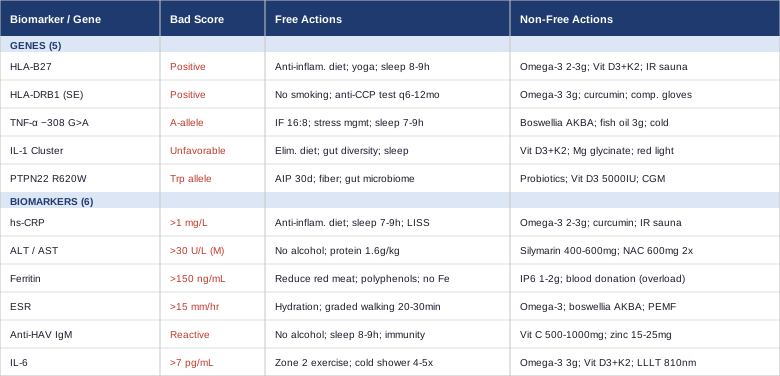
6 Key Biomarkers to Track If You Have Hepatitis A-Related Arthritis
When hepatitis A triggers joint inflammation, the underlying mechanism involves an immune cascade that does not switch off cleanly in everyone. The virus activates innate immune pathways — toll-like receptors, cytokine release, complement activation — that in most people resolve within weeks. In some, the cascade persists, sustained by residual liver inflammation, cross-reactive T cell responses, or a gut microbiome disrupted by the acute illness. Tracking the right biomarkers lets you see which part of that process is still running — whether it is residual hepatocellular injury, systemic cytokine activity, or joint-specific tissue stress. The six markers below were selected for clinical relevance, actionability, and affordability.
Biomarker 1: High-Sensitivity CRP (hs-CRP)
Why it matters: C-reactive protein is produced by the liver in direct response to inflammatory cytokine signals, particularly IL-6. The high-sensitivity version detects chronic low-grade inflammation that standard CRP tests miss entirely. In the context of HAV-related arthritis, hs-CRP reflects the aggregate inflammatory burden driving joint symptoms. Peter Attia consistently identifies hs-CRP as among the most important routine markers, noting in his clinical work that anything above 1 mg/L in an otherwise healthy adult represents a signal worth investigating — and that levels above 3 mg/L indicate active pathological inflammation that warrants direct intervention.
During acute HAV infection, hs-CRP typically spikes and should begin declining within four to eight weeks as the liver inflammation resolves. When it remains elevated past that window, it is a reliable signal that the immune response has not fully shut down. Research on post-infectious reactive arthritis confirms that persistent hs-CRP elevation correlates with both joint symptom duration and frequency of flares. See related PubMed literature on CRP in reactive arthritis.
How to measure hs-CRP
hs-CRP is drawn from a standard blood sample and requires no fasting. However, avoiding strenuous exercise for 48 hours before the draw improves accuracy, since acute exercise transiently elevates CRP. Cost ranges from $15–$40 at direct-to-consumer labs (LabCorp, Quest) to being included in standard comprehensive metabolic or inflammation panels. Optimal range for monitoring purposes: below 0.5 mg/L. Levels above 3 mg/L indicate significant active inflammation and should be followed closely, typically retested every four to six weeks during treatment.
If your hs-CRP is high: the plan without supplements
The three most powerful lifestyle levers for chronic hs-CRP are diet quality, sleep duration, and daily movement. An anti-inflammatory dietary pattern — eliminating refined carbohydrates, seed oils, ultra-processed foods, and alcohol while emphasizing vegetables, oily fish, legumes, and olive oil — can reduce hs-CRP by 30–40% within 8–12 weeks based on Mediterranean diet intervention data. Seven to nine hours of quality sleep is non-negotiable: even one week of sleep restriction to six hours raises hs-CRP significantly. For movement, low-to-moderate intensity aerobic activity (30 minutes, five days per week) is more anti-inflammatory than high-intensity training on a background of chronic inflammation, which can temporarily spike CRP. Structured stress reduction (see the MBSR section below) has also demonstrated measurable hs-CRP reduction over eight weeks in human trials.
If your hs-CRP is high: the plan with supplements or equipment
Omega-3 fatty acids (EPA+DHA, 2–3 g/day with food): the most consistently evidence-backed supplement for hs-CRP reduction. Use a triglyceride-form fish oil for superior absorption, or an algae-derived EPA+DHA for a plant-based option. No cycling required — daily long-term use is safe. Side effects at this dose: mild blood thinning (clinically relevant if you are on anticoagulants), occasional fishy aftertaste mitigated by refrigerating capsules or using enteric-coated versions.
Curcumin (BCM-95 or Meriva formulation, 500–1000 mg/day with a fatty meal): standard curcumin has poor bioavailability, but BCM-95 and Meriva forms absorb well enough to show statistically significant hs-CRP reductions in randomized trials. Dosing frequency: daily with food. Cycling protocol: eight weeks on, two weeks off for long-term use. Avoid at high doses with blood thinners or antiplatelet medication. GI discomfort is the most common side effect above 2 g/day.
Infrared sauna (20–30 minutes, 3–4 sessions per week): accumulating evidence supports infrared sauna for reducing systemic inflammatory markers including hs-CRP through heat shock protein induction, improved vascular function, and cortisol regulation. Entry-level portable units: $150–$400. Dedicated wooden cabin saunas: $1,500–$8,000+. Contraindicated in active fever or acute infection.
Biomarker 2: ALT and AST (Liver Enzymes)
Why it matters: Alanine aminotransferase (ALT) and aspartate aminotransferase (AST) are the primary indicators of hepatocyte damage. Since hepatitis A directly infects and injures liver cells, these are elevated in virtually all HAV cases during the acute phase. What matters for someone with ongoing joint symptoms is whether these markers have normalized — because persistent ALT/AST elevation indicates continued hepatocellular inflammation, which sustains cytokine release (especially IL-6) that directly feeds reactive joint inflammation.
The typical HAV trajectory is a sharp enzyme spike followed by return to normal within four to eight weeks. If ALT remains above standard thresholds at 12 weeks post-infection, that warrants hepatology evaluation and indicates ongoing immune activation that will likely prolong joint symptoms. The liver is not just a bystander in this process: active hepatitis A liver inflammation and reactive arthritis are mechanistically linked through shared cytokine pathways.
How to measure ALT and AST
These are standard components of a comprehensive metabolic panel (CMP) or dedicated liver function panel. Cost: $10–$30 at direct-to-consumer labs. Standard lab reference ranges extend to 40–56 U/L, but Peter Attia's clinical threshold for optimal ALT is below 30 U/L for men and below 19 U/L for women — meaningfully tighter, and more useful for catching subclinical liver inflammation. No fasting is required, though avoiding alcohol and strenuous exercise for 48 hours before testing is advisable for accuracy.
If your liver enzymes are elevated: the plan without supplements
Complete alcohol elimination is the most impactful single intervention — alcohol is directly hepatotoxic and antagonizes liver recovery from HAV injury. During elevated enzyme periods, also minimize medications that place hepatic load: avoid high-dose acetaminophen (above 1 g/day), certain NSAIDs (particularly diclofenac and sulindac), and statin use if recently started. Diet should emphasize adequate protein (1.6 g/kg/day minimum) — the liver needs amino acids for cellular regeneration — along with cruciferous vegetables (broccoli, Brussels sprouts) which support glutathione synthesis, and abundant hydration. Avoid aggressive caloric restriction or prolonged fasting during active liver inflammation; the hepatic regeneration process is energy-intensive.
If your liver enzymes are elevated: the plan with supplements or equipment
Silymarin — milk thistle extract (standardized to 70–80% silymarin, 400–600 mg/day with meals): one of the most studied hepatoprotective supplements, with human trial evidence across multiple viral hepatitis contexts. Daily dosing with food. Safe for long-term use at standard doses. Side effects: rare mild GI looseness; occasional mild allergic reaction in those sensitive to Asteraceae plants. Cycle: 12 weeks, retest liver enzymes, continue if enzymes remain elevated.
N-Acetylcysteine (NAC, 600 mg twice daily with food): the rate-limiting precursor to glutathione, the liver's primary intracellular antioxidant, which is depleted during active hepatocellular inflammation. Human evidence supports its hepatoprotective role in drug-induced and viral liver injury. Side effects: occasional nausea at doses above 1.2 g/day; rare bronchospasm in asthmatic individuals — avoid in this population or use with caution. Cycle: 8–12 weeks, reassess.
Biomarker 3: Ferritin
Why it matters: Ferritin is best known as an iron storage protein, but it is also an acute phase reactant — it rises substantially during infection and systemic inflammation, entirely independent of iron status. In HAV-related arthritis, elevated ferritin tracks with immune activation severity and can remain high long after other markers start declining. This makes it useful as a secondary confirmation of ongoing inflammatory activity.
There is an important nuance: pathologically elevated ferritin (above 300 ng/mL in men or 200 ng/mL in women) can indicate either inflammation-driven elevation or true iron overload from hereditary hemochromatosis — and these require different responses. Iron itself in excess amplifies oxidative stress in inflamed joint tissue, making this marker worth investigating when elevated rather than ignoring. See related PubMed studies on ferritin in inflammatory arthritis.
How to measure ferritin
Standard blood draw, often included in iron panels or ordered independently. Cost: $20–$50. Fasting is preferred for accuracy when drawn alongside other metabolic markers. Optimal functional range: 40–100 ng/mL — this avoids both iron-deficiency anemia (which depresses ferritin below 30 ng/mL) and the oxidative stress territory above 150–200 ng/mL that Peter Attia identifies as concerning regardless of the source.
If your ferritin is high (inflammation-driven): the plan without supplements
First, distinguish inflammation-driven elevation (context of active HAV, elevated CRP, normal serum iron and transferrin saturation) from true iron overload (elevated serum iron, high transferrin saturation, genetic hemochromatosis). If inflammation-driven, the primary focus is resolving the underlying immune activation through the CRP and IL-6 strategies in this article. Reduce red meat intake (particularly processed red meat) and increase polyphenol-rich foods — blueberries, green tea, dark chocolate, pomegranate — which reduce labile iron pools and oxidative load. Do not supplement with iron while ferritin is elevated: adding iron to an already elevated pool increases oxidative damage in inflamed tissue.
If your ferritin is high: the plan with supplements or equipment
IP6 (Inositol hexaphosphate, 1–2 g/day on an empty stomach): a naturally occurring iron chelator with emerging evidence for reducing pathological iron stores. Non-selective — it also chelates other divalent minerals (zinc, calcium) — so limit use to 8-week cycles with periodic mineral testing. Side effects: potential mineral depletion with extended unsupervised use.
For confirmed iron overload (rather than purely inflammation-driven elevation): regular blood donation every 8–12 weeks is the most direct, evidence-based, and cost-free method of reducing ferritin. Note that this is appropriate only for confirmed excess iron — do not apply it to pure inflammation cases without iron overload confirmation.
Biomarker 4: ESR (Erythrocyte Sedimentation Rate)
Why it matters: ESR measures how quickly red blood cells settle in a vertical tube — a process accelerated by elevated inflammatory proteins (fibrinogen, globulins, CRP) that cause cells to clump. It is one of the oldest clinical inflammation tests in use, and its value in reactive arthritis is primarily longitudinal: ESR tracks the trajectory of inflammation over weeks and months rather than giving a precise point-in-time diagnosis. A falling ESR alongside improving joint symptoms confirms genuine resolution; a persistently elevated or rising ESR in someone who appears clinically better suggests subclinical ongoing immune activity.
ESR is less specific than hs-CRP (anemia, age, pregnancy, and other factors can elevate it independently), but as a trend marker when measured consistently under similar conditions, it adds meaningful information to the biomarker picture. See PubMed studies on ESR monitoring in reactive arthritis.
How to measure ESR
Standard blood test, sometimes part of basic inflammation panels or ordered standalone. Cost: $10–$25. The sample must be processed within two hours of collection for accuracy; normal ranges are age and sex dependent: roughly below 15 mm/hr for men under 50 and below 20 mm/hr for women under 50, with higher thresholds accepted for older adults. ESR is most informative when trended over at least three to four sequential measurements rather than evaluated in isolation.
If your ESR is elevated: the plan without supplements
Adequate hydration matters more for ESR than for most inflammatory markers — dehydration artificially elevates it. Beyond hydration, the strategy largely mirrors the hs-CRP intervention: anti-inflammatory dietary pattern, consistent sleep, and regular moderate-intensity movement. The key addition specific to ESR in reactive arthritis: graded physical activity is preferable to complete rest. Complete immobilization prolongs elevated ESR and delays joint fluid clearance, while gentle daily movement — 20–30 minutes of walking or range-of-motion exercises — supports lymphatic drainage and resolution of synovial inflammation without mechanical joint stress.
If your ESR is elevated: the plan with supplements or equipment
The omega-3 and curcumin protocols described for hs-CRP are equally applicable to ESR reduction. Boswellia serrata (standardized to contain 30 mg AKBA, taken 2x/day with food, or 500–1000 mg standard extract 2x/day): boswellic acids specifically inhibit the 5-lipoxygenase (5-LOX) enzyme pathway, which drives joint-specific leukotriene-mediated inflammation. Human trials in osteoarthritis and ankylosing spondylitis show ESR as a responsive secondary endpoint. Cycle 8–12 weeks; safe for longer use at standard doses. Side effects: mild GI effects at higher doses.
PEMF therapy (Pulsed Electromagnetic Field, 10–20 minutes/day, 10–50 Hz frequencies): device-specific human trial evidence for reducing joint inflammation markers in arthritis populations, with effect sizes for ESR reduction appearing in several controlled trials on rheumatoid and osteoarthritis. Entry-level home mats: $150–$600. Medical-grade units: $1,000–$3,000+.
Biomarker 5: Anti-HAV Antibodies (IgM and IgG)
Why it matters: Anti-HAV IgM antibodies appear in the first week of infection and are the primary diagnostic marker for acute HAV. They typically clear within three to six months. Anti-HAV IgG replace them and persist lifelong, indicating past infection or vaccination. For someone experiencing persistent joint symptoms after HAV, antibody status performs two functions: first, it confirms whether the initial arthritis trigger was indeed HAV versus another cause; second, the IgM trajectory tells you whether you are in an active/prolonged infection phase (IgM still positive) or a post-infectious immune response phase (IgM declined, IgG positive), which has direct implications for management.
A persistently positive IgM beyond four to six months is uncommon but not unheard of — HAV can occasionally cause a relapsing cholestatic course in a small fraction of patients, maintaining the hepatic immune activation that drives reactive arthritis even after the initial symptoms appeared to resolve.
How to measure anti-HAV antibodies
Ordered as a hepatitis A antibody panel or separately as IgM and IgG components. Cost: $40–$100 depending on whether both IgM and IgG are included. No preparation required. Results are reported as reactive/non-reactive rather than quantitatively; the presence or absence of IgM is the clinically decisive factor during the follow-up period.
If IgM is still positive (active or prolonged infection phase): the plan
The goal at this stage is supporting immune resolution without suppressing it. Complete alcohol abstinence, 8–9 hours of sleep nightly, and nutrient support for immune function are the foundations: vitamin C (500–1000 mg/day) for antioxidant support during active viral immune response, and zinc (15–25 mg/day with food) to support lymphocyte function. Avoid high-dose immunosuppressive agents (corticosteroids, immunosuppressant herbs) during active IgM positivity — blunting viral clearance at this stage prolongs the timeline. If IgM remains clearly positive beyond three months, refer to a hepatologist for evaluation of a relapsing HAV course.
Biomarker 6: Interleukin-6 (IL-6)
Why it matters: IL-6 is a key pro-inflammatory cytokine that bridges liver inflammation and joint inflammation directly. During active hepatitis A, the liver produces substantial IL-6 as part of the acute phase response. IL-6 then drives both the production of downstream markers (CRP, ferritin) and promotes synovial cell activation that initiates and sustains joint inflammation. Measuring IL-6 directly provides a more upstream and mechanistically precise window into what is driving the inflammatory state — whereas CRP tells you inflammation is present, IL-6 tells you the engine is still running.
Peter Attia includes IL-6 in his comprehensive patient panels because it can remain elevated even when hs-CRP begins to normalize, indicating that upstream immune activation is ongoing despite apparent downstream resolution. This pattern — elevated IL-6 with trending-down CRP — is clinically meaningful in persistent reactive arthritis and would be entirely missed by tracking CRP alone. See related PubMed studies on IL-6 in post-infectious arthritis.
How to measure IL-6
Available through specialty and functional medicine labs; not routinely included in standard panels. Cost: $40–$120. Optimal range: below 2–3 pg/mL in most clinical frameworks used by physicians like Peter Attia; levels above 7 pg/mL indicate clear ongoing immune activation. Sample must be processed quickly after collection; some labs require frozen handling. Worth ordering alongside hs-CRP to assess the relationship between upstream driver and downstream marker simultaneously.
If your IL-6 is elevated: the plan without supplements
Exercise remains the most powerful lifestyle intervention for reducing chronically elevated IL-6, but the mechanism requires nuance. Acute exercise transiently raises IL-6 as a beneficial muscle-derived myokine — this is not the same as pathological IL-6. Chronic IL-6 elevation from adipose tissue and immune cells is what drives joint and liver inflammation, and reducing visceral fat through caloric moderation and consistent Zone 2 aerobic activity directly addresses this source. Cold therapy — cold showers at 10–15°C for 1–3 minutes, 4–5 times per week — has emerging evidence for reducing resting inflammatory cytokines including IL-6 through hormetic norepinephrine adaptation. Build duration gradually; contraindicated in Raynaud's syndrome.
If your IL-6 is elevated: the plan with supplements or equipment
Omega-3 fatty acids (EPA+DHA, 3 g/day): EPA specifically competes with arachidonic acid in cytokine production pathways, producing less inflammatory eicosanoids and measurably reducing IL-6 in randomized trials at this dose. No cycling required; blood thinning at doses above 3 g/day is the primary caution.
Vitamin D3 with K2 (2000–5000 IU D3 + 100–200 mcg K2 MK-7 daily): vitamin D3 is an immunomodulator that suppresses IL-6 production in macrophages and dendritic cells. Retest serum 25(OH)D every three months; target functional range 40–60 ng/mL. Do not exceed 10,000 IU/day without serum monitoring — toxicity at high doses is real.
Low-level laser therapy (LLLT) / photobiomodulation panels: applied to affected joints, LLLT at 810–850 nm wavelengths reduces local IL-6 production in synovial tissue through mitochondrial cytochrome c oxidase stimulation. Protocol: 10–20 minutes/day to affected joint surfaces. See the full LLLT section below for device recommendations.
With the biomarker picture established, the next layer of insight comes from genetics — which explains why some people generate these abnormal biomarker patterns in the first place.
How Your Genetic Profile Shapes Hepatitis A and Arthritis Risk
Biomarkers show you what is happening in real time. Genetic variants explain why your immune system behaves the way it does. Some gene variants make reactive arthritis after viral or enteric infections significantly more likely; others influence how severe it becomes or how long it lasts. Understanding your genetic terrain does not change the fact of an HAV infection, but it tells you where to focus prevention, what to monitor most closely, and which interventions are most likely to be effective for your specific biology.
The five variants below are the most clinically relevant in the context of hepatitis A-related arthritis. HLA typing (for HLA-B27 and HLA-DRB1) typically requires a clinical-grade blood test ordered through a physician or rheumatologist, while TNF-alpha, IL-1 cluster, and PTPN22 variants are often detectable through consumer genetic testing services like 23andMe or AncestryDNA when results are analyzed through third-party interpretation tools.
Gene 1: HLA-B27
HLA-B27 is the most important single genetic marker for reactive arthritis of any cause, including post-enteric and post-viral triggers. Between 30–50% of people who develop reactive arthritis after bacterial or viral enteric infections are HLA-B27 positive, compared to approximately 8% of the general European-ancestry population and lower frequencies in other groups. See PubMed literature on HLA-B27 and reactive arthritis.
The mechanism involves HLA-B27 protein misfolding and endoplasmic reticulum stress in immune cells, combined with altered antigen presentation of viral and bacterial peptides that cross-react with joint tissue antigens. Being HLA-B27 positive does not guarantee reactive arthritis — but it substantially raises the probability, and it predicts longer duration and higher severity when reactive arthritis does occur. It also confers lifetime elevated risk for ankylosing spondylitis, where spinal joint involvement develops progressively.
If HLA-B27 is positive: the plan without supplements
Strict food and water hygiene to prevent repeat enteric infections is a primary prevention priority — every subsequent enteric infection is another reactive arthritis trigger for HLA-B27 carriers. Eliminate alcohol (adds to immune dysregulation and gut barrier disruption). Adopt a consistent anti-inflammatory dietary baseline: Mediterranean-style, no processed foods, no refined carbohydrates. Sleep 8–9 hours with a fixed schedule — immune dysregulation from sleep debt is disproportionately consequential in HLA-B27 positive individuals based on mechanistic data.
Daily yoga or structured mobility work (30–45 minutes, four to five times per week) focusing on spinal flexion and extension is specifically important for HLA-B27 carriers, because spinal stiffness and ankylosis are the long-term consequence of unchecked ankylosing spondylitis. Maintaining spinal mobility is the most impactful modifiable factor for long-term outcomes in this population. Avoid prolonged static sitting without movement breaks every 30–45 minutes.
If HLA-B27 is positive: the plan with supplements or equipment
Omega-3 EPA+DHA (2–3 g/day, long-term, no cycling required): directly addresses the inflammatory amplification pattern associated with HLA-B27 positive reactive arthritis through competitive eicosanoid pathways. Blood thinning caution applies.
Vitamin D3 + K2 (2000–4000 IU D3 daily, retest every 3 months): HLA-B27 positive patients with reactive arthritis show higher rates of vitamin D insufficiency in observational data, and supplementation to serum levels of 50–60 ng/mL is associated with reduced flare frequency. Side effects: potential toxicity with excessive dosing above 10,000 IU/day without monitoring.
Infrared sauna (20–30 minutes, 3x/week): supports lymphatic clearance, provides symptomatic relief for the morning stiffness characteristic of HLA-B27 associated arthritis, and reduces heat shock protein-mediated joint inflammation with consistent use. Cost: $200–$8,000 depending on unit type.
PEMF mat (10–20 minutes/day): widely used in Europe for inflammatory arthritis, with device-specific evidence for reducing synovial cytokine production. Home devices: $200–$600 for quality units.
Gene 2: HLA-DRB1 (Shared Epitope Alleles)
HLA-DRB1 alleles carrying the "shared epitope" sequence — particularly HLA-DRB1*04 and HLA-DRB1*01 — are the strongest known genetic risk factors for rheumatoid arthritis. Their relevance in the HAV-arthritis context is indirect but clinically meaningful: in some post-HAV cases, what initially presents as self-limiting reactive arthritis gradually evolves into a more persistent clinical picture consistent with seronegative or seropositive RA. Shared epitope carriers have substantially elevated risk of this conversion. This gene does not directly increase HAV reactive arthritis risk, but it flags whether joint inflammation is likely to become chronic and autoimmune if not managed carefully.
If HLA-DRB1 shared epitope is positive: the plan without supplements
Smoking elimination is the single most impactful modifiable intervention for shared epitope carriers — smoking activates protein citrullination that dramatically amplifies DRB1 shared epitope-associated RA risk. If you smoke, stopping is a higher priority than any supplement or diet change. Periodic anti-CCP antibody testing (every six to twelve months during prolonged joint symptoms) is warranted — conversion from seronegative to seropositive status in a shared epitope carrier signals progression that rheumatologic intervention can address most effectively early on. Maintain healthy body weight through consistent Mediterranean diet and regular aerobic exercise. Adiposity amplifies HLA-DRB1 associated autoimmune activation through adipokine release.
If HLA-DRB1 shared epitope is positive: the plan with supplements or equipment
Omega-3 (3 g/day EPA+DHA, daily, long-term): large prospective cohort studies suggest omega-3 intake reduces RA incidence and severity in genetic risk populations including shared epitope carriers. Blood thinning caution at doses above 3 g/day.
Curcumin BCM-95 (500 mg twice daily with food, 8 weeks on / 2 weeks off): inhibits NF-κB and COX-2, the pathways most active in DRB1-associated synovitis. Avoid with blood thinners at this dose.
Compression gloves (for hand and finger joint involvement): practical, inexpensive, and effective for managing the morning stiffness and joint swelling that characterizes early DRB1-related arthritis. Available for $15–$40 at pharmacies and medical supply retailers.
Gene 3: TNF-alpha Promoter Polymorphism (-308 G>A, rs1800629)
Tumor necrosis factor alpha (TNF-alpha) is a master pro-inflammatory cytokine that orchestrates much of the acute and chronic immune response. The -308 G>A polymorphism in the TNF gene promoter increases transcriptional activity of TNF-alpha, meaning that A-allele carriers produce more TNF-alpha in response to any inflammatory trigger — including HAV infection. This translates to more intense acute hepatitis symptoms, a more aggressive reactive arthritis response, and slower resolution of both. The A-allele is present in approximately 15–25% of European-ancestry populations at one or two copies.
This variant can be identified through most consumer genetic testing platforms and provides a direct explanation for why some people have unusually severe or prolonged reactions to enteric infections relative to others with similar exposures.
If TNF-alpha -308 G>A is detected: the plan without supplements
Caloric restriction or intermittent fasting (16:8 time-restricted eating, five to six days per week) consistently reduces TNF-alpha expression — one of the most robustly replicated fasting effects in human mechanistic studies. Psychological stress reduction is particularly critical in A-allele carriers since cortisol and norepinephrine release from stress directly upregulates TNF-alpha promoter activity. Structured mindfulness, daily diaphragmatic breathing (five to ten minutes), or progressive muscle relaxation all have measurable impact. Consistent sleep of seven to nine hours reduces TNF-alpha dysregulation through multiple pathways. Maintain a dietary pattern eliminating high-fructose foods, seed oils, and processed meat — all of which drive TNF-alpha production through separate mechanisms.
If TNF-alpha -308 G>A is detected: the plan with supplements or equipment
Boswellia serrata (standardized to AKBA, 100 mg AKBA or 500 mg standard extract twice daily with food): boswellic acids inhibit the 5-LOX pathway and measurably reduce TNF-alpha and related cytokines in human arthritis trials. Cycle: 8–12 weeks; reassess. Side effects: mild GI effects at the upper end of dosing range.
Fish oil (EPA specifically, 3 g/day EPA+DHA): EPA competes with arachidonic acid for cyclooxygenase enzymes, reducing TNF-alpha-driven prostaglandin production. Daily, long-term.
Cold therapy (partial cold water immersion at 10–15°C, 2–5 minutes, four to five times per week): hormetic cold exposure produces a norepinephrine surge that paradoxically downregulates chronic TNF-alpha production in subsequent hours through adrenergic receptor signaling. Start at 30 seconds and build over two to three weeks. Contraindicated in uncontrolled hypertension or Raynaud's syndrome. Cold showers are an accessible starting point before considering immersion.
Gene 4: IL-1 Gene Cluster (IL-1A, IL-1B, IL-1RN)
The interleukin-1 gene cluster on chromosome 2 encodes IL-1 alpha, IL-1 beta, and crucially the IL-1 receptor antagonist (IL-1RN) — the body's natural brake on IL-1 signaling. Several polymorphisms in this cluster, particularly IL-1B +3953/+3954 C/T (rs1143634) and the IL-1RN VNTR on intron 2, shift the balance between IL-1 pro-inflammatory drive and its natural inhibition. Unfavorable combinations — high IL-1B production combined with low IL-1RN antagonist activity — amplify the synovial inflammation in reactive arthritis and are associated with more severe and prolonged joint symptoms rather than initial susceptibility per se. See related PubMed studies.
If IL-1 gene cluster shows unfavorable variants: the plan without supplements
An elimination trial of dietary inflammatory triggers (four to six weeks eliminating gluten, dairy, and nightshades sequentially) is often highly informative in IL-1 pathway overactivators, since lectins, gluten-derived peptides, and alkaloids in nightshades directly stimulate IL-1B release from innate immune cells in susceptible individuals. Optimizing gut microbiome diversity through 30+ different plant foods per week and daily fermented foods reduces the intestinal LPS exposure that directly activates IL-1B production via toll-like receptors. Maintain circadian regularity — experimental sleep disruption studies show acute IL-1B upregulation within 24 hours of even one night of poor sleep.
If IL-1 gene cluster shows unfavorable variants: the plan with supplements or equipment
Vitamin D3 (3000–5000 IU/day with K2 MK-7, 100–200 mcg/day): vitamin D3 is a documented suppressor of IL-1B expression in macrophages and dendritic cells, mediated through the vitamin D receptor which is abundantly expressed in immune tissue. Retest serum 25(OH)D at eight weeks; target 50–60 ng/mL. Side effects: potential toxicity with excessive long-term dosing above 10,000 IU/day.
Magnesium glycinate (300–400 mg at bedtime): magnesium deficiency — widespread in Western populations — upregulates NF-κB and IL-1B production in macrophages. The glycinate form is the best-tolerated magnesium salt for this purpose. Daily, no cycling required. Mild laxative effect is common with oxide or citrate forms but much less so with glycinate.
Red light therapy panel (630–850 nm, 10–20 minutes/day on affected joints): modulates NF-κB, the master transcription factor activating IL-1B and other pro-inflammatory genes, through mitochondrial photobiomodulation. Entry-level home panels from reputable brands: $150–$400. Consistent daily use over four to six weeks produces measurable cytokine effects in arthritis trials.
Gene 5: PTPN22 (R620W, rs2476601)
PTPN22 encodes lymphoid tyrosine phosphatase (LYP), which regulates T cell receptor signaling thresholds. The R620W variant (Trp allele) alters LYP function and is one of the strongest known genetic risk factors for multiple autoimmune diseases in populations of European ancestry, including rheumatoid arthritis, type 1 diabetes, and systemic lupus erythematosus. Its relevance to HAV-related arthritis lies in aberrant T cell responses to microbial antigens — Trp allele carriers are more likely to develop cross-reactive T cell responses when HAV antigens structurally resemble host joint tissue proteins (molecular mimicry). This makes them prone to autoimmune joint involvement following viral infection.
Approximately 10–15% of European-ancestry adults carry one Trp allele; 1–2% are homozygous. The variant is detectable through 23andMe and AncestryDNA raw data with interpretation tools.
If PTPN22 R620W is detected: the plan without supplements
The Autoimmune Protocol (AIP) dietary framework (detailed in the Sarah Ballantyne section below) is arguably the most specifically targeted dietary intervention for PTPN22 variant carriers, as it addresses the dietary antigenic triggers that activate the aberrant T cell responses this variant enables. A 30-day strict AIP elimination followed by systematic food reintroduction can identify personal triggers — an approach worth completing at least once if joint symptoms are persistent.
Gut microbiome diversity is particularly important here because PTPN22 R620W-related T cell dysregulation is directly modulated by gut microbial metabolites, particularly short-chain fatty acids from fermentation of dietary fiber. Prioritize prebiotic-rich vegetables (inulin-containing foods, onion, garlic, leek), fermented foods daily, and avoid unnecessary antibiotic courses.
If PTPN22 R620W is detected: the plan with supplements or equipment
Targeted probiotic (Lactobacillus plantarum 299v and/or Lactobacillus rhamnosus GG, 20–50 billion CFU/day): these specific strains modulate T regulatory cell induction through gut mucosal immune effects, directly relevant to PTPN22-associated autoimmune risk. Take daily with food. Cycle 8–12 weeks then reassess. First-week GI bloating resolves with continued use.
Vitamin D3 (5000 IU/day + K2 MK-7, 200 mcg/day): T regulatory cell induction — which constrains the aberrant effector T cell activity in PTPN22 R620W carriers — is directly vitamin D dependent. Serum target: 60 ng/mL. Retest at eight weeks.
Continuous glucose monitor (CGM), 2-week trial: glucose spikes trigger acute IL-6 and TNF-alpha release that activate the aberrant T cell responses in PTPN22 carriers. A 2-week CGM test (Libre or Dexam CGM sensors, $30–$80) identifies which specific foods generate inflammatory glucose patterns for your individual metabolism — a diagnostic tool rather than a permanent device.
Understanding your genetic profile and biomarker trajectory provides the what and why. The section below draws on Peter Attia's framework to show how to integrate all of this into a cohesive long-term strategy.
What Peter Attia's Outlive Teaches About Post-Infectious Inflammation
Outlive: The Science and Art of Longevity (2023) by Peter Attia, MD, is among the most clinically practical books on managing chronic disease risk to emerge from mainstream medicine in years. Attia trained at Johns Hopkins and Stanford and spent years in conventional oncology before focusing his practice on longevity medicine and metabolic health. While Outlive was not written specifically for post-hepatitis arthritis, its framework maps directly onto the problem: chronic low-grade inflammation is one of the four primary biological drivers of premature morbidity in his model, and his approach to measuring and intervening on that inflammation is precisely what someone managing HAV-related joint complications needs.
1. Medicine 3.0: Act on process, not just events
Attia's foundational argument is that conventional medicine waits for disease to manifest as an event before responding, rather than acting on the biological processes that precede it by years. Reactive arthritis after HAV is a clear event — but the genetic susceptibility and inflammatory terrain that made it severe or prolonged was a process that existed beforehand. Acting on biomarkers during and after acute illness, rather than waiting for established autoimmune disease to develop, is exactly the Medicine 3.0 posture he advocates.
2. Zone 2 exercise is the highest-leverage anti-inflammatory tool available
Attia dedicates substantial space to Zone 2 aerobic training — steady-state exercise at roughly 60–70% of maximum heart rate, where you can hold a conversation but feel meaningfully challenged. He cites robust evidence that Zone 2 improves mitochondrial efficiency, reduces visceral fat-derived IL-6, and down-regulates chronic systemic inflammation more reliably than any supplement. Minimum effective dose: three to four hours per week in sessions of at least 45 minutes. For someone with active joint inflammation, swimming, cycling, and walking are appropriate Zone 2 modalities that avoid excess mechanical joint loading.
3. Track both hs-CRP and IL-6 — not just one
Attia specifically advocates ordering hs-CRP and IL-6 together rather than one in isolation because they represent different levels of the inflammatory cascade. CRP is the downstream liver-produced protein; IL-6 is the upstream cytokine driving CRP production. You can have normalizing CRP while IL-6 remains elevated — a pattern indicating the driver is still active — which would be missed if only CRP were tracked. This is directly relevant to the recovery monitoring strategy in post-HAV arthritis.
4. Protein intake is underrated for immune recovery
Attia makes a compelling case that most adults significantly undereat protein relative to requirements for immune cell production, tissue repair, and lean mass maintenance. His minimum recommendation: 1.6–2.2 g of protein per kilogram of body weight per day. For someone recovering from hepatitis A liver injury while dealing with joint inflammation, adequate amino acid supply supports hepatocyte regeneration, immunoglobulin synthesis, and connective tissue repair simultaneously.
5. Sleep is a direct medical intervention
Attia treats sleep as seriously as any pharmacological intervention, and the mechanism is relevant here: sleep is when cytokine cascades reset, inflammatory metabolites are cleared by the glymphatic system, and immunological memory consolidates. Chronic sleep restriction — even one hour below optimal per night sustained over weeks — significantly elevates IL-6, TNF-alpha, and ferritin. Target: 7.5–9 hours with consistent sleep and wake timing within 30 minutes, including weekends.
6. Muscle mass is a metabolic buffer against inflammatory disease
Skeletal muscle is the primary reservoir for insulin-mediated glucose disposal and produces anti-inflammatory myokines (like IL-15 and irisin) during contraction. Inadequate muscle mass — what Attia calls functional sarcopenia even in younger adults — reduces this buffer and raises resting inflammatory tone. Two to three resistance training sessions per week maintaining and building muscle mass is as important as aerobic exercise in a comprehensive anti-inflammatory program.
7. Visceral fat is an inflammatory organ that requires direct intervention
Adipose tissue around organs actively secretes IL-6, TNF-alpha, and leptin — all of which worsen both liver inflammation and joint inflammation in the HAV-arthritis context. Reducing visceral fat through Zone 2 exercise combined with time-restricted eating (Attia favors a 10–12 hour daily eating window rather than extreme fasting) has measurable, tracked effects on the inflammatory biomarkers discussed throughout this article.
8. Test your Omega-3 Index rather than guessing at dose
Rather than recommending a fixed fish oil dose, Attia advocates testing the Omega-3 Index — the percentage of EPA and DHA in red blood cell membranes — to determine how much supplementation you actually need. A target above 8% is associated with reduced cardiovascular and inflammatory risk; most Western-diet adults test at 4–6%. Testing costs $50–$100 (OmegaQuant is the standard lab). This takes the guesswork out of supplemental omega-3 dosing.
9. There is no safe dose of alcohol for inflammatory conditions
Attia's chapter on alcohol reaches a direct conclusion: there is no demonstrated benefit from any quantity of alcohol, and for liver-related conditions specifically, even moderate intake significantly impairs hepatocellular recovery and prolongs the cytokine activation driving reactive arthritis. This is not a lifestyle preference — it is a measurable clinical decision with direct impact on the biomarkers above.
10. Use a CGM as a personalization tool
A 2-week continuous glucose monitor (CGM) trial — Attia uses these routinely with patients — identifies individual glycemic responses to specific foods that trigger post-meal IL-6 and TNF-alpha release. Many people are surprised to find that foods they consider healthy produce significant glucose spikes that repeatedly activate inflammatory pathways. At $30–$80 for a 2-week sensor, this is an accessible and highly personalized diagnostic intervention that complements the biomarker strategy described above.
With lifestyle and biological tracking frameworks in place, the following evidence-backed complementary modalities offer additional tools specifically relevant to HAV-related arthritis management.
Complementary Approaches with Meaningful Evidence for Arthritis and Inflammation
The five modalities below were selected on the basis of having human clinical trial evidence directly relevant to arthritis, systemic inflammation, or post-infectious immune conditions — not general wellness claims. Each entry specifies a protocol, the supporting evidence, and a realistic application for someone managing HAV-related joint complications.
Mindfulness Meditation and MBSR
Mindfulness-Based Stress Reduction (MBSR) is an eight-week structured program combining formal seated meditation, body scan practice, and mindful movement developed by Jon Kabat-Zinn at the University of Massachusetts Medical School. Its relevance to HAV-related arthritis operates through two well-characterized pathways: direct pain neuroscience (MBSR alters the brain's central pain processing by reducing threat appraisal in the anterior cingulate cortex and prefrontal modulation of pain signals) and downstream regulation of HPA axis activity, which reduces the cortisol-driven IL-6 and TNF-alpha release that perpetuates chronic joint inflammation.
A randomized controlled trial on MBSR in rheumatoid arthritis patients, available in PubMed, demonstrated statistically significant reductions in perceived pain, mood disturbance, and inflammatory markers at eight weeks with sustained improvements at six-month follow-up. The program does not require prior meditation experience. It is widely available online through institutional providers including Brown University's Mindfulness Center, typically at $300–$500 for the full eight-week course, with lower-cost and free versions available.
For direct application: register for an eight-week MBSR program (in-person or online). The standard commitment is 2.5 hours per week for group sessions plus 45 minutes of daily home practice — the home practice component produces the majority of the clinical benefit. A seated format is appropriate even during active joint flares. Expect noticeable symptom benefit by week four; peak effects at eight to twelve weeks. Daily ten-minute consistency outperforms irregular 45-minute sessions in producing sustained inflammatory marker changes.
Tai Chi
Tai chi is a slow, low-impact movement practice from Chinese martial arts tradition that emphasizes deliberate coordination, balance, and diaphragmatic breathing. Its relevance to post-HAV reactive arthritis is unusually strong: it maintains joint range of motion during the recovery phase without imposing the mechanical stress that inflames already-reactive synovial tissue, and it generates anti-inflammatory effects through a combination of mild aerobic metabolism, vagal nerve activation via slow deliberate breathing, and psychological stress reduction through focused attention.
A meta-analysis of randomized controlled trials on tai chi for arthritis populations (PubMed reference) found consistent benefits for pain, physical function, and quality of life across both osteoarthritis and inflammatory arthritis populations with no adverse events reported. A landmark trial published in the New England Journal of Medicine (Wang et al., 2010) found tai chi matched physical therapy outcomes in knee osteoarthritis patients over 12 weeks — notably a population with significant joint inflammation rather than structural wear alone.
Protocol: 20–30 minutes of Yang-style tai chi, three to five sessions per week. Free instruction from certified instructors is widely available on video platforms; in-person community classes at recreation centers and YMCAs are typically $10–$20 per class. Tai chi is appropriate even during mild-to-moderate reactive arthritis flares due to its gentle non-ballistic nature. Begin seated if standing is uncomfortable during acute phases — seated tai chi modifications are documented and effective.
Low-Level Laser Therapy and Photobiomodulation
Photobiomodulation (PBM) and low-level laser therapy (LLLT) use red and near-infrared wavelengths (typically 630–1000 nm) at sub-thermal power densities to stimulate mitochondrial cytochrome c oxidase in target cells. This increases cellular ATP production, reduces reactive oxygen species, and triggers downstream reductions in NF-κB activity — the master transcription factor controlling IL-1B, TNF-alpha, and IL-6. In joint tissue specifically, PBM reduces synovial cell inflammation and improves the oxygenation of poorly vascularized cartilage and tendon.
A meta-analysis and Ottawa Panel clinical practice guidelines on LLLT for inflammatory arthritis (see PubMed) found statistically significant pain reduction and functional improvement in rheumatoid arthritis patients compared to sham treatment, with effect sizes comparable to pharmaceutical NSAIDs in the short term. Evidence specific to post-HAV reactive arthritis is limited to mechanistic rationale and case data, but the cytokine pathways targeted are directly relevant to the condition.
Application protocol: use a class 3B or class 4 home device or panel (reputable brands include Mito Red Light and Joovv; smaller targeted handheld devices also effective for specific joints) at 810 nm or 830 nm wavelength — these penetrate deepest into joint tissue. Position 5–15 cm from the skin surface over the affected joint. Treat 10–20 minutes per joint per session, daily or five sessions per week. Eye protection is mandatory during treatment. Entry-level home panels: $150–$400. Results typically become noticeable at two to four weeks of consistent daily use.
Microbiome-Directed Therapies
The gut-joint axis is increasingly well characterized. In reactive arthritis following enteric or viral infections like HAV, the gut microbiome is directly disrupted by both the infection itself and commonly by any antibiotics used for secondary infections. This dysbiosis increases intestinal permeability, allowing bacterial lipopolysaccharides (LPS) to translocate across the gut wall and activate toll-like receptors in systemic circulation — maintaining the IL-1B and IL-6 signaling that perpetuates joint inflammation long after the primary infection has cleared.
Human clinical trials support Lactobacillus casei and Lactobacillus rhamnosus GG for reducing post-infectious gut inflammation and systemic inflammatory markers. See PubMed reference. Dietary modulation — high-fiber, polyphenol-rich, low ultra-processed food intake — shows measurable effects on microbial diversity and gut barrier integrity within two to four weeks in human intervention studies.
Practical protocol: introduce high-diversity fermented foods daily (unsweetened kefir, kimchi, live-culture sauerkraut, or natto — one to two servings per day). If using a probiotic supplement, choose a product with documented strains such as L. plantarum 299v and L. rhamnosus GG at 20–50 billion CFU total per day. Use for eight to twelve weeks minimum. Initial GI bloating in the first week is common and typically resolves. Pair with a prebiotic fiber supplement (partially hydrolyzed guar gum, PHGG, at 5 g/day in water) to support colonization and short-chain fatty acid production.
The Autoimmune Protocol (AIP) — Sarah Ballantyne
The Autoimmune Protocol, developed by Dr. Sarah Ballantyne (formerly known as The Paleo Mom) in her book The Paleo Approach, is a comprehensive dietary and lifestyle framework designed to systematically reduce the immune system stimulation underlying autoimmune and inflammatory conditions. Its relevance to hepatitis A-related arthritis with autoimmune features — particularly in carriers of HLA-B27, PTPN22 R620W, or shared epitope DRB1 alleles — is direct: the AIP eliminates the most common dietary sources of aberrant innate and adaptive immune stimulation, then identifies personal triggers through structured reintroduction.
The AIP elimination phase removes grains, legumes, dairy, eggs, nuts, seeds, nightshades, alcohol, processed seed oils, and processed foods for a minimum of 30 days. In Crohn's disease, a human clinical trial using an adapted AIP achieved clinical remission in a substantial proportion of participants by 11 weeks, representing some of the stronger dietary intervention data in autoimmune conditions (see PubMed). The mechanism — reducing dietary antigenic load in a sensitized immune system — applies broadly to post-infectious inflammatory arthritis with autoimmune features, even though direct HAV-arthritis specific AIP trials do not yet exist.
Realistic application: a 30-day strict AIP elimination is a reasonable starting protocol for anyone with persistent post-HAV joint symptoms, especially when standard anti-inflammatory measures have produced only partial benefit. The structured reintroduction phase starting in week five or six is as diagnostically important as the elimination itself — it identifies which food categories are driving your specific inflammatory pattern. Resources include Ballantyne's The Paleo Approach and her online community at The Paleo Mom, which provides detailed reintroduction timelines. The AIP is nutritionally complete for adults; consultation with a registered dietitian familiar with elimination protocols is advisable if you have specific nutritional needs or concerns about adequacy.
Conclusion
Hepatitis A and arthritis is a combination that standard medicine handles poorly — not because the tools are absent, but because they are rarely applied systematically to individual biology. The six biomarkers covered here give you a concrete, measurable baseline for tracking where inflammation actually stands and whether it is resolving. The five genetic variants explain why your immune system responded the way it did and where your ongoing vulnerabilities lie. Neither alone is a complete picture, but together they make the path forward substantially clearer.
The practical next step is straightforward: request a comprehensive inflammatory and liver panel from your physician or a direct-to-consumer lab, including hs-CRP, ALT/AST, ferritin, ESR, anti-HAV antibodies, and IL-6 if accessible. Consider HLA-B27 testing if reactive arthritis has been prolonged or severe. Review the results against the thresholds and action plans in this article, and share them with a rheumatologist or integrative physician experienced in post-infectious arthritis. Pair the data with the lifestyle fundamentals — sleep, Zone 2 exercise, anti-inflammatory diet, and targeted supplements where indicated — and you have a strategy grounded in evidence rather than guesswork. The goal is not perfection; it is the steady, incremental resolution that comes from acting on the right information.
Musculoskeletal: Joint Conditions
Digestive: Liver & Gallbladder Conditions
Autoimmune: Inflammatory Conditions
Infectious: Viral Infections