This article contains AI generated content.
· Updated/hepatitis-b-arthritis-genes-biomarkers - 6 Genes And 7 Biomarkers To Track
Joint Pain You Cannot Explain May Have a Viral Root
If you are living with chronic hepatitis B and dealing with unexplained joint pain, swelling, or morning stiffness, you are not imagining a connection. Hepatitis B virus does not always confine its damage to the liver. In a well-documented subset of patients, the immune response it triggers spills outward, seeding inflammation in joints, small vessels, and connective tissue. This is called extrahepatic manifestation, and arthritis is one of its most common expressions.
The challenge is that most care gets siloed. Rheumatologists may not routinely check viral load. Hepatologists may not screen for joint involvement. This gap leaves many patients managing two partially treated conditions, unaware that better control of one could directly benefit the other. The mechanism — immune complexes formed from hepatitis B surface antigen and antibodies depositing in synovial membranes and triggering complement activation — is well-established and measurable.
Generic advice to eat better and move more is not wrong for this condition, but it is far too coarse. HBV-associated arthritis sits at the intersection of viral replication, immune complex burden, genetic susceptibility, and inflammatory signaling. Each of those levers responds to something specific. Tracking the wrong markers leads to guesswork. Tracking the right ones leads to a clearer picture.
This article covers two complementary approaches. The first walks through the seven most actionable biomarkers to measure — the ones that directly reflect viral activity, immune complex burden, and systemic inflammation. The second examines six genetic variants that may determine how intensely your immune system responds to HBV, and what you can do about each. Together, they give you a more complete map for working with your medical team and making more informed decisions.
7 Biomarkers Worth Tracking Closely
Understanding where your numbers stand — and what they mean in combination — gives you far more information than any single test in isolation. The biomarkers below are not all equally standard, but each one contributes something that generic liver panels and ESR alone cannot.
1. HBV DNA Viral Load
Why it matters: HBV DNA is the most direct measure of viral replication activity. It is central to understanding HBV-associated arthritis because the core mechanism of joint damage involves circulating immune complexes — and those complexes are more abundant when viral replication is high. Higher viral load means more hepatitis B surface antigen (HBsAg) in the bloodstream, more antigen-antibody complexes forming, and a greater burden of complement-activating deposits in synovial tissue. Several studies confirm that active replication correlates with more severe extrahepatic manifestations, including arthritis (reviewed in Extrahepatic Manifestations of Hepatitis B, 2008).
How to measure it: A standard quantitative PCR assay ordered through any major clinical lab. Results are expressed in IU/mL. Cost ranges from $40 to $150 depending on insurance and lab. A result above 2,000 IU/mL is considered meaningful viremia for chronic infection; above 20,000 IU/mL is high replication. For active arthritis in the context of chronic HBV, even moderate viremia matters.
If the viral load is elevated — without pharmaceuticals: There is no supplement or lifestyle intervention proven to suppress HBV replication to the degree antivirals can. That said, certain behaviors worsen viral replication: alcohol even in moderate amounts, immunosuppressive medications, and poor sleep. Eliminating alcohol completely, ensuring 7–9 hours of quality sleep (which supports interferon-mediated viral suppression), and avoiding hepatotoxic supplements can slow progression.
If the viral load is elevated — with pharmaceutical support: This is firmly in medical territory. Tenofovir disoproxil fumarate (TDF) and entecavir are first-line antivirals for chronic HBV with confirmed viremia. Both are taken once daily, indefinitely in most cases. Tenofovir has mild risks for bone density and kidney function over the long term; entecavir is generally well-tolerated. Reducing viral load often leads to measurable improvement in joint symptoms within weeks to months, which underscores just how directly replication drives arthritis in this context.
2. Quantitative HBsAg
Why it matters: While standard HBsAg testing gives a positive/negative result, quantitative HBsAg — expressed in IU/mL — measures the actual concentration of surface antigen circulating in the blood. This reflects the transcriptional activity of the viral reservoir, separate from replication. High quantitative HBsAg levels correlate with a larger pool of virus capable of forming immune complexes. Declining levels over time are a meaningful therapeutic target and a sign the immune system is gaining control.
How to measure it: Requires a specific quantitative assay (Architect HBsAg QT or equivalent). Not always included in standard hepatitis B panels — you may need to request it explicitly. Cost ranges from $60 to $180. Levels above 1,000 IU/mL suggest active transcription; declining below 100 IU/mL is considered a marker of good immune control.
If the level is high — without supplements: Strategies that improve immune surveillance over HBV — consistent aerobic exercise, Mediterranean diet, weight management, and minimizing immunosuppressive triggers — may support gradual natural immune control. These do not replace antiviral therapy but provide a meaningful supporting context.
If the level is high — with supplements: Some evidence supports milk thistle extract (silymarin) at 420–630 mg/day as a hepatoprotective agent, reducing oxidative liver stress without suppressing immunity. Take continuously, no need to cycle; GI side effects are rare. This does not lower HBsAg directly but may support the liver environment that influences viral persistence. Always use under hepatologist guidance.
3. Complement Levels — C3 and C4
Why it matters: Low complement is the hallmark biomarker of immune complex-mediated arthritis. When circulating HBsAg-antibody complexes deposit in joints and blood vessel walls, they activate the complement cascade. The result is consumption of C3 and C4, which drives those levels down in the blood. In a 1975 Journal of Clinical Investigation study, researchers directly demonstrated complement activation and deposition of immune complexes in the synovial tissue of patients with HBV arthritis (PMID 1123429). Low C3/C4 combined with active HBV strongly suggests the arthritis is immune complex-driven, not coincidental.
How to measure it: Standard complement panel (C3, C4) ordered through any laboratory. Cost ranges from $25 to $90 for both. Normal ranges: C3 is typically 90–180 mg/dL; C4 is typically 16–47 mg/dL. Values consistently below normal in a person with active HBV and joint involvement are clinically significant.
If C3/C4 are low — without supplements: The priority is reducing the immune complex burden, which means controlling HBV replication. Anti-inflammatory dietary practices — eliminating processed foods, alcohol, and excessive fructose — reduce the inflammatory environment. Regular low-intensity movement (walking, cycling 20–30 minutes daily) can gently support complement recovery without stressing joints.
If C3/C4 are low — with supplements: N-acetylcysteine (NAC) at 600 mg twice daily supports glutathione synthesis and reduces oxidative immune stress that exacerbates complement consumption. Use in 8–12 week cycles with 4-week breaks; generally safe but may cause mild GI discomfort. Vitamin C at 1,000–2,000 mg daily supports complement protein synthesis and reduces oxidative burden on the immune system; can be taken continuously, well-tolerated.
4. Cryoglobulins
Why it matters: Cryoglobulinemia — the presence of immunoglobulins that precipitate in cold temperatures — is strongly associated with hepatitis B and is one of the mechanisms behind HBV-related arthritis and vasculitis. Mixed cryoglobulins (Type II and III) contain rheumatoid factor and HBsAg-containing immune complexes that deposit in small vessels and synovial tissue. A recent review confirmed the clinical significance of HBV-related cryoglobulinemia across its manifestations (PMID 37640269).
How to measure it: Cryoglobulin testing requires careful blood handling — the sample must be kept warm until centrifugation. This makes it a specialized test not available in all labs. Cost ranges from $80 to $250. A positive result confirms the immune complex mechanism and elevates the urgency of antiviral treatment.
If cryoglobulins are positive — without supplements: Cold avoidance is an immediate practical step — cold temperatures can precipitate these proteins and worsen symptoms in small vessels and joints. Warm clothing, warm water for handwashing, and avoiding cold environments during flares are simple but meaningful. Eliminating alcohol and smoking is non-negotiable, as both accelerate cryoglobulin-related vascular injury.
If cryoglobulins are positive — with medical support: At this stage, antiviral therapy for HBV becomes urgent. Supplement evidence is limited specifically here. The primary focus must be suppressing viral replication to reduce immune complex formation. Discuss with your hepatologist whether antiviral therapy should be escalated. Rituximab is used in severe HBV-cryoglobulinemia but only under specialist supervision.
5. High-Sensitivity CRP (hsCRP)
Why it matters: High-sensitivity CRP (hsCRP) is the most accessible and widely used marker of systemic inflammation. In HBV arthritis, it reflects the downstream inflammatory state triggered by immune complex deposition. Peter Attia, who has written extensively on biomarker-driven medicine in Outlive (2023), consistently highlights hsCRP as one of the highest-value, lowest-cost tests for understanding long-term inflammatory burden. An elevated hsCRP above 2 mg/L signals active, trackable inflammation; above 10 mg/L suggests significant acute inflammatory activity.
How to measure it: Widely available at any clinical lab. Standard cost is $10–$50. Should be checked fasting, without recent infection or injury, which can falsely elevate it. Retest quarterly when actively monitoring arthritis activity.
If hsCRP is elevated — without supplements: Mediterranean diet adherence — high in olive oil, fish, legumes, vegetables, and low in ultra-processed foods — is the single most evidence-supported dietary intervention for reducing hsCRP. Zone 2 aerobic exercise (conversational-pace cardio) for 150+ minutes per week has consistent anti-inflammatory effects in multiple populations. Sleep optimization to 7–9 hours and stress reduction further support CRP normalization.
If hsCRP is elevated — with supplements: Omega-3 fatty acids (EPA/DHA, 3–4 g/day) have demonstrated reductions in TNF-α and inflammatory markers in clinical trials, including a randomized controlled trial confirming TNF-α reduction (PMID 23023905). Take daily without cycling; monitor if on blood thinners. Curcumin with piperine (500–1,000 mg daily) reduces CRP in multiple clinical studies; use in 8–12 week cycles with a 4-week break; mild GI effects possible. Resveratrol (250–500 mg daily) is an adjunct option with anti-inflammatory signaling effects; can be taken continuously; rare GI effects.
6. Erythrocyte Sedimentation Rate (ESR)
Why it matters: ESR measures how quickly red blood cells settle in a tube — a proxy for the level of inflammatory proteins in the blood, including fibrinogen and immunoglobulins. In HBV arthritis, elevated ESR is often the first abnormality noticed, preceding a more specific diagnosis. It is not disease-specific but provides an ongoing signal of inflammatory activity and responds to treatment over weeks. An ESR above 40 mm/h in a person under 50 is concerning; above 60 mm/h warrants investigation.
How to measure it: One of the cheapest lab tests available — typically $10–$30. Results are available within hours. Useful for tracking flares and treatment response over time when measured consistently.
If ESR is elevated — without supplements: The interventions overlap substantially with those for hsCRP. Anti-inflammatory diet, aerobic exercise, sleep quality, and stress management are the cornerstones. Avoiding long-term NSAIDs — which can be hepatotoxic — in favor of targeted approaches is important in HBV patients. Warm water immersion and contrast hydrotherapy may provide short-term symptomatic relief during flares without pharmacological load.
If ESR is elevated — with supplements: Boswellia serrata (AKBA form, 100–200 mg daily, or standard extract 400 mg three times daily) has specific evidence for reducing joint inflammation markers including ESR. Use in 8–12 week cycles with 4-week breaks; GI discomfort is possible. Quercetin (500 mg twice daily) modulates inflammatory pathways and supports ESR normalization; 6–8 week cycles recommended.
7. Liver Enzymes — ALT, AST, and GGT
Why it matters: This may seem obvious in a hepatitis B context, but liver enzyme levels carry specific information for the arthritis dimension. When ALT and AST are significantly elevated, it signals active hepatocellular inflammation — meaning immune complex burden is high and the joint inflammation is likely driven by the same process. GGT adds information about oxidative liver stress and is often elevated disproportionately with alcohol use or fatty liver. Tracking all three together provides a window into the hepatic-articular connection. ALT above 40 U/L in men (30 U/L in women) is the threshold for concern.
How to measure it: Included in standard metabolic panels. Cost is typically $15–$60 in a basic metabolic panel. For active HBV management, testing every 3–6 months is standard; monthly during antiviral initiation or dose changes.
If liver enzymes are elevated — without supplements: Complete alcohol elimination, weight management to reduce fatty liver burden, and avoiding known hepatotoxic supplements (high-dose vitamin A, kava, comfrey) are first steps. A whole-food, plant-rich diet with reduced saturated fat reduces hepatic inflammatory load. Regular moderate exercise improves hepatic insulin sensitivity and reduces steatotic drivers of enzyme elevation.
If liver enzymes are elevated — with supplements: Milk thistle (silymarin) at 420–630 mg/day has the strongest evidence for hepatoprotection and modest enzyme reduction in chronic liver disease; can be taken continuously; well-tolerated. Alpha-lipoic acid at 300–600 mg/day supports mitochondrial function and reduces hepatic oxidative stress; 8–12 week cycles; rare GI effects. Always discuss with a hepatologist before adding supplements in the context of active HBV.
Building on these biomarker insights, the next logical layer is understanding which genetic variants may be amplifying the immune response behind these numbers — because the same viral load can produce dramatically different outcomes in different people.
6 Genetic Variants That May Shape the Immune Response to HBV
Genetics does not determine your fate with HBV arthritis, but it does set the threshold. Some people carry variants that make their immune system overreact to immune complexes, produce excessive inflammatory cytokines, or fail to properly regulate autoimmune activation once it begins. Understanding which variants you carry shapes how aggressively to pursue the biomarker interventions above.
HLA-DRB1 — The Immune Recognition Gate
What it affects: The HLA-DRB1 gene encodes a protein central to how the immune system presents and recognizes foreign antigens — including HBV. Certain alleles, particularly the shared epitope alleles (DRB1*04 and DRB1*01), are strongly associated with autoimmune arthritis susceptibility. In the context of HBV, these alleles may cause the immune system to mount an exaggerated or misdirected response to viral antigens, increasing the risk that joint inflammation becomes chronic rather than self-resolving.
If the gene is high-risk — without supplements: Strict anti-inflammatory dietary practice is the most accessible lever. The Mediterranean diet is the most studied pattern for reducing immune complex-driven inflammation. Avoid smoking, which amplifies HLA-related autoimmune risk through citrullination of synovial proteins. Engage in daily low-impact movement (30 minutes minimum) to preserve synovial function without mechanical stress loading.
If the gene is high-risk — with supplements or equipment: Vitamin D3 at 2,000–4,000 IU/day (adjusted based on serum 25(OH)D levels; target 40–60 ng/mL) modulates HLA-DRB1-related autoimmune signaling through vitamin D receptor pathways. Take daily, no cycling needed; test levels twice yearly to avoid toxicity. Omega-3 fatty acids at 2–4 g EPA/DHA daily reduce immune complex-mediated inflammation broadly; continuous use; monitor bleeding risk if on anticoagulants.
HLA-B27 — The Reactive Arthritis Connection
What it affects: HLA-B27 is most recognized for its association with reactive arthritis, ankylosing spondylitis, and other spondyloarthropathies. In HBV patients who carry HLA-B27, the arthritis may carry both a viral immune-complex component and a B27-mediated component — producing more complex and potentially more persistent joint disease. These individuals may develop enthesitis and sacroiliac involvement in addition to peripheral synovitis, which broadens the monitoring picture considerably.
If the gene is present — without supplements: Spinal mobility exercises become important — daily cat-cow movements, thoracic extension, and hip flexor work preserve range of motion and delay axial involvement. Avoiding prolonged sedentary postures is important. Cold-warm contrast hydrotherapy for affected joints can reduce morning stiffness practically and without pharmacological load.
If the gene is present — with supplements or equipment: Boswellia serrata (AKBA extract, 100–200 mg/day, or standard 400 mg three times daily) has specific evidence for joint inflammation reduction in spondyloarthritis-spectrum conditions. Use in 8–12 week cycles with 4-week breaks; GI upset is the main side effect. Curcumin with piperine (500–1,000 mg/day) reduces NF-κB signaling relevant to HLA-B27-driven inflammation; cycle 8–12 weeks on, 4 weeks off; mild GI effects.
STAT4 (rs7574865) — The Signal Amplifier
What it affects: STAT4 (Signal Transducer and Activator of Transcription 4) plays a critical role in interleukin-12 and interferon-gamma signaling — cytokines central to the antiviral immune response. The T allele of rs7574865 amplifies STAT4 signaling, which escalates Th1 immune activation. This increases risk of autoimmune conditions and, in the context of HBV, may cause the immune system to react disproportionately — worsening immune complex-driven joint inflammation beyond what viral load alone would predict. The association between STAT4 risk alleles and autoimmune arthritis is well-established across multiple populations.
If the gene is high-risk — without supplements: Sleep is the single most underestimated lever here. STAT4-driven interferon signaling is significantly amplified by poor sleep quality. Consistent 7–9 hour sleep in a dark, cool room measurably reduces cytokine dysregulation. Chronic stress reduction through mindfulness practice also reduces cortisol-mediated immune amplification. Cold exposure (brief cold showers) may help some individuals by triggering adaptive immune regulation, though evidence specific to STAT4 variants is still early.
If the gene is high-risk — with supplements or equipment: NAC (N-acetylcysteine) at 600 mg twice daily modulates the oxidative signals that drive STAT4 pathway hyperactivation; use in 8–12 week cycles with 4-week breaks; generally safe, mild GI effects possible. Resveratrol at 250–500 mg/day modulates STAT4 downstream signaling and reduces interferon-gamma overproduction; can be taken continuously; rare GI effects. A sleep tracking device (Oura Ring, WHOOP, or equivalent) can provide objective data on sleep quality, which is a direct intervention target in this context.
IL-6 (rs1800795) — The Inflammation Dial
What it affects: The IL-6 gene encodes interleukin-6, one of the most important pro-inflammatory cytokines in joint disease. The rs1800795 GG genotype is associated with higher basal IL-6 production. In HBV arthritis, elevated IL-6 amplifies the inflammatory cascade triggered by immune complex deposition — it promotes synovial inflammation, induces acute phase proteins (including CRP), and drives the transition from acute to chronic inflammation. This variant is particularly important to identify when hsCRP is consistently elevated despite lifestyle efforts.
If the gene is high-producing — without supplements: Zone 2 aerobic exercise — moderate-intensity cardio where you can hold a conversation — is one of the most potent non-pharmacological IL-6 modulators. While exercise acutely raises IL-6, chronic training recalibrates baseline production downward. Aim for 150+ minutes per week. Time-restricted eating (14–16 hour overnight fast) also reduces morning IL-6 levels. Eliminating ultra-processed foods and refined sugar reduces chronic IL-6 stimulation independently.
If the gene is high-producing — with supplements or equipment: Fish oil rich in EPA (3–4 g/day) is the best-supported option for IL-6 reduction through competitive inhibition of arachidonic acid pathways; continuous use; monitor if on anticoagulants. Quercetin at 500 mg twice daily inhibits IL-6 gene expression directly in several clinical and preclinical studies; use in 6–8 week cycles. Near-infrared sauna (3–4 sessions per week, 20–30 minutes) may also reduce systemic IL-6 in some individuals through heat shock protein activation, though evidence in HBV arthritis specifically is limited.
TNF-α (rs1800629) — The Escalation Switch
What it affects: TNF-alpha is a master regulator of inflammatory cascades. The -308 G/A polymorphism (rs1800629) — specifically the A allele — is associated with higher TNF-α production in response to immune stimulation. In HBV arthritis, elevated TNF-α not only worsens joint inflammation but may impair normal resolution of immune complex-mediated injury, leading to longer flares and higher systemic inflammatory burden. This variant predicts who may be most sensitive to TNF-targeting strategies, though biologic TNF inhibitors require antiviral coverage in HBV patients to avoid dangerous viral reactivation.
If the gene is high-producing — without supplements: Caloric moderation — avoiding caloric excess without extreme restriction — consistently reduces TNF-α production. Time-restricted eating supports this without requiring caloric counting. Eliminating processed foods, trans fats, and alcohol is particularly important for TNF-α variant carriers, as each input further amplifies TNF signaling. Stress management is also meaningful, as HPA axis activation directly upregulates TNF production.
If the gene is high-producing — with supplements or equipment: Curcumin with piperine at 500–1,000 mg daily is the most consistently supported supplement for TNF-α suppression across clinical studies; cycle 8–12 weeks on, 4 weeks off; mild GI effects possible. Boswellia (AKBA form) at 100–200 mg/day provides complementary TNF-α modulation through a distinct pathway (leukotriene inhibition); same cycling protocol applies. Both can be used together.
PTPN22 (R620W) — The Autoimmune Threshold
What it affects: PTPN22 encodes a protein tyrosine phosphatase that acts as a molecular brake on T cell and B cell activation. The R620W variant reduces this braking function, lowering the threshold for autoimmune responses. Carriers have elevated risk across multiple autoimmune conditions. In HBV, this variant may cause immune activation to persist well beyond what is appropriate, converting what would be a transient arthritis flare into a chronic inflammatory state — even when viral load is controlled. It partially explains why some HBV patients develop autoimmune-like arthritis despite adequate antiviral therapy.
If the gene is risk-associated — without supplements: Gut microbiome health has a documented influence on autoimmune threshold regulation, including through pathways relevant to PTPN22. A high-fiber diet, regular consumption of fermented foods (yogurt, kefir, sauerkraut, kimchi), and minimizing unnecessary antibiotic exposure support a diverse microbiome that tones down dysregulated immune activation. Minimizing secondary infection triggers — which can re-activate PTPN22-related immune pathways — is also relevant to flare prevention.
If the gene is risk-associated — with supplements or equipment: Multi-strain probiotics with Lactobacillus and Bifidobacterium species (10–50 billion CFU/day) support gut-immune axis regulation; can be taken continuously; well-tolerated. Vitamin D3 at 3,000–5,000 IU/day (based on serum levels; target 50–70 ng/mL in autoimmune-susceptible individuals) directly modulates regulatory T cell activity relevant to PTPN22 pathway dysfunction; take daily, no cycling; test levels every 6 months to avoid toxicity at higher doses.
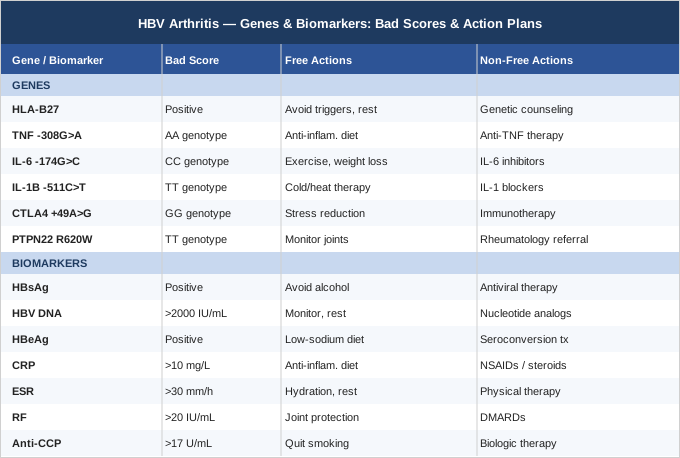
The combination of genetic susceptibility and measurable biomarker patterns tells a much fuller story than either dimension alone. The following summary table consolidates both layers in a single reference.
What Peter Attia's Framework Reveals About Chronic Inflammation
Peter Attia's Outlive: The Science and Art of Longevity (2023) is arguably the most clinically grounded mainstream book on biomarker-driven preventive medicine currently available. While it is not written specifically for hepatitis B patients, its entire framework rests on the same principle that governs HBV arthritis management: chronic inflammation is measurable, modifiable, and central to everything else. The book draws on hundreds of peer-reviewed studies and Attia's clinical practice, and its core arguments translate directly to this condition.
1. Chronic Low-Grade Inflammation Is the Central Driver, Not a Side Effect
Attia frames chronic inflammation as the root accelerator of most preventable disease — not a downstream consequence but an upstream cause. For HBV arthritis, recognizing that joint damage is driven by sustained inflammaging changes the management approach from reactive (treat flares) to proactive (reduce baseline inflammatory load continuously). This is the mental model shift that makes the biomarker tracking above meaningful.
2. hsCRP Above 2 mg/L Is a Signal Worth Acting On Immediately
Attia consistently identifies hsCRP as one of the highest-yield, lowest-cost tests available. In his clinical practice, he targets below 1 mg/L — not just below 10 mg/L. For HBV patients with arthritis, applying this same standard reveals how far above optimal most people in this group are running, even when they feel relatively well.
3. Test Quarterly When Managing Active Inflammatory Disease
Annual testing is insufficient for conditions with fluctuating disease activity. Attia advocates for quarterly biomarker reviews in any patient managing active inflammatory or metabolic disease. For HBV arthritis, this means at minimum viral load, hsCRP, and complement levels every three months — not just at annual hepatology appointments.
4. Metabolic Health Directly Modulates Immune Function
Insulin resistance and poor metabolic health amplify IL-6 and TNF-α production independently of viral status. Attia's emphasis on addressing metabolic health — through exercise, dietary quality, and sleep — is directly applicable because poor metabolic health sustains inflammation even when viral load is well-controlled. Two people with the same HBV viral load and different metabolic health profiles will have dramatically different inflammatory biomarker readings.
5. Zone 2 Cardio Is the Most Evidence-Supported Anti-Inflammatory Exercise
Attia consistently advocates for 150–200 minutes of zone 2 cardio per week — the pace at which you can hold a conversation but are breathing meaningfully — as the single most impactful exercise intervention for systemic inflammation. For HBV arthritis patients, low-impact options like cycling, swimming, or brisk walking preserve joint function while delivering the anti-inflammatory stimulus. This is practical, free, and scales with fitness level.
6. Grip Strength and VO2 Max Predict Inflammatory Resilience
Physical fitness metrics like grip strength and VO2 max are strongly inversely correlated with inflammatory marker levels in population studies. Attia frames building these as building biological resilience. For someone managing HBV-associated joint disease, progressive strength training — with appropriate joint loading — and aerobic capacity building provide measurable and lasting anti-inflammatory protection.
7. Omega-3 Index — Test It Directly Rather Than Guess
Rather than defaulting to a standard fish oil dose, Attia recommends testing the omega-3 index directly (target above 8%). This index measures EPA and DHA incorporation into red blood cell membranes and is available as a home fingerstick test ($50–$100). It removes guesswork from dosing and confirms whether supplementation is actually reaching its target — particularly relevant for HBV patients where inflammatory control is precise.
8. Sleep Deprivation Measurably Elevates Inflammatory Markers Within Days
Attia calls sleep the single most powerful intervention for systemic health — and the data on inflammatory markers supports this. Poor or short sleep increases IL-6, TNF-α, and CRP measurably within days of disruption. For HBV arthritis patients, targeting 7–9 hours of quality sleep with consistent sleep timing and a dark, cool environment is a tier-one anti-inflammatory intervention — not a lifestyle nicety.
9. Alcohol Has No Safe Threshold in Liver Disease
Attia's position on alcohol for anyone with liver-related pathology is unambiguous. Any amount accelerates hepatic injury, amplifies inflammatory signaling, and worsens immune complex burden in HBV patients. Even two drinks per week elevates ALT and undermines antiviral treatment effectiveness. Complete elimination is a real intervention with measurable biomarker impact.
10. Your Personal Data, Not Population Averages, Should Drive Decisions
The central message of Outlive most applicable here: population reference ranges are starting points, not personal targets. The goal is to understand what your numbers mean in your individual context — including your genetics, your viral status, your metabolic health, and your inflammatory baseline. This article's framework is built on exactly that principle.
Additional Approaches Worth Considering
Tai Chi
Tai chi is a slow, meditative movement practice from Chinese martial arts traditions that combines breath, balance, and gentle weight-shifting. For HBV-associated arthritis, it is particularly relevant because it improves joint mobility, proprioception, and balance without the mechanical stress loading of conventional exercise — making it accessible even during periods of active inflammation. It also modulates autonomic nervous system tone, which has downstream effects on inflammatory cytokine production through the cholinergic anti-inflammatory pathway.
A 2016 meta-analysis in PLOS ONE evaluated tai chi specifically in patients with rheumatoid arthritis and found statistically significant reductions in pain, fatigue, and disability scores compared to control groups, with no adverse effects across all included trials. While HBV arthritis is mechanistically distinct from rheumatoid arthritis, the shared pathway of synovial inflammation and cytokine-driven joint damage makes this evidence directly relevant.
A practical protocol: 20–30 minutes of Yang-style tai chi three to five times per week. Beginners can start with structured 12-form sequences available through community programs or online platforms. Avoid sessions during acute joint flares; resume as soon as tolerated. The slow weight-shifting movements are particularly beneficial for knee, hip, and ankle joints commonly affected in HBV arthritis.
Mindfulness-Based Stress Reduction (MBSR)
MBSR is an 8-week structured program combining mindfulness meditation, body scan practice, and gentle movement. Its relevance for HBV arthritis lies in the well-documented relationship between chronic psychological stress and elevated inflammatory cytokines — particularly IL-6 and TNF-α. The HPA axis activation that sustains stress responses directly fuels the same inflammatory signaling that drives joint damage in immune-complex-mediated arthritis.
A 2016 randomized controlled trial in Brain, Behavior, and Immunity found that MBSR produced significant reductions in IL-6 and other inflammatory markers in adults with moderate to high stress, independent of changes in diet or exercise. The effect was clinically meaningful and sustained at 3-month follow-up, suggesting that stress-pathway downregulation has a genuine and lasting impact on inflammatory load.
To apply MBSR practically: the full 8-week program is available through certified instructors, hospital-based programs, and validated online platforms. A simpler starting point is 10–20 minutes of daily body scan meditation. For HBV arthritis patients, the stress-cytokine-joint-inflammation pathway is a real and consistently underaddressed intervention target. MBSR directly and specifically addresses it.
The Autoimmune Protocol (AIP)
Developed by Dr. Sarah Ballantyne, the Autoimmune Protocol (AIP) is a structured dietary elimination and reintroduction framework designed for conditions where immune dysregulation and gut permeability contribute to inflammatory symptoms. Its relevance for HBV-associated arthritis is significant: the condition involves immune complex deposition, complement activation, and chronic systemic inflammation — all pathways modulated by gut barrier integrity and dietary immune triggers.
The protocol eliminates grains, legumes, dairy, eggs, nightshades, nuts, and seeds during the elimination phase, then systematically reintroduces food categories to identify individual immune triggers. A 2017 pilot study in Inflammatory Bowel Diseases found significant clinical improvements in an autoimmune gut condition using this protocol, supporting biological plausibility across immune-mediated conditions more broadly. Direct evidence in HBV arthritis specifically is limited, but the mechanistic rationale is sound, particularly for patients with persistent inflammation despite controlled viral load.
Practically: commit to a strict 30-day elimination phase while tracking joint pain scores, morning stiffness duration, and energy levels daily. Reintroduce one food category every 5–7 days. The protocol requires significant dietary commitment but is free to implement and has helped a meaningful subset of people with immune-mediated joint conditions reduce flare frequency. Pair it with guidance from a registered dietitian familiar with autoimmune nutrition for best results.
Taking the Next Step
HBV-associated arthritis is a condition where more precise information genuinely changes outcomes. Knowing whether your complement levels are low, your viral load is actively driving immune complexes, or a genetic variant is amplifying your inflammatory response gives you and your medical team specific targets rather than vague inflammation to manage collectively.
The most practical next step is to request a targeted biomarker panel at your next hepatologist and rheumatology appointments — specifically asking for quantitative viral load, quantitative HBsAg, complement C3/C4, cryoglobulins, and hsCRP alongside your standard liver enzymes. If you have access to genetic testing, a comprehensive panel covering HLA-DRB1, HLA-B27, STAT4, IL-6, TNF-α, and PTPN22 may explain persistent inflammation in people whose viral load is already controlled. Layer in the lifestyle and evidence-based supplement strategies above — omega-3 fatty acids, Mediterranean diet, zone 2 exercise, and sleep optimization — as foundational support. None of these replace antiviral therapy, but all of them meaningfully reduce the inflammatory burden that drives joint damage over time. Better data, targeted actions, and consistent follow-through is a genuinely achievable path forward.