This article contains AI generated content.
· UpdatedHepatitis C Arthritis Genes And Biomarkers — 5 Genes And 7 Biomarkers To Track
Why Joint Pain in Hepatitis C Is More Specific Than It Looks
Living with hepatitis C and joint pain at the same time puts you in a frustrating gap. Rheumatologists focus on your joints. Hepatologists focus on your liver. Neither always connects the dots in a way that explains why your knuckles ache when your viral load shifts, or why standard arthritis treatments barely move the needle. That disconnect is not a failure of medicine — it reflects how genuinely specific the underlying mechanisms are.
Hepatitis C arthritis is not simply arthritis plus a liver condition. In a significant proportion of cases, the joint damage is driven by immune complexes called cryoglobulins that form in response to the virus and deposit in small vessels and synovial tissue. This viral-immune mechanism means generic anti-inflammatory advice — rest, NSAIDs, turmeric tea — addresses symptoms but rarely the source. What you track and how you understand your own immune response matters far more than the average advice.
Generic blood panels also miss the picture. A standard inflammatory panel may return "elevated CRP" without identifying whether cryoglobulinemia is active, whether complement is being consumed, or whether your liver enzymes are signaling renewed viral activity. Each of those details changes the intervention.
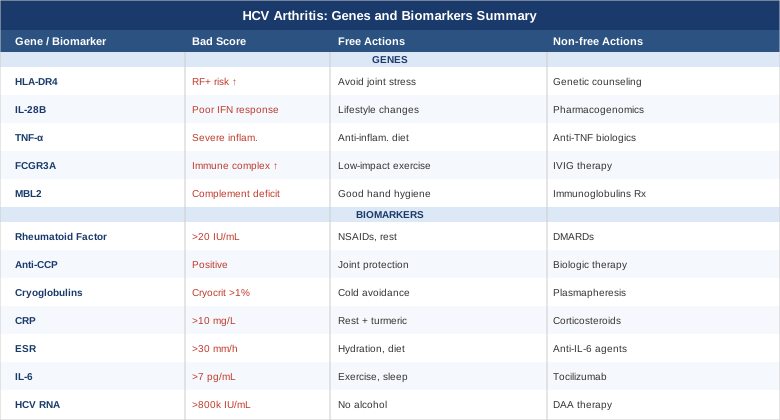
This article takes a sharper approach. The primary section covers seven biomarkers that are directly relevant to HCV-related joint disease — what they mean, how to measure them affordably, and what to do when they are off. A second section examines five genes that shape how the HCV-immune axis affects your joints, including practical actions for each risk variant. A summarized framework from precision medicine research follows, alongside evidence-backed complementary approaches specific to this condition. No miracle claims, no cure promises — just better information for better decisions.
7 Biomarkers to Track When Hepatitis C Is Affecting Your Joints
The biomarkers below are not chosen for general arthritis. They are selected because each one reveals a specific mechanism that drives joint disease in HCV patients. Tracking them together gives a functional picture of what is actually happening in your immune system and joints, rather than just confirming that inflammation is present.
1. Cryoglobulins and Cryocrit
Why it matters: Cryoglobulins are immunoglobulins that precipitate at low temperatures and are found in an estimated 40–55% of chronic HCV patients. In type II mixed cryoglobulinemia — the most common HCV-associated form — these complexes deposit in synovial tissue and small vessels, triggering joint inflammation that mimics rheumatoid arthritis. Joint pain in HCV patients with active cryoglobulinemia is qualitatively different from degenerative arthritis: it tends to be symmetric, migratory, and associated with purpura or fatigue. This biomarker is the closest thing to a root-cause signal for HCV arthritis.
How to measure it: A cryocrit test requires a blood draw with the sample kept at 37°C until it reaches the laboratory — a technical requirement that many standard labs miss. Request the test specifically and confirm the lab protocol. Cost ranges from $50 to $150. A cryocrit above 1% is generally considered clinically significant. The test is often accompanied by serum protein electrophoresis to characterize the immunoglobulin type.
If the score is bad — the plan without supplements: The most effective intervention for cryoglobulinemia in HCV is treatment of the underlying infection with direct-acting antivirals (DAAs). Studies consistently show that achieving sustained virologic response normalizes or significantly reduces cryocrit in the majority of patients. Beyond antiviral treatment, avoid cold exposure that can precipitate cryoglobulin-related symptoms, eliminate alcohol completely (which accelerates liver disease and immune dysregulation), and adopt a low-antigen diet during active phases — reducing highly processed, high-lectin foods that amplify immune complex formation.
If the score is bad — the plan with supplements or equipment: Omega-3 fatty acids at 3–4 g EPA/DHA daily have documented anti-inflammatory effects on immune complex-related inflammation and support the lipid environment of membranes where cryoglobulins interact. Curcumin with piperine (500–1000 mg twice daily) inhibits NF-κB signaling downstream of immune complex activation. Vitamin D3 (target serum level 50–70 ng/mL, typically 2000–5000 IU daily based on testing) modulates B-cell activity, which is directly relevant because type II cryoglobulinemia involves monoclonal B-cell proliferation. Do not use immune-stimulating supplements such as high-dose echinacea or beta-glucans during active cryoglobulinemia — these can worsen immune complex burden.
2. High-Sensitivity C-Reactive Protein (hsCRP)
Why it matters: hsCRP is the most accessible systemic inflammation marker and tracks the degree of acute-phase response across all tissues, including joints. In HCV arthritis, it correlates with joint flare severity and, importantly, responds to treatment. Peter Attia has consistently emphasized that hsCRP should be measured at its most sensitive level (high-sensitivity, not standard CRP) because the difference between 0.3 and 2.0 mg/L is clinically meaningful even though both fall within "normal" on standard panels. For HCV patients, hsCRP above 3 mg/L combined with joint symptoms warrants investigation, not reassurance.
How to measure it: A standard blood draw, available at most labs. Cost: $10–30. Optimal target is below 0.5 mg/L. Values between 1 and 3 mg/L represent moderate risk. Above 3 mg/L is elevated and warrants investigation of active viral or immune activity.
If the score is bad — the plan without supplements: Seven to nine hours of sleep per night is the most consistently documented lifestyle factor for reducing hsCRP — more robust in evidence than most supplement interventions. Mediterranean dietary pattern (olive oil, fatty fish, vegetables, legumes, minimal refined carbohydrates) reduces hsCRP by a clinically meaningful margin within 8–12 weeks in multiple randomized trials. Sustained moderate exercise — 150 minutes per week of Zone 2 cardio — also reduces hsCRP independently of weight loss. Reducing sedentary time matters separately from exercise duration.
If the score is bad — the plan with supplements or equipment: Omega-3 (3 g EPA/DHA, cycling: 12 weeks on, 2 weeks off), curcumin with piperine (500 mg twice daily), magnesium glycinate (300–400 mg before sleep, which also supports sleep quality), and N-acetylcysteine (NAC, 600 mg twice daily — additionally hepatoprotective in HCV context). A continuous glucose monitor worn for 2–4 weeks can reveal which foods are spiking glucose and driving downstream IL-6 and hsCRP — this is one of the highest-value tools recommended in precision medicine frameworks.
3. Rheumatoid Factor (RF)
Why it matters: Rheumatoid factor positivity is found in 50–75% of chronic HCV patients, compared to roughly 5% of the general population. In this context, RF is not always a marker of rheumatoid arthritis — it often reflects polyclonal B-cell activation driven by the virus. However, very high RF titers in HCV are strongly associated with active cryoglobulinemia and predict more severe joint involvement. RF measurement is also valuable diagnostically: it helps confirm a viral-immune mechanism when anti-CCP is negative (see below).
How to measure it: Standard blood test, $15–40. Most labs flag values above 14–20 IU/mL as positive. In HCV context, titers above 100 IU/mL are associated with more significant immune complex activity and warrant further investigation including cryocrit testing.
If the score is bad — the plan without supplements: High RF in HCV context is best addressed by treating the HCV infection. As viral load decreases with DAA therapy, RF titers typically fall in parallel. While awaiting or during HCV treatment, anti-inflammatory dietary patterns and avoiding immune triggers (infections, high psychological stress) are practical steps. If RF remains very high after virologic cure, further rheumatologic evaluation for persistent autoimmune arthritis is warranted.
If the score is bad — the plan with supplements or equipment: No supplement directly reduces RF titers, but reducing the underlying immune stimulus (viral antigen load) is the root intervention. Omega-3, vitamin D3, and curcumin support the immune regulatory environment. If the rheumatologist is considering disease-modifying drugs for persistent RF-positive arthritis post-HCV treatment, note that rituximab (anti-CD20) is effective in type II cryoglobulinemia and acts partly by reducing the B-cell pool responsible for monoclonal RF production — this is a conversation to have with your specialist, not a self-managed intervention.
4. Complement C3 and C4
Why it matters: Complement proteins are consumed during immune complex clearance. In active HCV-associated cryoglobulinemia, C4 is classically low because immune complexes activate the classical complement pathway. Low C4 in an HCV patient with joint symptoms is a near-diagnostic finding for type II mixed cryoglobulinemia. C3 may be mildly reduced as well. Tracking these values over time provides a reliable proxy for immune complex activity — they tend to normalize as HCV treatment reduces viral antigen.
How to measure it: Blood panel testing C3 and C4 together, $30–60. Reference ranges: C3 above 0.90 g/L (90 mg/dL), C4 above 0.16 g/L (16 mg/dL). C4 below 0.10 g/L in an HCV patient with joint pain is a strong signal requiring follow-up.
If the score is bad — the plan without supplements: Direct-acting antivirals are the most potent normalizer of complement consumption in HCV context. Cold avoidance reduces cryoglobulin precipitation and slows complement activation acutely. Intensive anti-inflammatory nutrition reduces the inflammatory environment in which complement-driven tissue damage occurs. For severe hypocomplementemia with vasculitis, short courses of corticosteroids may be medically indicated — this is a specialist decision.
If the score is bad — the plan with supplements or equipment: No supplement directly restores complement levels, but reducing immune complex burden through omega-3, vitamin D3, and curcumin supports the environment. Avoid supplements that strongly activate the complement system (very high-dose elderberry, some immune-stimulating mushroom complexes at pharmacological doses) during periods of active hypocomplementemia. Far-infrared sauna (15–20 minutes, 3–4x per week) supports circulation and reduces cold-sensitive cryoglobulin precipitation in some patients — start slowly and monitor tolerance.
5. Liver Enzymes: ALT and AST
Why it matters: Alanine aminotransferase (ALT) and aspartate aminotransferase (AST) reflect active hepatocellular inflammation. In HCV patients, liver enzyme elevation correlates with ongoing viral replication and liver immune activation — both of which contribute to the systemic inflammatory burden driving joint symptoms. When ALT and AST rise, the viral-immune axis intensifies, and joint flares often follow. Thomas Dayspring and other lipidologists who work closely with Peter Attia note that ALT above 25–30 U/L in women or 35–40 U/L in men is already a signal of hepatic stress worth investigating, not just the traditional ceiling of "normal."
How to measure it: Standard comprehensive metabolic panel, $10–40. Optimal ALT: below 30 U/L (men) and below 25 U/L (women). AST: similar range. An AST/ALT ratio above 2:1 suggests cirrhosis or alcoholic liver disease and changes clinical management significantly.
If the score is bad — the plan without supplements: Eliminate alcohol completely — even moderate amounts accelerate liver inflammation in HCV. A Mediterranean or anti-inflammatory dietary pattern reduces liver fat and inflammation. Regular aerobic exercise (150 minutes per week minimum) reduces liver fat independently of diet. Avoid hepatotoxic over-the-counter medications including high-dose acetaminophen and prolonged NSAID use. Treat HCV with DAAs — normalizing ALT is a primary treatment endpoint.
If the score is bad — the plan with supplements or equipment: Silymarin (milk thistle, standardized to 70–80% silymarin content, 140 mg three times daily) has the most evidence for hepatoprotective effects in chronic liver disease — multiple randomized trials support its use in HCV. NAC (600 mg twice daily) supports glutathione production and hepatocyte protection. Mixed-tocopherol vitamin E (400 IU daily) has shown benefit in non-alcoholic steatohepatitis and may be relevant in HCV-associated liver inflammation, but should be avoided in established cirrhosis. Avoid high-dose iron supplements without testing — iron overload accelerates liver fibrosis in HCV.
6. Anti-CCP Antibodies
Why it matters: Anti-cyclic citrullinated peptide (anti-CCP) antibodies are highly specific for true rheumatoid arthritis. In HCV arthritis, anti-CCP is typically negative even when RF is strongly positive — a pattern that is nearly the reverse of what you see in RA. This distinction is clinically critical because it changes treatment: true RA requires disease-modifying antirheumatic drugs (DMARDs), while HCV arthritis responds best to antiviral therapy. A positive anti-CCP in an HCV patient suggests concurrent RA, which significantly alters management. Many patients with HCV arthritis are incorrectly treated for RA when anti-CCP testing would have changed the diagnosis.
How to measure it: Blood test, $30–80. The test is typically run alongside RF when arthritis is being evaluated. Positive: above 20 U/mL (varies by lab). High-positive (above 100 U/mL) has high specificity for RA regardless of HCV status.
If the score is bad — the plan without supplements: If anti-CCP is negative with joint symptoms in HCV context, the working diagnosis points toward HCV-related mechanism and HCV treatment is the priority. If anti-CCP is unexpectedly positive, referral to a rheumatologist for a formal RA evaluation is the next step — this changes the entire treatment pathway. Do not self-manage a positive anti-CCP in the context of HCV without specialist input, as the immunosuppressive drugs used for RA can worsen HCV if the infection is not controlled.
If the score is bad — the plan with supplements or equipment: No supplement directly lowers anti-CCP titers. The focus shifts to supporting immune regulation: vitamin D3 (2000–5000 IU based on serum testing), omega-3, and gut microbiome support. If rheumatoid arthritis is confirmed alongside HCV, the decision about DMARDs vs. biologic therapy vs. waiting for HCV treatment response requires an experienced specialist — this is not a case for solo supplementation.
7. Interleukin-6 (IL-6)
Why it matters: IL-6 is the central cytokine in HCV-associated joint inflammation. The virus directly stimulates IL-6 production through Toll-like receptor activation, and in cryoglobulinemia, immune complex deposition in joints triggers local IL-6 surges. IL-6 drives joint swelling, synovial proliferation, and the acute-phase response. It is not on standard panels and must be specifically requested, which means many HCV arthritis patients never know whether this pathway is actively elevated. Measuring it provides a direct window into the inflammatory mechanism — and it also responds meaningfully to lifestyle interventions.
How to measure it: Serum IL-6 by ELISA, $80–200, typically available at reference labs. Must be specifically requested. Optimal range: below 7 pg/mL. Values above 15 pg/mL with joint symptoms suggest an actively inflamed synovial environment. Some specialty immunology labs offer a cytokine panel that includes IL-6, IL-1β, and TNF-alpha together, which gives a more complete picture for around $200–400.
If the score is bad — the plan without supplements: Resistance training has a robust, dose-dependent effect on chronically elevated IL-6 — not through acute IL-6 release (which occurs during exercise) but by reducing baseline adipose-derived IL-6 over weeks to months. Three sessions per week of compound resistance exercise is the target. Time-restricted eating (a 16:8 or 14:10 window) reduces IL-6 through reduction in visceral adiposity and mTOR pathway downregulation. Sleep quality is a major IL-6 modulator — each hour of sleep deprivation raises morning IL-6 measurably.
If the score is bad — the plan with supplements or equipment: Omega-3 at 3 g EPA/DHA daily is the most evidence-backed supplement for IL-6 reduction. Curcumin with piperine (500–1000 mg twice daily, cycling every 8 weeks with a 2-week break) inhibits IL-6 gene expression. Resveratrol (150–500 mg daily) has supporting mechanistic and some human data on IL-6 suppression. Magnesium glycinate (300–400 mg at night) independently reduces inflammatory cytokine production and improves sleep quality. A continuous glucose monitor worn for 4 weeks is a practical tool for identifying postprandial glucose spikes that drive IL-6 upward.
The Genetic Landscape: 5 Genes That Shape How HCV Affects Your Joints
Genetics does not determine whether you develop HCV arthritis, but it meaningfully shapes severity, course, and immune response patterns. Two patients with similar viral loads and similar disease duration can have dramatically different joint outcomes — genetic variation in immune regulation accounts for a significant part of that difference. The five genes below have meaningful evidence in HCV or closely related viral-autoimmune contexts.
1. HLA-DRB1 (Human Leukocyte Antigen)
What it does: HLA-DRB1 encodes a major histocompatibility complex protein that determines how the immune system presents viral antigens to T cells. Specific alleles — particularly DRB1*0401 and DRB1*0101 — are associated with a heightened autoimmune response to HCV antigens, increasing susceptibility to joint disease. These same alleles are overrepresented in classical rheumatoid arthritis, which may partly explain why some HCV patients develop an RA-like joint pattern. Testing is available through clinical HLA typing or imputation from consumer genetics data.
If the gene is bad — the plan without supplements: The most actionable step is direct treatment of HCV with DAAs — reducing circulating viral antigen load minimizes the immune presentation that these alleles amplify. Beyond antiviral treatment, a strict anti-inflammatory dietary pattern (removing ultra-processed foods, refined carbohydrates, and pro-inflammatory seed oils) reduces the immune trigger burden. Managing infections aggressively — even minor viral illnesses — is important because cross-reactive immune activation worsens joint inflammation in HLA-DR4-positive individuals. Regular moderate exercise maintains immune homeostasis; avoid overtraining, which triggers pro-inflammatory immune shifts.
If the gene is bad — the plan with supplements or equipment: Vitamin D3 (target serum 25-OH-D of 50–70 ng/mL) directly modulates HLA expression and regulatory T-cell development — the most evidence-based supplement for HLA-associated autoimmune risk. Quercetin (500 mg twice daily) reduces antigen-presenting cell activation. Omega-3 supplementation (3 g EPA/DHA daily, sustained use) shifts the immune environment from Th1 dominance toward better regulatory balance. Frequency: long-term supplementation with periodic testing of 25-OH-D every 3–4 months to dose-adjust.
2. IL6 Gene (rs1800795, -174 G/C)
What it does: The C allele at the -174 promoter position of the IL6 gene is associated with higher basal IL-6 production. In healthy individuals, this variant is associated with slightly elevated baseline inflammatory markers. In HCV patients, where IL-6 is already elevated by viral mechanisms, carrying the C/C genotype amplifies this further — resulting in more intense joint inflammation and a more pronounced acute-phase response. Testing is available through consumer genetic platforms (look for rs1800795 in raw data exports from 23andMe or similar services).
If the gene is bad — the plan without supplements: Resistance exercise three times per week is the most effective chronic IL-6 suppressor at the gene expression level — skeletal muscle contraction generates anti-inflammatory myokines that down-regulate adipose IL-6 signaling. A Mediterranean dietary pattern specifically reduces IL-6 gene expression via epigenetic mechanisms (polyphenols from olive oil and colorful vegetables). Cold water exposure (2–3 minutes of cold shower or cold plunge, 3–4x per week) transiently reduces IL-6 and trains down basal inflammatory tone over weeks. Quality sleep above all else — IL-6 production has a strong circadian component that is disrupted by poor sleep.
If the gene is bad — the plan with supplements or equipment: Omega-3 at 3 g EPA/DHA daily (cycling: 12 weeks on, 2 weeks off — some research suggests continuous use blunts receptor sensitivity over very long periods). Curcumin with piperine at 500 mg twice daily — targets NF-κB and AP-1, both upstream of IL-6 transcription. Quercetin 500 mg twice daily reduces toll-like receptor signaling that feeds into IL-6 production. Resveratrol 150–500 mg daily has human evidence for IL-6 gene expression downregulation. A continuous glucose monitor for 4 weeks helps identify the dietary sources of IL-6 spikes that are most significant for this specific person.
3. TNF-α -308 G/A (rs1800629)
What it does: The A allele at position -308 of the TNF-alpha promoter is associated with significantly higher TNF-alpha production in response to immune stimulation. TNF-alpha is a primary driver of synovial inflammation and joint destruction. In HCV, this variant is associated with more severe cryoglobulinemia and worse joint outcomes. It also interacts with IL6 gene variants — carrying both risk alleles places a patient at substantially higher risk of severe HCV arthritis. The A allele is found in approximately 26% of Europeans and is readily identifiable through consumer genetics.
If the gene is bad — the plan without supplements: Intermittent fasting (16:8 protocol) has documented TNF-alpha reducing effects through AMPK activation and adipose tissue modulation. Aerobic exercise above 150 minutes per week suppresses TNF-alpha at baseline — this effect is strongest with consistent Zone 2 training (conversational pace, heart rate zone 2 by Karvonen formula). Reducing visceral fat is particularly important for this gene variant because visceral adipocytes are a major TNF-alpha source. Stress management matters: cortisol co-activates TNF-alpha pathways, making psychological stress management a direct anti-inflammatory intervention here.
If the gene is bad — the plan with supplements or equipment: Omega-3 at 3–4 g EPA/DHA daily (most consistent TNF-alpha suppressor in supplement research). Boswellia serrata standardized to AKBA (acetyl-11-keto-β-boswellic acid), 100 mg three times daily, inhibits TNF-alpha via 5-LOX pathway. Melatonin 1–3 mg at night has documented TNF-alpha suppressing effects and is underutilized in inflammatory arthritis contexts. Curcumin with piperine at 1 g twice daily. Side effects to monitor: boswellia can cause mild GI upset in some; cycling every 8 weeks is advisable. None of these replaces medical evaluation if joint damage is progressing.
4. FCGR2A (rs1801274, His131Arg)
What it does: FCGR2A encodes Fc gamma receptor IIA, which is responsible for clearing immune complexes — including cryoglobulins — from circulation. The Arg/Arg genotype (131R/R) significantly impairs immune complex phagocytosis compared to His/His carriers. In HCV patients with cryoglobulinemia, this means cryoglobulins persist longer in circulation and deposit more extensively in joints, vessels, and kidneys. This is a functionally important variant that explains why some HCV patients develop severe cryoglobulinemia while others with similar viral loads remain asymptomatic. Testable through consumer genetics (look for rs1801274 in raw data).
If the gene is bad — the plan without supplements: Because impaired Fc receptor function cannot be directly corrected through lifestyle, the priority shifts to reducing immune complex production — which means treating the underlying HCV infection with DAAs as the primary goal. A low-antigen dietary approach during flares (removing high-lectin grains, nightshades, and high-antigen dairy) reduces the immune complex production burden. Keeping warm — especially hands, feet, and joints — is important because cryoglobulin precipitation is temperature-dependent, and impaired clearance makes precipitation particularly damaging in this genotype. Avoiding infections that spike immune complex production is also important.
If the gene is bad — the plan with supplements or equipment: No supplement reverses Fc receptor function, but several reduce the upstream burden of immune complex formation. Omega-3 at 3 g daily, vitamin D3 (supporting regulatory B-cell function), and curcumin are the reasonable choices. Far-infrared sauna (20 minutes, 3–4x per week at 40–50°C) supports peripheral circulation and may reduce symptomatic cryoglobulin precipitation without triggering immune activation. Monitor tolerance carefully and discontinue if symptoms worsen.
5. PTPN22 (rs2476601, R620W)
What it does: PTPN22 encodes a protein tyrosine phosphatase that regulates T-cell and B-cell receptor signaling. The 620W variant (rs2476601 A allele) is one of the strongest general autoimmune risk variants known — associated with type 1 diabetes, RA, lupus, and several other autoimmune conditions. In the HCV context, this variant amplifies the autoimmune component of joint disease, increasing the likelihood that initial viral-immune arthritis will evolve toward a persistent autoimmune pattern even after viral clearance. Approximately 8–10% of Europeans carry one copy; testing is available via consumer genetics or clinical autoimmune panels.
If the gene is bad — the plan without supplements: Regulatory T-cell (Treg) function is particularly important for PTPN22 risk carriers, as the variant impairs Treg signaling. Exercise (moderate aerobic exercise in particular) expands Treg populations. Sleep is the most consistent Treg-supporting intervention available without prescription. Stress management through any evidence-based method (MBSR, breathing practices) reduces cortisol-mediated Treg suppression. Eliminating gut-permeability drivers (gluten sensitivity in susceptible individuals, ultra-processed food patterns) is relevant because intestinal permeability is a documented amplifier of autoimmune pathways in PTPN22 risk carriers.
If the gene is bad — the plan with supplements or equipment: Vitamin D3 is the most important supplement for PTPN22 risk: target serum 50–70 ng/mL (not just "sufficient"); vitamin D directly supports Treg differentiation and suppresses the autoimmune-amplifying effects of this variant. Zinc (15–30 mg daily with food) and selenium (100–200 mcg daily — do not exceed) support regulatory immune function. Omega-3 at 3 g daily. Cycling: vitamin D is used long-term with quarterly monitoring; zinc and selenium should be cycled (8–12 weeks on, 4 weeks off) to avoid accumulation. Avoid very high-dose immune stimulants (high-dose astragalus, large-dose mushroom beta-glucans) in PTPN22 risk carriers, as uncontrolled immune activation can worsen the autoimmune trajectory.
10 Precision Medicine Insights That Most Doctors Don't Discuss About Inflammatory Disease
Outlive: The Science and Art of Longevity by Peter Attia, MD, is not an HCV book — but its framework for tracking and intervening on inflammatory biomarkers decades before disease becomes irreversible is directly applicable to chronic viral-driven arthritis. Attia draws on thousands of patient cases and extensive research across cardiovascular medicine, oncology, and metabolic health. The insights below are adapted to the HCV arthritis context, but the underlying principles come directly from his approach to what he calls "Medicine 3.0."
1. Track Before You Feel: Inflammation Causes Damage Years Before Symptoms
Attia's central thesis is that waiting for symptoms to appear before measuring biomarkers is a strategy for managing disease after damage is done. In HCV arthritis, this means measuring hsCRP, cryoglobulins, and IL-6 while joints still feel manageable — not only after significant disability. Earlier tracking enables earlier intervention.
2. Zone 2 Exercise Is the Most Powerful Anti-Inflammatory Drug Without a Prescription
Attia repeatedly describes Zone 2 cardio (roughly 60–70% of max heart rate, where you can speak in broken sentences) as foundational to metabolic and inflammatory health. In chronic inflammatory conditions, consistent Zone 2 training — four sessions per week, 45 minutes each — reduces baseline IL-6, hsCRP, and TNF-alpha more reliably than most supplements. It also increases mitochondrial density in tissues including synovial cells.
3. Sleep Architecture Matters More Than Sleep Duration for Inflammation
Attia cites research showing that even one night of poor sleep (under 6 hours) raises hsCRP and IL-6 the following morning. In a chronic inflammatory condition like HCV arthritis, the compounding effect of consistently poor sleep can maintain inflammatory markers at elevated levels regardless of diet or supplementation. Deep sleep stages are when inflammatory cleanup occurs.
4. Visceral Fat Is the Hidden Inflammatory Organ
Visceral adipose tissue secretes TNF-alpha, IL-6, and other pro-inflammatory cytokines continuously. Attia emphasizes that DEXA body composition testing — not BMI or scale weight — is the relevant measure. A patient with "normal" BMI can carry enough visceral fat to drive systemic inflammation. For HCV arthritis patients, reducing visceral fat (primarily through diet and Zone 2 exercise) removes a constant inflammatory driver.
5. Glucose Spikes Drive Inflammatory Cytokine Production Directly
Every significant postprandial glucose spike is followed by IL-6 and TNF-alpha elevation. Attia recommends continuous glucose monitoring for at least 4 weeks to identify individual food responses — the same meal affects different people very differently. For HCV patients, postprandial glucose dysregulation directly amplifies the viral-immune inflammatory loop. White rice, fruit juice, and refined carbohydrates are common hidden drivers.
6. Omega-3 to Omega-6 Ratio, Not Total Intake, Is the Relevant Metric
Attia notes that the average Western diet has an omega-6 to omega-3 ratio of 15:1 to 20:1. The anti-inflammatory target is closer to 4:1. Supplementing omega-3 without reducing omega-6 (seed oils, processed food) has limited effect. This reframes the supplementation question: the dietary baseline matters as much as what is added.
7. Hormetic Stress Trains Down Baseline Inflammation
Brief, controlled exposure to physiological stressors — cold, heat (sauna), exercise intensity — triggers adaptive responses that reduce baseline inflammatory tone. The mechanism involves heat shock protein upregulation, AMPK activation, and improved mitochondrial efficiency. Two to three sauna sessions per week (15–20 minutes at 80–100°C) have documented reductions in CRP in several Finnish cohort studies.
8. VO2 Max Is the Single Strongest Predictor of Long-Term Health Outcomes
Higher cardiovascular fitness is inversely correlated with all-cause mortality — more strongly than any single biomarker. In inflammatory arthritis, higher VO2 max predicts better functional outcomes and lower inflammatory burden. Attia recommends targeting the top quartile for your age and sex, which for most people means deliberate, progressive training beyond casual walking.
9. Early Structural Testing Reveals Damage That Biomarkers Miss
Attia advocates for early imaging in at-risk populations — coronary CT for cardiac risk, for example. The parallel in HCV arthritis is high-resolution joint ultrasound, which can detect synovial inflammation and early erosions before X-rays show changes. By the time X-ray changes appear, significant structural damage is often already present. Early ultrasound-guided decisions change treatment timelines.
10. Polypharmacy Risks Compound in Chronic Conditions — Simplify First
Attia is consistently critical of reflexively adding interventions without removing the root drivers. For HCV arthritis, this means treating the viral infection with DAAs before escalating to immunosuppressive drugs for the joint disease. Addressing the root cause often eliminates the need for the downstream interventions that carry significant side-effect profiles.
Complementary Approaches With Meaningful Evidence for HCV Arthritis
The Autoimmune Protocol (AIP) by Sarah Ballantyne
The Autoimmune Protocol, developed by Sarah Ballantyne PhD and described in The Paleo Approach, is a structured dietary and lifestyle elimination framework designed specifically for autoimmune conditions. For HCV arthritis, its relevance is direct: the condition involves aberrant immune activation, B-cell dysregulation, and immune complex formation — all of which have gut-mediated components. The AIP removes dietary antigens (grains, legumes, nightshades, eggs, dairy, nuts, seeds, alcohol, NSAIDS) that may trigger intestinal permeability and subsequent autoimmune activation, while reintroducing them systematically to identify individual triggers.
A 2017 clinical trial published in Inflammatory Bowel Diseases demonstrated clinically meaningful improvement in inflammatory bowel disease patients following the AIP, with significant reductions in CRP and endoscopic inflammation scores. While this trial specifically studied IBD, the underlying mechanism — reducing gut-derived immune activation — is relevant to systemic autoimmune arthritis. Ballantyne's framework has since been applied across a broad range of autoimmune conditions with patient-reported improvements in joint symptoms, and a 2019 feasibility study on Hashimoto's thyroiditis further supported its anti-inflammatory effects.
For HCV arthritis, the practical protocol involves a strict 30–60 day elimination phase, followed by systematic reintroductions every 5–7 days while monitoring joint symptoms and inflammatory biomarkers. The elimination phase removes the most common dietary immune triggers simultaneously, creating a clean baseline. Important caution: the protocol is nutritionally demanding and requires careful planning to avoid deficiencies; working with a registered dietitian familiar with AIP is recommended for the elimination phase.
Mindfulness-Based Stress Reduction (MBSR)
MBSR, the structured 8-week program developed by Jon Kabat-Zinn at the University of Massachusetts, has become one of the best-studied mind-body interventions for chronic inflammatory conditions. Its relevance for HCV arthritis is twofold: psychological stress directly activates the HPA axis and raises cortisol, which in turn amplifies TNF-alpha and IL-6 production. Managing the stress component of a chronic viral-inflammatory condition is not merely quality-of-life management — it is a biochemical intervention.
A 2016 meta-analysis published in Brain, Behavior, and Immunity found that MBSR produced significant reductions in inflammatory biomarkers across multiple chronic conditions, with the largest effects on IL-6. A separate randomized trial in rheumatoid arthritis patients found that 8 weeks of MBSR reduced self-reported pain and improved mood without adverse effects. The effect on IL-6 specifically makes MBSR a potentially meaningful adjunct for HCV arthritis, where IL-6 is a central inflammatory driver.
Practically, the full 8-week MBSR program involves weekly 2.5-hour group sessions, a full-day silent retreat, and daily home practice of 45 minutes. For HCV arthritis, even an abbreviated home-based protocol — 20 minutes of guided body scan or breath-focused meditation daily — has shown measurable effects on stress biomarkers at 6–8 weeks. Free and low-cost resources (apps, YouTube-guided sessions based on the Kabat-Zinn protocol) make this accessible. Begin with 10 minutes daily and build gradually.
Tai Chi for Joint Function and Inflammation
Tai chi is a low-impact mind-body movement practice that combines slow, coordinated movements with breathing and mental focus. Its relevance for HCV arthritis is well-suited: it provides joint-range-of-motion maintenance and gentle loading without the impact stress that can aggravate inflamed joints. The parasympathetic activation generated by tai chi also suppresses stress-driven inflammatory signaling. The practice requires no equipment, has an extremely low injury rate, and can be adapted for patients with limited mobility.
A 2013 Cochrane review on tai chi for rheumatoid arthritis concluded that it safely improved lower limb muscle function and walking speed, and a 2020 meta-analysis in Rheumatology International found improvements in pain, physical function, and quality of life across inflammatory arthritis populations. Mechanistically, tai chi reduces cortisol and raises DHEA, which shifts the inflammatory balance in a favorable direction.
A practical starting protocol for HCV arthritis: three sessions per week of 20–30 minutes, using a beginner Yang-style program. Many community centers, YMCAs, and YouTube channels offer free beginner-level programs. The key is consistency over intensity — daily 15-minute sessions provide more benefit than occasional longer ones. Monitor joint symptoms during the first two to three weeks; if acute inflammation is present, reduce session intensity to gentle standing movements only.
Microbiome-Directed Therapies
The gut-liver-joint axis is increasingly recognized as a central pathway in HCV-related immune dysregulation. HCV directly alters the gut microbiome composition, reducing protective species such as Bifidobacterium and Faecalibacterium prausnitzii while allowing expansion of pro-inflammatory taxa. Intestinal permeability in HCV allows microbial products (LPS, flagellin) to enter portal circulation, driving hepatic and systemic inflammation. Restoring microbiome diversity and barrier integrity is a mechanistic intervention, not merely a wellness trend.
A 2021 study published in Gut described significant microbiome disruption in HCV patients compared to healthy controls, with restoration of microbial diversity correlating with improved inflammatory markers after DAA treatment. Separately, F. prausnitzii abundance inversely correlates with systemic IL-6 levels in multiple studies, providing a specific mechanistic link between microbiome composition and the inflammatory cytokine most relevant to HCV arthritis.
Practical microbiome-directed interventions for HCV arthritis: a high-fiber, plant-diverse diet (aim for 30 different plant foods per week) as the primary driver of microbiome diversity. Fermented foods (plain kefir, unsweetened yogurt, kimchi, sauerkraut) introduce beneficial taxa and reduce gut permeability markers. A targeted probiotic with Lactobacillus rhamnosus GG or Bifidobacterium longum BB536 strains (research-backed specific strains, not generic blends) may be useful for 8–12 weeks. Avoid prolonged antibiotic use except when medically necessary, as it compounds the dysbiosis that HCV itself causes.
Low-Level Laser Therapy (Photobiomodulation)
Low-level laser therapy (LLLT), also called photobiomodulation, uses specific wavelengths of red or near-infrared light to stimulate cellular energy production (via cytochrome c oxidase in mitochondria), reduce local inflammation, and support tissue repair. In joint disease, it has a practical mechanism: inflamed synovial tissue has impaired mitochondrial function, and photobiomodulation directly addresses this. Treatment can be applied to specific joints without systemic effects, making it relevant for localized joint involvement.
A 2005 Cochrane review on LLLT for rheumatoid arthritis found that compared to placebo, LLLT reduced pain by a clinically meaningful margin (pain VAS reduction ~70%) and improved morning stiffness, with a favorable safety profile. A 2019 meta-analysis in Pain Medicine supported LLLT for musculoskeletal pain more broadly. Evidence is strongest for small joint involvement (hands, wrists) — which matches the typical joint distribution of HCV-related arthritis.
For practical application, home-use near-infrared panels or devices (630–850 nm range) are available for $150–500 and allow regular joint-targeted treatment. Protocol: 10–15 minutes per affected joint, three to four times per week. The key variables are wavelength (near-infrared at 810–850 nm penetrates joint tissue better than red light alone), power density (10–50 mW/cm²), and consistency. Clinical devices in physiotherapy settings ($50–100 per session) are more precisely calibrated. Start conservatively, as occasional initial symptom flaring has been reported in active inflammation — reduce frequency rather than abandoning treatment.
Taking the Next Smart Step
Hepatitis C arthritis is a condition with identifiable mechanisms, trackable biomarkers, and actionable interventions — but only if you look beyond generic anti-inflammatory advice. The seven biomarkers covered here — cryoglobulins, hsCRP, rheumatoid factor, complement C3/C4, liver enzymes, anti-CCP, and IL-6 — collectively map the specific immune and viral drivers of your joint disease. The five genes — HLA-DRB1, IL6, TNF-α, FCGR2A, and PTPN22 — explain why severity varies so widely between individuals and which pathways deserve the most attention.
No supplement, protocol, or lifestyle change replaces HCV treatment with direct-acting antivirals. Achieving sustained virologic response is still the most effective single intervention for HCV-related arthritis — it reduces cryoglobulinemia, normalizes complement, lowers RF, and removes the primary immune driver. Everything else in this article works alongside that, not instead of it.
The most useful next step is usually the simplest: request a targeted panel (hsCRP, cryocrit, complement C3/C4, RF, anti-CCP, liver enzymes, and vitamin D) at your next appointment. Review the results with a specialist who understands both hepatology and rheumatology. Then decide which of these strategies — starting with the foundational ones like sleep, Zone 2 exercise, and an anti-inflammatory dietary pattern — is most practical to implement first. Better information almost always leads to a better path forward.
Musculoskeletal: Joint Conditions
Digestive: Liver & Gallbladder Conditions
Autoimmune: Inflammatory Conditions
Infectious: Viral Infections