This article contains AI generated content.
· UpdatedHerpes Zoster: 6 Genes And 7 Biomarkers To Track
Introduction
If you have been through a shingles outbreak, you already know it is not the minor inconvenience it is sometimes described as. The burning rash, the hypersensitive skin, the exhaustion — and for roughly one in five people, the nerve pain that lingers for months or even years afterward as postherpetic neuralgia. What is less often discussed is that the varicella-zoster virus responsible for shingles never actually leaves your body. After a childhood case of chickenpox, VZV retreats into the dorsal root ganglia of the spinal cord and the trigeminal ganglia of the skull, where it waits — sometimes for decades — for a window of immune vulnerability to open.
That window is the key variable. Whether VZV stays dormant or reactivates is not purely a matter of age or bad luck. It depends on a measurable immune surveillance system — specific T cells, natural killer cells, and a set of inflammatory and endocrine markers — that either holds the virus in check or allows it to break through. The same logic applies to postherpetic neuralgia: whether pain persists after the rash clears is shaped in part by genetic variants in pain-sensing and anti-inflammatory pathways that differ meaningfully between individuals.
Standard advice — reduce stress, exercise, eat well, maybe get the Shingrix vaccine — is correct but too coarse to act on for most people. It does not tell you which immune marker is most likely to be suboptimal in your case, or whether your nerve pain risk is amplified by a specific gene variant that a consumer DNA test can identify. Knowing the specific levers available to your biology is what turns general recommendations into a plan that actually fits your situation.
This article takes a more targeted approach. The first section covers seven measurable biomarkers that map directly to VZV reactivation risk and PHN severity, each with a practical protocol based on where your numbers fall. The second section explores six gene variants with meaningful human evidence for shingles susceptibility or pain outcomes. A third section distils what stress neuroscience and sleep research specifically reveal about VZV immune surveillance. Finally, a complementary section reviews evidence-based modalities with clinical data for this condition. None of this replaces medical care — but better information creates better decisions.
Summary
The varicella-zoster virus does not cause shingles randomly — it reactivates when your immune system's guard drops below a threshold. Seven measurable biomarkers can show you exactly where that threshold stands right now: from VZV-specific T-cell immunity (the primary defense against reactivation that most doctors never test) to your cortisol pattern, vitamin D status, and NK cell activity. Most can be tested at standard labs for under $100, and each has a clear intervention pathway whether or not you use supplements.
Beyond what you can measure, six gene variants shape the deeper architecture of your risk: how well your innate immune system detects VZV, how vigorously it produces interferons, and — most critically for long-term outcomes — how sensitive your peripheral nerves are to the inflammation that causes postherpetic neuralgia. TRPV1, SCN9A, and IL-10 variants can explain why two people with outbreaks that look identical on day one end up with very different pain outcomes six months later.
The sections that follow also cover what the latest sleep and stress neuroscience research reveals about VZV immune surveillance — insights that most clinical consultations never reach. And for those already managing PHN or nerve sensitivity, five evidence-based complementary modalities are reviewed with specific protocols and honest notes on where the evidence is strong and where it is still building.
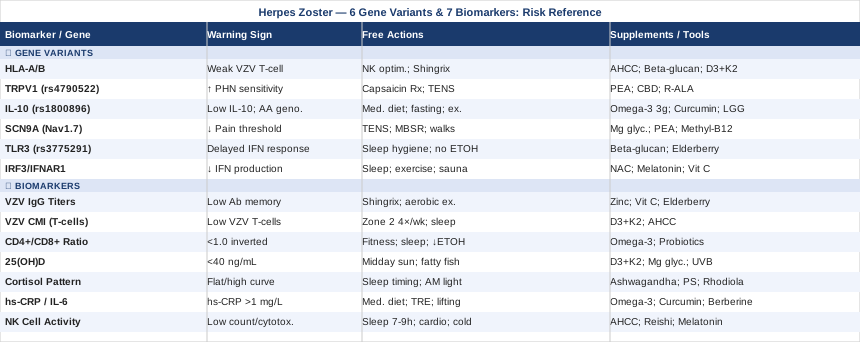
7 Biomarkers to Track for Herpes Zoster
The fundamental biology of herpes zoster is an immune surveillance problem. VZV establishes latency in sensory neurons and is periodically contained by a coordinated immune response involving antibodies, T cells, and innate immune cells. When that surveillance drops — due to aging, chronic stress, nutritional deficiency, or immune-modifying illness — the virus can replicate and migrate toward the skin. The seven biomarkers below map the most critical checkpoints in that surveillance system.
Biomarker 1: VZV-Specific IgG Antibody Titers
Why it matters: VZV-specific IgG antibodies represent the memory arm of humoral immunity. While cellular immunity is the primary barrier against reactivation, antibody titers are an accessible proxy for overall immune memory to VZV and are the standard marker used to assess vaccine effectiveness. Very low titers suggest broader immune waning. Titers decline with age and accelerate in immunocompromised individuals — the same population most vulnerable to severe shingles.
How to measure it: Standard ELISA-based serology available at most commercial labs (Quest, LabCorp). Cost: $50–150 out of pocket. Results are reported in mIU/mL or as an index value against a lab reference range. Note that post-Shingrix titers are 30–40 times higher than titers from natural varicella infection, so the reference context matters significantly when interpreting results. See Oxman et al. (2005) NEJM — foundational Shingles Prevention Study data.
If the score is low: the plan without supplements
The most impactful non-supplement intervention for low VZV IgG is completing the Shingrix vaccination series if not already done (two doses, two to six months apart). Shingrix produces antibody titers roughly 30–40 times higher than natural infection and maintains over 90% efficacy even in adults over 70. Beyond vaccination, regular moderate-intensity aerobic exercise — four sessions per week at 60–70% of maximum heart rate for 45 minutes — supports B-cell longevity and immunological memory consolidation, as documented in immunosenescence research. Prioritizing 7–9 hours of consistent sleep nightly anchors the antibody response by supporting plasma cell survival.
If the score is low: the plan with supplements or equipment
Zinc picolinate or bisglycinate: 15–30mg per day with food. Zinc is essential for B-cell maturation and immunoglobulin synthesis. If taking more than 25mg daily long-term, pair with 1–2mg copper to prevent depletion. Frequency: daily, ongoing. Cycling: none required at these doses. Side effects: mild GI discomfort if taken on an empty stomach; nausea above 40mg.
Vitamin C: 500–1000mg per day in divided doses. Supports immunoglobulin synthesis and protects immune cells from oxidative deactivation. Frequency: daily. Cycling: none required. Side effects: loose stools above 2g per day; use buffered form if GI-sensitive.
Elderberry extract (standardized to flavonoids): 500mg per day during high-risk periods — winter, post-illness, periods of elevated stress. Cycling: use seasonally; 3 months on, 1 month off. Avoid continuous year-round use and avoid in autoimmune conditions. Side effects: generally well-tolerated; unprocessed elderberry can cause GI distress — only use standardized extracts.
Biomarker 2: VZV-Specific Cell-Mediated Immunity (CMI)
Why it matters: VZV-specific CD4+ and CD8+ T cells are the primary immune defense against reactivation. Antibodies cannot prevent VZV from emerging from neurons — only T cells can detect and destroy VZV-infected cells before the virus reaches the skin. VZV-specific CMI declines significantly after age 50, a process called immunosenescence, and this is the main biological reason shingles incidence rises sharply in older adults. Research by Levin MJ and colleagues has consistently shown VZV CMI is a more accurate predictor of reactivation risk than IgG titers alone. Shingrix was specifically engineered to boost VZV CMI — it produces a twofold increase in VZV-specific CD4+ T cells via the AS01B adjuvant system. See PubMed — Levin MJ on VZV T-cell immunity and aging.
How to measure it: Requires a specialized immunology lab capable of ELISPOT assay or intracellular cytokine staining. Not available at standard commercial labs. Academic medical centers and reference labs such as ARUP or Labcorp Specialty Testing can perform lymphocyte transformation tests or VZV-specific T-cell quantification. Cost: $200–500. Most appropriate if you have had a recent outbreak, are on immunosuppressive therapy, or want a detailed immune profile before and after lifestyle interventions.
If the score is low: the plan without supplements
Aerobic exercise is the most evidence-backed non-pharmacological intervention for boosting VZV CMI. Levin et al. demonstrated that a three-month cardiorespiratory fitness program raised VZV-specific T-cell responses in sedentary older adults to levels comparable to younger controls — a finding with direct implications for the Shingrix era. The protocol: zone 2 cardio at conversational pace, 45+ minutes, four to five times per week. Sleep optimization is equally critical — deep slow-wave sleep is the primary window during which T-cell memory consolidation occurs, and even two nights of short sleep measurably reduces T-cell function. Sustained cortisol elevation from chronic stress directly suppresses T-cell proliferation, making stress management a non-optional component of this plan.
If the score is low: the plan with supplements or equipment
Vitamin D3 + K2: 3000–5000 IU D3 plus 100mcg MK-7 K2 daily with a fatty meal. VDR (vitamin D receptor) signaling is required for T-cell activation and clonal expansion. Target serum 25(OH)D: 40–60 ng/mL. Frequency: daily. Cycling: none required. Side effects: rare at these doses; K2 is included to prevent calcium dysregulation with long-term D3; retest in 90 days.
AHCC (Active Hexose Correlated Compound): 3g per day for the first three months as a loading phase, then 1g per day for maintenance. AHCC is a standardized shiitake mushroom extract with published RCT data showing improvement in T-cell and NK cell activity. Frequency: daily on an empty stomach. Cycling: three-month induction, then ongoing maintenance. Side effects: generally well-tolerated; mild GI effects possible in some individuals.
Biomarker 3: CD4+/CD8+ T-Cell Ratio and Lymphocyte Subsets
Why it matters: The ratio of CD4+ helper T cells to CD8+ cytotoxic T cells reflects overall immune homeostasis. An inverted or low CD4/CD8 ratio (below 1.0) — sometimes called the "immune risk phenotype" — has been associated with more frequent herpesvirus reactivation in aging adults, independent of HIV status. In older adults, chronic cytomegalovirus (CMV) infection is the most common driver of ratio inversion, as it forces massive CMV-specific CD8+ T-cell expansion that crowds out other immune responses. Total lymphocyte count also serves as a simple measure of overall immune reserve.
How to measure it: Standard flow cytometry lymphocyte panel via blood draw. Available at most commercial labs. Cost: $100–300 depending on panel depth. A basic CD4/CD8 ratio panel is often covered by insurance with clinical justification. More comprehensive lymphocyte subset panels can be ordered by immunologists or integrative medicine physicians and provide CD16+CD56+ NK cell counts as an additional data point.
If the score is abnormal: the plan without supplements
Cardiovascular fitness is the most consistent predictor of healthy CD4/CD8 ratios in aging populations. Regular moderate-intensity exercise — not overtraining — maintains immune subset diversity; overtraining has the opposite effect, transiently suppressing T-cell counts. Consistent 7–9 hours of sleep with fixed timing prevents the nocturnal T-cell count depletion that chronic sleep irregularity causes. Alcohol is a direct lymphocyte suppressor — reducing or eliminating it has measurable CD4+ count effects within four to six weeks. Ask your physician about testing for active CMV (IgM), which is the most common modifiable driver of ratio inversion.
If the score is abnormal: the plan with supplements or equipment
Omega-3 fish oil: 2–3g EPA+DHA per day with meals. Omega-3 fatty acids modulate T-lymphocyte function and reduce the chronic low-grade inflammation that drives immune subset aging. Frequency: daily. Cycling: none required. Side effects: mild anticoagulant effect at high doses; fishy aftertaste reduced by enteric-coated forms; reduce to 1g if on anticoagulant medications.
Probiotics (Lactobacillus rhamnosus GG or a multi-strain formula including Bifidobacterium longum): 20–50 billion CFU per day with breakfast. Gut microbiome diversity correlates with peripheral lymphocyte subset health through the gut-immune axis. Frequency: daily. Cycling: 3-month cycles with a one-week break between cycles. Side effects: initial bloating in some individuals, typically resolves within two weeks.
Biomarker 4: 25-Hydroxyvitamin D [25(OH)D]
Why it matters: Vitamin D receptor (VDR) is expressed on virtually every immune cell — T cells, B cells, NK cells, dendritic cells, and macrophages. VDR signaling is required for the activation, differentiation, and functional response of these cells in antiviral defense. Epidemiological research consistently links vitamin D deficiency to increased herpes zoster incidence and severity. A large body of indexed research supports a mechanistically plausible causal role. Peter Attia and Thomas Dayspring both emphasize that the optimal functional target is 40–60 ng/mL (100–150 nmol/L) — substantially above the conventional "sufficient" cutoff of 20 ng/mL, which reflects bone health thresholds rather than immune function thresholds.
How to measure it: A standard 25-hydroxyvitamin D blood test, requested specifically as "25-OH vitamin D total." Cost: $30–80 out of pocket; frequently covered by insurance. Retest every 90 days after starting supplementation to titrate to the 40–60 ng/mL target. Do not order 1,25-dihydroxyvitamin D (calcitriol) for this purpose — it is a different, hormonally regulated form with different clinical interpretation.
If the score is low: the plan without supplements
Midday sun exposure: 15–30 minutes on arms and legs between 10am and 2pm, without sunscreen on those areas, produces 10,000–20,000 IU of vitamin D3 in fair-skinned individuals. This is not feasible year-round in northern latitudes but should be maximized in spring and summer months. Dietary sources with the highest D3 content: wild-caught salmon, sardines, mackerel (three times per week), whole eggs, and beef liver provide meaningful but modest D3 and D2 amounts.
If the score is low: the plan with supplements or equipment
Vitamin D3 + K2: 2000–5000 IU D3 with 100–200mcg MK-7 K2 per day, taken with the largest fatty meal of the day. K2 directs calcium to bone and away from soft tissue — an important safety consideration for long-term D3 supplementation. Frequency: daily. Cycling: none required; this is a chronic supplementation strategy. Side effects: toxicity is rare below 10,000 IU per day long-term; monitor calcium if maintaining doses above 5000 IU. Retest 25(OH)D at 90 days and adjust dose to maintain target range.
Magnesium glycinate or malate: 300–400mg at night. Magnesium is required for vitamin D activation (conversion to 1,25-dihydroxyvitamin D in kidney and immune cells). Many people supplementing D3 are concurrently magnesium-depleted, which limits D3 effectiveness. Frequency: daily. Cycling: none required. Side effects: loose stools at high doses; glycinate form minimizes this.
UVB lamp (Sperti or medical-grade equivalent): A practical option for northern latitudes during winter months. 3–5 minutes of full-body exposure at arm's length, three times per week. Cost: $200–400 for the device. Follow manufacturer guidelines carefully to avoid erythema. This approach simultaneously addresses vitamin D deficiency and provides the additional circadian benefits of UV exposure.
Biomarker 5: Cortisol — Diurnal Pattern
Why it matters: The link between psychological stress and herpes zoster reactivation is among the best-established in clinical psychoneuroimmunology. Cortisol, the primary glucocorticoid, directly suppresses VZV-specific T-cell proliferation, reduces NK cell cytotoxicity, and impairs interferon-gamma production — the cytokine most responsible for keeping VZV latent. Critically, it is not just elevated peak cortisol that matters but the diurnal pattern: a blunted cortisol awakening response (CAR) combined with persistently elevated evening cortisol — the "flat and high" profile of chronic stress — is more immune-suppressive than acute stress responses. See PubMed research on cortisol dysregulation and VZV reactivation.
How to measure it: - Morning serum cortisol drawn at 8am: ~$30–50. Useful screen but does not capture the diurnal pattern. - 4-point salivary cortisol (waking, 30 minutes post-waking, noon, 10pm): $80–150 via specialty mail-in labs (ZRT, Genova). Captures the full diurnal curve and the CAR amplitude. - DUTCH Complete test (dried urine + saliva): provides the most comprehensive view of cortisol metabolites, CAR, sex hormone context, and cortisol clearance rate. Cost: $300–400. Recommended when a full hormonal picture is relevant alongside immune markers.
If the score is abnormal: the plan without supplements
Sleep timing consistency is the most powerful intervention for restoring a healthy CAR — maintaining sleep and wake times within a 30-minute window every day, including weekends, anchors the HPA axis rhythm. Morning outdoor bright light within 30–60 minutes of waking amplifies the natural cortisol peak and primes immune tissue for the day — 5–10 minutes outdoors is sufficient, even on overcast days. Cyclic sighing (double inhale through the nose followed by a long exhale through the mouth), practiced for five minutes daily, was shown in a Stanford RCT to reduce anxiety more effectively than box breathing or mindfulness meditation, with measurable HRV improvement. Cold shower endings (30–60 seconds cold water) train the HPA axis response and reduce cortisol reactivity over weeks.
If the score is abnormal: the plan with supplements or equipment
Ashwagandha KSM-66: 300–600mg per day. Multiple RCTs document 15–30% reductions in serum cortisol with this specific extract. Morning or evening dosing depending on the product formulation. Frequency: daily. Cycling: 8 weeks on, 2 weeks off to prevent downregulation. Side effects: drowsiness in some individuals (take at night if this occurs); possible thyroid stimulation — avoid if hyperthyroid or on thyroid medication without physician oversight; rare liver enzyme elevation with very high doses.
Phosphatidylserine (PS): 400mg per day in the evening. Blunts exercise-induced and stress-induced cortisol elevation; one of the more directly evidence-backed cortisol-modulating supplements. Frequency: daily. Cycling: none required. Side effects: generally well-tolerated; possible mild blood-thinning at high doses.
Rhodiola rosea (standardized to 3% rosavins, 1% salidroside): 250–500mg per day, taken in the morning. Adaptogenic HPA axis modulator with evidence for reducing burnout-related cortisol dysregulation. Frequency: morning, before breakfast. Cycling: 8 weeks on, 2 weeks off. Side effects: may cause insomnia if taken after noon in sensitive individuals; stimulating rather than sedating — note this distinction relative to ashwagandha.
HRV biofeedback device (HeartMath Inner Balance, EmWave2): 15–20 minutes daily, preferably in the morning. Multiple RCTs document HRV biofeedback reducing cortisol and improving HPA axis regulation over four to eight weeks. Cost: $100–200 for device; no ongoing cost. No cycling needed; daily practice is the protocol.
Biomarker 6: High-Sensitivity CRP and IL-6
Why it matters: Systemic inflammation at the time of VZV reactivation is a strong predictor of both disease severity and the development of postherpetic neuralgia. IL-6, a pro-inflammatory cytokine, plays a direct role in the central sensitization of pain pathways — the neurological process by which acute nerve inflammation is converted into the chronic, burning PHN experience. High-sensitivity CRP (hs-CRP) is the most accessible surrogate for background inflammatory load; chronically elevated hs-CRP above 1.0 mg/L reflects a pro-inflammatory state that amplifies VZV-associated nerve damage. Peter Attia consistently identifies hs-CRP and IL-6 as among the most clinically meaningful markers of immune aging and long-term disease risk.
How to measure it: - hs-CRP: standard blood test, $20–50, available at any commercial lab. Specify "high-sensitivity CRP" — standard CRP lacks resolution at clinically relevant low values. Optimal target: below 0.5 mg/L; acceptable below 1.0 mg/L. - IL-6: $50–100, not included in standard panels. Request specifically through your physician, or through a comprehensive inflammatory panel at Quest Diagnostics or LabCorp.
If the score is elevated: the plan without supplements
A Mediterranean-pattern diet — rich in extra-virgin olive oil, fatty fish, colorful vegetables, legumes, and nuts, with minimal refined carbohydrates and seed oils — consistently reduces hs-CRP by 30–40% in clinical trials within 12 weeks. Resistance training two to three times per week (compound movements at meaningful intensity) produces anti-inflammatory effects through IL-6 release from exercising muscle, which then stimulates IL-10 production. Time-restricted eating within a 10-hour window reduces circulating IL-6 and CRP independent of caloric intake within four weeks in clinical trials. Moving from six to seven hours of sleep nightly measurably reduces both markers over four to six weeks.
If the score is elevated: the plan with supplements or equipment
Omega-3 fish oil: 2–3g EPA+DHA per day with meals. Robust meta-analytic evidence for reduction in both hs-CRP and IL-6. Frequency: daily. Cycling: none required; this is a chronic intervention. Side effects: mild anticoagulant effect at doses above 3g; use enteric-coated form for tolerability; reduce to 1g daily if on anticoagulant medications.
Curcumin phytosome (Meriva) or curcumin + piperine: 500–1000mg per day. Downregulates NF-κB, the master transcription factor driving IL-6 and other pro-inflammatory cytokines. Frequency: daily with food. Cycling: 6–8 weeks on, 2 weeks off to avoid sustained NF-κB suppression. Side effects: may increase bleeding risk with anticoagulants; avoid at high doses in active gallbladder disease; may cause GI discomfort in sensitive individuals.
Berberine: 500mg with meals, one to three times per day depending on response. Anti-inflammatory through AMPK activation, with secondary reduction in IL-6 and TNF-alpha. Frequency: with meals. Cycling: 8 weeks on, 2 weeks off. Side effects: initial GI discomfort, constipation or loose stools; drug interactions via CYP2D6 — check with your pharmacist if on multiple medications.
Biomarker 7: NK Cell Count and Activity
Why it matters: Natural killer cells are the immune system's first responders to VZV reactivation. Unlike T cells, which require prior antigen sensitization and several days to mount a response, NK cells detect and destroy VZV-infected neurons and skin cells within hours — before the adaptive immune system can even engage. Low NK cell count or activity has been consistently linked to more frequent herpesvirus reactivation and worse outcomes in PHN. NK cell activity also declines with age, chronic stress, and poor sleep — three factors that frequently converge in the populations most affected by shingles. See PubMed research on NK cells and VZV.
How to measure it: Two levels of testing: - NK cell enumeration (CD16+CD56+ lymphocytes as percentage of total lymphocytes): standard flow cytometry, $150–250. Measures quantity but not function. - NK cell activity assay (cytotoxicity against K562 target cells): specialty labs including ARUP and Labcorp Specialty. Cost: $200–400. Measures functional killing capacity — more clinically informative than count alone, particularly for aging individuals where NK cells may be present but functionally exhausted.
If the score is low: the plan without supplements
Sleep quality is the single most impactful lever for NK cell activity. Research documented by Matthew Walker shows that one night of sleep restricted to four hours reduces NK cell activity by approximately 70% — an effect recoverable within two to three nights of full sleep. Consistent 7–9 hours of quality sleep is therefore the non-negotiable foundation of any NK cell recovery strategy. Aerobic exercise — particularly a combination of zone 2 sessions and short HIIT intervals — mobilizes NK cells from the spleen and bone marrow and increases their cytotoxic activity acutely. Cold exposure: ending showers with 30–60 seconds of cold water, or brief cold water immersion (15°C/59°F for two to three minutes), acutely increases circulating NK cell counts through norepinephrine-mediated mobilization from lymphoid tissue. Aim for three to five exposures per week.
If the score is low: the plan with supplements or equipment
AHCC: 3g per day (empty stomach) for three months as a loading phase, then 1g per day for maintenance. The most specifically studied supplement for NK cell activity enhancement, with multiple peer-reviewed randomized studies. Frequency: daily on empty stomach. Cycling: three-month induction, then continuous maintenance. Side effects: well-tolerated; mild GI effects in some individuals.
Reishi mushroom extract (Ganoderma lucidum): 1–2g per day of a standardized extract. Polysaccharides and triterpenes activate NK cells and support NK-mediated cytotoxicity. Frequency: daily. Cycling: 8 weeks on, 2 weeks off. Side effects: possible mild GI upset; mild anticoagulant properties — avoid in the two weeks before surgery.
Melatonin (low dose): 0.3–1mg, 30 minutes before bed. Melatonin activates NK cells via MT1/MT2 receptors expressed on lymphocytes and upregulates NK cell IL-2 responsiveness. Low doses are more physiological than the common 5–10mg sold commercially. Frequency: nightly. Cycling: none required at physiological doses. Side effects: morning grogginess if dose exceeds 1mg; start at 0.3mg and titrate. Higher doses may suppress endogenous melatonin over time.
6 Key Gene Variants for Herpes Zoster Susceptibility and Pain
Genetics does not determine destiny in the context of herpes zoster, but it sets the default thresholds. The six gene variants below represent the most clinically relevant for understanding individual risk — from how efficiently your innate immune system detects VZV at the earliest stage of reactivation to how your peripheral nerves process and amplify pain after an outbreak. Consumer DNA testing (23andMe raw data, interpreted through SNPedia or a practitioner-facing genomics tool) covers most of these SNPs without requiring a clinical genetics referral.
Gene 1: HLA-A and HLA-B (MHC Class I Alleles)
What this gene does: The human leukocyte antigen (HLA) system is the molecular machinery that presents VZV peptide fragments to CD8+ cytotoxic T cells. Different HLA alleles bind different VZV peptides with different efficiency — meaning that HLA profile determines, in part, how broad and how strong the VZV-specific CD8+ T-cell response can be. Certain alleles such as HLA-A*02:01 (present in roughly 45% of people of European ancestry) are associated with strong VZV-specific CD8+ responses. Individuals with less favorable HLA allele combinations for VZV peptide presentation have fewer effective T-cell epitopes to work with. HLA Class II alleles also influence whether the immune response to VZV tilts toward resolution or toward immunopathological nerve damage. See PubMed research on HLA and VZV T-cell immunity.
If this gene variant is unfavorable: the plan without supplements
For individuals with less HLA-efficient VZV recognition, the compensatory strategy is to maximize the arms of immunity that are not HLA-restricted. NK cell immunity does not require HLA-mediated antigen presentation — NK cells recognize VZV-infected cells through alternative activating receptors (NKG2D, NKp46) and can partially compensate for suboptimal CD8+ T-cell coverage. The NK cell optimization protocol (sleep, zone 2 exercise, cold exposure from Biomarker 7) is therefore specifically prioritized here. The Shingrix vaccine is particularly important for this HLA context because AS01B adjuvant drives VZV-specific CD4+ T-helper cell responses — which can assist and amplify CD8+ responses even when HLA-restricted epitope recognition is partial.
If this gene variant is unfavorable: the plan with supplements or equipment
AHCC: 3g per day loading for three months, then 1g per day. NK cell enhancement is the primary goal. As above. Side effects: well-tolerated.
Beta-1,3/1,6-glucan: 500mg per day from purified yeast or oat source. Activates NK cells and macrophages through Dectin-1 receptor independently of HLA-restricted T-cell pathways. Frequency: daily. Cycling: none required. Side effects: extremely well-tolerated; no significant drug interactions.
Vitamin D3 + K2: as detailed in Biomarker 4 — VDR signaling enhances NK cell activation and cytotoxicity through a mechanism that does not depend on HLA-restricted antigen presentation. Dose and cycling as above.
Gene 2: TRPV1 (Transient Receptor Potential Vanilloid 1)
What this gene does: TRPV1 is the capsaicin-sensitive receptor expressed on peripheral nociceptors — specifically the C-fibers and Aδ-fibers that VZV infects and travels through during reactivation. TRPV1 is a primary determinant of pain signal amplification during and after nerve inflammation. Gain-of-function TRPV1 variants (including rs4790522 and rs8065080) increase receptor sensitivity, lower the threshold for pain activation, and have been associated with higher postherpetic neuralgia risk and intensity in genetic association studies. During VZV reactivation, inflammatory mediators including prostaglandins and bradykinin act partly through TRPV1 — meaning individuals with upregulated TRPV1 channels experience more severe pain from the same amount of nerve inflammation. See PubMed research on TRPV1 and postherpetic neuralgia.
If this gene variant is unfavorable: the plan without supplements
Topical capsaicin 8% patch (Qutenza) is the counterintuitive first-line intervention: by flooding TRPV1 with saturating concentrations of its strongest agonist, the receptor is temporarily defunctionalized (desensitized) — reducing its sensitivity for weeks to months. This is a clinical procedure requiring application by a healthcare provider under topical cooling; it is FDA-approved for postherpetic neuralgia. One treatment session effects last approximately three months. TENS therapy (transcutaneous electrical nerve stimulation, 80–100 Hz, 30 minutes twice daily) modulates nociceptor excitability at the spinal gate level without receptor-specific pharmacology. Mindfulness-based pain management reduces the perceived intensity of TRPV1-mediated pain signals through top-down cortical inhibition — a mechanism distinct from any peripheral intervention.
If this gene variant is unfavorable: the plan with supplements or equipment
PEA (palmitoylethanolamide): 600mg twice per day. PEA downregulates TRPV1 expression and sensitization by activating PPAR-α receptors in nociceptive neurons, reducing the channel's responsiveness to inflammatory mediators. Multiple RCTs support its use in neuropathic pain conditions. Frequency: twice daily. Cycling: none required for chronic pain management. Side effects: excellent tolerability; no significant drug interactions documented.
CBD oil (broad spectrum, sublingual): 20–50mg per day. CBD allosterically inhibits TRPV1 activity, shifting the dose-response curve for channel activation. Some human evidence for neuropathic pain. Frequency: daily, titrate to effect. Cycling: a two-week break every two to three months helps gauge baseline. Side effects: mild drowsiness; possible CYP450 drug interactions — discuss with your prescribing physician if on other medications.
Alpha-lipoic acid (R-ALA): 600mg per day. Reduces oxidative sensitization of TRPV1 channels in peripheral neurons. The R-form is preferred for bioavailability. Frequency: daily, with food. Cycling: none required. Side effects: rare hypoglycemia in diabetics; generally well-tolerated.
Gene 3: IL-10 Promoter Variant (rs1800896)
What this gene does: Interleukin-10 (IL-10) is the immune system's primary anti-inflammatory brake. During VZV reactivation, IL-10 is secreted by regulatory T cells and macrophages to limit nerve inflammation and prevent immunopathological damage — the mechanism that converts acute shingles into persistent PHN. The −1082 A/G polymorphism (rs1800896) in the IL-10 promoter is among the most studied cytokine SNPs: the AA genotype is associated with low IL-10 production, while the GG genotype produces high anti-inflammatory levels. Low IL-10 producers have reduced capacity to suppress VZV-driven nerve inflammation, which corresponds to higher PHN risk and longer duration of nerve pain. Human studies directly linking IL-10 promoter variants to PHN severity outcomes have been published in rheumatology and neurology journals. See PubMed — IL-10 polymorphism and postherpetic neuralgia.
If this gene variant is unfavorable: the plan without supplements
Low IL-10 producers benefit most from an aggressively anti-inflammatory lifestyle. A Mediterranean or polyphenol-rich diet consistently raises IL-10 production in clinical trials — not a metaphorical benefit but a cytokine measurement change. Regular moderate aerobic exercise increases IL-10 secretion from exercising muscle and from regulatory T cells in the hours post-exercise; this effect accumulates over weeks of consistent training. Avoiding chronic sleep deprivation is critical: sleep loss shifts the cytokine balance markedly toward pro-inflammatory IL-6 and TNF-alpha while specifically suppressing IL-10 expression. Intermittent fasting protocols (16:8 or 5:2) upregulate IL-10 expression through AMPK and SIRT1 pathways within four weeks.
If this gene variant is unfavorable: the plan with supplements or equipment
High-dose omega-3 fish oil: 3–4g EPA+DHA per day. EPA and DHA are direct precursors to specialized pro-resolving mediators (resolvins, protectins) that upregulate IL-10 production and promote immune resolution. Frequency: daily with meals. Cycling: none required. Side effects: anticoagulant risk at doses above 4g — discuss with physician if on blood thinners.
Lactobacillus rhamnosus GG: 10–20 billion CFU per day. Gut-derived Lactobacillus strains induce IL-10 production in regulatory T cells via TLR2 signaling in the intestinal epithelium. Frequency: daily with breakfast. Cycling: 3-month cycles with a one-week break. Side effects: initial bloating possible; very well-tolerated overall.
Curcumin phytosome (Meriva): 500mg twice per day. Indirectly promotes IL-10 dominance by suppressing NF-κB-driven IL-6 and TNF-alpha, allowing the cytokine environment to shift toward resolution. Frequency: twice daily with food. Cycling: 6–8 weeks on, 2 weeks off. Side effects: mild anticoagulant effect; avoid in active gallbladder disease; GI discomfort in sensitive individuals.
Gene 4: SCN9A (Nav1.7 Voltage-Gated Sodium Channel)
What this gene does: SCN9A encodes Nav1.7, a voltage-gated sodium channel expressed almost exclusively in peripheral pain-sensing neurons (nociceptors). Nav1.7 controls the threshold at which a nociceptor fires in response to stimulation — it is essentially the volume knob on peripheral pain signals. Gain-of-function SCN9A variants lower the firing threshold, making nociceptors chronically more excitable. Genome-wide association studies for chronic pain phenotypes have flagged SCN9A as a risk locus, and mechanistic evidence strongly supports a role in PHN susceptibility. Individuals with excitatory SCN9A variants may transition more readily from acute VZV nerve inflammation to persistent PHN because their nociceptors have already been primed to fire more easily — even after the virus returns to latency.
If this gene variant is unfavorable: the plan without supplements
TENS therapy (80–100 Hz, 30 minutes twice daily) reduces nociceptor excitability through spinal gate modulation and has clinical trial evidence for PHN pain reduction. The full 8-week MBSR protocol has RCT evidence for reducing chronic neuropathic pain intensity through top-down cortical inhibition of spinal cord pain processing — specifically targeting the central sensitization that SCN9A gain-of-function variants facilitate. Low-intensity daily aerobic exercise (30-minute walks) reduces central sensitization by improving descending inhibitory pain control; overtraining worsens central sensitization and should be avoided in this context.
If this gene variant is unfavorable: the plan with supplements or equipment
Magnesium glycinate: 400–500mg at night. Magnesium stabilizes sodium channel gating kinetics and is a natural NMDA receptor antagonist — both mechanisms directly reduce neuronal excitability. Most adults are subclinically magnesium-depleted, making this a high-yield intervention. Frequency: nightly. Cycling: none required. Side effects: loose stools at high doses; glycinate form minimizes this substantially.
PEA (palmitoylethanolamide): 600mg twice per day. Reduces nociceptor firing threshold via PPAR-α and downregulation of pro-excitatory mast cell mediators near sensory neurons. Frequency: twice daily. Cycling: none required. Side effects: minimal; no significant drug interactions.
Methylcobalamin (B12): 1000–5000mcg per day, sublingual. High-dose methylcobalamin supports myelin repair and axonal regeneration in damaged peripheral neurons. Frequency: daily. Cycling: none required. Side effects: generally very safe; may theoretically mask folate deficiency at very high doses — combine with a methylfolate-containing supplement.
Alpha-lipoic acid (R-ALA): 600mg per day. Reduces oxidative sensitization of Nav1.7 channels in peripheral neurons and supports mitochondrial function in damaged nerve tissue. Frequency: daily with food. Side effects: as above — monitor blood sugar in diabetics.
Gene 5: TLR3 (Toll-Like Receptor 3) — rs3775291
What this gene does: TLR3 is the innate immune sensor for double-stranded RNA — the molecular signature of replicating DNA and RNA viruses, including VZV. When TLR3 detects dsRNA, it triggers a signaling cascade producing type I interferons (IFN-α and IFN-β) — the earliest antiviral alarm signal in the body. TLR3 loss-of-function variants, including the P554S variant associated with rs3775291, impair this early warning system. Landmark work by Jean-Laurent Casanova's group at Rockefeller University identified TLR3 deficiency as a cause of herpes simplex encephalitis in otherwise immunocompetent individuals, establishing TLR3's non-redundant role in controlling herpesviridae. In herpes zoster, TLR3 variants are associated with higher viral loads during reactivation because the innate interferon response is delayed. See Casanova group research on TLR3 and herpesvirus control.
If this gene variant is unfavorable: the plan without supplements
The most critical intervention for TLR3-variant carriers is maximizing sleep quality. Type I interferon production peaks during deep slow-wave sleep — a window directly compressed by sleep restriction, alcohol, blue light exposure, and late-night eating. A strict sleep hygiene protocol (consistent bedtimes, blackout curtains, room temperature 65–68°F, no alcohol within three hours of sleep) is foundational and non-negotiable for this gene profile. Avoiding prolonged immunosuppressive drug use is particularly important for TLR3 carriers, who have less innate antiviral redundancy than individuals with fully functional TLR3. Minimizing chronic alcohol consumption — which directly impairs TLR3 signaling and type I IFN production — is specifically relevant here beyond general health advice.
If this gene variant is unfavorable: the plan with supplements or equipment
Beta-1,3/1,6-glucan: 500mg per day. Activates NK cells and macrophages through Dectin-1 and CR3 receptors — pathways that partially bypass the impaired TLR3 step to stimulate innate antiviral defenses through alternative routes. Frequency: daily. Cycling: none required. Side effects: extremely well-tolerated.
Elderberry extract: 500mg per day during high-risk periods. Standardized Sambucus nigra flavonoids support antiviral innate defenses through interferon-independent signaling pathways relevant when TLR3-driven IFN is impaired. Frequency: daily during high-risk periods. Cycling: 3 months on, 1 month off seasonally. Side effects: well-tolerated; avoid during autoimmune flares.
Lactoferrin: 300mg per day. Iron-binding glycoprotein with direct antiviral properties and innate immune-stimulating activity at mucosal surfaces; has demonstrated antiviral effects against several herpesviridae in vitro with some human supportive evidence. Frequency: daily. Cycling: 3-month cycles. Side effects: generally safe; possible mild GI effects.
Gene 6: IRF3 and IFNAR1 (Interferon Regulatory Factor 3 / IFN-Alpha Receptor)
What this gene does: IRF3 is the master transcription factor that converts TLR3 signaling into actual type I interferon gene expression. IFNAR1 encodes the receptor through which cells respond to secreted IFN-α and IFN-β — meaning it controls how sensitively cells read the antiviral alarm. Together, these proteins form the core of the early antiviral interferon circuit. Variants that reduce IRF3 transcriptional activity or IFNAR1 receptor sensitivity impair both the production and reception of the interferon signal — allowing VZV to replicate longer and more extensively before adaptive immunity engages. The consequence is a higher viral load, more severe acute disease, and a greater burden of nerve damage predisposing to PHN. See PubMed — IRF3 interferon pathway and herpesvirus susceptibility.
If this gene variant is unfavorable: the plan without supplements
Sleep quality is even more consequential for IRF3-variant carriers than the average person because type I interferon production is circadian — it peaks during the first half of the night in deep slow-wave sleep stages. Any disruption to early sleep architecture (blue light exposure, alcohol, late eating, irregular timing) directly compresses the window of peak interferon output. Regular moderate exercise upregulates IRF3 expression and maintains IFNAR1 signaling sensitivity in peripheral immune cells. Heat exposure (sauna) at 80°C/176°F for 15–20 minutes, three to four sessions per week, upregulates heat shock proteins that assist viral protein degradation pathways and may potentiate innate immune signaling upstream of IRF3. Evidence for this mechanism is primarily from mechanistic studies; direct PHN-specific clinical trials have not been conducted, but the overlap with established immune biology is meaningful.
If this gene variant is unfavorable: the plan with supplements or equipment
NAC (N-acetylcysteine): 600mg twice per day. NAC replenishes intracellular glutathione, which is depleted during viral replication and is required for optimal IRF3 redox-sensitive activation. Frequency: twice daily. Cycling: none required. Side effects: possible GI upset; avoid in asthma if sensitive to sulfur-containing compounds; very well-tolerated overall.
Melatonin (low dose): 0.3–1mg before bed. Beyond circadian regulation, melatonin has documented antiviral and immunomodulatory properties — it upregulates IFN-γ and supports interferon pathway gene expression via MT receptor signaling. Frequency: nightly. Cycling: none required at physiological doses (below 1mg). Side effects: keep dose low; pharmacological doses above 3mg may suppress endogenous melatonin production over time.
Vitamin C (liposomal): 1000–2000mg per day. Cofactor for multiple immune enzyme systems; protects interferon-producing cells from the oxidative deactivation that accompanies viral replication. Frequency: daily. Cycling: none at these doses. Side effects: loose stools above 3g per day; liposomal form improves absorption and tolerability.
Zinc bisglycinate: 15–25mg per day with food. Required for IRF3 protein stability and function at the transcription factor level. Frequency: daily with food. Cycling: none required; pair with 1–2mg copper if taking more than 20mg long-term. Side effects: nausea if taken without food.
What the Science of Stress and Sleep Reveals About VZV Reactivation
Andrew Huberman's podcast has synthesized peer-reviewed research on stress, immunity, and sleep in ways that are directly applicable to VZV surveillance — presenting a framework most clinical consultations about shingles never reach. The core insight across these episodes is that herpes zoster is, at its fundamental level, an immune surveillance failure, and the most powerful tools for maintaining that surveillance are behavioral, not pharmacological. Below are the ten most impactful findings from this body of work applied specifically to VZV biology.
1. Duration of Stress Matters More Than Intensity
Short acute stressors lasting 30–90 minutes can transiently enhance NK cell deployment and neutrophil activity — the immune system preparing for physical challenge. It is chronic sustained stress lasting weeks to months that specifically suppresses VZV-specific T-cell populations and is consistently associated with reactivation in prospective studies. The practical distinction is that the goal is not to eliminate all stress responses but to prevent the HPA axis from entering a sustained low-grade activation state as its baseline.
2. One Night of Short Sleep Undoes Weeks of Immune Investment
Research referenced extensively by Huberman from Matthew Walker's laboratory shows that a single night of four-hour sleep reduces NK cell activity by approximately 70%. National Cancer Institute data further document that sleeping six hours per night for one week produces immune suppression comparable to moderate immune compromise. For VZV, the implication is unambiguous: no supplement protocol and no lifestyle optimization compensates for chronic short sleep. Sleep is the non-negotiable prerequisite for every other strategy in this article.
3. Cold Exposure Has a Specific Quantifiable NK Cell Effect
Cold water immersion at 15–17°C for two to three minutes produces acute mobilization of NK cells from the spleen and bone marrow. The mechanism involves norepinephrine release acting directly on NK cell surface receptors. The minimum effective weekly dose, synthesized from available research by Huberman, appears to be approximately 11 minutes of total cold water exposure per week across multiple sessions — enough to produce measurable changes in circulating NK cell counts and NK cell activation markers.
4. Morning Light Is an Immune Priming Signal
The cortisol awakening response (CAR) — the natural cortisol spike in the first 30–45 minutes after waking — does not only serve as a wake-up mechanism. It primes lymph node activity and immune tissue responsiveness for the entire day. Disrupting the CAR through erratic sleep timing, immediate phone screen exposure, or absence of morning light blunts this immune-priming window. Direct bright outdoor light (not through glass) for 5–10 minutes within 30–60 minutes of waking is the most reliable method for anchoring a healthy CAR amplitude — and by extension, healthy daily immune tone.
5. Zone 2 Cardio Is the Closest Available Anti-Immunosenescence Tool
Zone 2 cardio (conversational pace, 45+ minutes, four times per week) is the intervention with the broadest positive effect across every immune marker discussed in this article. In the VZV context, it preserves T-cell telomere length, reduces the proportion of exhausted and senescent T cells, and directly increases VZV-specific T-cell responses in aging populations. Research by Levin et al. found that a structured exercise program in older adults produced VZV CMI improvements comparable in magnitude to the older Zostavax vaccine — a striking benchmark for a non-pharmacological intervention.
6. Nasal Breathing Provides a Passive Antiviral Defense
Nasal breathing generates 15–20 times more nitric oxide (NO) than mouth breathing. Nitric oxide has direct antiviral activity against enveloped viruses — the category that includes all herpesviruses — at the mucosal epithelium. Habitual nasal breathing during exercise (nose breathing throughout), sleep (nasal dilator strips or mouth tape), and rest maximizes this passive barrier. The clinical translation to VZV specifically has not been tested in an RCT, but the mechanistic basis is well-established and the cost is zero.
7. Social Connection Is a Measurable Immune Intervention
John Cacioppo's research, frequently cited by Huberman, demonstrates that loneliness activates the conserved transcriptional response to adversity (CTRA) — a gene expression program that upregulates inflammatory cytokines and specifically downregulates antiviral interferon genes within days of social isolation onset. For VZV, this means chronic loneliness directly impairs the interferon pathway that keeps the virus latent. Building and maintaining meaningful social relationships is, in this framing, not motivational advice — it is a literal antiviral and anti-inflammatory intervention.
8. Time-Restricted Eating Targets the Inflammatory Biomarkers Most Relevant to PHN
A 10-hour eating window (starting with breakfast, not skipping breakfast) reduces IL-6 and hs-CRP within four weeks in clinical trials, independent of any change in total caloric intake. For individuals with elevated inflammatory biomarkers — the profile most strongly associated with severe shingles and PHN — time-restricted eating is one of the most accessible and rapid tools available for reducing the inflammatory load that amplifies nerve damage during and after VZV reactivation.
9. Cyclic Sighing Modulates Cortisol Faster Than Meditation
A 2023 Stanford RCT directly compared cyclic sighing, mindfulness meditation, and box breathing across a month of daily five-minute practice. Cyclic sighing — two nasal inhales followed by a long oral exhale — produced the greatest sustained reduction in anxiety and the largest improvement in heart rate variability of the three protocols. HRV improvements track directly with cortisol regulation and NK cell activity, making cyclic sighing one of the most specifically evidence-backed daily behavioral tools for maintaining VZV immune surveillance through HPA axis stabilization.
10. Sauna Frequency Correlates with Infection Resistance
Four or more sauna sessions per week at 80°C/176°F for 20 minutes each induce robust heat shock protein (HSP) expression. HSPs support viral protein degradation pathways and have been shown to enhance innate immune signaling. A large Finnish cohort study found high sauna frequency correlating with significantly reduced risk of respiratory infections. Direct VZV-specific clinical trial data are limited, but the immune mechanisms overlap meaningfully with VZV antiviral biology. This is biologically plausible supportive evidence — not established clinical practice for VZV specifically, but a reasonable addition to the broader behavioral stack for individuals who tolerate heat well.
Evidence-Based Complementary Approaches
Several non-pharmacological modalities have meaningful clinical evidence for either reducing VZV reactivation risk (through immune or stress pathways) or managing postherpetic neuralgia. The five approaches below were selected specifically for their relevance to herpes zoster biology and their level of human clinical evidence.
Mindfulness Meditation and MBSR
Mindfulness-based stress reduction is directly relevant to herpes zoster because psychological stress is among the most consistently documented triggers of VZV reactivation. The MBSR protocol — developed by Jon Kabat-Zinn at the University of Massachusetts Medical School and extensively studied in clinical populations — is an 8-week structured program combining body scan meditation, sitting meditation, and gentle movement practice. It targets exactly the sustained HPA axis dysregulation — elevated evening cortisol, blunted CAR, low HRV — that is most immune-suppressive for VZV surveillance.
Remarkably, a randomized controlled trial by Irwin et al. investigated MBSR specifically for its effects on VZV-specific immunity in older adults. The study found that the mindfulness intervention significantly increased VZV-specific memory T-cell responses compared to a health education control — one of the few psychoneuroimmunology studies to directly measure VZV CMI as an outcome. This makes MBSR uniquely evidence-positioned for this specific condition. See PubMed — mindfulness and VZV-specific immunity.
Practically: Complete the standard 8-week MBSR course (available through online structured programs or in-person courses). After the structured program, maintain a daily 15–20-minute practice. For PHN pain specifically, supplement MBSR with a mindfulness-based cognitive therapy (MBCT) focus that addresses pain catastrophizing — one of the strongest psychological predictors of PHN chronicity beyond the biological factors covered here.
Low-Level Laser Therapy and Photobiomodulation
Low-level laser therapy (LLLT) and photobiomodulation (PBM) use red and near-infrared light wavelengths (600–900 nm) to stimulate mitochondrial function and reduce neuroinflammation in peripheral nerve tissue. In postherpetic neuralgia, this mechanism addresses the damaged dorsal root ganglion neurons — which have impaired mitochondrial ATP production, elevated oxidative stress, and sensitized nociceptors — more directly than most systemic interventions. PBM has been shown in research settings to promote axonal regeneration, reduce local neuroinflammatory cytokines, and desensitize TRPV1 nociceptors in peripheral nerve tissue.
Multiple small RCTs and prospective studies have demonstrated meaningful pain reduction in PHN with LLLT. Parameters used in clinical trials typically include 780–830 nm wavelength, 30–50 mW/cm², and 3–4 J/cm² per treatment point applied along the affected dermatome, three times per week for four to six weeks. See PubMed — LLLT for postherpetic neuralgia clinical trials. Evidence is promising but limited by study size; results appear most consistent when treatment begins early in the post-herpetic phase.
Practically: Clinical LLLT for PHN is typically performed by physiotherapists or pain clinicians with Class III/IV laser devices at $60–120 per session. Consumer-grade red light panels (Joovv or equivalent) operate at lower power but can be applied at home over affected dermatomes for longer durations (10–15 minutes per session, once to twice daily) as a supportive approach. Combination with prescription topical analgesics (lidocaine, or low-dose capsaicin) is clinically reasonable and may have additive effect. Begin as early as possible in the post-acute phase.
Breathing-Based Therapies
Structured breathing interventions act on the autonomic nervous system through two mechanisms that are directly relevant to herpes zoster: reduction of HPA axis-driven cortisol secretion (which suppresses VZV-specific T-cell immunity) and direct modulation of vagal tone (which regulates inflammatory cytokine release through the cholinergic anti-inflammatory pathway). Both pathways are clinically meaningful for VZV surveillance and PHN inflammatory management.
The most studied immune-relevant breathing protocol combines slow diaphragmatic breathing at five to six breath cycles per minute with extended exhalation (inhale four seconds, exhale six to eight seconds). This pattern maximally engages vagal tone and has been shown in multiple trials to measurably reduce plasma IL-6 and TNF-alpha. Zaccaro et al. published a systematic review in Frontiers in Human Neuroscience documenting the autonomic effects of slow breathing across 15 controlled studies. The cyclic sighing protocol (referenced in the Huberman section) is particularly well-validated for daily anxiety and cortisol reduction. See PubMed — slow breathing, vagal tone, and inflammatory markers.
For practical use: 10–15 minutes of slow diaphragmatic breathing (five breaths per minute) twice daily, with emphasis during periods of elevated stress when VZV reactivation risk is highest. Cyclic sighing (five minutes daily) serves as a rapid cortisol-reducing tool during acute stressors. For PHN pain, 4-7-8 breathing (inhale for 4 counts, hold for 7, exhale for 8) during pain episodes activates the parasympathetic system and reduces the pain-associated anxiety that amplifies neuropathic pain experience. No cost, no equipment, no drug interactions.
Microbiome-Directed Therapies
The gut microbiome is increasingly recognized as a systemic regulator of antiviral T-cell and NK cell function — through short-chain fatty acid production, regulatory T-cell development, IL-10 induction, and direct modulation of the gut-associated lymphoid tissue that trains systemic immune responses. Gut dysbiosis (reduced microbial diversity, loss of butyrate-producing bacteria) impairs regulatory T-cell development, reduces IL-10, and promotes the pro-inflammatory cytokine environment that worsens both VZV reactivation risk and PHN outcomes. Direct clinical trials specifically in herpes zoster patients are limited, but the immune mechanisms are well-established.
The most relevant human evidence comes from studies linking specific probiotic strains to NK cell activity and T-cell function. Lactobacillus rhamnosus and Bifidobacterium longum have been shown in RCTs to enhance NK cell cytotoxicity and T-helper cell balance. A meta-analysis of probiotic supplementation and viral respiratory infections found significant reductions in infection duration and severity across multiple strains, supporting a plausible immune benefit extending beyond the gut. See PubMed — probiotics NK cell and T-cell immunity RCTs.
Practical protocol: A high-diversity, multi-strain probiotic containing L. rhamnosus GG, L. acidophilus, B. longum, and B. bifidum at a minimum — 20–50 billion CFU per day with breakfast, for 3-month cycles with a one-week break. Pair with a prebiotic-rich diet: chicory, artichoke, garlic, onion, and green banana feed the microbiome independently and synergistically. For PHN patients, emerging gut-brain axis research suggests that microbiome optimization may reduce the central sensitization component of neuropathic pain — evidence is still building, but the biological plausibility is strong.
Chinese Herbal Medicine
Traditional Chinese Medicine (TCM) herbal formulas have been investigated in randomized clinical trials for both acute herpes zoster and postherpetic neuralgia, with several trials demonstrating meaningful benefit when used alongside standard antiviral therapy. The most studied formula for acute shingles is Long Dan Xie Gan Wan (Gentiana Liver-Clearing Decoction), used to reduce the duration and intensity of the dermatomal eruption. For PHN, Shen Tong Zhu Yu Tang modifications have been investigated for neuropathic pain management within the TCM framework.
A systematic review and meta-analysis of Chinese herbal medicine for herpes zoster found that CHM combined with conventional antiviral therapy significantly reduced time to skin lesion healing and pain duration compared to antivirals alone across multiple RCTs, with a statistically significant pooled effect size. See PubMed — Chinese herbal medicine for herpes zoster systematic review. Important caveat: the majority of trials were conducted in China with variable methodological quality and limited external validation in non-Asian populations. The evidence is genuinely promising but not yet at the level of established Western clinical recommendation.
Practically: Chinese herbal medicine for herpes zoster and PHN should be prescribed by a licensed TCM practitioner who can adjust formulas based on individual constitutional pattern — standard OTC herb combinations do not replicate the individualized clinical approach. For acute shingles, consultation within 72 hours of rash onset (alongside antiviral therapy, not instead of it) appears most beneficial in available data. For PHN, an integrated approach combining CHM with acupuncture is standard in the TCM model and may have additive benefit for pain control.
Conclusion
Herpes zoster is not a fixed fate for everyone who carries the varicella-zoster virus. The biological risk factors are measurable and, in many cases, modifiable — and the evidence reviewed in this article gives a much more specific picture of what to look at than generic lifestyle advice alone provides.
The seven biomarkers covered here form a practical immune surveillance panel. VZV-specific T-cell immunity and NK cell activity are the most direct measures of your reactivation risk, but they require specialist testing. Starting with the more accessible markers — 25(OH)D, hs-CRP, and a morning cortisol pattern — provides an immediate actionable baseline that most people have never seen. Each low or abnormal result corresponds to a specific plan: lifestyle changes first, targeted supplementation second, with clear frequencies, cycling guidance, and side effect notes so that the approach is implementable rather than theoretical.
The six gene variants add a layer of explanation that standard clinical models do not account for. If you have had repeated shingles outbreaks or PHN that feels disproportionate to the initial severity of your outbreak, genetic factors in TLR3, IRF3, TRPV1, or SCN9A may explain part of what is happening — and the plans outlined here address each one specifically.
The most consistent message across every section is that sleep, zone 2 exercise, vitamin D sufficiency, and cortisol regulation form the foundation on which all other interventions rest. No supplement compensates for structural deficits in these four areas. Starting there, then identifying your specific weak biomarkers, and then addressing relevant genetic variants in order of their likely impact on your situation — that is the practical sequence. If you are currently managing PHN or have had a recent outbreak, bring these biomarker targets and the evidence-based modalities to a physician or integrative medicine practitioner who can contextualize them alongside your full clinical history.
Neurological: Nerve Conditions
Skin: Infectious Skin Conditions
Autoimmune: Inflammatory Conditions
Infectious: Viral Infections