This article contains AI generated content.
· UpdatedHistoplasmosis Arthritis Genes and Biomarkers — 6 Genes and 6 Biomarkers to Track
Introduction
You felt fine, then came the fatigue, the respiratory symptoms, and eventually joint pain that your doctor struggled to connect to anything obvious. Or maybe the diagnosis of histoplasmosis came first, and now you're dealing with an arthritis flare no one fully explained. Either way, you are navigating a situation where the standard advice — rest, antifungals if needed, wait it out — leaves a lot of important questions unanswered.
Histoplasmosis-associated arthritis is one of the more underrecognized complications of Histoplasma capsulatum infection. The joint involvement is usually immune-mediated rather than the fungus directly infecting the joint, which means it sits in a complex space between infectious disease and rheumatology. Most generic arthritis guidance does not account for this, and most histoplasmosis resources focus almost entirely on the lung — not what happens in the joints, and not why some people develop persistent inflammation while others clear the infection without any joint symptoms at all.
That difference matters. Your immune genetics, your inflammatory burden, your fungal antigen clearance, and several measurable biological signals all play a role. Understanding them gives you and your clinical team a more accurate map. It is not a guarantee of a different outcome, but better information genuinely changes what questions you ask and what options you consider.
This article takes a practical, biology-grounded approach. The first main section covers the six most clinically useful biomarkers to track — what each reveals, how it is measured, what it costs, and what to do when a result looks wrong. The second section looks at the six genes most relevant to how your immune system handles Histoplasma and why some people develop more severe arthritis, along with what the research suggests you can do about it. After that, a research summary on immune optimization, and three complementary modalities with genuine clinical backing for this type of condition.
Summary
This article covers: 6 biomarkers used to track active histoplasmosis, guide antifungal treatment, and monitor the joint inflammation component — including the gold-standard urine antigen test, complement fixation antibodies, ferritin, LDH, CRP, and a full CBC with immune markers. Then 6 genes — CLEC7A, TLR4, IFNG, TNF, IL17A, and HLA-B27 — that influence whether your immune system clears Histoplasma efficiently or triggers a prolonged inflammatory cascade that damages joints. For each biomarker and gene with an unfavorable result, a practical intervention plan is outlined. You will also find a summary of the emerging research on innate immune optimization, and three evidence-backed complementary modalities worth considering as part of a broader management plan.
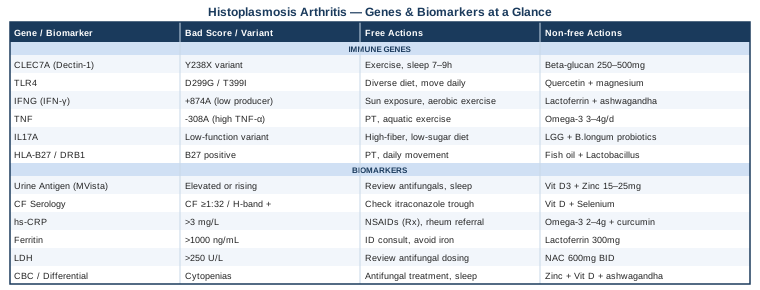
6 Biomarkers That Tell You What Is Actually Happening
Tracking the right signals is not optional when you are dealing with histoplasmosis-associated arthritis. The fungal side and the joint inflammation side each require their own monitoring, and the overlap is where most of the useful clinical decisions live. The six biomarkers below are the ones most consistently referenced in infectious disease and rheumatology for this type of presentation.
1. Histoplasma Urine Antigen (MVista EIA)
This is the single most important test for confirming active histoplasmosis and monitoring treatment response. It detects polysaccharide antigens from Histoplasma capsulatum excreted in urine, and it becomes positive early in active infection — often before serology catches up.
Why it matters: Sensitivity exceeds 90% in disseminated disease and reaches approximately 75–80% in acute pulmonary forms. Because it is quantitative, it allows you to watch antigen levels fall during treatment or rise if there is relapse. For histoplasmosis-associated arthritis, falling antigen levels alongside improving joint symptoms suggest treatment is working on the underlying driver of inflammation.
How to measure it: A urine sample is sent to a reference laboratory (MiraVista Diagnostics is the most established). Cost typically ranges from $60 to $180 depending on the laboratory and insurance. Results return in 2–5 business days.
If the score is bad — plan without supplements: Persistently elevated or rising antigen levels mean the underlying infection is not adequately controlled. This requires clinical management: review of antifungal therapy (typically itraconazole for moderate disease, liposomal amphotericin B for severe cases), assessment of immune status including HIV testing and immunosuppressant review, and repeat testing at 2-week intervals until a clear downward trend is established.
If the score is bad — plan with supplements or equipment: No supplement replaces antifungal therapy here. However, optimizing immune function through vitamin D3 (2000–5000 IU daily, target serum 25-OH-D between 40–60 ng/mL), adequate zinc (15–25 mg elemental zinc with meals), and consistent sleep (7–9 hours) supports macrophage activation — the primary cellular mechanism for clearing Histoplasma. These are supportive, not curative, and should be discussed with your physician.
2. Histoplasma Serology — Complement Fixation and Immunodiffusion
Serology measures your immune system's antibody response to Histoplasma. Two tests are typically ordered together: complement fixation (CF) titers and immunodiffusion (ID) bands.
Why it matters: CF titers at or above 1:32 are highly suggestive of active infection. Rising titers indicate worsening disease; falling titers suggest immune control or treatment response. Immunodiffusion tests for H bands (strongly associated with active disease) and M bands (present in active or prior infection). The M band alone has limited diagnostic value; the H band in the context of symptoms is significant. StatPearls: Histoplasmosis provides a detailed breakdown of the diagnostic value of each test format.
How to measure it: Ordered as a serology panel through any major reference lab. Cost ranges from $80 to $200 for the combined panel. Note that serology can be negative early in infection (before the immune response develops) and in immunocompromised patients, so it should always be interpreted alongside the urine antigen.
If the score is bad — plan without supplements: Persistently high CF titers despite treatment suggest either insufficient drug exposure (itraconazole levels should be checked — target trough ≥1 mcg/mL), reinfection, or immune compromise. Clinical reassessment is necessary. Titer trends over 3–6 months are more informative than a single value.
If the score is bad — plan with supplements or equipment: Improving the Th1 immune response (which drives antibody-mediated control of intracellular pathogens like Histoplasma) is supported by adequate vitamin D, selenium (55–200 mcg/day), and reducing immune-suppressing factors such as chronic psychological stress and poor sleep. Avoid high-dose supplementation without monitoring.
3. High-Sensitivity C-Reactive Protein (hs-CRP)
CRP is produced by the liver in response to inflammation and rises rapidly with both active infection and joint inflammation. The high-sensitivity version is more accurate at lower levels, which makes it better for longitudinal monitoring.
Why it matters: In histoplasmosis-associated arthritis, CRP reflects the combined inflammatory burden from both the fungal infection and the immune-mediated joint response. Elevated hs-CRP (above 3 mg/L) in the context of improving antigen levels suggests ongoing arthritis-specific inflammation that may need separate management. Falling CRP alongside antifungal treatment confirms that the arthritis was primarily driven by the infection itself.
How to measure it: Standard lab test available at any clinical lab. Cost is $10–$50. It should be measured at baseline and then every 4–8 weeks during active management. ESR (erythrocyte sedimentation rate) can be added as a complementary non-specific marker, though CRP is generally more responsive to change.
If the score is bad — plan without supplements: Persistent elevation after infection control warrants rheumatology referral to rule out a secondary autoimmune trigger. Low-dose NSAIDs (under physician guidance) may be considered for symptomatic relief if the infection is confirmed to be controlled. Avoid long-term corticosteroids unless clearly indicated, as they can reactivate histoplasmosis.
If the score is bad — plan with supplements or equipment: Omega-3 fatty acids (EPA + DHA, 2–4 g/day from a purified fish oil supplement, taken with meals) have well-documented anti-inflammatory effects on CRP. Cycling: 12 weeks on, assess, continue if response is positive. Potential side effects: blood thinning at high doses — caution if on anticoagulants. Curcumin with piperine (500–1000 mg/day, 3 months on, 1 month off) also reduces CRP in inflammatory conditions, though evidence for fungal-triggered arthritis specifically is indirect.
4. Serum Ferritin
Ferritin is an acute-phase protein that stores iron, but at very high levels it is a direct marker of macrophage activation — a hallmark of severe or disseminated histoplasmosis.
Why it matters: In disseminated histoplasmosis, ferritin commonly exceeds 10,000 ng/mL and can reach levels over 100,000 ng/mL in the most severe cases. Even in moderate disease, markedly elevated ferritin signals significant macrophage activation and systemic inflammation. In the context of histoplasmosis arthritis, very high ferritin suggests the disease is not limited to joints and requires urgent systemic treatment evaluation.
How to measure it: Standard lab test, cost $15–$40. Normal range is typically 12–300 ng/mL (varies by sex and lab). In histoplasmosis contexts, values above 1000 ng/mL are concerning and above 10,000 ng/mL are a medical emergency marker. Repeat every 2–4 weeks during active disease.
If the score is bad — plan without supplements: Markedly elevated ferritin in the setting of histoplasmosis requires immediate infectious disease consultation and intensification of antifungal therapy. It should also prompt evaluation for concurrent hemophagocytic lymphohistiocytosis (HLH), which can occur in severe cases.
If the score is bad — plan with supplements or equipment: Mildly elevated ferritin (300–1000 ng/mL) during recovery may benefit from addressing underlying iron dysregulation. Avoid supplemental iron unless iron deficiency is confirmed, as Histoplasma requires iron to grow. Lactoferrin (300 mg/day, food-grade) can reduce iron availability to pathogens while supporting immune function. Discuss all iron-related supplementation with your physician.
5. Lactate Dehydrogenase (LDH)
LDH is an enzyme released by damaged cells. In the context of histoplasmosis, it is a reliable marker of disease severity and tissue involvement.
Why it matters: Elevated LDH (above 250 U/L) in histoplasmosis correlates with more extensive tissue damage and is commonly cited in clinical guidelines as a severity marker. When LDH is elevated alongside high ferritin and cytopenias, the combination points toward disseminated disease requiring more aggressive antifungal management. Serial LDH monitoring is particularly useful during treatment to confirm tissue repair is underway.
How to measure it: Standard metabolic panel component or standalone test. Cost $15–$30. Measure at baseline and every 4 weeks during treatment. Note that LDH can be non-specifically elevated by exercise, hemolysis, or liver disease, so context always matters.
If the score is bad — plan without supplements: Persistently elevated LDH during treatment should prompt review of antifungal drug choice and dosing, and consideration of whether there are complicating immune factors (immunosuppression, uncontrolled HIV, hematologic malignancy). LDH is not a therapeutic target in itself — it reflects underlying disease activity.
If the score is bad — plan with supplements or equipment: NAC (N-acetylcysteine, 600 mg twice daily, taken with meals) supports glutathione synthesis and may reduce oxidative tissue damage contributing to LDH elevation in infectious settings. Evidence is indirect but mechanistically plausible. Cycle: 8 weeks on, 2 weeks off. Side effects are generally mild at this dose but GI sensitivity can occur.
6. Complete Blood Count with Differential and Lymphocyte Subsets
A CBC gives you a window into the bone marrow response and can reveal immune cell changes that are direct consequences of histoplasmosis burden.
Why it matters: Disseminated histoplasmosis commonly causes cytopenias — low red cells (anemia), low platelets (thrombocytopenia), and low white cells (leukopenia). These occur because Histoplasma infects macrophages in the bone marrow. In arthritis-dominant presentations without obvious systemic disease, a CBC abnormality may be the first clue that the infection is more widespread than symptoms suggest. Lymphocyte counts also offer indirect insight into T-cell immune function — a key determinant of whether the infection is being controlled.
How to measure it: Standard test, $10–$30. Should be part of every baseline workup in confirmed or suspected histoplasmosis. Lymphocyte subset panels (CD4/CD8 T cells, NK cells) can be added if immune compromise is suspected — these cost $100–$300 and require a specialty lab.
If the score is bad — plan without supplements: Cytopenias in the context of active histoplasmosis typically resolve with successful antifungal treatment. If they persist after fungal clearance, hematology consultation is warranted to assess for independent bone marrow pathology.
If the score is bad — plan with supplements or equipment: Supporting lymphocyte function during recovery includes adequate protein intake (1.2–1.6 g/kg body weight per day), zinc (15–25 mg elemental per day), vitamin D (as above), and consistent sleep. Ashwagandha (300–600 mg/day of KSM-66 extract, 8 weeks on, 4 weeks off) has human trial data supporting improvements in lymphocyte activity and natural killer cell function in stressed individuals. Side effects: rare mild GI discomfort; avoid in autoimmune thyroid disease.
The Gene Picture: What Your DNA Might Reveal
Not everyone exposed to Histoplasma capsulatum develops serious disease. Fungal spores are inhaled by millions of people living in endemic regions (the Ohio and Mississippi River valleys, parts of Central and South America), yet most never know it. The difference often lies in the immune system's genetic blueprint. Understanding which gene variants influence your response to Histoplasma — and to the subsequent joint inflammation — gives you a clearer picture of your personal risk profile and what targeted support might look like.
This section focuses on six genes with meaningful evidence in fungal immunity and arthritis pathology. The genetics research on histoplasmosis specifically is still developing, and where studies are limited or preliminary, that is stated directly. The focus is on what is currently known and what reasonable, evidence-informed actions follow from it.
1. CLEC7A — The Dectin-1 Gene
What it is: CLEC7A encodes Dectin-1, a pattern recognition receptor on macrophages, dendritic cells, and neutrophils that recognizes beta-1,3-glucan — a key component of fungal cell walls. When Dectin-1 detects fungal beta-glucans, it triggers antifungal responses including phagocytosis, reactive oxygen species production, and cytokine release.
What a bad variant means: The Y238X (rs16910526) stop-gain variant is the most clinically studied. Carriers have reduced Dectin-1 surface expression and impaired beta-glucan recognition. While most human data comes from Candida and Aspergillus studies, the receptor is equally relevant for Histoplasma recognition. A landmark 2007 study by Plantinga et al. (NEJM) showed that Y238X carriers had significantly higher risk of recurrent vulvovaginal candidiasis, establishing the clinical relevance of this variant. Its relevance to histoplasmosis susceptibility is biologically plausible but has not been confirmed in large histoplasmosis-specific cohorts.
If the gene is bad — plan without supplements: Focus on behaviors that maximize existing macrophage function: regular moderate aerobic exercise (150 minutes per week), consistent 7–9 hour sleep, avoidance of immune-suppressing medications unless essential, and reducing exposure to high-risk environments (soil disruption in endemic areas, bird roosts).
If the score is bad — plan with supplements or equipment: Beta-glucan supplementation (250–500 mg/day of 1,3-D-beta-glucan from oat or yeast sources) has been shown in human trials to upregulate macrophage-mediated immune responses through alternative receptor pathways, potentially compensating for reduced Dectin-1 function. Cycle: 12 weeks on, 4 weeks off. Side effects: generally well tolerated; rare mild digestive discomfort. Important: do not take beta-glucan during active untreated histoplasmosis without physician oversight, as immune stimulation during active infection requires careful management.
2. TLR4 — Toll-Like Receptor 4
What it is: TLR4 is a key innate immune receptor that recognizes pathogen-associated molecular patterns including fungal components. It activates NF-κB signaling, driving the early inflammatory response needed to control invading pathogens.
What a bad variant means: Two common functional variants — D299G (rs4986790) and T399I (rs4986791) — are associated with blunted TLR4 signaling. Carriers have reduced innate immune activation to fungal stimuli and may be slower to mount the initial macrophage response that normally contains Histoplasma at the lung level. These variants have been associated with increased susceptibility to gram-negative bacterial sepsis and, in some studies, altered responses to fungal infections.
If the gene is bad — plan without supplements: Minimize inflammatory lifestyle factors that chronically dampen TLR signaling: avoid ultra-processed foods (which can suppress pattern recognition receptor sensitivity through endotoxin tolerance mechanisms), maintain a diverse gut microbiome (which trains innate immune responses), and prioritize physical activity.
If the score is bad — plan with supplements or equipment: Quercetin (500–1000 mg/day, taken with food) has been shown in preclinical and some human studies to potentiate TLR4-mediated signaling while modulating excessive inflammation. Cycle: 8 weeks on, 3 weeks off. Side effects: generally well tolerated; rare interactions with some antibiotics and antifungals — check with your pharmacist. Ensure adequate magnesium intake (300–400 mg/day of glycinate or malate form), as magnesium deficiency impairs TLR4 function.
3. IFNG — The Interferon-Gamma Gene
What it is: IFNG encodes interferon-gamma, the single most important cytokine for controlling intracellular fungal pathogens. IFN-γ activates macrophages to destroy phagocytosed fungi and drives the Th1 immune response that ultimately clears Histoplasma from tissues.
What a bad variant means: The +874 T/A single nucleotide polymorphism in the first intron of the IFNG gene is the most studied. The A allele (low producer) is associated with reduced IFN-γ production and has been linked to increased susceptibility to intracellular infections including Mycobacterium tuberculosis. Given that Histoplasma and Mycobacterium share the same intracellular macrophage niche, this parallel is scientifically meaningful even though histoplasmosis-specific IFNG genetic studies are limited.
If the gene is bad — plan without supplements: Vitamin D is the most evidence-backed natural driver of IFN-γ production. Studies have shown that vitamin D3 supplementation increases IFN-γ responses in individuals with suboptimal baseline levels. Aim for 25-OH-D serum levels of 40–60 ng/mL through sun exposure, diet, and supplementation. Regular vigorous exercise has also been shown to transiently increase IFN-γ levels.
If the score is bad — plan with supplements or equipment: Lactoferrin (oral, 300–600 mg/day) has human data supporting enhancement of Th1 cytokine responses including IFN-γ. Ashwagandha (KSM-66 extract, 300 mg twice daily) has been shown to upregulate IFN-γ in human trials. Cycle both: 10 weeks on, 3 weeks off. Side effects: lactoferrin is generally very safe; ashwagandha — avoid in hyperthyroid conditions.
4. TNF — Tumor Necrosis Factor Alpha
What it is: TNF (tumor necrosis factor alpha) is one of the primary pro-inflammatory cytokines, and it plays a dual role in histoplasmosis: it is essential for initial fungal control but also drives much of the joint inflammation seen in histoplasmosis-associated arthritis.
What a bad variant means: The TNF -308G>A promoter polymorphism (rs1800629) is associated with higher TNF-α production in carriers of the A allele. This variant has been linked to both improved fungal clearance (the pro-inflammatory benefit) and higher risk of severe arthritis and immune complex-mediated joint damage (the downside). This variant is also highly clinically relevant because anti-TNF biologic therapies — widely used for rheumatoid arthritis and other joint diseases — are among the strongest known risk factors for histoplasmosis reactivation. Wallis et al. (2004) documented this risk in a landmark study, and it is now a standard warning in prescribing guidelines.
If the gene is bad — plan without supplements: If you carry the TNF -308A allele and have both arthritis and histoplasmosis, the management strategy requires particularly careful coordination between infectious disease and rheumatology — because the treatments for each can directly worsen the other. Joint protection strategies including physical therapy, aquatic exercise, and activity modification reduce joint burden without systemic immune suppression.
If the score is bad — plan with supplements or equipment: Omega-3 fatty acids (EPA/DHA, 3–4 g/day) reduce TNF-α production through competition with arachidonic acid pathways. Cycle: continuous use is supported, monitor bleeding risk. Curcumin with piperine (500–1000 mg/day) also reduces TNF-α in human studies. Avoid: high-dose resveratrol may paradoxically upregulate TNF in some contexts.
5. IL17A — The Interleukin-17 Gene
What it is: IL17A encodes interleukin-17A, a pro-inflammatory cytokine critical for antifungal mucosal immunity. Th17 cells and their IL-17 production are the primary defense against fungal colonization at mucosal surfaces and are important for coordinating neutrophil recruitment to sites of fungal infection.
What a bad variant means: Loss-of-function variants in IL17A, IL17F, or their signaling partners (IL17RA, IL17RC, ACT1/TRAF3IP2) are associated with chronic mucocutaneous candidiasis and may increase susceptibility to other fungal pathogens including Histoplasma. Polymorphisms associated with reduced IL-17 signaling delay neutrophil recruitment and fungal clearance. On the other side, hyperactive IL-17 signaling (via variants in IL17A promoter regions) is associated with more aggressive inflammatory joint disease — IL-17 is in fact one of the therapeutic targets in psoriatic arthritis and ankylosing spondylitis.
If the gene is bad — plan without supplements: Supporting mucosal immunity through a diverse, fiber-rich diet that promotes Th17-polarizing gut bacteria (especially Segmented Filamentous Bacteria analogues in humans) is the most evidence-grounded dietary approach. Reduce sugar and refined carbohydrates, which suppress both Th17 function and general antifungal mucosal defenses.
If the score is bad — plan with supplements or equipment: Probiotic supplementation with Lactobacillus rhamnosus GG and Bifidobacterium longum BB536 has been shown to promote mucosal Th17 responses in human trials. Dose: established commercial products at label dosing, 12 weeks minimum before assessing. Vitamin A (retinol form, 700–900 mcg RAE daily from diet or supplementation) supports mucosal epithelial integrity and Th17 balance. Avoid high-dose vitamin A supplementation (>3000 mcg RAE) without medical supervision — toxicity risk exists.
6. HLA-B27 and HLA-DRB1 — The Arthritis Susceptibility Alleles
What they are: HLA (human leukocyte antigen) genes encode the proteins used to present foreign antigens to T cells. HLA-B27 is the classical genetic risk factor for reactive arthritis and seronegative spondyloarthropathies. HLA-DRB1 shared epitope alleles are the primary genetic risk for rheumatoid arthritis.
What a bad variant means: HLA-B27 positivity significantly increases the risk that a triggering infection — including histoplasmosis — leads to a reactive arthritis syndrome. In HLA-B27 positive individuals, molecular mimicry (where immune responses trained against fungal antigens cross-react with joint tissue) is a plausible mechanism for persistent arthritis even after the infection is cleared. HLA-DRB1 shared epitope alleles increase the risk that immune complex deposition from the histoplasmosis immune response leads to a more erosive, RA-like joint picture.
If the gene is bad — plan without supplements: HLA-B27 positivity combined with histoplasmosis warrants early rheumatology evaluation even if joint symptoms seem mild. Physical therapy focused on spinal and peripheral joint mobility is essential. Avoid prolonged rest, as it worsens spondyloarthritis-type joint disease. Aquatic therapy and daily gentle movement are the backbone of non-pharmacological management.
If the score is bad — plan with supplements or equipment: The gut-joint axis is particularly relevant in HLA-B27 positive reactive arthritis. Microbiome-directed interventions have mechanistic backing: high-fiber diets, fermented foods, and Lactobacillus-containing probiotics reduce intestinal dysbiosis that is thought to drive antigen translocation and perpetuate reactive joint disease. Fish oil (EPA/DHA, 3–4 g/day) has specific data in seronegative spondyloarthropathies for reducing joint stiffness and CRP. Cycle: long-term use is generally safe; monitor for GI tolerance.
Optimizing Immune Defense: What the Research Landscape Is Teaching Us
The research on fungal immunity and innate immune optimization has shifted significantly in the past decade. Rather than focusing only on antifungal drugs, immunologists are increasingly interested in why some immune systems clear Histoplasma effectively and others do not — and whether that gap can be closed.
The ten most impactful insights from this evolving literature are worth knowing:
1. Macrophage Activation Is the Core Mechanism
Histoplasma capsulatum is an obligate intracellular pathogen — it lives inside macrophages. The entire disease course depends on whether macrophages are activated sufficiently to destroy the fungus or whether the fungus subverts macrophage killing mechanisms. Everything that supports macrophage activation (IFN-γ, vitamin D, adequate sleep) is directly relevant to disease clearance.
2. Vitamin D Deficiency Significantly Impairs Antifungal Macrophage Function
Multiple studies have shown that macrophages require active vitamin D (1,25-dihydroxyvitamin D3) to properly upregulate antifungal killing genes including cathelicidin. In a study published in The Journal of Immunology, vitamin D receptor activation was required for optimal macrophage-mediated destruction of intracellular pathogens. Serum 25-OH-D below 30 ng/mL is associated with impaired macrophage function.
3. Sleep Deprivation Directly Reduces Natural Killer Cell Activity
A single night of 4-hour sleep reduces NK cell activity by up to 70% according to research published in the Journal of Experimental Medicine. NK cells are among the first responders to fungal invasion. Chronic sleep restriction sustains this deficit continuously.
4. Chronic Psychological Stress Elevates Cortisol, Which Suppresses Th1 Immunity
Cortisol shifts immune responses from Th1 (needed for intracellular fungal control) toward Th2 (allergy-oriented) profiles. Individuals under chronic psychosocial stress have measurably impaired T-cell proliferation responses to fungal antigens. Stress reduction is not a lifestyle nicety in this context — it is a direct immune intervention.
5. The Gut Microbiome Trains Systemic Antifungal Immunity
The mycobiome (gut fungi) and gut bacteria interact to calibrate immune tolerance versus antifungal defense. Disruption of gut microbial diversity — through antibiotic use, poor diet, or stress — is associated with impaired Th17 and ILC3 responses that defend mucosal surfaces against fungal invasion. Restoring microbiome diversity supports systemic antifungal immune tone.
6. High-Dose Corticosteroids Are the Strongest Iatrogenic Risk Factor
Exogenous corticosteroids suppress IFN-γ, reduce macrophage oxidative burst, and inhibit virtually every arm of antifungal immunity. Even inhaled corticosteroids used long-term may increase risk of pulmonary histoplasmosis reactivation in endemic areas. This is well-established in the infectious disease literature and is especially relevant when clinicians consider corticosteroids to manage the arthritis component.
7. Iron Homeostasis Directly Affects Fungal Pathogen Growth
Histoplasma capsulatum requires iron to replicate. The host's acute-phase response includes iron sequestration specifically to starve pathogens — which is part of why ferritin rises dramatically in severe disease. Supplemental iron should be avoided during active histoplasmosis unless a clear iron deficiency is documented and the clinical benefit outweighs the risk of promoting fungal growth.
8. The Cytokine Storm in Severe Disease Is Macrophage Activation Syndrome
In the most severe forms of disseminated histoplasmosis, a macrophage activation syndrome (MAS) picture emerges — extremely high ferritin, cytopenias, multi-organ dysfunction. This is now recognized as a cytokine-mediated process, and emerging research suggests that IL-1 and IL-6 pathway inhibitors may have a role in managing the most severe cases alongside antifungal therapy.
9. Physical Activity at Moderate Intensity Is Immunoprotective
Moderate aerobic exercise (150 min/week at 55–65% VO2 max) consistently increases macrophage activity, NK cell counts, and Th1 cytokine output in human trials. Strenuous exercise (above 80% VO2 max continuously) paradoxically suppresses immune function transiently. For histoplasmosis patients managing both infection and arthritis, moderate, joint-friendly activity (swimming, walking, cycling) offers immune benefits without joint overload.
10. Antifungal Drug Interactions Are Clinically Underappreciated
Itraconazole, the most commonly used maintenance antifungal for histoplasmosis, is a potent CYP3A4 inhibitor. It interacts with dozens of medications including statins, some supplements (berberine, quercetin at high doses), and immunomodulatory drugs. Any supplement or medication change during itraconazole treatment should be reviewed with a pharmacist or physician. Drug level monitoring (itraconazole trough ≥1 mcg/mL) is standard of care but often skipped in practice.
Complementary Approaches Worth Considering
The following three modalities have human clinical evidence that is relevant — either for the inflammatory arthritis component, the immune recovery aspect, or both. None replaces antifungal therapy. Each can be meaningfully integrated as part of a broader management approach.
Tai Chi for Joint Function and Inflammation in Arthritis
Tai chi is a mind-body movement practice combining slow, deliberate postures with controlled breathing and meditative focus. It is particularly relevant for histoplasmosis-associated arthritis because it provides joint mobilization and strengthening without the impact load of conventional exercise — important when joints are already inflamed and when exercise intensity needs to be moderated.
A meta-analysis published in Arthritis Care & Research examined 13 randomized controlled trials of tai chi in individuals with inflammatory and non-inflammatory arthritis. It found consistent improvements in pain, functional mobility, and self-reported disability across conditions. Inflammation markers including CRP were also reduced in several trials.
For practical application in histoplasmosis-associated arthritis: begin with a beginner tai chi program of 20–30 minutes, 3–4 times per week. Online programs designed for joint conditions are accessible. Avoid during fever or acute disseminated infection. Resume gradually as systemic symptoms resolve. Focus on programs that emphasize gentle range of motion over dynamic balance challenges in the early recovery period.
Mindfulness-Based Stress Reduction (MBSR) for Immune Modulation
MBSR is an 8-week structured program combining body scanning, seated meditation, and gentle yoga. In the context of histoplasmosis arthritis, its most mechanistically relevant effect is on the HPA axis — specifically, reducing chronic cortisol elevation that suppresses Th1 immune function.
A randomized controlled trial by Carlson et al. published in Psychosomatic Medicine demonstrated that MBSR reduced morning cortisol and improved NK cell activity in participants under chronic stress. A subsequent meta-analysis in Annals of the New York Academy of Sciences confirmed that mindfulness interventions produced consistent improvements in inflammatory cytokine profiles including reductions in IL-6 and TNF-α.
The most practical implementation for this condition is the standardized 8-week MBSR protocol (available online through platforms such as Palouse Mindfulness or certified MBSR instructors). Aim for 30–45 minutes of daily practice. Evidence suggests effects on immune markers begin after approximately 4 weeks of consistent practice. It is low-risk and accessible and particularly valuable for individuals managing the stress that comes with a complex infectious disease diagnosis.
Microbiome-Directed Therapies for the Gut-Immune-Fungal Axis
The gut microbiome serves as both a training ground for systemic immune function and a direct competitor for fungal pathogens. A dysbiotic gut — particularly one with reduced bacterial diversity and Candida or other fungal overgrowth — is associated with impaired Th17 and Treg balance and reduced resistance to systemic fungal infections. This axis is genuinely relevant to histoplasmosis recovery.
Research published in Cell Host & Microbe and subsequent studies have shown that specific bacterial taxa (including Lactobacillus species and Faecalibacterium prausnitzii) actively suppress fungal overgrowth and modulate systemic immune responses relevant to antifungal defense. High-fiber diets that support butyrate-producing bacteria have been shown to strengthen mucosal immunity in multiple human intervention studies.
Practical implementation: increase dietary fermentable fiber (25–35 g/day from diverse plant sources), add fermented foods if tolerated (kefir, yogurt, kimchi), and consider a multi-strain probiotic containing Lactobacillus rhamnosus GG and Bifidobacterium strains for 12 weeks. Note: during active antifungal therapy, antifungal drugs like itraconazole do not significantly affect gut bacteria at standard doses, but they may reduce gut fungal diversity — which can have secondary effects on immune calibration. Discuss timing of probiotic use with your physician.
Conclusion
Histoplasmosis-associated arthritis sits at the intersection of infectious disease, immune biology, and rheumatology — and that is exactly why navigating it requires more than a single clinical lens. The six biomarkers covered here give you and your clinical team concrete, measurable signals: whether the infection is controlled, whether the joint inflammation is driven by ongoing fungal burden or an independent immune response, and whether disease severity warrants escalation. The gene picture adds a layer of context for why your immune system may have responded the way it did — and points to targeted lifestyle and supplementation strategies that are plausible, evidence-informed, and specific.
The next smart step is practical: if you have a confirmed or suspected histoplasmosis diagnosis with arthritis symptoms, request a Histoplasma urine antigen test and a CRP/ferritin panel as your starting baseline. Bring the gene and biomarker information from this article to your infectious disease or rheumatology appointment as structured questions, not conclusions — the goal is a more productive clinical conversation, not self-management of a condition that requires professional oversight. Small improvements in monitoring, immune support, and lifestyle consistency can meaningfully change the trajectory of this condition.
Musculoskeletal: Joint Conditions
Respiratory: Lung Conditions
Autoimmune: Inflammatory Conditions
Infectious: Fungal Infections