This article contains AI generated content.
· UpdatedHIV Arthropathy - 5 Genes And 6 Biomarkers To Track
Introduction
Joint pain is one of the most common and least discussed complications of living with HIV. Studies consistently show that up to 60% of HIV-positive individuals will experience some form of musculoskeletal or joint involvement during the course of their illness — a figure that surprises many people, including some clinicians. What makes this particularly challenging is that HIV-related arthropathy is not a single, clean diagnosis. It is an umbrella covering reactive arthritis triggered by infections, psoriatic arthritis driven by immune dysregulation, direct HIV arthropathy from viral immune complex deposition in joint tissue, and avascular necrosis from ischemic damage to bone. Managing it effectively with generic advice — "exercise more, eat better, take ibuprofen" — leaves most people stuck in cycles of flare and partial recovery without ever understanding what is actually driving their joint disease.
Part of what makes this so frustrating is the individual variation. Two people can have identical HIV diagnoses, identical antiretroviral therapy regimens, and even similar CD4 counts and viral loads — and yet one of them develops severe reactive arthritis while the other has no joint symptoms at all. That gap in outcomes is not random. It reflects differences in genetic architecture — particularly which variants of key immune-regulating genes a person carries — differences in how their immune system activates and quiets down, and differences in the degree of residual inflammation that persists even when antiretroviral therapy brings viral load to undetectable levels. The biology is genuinely complex, but the complexity is navigable if you have the right map.
That is exactly what specific biomarkers and genetic variants provide: a map. Tracking the right inflammatory and immune markers gives both patients and clinicians a far more actionable picture of what is happening in the joints and why. This is not about replacing medical care — a rheumatologist and an HIV specialist remain essential partners in managing HIV arthropathy. But it is about arriving at those appointments with more precise information, being able to ask better questions, and making smarter decisions about lifestyle and supplementation in the days and weeks between clinical visits. Precision beats guesswork every time.
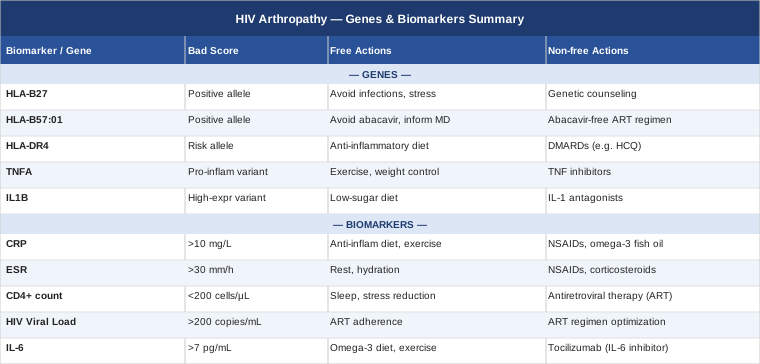
This article works through four complementary angles toward that goal. The first is a framework of 6 biomarkers worth tracking consistently — markers that go well beyond the standard CD4 count and viral load to capture the inflammatory and immune state of joints specifically. The second is a profile of 5 genes with the most meaningful documented connections to HIV-related arthropathy, including what each one means for your personal risk and what you can do about it. The third is a look at how Peter Attia's precision medicine framework from Outlive: The Science and Art of Longevity applies with remarkable relevance to HIV arthropathy management. And the fourth is a survey of complementary approaches — tai chi, MBSR, photobiomodulation, and the Autoimmune Protocol — that have enough clinical evidence behind them to be worth serious consideration. None of this is a miracle framework. All of it is a more honest and more useful one.
6 Biomarkers That Can Guide Your HIV Arthropathy Management
When most people think about monitoring HIV, they think about two numbers: CD4 count and viral load. Those two markers are foundational and non-negotiable — but for people dealing with HIV arthropathy, they tell only part of the story. The problem is that chronic inflammatory arthropathy in HIV often persists independently of viremia. People with fully undetectable viral loads and stable CD4 counts can still have actively inflamed joints, eroding cartilage, and rising inflammatory markers — because the immune activation driving joint disease has become partially self-sustaining, independent of the virus itself. Tracking dedicated inflammatory, immune, and metabolic markers alongside the standard HIV panel is what bridges that gap between controlled HIV and controlled joint disease.
Biomarker 1: High-Sensitivity C-Reactive Protein (hsCRP)
Why it matters
High-sensitivity C-reactive protein is an acute phase protein produced by the liver in response to inflammatory cytokine signaling — particularly IL-6 and TNF-α. The "high-sensitivity" version of the test is calibrated to detect concentrations in the low range that standard CRP testing misses, making it the appropriate tool for chronic low-grade inflammation rather than acute infection. In HIV-positive individuals, hsCRP is frequently elevated even when viral load is undetectable. The driver in this case is not active viral replication but residual immune activation — a state in which the immune system continues to produce inflammatory mediators due to viral reservoir persistence, gut barrier dysfunction, and immune memory trained by years of infection. Peter Attia has highlighted hsCRP as one of the foundational markers in any precision medicine approach to inflammatory health. The targets are straightforward: below 1.0 mg/L is optimal; 1.0 to 3.0 mg/L reflects moderate inflammatory activity; above 3.0 mg/L signals high inflammatory risk and warrants active intervention.
How to measure it
This is a standard blood test available at essentially any laboratory. Cost is typically $10 to $30 out of pocket, and no fasting is required before the draw. During active HIV arthropathy management, testing every 3 to 6 months gives enough resolution to track trends without over-testing. Note that acute infections, recent intense exercise (within 24 hours), and smoking can temporarily elevate hsCRP — always interpret results in context and avoid testing during acute illness.
If the score is bad, the plan without supplements
The lifestyle foundation for lowering hsCRP centers on four pillars. First, diet: a Mediterranean dietary pattern — abundant olive oil, fish, vegetables, legumes, whole grains, and minimal processed food — has the most consistent evidence for hsCRP reduction across multiple randomized trials. Specifically, eliminating sugar-sweetened beverages and ultraprocessed foods is often the single highest-leverage dietary change. Second, exercise: 30 to 40 minutes of moderate-intensity exercise five days per week consistently reduces hsCRP over 8 to 12 weeks; avoid overtraining, which can temporarily raise it. Third, sleep: targeting 7 to 9 hours with a consistent schedule lowers hsCRP through cortisol regulation and immune reset during non-REM sleep stages. Fourth, stress reduction: structured breathing techniques — particularly the 4-7-8 breathing protocol (inhale 4 counts, hold 7, exhale 8) — activate the parasympathetic nervous system and reduce inflammatory signaling. For actively flaring joints, ice therapy 15 to 20 minutes three to four times daily reduces local inflammation and indirectly supports systemic hsCRP reduction.
If the score is bad, the plan with supplements or equipment
Three supplements have the strongest evidence for hsCRP reduction and the most relevant safety profiles in HIV. Omega-3 fatty acids (EPA + DHA) at 2 to 4 grams per day with food: take with the largest meal of the day for best absorption; cycle 12 weeks on followed by a 4-week break to avoid chronic platelet suppression. Side effects include mild fish-flavored burps (mitigated with enteric-coated formulations) and mild blood-thinning — confirm with your HIV specialist if you are on anticoagulants. Curcumin at 500 to 1000 mg per day, using an enhanced bioavailability formulation — BCM-95, Meriva, or standard curcumin plus 5 mg piperine — is one of the most studied natural NF-κB inhibitors; cycle 8 to 12 weeks on, 4-week break; take with food to avoid GI upset; may interact with blood thinners — disclose to your care team. Finally, Berberine at 500 mg twice daily with meals has shown meaningful hsCRP reductions in clinical trials; however, berberine inhibits the CYP3A4 enzyme, which is involved in the metabolism of many antiretroviral drugs — consult with your HIV pharmacist before starting berberine as drug interactions are a genuine concern; cycle 8 weeks on, 4 weeks off.
Biomarker 2: CD4+ T Cell Count
Why it matters
CD4+ T cells are the primary immune cells targeted and destroyed by HIV, and the CD4 count remains the most direct measure of how compromised the immune system has become. Below 200 cells per microliter, the risk of septic arthritis from opportunistic organisms — including Cryptococcus, Mycobacterium avium complex, and atypical bacteria — becomes substantial. But there is a less discussed dynamic that matters enormously for joint disease: immune reconstitution inflammatory syndrome (IRIS). When ART is initiated or changed and CD4 counts begin rising rapidly, the recovering immune system can mount a fierce, sometimes disproportionate inflammatory response — including sudden, severe arthritis flares. Understanding the rate of CD4 recovery, not just the absolute number, is critical context for any rheumatologist managing HIV arthropathy. Above 500 cells per microliter is optimal; 200 to 500 reflects moderate immune compromise; below 200 is the AIDS-defining threshold with the highest infectious arthritis risk.
How to measure it
CD4 count is a standard component of HIV monitoring and is typically insurance-covered. Out-of-pocket cost ranges from $50 to $150. On a stable ART regimen, testing every 6 to 12 months is standard; if the regimen is new or changing, every 3 months provides better resolution to catch IRIS timing and CD4 trajectory.
If the score is bad, the plan without supplements
The most important thing to understand about low CD4 count is that ART adherence is incomparably more powerful than any lifestyle intervention at restoring CD4 counts — no supplement or exercise protocol approaches the biological impact of consistent antiretroviral therapy. That said, several lifestyle factors meaningfully support CD4 function. Consistent moderate exercise — 30 to 45 minutes four to five days per week — has shown measurable positive effects on CD4 counts in multiple HIV cohort studies. Sleep is critical: immune cell regeneration, including CD4 precursor activity, occurs predominantly during deep sleep stages, and sleep deprivation measurably impairs this process. Structured stress management is not optional — chronic psychological stress suppresses CD4 cell function through sustained cortisol elevation and sympathetic nervous system activation in mechanisms that have been directly quantified in HIV research.
If the score is bad, the plan with supplements or equipment
Three micronutrients have meaningful clinical evidence in the HIV context. Zinc at 15 to 25 mg per day as zinc picolinate or zinc bisglycinate (the most bioavailable forms): a randomized controlled trial by Baum and colleagues published in Clinical Infectious Diseases showed that zinc supplementation significantly reduced the risk of immune failure in HIV-positive adults on ART. Do not exceed 40 mg per day long-term — high doses impair copper absorption, causing a secondary deficiency; take with food to avoid nausea. Selenium at 100 to 200 mcg per day as selenomethionine: selenium deficiency is common in HIV and is associated with faster disease progression; it supports T cell function through antioxidant enzyme systems; do not exceed 400 mcg per day. Finally, Vitamin D3 at 2000 to 4000 IU per day with food: vitamin D receptors are expressed directly on CD4 cells, and vitamin D deficiency — extremely prevalent in HIV — directly impairs CD4 function; see Biomarker 5 for the full vitamin D discussion.
Biomarker 3: HIV Viral Load
Why it matters
Viral load is the direct measure of active HIV replication and, by extension, the degree of systemic immune activation the virus is driving. Higher viral loads translate to higher cytokine production, more immune complex formation, and more inflammatory deposition in joint tissue. What is less appreciated is that even "low but detectable" viral loads — 50 to 1000 copies per milliliter — sustain enough ongoing immune activation to perpetuate joint inflammation. This is sometimes called "low-level viremia," and while it may not be high enough to trigger immediate concerns about resistance, it is more than enough to maintain the inflammatory environment that drives synovitis. The target for HIV arthropathy management — as for HIV management broadly — is sustained undetectable viral load below 20 to 50 copies per milliliter depending on the assay used. Everything else in this article becomes more effective when that foundation is in place.
How to measure it
Viral load is measured by PCR-based blood testing and is typically covered by insurance for people on ART. Out-of-pocket cost ranges from $100 to $300. On a stable treatment regimen, every 6 to 12 months is standard; every 3 months when regimen changes are recent or when low-level viremia is being monitored.
If the score is bad, the plan without supplements
When viral load is not well controlled, the primary strategy is almost entirely medical rather than lifestyle-based — this is not a situation where supplements or dietary changes can substitute for reviewing adherence, investigating resistance, and reassessing the ART regimen with an HIV specialist. On the lifestyle side: eliminate alcohol, which impairs ART adherence and independently raises immune activation; use medication reminder apps and pill organizers; review the specific food requirements and timing windows for your ART drugs with a pharmacist (some drugs require food, others are impaired by food or specific nutrients); maintain a consistent daily schedule that makes dosing a non-negotiable routine rather than a variable task.
If the score is bad, the plan with supplements or equipment
When viral load is suboptimal, supplement choices should be conservative and disclosed to the HIV care team. N-acetyl cysteine (NAC) at 600 mg twice daily supports glutathione production — HIV actively depletes glutathione, and NAC is a well-tolerated precursor that may support immune function; some preliminary evidence in HIV populations is supportive, though NAC is not a substitute for ART optimization; cycle 8 to 12 weeks on, 4-week break; side effects include occasional nausea and a sulfur-like odor; disclose to your HIV specialist before starting. One important caution: avoid supplements marketed as general immune boosters without clinical evidence when viral load is not controlled. Non-specific immune stimulation without viral suppression can be counterproductive — activating immune cells that HIV can then infect and exploit.
Biomarker 4: Erythrocyte Sedimentation Rate (ESR)
Why it matters
The erythrocyte sedimentation rate measures how quickly red blood cells settle to the bottom of a test tube — faster settling indicates higher concentrations of inflammatory proteins like fibrinogen in the blood. ESR is less specific than hsCRP and can be elevated by multiple conditions beyond inflammation, but it offers something valuable: it captures a broader inflammatory picture and has a long track record in rheumatology specifically. In HIV arthropathy, ESR is particularly useful for two purposes: tracking disease activity over time during treatment, and helping to distinguish active synovitis (which drives high ESR) from mechanical joint damage (which produces near-normal ESR despite significant pain). Normal values are below 20 mm per hour for men under 50, and below 30 mm per hour for women under 50 — though HIV itself can influence ESR independent of joint disease, so trend tracking matters more than single measurements.
How to measure it
ESR is one of the least expensive inflammatory markers available — $10 to $25 out of pocket — and is available at virtually every laboratory. During active HIV arthropathy management, testing every 3 months provides enough resolution to track treatment response.
If the score is bad, the plan without supplements
During acute flares with elevated ESR, the priority is structured rest with joint protection — avoiding activities that load the inflamed joint while maintaining gentle range-of-motion movements to prevent stiffness and muscle atrophy. Ice therapy 15 to 20 minutes three to four times daily reduces local inflammatory activity. For longer-term ESR reduction, weight management is underrated — every kilogram of excess body weight applies approximately 3 to 4 kilograms of additional compressive force on knee joints, directly worsening synovial inflammatory load. A Mediterranean dietary pattern reduces ESR over time through multiple mechanisms. Low-impact cardio — swimming and cycling are particularly well-suited — maintains cardiovascular and metabolic health without the mechanical joint stress of running or high-impact training.
If the score is bad, the plan with supplements or equipment
Boswellia serrata — standardized extract with at least 65% boswellic acids — at 200 to 400 mg three times daily has a compelling evidence base for ESR reduction specifically. Its mechanism involves inhibiting 5-lipoxygenase (5-LOX), an enzyme central to leukotriene-driven joint inflammation. Multiple randomized controlled trials have shown significant ESR reduction and symptom improvement in inflammatory arthritis populations. Cycle 8 to 12 weeks on, 4-week break; always take with food to avoid GI discomfort; discuss with your HIV specialist if on blood thinners. Omega-3 EPA + DHA at 2 to 3 grams per day has also shown ESR reductions in inflammatory arthritis trials — but consistent use for at least 12 weeks is required before the effect becomes measurable. Combining boswellia with omega-3 during active management may be more effective than either alone.
Biomarker 5: 25-Hydroxyvitamin D
Why it matters
Vitamin D deficiency is extraordinarily common in people living with HIV — affecting 70 to 80% of this population — and it is one of the most consistently undertreated modifiable factors in HIV arthropathy. Vitamin D is not simply a bone mineral regulator. It is a master immune modulator, and vitamin D receptors are expressed throughout joint tissue including synoviocytes — the cells lining the joint capsule. Low vitamin D directly impairs the regulatory pathways that keep joint inflammation in check, while simultaneously weakening the muscles that protect joints from mechanical overload. In HIV specifically, some antiretroviral drugs affect vitamin D metabolism, compounding the deficiency risk from reduced sun exposure, darker skin pigmentation in higher-prevalence populations, and the systemic metabolic effects of chronic immune activation. Peter Attia targets 40 to 60 ng/mL as optimal — meaningfully above the conventional "sufficient" threshold of 30 ng/mL — and research in HIV-positive populations links deficiency with higher inflammatory markers and worse musculoskeletal outcomes. Below 30 ng/mL is insufficient; below 20 ng/mL is deficient and warrants active correction.
How to measure it
The correct test is 25-hydroxyvitamin D (the storage form) — not 1,25-dihydroxyvitamin D, which reflects active metabolism but not true body stores. Cost is $30 to $80 out of pocket. Test twice yearly — once in late winter to capture the seasonal low and once in late summer to capture the seasonal high. Single annual testing misses the seasonal variation that can push individuals from sufficient into deficient territory without awareness.
If the score is bad, the plan without supplements
Midday sun exposure — 15 to 20 minutes on arms and legs between 10 AM and 2 PM — is the most efficient natural source, though darker skin requires significantly longer exposure to generate equivalent vitamin D. Dietary sources including wild-caught salmon (600 to 1000 IU per serving), egg yolks, and beef liver contribute meaningfully but are insufficient to correct established deficiency on their own. They are better positioned as maintenance support once blood levels have been restored through supplementation.
If the score is bad, the plan with supplements or equipment
Vitamin D3 (cholecalciferol) at 2000 to 5000 IU per day with food is the standard correction protocol — vitamin D is fat-soluble and requires dietary fat for absorption, so take it with the fattiest meal of the day. It must always be paired with Vitamin K2 in the MK-7 form at 100 to 200 mcg per day — K2 directs the calcium that vitamin D mobilizes into bones and teeth rather than into arterial tissue, which matters in an aging HIV-positive population already at elevated cardiovascular risk. Retest at 3 months to confirm target range has been reached and adjust dose accordingly. Side effects at 2000 to 5000 IU per day are minimal in individuals with normal kidney function — hypercalcemia risk becomes relevant only at doses consistently above 10,000 IU per day. For severe deficiency below 20 ng/mL, a physician-supervised loading protocol — sometimes 50,000 IU per week for 8 weeks — may be the most efficient path to restoration.
Biomarker 6: Serum Interleukin-6 (IL-6)
Why it matters
IL-6 is arguably the most mechanistically central cytokine in HIV arthropathy — and it is rarely tracked in standard HIV monitoring. IL-6 is a pleiotropic inflammatory cytokine that drives synovial membrane inflammation, promotes the formation of pannus tissue that erodes cartilage, and signals the liver to produce acute phase proteins including CRP. In HIV, IL-6 is elevated not only during active replication but persists even in well-controlled disease — sustained by residual immune activation, gut barrier dysfunction that allows bacterial products like lipopolysaccharide (LPS) into systemic circulation, and viral reservoir activity. Elevated IL-6 predicts arthropathy severity, cardiovascular risk, anemia of chronic disease, and fatigue — making it one of the most consequential markers to normalize. Critically, IL-6 also has diagnostic utility: it rises with synovitis but not with purely mechanical joint pain, making it one of the tools for distinguishing inflammatory from non-inflammatory joint disease. Optimal: below 3 pg/mL; general reference below 7 pg/mL.
How to measure it
IL-6 measurement requires a specialized blood test (ELISA or multiplex cytokine assay) that is not available at all standard laboratories. Request it specifically from your physician and confirm the lab can process it. Cost ranges from $50 to $200 out of pocket. Test every 6 months during active HIV arthropathy management. Do not test during active infection or within 24 hours of intense exercise — both temporarily spike IL-6 and will produce falsely elevated readings.
If the score is bad, the plan without supplements
High-intensity interval training (HIIT) at three sessions per week — 20 to 25 minutes per session alternating 30 to 60 seconds of high-intensity effort with equal rest — is counterintuitive here because intense exercise temporarily raises IL-6 during the workout itself. But the sustained adaptation over weeks of training is a significant reduction in basal IL-6. During joint flares, substitute Zone 2 cardio (conversational pace) until the flare resolves. Sleep is a major lever: IL-6 rises significantly with less than 7 hours, and the effect is measurable and consistent across studies — consistent sleep timing, a cool dark room, and a screen curfew 1 hour before bed are the key implementation tools, alongside treatment of sleep apnea if present. Intermittent fasting — a 16:8 protocol (eating within an 8-hour window) — has shown IL-6 reductions in human trials; coordinate with your ART meal requirements to ensure compatibility. Cold water immersion at 55 to 60 degrees Fahrenheit for 10 to 15 minutes three to four times per week has preliminary evidence for cytokine modulation.
If the score is bad, the plan with supplements or equipment
EPA-enriched fish oil at 2 to 4 grams per day: EPA specifically metabolizes to resolvins and protectins, lipid mediators that actively switch off IL-6-driven inflammatory cascades — this is a distinct mechanism from simple anti-inflammatory effects; cycle 12 weeks on, 4-week break. Trans-resveratrol at 250 to 500 mg per day inhibits NF-κB, the upstream transcription factor that drives IL-6 gene expression; cycle 12 weeks on, 4-week break; check for interactions with anticoagulants and CYP3A4-metabolized ART drugs with your pharmacist before starting. Magnesium glycinate at 400 mg per day at bedtime addresses a frequently overlooked upstream factor — magnesium deficiency is independently associated with elevated IL-6, and both HIV itself and some ART drugs deplete magnesium; this is one of the safest supplements in the HIV context, with the main dose-dependent side effect being loose stools. For severe or refractory IL-6 elevation, tocilizumab — an anti-IL-6 receptor monoclonal antibody — is a rheumatologist-prescribed biologic therapy requiring injection or IV infusion; it carries meaningful infection risk in immunocompromised individuals and should be discussed only within the context of specialist supervision.
5 Genes That May Shape Your Joint Inflammation Risk
Genetic variants do not determine outcomes — they define tendencies. Carrying a high-risk version of any of the genes below does not mean joint disease is inevitable, just as carrying low-risk versions does not guarantee protection. What genetic information provides is a more honest picture of your personal biological starting point, so that you can compensate proactively rather than reactively discovering problems after damage has accumulated. These five genes have the most meaningful documented connections to the mechanisms driving HIV-related arthropathy — they are worth knowing about, worth testing for where accessible, and worth building around with targeted lifestyle and supplement strategies.
Gene 1: HLA-B27
HLA-B27 encodes a surface protein displayed on the outer membrane of immune cells — one of the human leukocyte antigen molecules that presents peptide fragments to the immune system for recognition. In most populations of European ancestry, HLA-B27 is present in 6 to 8% of individuals — a relatively low frequency. But in people with ankylosing spondylitis and reactive arthritis, that figure climbs to 50 to 85%, making HLA-B27 the strongest known genetic marker for spondyloarthropathy. For HIV-positive individuals carrying HLA-B27, the risk of reactive arthritis, psoriatic arthritis, and enthesitis — inflammation at the sites where tendons and ligaments attach to bone — is dramatically elevated. The mechanism involves molecular mimicry: HLA-B27 presents HIV-derived peptides to immune cells in a way that cross-reacts with self-tissue in joints. HIV also directly alters immune regulatory pathways that normally prevent this kind of self-directed inflammation, compounding the effect for HLA-B27 carriers specifically.
Testing is done via a standard blood test using serological or genetic methods. Cost ranges from $100 to $250 at hospital laboratories or specialty genetic testing services. This is worth ordering specifically if you have unexplained arthritis, particularly if it involves the spine, sacroiliac joints, or tendons — patterns typical of spondyloarthropathy.
If the gene is bad, the plan without supplements
Trigger avoidance is the highest-leverage non-pharmaceutical strategy for HLA-B27-positive individuals: urogenital and enteric infections — sexually transmitted infections and foodborne illness — are the classic precipitating triggers for reactive arthritis in this population. Safe sexual practices and careful food handling (avoiding undercooked meat, contaminated produce) reduce reactive arthritis risk meaningfully. During active flares, NSAIDs — naproxen at 250 to 500 mg twice daily, or ibuprofen at 400 to 600 mg three times daily with food — are the most effective non-prescription anti-inflammatory agents; limit continuous use to 2 weeks and confirm no interactions with your ART regimen with your HIV specialist. During remission, low-impact physical activity — swimming, cycling, and tai chi — maintains joint mobility and reduces spinal stiffness. Adopting posture-conscious daily habits — a standing desk, regular thoracic spine mobility work — helps reduce the progressive spinal complications that spondyloarthropathy can produce over years.
If the gene is bad, the plan with supplements or equipment
Hydrolyzed collagen type II at 10 to 15 grams per day on an empty stomach in the morning provides the building blocks for cartilage matrix and may modulate joint immune responses through oral tolerance mechanisms. It is generally safe with no known ART interactions and can be taken daily without cycling. Glucosamine sulfate at 1500 mg per day — use the sulfate salt form rather than hydrochloride, as the sulfate form has more consistent evidence — has a favorable risk-benefit profile for cartilage protection even if the evidence in inflammatory arthritis is mixed; take with food and reassess after 3 months. Boswellia serrata at 300 mg three times daily standardized to 65% boswellic acids is particularly relevant for HLA-B27-associated arthritis because the leukotriene pathway — which boswellic acids inhibit — is central to spondyloarthropathy-pattern inflammation; cycle 8 to 12 weeks on, 4-week break; always take with food.
Gene 2: TNFA (rs1800629 — The -308 G/A Polymorphism)
TNFA encodes tumor necrosis factor alpha, one of the most powerful and well-studied pro-inflammatory cytokines in the human immune system. TNF-α drives synovial membrane proliferation, stimulates production of matrix metalloproteinases — enzymes that degrade joint cartilage — and promotes bone erosion through osteoclast activation. The rs1800629 polymorphism sits in the TNFA gene promoter region. Individuals carrying the A allele — the GA or AA genotype — produce significantly more TNF-α in response to inflammatory stimuli than GG homozygotes. This variant is associated with more severe rheumatoid arthritis, ankylosing spondylitis, and HIV-associated inflammatory conditions. The HIV-specific dimension is particularly important: HIV uses TNF-α signaling to activate latent viral reservoirs, creating a self-amplifying loop in A allele carriers where higher TNFA production leads to both more joint inflammation and potentially more viral reservoir activation.
Testing is accessible either through direct-to-consumer genetic platforms like 23andMe or AncestryDNA combined with third-party interpretation tools, or through targeted clinical pharmacogenomic panels. Cost ranges from $50 to $200.
If the gene is bad, the plan without supplements
Diet is a meaningful lever here: polyphenol-rich foods central to the Mediterranean pattern — extra virgin olive oil, berries, dark leafy greens, walnuts — specifically inhibit NF-κB signaling, the transcription factor that drives TNFA expression. Cold water exposure at 55 to 60 degrees Fahrenheit for 10 to 15 minutes three to four times per week has measurable cytokine-modulating effects in human studies. Moderate exercise — 30 to 45 minutes five times per week — reliably reduces TNF-α over sustained training, but overtraining raises TNF-α rather than reducing it — this is a case where more is genuinely not better, and rest days matter. And sleep: even a single night of poor sleep produces measurably elevated TNF-α the following day — consistent 7 to 9 hours with fixed wake time is more impactful than most people realize.
If the gene is bad, the plan with supplements or equipment
Omega-3 EPA + DHA at 3 to 4 grams per day: EPA metabolizes specifically to resolvins and protectins that downregulate TNF-α production — this mechanism has been confirmed in multiple randomized trials in inflammatory arthritis; cycle 12 weeks on, 4-week break; mild blood-thinning effect worth noting if on anticoagulants. Curcumin at 1 gram per day using an enhanced bioavailability formulation (BCM-95, CurcuWIN, or Meriva) is one of the most extensively studied natural TNF-α inhibitors, working through direct NF-κB inhibition; cycle 12 weeks on, 4-week break; avoid high doses in pregnancy; potential interaction with blood thinners. Quercetin at 500 to 1000 mg per day with meals is a flavonoid that inhibits TNF-α at the transcriptional level — studies show it reduces TNFA mRNA production in stimulated immune cells; cycle 8 to 12 weeks on, 4-week break; generally mild side effects; check for ART interactions with your pharmacist before starting.
Gene 3: CCR5 (The Δ32 Deletion)
CCR5 is the primary co-receptor through which HIV-1 enters CD4+ immune cells — it works alongside the CD4 receptor itself to allow the virus access to its target. The CCR5-Δ32 deletion is a 32-base-pair deletion that disrupts the reading frame of the receptor, producing a non-functional truncated protein. Individuals who are homozygous for this deletion — carrying two copies — are almost completely resistant to CCR5-tropic HIV-1 infection. Those who are heterozygous — one deleted copy, one functional — tend to have slower HIV disease progression and better-preserved immune function over time. CCR5 is also expressed on immune cells within synovial joint tissue, where it influences the trafficking of inflammatory cells into the joint space. Wild-type individuals — those with no Δ32 deletion — have fully functional CCR5 on all relevant cell types, providing no natural brake on HIV's use of this receptor or on CCR5-mediated inflammatory cell trafficking in joints.
Testing for the Δ32 deletion is available through clinical genetic panels and is also clinically relevant when considering CCR5 antagonists like maraviroc as ART — your HIV specialist may already have this information if you have had tropism testing.
If the gene is bad, the plan without supplements
For wild-type CCR5 individuals, the most impactful action is maximizing ART adherence to limit HIV replication and the systemic immune activation that results from ongoing viral use of CCR5. Regular moderate exercise maintains immune cell function and reduces systemic inflammatory tone over time. One uniquely relevant conversation to have with your HIV specialist: whether maraviroc (a CCR5 antagonist) is viable within your ART regimen. Maraviroc blocks CCR5 both as an antiviral strategy and — theoretically and with some supporting evidence — as an anti-inflammatory approach in synovial tissue, where CCR5 blockade may reduce inflammatory cell trafficking. It is not appropriate for everyone, but it is worth discussing if joint inflammation is a persistent problem.
If the gene is bad, the plan with supplements or equipment
No supplement directly replaces CCR5 receptor function — this gene variant is less amenable to nutritional compensation than the others on this list. The focus here is on maximizing the general immune and inflammatory support stack: Vitamin D3 at 2000 to 4000 IU per day paired with K2 for immune regulation; Zinc at 15 to 25 mg per day for immune cell support; Omega-3 at 2 to 3 grams per day for systemic anti-inflammatory support. For equipment, infrared sauna at 140 to 160 degrees Fahrenheit for 20 to 30 minutes three to four times per week has preliminary evidence for immune resilience and recovery support; ensure adequate hydration before and after sessions; do not use during active infection, fever, or acute joint flare. Evidence for infrared sauna in HIV-specific arthropathy remains limited — this should be approached as supportive rather than therapeutic, and discussed with your HIV specialist before starting.
Gene 4: IL6 (rs1800795 — The -174 G/C Polymorphism)
The IL6 gene encodes interleukin-6, the same cytokine covered extensively in Biomarker 6. The rs1800795 polymorphism sits at the -174 position of the IL6 gene promoter — a region that regulates how actively the gene is transcribed in response to inflammatory signals. While context-dependency exists across different studies and populations, what is consistent is that this polymorphism influences baseline inflammatory tone, with certain genotypes — particularly GG homozygotes in many studied populations — associated with higher IL-6 production. In HIV arthropathy, carriers of higher-producing IL6 genotypes may be more prone to persistent low-grade synovial inflammation even when viral load is controlled. They may also experience a stronger anemia of chronic disease component — IL-6 suppresses erythropoietin signaling and drives iron sequestration — contributing to fatigue that is often misattributed to other causes.
Testing is accessible through 23andMe (this SNP is included in their standard dataset) with third-party interpretation, or through clinical genetic panels. Cost ranges from $50 to $200.
If the gene is bad, the plan without supplements
Resistance training three times per week is particularly relevant here: it reduces basal IL-6 over time by improving insulin sensitivity and reducing visceral adipose tissue — a major autonomous source of IL-6 production. This is categorically different from the acute IL-6 spike that occurs during the workout itself, which is a normal and beneficial exercise adaptation. Intermittent fasting — either a 16:8 daily protocol or a 5:2 weekly protocol — has produced IL-6 reductions in human trials and is worth trying if compatible with ART meal requirements. Cold water exposure 10 to 15 minutes three to four times per week and consistent 7 to 9 hour sleep complete the lifestyle stack with meaningful mechanistic support.
If the gene is bad, the plan with supplements or equipment
Trans-resveratrol at 250 to 500 mg per day inhibits NF-κB — the transcription factor sitting upstream of IL6 gene expression — and is particularly relevant for this genotype; check for interactions with CYP3A4-metabolized ART drugs with your pharmacist; cycle 12 weeks on, 4-week break. Magnesium glycinate at 400 mg per day at bedtime addresses a frequently overlooked upstream trigger of IL-6 overproduction; magnesium deficiency is independently associated with elevated IL-6 and is commonly depleted by both HIV and several ART drugs; this is one of the safest interventions in this entire article. For equipment, red light therapy at 630 to 850 nm wavelength for 10 to 20 minutes per day using a home photobiomodulation device has shown reduced IL-6 in joint tissue in human studies on osteoarthritis and rheumatoid arthritis; evidence is promising but early-stage for HIV arthropathy specifically; home devices range from approximately $100 for entry-level panels to $500 and above for medical-grade units.
Gene 5: PTPN22 (rs2476601 — The R620W Variant)
PTPN22 encodes a phosphatase enzyme called lymphoid-specific tyrosine phosphatase (LYP) that regulates the activation threshold of T and B cells. Think of it as a brake on immune cell reactivity — it prevents immune cells from firing in response to weak or ambiguous signals. The rs2476601 variant — also called R620W, where tryptophan substitutes for arginine at position 620 — reduces the function of this regulatory brake, lowering the threshold at which T and B cells activate. The consequence is that carriers of the T allele have immune cells that are easier to trigger — including inappropriately, against self-tissue. This variant is one of the most replicated autoimmunity risk genes in genetics research, associated with rheumatoid arthritis, type 1 diabetes, lupus, and several other autoimmune conditions. HIV arthropathy is not a pure autoimmune condition, but it shares critical mechanisms with autoimmune arthritis — particularly dysregulated T cell responses directed against joint tissue components. Carriers of the PTPN22 T allele may have amplified susceptibility to these self-directed immune responses, particularly when viral load is controlled and immune activation is no longer primarily virus-directed.
Testing is included in 23andMe and some direct-to-consumer genetic panels, and is available through clinical autoimmunity genetic testing. Cost: $50 to $200.
If the gene is bad, the plan without supplements
Sleep hygiene is particularly critical for PTPN22 T allele carriers because T cell regulation — specifically the function of regulatory T cells that prevent self-directed immune responses — is profoundly sleep-dependent; aim for 7 to 9 hours with a consistent wake and sleep schedule. Structured stress management with specific tools — HRV biofeedback and daily mindfulness practice of 10 to 15 minutes — has documented effects on immune regulation through autonomic nervous system pathways. Avoid smoking entirely: smoking is one of the most potent environmental triggers for autoimmune expression in genetically susceptible individuals, with mechanisms documented across multiple conditions associated with PTPN22 risk. A low-glycemic, anti-inflammatory dietary pattern reduces the post-meal immune activation spikes that can be particularly consequential in individuals with a lowered immune activation threshold. Avoid overtraining — not just for performance reasons, but because excessive training load is a documented trigger for autoimmune flares in genetically susceptible individuals.
If the gene is bad, the plan with supplements or equipment
Vitamin D3 at 4000 IU per day paired with K2 at 100 to 200 mcg per day: vitamin D specifically supports regulatory T cell function — the exact immune cells whose dysfunction is the core problem in PTPN22 T allele carriers; retest blood levels at 3 months and titrate to reach the 40 to 60 ng/mL optimal range. Omega-3 EPA + DHA at 3 grams per day supports Treg function and reduces the pro-inflammatory signaling that the PTPN22 variant allows to run without adequate regulatory control; cycle 12 weeks, 4-week break. NAC at 600 mg twice daily supports glutathione production and may help regulate aberrant T cell activation; cycle 8 to 12 weeks on, 4-week break; occasional nausea; check ART interactions before starting. For equipment, an HRV biofeedback device — such as a Polar H10 chest strap used with the HRV4Training app, or comparable alternatives — provides real-time data on autonomic nervous system balance, which is bidirectionally connected to immune regulation. Use the daily readiness scores to guide training load and recovery, actively preventing the overtraining that represents one of the most manageable environmental triggers for autoimmune flares in PTPN22 risk carriers.
What "Outlive" and Peter Attia's Framework Reveal About Managing HIV Arthropathy
Peter Attia's book Outlive: The Science and Art of Longevity (2023) was not written with HIV arthropathy in mind — but its precision medicine framework for tracking and managing chronic inflammatory disease translates to this context with unusual clarity. Attia trained at Johns Hopkins and spent years in surgical oncology before pivoting to what he calls "Medicine 3.0" — a proactive, biomarker-first, deeply individualized approach to health that targets the actual biological mechanisms of chronic disease rather than waiting for overt diagnoses to appear. For people living with HIV who are trying to manage joint disease intelligently, his framework offers one of the clearest roadmaps available.
1. hsCRP Is a Trend Marker, Not a Snapshot
Attia is emphatic that single-point measurements of hsCRP are far less informative than longitudinal trends, and this is especially true in HIV arthropathy where inflammatory activity fluctuates with viral reservoir dynamics, infection events, and treatment changes. A value of 1.2 mg/L rising to 2.8 mg/L over six months is meaningful inflammation progression — even though both values fall below the conventional "high-risk" threshold of 3.0 mg/L. The trend is the signal; the absolute number at any single time point is context. This means that the discipline of tracking hsCRP every 3 to 6 months and plotting it over time is not bureaucratic — it is clinically actionable. Bringing a 12-month chart of hsCRP values to a rheumatology appointment gives your clinician information they cannot get from a single measurement.
2. Zone 2 Cardio Is the Most Evidence-Backed Anti-Inflammatory Exercise Tool
Attia defines Zone 2 cardio as the intensity at which you can hold a conversation but cannot sing — roughly 60 to 70% of maximum heart rate for most people, or an effort that feels "comfortably hard." He recommends 3 to 4 hours per week divided into 45 to 60-minute sessions as the foundation of any longevity-oriented exercise plan. For HIV arthropathy specifically, Zone 2 is the optimal exercise modality because it delivers maximum metabolic and anti-inflammatory benefit — improving mitochondrial efficiency, lowering basal inflammatory markers, and supporting immune function — with minimal mechanical joint stress. It is exactly the right exercise zone for people whose joints cannot tolerate high-impact training but who need sustained inflammatory reduction that only consistent aerobic work can produce.
3. Skeletal Muscle Is an Immune Organ
One of the insights from Outlive that applies most directly to HIV arthropathy is Attia's framing of skeletal muscle as an endocrine organ. Active muscle tissue secretes myokines — signaling molecules including irisin, IL-10, and IL-15 — that have potent systemic anti-inflammatory effects on other tissues including joint synovium. HIV-associated muscle wasting, driven by chronic infection, inflammation, and some ART side effects, directly depletes this reservoir of anti-inflammatory signaling. Resistance training three times per week — even at low intensity, even with bodyweight only — is one of the most underutilized interventions in HIV arthropathy management. The goal is not aesthetics; it is the preservation of an immunologically active tissue that protects joints both mechanically and biologically.
4. Insulin Resistance Amplifies Every Inflammatory Pathway
Attia treats insulin resistance as a foundational driver of systemic inflammation, and its relevance to HIV arthropathy is direct and underappreciated. Insulin resistance is substantially more common in people on ART — particularly older nucleoside reverse transcriptase inhibitors and some protease inhibitors — due to direct metabolic effects of these drugs on glucose handling. Attia tracks fasting insulin (target below 5 μIU/mL) and HOMA-IR (target below 1.0) as early and sensitive markers of insulin resistance — far more sensitive than fasting glucose or HbA1c alone. Insulin resistance amplifies NF-κB-driven inflammatory signaling, raises IL-6 and TNF-α, and increases inflammatory activity in joint tissue specifically. Correcting insulin resistance through dietary carbohydrate moderation, resistance training, and Zone 2 cardio reduces the systemic inflammatory burden that all six biomarkers are tracking.
5. Sleep Is Not Optional Metabolically or Immunologically
Attia treats sleep as a medical intervention, not a lifestyle preference — a framing that is particularly important to apply to HIV arthropathy. The mechanisms are direct and documented: IL-6 rises measurably with less than 7 hours of sleep, CD4 cell regeneration occurs primarily during slow-wave sleep stages, and cortisol dysregulation from poor sleep directly amplifies TNFA transcription. For people managing HIV-related joint disease, who often have sleep disrupted by pain, medication timing, anxiety, and the psychological burden of chronic illness, treating sleep with the same discipline as medication adherence is warranted. The practical tools — a consistent wake time, a cool room temperature around 65 to 68 degrees Fahrenheit, complete darkness, and a screen curfew one hour before bed — are free and immediately effective for most people. Sleep apnea screening is worth pursuing if unexplained fatigue persists despite adequate time in bed.
6. Protein Intake Is Systematically Underestimated
Attia's recommendation of 1.6 to 2.2 grams of protein per kilogram of bodyweight per day is significantly above what most people actually consume, and the gap has real consequences in HIV arthropathy. Adequate dietary protein supports three things simultaneously: preservation of skeletal muscle mass (which reduces mechanical joint loading), adequate immune function (antibodies, immune cell proliferation, and acute phase response all require amino acid substrate), and collagen synthesis in joint tissue (glycine, proline, and hydroxyproline are the dominant collagen amino acids and must come from dietary sources). Leucine-rich proteins — animal sources including eggs, fish, poultry, and dairy — are most efficient for muscle protein synthesis. For people managing weight or cardiovascular risk alongside HIV, achieving protein targets while managing total caloric intake requires intentional meal planning but is entirely doable.
7. The Omega-3 Index Beats Total Intake as a Biomarker
Attia prefers to track the omega-3 index — EPA and DHA expressed as a percentage of total red blood cell fatty acids — rather than estimating dietary intake or assuming supplementation is working. The reason is straightforward: omega-3 absorption and utilization vary significantly between individuals based on genetics, gut function, and supplement form, and the only way to know whether your omega-3 status is actually adequate is to measure it directly. The target is above 8% red blood cell omega-3 index. Testing is available through specialty labs — OmegaQuant is one commonly used service — for approximately $50 to $80. For someone supplementing 2 to 3 grams of EPA + DHA per day and still tracking below 6%, switching to a higher bioavailability triglyceride-form omega-3 or increasing dose may be warranted. Measuring closes the loop that supplementation alone cannot close.
8. Gut Health Is Upstream of Joint Inflammation
The connection between gut health and joint disease — sometimes called the gut-joint axis — is one of the most mechanistically important and least clinically discussed aspects of HIV arthropathy. Gut-associated lymphoid tissue (GALT) is devastated early in HIV infection — CD4 cells in the intestinal mucosa are among the first and most aggressively depleted, and the structural damage to gut barrier integrity is extensive and imperfectly reversed by ART even after years of viral suppression. This intestinal permeability allows lipopolysaccharide (LPS) — bacterial cell wall fragments from the gut microbiome — to translocate into systemic circulation, triggering persistent immune activation that drives hsCRP, IL-6, and synovial inflammation. Fermented foods (kefir, kimchi, sauerkraut, yogurt), prebiotic fiber (Jerusalem artichoke, chicory, garlic, onion), and specific probiotic strains with evidence for gut barrier support are practical tools for addressing this upstream driver.
9. Emotional Health Directly Modulates Inflammatory Markers
Attia does not treat psychological wellbeing as a wellness extra — he positions it as a biological upstream variable with measurable inflammatory consequences. Chronic psychological stress maintains IL-6 and TNF-α at elevated levels through two primary mechanisms: sustained cortisol elevation (which paradoxically promotes inflammatory gene expression through glucocorticoid receptor desensitization with chronic exposure) and sustained sympathetic nervous system activation (which directly stimulates pro-inflammatory cytokine release). For people living with HIV, the psychological burden is substantial — stigma, disclosure anxiety, medication management, uncertainty about long-term health, and the accumulated weight of a lifelong diagnosis are real biological stressors with real biological consequences. Attia includes structured stress management tools — Mindfulness-Based Stress Reduction, HRV biofeedback, and professional therapy — in his clinical recommendations as interventions with measurable inflammatory effects, not optional wellness additions.
10. Track Fewer Markers More Frequently
One of Attia's core operating principles is that depth of tracking beats breadth of tracking. Measuring 20 biomarkers once produces far less actionable information than measuring 5 biomarkers every 3 months for two years. For HIV arthropathy specifically, the recommended tracking panel based on the markers covered in this article is: hsCRP, IL-6, 25-hydroxyvitamin D, omega-3 index, fasting insulin, and either ESR or CD4 count depending on your specific clinical context. This panel captures systemic inflammation, the central cytokine driver of synovitis, the most common modifiable deficiency in HIV, the omega-3 therapeutic target, insulin resistance status, and either joint-specific inflammatory activity or immune baseline. Six markers, tracked consistently, interpreted longitudinally, give a clinician far more to work with than a comprehensive metabolic panel run once and filed.
Complementary Approaches With Clinical Support for HIV Arthropathy
The lifestyle and supplement strategies described in the biomarker and genetics sections address the biological mechanisms of HIV arthropathy from the inside — adjusting inflammatory markers, supporting immune function, compensating for genetic tendencies. The four modalities in this section work on overlapping mechanisms from different angles: movement, mind-body regulation, local tissue photobiology, and dietary-lifestyle restructuring. All four have at least some clinical evidence relevant to the conditions and mechanisms shared with HIV arthropathy. None are replacements for medical care, but all four are genuinely worth considering alongside it.
Tai Chi
Tai chi is a Chinese mind-body practice combining slow, deliberate, flowing movements with coordinated breath control and attentional focus. For HIV arthropathy, its relevance operates on three levels simultaneously. First, it improves joint mobility and proprioception without the high mechanical stress that aggravates inflamed joints — making it one of the few movement practices accessible even during moderate flares in modified form. Second, it has documented effects on inflammatory cytokines in people with chronic musculoskeletal conditions. Third, it has been studied specifically in HIV-positive populations, where it demonstrated measurable improvements in physical function, balance, fatigue, and quality of life metrics — outcomes that matter directly for people managing joint disease on top of HIV.
A 2018 study in The New England Journal of Medicine by Wang and colleagues found tai chi to be as effective as physical therapy for knee osteoarthritis — the most comparable musculoskeletal condition studied with that level of rigor and in that journal. Separately, a 2016 randomized trial in HIV-positive adults by Chaoul and colleagues showed that mind-body practices including tai chi significantly improved physical function scores and reduced fatigue over a 10-week intervention period. The recommended protocol is Yang-style tai chi, 45 to 60-minute sessions, three times per week — the Yang style is the most studied in clinical trials and is the most accessible for beginners due to its slow, graduated pace.
The most practical entry point is a beginner class or structured online program — many free and low-cost YouTube-based programs teach the simplified 24-form Yang-style sequence. During joint flares, reduce to seated tai chi or chair-supported forms that eliminate weight-bearing without eliminating the movement and breath benefits. Progress is gradual — overextension during the learning phase, when form is not yet established, can temporarily worsen joint symptoms. Allow at least 6 to 8 weeks of consistent practice before evaluating effect on joint stiffness and fatigue, and consider pairing practice with morning hours when stiffness tends to be most prominent.
Mindfulness-Based Stress Reduction (MBSR)
Mindfulness-Based Stress Reduction is an 8-week structured program developed by Jon Kabat-Zinn at the University of Massachusetts Medical School that integrates body scan meditation, sitting meditation, and gentle yoga into a systematic evidence-based format. For HIV arthropathy, MBSR is relevant on multiple levels: it directly reduces chronic pain perception through attentional retraining and changes in how pain signals are processed in the prefrontal cortex and anterior cingulate; it measurably lowers IL-6 and cortisol with documented biological mechanisms; and it addresses the psychological burden of living with HIV — which, as Attia's framework confirms and research independently supports, is a biologically active source of inflammatory drive that produces quantifiable downstream effects on joint tissue.
A 2016 randomized trial published in Brain, Behavior, and Immunity by Creswell and colleagues demonstrated that MBSR training significantly reduced plasma IL-6 in lonely older adults — a population whose chronically elevated inflammatory markers show meaningful parallels to people with chronic disease. Multiple meta-analyses in chronic arthritis populations confirm MBSR's effectiveness for both pain reduction and psychological wellbeing across conditions including rheumatoid arthritis, fibromyalgia, and osteoarthritis. The standard protocol is an 8-week MBSR course with a 2.5-hour weekly group session and approximately 45 minutes of daily home practice including body scan, sitting meditation, and mindful movement.
The most accessible entry point for most people is an online MBSR course if in-person classes are geographically or financially unavailable — several accredited programs offer full 8-week courses in this format. For people with severe HIV-related fatigue or active arthropathy limiting mobility, the yoga component of MBSR can be modified to entirely lying-down or chair-based forms without losing the core benefit. The body scan practice specifically — a systematic, non-judgmental attentional sweep through the body — is worth prioritizing during joint flares: it is the most physically accessible technique and has the clearest evidence for pain modulation without any physical demands on the joints themselves.
Low-Level Laser Therapy (Photobiomodulation)
Low-level laser therapy (LLLT), increasingly referred to as photobiomodulation, uses specific wavelengths of red and near-infrared light in the 630 to 850 nm range to interact with cytochrome c oxidase in mitochondria — stimulating cellular energy production (ATP synthesis), reducing oxidative stress, and producing local anti-inflammatory effects. For HIV arthropathy, its appeal lies in a specific characteristic: it reduces synovial inflammation and IL-6 levels in joint tissue without systemic drug exposure. In a population where immunosuppressive interventions carry additional infection risk, a modality that produces local anti-inflammatory effects without compromising systemic immune function is particularly valuable.
A 2018 Cochrane systematic review examining LLLT for rheumatoid arthritis found significant reductions in pain, morning stiffness, and inflammatory markers compared to sham treatment across multiple randomized controlled trials. Research by Brosseau and colleagues — including work informing the Ottawa Panel guidelines — identified wavelength specificity as an important variable: 820 to 830 nm wavelength appears to be the most effective range for deep joint tissue penetration, and a therapeutic power density of at least 5 joules per square centimeter is required for biological effect. The recommended protocol is 10 to 20 minutes per joint, three to five times per week, at the appropriate wavelength.
Home photobiomodulation devices — ranging from approximately $100 for basic LED panels to $500 and above for medical-grade units — make this modality accessible for daily home use without clinical appointments for each session. Apply the device directly over the affected joint with clothing removed, hold it steady at skin-contact or 1 to 2 cm distance for the prescribed duration, then move systematically to the adjacent area. Do not apply over active infection sites, known malignancies, or directly into the eyes. For people living with HIV, photobiomodulation avoids systemic immunosuppression entirely — which is one of its primary advantages when immune management is already complex. That said, evidence specific to HIV arthropathy remains limited, and most data is extrapolated from inflammatory arthritis research more broadly; approach this as a supportive modality with a favorable risk profile rather than a primary treatment.
The Autoimmune Protocol
The Autoimmune Protocol (AIP) is a dietary and lifestyle framework developed by Dr. Sarah Ballantyne — a biomedical scientist and author of The Paleo Approach — that specifically targets the dietary and lifestyle drivers of autoimmune inflammation. Its relevance to HIV arthropathy is mechanistic rather than direct: HIV arthropathy shares key biological features with classic autoimmune arthritis — dysregulated T cell responses, aberrant immune activation against joint tissue components, and gut barrier dysfunction that drives systemic immune activation through microbial translocation. The AIP was designed to address all three of these simultaneously through integrated dietary modification, sleep prioritization, stress management, and movement.
The dietary component of AIP eliminates grains, legumes, nightshades (tomatoes, peppers, eggplant, potatoes), eggs, dairy, seed oils, alcohol, and processed foods — all identified as potential contributors to intestinal permeability or immune activation in autoimmune populations. A 2017 open-label trial by Konijeti and colleagues published in Inflammatory Bowel Diseases applied the AIP to people with inflammatory bowel disease and found significant reductions in inflammatory markers and symptom scores over 6 weeks, with gut barrier improvements confirmed by endoscopy. While HIV arthropathy-specific AIP trials have not been conducted, the shared mechanisms — gut permeability, T cell dysregulation, elevated systemic inflammatory cytokines — make the framework mechanistically coherent rather than speculative.
The elimination phase of AIP typically lasts 4 to 8 weeks, followed by a systematic reintroduction of eliminated foods to identify individual inflammatory triggers. For people living with HIV, the protocol requires two specific adaptations. First, attention to caloric sufficiency — malnutrition and unintended weight loss remain real risks in HIV, and a restrictive elimination protocol must be implemented with adequate caloric intake; prioritize calorically dense AIP-compliant foods including fatty fish, avocado, olive oil, and coconut products. Second, ART compatibility — some antiretroviral drugs require specific food timing or fatty meals to achieve optimal absorption; the AIP's relatively high fat content and emphasis on whole foods is generally compatible, but specific timing windows should be confirmed with your pharmacist. The full protocol, including detailed food lists and reintroduction schedules, is available in Ballantyne's book The Paleo Approach. Coordinate the implementation with your HIV specialist or a registered dietitian with HIV experience to ensure nutritional adequacy throughout.
Conclusion
The core insight from everything covered in this article is that HIV arthropathy is not a single condition with a single driver. It is a convergence of at least three distinct biological layers: ongoing viral immune activation (even when viral load is technically controlled), genetic predispositions that determine how aggressively the immune system responds and where, and a set of modifiable inflammatory factors — vitamin D status, omega-3 index, insulin resistance, gut barrier integrity, sleep quality — that amplify or dampen everything else. Two people with identical HIV diagnoses can be in entirely different places across all three layers simultaneously, which is why their joint disease looks different, responds differently to treatment, and requires different interventions. Generic advice fails here not because it is wrong, but because it is insufficiently specific for the actual biology of the individual.
The most actionable path forward is layered: track the 6 biomarkers consistently — hsCRP, IL-6, CD4 count, viral load, 25-hydroxyvitamin D, and ESR — to understand your current inflammatory state in real time rather than relying on clinical intuition alone; know your genetic variants for HLA-B27, TNFA, CCR5, IL6, and PTPN22 to understand your baseline inflammatory architecture and which interventions are most likely to be relevant; apply the lifestyle and supplement strategies with discipline, with appropriate cycling protocols, and with disclosure to your HIV care team; and seriously consider the complementary approaches — tai chi, MBSR, photobiomodulation, and AIP — that have enough clinical evidence to justify the investment of time and effort rather than just anecdotal endorsement.
The next smart step is not overhauling everything simultaneously. That approach almost always produces unsustainable fatigue and makes it impossible to identify what is actually helping. Instead, identify the one or two most accessible biomarkers from this list — hsCRP and 25-hydroxyvitamin D are both inexpensive, widely available, and immediately actionable — and start tracking them consistently, either within your existing HIV monitoring appointments or by requesting the tests specifically. Build from there. Bring the data to your rheumatologist or HIV specialist, and use it to have more informed and more specific clinical conversations. The complexity of HIV arthropathy is real, but it navigates much better with a map than without one.