This article contains AI generated content.
· UpdatedHomocystinuria Genes And Biomarkers — 6 Genes And 6 Biomarkers To Track
Introduction
If you or someone you care for has been diagnosed with homocystinuria, or if elevated homocysteine keeps showing up in blood work without a clear explanation, you already know the frustration of getting advice that feels incomplete. Doctors often address the number on the lab report without explaining the underlying mechanism. And when genetics are involved, the picture gets even more complex, because not all homocystinuria is the same, and not all elevated homocysteine has the same root cause.
Homocystinuria sits at the intersection of rare metabolic disease and common genetic variation. At its most severe, it results from a complete deficiency of the CBS enzyme, causing dramatic symptoms including lens dislocation, skeletal abnormalities, and life-threatening blood clots. At its milder end, variants in genes like MTHFR quietly impair your body's ability to recycle homocysteine, elevating cardiovascular and neurological risk over decades. Generic advice about "eating better" or "taking B vitamins" rarely matches the specificity your body actually needs.
What makes this condition tractable is that it leaves measurable traces. Specific biomarkers shift in predictable directions depending on which part of the methionine-homocysteine cycle is disrupted. And specific genes tell you why those biomarkers are off. Knowing both gives you a far more precise map for intervention than any general protocol could provide.
This article approaches homocystinuria from two angles. The first focuses on the six most actionable biomarkers to monitor — what each one reveals, how to measure it affordably, and what concrete steps can shift it in the right direction. The second angle examines the six most relevant genes, explaining what each variant actually changes in the pathway and how to compensate for it. A book summary and complementary approaches follow, grounded in the best available clinical evidence.
Summary
This article covers the six most important biomarkers for monitoring homocystinuria and related methylation disorders — including total homocysteine, methionine, active B12, RBC folate, cystathionine, and pyridoxal-5-phosphate — with specific optimal ranges, measurement costs, and step-by-step action plans with or without supplementation. It also breaks down the six key genes driving this condition (CBS, MTHFR C677T, MTHFR A1298C, MTR, MTRR, and BHMT), explaining exactly what each variant does to the pathway and how to compensate for it. Beyond lab values and genetics, the article includes a summary of Dirty Genes by Dr. Ben Lynch — one of the most practically useful books on methylation written for a general audience — and three complementary approaches with the most relevant human-level evidence for this condition. If you have been looking for a guide that goes beyond "lower your homocysteine" and actually tells you how based on your specific biology, this is it.
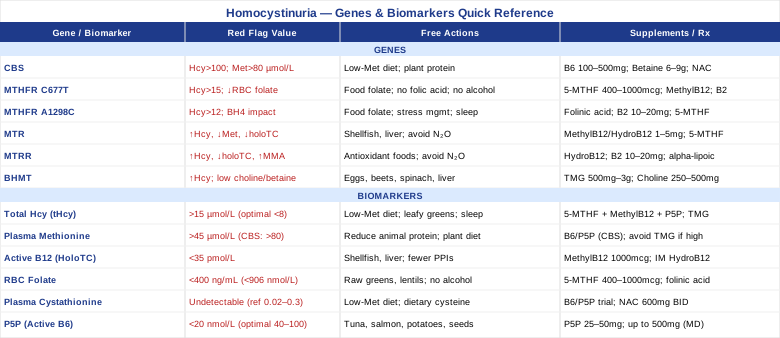
6 Biomarkers Every Person With Homocystinuria Should Track
Tracking biomarkers in homocystinuria is not about chasing perfect numbers. It is about understanding your personal metabolic signature — where the bottleneck is, what is piling up upstream, and what is being depleted downstream. The six markers below form a coherent panel. Each one tells a different part of the same story.
Biomarker 1: Total Plasma Homocysteine (tHcy)
Why it matters: Homocysteine is the central metabolite in this condition. Elevated tHcy is directly associated with endothelial damage, increased thrombotic risk, cognitive decline, and — in classic CBS deficiency — connective tissue abnormalities and ectopia lentis. It is the most sensitive indicator that something is wrong somewhere in the methionine cycle.
What it reveals: tHcy reflects the cumulative dysfunction of multiple pathways. A severely elevated result (>100 µmol/L) strongly suggests classic CBS deficiency. Moderate elevations (15–30 µmol/L) are often driven by MTHFR variants, B12 deficiency, or B6 insufficiency. Even mild elevations above 8 µmol/L matter for long-term cardiovascular and neurological health, according to data referenced in GeneReviews on CBS Deficiency.
How to measure it: Standard plasma homocysteine test, ordered through most labs. Cost ranges from $20 to $60 depending on country and provider. Fasting is preferable for most accurate results, as a meal temporarily lowers tHcy. Direct-to-consumer options exist in some markets for $30–50.
Optimal vs. standard ranges: Most labs flag above 15 µmol/L as high. Peter Attia and other precision medicine practitioners consider above 8–9 µmol/L worth addressing. For someone with a known CBS or MTHFR variant, the goal is typically below 8 µmol/L.
If the score is high — the plan without supplements: Reduce dietary methionine by limiting red meat, processed cheese, and high-protein isolates. Increase dietary folate from whole food sources: dark leafy greens (spinach, arugula, romaine), asparagus, lentils, and chickpeas. Ensure adequate protein distribution across meals rather than one large high-protein meal. Reduce alcohol, which significantly impairs folate absorption and B12 utilization. Optimize sleep, as poor sleep independently raises homocysteine through increased oxidative stress.
If the score is high — the plan with supplements: The most evidence-backed protocol begins with methylfolate (400–800 mcg/day as 5-MTHF rather than folic acid), methylcobalamin or hydroxocobalamin (500–1000 mcg/day), and P5P (pyridoxal-5-phosphate, 25–50 mg/day). For CBS-deficient individuals who are B6-responsive, pharmacological doses of B6 (up to 500 mg/day under physician supervision) may dramatically reduce tHcy. Betaine (TMG, 1–3 g/day) provides a parallel remethylation route that bypasses the MTHFR pathway entirely. Cycling betaine every 3–4 months is advisable to monitor methionine levels, which can rise with prolonged use. Side effects include transient digestive discomfort with betaine and, at very high B6 doses, peripheral neuropathy — which is why doses above 100 mg/day require medical oversight.
Biomarker 2: Plasma Methionine
Why it matters: Methionine is the amino acid that becomes homocysteine after donating its methyl group. In classic CBS deficiency, both methionine and homocysteine accumulate because the enzyme responsible for converting homocysteine to cystathionine is absent or impaired. Tracking methionine alongside homocysteine helps distinguish CBS deficiency from disorders of remethylation, where homocysteine is high but methionine is low.
What it reveals: High homocysteine + high methionine = CBS pathway problem. High homocysteine + low or normal methionine = remethylation problem (MTHFR, MTR, cobalamin disorders). This distinction fundamentally changes the treatment approach.
How to measure it: Plasma amino acid panel, which includes methionine along with cystathionine and other relevant amino acids. Cost: $100–200 for a full amino acid panel. Some metabolic specialty labs offer targeted methionine-cycle panels for $80–150. Normal range: 12–45 µmol/L. CBS-deficient patients may have methionine above 80 µmol/L.
If methionine is elevated — the plan without supplements: Dietary methionine restriction is the cornerstone of CBS management. This means reducing animal protein intake, particularly red meat, chicken, eggs, and dairy, in favor of plant proteins like legumes and grains that have a more balanced amino acid profile. Working with a metabolic dietitian is strongly recommended, as overcorrection can cause methionine deficiency, which has its own consequences.
If methionine is elevated — the plan with supplements: Betaine (TMG) should be used with caution in CBS patients because it remethylates homocysteine back to methionine, which can worsen methionine accumulation. The more appropriate supplement approach for CBS is B6-responsive patients: pyridoxine or P5P (under medical supervision). For non-B6-responsive CBS, pharmacological betaine is still used at high doses (6–9 g/day) because reducing homocysteine matters more than the methionine rise, but this requires close monitoring.
Biomarker 3: Active B12 (Holotranscobalamin)
Why it matters: Cobalamin (B12) is an essential cofactor for methionine synthase (the MTR enzyme), which converts homocysteine back to methionine using methylfolate. Without adequate active B12, this remethylation step stalls, homocysteine accumulates, and methionine drops. Standard total B12 testing notoriously misses functional deficiency because it measures bound and unbound fractions together. Holotranscobalamin (holoTC) is the metabolically active fraction and a more sensitive early marker.
What it reveals: Low holoTC (below 35–40 pmol/L) indicates that even if total B12 looks acceptable, your cells are not receiving enough to support methylation. This is especially relevant for people with MTR or MTRR gene variants, which impair either B12-dependent methionine synthase function or the enzyme that regenerates active B12.
How to measure it: HoloTC assay, available through specialty labs and increasingly through standard panels. Cost: $30–70. Some practitioners also order methylmalonic acid (MMA) alongside holoTC for a functional assessment of intracellular B12 status. Elevated MMA + low holoTC is a strong signal of meaningful B12 deficiency even when total B12 is in range.
If holoTC is low — the plan without supplements: Increase dietary B12 from animal products: shellfish (especially clams and mussels), beef liver, salmon, sardines, and eggs. For vegetarians and vegans, nutritional yeast with added B12 and fortified foods are the primary dietary sources. Reduce proton pump inhibitor (PPI) use if applicable, as acid suppression significantly impairs B12 absorption. Addressing gut health (H. pylori eradication if present) improves intrinsic factor function and B12 uptake.
If holoTC is low — the plan with supplements: Methylcobalamin (1000 mcg/day sublingual) or hydroxocobalamin are preferred over cyanocobalamin for people with MTR or MTRR variants, as these forms are more directly usable. For confirmed deficiency or known absorption issues, monthly intramuscular hydroxocobalamin injections are more reliable than oral dosing. Frequency: daily oral supplementation ongoing; reassess holoTC and MMA after 12 weeks. Side effects are rare at standard doses; very high doses may cause acne-like skin reactions in some individuals.
Biomarker 4: RBC Folate (Red Blood Cell Folate)
Why it matters: Folate — specifically 5-methyltetrahydrofolate (5-MTHF) — is the methyl donor that feeds the remethylation of homocysteine via the MTR enzyme. RBC folate reflects long-term intracellular folate status over the past 3–4 months, making it a more reliable marker than serum folate, which reflects recent dietary intake and can look fine even when cellular reserves are depleted.
What it reveals: Low RBC folate combined with elevated homocysteine points strongly toward a folate-driven remethylation failure — often worsened by MTHFR variants that impair conversion of dietary folate or folic acid into the active 5-MTHF form. High serum folate with low RBC folate can indicate a folate trap caused by B12 deficiency, a pattern Thomas Dayspring has discussed in the context of complex metabolic panels.
How to measure it: Standard RBC folate test, $20–45 through most labs. Optimal range: above 400–600 ng/mL (some labs report in nmol/L; optimal is above 906 nmol/L). Serum folate alone is insufficient — request the RBC-specific test.
If RBC folate is low — the plan without supplements: Increase dietary folate: dark leafy greens (especially raw spinach, arugula, and Swiss chard), liver, lentils, asparagus, avocado, and Brussels sprouts. Avoid excessive heat when cooking folate-rich vegetables as it degrades the vitamin significantly. Limit alcohol, which is one of the strongest dietary disruptors of folate absorption. If folic acid-fortified foods are your main source, note that people with MTHFR C677T TT homozygotes may not convert folic acid efficiently — prefer whole-food folate.
If RBC folate is low — the plan with supplements: Use 5-MTHF (methylfolate) rather than folic acid, starting at 400 mcg/day and titrating to 800–1000 mcg/day based on retesting at 12 weeks. Some MTHFR homozygotes require 1–5 mg/day under supervision. Folinic acid (not folic acid) is an alternative for people who are sensitive to methylfolate and experience anxiety or overstimulation with it — a pattern noted in Ben Lynch's clinical observations. Do not combine high-dose methylfolate with methotrexate or similar antifolate medications. Cycling is not required for folate; maintain stable daily dosing and monitor quarterly.
Biomarker 5: Plasma Cystathionine
Why it matters: Cystathionine is the intermediate produced when CBS converts homocysteine to cysteine. In CBS deficiency, cystathionine is absent or extremely low because the enzyme cannot make it. This makes cystathionine one of the most diagnostically specific markers for CBS dysfunction. Paradoxically, in well-treated CBS deficiency where B6 partially restores CBS activity, cystathionine may appear in small amounts — a positive sign.
What it reveals: Undetectable cystathionine alongside high homocysteine and high methionine is strongly diagnostic of CBS deficiency. Normal or elevated cystathionine with elevated homocysteine points instead to a remethylation defect or cystathioninuria (a separate, generally benign condition). Including cystathionine in the amino acid panel transforms a single number into a diagnostic fingerprint.
How to measure it: Part of a plasma amino acid panel ($100–200). Not available as a standalone test at most labs. Newborn screening panels in many countries now include cystathionine and its related metabolites. Reference range: 0.02–0.3 µmol/L in most healthy adults. Values below the detection limit in someone with elevated homocysteine are clinically meaningful.
If cystathionine is absent or low — the plan without supplements: Low cystathionine primarily reflects CBS insufficiency rather than a dietary variable, so dietary interventions are indirect. However, reducing methionine load (as described above) decreases the substrate burden on CBS. Ensuring adequate dietary cysteine — found in eggs, poultry, and legumes — becomes important because the body's own CBS-dependent cysteine synthesis is impaired.
If cystathionine is absent or low — the plan with supplements: B6-responsive CBS patients (approximately 50% of classical cases) show meaningful recovery of CBS function with pharmacological pyridoxine (typically 200–500 mg/day) or P5P (25–100 mg/day). B6 responsiveness is confirmed when homocysteine drops and trace cystathionine becomes detectable after a 4–6 week trial. For non-responsive patients, betaine (TMG) at therapeutic doses (6–9 g/day in divided doses) is the primary supplement to shift homocysteine through the BHMT alternative route. N-acetylcysteine (NAC, 600 mg twice daily) can supplement the cysteine that CBS normally produces. Side effects of long-term high-dose B6: peripheral neuropathy — mandatory medical supervision above 100 mg/day. Betaine side effects: fishy body odor at high doses in a minority; GI upset at initiation.
Biomarker 6: Pyridoxal-5-Phosphate (P5P / Active B6)
Why it matters: Pyridoxal-5-phosphate is the active coenzyme form of vitamin B6 and the direct cofactor for CBS. Without adequate P5P, even a structurally intact CBS enzyme cannot function optimally. Many people consume adequate B6 from food but have impaired conversion to P5P due to poor gut health, alkaline intestinal pH, or genetic variants affecting B6 metabolism. Measuring P5P directly tells you what is actually available at the enzymatic level.
What it reveals: Low P5P (below 20–30 nmol/L) indicates inadequate cofactor availability for CBS, potentially explaining elevated homocysteine even when total B6 intake seems adequate. Since P5P is also required for over 100 enzymatic reactions including neurotransmitter synthesis (serotonin, dopamine, GABA), low values have implications well beyond homocystinuria.
How to measure it: Plasma P5P test, available through functional and standard labs. Cost: $30–70. Some comprehensive micronutrient panels (e.g., SpectraCell or NutrEval) include P5P. Optimal range: 40–100 nmol/L for individuals with CBS-related concerns. Standard lab ranges are often set too low (above 5–10 nmol/L) to catch functional insufficiency.
If P5P is low — the plan without supplements: Increase dietary B6: tuna, salmon, turkey, chicken, potatoes (with skin), bananas, and sunflower seeds. Reduce B6 antagonists: alcohol, excess refined carbohydrates, and hydralazine (if applicable). Improve digestive health, particularly small intestinal absorption, as impaired gut motility and chronic low-grade inflammation reduce B6 conversion efficiency.
If P5P is low — the plan with supplements: P5P (pyridoxal-5-phosphate) supplementation at 25–50 mg/day is preferable to pyridoxine hydrochloride for people who have difficulty converting B6 to its active form. For B6-responsive CBS, physician-supervised doses of 100–500 mg/day are used therapeutically. Reassess plasma P5P and homocysteine after 8–12 weeks. Avoid doses above 100 mg/day without medical supervision; peripheral neuropathy, though rare at moderate doses, is the primary side effect of prolonged high-dose B6. Do not combine high-dose P5P with levodopa therapy without medical review, as B6 may affect levodopa metabolism.
The Genetic Side: 6 Key Genes Driving Homocystinuria
Understanding which gene is impaired changes everything about how you approach treatment. The methionine-homocysteine cycle has multiple enzymatic steps, and a defect at any one of them produces a distinct biochemical pattern. Here are the six genes most relevant to homocystinuria and related hyperhomocysteinemia conditions.
Gene 1: CBS (Cystathionine Beta-Synthase)
CBS is the primary gene for classical homocystinuria. It encodes the enzyme that converts homocysteine to cystathionine — the first step in the transsulfuration pathway. More than 160 pathogenic variants have been identified, the most common being c.833T>C (p.I278T) and c.919G>A (p.R307Q). Biallelic (homozygous or compound heterozygous) loss-of-function mutations cause the full clinical syndrome described in GeneReviews: Homocystinuria Due to Cystathionine Beta-Synthase Deficiency.
If the gene is impaired — the plan without supplements: Dietary methionine restriction (targeting methionine intake below 20–30 mg/kg/day for children; individualized for adults) is the dietary cornerstone. Specialized low-methionine medical foods are available through metabolic nutrition programs. Avoiding folate-depleting factors (alcohol, smoking, excess refined carbohydrates) supports the remaining remethylation capacity.
If the gene is impaired — the plan with supplements or equipment: B6 responsiveness testing is mandatory. Approximately 50% of CBS-deficient individuals show significant reduction in homocysteine with pyridoxine (100–500 mg/day, physician-supervised). Non-responders require betaine (6–9 g/day divided doses), methionine-restricted diet, and sometimes pharmacological folate and B12. Regular ophthalmology monitoring for ectopia lentis and thromboembolism surveillance are clinical necessities, not optional extras.
Gene 2: MTHFR C677T
MTHFR encodes methylenetetrahydrofolate reductase, which converts folate into 5-MTHF — the active form needed to remethylate homocysteine via MTR. The C677T variant (rs1801133) reduces enzyme activity by approximately 35% in heterozygotes and 70% in homozygotes. It is present in roughly 10–15% of Northern European populations as the TT homozygous form, and higher rates in Mediterranean and Mexican populations.
If the gene is TT homozygous — the plan without supplements: Maximize dietary 5-MTHF from whole food sources (see folate section above). Avoid folic acid-fortified foods and supplements, as unmetabolized folic acid may accumulate and competitively block 5-MTHF receptors in TT individuals, according to researchers including Dr. Ben Lynch. Reduce methionine-heavy protein sources and increase plant proteins.
If the gene is TT homozygous — the plan with supplements or equipment: 5-MTHF supplementation (methylfolate) at 400–1000 mcg/day is the primary intervention. Add methylcobalamin (1000 mcg/day) as it synergizes with MTR to use the 5-MTHF that MTHFR does produce. Some practitioners add riboflavin (B2, 10–30 mg/day), which is the cofactor for MTHFR itself and modestly increases enzyme efficiency even in TT individuals (referenced in human trials including work by Horigan et al.). Retest homocysteine and RBC folate at 12 weeks. Riboflavin cycling is unnecessary; maintain daily dosing long-term.
Gene 3: MTHFR A1298C
The A1298C variant (rs1801131) affects the regulatory domain of MTHFR and has a more modest impact on enzyme activity than C677T when present alone (approximately 20% reduction in homozygotes). However, compound heterozygosity — having one copy of C677T and one copy of A1298C — produces a significant combined reduction in MTHFR activity and is associated with clinically meaningful hyperhomocysteinemia. The A1298C variant also impairs BH4 synthesis, which is relevant to dopamine and serotonin production.
If the gene is relevant — the plan without supplements: Same dietary strategies as MTHFR C677T: maximize food-form folate, reduce alcohol, ensure complete sleep and stress management. The BH4 connection means stress management has a direct biochemical impact — cortisol depletes BH4, which feeds back into reduced neurotransmitter synthesis and worsened methylation.
If the gene is relevant — the plan with supplements or equipment: Folinic acid (calcium folinate, not folic acid) may suit A1298C homozygotes better than methylfolate, as some individuals with this variant experience overstimulation from high-dose methylfolate. Riboflavin (B2, 10–20 mg/day) again supports MTHFR efficiency. For compound heterozygotes (C677T + A1298C), treat as functionally similar to C677T homozygote in terms of methylfolate support needs.
Gene 4: MTR (Methionine Synthase)
MTR encodes methionine synthase, the enzyme that directly converts homocysteine to methionine using methylcobalamin and 5-MTHF simultaneously. The A2756G variant (rs1805087) is the most studied functional variant. MTR activity is uniquely dependent on both B12 and folate, making it the enzymatic junction where deficiencies in either nutrient converge.
If the gene is impaired — the plan without supplements: Optimize dietary B12 (especially from shellfish and liver) and folate simultaneously. Since MTR requires both, deficiency in either stalls homocysteine remethylation. Reduce nitrous oxide exposure (dental procedures, recreational use) as N2O irreversibly inactivates MTR's B12 cofactor — a fact clinically relevant for people with known MTR variants undergoing surgery.
If the gene is impaired — the plan with supplements or equipment: Methylcobalamin or hydroxocobalamin (1000–5000 mcg/day for known MTR impairment) combined with 5-MTHF (400–1000 mcg/day). Hydroxocobalamin may be preferred by some practitioners as it can convert to either methylcobalamin or adenosylcobalamin depending on cellular need. Reassess holoTC, MMA, and homocysteine at 12 weeks.
Gene 5: MTRR (Methionine Synthase Reductase)
MTRR encodes the enzyme that regenerates the active methylcobalamin cofactor used by MTR. Without functional MTRR, MTR activity rapidly declines even when B12 intake is adequate, because the active cofactor becomes oxidized and cannot be restored. The A66G variant (rs1801394) is common (roughly 20–30% of European populations are homozygous GG) and reduces MTRR efficiency, impairing B12-dependent remethylation over time.
If the gene is impaired — the plan without supplements: Reduce oxidative stress systematically, as oxidative damage accelerates B12 cofactor inactivation beyond what impaired MTRR can regenerate. This means prioritizing antioxidant-rich foods (berries, colorful vegetables, olive oil, green tea), sufficient sleep, and aerobic exercise. Nitrous oxide avoidance is especially important here.
If the gene is impaired — the plan with supplements or equipment: Hydroxocobalamin is often recommended over methylcobalamin specifically for MTRR variants, as it provides the B12 substrate in a form that cells can more flexibly convert. Combine with riboflavin (B2, 10–20 mg/day) and 5-MTHF. Some practitioners add alpha-lipoic acid (100–300 mg/day) as an antioxidant that may support the redox cycling MTRR performs. Monitor homocysteine, holoTC, and MMA at 12 weeks. Alpha-lipoic acid should be taken away from thyroid medication if applicable.
Gene 6: BHMT (Betaine-Homocysteine Methyltransferase)
BHMT provides an alternative remethylation route that converts homocysteine to methionine using betaine (trimethylglycine) as the methyl donor — bypassing MTHFR and B12 entirely. This is why betaine supplementation works even when MTHFR is heavily impaired. BHMT variants reduce the efficiency of this backup pathway, making the primary MTHFR-B12 route even more critical. The BHMT G742A and BHMT2 variants are among those studied.
If the gene is impaired — the plan without supplements: Increase dietary choline and betaine, as both support this pathway from the supply side. Choline-rich foods: eggs (especially yolks), liver, beef, salmon, and cruciferous vegetables. Betaine-rich foods: beets, spinach, wheat germ, and quinoa. These are among the most underappreciated dietary adjustments in the context of homocystinuria management.
If the gene is impaired — the plan with supplements or equipment: Betaine (TMG, 500 mg–3 g/day in divided doses) is the targeted intervention for BHMT support. For individuals where MTHFR is also impaired, TMG becomes especially important as a parallel remethylation route. Monitor methionine levels during betaine use — as discussed in the biomarker section, rising methionine is the main concern with prolonged betaine therapy. Cycling 8 weeks on, 4 weeks off while monitoring methionine is a reasonable protocol. Choline supplementation (250–500 mg/day as CDP-choline or phosphatidylcholine) provides the precursor for endogenous betaine synthesis.
What Dirty Genes Gets Right About Methylation and Homocystinuria
Dirty Genes by Dr. Ben Lynch (2018) is one of the most practically referenced books on methylation genetics written for a general health audience. Lynch, a naturopathic physician with a focus on MTHFR research, argues that genes are not destiny — they are context-dependent, shaped by what he calls your "environment," meaning diet, sleep, stress, and toxin exposure. His framework maps directly onto homocystinuria management, even if the book was not written specifically for this condition.
1. Your Genes Are Not Fixed — They Are Responsive
Lynch's central argument is that gene expression is more plastic than most people believe. Even a CBS or MTHFR variant does not produce constant, unchanging dysfunction. Nutritional inputs, sleep quality, and oxidative load all modulate how severely a gene variant impairs enzymatic function. This is not speculative — it is the basis of B6-responsive CBS therapy, where a cofactor literally rescues partial enzyme function.
2. MTHFR Is the Most Commonly Over-Simplified Gene
Lynch emphasizes that MTHFR variants are often blamed for everything and properly addressed by very little. The C677T TT genotype does reduce enzyme function meaningfully, but many people with this genotype have normal homocysteine because their diet, gut health, and B12 status compensate adequately. The biomarker (homocysteine, RBC folate) matters more than the genotype alone.
3. Folic Acid Is Not the Same as Folate
One of Lynch's most practically impactful points: synthetic folic acid requires conversion to 5-MTHF by MTHFR — the very enzyme that may be impaired. High-dose folic acid in MTHFR TT individuals can lead to unmetabolized folic acid accumulation, which Lynch argues may block folate receptors and worsen rather than improve the clinical picture. This is why 5-MTHF or food-form folate is almost universally recommended by practitioners familiar with MTHFR.
4. The "Soak and Scrub" Concept
Lynch introduces a concept he calls soak and scrub: before optimizing methylation with supplements, first reduce the incoming load (remove junk food, alcohol, toxins, poor sleep, excess stress) — the "soak" — then carefully add targeted nutrients. Jumping straight to high-dose methylfolate without the soak can overstimulate methylation, causing anxiety, irritability, or even worsening some symptoms. This is clinically relevant for homocystinuria, where aggressive supplementation without dietary methionine management can shift the problem rather than solving it.
5. B2 (Riboflavin) Is the Forgotten MTHFR Fix
Lynch highlights a series of human trials — including work by Horigan, McNulty, and colleagues — showing that riboflavin (B2) at modest doses (1.6–5 mg/day in some studies; Lynch often uses 10–30 mg/day therapeutically) increases MTHFR enzyme activity even in C677T TT individuals by stabilizing the FAD cofactor that MTHFR requires. This is one of the most underutilized interventions in MTHFR management.
6. Methylation Is Not Always Too Low — Sometimes It Is Too High
Lynch warns against assuming everyone with methylation gene variants is undermethylated. Over-supplementation with methylfolate and methylcobalamin can push methyl group availability too high, depleting SAH-hydrolase activity and paradoxically impairing other methylation-dependent processes. Symptoms of overmethylation (anxiety, irritability, insomnia, racing thoughts) are a signal to reduce dose, not increase it.
7. CBS Variants Create a Different Problem Than MTHFR
Lynch distinguishes CBS variants (which cause downstream transsulfuration pathway issues — low cysteine, low glutathione, elevated homocysteine despite potential MTHFR sufficiency) from remethylation variants. He advocates measuring both pathways before supplementing. For CBS variants, supplemental cysteine and support for glutathione synthesis (NAC, glycine) can be more immediately helpful than the methylfolate protocols suited for MTHFR.
8. Sleep, Stress, and Toxins Modify Your "Dirty" Genes More Than You Think
Lynch dedicates significant discussion to lifestyle factors that measurably affect methylation. Poor sleep (under 7 hours) increases inflammatory cytokines that impair MTHFR activity. Chronic stress depletes SAM (S-adenosylmethionine), the universal methyl donor produced at the output of the methylation cycle. Alcohol directly depletes folate and inhibits B12 utilization. These are not peripheral concerns — they are first-line interventions.
9. Genetic Testing Should Inform, Not Dictate
Lynch is notably cautious about over-interpreting raw genetic data without clinical context. He warns against running a 23andMe report through an automated variant-interpretation tool and concluding that a list of "bad genes" requires a full supplement protocol. Each variant's impact depends on which other variants are present, what biomarkers show, and what the clinical picture looks like. This is consistent with the biomarker-first approach in this article.
10. The Goal Is Not to Fix Your Genes — It Is to Work With Them
Lynch's deepest point is that the goal of understanding your methylation genetics is not to achieve some idealized biochemistry, but to build habits and a lifestyle that are calibrated to your specific biology. For someone with CBS deficiency, that means lifetime dietary methionine awareness and consistent monitoring. For MTHFR TT, it means consistent methylfolate, active B12, and riboflavin as long-term maintenance — not a short course but a permanent shift in how you fuel your biochemistry.
Complementary Approaches With Clinical Relevance
Three complementary modalities have enough human-level evidence to be worth discussing in the context of homocystinuria and related methylation disorders. None replace medical management, but each addresses a mechanism — oxidative stress, autonomic dysregulation, gut-mediated nutrient absorption — that directly interacts with homocysteine metabolism.
Mindfulness Meditation and MBSR
Psychological stress is not a peripheral concern in homocystinuria management. Cortisol and catecholamine release driven by chronic stress depletes SAM (S-adenosylmethionine) and increases oxidative stress — both of which impair methylation capacity and raise homocysteine. This creates a direct biochemical link between stress physiology and homocysteine elevation that is independent of diet and supplementation.
A randomized controlled trial published in Psychosomatic Medicine (2012) found that mindfulness-based stress reduction (MBSR) significantly reduced markers of oxidative stress and inflammatory cytokines in healthy adults. While no MBSR trial has targeted homocystinuria specifically, the mechanistic pathway from reduced cortisol to improved methylation efficiency is well-supported in the broader literature.
Practically: an 8-week MBSR program (the standard protocol developed by Jon Kabat-Zinn) involves 2.5 hours per week of group instruction plus daily 30–45 minute home practice. Apps like Insight Timer or Waking Up can support home practice. The evidence is strongest for stress reduction and inflammatory marker improvement; direct homocysteine-lowering effects are modest but measurable in some observational studies. Best combined with, not substituted for, dietary and nutritional interventions.
Microbiome-Directed Therapies
The gut microbiome produces B vitamins including folate, B12, and B6 — all nutrients central to homocysteine metabolism. Dysbiosis (gut microbial imbalance) measurably impairs the production and absorption of these vitamins. Additionally, gut barrier integrity affects homocysteine absorption from dietary protein, and intestinal inflammation contributes to the systemic oxidative stress that worsens methylation.
A systematic review published in Nutrients (2017) examined the relationship between the gut microbiome and one-carbon metabolism (which includes the methylation cycle), finding that microbial production of folate and cobalamin is clinically meaningful, particularly in individuals with genetic impairments in B vitamin utilization. Small intestinal bacterial overgrowth (SIBO) can paradoxically both produce and compete for B12.
Practically: a clinically relevant approach involves a high-fiber prebiotic diet (targeting 30g+ dietary fiber from diverse plants), fermented foods (yogurt, kefir, sauerkraut) for probiotic diversity, and — in confirmed dysbiosis — a targeted probiotic trial with Lactobacillus rhamnosus and Bifidobacterium longum strains, which show the most consistent B vitamin production capacity. Stool testing (GI-MAP or similar) before starting broad probiotic protocols helps ensure the intervention is appropriately targeted. Duration: 8–12 weeks minimum, with reassessment of B12 and folate status.
Breathing-Based Therapies
Diaphragmatic breathing and structured breathwork practices reduce sympathetic nervous system activation, lower oxidative stress markers, and improve endothelial function — all relevant to the cardiovascular risk that homocystinuria creates. Elevated homocysteine damages the endothelium partly through oxidative mechanisms, and reducing the oxidative burden through parasympathetic activation offers a meaningful adjunct to nutritional therapy.
A randomized trial published in Evidence-Based Complementary and Alternative Medicine (2014) found that slow-paced breathing (5–6 breaths per minute) significantly reduced markers of oxidative stress and improved heart rate variability in participants with cardiovascular risk. HRV improvement reflects reduced sympathetic tone and better autonomic regulation — both associated with lower inflammatory and oxidative load.
Practically: the most accessible protocol is slow paced breathing at 5–6 breaths per minute (inhale 5 seconds, exhale 5 seconds) for 10–15 minutes daily. This can be practiced with a simple app (e.g., Breathing Zone) or a heart rate variability biofeedback device (Garmin HRV monitoring, Polar H10 chest strap). Evidence is not condition-specific for homocystinuria; it applies through the oxidative stress pathway. Combine with, not instead of, medical management.
Conclusion
Homocystinuria is one of the few metabolic conditions where precision matters enormously. The same elevated homocysteine number can mean something completely different depending on whether methionine is high or low, whether cystathionine is absent or detectable, whether holoTC is depleted, and whether the driver is a CBS mutation, an MTHFR variant, or an MTR-MTRR combination. The biomarkers and genes outlined in this article are not academic curiosities — they determine whether betaine helps or hurts, whether B6 is a treatment or a footnote, and whether methylfolate is your most important tool or a supplement you should take cautiously.
The next smart step is not to start supplementing. It is to measure. Get a plasma homocysteine, methionine, holoTC, RBC folate, and P5P panel ordered through your physician or a functional medicine practitioner. If genetic testing has not been done, a comprehensive methylation gene panel through a service like SpectraCell, Genova, or similar gives you the genetic context to interpret those numbers properly. From that foundation, you and a qualified clinician — ideally one familiar with inborn errors of metabolism or functional medicine — can build a protocol that fits your actual biology, not a generic template.
Eye Neurological Cardiovascular Endocrine & Metabolic
Cardiovascular: Vascular Conditions