This article contains AI generated content.
· UpdatedHTLV-1 Associated Arthropathy — 7 Biomarkers and 5 Genes to Track
Introduction
If you or someone you care for has received an HTLV-1 diagnosis and is dealing with chronic joint pain, you already know how isolating it can feel. Most rheumatologists know rheumatoid arthritis inside and out, but HTLV-1 associated arthropathy sits at the crossroads of virology, immunology, and rheumatology — a place where generic joint-pain advice rarely lands with precision.
The frustration is real. You may have been told your joints look inflamed, received a list of standard treatments, and yet felt like the deeper question — why is this happening to your immune system specifically — remains unanswered. HTLV-1 arthropathy is not simply RA with a different label. It is driven by a retrovirus that reprograms your CD4+ T cells, triggers cytokine cascades, and accumulates in synovial tissue. Understanding that distinction changes what you track, what you prioritize, and what actually moves the needle.
This article takes a more specific approach. It starts with the biomarkers most relevant to monitoring viral burden, immune balance, and joint inflammation in this condition — concrete numbers you can ask your doctor about and track over time. It also examines the genetic factors that shape individual susceptibility and inflammatory intensity, because not everyone with HTLV-1 develops arthropathy, and those genetic differences matter for strategy.
Better information does not cure anything, but it creates the conditions for smarter decisions. Whether your goal is reducing flares, understanding your lab results more deeply, or having a more informed conversation with your specialist, knowing which numbers to watch and which genes to understand is a meaningful place to begin.
Summary
This article covers 7 trackable biomarkers — including HTLV-1 proviral load, IL-6, hsCRP, and vitamin D — and explains what each reveals about your viral burden and inflammatory state, how to measure it affordably, and what to do when a result comes back abnormal. The genetics section explores 5 key genes (HLA-DRB1, TNF-α, IL-10, CCR4, FOXP3) and what their variants mean for how aggressively your immune system reacts to the virus. Beyond lab work, you will find a curated Huberman Lab-inspired protocol grounded in immune regulation science, plus evidence-supported complementary modalities — including the autoimmune protocol and mindfulness-based approaches — that have meaningful evidence in inflammatory joint disease. Each section includes practical plans, with and without supplements, so you can act on what you learn regardless of your starting point.
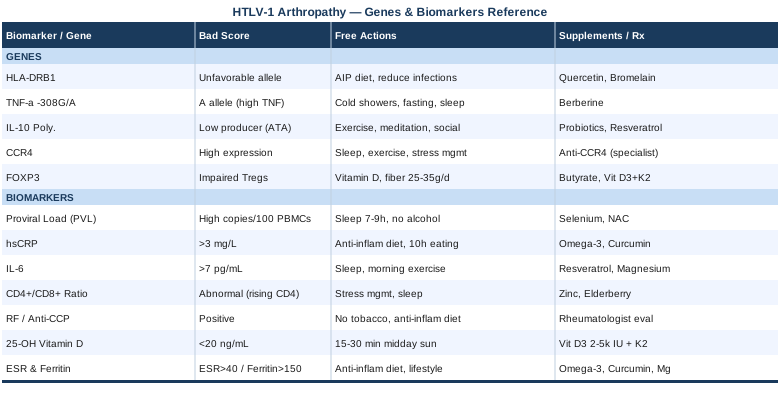
7 Biomarkers to Track for HTLV-1 Associated Arthropathy
Tracking biomarkers in HTLV-1 arthropathy is not about chasing perfect numbers — it is about building a longitudinal picture of how your immune system is handling a persistent viral load and where inflammation is gaining ground. These seven markers cover the most critical dimensions: viral burden, systemic inflammation, immune cell balance, differential diagnosis, and nutritional immune support.
Biomarker 1 — HTLV-1 Proviral Load (PVL)
Why it matters: The HTLV-1 proviral load measures the number of HTLV-1-infected cells in your peripheral blood, typically expressed as copies per 100 peripheral blood mononuclear cells (PBMCs). It is the most direct indicator of viral burden. In HTLV-1-associated conditions, higher proviral loads consistently correlate with greater risk of inflammatory manifestations, including arthropathy. This marker tells you not just that the virus is present but how much immunological pressure it is currently exerting.
What it reveals: A rising PVL over sequential tests may signal that the immune system is losing control of viral replication. A stable or declining PVL, in contrast, suggests a better host-virus equilibrium. In patients with arthropathy, elevated PVL is frequently found in synovial fluid alongside peripheral blood, meaning the virus is directly participating in joint inflammation, not just bystander tissue.
How to measure it: PVL is measured by quantitative real-time PCR (qPCR) on DNA extracted from PBMCs. This is a specialized test not offered in every lab — university medical centers, infectious disease labs, or national reference centers (particularly in Japan, Brazil, and the UK) typically offer it. Cost ranges from $150 to $400 USD depending on the country and whether it is ordered through a specialist. You will need a referral from an infectious disease physician or a specialist familiar with HTLV-1.
If the score is high, the plan without supplements: Focus on reducing immune activation burden. Prioritize sleep of 7–9 hours nightly — sleep deprivation elevates viral replication rates across multiple retroviral models. Reduce psychological stress through structured daily routines, since chronic stress elevates cortisol and suppresses CD8+ cytotoxic T-cell surveillance. Avoid alcohol and tobacco, both of which impair T-cell function. Movement matters: moderate aerobic exercise (30 minutes, 4–5 days per week, at 60–70% maximum heart rate) improves NK cell surveillance without the over-training-related immunosuppression seen at high intensity. Have your physician reassess whether antiviral therapy (such as zidovudine plus interferon-alpha, the most studied regimen in HTLV-1 related diseases) is appropriate for your clinical picture.
If the score is high, the plan with supplements: There is no supplement that directly suppresses HTLV-1 replication with proven efficacy at this time. However, supporting immune regulatory function is biologically rational. Selenium (100–200 mcg/day from selenomethionine) has documented roles in T-cell function and antiviral immunity — cycle 5 days on, 2 days off to avoid toxicity, and do not exceed 400 mcg/day. NAC (N-acetyl cysteine, 600 mg twice daily) supports glutathione, which modulates NF-κB signaling — the same pathway activated by the HTLV-1 Tax protein. Take 8 weeks on, 4 weeks off. Side effects at these doses are generally mild (GI upset). Always inform your specialist before starting any supplement protocol alongside antiretroviral treatment.
View related research on HTLV-1 proviral load and arthropathy on PubMed
Biomarker 2 — hsCRP (High-Sensitivity C-Reactive Protein)
Why it matters: C-reactive protein is produced by the liver in response to IL-6 and other pro-inflammatory cytokines. The high-sensitivity version (hsCRP) can detect low-grade inflammation that the standard CRP test misses. In HTLV-1 arthropathy, hsCRP reflects the systemic inflammatory burden arising from activated T cells in and around joint tissue. It is also the most accessible general inflammation marker available through routine blood work.
What it reveals: Values below 1 mg/L are considered low inflammatory risk. Values between 1–3 mg/L are borderline, and anything above 3 mg/L signals active systemic inflammation. During arthropathy flares, hsCRP often rises significantly. Tracking it over months lets you and your physician gauge whether your current management plan is actually reducing inflammatory load or merely managing symptoms.
How to measure it: A simple blood draw ordered through any primary care physician. Cost: $15–$50 USD, often covered by insurance. Measure at baseline, then every 3 months when monitoring treatment response, or monthly during a flare.
If the score is high, the plan without supplements: Anti-inflammatory diet is the most evidence-supported intervention. Eliminate refined sugars, seed oils high in omega-6 (canola, soybean, sunflower), and ultra-processed foods. Increase oily fish (3 servings per week), colorful vegetables (especially cruciferous), and olive oil as the primary fat. Time-restricted eating (eating within a 10-hour window) has shown reductions in hsCRP of 20–30% in clinical studies independent of weight loss. Regular aerobic movement, as described under PVL, also predictably reduces hsCRP over 8–12 weeks.
If the score is high, the plan with supplements: Omega-3 fatty acids (EPA + DHA combined, 2–4 g/day) reduce IL-6 and CRP through direct modulation of inflammatory pathways; take with a fatty meal to improve absorption. Use 12 weeks continuously, then reassess. Curcumin with piperine (500 mg curcumin, 5 mg piperine, twice daily with meals) inhibits NF-κB — the same pathway Tax activates in HTLV-1. Use for 8 weeks with a 4-week break. GI sensitivity is the most common side effect. Curcumin has known blood-thinning effects — caution if on anticoagulants.
Related research on hsCRP and inflammatory arthritis on PubMed
Biomarker 3 — Interleukin-6 (IL-6)
Why it matters: IL-6 is one of the most important cytokines in HTLV-1 arthropathy. It is produced by HTLV-1-infected T cells, synovial fibroblasts, and macrophages, and it drives both local joint destruction and systemic inflammation. IL-6 is the primary signal that turns on hsCRP production in the liver, making it the upstream target of CRP. In HTLV-1 infection, the Tax protein directly upregulates IL-6 gene expression — which is why IL-6 levels in these patients can be disproportionately high relative to the degree of joint damage seen on imaging.
What it reveals: Elevated serum IL-6 (normal range typically below 7 pg/mL) predicts more aggressive joint disease and may indicate that cytokine-targeted therapy (such as tocilizumab, an IL-6 receptor antagonist) is worth discussing with your rheumatologist. IL-6 levels also correlate with fatigue severity and the systemic symptoms that accompany arthropathy flares.
How to measure it: Serum IL-6 is available through specialty immunology labs or larger hospital systems. Cost: $75–$200 USD. It requires specific collection and handling protocols — confirm with your lab. It is not a standard panel item, so it requires a specific order. Functional medicine physicians and rheumatology specialists are the most likely to order it.
If the score is high, the plan without supplements: Sleep architecture is critically important here. IL-6 spikes during sleep deprivation, and the body's natural IL-6 suppression window occurs during deep slow-wave sleep. Protect sleep timing, temperature (cool room, 65–68°F), and darkness rigorously. Moderate exercise reduces circulating IL-6 chronically (even though acute bouts transiently raise it). Discuss whether an IL-6 pathway inhibitor is clinically appropriate given your overall HTLV-1 picture — immunosuppressive drugs carry real risks in the context of an active retroviral infection.
If the score is high, the plan with supplements: Resveratrol (500 mg/day with a fat-containing meal) has shown IL-6 suppression in human studies on inflammatory conditions. Use 8 weeks on, 4 weeks off; avoid with anticoagulants or cyclosporine due to CYP450 interactions. Magnesium glycinate (300–400 mg at night) reduces IL-6 in deficient individuals — magnesium deficiency is common and inexpensive to correct. Take continuously; GI tolerance is generally good with the glycinate form. Vitamin D deficiency is also independently associated with elevated IL-6, making Biomarker 6 (below) directly relevant here.
Biomarker 4 — CD4+/CD8+ T-Cell Ratio
Why it matters: HTLV-1 preferentially infects CD4+ T cells — the very cells that coordinate immune responses. As these cells become infected and dysregulated, the balance between CD4+ helper cells and CD8+ cytotoxic cells shifts. A high CD4+/CD8+ ratio in the context of HTLV-1 can indicate a large pool of infected, Tax-expressing cells driving systemic inflammation. Conversely, CD8+ cytotoxic T cells are the primary defense against HTLV-1-infected cells, and their relative activity matters for keeping proviral load in check.
What it reveals: This ratio, normally around 1.5–2.5, gives insight into how well your immune surveillance is functioning. Tracking it over time alongside PVL provides a fuller picture. An expanding CD4+ pool with rising PVL is a warning signal. A stable ratio with controlled PVL suggests better immune containment.
How to measure it: CD4+ and CD8+ counts are part of a lymphocyte subset panel (flow cytometry). It is the same test used to monitor HIV patients and is available in any hospital or reference lab. Cost: $50–$150 USD. Ask for the full subset panel or specifically for CD4/CD8 absolute counts and ratio.
If the score is abnormal, the plan without supplements: All the lifestyle levers mentioned for PVL apply here. Beyond that, chronic stress is one of the most potent suppressors of CD8+ cytotoxic activity — daily stress management practices (structured breathing, nature exposure, social connection) are not optional extras but biological inputs to immune function. Avoid overtraining, which temporarily inverts the CD4/CD8 ratio. Sleep prioritization remains the most powerful intervention at no cost.
If the score is abnormal, the plan with supplements: Zinc (15–30 mg/day with food) is essential for T-cell development and differentiation; deficiency is associated with impaired CD8+ function. Take for 8 weeks, then reassess serum zinc — excessive zinc impairs copper balance. Elderberry (Sambucus nigra) extract at 300–600 mg/day has shown immune-modulating effects (shifts toward Th1-type response) in several small human studies, though direct HTLV-1 evidence is absent. Use with caution during immunosuppressive therapy; cycle 4 weeks on, 2 weeks off.
Biomarker 5 — Rheumatoid Factor (RF) and Anti-CCP Antibodies
Why it matters: This biomarker serves a different purpose than the others — it is primarily a diagnostic tool for differentiating HTLV-1 arthropathy from true rheumatoid arthritis. Approximately 50% of patients with RA are RF-positive, and anti-CCP antibodies are the most specific marker for RA (specificity ~95%). HTLV-1 arthropathy is typically seronegative — meaning RF and anti-CCP are usually negative or low — but there is documented overlap, and some HTLV-1 carriers do develop concurrent seropositive RA.
What it reveals: A positive anti-CCP in an HTLV-1 patient changes the treatment calculus significantly, because certain immunosuppressants used in RA (like methotrexate) carry higher infectious risks in HTLV-1 carriers. Conversely, a negative anti-CCP in a patient with joint symptoms and known HTLV-1 infection strengthens the HTLV-1 arthropathy diagnosis and should redirect treatment toward antiviral and anti-inflammatory strategies rather than aggressive immunosuppression.
How to measure it: Both RF and anti-CCP are standard blood tests available in any lab, ordered by a rheumatologist or GP. Cost: $30–$80 USD for the panel. Measure at baseline diagnosis and repeat if clinical presentation changes significantly.
If anti-CCP is positive, the plan: This finding should be evaluated by a rheumatologist with experience in both RA and HTLV-1. The intersection of true RA and HTLV-1 infection requires individualized risk-benefit analysis for any immunosuppressive therapy. From a non-pharmacological perspective, all anti-inflammatory lifestyle strategies apply. Avoid tobacco rigorously — it is one of the strongest environmental drivers of RA progression and RF positivity.
Biomarker 6 — 25-Hydroxyvitamin D (25-OH-D)
Why it matters: Vitamin D is not just a bone mineral — it functions as a hormone with profound effects on T-cell differentiation, regulatory T-cell induction, and cytokine balance. Vitamin D deficiency is endemic in populations where HTLV-1 is prevalent (particularly Japan and equatorial regions where sun exposure is high but indoor lifestyle reduces actual synthesis), and it is independently associated with more severe inflammatory arthritis. The vitamin D receptor (VDR) is expressed on virtually every immune cell type, including the CD4+ T cells that HTLV-1 targets.
What it reveals: A level below 20 ng/mL (50 nmol/L) constitutes deficiency; 20–30 ng/mL is insufficiency. Most functional medicine physicians (Thomas Dayspring and Peter Attia both reference this) target 40–60 ng/mL for optimal immune function. Low vitamin D is associated with impaired FOXP3+ regulatory T-cell induction — directly relevant to HTLV-1 arthropathy pathogenesis.
How to measure it: A simple serum 25-OH-D test, available through any GP or online lab service. Cost: $30–$80 USD. Measure every 6 months while supplementing to calibrate dose.
If the score is low, the plan without supplements: Safe sun exposure — 15–30 minutes of midday sun (when UVB is available) on arms and legs, 4–5 days per week — can raise 25-OH-D levels meaningfully in those with lighter skin. Efficacy varies significantly with skin tone, latitude, and season. Dietary sources (fatty fish, egg yolks, fortified foods) contribute but rarely enough to correct a significant deficiency alone.
If the score is low, the plan with supplements: Vitamin D3 (cholecalciferol) at 2,000–5,000 IU/day with a fat-containing meal, taken continuously. Pair with vitamin K2 (MK-7 form, 100–200 mcg/day) to direct calcium appropriately and reduce arterial calcification risk at higher D3 doses. Reassess serum levels every 12 weeks and titrate. Side effects at these doses are rare when K2 is co-supplemented and serum levels are monitored.
Research on vitamin D and regulatory T cells on PubMed
Biomarker 7 — ESR (Erythrocyte Sedimentation Rate) and Ferritin
Why it matters: ESR and ferritin are grouped here because together they provide a complementary inflammation picture: ESR reflects how much protein is floating in your blood due to inflammation (it rises more slowly than CRP but captures a broader inflammatory signal), while ferritin — often thought of purely as an iron marker — is also an acute-phase reactant. Extremely elevated ferritin (above 500 ng/mL) signals immune activation and can indicate macrophage activation syndrome or adult-onset Still's disease — both of which must be excluded in HTLV-1 patients with severe joint disease. Moderately elevated ferritin (150–500 ng/mL in the absence of iron overload or supplementation) also reliably tracks with systemic inflammatory activity.
What it reveals: ESR above 40 mm/hr in combination with elevated hsCRP confirms active systemic inflammation. Tracking both CRP and ESR over time provides more resolution than either alone: CRP rises and falls quickly (within 24–48 hours of stimulus change), while ESR lags by days to weeks, making the combination useful for distinguishing acute flares from chronic smoldering inflammation.
How to measure it: Both ESR and ferritin are inexpensive, widely available blood tests. Cost: $15–$40 USD each. Include in any quarterly monitoring panel.
If the score is high, the plan without supplements: All anti-inflammatory diet and lifestyle strategies apply. If ferritin is very high (above 500 ng/mL), rule out hemochromatosis (genetic iron overload) through HFE gene testing before assuming inflammation is the cause, and discuss with your physician whether therapeutic phlebotomy or dietary iron restriction is warranted.
If the score is high, the plan with supplements: If ferritin is high due to inflammation (not iron overload), the goal is reducing the underlying inflammatory driver, not chelating iron. All the anti-inflammatory supplements mentioned for hsCRP and IL-6 (omega-3s, curcumin, magnesium) apply. Avoid iron supplementation unless a true deficiency is confirmed by serum iron and TIBC — additional iron in the context of high ferritin from inflammation is counterproductive.
With these seven biomarkers tracked consistently, you build an objective, actionable picture of how HTLV-1 is affecting your immune and joint systems — and you shift from reacting to flares to detecting patterns early. Genetics, covered next, adds the layer that explains why the same virus affects different people so differently.
5 Genes That Shape HTLV-1 Arthropathy Risk and Severity
Not everyone infected with HTLV-1 develops arthropathy — in fact, most carriers remain asymptomatic throughout their lives. Genetic variation is a major reason for this disparity. Understanding your genetic landscape does not change the virus, but it helps explain why your immune system responds the way it does, which informs which interventions are most likely to be relevant for you.
Gene 1 — HLA-DRB1: The Immune Response Gateway
What it is: HLA-DRB1 is a gene in the major histocompatibility complex (MHC) class II region, encoding a protein that presents foreign antigens to CD4+ T cells. It is arguably the most important locus for inflammatory autoimmune conditions in human genetics.
What it may affect: Specific HLA-DRB1 alleles (notably DRB1*0101 and DRB1*0405 in Japanese populations) have been associated with the development of HTLV-1-associated inflammatory conditions including arthropathy. The allelic variation determines which HTLV-1 peptide fragments are presented to T cells and how vigorously the immune system responds. Certain alleles are associated with hyperactive immune responses that increase arthropathy risk; others appear relatively protective.
How to check it: HLA-DRB1 typing is done via blood or saliva through specialized immunogenetics labs or as part of autoimmune disease workups. Consumer genetics platforms like 23andMe report some HLA variants but not with clinical precision. For accurate typing, request HLA class II typing from a rheumatologist or transplant medicine lab. Cost: $100–$400 USD.
If the gene is unfavorable, the plan without supplements: HLA genes cannot be modified — they are fixed. But their functional impact can be modulated. The main intervention is reducing the quantity of foreign peptide fragments requiring immune processing. This means aggressively managing infection burden (dental hygiene, gut dysbiosis, chronic sinusitis), minimizing dietary proteins with high inflammatory antigen load (gluten and casein for those with immune hypersensitivity, identified through elimination protocol), and avoiding exposure to environmental triggers of immune activation such as mold and persistent organic pollutants. The autoimmune protocol (see Strategy 4) is specifically designed for this kind of HLA-mediated hypersensitivity.
If the gene is unfavorable, the plan with supplements: Quercetin (500 mg, twice daily with meals) acts as a mast cell stabilizer and reduces antigen-presenting cell activity downstream of HLA activation. Use for 8-week cycles. Bromelain (500 mg between meals) has shown modest MHC-modulating and anti-inflammatory effects in joint conditions. GI sensitivity is the main side effect. Neither supplement modifies the gene; they reduce the downstream inflammatory cascade that unfavorable HLA variants amplify.
Gene 2 — TNF-α (-308G/A): The Inflammation Amplifier
What it is: Tumor necrosis factor-alpha (TNF-α) is a master pro-inflammatory cytokine, and the -308G/A polymorphism in its promoter region significantly affects how much TNF-α your cells produce. The A allele is associated with higher constitutive TNF-α expression.
What it may affect: The HTLV-1 Tax protein independently upregulates TNF-α expression through NF-κB activation. If you also carry the -308A allele, you have a dual driver of TNF-α elevation — genetic and viral — which may explain why some HTLV-1 carriers develop significantly more aggressive joint inflammation than others with similar proviral loads. This variant is also associated with susceptibility to HTLV-1-associated myelopathy (HAM/TSP), suggesting shared inflammatory pathway vulnerability.
How to check it: Available through pharmacogenomic panels, specialized immunogenetics labs, or some consumer genomic platforms. Cost: $100–$300 USD through clinical labs; some platforms include it in broader inflammation panels.
If the gene is unfavorable, the plan without supplements: Prioritize sleep, as sleep deprivation is one of the most reliable triggers of TNF-α elevation. Cold exposure (cold showers 2–3 minutes at end of shower, 5 days/week) has demonstrated TNF-α reduction in human studies via adrenergic signaling pathways. Intermittent fasting (16:8 protocol) reduces NF-κB activity — the upstream driver of TNF-α transcription — through AMPK activation. These are sustainable, free, and mechanistically relevant for this specific variant.
If the gene is unfavorable, the plan with supplements: Berberine (500 mg, twice daily before meals) inhibits NF-κB and has shown TNF-α reduction in multiple human inflammatory conditions. Cycle 8 weeks on, 4 weeks off; do not combine with metformin without medical supervision. Discuss with your specialist whether a TNF inhibitor (biologic) is clinically appropriate — these are prescription medications, but if biologic therapy is being considered for your arthropathy, a TNF-α inhibitor (rather than an IL-6 or JAK inhibitor) may be particularly well-matched to your genotype. Biologic therapy decisions carry significant immunosuppression risk in HTLV-1 carriers and require careful specialist evaluation.
Gene 3 — IL-10 Polymorphisms: The Anti-Inflammatory Brake
What it is: Interleukin-10 is the immune system's primary anti-inflammatory signal. Its gene contains multiple promoter polymorphisms (-1082G/A, -819C/T, -592C/A) that collectively form haplotypes influencing how much IL-10 you produce in response to immune stimulation.
What it may affect: The low-producer haplotype (ATA at positions -1082/-819/-592) is associated with impaired anti-inflammatory responses to HTLV-1 infection. Individuals with this haplotype produce less IL-10 in response to viral stimulation, allowing pro-inflammatory cytokines (IL-6, TNF-α, IL-1β) to remain relatively unchecked in synovial tissue. Conversely, the high-producer haplotype (GCC) appears partially protective against severe inflammatory manifestations.
How to check it: IL-10 haplotyping is available through specialized pharmacogenomics or immunogenetics labs. It is less commonly offered through consumer platforms than HLA or TNF variants. Cost: $150–$400 USD. Some whole-genome sequencing reports (from labs like Nebula Genomics) can provide this data from raw data analysis.
If the gene is unfavorable, the plan without supplements: Behaviors that stimulate IL-10 production include: moderate-intensity aerobic exercise (which upregulates IL-10 post-exertion), mindfulness meditation (shown in controlled trials to shift cytokine profiles toward IL-10 dominant patterns), and social connection (loneliness is an independent predictor of low IL-10 levels). These are not trivial lifestyle recommendations — they are direct upstream regulators of the biological pathway affected by this variant.
If the gene is unfavorable, the plan with supplements: Probiotics containing Lactobacillus reuteri and Bifidobacterium longum strains have shown IL-10 upregulation in human trials involving inflammatory bowel and joint conditions. Use a multi-strain probiotic (10–50 billion CFU) continuously with meals. Resveratrol (500 mg/day) also stimulates SIRT1, which modulates IL-10 expression; cycle as described above. No serious side effects at these doses in most patients.
Gene 4 — CCR4: The Viral Gateway
What it is: CCR4 (C-C chemokine receptor type 4) is a surface receptor expressed on CD4+ T cells, particularly regulatory T cells (Tregs) and Th2-type helper cells. It also mediates T-cell homing to skin and joint synovium.
What it may affect: HTLV-1 does not infect all CD4+ T cells equally — it shows strong tropism for CCR4-expressing cells. Higher expression of CCR4 on T cells (which can be influenced by genetic and epigenetic factors) means a larger pool of cells vulnerable to HTLV-1 infection. This directly affects proviral load, the distribution of infected cells in joint tissue, and the severity of joint inflammation. CCR4 is also the target of mogamulizumab, an approved anti-CCR4 antibody therapy for ATLL, which is currently being investigated in other HTLV-1 inflammatory manifestations.
How to check it: Flow cytometry can quantify CCR4 surface expression on T-cell subsets — this is a functional measure, not a genetic test per se. True genetic variation in the CCR4 gene can be identified through exome sequencing. Functional CCR4 surface expression testing: $100–$300 USD through immunology labs. Clinical utility is highest when discussing eligibility for anti-CCR4 therapy with a specialist.
If CCR4 expression is high, the plan: There is no direct lifestyle intervention to reduce CCR4 expression reliably. The primary actionable implication is: discuss mogamulizumab or other anti-CCR4 strategies with a specialist if your disease is moderate-to-severe and conventional approaches are inadequate. From a lifestyle standpoint, all viral load reduction strategies (sleep, moderate exercise, stress reduction) indirectly reduce HTLV-1 replication in CCR4+ cells by limiting the infected cell pool's expansion.
Gene 5 — FOXP3: The Regulatory T-Cell Switch
What it is: FOXP3 is the master transcription factor for regulatory T cells (Tregs). Tregs are essential for suppressing excessive immune responses and preventing autoimmune damage. In HTLV-1 infection, the Tax protein can bind and manipulate FOXP3, using it to drive viral gene expression while simultaneously impairing the normal suppressive function of Tregs.
What it may affect: Genetic variants in the FOXP3 promoter region affect baseline Treg function. Individuals with lower-functioning FOXP3 variants may have a reduced capacity for immune tolerance, making them more susceptible to inflammatory damage in HTLV-1 arthropathy. This is compounded by the direct viral manipulation of the FOXP3 pathway — creating a double vulnerability in genetically susceptible individuals.
How to check it: FOXP3 variants are available through whole-exome sequencing or research-grade gene panels. Consumer platforms occasionally report FOXP3 variants. Treg functional assays (measuring suppressive capacity of CD4+CD25+FOXP3+ Tregs) are available in immunology research centers but not widely in clinical practice. Cost: $200–$600 USD for sequencing; Treg assays are research-context tools.
If the gene is unfavorable, the plan without supplements: Vitamin D is the single most potent natural inducer of FOXP3 expression in human T cells — bringing an already-discussed biomarker (25-OH-D) into direct genetic relevance. Optimizing vitamin D levels is therefore not just generally good practice but specifically relevant for FOXP3-variant individuals. Short-chain fatty acids (SCFAs) produced by gut bacteria also induce FOXP3 expression through histone deacetylase inhibition — a meaningful reason to prioritize gut microbiome health through fiber intake (25–35 g/day from diverse plant sources).
If the gene is unfavorable, the plan with supplements: Butyrate supplementation (sodium butyrate, 600 mg twice daily) or tributyrin supports SCFA-mediated FOXP3 induction when dietary fiber alone is insufficient. Use continuously; GI adjustment period is common in the first 2 weeks. Vitamin D3 (as above, with K2) is the highest-priority supplement for this specific gene variant. Spermidine (1–5 mg/day from wheat germ extract) supports autophagy and has shown immune-modulating effects including Treg support in preclinical and early human research.
Research on FOXP3 and HTLV-1 on PubMed
Genetics gives you the terrain map — it tells you why your immune system has the particular vulnerabilities it does. Biomarkers tell you where you currently are on that terrain. Both matter. The next section translates this science into a practical framework drawn from some of the most influential recent thinking on immune regulation and chronic inflammation.
What the Huberman Lab Teaches About Immune Regulation and Inflammatory Arthritis
Andrew Huberman, neuroscientist and host of the Huberman Lab podcast, has produced some of the most accessible and evidence-referenced content on the biology of immune function, stress, and inflammation. While no Huberman episode addresses HTLV-1 arthropathy specifically, the biological principles he articulates across his episodes on immunity, sleep, cold exposure, and the autonomic nervous system translate directly to this condition's physiology. The following 10 insights, drawn from across his work and the studies he references, are particularly actionable for HTLV-1 arthropathy.
1. Sleep Is Immune Medicine
Huberman consistently cites Matthew Walker's research establishing that deep non-REM sleep is when the immune system performs cytokine regulation, infected-cell clearance, and T-cell consolidation. Less than 7 hours disrupts this maintenance window and elevates TNF-α, IL-6, and CRP within a single night of inadequate sleep. For HTLV-1 patients, this is not a lifestyle preference — it is a core immune intervention.
2. The Autonomic Nervous System Regulates Inflammation
The vagus nerve carries anti-inflammatory signals directly to immune organs. Huberman references work by Kevin Tracey on the "inflammatory reflex" — the cholinergic anti-inflammatory pathway by which the vagus nerve can suppress TNF-α and IL-6 production in real time. This means slow, deep breathing, cold exposure, and safe social connection (all vagal tonics) have measurable immune consequences.
3. Morning Sunlight Resets Immune Circadian Rhythms
HTLV-1 arthropathy symptoms often follow circadian patterns (morning stiffness is a classic feature). Huberman extensively discusses circadian biology: morning light exposure (10–30 minutes of outdoor light within one hour of waking) calibrates cortisol rhythms, which in turn set immune cell trafficking patterns. Immune cells follow circadian clocks — disrupted rhythms reduce their effectiveness and increase inflammatory tone.
4. Cold Exposure Activates Anti-Inflammatory Adrenergic Pathways
Cold showers or immersion acutely raise norepinephrine (250–300% in some studies) and have shown reductions in circulating inflammatory cytokines with regular use. Huberman is careful to distinguish evidence from hype: the benefit is real but requires consistency and appropriate intensity. For arthropathy patients, brief cold water on affected joints is not the goal — systemic brief cold exposure (ending showers with 2–3 minutes cold, 3–5 times per week) is the approach.
5. Nasal Breathing Reduces Systemic Inflammation
Huberman discusses the role of nitric oxide (NO), produced in the nasal passages, in vasodilation and immune modulation. Habitual mouth breathing bypasses this system. Nasal breathing during sleep (mouth tape if needed) and during moderate exercise increases NO production, which has downstream anti-inflammatory effects on endothelial and immune cells.
6. Exercise Timing Matters for Immune Function
Morning exercise (within 3 hours of waking) aligns with naturally elevated cortisol — which at that time has an anti-inflammatory rather than immunosuppressive effect. Exercise in this window acutely mobilizes NK cells and cytotoxic CD8+ T cells, which are the primary defenders against HTLV-1-infected cells. Late-night vigorous exercise disrupts sleep quality — counterproductive for the reasons above.
7. Social Connection Elevates IL-10
Huberman references Shelley Taylor and other researchers showing that perceived social support and safe social connection upregulate IL-10 and oxytocin while downregulating TNF-α and cortisol. For chronic inflammatory conditions, social isolation is not a neutral state — it is a physiological input into the inflammatory pathway. This does not mean forcing social activity; it means intentional and regular connection with supportive relationships.
8. Omega-3s Work Best Combined with Vitamin D
Huberman has specifically discussed the synergy between omega-3 fatty acids and vitamin D for immune regulation, citing work showing that both are required for adequate Treg induction and IL-10 pathway function. Either alone is beneficial; both together have stronger evidence for modulating inflammatory arthritis-related pathways. The combination is particularly relevant given the FOXP3 and IL-10 genetic factors discussed above.
9. Deliberate Mindset and Stress Appraisal Change Immune Outcomes
Drawing on Alia Crum's research on stress mindset, Huberman explains that how you interpret a stressor — whether you view the body's response as helpful or harmful — measurably alters cortisol kinetics and downstream immune signaling. Reframing medical investigations, symptoms, and treatment setbacks as information rather than threats is not platitude — it has a documented biological correlate.
10. Alcohol Is an Immunotoxin
Huberman is unusually direct on this point: no amount of alcohol consumption is without immune cost. Even moderate alcohol impairs CD8+ T-cell function, disrupts deep sleep architecture, elevates IL-6, and reduces melatonin — all directly relevant to HTLV-1 arthropathy management. This does not require a dramatic announcement, but it does warrant honest reassessment.
Complementary Approaches with Evidence Relevant to This Condition
The following modalities have meaningful evidence in inflammatory joint disease and immune-mediated conditions. HTLV-1 arthropathy-specific data is sparse for most of these, but the underlying mechanisms are directly relevant given the condition's inflammatory nature.
The Autoimmune Protocol (AIP) — Sarah Ballantyne
What it is and why it may be relevant: Sarah Ballantyne's Autoimmune Protocol is a structured dietary and lifestyle intervention designed specifically for immune-mediated inflammatory conditions. It eliminates foods that may act as immune adjuvants (lectins, saponins, nightshade glycoalkaloids, gluten) while emphasizing nutrient-dense, anti-inflammatory foods and comprehensive lifestyle factors including sleep, stress, and movement. HTLV-1 arthropathy, while virus-driven rather than classically autoimmune, shares the same downstream inflammatory pathway disruptions (elevated IL-6, TNF-α, impaired Treg function) that AIP targets.
Evidence base: A 2017 study published in Inflammatory Bowel Diseases demonstrated significant clinical remission rates in Crohn's disease and ulcerative colitis using the AIP protocol, with measurable reductions in inflammatory markers. The protocol has also been studied in Hashimoto's thyroiditis with documented improvements in thyroid antibody levels and inflammatory markers. Direct HTLV-1 arthropathy trials do not exist, but the anti-inflammatory mechanisms are well-grounded.
How to apply it for HTLV-1 arthropathy: Begin with a strict 30-day elimination phase, removing all grains, legumes, dairy, eggs, nightshades, nuts, seeds, coffee, alcohol, and NSAIDs. Track joint pain, fatigue, and morning stiffness weekly with a simple numeric scale. After 30 days, systematically reintroduce one food group at a time every 5–7 days, monitoring symptom response. The lifestyle components (9–hour sleep target, gentle daily movement, stress management) are considered as essential as the dietary elements. Work with a nutritionist familiar with AIP to ensure adequate nutrient intake during the elimination phase.
Mindfulness-Based Stress Reduction (MBSR)
What it is and why it may be relevant: MBSR is an 8-week structured program developed by Jon Kabat-Zinn combining mindfulness meditation, body scanning, and gentle yoga-based movement. In the context of HTLV-1 arthropathy, chronic pain and illness uncertainty generate significant psychological stress — which, as discussed above, has direct immunological consequences through TNF-α and cortisol pathways.
Evidence base: A meta-analysis published in JAMA Internal Medicine found that mindfulness meditation programs significantly reduced symptoms of pain, depression, and anxiety in chronic disease populations, with moderate effect sizes. Studies in rheumatoid arthritis specifically have shown reductions in fatigue, pain interference, and psychological distress with regular MBSR practice. Mechanistically, MBSR has been shown to reduce NF-κB gene expression activity in immune cells — directly relevant to the HTLV-1 Tax/NF-κB inflammatory axis.
How to apply it for HTLV-1 arthropathy: Enroll in a structured 8-week MBSR course (available in-person or online through licensed instructors). The standard protocol involves 45 minutes of formal daily practice. For those with joint pain limiting physical yoga postures, chair-based body scanning and seated meditation are fully effective alternatives. After the initial 8 weeks, maintain with 20–30 minutes daily. The goal is not relaxation for its own sake — it is sustained reduction of the neuroimmune stress response.
Tai Chi
What it is and why it may be relevant: Tai chi is a low-impact, flow-based movement practice combining slow, deliberate postures with breath control and meditative attention. Its gentle joint mobilization and balance training are well-suited to the chronic joint symptoms and fatigue common in HTLV-1 arthropathy, and its breathing-based autonomic regulation has documented immune effects.
Evidence base: A systematic review published in Rheumatology International found that tai chi significantly improved pain, physical function, and stiffness in rheumatoid arthritis patients, with an excellent safety profile. A separate randomized controlled trial in fibromyalgia (another condition with overlapping inflammatory and pain mechanisms) demonstrated tai chi superior to aerobic exercise for pain and function outcomes. For HTLV-1 arthropathy, the low joint-loading nature makes it appropriate even during moderate flares.
How to apply it for HTLV-1 arthropathy: Begin with a beginner tai chi program (Yang style is the most widely taught and studied) of 30–45 minutes, 3 times per week. Many video-based programs are freely available for home practice. Progress to 5 sessions per week as tolerance improves. Avoid pushing through sharp joint pain — modify or reduce duration during flares rather than stopping entirely. Consistency over months produces the most meaningful immune and physical function benefits.
Low-Level Laser Therapy (Photobiomodulation)
What it is and why it may be relevant: Photobiomodulation (PBM) uses specific wavelengths of red and near-infrared light (typically 630–1070 nm) to penetrate tissue and stimulate mitochondrial function, reduce oxidative stress, and modulate local inflammatory cytokine expression. In inflammatory arthritis, PBM applied to affected joints has shown analgesic and anti-inflammatory effects without the side effects of systemic therapy.
Evidence base: A Cochrane Review on low-level laser therapy for rheumatoid arthritis found short-term pain relief and reduction in morning stiffness compared to placebo, with a good safety record. Effects are local and do not require systemic immunosuppression, making PBM particularly appealing in HTLV-1 patients where strong systemic immunosuppression carries risk.
How to apply it for HTLV-1 arthropathy: Seek treatment from a physiotherapist or rehabilitation specialist with a clinical-grade PBM device (830 nm or 904 nm wavelength, 1–4 J/cm² per point). A typical protocol is 3–5 sessions per week for 4–6 weeks targeting affected joints, followed by maintenance sessions as needed. Consumer-grade red light panels (630–850 nm) can complement clinical treatment at home — apply for 10–20 minutes daily to affected joints from a distance of 15–30 cm. Evidence is limited for HTLV-1 specifically; approach as a supportive adjunct rather than a primary treatment.
Breathing-Based Therapies
What it is and why it may be relevant: Structured breathing practices — including diaphragmatic breathing, extended exhalation techniques, and cyclic hyperventilation protocols like the Wim Hof Method — directly modulate the autonomic nervous system and, through vagal activation or controlled adrenaline release, affect cytokine production. For HTLV-1 arthropathy, where the autonomic stress response continuously feeds the inflammatory cycle, targeted breathing is a free, daily-use tool with direct mechanistic relevance.
Evidence base: A controlled human study published in PNAS (Kox et al., 2014) demonstrated that voluntary controlled breathing combined with cold exposure training allowed participants to consciously influence their immune response to endotoxin challenge, with significantly lower IL-6 and TNF-α levels compared to controls. This is one of the few studies showing direct human immune modulation through breathing techniques. Extended exhalation breathing (4-count inhale, 6–8-count exhale) activates the vagal anti-inflammatory reflex without the hyperventilation of the Wim Hof-style technique.
How to apply it for HTLV-1 arthropathy: Practice physiological sighing (double inhale through the nose followed by a long exhale through the mouth) for 5 minutes upon waking and 5 minutes before sleep — Huberman cites this as the fastest way to shift the autonomic nervous system from sympathetic to parasympathetic dominance. For structured practice, use box breathing (4-4-4-4 seconds) or extended exhalation breathing (4 in, 6–8 out) for 10–15 minutes daily. Begin conservatively — avoid forceful hyperventilation techniques if you have cardiovascular conditions or severe fatigue. Build the practice over weeks for sustained benefit rather than expecting acute single-session results.
Conclusion
HTLV-1 associated arthropathy sits at a difficult intersection — a virus-driven condition in a field where most clinical experience is built around other forms of inflammatory arthritis. The gap between what patients experience and what standard frameworks offer is real.
But the science is not absent. Biomarkers like proviral load, IL-6, hsCRP, and vitamin D give you measurable, trackable windows into what is happening in your immune and joint systems. Genetic factors like HLA-DRB1, TNF-α, IL-10, CCR4, and FOXP3 explain why the same virus produces such different outcomes in different people — and they point toward more personalized intervention choices. Lifestyle levers, informed by solid immune biology, offer meaningful support that does not require immunosuppressive risk.
None of this replaces specialist care. An infectious disease physician or rheumatologist experienced with HTLV-1 is essential. But arriving at those appointments with a clearer understanding of your biomarkers, your genetic context, and the interventions with the best mechanistic fit makes those conversations significantly more productive.
The next smart step is practical: review which of the seven biomarkers you have not yet measured, discuss proviral load testing with your specialist if it has not been done, and begin tracking your hsCRP and vitamin D as a baseline. Information collected consistently, over time, is what eventually makes the pattern clear.