This article contains AI generated content.
· UpdatedHyperthyroidism Genes & Biomarkers — 7 Genes and 7 Biomarkers to Track
Introduction
If you have been told your thyroid is overactive, you already know what that feels like in your body — the racing heartbeat at rest, the heat you cannot shake, the weight that keeps dropping no matter how much you eat, the anxiety that seems to come from nowhere. What is harder to understand is why standard treatment so often feels like an imprecise negotiation: adjust the medication, wait weeks, retest, adjust again. For many people, that loop goes on far longer than it should.
Part of the problem is that hyperthyroidism is not one condition. Graves' disease, toxic nodular goiter, and thyroiditis each involve different underlying mechanisms. Even within Graves' disease — the most common cause — two people with identical TSH levels may have very different immune activity, very different conversion patterns, and very different responses to the same treatment. Generic advice ignores that variation almost entirely.
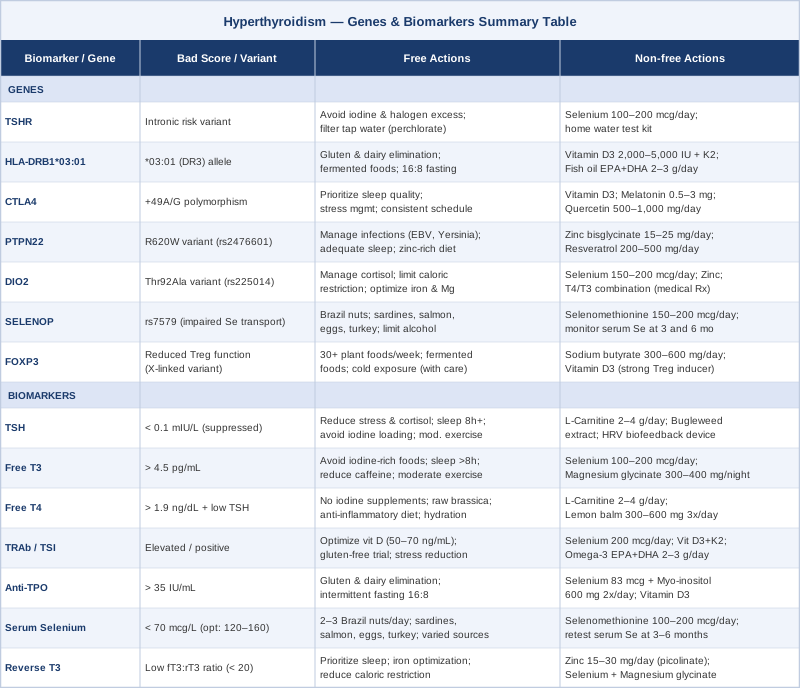
What has changed in the past decade is the ability to measure more precisely. A panel of seven targeted biomarkers can tell you not just that thyroid hormones are elevated, but why they may be elevated, how much immune activity is involved, and whether your body has the raw materials it needs to regulate itself. At the genetic level, a handful of well-studied variants reveal long-term susceptibility and point toward specific interventions — dietary, lifestyle, or supplemental — that map to the actual mechanism rather than the symptom.
This article covers both. The biomarker section focuses on what you can measure, track over time, and act on now. The genetics section explains which genes are most relevant, what they actually do, and what practical steps may help compensate for a disadvantageous variant. Neither replaces medical care. Both can make that care — and your own decisions — considerably more informed.
7 Biomarkers to Track If You Have Hyperthyroidism
Biomarkers are not just diagnostic tools. Used consistently over time, they become a map of how your thyroid, your immune system, and your cellular biology are responding to whatever you are doing — treatment, diet, stress, sleep, or supplementation. The seven below cover the full picture: hormone levels, autoimmune drivers, and nutritional cofactors that most standard panels miss entirely.
1. TSH — The First Signal, Not the Last Word
Why it matters: Thyroid-stimulating hormone is produced by the pituitary in response to thyroid hormone levels in the blood. In hyperthyroidism, elevated T3 and T4 suppress TSH — sometimes to nearly undetectable levels. A suppressed TSH below 0.1 mIU/L is one of the clearest early signals of overactive thyroid function. It is also the most sensitive: TSH shifts before free hormone levels clearly diverge from normal ranges.
The catch is that TSH lags. It can remain suppressed for weeks after thyroid hormone levels have normalized, which means using TSH alone to guide treatment creates a delayed feedback loop. It is best used alongside free T3 and free T4, not instead of them.
How to Measure It
Any primary care doctor can order TSH. Through direct-to-consumer labs (Ulta Lab Tests, Marek Diagnostics, Walk-In Lab), it runs approximately $20–45. During active hyperthyroidism, testing every 4–8 weeks is appropriate. Once stable, every 3–6 months is sufficient. The standard reference range is 0.4–4.0 mIU/L; values below 0.1 indicate significant suppression.
If the Score Is Bad: The Plan Without Supplements
Reduce acute stressors. Cortisol directly suppresses TSH production at the pituitary level. Sleep deprivation similarly dysregulates the hypothalamic-pituitary-thyroid axis. Avoiding sudden iodine loading — from large amounts of seaweed, iodine-containing contrast dyes, or amiodarone — is important since iodine excess can transiently worsen hyperthyroidism in susceptible individuals. Moderate aerobic exercise (30–45 minutes, 4–5 days per week) helps regulate the sympathetic tone that amplifies hyperthyroid symptoms, though high-intensity exercise during an active flare should be avoided.
If the Score Is Bad: The Plan With Supplements or Equipment
L-Carnitine (2–4 g/day) has demonstrated in a randomized controlled trial the ability to counteract thyroid hormone action at the cellular level by reducing thyroid hormone uptake into the cell nucleus. It does not lower hormone production but attenuates tissue effects. Well-tolerated for most people; rare GI upset. Not appropriate in those with seizure disorders or taking anticoagulants.
Bugleweed (Lycopus europaeus) extract (standardized to rosmarinic acid; typical dose 20–40 drops or 300–500 mg extract three times daily) inhibits TSH receptor stimulation and reduces thyroid hormone synthesis. Human studies are limited and this should be used with medical supervision; it is contraindicated in hypothyroidism and not appropriate during pregnancy.
Heart rate variability (HRV) biofeedback devices (Polar H10, Garmin, or Oura Ring used with HRV4Training) can help quantify autonomic dysregulation driven by elevated thyroid hormones, allowing you to pace daily activity more intelligently.
2. Free T3 — The Hormone That Actually Drives Symptoms
Why it matters: Free T3 (triiodothyronine) is the biologically active thyroid hormone at the receptor level. While T4 is more abundant, it is essentially a prohormone that must be converted to T3 to exert its effects. In hyperthyroidism, elevated free T3 is responsible for the majority of symptoms: palpitations, tremor, heat intolerance, and accelerated metabolism. The normal range is approximately 2.3–4.2 pg/mL; values above 4.5 suggest functional excess.
Tracking free T3 separately from TSH is valuable because the two do not always move in sync, particularly in people with conversion-relevant gene variants (see DIO2 below) or those on methimazole treatment.
How to Measure It
Free T3 is often not included in standard thyroid panels and must be specifically requested. Cost is approximately $40–75 through direct labs. Because T3 has a shorter half-life (~24 hours) than T4, it reflects more recent thyroid activity than TSH does.
If the Score Is Bad: The Plan Without Supplements
Avoid large amounts of iodine-rich foods (kelp, high-dose iodine supplements, iodized salt used in excess). Prioritize sleep above eight hours — T3 is significantly modulated by circadian rhythm and sleep depth. Reduce stimulant intake (caffeine amplifies T3 receptor sensitivity). Moderate-intensity exercise promotes peripheral T3 clearance and reduces sensitivity to excess thyroid hormones in muscle tissue.
If the Score Is Bad: The Plan With Supplements or Equipment
Selenium (100–200 mcg/day as selenomethionine) supports the deiodinase enzymes that control T4→T3 conversion and protect thyroid tissue from oxidative damage. Side effects at doses above 400 mcg/day include selenosis (hair loss, garlic breath, GI issues); standard doses are well tolerated.
Magnesium glycinate (300–400 mg at night) supports mitochondrial function stressed by excess T3, and has a calming effect on the cardiac excitability that high T3 drives. Generally well tolerated; loose stools at high doses.
3. Free T4 — The Production Signal
Why it matters: Free T4 (thyroxine) represents what the thyroid is actually producing, before peripheral conversion. In hyperthyroidism, elevated free T4 typically accompanies elevated T3, but the ratio between them matters: a disproportionately high T3 relative to T4 may indicate enhanced peripheral conversion, while a disproportionately high T4 may suggest conversion impairment (relevant if a DIO2 variant is present).
Normal free T4 range is approximately 0.8–1.8 ng/dL. Values consistently above 1.9–2.0 ng/dL alongside suppressed TSH confirm clinically significant hyperthyroidism.
How to Measure It
Free T4 is commonly included in expanded thyroid panels. Cost ranges from $30–60 through direct labs. It is more stable than free T3 due to its longer half-life (~7 days) and offers a useful complement to free T3 for understanding the full picture.
If the Score Is Bad: The Plan Without Supplements
Avoid all exogenous iodine loading from supplements. Brassica vegetables (broccoli, cauliflower, kale) contain goitrogens that mildly inhibit thyroid hormone synthesis when eaten raw in large quantities; some people with hyperthyroidism find including them helpful, though the effect is modest and inconsistent. Stay well hydrated, as dehydration concentrates circulating hormones. Prioritizing an anti-inflammatory dietary pattern (Mediterranean or AIP-style) appears to reduce the autoimmune activity driving thyroid overproduction.
If the Score Is Bad: The Plan With Supplements or Equipment
L-Carnitine (2–4 g/day, as in the TSH section) reduces cellular uptake of both T3 and T4 and is one of the better-evidenced adjunct options. Consider cycling off every 8–12 weeks to assess ongoing need.
Lemon balm (Melissa officinalis) extract has been shown in early research to bind TSH receptors and inhibit thyroid stimulation. Standard dose is 300–600 mg extract three times daily. Evidence is preliminary and human trial data limited; use as an adjunct, not a primary treatment.
4. TSH Receptor Antibodies (TRAb / TSI) — The Root Cause Marker for Graves' Disease
Why it matters: In Graves' disease, the immune system produces antibodies that directly stimulate the TSH receptor, effectively mimicking TSH and driving continuous thyroid overproduction regardless of actual TSH levels. TRAb (TSH receptor antibodies) or TSI (thyroid-stimulating immunoglobulins) are positive in approximately 95% of people with Graves' disease. Tracking these over time is arguably more important than tracking TSH, because TRAb level directly reflects the autoimmune driver — not just the downstream hormonal result.
A person whose free T3 and T4 have normalized on methimazole but who still has elevated TRAb remains at high risk for relapse if medication is reduced. Declining TRAb over 12–18 months is a more reliable remission signal than normalized hormone levels alone.
How to Measure It
TRAb requires a specialized laboratory assay and costs $100–250 through direct labs. It is not included in standard thyroid panels and must be explicitly requested. Testing every 3–6 months during treatment is reasonable; testing before medication tapering is essential.
If the Score Is Bad: The Plan Without Supplements
Optimize vitamin D levels (blood level 50–70 ng/mL is a reasonable functional target). Vitamin D deficiency is significantly associated with higher TRAb titers in Graves' disease. Reduce total inflammatory burden: address sleep quality, eliminate known food intolerances (gluten is the most studied), manage persistent infections or EBV reactivation. Stress reduction is mechanistically relevant — cortisol dysregulation shifts immune balance toward Th2-dominant autoimmune responses.
If the Score Is Bad: The Plan With Supplements or Equipment
Selenium (selenomethionine 200 mcg/day) has the strongest evidence base here. A randomized trial by Marcocci et al. published in The New England Journal of Medicine demonstrated that selenium supplementation reduced disease activity and improved quality of life in mild Graves' orbitopathy (Marcocci et al., NEJM 2011). There is also observational evidence suggesting selenium may help moderate TRAb levels over time. Use for 6–12 months; monitor serum selenium to avoid excess.
Vitamin D3 (2,000–5,000 IU/day, dose adjusted based on 25-OH vitamin D blood level) supports regulatory T cell function that may help modulate TRAb production. Take with K2 (100–200 mcg MK-7) to support calcium metabolism. Avoid doses above 5,000 IU without monitoring.
Omega-3 fatty acids (EPA+DHA 2–3 g/day from high-quality fish oil) reduce inflammatory signaling relevant to autoimmune activity. Well tolerated; mild blood-thinning effect at high doses. Cycle with a fish-free washout period if needed for surgery.
5. Anti-TPO Antibodies — Measuring the Broader Autoimmune Burden
Why it matters: Anti-thyroid peroxidase (anti-TPO) antibodies are the most commonly elevated thyroid antibody in autoimmune thyroid disease. While they are more characteristic of Hashimoto's hypothyroidism, they appear in roughly 50–80% of Graves' disease cases as well. Elevated anti-TPO signals active autoimmune attack on thyroid tissue and correlates with long-term thyroid vulnerability. Even in hyperthyroidism, tracking anti-TPO alongside TRAb gives a fuller picture of the total autoimmune burden.
How to Measure It
Anti-TPO is typically $50–100 through direct labs and is often included in more complete thyroid antibody panels. Normal is generally below 35 IU/mL, though some labs use different cutoffs. Values in the hundreds or thousands indicate significant ongoing immune activity.
If the Score Is Bad: The Plan Without Supplements
Strict gluten elimination for 3–6 months is the most widely studied dietary intervention for reducing TPO antibody levels. The mechanism involves reducing intestinal permeability that allows partially digested proteins to trigger cross-reactive immune responses against thyroid tissue. A trial dairy elimination is worth considering as a parallel intervention. Intermittent fasting (16:8 pattern) has been associated in emerging research with reduced inflammatory cytokines relevant to autoimmune thyroid disease.
If the Score Is Bad: The Plan With Supplements or Equipment
Selenium + Myo-inositol: A combination protocol using 83 mcg selenium plus 600 mg myo-inositol twice daily was studied in a randomized trial (Nordio & Basciani, 2017) and showed significant reductions in anti-TPO antibodies and improved thyroid function parameters. Myo-inositol is a secondary messenger in TSH signaling. Generally well tolerated; no significant cycling needed at this dose.
Vitamin D3 (optimized to 50–70 ng/mL blood level) is consistently associated with lower TPO antibody titers in observational research. Supplementing 2,000–5,000 IU/day, adjusted based on testing, is reasonable.
6. Serum Selenium — The Cofactor Most Panels Skip
Why it matters: Selenium is not a thyroid hormone, but it functions as the essential building block for all three types of deiodinase enzymes — the enzymes that convert T4 to active T3, convert T4 to inactive reverse T3, and protect thyroid cells from hydrogen peroxide-induced oxidative damage. Without adequate selenium, these processes fail. The thyroid has the highest selenium content per gram of any organ in the body. Deficiency directly worsens thyroid autoimmunity, reduces the efficacy of antithyroid medications, and increases the oxidative stress load that perpetuates thyroid tissue damage in Graves' disease.
An optimal serum selenium level is approximately 120–160 mcg/L. Many people in Western countries sit between 70–100 mcg/L — adequate for most purposes but suboptimal for thyroid function.
How to Measure It
Serum selenium is not included in standard blood panels and costs $30–80 through direct labs. Plasma selenium is an alternative with similar clinical utility. Testing once to establish a baseline, then again after 3–6 months of dietary or supplemental intervention, is a reasonable protocol.
If the Score Is Bad: The Plan Without Supplements
Two to three Brazil nuts per day delivers approximately 100–200 mcg of selenium — enough to significantly raise selenium status for most people within weeks. Reliability varies by nut origin (Brazil nuts from selenium-rich soil contain more), but this remains the most practical food-based source. Sardines, wild-caught salmon, eggs, and turkey are also meaningful contributors. Varying your selenium sources is preferable to relying on any single food exclusively.
If the Score Is Bad: The Plan With Supplements or Equipment
Selenomethionine 100–200 mcg/day is the best-absorbed organic form and the one used in most clinical trials. Do not exceed 400 mcg/day; chronic excess causes selenosis. A useful protocol is 200 mcg/day for 6 months, retest serum selenium, then adjust to 100 mcg/day for maintenance if levels are optimal. Take with meals to reduce GI irritation.
7. Reverse T3 — The Underappreciated Conversion Pathway
Why it matters: Reverse T3 (rT3) is an inactive isomer of T3 produced when the body shunts T4 away from active conversion. Normally, a small fraction of T4 is converted to rT3 as a regulatory safety valve. Under stress, illness, or when certain gene variants are present (particularly DIO3 upregulation), rT3 can accumulate and compete with active T3 at receptor sites — potentially blunting T3 signaling despite elevated circulating T3 levels.
In hyperthyroidism, rT3 is somewhat counterintuitive: the body may attempt to compensate for excess T3 by increasing rT3 production. Tracking the free T3 to rT3 ratio (optimal: above 20 in the units pg/mL and ng/dL respectively) gives insight into whether apparent T3 effects are truly being experienced at the cellular level. A low ratio may explain why some people continue to feel unwell even as their T3 normalizes.
How to Measure It
Reverse T3 must be specifically requested; it is not on most standard panels. Cost is approximately $70–150 through direct labs. It is worth testing once as a baseline, particularly if symptoms and lab values do not correlate well.
If the Score Is Bad: The Plan Without Supplements
Prioritize sleep — rT3 rises significantly with sleep deprivation and chronic stress. Managing iron status (ferritin ideally 70–100 ng/mL) matters because iron is a cofactor in deiodinase function. Reducing caloric restriction periods, which strongly upregulate rT3 as a metabolic brake, is relevant. Infrared sauna sessions (3–4 times per week, 20 minutes at 120–140°F) support mitochondrial activity and may facilitate rT3 clearance, though direct clinical evidence for this specific application remains preliminary.
If the Score Is Bad: The Plan With Supplements or Equipment
Zinc (15–30 mg/day as zinc picolinate or bisglycinate) supports the deiodinase enzymes that preferentially convert T4 to active T3 rather than rT3. Take away from calcium-rich foods and iron supplements. Supplement with 1–2 mg copper if using zinc long-term (>3 months) to prevent copper depletion. Cycle with 4 weeks on, 1 week off if using at the higher dose range.
Selenium and magnesium (as noted above) also support healthy rT3/T3 balance through deiodinase enzyme support.
Taken together, these seven biomarkers form a map that no single marker can provide. The next layer — genetics — explains why the map looks different for different people, even when they present with the same diagnosis.
What Your Genes Reveal About Hyperthyroidism and Graves' Disease
Genetics does not cause Graves' disease in isolation. The current scientific understanding is that autoimmune hyperthyroidism requires a combination of genetic susceptibility, environmental triggers (infection, iodine load, stress, toxins), and a breakdown in immune tolerance — often involving intestinal permeability. What genetic variants do is set the threshold for how much environmental provocation it takes to cross into autoimmune activity, and which biochemical pathways are most vulnerable.
The seven genes below are among the most studied in Graves' disease and hyperthyroidism broadly. Genetic testing through services like 23andMe or AncestryDNA — combined with third-party interpretation tools like Genetic Lifehacks or Rhonda Patrick's analysis framework — can identify many of these variants.
1. TSHR — The TSH Receptor Gene
What it does: The TSHR gene encodes the receptor on thyroid cells that TSH binds to in order to stimulate hormone production. Multiple single-nucleotide polymorphisms (SNPs) in and around TSHR have been associated with Graves' disease susceptibility. The most studied involve intronic variants that may alter receptor expression or conformation, making it more responsive to stimulation by TRAb antibodies.
If the Gene Is Bad: The Plan Without Supplements
Avoid iodine loading — high iodine exposure amplifies TSH receptor signaling. Reduce exposure to thyroid-disrupting chemicals: perchlorate (found in some drinking water and leafy vegetables from contaminated soil), nitrates (heavily processed meats), and bromine (brominated vegetable oils, some baked goods). Use a countertop water filter that removes perchlorate if your local water supply contains it.
If the Score Is Bad: The Plan With Supplements or Equipment
Selenium (100–200 mcg/day selenomethionine) protects the thyroid cell membrane against oxidative stress at the receptor level. Avoid iodine supplements unless you are confirmed deficient; excess iodine in a genetically susceptible individual may accelerate Graves' onset. Use a home water testing kit to identify halogen contamination.
2. HLA-DRB1*03:01 — The Strongest Graves' Susceptibility Signal
What it does: HLA-DRB1 encodes a major histocompatibility complex (MHC) class II protein responsible for presenting antigens to T cells. The *03:01 allele (also called DR3) presents thyroid self-antigens in a way that is more likely to trigger an autoimmune response. This is the single strongest genetic risk factor for Graves' disease identified to date. Having the DR3 allele does not guarantee Graves' disease, but it significantly lowers the environmental threshold required to trigger it.
If the Gene Is Bad: The Plan Without Supplements
A strict elimination of gluten and dairy for a minimum of 3 months is the most evidence-supported dietary intervention for reducing autoimmune activity in HLA-DR3 carriers. Focus on gut barrier integrity: avoid NSAIDs chronically, minimize alcohol, include fermented foods (kefir, kimchi, sauerkraut) and prebiotic fiber (Jerusalem artichoke, garlic, leek). Intermittent fasting (16:8) has shown anti-inflammatory benefits in autoimmune contexts in preliminary research.
If the Score Is Bad: The Plan With Supplements or Equipment
Vitamin D3 (2,000–5,000 IU/day adjusted to blood level 50–70 ng/mL) is one of the most potent modulators of HLA-driven immune pathways. It increases regulatory T cell (Treg) numbers and function, directly counteracting the autoimmune signaling associated with DR3. Take with K2.
Fish oil (EPA+DHA 2–3 g/day) shifts the immune balance away from the pro-inflammatory IL-17 and TNF-alpha axis. Cycle off every 6 months to reassess.
3. CTLA4 — The Immune Checkpoint Gene
What it does: CTLA4 (cytotoxic T-lymphocyte antigen 4) encodes a protein that acts as a braking signal on T cell activation. When CTLA4 function is reduced — as with the common +49A/G polymorphism — T cells remain active longer and are more likely to mount autoimmune responses against self-tissue including the thyroid. CTLA4 variants are among the most replicated genetic associations with both Graves' disease and Hashimoto's thyroiditis.
If the Gene Is Bad: The Plan Without Supplements
Sleep quality is mechanistically important here: Treg function — the regulatory cells that depend in part on CTLA4 signaling — is strongly circadian. Consistently poor sleep quality reduces Treg frequency and function, removing one of the main brakes on autoimmunity. Prioritize deep sleep through consistent timing, darkness, cool room temperature (65–68°F), and avoidance of screens in the hour before bed. Managing chronic psychological stressors reduces cortisol-driven shifts toward Th2-dominant immune responses.
If the Score Is Bad: The Plan With Supplements or Equipment
Vitamin D3 (same protocol as above) directly upregulates CTLA4 expression in T cells, partially compensating for the genetic variant. Melatonin (0.5–3 mg at night) has immunomodulatory properties including Treg support; at physiological doses it is well tolerated and non-habit forming. Quercetin (500–1000 mg/day with meals) modulates NF-κB and has shown immunoregulatory properties in autoimmune-relevant cell studies. Evidence remains largely preclinical; use as a low-risk adjunct.
4. PTPN22 — The Autoimmune Risk Amplifier
What it does: PTPN22 encodes a phosphatase that regulates T cell and B cell activation thresholds. The R620W variant (rs2476601) reduces the threshold required for lymphocytes to become activated, meaning the immune system responds more readily to self-antigens. This variant is associated with multiple autoimmune diseases — type 1 diabetes, rheumatoid arthritis, lupus — and has been identified in Graves' disease and Hashimoto's thyroiditis as well.
If the Gene Is Bad: The Plan Without Supplements
Infection management is especially relevant for PTPN22 R620W carriers. Viral triggers — particularly Epstein-Barr virus (EBV) and Yersinia enterocolitica — are among the most studied environmental precipitants for Graves' disease in genetically susceptible individuals. Support immune resilience through adequate zinc, vitamin D, and sleep. Avoid prolonged periods of immune suppression or untreated chronic infections.
If the Score Is Bad: The Plan With Supplements or Equipment
Zinc bisglycinate (15–25 mg/day) supports balanced innate and adaptive immune signaling. Resveratrol (200–500 mg/day with a fat-containing meal for absorption) has shown SIRT1-mediated anti-inflammatory effects relevant to lymphocyte regulation in early research. Cycle resveratrol: 8 weeks on, 2 weeks off. Note that most evidence is from preclinical and observational studies; robust human trials for this specific application are lacking.
5. DIO2 — The Conversion Gene With the Most Clinical Consequences
What it does: DIO2 encodes type 2 iodothyronine deiodinase, the primary enzyme responsible for converting T4 to active T3 in tissues including the brain, bone, and heart. The Thr92Ala variant (rs225014) is common — approximately 20% of the general population carries two copies — and reduces conversion efficiency. In the context of hyperthyroidism, this creates a complex picture: while overall T3 may be elevated from thyroid overproduction, local tissue-level T3 availability may be more erratic and harder to regulate, contributing to the neurological and mood symptoms some people experience that correlate poorly with their hormone levels.
If the Gene Is Bad: The Plan Without Supplements
Manage cortisol carefully. Cortisol directly inhibits DIO2 activity, meaning that chronic stress in a DIO2 Ala/Ala carrier significantly impairs tissue T3 production. Regular walking, breathwork, yoga, and sleep prioritization are all relevant. Limit caloric restriction periods, which also strongly suppress DIO2. Optimize iron (ferritin 70–100 ng/mL) and magnesium status through food first.
If the Score Is Bad: The Plan With Supplements or Equipment
Selenium as selenomethionine (150–200 mcg/day) is essential, since DIO2 is a selenoprotein — selenium literally forms part of its active site. No selenium means no functional DIO2, regardless of the genetic variant. Zinc (15–25 mg/day) supports the broader deiodinase enzyme family. Some functional medicine practitioners, when a confirmed DIO2 Ala/Ala variant is present alongside persistent neurological or mood symptoms despite normalized free hormone levels, consider a combination T4/T3 prescription (e.g., low-dose liothyronine alongside levothyroxine) — though this is more relevant in the post-hyperthyroid recovery phase and requires close medical supervision.
6. SELENOP — Selenium Transport to the Thyroid
What it does: SELENOP (also called SEPP1 or selenoprotein P) encodes the main selenium transport protein in the body. It is responsible for delivering selenium from the liver — where it is processed from dietary intake — to peripheral organs, including the thyroid. Variants in the SELENOP gene, particularly rs7579, reduce the efficiency of this transport. The result is a functional selenium deficiency at the thyroid level even when serum selenium appears normal. This is an underappreciated reason why some people show minimal response to standard selenium supplementation.
If the Gene Is Bad: The Plan Without Supplements
Prioritize high-selenium dietary variety rather than relying on a single source. Brazil nuts, sardines, wild salmon, eggs, and turkey each contain different selenium compounds with different bioavailability profiles. Including multiple sources daily maximizes the probability of meeting thyroid-specific needs regardless of transport efficiency. Limit alcohol, which reduces SELENOP expression in the liver.
If the Score Is Bad: The Plan With Supplements or Equipment
With a confirmed SELENOP variant, dosing selenium toward the higher end of the safe range is reasonable: selenomethionine 150–200 mcg/day, with regular monitoring (test serum selenium at 3 and 6 months). The organic selenomethionine form is better recognized by SELENOP transport mechanisms than inorganic selenite. Monitor for selenosis signs (hair changes, nail brittleness) at the higher doses. Some practitioners use a combination of selenomethionine and selenate; evidence for this specific combination in SELENOP variant carriers is not yet established.
7. FOXP3 — Regulatory T Cells and Immune Tolerance
What it does: FOXP3 (forkhead box P3) is the master transcription factor for regulatory T cells (Tregs). Tregs are the immune system's tolerance enforcers — they prevent autoimmunity by suppressing excessive immune activation against self-tissue. Variants in FOXP3, which is X-linked (relevant primarily to females who carry heterozygous variants), reduce Treg function and have been associated with autoimmune thyroid conditions. Reduced FOXP3 expression lowers the threshold for autoimmune attack on the thyroid.
If the Gene Is Bad: The Plan Without Supplements
Gut microbiome composition directly drives Treg production. Short-chain fatty acids (SCFAs) — particularly butyrate — produced by gut bacteria are the primary inducers of peripheral Treg differentiation. Increasing dietary fiber diversity (aim for 30+ different plant foods per week) feeds butyrate-producing bacteria (Faecalibacterium prausnitzii, Roseburia, Clostridium clusters). Fermented foods support overall microbial diversity. Cold exposure — cold showers or brief cold immersion — has emerging evidence suggesting beneficial effects on Treg frequency, though thyroid patients should proceed carefully given cardiovascular sensitivity.
If the Score Is Bad: The Plan With Supplements or Equipment
Sodium butyrate or tributyrin (300–600 mg/day with meals) directly supplements the SCFA that induces Treg differentiation, bypassing the need for microbial production. Generally well tolerated; start low to avoid GI adjustment symptoms. Vitamin D3 remains one of the strongest non-genetic inducers of FOXP3 expression and Treg function — the overlap with other gene recommendations here is not coincidental; vitamin D's central role in thyroid autoimmunity is consistent across almost every relevant pathway.
The Protocol That Could Change How You Approach Graves' Disease
The Autoimmune Solution by Amy Myers, MD, is written by a physician who developed Graves' disease herself and used a functional medicine framework to achieve remission. The book is not a substitute for conventional treatment, but it offers a mechanistic framework for understanding why Graves' develops that goes considerably further than most clinical discussions. What follows are the ten most clinically relevant insights from the book for people managing hyperthyroidism.
1. Leaky Gut Is the Common Entry Point for Autoimmunity
Myers argues, drawing on the work of gastroenterologist Alessio Fasano, that intestinal permeability — what is commonly called "leaky gut" — is a prerequisite for autoimmune disease. When the gut lining becomes permeable, incompletely digested proteins cross into the bloodstream, triggering immune responses that can cross-react with self-tissue. For the thyroid, the key proteins are gliadin (in gluten) and casein (in dairy). Fasano's research on zonulin — a protein that regulates tight junction permeability — is one of the most cited supporting studies in this area (Fasano, Clinical Reviews in Allergy and Immunology, 2012).
2. Gluten Triggers Molecular Mimicry With Thyroid Tissue
The amino acid sequence of gliadin shares structural similarity with transglutaminase enzymes found in thyroid tissue. When the immune system builds antibodies against gliadin, those antibodies can mistakenly recognize and attack thyroid tissue — a phenomenon called molecular mimicry. This is not unique to Graves' disease, but Myers presents it as a particularly important intervention point: strict gluten elimination, maintained for a minimum of 3–6 months, should be considered a first-line environmental intervention rather than an optional addition to medication.
3. Infections Act as the Trigger That Turns Susceptibility Into Disease
Yersinia enterocolitica produces a surface protein that can bind to TSH receptors, potentially priming the immune system to produce TSH receptor antibodies. Epstein-Barr virus (EBV) reactivation has been repeatedly associated with Graves' disease flares. H. pylori infection amplifies systemic inflammatory tone. Myers recommends testing for these infections in anyone with new-onset Graves' disease; addressing an active trigger may meaningfully reduce the total autoimmune burden.
4. The 4R Gut Healing Protocol
Myers adapts the Institute for Functional Medicine's 4R framework — Remove, Replace, Reinoculate, Repair — as the core dietary protocol. Remove means eliminating gluten, dairy, grains, legumes, eggs, nightshades, nuts, and seeds for 30 days (essentially the Autoimmune Paleo approach). Replace means supplementing digestive enzymes and HCl if production is impaired. Reinoculate means restoring beneficial bacteria through probiotics and fermented foods. Repair means supporting the gut lining with L-glutamine (5 g/day), zinc carnosine, aloe vera, and bone broth.
5. Toxin Burden Actively Disrupts the Thyroid
Halogens — particularly fluoride, chlorine, and bromine — compete with iodine at thyroid transport sites because they share the same molecular size and charge. Fluoridated tap water, brominated vegetable oils, and chlorinated pool water all contribute to this competition. Myers recommends filtered water (reverse osmosis removes fluoride), avoiding brominated bread products, and choosing outdoor or salt-water pools. Heavy metals (mercury, lead, cadmium) add to thyroid disruption and may warrant testing via provoked urine metal analysis in people with persistent disease.
6. Stress Is Not Background Noise — It Is a Direct Mechanism
Cortisol dysregulation does not just worsen hyperthyroid symptoms; it actively alters immune cell ratios, shifting the immune system toward Th2 dominance — the branch of adaptive immunity most associated with antibody-mediated autoimmune conditions like Graves'. HPA axis dysfunction also reduces DHEA, which normally counterbalances cortisol's immune-suppressive effects. Myers integrates adaptogenic herbs (ashwagandha — with caution in active hyperthyroidism due to thyroid-stimulating potential; rhodiola; eleuthero), mindfulness practices, and HRV tracking as part of stress management.
7. Specific Nutrient Deficiencies Drive Autoimmune Progression
Myers identifies selenium, vitamin D, zinc, magnesium, and vitamin A as the core deficiencies that impair immune tolerance and worsen thyroid autoimmunity. She notes that many people with Graves' disease are found to have multiple simultaneous deficiencies, often as a consequence of the condition itself: hyperthyroid metabolism accelerates nutrient depletion, while the intestinal inflammation that often accompanies autoimmunity impairs absorption. Correcting all deficiencies simultaneously — rather than sequentially — is presented as more effective than addressing them one at a time.
8. Sleep Deprivation Directly Activates Inflammatory Pathways
During deep sleep, the body executes critical immune calibration processes — including downregulating the inflammatory cytokines IL-6 and TNF-alpha and replenishing Treg populations. Hyperthyroidism itself disrupts sleep through elevated heart rate and sympathetic activation, creating a feedback loop where the disease causes the sleep disruption that then worsens the disease. Myers prioritizes sleep restoration as a non-negotiable first step, not a secondary concern to be addressed after hormone levels normalize.
9. Trauma and Emotional Stress as Initiating Factors
Myers presents a body of evidence suggesting that significant emotional stressors — particularly in the 6–12 months preceding diagnosis — frequently precede Graves' disease onset. This is not a claim that stress causes Graves' disease; rather, that in genetically susceptible individuals, a major stressor may act as the environmental trigger that crosses the threshold from latent susceptibility to overt autoimmunity. Addressing unresolved psychological stress through therapy, EMDR, or structured stress management is presented as a medical intervention, not a wellness extra.
10. The Combination Matters — No Single Lever Is Enough
Perhaps the most important clinical insight in the book is that no single intervention — not selenium alone, not gluten elimination alone, not vitamin D alone — produces remission in isolation. The system requires multiple inputs addressed simultaneously: gut barrier integrity, nutrient sufficiency, toxin reduction, stress calibration, sleep restoration, and immune modulation. This is why the standard medical approach, which addresses only the hormonal output with antithyroid medication while leaving the autoimmune driver untouched, produces high relapse rates (approximately 50–60% in Graves' disease after methimazole discontinuation). The functional medicine framework addresses the driver, not only the result.
Complementary Approaches With Meaningful Evidence
Several non-pharmacological modalities have accumulated enough human clinical evidence to be worth considering as adjuncts to conventional treatment for hyperthyroidism. None of the following replaces antithyroid medication or thyroid monitoring; they work alongside it.
Mindfulness-Based Stress Reduction (MBSR)
MBSR is an 8-week structured program developed by Jon Kabat-Zinn that combines breath-focused meditation, body scan practices, and mindful movement. For hyperthyroidism, its relevance is twofold: it directly addresses the stress axis that amplifies autoimmune activity, and it measurably reduces the subjective anxiety, palpitation awareness, and sleep disruption that characterize Graves' disease. The autonomic nervous system dysregulation driven by excess thyroid hormones is meaningfully modulated by regular parasympathetic activation.
A randomized controlled trial published in Brain, Behavior, and Immunity (Malarkey et al., 2013) demonstrated that an MBSR-adapted program significantly reduced inflammatory markers including IL-6 and CRP in participants with elevated stress. More directly relevant, a study of MBSR in autoimmune conditions (Grossman et al., meta-analysis published in Journal of Psychosomatic Research) showed consistent improvements in quality of life and psychological distress across autoimmune presentations.
Practical application: The standard protocol is 8 weeks of group or app-guided sessions (Insight Timer, Ten Percent Happier, or the MBSR program through Palouse Mindfulness — free online). Forty-five minutes of daily practice is the evidence-supported dose; even 20 minutes daily produces measurable HRV improvement. Given hyperthyroid palpitations, begin with seated breath-focused practice rather than movement-heavy protocols.
The Autoimmune Protocol (AIP)
Developed by Sarah Ballantyne, PhD, the Autoimmune Protocol is a dietary and lifestyle framework specifically designed to reduce the gut permeability, inflammation, and nutrient deficiencies that drive autoimmune conditions. Since Graves' disease is an autoimmune condition by definition, the AIP is the most directly mapped dietary intervention on this list. It extends the paleo template by additionally eliminating eggs, nightshades, nuts, seeds, alcohol, and all grains for an elimination phase (typically 30–60 days), followed by a structured reintroduction to identify individual triggers.
The evidence base includes a pilot study published in Inflammatory Bowel Diseases (Konijeti et al., 2017) showing clinical remission in inflammatory bowel disease on AIP, along with multiple case series and an ongoing accumulation of clinician-observed outcomes in autoimmune thyroid patients. A study specifically in Hashimoto's thyroiditis (Abbott et al., 2019, published in Cureus) showed significant reductions in TSH and inflammatory markers. Direct randomized trial data in Graves' disease is not yet available, but the mechanistic logic is strong.
Practical application: Begin the elimination phase during a period of low social and logistical stress. Sarah Ballantyne's The Paleo Approach is the comprehensive reference. The AIP Certified Coach directory can help find practitioners who work with this protocol. Maintain the full elimination phase for at least 30 days before beginning reintroductions. Work with your endocrinologist to continue thyroid monitoring throughout, as dietary-driven inflammation reduction can alter thyroid hormone levels and may require medication adjustment.
Yoga
Yoga's relevance to hyperthyroidism is primarily through its effects on the autonomic nervous system and cortisol regulation. The parasympathetic activation associated with yoga practice directly counteracts the sympathetic overdrive (racing heart, tremor, heat, anxiety) that elevated thyroid hormones produce. Beyond symptom management, regular yoga practice has shown measurable effects on inflammatory cytokines and stress hormone levels relevant to autoimmune disease activity.
A randomized controlled trial published in Complementary Therapies in Medicine (Rajkumar et al., 2015) demonstrated that 60 minutes of yoga five days per week for 8 weeks significantly reduced heart rate, anxiety scores, and cortisol levels in hyperthyroid patients compared to controls. Thyroid peroxidase antibody levels also decreased in the yoga group, suggesting a modest direct effect on autoimmune activity.
Practical application: Begin with restorative or Hatha yoga rather than hot yoga or vigorous vinyasa — hyperthyroidism already produces heat intolerance and elevated heart rate. Yin yoga and yoga nidra are particularly well matched to the parasympathetic goals. Practice for 30–60 minutes daily or 5 days per week. Inversions (shoulder stand, headstand) have been suggested by some yoga traditions to stimulate the thyroid, but evidence for this effect is anecdotal and caution is warranted during an active hyperthyroid flare. Focus on breathing-based practices (pranayama) alongside postures.
Biofeedback
Biofeedback uses real-time physiological data — heart rate, heart rate variability, skin conductance, skin temperature — to train voluntary regulation of autonomic function. For hyperthyroidism, where excess thyroid hormones directly disrupt cardiac autonomic balance and amplify sympathetic tone, biofeedback offers a targeted tool for restoring the parasympathetic-sympathetic balance. HRV biofeedback in particular has the strongest evidence base.
A systematic review in Applied Psychophysiology and Biofeedback (Wheat & Larkin, 2010) identified HRV biofeedback as an effective intervention for autonomic dysregulation across multiple medical conditions, including cardiac arrhythmia and anxiety disorders — both of which overlap significantly with hyperthyroid presentations. A randomized trial of HRV biofeedback in anxiety (Reiner, 2008) showed significant reductions in sympathetic markers after 5 weeks of daily practice.
Practical application: Start with a consumer HRV device (Polar H10 chest strap with the Elite HRV or HRV4Training app, or a Garmin/Whoop wearable). The coherent breathing protocol (inhale for 5–6 seconds, exhale for 5–6 seconds) is the most studied biofeedback-adjacent technique and requires no equipment — it entrains heart rate to a resonance frequency that maximally stimulates vagal tone. Practice 10–20 minutes daily. More advanced biofeedback (temperature, EMG, EEG neurofeedback) is available through licensed biofeedback therapists; the BCIA (Biofeedback Certification International Alliance) maintains a practitioner directory.
Chinese Herbal Medicine
Several Chinese herbal formulations have been studied specifically for hyperthyroidism and Graves' disease in clinical settings in China, most commonly as adjuncts to methimazole. The herbs most studied include Scrophularia ningpoensis (xuán shēn), Fritillaria thunbergii (zhè bèi mǔ), and formulas such as Zhigancao Tang (for cardiac arrhythmia in the context of hyperthyroidism). The proposed mechanisms include thyroid-hormone-modulating iridoids, antioxidant effects, and immunomodulatory polysaccharides.
A meta-analysis published in Evidence-Based Complementary and Alternative Medicine (Ye et al., 2019) reviewed 14 randomized controlled trials of Chinese herbal medicine combined with antithyroid drugs versus antithyroid drugs alone in Graves' disease. The combination approach showed better reduction in TRAb levels and fewer side effects from medication compared to antithyroid drugs alone. Important caveat: trial quality was variable, and most studies were conducted in China with limited external replication.
Practical application: Do not self-prescribe Chinese herbal formulas for thyroid conditions. Chinese herbal medicine for Graves' requires individualized diagnosis (TCM pattern differentiation) by a licensed practitioner (NCCAOM board-certified in the US) and must be coordinated with your endocrinologist since some herbs interact with antithyroid medications and can alter hormone levels. If you pursue this path, disclose all herbs to your conventional prescriber and increase thyroid monitoring frequency during the initial period.
Conclusion
Hyperthyroidism, and particularly Graves' disease, is well-understood at the hormonal level but considerably under-examined at the level of the individual inputs that drive it. Tracking seven targeted biomarkers — TSH, free T3, free T4, TRAb, anti-TPO, serum selenium, and reverse T3 — gives you a real-time picture of what is actually happening across the autoimmune and hormonal dimensions of the condition, not just a single number every few months. Understanding which of the seven key genes may apply to you — TSHR, HLA-DRB1, CTLA4, PTPN22, DIO2, SELENOP, and FOXP3 — adds a layer of context that explains why your individual response to treatment and nutrition looks the way it does.
None of this replaces the expertise of a qualified endocrinologist. What it does is help you bring better questions, better data, and a more actionable understanding of your own biology to those conversations. The next smart step is to identify which of these markers you have not yet measured, discuss with your doctor which ones are clinically appropriate for your current stage of treatment, and begin addressing the lifestyle and nutritional foundations — sleep, selenium, stress management, gut health — that support every other intervention on this list.
Cardiovascular Mental Health Endocrine & Metabolic Autoimmune
Endocrine & Metabolic: Thyroid Conditions