This article contains AI generated content.
· UpdatedHypertrophic Pulmonary Osteoarthropathy — 2 Genes And 7 Biomarkers To Track
Introduction
If you are living with hypertrophic pulmonary osteoarthropathy, you already know how disorienting the diagnosis can be. The joint pain is real, the periosteal swelling is visible, the clubbing of your fingers is unmistakable — and yet most physicians encounter this condition only a handful of times in their careers. That gap in clinical familiarity translates directly into management that is either delayed, generic, or aimed at symptoms rather than causes.
The frustrating reality is that HPO splits into two distinct forms that require different thinking. Primary HPO, also called pachydermoperiostosis, is a genetic condition driven by inherited mutations that cause prostaglandin E2 to accumulate in the body. Secondary HPO is triggered by an underlying disease — most often lung cancer, pulmonary infections, or cardiovascular anomalies — and in those cases, treating the underlying condition is the primary lever. Generic advice about anti-inflammatories and rest does not distinguish between these two situations, which is why it so often falls short.
What makes HPO unusual among joint disorders is that it has a traceable, measurable biology. Prostaglandin E2 is the central molecule, two specific genes control its degradation and transport, and a handful of biomarkers can tell you how active the process is at any given time. That specificity is actually an advantage — it means there are real targets to measure, real signals to follow over time, and real interventions that act on the mechanism rather than just blunting the symptoms.
This article takes two complementary approaches. The first maps out 7 biomarkers you can track to monitor prostaglandin load, bone turnover, vascular activity, and systemic inflammation — the four systems most disturbed in HPO. The second explains the 2 key genes responsible for the large majority of primary HPO cases and what research suggests about managing their downstream effects. Neither approach is a cure, but both give you a clearer view of what is actually happening in your body — and a more precise basis for the decisions you make about it.
7 Biomarkers to Track in Hypertrophic Pulmonary Osteoarthropathy
Measurement is the foundation of intelligent management. The following seven biomarkers span the most important biological systems disturbed in HPO: prostaglandin metabolism, bone remodeling, vascular signaling, and systemic inflammation. They are not all needed at once — start with the accessible ones and build toward a fuller picture over time.
1. Prostaglandin E2 (PGE2)
Why it matters and what it reveals: PGE2 is the molecular engine of primary HPO. In patients whose HPGD or SLCO2A1 genes are not functioning correctly, PGE2 is either not broken down properly or cannot be transported into cells for degradation. The result is a chronic, systemic elevation of PGE2 that directly stimulates periosteal bone formation, promotes joint inflammation, and drives the vascular changes that cause digital clubbing. In this condition, PGE2 is not just a downstream consequence — it is the proximate cause.
How to measure it: Serum PGE2 can be measured by specialized ELISA assay at reference laboratories. It is not included in standard panels and requires a specific order from your physician. Cost ranges from $80 to $200 depending on the lab. Sample handling matters: plasma should be separated and frozen quickly to prevent ex-vivo PGE2 generation from platelets, which can falsely inflate results. A more practical option is measuring the urinary PGE2 metabolite (covered separately below), which avoids these stability issues and reflects total body PGE2 production over time.
If the score is bad — the plan without supplements: The most direct free strategy is reducing the dietary supply of arachidonic acid, the raw material from which PGE2 is synthesized. This means eliminating processed meats, conventional animal fats cooked at high heat, and seed oils rich in linoleic acid (corn oil, soybean oil, sunflower oil). Replacing these with olive oil, fatty fish (salmon, sardines, mackerel), and colorful vegetables shifts your prostaglandin ratio toward the less inflammatory PGE3 pathway. Cold exposure — cold showers of 3 to 5 minutes daily — activates autonomic pathways that reduce systemic prostaglandin signaling, with modest but real benefit. Daily walking (30 or more minutes) reduces circulating inflammatory cytokines that feed back into PGE2 synthesis. None of these alone will normalize PGE2 in a genetic HPO case, but together they reduce the total prostaglandin burden the body has to manage.
If the score is bad — the plan with supplements or equipment: Omega-3 fatty acids — specifically EPA — are the most mechanistically targeted supplement available. EPA competes directly with arachidonic acid for access to the COX-2 enzyme. When EPA wins that competition, the enzyme produces the weaker PGE3 rather than PGE2, meaningfully reducing the total PGE2 load. A dose of 3 to 4g of combined EPA+DHA daily (with a higher EPA ratio) is appropriate for inflammatory conditions. Take with a fat-containing meal for absorption. No cycling is required, but monitoring omega-3 index (see below) verifies tissue saturation. Side effects include mild anticoagulant effect — particularly relevant for anyone on blood thinners — and occasional GI discomfort at higher doses.
COX-2 inhibitors (celecoxib 100–200mg daily, prescription required) block the enzyme that converts arachidonic acid into PGE2. This is the most mechanistically direct pharmacological approach for HPGD-related HPO and has been documented to produce significant symptom improvement in published case series. Long-term use carries cardiovascular risk and requires physician monitoring, including periodic lipid and blood pressure assessment.
Quercetin phytosome (500–1000mg daily) provides modest COX-2 inhibition from a food-derived polyphenol and has an excellent safety profile. Take with vitamin C to improve bioavailability. Cycle 2 months on, 2 weeks off.
2. Urinary PGE Metabolite (PGE-M)
Why it matters and what it reveals: PGE-M — the primary urinary breakdown product of PGE2 — reflects total body PGE2 production over time rather than a single moment-in-time blood level. Because urine is more stable than plasma and collected over hours, PGE-M gives a more reliable picture of systemic prostaglandin burden. In research settings, elevated PGE-M has been used to confirm HPO diagnosis and to track treatment response objectively. If you are making lifestyle or pharmaceutical changes and want to know whether they are actually reducing your PGE2 load, PGE-M is the right metric to follow.
How to measure it: Urinary PGE-M is measured by liquid chromatography-mass spectrometry or ELISA at specialty and academic reference labs. Cost ranges from $100 to $250. It is not widely available in routine panels but can be specifically ordered; ask your rheumatologist or internist by name. A spot urine or a 24-hour collection may be requested depending on the lab protocol. Repeat testing every 3 to 6 months when tracking interventions.
If the score is bad — the plan without supplements: Chronic psychological stress is a significant driver of PGE2 production through the cortisol-to-arachidonic acid pathway — cortisol mobilizes arachidonic acid from cell membranes, directly feeding the prostaglandin synthesis chain. Structured breathing practices (4-7-8 breathing or box breathing for 10 minutes daily) have demonstrated cortisol reduction in controlled settings. Sleep optimization is equally critical — targeting 7 to 9 hours of consolidated sleep, with consistent sleep and wake times, reduces overnight cortisol peaks and their downstream inflammatory effects. Eliminating evening blue light exposure (screens after 8pm) directly improves sleep architecture. These are not peripheral lifestyle suggestions for HPO — they act on the biochemical substrate of the disease.
If the score is bad — the plan with supplements or equipment: Boswellia serrata extract (300–500mg of standardized extract, 65% boswellic acids, three times daily) inhibits 5-lipoxygenase, the enzyme responsible for leukotriene synthesis from the same arachidonic acid pool that produces PGE2. While direct HPO data is absent, its mechanism reduces prostaglandin precursor competition and has demonstrated anti-inflammatory effects in multiple randomized trials for arthritis. Cycle 3 months on, 2 to 4 weeks off. Side effects are mild and primarily GI.
Magnesium glycinate (300–400mg nightly) reduces TNF-α and IL-6, cytokines that amplify COX-2 expression and thereby drive PGE2 synthesis. It also improves sleep quality, feeding back into the cortisol-arachidonic acid reduction loop. Take nightly, no cycling required, low side effect profile.
3. Bone-Specific Alkaline Phosphatase (BSALP)
Why it matters and what it reveals: Alkaline phosphatase (ALP) is produced by osteoblasts — the cells that build new bone — and is elevated in HPO because PGE2 is chronically over-stimulating periosteal bone formation. Total ALP is included in routine metabolic panels, but it has multiple sources: liver, intestine, and bone all contribute. Bone-specific ALP isolates the skeletal component and gives a direct read on how active the abnormal periosteal bone formation is. Tracking BSALP over time tells you whether your anti-inflammatory strategies are actually slowing the pathological bone remodeling. It is one of the most actionable markers in the HPO panel because it directly reflects disease activity, not just systemic inflammation.
How to measure it: Total ALP is included in standard comprehensive metabolic panels — essentially free with routine lab work. Bone-specific ALP requires a separate order and costs $50 to $120 depending on the lab. Normal BSALP in adults is generally below 20 µg/L in males and below 14 µg/L in premenopausal females; values vary with age. Measure consistently (same time of day, fasted) for reliable trend tracking.
If the score is bad — the plan without supplements: Weight-bearing exercise sends mechanical loading signals through bones that normalize osteoblast behavior via mechanotransduction pathways. This works partly independently of prostaglandin signaling, meaning it can provide some counterbalance to the abnormal bone formation even when PGE2 remains elevated. Aim for 3 to 5 sessions per week of low-to-moderate impact activity — brisk walking, cycling on flat terrain, or resistance training adapted to joint tolerance. Adequate dietary calcium (1000–1200mg daily through food: dairy, leafy greens, fortified foods) and daily sunlight exposure (15 to 30 minutes, skin exposed, without sunscreen in the first portion) for vitamin D synthesis support bone metabolism signaling. Avoid prolonged immobility — extended sedentary periods increase periosteal bone formation signals in the context of inflammation.
If the score is bad — the plan with supplements or equipment: Vitamin D3 combined with K2 (MK-7 form) is the most evidence-supported combination for bone metabolism normalization. Vitamin D3 at 2000 to 5000 IU daily — adjusted to target serum 25-OH-D levels of 40 to 60 ng/mL — supports calcium homeostasis and normal osteoblast-osteoclast balance. Vitamin K2 (MK-7, 100 to 200mcg daily) directs calcium into bone and away from soft tissue through carboxylation of osteocalcin. Take with a fat-containing meal. Monitor 25-OH-D levels every 6 months. If BSALP remains substantially elevated despite these measures, bisphosphonates (prescription, e.g., alendronate) have been used in HPO case reports to reduce osteoblast overactivity — this requires medical supervision and bone density monitoring.
4. High-Sensitivity C-Reactive Protein (hsCRP)
Why it matters and what it reveals: hsCRP is the most accessible systemic inflammation marker available in routine clinical care. While not HPO-specific, it reflects the overall inflammatory burden driving joint pain, synovitis, and periosteal irritation — and it is highly sensitive to behavioral interventions, making it one of the most useful feedback tools available. In secondary HPO, hsCRP tracks both the HPO-related inflammation and the activity of the underlying disease. Peter Attia and other preventive medicine specialists consistently describe hsCRP as one of the most cost-effective and informative biomarkers in any routine health monitoring panel, precisely because it responds clearly to the interventions that matter: sleep quality, diet, exercise, and stress.
How to measure it: hsCRP is available in most standard labs and costs $10 to $30. Below 1.0 mg/L is considered low risk; 1.0 to 3.0 mg/L is moderate; above 3.0 mg/L is elevated. Measure fasted in the morning. Acute illness or injury temporarily elevates hsCRP — avoid measuring within two weeks of any infection or injury for a meaningful baseline. Repeat every 3 to 6 months when tracking treatment response.
If the score is bad — the plan without supplements: The intervention with the most consistent and rapid effect on hsCRP is sleep quality. Restricting sleep to 6 hours per night raises measurable CRP within days in human studies — this is not a marginal effect. Prioritize consistent sleep timing, a dark sleeping environment, and 7 to 9 hours of actual sleep time as the highest-leverage free intervention. Eliminating ultra-processed foods (refined carbohydrates, hydrogenated fats, additives) typically reduces hsCRP over 4 to 8 weeks. Daily moderate-intensity exercise — not exhausting, not sedentary — consistently reduces basal CRP over weeks. Evening walks are particularly accessible for HPO patients whose joint pain limits higher-impact activity during the day.
If the score is bad — the plan with supplements or equipment: High-dose omega-3 fatty acids (3 to 4g EPA+DHA daily) reduce CRP in randomized controlled trials across multiple inflammatory conditions. Curcumin with piperine — 500 to 1000mg of curcumin paired with 5mg piperine (black pepper extract), twice daily — has been shown across multiple meta-analyses to significantly reduce hsCRP. Cycle 3 months on, 4 weeks off. Mild GI side effects at high doses are the main concern. Magnesium glycinate (300mg nightly) supports sleep architecture and directly reduces TNF-α and IL-6 in clinical studies. Regular sauna use (3 to 5 sessions weekly at 170 to 190°F for 15 to 20 minutes) has been associated with lower CRP in Finnish cohort studies over time — with no specific contraindication in HPO beyond standard cardiovascular precautions.
5. Vascular Endothelial Growth Factor (VEGF)
Why it matters and what it reveals: VEGF is a key mediator in secondary HPO. Intrathoracic tumors and pulmonary infections release VEGF, which drives the vascular proliferation at the fingertips that causes clubbing, and contributes to periosteal vascularization. Research has documented elevated serum VEGF in HPO patients with underlying pulmonary malignancy, and in some cases VEGF elevation can precede other clinical signs of recurrence. Tracking VEGF in secondary HPO therefore serves two purposes: it monitors disease activity and can signal when something is changing in the underlying cause. For patients with primary HPO, VEGF is less central but can still reflect the vascular component of digital clubbing.
How to measure it: Serum VEGF is measurable by ELISA at most reference labs. Cost ranges from $80 to $180. It is not a standard panel item and requires specific ordering. Normal values vary by lab but are generally below 500 pg/mL in healthy adults. Significantly elevated values in the context of HPO symptoms warrant urgent investigation for underlying malignancy or vascular pathology.
If the score is bad — the plan without supplements: In secondary HPO, the primary intervention is treating the underlying cause — the VEGF elevation is a downstream signal, not the primary problem. If VEGF is markedly elevated and no confirmed cause has been identified, this is a clear prompt to escalate diagnostic workup, including imaging. For the vascular component specifically, eliminating tobacco (which directly stimulates VEGF) and moderating alcohol intake are the highest-impact free behavioral interventions. Moderate aerobic exercise normalizes VEGF expression through improved vascular homeostasis — excessive intensity can paradoxically raise VEGF acutely, so moderation matters here specifically.
If the score is bad — the plan with supplements or equipment: Green tea extract (EGCG) has been studied for anti-angiogenic properties, including VEGF pathway modulation, in multiple human and laboratory studies. Standard supplement dose: 400 to 800mg standardized EGCG daily. Cycle 2 to 3 months, then reassess. Liver enzyme elevation has been reported at higher doses in rare cases — monitor if using long-term. Resveratrol (250 to 500mg daily) has shown VEGF-modulating effects in human trials, though evidence is not HPO-specific. Take with a fat-containing meal for absorption. In confirmed malignancy-related secondary HPO, anti-VEGF pharmaceutical agents (bevacizumab and similar) are managed by oncology — these are not self-administered interventions.
6. Osteocalcin
Why it matters and what it reveals: Osteocalcin is a protein secreted exclusively by osteoblasts during bone matrix formation — it is one of the most specific markers of active bone formation available. Unlike ALP, which has liver and intestinal sources that can confound interpretation, osteocalcin is a clean signal from bone alone. In HPO, chronically elevated PGE2 drives osteoblast overactivity, and osteocalcin rises accordingly. Tracking it alongside BSALP gives a more complete picture of bone formation activity. Interestingly, recent research has revealed that osteocalcin also functions as a metabolic hormone — it improves insulin sensitivity and muscle glucose uptake — meaning it connects bone metabolism to systemic metabolic health in ways that are relevant to the broader inflammatory picture.
How to measure it: Serum osteocalcin is available at most clinical and reference labs. Cost ranges from $30 to $80. Measure in the morning in a fasted state for consistency — osteocalcin has diurnal variation and is food-sensitive. Optimal adult ranges are approximately 11 to 43 ng/mL in females and 14 to 46 ng/mL in males, though lab-specific ranges apply. Values significantly above the upper limit in the context of HPO reflect actively elevated osteoblast activity.
If the score is bad — the plan without supplements: Morning sunlight exposure (15 to 30 minutes, skin exposed, early in the day) stimulates vitamin D production, which directly modulates osteocalcin secretion and bone matrix quality downstream. Resistance training three times per week promotes healthy bone remodeling balance by normalizing the osteoblast-to-osteoclast activity ratio over time. Reducing sugar and refined carbohydrate intake is particularly relevant here — high glycemic load impairs osteocalcin carboxylation and suppresses the hormone-like functions of osteocalcin. Time-restricted eating (16:8 window) has been shown in some human studies to raise osteocalcin, potentially improving bone metabolism feedback signaling.
If the score is bad — the plan with supplements or equipment: Vitamin K2 (MK-7 form, 200mcg daily) is essential for carboxylating osteocalcin — without sufficient K2, osteocalcin remains undercarboxylated and does not function correctly in bone matrix binding or metabolic signaling. This is one of the most specific and evidence-supported supplement applications in bone health. Take with vitamin D3 and a fat-containing meal. Silicon as orthosilicic acid (10mg daily) has emerging human evidence for supporting bone matrix collagen quality. Both are low-risk and reasonable long-term additions to an HPO supplement protocol.
7. IGF-1 (Insulin-like Growth Factor 1)
Why it matters and what it reveals: IGF-1 is the primary downstream mediator of growth hormone, and it stimulates periosteal bone growth and connective tissue proliferation. While not a primary driver of HPO, elevated IGF-1 can amplify the periosteal bone formation already running too high because of excess PGE2. More importantly, abnormal IGF-1 is the defining feature of acromegaly — a condition that shares several clinical features with HPO (enlarged extremities, joint pain, thickened soft tissue) and must be ruled out in differential diagnosis. Elevated IGF-1 can also indicate an active growth-promoting environment that increases cancer risk, which is particularly relevant for secondary HPO patients tracking an underlying malignancy. Thomas Dayspring and Peter Attia both include IGF-1 in advanced monitoring panels due to its relationships with metabolic health, tissue proliferation, and longevity risk.
How to measure it: Serum IGF-1 is available at most reference labs. Cost is $30 to $80. Optimal ranges in adults are typically 100 to 250 ng/mL, shifting lower with age. Consistently elevated values above 300 ng/mL in the context of HPO symptoms warrant endocrinology referral to rule out acromegaly or growth hormone excess. Measure fasted in the morning for consistency.
If the score is bad — the plan without supplements: Time-restricted eating (16:8 or 14:10 protocols) consistently lowers IGF-1 in human studies — IGF-1 is highly sensitive to caloric intake and fasting duration. During the eating window, moderate rather than very high protein intake is appropriate — chronically aggressive protein intake (above 2g per kilogram of body weight) sustained over time elevates IGF-1. Target 1.2 to 1.6g per kilogram of body weight from whole food sources. Moderate aerobic exercise normalizes IGF-1, while excessive high-intensity resistance training can raise it — balance is important here specifically.
If the score is bad — the plan with supplements or equipment: Ensuring adequate zinc (15 to 30mg daily as zinc bisglycinate) and magnesium (300mg nightly as glycinate) — both cofactors in growth hormone signaling — supports normal pituitary feedback regulation and can help normalize mild IGF-1 elevations. These are low-risk, widely applicable supplements. If IGF-1 is substantially elevated (above 350 ng/mL), medical consultation is the appropriate next step — this range requires investigation rather than self-supplementation.
These seven biomarkers together form a practical monitoring framework for HPO. They do not all need to be ordered at the same appointment — start with hsCRP, total ALP, and urinary PGE-M as your entry panel, and progressively add the others with your clinician's guidance. Understanding the biomarker picture is essential, but it becomes even more powerful when you understand the genetic architecture that produced those numbers in the first place.
The 2 Genes Behind Primary HPO: What They Do and How to Compensate
Primary HPO — pachydermoperiostosis — is caused by mutations in one of two genes. Both mutations ultimately produce the same result: prostaglandin E2 accumulates at abnormally high levels. But the mechanism is different for each gene, and that distinction matters for choosing interventions.
Gene 1: HPGD — The Enzyme That Degrades PGE2
What this gene does: HPGD encodes 15-hydroxyprostaglandin dehydrogenase (15-PGDH), the body's primary enzyme for breaking down PGE2 after it has performed its signaling function. Under normal conditions, PGE2 is synthesized, acts briefly on its target tissues, and is then rapidly inactivated by 15-PGDH. The half-life of PGE2 in circulation is seconds to minutes. When HPGD carries loss-of-function mutations — frameshift, splice-site, nonsense, or critical missense variants — this degradation fails. PGE2 accumulates chronically and drives every clinical feature of HPO: periosteal bone formation causing pain and visible leg thickening, synovitis causing joint swelling, and vasodilation at the fingertips causing clubbing. Skin thickening (pachydermia) and scalp folding (cutis vertices gyrata) are also directly attributable to chronic PGE2 excess.
HPGD mutations were identified as the genetic cause of pachydermoperiostosis in 2008, confirmed independently by multiple research groups. Since then, dozens of distinct pathogenic variants have been catalogued across different ethnic populations, with the condition transmitted in an autosomal recessive pattern — meaning two copies of the defective gene are required for full disease expression.
Epigenetic dimension: Beyond sequence variants, HPGD expression is regulated epigenetically. Promoter hypermethylation and unfavorable histone modifications can functionally suppress 15-PGDH even in the absence of a genetic mutation — this is relevant to some secondary HPO cases where tumor-derived signals downregulate 15-PGDH in surrounding tissue. Inflammatory cytokines (TNF-α, IL-1β) and hypoxia have been shown in cell studies to suppress HPGD transcription. This creates a self-amplifying loop: inflammation suppresses the enzyme that would otherwise limit it. Breaking this loop through systemic anti-inflammatory strategies therefore has epigenetic as well as prostaglandin-level effects.
If the gene is bad — the plan without supplements: Since the enzyme that degrades PGE2 is absent or reduced, the strategy must focus on reducing PGE2 production upstream rather than enhancing its clearance. Eliminating dietary arachidonic acid is the first, highest-impact step. Arachidonic acid — abundant in conventional grain-fed animal products, processed meats, and seed oils — is the direct substrate for PGE2 synthesis. Shifting to a Mediterranean pattern rich in olive oil, fatty fish, colorful vegetables, and legumes reduces the raw material available for PGE2 synthesis. A plant-forward diet providing quercetin, kaempferol, and luteolin (from onions, kale, parsley, and apples) naturally inhibits COX-2 at concentrations achievable through food.
Eliminating tobacco is non-negotiable: smoking directly suppresses what residual 15-PGDH activity exists and upregulates COX-2 expression simultaneously. Reducing alcohol reduces COX-2 induction as well. Cold exposure (cold showers, 3 to 5 minutes daily, or cold water immersion if tolerated) modulates prostaglandin signaling through autonomic pathways and is one of the few free tools with a reasonably plausible mechanism for PGE2 reduction. Moderate-intensity aerobic exercise five days per week reduces the inflammatory cytokine load (TNF-α, IL-1β) that epigenetically suppresses HPGD expression — preserving the residual enzyme activity that exists in heterozygous carriers or in compound heterozygotes with partially functional variants.
If the gene is bad — the plan with supplements or equipment: EPA-dominant omega-3 oils (3 to 4g EPA daily, from a high-EPA fish oil concentrate) are the cornerstone supplement strategy. EPA competes directly with arachidonic acid at COX-2, generating PGE3 rather than PGE2 — PGE3 is structurally similar but substantially less pro-inflammatory. Protocol: daily, year-round, verified by omega-3 index testing targeting above 8% tissue saturation. Side effects include mild anticoagulant effect (monitor if on warfarin or aspirin), and GI discomfort if taken without food.
COX-2 inhibitors (celecoxib 100–200mg daily, prescription) block PGE2 synthesis directly and have the strongest documented clinical evidence for HPO symptom improvement. Multiple published case reports and small series have documented significant reductions in periosteal pain, joint swelling, and even clubbing with sustained COX-2 inhibitor use in confirmed HPGD-mutation HPO. The risk of long-term cardiovascular effects requires physician monitoring — regular blood pressure and lipid panel checks are appropriate.
Quercetin phytosome (500mg twice daily) provides mild natural COX-2 inhibition. Safe for long-term use; cycle 2 months on, 2 weeks off. Combine with vitamin C (500mg) for better quercetin bioavailability.
Resveratrol (250mg daily) upregulates SIRT1 and has shown modest anti-inflammatory and 15-PGDH-supportive effects in cell studies — human evidence for HPO is preliminary. Take with fat; 3 months on, 4 weeks off cycling is prudent.
Gene 2: SLCO2A1 — The Prostaglandin Transport Gene
What this gene does: SLCO2A1 encodes the prostaglandin transporter (PGT), a membrane protein responsible for shuttling PGE2 and related prostaglandins from the bloodstream into cells, where 15-PGDH can then degrade them. Without functional PGT, PGE2 cannot access the degradation enzyme efficiently — it builds up in circulation even when 15-PGDH is completely intact. The clinical result is essentially identical to HPGD mutation HPO: elevated systemic PGE2 driving periosteal bone formation, digital clubbing, and joint inflammation. Some SLCO2A1-mutation patients develop additional gastrointestinal involvement, including chronic intestinal issues, which distinguishes them clinically.
SLCO2A1 was identified as the second major genetic cause of pachydermoperiostosis in 2012, independently by multiple groups. The gene is located on chromosome 3q22.1, and mutations span multiple types — missense, nonsense, frameshift, and splice-site — with different mutation categories generally correlating with disease severity. The condition follows autosomal recessive inheritance in most families.
Epigenetic dimension: Transporter gene expression is sensitive to inflammatory context. TNF-α and IL-6 — the same cytokines elevated in active HPO — suppress SLCO2A1 transcription, reducing PGT protein levels at cell membranes. This means systemic inflammation actively worsens the genetic deficit. Every intervention that reduces IL-6 and TNF-α (sleep optimization, omega-3s, moderate exercise, stress reduction) is simultaneously reducing the epigenetic suppression of the transporter — making these interventions more mechanistically important in SLCO2A1-related HPO than they might initially appear.
If the gene is bad — the plan without supplements: Because the transport pathway is defective, reducing PGE2 production upstream is even more critical here than in HPGD-related HPO. All the dietary strategies apply: eliminating arachidonic acid sources, adopting Mediterranean eating patterns, avoiding processed foods. Tobacco cessation is essential — nicotine directly suppresses PGT activity in addition to upregulating PGE2 synthesis. Alcohol reduction prevents COX-2 induction.
The specific intervention most relevant to SLCO2A1 is managing the cytokine environment. Because IL-6 and TNF-α suppress the transporter gene epigenetically, anything that reduces chronic cytokine elevation has a functional effect on the remaining transporter capacity. Sleep consistency (7 to 9 hours, fixed timing) is the most impactful free intervention for chronic IL-6 reduction. Thirty minutes of moderate aerobic exercise 5 days per week reduces basal TNF-α and IL-6 measurably over 6 to 12 weeks. Stress regulation — including limiting chronic psychological stressors and practicing structured breathing daily — reduces cortisol-driven cytokine production.
If the gene is bad — the plan with supplements or equipment: Omega-3 fatty acids (3 to 4g EPA+DHA daily) remain the cornerstone — reducing PGE2 synthesis decreases the total prostaglandin load that a defective transport system has to handle. Verify tissue saturation with omega-3 index testing.
Magnesium glycinate (300–400mg nightly) reduces TNF-α and IL-6 in clinical studies, which may partially relieve epigenetic suppression of SLCO2A1 expression — preserving whatever functional transporter protein residual activity exists. This is a low-risk, well-tolerated supplement with multiple supporting mechanisms.
Luteolin (50–100mg daily as a supplement, or concentrated through regular parsley, celery, and chamomile tea intake) has been shown in cell studies to modulate SLC transporter family expression and independently inhibits IL-6 and TNF-α production. Human evidence for SLCO2A1 specifically is preliminary, but the convergent mechanisms make it a rational low-risk adjunct.
Genetic Testing for HPO: What to Ask For
Both HPGD and SLCO2A1 are now included in comprehensive rare disease gene panels and can be identified through whole-exome sequencing (WES). Commercial labs including GeneDx, Invitae, and Blueprint Genetics offer panel-based testing covering both genes. Cost ranges from $300 to $800, with insurance often covering testing for suspected rare genetic conditions when clinically indicated. Testing should be initiated through a clinical geneticist or a rheumatologist experienced with rare bone disorders. Genetic counseling is important both for understanding prognosis (different mutation types carry different trajectories) and for informing family members who may be unaffected carriers.
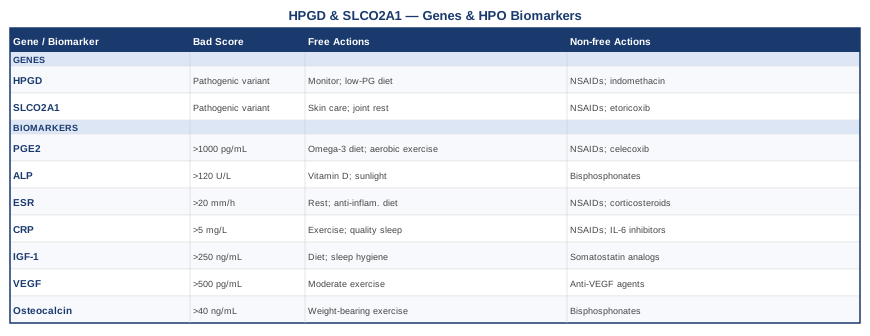
Understanding the genetic and biomarker landscape sets the foundation. The next dimension worth exploring is whether any broader framework in health science — looking at chronic inflammation, prostaglandin biology, and systemic disease monitoring — can provide additional strategic tools for HPO patients.
What Peter Attia's Framework in "Outlive" Offers HPO Patients
Peter Attia's Outlive: The Science and Art of Longevity (2023) does not address HPO directly, but it contains the most rigorous publicly available framework for thinking about inflammatory and metabolic disease monitoring that directly applies to this condition. Its central argument — that chronic disease is best managed through continuous biomarker measurement, behavioral precision, and targeted supplementation rather than reactive symptom treatment — maps precisely onto the biology of HPO.
Here are ten of the most impactful insights from Outlive for HPO patients:
1. Chronic Disease Begins Decades Before Symptoms Become Disabling
Attia argues consistently that the window for meaningful intervention is wide open long before clinical symptoms reach their worst. For HPO, this means that early biomarker tracking — PGE2 metabolites, bone-specific ALP, hsCRP — is not premature diligence but precisely the right time to intervene.
2. Insulin Resistance Amplifies Every Inflammatory Condition
Attia documents extensively how insulin resistance raises systemic cytokines including IL-6 and TNF-α. These are the same cytokines that epigenetically suppress SLCO2A1 expression and amplify PGE2-driven inflammation. Managing blood glucose — tracked through fasting glucose, HbA1c, and fasting insulin — is not peripheral to HPO management. It is mechanistically central.
3. Zone 2 Cardio Is the Most Powerful Anti-Inflammatory Tool Available Without a Prescription
Attia recommends 3 to 4 hours of Zone 2 aerobic exercise weekly — the intensity where you can hold a conversation but are breathing noticeably harder than at rest. At this intensity, skeletal muscle produces IL-6 in a pulsatile, anti-inflammatory context that reduces basal systemic inflammatory tone over time. For HPO patients with painful joints, swimming and cycling are the most accessible Zone 2 modalities.
4. Omega-3 Index Is a Better Measure Than Supplement Dose Alone
Attia advocates measuring the omega-3 index — the percentage of EPA+DHA in red blood cell membranes — as the real metric of omega-3 tissue saturation. Supplement dose tells you what you took; omega-3 index tells you what your cells actually contain. Target above 8%. Below 4% reflects high inflammatory susceptibility. This should be a standard addition to any HPO biomarker panel.
5. Sleep Is Not a Lifestyle Choice — It Is a Metabolic Input
One of Attia's most emphatic positions: chronic mild sleep restriction (6 hours versus 8) raises CRP, IL-6, and TNF-α measurably within days in controlled studies. For HPO, where these cytokines epigenetically suppress key genes and amplify PGE2 accumulation, sleep is not peripheral — it directly modulates the disease biology.
6. Lean Muscle Mass Is a Major Anti-Inflammatory Organ
Skeletal muscle releases myokines — including irisin, CXCL1, and IL-10 — that systemically suppress inflammatory signaling. Attia's emphasis on preserving and building lean mass through resistance training means that gym work is not vanity for HPO patients; it is immune-modulating medicine.
7. Continuous Glucose Monitoring Reveals Hidden Inflammatory Triggers
Attia recommends CGM even for non-diabetics to identify glucose spikes that appear normal on standard fasting labs but drive postprandial inflammation. For HPO patients on anti-inflammatory protocols, knowing which meals produce glucose spikes helps fine-tune dietary strategy and reduce the metabolic drivers of inflammation timing.
8. Cardiovascular Risk Must Be Tracked if Using COX-2 Inhibitors Long-Term
COX-2 inhibitors are among the most pharmacologically rational tools for HPGD-related HPO. Attia's emphasis on tracking apolipoprotein B (ApoB), blood pressure, and inflammatory markers longitudinally is directly relevant for any HPO patient on celecoxib or similar agents, where cardiovascular risk monitoring is not optional.
9. Protein Quality and Timing Affect Bone and Muscle Metabolism
Attia is unusually specific about protein intake — timing, quality, and spread across meals. For HPO patients managing abnormal bone formation, adequate but not excessive protein (1.2 to 1.6g per kilogram of body weight, distributed across meals) supports muscle-bone cross-signaling through IGF-1 and osteocalcin without excessively stimulating bone formation through the growth axis.
10. Emotional Health Dysregulates Metabolism Physiologically, Not Just Psychologically
Attia closes Outlive with an extensive treatment of emotional health as a metabolic variable. Chronic stress raises cortisol, which releases arachidonic acid from cell membranes directly — feeding the PGE2 synthesis chain. For HPO patients, psychological stress management is not a soft recommendation. It is a direct intervention on the prostaglandin axis.
Outlive is available at major booksellers. Attia's podcast The Peter Attia Drive covers these themes in extended depth with full citations, and episodes on inflammation, bone metabolism, and lipid panels are particularly relevant for HPO patients.
Complementary Approaches With Clinical Relevance for HPO
The following modalities have enough human evidence in related conditions to be worth discussing with your care team. HPO is too rare to have its own randomized trial data for these interventions, but the mechanisms are clinically plausible and the risk profiles are low.
Photobiomodulation (Low-Level Laser Therapy)
Photobiomodulation uses near-infrared and red wavelengths of light to reduce tissue inflammation and promote cellular repair at the mitochondrial level. The mechanism most relevant to HPO: near-infrared light reduces prostaglandin synthesis in synovial tissue and decreases joint swelling by modulating COX-2 activity and cytokine production locally — the same pathway that drives HPO joint pain. It is non-invasive, has an excellent safety profile, and can be targeted precisely to affected joints.
A randomized controlled trial in inflammatory arthritis demonstrated that low-level laser therapy significantly reduced joint pain and morning stiffness compared to sham treatment, with effects on local PGE2 and IL-1β documented histologically. While no HPO-specific trial exists, the mechanism of action is directly aligned with the pathology of HPO periarticular inflammation. A systematic review in the Journal of Rheumatology examined laser therapy across inflammatory arthropathies.
Practical protocol for HPO: a 660nm/850nm combination device applied to affected joints for 10 to 15 minutes per session, 4 to 5 times per week. Clinical-grade home devices range from $200 to $800. Start at lower power settings and increase gradually. Avoid direct application over areas of active malignancy in patients with secondary HPO from an underlying tumor.
Massage Therapy
Manual massage therapy has documented effects on soft tissue inflammation, lymphatic drainage, pain neurotransmitter modulation, and cortisol reduction — mechanisms that are collectively relevant to the periarticular swelling and diffuse pain characteristic of HPO. Unlike most physical interventions, massage directly addresses the soft tissue and fluid accumulation around affected joints, which is a significant component of HPO-related discomfort and functional limitation.
A randomized trial published in Scientific Reports demonstrated that a single 45-minute Swedish massage session significantly attenuated IL-5 and IL-10 shifts associated with inflammatory stress in healthy adults. Regular massage has been shown in multiple studies to reduce cortisol by 20 to 30% and raise serotonin and dopamine, which independently modulate pain perception. For HPO patients, the combination of reduced cortisol (less arachidonic acid release) and direct periarticular decongestion makes massage a mechanistically useful adjunct.
Practical application for HPO: weekly 60-minute sessions focused on affected limbs, using gentle lymphatic drainage techniques around swollen joints. Communicate the specific diagnosis to your therapist — they should avoid deep tissue pressure directly over areas of active periosteal bone formation and should use a lighter, flowing technique in those areas. Monthly sessions are a reasonable maintenance frequency once joint pain stabilizes.
Mindfulness-Based Stress Reduction (MBSR)
MBSR is an 8-week structured program combining meditation, body scan, and mindful movement, with decades of clinical trial data behind it. Its relevance to HPO extends beyond quality-of-life improvement into actual prostaglandin biology: psychological stress raises cortisol, cortisol mobilizes arachidonic acid from cell membranes, and arachidonic acid feeds COX-2-mediated PGE2 synthesis. MBSR reduces this hormonal cascade measurably. For patients with genetic HPO who cannot clear PGE2 efficiently, every reduction in PGE2 production matters — including the portion driven by psychological stress.
An NIH-funded study published in Psychoneuroendocrinology demonstrated that MBSR training significantly attenuated IL-6 production in response to psychological stress in trained participants compared to controls. Given the mechanistic link between IL-6, SLCO2A1 epigenetic suppression, and PGE2 accumulation described earlier in this article, this is not a soft recommendation for HPO — it is addressing a documented biological loop. Additionally, MBSR has been shown in multiple trials to be comparable to cognitive behavioral therapy for chronic pain management, making it relevant to the daily pain burden HPO patients carry.
Practical implementation: the full 8-week program is the validated format — not an app, but a structured program with weekly group sessions and 45 minutes of daily home practice. The University of Massachusetts Medical School and many academic medical centers offer validated programs, including online options. After the 8 weeks, a daily maintenance practice of 20 to 30 minutes sustains the inflammatory and pain-modulation benefits. Free resources are available on Insight Timer; structured paid programs through Waking Up or Headspace can support ongoing practice.
Conclusion
Hypertrophic pulmonary osteoarthropathy is rare, but it is not opaque. Its biology runs through two genes, one central molecule, and a handful of trackable biomarkers that can tell you how active the disease process is and whether your interventions are making a measurable difference. That is an unusual degree of biological clarity for a chronic condition, and it is worth using.
The most productive next steps are concrete: confirm whether your HPO is primary or secondary if you have not already, discuss genetic panel testing with your physician if primary HPO is suspected, and establish a baseline measurement of hsCRP, ALP, and urinary PGE-M. From there, build the lifestyle foundation — sleep quality, dietary arachidonic acid reduction, moderate daily movement, omega-3 supplementation — that addresses the prostaglandin axis directly rather than just managing symptoms. Then bring your biomarker data to a rheumatologist or clinical geneticist who is willing to engage with the specific mechanism of your case.
Better information makes better decisions possible. That is not a promise of cure — it is an invitation to stop guessing and start measuring.
Cancer & Oncology Respiratory Skin
Musculoskeletal: Bone Conditions Joint Conditions
Autoimmune: Inflammatory Conditions