This article contains AI generated content.
· UpdatedIgG4-Related Disease: 6 Genes And 7 Biomarkers To Track
Introduction
IgG4-related disease (IgG4-RD) is one of those conditions that quietly resists a simple explanation. It can affect nearly any organ — the pancreas, kidneys, bile ducts, salivary glands, thyroid, orbits, lungs, and aorta — and yet the clinical picture often looks deceptively non-urgent until significant fibrotic damage has already occurred. Many people spend years collecting individual organ diagnoses — autoimmune pancreatitis here, Mikulicz disease there, Riedel thyroiditis somewhere else — without anyone recognizing the single systemic immune-mediated process connecting them. If that experience sounds familiar, the frustration of fragmented care without a coherent map is already well known to you.
The current standard of care relies heavily on imaging, histopathology, and a single serum IgG4 measurement. This is a reasonable starting point, but it misses approximately 30–40% of biopsy-confirmed cases and says almost nothing about what is actually driving the disease in any specific individual. Two patients with identical serum IgG4 readings can have very different upstream immune activation profiles, different genetic vulnerabilities, and dramatically different responses to the same treatment course. Standard population-level guidance — steroids first, then watchful waiting — reflects what works on average, not what is happening in the individual sitting in the clinic chair.
This article takes a more granular approach. The main focus is on seven measurable biomarkers that can help track disease activity, detect silent flares before symptoms appear, and reveal how the immune system is actually behaving between appointments. A complementary genetics section examines six gene variants with documented relevance to IgG4-RD susceptibility, with practical implications for each one. Beyond these two frameworks, additional sections explore the most systematic dietary and lifestyle approaches available for immune-mediated conditions, drawn from sources that actually cite evidence rather than merely alluding to it.
No biomarker panel and no genetic test replaces the judgment of an experienced specialist. But better data leads to better conversations, earlier interventions, and more individualized decisions. The overview that follows, from the landmark NEJM characterization of IgG4-RD by Stone, Zen, and Deshpande onward, reflects a field that has rapidly matured — and that maturity is now accessible in a practical form.
Summary
This article maps two core monitoring frameworks for IgG4-RD. The biomarker section covers seven measurable immune indicators — starting with serum IgG4 and the IgG4/IgG ratio, then moving to the more advanced and arguably more sensitive markers: circulating plasmablasts, complement C3/C4, interleukin-10, and BAFF. For each, you will find what it reveals, how much it costs to measure, and what to do with a bad result, with or without supplementation. The genetics section then examines six key gene variants — including HLA-DRB1, CTLA4, FCGR2B, and STAT3 — and translates each susceptibility finding into a concrete action plan. Beyond the tracking frameworks, the article summarizes Palmer Kippola's Beat Autoimmune and its ten most impactful ideas for reversing immune dysregulation systematically, then rounds out with five complementary modalities — including the Autoimmune Protocol, mindfulness-based stress reduction, and microbiome-directed therapies — that have genuine human clinical support. If serum IgG4 is currently the only number you are watching, this article will expand that toolkit considerably.
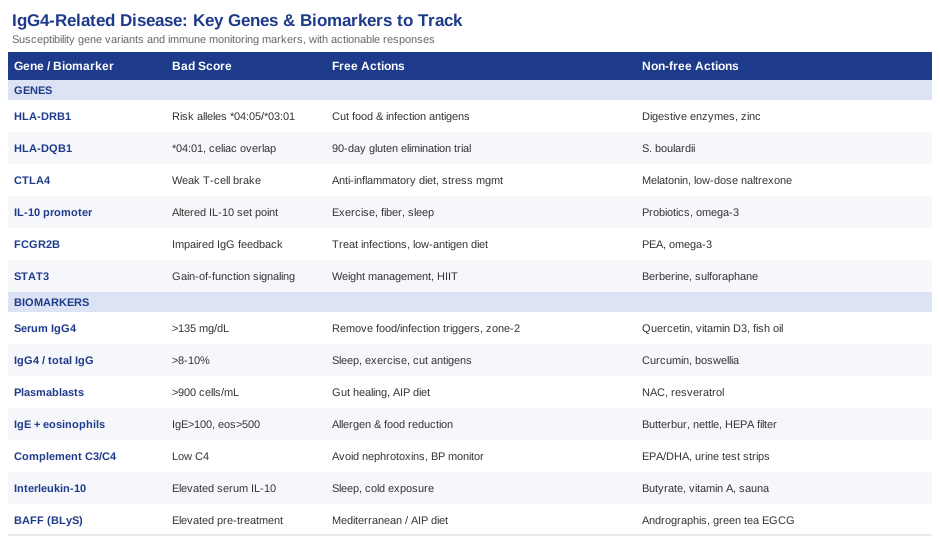
7 Biomarkers to Track in IgG4-Related Disease
The immunology underlying IgG4-RD is richer than the name implies. Elevated IgG4-positive plasma cells in affected tissues are the defining pathological feature, but the cascade that produces them involves T helper cell imbalances, dysregulated B cell activation, cytokine networks skewed toward Th2 and regulatory phenotypes, and in a subset of patients, complement activation. All of these upstream processes generate measurable signals in blood — often before clinical symptoms or imaging findings become apparent. Tracking the right set of markers transforms IgG4-RD from a condition you react to into one you monitor intelligently.
Biomarker 1 — Serum IgG4 Concentration
Why it matters: Serum IgG4 is the entry point for most evaluations and the most widely ordered test in suspected IgG4-RD. It provides a directional signal about systemic disease activity and remains useful for tracking treatment response over time. Its limitations are significant, however. Approximately 30–40% of biopsy-confirmed cases have normal serum IgG4 at presentation. Elevated levels also occur in pancreatic cancer, cholangiocarcinoma, other autoimmune diseases, and atopic conditions — reducing specificity when this marker is used in isolation.
What it reveals: A level above 135 mg/dL is conventionally elevated. Levels above 270 mg/dL, twice the upper limit of normal, improve diagnostic specificity substantially. Persistently elevated levels after corticosteroid therapy correlate with higher relapse rates. Serial measurements over time matter far more than any single reading.
How to measure it: Standard serum IgG subclass fractionation panel. Available at virtually all clinical and commercial laboratories. Cost: $50–$200 depending on insurance and country. Most rheumatologists and gastroenterologists can order this without subspecialty referral.
If the score is bad, the plan without supplements: The first-line clinical response is corticosteroid therapy under physician supervision. Non-pharmacological approaches target the immune stimulus sustaining IgG4 overproduction: eliminating documented food intolerances — particularly gluten and dairy in sensitive individuals — reduces the chronic dietary antigen stream that drives Th2 activation. Treating occult infections (dental periapical abscesses, H. pylori, chronic sinusitis) removes another common antigen source. Zone-2 aerobic exercise for 150 minutes per week has documented immune regulatory effects and downregulates Th2-dominant cytokine patterns.
If the score is bad, the plan with supplements or equipment: Quercetin (500–1000 mg per day with meals) has Th2-modulating effects in human studies and may reduce IgE-IgG4 co-elevation in atopic-prone patients. Vitamin D3, titrated to reach 50–70 ng/mL serum 25-OH vitamin D, supports the regulatory T cell function that is typically deficient in IgG4-RD patients. Fish oil at anti-inflammatory doses (2–4 g combined EPA+DHA daily with a fatty meal) may dampen IL-13 and IL-4 signaling that drives IgG4 class switching; cycle 8 weeks on / 2 weeks off; avoid without physician input if taking anticoagulants.
Biomarker 2 — IgG4/Total IgG Ratio
Why it matters: Absolute IgG4 values mislead when total immunoglobulin is globally elevated — as in chronic infection, other autoimmune diseases, or diffuse hypergammaglobulinemia. Expressing IgG4 as a fraction of total IgG normalizes for this background and improves specificity considerably. A ratio above 8% is worth noting; ratios above 10–15% in an appropriate clinical context are considered more diagnostically meaningful.
What it reveals: A disproportionately elevated IgG4 fraction indicates active IL-10– and IL-4–driven class switching toward the IgG4 subtype. It helps distinguish IgG4-RD from polyclonal hypergammaglobulinemia driven by other causes and provides a tighter signal of genuine IgG4-RD immune activity.
How to measure it: Calculated from the same IgG subclass panel used for absolute IgG4. No additional blood draw required — simply request IgG subclasses 1–4 plus total IgG. Some laboratories report the ratio automatically; others require manual calculation from the subclass values. Cost is identical to the standard IgG subclass panel.
If the score is bad, the plan without supplements: The same immune normalization principles apply as for absolute IgG4. Improving circadian consistency with fixed sleep-wake times, maintaining zone-2 aerobic exercise, avoiding caloric excess that promotes Th2 immune skewing through adipose-derived cytokines, and systematically identifying and removing chronic antigen sources can progressively normalize the ratio over three to six months.
If the score is bad, the plan with supplements or equipment: Curcumin in a bioavailable formulation such as BCM-95 or Meriva (500–1000 mg twice daily with food) inhibits IL-10 and IL-4 downstream signaling in multiple preclinical and early human studies. Cycling: 12 weeks on, 4 weeks off; monitor liver enzymes with prolonged use; curcumin may potentiate anticoagulant therapy. Boswellia serrata standardized extract (400–600 mg twice daily) has anti-inflammatory leukotriene-inhibiting effects relevant to Th2 modulation and is well-tolerated in most individuals.
Biomarker 3 — Circulating Plasmablasts
Why it matters: Serum IgG4 can normalize following steroid treatment while disease activity continues at the cellular level. Circulating plasmablasts — specifically CD19+CD24−CD38hi B cells quantified by flow cytometry — are now widely regarded as the most sensitive and specific peripheral biomarker for IgG4-RD, outperforming serum IgG4 for detecting both active disease and early relapse. The pivotal role of clonal immune cell expansion in IgG4-RD has been characterized in detail, including in research from the Stone laboratory at Massachusetts General Hospital documenting CD4+ cytotoxic T lymphocyte clonal behavior.
What it reveals: Plasmablasts are short-lived, rapidly dividing antibody-secreting B cell precursors. Elevated circulating counts reflect ongoing B cell activation and differentiation into IgG4-secreting plasma cells — the direct upstream driver of IgG4 tissue deposition. Counts above 900 cells/mL are considered elevated in many reference frameworks, though thresholds vary by laboratory methodology.
How to measure it: Flow cytometry panel from an immunology or hematology laboratory. Not uniformly available at routine labs — may require referral to an academic medical center or specialty diagnostics company. Cost: $200–$600. This is an advanced test but arguably the single most informative peripheral biomarker for real-time IgG4-RD disease activity.
If the score is bad, the plan without supplements: Rituximab — anti-CD20 B cell depletion therapy — is the most pharmacologically targeted option and is typically reserved for steroid-refractory or frequently relapsing patients. Non-pharmacological B cell modulation centers on eliminating the chronic antigen stimulation that sustains B cell activation: healing intestinal permeability to reduce LPS and undigested food antigen leakage into the lymphatic system, adopting a structured anti-inflammatory elimination diet (AIP or Mediterranean), and maintaining moderate regular exercise, which has documented beneficial effects on B cell regulatory subset function.
If the score is bad, the plan with supplements or equipment: NAC (N-acetylcysteine, 600–1200 mg per day in divided doses) reduces the oxidative stress-driven NF-κB activation relevant to B cell survival signaling. Daily use; no cycling required unless gastrointestinal sensitivity develops; rarely causes nausea at higher doses. Resveratrol (250–500 mg per day of a standardized extract taken with a fatty meal for adequate absorption) modulates the NF-κB and SIRT1 pathways relevant to plasmablast survival; cycle 8 weeks on / 2 weeks off; avoid in combination with anticoagulant therapy.
Biomarker 4 — Serum IgE and Peripheral Eosinophilia
Why it matters: IgG4-RD frequently co-occurs with atopic conditions — asthma, eczema, allergic rhinitis — and elevated total IgE alongside peripheral eosinophilia is found in 30–40% of patients. These markers reflect the Th2-dominant immune environment that is central to IgG4-RD pathophysiology. Tracking them provides context for the immune milieu in which IgG4 overproduction is occurring and identifies atopic comorbidities that independently sustain the Th2 tone, making disease more difficult to control.
What it reveals: An eosinophil count persistently above 500 cells/μL and total IgE above 100 IU/mL warrant further evaluation. In specific IgG4-RD subtypes — particularly eosinophilic angiocentric fibrosis and sinonasal involvement — tissue eosinophilia is a dominant histological feature and correlates with disease severity. These markers help characterize the atopic subtype, which often responds differently to treatment and has higher relapse rates.
How to measure it: Complete blood count with differential for eosinophil quantification ($20–$50) plus total IgE from an allergy panel ($30–$100). Both are available at any clinical laboratory and represent the most accessible and affordable markers on this list.
If the score is bad, the plan without supplements: Reducing total allergen and antigen load is the primary non-pharmacological strategy: eliminating major food triggers (most commonly dairy, gluten, eggs, and tree nuts in atopic individuals), improving gut barrier integrity to limit antigen translocation, reducing indoor environmental allergens through mold remediation and dust mite control. Sustained aerobic exercise over eight or more weeks consistently downregulates IL-5 — the primary eosinophil survival and recruitment factor.
If the score is bad, the plan with supplements or equipment: PA-free butterbur extract (standardized Petasites hybridus, 50–75 mg twice daily) has randomized trial evidence for eosinophilic airway inflammation and IgE-mediated allergic reactions; use only hepatotoxin-free preparations labeled PA-free; cycle 8–12 weeks with a rest period. Freeze-dried stinging nettle (Urtica dioica, 600 mg per day) has preliminary antihistamine and eosinophil-modulating effects. HEPA air filtration in the bedroom ($80–$300 for a quality unit) meaningfully reduces allergen-driven overnight immune activation without any side effects.
Biomarker 5 — Complement C3 and C4
Why it matters: Complement consumption is a feature of active IgG4-RD in the subset of patients with renal involvement — particularly hypocomplementemic tubulointerstitial nephritis and membranous nephropathy. Low C3 and C4 indicate that immune complexes are depositing in tissues and activating the classical complement cascade, a sign of organ-level inflammation that may precede detectible changes in creatinine, urine protein, or renal imaging.
What it reveals: Low C4 is the hallmark of the hypocomplementemic pattern seen in IgG4-related renal disease. Serial complement monitoring alongside eGFR and urine protein-to-creatinine ratio allows detection of renal flares before significant nephron loss. In non-renal IgG4-RD, complement levels are typically normal; unexpected abnormalities should always prompt renal evaluation.
How to measure it: Standard complement panel including C3, C4, and CH50. Available at most clinical laboratories and can be added to routine metabolic monitoring without additional procedures. Cost: $50–$150.
If the score is bad, the plan without supplements: Complement consumption is downstream of immune complex deposition, so the core intervention is always reducing upstream inflammation — corticosteroids under physician management, supported by the dietary approaches already described. Nephrotoxic agents — NSAIDs, iodinated contrast dye, aminoglycoside antibiotics — must be avoided or minimized during active hypocomplementemic episodes. A validated home blood pressure monitor (under $50) is essential for anyone with IgG4-RD renal involvement, where hypertension dramatically accelerates nephron loss.
If the score is bad, the plan with supplements or equipment: No supplement directly restores complement levels, nor should this be attempted without resolving the immune complex burden — boosting complement production while complexes are still being deposited would worsen rather than help organ damage. Focus instead on reducing immune complex formation: high-dose EPA+DHA (as described above) reduces the inflammatory lipid mediators that drive complement activation, while a low-antigen elimination diet reduces dietary immune complex formation. Urine protein dipstick testing (under $15 for a box of test strips) provides a practical daily at-home early warning for worsening proteinuria when kidney involvement is established.
Biomarker 6 — Interleukin-10 (IL-10)
Why it matters: IL-10 is the cytokine most directly implicated in the aberrant IgG4 class-switching that defines this condition. Produced by regulatory T cells, tolerogenic dendritic cells, and certain B cell subsets, it drives B cells toward IgG4 and IgE production. The mechanistic paradox is that IL-10 is broadly anti-inflammatory, yet its chronic pathological overproduction in IgG4-RD represents a dysregulated regulatory immune response — not normal homeostasis.
What it reveals: Elevated serum IL-10 alongside elevated IgG4 provides mechanistic confirmation that the classical regulatory/Th2 immune axis is active. Currently used more as a research tool than a routine clinical marker, IL-10 measurement is gaining accessibility through specialty cytokine multiplex panels and is likely to enter standard IgG4-RD monitoring protocols as the field matures.
How to measure it: Serum cytokine multiplex panels covering IL-10, IL-4, IL-13, TGF-β, and TNF-α are available through specialty laboratory divisions at companies such as Quest Diagnostics and LabCorp, and at academic immunology departments. Cost: $100–$400 depending on panel breadth.
If the score is bad, the plan without supplements: Chronic pathological IL-10 overproduction is linked to dysregulated Treg activity. Strategies to improve the quality and function — not merely the quantity — of regulatory T cells include: maintaining 7–9 hours of sleep on a consistent schedule (acute sleep deprivation directly impairs Treg suppressive capacity), eliminating ultra-processed foods and refined sugar, and deliberate cold water exposure two to four times per week (beginning with 30–60 seconds and building progressively), which has early evidence for immune tone normalization through norepinephrine-mediated vagal pathways.
If the score is bad, the plan with supplements or equipment: Sodium butyrate (1–3 g per day) or high-fiber prebiotic foods that increase endogenous gut butyrate production directly support mucosal Treg maturation and modulate IL-10 signaling at the intestinal level; daily use, no cycling required. Vitamin A (targeting low-normal serum retinol at 30–70 μg/dL via food sources or supplementation) is essential for gut-associated regulatory immune function and is frequently suboptimal in autoimmune patients. Infrared sauna sessions (15–20 minutes, three times per week for 8–12 weeks) have emerging evidence for cytokine normalization; stay well-hydrated and avoid if taking cardioactive medications.
Biomarker 7 — BAFF (B-Cell Activating Factor)
Why it matters: BAFF — B-lymphocyte stimulator, also known as BLyS — is a critical B cell survival factor that is consistently elevated in several B cell-driven autoimmune conditions including SLE and Sjögren's syndrome, and is increasingly being studied in IgG4-RD. BAFF drives plasmablast and plasma cell survival, placing it directly upstream in the pathway that sustains excess IgG4 production. Persistently elevated pre-treatment BAFF may explain why some patients relapse rapidly following steroid taper — the cellular infrastructure for IgG4 production remains intact even when serum levels temporarily normalize.
What it reveals: Elevated BAFF before treatment suggests a B cell-sustaining immune milieu that corticosteroids alone may not fully resolve. Post-treatment BAFF normalization is a positive prognostic sign; persistent elevation after treatment correlates with increased relapse risk in analogous B cell autoimmune conditions and warrants closer monitoring.
How to measure it: BAFF/BLyS ELISA assay through specialty immunology laboratories and academic medical centers. Increasingly available through academic rheumatology research protocols and select specialty diagnostic companies. Cost: $150–$500. Ask your rheumatologist specifically about access; at many academic centers, BAFF is now included in research-grade IgG4-RD monitoring panels.
If the score is bad, the plan without supplements: Rituximab (anti-CD20 B cell depletion) is the most pharmacologically targeted option for high-BAFF disease and is reserved for specialist management. Multiple studies in related B cell autoimmune conditions have found that high-fat, high-sugar dietary patterns correlate with elevated BAFF through adipose-derived inflammatory signaling. A structured Mediterranean or Autoimmune Protocol diet maintained consistently over three to six months may reduce background BAFF tone. Reducing adipose tissue through sustained caloric balance and exercise removes a direct source of BAFF-promoting cytokines.
If the score is bad, the plan with supplements or equipment: Andrographis paniculata standardized extract (400 mg twice daily) has preliminary evidence for NF-κB and BAFF pathway modulation in B cell-driven autoimmunity; cycle 6–8 weeks with two-week rest periods; mild gastrointestinal effects are the most common side effect. Green tea catechins at standardized EGCG concentration (400–600 mg per day) inhibit NF-κB signaling relevant to BAFF expression; take with meals to reduce GI irritation; cycle 8 weeks on / 2 weeks off; monitor for potentiation of anticoagulant therapy.
With these seven biomarkers providing a detailed immune map, the natural next question is why this particular pattern of immune dysregulation arises in the first place — and that is where genetics offers important context.
Genetics of IgG4-RD: 6 Key Gene Variants Worth Understanding
IgG4-RD is not a single-gene condition. Like most immune-mediated diseases, it emerges from a combination of genetic predispositions that lower the threshold for Th2 and regulatory immune activation, in interaction with environmental triggers that push a susceptible immune system past a tipping point. Understanding the relevant genetic variants does not change a diagnosis, but it can clarify which mechanisms are most active in a particular individual and help prioritize the interventions most likely to be relevant.
The data summarized here draws on genome-wide association studies, HLA typing research, and candidate gene analyses — most conducted initially in Japanese cohorts where IgG4-RD was first systematically characterized. Replication in Western populations is ongoing, and not all associations are equally robust across ethnicities. Genetic testing for these variants is available through direct-to-consumer companies (23andMe, AncestryDNA) with third-party interpretation tools, or through clinical genetics consultations.
Gene 1 — HLA-DRB1: The Major Histocompatibility Gatekeeper
What it does: HLA-DRB1 encodes a surface protein on antigen-presenting cells that determines which peptide fragments are displayed to T cells — essentially controlling what the immune system perceives as foreign or threatening. Specific alleles, particularly HLA-DRB1*04:05 in Japanese populations and HLA-DRB1*03:01 in some Western cohorts, are significantly associated with IgG4-RD susceptibility. These alleles are thought to facilitate presentation of autoantigenic or cross-reactive peptides in a way that preferentially activates the IgG4-promoting T helper cell pathways.
If the gene is bad, the plan without supplements: The HLA genotype itself cannot be altered, but its downstream effect — the type of antigens presented and the immune responses they trigger — can be modulated substantially. Minimizing chronic antigen exposure is the primary lever: rigorous elimination of documented food intolerances reduces the constant dietary antigen stream, systematic treatment of chronic infections (dental periapical lesions, H. pylori, chronic sinusitis) removes major persistent antigen sources, and avoidance of known environmental mold species eliminates a recognized Th2-activating exposure.
If the score is bad, the plan with supplements or equipment: Because HLA-DRB1 risk alleles increase susceptibility to antigen-driven Th2 activation, reducing the quantity and immunogenicity of antigens reaching gut-associated lymphoid tissue is directly relevant. Broad-spectrum digestive enzymes (particularly protease-containing formulas taken with each protein-containing meal) reduce intact antigen peptide load. Zinc (15–30 mg per day elemental with meals to prevent nausea) is essential for normal antigen processing by macrophages and dendritic cells and is frequently suboptimal in autoimmune patients; target serum zinc above 70 μg/dL.
Gene 2 — HLA-DQB1: Fine-Tuning Antigen Presentation
What it does: HLA-DQB1 is a second MHC class II gene working in concert with HLA-DRB1 to shape antigen presentation. The allele HLA-DQB1*04:01 shows strong association with IgG4-RD in Japanese populations and co-segregates with the HLA-DRB1*04:05 risk allele to define a high-risk haplotype. The biological mechanism parallels HLA-DRB1: specific peptide-binding groove configurations favor the presentation of self or cross-reactive antigens in an IgG4-permissive immunological context. Importantly, HLA-DQB1 variants overlap with celiac disease susceptibility — making gluten elimination particularly relevant in carriers.
If the gene is bad, the plan without supplements: The same general antigen-reduction principles as HLA-DRB1 apply here. The specific additional consideration for HLA-DQB1 overlap: celiac disease and non-celiac gluten sensitivity are meaningfully more likely in this genetic context. A rigorous 90-day gluten elimination trial is warranted in any IgG4-RD patient carrying this allele who also has any gastrointestinal symptoms, and anti-tTG IgA and anti-DGP testing should be included in standard workup.
If the score is bad, the plan with supplements or equipment: Saccharomyces boulardii (5 billion CFU per day) supports intestinal barrier integrity and reduces the translocation of luminal antigens to gut-associated lymphoid tissue — directly addressing the mechanism by which HLA risk alleles translate antigen exposure into immune activation. The effect is gentle and consistent; no cycling required; occasional mild gastrointestinal discomfort in the first week is the most common side effect.
Gene 3 — CTLA4: The Immune Braking Problem
What it does: CTLA-4 encodes a critical inhibitory receptor on T cells that functions as an immune checkpoint — competing with the activating receptor CD28 for ligand binding on antigen-presenting cells, and thereby dampening T cell activation after an adequate immune response has been mounted. Certain CTLA4 gene variants reduce the efficiency of this inhibitory signal, resulting in T cells that activate more readily and sustain immune responses longer than appropriate. CTLA4 variants are established risk factors across multiple autoimmune diseases, and emerging data implicate this same locus in IgG4-RD susceptibility.
If the gene is bad, the plan without supplements: A deficient CTLA-4 braking system means T cell activation thresholds are lower throughout life. The most effective non-pharmacological compensation is reducing the signals that activate T cells in the first place: anti-inflammatory diet to reduce DAMP (damage-associated molecular pattern) production from tissue stress and processed food consumption, avoiding unnecessarily immune-stimulating compounds including high-dose T cell-activating herbs such as echinacea that are often well-intended but counterproductive in this context, and consistent stress management because cortisol dysregulation specifically impairs CTLA-4-mediated T cell suppression.
If the score is bad, the plan with supplements or equipment: Melatonin at physiological doses (0.5–1 mg taken 30 minutes before sleep — not the supra-physiological 5–10 mg doses common in commercial products) has documented immunomodulatory effects including support of Treg-mediated CTLA-4 expression pathways; daily use, no cycling required at these doses. Low-dose naltrexone (LDN, 1.5–4.5 mg at bedtime, prescription required) has growing open-label evidence across autoimmune conditions for normalizing immune checkpoint function through transient opioid receptor blockade that drives regulatory T cell upregulation; discuss with a prescribing physician familiar with LDN's use in autoimmunity.
Gene 4 — IL-10 Promoter Variants: The Regulatory Cytokine Set Point
What it does: IL-10 gene promoter polymorphisms — particularly at positions −1082, −819, and −592 — determine an individual's baseline IL-10 production capacity. Certain haplotypes produce constitutively higher or lower IL-10 levels, with consequences for the balance between regulatory and effector immune responses. In IgG4-RD, where IL-10 is the central molecular driver of IgG4 class switching, high-IL-10-producer genotypes are plausibly risk-conferring. Paradoxically, very low IL-10 producer genotypes impair normal regulatory immune homeostasis and can also predispose to autoimmunity through a different mechanism — the relationship is not linear.
If the gene is bad, the plan without supplements: For high-IL-10-producer variants, prioritize strategies that prevent the chronic antigen stimulation that triggers pathological IL-10 spikes — the same approach outlined for HLA risk alleles, applied consistently. For low-IL-10-producer variants, support regulatory immune tone through consistent aerobic exercise (which induces beneficial anti-inflammatory IL-10 through a normal, non-pathological mechanism), a high-fiber diet supporting butyrate-producing gut bacteria, and rigorous sleep optimization.
If the score is bad, the plan with supplements or equipment: Multi-strain probiotic supplementation including Lactobacillus rhamnosus GG and Lactobacillus plantarum (10–50 billion CFU per day) modulates mucosal IL-10 production through direct signaling with gut-associated dendritic cells; daily use; rotate strains every three months for microbiome diversity maintenance. Omega-3 fatty acids at anti-inflammatory doses (as described in Biomarker 1) influence the IL-10/IL-12 cytokine balance through lipid mediator pathways relevant to this specific gene variant's downstream effects.
Gene 5 — FCGR2B: The IgG Feedback Loop
What it does: FCGR2B encodes Fc gamma receptor IIB — the only inhibitory receptor in the Fc gamma receptor family. It provides negative feedback to B cells and mast cells after IgG immune complex binding, signaling that sufficient antibody has been produced and the response should be down-regulated. Loss-of-function variants in FCGR2B impair this feedback mechanism and have been associated with SLE, immune thrombocytopenia, and other antibody-driven autoimmune conditions. In IgG4-RD, where IgG4 immune complexes accumulate in tissues, impaired FCGR2B feedback may sustain B cell activation and plasma cell survival far longer than appropriate.
If the gene is bad, the plan without supplements: Reducing the quantity of IgG immune complexes that overwhelm and dysregulate the FCGR2B pathway is the indirect but achievable approach. This means treating underlying infections that generate high-affinity IgG immune complexes as an early priority, maintaining a low-antigen diet to reduce dietary immune complex formation, and monitoring renal function closely given that FCGR2B impairment is specifically linked to IgG complex-mediated renal injury in multiple autoimmune conditions.
If the score is bad, the plan with supplements or equipment: Palmitoylethanolamide (PEA, 600–1200 mg per day) has anti-inflammatory and mast cell-stabilizing effects that may partially compensate for impaired FCGR2B feedback in peripheral tissues; daily use; well-tolerated with no significant drug interactions reported in current literature. Omega-3 fatty acids (EPA+DHA as above) reduce the quantity of immune-activating lipid mediators that sustain B cell signaling in the context of impaired inhibitory feedback.
Gene 6 — STAT3: T Cell Signaling at the Source
What it does: STAT3 is a transcription factor activated by multiple cytokines including IL-6, IL-10, IL-21, and IL-27 — all of which are relevant to IgG4-RD biology. STAT3 governs the differentiation of T cells toward follicular helper (Tfh) and regulatory phenotypes, both of which are overrepresented in IgG4-RD tissue infiltrates. Gain-of-function STAT3 variants and epigenetic STAT3 hyperactivation have been documented in IgG4-RD, particularly in the Tfh cell population that provides B cell help during germinal center reactions that ultimately generate IgG4-secreting plasma cells.
If the gene is bad, the plan without supplements: STAT3 hyperactivation is driven substantially by upstream IL-6 signaling, and adipose tissue is a major IL-6 source — making sustained body weight management one of the most effective non-pharmacological STAT3 dampeners available. High-intensity interval training (HIIT, two to three sessions per week with adequate recovery) has specific evidence for reducing IL-6 and downstream STAT3 signaling in immune cell populations. Avoiding excess supplementation with immune activators — high-dose zinc above 40 mg per day, concentrated beta-glucan, aggressive immune-boosting formulas — reduces unnecessary upstream STAT3-activating input.
If the score is bad, the plan with supplements or equipment: Berberine (500 mg twice daily with meals) has demonstrated STAT3 pathway inhibition in multiple human studies alongside its well-established metabolic effects; cycle 8 weeks on / 4 weeks off; monitor blood glucose carefully if taking diabetic medications. Sulforaphane from standardized broccoli sprout extract (40–60 mg per day, or through regular consumption of freshly sprouted broccoli grown at home) inhibits STAT3 nuclear translocation in preclinical models and demonstrates established safety in human phase I and II studies; daily use; no cycling required.
Having mapped the measurable biomarkers and the genetic predispositions that shape this condition, the most useful next question is what kind of comprehensive lifestyle framework can address this type of immune dysregulation as a whole rather than target-by-target.
Beat Autoimmune: 10 Things That Could Change How You Approach IgG4-RD
Palmer Kippola's Beat Autoimmune: The 6 Keys to Reverse Your Condition and Reclaim Your Health (2019) was written by a multiple sclerosis patient who achieved clinical remission through a systematic lifestyle and nutrition approach developed in collaboration with functional medicine physicians. It is not specific to IgG4-RD, but it addresses the underlying immunological terrain — chronic antigen stimulation, gut permeability, Th2/Treg imbalance, and dysregulated cytokine signaling — more systematically than most clinical resources available to patients. The FIGHTS acronym (Food, Infections, Gut, Hormones, Toxins, Stress) provides a practical organizational structure. Below are the ten most impactful ideas in the book for someone navigating IgG4-RD.
1. Dietary Antigens Are Not a Side Issue — They Are Often the Central Driver
Kippola builds a strong case that food-derived peptide fragments are among the primary sustained antigen sources in autoimmune disease. For IgG4-RD, gluten and casein fragments are particularly relevant: structural similarity to human tissue proteins in some individuals can drive autoantigen presentation through molecular mimicry. The book recommends treating a 30–90 day elimination trial as both diagnostic and therapeutic — observing whether disease activity markers measurably change alongside dietary antigen removal.
2. Hidden Infections Are Consistently Underestimated as Disease Triggers
Chronic subclinical infections — Helicobacter pylori, Epstein-Barr virus reactivation, dental periapical abscesses, chronic parasitic colonization — function as persistent antigen sources that keep the immune system locked in a chronic activation state. H. pylori has been specifically discussed in the IgG4-RD literature as a possible disease trigger, particularly for pancreatic and biliary forms. Kippola recommends systematic screening and treatment of these hidden infections as an early and often high-yield priority.
3. Gut Permeability Is the Entry Gate for Systemic Immune Activation
Increased intestinal permeability allows bacterial endotoxins, food-derived antigens, and microbial components to cross the epithelial barrier and directly engage gut-associated lymphoid tissue. In individuals with HLA-DQB1 or other antigen-presentation risk alleles, this creates the very conditions under which those genetic vulnerabilities translate into active disease. Kippola's gut-healing protocol centers on bone broth, L-glutamine supplementation, removal of irritating foods, and targeted probiotic support — all consistent with the microbiome evidence outlined elsewhere in this article.
4. Hormonal Dysregulation Is a Hidden Amplifier of Immune Imbalance
Thyroid hormone imbalances, estrogen dominance, low testosterone, and adrenal dysregulation all modulate the Th1/Th2/Treg balance at a systemic level. Kippola documents the frequency of subclinical hypothyroidism missed on TSH-only screening in autoimmune patients. For IgG4-RD, a full thyroid panel including TSH, free T3, free T4, anti-TPO, and anti-thyroglobulin antibodies is a meaningful addition to standard monitoring — both because thyroid involvement is a recognized IgG4-RD manifestation and because thyroid status affects the broader immune tone.
5. Toxin Load Silently Sustains Inflammation Without Obvious Symptoms
Environmental toxins — mercury from amalgam dental fillings, lead, bisphenol A, pesticide residues, and mold mycotoxins — act as immune adjuvants that sustain inflammatory signaling without producing conspicuous symptoms. Kippola recommends systematic toxin reduction: water filtration, organic food choices where feasible, mercury amalgam removal by a biologic dentist trained in safe removal protocols, and urinary mycotoxin testing if there is any history of exposure to water-damaged buildings. This last point is particularly relevant because chronic mold exposure is a Th2 activator that can drive IgG4-RD flares.
6. Chronic Stress Directly Modifies Immune Gene Expression — It Is Not Metaphorical
The HPA axis activation driven by chronic psychological stress does not merely "weaken" the immune system in a general sense. Cortisol directly modifies transcription factor activity in T cells and B cells, suppressing Treg function while disinhibiting Th2 responses — the precise immune shift that amplifies IgG4-RD activity. Kippola reviews the psychoneuroimmunology evidence for mind-body practices as mechanistically active immune interventions, not soft lifestyle additions.
7. Sleep Is Immune Medicine, Not a Productivity Sacrifice
Sleep deprivation consistently elevates IL-6, TNF-α, and IgE — the same cytokines that amplify IgG4-RD activity. The book dedicates specific attention to sleep architecture optimization: fixed consistent schedules, total light blackout, room temperature in the 65–68°F / 18–20°C range for maximal slow-wave sleep, and elimination of blue light exposure after sundown. These changes are free, have no side effects, and directly address the cytokine pathways targeted by expensive pharmacological interventions.
8. Exercise Dosage Is Critical — More Is Not Better in Immune-Mediated Conditions
Moderate zone-2 aerobic exercise reliably downregulates inflammatory cytokines and supports Treg function. Excessive high-intensity exercise without adequate recovery, however, can trigger autoimmune flares in genetically susceptible individuals by generating tissue damage signals (DAMPs) that re-engage antigen presentation pathways. Kippola's recommendation — zone-2 training as the primary anchor, with twice-weekly strength training — is well-matched to the CTLA4 and STAT3 genetic contexts described in the genetics section above.
9. Social Connection and Purpose Have Measurable Effects on NF-κB Immune Activation
Growing psychoneuroimmunology research demonstrates that chronic loneliness and perceived social threat activate the same NF-κB immune activation pathways as microbial pathogens — with direct consequences for BAFF, IL-6, and TNF-α levels. This is particularly relevant for IgG4-RD patients who have experienced years of diagnostic uncertainty, repeated hospitalizations, and the social isolation that follows a poorly understood condition. The book treats social and emotional health as immune medicine, not personal development.
10. Objective Biomarker Tracking Reveals Progress That Symptoms Miss
Kippola recommends systematic tracking of accessible inflammatory and immune markers every three months rather than relying solely on symptom scores. Symptoms routinely lag biomarkers by weeks to months — early normalization of CRP, vitamin D, ferritin, and other accessible values often occurs well before subjective improvement and provides objective evidence that lifestyle interventions are doing biological work. This framing transforms the monitoring strategies outlined in this article from abstract tests into feedback instruments.
The book's FIGHTS framework and the biomarker monitoring approach outlined earlier in this article are highly complementary — one provides the intervention structure, the other provides the objective feedback mechanism. Together they form the foundation of an informed self-management approach alongside appropriate specialist care.
Complementary Approaches With Clinical Support
The Autoimmune Protocol (AIP)
Sarah Ballantyne's Autoimmune Protocol is a structured elimination and reintroduction dietary and lifestyle framework developed specifically for autoimmune conditions and documented in her book The Paleo Approach. It removes all major immune-activating food groups — gluten, dairy, eggs, legumes, nightshades, nuts, seeds, and alcohol — for a minimum of 30–60 days before systematic one-at-a-time reintroduction to identify individual triggers. Alongside the dietary elimination, the protocol addresses sleep optimization, stress reduction, gentle movement, and social connection as co-equal pillars.
For IgG4-RD specifically, the AIP is relevant for three reasons: food-derived antigens directly stimulate IgG4 class switching through gut-associated lymphoid tissue in individuals with HLA risk alleles; the AIP removes the most common lectins and glycoproteins that compromise gut barrier integrity and allow antigen translocation; and the protocol's emphasis on nutrient density through organ meats, fatty fish, and leafy vegetables directly addresses the micronutrient deficiencies — vitamin D, vitamin A, zinc, omega-3 fatty acids — that are consistently observed in IgG4-RD. A clinical study by Konijeti et al. published in Inflammatory Bowel Diseases (2017) demonstrated significant clinical and endoscopic remission using the AIP diet in Crohn's disease patients — providing evidence that structured elimination protocols can produce measurable clinical outcomes in immune-mediated mucosal conditions, though IgG4-RD-specific trials have not yet been conducted.
Practically: commit to the full elimination phase for at least 60 days before assessing results. Reintroduce foods individually at three-day intervals with a detailed symptom and biomarker diary. Working with a registered dietitian experienced with AIP is strongly recommended for individuals with IgG4-RD organ involvement affecting nutrient absorption (particularly pancreatic exocrine insufficiency or gut involvement), as the protocol requires careful nutritional planning during the elimination phase.
Mindfulness-Based Stress Reduction (MBSR)
MBSR is an 8-week structured program developed by Dr. Jon Kabat-Zinn combining mindfulness meditation, body scan practice, and mindful movement. Its effects on inflammatory biomarkers have been studied across a wide range of conditions, with documented reductions in CRP, IL-6, TNF-α, and cortisol — all cytokines directly relevant to IgG4-RD disease activity. MBSR also measurably improves heart rate variability, a validated marker of vagal tone and parasympathetic immune regulation.
A systematic review and meta-analysis examining mind-body intervention effects on inflammatory markers found consistent significant reductions in CRP and IL-6 across autoimmune and inflammatory conditions with regular mindfulness practice. While IgG4-RD-specific MBSR trials do not yet exist, the documented effects on the same cytokine and neuroendocrine networks that amplify IgG4-RD activity make this a mechanistically coherent addition. The stress-induced HPA activation that shifts T cells toward Th2 and suppresses Treg function is the primary mechanism being addressed.
Practically: the 8-week MBSR program is available through hospitals, university mindfulness centers, and online through institutions including the UMass Center for Mindfulness. Commitment involves approximately 45 minutes of daily practice plus a weekly group session. For meaningful impact on biomarkers, treat this as a minimum six-month practice before formally evaluating effect on inflammatory markers. The evidence supports treating it as a daily habit rather than a temporary course.
Microbiome-Directed Therapies
The gut microbiome is now understood as a central regulator of systemic immune tone, and specific microbiome patterns — reduced biodiversity, depletion of short-chain fatty acid producers including Faecalibacterium prausnitzii and Akkermansia muciniphila, and overrepresentation of gram-negative LPS-producing species — have been documented across multiple autoimmune diseases. These patterns are associated with elevated circulating IL-10, IgE, and Th2 cytokines. In IgG4-RD, where IL-10 and Th2 dysregulation is central, gut microbiome composition is a plausible and underexplored upstream driver.
Multiple research lines demonstrate that gut microbiota directly regulate IgG subclass switching responses — including the switch toward IgG4 and IgE — at the intestinal level, providing a mechanistic link between microbiome composition and IgG4-RD biology that goes beyond general immune modulation. The gut-immune axis for IgG4-RD represents one of the most compelling emerging research directions in the field.
Practically: a targeted approach includes comprehensive gut microbiome testing (16S rRNA or metagenomic sequencing through services such as Viome, Genova Diagnostics, or Doctor's Data, $200–$400) as a baseline characterization, followed by dietary fiber maximization (targeting 30 or more grams per day from diverse plant sources to support microbial diversity), targeted multi-strain probiotic supplementation based on identified deficiencies at 50 billion CFU or more per day, and careful avoidance of unnecessary broad-spectrum antibiotics. Fermented foods — kimchi, kefir, sauerkraut — provide diverse microbial inputs and should be introduced gradually if gut symptoms are present.
Breathing-Based Therapies
Slow diaphragmatic breathing at approximately six breaths per minute — the respiratory resonance frequency at which heart rate variability is maximized — directly activates the vagus nerve and shifts autonomic tone toward parasympathetic dominance. This parasympathetic shift has documented immune consequences: reduced NF-κB activity in circulating immune cells, lower inflammatory cytokine production including IL-1β, TNF-α, and IL-6, and improved regulatory T cell function. Heart rate variability biofeedback training and the Buteyko breathing method both operate through similar respiratory mechanisms.
A randomized controlled trial published in Psychosomatic Medicine demonstrated that HRV biofeedback significantly reduced inflammatory biomarkers and improved immune regulation measures in patients with inflammatory and stress-related conditions. While no IgG4-RD-specific breathing trial exists, the vagal-immune pathway being activated is directly relevant to the regulatory immune tone that governs IgG4 overproduction through its effects on Treg function and the HPA axis stress response.
Practically: begin with 10 minutes of paced breathing at six breaths per minute (5 seconds in, 5 seconds out through the nose or mouth) twice daily for six weeks. Real-time biofeedback devices — the HeartMath Inner Balance sensor, EmWave2, or a chest strap paired with HRV biofeedback apps — provide quantitative feedback that substantially improves training effectiveness and creates a measurable record of autonomic improvement over time. Cost: $80–$300 for quality biofeedback equipment. Combine with morning sunlight exposure (10–20 minutes outdoors within 30 minutes of waking) to synchronize the cortisol rhythm that modulates the same parasympathetic immune pathways.
Low-Level Laser Therapy / Photobiomodulation
Photobiomodulation (PBM) uses low-level red and near-infrared light at wavelengths of approximately 630–850 nm to activate mitochondrial cytochrome c oxidase, reduce local oxidative stress, and modulate inflammatory signaling in treated tissues. In autoimmune conditions with accessible organ involvement, PBM applied to affected tissue has demonstrated reductions in local infiltration of inflammatory immune cells and downregulation of pro-inflammatory cytokine expression. For IgG4-RD with sinonasal, salivary gland, orbital, or superficial lymph node involvement, topical PBM application is anatomically feasible.
Published evidence in autoimmunity indicates that PBM modulates immune cell function and reduces local inflammation through mitochondrial pathway activation, with a growing body of evidence across multiple autoimmune and inflammatory conditions — though IgG4-RD-specific randomized trials have not yet been published, and the existing evidence base should be interpreted as promising but early.
Practically: commercially available PBM devices combining 660 nm red and 850 nm near-infrared wavelengths at 30–100 mW/cm² are available in panel and handheld forms for home use ($200–$800 for quality devices). For accessible IgG4-RD sites such as submandibular or parotid gland enlargement, apply 5–10 minutes per treatment site, three to five times per week for an 8–12 week protocol. Do not apply over the thyroid gland without specialist guidance, do not apply over active malignancy or suspicious masses, and do not apply directly to the eyes. The evidence is mechanistically grounded but condition-specific trials for IgG4-RD remain pending.
Conclusion
IgG4-related disease is complex, but it is not opaque. The seven biomarkers covered here — from serum IgG4 and the IgG4/IgG ratio to plasmablasts, complement, IL-10, and BAFF — provide a monitoring framework substantially more granular than the standard clinical visit allows. The six genetic variants discussed offer a mechanistic explanation for individual susceptibility and point toward specific intervention priorities: antigen load reduction for HLA risk alleles, immune checkpoint support for CTLA4 variants, STAT3 pathway management for T cell signaling dysfunction. Together, they build a picture of individual disease biology rather than a population average.
The lifestyle frameworks reviewed — the FIGHTS approach, the Autoimmune Protocol, and the complementary modalities — are not alternatives to appropriate specialist management. They are additions to it, operating on the upstream immune environment in which IgG4-RD thrives: chronic antigen exposure, gut permeability, Th2/Treg imbalance, and dysregulated cytokine networks. Used consistently and measured objectively, they address causes rather than consequences.
The most practical next step is to start with the most accessible markers — serum IgG4 subclasses, IgG4/IgG ratio, total IgE, eosinophil count, and complement C3/C4 — and bring the full picture to a rheumatologist or internist experienced with IgG4-RD. Add plasmablasts and cytokine panels as the monitoring program matures. Use lifestyle changes as measurable variables tracked against biomarker trends, not vague aspirations measured only by how you feel. Better information, consistently tracked over time, is the most reliable foundation for better outcomes.
Digestive: Liver & Gallbladder Conditions Pancreatic Conditions
Endocrine & Metabolic: Thyroid Conditions
Autoimmune: Inflammatory Conditions Connective Tissue Conditions
Urological: Kidney Conditions