This article contains AI generated content.
· UpdatedImmune Thrombocytopenic Purpura: 6 Genes And 7 Biomarkers To Track
Introduction
Living with immune thrombocytopenic purpura — ITP — means navigating an invisible imbalance. Your immune system, designed to protect you, has turned against your own platelets, keeping blood counts unpredictably low and leaving you caught between bruising too easily and worrying about the next blood draw. Most people with ITP hear roughly the same advice: watch your levels, avoid NSAIDs, and wait to see if treatment is needed. That advice is not wrong, but it rarely explains why your immune system behaves this way or what specific mechanisms are driving your particular case.
ITP is not a single disease in the way a bacterial infection is. It is a syndrome — one that can be driven by different immune dysfunctions, genetic predispositions, and biological signals depending on the person. What moves the needle for one patient may do very little for another. Generic recommendations built on population averages often miss the specific levers that matter most for a given individual.
This article approaches ITP differently. Rather than restating standard treatment options, it focuses on the underlying biology: which biomarkers give you the clearest real-time picture of your immune activity, and which genetic variants may be quietly shaping your risk and response. Both lenses matter — biomarkers tell you where you are today, and genetics help explain why your immune system is wired the way it is.
The goal here is not to replace your hematologist's guidance. It is to give you sharper questions to ask, smarter tests to request, and a more grounded understanding of what the evidence actually says — so you can work with your care team from a position of better information, and so you understand that a better picture of your biology is the first step toward better decisions.
Summary
This article covers 7 key biomarkers that give a far more actionable picture of ITP than a platelet count alone — from thrombopoietin and reticulated platelets to regulatory T-cell levels and inflammatory cytokines. Each biomarker section explains what it measures, how to test it (including cost ranges), what a poor result means mechanistically, and specific plans — with and without supplements — to improve it, including dosing frequencies, cycling protocols, and known side effects.
The article also reviews 6 genetic variants known to influence ITP risk and immune architecture, including FCGR2A, FCGR3A, HLA-DRB1, PTPN22, CTLA4, and IL-10 promoter polymorphisms. For each gene, you will find a targeted action plan that does not require supplements, and one that does.
Beyond biomarkers and genetics, you will find a summary of The Paleo Approach by Dr. Sarah Ballantyne — an evidence-referenced protocol built specifically around autoimmune immune dysregulation with substantial mechanistic overlap to ITP. The article also covers four evidence-backed complementary approaches including mindfulness-based stress reduction, microbiome-directed therapies, Chinese herbal medicine, and breathing-based therapies with documented immune-modulating effects.
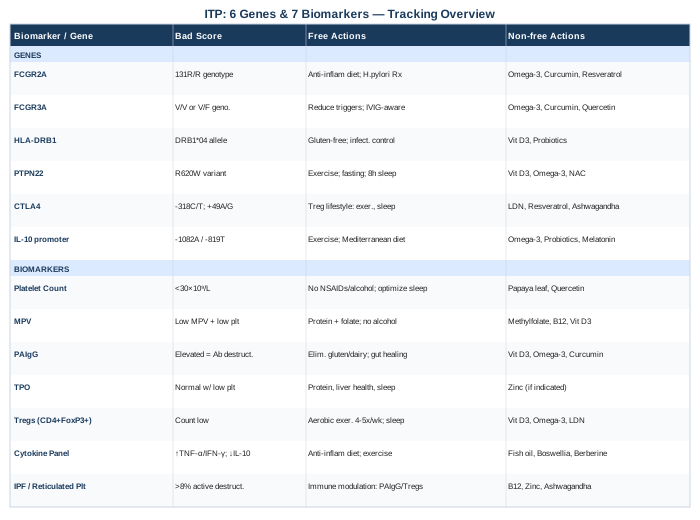
7 Biomarkers That Reveal What a Platelet Count Alone Cannot
A platelet count tells you the outcome. It does not tell you the cause — whether your immune system is destroying platelets faster than bone marrow can produce them, whether thrombopoiesis is suppressed at a cellular level, or whether inflammatory signaling is actively sustaining the attack. The seven biomarkers below dig deeper. Together they form a functional map of the immune and hematologic processes underlying ITP, and each one opens a different door for targeted intervention.
1. Platelet Count and Nadir Trend
Why it matters: The platelet count remains the central diagnostic and monitoring marker for ITP, with a threshold below 100 × 10⁹/L used for diagnosis and below 30 × 10⁹/L generally prompting treatment consideration. But a single number is less useful than the trend — how quickly the count is falling, what the lowest value reached (nadir) has been, and how it responds to triggers like infection, stress, or hormonal fluctuation.
How to measure it: A standard complete blood count (CBC) is sufficient. Cost is typically $10–$30 through standard labs. For active disease, monitoring every 2–4 weeks captures trend data that isolated snapshots miss. Some clinicians use point-of-care CBC devices for home monitoring, though this is not yet standard practice for most ITP outpatients.
If the count is persistently low — the plan without supplements: Eliminate platelet-suppressing drugs (NSAIDs, some antibiotics, proton pump inhibitors at high doses). Remove alcohol, which independently suppresses thrombopoiesis at even moderate consumption levels. Prioritize sleep — growth hormone released during slow-wave sleep supports bone marrow megakaryocyte activity. Reduce chronic physical stress from overtraining while maintaining light aerobic movement. Identify and treat infections, particularly Helicobacter pylori, which has a documented association with refractory ITP in susceptible patients and often responds dramatically to eradication.
If the count is persistently low — the plan with supplements or equipment: Papaya leaf extract has been studied specifically in thrombocytopenic conditions; typical protocols use 1,000 mg standardized capsule extract twice daily for 5 days, then reassess. Evidence is modest and mostly derived from dengue-related thrombocytopenia; ITP evidence is extrapolated but signals are consistent with the mechanism. Quercetin (500–1,000 mg/day in split doses) shows immunomodulatory activity relevant to antibody-mediated platelet destruction in cell studies. Cycle quercetin for 8 weeks on, 2–4 weeks off. Side effects: mild gastrointestinal discomfort at higher doses. Always coordinate with your hematologist before adding any supplement that could affect immune or platelet function.
2. Mean Platelet Volume (MPV)
Why it matters: MPV measures the average size of platelets in circulation. Larger platelets are younger and more metabolically active; an elevated MPV in the context of low platelet count suggests the bone marrow is compensating — producing and releasing immature, oversized platelets rapidly to replace those being destroyed. A low MPV paired with low platelet count points toward suppressed production rather than peripheral destruction, indicating a fundamentally different disease mechanism that requires a different therapeutic focus.
How to measure it: MPV is included in most standard CBC reports at no additional cost. Normal range is approximately 7.5–12.5 fL, though laboratory-specific reference ranges vary. Interpreting MPV alongside platelet count and immature platelet fraction (see below) provides the clearest kinetic picture of what is actually happening.
If MPV is low despite low platelets — the plan without supplements: Low MPV with thrombocytopenia suggests inadequate thrombopoiesis rather than immune destruction. Prioritize protein sufficiency — dietary protein supports platelet precursor synthesis and megakaryocyte maturation. Ensure adequate folate intake, since folate deficiency independently impairs hematopoiesis. Investigate whether any medications or chronic toxin exposures (alcohol, heavy metals) are suppressing bone marrow activity.
If MPV is disproportionately high — the plan without supplements: Elevated MPV with low platelet count confirms active peripheral destruction and compensatory megakaryocyte upregulation. The intervention focus shifts to reducing immune activation: consistent stress management, anti-inflammatory dietary patterns, and identification of individual immune triggers.
Plan with supplements or equipment: Methylfolate (400–800 mcg/day) and methylcobalamin B12 (1,000 mcg/day) support bone marrow hematopoiesis and are safe at these doses without cycling requirements. Iron only if ferritin is below 30 ng/mL — iron deficiency independently impairs platelet production. Vitamin D3 (2,000–5,000 IU/day) has immune-modulating effects directly relevant to ITP; target serum 25-OH-D between 50–80 ng/mL. Side effects at moderate doses are minimal, but high-dose supplementation requires monitoring of calcium levels over time.
3. Platelet-Associated IgG (PAIgG) and Platelet-Specific Antibodies
Why it matters: In ITP, autoantibodies — primarily IgG targeting platelet surface glycoproteins GPIIb/IIIa and GPIb/IX — are the central driver of platelet destruction. These antibodies tag platelets for elimination by splenic and hepatic macrophages. Measuring PAIgG provides direct evidence of antibody-mediated pathology and helps distinguish ITP from other causes of thrombocytopenia. It is not a perfect test (sensitivity is moderate, around 50–65%), but a strongly positive result confirms the autoimmune mechanism and helps guide therapeutic choices.
How to measure it: Platelet-specific antibody testing is performed through specialized hematology or immunology labs. Costs range from $100–$400 depending on panel depth. The most specific available test is the monoclonal antibody immobilization of platelet antigens (MAIPA) assay, which is more precise than standard ELISA-based panels but less widely available. Ask your hematologist specifically for MAIPA if standard PAIgG is negative but ITP remains the likely diagnosis.
If PAIgG is elevated — the plan without supplements: The practical focus is reducing the immune triggers that sustain ongoing antibody production. Begin with an elimination of the most common dietary immune activators: gluten, dairy, and ultra-processed foods are the primary suspects in autoimmune-driven conditions and represent the lowest-barrier first step. Gut permeability — which allows antigenic fragments to leak into the bloodstream and amplify immune reactivity — is a relevant upstream target. A structured 4–6 week gut-healing dietary intervention (removing the above foods, adding fermented vegetables) is a reasonable non-supplement first step with real mechanistic rationale.
If PAIgG is elevated — the plan with supplements or equipment: Vitamin D3 at therapeutic dosing (5,000 IU/day with K2 at 200 mcg) has been shown in several small trials to reduce autoantibody titers in autoimmune conditions. Monitor 25-OH-D quarterly; cycle continuously at maintenance levels. Omega-3 fatty acids as EPA+DHA (2–4 g/day) reduce Th1 and Th17 inflammatory drive that sustains autoantibody production; effects are visible over 8–12 weeks of consistent use with no cycling requirement. Curcumin with piperine (500–1,000 mg standardized to 95% curcuminoids, twice daily with a fat-containing meal) modulates NF-κB signaling, reducing the inflammatory class switching that drives IgG production. Important caution: curcumin has mild antiplatelet activity at high doses — start at 250 mg and increase gradually while monitoring platelet response. Consider 4 weeks on, 2 weeks off to allow assessment.
4. Thrombopoietin (TPO)
Why it matters: Thrombopoietin is the primary hormone regulating platelet production from bone marrow megakaryocytes. In ITP, TPO levels are often paradoxically normal or only mildly elevated — unlike aplastic anemia where TPO soars. This is because platelets and megakaryocytes bind and clear TPO from circulation; when platelet turnover is high, TPO clearance increases and serum levels stay deceptively normal. Measuring TPO helps distinguish ITP from hypoproliferative thrombocytopenia and informs whether TPO receptor agonists (romiplostim, eltrombopag) are likely to provide benefit in a given patient's case.
How to measure it: TPO can be measured via serum ELISA at specialized labs; cost is approximately $80–$200. It is not part of standard CBCs and must be specifically ordered. Normal range is roughly 20–100 pg/mL in most assays, though this varies considerably between laboratory platforms.
If TPO is low relative to the degree of thrombocytopenia — the plan without supplements: Ensure adequate caloric and protein intake — protein restriction impairs cytokine and growth factor synthesis including TPO production, which primarily occurs in hepatocytes. Address any hepatic health concerns since the liver is the primary TPO producer. Reduce alcohol, which impairs hepatic protein synthesis. Optimize sleep quality, as hepatic growth factor production follows circadian patterns.
If TPO is in range but platelet count remains low — the plan with supplements or equipment: This pattern confirms peripheral destruction as the dominant mechanism rather than inadequate production. The immune-targeting interventions described for PAIgG and Tregs are more relevant than production-support strategies. In cases where TPO is genuinely below expected range, zinc (15–30 mg elemental zinc daily) supports cytokine synthesis including thrombopoietic signaling from the liver. Take zinc with food to minimize nausea; for courses beyond 8 weeks, balance with copper at 1–2 mg daily to prevent induced copper deficiency. Cycle: 8 weeks on, 4 weeks off.
5. Regulatory T Cells (Tregs): CD4+CD25+FoxP3+
Why it matters: Regulatory T cells are the immune system's brake pedal. In ITP, multiple peer-reviewed studies have documented reduced Treg numbers and impaired Treg function — allowing autoreactive B cells and effector T cells to operate without adequate suppression. Low Tregs are not merely a downstream consequence of ITP; they appear to be a mechanistic driver. Their recovery correlates with treatment response and sustained remission, and restoring Treg function — rather than globally suppressing immunity with corticosteroids — is increasingly viewed as the more precise therapeutic goal.
Research published in Blood and summarized across multiple meta-analyses confirms that Treg frequency in peripheral blood is significantly lower in active ITP versus patients in remission and healthy controls, with FoxP3 expression per cell also reduced — indicating both numerical and functional deficits.
How to measure it: Flow cytometry panel measuring CD4+CD25+FoxP3+ T cells as a percentage of total CD4+ T cells. Requires a specialized immunology or flow cytometry laboratory. Cost ranges from $150–$600. This is not part of standard ITP care but is increasingly ordered by hematologists managing chronic or refractory disease, and is available at most academic medical centers.
If Tregs are low — the plan without supplements: Moderate aerobic exercise (30–45 minutes, 4–5 times weekly at 60–70% of maximum heart rate) consistently increases Treg frequency in human trials — this is one of the most robust lifestyle-Treg links in the literature. Short-term fasting or time-restricted eating (16:8 protocol) modulates Treg activity through its effects on gut microbiota composition and systemic inflammatory load. Chronic sleep deprivation demonstrably suppresses Treg populations; restoring 7–9 hours of sleep with consistent timing is foundational and non-negotiable.
If Tregs are low — the plan with supplements or equipment: Vitamin D3 (5,000 IU/day) directly induces FoxP3 expression and Treg differentiation — this is among the most consistent mechanistic findings in autoimmune immunology across multiple human studies. Omega-3 DHA/EPA (3 g/day) shifts the immune milieu toward Treg-promoting conditions by reducing IL-6 and TNF-alpha and supporting Th2 balance. Low-dose naltrexone (LDN) at 1.5–4.5 mg taken at bedtime is increasingly researched for autoimmune conditions and appears to upregulate Treg activity through endorphin-mediated immune modulation. LDN requires a physician prescription. Side effects: vivid or unusual dreams during the first 2–4 weeks in some patients; otherwise well-tolerated and with a favorable safety profile. This is a worthwhile conversation with your hematologist if Tregs remain persistently low despite lifestyle optimization.
6. Cytokine Panel: IL-2, IL-4, IL-10, IFN-γ, TNF-α
Why it matters: ITP involves a persistently skewed cytokine environment. In active disease, Th1-associated cytokines — particularly IFN-γ and TNF-α — are elevated, promoting macrophage-mediated platelet phagocytosis and suppressing platelet production from megakaryocytes. IL-10, the master anti-inflammatory regulatory cytokine, is often reduced. The IL-10 to TNF-α ratio in particular reflects the tug-of-war between inflammatory activation and immune tolerance. Tracking this ratio over time reveals whether the immune environment is actually shifting in response to interventions — something a platelet count alone cannot confirm.
How to measure it: Multiplex cytokine panels measuring 5–10 cytokines simultaneously are available through specialized immunology labs and functional medicine providers. Cost: $200–$800 depending on panel breadth. Standard hospital labs often measure individual cytokines (IL-6, TNF-α) for $80–$150 each. This is not routine in standard ITP monitoring but is available by request and increasingly ordered by physicians interested in precision immunological tracking.
If the panel shows high TNF-α and IFN-γ with low IL-10 — the plan without supplements: Anti-inflammatory dietary shifts are the most evidence-supported lifestyle intervention for this cytokine pattern: Mediterranean dietary patterns consistently reduce TNF-α and raise IL-10 in human clinical trials. Removing ultra-processed foods, refined sugars, and high-omega-6 vegetable oils reduces NF-κB activation that drives Th1 cytokine production. Regular moderate-intensity exercise (not overtraining) reduces TNF-α and raises IL-10. Cold water immersion (2–5 minutes at 15°C or less, 3–4 times per week) has documented anti-inflammatory cytokine effects in human trials and is increasingly accessible.
If cytokines remain unfavorable — the plan with supplements or equipment: Fish oil / EPA+DHA (3–4 g/day): reduces TNF-α and shifts immune balance toward Th2 and Treg states — start at 2 g daily and escalate over 4 weeks to reduce GI adjustment. No cycling required for standard doses. Boswellia serrata (400 mg standardized extract three times daily) inhibits 5-LOX and NF-κB with documented anti-inflammatory effects in human trials. Cycle 8 weeks on, 2 weeks off; side effects are generally mild and GI-related. Berberine (500 mg twice daily with meals) modulates NF-κB signaling and shifts the gut microbiome toward anti-inflammatory profiles. Note: berberine interacts with medications metabolized by CYP3A4 — review with your physician. Cycle: 3 months on, 1 month off.
7. Immature Platelet Fraction (IPF) / Reticulated Platelets
Why it matters: Immature platelet fraction — also called reticulated platelets — measures the proportion of newly released platelets in circulation. These young platelets still contain residual RNA and are identifiable by fluorescent staining in automated hematology analyzers. In ITP, where peripheral destruction is dominant, IPF is typically elevated as bone marrow accelerates platelet production to compensate. A low IPF with low platelet count points instead toward production failure, and monitoring IPF over time is one of the most sensitive real-time indicators of how the immune and marrow systems are responding to treatment — more sensitive in many cases than the platelet count itself.
Research published in Haematologica suggests that IPF tracking predicts treatment response in ITP: patients whose IPF decreases in response to therapy (indicating reduced destruction rate) tend to have better sustained outcomes than those whose IPF remains elevated despite platelet count normalization, suggesting ongoing subclinical immune activity.
How to measure it: IPF is measured by modern automated hematology analyzers (Sysmex XN series being the most widely deployed platform) as part of an extended CBC panel. It is not always reported by default — you may need to specifically request it from your lab. Cost: typically $20–$80 or included with CBC on newer analyzers at no additional charge. Normal IPF is approximately 1–8%; in active ITP, values of 10–30% or higher are common.
If IPF is high, confirming active destruction — the plan without supplements: High IPF confirms peripheral immune-mediated destruction as the core mechanism. Focus shifts entirely to immune modulation rather than production support. Implement the PAIgG and Treg strategies above, and use IPF as a real-time tracker of whether the immune environment is actually changing — it will respond faster than the platelet count to successful interventions.
If IPF is low with low platelet count — the plan with supplements or equipment: This pattern suggests impaired megakaryopoiesis. Audit adequacy of B12, folate, zinc, and iron — all required for bone marrow function. Ashwagandha (KSM-66 extract, 300–600 mg/day) has modest evidence for supporting hematopoietic function through stress axis modulation — chronic cortisol elevation directly suppresses bone marrow output. Cycle: 8 weeks on, 4 weeks off. Side effects: mild sedation in some individuals; avoid in hyperthyroid conditions. If low IPF persists despite nutritional and lifestyle optimization, a bone marrow biopsy is medically indicated and should not be delayed.
The Genetic Layer: 6 Variants That Shape Your ITP Risk
Biomarkers show you the current state of your immune system. Genetic variants show you the blueprint — the inherited tendencies that make your immune system more or less likely to develop and sustain autoimmune activity. ITP is polygenic: no single gene causes it, but multiple small genetic influences can combine to shift the immune system toward self-reactivity. Understanding your genetic profile will not change your diagnosis, but it can meaningfully clarify which interventions are most likely to work for your specific immune architecture.
FCGR2A (H131R Polymorphism)
The FCGR2A gene encodes Fcγ receptor IIA expressed on macrophages and monocytes. This receptor binds the Fc portion of antibodies and triggers phagocytosis of antibody-coated targets. The H131R variant (rs1801274) alters receptor affinity for IgG subclasses — specifically, the 131R/R genotype binds IgG2 more avidly, producing more aggressive macrophage-mediated platelet clearance in the spleen and liver. Carriers of this variant may have more severe platelet destruction for a given level of anti-platelet antibody.
If this gene is unfavorable — plan without supplements: Reduce overall immune activation systemically: anti-inflammatory diet, consistent stress reduction, and aggressive identification and treatment of intercurrent infections. Identify and eradicate H. pylori if present — it activates Fcγ receptor signaling pathways and is specifically associated with refractory ITP in FCGR2A-susceptible individuals.
If this gene is unfavorable — plan with supplements or equipment: Omega-3 EPA/DHA (3 g/day) reduces macrophage Fcγ receptor surface expression, directly addressing the mechanism. Curcumin (500 mg twice daily with fat, cycling 4 weeks on, 2 weeks off) modulates downstream NF-κB activation triggered by Fcγ receptor signaling. Resveratrol (500 mg/day with a fat-containing meal) activates SIRT1-mediated anti-inflammatory pathways relevant to macrophage activation. Cycle: 8 weeks on, 4 weeks off. Side effects: mild GI effects; avoid very high doses during active thrombocytopenia due to potential mild antiplatelet properties.
FCGR3A (V158F Polymorphism)
FCGR3A encodes Fcγ receptor IIIA (CD16), expressed on NK cells and macrophages. The V158F variant (rs396991) produces a high-affinity receptor form (V/V or V/F genotype) that binds IgG1 and IgG3 more avidly — both major antibody subclasses implicated in ITP. High-affinity FCGR3A carriers may exhibit more aggressive NK-cell-mediated platelet destruction and, importantly, may show reduced response to intravenous immunoglobulin (IVIG) therapy, since IVIG's mechanism partially depends on Fc receptor saturation.
Plan without supplements: If you carry the V/V or V/F genotype, discuss with your hematologist whether your historical IVIG response aligns with the expected pattern — some practitioners use this information to favor alternative therapies earlier. Minimize immune activation through the dietary and lifestyle measures above.
Plan with supplements: The same omega-3 and curcumin protocols as for FCGR2A apply. Quercetin (500–1,000 mg/day) has demonstrated inhibitory effects on NK cell activation through modulation of cytokine signaling pathways; evidence is primarily from in vitro and animal studies but is mechanistically coherent. Cycle: 6 weeks on, 2 weeks off. Side effects: minimal at standard doses.
HLA-DRB1 (Particularly DRB1*04)
HLA-DRB1 variants regulate how antigen-presenting cells display protein fragments to CD4+ T helper cells. Specific HLA-DRB1 alleles — particularly DRB1*04 — are overrepresented in ITP populations in multiple European and East Asian cohorts. These alleles appear to facilitate the presentation of platelet-derived peptides (particularly GPIIb/IIIa fragments) to autoreactive CD4+ T cells in a way that breaks immune tolerance and sustains the autoantibody response long term.
Plan without supplements: HLA variants cannot be changed, but their consequences can be modulated. Limit the antigenic burden that drives T cell activation: careful and prompt management of intercurrent infections, consideration of gluten avoidance (since HLA-DRB1*04 overlaps significantly with susceptibility to gluten reactivity beyond celiac disease), and consistent anti-inflammatory lifestyle practices that reduce antigen-presenting cell activation broadly.
Plan with supplements: Vitamin D3 (5,000 IU/day) modulates antigen-presenting cell function and reduces HLA-DRB1-driven Th1 polarization through vitamin D receptor signaling in dendritic cells. Targeted probiotics including Lactobacillus rhamnosus GG and Bifidobacterium longum (10–50 billion CFU/day) can shift the antigen presentation environment toward tolerance-promoting conditions through gut-immune axis signaling. Cycle: continuous for 3 months, then reassess via cytokine panel. Side effects: mild bloating in first 2 weeks, which typically resolves.
PTPN22 (R620W Variant)
PTPN22 encodes Lyp phosphatase, a key regulator of T cell receptor (TCR) signaling thresholds. The R620W variant (rs2476601) is one of the most extensively studied autoimmune risk variants in the human genome — associated with rheumatoid arthritis, type 1 diabetes, lupus, and ITP. The risk allele produces a gain-of-function phosphatase variant that paradoxically impairs normal T cell activation in some contexts while allowing autoreactive T cell escape in others, ultimately reducing effective deletion of autoreactive T cells in the thymus and peripheral immune tissues.
Plan without supplements: Focus on Treg-supporting lifestyle interventions that strengthen peripheral immune tolerance to compensate for impaired central tolerance: aerobic exercise (4–5 times weekly at moderate intensity), time-restricted eating (16:8), and 7–9 hours of consistent sleep. These interventions collectively support the peripheral checkpoints that the PTPN22 variant leaves under-resourced.
Plan with supplements: Vitamin D3 and omega-3 as above. Additionally, NAC (N-acetylcysteine) (600 mg twice daily) supports glutathione synthesis and modulates T cell redox signaling, which is directly altered by PTPN22 variant activity at the TCR complex. Cycle: 3 months on, 1 month off. Side effects: sulfurous odor in some individuals; mild GI sensitivity at higher doses. Take on an empty stomach for best absorption but with food if GI issues arise.
CTLA4 (-318C/T and +49A/G Variants)
CTLA4 is an immune checkpoint molecule — a critical inhibitory receptor on T cells that limits T cell proliferation after activation. Loss-of-function or reduced-expression variants (including -318C/T, rs5742909, and +49A/G, rs231775) reduce CTLA4-mediated inhibition, allowing autoreactive T cells to remain active longer and drive sustained autoantibody production. Several studies have identified CTLA4 polymorphisms in ITP cohorts with chronic or refractory disease. Abatacept (a drug that mimics CTLA4 function) has shown clinical promise in refractory ITP in small studies — strongly suggesting CTLA4 pathway insufficiency is a real and targetable disease driver.
Plan without supplements: CTLA4 insufficiency means autoreactive T cells lack adequate suppression at the activation stage. Treg-boosting lifestyle strategies (exercise, consistent sleep, intermittent fasting) are the most relevant compensations, as Tregs express high levels of CTLA4 and their function is partially CTLA4-dependent. Reducing the total antigenic load driving T cell activation — through infection management and dietary anti-inflammatory measures — reduces the frequency of activation events that the insufficient CTLA4 checkpoint must handle.
Plan with supplements: Low-dose naltrexone (1.5–4.5 mg at bedtime) as described in the Treg biomarker section is particularly relevant for CTLA4 variant carriers. Resveratrol (500 mg/day with a fat-containing meal) has been shown in preclinical models to upregulate CTLA4 expression in T cells through SIRT1 signaling — human evidence is limited but mechanistically coherent. Ashwagandha (KSM-66, 600 mg/day) has documented immunomodulatory activity including T-cell regulation in human studies. Cycle: 8 weeks on, 4 weeks off.
IL-10 Promoter Polymorphisms (-1082A/G, -819C/T)
IL-10 is the master anti-inflammatory cytokine in the autoimmune context, produced by regulatory T cells, macrophages, and B regulatory cells to dampen effector immune responses. Several promoter polymorphisms — particularly the -1082A allele and -819T allele — reduce IL-10 transcription and production capacity. Lower IL-10 production leaves the inflammatory circuit less effectively braked, allowing the Th1 response that sustains anti-platelet antibody production to run unchecked. Patients carrying low-producer IL-10 genotypes may find that their inflammatory cytokine panel (biomarker 6 above) consistently skews unfavorable despite lifestyle interventions targeting other pathways.
Plan without supplements: Moderate aerobic exercise reliably increases systemic IL-10 in human trials — this is one of the most consistent exercise-immune findings available. A Mediterranean dietary pattern (olive oil, fatty fish, vegetables, legumes) raises IL-10 levels measurably in multiple human trials. Chronic psychological stress acutely suppresses IL-10; mindfulness practice and HRV biofeedback training have documented IL-10-raising effects in the literature.
Plan with supplements: Omega-3 DHA directly stimulates IL-10 production from macrophages and monocytes — this is the most targeted supplement intervention available for low-IL-10 genotypes. Probiotics including Lactobacillus rhamnosus strains increase mucosal and systemic IL-10 through short-chain fatty acid production in the colon. Melatonin (0.5–3 mg at bedtime) has immune-modulating properties including IL-10 induction through MT1/MT2 receptor signaling; use at the lowest effective dose. Start at 0.5 mg to assess tolerance. Side effects: morning grogginess at higher doses, particularly in slow melatonin metabolizers.
What "The Paleo Approach" Gets Right About Autoimmune Conditions Like ITP
The Paleo Approach by Dr. Sarah Ballantyne — a PhD in medical biophysics who developed autoimmune thyroid disease and researched this protocol for her own recovery — is the most evidence-referenced nutritional framework written specifically for autoimmune conditions. The book draws on hundreds of peer-reviewed studies to build a dietary and lifestyle framework designed to reduce immune hyperactivation, heal intestinal permeability, restore Treg function, and normalize inflammatory signaling. All of these mechanisms are directly central to ITP pathology. What follows are the ten most relevant insights from the protocol for ITP specifically.
1. Gut Permeability Is a Root Upstream Driver of Autoimmune Activity
Ballantyne's foundational argument is that increased intestinal permeability allows bacterial antigens, food proteins, and lipopolysaccharides to enter the bloodstream and chronically activate the innate immune system. This sustained activation is what keeps autoreactive antibody production running even after the original immune trigger has passed. Multiple studies support associations between gut barrier dysfunction and autoimmune disease severity and persistence.
2. Lectins and Saponins Directly Compromise the Intestinal Barrier
Grains, legumes, and nightshade vegetables contain lectins and saponins that can disrupt tight junction proteins lining the intestinal wall, physically increasing permeability. Ballantyne recommends eliminating these foods during the elimination phase of the protocol. This is more aggressive than most dietary advice ITP patients receive but is mechanistically grounded in intestinal biology research.
3. Gluten Removal Is Non-Negotiable for Autoimmune Patients
Gliadin (the immunogenic protein in gluten) increases zonulin secretion, which directly opens tight junctions in the intestinal epithelium regardless of whether the patient has celiac disease. Ballantyne treats gluten removal as the single highest-priority food elimination for autoimmune conditions. For ITP patients with HLA-DRB1*04 (discussed in the genetics section), this connection may be especially relevant.
4. The Omega-6 to Omega-3 Ratio Sets the Background Inflammatory Tone
Modern industrialized diets deliver an omega-6 to omega-3 ratio of approximately 15:1 to 20:1, compared to an estimated ancestral ratio closer to 4:1. This imbalance directly promotes Th1 dominance, TNF-α production, and NF-κB activation. Ballantyne's protocol prioritizes fatty fish, pastured meats, and olive oil while eliminating seed oils entirely.
5. Liver and Organ Meats Provide Retinol Critical to Immune Tolerance
Liver in particular provides preformed vitamin A (retinol), which directly supports Treg differentiation and mucosal immune tolerance through retinoic acid receptor signaling. Ballantyne recommends 1–2 servings of liver per week. This is one of the most consistently underappreciated dietary interventions for autoimmune conditions, and retinol from food is more reliably dosed than beta-carotene conversion.
6. Sleep Is a Pharmacological Intervention, Not a Soft Lifestyle Factor
The protocol treats sleep as a core therapeutic intervention. During deep sleep, the glymphatic system clears neuroimmune waste, growth hormone supports bone marrow activity, and Treg populations are replenished. Research Ballantyne cites demonstrates that even partial sleep deprivation (6 hours instead of 8) increases inflammatory cytokines measurably within 48 hours — an effect directly relevant to ITP immune dysregulation.
7. Chronic Stress Directly Activates the Same Immune Pathways That Drive ITP
Cortisol and catecholamines released during chronic stress activate NF-κB, promote Th1 skewing, reduce Treg frequency, and increase intestinal permeability. Ballantyne devotes significant attention to the stress-immune axis, and her core point is important: managing stress is not supplementary to treating ITP — it is mechanistically central to it.
8. The Reintroduction Phase Is Where Individual Triggers Are Identified
The AIP is not designed to be permanent. After 30–90 days on the strict elimination phase, foods are reintroduced one at a time with 5–7 days between each introduction, during which symptoms and (ideally) lab markers are tracked. This gives each patient real, individualized data about which foods are personally immunogenic — far more useful than population-level recommendations.
9. Fermented Foods Support Treg Induction Through the Gut Microbiome
Kimchi, sauerkraut, water kefir, and coconut milk kefir provide live bacteria that colonize the gut and drive Treg differentiation through short-chain fatty acid production — particularly butyrate, which directly upregulates FoxP3 expression. Ballantyne introduces fermented foods in later protocol phases, not during the elimination phase, to avoid confounding early assessment.
10. The Protocol Was Built From and Tested Against the Peer-Reviewed Literature
Ballantyne cites primary research throughout, and the protocol's mechanisms align well with ITP-specific immunology. A pilot study in inflammatory bowel disease (Konijeti et al., Inflammatory Bowel Diseases, 2017) documented measurable reductions in inflammatory markers and endoscopic improvement within 6 weeks on AIP — demonstrating that the gut-immune repair mechanism is clinically observable, even if ITP-specific RCT data remains limited.
Complementary Approaches With Clinical Evidence for ITP
Biomarkers, genetics, and dietary protocols address the core biology. The following approaches address the systemic and lifestyle dimensions of ITP that influence immune regulation through pathways that are distinct but complementary — stress physiology, autonomic tone, gut ecology, and immune modulation through traditional plant-based medicine.
The Autoimmune Protocol (AIP) in Practice
The AIP, as detailed in the previous section, is included here because its relevance to ITP specifically warrants a practical application note beyond the theoretical framework. ITP is an autoimmune condition, and Ballantyne's protocol is one of the few dietary frameworks built entirely around the mechanisms that define it. The practical implementation for ITP begins with a supervised 30-day elimination phase, ideally coordinated with a hematologist willing to track platelet count and PAIgG monthly during the process.
One pilot study in autoimmune thyroid disease documented measurable reductions in thyroid antibody titers following AIP implementation — the antibody reduction mechanism is relevant to PAIgG in ITP even though the target antigen differs. The gut-Treg axis that AIP targets is condition-agnostic: improving gut barrier function reduces autoreactive immune activation regardless of the specific self-antigen involved.
For ITP patients, the cautious approach is to begin with food changes only during periods of relative platelet stability — not during acute thrombocytopenic crises. Coordinating with a registered dietitian ensures nutritional completeness during the strict elimination phase, which eliminates several food categories simultaneously and can lead to deficiencies if not carefully managed.
Mindfulness-Based Stress Reduction (MBSR)
MBSR is an 8-week structured program of formal mindfulness meditation, body scan practices, and gentle movement developed by Jon Kabat-Zinn at UMass Medical School. Its relevance to ITP lies directly in the stress-immune connection: chronic psychological stress drives cortisol dysregulation, sustained NF-κB activation, and Th1 cytokine dominance — all of which amplify the autoimmune activity destroying platelets. For patients who notice ITP flares in parallel with high-stress periods, this connection is not coincidental and represents a modifiable target.
A meta-analysis published in Brain, Behavior, and Immunity (Bower and Irwin, 2016) found that mind-body interventions including MBSR measurably reduced inflammatory markers including IL-6 and CRP in diverse patient populations. Separate human RCTs have demonstrated that MBSR specifically reduces cortisol awakening response and TNF-α in chronically stressed participants. Direct ITP-specific MBSR data is lacking, but the immune mechanisms addressed — TNF-α reduction, cortisol normalization, IL-10 elevation — are precisely those dysregulated in ITP.
Practically: an 8-week MBSR course (available through certified instructors and some hospital-based programs) is the standard starting point. Maintain 20–30 minutes of daily practice thereafter; consistency matters far more than session duration. Track platelet counts alongside perceived stress levels to observe whether individual stress-count correlations emerge over time. An HRV biofeedback device (HeartMath Inner Balance, approximately $130–$200) can quantify the autonomic improvements from MBSR practice, providing objective feedback that many patients find motivating.
Chinese Herbal Medicine
Traditional Chinese medicine has a documented clinical history in ITP, classified under "blood heat" and "spleen deficiency" syndromes. Several Chinese herbal formulations have been studied in formal hospital-based clinical trials, primarily in China and Taiwan, with some combinations receiving recognition within Chinese regulatory frameworks as adjunctive therapies for ITP. The mechanisms studied include reduction in platelet-specific antibody titers, improvement in Treg/Th17 balance, and modulation of megakaryocyte maturation.
Individual herbs — including Rehmannia glutinosa, Paeonia lactiflora, and Astragalus membranaceus — have specific immunomodulatory properties studied in autoimmune and hematological contexts. A clinical study published in Journal of Ethnopharmacology examined compound Chinese herbal decoctions used alongside standard ITP therapy and reported improved response rates in a pilot cohort. Methodology was inconsistent across trials and sample sizes were modest — this evidence requires cautious interpretation and should not be treated as equivalent to Phase III RCT data.
For practical use, Chinese herbal medicine for ITP must be pursued through a licensed practitioner — self-prescribing herbal compounds carries real and specific risks in a thrombocytopenic patient, as several herbs affect coagulation directly. Ensure your hematologist is informed and is willing to monitor CBC during any herbal treatment course. Avoid unsupervised high-dose formulations containing thunder god vine (Tripterygium wilfordii) due to its immunosuppressive potency and narrow therapeutic window.
Microbiome-Directed Therapies
The gut microbiome profoundly shapes systemic immune regulation — particularly the Treg/Th17 balance that is mechanistically central to ITP pathology. Emerging research links gut dysbiosis to autoimmune conditions including ITP, with patients in active disease showing measurably lower microbiome diversity compared to remission and healthy controls. Specifically, short-chain fatty acid-producing bacteria — which drive Treg induction through butyrate signaling — are consistently depleted in ITP-active microbiome profiles.
A study published in Gut Microbes explored the gut microbiome composition of ITP patients and found significant compositional differences correlating with disease activity. A small pilot trial using multi-strain probiotic supplementation reported modest improvements in platelet counts over a 12-week period. While this is early-stage evidence, the mechanistic rationale is strong: microbiome restoration is one of the most accessible non-immunosuppressive levers for shifting Th17/Treg balance in autoimmune conditions.
Practically, microbiome support for ITP involves three sequential steps: reduce dysbiosis drivers (minimize unnecessary antibiotic exposure, remove ultra-processed foods and synthetic emulsifiers like carrageenan), seed beneficial bacteria (daily probiotic containing Lactobacillus rhamnosus GG and Bifidobacterium longum at 20–50 billion CFU/day), and sustain their colonization (prebiotic fiber from a wide variety of vegetables and cooked-then-cooled resistant starch). Track changes via serial platelet counts and IPF over 3-month cycles. Stool microbiome testing from platforms like Biomesight or uBiome successors can help personalize the strain selection.
Breathing-Based Therapies and HRV Biofeedback
Controlled breathing techniques — including slow diaphragmatic breathing at approximately 5–6 breaths per minute (coherent breathing), box breathing (4-4-4-4), and extended exhale patterns — modulate the balance of the autonomic nervous system in ways that directly reduce systemic inflammation. Specifically, increased vagal tone produced by slow breathing activates the cholinergic anti-inflammatory pathway, a neural route that reduces TNF-α, IL-6, and IL-1β production from macrophages and monocytes — cytokines directly relevant to the ITP inflammatory environment.
A landmark controlled study by Kox et al. published in PNAS (2014) demonstrated that individuals trained in breathing and meditation techniques could measurably suppress inflammatory cytokine responses to controlled endotoxin challenge, with significantly reduced TNF-α, IL-6, and IL-8 compared to untrained controls. This was the first controlled human trial to demonstrate volitional modulation of the innate immune system through breathing practices. While conducted in healthy subjects, the vagal anti-inflammatory mechanism it documents is directly relevant to autoimmune inflammatory conditions.
A practical protocol for ITP patients: begin with coherent breathing (5-second inhale, 5-second exhale, 10–15 minutes daily) using a free timer app or a dedicated HRV biofeedback device. HeartMath Inner Balance ($130–$200) tracks real-time heart rate variability as an objective proxy for vagal tone, converting breath practice into quantifiable progress — many patients find this feedback loop significantly improves adherence. Practice daily for 6 weeks before assessing changes in symptom patterns and coincident CBC results. This is one of the lowest-barrier, highest-mechanistic-plausibility interventions available to ITP patients and carries no meaningful side effects or contraindications.
Conclusion
ITP is genuinely complex — not in a way that makes it untreatable, but in a way that rewards specificity. A platelet count tells you something is wrong; the seven biomarkers in this article tell you far more about what, how much, and through which mechanism. Genetics adds a further layer — not to deliver a verdict, but to clarify which immune pathways are most active in your particular case and which interventions are most likely to address them effectively.
The most useful next step is to identify which of these biomarkers you have not yet measured and bring that conversation to your hematologist. Start with the most accessible ones — platelet trend, MPV, and immature platelet fraction — and expand toward Tregs and cytokines as you build a clearer picture. Use the lifestyle interventions described here as foundational support regardless of your genetic profile: they address mechanisms common to most ITP cases. Add targeted supplements only under medical guidance, particularly given the complexity of managing immune and platelet function simultaneously.
Better information does not guarantee better outcomes. But it consistently improves the quality of every decision made along the way — and that is the honest, sustainable value of knowing what to track and why.
Digestive Mental Health Autoimmune
Autoimmune: Inflammatory Conditions