This article contains AI generated content.
· UpdatedInclusion Body Myositis – 5 Genes and 6 Biomarkers to Track
When the Diagnosis Arrives Late and the Roadmap Is Missing
Inclusion body myositis has a way of being misread for years. The grip that quietly loosens, the stairs that become a calculation, the swallowing that starts to require concentration — these are not vague symptoms, but they belong to a disease that remains underdiagnosed, often confused with polymyositis or simply with aging. By the time IBM is confirmed, many people feel they have been handed a name without a map.
Generic advice about muscle health and autoimmune disease rarely reaches IBM with any precision. Most dietary and supplement protocols are written for conditions that respond to corticosteroids or immunosuppression. IBM resists both, and for good reason — it is not a purely inflammatory condition. Its pathology weaves together autoreactive T-cell attack, protein aggregation, autophagy failure, and mitochondrial dysfunction in a combination that is mechanistically distinct from almost every other myopathy. Advice calibrated for dermatomyositis or rheumatoid arthritis lands at the wrong address.
What does translate is precision. Knowing which measurable signals are moving, which immune pathways are driving your specific disease pattern, and which genetic factors loaded the deck — this does not offer a cure, but it transforms guesswork into informed decisions. The difference between tracking relevant biomarkers and ignoring them can be the difference between catching acceleration early or discovering it only after function has declined further than necessary.
This article approaches IBM from two complementary angles. The first builds a practical biomarker-tracking framework around the six most informative and accessible measurements available for IBM — including one autoantibody marker that is nearly disease-specific. The second examines five genes that shape IBM susceptibility and progression, with practical compensatory steps for each. A visual reference table, a summary of high-impact lifestyle science, and evidence-grounded complementary approaches round out the picture. None of this is a treatment plan. All of it is a starting point for people who want to engage with their disease more intelligently.
6 Biomarkers to Track in Inclusion Body Myositis
Biomarker tracking in IBM serves a different purpose than in most inflammatory diseases. Since IBM currently lacks approved disease-modifying therapies and does not respond reliably to immunosuppression, the value of monitoring is not about measuring drug response. It is about understanding where disease activity currently stands, identifying biological levers that lifestyle and targeted interventions can realistically influence, and catching signs of acceleration before they become visible function losses. The following six biomarkers represent the strongest combination of clinical relevance, measurement accessibility, and actionability for IBM patients.
Biomarker 1: Anti-cN1A Antibodies (Anti-NT5C1A)
Why it matters and what it reveals: Anti-cN1A — also called anti-cytosolic 5'-nucleotidase 1A — is currently the closest thing IBM has to a disease-specific serological marker. These autoantibodies target the NT5C1A protein expressed in muscle tissue and are detected in approximately 33 to 76 percent of sporadic IBM patients depending on the laboratory method and cohort studied. They appear rarely in other inflammatory myopathies, giving them genuine diagnostic specificity in the right clinical context. Beyond diagnosis, their presence has been associated with more severe finger flexor weakness and a higher burden of dysphagia in some cohorts, suggesting they reflect not just immune activation but its downstream functional consequences. Pluk et al. (2013) described the initial validation of anti-cN1A as an IBM-specific autoantibody in Annals of Neurology.
How to measure it: Anti-cN1A is detected through a standard blood draw sent to a specialized reference laboratory. It is not universally available at basic labs; referral to a neuromuscular specialist or academic medical center with autoantibody panels is typically required. Cost ranges from approximately $100 to $400 USD depending on laboratory and insurance coverage. Testing is usually performed once at diagnosis and revisited if the clinical picture changes significantly. There is no established "optimal" range — the result is positive or negative, with titer levels offering additional nuance in some labs.
If the score is bad — the plan without supplements: A positive anti-cN1A result signals an active autoimmune component driving muscle damage alongside the degenerative processes. The foundational non-supplement strategy centers on reducing the overall inflammatory burden on the immune system. Eliminate refined sugars, industrial seed oils, and ultra-processed foods — all of which drive NF-κB activation and downstream autoantibody amplification. Optimize sleep to 7 to 9 hours of consistent, uninterrupted rest: sleep restriction directly impairs regulatory T-cell populations that normally constrain autoreactive immune responses. Chronic psychological stress elevates cortisol chronically, paradoxically stripping immune regulation while sustaining low-grade inflammation; structured breath work, nature exposure, or daily meditation practice measurably reduces this burden at zero cost.
If the score is bad — the plan with supplements or equipment: Omega-3 fatty acids at 2 to 4 grams of combined EPA and DHA daily carry the most consistent human evidence for modulating inflammatory immune signaling and reducing autoantibody-driven tissue attack. Take with a fat-containing meal for best absorption; continuous use is appropriate with no cycling requirement. Vitamin D3, targeted to bring serum 25-OH-D to 40 to 60 ng/mL (typically 2,000 to 5,000 IU/day paired with K2 for vascular safety), is directly relevant to immune tolerance regulation — vitamin D deficiency is disproportionately common in IBM patients and significantly impairs Treg cell function. Curcumin with piperine at 500 to 1,000 mg/day suppresses NF-κB signaling downstream of the autoimmune process. Side effects to monitor: high-dose omega-3 has mild blood-thinning effects; curcumin at the higher dose range may reduce iron absorption over time.
Biomarker 2: Creatine Kinase (CK)
Why it matters and what it reveals: Creatine kinase is the most universally applied marker of skeletal muscle membrane disruption. When muscle fibers are damaged, CK leaks into the bloodstream. In IBM, CK is typically mildly to moderately elevated — usually between 200 and 1,500 U/L — which is less dramatic than dermatomyositis or polymyositis and reflects IBM's dual nature: degenerative fiber loss combined with inflammatory attack. The modest elevation can mislead clinicians into underestimating disease activity. For individual patients, tracking CK over months and quarters is far more informative than any single reading — a steadily climbing trend signals accelerating muscle membrane disruption even when values remain within a "relatively normal" range for IBM.
How to measure it: CK is a standard blood test, available at any clinical laboratory. Cost without insurance is typically $10 to $40 USD. It is included in many comprehensive metabolic panels or can be ordered as a standalone. For a valid baseline, measure in a fasted state and at least 48 hours after any significant physical activity — exercise alone can temporarily spike CK by several hundred units, obscuring the disease-related signal. Isoenzyme fractionation (CK-MM for skeletal muscle) adds specificity if the source of elevation needs confirmation.
If the score is bad — the plan without supplements: The first priority is calibrating physical activity to drive adaptation without driving destructive membrane injury. IBM patients benefit from exercise — specifically from controlled resistance training — but the type of loading matters enormously. Eccentric-dominant movements (downhill walking, lowering heavy weights) produce disproportionate muscle fiber trauma in already-compromised fibers. A concentric-biased, low-load, high-frequency resistance program designed by a physical therapist experienced in neuromuscular disease reduces CK elevation while maintaining a meaningful training stimulus. Adequate protein intake — 1.6 to 2.0 grams per kilogram of body weight daily — reduces net muscle protein breakdown and supports fiber repair. Hydration is underappreciated: dehydration concentrates myoglobin and compounds CK-related renal tubular stress.
If the score is bad — the plan with supplements or equipment: CoQ10 in its ubiquinol form at 200 to 400 mg/day supports mitochondrial membrane integrity and reduces the oxidative stress that amplifies membrane disruption in IBM fibers — this is particularly relevant given IBM's established mitochondrial pathology. Magnesium glycinate at 300 to 400 mg per day supports enzymatic function and muscle membrane stability; magnesium deficiency significantly worsens membrane integrity and is common in people with chronic muscle disease. Blood flow restriction training using appropriate cuffs allows meaningful muscular stimulus at loads far below what would normally generate dangerous CK spikes — evidence from rehabilitation contexts supports its use when conventional loading is too damaging. Work with a physiatrist or neuromuscular-experienced physical therapist to calibrate cuff pressure and load appropriately for IBM-level muscle fragility.
Biomarker 3: High-Sensitivity CRP (hsCRP)
Why it matters and what it reveals: High-sensitivity C-reactive protein is produced by the liver in response to inflammatory cytokines, particularly IL-6 and TNF-α. In IBM, hsCRP is often only mildly elevated or even within normal range — a finding that has led clinicians to underestimate the systemic inflammatory component of the disease. However, low-grade chronic CRP elevation even within the 1 to 3 mg/L range signals a systemic immune environment that actively compounds degenerative muscle loss. Importantly, IBM muscle tissue overexpresses MHC class I proteins and attracts CD8+ cytotoxic T-cells — this immune activity generates systemic inflammatory cytokines that CRP tracks. For a disease without clear treatment biomarkers, tracking hsCRP over time gives IBM patients a window into the inflammatory environment surrounding their disease process.
How to measure it: High-sensitivity CRP must be ordered specifically as "hsCRP" — standard CRP lacks the resolution to detect low-grade chronic inflammation. It is available at most labs for $15 to $50 USD. Do not measure during any acute infection or illness — results will be artificially elevated and clinically uninterpretable. Target range for longevity purposes, as framed by Peter Attia and Thomas Dayspring, is below 1.0 mg/L. A reading between 1.0 and 3.0 mg/L warrants investigation; above 3.0 mg/L in the absence of acute infection signals substantial background inflammation requiring active intervention.
If the score is bad — the plan without supplements: Mediterranean-pattern dietary habits consistently reduce CRP in randomized controlled trials — the effect is driven primarily by polyphenol density, olive oil consumption, and reduced refined carbohydrate load. Sleep below 6 hours per night independently elevates IL-6 and CRP; this relationship is dose-dependent and highly reproducible. Eliminating visceral adipose tissue is the most durable CRP-lowering strategy available because visceral fat is the primary autonomous source of IL-6 secretion; this requires dietary caloric alignment, not simply exercise. Moderate aerobic exercise — consistent Zone 2 cardio at conversational pace, 150+ minutes per week — reduces CRP significantly over time without the inflammatory spike that high-intensity work can trigger.
If the score is bad — the plan with supplements or equipment: Omega-3 EPA and DHA at 2 to 4 grams/day reduce CRP via prostaglandin pathway modulation, an effect well-documented across multiple meta-analyses. Curcumin with piperine at 500 to 1,000 mg/day suppresses NF-κB, the primary transcription factor driving hepatic CRP production. Sauna use — 3 to 5 sessions per week at 80°C for 15 to 20 minutes — has demonstrated consistent reductions in hsCRP and inflammatory cytokines in controlled human studies, comparable in some analyses to pharmaceutical anti-inflammatories. If IBM-related weakness limits safe sauna access, a portable infrared sauna is a more accessible alternative. Cycle curcumin monthly if using at higher doses to assess tolerance and prevent theoretical thyroid interference.
Biomarker 4: Serum Myoglobin
Why it matters and what it reveals: Myoglobin is an intracellular oxygen-transport protein in muscle cells. When fibers are damaged, myoglobin leaks into the blood and is filtered by the kidneys. In IBM, chronically elevated serum myoglobin reflects ongoing low-grade rhabdomyolysis — a slow, persistent muscle fiber dissolution that CK alone may not capture with sufficient granularity. Myoglobin clears from blood faster than CK (half-life 1 to 3 hours versus 1.5 days for CK), making it particularly sensitive to recent damage events. This makes it a useful complement to CK for tracking whether a new exercise protocol or lifestyle intervention is crossing the threshold from therapeutic stimulus to destructive overload — especially important in a disease where the margin between beneficial and harmful activity is narrow.
How to measure it: Serum myoglobin is available through most reference laboratories, typically costing $20 to $80 USD as a standalone test. Normal reference range is approximately 17 to 106 ng/mL in most labs, though ranges vary. Like CK, it must be measured at rest after 48 hours without significant physical activity. Pair it with CK in the same blood draw for the most complete muscle-damage picture. Urine myoglobin can supplement serum testing if renal function monitoring is also indicated — rhabdomyolysis-level elevations will turn urine visibly brown-red.
If the score is bad — the plan without supplements: Persistent myoglobin elevation calls for an immediate reassessment of physical activity load. The IBM-adapted exercise principle is concentric-focused, low-eccentric, submaximal resistance training with full recovery between sessions — typically 2 to 3 times per week. Working with a physical therapist or exercise physiologist who understands neuromuscular disease is not optional; it is the most important free resource available for calibrating this balance correctly. Aquatic therapy reduces gravitational load on damaged fibers while still providing meaningful resistance, allowing more movement volume without the same myoglobin response as land-based exercise. Daily protein intake and hydration — minimum 2 liters of water per day — facilitate faster renal clearance of myoglobin and reduce tubular stress.
If the score is bad — the plan with supplements or equipment: N-acetylcysteine (NAC) at 600 to 1,200 mg/day replenishes glutathione, the body's primary antioxidant, and is among the better-studied compounds for reducing oxidative muscle damage in human populations. It is safe for continuous use at standard doses, though mild gastrointestinal discomfort can occur at the higher range. Creatine monohydrate at 3 to 5 grams per day is controversial in myopathies — it may support energy buffering in remaining functional fibers — but should only be started after discussing the IBM-specific risk-benefit profile with a neuromuscular specialist. Blood flow restriction training with appropriate limb cuffs generates high muscular stimulus at very low external loads, theoretically producing less myoglobin leakage than equivalent conventional resistance loads while still driving hypertrophic signaling in surviving fibers.
Biomarker 5: Lactate Dehydrogenase (LDH)
Why it matters and what it reveals: Lactate dehydrogenase is a cellular enzyme released into the bloodstream when cells are damaged. While less specific for muscle than CK (LDH is also released from liver, red blood cells, and cardiac tissue), elevated LDH in the context of IBM adds an important piece of information: it reflects total cellular turnover and, more significantly, impaired intracellular metabolism. In IBM, LDH elevation alongside CK suggests that cells are not just being mechanically disrupted but are failing metabolically before they can complete their lifecycle — a signature of autophagy dysfunction, one of IBM's most fundamental and least-addressed pathological mechanisms. The accumulation of protein aggregates — TDP-43, ubiquitin, p62 — inside muscle fibers is a direct consequence of autophagy failure, and tracking LDH over time gives an indirect window into this process.
How to measure it: LDH is included in most standard comprehensive metabolic panels, typically at no extra cost when bundled. As a standalone test, expect $15 to $60 USD. Normal range is approximately 120 to 240 U/L in most labs. Critically: hemolysis during the blood draw (red blood cell rupture from rough handling of the sample) can falsely and dramatically elevate LDH. Ensure the lab is alerted to handle the sample gently and spin it promptly. If a reading seems inconsistently high, request a repeat.
If the score is bad — the plan without supplements: The most impactful free intervention for chronically elevated LDH in IBM is time-restricted eating or intermittent fasting. Compressing the daily feeding window to 14 to 16 hours of fasting triggers AMPK activation and mTOR suppression, which are the primary stimuli for autophagy — the cellular recycling process that is mechanistically broken in IBM muscle. Activating autophagy through fasting directly addresses the protein-aggregate accumulation that drives IBM pathology at its root. This approach requires no expenditure, carries no pharmacological side effects, and is supported by substantial mechanistic and human evidence. Reducing or eliminating alcohol is equally critical: ethanol is directly hepatotoxic, independently elevates LDH from liver damage, and suppresses autophagy through mTOR activation.
If the score is bad — the plan with supplements or equipment: Spermidine, derived from wheat germ extract and available as a supplement at 1 to 3 mg/day, is among the most studied autophagy-activating compounds in human research. It triggers TFEB activation and inhibits mTOR via a mechanism partially independent of fasting — making it a valuable complement to, not a substitute for, time-restricted eating. Berberine at 500 mg twice daily with meals activates AMPK with metabolic and autophagy-promoting effects; cycle 8 weeks on and 2 weeks off to prevent receptor desensitization and assess gastrointestinal tolerance. Rapamycin (low-dose, 1 to 5 mg weekly) is an mTOR inhibitor actively under investigation in IBM specifically for its autophagy-restoring effects — this is prescription-only and requires physician oversight, but it represents one of the most mechanistically targeted pharmacological interventions currently being explored for IBM.
Biomarker 6: Grip Strength via Hand Dynamometry
Why it matters and what it reveals: Grip strength is one of the single most powerful predictors of all-cause mortality, functional independence, and long-term musculoskeletal health across all studied populations. In IBM, it holds particular diagnostic weight because finger flexor weakness — the inability to flex the fingers and curl the hand — is a defining clinical hallmark of the disease and one of its earliest functional consequences. Quantitative grip strength tracked longitudinally gives IBM patients and their clinicians an objective, reproducible signal of disease progression or stabilization that no blood panel alone can provide. Peter Attia's longevity framework places grip strength in the tier-1 functional biomarker category alongside VO2 max and leg press strength, and for IBM monitoring, it is arguably more informative than any single laboratory value.
How to measure it: A clinical-grade hand dynamometer — the Jamar model is the gold standard used in neuromuscular clinics — is available in physical therapy offices and most neurology practices. Consumer-grade digital dynamometers are available for $20 to $80 and provide excellent tracking accuracy for home monitoring. Test each hand three times in a seated position with the elbow bent at 90 degrees, average the results, and log weekly. Reference normative values exist by age and sex, but for IBM, trend matters more than absolute comparison — a stable trajectory over 3 to 6 months is a meaningful positive signal.
If the score is bad — the plan without supplements: Targeted hand and forearm exercise is the most evidence-supported free intervention. Finger flexion and extension against therapy putty, light grip resistance tools, and wrist curls with minimal weight can be done daily with very low systemic fatigue burden. IBM-specific exercise programs designed by neuromuscular physiotherapists — emphasizing concentric contractions, low-load resistance, and avoidance of eccentric overload — have shown measurable stabilization of grip strength in small randomized trials. Aquatic therapy, where water buoyancy reduces effective load, allows more grip-training volume with less fiber-trauma risk. Consistency matters far more than intensity.
If the score is bad — the plan with supplements or equipment: Leucine-enriched protein at 2 to 3 grams of leucine per serving — achievable through high-quality whey protein or plant-based blends with leucine fortification — stimulates mTOR-driven muscle protein synthesis in surviving fibers more robustly than standard protein alone. Take within 30 to 60 minutes post-training to capture the anabolic window. Vitamin D3 deficiency specifically impairs type II fast-twitch muscle fiber function — the fiber type most severely affected in IBM — and correcting deficiency to the 40 to 60 ng/mL serum range measurably improves fiber contractile capacity. A hand dynamometer ($30 to $80) is the highest return-on-investment monitoring device for IBM home tracking; log readings weekly and bring the trend chart to every neurology appointment.
The Genetic Side of IBM: 5 Genes Worth Understanding
Genetics in IBM does not determine destiny, but it does explain tendencies. Why one person's disease accelerates faster, why another's has a heavier autoimmune signature, why protein aggregates accumulate at different rates — much of this variation traces back to genetic differences in immune regulation, protein quality control, and autophagy machinery. Understanding the five genes below will not change your DNA, but it can tell you which compensatory strategies are most likely to matter for your specific situation.
HLA-DRB1: The Immune Risk Gene
The HLA-DRB1*03:01 allele — part of the classical HLA-DR3 haplotype — is the single strongest genetic risk factor for sporadic IBM identified in population studies. It encodes an MHC class II molecule that shapes how the adaptive immune system presents self-antigens to CD4+ helper T-cells, which in turn activate the CD8+ cytotoxic T-cells that directly attack IBM muscle fibers. Carrying this allele does not cause IBM, but it creates an immune system architecture that is significantly more prone to autorecognizing muscle proteins as foreign — approximately tripling susceptibility in epidemiological estimates. IBM's HLA association is among the most robust genetic signals in inflammatory myopathy research.
If the gene is bad — the plan without supplements: HLA alleles cannot be modified, but the environmental triggers that activate their downstream consequences can be managed. Latent viral and bacterial infections — particularly Epstein-Barr virus, which shares molecular mimicry with muscle autoantigens — can cross-activate autoreactive T-cell clones primed by HLA-DR3. Managing latent infection burden through optimized immune function, good dental hygiene (a chronic infection reservoir), and vigilant respiratory health reduces this trigger load meaningfully. Cold exposure (cold showers 90 to 120 seconds at 15°C or below, daily) has emerging human evidence for expanding regulatory T-cell populations that suppress autoreactive responses — a plausible compensatory mechanism for HLA-DR3-mediated susceptibility.
If the gene is bad — the plan with supplements or equipment: Vitamin D3 at 2,000 to 5,000 IU/day, titrated to serum 25-OH-D of 40 to 60 ng/mL, directly modulates MHC class II antigen presentation efficiency and expands Treg populations — the mechanism is directly relevant to HLA-DRB1-driven autoimmunity. Omega-3 EPA at 2 to 3 grams/day reduces inflammatory prostaglandin synthesis downstream of T-cell activation. Probiotics containing Lactobacillus rhamnosus and Bifidobacterium longum strains have shown immune-modulating effects through gut-immune axis signaling in autoimmune populations — one capsule daily, continuously, is a low-risk, low-cost supportive addition.
VCP: The Protein Clearance Gene
Valosin-containing protein (VCP) is a molecular chaperone essential for the ubiquitin-proteasome system and for a key branch of autophagy called ER-associated degradation. Mutations in VCP cause a hereditary multisystem proteinopathy that includes IBM-like myopathy, frontotemporal dementia, and Paget's disease of bone. But beyond hereditary cases, VCP dysfunction at the protein level — driven by oxidative damage, mitochondrial stress, or inflammation — is implicated in sporadic IBM pathology. When VCP function is impaired, cells cannot efficiently clear damaged or misfolded proteins, leading directly to the TDP-43, ubiquitin, and p62 aggregates that pathologists find on IBM muscle biopsies.
If the gene is bad — the plan without supplements: Maximize autophagy through behavioral means: intermittent fasting (16:8 daily, or a 24-hour fast once weekly) is the most powerful lifestyle lever for forcing the clearance of protein aggregates through pathways that partially bypass VCP-dependent routes. Regular moderate aerobic exercise independently activates AMPK and autophagy flux — 30 to 45 minutes of Zone 2 cardio (conversational pace) most days achieves this without overloading damaged muscle. Sauna use at 80°C for 15 to 20 minutes, 3 to 5 times per week, powerfully induces heat shock proteins (Hsp70, Hsp90) that serve as alternative chaperones when VCP is impaired — directly compensating for VCP dysfunction through a parallel protein quality control pathway.
If the gene is bad — the plan with supplements or equipment: Spermidine at 1 to 3 mg/day activates autophagy via TFEB even when VCP-dependent degradation is compromised, providing an alternative clearance route for accumulated protein aggregates. Berberine at 500 mg twice daily activates AMPK independently of VCP function; cycle 8 weeks on and 2 weeks off. NAC at 600 mg/day reduces the oxidative stress generated by accumulating protein aggregates, reducing the secondary cellular damage they produce. An infrared sauna ($200 to $2,000 depending on model) is a high-impact home equipment investment specifically for sustained heat shock protein induction in people who cannot safely use a traditional sauna.
SQSTM1 (p62): The Autophagy Receptor Gene
SQSTM1 encodes the p62 protein, an autophagy cargo receptor and signaling scaffold that recognizes ubiquitinated protein aggregates and delivers them to autophagosomes for degradation. Mutations in SQSTM1 are found in subsets of IBM and related myopathy patients and disrupt this cargo-recognition step — meaning damaged proteins accumulate inside muscle fibers because the "tagging and delivery" system that should route them for destruction is broken. SQSTM1/p62-positive aggregates are a histological hallmark seen in IBM muscle biopsies and represent both a diagnostic sign and a measure of autophagy pathway failure. Beyond its autophagy role, p62 is a critical regulator of the NRF2 antioxidant pathway — so SQSTM1 dysfunction compounds oxidative damage on top of aggregate accumulation.
If the gene is bad — the plan without supplements: Activating NRF2 through dietary means directly compensates for impaired SQSTM1-NRF2 signaling. Sulforaphane-rich foods — specifically broccoli sprouts consumed at 1 to 2 tablespoons daily — are among the most potent dietary NRF2 activators identified in human research. Dietary polyphenols from berries, olive oil, and green tea provide complementary NRF2 support. Mild caloric restriction (reducing intake by 10 to 15 percent below maintenance) also upregulates NRF2 signaling independently of food composition. Avoiding smoking and limiting alcohol are non-negotiable: both rapidly deplete NRF2 reserve and compound p62-related oxidative burden.
If the gene is bad — the plan with supplements or equipment: Sulforaphane from stabilized broccoli sprout extract at 25 to 50 mg/day standardized is the most direct NRF2 activator with human trial evidence — take in the morning with food to minimize potential thyroid interference at higher doses. Resveratrol at 250 to 500 mg with a fat-containing meal activates SIRT1 and partially rescues autophagy flux in SQSTM1-compromised pathways. Red light therapy and photobiomodulation at 630 to 850 nm wavelengths, applied to affected muscle groups for 10 to 20 minutes daily, has emerging evidence for mitochondrial enhancement and reduction of intracellular protein stress — relevant given p62's role in mitochondrial quality control regulation.
TARDBP: The TDP-43 Encoding Gene
TARDBP encodes TDP-43 (TAR DNA-binding protein 43), an RNA-processing and splicing protein that normally resides in the nucleus. In IBM muscle fibers, TDP-43 mislocalizes to the cytoplasm and forms toxic aggregates — a finding present in the majority of IBM biopsies regardless of whether a TARDBP mutation is present. The protein's mislocalization is driven by cellular stress, autophagy failure, and inflammatory signaling rather than always by a mutation in the gene itself. However, genetic variants affecting TDP-43 stability, nuclear import efficiency, or aggregate clearance rate shape how vulnerable a given individual is to this mislocalization. TDP-43 pathology is shared between IBM, ALS, and frontotemporal dementia — a mechanistic connection that has attracted significant research investment, making this one of the more actively studied targets in IBM-adjacent science.
If the gene is bad — the plan without supplements: TDP-43 nuclear localization depends on active RNA processing and low cytoplasmic stress. Chronic psychological stress directly drives TDP-43 cytoplasmic mislocalization through stress granule formation and impaired nuclear transport — stress management is therefore not peripheral to this gene but mechanistically central. IL-6, the primary cytokine driving IBM inflammatory activity, has been shown to accelerate TDP-43 mislocalization; the same CRP-lowering lifestyle strategies described in the biomarker section apply here. Moderate aerobic exercise reduces TDP-43 cytoplasmic accumulation in preclinical models — this represents one of the few lifestyle interventions with plausible direct mechanistic relevance to TDP-43 pathology specifically.
If the gene is bad — the plan with supplements or equipment: Melatonin at 1 to 3 mg at night reduces cellular stress responses that trigger TDP-43 cytoplasmic mislocalization and is safe for continuous low-dose use — this is probably the lowest-risk targeted option. Lithium orotate at low doses (5 mg/day) has GSK-3β inhibition effects that support autophagy-based TDP-43 clearance — investigational use requiring medical supervision and periodic lithium level monitoring. Methylene blue at very low doses (0.5 to 2 mg/day) has preclinical evidence for reducing TDP-43 aggregate formation through mitochondrial enhancement; this remains experimental and should only be explored under physician oversight.
NT5C1A: The Autoantibody Target Gene
NT5C1A encodes cytosolic 5'-nucleotidase 1A — the protein that gives IBM its most specific known autoantibody its name. The gene itself is not typically mutated in IBM; rather, NT5C1A protein becomes abnormally expressed or exposed in IBM muscle tissue (possibly through MHC class I upregulation or inflammatory membrane changes), and this exposure triggers the autoimmune response that generates anti-cN1A antibodies. Genetic variants in the NT5C1A locus affect baseline protein expression levels and may therefore influence how prominently the autoimmune component of IBM develops in HLA-DR3-susceptible individuals. This makes NT5C1A simultaneously the source of IBM's most specific biomarker and a genetic modulator of the autoimmune disease burden.
If the gene is bad — the plan without supplements: Since NT5C1A's role is primarily on the autoimmune side of IBM, the foundational strategy is reducing autoantigen exposure and supporting immune self-tolerance. Intestinal permeability — "leaky gut" — is a recognized driver of increased circulating autoantigens, and sealing the gut epithelium reduces the antigenic load that keeps autoimmune responses activated. Eliminating gut-irritating compounds from the diet (gluten for sensitive individuals, high-fructose corn syrup, NSAIDs where medically safe to avoid) is the most accessible starting point. Avoid unnecessary immune-stimulating interventions during periods of disease activity.
If the gene is bad — the plan with supplements or equipment: L-glutamine at 5 grams per day taken on an empty stomach supports intestinal epithelial barrier integrity and reduces translocation of autoantigens across the gut wall. Zinc carnosine at 37.5 mg/day is the most rigorously studied supplement for gut epithelial repair with human trial evidence; it is safe for continuous use. Low-dose naltrexone (LDN) at 1.5 to 4.5 mg at night modulates TLR4 signaling and endogenous opioid receptor activity to recalibrate autoimmune responses — a growing body of small human studies supports its use in autoimmune diseases; this requires a prescription and physician monitoring.
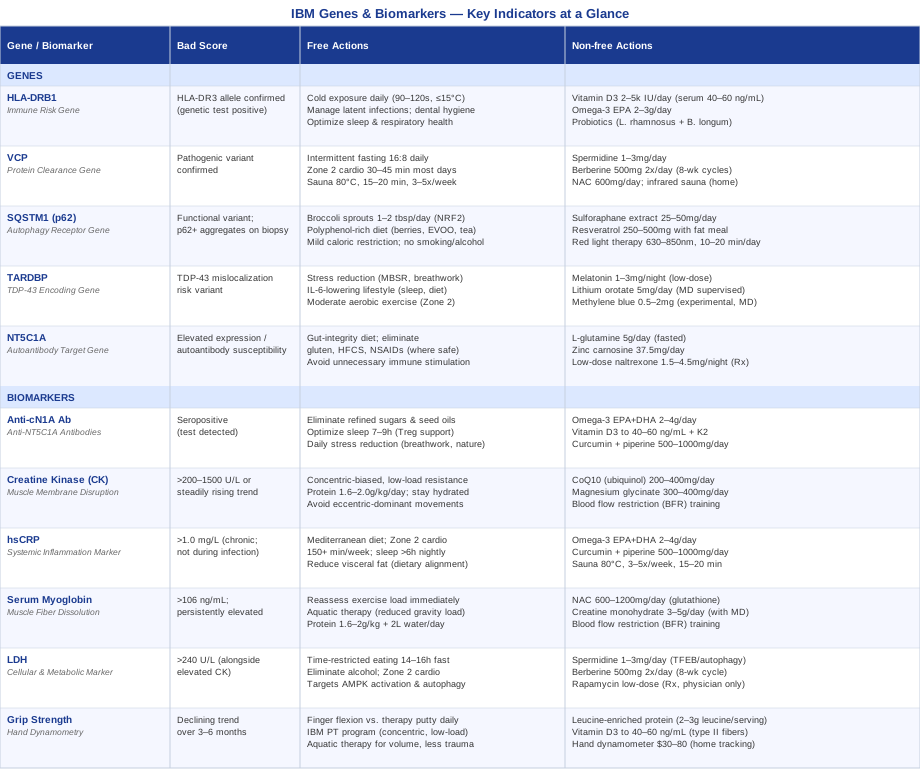
At-a-Glance Reference: Genes and Biomarkers
The following table summarizes all five genes and six biomarkers covered in this article, with a condensed view of bad-score thresholds and the key actions — free and paid — available for each.
What "Outlive" by Peter Attia Can Teach IBM Patients
Peter Attia's 2023 book Outlive: The Science and Art of Longevity is not written for IBM patients specifically, but it may be the most practically useful book in the field of muscle preservation, metabolic health, and longevity for anyone facing a progressive muscle disease. Attia draws on thousands of studies to argue that medicine focuses too much on treating late-stage disease and too little on preserving function proactively — a framing that maps almost perfectly onto IBM, where the standard clinical advice is to wait and watch while muscle that could have been preserved disappears. The ten points below represent the most impactful frameworks from Outlive as applied to IBM management.
1. Muscle Is the Most Important Organ for Longevity — Treat It Accordingly
Attia argues, with considerable epidemiological support, that muscle mass and muscle strength are the single most powerful predictors of long-term mortality and functional independence — more predictive than cholesterol, blood pressure, or most conventional cardiovascular risk markers. For IBM patients, this reframes the disease urgency: every month of muscle decline is a month of lost longevity reserve that cannot be recovered. The implication is that preserving even partial function through intelligent exercise and nutrition is not optional maintenance — it is the most important medical intervention available.
2. VO2 Max Predicts Survival Better Than Almost Any Other Metric
VO2 max — the maximum rate of oxygen the body can use during exercise — shows a near-linear inverse relationship with all-cause mortality in population data. Moving from the lowest fitness decile to the second-lowest confers a larger mortality risk reduction than most pharmaceutical interventions. For IBM patients, maintaining aerobic capacity through adapted Zone 2 training (low-intensity, sustainable, 30 to 60 minutes, most days) preserves mitochondrial function in the muscle fibers that remain — directly relevant given IBM's established mitochondrial pathology.
3. Protein Needs Are Higher Than Most People Assume — Especially When Muscle Is Under Threat
Attia's recommended protein intake for muscle preservation in aging — 1.6 to 2.2 grams per kilogram of bodyweight per day — significantly exceeds standard dietary guidelines. For IBM patients where muscle synthesis rates are compromised by both inflammatory and degenerative mechanisms, matching this threshold becomes even more critical. Leucine, the branched-chain amino acid that most potently activates mTOR-driven muscle protein synthesis, should be a specific target: at least 2 to 3 grams of leucine per meal three times daily is Attia's practical recommendation.
4. Resistance Training Must Be Precise, Not Just Present
Attia distinguishes between the presence of resistance training and effective resistance training. For IBM, this distinction matters more than in healthy populations: the wrong loading pattern (high eccentric, high intensity) actively accelerates muscle damage, while the right pattern (concentric-focused, submaximal, consistent) drives adaptation without fueling the disease process. Grip training, hip-hinge patterns with minimal eccentric component, and seated machine-based work adapted to current function represent IBM-compatible interpretations of Attia's resistance training principles.
5. Autophagy Is the Body's Cellular Cleanup System — Stimulate It Deliberately
One of Outlive's most important concepts for IBM is its clear explanation of autophagy as the primary mechanism by which cells clear damaged proteins and dysfunctional organelles. IBM muscle fiber pathology is fundamentally a disease of autophagy failure: protein aggregates (TDP-43, p62, ubiquitin) accumulate because the autophagy machinery is overwhelmed or broken. Attia's practical autophagy triggers — time-restricted eating, Zone 2 cardio, periodic fasting — are therefore not generic wellness advice for IBM patients; they are mechanistically targeted interventions.
6. Sleep Architecture Is When Muscle Repair Happens
Attia devotes considerable attention to sleep architecture — specifically slow-wave sleep and REM sleep — as the periods when growth hormone secretion peaks, inflammatory cytokines are cleared, and cellular repair processes are most active. Disrupted sleep architecture, even at normal total sleep durations, significantly impairs muscle protein synthesis and immune regulation. For IBM patients, sleep quality is a free, immediate, and high-leverage intervention: eliminating alcohol (which suppresses slow-wave sleep), keeping consistent sleep and wake times, and cooling the sleep environment to 65 to 68°F are the three highest-impact sleep improvements.
7. Continuous Glucose Monitoring Reveals Hidden Inflammation Triggers
Attia advocates CGM use even in non-diabetic individuals as a tool for identifying dietary and lifestyle patterns that spike glucose, drive insulin resistance, and consequently amplify systemic inflammation. For IBM patients, chronic glucose dysregulation feeds the inflammatory environment surrounding muscle damage. Two weeks of CGM use (devices cost $30 to $75 USD for a 14-day sensor) can identify unexpected glucose triggers in an individual's diet — information that a standard fasting glucose or HbA1c would completely miss.
8. Zone 2 Cardio Preserves Mitochondrial Function When Disease Is Eroding It
IBM is associated with abnormal mitochondria in affected muscle fibers — ragged red fibers on biopsy reflect this. Zone 2 training — sustained aerobic effort below the first lactate threshold, where the body uses primarily oxidative phosphorylation — is the most targeted stimulus for mitochondrial biogenesis and function improvement available without a prescription. Even 20 to 30 minutes of adapted Zone 2 exercise (recumbent bike, swimming, walking at a pace that allows easy conversation) preserves the mitochondrial capacity in surviving fibers that IBM has not yet damaged.
9. ApoB and Inflammatory Biomarkers Should Be Tracked, Not Guessed
Attia's core principle — that you cannot manage what you do not measure — applies directly to IBM biomarker monitoring. Beyond the six IBM-specific markers described in this article, Attia recommends tracking ApoB (a superior cardiovascular risk marker that most standard panels miss) alongside hsCRP and fasting insulin. These three measurements define the metabolic and inflammatory terrain in which IBM is progressing and identify cardiovascular comorbidity risk that IBM patients face independently of the muscle disease.
10. Exercise Is the Closest Thing to a Disease-Modifying Intervention
Perhaps Outlive's most repeated and well-supported claim is that exercise — specifically the combination of resistance training and sustained aerobic conditioning — is the single most powerful non-pharmaceutical intervention for disease prevention and management across virtually all chronic disease categories. For IBM, where no approved disease-modifying therapy exists, this conclusion is especially relevant. Small randomized trials specifically in IBM populations have demonstrated stabilization of function with adapted resistance training programs. This is not exercise as wellness; it is exercise as the primary available intervention.
Complementary Approaches with Genuine Evidence
The following modalities have meaningful human evidence supporting their use in inflammatory myopathy, autoimmune disease, or muscle-related conditions. None replace medical care or the biomarker-driven strategies above, but each offers a specific and practical addition for IBM patients.
The Autoimmune Protocol (AIP) — Dietary Immune Recalibration
Sarah Ballantyne's Autoimmune Protocol, detailed in The Paleo Approach, is a structured dietary elimination and reintroduction framework specifically designed for autoimmune conditions. It removes foods most commonly associated with immune dysregulation and gut permeability — grains, legumes, dairy, eggs, nightshades, nuts, seeds, alcohol, and NSAIDs — while emphasizing nutrient-dense animal proteins, organ meats, vegetables, and fermented foods. For IBM, its relevance is direct: IBM has documented autoimmune features (CD8+ T-cell infiltration, anti-cN1A autoantibodies, HLA-DR3 genetic risk), and the AIP targets the gut-immune axis mechanisms that sustain autoantibody production and T-cell autoreactivity.
The protocol involves a strict elimination phase of 30 to 90 days followed by a systematic food reintroduction phase to identify individual triggers. Konijeti et al. (2017) demonstrated clinical remission in Crohn's disease patients following AIP in a clinical trial published in Inflammatory Bowel Diseases, providing human evidence for its immunomodulatory effects beyond animal models. While no IBM-specific AIP trial exists, the mechanistic overlap with autoimmune gut-driven pathology makes the evidence transferable with appropriate clinical context.
For IBM patients, a practical entry point is a 30-day strict AIP phase while maintaining adequate protein intake for muscle preservation — this is non-negotiable. Work with a dietitian who understands both autoimmune nutritional protocols and neuromuscular disease to ensure protein targets (1.6 to 2.2 g/kg/day) are met throughout the elimination phase. The reintroduction phase, starting after day 30, identifies which specific foods worsen inflammatory markers or functional symptoms — information that personalizes the protocol far beyond any generic version.
Tai Chi — Gentle Movement for Balance and Functional Preservation
Tai chi is a traditional Chinese movement practice characterized by slow, deliberate, weight-shifting sequences that challenge balance, coordination, and proprioception while placing minimal load on damaged muscle tissue. For IBM patients — where falls become a growing concern as proximal and distal weakness progresses — tai chi's balance and proprioception training is directly protective. Unlike conventional exercise, tai chi's low-impact nature means it can be practiced even when muscle fragility limits more demanding activities, and its meditative dimension addresses the psychological burden of chronic progressive disease simultaneously.
A randomized controlled trial published in The New England Journal of Medicine (Li et al., 2012) demonstrated that tai chi significantly reduced fall frequency and improved balance in patients with Parkinson's disease — a condition sharing the progressive neuromuscular decline pattern relevant to IBM — with effects maintained at follow-up. While no IBM-specific tai chi trial has been published, its fall-prevention and balance-improvement evidence base in neuromuscular and aging populations is robust enough to recommend it with reasonable confidence.
A practical IBM tai chi program begins with 20 to 30 minutes of instructor-guided practice two to three times per week, focusing on weight transfer, single-leg stance (with support if needed initially), and upper-extremity flowing movements that maintain shoulder and arm mobility. Chair-adapted tai chi is available for patients where standing practice exceeds current capacity. Look for instructors with experience in chronic illness or physical rehabilitation settings; classes are available in most communities for $10 to $30 per session or free through senior centers.
Photobiomodulation (Low-Level Laser Therapy) — Mitochondrial Support for Damaged Muscle
Photobiomodulation (PBM) uses specific wavelengths of red and near-infrared light (630 to 850 nm) to penetrate tissue and interact with mitochondrial cytochrome c oxidase, stimulating ATP production, reducing oxidative stress, and modulating inflammatory signaling at the cellular level. Its relevance to IBM is mechanistic: IBM muscle fibers show well-documented mitochondrial dysfunction (ragged red fibers on biopsy, reduced oxidative phosphorylation capacity), and PBM's primary target — mitochondrial function — is precisely what is compromised. Evidence in human muscle applications includes accelerated recovery from exercise-induced damage and improved function in muscular dystrophy models.
Human studies using PBM on skeletal muscle have demonstrated reductions in creatine kinase, lactate, and inflammatory markers following treatment, with effects on recovery time and functional endurance. A systematic review in Lasers in Medical Science (Leal-Junior et al., 2015) confirmed PBM's capacity to delay fatigue and enhance muscle performance in human subjects. While IBM-specific PBM trials do not yet exist, the mitochondrial and anti-inflammatory mechanisms established in human muscle studies are directly applicable given IBM's pathological profile.
Application involves daily or every-other-day sessions of 10 to 20 minutes using a panel or device delivering 630 to 850 nm wavelengths at appropriate power density (50 to 100 mW/cm²), applied to the most symptomatic muscle groups — typically quadriceps, forearms, and hip flexors in IBM. Consumer-grade PBM panels ($150 to $600) deliver therapeutic-range output and are appropriate for home use. No serious adverse effects have been documented at therapeutic parameters; avoid direct ocular exposure.
Mindfulness-Based Stress Reduction (MBSR) — Inflammation Management Through the Nervous System
MBSR is an 8-week structured program developed by Jon Kabat-Zinn combining mindfulness meditation, body scan practices, and mindful movement to train sustained present-moment awareness and reduce the stress-reactivity that drives chronic disease amplification. For IBM patients, its relevance operates on two levels simultaneously: psychological (IBM's progressive, incurable nature creates significant anxiety and anticipatory grief that benefits directly from formal mindfulness training) and biological (chronic psychological stress elevates IL-6 and CRP, compounds TDP-43 mislocalization, and suppresses regulatory T-cell function — all of which MBSR measurably attenuates in human trials).
A meta-analysis published in JAMA Internal Medicine (Goyal et al., 2014) demonstrated that mindfulness meditation programs produce moderate improvements in anxiety, depression, and pain across chronic disease populations, with measurable effects on inflammatory biomarkers including CRP. Subsequent research has shown MBSR-associated reductions in IL-6 in stressed adults. For a disease where the psychological burden rivals the physical one, and where stress biology directly worsens the pathological processes described throughout this article, MBSR's dual action makes it unusually well-matched.
The standard program involves 8 weekly group sessions of approximately 2.5 hours plus daily home practice of 30 to 45 minutes. MBSR is available in-person through hospitals and wellness centers ($300 to $600 for a full course), and evidence-based online versions are available for $50 to $200. For IBM patients with mobility limitations, the in-person component can be adapted to seated practice. Even 10 minutes of daily mindfulness practice — documented and consistent — produces measurable neurobiological changes within 8 weeks; formal MBSR training is the more potent option but informal daily practice is a valid entry point.
Breathing-Based Therapies — Preserving Respiratory and Swallowing Function
IBM is not limited to limb muscle weakness. As the disease progresses, it can affect the pharyngeal and respiratory muscles — causing dysphagia (difficulty swallowing, present in up to 60 to 70 percent of IBM patients over time) and, less commonly, reduced respiratory muscle strength. Breathing-based therapies and respiratory muscle training directly address these complications with strong physiological rationale and growing human evidence in neuromuscular disease contexts. Expiratory muscle strength training (EMST) uses a device that provides calibrated resistance during exhalation, progressively loading the expiratory muscles to improve cough strength and swallowing coordination — both critically relevant to IBM.
A randomized controlled trial by Troche et al. (2010) demonstrated that EMST improved swallowing safety in Parkinson's disease patients — a population sharing progressive pharyngeal muscle impairment with IBM — with effects on the submental and suprahyoid muscles relevant to both swallowing and cough. While IBM-specific EMST trials are limited, the underlying neuromuscular physiology is comparable and the intervention's safety and accessibility make it strongly worth considering for IBM patients with dysphagia.
Practically, EMST devices (such as the Aspire Medical EMST150 or similar) cost $35 to $75, are FDA-cleared, and can be used at home with initial guidance from a speech-language pathologist. A standard protocol involves 5 sets of 5 repetitions daily at 75 percent of maximum expiratory pressure, with pressure progression every 4 to 5 weeks as tolerated. IBM patients should establish baseline swallowing function with a speech-language pathologist before beginning — this ensures the program is calibrated to current function and that aspiration risk is appropriately assessed. Consistent practice, not intensity, is what drives functional improvement in respiratory muscle training.
Taking the Next Step
Inclusion body myositis is a complex disease, but complexity is not the same as opacity. The six biomarkers covered here — anti-cN1A antibodies, creatine kinase, high-sensitivity CRP, serum myoglobin, LDH, and grip strength — give IBM patients and their clinicians a concrete, measurable picture of disease activity and biological leverage points that are actionable right now. The five genes — HLA-DRB1, VCP, SQSTM1, TARDBP, and NT5C1A — explain the mechanisms that make different people's IBM behave differently, and point toward compensatory strategies worth prioritizing.
The most important next step is not to implement everything at once. It is to choose the two or three highest-leverage actions that fit your current situation — establishing a baseline grip strength measurement, getting an hsCRP and anti-cN1A panel, beginning a concentric resistance program with a qualified physical therapist, or starting time-restricted eating to support autophagy — and to track what happens. Bring the data to your neuromuscular specialist or neurologist. Ask about anti-cN1A testing if it has not been done. Explore whether genetic testing through a certified neuromuscular genetics program might clarify your specific disease mechanism. Better information does not eliminate IBM, but it does give you more ground to stand on when deciding what to do next.
Musculoskeletal: Muscle Conditions
Neurological: Movement Disorders
Autoimmune: Inflammatory Conditions