This article contains AI generated content.
· UpdatedInfectious Mononucleosis Arthritis — 5 Genes And 7 Biomarkers To Track
Introduction
For many people, infectious mononucleosis feels like a one-time illness: a few weeks of fever, sore throat, and exhaustion, followed by a slow return to normal life. But for a smaller group, joint pain arrives during the acute phase or lingers well beyond it, and most physicians have little to offer beyond "that can happen sometimes." That gap between what patients experience and what they are actually told is where this article is meant to be useful.
Arthritis following infectious mononucleosis is not bad luck happening at random. It reflects specific interactions between the Epstein-Barr virus, your immune system, and your individual biology. EBV manipulates immune cell behavior in ways that can tip certain people toward a reactive or autoimmune-like joint response. Why some people tip and others recover without incident is increasingly being explained by identifiable genetic factors and measurable inflammatory markers — not by vague constitutional differences.
Generic recovery advice covers the basics but offers nothing to someone still dealing with joint inflammation weeks or months after mono, or trying to understand whether their risk of developing a chronic condition like rheumatoid arthritis has changed. That requires a more precise lens.
This article offers two such lenses. The first is a set of seven biomarkers worth tracking — with a practical guide on what each one means, how to measure it affordably, and what to do if results are outside the optimal range. The second is a closer look at five genetic variants that appear most relevant to how the immune system responds to EBV, including what each variant implies and how to account for it with or without supplementation. Andrew Huberman's immune optimization research adds a third layer, and four complementary approaches with genuine clinical backing round out the picture.
At a Glance
This article breaks down the science of EBV-related arthritis into four actionable layers. The biomarker section identifies seven specific lab values — from EBV serology to ferritin to anti-CCP antibodies — that reveal whether your immune response is still active, how much systemic inflammation is present, and whether you may be on a trajectory toward autoimmune joint disease. Each biomarker comes with a measurement guide, a cost range, and a detailed protocol for bringing it back into range with and without supplementation.
The genetics section goes upstream, examining five gene variants — including HLA-DRB1, PTPN22, and IRF7 — that influence how strongly your immune system responded to EBV and whether you carry elevated risk for its joint complications. For each gene, you will find both a lifestyle-only plan and a supplement protocol with frequencies, cycling guidance, and known side effects.
Beyond these two primary layers, a third section draws ten evidence-informed principles from Andrew Huberman's immune optimization protocols and reframes them specifically for EBV recovery. A fourth section covers complementary approaches — including Sarah Ballantyne's Autoimmune Protocol, mindfulness-based stress reduction, photobiomodulation, and microbiome-directed therapies — that have meaningful clinical support for inflammatory joint conditions.
You do not need to implement everything at once. Start with the biomarkers, identify your specific weak points, and let the genetics section explain the underlying reasons. The picture that emerges is far more actionable than any generalized recommendation.
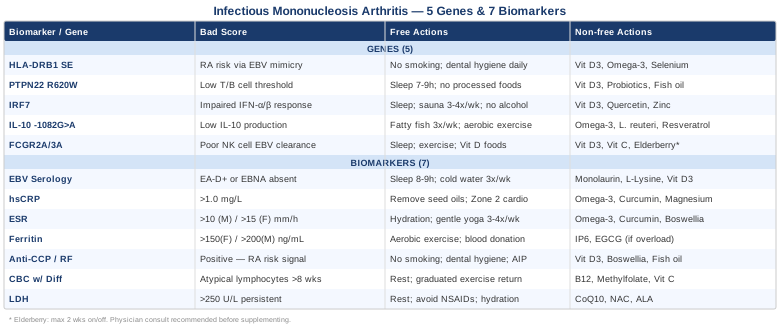
7 Biomarkers That Reveal What Is Happening in Your Joints After Mono
Tracking biomarkers is not about obsessing over numbers. It is about replacing guesswork with data. In the context of EBV-related arthritis, the right set of lab values can tell you whether the virus is still active or reactivating, how much inflammation is being driven by your immune system, and whether your joint symptoms are trending toward resolution or toward something more chronic. The seven biomarkers below cover those three domains in a practical, cost-effective way. Peter Attia and Thomas Dayspring have both made the case that tracking the right biomarkers early — before symptoms become entrenched — is the most underused tool in preventive medicine, and this principle applies here directly.
1. EBV Serology Panel (VCA IgM, VCA IgG, EBNA IgG, EA-D)
The EBV serology panel is the most direct tool available to understand where you stand in relation to the virus. Viral capsid antigen IgM indicates recent primary infection. VCA IgG persists for life once infected. EBNA IgG (Epstein-Barr nuclear antigen) typically appears six to twelve weeks after infection — its absence alongside positive VCA places you still within the acute or early recovery phase. EA-D (early antigen) is a marker of active viral replication. Its presence in someone who had mono months or years ago is a direct signal of reactivation, which is clinically meaningful because EBV reactivation events are linked to flares of EBV-associated inflammatory conditions.
Understanding your serological pattern helps determine whether your joint inflammation is tracking an active viral process, a reactivating one, or whether EBV has become a trigger for an immune response that is now partially self-sustaining regardless of active viral replication.
How to Measure It
A full EBV serology panel can be ordered through your physician or through direct-to-consumer lab services. Cost range: $50–$150 USD depending on the lab and which antigens are included. Request VCA IgM, VCA IgG, EBNA IgG, and EA-D as a complete panel rather than individual tests. LabCorp and Quest Diagnostics in the US both offer comprehensive panels. Note that IgM can occasionally produce false positives in the setting of other infections; clinical context always matters when interpreting results.
If the Score Is Bad, the Plan Without Supplements
If EA-D is elevated or EBNA is absent (suggesting incomplete immune control), sleep prioritization is the single most impactful intervention. Type I interferon production — the immune system's primary tool for suppressing EBV — peaks during deep NREM sleep. Even one night of significant sleep deprivation measurably reduces interferon response in human studies. Eight to nine hours per night, with consistent timing, is the target. Alcohol should be completely removed during this period; even moderate intake suppresses natural killer cell activity within 24 hours. Cold water immersion (10–15 minutes at 14–16°C, two to three times per week) has been shown in human studies to increase circulating NK cell count and cytotoxic activity — and NK cells are the primary immune population responsible for cytotoxic control of EBV-infected B lymphocytes. Chronic stress management via structured daily practice matters mechanistically: sustained cortisol elevation directly suppresses interferon signaling through glucocorticoid receptor pathways.
If the Score Is Bad, the Plan With Supplements or Equipment
Monolaurin (glyceryl monolaurate derived from lauric acid): the most studied natural compound with documented antiviral activity against lipid-enveloped viruses including herpesviruses. Start at 600 mg/day and increase to 1800 mg/day over two weeks. Can be taken continuously; some practitioners cycle at 12 weeks on, 4 weeks off. Mild digestive changes in the first week are the most common side effect and typically resolve.
L-lysine (1–3 g/day on an empty stomach): competes with arginine, which EBV uses for replication. Cycle at 3 months on, 1 month off. Avoid if kidney disease is present. Generally well tolerated; mild nausea at high doses.
Vitamin D3 (5000 IU/day; adjust based on serum levels targeting 60–80 ng/mL): essential for interferon regulatory factor activation — particularly relevant for individuals with IRF7 gene variants discussed in the genetics section. Take with K2 (100 mcg/day) alongside a fat-containing meal. No cycling needed at physiological doses; retest serum levels every 3 months.
Zinc (25–50 mg elemental zinc with food): zinc is a direct cofactor for T cell and NK cell function and for multiple steps in the interferon signaling cascade. Cycle at 8 weeks on, 2 weeks off to prevent copper depletion; supplement with 1–2 mg copper if using beyond 8 weeks continuously. Nausea at higher doses is reduced by taking with food.
Quercetin (500 mg twice daily with meals): has demonstrated antiviral activity and interferon-supportive effects in mechanistic studies. Well tolerated long-term; no cycling required at these doses.
2. High-Sensitivity C-Reactive Protein
High-sensitivity CRP is one of the most reliable and accessible markers of systemic inflammation. Unlike standard CRP, hsCRP is sensitive enough to detect the low-grade chronic inflammation that drives ongoing joint damage even when symptoms seem mild. During acute mono, CRP will be predictably elevated — that is expected. The clinically meaningful question is whether it remains elevated weeks or months after the acute phase, a pattern suggesting sustained immune activation that warrants intervention.
Thomas Dayspring and Peter Attia consistently emphasize hsCRP as one of the first biomarkers to check when evaluating inflammatory burden. For EBV-related arthritis, an elevated hsCRP combined with ongoing joint symptoms is a clear signal that the immune response has not fully resolved. Research consistently documents that hsCRP above 1.0 mg/L is associated with increased inflammatory disease burden, with optimal values below 0.5 mg/L.
How to Measure It
hsCRP is widely available and inexpensive. Cost range: $15–$35 USD. It is routinely ordered alongside standard lipid or metabolic panels. Ensure your physician orders the high-sensitivity version specifically — standard CRP misses the relevant range. Best measured fasting in the morning, and not within two weeks of any acute illness or significant physical trauma, which would transiently elevate values regardless of baseline.
If the Score Is Bad, the Plan Without Supplements
The most impactful dietary change for elevated hsCRP is removal of ultra-processed foods and refined seed oils (sunflower, corn, soybean, and canola oils are the dominant dietary drivers of systemic inflammation in Western populations). Replace cooking fats with olive oil and avocado oil; increase fatty fish intake to three or more times per week. A Mediterranean or Autoimmune Protocol dietary pattern is appropriate here, and both are addressed in more detail in later sections of this article.
Moderate aerobic exercise — 30 minutes, five days per week, at a conversational pace — reduces hsCRP over eight to twelve weeks of consistent practice, while high-intensity training without adequate recovery can temporarily spike it. Sleep extension to seven to nine hours per night independently lowers hsCRP in previously sleep-deprived individuals.
If the Score Is Bad, the Plan With Supplements or Equipment
Omega-3 EPA/DHA (2–4 g/day with meals): the most consistently supported supplement for reducing hsCRP, referenced repeatedly by both Thomas Dayspring and Peter Attia as foundational for inflammatory risk reduction. Triglyceride form is better absorbed than ethyl ester form. No cycling required; take with fat-containing meals to optimize absorption.
Curcumin with piperine (500–1000 mg/day of standardized extract with at least 5 mg piperine): supported by multiple randomized trials for hsCRP reduction. Cycle at 12 weeks on, 4 weeks off. Potential interactions with anticoagulant medications — consult your physician if relevant.
Magnesium glycinate (300–400 mg/day at night): low magnesium is independently associated with elevated CRP in population studies. Well tolerated; no cycling needed. Loose stools at doses above 500 mg/day.
3. Erythrocyte Sedimentation Rate
ESR measures how quickly red blood cells settle to the bottom of a test tube — a proxy for fibrinogen and other acute phase proteins that accumulate during inflammation. It is less specific than CRP but captures a slightly different window: it responds more slowly and is sometimes elevated when CRP has already normalized, offering a complementary view. Used together, hsCRP and ESR give a more complete picture of inflammatory activity than either alone.
In post-mono joint evaluation, a persistently elevated ESR alongside a normalizing CRP may indicate ongoing low-grade immune activation that has not yet fully resolved. This distinction can inform how aggressively to pursue anti-inflammatory interventions versus simply monitoring.
How to Measure It
Cost range: $10–$25 USD. ESR is a standard test, ordered alongside CBC in most settings. Optimal targets are stricter than standard laboratory reference ranges: below 10 mm/h in men and below 15 mm/h in women is a reasonable target for anyone focused on minimizing chronic inflammatory burden. Always interpret ESR in conjunction with CRP and clinical symptoms — ESR alone has limited specificity.
If the Score Is Bad, the Plan Without Supplements
Hydration has a direct effect on ESR — dehydration increases red blood cell aggregation and artificially elevates the value. Eight to ten glasses of water daily is a reasonable starting point. Anti-inflammatory dietary changes, gentle movement (short daily walks, gentle stretching), and stress reduction practices address the upstream drivers shared with hsCRP. Gentle yoga practiced three to four times per week has been shown in clinical studies to modestly reduce ESR in inflammatory conditions, likely through autonomic nervous system modulation and cortisol regulation.
If the Score Is Bad, the Plan With Supplements or Equipment
Supplement interventions for ESR largely overlap with those for hsCRP (omega-3, curcumin, magnesium). One addition specifically worth noting for ESR in inflammatory joint contexts is Boswellia serrata extract (AKBA fraction, 500 mg twice daily): clinical trial data specifically supports its use for reducing ESR in inflammatory joint conditions, with a mechanism distinct from omega-3 or curcumin pathways. Cycle at 12 weeks on, 4 weeks off. Generally well tolerated; rare digestive side effects at higher doses.
4. Ferritin
Ferritin in infectious mononucleosis behaves very differently from ferritin in other clinical contexts, and this distinction is critical to understand before acting on results. During acute EBV infection, ferritin can be dramatically elevated — often 500 to 5000 ng/mL or higher — not because of iron overload, but because ferritin is an acute-phase reactant produced by activated macrophages during the inflammatory cascade. Acting on this as iron overload would be a mistake; the elevated ferritin here is an inflammatory signal, not an iron storage problem.
What ferritin after the acute phase reveals is clinically different. A persistently elevated ferritin (above 150 ng/mL in women or 200 ng/mL in men) once the acute phase has resolved may indicate continued macrophage activation — which is directly relevant to ongoing joint inflammation. Markedly high ferritin (above 1000 ng/mL) in the post-acute period also warrants clinical evaluation to rule out hemophagocytic lymphohistiocytosis (HLH), a rare but serious complication of EBV. In the opposite direction, iron deficiency after mono is common, because the acute phase drives iron into storage as a protective mechanism, but this does not automatically indicate that supplemental iron is needed.
How to Measure It
Cost range: $15–$40 USD. Ferritin is a standard and widely available test. Always interpret it alongside a full iron panel — serum iron, total iron-binding capacity (TIBC), and transferrin saturation — to distinguish between inflammatory ferritin elevation, true iron deficiency, and genuine iron overload. These are three very different clinical situations requiring different responses. Request the combination, not ferritin in isolation.
If the Score Is Bad, the Plan Without Supplements
If ferritin is elevated post-acutely due to ongoing macrophage activation, the primary intervention is addressing upstream inflammation through the dietary and sleep protocols described in the hsCRP and ESR sections above. Regular aerobic exercise once fatigue has sufficiently resolved reduces ferritin through hepcidin pathway modulation. For men and post-menopausal women with confirmed iron overload (elevated transferrin saturation, not just elevated ferritin in an inflammatory context), regular blood donation (up to four times per year) is the most direct and effective intervention. Avoid vitamin C supplements alongside iron-containing meals when ferritin is high — vitamin C substantially increases non-heme iron absorption. Green tea with meals provides polyphenols that moderately reduce dietary iron absorption.
If the Score Is Bad, the Plan With Supplements or Equipment
IP6 (inositol hexaphosphate) at 1–2 g/day on an empty stomach acts as a gentle iron chelator and has shown ferritin-lowering effects in human studies of iron overload conditions. This is only appropriate when confirmed iron overload is present (elevated transferrin saturation, not purely inflammatory ferritin elevation). Cycle at 8 weeks on, 4 weeks off; avoid combining with supplemental minerals as IP6 can reduce their absorption.
EGCG (green tea extract) at 400–600 mg/day (standardized to EGCG content): inhibits iron absorption and has shown modest effects on inflammatory ferritin. Take with meals. Do not combine with high-dose vitamin C, and avoid in individuals with liver sensitivity or on CYP3A4-interacting medications.
5. Anti-Cyclic Citrullinated Peptide Antibodies and Rheumatoid Factor
Anti-CCP antibodies are the most specific early marker for rheumatoid arthritis, detectable years before clinical disease manifests — making them invaluable as predictive tools. Their connection to EBV is not incidental. EBV has been consistently implicated in triggering the molecular mechanisms underlying anti-CCP production, including citrullination of viral proteins and molecular mimicry with HLA-DRB1 shared epitope sequences on joint tissue. Multiple lines of human research now support EBV as one of the strongest environmental triggers for anti-CCP-positive RA in genetically susceptible individuals.
Rheumatoid factor (RF) is less specific but remains clinically valuable alongside anti-CCP. The combination of a positive anti-CCP and positive RF carries a significantly higher risk of progression to RA than either marker alone. Importantly, anti-CCP can be positive in someone with no current joint symptoms at all — if found during post-mono evaluation, it warrants careful long-term monitoring and risk-reduction strategies even in the absence of active arthritis.
How to Measure It
Cost range: $50–$150 USD for both tests combined. Both tests can be ordered through a rheumatologist, a primary care physician, or select direct-to-consumer lab services. If you have been diagnosed with mono and are experiencing joint symptoms of any kind, requesting both tests during the recovery phase is a reasonable and clinically justified step.
If the Score Is Bad, the Plan Without Supplements
A positive anti-CCP result is a signal for careful monitoring and rheumatology referral, not panic. The lifestyle changes with the strongest evidence for modifying early RA risk in anti-CCP-positive individuals include: eliminating smoking immediately and completely — smoking is the most powerful modifiable risk factor for anti-CCP-positive RA, with a dose-dependent relationship; rigorous dental hygiene (twice-daily brushing plus flossing) — the periodontal pathogen Porphyromonas gingivalis drives protein citrullination and specifically amplifies anti-CCP production; and a consistent anti-inflammatory dietary pattern. The AIP protocol discussed in the complementary approaches section is specifically designed for conditions with this autoimmune mechanism.
If the Score Is Bad, the Plan With Supplements or Equipment
Vitamin D3 (targeting 60–80 ng/mL serum, dose accordingly): vitamin D deficiency is significantly overrepresented in anti-CCP-positive individuals, and vitamin D receptors on immune cells are critical for tolerogenic T cell function. Dose to serum level rather than a fixed amount. Take with K2 and a fat-containing meal.
Boswellia serrata extract (AKBA fraction, 500 mg twice daily): specific clinical evidence for reducing inflammatory joint markers in early arthritis, with a mechanism complementary to omega-3s and NSAIDs. Well tolerated long-term; no cycling required.
Fish oil EPA/DHA (3–4 g/day): randomized trial data demonstrates that fish oil supplementation delays the need for disease-modifying anti-rheumatic drugs in early RA. Triglyceride form preferred. No cycling required; establish as a daily habit.
6. Complete Blood Count With Differential
The complete blood count with differential is the most informative single panel for assessing where you are in the natural course of EBV infection. The characteristic finding of acute mono — lymphocytosis with more than 10% atypical lymphocytes — is nearly pathognomonic for active EBV. Thrombocytopenia (reduced platelet count) is also common in acute mono and typically resolves within a few weeks. From a joint health perspective, the CBC is relevant because immune reconstitution — the gradual return to normal lymphocyte counts and ratios — reflects how completely the immune response to EBV has resolved.
A persistently abnormal CBC beyond six to eight weeks post-diagnosis — particularly persistent thrombocytopenia or lingering atypical lymphocytes — suggests incomplete immune resolution and should prompt clinical evaluation. This is one of the simplest and cheapest ways to objectively confirm whether your immune system has finished dealing with the acute infection.
How to Measure It
Cost range: $20–$40 USD. A standard CBC with differential is the most commonly ordered blood test and is available at any laboratory. Target normalization includes: no atypical lymphocytes on differential, total lymphocyte count within normal range, and platelets consistently above 150,000/μL. If thrombocytopenia or lymphocyte abnormalities persist beyond eight weeks after acute mono onset, further evaluation is clinically warranted.
If the Score Is Bad, the Plan Without Supplements
Rest and sleep prioritization remain the most important interventions during the acute and early recovery phase. Returning to intense exercise before CBC normalization is medically inadvisable — not only because of the well-documented splenic rupture risk during acute mono, but because immunological overload can extend lymphocyte abnormalities. Gentle walking (15–20 minutes at easy pace) is appropriate once fatigue permits; a graduated return to exercise should follow documented CBC normalization, not symptom improvement alone.
If the Score Is Bad, the Plan With Supplements or Equipment
Methylcobalamin B12 (1000 mcg sublingual daily): supports lymphocyte production and neurological recovery. Sublingual form bypasses potential absorption deficits. Well tolerated; no cycling needed.
Methylfolate (400–800 mcg/day): essential for lymphocyte and platelet production; use methylfolate rather than folic acid, particularly if MTHFR variants are suspected, as folic acid requires enzymatic conversion that many people perform inefficiently. Well tolerated; no cycling needed.
Vitamin C (1–3 g/day in divided doses): supports lymphocyte function and has modest antiviral properties at higher intake levels. Start at 500 mg twice daily and increase as tolerated. Above 3 g/day, kidney stone risk increases in predisposed individuals; stay well hydrated.
7. Lactate Dehydrogenase
LDH is an enzyme released by damaged or destroyed cells. During acute EBV infection, LDH is commonly elevated because the virus infects and destroys B lymphocytes at significant scale, and the immune system's cytotoxic response adds to cellular destruction. An LDH above 200–250 U/L in the context of acute mono reflects active immune engagement and cellular turnover — this is expected and not itself alarming.
What matters more is the trajectory and the post-acute level. Persistent LDH elevation beyond six to eight weeks after the acute phase warrants clinical attention, because EBV is associated — with low but real probability — with certain lymphoma subtypes including Burkitt lymphoma and Hodgkin lymphoma. This does not mean that elevated LDH equals lymphoma (it usually does not), but it means persistent elevation alongside constitutional symptoms (fevers, night sweats, weight loss, enlarging lymph nodes) should prompt evaluation rather than watchful waiting. LDH is also a useful proxy for tracking overall cellular damage and immune activation over the recovery period.
How to Measure It
Cost range: $15–$30 USD. LDH is included in most comprehensive metabolic panels. Normal reference range is approximately 140–280 U/L in most laboratories, but values trending toward the lower portion of that range are preferable during and after mono recovery. If LDH is significantly elevated and not trending down within four to six weeks, clinical follow-up is appropriate.
If the Score Is Bad, the Plan Without Supplements
Rest is the primary intervention during the acute phase. Avoiding NSAIDs (ibuprofen, naproxen) during acute mono is specifically recommended — not only because of their effect on platelets in the setting of EBV-related thrombocytopenia, but because they add hepatic load during a period when the liver is already under significant inflammatory stress. Acetaminophen at standard recommended doses is preferable for symptom management. Adequate hydration supports cellular clearance. Once the acute phase has resolved, gentle aerobic activity accelerates immune reconstitution more effectively than complete inactivity.
If the Score Is Bad, the Plan With Supplements or Equipment
CoQ10 ubiquinol form (200–400 mg/day with a fat-containing meal): supports mitochondrial function and has shown reductions in cellular damage markers in several human trials. Direct LDH-specific evidence in viral conditions is limited, but the cellular protection rationale is mechanistically sound. Well tolerated; no cycling needed.
NAC (N-acetylcysteine) (600 mg twice daily): a glutathione precursor that reduces cellular oxidative stress and supports hepatic clearance of cellular debris. Take between meals. Cycle at 8 weeks on, 4 weeks off for long-term use. Generally well tolerated; rare nausea on empty stomach.
Alpha-lipoic acid (300–600 mg/day with a meal): an antioxidant with human evidence for reducing oxidative stress markers including those related to cellular damage. Take with food. Long-term use above 600 mg/day may reduce biotin availability — supplement with 2–5 mg biotin separately if using extended cycles.
With all seven biomarkers measured and interpreted together, you have a functional map of your current inflammatory landscape. The next step is understanding the upstream genetic terrain that shaped why your response to EBV looked the way it did — and what that means for longer-term risk.
5 Genes That Shape How Your Immune System Responds to Epstein-Barr Virus
Genetics does not determine destiny — but it does set the landscape. Understanding which genetic variants are relevant to EBV-triggered arthritis explains why identical exposures produce very different outcomes in different people, and more importantly, it points to the biological pathways most worth supporting in your specific case. Consumer genetic testing platforms (23andMe, AncestryDNA) can provide partial data on some of these variants. For comprehensive pharmacogenomic panels, companies like Genomind or specialist clinical genetic testing offer broader coverage. Where human evidence is strong, that is stated clearly. Where only mechanistic or early cohort data exists, that caveat is included.
HLA-DRB1 Shared Epitope
The HLA-DRB1 shared epitope is the most strongly documented genetic factor in the EBV-to-arthritis connection. The shared epitope refers to a specific amino acid sequence in the HLA-DRB1 protein that closely resembles a sequence in EBV nuclear antigen (EBNA-1). This molecular mimicry is central to one of the leading mechanistic hypotheses for how EBV triggers rheumatoid arthritis: immune cells trained to attack EBV-infected cells can cross-react with joint tissue bearing the same sequence, initiating an autoimmune response against the synovium.
Carrying one or two copies of shared epitope alleles — most commonly DRB1*04:01, *04:04, and *01:01 — does not mean RA is inevitable. But it significantly modifies your risk, especially following EBV exposure and in the presence of other environmental triggers. The human evidence for this association is among the best-replicated gene-environment interactions in autoimmune disease research.
If the Gene Is Bad, the Plan Without Supplements
Do not smoke — this is the most critical single variable. The combination of shared epitope carrier status and cigarette smoking multiplies RA risk by more than tenfold in some cohort studies. Quitting smoking is not a recommendation; at this genetic risk level, it is a medical priority. Dental hygiene twice daily with flossing is not standard wellness advice here — periodontal disease caused by Porphyromonas gingivalis drives protein citrullination and is specifically documented to amplify anti-CCP production in SE-positive individuals. Avoid occupational silica dust exposure (construction, mining, agriculture) — this is another documented environmental trigger that interacts with shared epitope alleles. Annual hsCRP and anti-CCP monitoring is reasonable for confirmed SE carriers, particularly those with a history of EBV infection.
If the Score Is Bad, the Plan With Supplements or Equipment
Vitamin D3 (5000 IU/day; target serum 60–80 ng/mL): HLA pathway activation is modulated by vitamin D receptor signaling, and vitamin D deficiency measurably amplifies the inflammatory consequences of SE carrier status. Take with K2 (100 mcg) and fat. No cycling at these physiological doses; retest every 3–4 months.
Omega-3 EPA/DHA (3–4 g/day): the anti-inflammatory effect on synovial tissue is particularly relevant for SE carriers, who have a lower threshold for converting inflammatory signals into joint pathology. Triglyceride form preferred. No cycling required; establish as a permanent daily habit.
Selenium (200 mcg/day as selenomethionine): selenium deficiency upregulates the inflammatory pathways that SE alleles render more sensitive. Cycle at 12 weeks on, 4 weeks off — selenium toxicity is dose-dependent and real above 400 mcg/day; do not stack supplemental selenium with high-selenium foods like Brazil nuts simultaneously. One or two Brazil nuts per day provides approximately 90–170 mcg naturally.
PTPN22 R620W (rs2476601)
PTPN22 encodes lymphoid tyrosine phosphatase, a regulatory protein that sets the activation threshold for T cells and B cells. The R620W variant (substituting tryptophan for arginine at position 620) reduces the inhibitory function of this phosphatase — meaning immune cells have a lower activation threshold and become reactive with less provocation. This variant is robustly associated with rheumatoid arthritis, systemic lupus erythematosus, type 1 diabetes, and other autoimmune conditions. Bottini et al. (2004, Nature Genetics) was among the landmark studies establishing this connection, and the finding has been widely replicated.
In the context of EBV infection, a lower T cell activation threshold means the immune response to the virus may be more aggressive and potentially more cross-reactive with host tissues. This variant is present in approximately 10–15% of people of European descent, with considerable variation by population.
If the Gene Is Bad, the Plan Without Supplements
The PTPN22 variant's primary effect — a lower immune activation threshold — is most significantly amplified by chronic stress, sleep deprivation, and hormonal fluctuations. For women of reproductive age carrying this variant, hormonal contraceptives that significantly alter the immune-hormone axis are worth discussing with a physician in this genetic context. Consistent sleep of 7–9 hours per night is the most impactful modifiable daily habit for preventing excessive immune activation. Removing ultra-processed foods — which provide sustained low-grade inflammatory signaling — is more consequential for PTPN22 carriers than for average-risk individuals, because they are feeding an immune system that is already primed to respond.
If the Score Is Bad, the Plan With Supplements or Equipment
Vitamin D3 (5000 IU/day; target 60–80 ng/mL serum): vitamin D broadly modulates T cell reactivity by promoting regulatory T cell populations — a direct biological counterbalance to the low-threshold problem posed by PTPN22 R620W. This is a non-negotiable foundational supplement for this variant.
Multi-strain probiotics — high diversity, high count (50+ billion CFU, including Lactobacillus and Bifidobacterium species): gut microbiome diversity is one of the primary upstream regulators of T cell polarization toward tolerogenic versus reactive phenotypes. Cycle at 12 weeks on, 4 weeks off, rotating formulations between cycles to support diversity.
Fish oil EPA/DHA (3 g/day): EPA specifically promotes anti-inflammatory regulatory T cell phenotypes, directly counteracting the elevated reactivity associated with PTPN22 R620W. No cycling required.
IRF7 — Interferon Regulatory Factor 7
IRF7 is one of the master regulators of the type I interferon antiviral response. When immune cells detect EBV's DNA, IRF7 is activated and triggers interferon-alpha and interferon-beta production — signaling neighboring cells to enter an antiviral state and activating NK cells and cytotoxic T lymphocytes. Rare loss-of-function variants in IRF7 have been directly documented in human case reports and case series involving children and young adults with unusually severe primary EBV infection requiring hospitalization — demonstrating that IRF7 function is not merely relevant in the abstract but has direct documented consequences for EBV outcomes.
More common partial-function variants are mechanistically plausible but population-level data is less definitive than for HLA-DRB1 or PTPN22. If you had an unusually severe mono course or have struggled with recurrent EBV reactivations, IRF7 variants are worth investigating through specialist genetic evaluation.
If the Gene Is Bad, the Plan Without Supplements
Sleep is the most powerful and immediately accessible lever for IRF7 function. Interferon-alpha production peaks during deep NREM sleep, and even a single night of significant sleep deprivation produces measurable reductions in type I interferon response to viral challenges in human experimental studies. Sleep quality — not just quantity — matters: sleep apnea, fragmentation, and late-night light exposure all impair the deep sleep stages where interferon production is concentrated.
Regular sauna exposure (15–20 minutes at 80–90°C, three to four times per week): heat shock proteins induced by sauna upregulate antiviral pathways including those regulated by IRF7. Finnish cohort studies associate regular sauna use with reduced respiratory infection rates and lower inflammatory markers. Start conservatively at 10 minutes, three times per week; contraindicated in acute febrile illness and significant cardiovascular conditions. Not appropriate during the acute phase of mono.
Eliminate alcohol during recovery periods: alcohol directly suppresses IRF7 expression and reduces interferon-alpha production. For individuals with IRF7 functional variants, this suppression is more consequential than for the general population.
If the Score Is Bad, the Plan With Supplements or Equipment
Vitamin D3 (5000 IU/day; target 60–80 ng/mL): the vitamin D receptor directly regulates IRF7 gene transcription. Vitamin D deficiency in IRF7 variant carriers likely substantially compounds the antiviral deficit — this is arguably the highest-priority supplement for this specific gene.
Quercetin (500 mg twice daily with meals): shown to upregulate type I interferon signaling in mechanistic studies, with some antiviral activity demonstrated in vitro and animal models. Human clinical trial data for antiviral applications is limited but mechanistically grounded. Well tolerated long-term at these doses; no cycling required.
Zinc (25–50 mg/day with food, cycled 8 weeks on/2 weeks off with copper 1–2 mg): zinc is a direct cofactor for several steps in the interferon signaling cascade. Deficiency substantially impairs IRF7-mediated antiviral responses. Nausea at higher doses is minimized by taking with food; copper supplementation at 1–2 mg prevents depletion with sustained zinc use.
IL-10 Promoter Polymorphism (rs1800896 / -1082 G>A)
IL-10 is the immune system's primary anti-inflammatory cytokine — it acts as a brake on inflammatory responses to prevent excessive tissue damage during infection. The -1082 G>A promoter variant (rs1800896) reduces IL-10 gene transcription, resulting in systematically lower IL-10 production in response to inflammatory triggers. Individuals who carry the A allele — particularly A/A homozygotes — tend to produce less IL-10, which means the inflammatory response to EBV and to the resulting joint inflammation is less effectively regulated from within. This variant has been associated in human cohort studies with more severe EBV-related illness and with increased susceptibility to conditions involving inflammatory dysregulation.
The population frequency of this variant is high — the A allele is present in roughly 50% or more of people of European ancestry — which means this is not a rare finding and is worth checking even in otherwise healthy individuals with post-mono joint symptoms.
If the Gene Is Bad, the Plan Without Supplements
Dietary omega-3 intake has the most direct evidence for upregulating IL-10 production through PPARγ signaling — this means regularly consuming fatty fish (salmon, sardines, mackerel, herring) three or more times per week has genuine mechanistic relevance for IL-10 variant carriers, not just as general dietary advice. Moderate-intensity aerobic exercise (30–45 minutes at a conversational pace, four to five times per week) consistently increases IL-10 production in human exercise studies, while high-intensity training without adequate recovery decreases it. Adequate and consistent sleep independently maintains IL-10 levels; fragmented sleep systematically suppresses them. These three habits together represent the most impactful non-supplemental IL-10 strategy available.
If the Score Is Bad, the Plan With Supplements or Equipment
Omega-3 EPA/DHA (3–4 g/day): the most directly supported supplement for IL-10 upregulation, operating through the same PPARγ pathway activated by dietary fatty fish. Triglyceride form; with meals. No cycling required.
Lactobacillus reuteri probiotic: among all probiotic strains studied, L. reuteri has the most specific and replicated evidence for inducing IL-10 production. This is strain-specific — not generic probiotic advice. Look for products specifying L. reuteri at a minimum of 10⁸ CFU per dose. Cycle at 12 weeks on, 4 weeks off. Well tolerated.
Resveratrol (500 mg/day with a fat-containing meal): upregulates IL-10 via SIRT1 pathway activation in both animal and early human studies. Evidence for this specific application in humans is not yet definitive but the mechanistic pathway is well-characterized. Avoid combining with anticoagulant medications without medical supervision. Cycle at 12 weeks on, 4 weeks off.
FCGR2A and FCGR3A Fc Gamma Receptor Variants
FCGR2A (H131R, rs1801274) and FCGR3A (V158F, rs396991) encode Fc gamma receptors on the surface of immune cells — proteins that bind the tail of IgG antibodies and signal the cell to destroy the antibody-coated target. In the context of EBV, these receptors determine how efficiently NK cells and macrophages can clear EBV-infected B cells through antibody-dependent cellular cytotoxicity. Variants that reduce receptor binding affinity — FCGR2A H/H homozygotes for reduced affinity, FCGR3A F/F homozygotes for lower NK cytotoxic efficiency — impair the antibody-dependent clearance of infected cells, leading to higher viral loads during primary infection and potentially prolonged immune activation.
The evidence base for these variants specifically in EBV contexts is moderate — largely mechanistic work and cohort studies — rather than from large prospective clinical trials. They are most actionable in individuals with a history of severe or unusually prolonged mono.
If the Gene Is Bad, the Plan Without Supplements
Vitamin D optimization is the highest-priority lifestyle intervention for FCGR variant carriers: vitamin D receptor activation upregulates Fc gamma receptor expression on NK cells, directly compensating for the reduced intrinsic efficiency of the variant alleles. Beyond this, sleep quality (NK cell cytotoxic activity is strongly sleep-dependent), regular moderate exercise (shown to maintain NK cell counts and function), and avoidance of immunosuppressive medications where alternatives exist are the key behavioral levers.
If the Score Is Bad, the Plan With Supplements or Equipment
Vitamin D3 (5000 IU/day; target 60–80 ng/mL serum): mechanistically essential for this variant and should be prioritized before other supplements.
Vitamin C (1–2 g/day in divided doses): supports NK cell activity and antibody-dependent cellular cytotoxicity (ADCC) function. Well tolerated; increase hydration at higher doses. No cycling required.
Elderberry extract (standardized to anthocyanins, 500–1000 mg/day): has shown in human studies to increase NK cell cytotoxic activity specifically. Critical cycling note: elderberry is a significant immune stimulant and must not be used continuously. Cycle at maximum 2 weeks on, 2 weeks off. In individuals with positive anti-CCP, existing autoimmune joint disease, or ongoing immune dysregulation after mono, elderberry should only be used with physician awareness — stimulating an already dysregulated immune system is not uniformly beneficial and requires clinical judgment.
Building this genetic picture alongside the biomarker data from the previous section gives you the two layers any truly individualized approach requires: current measurable state and underlying biological predisposition. What follows adds a third dimension — protocols for optimizing the immune system at a systems level.
What Andrew Huberman's Immune Protocols Reveal About Long-Haul EBV Recovery
Andrew Huberman, a neuroscientist at Stanford University, has dedicated multiple Huberman Lab podcast episodes to the science of immune function, viral defense, and inflammation management. His content draws extensively on peer-reviewed human research and translates mechanistic science into practical daily protocols. While his material is not specific to EBV or infectious mononucleosis, the underlying biology he covers maps directly onto the EBV recovery problem — particularly for the prolonged fatigue, immune dysregulation, and inflammatory joint symptoms that characterize mono in a subset of people. The following ten principles represent the most impactful takeaways from his immune-related content, reframed for post-mono contexts.
1. Sleep Is Not Optional — It Is the Primary Antiviral Mechanism
Huberman is unequivocal on this point: sleep is not passive recovery — it is the period during which the immune system does its most active and consequential work. Interferon production, NK cell replenishment, and T cell memory consolidation all peak during deep NREM sleep. For someone recovering from EBV, chronic sleep restriction below seven hours per night measurably suppresses the very immune mechanisms responsible for keeping the virus in latency and resolving residual inflammation. His practical protocol: consistent sleep and wake times, no artificial light after 9 PM, room temperature at 65–67°F, complete blackout conditions. These are not aesthetic preferences — each element has a documented physiological mechanism.
2. Morning Sunlight Calibrates the Immune Rhythm
Huberman's protocol for morning outdoor light exposure — ten to thirty minutes within the first hour of waking — resets circadian timing in a way that directly affects immune cell activity patterns. Morning cortisol, triggered by this light exposure, is not simply a stress hormone — at appropriate morning levels it acts as an anti-inflammatory signal that helps regulate excessive immune responses throughout the day. For someone with post-mono inflammatory arthritis, morning cortisol calibration is one of the most accessible tools for modulating the ongoing immune response driving joint symptoms.
3. Nasal Breathing Activates Innate Immune Defenses
The nasal passages produce nitric oxide — a molecule with direct antiviral properties that also improves local immune cell activity. Habitual mouth breathing bypasses this defense and is associated with higher susceptibility to respiratory viral infections. For EBV recovery specifically, where the oropharynx was a primary infection site, protecting nasal breathing during sleep (nasal strips or gentle tape if needed) supports ongoing mucosal immune integrity at a minimal cost.
4. Cold Exposure Directly Increases NK Cell Activity
One of the more counterintuitive findings Huberman discusses is that deliberate cold exposure — cold showers or immersion at 14–16°C for 2–4 minutes, two to three times per week — significantly increases both circulating NK cell count and cytotoxic activity. NK cells are the primary immune population responsible for controlling EBV-infected B cells. This makes cold exposure protocols specifically relevant for EBV management, not just generic immune health. Cold exposure should be avoided during the acute febrile phase of mono but is directly applicable during the recovery and maintenance phases.
5. Zone 2 Cardio Is the Exercise Immunology Sweet Spot
Huberman draws on exercise immunology research to identify Zone 2 aerobic exercise (approximately 60–70% of maximum heart rate, the pace at which you can just barely maintain a conversation) as the intensity that optimally increases immune surveillance without triggering immunosuppression. High-intensity training above 80% VO2 max without adequate recovery suppresses NK cell activity and elevates CRP. For post-mono arthritis specifically, 30–45 minutes of Zone 2 exercise five days per week is the practical target — it reduces inflammatory markers, supports lymphocyte normalization, and improves mitochondrial function without adding the inflammatory burden that intense training can impose during recovery.
6. The Gut Microbiome Is a Leverage Point for Systemic Immune Regulation
A significant portion of immune function — including the regulatory T cells that prevent excessive EBV-triggered responses — is regulated through the gut microbiome. Huberman references research showing that consuming four to six servings of fermented foods daily (yogurt, kefir, kimchi, sauerkraut, kombucha) over ten weeks significantly increased microbiome diversity and reduced circulating inflammatory markers including IL-6 — a cytokine directly involved in the joint inflammation that characterizes EBV-related arthritis. This effect was larger than that seen from high-fiber diets alone in the same study population.
7. Chronic Stress Is a Documented EBV Reactivation Trigger
Huberman explains the mechanism clearly: sustained psychological stress elevates glucocorticoids, which suppress T cell surveillance and reduce the immune monitoring that keeps EBV in latency. EBV reactivation events — detectable via rising EA-D antibodies — are frequently preceded by documented stress-induced immune suppression in human longitudinal studies. His protocol moves beyond the generic "reduce stress" recommendation to specific physiological tools: the physiological sigh (double nasal inhale followed by extended exhale) for acute demand reduction, and 10–20 minutes of daily NSDR (non-sleep deep rest, essentially yoga nidra) for reducing baseline cortisol levels over time.
8. Sauna Protocols Upregulate Antiviral Pathways
Huberman references Finnish and Japanese cohort data showing that regular sauna use (15–20 minutes at 80–100°C, three to four times per week) is associated with reduced respiratory infection rates and lower all-cause inflammatory markers at the population level. Heat shock proteins induced by sauna activate antiviral pathways including those regulated by IRF7 — making this protocol specifically meaningful for individuals with IRF7 variants. Start at 10 minutes, three times per week during the recovery phase; build up gradually. Not appropriate during acute febrile illness.
9. Endogenous Melatonin Production Has Direct Antiviral Properties
Huberman discusses evidence that endogenous melatonin — not just as a sleep hormone but as an immune modulator — activates Th1 immune responses that are critical for controlling viral infections and has shown reductions in viral load and inflammatory markers in herpesviridae infections in some studies. His approach prioritizes maximizing endogenous melatonin through light management (morning outdoor light, evening darkness, no screens after 9 PM) over supplemental melatonin. When supplementation is considered, he recommends low doses (0.5–1 mg) rather than the 5–10 mg commonly sold, arguing that pharmacological doses can paradoxically suppress natural production over time.
10. Micronutrient Deficiencies Are Immune Bottlenecks, Not Supplementation Opportunities
A recurring theme across Huberman's immune content is reframing vitamin D, zinc, and vitamin C deficiencies: these are not targets for optimization but for correction. Deficiency in any of these represents a functional immune deficiency — and no amount of lifestyle optimization can fully compensate for a floor-level deficit. He points to data showing that the majority of people in northern latitudes are measurably vitamin D deficient, that zinc deficiency is widespread due to processed food consumption, and that both deficiencies directly impair interferon production, NK cell function, and antibody response. The message is not that supplements replace lifestyle — it is that unaddressed deficiencies create impairments that lifestyle practices cannot compensate around.
Complementary Approaches With Clinical Support
The following approaches are not replacements for medical care or the biomarker and genetics strategies above. They are tools that can work alongside them — each selected because meaningful human clinical evidence supports their use in inflammatory joint conditions or in contexts mechanistically overlapping with post-mono immune dysregulation. Where evidence is limited or mixed, that is stated directly.
The Autoimmune Protocol
The Autoimmune Protocol (AIP) is a structured dietary elimination and reintroduction framework developed by Sarah Ballantyne, PhD, and detailed in her book The Paleo Approach. It is directly relevant to post-mono arthritis because EBV-triggered joint disease shares key mechanistic features with autoimmune joint conditions: molecular mimicry, intestinal permeability, dysregulated T cell activity, and elevated inflammatory cytokines. The AIP specifically targets these mechanisms by eliminating dietary inputs that may increase intestinal permeability and trigger immune reactivity (grains, legumes, dairy, eggs, nightshades, nuts, seeds, alcohol), while prioritizing nutrient-dense foods that support gut barrier integrity and anti-inflammatory immune regulation.
A published pilot study (Konijeti et al., Inflammatory Bowel Diseases, 2017) demonstrated clinically meaningful improvements in inflammatory markers and disease activity in Crohn's patients following AIP — an autoimmune condition sharing mechanistic overlap with the pathways implicated in EBV-triggered joint disease. Direct AIP clinical trials in EBV arthritis do not yet exist, but the shared pathways make the mechanistic case strong.
Practically, AIP is implemented in a strict elimination phase of at least four to six weeks, followed by systematic reintroduction of food groups one at a time with symptom monitoring. This is a substantial dietary commitment, not a gentle modification. For individuals with positive anti-CCP, persistent elevated hsCRP, and ongoing joint symptoms after mono, it represents one of the most mechanistically coherent dietary frameworks available. Working with a registered dietitian familiar with AIP significantly improves adherence and appropriate reintroduction.
Mindfulness-Based Stress Reduction
MBSR is an eight-week structured program developed by Jon Kabat-Zinn combining body scan practices, seated meditation, and gentle yoga. Its relevance for post-mono arthritis is twofold: as a tool for managing the chronic pain and fatigue that can persist through and beyond mono recovery, and as a direct intervention on the cortisol-EBV reactivation axis. Chronic psychological stress is a documented trigger for EBV reactivation — MBSR specifically targets the autonomic dysregulation that drives sustained cortisol elevation.
A randomized controlled trial published in Psychosomatic Medicine (Davidson et al.) demonstrated that an eight-week MBSR program produced measurable changes in immune antibody response following influenza vaccination — demonstrating a real functional immune effect, not merely subjective wellbeing improvement. Separately, MBSR has shown significant effects on pain-related biomarkers including IL-6 reduction in chronic pain populations, directly relevant to the inflammatory joint context here.
A realistic implementation for post-mono joint symptoms: commit to the full eight-week MBSR program through a certified instructor or a validated online platform. Daily practice of 30–45 minutes is required to achieve clinical effects; shorter daily sessions have limited evidence of effectiveness. Gentle walking meditation is particularly well-suited during the early recovery phase when seated postures may be uncomfortable due to joint symptoms.
Low-Level Laser Therapy and Photobiomodulation
Low-level laser therapy (LLLT), also called photobiomodulation, uses specific wavelengths of red (630–680 nm) and near-infrared (780–1100 nm) light to stimulate mitochondrial cytochrome c oxidase activity, reduce local inflammatory cytokine production, and accelerate tissue healing. For joint pain specifically, LLLT has the most robust evidence base among non-pharmacological light-based interventions. A Cochrane systematic review on LLLT for rheumatoid arthritis found statistically significant reductions in pain, morning stiffness, and functional disability compared to placebo, with favorable safety profiles — and the joint inflammation pathways in EBV-related arthritis share meaningful overlap with those in RA.
Practically, LLLT for affected joints should use near-infrared wavelengths (808–980 nm) at sufficient power density (at least 20–50 mW/cm²) to penetrate joint tissue effectively. Clinical physiotherapy devices are widely available; consumer-grade near-infrared combination panels have become increasingly accessible ($300–$800 USD for units covering larger body areas). Apply for 10–20 minutes per affected joint area, daily or every other day during active symptom phases. No significant adverse effects at recommended parameters; avoid direct exposure to eyes.
Microbiome-Directed Therapies
The gut-immune axis is mechanistically specific rather than abstractly relevant here: EBV infection alters gut microbiome composition during the acute phase, and this dysbiosis may persist and contribute to sustained intestinal permeability and immune dysregulation that amplifies autoimmune joint responses. Targeted probiotic strains have shown reductions in RA inflammatory markers in small randomized trials, including Lactobacillus casei and Lactobacillus acidophilus for RA specifically, and L. reuteri for IL-10 induction (directly relevant for IL-10 gene variant carriers). The evidence is moderate in scale — these are supportive tools, not primary therapies, but with a strong safety profile.
Practically, combine a multi-strain probiotic including L. reuteri, L. casei, B. longum, and other species (50+ billion CFU) with daily prebiotic fiber sources (Jerusalem artichoke, chicory root, green bananas, leeks) to feed the beneficial bacteria already present. Fermented foods — kimchi, kefir, sauerkraut, miso — provide live cultures with broader diversity than any capsule can supply. Cycle probiotic supplements at 12 weeks on, 4 weeks off; fermented foods can be consumed daily without cycling. Initial bloating in the first one to two weeks as the microbiome adjusts is common and temporary.
Conclusion
Infectious mononucleosis arthritis sits at an intersection that standard clinical pathways often miss: between infectious medicine, immunology, and rheumatology. The result is that too many people leave their physician's office with a vague reassurance when what they needed was a more specific picture of their own biology.
The seven biomarkers outlined here give you that picture in a measurable, cost-accessible way: whether viral activity is ongoing, how much inflammation is present, and whether your joint trajectory points toward resolution or toward a more chronic pattern. The five genetic variants provide the upstream context — the individual biological factors that explain why your immune response to EBV may have been more severe, more prolonged, or more arthritis-prone than someone else's. The Huberman protocols and complementary approaches add practical daily tools that work on the same underlying mechanisms through different levers.
None of this replaces a skilled rheumatologist or an informed primary care physician. What it does is give you better questions to ask, a more specific set of labs to request, and a clearer framework for interpreting what you learn. Start with the most accessible biomarkers, build a baseline, and let that baseline guide your next steps — whether dietary, supplemental, or clinical. Clarity about your own biology is not a minor thing; in a condition this frequently mismanaged, it may be the most important tool you have.