This article contains AI generated content.
· UpdatedIntermittent Hydrarthrosis: 5 Genes And 6 Biomarkers To Track
Introduction
If you live with intermittent hydrarthrosis, you already know the pattern. A joint, usually a knee, swells without warning, stays uncomfortable for a few days, then disappears almost as predictably as it arrived. The regularity of it can feel almost mechanical, which makes the vagueness of most medical explanations even harder to accept. You get told it is benign, it may resolve, to rest and ice. And yet, weeks later, the cycle begins again.
The challenge with this condition is that it sits in an awkward clinical space. It is too rare to receive much research attention on its own, yet common enough that many rheumatologists have seen it. It overlaps with early inflammatory arthritis, hormonal fluctuations, and immune dysregulation, which means a shallow workup misses most of what is actually driving the pattern. When appointments happen between episodes, clinicians often see nothing remarkable on exam or basic labs, and the investigation stops there.
What is rarely asked is why the body keeps producing fluid in that joint, why it does so cyclically, and what biological signals are active in the intervals between flares. That is where biomarkers and genetics become genuinely useful. They do not offer a cure, but they offer a different kind of visibility. Tracking the right markers can reveal whether inflammation is chronically elevated between episodes, whether immune complexes are involved, or whether hormonal timing is playing a larger role than anyone suspected.
This article approaches intermittent hydrarthrosis through two lenses that most standard visits do not cover. The first is a set of six biomarkers worth monitoring, each of which can reveal something specific about the inflammatory, immune, or hormonal mechanics behind the condition. The second is a look at five genes that researchers link to cyclical inflammatory responses and joint inflammation. Neither section promises answers, but both provide tools for asking better questions and making more informed decisions with your care team.
Summary
Six biomarkers emerge as the most informative for intermittent hydrarthrosis: hs-CRP, interleukin-6, complement C3 and C4, synovial fluid leukocyte count, estradiol-to-progesterone ratio, and complete blood count with differential. Each one reveals a different layer of the inflammatory or hormonal pattern, and together they can help explain why episodes keep returning on a predictable schedule. For those who want to go deeper, five genes stand out for their roles in immune regulation and joint inflammation: HLA-DRB1, IL1B, TNFA, C3, and ESR1. Beyond lab work, complementary approaches including low-level laser therapy, tai chi, and microbiome support have emerging evidence worth knowing about. And a detailed look at Dr. Terry Wahls' research-backed protocol offers a framework that challenges the standard wait-and-watch approach to inflammatory joint conditions. If you have ever wondered whether your body is sending signals that standard tests are not capturing, this article explains what to measure, what it means, and what to do about it.
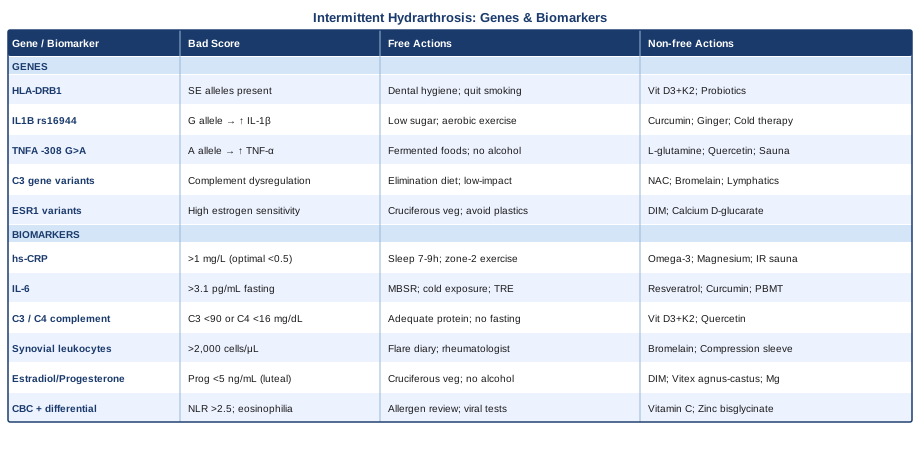
6 Biomarkers to Track for Intermittent Hydrarthrosis
Biomarkers do not diagnose intermittent hydrarthrosis, but they can do something equally important: they can show what is happening in the biological environment that allows episodes to keep occurring. The six markers below were selected for their relevance to joint inflammation, immune complex activity, and hormonal cycling. Some are affordable and widely available. Others are more specialized. Together, they offer a clearer picture than routine labs alone.
1. High-Sensitivity C-Reactive Protein (hs-CRP)
Why it matters and what it may reveal
CRP is a protein the liver produces in response to inflammatory signals, particularly interleukin-6. The high-sensitivity version of the test can detect low-grade inflammation that standard CRP testing misses entirely. In intermittent hydrarthrosis, the question is not just whether CRP rises during a flare, which it often does mildly, but whether it remains above optimal levels between episodes. Persistent low-grade systemic inflammation between flares suggests the underlying immune activation is not fully resolving, and that the joint is simply the site where that activation becomes visible as fluid accumulation.
Peter Attia considers hs-CRP one of the most accessible and actionable longevity markers, particularly because it reflects metabolic and inflammatory status simultaneously. For joint conditions, chronically elevated hs-CRP, even within the so-called normal range, is associated with faster cartilage degradation and more frequent inflammatory episodes.
How to measure it
Standard blood draw, typically included in broader inflammation panels or cardiovascular risk panels. Cost ranges from $10 to $40 out of pocket, and most major labs offer it. Optimal target: below 0.5 mg/L. Values between 1 and 3 mg/L indicate low-grade systemic inflammation that warrants investigation. Measure during a flare and again two to three weeks into remission to assess the baseline between episodes.
If the score is elevated: the plan without supplements
Prioritize sleep quality first, since sleep deprivation is one of the most potent drivers of CRP elevation. Aim for seven to nine hours in a cool, dark room. Address excess body fat if present, as adipose tissue is an active producer of inflammatory cytokines. Replace refined oils and processed foods with anti-inflammatory fats such as olive oil and fatty fish. Introduce zone-two aerobic exercise, 45 minutes four times per week, which consistently lowers hs-CRP over eight to twelve weeks. Reduce alcohol to near zero during high-frequency flare periods.
If the score is elevated: the plan with supplements or equipment
Omega-3 fatty acids (EPA + DHA): 2–4g daily of combined EPA/DHA from a high-quality fish oil. Evidence for CRP reduction is strongest above 2g EPA per day. No cycling needed; take daily with a fatty meal. Monitor LDL particle size if taking high doses long-term. Magnesium glycinate: 300–400mg before bed. Low magnesium is independently associated with elevated hs-CRP. Cycling: take five days on, two days off to avoid loose stools. Infrared sauna: three to four sessions per week, 20 minutes at 55–65°C. Studies in cardiovascular populations consistently show hs-CRP reduction over four to eight weeks of regular use.
2. Interleukin-6 (IL-6)
Why it matters and what it may reveal
IL-6 is a cytokine that sits at the center of the acute inflammatory response and drives CRP production in the liver. In inflammatory joint conditions, IL-6 is produced locally in the synovial membrane and released into systemic circulation during flares. Elevated circulating IL-6, even between episodes, suggests ongoing synovial immune activation. This is particularly relevant because tocilizumab, an IL-6 receptor blocker, is one of the most effective treatments for related conditions including early rheumatoid arthritis, which reinforces how central this pathway is to joint inflammation.
Research published on PubMed consistently shows that IL-6 concentrations in synovial fluid exceed serum levels during flares, suggesting local production. Measuring serum IL-6 outside of a flare can reveal whether systemic inflammatory tone is elevated even when joints look and feel normal.
How to measure it
Blood draw, often requires a specialty lab or is available through functional medicine panels. Cost: $40 to $120 out of pocket depending on the lab. Optimal fasting serum IL-6 is generally below 3.1 pg/mL. Because IL-6 has a short half-life and spikes rapidly with infection or stress, avoid measuring within two weeks of any illness or significant physical stressor.
If the score is elevated: the plan without supplements
Stress reduction has a direct and measurable impact on IL-6. The hypothalamic-pituitary-adrenal axis is a major regulator of IL-6 production, and chronic psychological stress maintains IL-6 elevation independently of other factors. Mindfulness-based stress reduction practiced daily for eight weeks has been shown in randomized trials to significantly reduce circulating IL-6. Cold water exposure, such as two to three minutes of cold water immersion two to three times per week, may help modulate acute IL-6 responses without suppressing its beneficial signaling entirely. Time-restricted eating in an eight to ten hour window reduces systemic IL-6 in metabolically at-risk individuals.
If the score is elevated: the plan with supplements or equipment
Resveratrol: 500mg daily with a meal containing fat. Mechanistic evidence for IL-6 suppression is strong; human data is promising. Cycle with 5 weeks on, 1 week off. Note: may interact with blood thinners. Curcumin (as phosphatidylcholine complex or nanoparticle form): 500–1000mg daily with black pepper extract for absorption. Multiple randomized trials show IL-6 reduction in inflammatory arthritis populations. Take with meals. Photobiomodulation (red/near-infrared light therapy): 10–15 minutes daily over the affected joint and lower back, 630–850nm range. Animal and early human data suggest local IL-6 modulation in inflamed tissue. Commercially available panels cost $200–$600.
3. Complement Proteins C3 and C4
Why it matters and what it may reveal
The complement system is an arm of the innate immune response that can be activated by immune complexes, damaged tissue, or direct pathogen contact. In several rheumatological conditions including lupus and early inflammatory arthritis, complement activation in the joint contributes to synovial fluid accumulation and joint damage. For intermittent hydrarthrosis, complement involvement has been proposed as one mechanism explaining cyclical episodes, particularly when no autoantibodies are detectable. Low C3 or C4 can indicate active consumption of complement in ongoing immune reactions. Conversely, chronically high C3 can indicate low-grade systemic inflammatory activation.
How to measure it
Standard blood draw, typically part of a complement panel. Cost: $30 to $80 for C3 and C4 together. Normal ranges vary slightly by lab, but C3 below 90 mg/dL or C4 below 16 mg/dL during a flare warrants further investigation for immune complex-mediated disease. Measure during a flare and in remission to assess the pattern over time.
If the score is abnormal: the plan without supplements
Low complement is a signal, not a target to fix directly. The priority is to investigate the underlying driver. Request an anti-nuclear antibody (ANA), anti-double-stranded DNA, and immunoglobulin panel to determine whether complement consumption is happening because of an immune complex-mediated process. Avoid fasting for extended periods, as this can transiently lower complement proteins. Ensure adequate dietary protein, as complement proteins are synthesized in the liver and require sufficient amino acid supply.
If the score is abnormal: the plan with supplements or equipment
Vitamin D3 + K2: 2000–4000 IU daily. Vitamin D has a modulatory role in the complement system and in reducing immune complex formation. Test 25-OH vitamin D first; target 50–70 ng/mL. Take with K2 100mcg to avoid vascular calcification risk at higher doses. Quercetin: 500mg twice daily. Has complement-modulating and mast cell-stabilizing properties that may reduce episodic complement activation in the joint. Cycle 6 weeks on, 2 weeks off. Avoid in those with kidney disease.
4. Synovial Fluid Leukocyte Count (During Flare)
Why it matters and what it may reveal
Synovial fluid analysis during an active episode of swelling is one of the most informative investigations available for intermittent hydrarthrosis, and it is one that is frequently deferred or skipped. The leukocyte count and differential in synovial fluid can distinguish between non-inflammatory fluid (fewer than 2,000 cells/μL), mildly inflammatory fluid (2,000–20,000 cells/μL), and markedly inflammatory fluid typical of septic arthritis or crystal disease. In intermittent hydrarthrosis, counts are usually below 2,000 cells/μL, but the cell differential can reveal whether lymphocytes, neutrophils, or eosinophils dominate, which points to different underlying mechanisms including allergic-type reactions, early autoimmune activation, or infection.
This is the only biomarker on this list that requires a flare to collect. It is worth planning for. If an episode begins, contacting a rheumatologist within the first 24 to 48 hours when fluid volume is highest gives the best chance of obtaining a meaningful sample.
How to measure it
Joint aspiration performed by a physician, typically a rheumatologist or emergency medicine physician. The fluid is sent for cell count, differential, crystal analysis, Gram stain, and culture. Cost: $150 to $400 for the procedure and analysis depending on setting. No at-home version exists. The value of this test is highest during the first or second episode and during any episode that is more severe or prolonged than usual.
If the count is elevated: the plan without supplements
Work with a rheumatologist to interpret the differential. Elevated neutrophils suggest active inflammation or infection. Elevated lymphocytes suggest a reactive or autoimmune process. Eosinophil-predominant fluid is rare and may indicate a hypersensitivity mechanism. Each differential calls for a different investigative path. Keep a flare diary recording onset date, duration, severity, and any preceding triggers (illness, diet changes, stress, hormonal timing) to bring patterns to appointments.
If the count is elevated: the plan with supplements or equipment
If the fluid analysis suggests an inflammatory (not septic) process, proteolytic enzymes such as bromelain (500mg twice daily between meals) or serrapeptase (10mg twice daily) have modest human evidence for reducing joint swelling and improving fluid resorption. Cycle in 4-week blocks. Compression sleeves or braces: elastic knee compression between episodes may help maintain lymphatic drainage and reduce the volume of any future effusion. Cost: $20–$60.
5. Estradiol-to-Progesterone Ratio
Why it matters and what it may reveal
A substantial proportion of intermittent hydrarthrosis cases occur in women of reproductive age, and a well-documented subset follows a menstrual cycle pattern, with swelling appearing reliably in the luteal phase or perimenstrually. This is not coincidental. Estrogen and progesterone have opposite effects on inflammation and immune tone. Estradiol can amplify immune responses and increase vascular permeability in synovial tissue. Progesterone tends to have anti-inflammatory, immune-modulatory effects. When estradiol is relatively high or progesterone is relatively low, the inflammatory threshold in susceptible joints may be lowered sufficiently to trigger an effusion.
This connection is underinvestigated for intermittent hydrarthrosis specifically, but the biology is well established in related conditions including premenstrual joint pain and lupus flares tied to the menstrual cycle. Thomas Dayspring has emphasized that hormonal context fundamentally changes how labs should be interpreted in women, and this marker exemplifies that point.
How to measure it
Serum estradiol and progesterone, drawn at specific points in the cycle: day 3 (estradiol baseline), day 21 (or 7 days after confirmed ovulation) for progesterone peak. The ratio matters more than either value alone. Optimal progesterone at mid-luteal phase: above 10 ng/mL. Estradiol-to-progesterone imbalance (estrogen dominance pattern) is most meaningful when progesterone is below 5 ng/mL at the expected peak. Cost: $30 to $80 total for both tests. DUTCH urine test offers a more comprehensive hormonal picture including metabolites, cost $300–$450.
If the ratio is imbalanced: the plan without supplements
Reduce estrogen load from environmental sources: avoid heating food in plastic, reduce alcohol to near zero (alcohol impairs estrogen clearance), increase cruciferous vegetables (broccoli, cauliflower, Brussels sprouts) which support hepatic estrogen metabolism via DIM and I3C pathways. Optimize liver detoxification through adequate hydration, reduced processed food intake, and regular moderate exercise. Track cycle symptoms alongside joint symptoms in a dedicated app or diary; this data becomes highly valuable for the conversation with a gynecologist or integrative physician.
If the ratio is imbalanced: the plan with supplements or equipment
DIM (diindolylmethane): 100–200mg daily with a fat-containing meal, from day 5 to day 25 of the cycle. Supports the conversion of estradiol toward less potent estrogen metabolites. Do not exceed 300mg daily without medical supervision. Cycle monthly according to cycle timing. Vitex agnus-castus (chasteberry): 20–40mg of standardized extract daily. The most evidence-supported herb for improving luteal phase progesterone. Requires 3 months of consistent use before effect is apparent. Avoid in those on hormonal contraceptives or dopaminergic medications. Magnesium glycinate: 300mg in the evening, taken from day 14 through menstruation. Supports progesterone receptor sensitivity and has been shown in small trials to reduce premenstrual inflammatory symptoms.
6. Complete Blood Count (CBC) with Differential
Why it matters and what it may reveal
A CBC with differential is the most basic of the six biomarkers, but it is frequently underutilized as a pattern-tracking tool. In intermittent hydrarthrosis, baseline white cell counts are typically normal, but the differential can reveal subtle trends: mild lymphocytosis might suggest ongoing viral or immune activation; mild eosinophilia can point to allergic or hypersensitivity mechanisms; platelet trends can indicate chronic inflammatory state. Running a CBC at baseline, during a flare, and during remission across two or three cycles builds a comparative picture that single-point testing cannot provide.
The value here is longitudinal, not diagnostic. A single normal CBC tells you very little. Three CBCs drawn at different phases of the flare cycle tell you something about the immune patterns running in the background.
How to measure it
Standard blood draw, included in most routine labs. Cost: $15 to $35 out of pocket. Request the differential explicitly, as some panels report only total white cell count. Build a cycle-tracking log linking flare onset date, flare severity, CBC date, and key values (lymphocyte %, eosinophil %, neutrophil-to-lymphocyte ratio). The neutrophil-to-lymphocyte ratio (NLR) above 2.5 in the absence of infection has been associated with elevated systemic inflammatory tone in rheumatological populations.
If the pattern shows persistent abnormalities: the plan without supplements
Eosinophilia warrants an environmental review: assess for food sensitivities, household allergens, and potential parasitic exposure if relevant. Persistent lymphocytosis warrants viral serology (EBV, CMV, parvovirus B19) since some cases of intermittent joint effusion follow viral infection. An NLR consistently above 3 suggests chronic inflammatory activation and should be discussed with a rheumatologist alongside the other biomarker data you have collected.
If the pattern shows persistent abnormalities: the plan with supplements or equipment
Vitamin C: 500–1000mg daily. Supports immune regulation and has been shown to normalize eosinophil-related inflammatory signaling in mild-to-moderate allergic conditions. Avoid doses above 2g daily without medical guidance. Zinc bisglycinate: 15–25mg daily with food. Zinc is essential for lymphocyte regulation and has immune-modulatory effects at physiological doses. Take at least 2 hours away from iron supplements. Cycle 5 days on, 2 days off. Do not exceed 40mg daily long-term without monitoring copper levels.
The six biomarkers above form a practical monitoring stack. Most can be measured with a standard blood draw, cost under $200 combined, and provide meaningful data across multiple flare cycles. The goal is not perfection on each measure but a pattern over time, one that you can bring to a rheumatologist, internist, or functional medicine physician with context that most patients simply do not have.
Genetic Factors: 5 Genes Worth Knowing
Genetic testing for joint conditions is still an evolving field. Most of what follows reflects associations from research in related inflammatory arthritis populations, with direct evidence for intermittent hydrarthrosis specifically being limited. That context matters. These findings should inform your thinking, not replace clinical evaluation. Researchers like Ali Torkamani, who specializes in genome interpretation at the Scripps Research Institute, and Gary Brecka, who focuses on methylation and gene expression in clinical nutrition contexts, both emphasize that genetic variants are not destiny but inputs, and that most relevant gene effects can be partially compensated through targeted lifestyle and supplementation strategies.
1. HLA-DRB1 Shared Epitope
What it affects
HLA-DRB1 alleles encoding the shared epitope (SE) are the most replicated genetic risk factors for seropositive rheumatoid arthritis, particularly in individuals who produce anti-cyclic citrullinated peptide (anti-CCP) antibodies. Some cases of intermittent hydrarthrosis, particularly those that evolve into RA over time, carry these alleles. The shared epitope influences how the immune system presents joint-derived antigens, potentially triggering autoimmune responses in genetically susceptible individuals. Carrying one copy raises risk modestly; carrying two copies raises it substantially.
The shared epitope does not cause RA or intermittent hydrarthrosis directly. It lowers the threshold for immune activation in the presence of other triggers, including periodontal disease, smoking, and gut dysbiosis. This is an important distinction for planning: the gene itself cannot be changed, but its triggers can be substantially reduced.
If the gene is present: the plan without supplements
Periodontal care is arguably the highest-priority intervention. Porphyromonas gingivalis, the primary periodontal pathogen, produces an enzyme called PPAD that citrullinates proteins in the mouth, generating the exact antigens recognized in anti-CCP-positive arthritis. Meticulous dental hygiene, professional cleaning every three to four months, and treatment of any active periodontal disease have been shown in prospective studies to reduce anti-CCP titers. Smoking cessation is mandatory; smoking independently amplifies SE-related risk. Eliminating ultra-processed food and reducing glycemic load reduces systemic citrullination.
If the gene is present: the plan with supplements or equipment
Vitamin D3: target serum level 50–70 ng/mL. Vitamin D has immunomodulatory effects on T-cell differentiation and reduces Th17-driven inflammation relevant to autoimmune arthritis. Dose based on testing: typically 2000–5000 IU daily with K2 100mcg. Probiotic containing Lactobacillus rhamnosus GG and Lactobacillus casei: emerging evidence suggests specific strains modulate gut barrier function and reduce systemic citrullinated antigen load. Take daily for at least 3 months. No established cycling. Collagen peptides: 10–15g daily (undenatured type II collagen at 40mg has a different, oral-tolerance mechanism). Some preliminary evidence for reducing joint autoimmune activation. Not a cure but a low-risk supportive tool.
2. IL1B (rs16944 Polymorphism)
What it affects
The IL1B gene encodes interleukin-1 beta, a potent pro-inflammatory cytokine produced by macrophages and synovial tissue. The rs16944 variant (G allele) is associated with higher basal and stimulated IL-1β production. Elevated IL-1β in the joint drives synovial proliferation, vascular permeability, and cartilage matrix breakdown. Anakinra, an IL-1 receptor antagonist, is used in several periodic fever syndromes and some cases of inflammatory arthritis, which underlines how central this cytokine pathway is to cyclical inflammatory joint disease.
Carrying the high-production allele does not guarantee elevated IL-1β clinically, but it means your immune response to triggers such as infection, gut permeability, or tissue stress may produce higher inflammatory bursts, lowering the threshold for joint effusion.
If the gene variant is present: the plan without supplements
Minimizing IL-1β trigger load is the core strategy. Refined sugar and saturated fat from ultra-processed sources are among the most studied dietary activators of the NLRP3 inflammasome, which is directly responsible for IL-1β processing and release. Replacing these with a whole-food, high-fiber diet significantly reduces NLRP3 activation. Regular aerobic exercise (150 minutes per week, moderate intensity) has been consistently shown to reduce circulating IL-1β independent of weight loss. Prioritize sleep: a single night of sleep deprivation has been shown to elevate IL-1β measurably by morning.
If the gene variant is present: the plan with supplements or equipment
Curcumin (liposomal or phytosomal form): 500–1500mg daily with food. Direct NLRP3 inflammasome inhibition has been demonstrated in human macrophages. Multiple RCTs show reduction in IL-1β-mediated joint inflammation. Cycle 8 weeks on, 2 weeks off. Note: can interact with anticoagulants. Ginger extract: 250–500mg standardized to 5% gingerols. Acts synergistically with curcumin to inhibit IL-1β downstream effects. Well-tolerated; take with meals. Cold exposure therapy (deliberate cold immersion): 2–3 minutes at 10–15°C, two to three times per week. Attenuates NLRP3 activation via catecholamine and AMPK signaling pathways. Do not use during active flares.
3. TNFA -308 G>A Polymorphism
What it affects
The TNFA -308 G>A polymorphism (rs1800629) is located in the promoter region of the TNF-alpha gene. The A allele is associated with significantly higher TNF-alpha transcription in response to inflammatory stimuli. TNF-alpha is one of the master regulators of joint inflammation: it coordinates neutrophil recruitment, activates synoviocytes, and stimulates the production of matrix-degrading enzymes. TNF-alpha blockers (etanercept, adalimumab, infliximab) are among the most effective treatments for RA and psoriatic arthritis, which reflects how central this pathway is to inflammatory joint disease.
In intermittent hydrarthrosis, the relevance is similar to IL1B: the variant does not cause the condition, but it may amplify the inflammatory response when triggers are present, making episodes more frequent or more intense.
If the gene variant is present: the plan without supplements
Gut barrier integrity directly regulates systemic TNF-alpha production. Increased intestinal permeability allows lipopolysaccharide (LPS) from gram-negative gut bacteria to enter systemic circulation and powerfully activate TNF production. A low-processed, high-fiber diet with fermented foods (kefir, kimchi, sauerkraut) has been shown to reduce LPS translocation and systemic inflammatory tone. Reducing or eliminating alcohol is particularly important here, as alcohol is one of the most studied promoters of gut barrier dysfunction. Time-restricted eating (10-hour window) reduces LPS-related TNF activation by limiting overnight gut permeability.
If the gene variant is present: the plan with supplements or equipment
L-glutamine: 5g twice daily in water before meals. Primary fuel for intestinal epithelial cells; supports tight junction integrity and reduces LPS translocation. Use for 8 weeks, then reassess. Well-tolerated. Zinc carnosine: 75mg daily. Specifically studied for gut barrier repair and LPS reduction. Combines well with L-glutamine. Quercetin: 500mg twice daily. Inhibits TNF-alpha transcription via NF-κB pathway blockade. Multiple human trials in inflammatory conditions show TNF-alpha reduction. Cycle 6 weeks on, 2 weeks off. Sauna therapy: 3–4 sessions weekly. Heat shock proteins induced by sauna use downregulate TNF-alpha signaling and have been studied in inflammatory arthritis populations with favorable results.
4. C3 Gene Variants
What it affects
The C3 gene encodes the central protein of the complement cascade. Rare loss-of-function variants cause complement deficiency and are associated with susceptibility to certain bacterial infections and lupus-like syndromes. More common regulatory variants affect C3 expression levels and complement activation thresholds. In the context of intermittent hydrarthrosis, complement dysregulation has been proposed as a potential mechanism: episodic complement activation in the joint, triggered by immune complexes or local tissue stress, could drive synovial fluid production with the regularity seen in the condition.
This is an emerging area. Direct genetic evidence for C3 variants in intermittent hydrarthrosis is limited to case-level investigation, but the complement pathway's role in inflammatory joint disease more broadly is well established.
If relevant variants are identified: the plan without supplements
Complement activation can be triggered by immune complexes, and immune complex formation is partly driven by unresolved low-grade infections, food sensitivities, and gut dysbiosis. An elimination diet approach for 4 weeks, removing gluten, dairy, and high-lectin foods, can reduce circulating immune complex load and may reduce complement activation frequency. Minimizing repetitive mechanical joint stress (high-impact activity on hard surfaces) reduces local complement activation via damage-associated molecular patterns (DAMPs).
If relevant variants are identified: the plan with supplements or equipment
N-acetylcysteine (NAC): 600mg twice daily. Antioxidant that reduces oxidative triggers for complement activation and has evidence in inflammatory joint populations. Cycle 5 days on, 2 days off. Bromelain: 500mg twice daily, taken away from meals for systemic anti-inflammatory effect. Inhibits complement C3 activation in vitro and has anti-edema properties relevant to joint effusion. Lymphatic drainage support: dry brushing toward lymph nodes before showering plus rebound trampoline exercise (5–10 minutes daily). Facilitates immune complex clearance from the joint environment.
5. ESR1 (Estrogen Receptor 1) Variants
What it affects
The ESR1 gene encodes estrogen receptor alpha, through which estradiol exerts its effects on virtually every tissue including the synovial membrane. Multiple ESR1 polymorphisms (including PvuII and XbaI variants) are associated with differential responsiveness to estrogen, altered joint laxity, and modified inflammatory signaling in joint tissue. Estrogen signaling through ESR1 in the synovial membrane can increase vascular permeability and stimulate fluid production, which is mechanistically relevant to intermittent hydrarthrosis in its cycle-linked form.
Individuals carrying high-sensitivity ESR1 variants may respond more strongly to normal estrogen fluctuations during the menstrual cycle, lowering the threshold for episodic synovial fluid accumulation. This gene provides biological plausibility for the hormonal trigger pathway described in the estradiol-to-progesterone biomarker section above.
If the gene variant is present: the plan without supplements
The strategy here aligns closely with the estradiol/progesterone biomarker plan. Prioritize reducing dietary and environmental estrogen load, optimizing liver metabolism of estrogens, and supporting progesterone levels through cycle-appropriate nutrition and sleep. Cruciferous vegetables daily (100–200g), elimination of plasticizers from food storage and cooking, and a consistent sleep schedule during the luteal phase all reduce the magnitude of estrogen fluctuations that ESR1 sensitivity amplifies. Track whether flares correlate specifically with cycle phase; in high-ESR1-sensitivity individuals, the correlation is often striking.
If the gene variant is present: the plan with supplements or equipment
DIM (diindolylmethane): 100–150mg daily from day 5 to day 25 of the cycle. Redirects estrogen metabolism toward the 2-hydroxy pathway, reducing the more proliferative 16-hydroxy estrogen metabolites that may amplify ESR1 signaling in the joint. Calcium D-glucarate: 500mg twice daily. Inhibits beta-glucuronidase, the gut enzyme that reactivates conjugated estrogens for reabsorption. Reduces total estrogen circulating load. Safe long-term; no established cycling. Progesterone cream (bioidentical, over-the-counter): 20mg applied to inner arm or inner thigh from day 14 to day 26. Counters ESR1-driven synovial sensitivity by shifting the estrogen-progesterone balance during the luteal phase when most cycle-linked flares occur. Discuss with a physician before use, particularly if hormonal contraception is being used.
The Wahls Protocol: A Framework Worth Understanding
Dr. Terry Wahls is a clinical professor of medicine at the University of Iowa who reversed progressive multiple sclerosis using a targeted nutritional and lifestyle protocol she developed from the cellular biology of mitochondrial function. Her book The Wahls Protocol and her ongoing clinical research challenge the standard management model for inflammatory and autoimmune conditions by targeting the cellular environment that enables chronic inflammation to persist, rather than suppressing symptoms with medication alone.
The protocol is relevant beyond MS, and several of its principles map directly onto the biology of intermittent hydrarthrosis and inflammatory joint conditions more broadly.
10 Things From The Wahls Protocol Worth Knowing
1. Mitochondrial dysfunction precedes and drives inflammation Wahls argues that most chronic inflammatory conditions, including joint conditions, begin with impaired mitochondrial function in immune cells. When mitochondria cannot generate energy efficiently, immune regulation breaks down. The dietary and lifestyle priorities of the protocol are designed to restore mitochondrial function first.
2. Nine cups of vegetables and fruits per day is not a metaphor Three cups of leafy greens, three cups of sulfur-rich vegetables (cabbage family, onions, mushrooms), and three cups of deeply colored vegetables and fruits. Each category serves a specific mitochondrial support function: leafy greens provide folate and B vitamins for methylation; sulfur-rich foods provide the precursors for glutathione; colored foods provide the antioxidants that protect mitochondrial membranes.
3. Gluten and casein elimination is foundational Wahls' protocol requires complete elimination of gluten and dairy casein, not because all patients have celiac disease or dairy intolerance, but because both proteins can increase gut permeability, raise circulating LPS and immune complex load, and amplify inflammatory signaling through multiple pathways relevant to joint disease.
4. Omega-3 to omega-6 ratio matters more than total fat The standard Western diet has an omega-6 to omega-3 ratio of approximately 20:1 or higher. Wahls targets 4:1 or lower. Arachidonic acid (from omega-6) is the precursor to prostaglandins and leukotrienes that drive synovial inflammation. Shifting the ratio through fatty fish, flaxseed, and elimination of seed oils changes what the immune system can build, literally.
5. Iodine, selenium, and coenzyme Q10 are commonly deficient in inflammatory conditions These nutrients are directly required for mitochondrial electron transport chain function. Wahls recommends testing for and addressing these deficiencies as a priority rather than adding anti-inflammatory agents onto a foundation of nutritional insufficiency.
6. Time-restricted eating reduces systemic inflammation Wahls incorporates a 12–16 hour fasting window into the protocol. The mechanism relevant to joint conditions is autophagy activation: this cellular recycling process removes damaged proteins and organelles, reducing the DAMPs that trigger complement and cytokine cascades.
7. Electrical stimulation and movement are non-negotiable Wahls developed her protocol alongside e-stim muscle training when she was too disabled to exercise conventionally. For individuals with joint effusion, the principle is similar: passive electrical stimulation (TENS or neuromuscular e-stim) can maintain muscle mass and lymphatic flow around the affected joint without mechanical loading that aggravates swelling.
8. Stress chemistry directly alters joint biology Cortisol at chronically elevated levels increases intestinal permeability, impairs progesterone production (via pregnenolone steal), and reduces synovial repair capacity. Wahls integrates stress physiology directly into the protocol, arguing that nutritional changes alone cannot fully address inflammatory conditions when HPA axis dysregulation remains unaddressed.
9. The gut microbiome is upstream of immune activation Wahls incorporates fermented foods and prebiotic fiber specifically to shift microbiome composition. In her view, which is supported by growing evidence in inflammatory arthritis research, a low-diversity gut microbiome reduces the production of short-chain fatty acids that normally dampen systemic inflammation and regulate T-cell balance.
10. Biomarker tracking over time is how you know the protocol is working Wahls does not ask patients to follow the protocol on faith. She tracks CRP, IL-6, vitamin D, and functional capacity markers at baseline and at three-month intervals. The approach aligns precisely with the biomarker tracking strategy outlined earlier in this article. The combination of targeted measurement and targeted protocol adjustment is what distinguishes this approach from generic anti-inflammatory advice.
Her published clinical trial results, including data from the University of Iowa Sanford-Burnham Medical Research Institute, are available through PubMed. Evidence is strongest in MS and fatigue conditions, but the mechanistic principles apply to inflammatory joint biology.
Complementary Approaches With Clinical Support
The four approaches below were selected because they have meaningful human clinical data for joint inflammation or cyclical inflammatory conditions, and because they can realistically be integrated alongside conventional care. None should replace medical evaluation or treatment, but all have a reasonable evidence base worth understanding.
Tai Chi for Inflammatory Joint Conditions
Tai chi is a slow, controlled movement practice that combines joint mobility, balance training, and breath regulation. Its relevance for intermittent hydrarthrosis comes from several angles simultaneously: it maintains joint range of motion during remission periods, supports lymphatic drainage around the knee, reduces cortisol levels that contribute to IL-6 elevation, and improves proprioception without the mechanical joint loading that higher-impact activities impose.
A meta-analysis published in PubMed reviewing randomized controlled trials in knee conditions found that tai chi significantly reduced pain scores and improved physical function compared to control groups over 8 to 12 weeks. The studies included populations with chronic joint inflammation, making the findings broadly applicable.
In practice: begin with a 20-minute guided session three to four times per week. During an active flare, modify or pause sessions involving weight-bearing on the affected joint. Resume full practice once the effusion resolves. Many instructors offer chair-based modifications for acute episodes. Results in joint conditions typically become apparent after 6 to 8 weeks of consistent practice.
Mindfulness-Based Stress Reduction (MBSR) for Cyclical Conditions
MBSR was developed by Jon Kabat-Zinn at the University of Massachusetts and consists of an 8-week structured program combining sitting meditation, body scanning, mindful movement, and group instruction. Its relevance to intermittent hydrarthrosis is specific: cyclical inflammatory conditions are intensified by stress-induced immune dysregulation, and MBSR is one of the most rigorously studied interventions for reducing circulating inflammatory markers including IL-6 and CRP.
A randomized controlled trial published in PubMed found that participants who completed the 8-week MBSR program showed significantly lower IL-6 and TNF-alpha levels compared to waitlist controls, with effects sustained at follow-up. Studies in rheumatoid arthritis populations have also found MBSR associated with reduced disease activity scores and improved pain tolerance.
The realistic application for intermittent hydrarthrosis is to complete the formal 8-week MBSR course once, then maintain a 20-minute daily sitting practice. Apps such as Insight Timer offer guided MBSR-aligned programs as a lower-cost alternative. The goal is not relaxation in the recreational sense but sustained downregulation of the hypothalamic-pituitary-adrenal axis response that amplifies cytokine production in genetically susceptible individuals.
Low-Level Laser Therapy (Photobiomodulation) for Joint Inflammation
Low-level laser therapy, also called photobiomodulation (PBMT), involves applying red or near-infrared light to tissue at intensities that stimulate cellular processes without generating heat. In joints, PBMT has been shown to reduce prostaglandin E2, IL-1β, and TNF-alpha levels locally, support collagen synthesis in the joint capsule, and reduce synovial cell proliferation. These effects are directly relevant to the mechanisms implicated in intermittent hydrarthrosis.
A systematic review and meta-analysis in PubMed of PBMT in knee osteoarthritis and inflammatory knee conditions found statistically significant reductions in pain and inflammatory markers compared to sham treatment, with optimal results at wavelengths between 780 and 860nm and doses between 2 and 8 J/cm².
For home application: consumer-grade PBMT panels in the 630–850nm range are available for $200–$500. Apply 10–15 minutes to the affected joint and popliteal region daily during remission. Reduce to 5–10 minutes during active swelling. Do not apply over acute infection or active malignancy. Pair with brief movement immediately after each session to facilitate cellular uptake of the light-induced metabolic changes.
Microbiome-Directed Therapies and the Gut-Joint Axis
Research over the last decade has established a well-documented gut-joint axis: specific gut microbiome compositions are associated with inflammatory joint disease risk and disease activity. In patients with early inflammatory arthritis, including some cases of undifferentiated inflammatory arthritis overlapping with intermittent hydrarthrosis, Prevotella copri overgrowth in the gut has been consistently identified as a correlate of elevated joint inflammation and anti-CCP antibody production. Conversely, higher microbiome diversity and greater abundance of butyrate-producing species are associated with lower systemic inflammatory tone.
A clinical trial in rheumatoid arthritis published by Gomez-Arango et al. found that dietary interventions targeting microbiome diversity reduced inflammatory cytokine levels and improved disease activity scores. Probiotic interventions in inflammatory arthritis populations have shown modest but consistent reductions in CRP and IL-6, particularly with strains including Lactobacillus casei and Bifidobacterium species.
The practical protocol: introduce two daily servings of fermented foods (kefir, sauerkraut, or kimchi) and increase prebiotic fiber (chicory root, green banana, asparagus, garlic) to 20–30g daily. Use a broad-spectrum probiotic for the first 8–12 weeks to seed diversity, then shift to food-based maintenance. Consider a gut microbiome test (Viome or equivalent, $150–$250) to identify specific dysbiosis before selecting a targeted probiotic. Avoid antibiotics unless absolutely necessary and request probiotic coverage if they are needed.
Conclusion
Intermittent hydrarthrosis is one of those conditions where the pattern is clear but the explanation is elusive, and where standard workups often stop before reaching the biological detail that would actually change management. The six biomarkers covered in this article, particularly hs-CRP, IL-6, complement C3/C4, synovial fluid analysis, hormonal ratio, and CBC with differential, collectively provide a monitoring system that most people with this condition have never had. The five genes add a layer of personalized context that explains why some individuals are more susceptible to cyclical inflammatory responses in the first place.
Neither genetics nor biomarkers offer a simple fix. But they change the conversation from passive waiting to active investigation. The next smart step is to start building your baseline: request hs-CRP and CBC at your next visit, track your cycle timing alongside flare onset if relevant, plan a synovial aspiration for your next episode, and bring that data to a rheumatologist or integrative medicine physician who is willing to look at the full picture. Better information leads to better questions, and better questions lead to better care.
Women's Health Autoimmune
Musculoskeletal: Joint Conditions
Autoimmune: Inflammatory Conditions
Women's Health: Hormonal Conditions