This article contains AI generated content.
· UpdatedIsaac's Syndrome — 5 Genes And 6 Biomarkers To Track
Introduction
Living with Isaac's syndrome means navigating something most physicians rarely see and most patients never fully understand. The persistent muscle stiffness, cramping, twitching, and exhaustion are real, measurable, and often debilitating — yet the conversation too often ends with a rare-disease label, a prescription for a membrane stabilizer, and a vague optimism that symptoms might settle. That is not a framework. It is a starting point, and for many people, an insufficient one.
What makes Isaac's syndrome particularly difficult to manage is that it sits at the intersection of neurology, immunology, and individual genetic biology. It is not simply "muscle disease." It is a condition in which the immune system produces antibodies targeting specific proteins on peripheral nerve membranes — proteins that regulate the electrical signaling controlling muscle activity. The biology is specific and, in many ways, measurable. Yet most patients never hear which antibodies are elevated, what their inflammatory markers look like, or how their genetic background may have shaped their susceptibility.
The problem with generic guidance — reduce stress, exercise moderately, take your medication — is that it ignores the specific mechanisms at work. A patient who understands their CASPR2 antibody trend, their creatine kinase over time, and whether their inflammatory markers are improving is in a fundamentally different position than one who is not. They can have more specific conversations with specialists, track whether treatment is working before symptoms shift dramatically, and make lifestyle choices that target the underlying biology rather than guessing.
This article takes a more precise approach. The first major section covers the six most actionable biomarkers for Isaac's syndrome — from the antibodies that define the condition to the muscle damage and inflammatory markers that reveal how active it is — with guidance on what each reveals, how it is measured, and what to do when results are out of range. The genetics section then examines five key genes, what they mean for immune vulnerability and ion channel biology, and what specific interventions may compensate. A curated book-based framework and four evidence-supported complementary approaches round out the picture.
Summary
This article covers the six biomarkers most directly relevant to Isaac's syndrome — including CASPR2 antibodies (the primary autoimmune marker), LGI1 antibodies, creatine kinase as a real-time measure of muscle damage, and high-sensitivity CRP for systemic inflammation — with specific guidance on optimal ranges, how to measure each, and what to do when results are abnormal, both with and without supplements. The genetics section examines five genes including KCNA1 (encoding the potassium channel targeted by autoantibodies), CNTNAP2 (encoding CASPR2 itself), and the CTLA4 immune checkpoint — and explains practical compensatory plans for each. Beyond labs and genes, the article includes an in-depth summary of the Wahls Protocol — a dietary and lifestyle framework developed by a physician who reversed her own autoimmune neurological disease — along with four complementary modalities with meaningful clinical support. If you want to go beyond symptom management and engage with the specific biology driving your condition, the information is here.
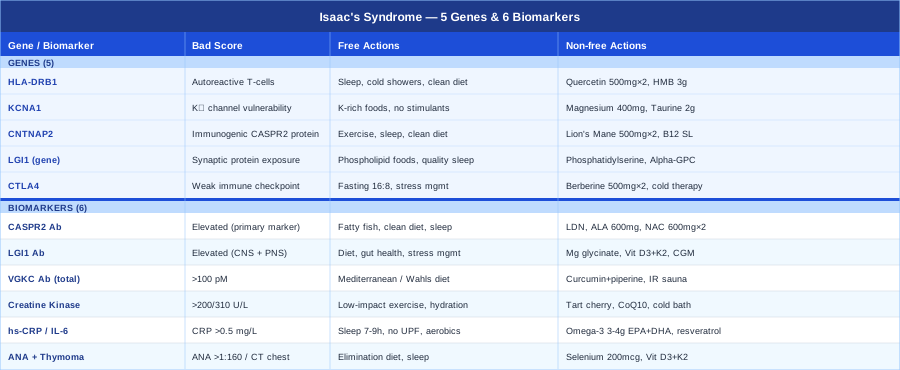
6 Biomarkers To Track In Isaac's Syndrome
Isaac's syndrome is, at its core, a disease of misdirected antibodies. The immune system produces proteins that bind to voltage-gated potassium channel (VGKC) complexes on the surface of peripheral nerve axons, disrupting the electrical signaling that normally keeps muscles at rest between intentional contractions. Tracking the right biomarkers gives you a window into this process directly — not through symptoms alone, but through measurable numbers that can orient both clinical decisions and lifestyle choices.
The biomarkers below are ordered roughly by diagnostic priority, beginning with the most specific markers for Isaac's syndrome and moving toward broader inflammatory and metabolic indicators that provide essential context.
Biomarker 1 — CASPR2 Antibodies
Why it matters: Contactin-associated protein-like 2 (CASPR2) is the most clinically significant autoantigen in peripheral nerve hyperexcitability. CASPR2 antibodies are found in approximately 40–70% of confirmed Isaac's syndrome patients and are the most specific marker for this condition. CASPR2 is expressed at the juxtaparanodal regions of myelinated axons, where it organizes the clustering of Kv1.1 potassium channels. When antibodies disrupt this protein, potassium channel function fails, nerve membranes become hyperexcitable, and the characteristic myokymia, cramps, and fasciculations emerge. CASPR2 antibodies are also linked to thymoma (in 15–20% of cases) and carry cancer surveillance implications beyond symptom tracking alone. Research groups at Oxford, Mayo Clinic, and international neurology centers have characterized their clinical significance in detail.
How to measure it: CASPR2 antibodies are measured from serum via cell-based assay or ELISA. Available at major academic neurology centers and commercial reference labs offering autoimmune neurology panels. Cost range: $150–$400, often bundled with LGI1 testing. Cerebrospinal fluid (CSF) testing is also possible when serum results are borderline and clinical suspicion is high.
If the score is bad — without supplements: Elevated CASPR2 antibodies confirm an autoimmune mechanism and make immunotherapy discussions necessary with a neurologist (typically corticosteroids, IVIg, or plasma exchange). Independently, consuming cold-water fatty fish 3–4 times per week, eliminating ultra-processed foods, and targeting 7–9 hours of consistent sleep have documented effects on reducing the systemic inflammatory environment that sustains antibody-mediated activity. These do not replace immunotherapy but improve its biological context.
If the score is bad — with supplements or equipment: Low-dose naltrexone (LDN at 1.5–4.5 mg taken at night) is used off-label by some autoimmune neurologists for its modulation of TLR4 and microglial inflammatory signaling. Evidence remains early but is mechanistically compelling. Alpha-lipoic acid (300–600 mg/day with food) and N-acetylcysteine (600 mg twice daily) support antioxidant defense at the nerve-immune interface. Photobiomodulation — red and near-infrared light at 660nm/850nm, 10–20 minutes daily applied to the posterior neck and upper spine — is being studied for peripheral neuroinflammation; direct Isaac's syndrome evidence is limited but mechanistic rationale is solid. Cycle all supplements 8 weeks on, 2 weeks off. Discuss with your neurologist before adding any agent to an immunosuppressive regimen.
Biomarker 2 — LGI1 Antibodies
Why it matters: Leucine-rich glioma-inactivated 1 (LGI1) is the other major target in VGKC complex autoimmunity. While LGI1 antibodies are most classically associated with limbic encephalitis (producing memory loss, cognitive symptoms, and seizures), they co-occur in Isaac's syndrome — particularly in patients with thymoma or more widespread autoimmune involvement. LGI1 normally functions as a secreted synaptic protein that regulates AMPA receptor trafficking and indirectly supports VGKC complex organization. When LGI1 antibodies are elevated alongside peripheral nerve hyperexcitability, it usually signals more diffuse central and peripheral nervous system involvement and guides more aggressive immunotherapy choices. Missing this marker leads to undertreatment.
How to measure it: Cell-based assay from serum or CSF. Most labs offer combined LGI1/CASPR2 panels as part of an autoimmune encephalitis or neuromuscular workup. Cost: $200–$500 as a panel. CSF testing is preferred when central features are present. Detection is more sensitive in CSF for limbic involvement.
If the score is bad — without supplements: LGI1 positivity almost always justifies immunotherapy escalation. Self-directed interventions focus on minimizing the triggers that sustain antibody production: strict elimination of ultra-processed and high-glycemic foods, consistent gut integrity support (diverse fiber intake, fermented foods), and structured stress reduction, which has measurable effects on B-cell antibody synthesis cycles.
If the score is bad — with supplements or equipment: Magnesium glycinate (200–400 mg at night) supports NMDA receptor modulation and partially compensates for the synaptic dysregulation caused by LGI1 antibody binding. Vitamin D3 (2,000–4,000 IU daily with K2 at 100 mcg MK-7) has robust evidence across autoimmune conditions for shifting immune balance toward tolerance. A continuous glucose monitor (CGM, available without prescription at $30–50/sensor) identifies glycemic spikes — glycemic variability acutely worsens inflammatory cytokine release and is an underappreciated driver of autoimmune flares.
Biomarker 3 — Total VGKC Complex Antibodies
Why it matters: Before CASPR2 and LGI1 were individually characterized, the total VGKC complex antibody assay was the primary diagnostic marker for Isaac's syndrome and remains clinically useful as a screening tool. It captures antibodies to multiple components of the potassium channel complex — including Contactin-2/TAG-1, ADAM22, and ADAM23 — that specific subunit tests may miss. A normal result does not rule out Isaac's syndrome (some patients are seronegative), but elevated levels above 100 picomolar in the context of clinical features significantly support the diagnosis and help guide monitoring. Tracking this level over time reveals whether the immune attack is intensifying or being suppressed by treatment.
How to measure it: Radioimmunoassay from serum, available at academic centers and commercial reference labs. Cost: $100–$300. Often ordered alongside specific CASPR2 and LGI1 tests for a complete antibody picture. Some labs now offer the specific subunit assays only; confirm with the ordering physician which combination is appropriate.
If the score is bad — without supplements: Elevated total VGKC complex antibodies in a symptomatic patient justify referral for immunotherapy consideration. From a lifestyle standpoint, an anti-inflammatory dietary pattern consistent with the Mediterranean or Wahls approach — rich in polyphenols, with minimal refined carbohydrates and seed oils — has evidence for reducing antibody-mediated neuroinflammation when sustained over 8–12 weeks.
If the score is bad — with supplements or equipment: Curcumin with piperine (500 mg curcumin with 5 mg piperine for absorption, daily) has documented NF-κB inhibitory effects that are mechanistically relevant to antibody-driven inflammation. Cycle 8 weeks on, 2 off. Infrared sauna use (3–4 sessions per week, 15–20 minutes at 55–60°C) has evidence for reducing inflammatory cytokine levels and improving autonomic regulation — both relevant to VGKC complex autoimmunity management.
Biomarker 4 — Creatine Kinase (CK)
Why it matters: Creatine kinase is released from muscle fibers when they are mechanically or metabolically stressed. In Isaac's syndrome, the continuous involuntary muscle activity — myokymia, fasciculations, and cramping occurring around the clock — generates ongoing mechanical and metabolic stress on muscle tissue. Elevated CK is common in active Isaac's syndrome and serves as a proxy for disease activity at the muscle level. Tracking CK over time gives objective data on whether neuromuscular hyperactivity is increasing, stabilizing, or improving with treatment — information that symptom diaries alone cannot provide. CK is also elevated by certain medications used in management (including statins that are sometimes co-prescribed), making pre-treatment baseline testing important.
How to measure it: Standard blood test, available at any clinical lab. Cost: $15–$60 as standalone or part of a metabolic panel. Normal range is approximately 22–198 U/L (women) and 38–308 U/L (men), though endurance athletes and people with significant muscle mass have naturally higher baselines. Test at the same time of day, avoiding intense exercise in the 48 hours prior, for consistent comparison.
If the score is bad — without supplements: Reduce exertional triggers — heavy resistance training and high-intensity interval exercise can significantly worsen myokymia and CK elevation during active disease phases. Replace with low-impact movement: walking, water-based exercise, and gentle stretching tolerated well by most Isaac's syndrome patients. Adequate hydration is critical; myoglobin from muscle breakdown becomes nephrotoxic at very high CK concentrations, and monitoring kidney function (serum creatinine) alongside CK is prudent when levels are significantly elevated.
If the score is bad — with supplements or equipment: Tart cherry concentrate (providing approximately 480 mg anthocyanins daily, equivalent to 30 mL of concentrate) has human evidence for reducing exercise-induced CK elevation and muscle oxidative stress. CoQ10 (100–300 mg daily with a fatty meal for optimal absorption) supports mitochondrial function in metabolically stressed muscle tissue. Cold water immersion (10–15 minutes at 10–15°C, three to four times per week) has strong evidence for reducing muscle damage markers including CK in the context of inflammatory neuromuscular conditions.
Biomarker 5 — High-Sensitivity CRP and IL-6
Why it matters: C-reactive protein is produced by the liver in response to inflammatory cytokines — primarily interleukin-6 (IL-6). In autoimmune conditions like Isaac's syndrome, systemic inflammation runs parallel to the specific antibody-mediated damage at nerve surfaces. High-sensitivity CRP (hs-CRP) and IL-6 capture this broader inflammatory state and serve as powerful gauges of overall immune activation. Peter Attia, drawing on decades of preventive cardiology evidence championed by Thomas Dayspring and others, consistently targets hs-CRP below 0.5 mg/L as the optimal anti-inflammatory threshold. In Isaac's syndrome, chronically elevated hs-CRP signals that the immune system is in a sustained activation state — which can worsen neuromuscular hyperexcitability and accelerate tissue damage beyond the nerve. IL-6 testing specifically is available through specialty labs and provides more direct cytokine-level data.
How to measure it: hs-CRP: standard blood test, $15–$50, test fasting without recent infection or injury. IL-6: specialty lab or academic center, $40–$120. Optimal hs-CRP target: below 0.5 mg/L. Concerning: chronically above 2.0 mg/L. Test every 3–6 months when monitoring an active autoimmune condition.
If the score is bad — without supplements: The highest-leverage lifestyle interventions for lowering hs-CRP are: sleep quality (7–9 hours with a fixed wake time, cool dark room); elimination of ultra-processed foods and refined carbohydrates; moderate aerobic exercise at conversational pace (150 minutes per week as tolerated); and weight normalization, as adipose tissue — particularly visceral fat — is a primary IL-6 source. Sleep restriction alone can double CRP levels within two weeks. These are large effects and the foundation of any inflammatory management strategy.
If the score is bad — with supplements or equipment: Omega-3 fatty acids at therapeutic dose (3–4 grams combined EPA+DHA daily from third-party-tested fish oil) reduce both IL-6 and hs-CRP with consistent meta-analytic evidence. Retest after 12 weeks of sustained use. Resveratrol (500 mg daily with fat) has SIRT1-mediated anti-inflammatory effects; avoid if on anticoagulant therapy. A continuous glucose monitor (CGM) is a practical tool for managing hs-CRP: glycemic variability is a significant driver of IL-6 production, and seeing real-time glucose responses to meals enables dietary precision that annual HbA1c testing cannot.
Biomarker 6 — ANA Panel and Thymoma Workup
Why it matters: Isaac's syndrome does not always exist alone. It is associated with other systemic autoimmune conditions — including lupus, Sjögren's syndrome, thyroid autoimmunity, and rheumatoid arthritis — and critically with thymoma, a tumor of the thymus gland that drives aberrant immune activation in approximately 15–20% of Isaac's syndrome cases. An antinuclear antibody (ANA) panel helps detect autoimmune overlap. A CT chest scan to evaluate for thymoma is strongly recommended at diagnosis and is among the most clinically consequential tests in this workup — thymoma removal (thymectomy) leads to significant neurological improvement in a meaningful proportion of affected patients. Missing a thymoma represents a material clinical oversight.
How to measure it: ANA panel: blood test, $50–$200. CT chest with contrast: $200–$1,200 depending on facility and insurance. Thyroid antibodies (anti-TPO, anti-thyroglobulin): $30–$80. These are typically one-time tests at diagnosis with periodic reassessment based on clinical course. ANA positivity above 1:160 warrants rheumatology evaluation.
If the score is bad — without supplements: ANA positivity with elevated titer warrants rheumatology referral and coordination with neurology. Thymoma detection requires surgical consultation for resection planning. Independent of medical management, reducing overall autoimmune burden through an elimination dietary approach and optimizing sleep architecture are the most meaningful systemic contributions.
If the score is bad — with supplements or equipment: Thyroid-specific autoimmunity (elevated anti-TPO) responds to selenium supplementation (200 mcg/day as selenomethionine) with good human evidence from randomized controlled trials. Vitamin D3 at 4,000 IU daily with K2 (100 mcg MK-7) is among the most evidence-supported interventions for broad autoimmune modulation and is relevant across all ANA-positive presentations. Discuss both with the prescribing physician to confirm no interactions with ongoing immunotherapy.
The Genetic Architecture Behind Isaac's Syndrome
Understanding the biomarkers gives you a real-time picture of what is happening now. Understanding the genetic architecture reveals why you are susceptible — and, more practically, what may compensate for those specific vulnerabilities. Isaac's syndrome is not inherited in a simple Mendelian pattern. It is better understood as a condition with a genetic vulnerability landscape: certain variants lower the threshold for autoimmune activation, alter potassium channel biology, or reduce immune tolerance in ways that make some individuals more likely to develop VGKC complex autoimmunity when triggered by an infection, tumor, or environmental exposure.
Gene 1 — HLA-DRB1 (Immune Susceptibility Gateway)
What it does: The human leukocyte antigen (HLA) system is the master regulator of immune recognition. HLA-DRB1 — a class II gene — determines which protein fragments the immune system presents to T cells as potential targets. Certain HLA-DRB1 variants, including DRB1*11:01, have been observed at elevated frequency in VGKC complex autoimmunity populations, suggesting they facilitate the presentation of CASPR2 or LGI1 peptides to autoreactive T cells. HLA variants do not cause the disease directly; they make the immune system more likely to mount a pathological response against nerve proteins when given the biological opportunity.
If the gene is bad — without supplements: HLA variants cannot be altered, but the downstream immune responses they enable can be significantly dampened. Circadian-aligned sleep (fixed sleep and wake times, including weekends) directly modulates HLA-mediated T-cell activity cycles. Cold exposure (cold showers for 30–90 seconds daily or cold immersion 3× weekly) has documented immunoregulatory effects via norepinephrine-mediated anti-inflammatory signaling. A diet low in foods that increase intestinal permeability — refined wheat, seed oils, alcohol, processed sugar — reduces the LPS-driven inflammatory signaling that activates HLA-mediated autoreactive pathways.
If the score is bad — with supplements or equipment: Quercetin (500 mg twice daily with fat) may reduce mast cell activation that co-drives HLA-mediated autoimmune flares. Cycle 8 weeks on, 2 off. HMB (beta-hydroxy beta-methylbutyrate, 3 g/day) is used in some autoimmune protocols for immune modulation; human evidence in Isaac's syndrome specifically is absent, but the safety profile is excellent. Avoid combining multiple immunomodulating supplements without physician oversight.
Gene 2 — KCNA1 (The Kv1.1 Potassium Channel)
What it does: KCNA1 encodes Kv1.1 — the primary voltage-gated potassium channel subunit around which CASPR2 organizes, and the functional target disrupted by Isaac's syndrome autoimmunity. While most Isaac's syndrome patients do not have KCNA1 mutations (the channel is attacked immunologically, not genetically broken), rare variants that affect channel expression level or conductance properties can alter baseline nerve membrane excitability — making affected individuals more sensitive to the consequences of antibody-mediated channel disruption. Individuals carrying KCNA1 loss-of-function variants who then develop VGKC autoimmunity may have more severe or treatment-resistant neuromyotonia.
If the gene is bad — without supplements: Maximize dietary support for potassium channel function: ensure adequate dietary potassium (avocado, sweet potato, leafy greens, bananas), minimize factors that impair membrane conductance (chronic alcohol, high sodium intake, sustained hyperglycemia), and avoid high-dose stimulants (caffeine above 200 mg/day, excess sympathomimetics) that increase nerve excitability and worsen hyperexcitability states when channel function is already compromised.
If the score is bad — with supplements or equipment: Magnesium glycinate (400 mg at night) modulates neuronal excitability via NMDA receptor activity, partly compensating for impaired potassium channel function. Taurine (1–3 g/day) supports membrane potential stability through its role in chloride channel regulation and osmotic balance. Both are well-tolerated and have strong general safety profiles. Cycling is not required for either, but periodic reviews of necessity (every 3–6 months) are prudent.
Gene 3 — CNTNAP2 (Encodes CASPR2 Itself)
What it does: CNTNAP2 encodes the CASPR2 protein — the primary autoantigen in Isaac's syndrome. It is one of the largest genes in the human genome and has broad expression across the nervous system, with roles in axonal organization, synaptic development, and VGKC complex clustering at juxtaparanodes. CNTNAP2 variants have been linked to language disorders, autism spectrum conditions, and epilepsy — suggesting that altered CASPR2 protein structure may contribute to neuroimmunological vulnerability. In Isaac's syndrome, CNTNAP2 variants may produce a slightly abnormal protein structure that is more immunogenic — essentially easier for the immune system to misidentify and attack.
If the gene is bad — without supplements: Support the neurological infrastructure in which CNTNAP2 operates: aerobic exercise at moderate intensity (150 minutes per week) drives BDNF production and neurogenesis relevant to axonal maintenance. Quality sleep (7–9 hours) activates the glymphatic system for neural debris clearance. Reduction of neuroinflammatory dietary exposures — especially chronic processed food consumption — limits the inflammatory signaling that promotes autoimmune targeting of axonal proteins.
If the score is bad — with supplements or equipment: Lion's Mane mushroom extract (500–1,000 mg of extract standardized to >30% beta-glucans, twice daily) stimulates nerve growth factor (NGF) and has early human evidence for supporting axonal and synaptic maintenance. Evidence in Isaac's syndrome specifically is not yet available, but the mechanistic basis is relevant. Cycle 8 weeks on, 2 off. Methylcobalamin B12 (1 mg/day sublingually) is essential for myelin maintenance in all conditions affecting axonal protein organization and is frequently deficient in neurological autoimmune conditions.
Gene 4 — LGI1 Gene Variants
What it does: LGI1 encodes the leucine-rich glioma-inactivated 1 protein — a secreted synaptic protein that regulates AMPA receptor trafficking and VGKC complex assembly. Rare familial mutations in LGI1 cause autosomal dominant lateral temporal lobe epilepsy (ADTLE). More common variants that affect LGI1 protein folding efficiency or secretion may alter how immunologically exposed the protein is at the synaptic surface. In Isaac's syndrome patients who are LGI1-seropositive, gene function is disrupted by antibody binding rather than mutation — but understanding the gene's normal biology explains why symptom patterns often include central (encephalitis-like) features alongside peripheral neuromuscular hyperactivity.
If the gene is bad — without supplements: Support synaptic health through dietary phosphatidylcholine-rich foods — egg yolks, liver, and fatty fish provide the phospholipid substrates for synaptic membrane integrity and protein trafficking. Avoid chronic alcohol, which directly impairs LGI1-dependent synaptic organization. Prioritize slow-wave sleep stages, during which synaptic pruning and LGI1-dependent circuit maintenance are most active; this means minimizing sleep fragmentation, which is itself worsened by nocturnal cramping in Isaac's syndrome — a reason to treat neuromuscular symptoms aggressively at night.
If the score is bad — with supplements or equipment: Phosphatidylserine (100–300 mg/day) supports synaptic membrane integrity and may complement LGI1 protein function at the synapse. Alpha-GPC (300 mg in the morning) provides choline for synaptic phospholipid synthesis and acetylcholine production. Both are well-tolerated with extensive human evidence and can be used long-term without cycling.
Gene 5 — CTLA4 (The Immune Brake)
What it does: CTLA4 encodes cytotoxic T-lymphocyte-associated protein 4, a critical immune checkpoint that downregulates T-cell activation and maintains self-tolerance by competing with CD28 for B7 ligand binding. CTLA4 variants — particularly the G49A (Thr17Ala) polymorphism — are among the most studied genetic risk factors for autoimmune disease broadly and are associated with type 1 diabetes, thyroid autoimmunity, and autoimmune encephalitis. Reduced CTLA4 function weakens the "brake" on self-directed immune responses. In Isaac's syndrome, impaired CTLA4 signaling may allow autoreactive T cells targeting CASPR2 or LGI1 to escape normal tolerance mechanisms and sustain chronic antibody production.
If the gene is bad — without supplements: CTLA4-related immune dysregulation is directly worsened by sleep deprivation, chronic psychological stress, and caloric excess. Intermittent fasting (16:8 daily, or a 24-hour fast once monthly) activates regulatory T-cell pathways and autophagy processes that partially compensate for impaired immune checkpoint signaling. Caloric restriction broadly suppresses inflammatory immune activation through leptin and mTOR modulation. These are not trivial effects — consistent fasting protocols have measurable impacts on autoimmune disease activity in human studies.
If the score is bad — with supplements or equipment: Berberine (500 mg twice daily with meals) has documented effects on regulatory T-cell function — the same cellular population that depends on CTLA4 signaling for maintenance. Cycle 8 weeks on, 2 off. Avoid berberine with strong CYP3A4-dependent medications or in pregnancy. Cold thermogenesis (cold shower 60–90 seconds daily, or cold water immersion 3× weekly at 10–15°C) activates vagal tone and upregulates regulatory immune pathways that partly overlap with CTLA4-mediated self-tolerance.
The Wahls Protocol — A Framework That Challenges Conventional Thinking
Terry Wahls MD is a clinical professor of medicine who reversed her own secondary progressive multiple sclerosis — a condition that the medical community considers essentially irreversible — using a diet-based framework she developed after systematically reviewing the cellular biology of mitochondrial dysfunction and autoimmune neurological disease. Her work, documented in The Wahls Protocol and supported by published pilot randomized trials, was studied primarily in multiple sclerosis but applies mechanistically to all autoimmune neurological conditions — including Isaac's syndrome — because the upstream drivers are largely shared: mitochondrial insufficiency, chronic neuroinflammation, and impaired myelin and axonal maintenance.
The central insight of Wahls' work is that autoimmune neurological disease is not just an immune problem. It is simultaneously a metabolic and nutritional problem — and the two reinforce each other. Immunotherapy addresses the immune attack; the Wahls Protocol addresses the soil in which that attack is occurring.
The 10 Most Impactful Things To Know From This Work
1. Nine cups of vegetables and fruit daily — broken into three specific categories — is the foundation. Three cups of leafy greens (for folate, B vitamins, and fat-soluble vitamins), three cups of sulfur-rich vegetables (cabbage, broccoli, onions — for glutathione precursors), and three cups of deeply colored produce (for polyphenols). The category specificity is not arbitrary. Each category targets a distinct mitochondrial and immune support mechanism.
2. The brain and peripheral nerves are built from fat — and must be fed fat of the right type. Wahls specifically emphasizes omega-3 fatty acids from cold-water fish, cholesterol-rich foods from quality animal sources, and phospholipids from egg yolks and organ meats. Myelin and axonal membrane integrity — directly under attack in Isaac's syndrome — depend on a continuous supply of these substrates for repair.
3. Mitochondrial support nutrients are non-negotiable, not optional extras. CoQ10, B vitamins (especially B1, B2, B3, and B12), alpha-lipoic acid, and acetyl-L-carnitine are specifically identified as nutrients that autoimmune neurological disease tends to preferentially deplete. Without them, energy production in metabolically stressed neural tissue fails.
4. Sulfur-containing foods drive glutathione — the primary antioxidant defense for neural tissue. Cabbage, onions, garlic, leeks, and mushrooms provide the sulfur backbone for glutathione synthesis. In conditions of ongoing neural inflammation, glutathione depletion accelerates oxidative damage to the exact structures that are already under antibody attack.
5. Gluten and dairy elimination is a core protocol element, not an optional tweak. Both trigger intestinal permeability in susceptible individuals, allowing bacterial LPS into the bloodstream — a direct activator of systemic immune inflammation. Wahls treats this as non-negotiable in her clinical protocol for autoimmune neurological patients.
6. Protein quality and quantity matters for immune and muscle competence. Wahls recommends 6–12 ounces of high-quality animal protein daily. This is enough to maintain muscle tissue under the ongoing metabolic stress of involuntary activity — directly relevant in Isaac's syndrome — and to support immune cell production and antibody synthesis regulation.
7. Time-restricted eating restructures immune circadian biology. Wahls incorporates a 12–16 hour daily eating window, aligning feeding patterns with circadian immune rhythms. Feeding-fasting cycles modulate B-cell and T-cell activity timing — relevant to antibody production cycling in autoimmune disease, as the immune system's activity is not constant but rhythmic.
8. Exercise below anaerobic threshold — consistently — improves neuromuscular function without triggering flares. Wahls' clinical experience and trial data found that exercise at conversational pace improved function without exacerbating inflammatory activity. For Isaac's syndrome, this means walking, swimming, or cycling at low intensity rather than avoiding movement entirely — or pushing into high-intensity work that elevates CK.
9. Functional electrical stimulation (FES) is part of the clinical neurology rehabilitation toolkit. Wahls used transcutaneous FES in her clinical trials to support muscle function during active disease. This is specifically relevant for Isaac's syndrome patients experiencing weakness between flares. Consumer-grade TENS/EMS devices are widely available; clinical FES programs are offered at neurology rehabilitation centers.
10. The HPA axis — cortisol and stress regulation — is a direct immune modulator, not a secondary concern. Wahls explicitly frames stress management as a biological intervention rather than a lifestyle afterthought. Chronic cortisol elevation suppresses regulatory T-cell populations and worsens autoimmune flare frequency. The mindfulness and stress regulation component of her protocol has measurable cytokine effects in her published data.
Complementary Approaches With Meaningful Evidence
Conventional Isaac's syndrome treatment — immunotherapy, membrane-stabilizing agents, and symptomatic management — remains the clinical foundation and cannot be replaced. The following modalities address dimensions of the condition that medications typically do not: systemic inflammation, autonomic regulation, gut-immune signaling, and the psychological burden of living with a rare, often misdiagnosed condition. Each has clinical evidence supporting its use; the quality and specificity of that evidence varies and is stated clearly.
The Autoimmune Protocol (AIP) — Sarah Ballantyne
The Autoimmune Protocol developed by Dr. Sarah Ballantyne is a structured dietary elimination and reintroduction framework designed specifically for conditions in which the immune system attacks self-tissue. This is the precise mechanism of Isaac's syndrome. The AIP eliminates grains, legumes, dairy, eggs, nuts, seeds, nightshades, refined sugars, and seed oils during an initial 6-week phase, then systematically reintroduces each food category to identify personal immune triggers.
Mechanistically, the AIP reduces intestinal permeability, decreases LPS translocation, lowers systemic inflammatory cytokines, and shifts immune balance toward regulatory rather than autoreactive responses. A pilot clinical study in inflammatory bowel disease showed measurable reduction in inflammatory markers and symptom severity over 6 weeks. While no trial exists in Isaac's syndrome specifically, the mechanistic fit is strong for any antibody-mediated autoimmune condition, and the protocol is now widely used by integrative physicians managing autoimmune neurological patients.
Apply cautiously: commit to a minimum 6-week elimination phase before judging results. Work with a registered dietitian familiar with AIP to prevent nutrient deficiencies — particularly during periods of high medication burden. Conduct the reintroduction phase systematically, one food category every 5–7 days. Some Isaac's syndrome patients report significant changes in cramp frequency and sleep quality after completing the elimination phase; others see more modest benefit. Individual response is variable.
Mindfulness-Based Stress Reduction (MBSR)
Chronic stress and HPA axis dysregulation are not peripheral concerns in Isaac's syndrome — they directly drive immune dysregulation. Cortisol chronically suppresses regulatory T-cell function and can exacerbate antibody production cycles. MBSR is an 8-week structured program developed at the University of Massachusetts that combines body-scan meditation, mindful movement, and group processing. Its evidence base in autoimmune conditions is substantial: randomized trials show measurable reductions in IL-6, CRP, and cortisol alongside improvements in sleep quality and pain processing.
For a condition as rare and frustrating as Isaac's syndrome — where patients often spend years without diagnosis, face limited specialist access, and manage visible symptoms with little social understanding — the psychological regulation dimension is arguably as important as the biological one. Body scan practice done lying down for 20–30 minutes before sleep is particularly relevant for patients with nocturnal cramping and sleep disruption.
Online MBSR programs (8 weeks, 2.5 hours per week structured practice plus 45-minute daily home practice) are clinically comparable to in-person delivery and broadly accessible. Starting with 10 minutes of guided body scan practice daily for 4 weeks before committing to the full program is a reasonable on-ramp.
Biofeedback
Biofeedback is directly applicable to Isaac's syndrome because it provides real-time, visible feedback on physiological signals — including muscle tension, heart rate variability, and skin conductance — that the patient can learn to consciously modulate. Surface electromyography (sEMG) biofeedback is particularly interesting for neuromyotonia: by observing real-time muscle electrical activity displayed visually, patients can learn to identify early-stage involuntary muscle recruitment that precedes cramping. Heart rate variability biofeedback has strong evidence for improving autonomic tone — directly relevant because VGKC complex autoimmunity can involve autonomic dysfunction.
A randomized controlled trial demonstrated HRV biofeedback efficacy in autonomic dysfunction management. Consumer-grade HRV monitoring (a Polar H10 chest strap paired with apps like HRV4Training, approximately $80–$100 total) enables daily monitoring and structured coherence breathing sessions.
Begin with 10 minutes of coherence breathing (5-second inhale, 5-second exhale) twice daily — this specific rhythm maximally activates the baroreflex and vagal tone. After establishing a baseline HRV trend over 4–6 weeks, consider adding clinician-guided sEMG biofeedback sessions with a physiotherapist experienced in neuromuscular conditions.
Breathing-Based Therapies
Beyond HRV biofeedback, deliberate breathing practices have specific mechanistic relevance in Isaac's syndrome. The vagus nerve traverses the same anatomical territory disrupted in VGKC complex autoimmunity, and slow diaphragmatic breathing at 6 breaths per minute activates the vagal cholinergic anti-inflammatory pathway — a reflex arc in which vagal efferents suppress macrophage TNF-alpha production via the α7 nicotinic acetylcholine receptor. This is a measured anti-inflammatory mechanism, not a vague wellness claim. Kevin Tracey's foundational research and subsequent human translational studies have validated this pathway in inflammatory conditions broadly.
For Isaac's syndrome: 10 minutes of diaphragmatic breathing at 6 breaths per minute (5-second inhale through nose, 5-second exhale through pursed lips), twice daily. The Physiological Sigh — two sharp inhales through the nose followed by a long exhale — popularized by Andrew Huberman's Huberman Lab podcast and derived from peer-reviewed respiratory physiology research, is useful for acute management of cramp-related anxiety or pain spikes. It is the fastest known breathing method for rapid physiological arousal reduction and has direct evidence for acute cortisol attenuation.
Conclusion
Isaac's syndrome is rare, complex, and regularly underserved by both generic medical advice and the absence of a practical self-management framework. But it is not unmeasurable, and meaningful aspects of it are not entirely unmodifiable. The six biomarkers covered here — CASPR2 and LGI1 antibodies above all, supported by creatine kinase, hs-CRP, total VGKC complex antibodies, and a comprehensive autoimmune screening workup — give you and your care team a precise, trackable picture of disease activity. The five genes discussed point to why you may be susceptible and what compensatory strategies make biological sense for your specific vulnerability profile. The dietary, lifestyle, and complementary approaches add meaningful tools for managing inflammation, supporting neural tissue maintenance, and preserving daily function.
The next smart step is not to implement everything simultaneously. It is to get the right tests — starting with a CASPR2 and LGI1 panel if you haven't had one, combined with a CT chest to rule out thymoma — and use those results to have a more specific, better-informed conversation with a neurologist who specializes in autoimmune neurological disease. From there, layering in evidence-based lifestyle changes and tracking your biomarkers every 3–6 months gives you data and direction — a meaningfully better position than symptom-watching alone.
Musculoskeletal: Muscle Conditions
Neurological: Nerve Conditions Movement Disorders
Autoimmune: Inflammatory Conditions