This article contains AI generated content.
· UpdatedJaccoud's Arthropathy - 5 Genes And 7 Biomarkers To Track
Introduction
Jaccoud's arthropathy catches most people off guard — not because it is particularly rare, but because it tends to develop quietly in the shadow of a better-known diagnosis, most often systemic lupus erythematosus. The joints of the hands gradually shift and deform, yet the X-rays look strangely clean compared to rheumatoid arthritis. That paradox — visible structural change without the expected erosive bone damage — can leave patients confused, undertreated, or dismissed with generic advice about joint protection and rest.
If you are dealing with JA, you may already know that conventional management focuses primarily on controlling the underlying autoimmune disease and managing symptoms. That is a reasonable starting point, but it rarely goes deep enough. The root of the condition — the immune dysfunction, the joint laxity, the tissue remodeling — is influenced by a specific set of biological factors that differ meaningfully from person to person. Knowing which of those factors are most active in your case changes what you prioritize.
This is where laboratory biomarkers and genetic profiling begin to matter. Tracking the right blood markers lets you see disease activity in real time, often before damage accumulates. Understanding which genetic variants may be working against you provides a framework for more targeted lifestyle choices and, in some cases, targeted supplementation or a more productive conversation with your rheumatologist.
This article takes two complementary angles: a deep dive into the seven most clinically meaningful biomarkers to track in Jaccoud's arthropathy — each with practical guidance on how to interpret and act on results — followed by a focused look at the five genes most relevant to JA and its autoimmune drivers, along with what the evidence currently suggests about how to compensate for unfavorable variants. Neither approach promises a cure. But better information leads to better decisions, and better decisions add up over time.
Summary
Jaccoud's arthropathy is a deforming but often non-erosive arthritis most frequently linked to systemic lupus erythematosus. This article covers 7 key biomarkers — anti-dsDNA antibodies, complement C3/C4, hsCRP, anti-CCP, ESR, IL-6, and vitamin D — with precise guidance on how to track each one, what the results reveal, and exactly what to do when a value is off, both with and without supplements. It then examines 5 genes directly relevant to JA — HLA-DRB1, PTPN22, IRF5, STAT4, and MMP3 — with detailed compensation plans for each unfavorable variant. Beyond that: a strategy drawn from a book that challenges how most physicians approach autoimmune disease, and five evidence-based complementary approaches selected specifically for this condition. The goal throughout is practical clarity, not generic wellness advice.
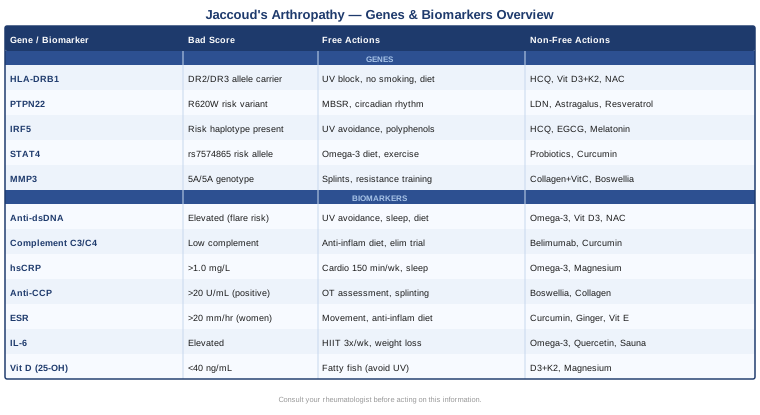
7 Biomarkers to Track in Jaccoud's Arthropathy
Biomarkers in Jaccoud's arthropathy serve two distinct purposes: tracking activity in the underlying autoimmune condition (usually SLE) and monitoring the systemic inflammation and tissue stress that drive joint deformity progression. The goal is not to order every available test — it is to select the markers that give the clearest signal for the least cost, and that actually respond to realistic interventions. The seven markers below were selected for their direct relevance to JA pathophysiology, their practical measurability, and the quality of existing evidence behind them.
Biomarker 1: Anti-Double-Stranded DNA (Anti-dsDNA) Antibodies
Why it matters: Anti-dsDNA antibodies are among the most specific biomarkers for systemic lupus erythematosus, the condition underlying the majority of Jaccoud's arthropathy cases. These antibodies form immune complexes that deposit in tissues — including synovial membranes — driving the inflammation that loosens the ligaments and capsular structures around joints. Crucially, anti-dsDNA levels fluctuate with disease activity, meaning they can serve as an early warning system for upcoming flares, often rising before symptoms worsen. Sustained elevation is associated not only with active lupus, but with nephritis, serositis, and musculoskeletal involvement, including progressive JA deformity. A single measurement matters less than a longitudinal trend.
How to measure it
Anti-dsDNA is measured from a standard blood draw. Two main methods are used: enzyme-linked immunosorbent assay (ELISA) and Crithidia luciliae immunofluorescence (CLIF). The Farr radioimmunoassay remains a gold standard for high-avidity antibodies, though it is less commonly offered. Cost ranges from approximately $50 to $150 depending on the lab and method. Recommended frequency: every three to six months during active disease; annually in sustained remission.
If the score is bad, the plan without supplements
Elevated anti-dsDNA requires medical management — this marker cannot be normalized through lifestyle alone — but lifestyle significantly affects the inflammatory load that determines how much damage elevated antibodies actually cause. The most impactful non-supplement strategies: strict ultraviolet light avoidance (UV exposure triggers SLE flares and anti-dsDNA spikes directly), consistent seven-to-nine hour sleep, a low-glycemic Mediterranean-style diet emphasizing oily fish, vegetables, and olive oil, and structured stress reduction (chronic psychological stress directly amplifies autoimmune activity through the HPA axis). During active flares, joint protection — splinting or buddy taping affected fingers — prevents deformity progression while inflammation remains high.
If the score is bad, the plan with supplements or equipment
Hydroxychloroquine (a prescription antimalarial, 200–400 mg/day depending on weight) demonstrably lowers anti-dsDNA titers over time and is the standard of care for SLE — discuss with your rheumatologist if not already prescribed. Omega-3 fatty acids (EPA + DHA combined, 2–4 g/day with meals) have demonstrated immunomodulatory effects in lupus, reducing pro-inflammatory eicosanoid production; take continuously and retest hsCRP at three months. Vitamin D3 (dose to achieve serum 25(OH)D of 40–60 ng/mL) helps regulate immune tolerance and appears to reduce autoantibody production in some controlled studies; combine with vitamin K2 (MK-7 form, 100–200 mcg/day). N-acetylcysteine (NAC) at 1.8 g/day in divided doses reduces mTOR hyperactivation in T cells, a key mechanism in SLE activity — evidence available on PubMed; cycle three months on, two weeks off. Side effects of NAC at this dose: occasional GI discomfort, usually resolved by taking with food.
Biomarker 2: Complement C3 and C4
Why it matters: Complement proteins C3 and C4 are consumed during immune complex formation — the same process that drives tissue damage in SLE-related Jaccoud's arthropathy. When these values drop, it signals that the immune system is actively engaging with circulating autoantibodies, translating to heightened synovial inflammation and risk of further joint laxity. Low complement combined with elevated anti-dsDNA forms one of the most reliable dual signals for active lupus activity, more informative than either alone. Rheumatologists often use the combination of rising anti-dsDNA and falling C3/C4 as the trigger for treatment escalation decisions — making this a critical marker pair to follow longitudinally.
How to measure it
C3 and C4 are measured via a complement panel from a standard blood draw. Cost: $30–$80 per panel. Normal ranges: C3 is typically 90–180 mg/dL; C4 is 16–47 mg/dL (lab-specific reference ranges apply). Recommended frequency: every three to six months, ideally alongside anti-dsDNA testing.
If the score is bad, the plan without supplements
Consistently low complement levels require active management with your rheumatologist, likely including escalation of immunosuppressive or biologic therapy. From a lifestyle standpoint, the priority is reducing the immune activation driving complement consumption: eliminate ultra-processed foods (which promote systemic immune activation via RAGE receptor signaling), reduce refined carbohydrates, and consider a structured 30-day elimination trial removing gluten and dairy — both documented potential drivers of intestinal permeability and systemic immune stimulation in genetically susceptible individuals.
If the score is bad, the plan with supplements or equipment
Belimumab (a biologic prescription targeting B-cell activating factor) has demonstrated normalization of complement levels in active SLE patients — a conversation worth having with your rheumatologist. Curcumin with piperine (500–1,000 mg curcumin with 5–10 mg piperine, twice daily, cycling six weeks on / two weeks off) reduces NF-κB signaling — one of the main drivers of complement consumption in autoimmune inflammation. Avoid St. John's Wort and echinacea while managing SLE, as both can stimulate immune activity and worsen flares.
Biomarker 3: High-Sensitivity CRP (hsCRP)
Why it matters: C-reactive protein is a general marker of systemic inflammation, but in Jaccoud's arthropathy it behaves differently than in classic rheumatoid arthritis. In SLE-related JA, CRP can remain paradoxically low even during active disease, because interferon-α (a central cytokine in SLE) suppresses hepatic CRP production. This means when CRP is elevated in a JA patient, it tends to signal a secondary process: intercurrent infection, active serositis, or a synovitis component beyond typical lupus activity. Following hsCRP longitudinally helps distinguish between different types of disease activity and guides clinical decisions accordingly. Peter Attia consistently emphasizes hsCRP below 1.0 mg/L as the practical target for minimizing both cardiovascular and systemic inflammatory risk — a threshold equally relevant here, given the markedly accelerated cardiovascular risk in SLE.
How to measure it
hsCRP is a standard and inexpensive test from a routine blood draw. Cost: $20–$50. Target: below 1.0 mg/L for low systemic inflammatory risk; above 3.0 mg/L signals meaningful systemic inflammation. Frequency: every three to six months alongside anti-dsDNA and complement.
If the score is bad, the plan without supplements
Aerobic exercise has the strongest lifestyle evidence for lowering resting CRP: 150–200 minutes per week of moderate-intensity cardio — brisk walking, swimming, or cycling are all joint-friendly options well-suited to JA. Achieving seven-to-nine hours of consistent quality sleep is essential; even one night of poor sleep acutely elevates CRP. Reduce ultra-processed carbohydrates and sugar, eliminate smoking entirely, and reduce alcohol consumption.
If the score is bad, the plan with supplements or equipment
Omega-3 EPA/DHA (2–4 g combined daily) reduces hsCRP with consistent evidence across multiple meta-analyses. Magnesium glycinate or malate (300–400 mg/day at bedtime) — magnesium deficiency is strongly associated with elevated CRP and is common in autoimmune conditions; replace continuously and retest. Berberine (500 mg twice daily with meals, cycling eight weeks on / four weeks off) reduces CRP through AMPK pathway activation; do not combine with metformin without medical oversight. Photobiomodulation (red light therapy) at 810–850 nm wavelengths applied to large body surface areas for 10–20 minutes daily has emerging evidence supporting reduction of systemic inflammatory markers; home devices now available in the $300–$800 range.
Biomarker 4: Anti-CCP Antibodies (Anti-Cyclic Citrullinated Peptide)
Why it matters: Anti-CCP is a highly specific marker for rheumatoid arthritis, and its presence or absence carries real diagnostic weight in Jaccoud's arthropathy because the two conditions can look clinically similar early on. Classic JA is anti-CCP negative — it is non-erosive and driven by SLE mechanisms rather than RA pathophysiology. However, some patients develop a rhupus overlap (combined SLE and RA features), and in these cases anti-CCP is often positive, indicating genuine erosive potential and requiring more aggressive joint-protective intervention. Even a negative result is useful: it supports the JA diagnosis over RA and informs the choice of hydroxychloroquine (preferred in SLE/JA) versus methotrexate or biologics (preferred in RA).
How to measure it
Anti-CCP is measured by ELISA from a standard blood draw. Cost: $50–$100. Positive threshold: typically above 20 U/mL, though lab-specific cutoffs apply. Frequency: typically once at diagnosis or when the clinical picture changes significantly; not a marker requiring quarterly tracking once established.
If the score is bad, the plan without supplements
A positive anti-CCP in the context of JA meaningfully changes the management conversation: discuss with your rheumatologist whether methotrexate or biologic therapy (TNF inhibitors, JAK inhibitors) is warranted to prevent erosive progression. Regardless of treatment decision, adopt aggressive joint protection: occupational therapy assessment, custom splinting, and modified grip techniques for daily activities. Avoid sustained loading of inflamed finger and wrist joints during active periods.
If the score is bad, the plan with supplements or equipment
Boswellia serrata (300–500 mg standardized to 65% boswellic acids, twice daily) has demonstrated anti-inflammatory and MMP-inhibiting effects in arthritis conditions. Hydrolyzed collagen peptides (10 g/day type I/III collagen taken in liquid with vitamin C, cycling three months on / one month off) support cartilage and capsular tissue integrity — most relevant when any erosive changes are beginning. Equipment worth considering: wax bath therapy (paraffin baths) for hand joint relief and flexibility maintenance, and therapeutic compression gloves worn during sleep to reduce morning stiffness.
Biomarker 5: Erythrocyte Sedimentation Rate (ESR)
Why it matters: The ESR is one of the oldest inflammatory markers in medicine and it remains genuinely useful in JA for tracking overall inflammatory burden over time. While non-specific, its longitudinal trend is informative: a persistently elevated ESR during a period of apparent clinical calm often flags subclinical inflammation that continues driving silent joint damage. A normalizing ESR alongside improving anti-dsDNA and complement is one of the more reliable signals of genuine sustained remission. Thomas Dayspring's framework for reading inflammation markers suggests using ESR alongside CRP to distinguish between acute-phase (CRP-driven) and chronic background inflammatory activation (ESR-driven) — in SLE-related JA, both often deserve attention simultaneously.
How to measure it
ESR is one of the most affordable tests available: a simple blood test costing $15–$30. Normal ranges: men under 50, below 15 mm/hr; women under 50, below 20 mm/hr (ranges rise with age). Frequency: every three months during active disease monitoring.
If the score is bad, the plan without supplements
A sustained high ESR requires identifying the driver: infection, active autoimmune flare, or occult systemic inflammation from another source. Non-supplement interventions: high-polyphenol anti-inflammatory diet, reduction in sedentary time (even light daily movement reduces ESR meaningfully over weeks), management of concurrent anemia if present (anemia independently elevates ESR), and prompt treatment of any intercurrent infection.
If the score is bad, the plan with supplements or equipment
Curcumin with piperine (as above) has directly demonstrated ESR reduction in inflammatory arthritis studies. Ginger extract (500 mg standardized extract twice daily) has modest but consistent evidence for reducing ESR in arthritic conditions; cycle six weeks on / two weeks off; generally well tolerated, mild GI effects at higher doses. Vitamin E (mixed tocopherols, 200–400 IU/day) — the natural d-alpha form, not the synthetic dl-alpha form — reduces ESR through inhibition of the arachidonic acid cascade; use with caution if on anticoagulant therapy, as vitamin E has mild blood-thinning effects.
Biomarker 6: Interleukin-6 (IL-6)
Why it matters: IL-6 is a central inflammatory cytokine in autoimmune arthritis. In Jaccoud's arthropathy, elevated IL-6 drives synovial membrane inflammation and, critically, promotes the production of matrix metalloproteinases (MMPs) that directly degrade the collagen in joint capsules and ligaments — the core structural mechanism of JA deformity progression. While anti-IL-6 therapy (tocilizumab) is FDA-approved for RA and other conditions, IL-6 measurement in serum is increasingly used in rheumatology to characterize inflammatory phenotype and explain discordant CRP readings. In SLE-related JA, elevated IL-6 can drive progressive joint damage while CRP paradoxically remains within normal range — making it a high-value test in confusing clinical pictures.
How to measure it
IL-6 requires a specialized blood draw at a laboratory offering cytokine panels; not all standard labs carry it. Cost: $100–$300. Sample handling matters — blood must be processed promptly after collection. Frequency: once or twice per year to establish baseline and track trend.
If the score is bad, the plan without supplements
IL-6 is acutely sensitive to adipose tissue — fat cells produce IL-6 directly, and even a 5–10% reduction in body weight measurably reduces circulating IL-6 in overweight individuals. High-intensity interval training (HIIT) paradoxically suppresses resting IL-6 despite acutely elevating it during exercise sessions — three sessions per week of 20-minute HIIT produces the best long-term anti-IL-6 effect. Sleep quality directly governs resting IL-6: normalization of sleep duration to seven-to-nine hours consistently reduces this cytokine.
If the score is bad, the plan with supplements or equipment
Omega-3 fatty acids (EPA/DHA 2–4 g/day) robustly suppress IL-6 production across multiple randomized trials. Quercetin (500 mg twice daily with meals) inhibits IL-6 production via JAK-STAT pathway suppression, with synergistic effects when combined with resveratrol. Resveratrol (500 mg/day with a fat-containing meal, cycle three months on / six weeks off) inhibits NF-κB and reduces IL-6 — evidence primarily from in vitro and early human trials, promising but not yet definitive. Infrared sauna (15–20 minutes, three to four times weekly at 60–70°C) — regular sauna use reduces resting IL-6 and other inflammatory cytokines through heat shock protein activation, with growing evidence from Scandinavian population studies; home devices available in the $1,500–$4,000 range.
Biomarker 7: 25-Hydroxyvitamin D
Why it matters: Vitamin D deficiency affects an estimated 60–80% of people with SLE and is mechanistically central to JA because of its role in immune tolerance. Vitamin D promotes regulatory T cell function, suppresses Th17 responses (a key driver of autoimmune tissue damage), and reduces autoantibody production. Low serum 25(OH)D is independently associated with higher SLE disease activity scores and greater musculoskeletal involvement. Peter Attia consistently identifies 25(OH)D as one of the most actionable and underutilized biomarkers in chronic disease management — the correction is straightforward, the cost is low, and the downstream effects on immune regulation are substantial.
How to measure it
Serum 25-hydroxyvitamin D is a standard blood test. Cost: $30–$80. Target: 40–60 ng/mL (100–150 nmol/L). Below 20 ng/mL is frank deficiency; 20–30 ng/mL is insufficiency. Frequency: twice per year initially (to titrate supplementation), then annually once serum levels are stable.
If the score is bad, the plan without supplements
For most SLE-related JA patients, sun exposure as a vitamin D source requires careful thought — UV exposure is a documented trigger for SLE flares, and broad UV avoidance is typically recommended. Food sources including wild-caught salmon (600–1,000 IU per serving), sardines, and egg yolks contribute meaningfully but are insufficient alone to correct significant deficiency. In this population, supplement-based repletion is generally safer and more reliable than relying on sun exposure.
If the score is bad, the plan with supplements or equipment
Vitamin D3 (cholecalciferol — not D2/ergocalciferol): 5,000–10,000 IU/day with a fat-containing meal, always combined with vitamin K2 (MK-7 form, 100–200 mcg/day) to prevent inappropriate calcium deposition in arteries and soft tissues. Add magnesium glycinate (300–400 mg/day) — magnesium is required for vitamin D conversion in the liver and kidneys and is frequently deficient in autoimmune conditions. Retest serum 25(OH)D after 90 days of consistent supplementation to titrate dose. Side effects of excess vitamin D: hypercalcemia occurs at very high doses (above 40,000 IU/day chronically); with K2 co-supplementation and regular monitoring, 10,000 IU/day is generally safe. A narrowband UVB lamp (311 nm) is an alternative for vitamin D production without broad UV exposure — sessions of three-to-five minutes three times weekly; discuss with your rheumatologist before starting if SLE is active.
The 5 Genes Behind Jaccoud's Arthropathy
Genetic testing for autoimmune conditions is not yet standard practice in most rheumatology clinics, but it is increasingly accessible through both consumer platforms and specialized clinical labs. For Jaccoud's arthropathy — which is almost always secondary to another autoimmune process — the most clinically relevant genetic signals govern immune regulation, interferon pathway activation, and joint tissue integrity. These variants are risk factors, not a verdict. But knowing which genetic pressures are working against you allows for more targeted compensatory strategies, both in lifestyle and in pharmacological conversations.
Gene 1: HLA-DRB1 (HLA-DR2 and HLA-DR3 Alleles)
The Human Leukocyte Antigen region on chromosome 6 represents the single strongest genetic association with SLE, and therefore with SLE-related Jaccoud's arthropathy. The HLA-DR2 (DRB1*15:01) and HLA-DR3 (DRB1*03:01) alleles are particularly associated with lupus susceptibility and with higher anti-dsDNA antibody titers. HLA proteins present antigens to T cells — variants in this region alter which peptides the immune system recognizes as foreign versus self, setting the stage for the autoimmune attack that drives JA. Carriers of HLA-DR3 in particular demonstrate higher titers of anti-dsDNA and anti-Sm antibodies, both implicated in joint and systemic damage.
If the gene is bad, the plan without supplements
HLA-DRB1 variants cannot be changed, but their downstream effects are substantially modifiable. The most impactful strategies: eliminate dietary triggers that increase molecular mimicry risk — gluten shares structural homology with some self-antigens and has been linked to autoimmune activation in genetically susceptible individuals; a 30–90 day elimination trial is a reasonable diagnostic step. Maintain strict UV protection year-round (SPF 50+, protective clothing), since UV is the strongest environmental trigger for HLA-DR-mediated SLE activation. Optimize gut microbiome through a high-fiber, plant-rich diet, limiting antibiotics to genuine necessity. Eliminate smoking completely — smoking is the most potent modifiable environmental trigger for HLA-DR2/3-mediated SLE susceptibility.
If the score is bad, the plan with supplements or equipment
Hydroxychloroquine (200–400 mg/day, prescription) is the cornerstone therapy for HLA-DR-associated SLE and has direct evidence for reducing disease activity and long-term organ damage. Vitamin D3 + K2 (as above) — the immunomodulatory effects of vitamin D are most pronounced in HLA-DR3 carriers with concurrent vitamin D deficiency, which is nearly universal in this group. N-acetylcysteine (1.8 g/day in divided doses, three months on / two weeks off) reduces mTOR hyperactivation in T cells — particularly relevant in HLA-DR3-positive patients where T cell dysfunction is central. Probiotics containing Lactobacillus rhamnosus GG and Bifidobacterium longum — gut dysbiosis is a documented feature of SLE and may amplify HLA-mediated autoimmune signaling through bacterial translocation; 90-day protocol, then reassess gut symptoms and inflammatory markers.
Gene 2: PTPN22 (Protein Tyrosine Phosphatase Non-Receptor Type 22)
PTPN22 encodes a phosphatase that regulates T and B lymphocyte receptor signaling. The R620W variant (rs2476601) is one of the most widely replicated genetic risk factors across autoimmune diseases — SLE, rheumatoid arthritis, type 1 diabetes, and others. It disrupts the normal off-switch for lymphocyte activation, meaning immune cells remain active longer than they should, promoting autoantibody production and chronic joint inflammation. In Jaccoud's arthropathy, the PTPN22 R620W variant is relevant both through its SLE susceptibility effect and through its direct influence on synovial T cell behavior during joint inflammation. Current research on PTPN22 and autoimmunity continues to expand in genome-wide association literature.
If the gene is bad, the plan without supplements
The PTPN22 R620W variant increases lymphocyte reactivity — the compensatory strategy is to reduce the total immune stimulation load to which that reactivity is applied. Key non-supplement interventions: structured stress management is the most impactful single change, since psychological stress directly activates both B and T cell populations and amplifies the hyperactivation phenotype of this variant — mindfulness-based stress reduction (MBSR) has the strongest clinical evidence for this purpose. Reduce exposure to environmental immune triggers: address mold exposure, dental infections, and identified food allergens systematically. Prioritize circadian rhythm consistency — immune cell activation follows circadian patterns, and irregular sleep/wake cycles amplify PTPN22-related lymphocyte hyperreactivity.
If the score is bad, the plan with supplements or equipment
Low-dose naltrexone (LDN) (1.5–4.5 mg at bedtime, prescription required) modulates toll-like receptor signaling and has compelling early clinical evidence in lupus and other autoimmune conditions — worth discussing with an integrative rheumatologist. Astragalus membranaceus (500 mg extract standardized to polysaccharides, twice daily, three months on / six weeks off) demonstrates immunomodulatory effects that balance rather than globally stimulate immune activity; primary evidence from Asian clinical trials in SLE. Resveratrol + quercetin combination (doses as above in biomarker section) attenuates PTPN22-related pathways through SIRT1 activation and NF-κB suppression — cycle both together, three months on / six weeks off.
Gene 3: IRF5 (Interferon Regulatory Factor 5)
IRF5 is a transcription factor governing type I interferon (IFN-α and IFN-β) production and pro-inflammatory cytokine expression. Multiple variants in IRF5 are robustly associated with SLE across genome-wide association studies. Carriers of risk haplotypes (particularly combinations involving rs2004640 and rs2070197) show hyperactivation of the interferon pathway — the same pathway responsible for the characteristic SLE "interferon signature" seen in blood transcriptomics. This is clinically important for JA because interferon pathway hyperactivation promotes both systemic autoimmunity and the elevated IL-6 and MMP production that drives joint capsule degradation over time. IRF5 also influences macrophage polarization, pushing cells toward a pro-inflammatory M1 phenotype in affected tissues.
If the gene is bad, the plan without supplements
The interferon pathway is exquisitely sensitive to viral immune stimulation — IRF5 risk carriers should be especially vigilant about vaccination against influenza and pneumococcal disease (which trigger flares far less than the infections themselves) and should avoid live vaccines unless specifically discussed with their rheumatologist. Sunlight restriction is particularly important: UV directly activates the interferon pathway in keratinocytes, and IRF5 risk alleles amplify that signal substantially. High-polyphenol dietary intake — berries, green tea, cruciferous vegetables — reduces IRF5-mediated interferon signaling through Nrf2 pathway activation.
If the score is bad, the plan with supplements or equipment
Hydroxychloroquine works partly by blocking toll-like receptor signaling in endosomes — the primary upstream trigger for IRF5 activation — making it directly mechanistically relevant for IRF5 risk carriers. EGCG (green tea extract) at 400–800 mg standardized extract daily (take with food to minimize GI irritation) inhibits IRF5 transcriptional activity; cycle eight weeks on / four weeks off; monitor liver enzymes with extended use at higher doses. Melatonin (0.5–3 mg at bedtime) — beyond sleep regulation, melatonin has documented anti-interferon activity and reduces IRF5-mediated cytokine production in preclinical models, with emerging human evidence in autoimmune contexts; begin at the lowest effective dose.
Gene 4: STAT4 (Signal Transducer and Activator of Transcription 4)
STAT4 mediates signaling downstream of IL-12 and IL-23, cytokines that drive Th1 and Th17 immune responses. A well-replicated variant (rs7574865) in STAT4 is significantly associated with both SLE and rheumatoid arthritis, making it relevant to Jaccoud's arthropathy regardless of whether the underlying diagnosis is SLE alone or an overlap condition. Carriers of the risk allele show heightened interferon-γ production and stronger Th17 responses, which directly promote joint inflammation and synovial damage. STAT4 risk has also been associated with more severe organ involvement in SLE overall, including greater musculoskeletal manifestations — making this variant potentially useful for predicting JA risk in newly diagnosed lupus patients.
If the gene is bad, the plan without supplements
STAT4 risk amplifies IL-12 and IL-23 signaling. Dietary strategies that reduce these cytokines include a high omega-3 to omega-6 ratio diet (reducing arachidonic acid available for IL-12 precursor production), regular intake of fermented foods (Lactobacillus species have demonstrated IL-12 suppression in gut immune cells), and high-polyphenol foods broadly. Moderate aerobic exercise (150 minutes per week) is particularly effective for STAT4-associated immune imbalance through IL-10 upregulation, which directly counterbalances the IL-12 and IL-23 excess that STAT4 risk promotes.
If the score is bad, the plan with supplements or equipment
Probiotics containing Lactobacillus acidophilus and Lactobacillus casei have the strongest evidence for suppressing IL-12 production in gut-associated lymphoid tissue — 90-day protocol, assess response by tracking inflammatory markers. Curcumin + piperine (as above) directly inhibits STAT4 phosphorylation in lymphocytes. Dietary preformed vitamin A through liver, egg yolks, and richly colored vegetables — retinoic acid shifts immune balance from Th17 (STAT4-driven) toward regulatory T cells, directly opposing the risk allele phenotype without requiring supplementation.
Gene 5: MMP3 (Matrix Metalloproteinase 3 / Stromelysin-1)
MMP3 is arguably the most directly relevant gene to the specific joint pathology of Jaccoud's arthropathy. Stromelysin-1 degrades multiple extracellular matrix components: collagen types II, IV, IX, X, and XI, proteoglycans, fibronectin, and laminin — all structural elements of joint capsules and ligaments. The MMP3 promoter polymorphism (5A/6A at position -1171) regulates gene expression: the 5A allele produces approximately twice the MMP3 protein as the 6A allele, significantly increasing the rate of joint tissue degradation.
This is the genetic mechanism explaining why some individuals with similar SLE disease activity develop far more severe JA deformities than others — the pace of ligament and capsule breakdown depends partly on baseline MMP3 expression. Genetic risk profiling work from researchers including Ali Torkamani underscores the importance of individual MMP polymorphism status in predicting joint outcomes in connective tissue conditions. MMP3 and joint disease research continues to grow in rheumatology literature.
If the gene is bad, the plan without supplements
The 5A/5A genotype demands aggressive joint protection strategies from the earliest possible stage — before deformity is established, not after. Daily wear of supportive hand splints during tasks that load the finger joints, occupational therapy assessment for adaptive equipment, avoidance of sustained grip in an inflamed state. Resistance training of the muscles surrounding affected joints (wrist extensors, intrinsic hand muscles, forearm pronators) increases dynamic joint stabilization and compensates mechanically for the capsular laxity that MMP3 overexpression promotes. Reducing dietary advanced glycation end products (AGEs) — found in charred and heavily processed meats — lowers RAGE receptor activation, which is a known driver of MMP3 expression.
If the score is bad, the plan with supplements or equipment
Collagen peptides (hydrolyzed type I/III collagen, 10–15 g/day in liquid taken with vitamin C, taken continuously) provide the substrate for ligament and capsular repair while partially suppressing MMP3 through collagen fragment feedback mechanisms; evidence from randomized trials in joint conditions supports this approach. Vitamin C (500–1,000 mg/day) is required for collagen cross-linking and independently suppresses MMP3 expression at physiological concentrations; take alongside collagen peptides. Boswellia serrata (standardized AKBA extract, 300–500 mg twice daily) directly inhibits MMP3 production through LOXIN and AKBA active components. Sub-antimicrobial dose doxycycline (20 mg twice daily) is a clinically established MMP inhibitor already used in periodontitis for this mechanism — at this dose it carries no antibiotic activity, which minimizes microbiome disruption; worth discussing with your rheumatologist if MMP3 5A/5A status is confirmed and deformity is progressing.
The Autoimmune Solution: A Framework That May Reframe How You Think About JA
The Autoimmune Solution by Amy Myers, MD presents a framework that challenges the standard medical approach to autoimmune disease — which typically focuses on symptom suppression and immune dampening rather than identifying and removing the root causes keeping the immune system activated. Myers, herself a physician who developed autoimmune thyroid disease, argues that autoimmunity is not a random malfunction — the immune system is responding to inputs, and many of those inputs can be systematically addressed. The book references dozens of clinical studies and is built around four root cause domains: diet, toxins, infections, and stress.
While the framework covers autoimmune disease broadly, its protocols apply directly to Jaccoud's arthropathy, which in almost every case is secondary to an autoimmune process. The conventional approach manages the immune system from the outside; this approach asks what the immune system is reacting to.
10 Key Insights from The Autoimmune Solution
1. Intestinal permeability is the upstream gateway, not a fringe concept
Myers argues — and a growing body of gastroenterology and immunology research supports — that increased intestinal permeability allows bacterial lipopolysaccharides and food antigens to enter systemic circulation, triggering the molecular mimicry that initiates autoimmune attack. For JA patients, this is the first place to investigate. Healing the gut lining through removal of triggers and addition of restorative nutrients (bone broth, L-glutamine, zinc, omega-3s) is step one of her protocol.2. Gluten may be problematic beyond celiac disease
Non-celiac gluten sensitivity can drive systemic immune activation through several mechanisms, including zonulin-mediated intestinal permeability and molecular mimicry with thyroid and other self-antigens. Myers recommends a strict 30-day complete gluten elimination as a diagnostic trial in every autoimmune patient — not a permanent restriction, but long enough to assess whether symptoms respond.3. The four root cause pillars: diet, toxins, infections, stress
All four apply directly to JA. Diet drives gut permeability and immune activation. Environmental toxins (heavy metals, mycotoxins, plasticizers) stress the immune system and can directly trigger autoimmune flares. Chronic infections — particularly Epstein-Barr virus, which is found in tissue samples of over 95% of SLE patients — can both trigger and sustain autoimmune activity. Psychological stress is among the most potent disease activity amplifiers, acting directly on immune cell populations.4. Predictable nutrient deficiencies need systematic replacement
Vitamin D, omega-3 fatty acids, zinc, selenium, and magnesium are the most common deficiencies in SLE/JA. Myers' repletion hierarchy: vitamin D and magnesium first, then omega-3s, then trace minerals assessed through specific blood testing. These deficiencies are not optional to address — each one actively worsens immune regulation.5. Viral history shapes autoimmune trajectory
EBV, CMV, parvovirus B19, and HHV-6 all have documented roles in triggering and perpetuating SLE activity. Myers recommends comprehensive viral antibody panel testing as standard autoimmune workup — a step most rheumatologists currently do not perform. Chronically elevated viral antibody titers warrant specific antiviral support strategies.6. Thyroid function frequently goes undetected
Hashimoto's thyroiditis co-occurs with SLE at significant rates, and subclinical hypothyroidism amplifies fatigue and joint symptoms. Myers recommends a full thyroid panel (TSH, free T3, free T4, TPO antibodies, thyroglobulin antibodies) rather than TSH alone — the standard that most physicians still use despite its limitations as a single marker.7. Industrialized food directly fuels the immune dysregulation
Refined seed oils (high in linoleic acid) shift immune cell membrane composition toward pro-inflammatory eicosanoid production. Myers recommends replacing all seed oils with olive oil, coconut oil, avocado oil, and quality animal fats. This is one of the most immediately actionable dietary changes with the clearest mechanistic rationale.8. Toxic burden is measurable and reducible
Hair mineral analysis for heavy metals, urine organic acids for mycotoxins (when mold exposure is suspected), and a systematic audit of personal care products (parabens, phthalates are estrogen-disruptors with immune implications) are concrete investigative steps. Detoxification support: cruciferous vegetables, consistent sweating (exercise or sauna), and soluble fiber to bind enterohepatic toxins in the gut.9. The healing protocol is not permanent restriction
Myers distinguishes clearly between the initial intensive elimination phase (30–90 days, strict) and long-term maintenance, which can include a broader range of foods once inflammation is controlled. This distinction matters psychologically — framing the protocol as a diagnostic and healing intervention rather than a life sentence makes adherence significantly more sustainable.10. Drugs and lifestyle are not opposites
Myers does not reject conventional rheumatology — she works alongside it. The core argument is that immunosuppressive drugs manage symptoms while root causes continue operating beneath the surface. The most durable long-term outcomes emerge from combining pharmaceutical disease control with systematic root cause investigation and lifestyle modification. Neither alone is as effective as both together.Complementary Approaches Worth Knowing About
The following approaches were selected for their evidence base in autoimmune arthritis and related joint conditions. None of them replaces rheumatological care. Each may complement it by reducing inflammatory burden, improving joint function, or addressing the physiological and psychological factors that sustain disease activity.
The Autoimmune Protocol (AIP) — Sarah Ballantyne
The Autoimmune Protocol, developed by Dr. Sarah Ballantyne in The Paleo Approach, is a structured elimination and reintroduction dietary protocol designed specifically for autoimmune conditions. It removes grains, legumes, dairy, eggs, nightshades, nuts, seeds, and all processed foods — groups containing compounds (lectins, saponins, phytates, molecular mimics) that may increase intestinal permeability and trigger autoimmune activation. It simultaneously emphasizes nutrient density through organ meats, bone broth, fermented vegetables, and a wide variety of plant foods.
A 2017 pilot study in inflammatory bowel disease patients found that the AIP protocol produced significant clinical remission over six weeks, providing clinical proof of concept that dietary elimination can modulate systemic autoimmune inflammation. While direct randomized controlled trial evidence in SLE/JA remains limited, the mechanistic rationale is strong and the risk of a supervised 30–90 day trial is low.
For JA, the practical entry point is a 30-day strict elimination beginning with the full removal list, followed by systematic reintroduction one food at a time, tracking joint symptoms, fatigue, and inflammatory markers throughout. Work with a practitioner familiar with the protocol; structured reintroduction is as important as the elimination phase.
Tai Chi
Tai chi is a mind-body practice combining slow, deliberate movement with breath control and meditative awareness. For Jaccoud's arthropathy, it offers a particularly well-suited rehabilitation option: it builds joint proprioception and the periarticular muscle strength that helps stabilize hypermobile joints, without placing impact stress on compromised capsular structures. The controlled, graduated nature of the movements progressively challenges joint stability in a way that passive rest or rigid splinting does not.
A meta-analysis evaluating tai chi in SLE patients found significant reductions in fatigue and improvements in physical function and quality of life across multiple trials. While specific JA studies are limited, the SLE context — the underlying condition in most JA — applies directly.
The recommended entry point is a beginner Yang-style tai chi class practiced three times weekly for 60 minutes per session. Online platforms offer guided instruction for those with current mobility limitations. Avoid deep stances early in practice if knee involvement is present. Meaningful improvements in joint awareness and fatigue typically appear within six to eight weeks of consistent practice.
Mindfulness-Based Stress Reduction (MBSR)
MBSR is an eight-week structured program combining mindfulness meditation, body scan practices, and gentle movement. Its relevance to Jaccoud's arthropathy operates on two levels: reducing HPA axis activation and cortisol dysregulation (which directly lowers autoimmune flare risk) and producing documented reductions in pro-inflammatory cytokines, including IL-6 and TNF-α, in chronic inflammatory conditions. Stress is not a peripheral issue in JA — it is one of the most potent drivers of SLE flares and progressive joint damage.
A randomized controlled trial examining MBSR and inflammatory biomarkers demonstrated significant reductions in systemic inflammatory markers alongside improvements in psychological wellbeing. Studies in rheumatic conditions broadly show consistent improvements in pain, fatigue, and disease self-management quality with regular practice.
The most practical implementation is the Jon Kabat-Zinn 8-week MBSR program, available through licensed online instructors. Daily commitment is 30–45 minutes of formal practice with informal mindfulness woven through daily activities. The primary mechanism for JA benefit is stress-driven disease activity reduction — completing at least one full eight-week cycle before evaluating impact is the minimum meaningful trial.
Low-Level Laser Therapy (Photobiomodulation)
Low-level laser therapy delivers specific wavelengths of light (typically 630–1,000 nm) to tissues to reduce local inflammation, decrease oxidative stress, and support cellular repair. For Jaccoud's arthropathy, LLLT may reduce synovial inflammation and pain at affected joints while supporting the connective tissue repair that partially counteracts capsular laxity over time.
A Cochrane systematic review on low-level laser therapy in inflammatory arthritis found significant short-term reductions in pain and morning stiffness compared to sham treatment. While the primary evidence base is in RA, the anti-inflammatory mechanisms are shared with JA. Optimal parameters: 810–904 nm wavelength, approximately 4 J/cm² per joint, applied over metacarpophalangeal joints three times weekly.
Home devices are now accessible at $200–$1,000 for consumer-grade units. A practical eight-to-twelve-week trial: three sessions weekly, 10–15 minutes per session over affected joints. Combine with gentle range-of-motion exercises immediately after each session, when tissue is most responsive.
Yoga
Yoga — particularly restorative and Iyengar forms — offers a structured approach to maintaining joint range of motion, reducing capsular stiffness, and managing the fatigue and psychological burden that accompany chronic autoimmune disease. In Jaccoud's arthropathy specifically, the practice focus should be stability-oriented rather than flexibility-focused: the joints are already hypermobile, and aggressive stretching can worsen deformity. Restorative yoga and Iyengar yoga (which uses props for support and precision) are the most appropriate styles.
A systematic review examining yoga in inflammatory arthritis and fibromyalgia found consistent improvements in pain, fatigue, and inflammatory markers with regular practice. SLE-specific yoga studies are limited but show meaningful quality of life and fatigue improvements.
The practical protocol: three 45-minute restorative yoga sessions per week, using bolsters, blocks, and blankets to support joints in all poses. Emphasize breathwork and parasympathetic activation over range-of-motion achievement. Avoid weight-bearing on deformed hand joints during wrist poses — modify with fists or yoga wedges. Work with an instructor experienced in therapeutic yoga for autoimmune conditions if possible; disclose your JA diagnosis before starting any group class.
Conclusion
Jaccoud's arthropathy sits at the intersection of systemic autoimmune disease, individual joint biology, and genetic variation that differs from person to person. The seven biomarkers covered in this article — anti-dsDNA antibodies, complement C3/C4, hsCRP, anti-CCP, ESR, IL-6, and vitamin D — are not arbitrary numbers. Each one reveals something specific about what is happening in your immune system and your joints, and each responds to interventions you can realistically act on alongside medical care.
The five genes — HLA-DRB1, PTPN22, IRF5, STAT4, and MMP3 — are not a verdict on your outcome. They are a map of where your individual vulnerabilities lie, and in every case there are corresponding lifestyle, nutritional, and pharmacological strategies that directly address the downstream consequences of the variant. The plans laid out here are evidence-grounded starting points, not prescriptions.
The clearest immediate next step: if you have not already, request anti-dsDNA, complement C3/C4, hsCRP, and 25-hydroxyvitamin D at your next blood draw. These four cover the highest-yield diagnostic information at the lowest combined cost. Track trends across multiple draws rather than reacting to single results. Then bring the pattern into a conversation with a rheumatologist who is open to combining conventional disease control with targeted lifestyle and supplementation strategies. That combination — not either alone — is where the most durable outcomes come from.
Musculoskeletal: Joint Conditions Tendon & Ligament Conditions
Autoimmune: Inflammatory Conditions Connective Tissue Conditions