This article contains AI generated content.
· UpdatedJuxta-Articular Myxoma: 4 Genes And 6 Biomarkers To Track
Introduction
Being told you have a juxta-articular myxoma — a rare benign soft tissue tumor growing near a joint — often leaves you with more questions than answers. Most people have never encountered this diagnosis before, and the information available online either bundles it loosely with unrelated tumor types or stops at a description of what the tumor looks like under a microscope. If you have been wondering why it developed, whether it will come back, and what, if anything, you can do beyond waiting for the next follow-up scan, you are not alone in that frustration.
The honest reality is that juxta-articular myxoma is rare enough that large-scale randomized trials are unlikely to be conducted. The existing research tends to sit in specialist surgical journals, focused primarily on excision technique and recurrence rates, with little attention paid to the biological environment in which these tumors form. This leaves a significant gap: the person actually living with the condition often has to navigate a medical system that will monitor for recurrence but rarely ask deeper questions about the molecular drivers behind it.
What has emerged over the last two decades, however, is a clearer picture of the genetic and molecular biology involved. Specific genes — when mutated or poorly regulated — create conditions in which myxoid tissue formation is far more likely. A small set of measurable biomarkers can track the inflammatory and matrix-remodeling environment that appears to support this tumor type. This information does not replace surgical treatment or specialist follow-up, but it does give you sharper, more specific tools for understanding your own biology.
This article takes two complementary approaches. The first examines four key genes linked to juxta-articular myxoma, what they do in the body, and what targeted lifestyle and supplementation protocols may help if a variant is working against you. The second covers six biomarkers that offer a real-time window into the biological terrain relevant to this condition. Beyond those two core strategies, the article also draws on a high-impact podcast on inflammation biology and three complementary approaches with meaningful clinical support. The goal is not to replace your care team — it is to give you the kind of specific, grounded information that helps you have better conversations with them.
Summary
This article covers the molecular biology behind juxta-articular myxoma through two primary lenses. The genetics section explains four key genes — GNAS, PRKAR1A, IDH1/IDH2, and PTEN — including what each does in the body, how a problematic variant creates conditions for myxoid tissue growth, and concrete action plans (both with and without supplementation) for each. The biomarker section identifies six measurable markers — hsCRP, IL-6, MMP-2/MMP-9, hyaluronic acid, VEGF, and alkaline phosphatase — explaining what each reveals, how to test it, the cost range, and specific protocols when levels are off. Beyond those core strategies, the article includes a ten-insight summary of Huberman Lab research on inflammation and tissue repair, three evidence-supported complementary approaches (photobiomodulation, MBSR, and breathwork), and a practical conclusion that tells you exactly where to start.
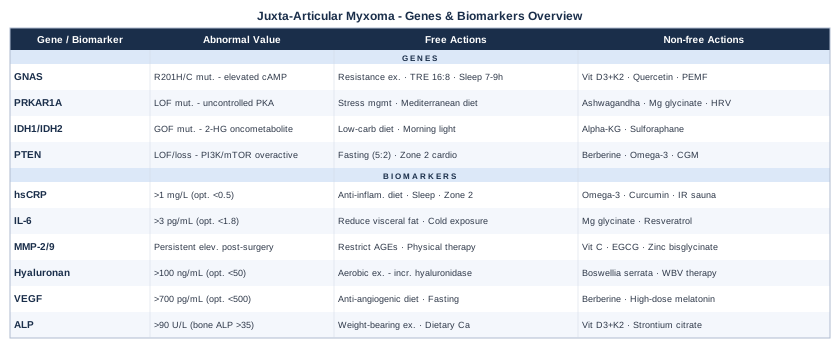
What Recent Genetics Research Suggests About Juxta-Articular Myxoma
Juxta-articular myxoma does not arise from a single, clearly identified heritable cause. In most cases it appears sporadic — occurring without an obvious family pattern. But what the research does reveal is that certain gene variants, when mutated or epigenetically silenced, create a cellular environment in which myxoid tissue formation becomes far more likely. Understanding these genes matters not only for risk stratification, but for making more informed decisions about lifestyle, monitoring intensity, and adjunctive care after surgical excision.
The framework used here draws on the work of researchers like Ali Torkamani at the Scripps Research Translational Institute, who has done extensive work on translating genetic variants into functional health implications, and practitioners like Gary Brecka, who applies this thinking in personalized physiology. Their shared approach is simple in structure: identify which genes are contributing to an unfavorable biological state, understand the downstream consequences, and find the most evidence-supported methods to mitigate those effects. That framework is applied here to the four genes most relevant to myxoma biology.
Gene 1: GNAS — The Primary Molecular Driver
What the gene does
The GNAS gene, located on chromosome 20q13, encodes the alpha-subunit of the stimulatory G protein (Gs-alpha). This protein is central to a signaling cascade that controls the production of cyclic AMP (cAMP) — a key intracellular messenger regulating cell growth, differentiation, and connective tissue metabolism.
When GNAS carries an activating mutation — the most common being R201H or R201C — Gs-alpha becomes constitutively active. It stays switched on even without a triggering signal, leading to chronically elevated cAMP. This drives abnormal fibroblast behavior, including the overproduction of hyaluronan and other myxoid matrix components that give juxta-articular myxomas their characteristic gelatinous consistency. In Mazabraud syndrome — where fibrous dysplasia of bone co-occurs with soft tissue myxomas — GNAS mutations are found in virtually all cases. These are somatic mutations (they occur in affected tissue rather than being inherited), but tumor tissue analysis can confirm their presence.
What it may affect beyond the tumor
Chronic cAMP overactivation dysregulates the downstream PKA/mTOR axis, interfering with normal cellular energy sensing and creating conditions for tissue overgrowth. This also affects bone and connective tissue metabolism more broadly — which is why GNAS-mutant myxomas often occur within a wider pattern of musculoskeletal dysregulation. If GNAS mutation is confirmed in your tumor tissue, the biological implications extend beyond the excised mass.
If the gene variant is present: the plan without supplements
Weight-bearing and resistance exercise are the highest-leverage non-supplement interventions for GNAS-related dysregulation. Mechanotransduction — the way cells sense and respond to physical force — activates pathways that partially counteract abnormal Gs-alpha signaling and promote healthier connective tissue matrix organization. A protocol of moderate-resistance exercise three to four times per week, targeting joint-adjacent muscle groups (particularly relevant if the affected joint is the knee, hip, or shoulder), supports both mechanical signaling and local anti-inflammatory tone. Surgical clearance is essential before starting.
Time-restricted eating (14:10 minimum, 16:8 preferred) has shown consistent effects on down-regulating mTOR activity — a downstream target of the cAMP-PKA axis that GNAS mutations hyperactivate. No cycling or break period is needed; this can be maintained continuously unless the individual is underweight or nutritionally depleted.
Sleep duration and consistency directly modulate cAMP-related hormonal signaling, particularly cortisol and growth hormone. Targeting seven to nine hours per night with consistent wake times reduces cortisol-driven amplification of inflammatory signals in connective tissue. This is not a generic wellness recommendation in this context — it is mechanistically relevant to the pathway GNAS mutations dysregulate.
If the gene variant is present: the plan with supplements or equipment
Vitamin D3 + K2: In Mazabraud syndrome and GNAS-related fibrous dysplasia, vitamin D optimization (targeting serum 25-OH-D between 50–70 ng/mL) has demonstrated functional relevance for bone and connective tissue metabolism. Downstream interactions with calcium and cAMP-related pathways are well-documented. Typical protocol: 4,000–6,000 IU D3 daily paired with 100–200 mcg MK-7 K2. No cycling required; monitor serum levels every six months. Hypercalcemia is the primary risk at excessive doses — do not self-dose above 10,000 IU without medical supervision.
Quercetin: 500 mg/day. Quercetin modulates cAMP signaling through phosphodiesterase interactions and has demonstrated anti-inflammatory effects relevant to fibroblast activity in cellular and small human studies. Evidence specific to myxoma does not exist; the rationale is mechanistic and extrapolated from connective tissue inflammation research. Cycle eight weeks on, two weeks off. Generally well-tolerated; may interact with some antibiotics and immunosuppressants — review with your pharmacist.
PEMF (Pulsed Electromagnetic Field) therapy: PEMF devices, several of which carry regulatory clearance for musculoskeletal applications, have demonstrated effects on cyclic AMP modulation and connective tissue remodeling in clinical studies. Particularly relevant post-surgically for promoting organized tissue repair. Protocol: 20–30 minutes per session, five days per week, applied over the affected joint area. Consumer devices (Flexpulse, Biobalance) cost $400–$900. Evidence for myxoma outcomes specifically does not exist; the mechanism is extrapolated from connective tissue and bone healing research.
Gene 2: PRKAR1A — The Carney Complex Connection
What the gene does
PRKAR1A encodes the type 1A regulatory subunit of protein kinase A (PKA). PKA is the primary downstream effector of cAMP — so while GNAS mutations flood cells with excess cAMP signal, PRKAR1A mutations affect how PKA is controlled once that signal arrives. Loss-of-function mutations in PRKAR1A lead to constitutive, unregulated PKA activity, promoting cell proliferation and, in susceptible tissues, myxoid matrix overproduction.
PRKAR1A mutations are the defining genetic event in Carney complex — an autosomal dominant syndrome that includes cardiac myxomas, cutaneous and mucosal myxomas, spotty skin pigmentation, and various endocrine abnormalities. While juxta-articular myxoma is not the primary presentation of Carney complex, soft tissue myxomas at joint-adjacent sites are documented in affected patients. Germline PRKAR1A testing is warranted when myxomas occur in younger individuals or alongside other features of the syndrome — particularly cardiac involvement, which carries its own serious risk profile.
What it may affect beyond the tumor
Dysregulated PKA activity disrupts multiple downstream signaling cascades: MAPK, Wnt pathway regulation, and mitochondrial energy function. There is also a documented interaction with cortisol metabolism — PRKAR1A dysregulation sensitizes adrenal tissue to ACTH signaling, which is why Carney complex patients frequently develop atypical Cushing syndrome variants. For patients without full Carney complex but with PRKAR1A variants, the clinically relevant concern is amplified cortisol and stress axis reactivity in affected tissue.
If the gene variant is present: the plan without supplements
Cortisol and stress management is the highest-priority non-supplement intervention for PRKAR1A-variant individuals. Because PKA dysregulation interacts directly with cortisol pathways, chronically elevated cortisol provides biological amplification of abnormal PKA signaling in affected tissue. Evidence-based daily practices include 10–20 minutes of diaphragmatic breathing or mindfulness, restriction of stimulant use (particularly caffeine after noon), and strict sleep hygiene as described in the GNAS section above. This is not general lifestyle advice — it is mechanistically specific to PRKAR1A pathway biology.
Anti-inflammatory dietary pattern: A consistent Mediterranean dietary pattern — high in olive oil, fatty fish, legumes, and polyphenol-rich vegetables — has demonstrated reductions in PKA-relevant inflammatory cytokines across multiple randomized trials. This is the most sustainable and broad-spectrum dietary intervention for connective tissue and adrenal-axis health in PRKAR1A variants.
If the gene variant is present: the plan with supplements or equipment
Ashwagandha (KSM-66 form): Cortisol-lowering effects of this adaptogen have been demonstrated in randomized controlled trials in stressed adults, with reductions ranging from 15–30% in serum cortisol over 8–12 weeks. Dose: 300–600 mg/day. Cycle eight to twelve weeks on, four weeks off. Avoid during pregnancy; may potentiate thyroid medications — check with your physician if you are on thyroid treatment.
Magnesium glycinate: Magnesium modulates PKA activity and is commonly depleted in individuals under chronic stress. 200–400 mg at night. No cycling required. Very low side effect profile; loose stools may occur at doses above 600 mg/day.
HRV biofeedback: Heart rate variability biofeedback — using devices such as the Inner Balance by HeartMath or Polar H10 with compatible apps — provides a real-time, measurable indicator of autonomic nervous system tone and cortisol regulation. Five to ten minutes of daily practice with coherence breathing (five to six breaths per minute) has shown measurable HRV improvements and cortisol reductions in human studies. Cost: $80–$200 for dedicated devices. This is one of the most practical, data-driven tools for managing the stress axis that PRKAR1A variants amplify.
Gene 3: IDH1 and IDH2 — Metabolic Reprogramming in Myxoid Tissue
What the genes do
IDH1 and IDH2 encode isocitrate dehydrogenase enzymes — essential components of the Krebs cycle and cellular energy metabolism. Gain-of-function mutations in either gene produce a neomorphic enzyme activity that generates 2-hydroxyglutarate (2-HG), an oncometabolite that inhibits alpha-ketoglutarate-dependent enzymes. This includes the TET family of enzymes that regulate DNA methylation, and histone demethylases — effectively creating a globally hypermethylated, epigenetically dysregulated cellular state.
IDH mutations have been identified in a subset of soft tissue myxoid tumors, including intramuscular myxomas, a close relative of juxta-articular myxoma. Research published in The American Journal of Surgical Pathology identified IDH1 mutations in a meaningful proportion of intramuscular myxoma cases, suggesting that the Krebs cycle–epigenetic interface is a relevant pathway in myxoid tumor biology. Evidence specific to juxta-articular myxoma remains limited and preliminary; this gene is included here because of its mechanistic relevance and the overlap between the two tumor types.
What it may affect
The 2-HG oncometabolite suppresses the differentiation of mesenchymal progenitor cells — the connective tissue precursors — locking them in a less differentiated state that favors myxoid matrix overproduction. The resulting hypermethylated epigenetic landscape can silence tumor suppressor genes and amplify proliferative signaling across the affected tissue area. IDH mutations also disrupt cellular redox balance, increasing vulnerability to oxidative stress.
If the gene variant is present: the plan without supplements
Low-carbohydrate eating or therapeutic ketosis: IDH-mutant cells demonstrate reduced metabolic flexibility and a stronger dependence on glucose as a primary fuel. Reducing carbohydrate intake (below 100g/day, or implementing therapeutic ketosis at 20–50g net carbohydrate daily) reduces the preferred metabolic substrate while supporting mitochondrial function through ketone body metabolism. A structured 12-week trial with bloodwork monitoring (glucose, ketones, inflammation markers) is a reasonable starting assessment period.
Morning light and circadian alignment: Epigenetic dysregulation from IDH mutations is amplified by disrupted circadian biology. Ten to twenty minutes of outdoor morning light within 30 minutes of waking helps reset circadian gene expression in peripheral tissues, partially offsetting the broader epigenetic dysfunction created by 2-HG accumulation. This is a zero-cost, zero-risk daily practice with meaningful mechanistic support.
If the gene variant is present: the plan with supplements or equipment
Alpha-ketoglutarate (AKG): AKG is the substrate that IDH mutations convert to 2-HG. Supplemental AKG at 1–2g/day is theorized to competitively offset 2-HG's inhibitory effects on alpha-KG-dependent epigenetic enzymes. Human data specific to IDH-mutant myxoid tumors does not exist; the rationale draws on emerging longevity research and IDH inhibitor pharmacology. This is an experimental supplement — discuss with a physician familiar with oncological biology before starting. Generally well-tolerated; avoid during pregnancy.
Sulforaphane (broccoli sprout extract): 50–100 mg/day of standardized sulforaphane. Activates the Nrf2 pathway, supports mitochondrial respiratory function, and has demonstrated epigenetic-normalizing effects through HDAC and DNMT modulation in cellular and small human studies. Cycle five days on, two days off to maintain enzymatic sensitivity. Mild gastrointestinal upset may occur; take with food.
Gene 4: PTEN — Removing the Brake on Growth Signaling
What the gene does
PTEN (Phosphatase and Tensin Homolog) is among the most critical tumor suppressor genes in human biology. It encodes a phosphatase that directly inactivates the PI3K/Akt/mTOR signaling pathway — the central cellular growth and survival cascade. In its functional state, PTEN acts as a brake on this pathway. When PTEN is lost or impaired through mutation, deletion, or epigenetic silencing, the PI3K/Akt/mTOR axis runs continuously and unchecked, driving cell proliferation and suppressing the autophagy process that normally removes abnormal cellular material.
PTEN is not the primary driver specifically identified in juxta-articular myxoma, but its relevance comes from two directions: PTEN loss is one of the most common tumor-permissive events across soft tissue neoplasms broadly, and PTEN Hamartoma Tumor Syndrome (PHTS) — caused by germline PTEN mutations — includes soft tissue changes and myxoid features. Any patient with multiple soft tissue tumors or a relevant family history should ask their physician whether germline PTEN testing is appropriate.
What it may affect
Reduced PTEN function allows Akt to remain constitutively phosphorylated, activating mTORC1 and driving protein synthesis, cell growth, and the suppression of autophagy. Loss of autophagy is particularly consequential: without this cellular cleaning process, abnormal proteins and cellular components accumulate in affected tissue, creating further conditions for dysregulated matrix production and proliferative signaling.
If the gene variant is present: the plan without supplements
Caloric restriction and periodic fasting: The most potent non-pharmacological activator of tumor suppression pathways in PTEN-deficient biology is caloric restriction, which strongly suppresses mTOR and activates AMPK — the pathway that directly counters mTORC1 hyperactivation. A 5:2 fasting protocol (two days of 500–600 kcal per week, five days of normal eating) or an annual five-day fasting-mimicking diet (developed by Valter Longo at USC) has shown in human studies measurable reductions in IGF-1, mTOR activity markers, and systemic inflammation. Periodic rather than continuous intervention is practical and sustainable.
Zone 2 aerobic exercise: Sustained moderate aerobic activity at conversational intensity (60–70% maximum heart rate), 45–60 minutes performed four to five times per week, is among the most robustly documented AMPK activators in human physiology. AMPK directly inhibits mTORC1 — the same target that PTEN loss fails to suppress. This is not optional background health advice for PTEN-variant individuals; it is a specific metabolic counterweight to the core dysfunction.
If the gene variant is present: the plan with supplements or equipment
Berberine: 500 mg two to three times daily with meals. Berberine activates AMPK through a mechanism similar to metformin and has shown improvements in insulin sensitivity and mTOR-related metabolic markers in human randomized trials. Cycle eight weeks on, two to four weeks off to avoid gastrointestinal tolerance accumulation. GI effects (bloating, loose stools) are common early; take with food. Do not combine with metformin without medical supervision.
Omega-3 fatty acids (EPA + DHA): 2–4g combined EPA and DHA per day. Omega-3s modulate PI3K/Akt signaling through changes in membrane lipid raft composition, reducing aberrant clustering of growth factor receptors upstream of PTEN's target pathway. Take with the largest meal. No cycling required; blood-thinning effects at higher doses mean caution is warranted before surgery.
Continuous glucose monitor (CGM): Since PTEN loss amplifies insulin-driven PI3K signaling, maintaining stable blood glucose directly reduces the ligand driving the overactive pathway. A CGM worn for two to four week periods (Freestyle Libre, Dexcom G7) reveals personalized glucose responses to specific meals and habits, enabling data-driven dietary decisions. Cost: $75–$150 for a two-week sensor. This is the most actionable and individualized monitoring tool available for PTEN-variant individuals without a prescription.
6 Biomarkers to Track After a Juxta-Articular Myxoma Diagnosis
The genetics section explains your starting biological conditions. Biomarkers tell you what is happening right now, in real time. For a condition where recurrence has been reported in up to 25–30% of cases in some surgical series, tracking the biological environment that supports tumor formation gives you measurable data — something concrete to bring to follow-up appointments and adjust over time. The following six markers are selected based on their direct relevance to the inflammation, matrix remodeling, and angiogenic signaling that characterize myxoid tissue biology.
1. High-Sensitivity CRP (hsCRP)
Why it matters
High-sensitivity C-reactive protein is the most accessible and actionable marker of systemic low-grade inflammation. Chronic inflammation does not cause juxta-articular myxoma the way it causes atherosclerosis — but it creates the peri-articular tissue environment in which myxoid cells are more likely to behave aberrantly and in which post-surgical recurrence risk is elevated. Chronically inflamed tissue also has higher levels of fibroblast-activating cytokines that directly stimulate the same matrix-producing cells implicated in myxoma formation.
How to measure it
Standard blood test, available through any general practitioner or via direct-to-consumer labs (LabCorp, Quest Diagnostics, Medichecks). Cost: $10–$40. Optimal target: below 0.5 mg/L. Values between 1–3 mg/L represent low-grade systemic inflammation; above 3 mg/L suggests active inflammatory drive. Measure fasting in the morning; exclude recent infections or injuries that will transiently elevate readings.
If hsCRP is elevated: the plan without supplements
The most impactful non-supplement approaches to hsCRP reduction are dietary quality and sleep correction. An anti-inflammatory dietary pattern — high in polyphenol-rich vegetables, berries, olive oil, and fatty fish, low in refined carbohydrates and industrial seed oils — has shown CRP reductions of 20–30% in randomized dietary trials over six to twelve weeks. Sleep deprivation below six hours per night reliably elevates CRP independently of other factors; correcting this alone often produces measurable reductions within four weeks. Three to four sessions per week of Zone 2 cardio is additionally anti-inflammatory through IL-6 and IL-10 regulation and should be layered on top of dietary change.
If hsCRP is elevated: the plan with supplements or equipment
Omega-3 fatty acids (EPA + DHA): 2–4g daily. The most robustly studied anti-inflammatory supplement in human trials; reduces hsCRP in meta-analyses of randomized controlled trials across multiple populations. No cycling; long-term use is safe. Monitor for bruising or blood-thinning at higher doses, especially before any surgical procedure.
Curcumin (high-bioavailability form): 500–1000 mg/day of BCM-95 or CurcuWIN formulation — standard curcumin has poor absorption and most common-form studies are confounded by this. Evidence for CRP reduction in randomized trials is strongest in inflammatory and metabolic conditions. Cycle twelve weeks on, four weeks off. Mild GI upset in some individuals; may interact with anticoagulants at high doses.
Infrared sauna: Three to four sessions of 20 minutes per week have demonstrated reductions in inflammatory markers in small randomized human trials, with effects on both CRP and IL-6. Cost: $200–$800 for home far-infrared panels; gym or wellness center access $20–$50/month. Contraindicated directly post-surgery until tissue is fully healed.
2. Interleukin-6 (IL-6)
Why it matters
IL-6 is a cytokine with a dual character: it drives acute inflammatory responses appropriately when needed, but in its chronic low-grade elevated state, it promotes a pro-tumorigenic connective tissue environment. In myxoid tissue biology specifically, IL-6 has been shown in cellular research to stimulate fibroblast-like stromal cells to produce excess hyaluronan — the primary structural component of juxta-articular myxoma matrix. Chronically elevated serum IL-6 may therefore signal a microenvironment that remains permissive to myxoid tissue overgrowth even after surgical excision.
How to measure it
IL-6 is measured via a specialized blood panel — not part of a standard metabolic or CBC panel. Request it through a functional or integrative medicine physician, or order via direct-to-consumer specialty labs. Cost: $30–$80. Optimal fasting IL-6: below 1.8 pg/mL. Values above 3 pg/mL in a fasting morning sample are clinically meaningful and warrant intervention.
If IL-6 is elevated: the plan without supplements
Body composition improvement — specifically reduction of visceral adipose tissue — produces the most sustained and significant reductions in IL-6. Visceral fat is a primary source of chronic IL-6 secretion; even modest reductions in abdominal fat (5–10% of body weight) have produced 20–40% IL-6 reductions in clinical studies. Resistance training two to three times per week combined with a caloric deficit is the evidence-supported protocol. Additionally, cold water immersion (two to four minutes at water below 15°C, three times per week) has demonstrated transient reductions in pro-inflammatory cytokines including IL-6 and upregulation of the anti-inflammatory IL-10 in human intervention studies.
If IL-6 is elevated: the plan with supplements or equipment
Magnesium glycinate: 300–400 mg/night. Magnesium directly suppresses IL-6 production at the cellular level and is commonly depleted in individuals under chronic stress. No cycling; well-tolerated long-term. Loose stools may occur at doses above 600 mg/day.
Resveratrol: 250–500 mg/day (pterostilbene-combined formulations for better bioavailability). In human trials, resveratrol has shown statistically significant reductions in IL-6 in subjects with metabolic syndrome and inflammatory conditions. Cycle eight weeks on, two weeks off. Avoid with anticoagulant medications; mild gastrointestinal effects.
3. Matrix Metalloproteinases (MMP-2 and MMP-9)
Why it matters
Matrix metalloproteinases are enzymes that degrade extracellular matrix scaffolding — the collagen and proteoglycan framework that surrounds and supports cells in connective tissue. In myxoma biology, elevated MMP activity in peri-tumoral tissue indicates active matrix remodeling and a microenvironment permissive to tissue invasion. Post-surgical elevations in MMP-2 and MMP-9 specifically reflect how well the surgical site is organizing toward stable repair versus continuing to remodel in a dysregulated manner. Persistent elevation at three and six months post-excision is the most clinically useful signal.
How to measure it
MMP-2 and MMP-9 are measured via serum ELISA panels, available through functional medicine or specialty labs — not part of standard NHS or US panel testing. Cost: $50–$120 per marker individually, or bundled at some specialty labs. Normal reference ranges vary significantly by lab; trend monitoring (comparing values at three to six month intervals) is more clinically useful than interpreting a single value in isolation.
If MMP levels are elevated: the plan without supplements
The most evidence-supported non-supplement intervention for MMP regulation is restricting advanced glycation end-products (AGEs) in the diet. AGEs — formed by high-heat cooking of proteins and fats (grilling, frying, broiling) — stimulate MMP activity through RAGE receptor signaling. Shifting toward lower-temperature cooking methods (steaming, slow-cooking, poaching) measurably reduces AGE intake and has shown downstream reductions in MMP-9 in human dietary studies. Physical therapy with structured joint loading is additionally relevant: controlled loading through post-surgical physiotherapy supports organized collagen matrix deposition rather than aberrant remodeling, and is reflected in more regulated MMP patterns.
If MMP levels are elevated: the plan with supplements or equipment
Vitamin C: 500–1000 mg/day of ascorbic acid or liposomal vitamin C. Vitamin C is essential for collagen synthesis and has demonstrated reductions in MMP activity in connective tissue by supporting organized collagen cross-linking, making the matrix more resistant to enzymatic breakdown. No cycling needed; water-soluble and self-limiting. GI discomfort occurs at doses above 2g/day in sensitive individuals.
EGCG (Green Tea Extract): 400–600 mg standardized EGCG daily. EGCG has demonstrated MMP inhibitory effects in human studies of joint and connective tissue conditions through multiple enzymatic pathways. Cycle eight weeks on, two off. Take with food; may reduce non-heme iron absorption — separate from iron-rich meals by two hours.
Zinc bisglycinate: 15–25 mg/day. Zinc is a required co-factor for MMP enzymatic function, but counterintuitively, zinc deficiency upregulates MMP expression as a compensatory mechanism. Ensuring adequate zinc status (serum zinc above 80 mcg/dL) normalizes MMP regulation more effectively than attempting to suppress it directly. No cycling needed; chronic doses above 40 mg/day deplete copper — monitor with serum copper at six months.
4. Hyaluronic Acid (Serum Hyaluronan)
Why it matters
Hyaluronic acid (hyaluronan) is the dominant structural component of juxta-articular myxoma tissue — the tumor is essentially a localized accumulation of excess hyaluronan produced by aberrantly activated fibroblasts. Serum hyaluronan levels, while not a tumor-specific marker, reflect the total body burden of hyaluronan production and can shift in response to the same upstream drivers — chronic inflammation, GNAS-mediated fibroblast activation, and IL-6 signaling — that directly fuel myxoma matrix formation. Tracking it over time post-surgery provides a surrogate signal for whether the biological conditions that created the tumor remain active.
How to measure it
Serum hyaluronic acid is measured via specialized blood test, most commonly ordered through rheumatologists or hepatologists (elevated HA is also a validated marker of hepatic fibrosis). Available through specialty and academic medical center labs. Cost: $60–$150. Reference range: typically below 50 ng/mL for adults under 60; values above 100 ng/mL suggest meaningful elevation. Measure fasting in the morning for consistency, as values show diurnal variation.
If hyaluronan levels are elevated: the plan without supplements
The primary drivers of excess hyaluronan production are chronic inflammation and fibroblast hyperactivation — both addressed systematically by the anti-inflammatory lifestyle interventions described throughout this article. There is no specific "anti-hyaluronan" dietary or lifestyle protocol; addressing the upstream drivers (IL-6, hsCRP, GNAS-mediated cAMP signaling) is the most rational approach. One specific and underappreciated intervention: regular aerobic exercise increases hyaluronidase activity — the enzyme responsible for breaking down hyaluronan — in connective tissue in a dose-dependent manner. This effect is not replicated by strength training alone; sustained aerobic activity of 30–45 minutes at moderate intensity appears most effective.
If hyaluronan levels are elevated: the plan with supplements or equipment
Boswellia serrata extract (AKBA-standardized): 300–500 mg/day. Boswellia inhibits hyaluronan synthesis indirectly through 5-LOX pathway modulation and has demonstrated effects on joint-adjacent connective tissue in randomized controlled trials for osteoarthritis, with measurable reductions in hyaluronan-related joint biomarkers. Cycle twelve weeks on, four weeks off. Well-tolerated; rare gastrointestinal upset.
Whole-body vibration (WBV) or localized vibration therapy: Vibration therapy has shown effects on hyaluronidase expression in connective tissue in small human and animal studies. Ten to fifteen minutes of WBV at 25–40 Hz, three times weekly, or localized vibration applied to the peri-articular area, may support hyaluronan clearance. Consumer WBV platforms cost $200–$700. Begin only with physician approval post-surgically; avoid directly over healing tissue.
5. Vascular Endothelial Growth Factor (VEGF)
Why it matters
Like any tissue mass above a few millimeters, juxta-articular myxomas require a blood supply to grow — and VEGF is the primary molecular signal that stimulates new blood vessel formation (angiogenesis) in surrounding tissue. Elevated serum VEGF in the post-surgical period may indicate persistent angiogenic signaling in residual peri-articular tissue, maintaining the vascular infrastructure that would support tumor regrowth. While VEGF is not currently used as a standard surveillance marker for myxomas, integrative oncology practitioners increasingly track it alongside conventional imaging in soft tissue tumor follow-up.
How to measure it
Serum VEGF is measured via blood test at functional or specialty labs; not typically on a standard metabolic panel. Cost: $50–$100. Normal serum VEGF: below 500 pg/mL in most lab reference ranges. Persistent fasting values above 700–1000 pg/mL suggest elevated angiogenic drive. Measure fasting in the morning; values are modulated by recent intense exercise and should be collected in a resting, fasting state.
If VEGF is elevated: the plan without supplements
An anti-angiogenic dietary pattern has well-documented effects on VEGF pathway modulation. Regular consumption of cruciferous vegetables (sulforaphane), green tea (EGCG), red and purple berries (ellagic acid, anthocyanins), and dark chocolate (epicatechin) has shown serum VEGF reductions in human dietary studies. The framework developed by William Li in his research on anti-angiogenic nutrition provides a practical, food-first approach here: prioritize these categories at every meal rather than relying on sporadic intake. Caloric restriction (the fasting protocols described in the PTEN section) also reduces VEGF through mTOR-mediated pathways.
If VEGF is elevated: the plan with supplements or equipment
Berberine: 500 mg two to three times daily with meals. Berberine inhibits multiple angiogenic pathways including VEGF receptor signaling through AMPK activation. The same cycling and side effect profile as noted in the PTEN section applies. This is a convergent supplement for individuals with both PTEN variants and elevated VEGF — one intervention addresses both concerns simultaneously.
High-dose melatonin: 10–20 mg at bedtime. At therapeutic rather than sleep-support doses, melatonin has demonstrated VEGF-suppressive effects in human studies of solid tumors and inflammatory angiogenesis. Discuss with a physician before using doses above 5 mg; morning grogginess is the primary side effect and is typically dose-dependent. Reassess with serum VEGF measurement at three months.
6. Alkaline Phosphatase (ALP)
Why it matters
Alkaline phosphatase is a standard component of the comprehensive metabolic panel, but in the context of juxta-articular myxoma — particularly when it occurs alongside fibrous dysplasia (Mazabraud syndrome) or where GNAS mutation is confirmed — ALP takes on additional clinical significance beyond its usual liver and bone metabolism interpretation. Bone-source ALP elevation (distinguished from liver-source through isoform testing) indicates active bone remodeling, which may reflect ongoing GNAS-driven dysregulation in the peri-articular musculoskeletal environment. In Mazabraud syndrome patients specifically, ALP trends correlate meaningfully with disease activity.
How to measure it
Total ALP is included in any standard comprehensive metabolic panel — effectively included in routine blood work. Cost: $20–$40 standalone. To distinguish bone-specific from liver-specific ALP, request bone ALP isoform testing: cost $40–$80 at specialty labs. Optimal total ALP: 40–90 U/L in adults. Bone ALP above 35 mcg/L in adults under 50 indicates significant bone remodeling activity warranting further investigation.
If ALP is elevated: the plan without supplements
Weight-bearing exercise is the most established regulator of bone ALP, reducing bone-source elevation by normalizing the osteoblast-to-osteoclast balance in remodeling bone. Three to four sessions per week of weight-bearing activity (walking, running, resistance training) is the evidence-supported minimum. Ensure dietary calcium adequacy from food sources — 1,000–1,200 mg/day from dairy, sardines, leafy greens, and fortified foods — as deficiency drives compensatory bone resorption and secondary ALP elevation. These two interventions address the most common modifiable causes of elevated bone ALP before any supplement is warranted.
If ALP is elevated: the plan with supplements or equipment
Vitamin D3 + K2: As described in the GNAS section, targeting 25-OH-D between 50–70 ng/mL directly regulates bone ALP through osteoblast activity and calcium metabolism. K2 in MK-7 form (100–200 mcg/day) directs calcium to bone rather than soft tissue — particularly relevant in the peri-articular environment of myxoma patients. Monitor every six months with serum 25-OH-D.
Strontium citrate: 340–680 mg/day. Strontium (the supplement citrate form, not the prescription ranelate) has been used in integrative practice for bone remodeling normalization, with the prescription form carrying stronger randomized trial evidence. The supplement form has limited direct trial data and remains an adjunct rather than a primary intervention. Discuss with a physician familiar with bone metabolism; avoid if taking bisphosphonates.
Inflammation, Tissue Repair, and the Huberman Lab Framework
Andrew Huberman's podcast series on the immune system, inflammation, and tissue biology — particularly the multi-episode sequence covering immune function, deliberate cold exposure, and the neurobiology of recovery — offers a coherent framework that maps well onto the biology relevant to juxta-articular myxoma management. The following ten insights distill the most actionable content from those episodes, specifically applied to connective tissue health, post-surgical recovery, and long-term inflammatory control. Several of these challenge conventional thinking about what counts as "treatment" in a condition that most physicians frame as purely surgical.
1. Morning Light Is a Master Regulator of Connective Tissue Biology
Huberman emphasizes that morning sunlight exposure (10–30 minutes within an hour of waking) sets the circadian clock in peripheral tissues, including the fibroblasts that regulate collagen and hyaluronan production in connective tissue. Circadian disruption measurably elevates the baseline inflammatory output of these cells. This is not about vitamin D — it is about the specific short-wavelength light signal that synchronizes peripheral clocks. The behavior costs nothing and takes minutes.
2. Deliberate Cold Resets Cytokine Balance
Cold water immersion or cold showers (two to four minutes at water temperature below 15°C, three to four times per week) has been shown in human studies to reduce IL-6 and TNF-alpha while upregulating the anti-inflammatory IL-10. Huberman frames this as a training signal for the immune system — not a treatment for any specific condition, but a reliable method for shifting the cytokine environment toward a less pro-inflammatory baseline. Particularly relevant for the post-surgical peri-articular tissue environment once wound healing is complete.
3. Zone 2 Cardio Is More Anti-Inflammatory Than Any Supplement
Huberman references consistent evidence that 150–200 minutes per week of conversational-pace aerobic exercise outperforms, in anti-inflammatory effect, every supplement tested in comparable human study designs. The mechanism involves IL-6 released during exercise acting as an anti-inflammatory signal (distinct from pathological chronic IL-6 elevation), while simultaneously upregulating IL-10 and reducing TNF-alpha systemically. This covers hsCRP, IL-6, VEGF, and MMP regulation simultaneously — a convergent intervention.
4. Sleep Architecture Governs Tissue Repair Quality
Growth hormone secretion peaks during slow-wave sleep, and this is when tissue repair is maximally efficient. Huberman covers how a single night of disrupted sleep measurably elevates CRP and reduces tissue repair efficiency at the cellular level. For juxta-articular myxoma patients post-surgery, sleep is not a supportive nicety — it is when the peri-articular tissue does most of its recovery work. Seven to nine hours with consistent sleep and wake times represents the evidence-supported minimum.
5. Omega-3s Work Differently Than Other Anti-Inflammatory Interventions
Huberman draws an important distinction between preventing inflammatory signaling (where lifestyle is primary) and actively resolving chronic inflammation that has already established. EPA and DHA are precursors to specialized pro-resolving mediators (SPMs) — molecules that actively turn off inflammatory cascades rather than simply blunting their input. This makes omega-3 supplementation categorically different from anti-inflammatory foods in the context of already-established tissue inflammation. Two to four grams of combined EPA and DHA daily is the therapeutic range for this mechanism.
6. Nasal Breathing Reduces Systemic Inflammatory Load
Habitual mouth breathing chronically elevates systemic inflammatory markers through nitric oxide deficiency and sympathetic nervous system hyperactivation. Huberman reviews research showing measurable elevations in CRP and IL-6 in mouth breathers compared to nasal breathers at equivalent physiological loads. Nasal breathing during exercise and using mouth tape at night (if tolerated) are accessible interventions with meaningful downstream effects on the inflammatory biology relevant to myxoma recurrence risk.
7. Sauna Activates Heat Shock Proteins in Connective Tissue
Regular sauna use (20 minutes at 80–90°C, three to four times per week) activates heat shock proteins (HSPs) — cellular chaperones that protect connective tissue proteins from misfolding and degradation, and that have demonstrated reductions in inflammatory markers in human studies. Huberman cites large Finnish cohort data showing dose-dependent reductions in all-cause mortality and inflammatory disease markers with regular sauna use. For peri-articular connective tissue specifically, HSP activation represents a meaningful tissue-protection mechanism.
8. Resistance Training Remodels Peri-Articular Tissue
Loaded resistance training creates mechanical signals that specifically regulate fibroblast behavior in joint-adjacent connective tissue. Huberman notes that the mechanical loading of tendons, ligaments, and peri-articular fascia normalizes matrix metalloproteinase activity and promotes organized collagen deposition — the opposite of the dysregulated matrix production seen in myxoid tissue. This is directly relevant to the tissue environment most affected in juxta-articular myxoma, and it is a reason why post-surgical physiotherapy should be structured and progressive rather than minimal.
9. Chronic Stress Directly Dysregulates Connective Tissue Fibroblasts
Elevated cortisol from sustained psychological stress directly stimulates fibroblast proliferation and dysregulated extracellular matrix production — the same cellular behavior implicated in myxoma development and recurrence. Huberman recommends the physiological sigh (a double inhale through the nose followed by a full extended exhale through the mouth) as the fastest-acting nervous system down-regulator, reducing cortisol-driven sympathetic tone within minutes. Practicing this for five minutes at peak stress moments provides immediate, physiologically verified autonomic regulation. For PRKAR1A-variant individuals particularly, this is a first-line daily practice.
10. Creatine Supports Tissue Energy Metabolism Beyond Muscle
Huberman discusses emerging research showing that creatine supports cellular ATP availability in connective tissue and other non-muscle tissues, and that adequate creatine status accelerates post-surgical tissue repair efficiency. Three to five grams per day of creatine monohydrate, without a loading phase, is the well-tolerated long-term protocol. Safe for most individuals; the rare GI intolerance resolves when taken with food or split into smaller daily doses.
Complementary Approaches With Meaningful Support
The following modalities are selected because they have human clinical evidence relevant to the tissue biology, pain management, or post-surgical recovery concerns that juxta-articular myxoma patients face. None of these replace surgical treatment or specialist monitoring. Each is offered as an adjunct that a well-informed patient can discuss with their care team.
Photobiomodulation (Low-Level Laser Therapy)
Low-level laser therapy (LLLT), also called photobiomodulation (PBM), uses specific wavelengths of red and near-infrared light (typically 630–850 nm) to stimulate mitochondrial activity in tissue cells — particularly in the cytochrome c oxidase enzyme complex within the mitochondrial respiratory chain. For patients recovering from juxta-articular myxoma excision, the peri-articular connective tissue undergoes significant surgical remodeling, and PBM has demonstrated specific effects on fibroblast activation, collagen synthesis rate, and post-surgical inflammation reduction in soft tissue applications. The mechanism is relevant to both the tissue healing process and the longer-term regulation of the fibroblast activity that underlies myxoid matrix formation.
A randomized controlled trial published in Lasers in Medical Science demonstrated that LLLT applied to post-surgical soft tissue wounds significantly reduced healing time and inflammatory biomarkers compared to sham treatment. For joint-adjacent soft tissue applications specifically, 830 nm wavelength, continuous wave, at 50–100 mW delivering 3–4 J/cm² per session, applied three times per week, represents a well-characterized clinical protocol. Thor Photobiomodulation and Erchonia systems are used in clinical settings; consumer-grade panels (Joovv, Mito Red) deliver similar wavelengths at lower intensity.
Post-surgical application should not begin until the wound is closed and early epithelialization has occurred — typically two to four weeks post-operatively with surgeon approval. Apply ten to fifteen minutes per session over the joint-adjacent area (not directly on a healing scar in the early phase) at three sessions per week. Consumer panels cost $300–$700. Evidence specific to myxoma outcomes does not exist; the rationale is extrapolated from post-surgical soft tissue and joint healing literature. This modality should be positioned as supportive of recovery, not as a preventive or recurrence-reduction treatment.
Mindfulness-Based Stress Reduction (MBSR)
Mindfulness-Based Stress Reduction is an eight-week structured program — originally developed by Jon Kabat-Zinn at the University of Massachusetts Medical School — integrating formal meditation, body scan practices, and mindful movement. Its relevance to juxta-articular myxoma is direct and mechanistic rather than generic: chronic psychological stress elevates cortisol, which stimulates fibroblast proliferation and drives IL-6 and IL-1β production in peri-articular tissue — the same cascade implicated in the tissue environment that supports myxoma formation and recurrence. MBSR is additionally evidence-supported for chronic pain and functional limitation in musculoskeletal conditions, making it doubly relevant for post-excision recovery.
A landmark 2003 study by Davidson and colleagues, published in Psychosomatic Medicine, demonstrated that an eight-week MBSR program produced measurable changes in brain electrical activity and immune function, including antibody response changes that reflected meaningful immune system modulation. Subsequent research, including a 2016 Cochrane review on MBSR for chronic pain, found significant improvements in pain intensity and functional capacity in musculoskeletal conditions. The standard protocol is eight weeks of 2.5-hour weekly group sessions plus 45 minutes of structured daily home practice.
MBSR courses are available online through UMass Medical School's CFM online program, and app-based approximations (Insight Timer, Waking Up) offer accessible entry points. Cost: free to $400 depending on format and provider. For individuals unable to commit to the full eight-week structure, a minimum viable dose of ten to fifteen minutes of diaphragmatic breathing or body scan meditation daily has shown statistically significant inflammatory marker reductions in shorter human intervention studies. Ideally, practice should be established before or immediately after surgical treatment, not only during acute pain — its effects compound over weeks and are most relevant when maintained continuously.
Breathing-Based Therapies
Structured breathing practices — including diaphragmatic breathing, box breathing (four-four-four-four second cycle), and slow resonant breathing at six breaths per minute — directly modulate the autonomic nervous system by increasing parasympathetic tone and reducing sympathetic activation. For juxta-articular myxoma patients, this is mechanistically relevant: sustained sympathetic activation elevates cortisol and catecholamines, which stimulate both pro-inflammatory cytokine cascades and connective tissue fibroblast hyperactivity in peri-articular tissue. Breathing-based practices are among the few interventions that produce immediate, measurable physiological effects without cost, prescription, or physical exertion.
A 2017 systematic review by Zaccaro and colleagues, published in Frontiers in Human Neuroscience, examined the physiological effects of slow breathing techniques across multiple populations, finding consistent reductions in cortisol, meaningful improvements in heart rate variability (HRV), and downstream reductions in inflammatory markers. Resonant coherence breathing at six breaths per minute (a five-second inhale followed by a five-second exhale) for twenty minutes daily produced the most consistent HRV improvements across the reviewed randomized trials, with IL-6 reductions seen in chronic stress populations over four to eight weeks.
The simplest starting protocol requires no equipment: five-second nasal inhale, five-second exhale through the nose or slightly parted lips, repeated continuously for ten to twenty minutes. Free apps such as Insight Timer or the Coherence app provide audio guidance at the correct cadence. In the post-surgical context, breathing practices can begin immediately — even in the hospital setting — as they require no physical exertion and actively support the parasympathetic recovery physiology that accelerates tissue repair. For individuals with confirmed PRKAR1A variants, where cortisol management is mechanistically critical, this becomes a non-optional daily practice rather than an optional lifestyle complement. Lightheadedness during initial sessions resolves by reducing breath depth; hyperventilation risk is minimal with the slow-pace protocol described above.
Conclusion
Juxta-articular myxoma sits at an unusual intersection in medicine — rare enough that standardized prevention protocols are sparse, benign enough that intensive surveillance often feels disproportionate to patients, yet persistent enough in some cases that recurrence remains a real concern worth taking seriously. The information in this article does not replace surgical care or specialist follow-up. What it offers is a more specific and useful layer of understanding: which genes may be shaping your underlying risk, which biomarkers can monitor the biological environment relevant to this condition, and which evidence-supported interventions — lifestyle, nutritional, and complementary — are worth considering alongside standard care.
The most useful next step is not to implement everything at once. Start with what is most accessible and measurable: add hsCRP and IL-6 to your next routine blood draw. If your clinical picture includes features of Mazabraud syndrome, Carney complex, or multiple soft tissue tumors, ask your physician specifically about targeted genetic testing for GNAS and PRKAR1A. If you are post-surgical, prioritize sleep quality, anti-inflammatory nutrition, and structured physiotherapy above any supplement. And if any section of this article raised a specific question, bring that question — with the gene name, biomarker, or study reference — to a specialist who can place it in the context of your full clinical picture. Better information is not a guarantee of better outcomes. But it is almost always the first step toward them.
Musculoskeletal: Bone Conditions Joint Conditions
Autoimmune: Inflammatory Conditions Connective Tissue Conditions