This article contains AI generated content.
· UpdatedKawasaki Disease Genes And Biomarkers — 5 Genes And 7 Biomarkers To Track
Introduction
When a child receives a Kawasaki disease diagnosis, the immediate response is almost entirely clinical — intravenous immunoglobulin, aspirin, fever control, echocardiogram. That urgency is completely appropriate. But once the acute phase passes, many families are left with a vague instruction to "monitor the heart" and return for follow-ups, without a clear sense of what specific signals to watch for, or why some children develop coronary artery complications while others recover without lasting damage.
These differences are not random. They reflect measurable biological signals — in the blood, in the immune system, and in the genome — that, when tracked with some precision, offer a much clearer picture of risk and recovery. Generic advice based on population averages rarely accounts for the individual child's inflammatory state, cardiac stress markers, or underlying genetic tendencies that shape how this disease unfolds.
This article goes deeper. It covers the seven biomarkers most worth tracking across the disease course, including the ones that predict cardiac involvement before symptoms become obvious. It then looks at five genetic variants that influence susceptibility, coronary aneurysm risk, and how well IVIG treatment works. Finally, it draws from a highly relevant book on genetic variants and practical compensatory protocols, and closes with four complementary approaches that have actual clinical evidence in inflammatory and autoimmune conditions.
Better information does not replace medical care — it augments it. Knowing which numbers matter, what they reveal, and what can improve them transforms the follow-up period from passive waiting into informed, structured monitoring. That shift in perspective is what this article is built around.
Summary
This article gives you 7 actionable biomarkers — CRP, ESR, NT-proBNP, ferritin, platelet count, NLR, and ALT — with specific reference ranges, measurement costs, and concrete plans for when each is out of range (with and without supplements). Then it examines 5 key genes: FCGR2A, ITPKC, BLK, CD40, and HLA variants — explaining what each one does to the immune response, why it matters for Kawasaki disease outcomes, and what lifestyle or nutritional protocols can compensate for unfavorable variants. After that, Dirty Genes by Ben Lynch delivers ten paradigm-shifting insights about how gene variants respond to environment — directly applicable to the immune variants described here. The article closes with four evidence-backed complementary strategies, including Sarah Ballantyne's Autoimmune Protocol, microbiome-directed therapies, breathing-based vagal activation, and music therapy for pediatric recovery. Each section is designed to make your next conversation with the treating team more specific, more useful, and more likely to lead somewhere.
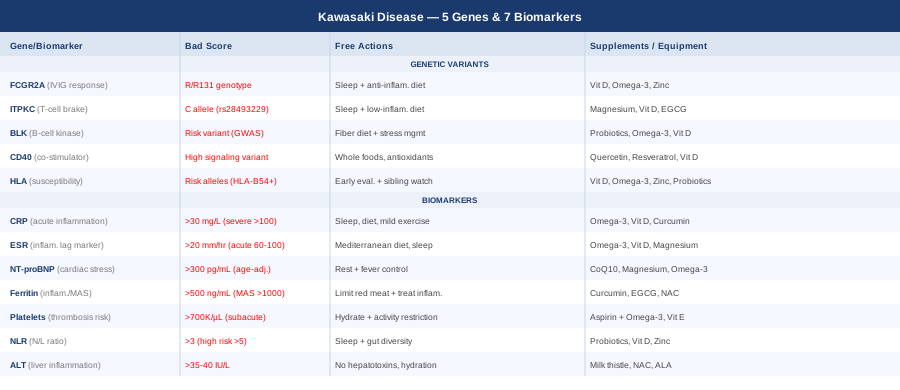
7 Biomarkers Worth Tracking in Kawasaki Disease
Kawasaki disease is not a single moment — it is an evolving inflammatory process that leaves distinct biological fingerprints at every stage. During the acute febrile phase, certain markers spike dramatically. During the subacute phase (weeks two through four), different ones shift in ways that predict coronary artery risk. And during long-term follow-up, a handful of quiet sentinels signal whether lingering inflammation or cardiovascular strain remains. The seven biomarkers below represent the most informative and actionable panel across all three stages — combining well-established clinical markers with a few that specialist centers use and most outpatient follow-up visits miss entirely.
1. C-Reactive Protein (CRP)
Why it matters: CRP is the most sensitive acute-phase protein in the body and rises sharply during the acute febrile phase of Kawasaki disease, directly reflecting the intensity of systemic vascular inflammation. Its value doesn't stop at diagnosis. Persistently elevated CRP after IVIG treatment is one of the clearest early indicators of treatment resistance — meaning fever and inflammation continue despite initial therapy — which correlates strongly with increased risk of coronary artery aneurysm formation. CRP normalization is therefore a key checkpoint in confirming adequate treatment response.
How to measure it: Standard CRP or high-sensitivity CRP (hsCRP) is available through any hospital or outpatient laboratory. Standard CRP costs roughly $10–$50 USD depending on insurance; high-sensitivity CRP runs $20–$75 and is preferable for follow-up monitoring once the acute phase has resolved, as it detects smaller fluctuations more precisely. In active Kawasaki disease, CRP typically exceeds 30 mg/L; values above 100 mg/L indicate severe systemic inflammation. During recovery, the target is complete normalization below 3 mg/L for hsCRP.
If the score is bad — the plan without supplements: The first priority remains medical — ensuring IVIG was administered and absorbed correctly. Beyond that, anti-inflammatory dietary shifts reduce background inflammatory load meaningfully: emphasizing omega-3-rich oily fish (salmon, sardines, mackerel), abundant colorful vegetables, and olive oil while eliminating ultra-processed foods, refined sugars, and seed oils. Adequate sleep is among the most powerful non-pharmacological CRP modulators — children under five require ten to twelve hours nightly, and sleep deprivation reliably elevates CRP. In older children and adolescents cleared for gentle movement by the cardiologist, low-intensity activity (walking, swimming) reduces systemic CRP over weeks without stressing the recovering cardiovascular system.
If the score is bad — the plan with supplements or equipment: Omega-3 fatty acids (DHA and EPA combined) have the strongest evidence base for reducing CRP in children. A pediatric omega-3 supplement providing 500–1000 mg DHA/EPA daily, used under physician guidance for three to six months with periodic reassessment, is a well-tolerated and evidence-supported adjunct. Vitamin D deficiency is found consistently in children with Kawasaki disease and correlates with inflammatory severity — correcting deficiency to a serum 25-OH vitamin D level above 40 ng/mL supports CRP normalization. Curcumin has early evidence in pediatric inflammatory conditions but requires conservative dosing and must be discussed with the treating physician before use in children.
2. Erythrocyte Sedimentation Rate (ESR)
Why it matters: ESR measures how quickly red blood cells settle in a test tube — a proxy for the concentration of inflammatory proteins in the blood. It rises alongside CRP during the acute Kawasaki phase but lags behind during recovery, sometimes remaining mildly elevated for four to six weeks after CRP normalizes. This lag makes ESR a useful confirmatory marker rather than a lead indicator: when CRP falls but ESR remains elevated, it prompts a closer look at whether inflammation has truly resolved or simply quieted temporarily.
How to measure it: ESR is included in most standard inflammatory panels and costs approximately $5–$30 USD. It is less specific than CRP — many conditions elevate it, from simple infection to anemia — so it should always be interpreted alongside CRP rather than in isolation. Normal values in children are typically below 20 mm/hr; acute Kawasaki disease commonly produces values of 60–100 mm/hr. A normal ESR alongside a normal CRP, sustained over two consecutive measurements, provides stronger reassurance of resolved inflammation than either marker alone.
If the score is bad — the plan without supplements: ESR trends respond to the same anti-inflammatory lifestyle foundations as CRP: dietary quality, sleep optimization, and gentle movement as tolerated. One important nuance — ESR can remain mildly elevated for weeks even after inflammation genuinely resolves, simply due to its slower kinetics. This means a mildly elevated ESR in a clinically improving child with normal CRP should not automatically trigger alarm, but should be rechecked within two to four weeks.
If the score is bad — the plan with supplements or equipment: A Mediterranean-style dietary pattern — rich in polyphenols, oleic acid, and diverse fibers — has documented ESR-reducing effects over months in pediatric inflammatory conditions. This is worth sustaining as a long-term dietary framework, not just an acute intervention. Omega-3 and vitamin D protocols described for CRP apply equally here. Magnesium glycinate (2–3 mg/kg/day) supports systemic inflammatory regulation and is well-tolerated in children from school age upward.
3. NT-proBNP (N-Terminal Pro-Brain Natriuretic Peptide)
Why it matters: NT-proBNP is one of the most underutilized biomarkers in outpatient Kawasaki disease follow-up outside of specialist centers, and arguably the one with the highest cardiac impact. It is released by heart muscle cells under mechanical stress — specifically when the myocardium is strained by inflammation, elevated filling pressures, or compromised coronary blood flow. In Kawasaki disease, elevated NT-proBNP correlates with active myocarditis (inflammation of the heart muscle itself), pericardial effusion, and developing coronary artery abnormalities. Because it reflects cardiac strain before an echocardiogram may show obvious abnormality, it functions as an early-warning signal for the cardiovascular complications that define the worst outcomes of this disease.
The 2017 AHA scientific statement (McCrindle et al., Circulation 2017) underscores the importance of cardiac monitoring biomarkers in comprehensive Kawasaki disease management, and NT-proBNP is increasingly incorporated into specialist protocols for this reason.
How to measure it: NT-proBNP is measured via a standard blood draw and costs approximately $30–$100 USD in outpatient settings. It is more commonly ordered in hospital or pediatric cardiology settings than in primary care, which is partly why families miss it. Normal values in children vary by age, but broadly, values below 125 pg/mL are reassuring in older children. Elevated values of 300–500 pg/mL or higher (adjusted for age) should prompt urgent echocardiographic evaluation to assess for myocarditis or coronary involvement.
If the score is bad — the plan without supplements: An elevated NT-proBNP in any child with a Kawasaki disease history warrants immediate escalation to the pediatric cardiologist — this is not a marker to wait and see on. Non-pharmacological strategies center on reducing cardiac workload: strict physical rest during the acute and early subacute phases, fever management (which directly reduces cardiac metabolic demand), adequate hydration, and consistent sleep. The AHA recommends activity restrictions for several weeks following diagnosis; an elevated NT-proBNP supports adhering to those restrictions carefully rather than relaxing them prematurely.
If the score is bad — the plan with supplements or equipment: CoQ10 supports mitochondrial energy production in cardiac muscle cells and has been used as adjunctive support in several pediatric cardiac conditions. Typical pediatric dosing is 2–4 mg/kg/day in divided doses, but this must be discussed with and cleared by the cardiologist, as it is not part of standard Kawasaki treatment protocols. Magnesium glycinate supports cardiac electrical stability and ventricular relaxation — it is generally well tolerated and addresses a deficiency that amplifies cardiac inflammatory stress. Omega-3 DHA/EPA at 500–1000 mg daily has documented anti-inflammatory effects on cardiac tissue specifically. These are long-term recovery supports — none replace timely medical management of an elevated NT-proBNP.
4. Ferritin
Why it matters: Ferritin is simultaneously an iron storage protein and a major acute-phase reactant — it rises substantially during any significant inflammatory response. In Kawasaki disease, mildly elevated ferritin is expected as part of the acute-phase reaction. But dramatically elevated ferritin — hyperferritinemia — is a warning sign of a more severe variant known as macrophage activation syndrome (MAS), sometimes called incomplete Kawasaki-MAS overlap. Children with extreme ferritin elevation alongside Kawasaki features have higher rates of IVIG resistance, prolonged fever, and coronary complications. Ferritin therefore serves both as a general inflammatory severity marker and as a discriminating signal for this dangerous overlap syndrome.
How to measure it: Ferritin is part of a standard iron panel, widely available, and costs approximately $10–$50 USD. In uncomplicated Kawasaki disease, ferritin is typically elevated in the range of 150–500 ng/mL. In MAS overlap presentations, ferritin can exceed 1000, 5000, or even 10,000 ng/mL — a level that requires immediate specialist evaluation and a different treatment approach. Serial ferritin measurements over the course of treatment help confirm that the inflammatory process is resolving rather than escalating.
If the score is bad — the plan without supplements: Elevated ferritin in the Kawasaki context reflects inflammatory production, not iron overload — so iron restriction is only relevant if there is a concurrent iron overload condition (verified by transferrin saturation and serum iron levels). The primary approach is addressing underlying inflammation through IVIG and aspirin therapy. Anti-inflammatory dietary changes, sleep optimization, and avoidance of excess dietary iron (limiting red meat, iron-fortified foods) prevent further ferritin accumulation from dietary sources while the immune response is active.
If the score is bad — the plan with supplements or equipment: Curcumin has early evidence for reducing inflammatory ferritin elevation by suppressing the IL-6 and TNF-α signaling that drives acute-phase ferritin production. Green tea extract (EGCG) has mild iron-chelating properties and anti-inflammatory effects — in older children and adolescents during the recovery phase, low-dose EGCG may support ferritin normalization, but pediatric dosing requires medical supervision. N-acetylcysteine (NAC) supports glutathione synthesis and targets the oxidative component of the inflammatory ferritin response. These are all recovery-phase adjuncts, not treatments for active macrophage activation.
5. Platelet Count
Why it matters: Thrombocytosis — a dramatically elevated platelet count — is one of the defining features of the subacute phase of Kawasaki disease, typically emerging between weeks two and four of illness. Platelet counts can rise to 700,000–1,000,000 per microliter (well above the normal range of 150,000–400,000), and this thrombocytosis significantly elevates the risk of arterial clot formation. In children who have already developed coronary artery aneurysms, high platelet counts create the direct mechanism for coronary thrombosis — which can cause a heart attack in a young child. Monitoring platelet trends is therefore central to timing and adjusting antiplatelet therapy decisions.
How to measure it: Platelet count is part of a complete blood count (CBC), the most affordable and universally available blood test — typically $10–$40 USD. In the Kawasaki disease context, CBC should be measured at diagnosis, immediately after IVIG treatment, and then weekly or biweekly until platelet counts normalize and inflammatory markers resolve. The peak thrombocytosis typically occurs around day 18–20 of illness; by six to eight weeks, most children with uncomplicated Kawasaki disease return to normal platelet counts.
If the score is bad — the plan without supplements: Low-dose aspirin therapy is the established standard of care during the thrombocytosis phase, specifically targeting the platelet aggregation risk in children with coronary involvement. Physical activity restriction during the period of significant thrombocytosis (counts above 600,000–700,000 per microliter) reduces thrombotic risk. Adequate hydration prevents hemoconcentration, which amplifies platelet aggregation tendency. Fever itself increases platelet reactivity — fever management therefore directly supports antiplatelet goals.
If the score is bad — the plan with supplements or equipment: Omega-3 fatty acids (DHA/EPA at 500–1000 mg daily in children) have well-documented antiplatelet properties and complement low-dose aspirin therapy. This combination, approved by the cardiologist, may provide additional protection during the peak thrombocytosis window. Vitamin E at low dietary doses has mild antiplatelet effects. These are adjuncts — aspirin remains the pharmacological cornerstone during active thrombocytosis, and no supplement should be used to substitute for it during this high-risk window.
6. Neutrophil-to-Lymphocyte Ratio (NLR)
Why it matters: The NLR is calculated directly from the CBC — absolute neutrophil count divided by absolute lymphocyte count. Its value lies in capturing the functional balance between innate inflammatory immunity (driven by neutrophils) and adaptive immunity (driven by lymphocytes). In Kawasaki disease, a high NLR before treatment reflects a predominantly neutrophil-driven inflammatory state, which multiple studies associate with IVIG resistance and more severe coronary outcomes. It has emerged as a useful prognostic triage tool: children with very high NLR at diagnosis are more likely to need second-line treatment.
How to measure it: Since NLR is derived mathematically from an already-ordered CBC, there is no additional cost — simply divide the absolute neutrophil count by the absolute lymphocyte count on any CBC result. Normal NLR in children is typically below 3.0. Values above 4–5 in the context of acute febrile illness warrant clinical attention; values above 5–6 in the Kawasaki disease setting have been associated with IVIG resistance in published pediatric studies. Tracking NLR trend alongside CRP adds predictive value without adding cost.
If the score is bad — the plan without supplements: A high NLR reflects a shift toward excessive innate immune activation. Reducing this requires both anti-inflammatory dietary and lifestyle support. Adequate sleep is critical — sleep deprivation specifically amplifies neutrophil mobilization and suppresses lymphocyte activity, worsening NLR. Gut microbiome health is directly relevant: fiber-rich dietary diversity supporting intestinal microbiota reduces the inflammatory signaling that drives excessive neutrophil dominance. Stress reduction in the household (cortisol directly suppresses lymphocyte activity, worsening NLR from both directions) is a meaningful lever families can control.
If the score is bad — the plan with supplements or equipment: Clinically validated probiotics — particularly Lactobacillus rhamnosus GG and Bifidobacterium longum — support a more balanced innate-to-adaptive immune ratio by modulating the cytokine environment at the gut-immune interface. Vitamin D has consistent evidence for improving NLR by reducing neutrophil excess and supporting lymphocyte function — making vitamin D deficiency correction a high-priority intervention here. Zinc supports lymphocyte signaling specifically, and deficiency is well documented in children with acute inflammatory illness.
7. ALT (Alanine Aminotransferase)
Why it matters: Liver involvement in Kawasaki disease is more common than many parents are told: studies suggest approximately 40–50% of children show elevated ALT during the acute phase. This is not a primary liver disease — it reflects direct hepatic inflammation driven by the same cytokine storm (particularly IL-1, IL-6, and TNF-α) that drives vascular inflammation everywhere else. Monitoring ALT matters for two reasons: it identifies hepatic involvement that may influence medication choices (some drugs are more hepatotoxic), and sustained ALT elevation post-treatment flags ongoing systemic inflammation that has not fully resolved.
How to measure it: ALT is part of a basic metabolic panel or liver function panel, costing approximately $15–$60 USD. Normal ALT in children is typically below 35–40 IU/L, though reference ranges vary by age and laboratory. In acute Kawasaki disease, ALT values of 50–150 IU/L are common; values above 200 IU/L indicate more significant hepatic inflammation and should prompt hepatology input. Serial ALT measurements during and after treatment confirm hepatic recovery alongside systemic resolution.
If the score is bad — the plan without supplements: Avoiding hepatotoxic medications wherever clinically possible during active hepatic inflammation reduces additional hepatocyte stress. A liver-supportive dietary pattern — low in ultra-processed foods, added sugars, refined carbohydrates, and saturated fat — reduces the metabolic burden on already-inflamed liver tissue. Adequate hydration supports hepatic clearance of inflammatory byproducts. Alcohol and any supplements that stress hepatic detoxification pathways should be completely avoided.
If the score is bad — the plan with supplements or equipment: Milk thistle (standardized silymarin extract) has solid human evidence for hepatocyte protection and supports liver recovery in inflammatory conditions. Pediatric dosing is approximately 5–10 mg/kg/day of standardized silymarin — always with physician guidance and not during active treatment phases where it may interact with medications. NAC (N-acetylcysteine) is a glutathione precursor with documented hepatoprotective properties in children — it is actually used medically in some pediatric settings for liver support. Alpha-lipoic acid at low doses supports hepatic antioxidant capacity. These are recovery-phase supports, most useful in the months following acute treatment as liver enzymes are tracked back to normal range.
The Genetic Underpinning of Kawasaki Disease
Understanding biomarkers gives a precise window into what is happening biologically right now. But behind those fluctuating numbers are genetic variants that shape how intensely the immune system responds, how effectively IVIG works, and how likely coronary complications are to develop. This is not a deterministic picture — gene variants create tendencies, not certainties — but knowing which variants are present provides a sharper lens for interpreting clinical decisions, especially around treatment escalation and long-term cardiac monitoring intensity.
FCGR2A (rs1801274) — The IVIG Response Gene
FCGR2A encodes the Fc gamma receptor IIA, expressed on macrophages, neutrophils, and natural killer cells, which binds the constant region of IgG antibodies. Since IVIG works partly by saturating Fc receptors and modulating immune cell activation, variants in FCGR2A directly influence how well standard IVIG dosing produces the intended immunomodulatory effect.
The rs1801274 variant creates two alleles — H131 (histidine) and R131 (arginine). Children with the H/H131 genotype bind IgG2 with higher affinity and tend to respond more reliably to standard IVIG dosing. Those with the R/R131 genotype may be at significantly higher risk of IVIG resistance and may benefit from earlier consideration of second-line therapies such as corticosteroids or infliximab. This is primarily a treatment-planning insight, and it should be shared with the treating team if genetic testing is obtained.
If the gene variant is unfavorable — without supplements: This variant's implications are primarily clinical — it informs treatment intensity decisions rather than lifestyle choices. Optimizing the broader immune environment (sleep, anti-inflammatory diet, gut health) reduces overall inflammatory load, potentially improving treatment responsiveness even in genetically disadvantaged children. Families with the R/R131 genotype should be particularly vigilant about treatment response monitoring — specifically CRP and fever trends at 36–48 hours post-IVIG.
If the gene variant is unfavorable — with supplements or equipment: No supplement directly corrects FCGR2A function. However, vitamin D is known to influence Fc receptor expression and signaling efficiency — deficiency correction is particularly important in children with the R131 allele. Omega-3 DHA modulates macrophage receptor signaling. Zinc supports immune cell surface receptor function broadly. These systemic immune-optimization strategies reduce the background inflammatory burden that makes IVIG resistance more likely to be clinically significant.
ITPKC (rs28493229) — The T-Cell Activation Brake
ITPKC encodes inositol-trisphosphate 3-kinase C, an enzyme that functions as a negative regulator of T-cell activation through the calcium/NFAT signaling pathway. In healthy immune function, this enzyme acts as a brake — dampening T-cell activation after initial stimulation. The C allele of rs28493229 reduces ITPKC enzymatic activity, weakening this brake. T cells activate more easily and more intensely in response to infectious or inflammatory triggers. This is why the C allele is associated with both higher Kawasaki disease susceptibility (particularly in East Asian populations) and greater risk of coronary artery aneurysm formation in affected children.
The landmark Onouchi et al. 2008 study published in Nature Genetics identified this variant and the mechanism, and the finding has been replicated in multiple independent cohorts since. It is among the best-characterized genetic findings in Kawasaki disease.
If the gene variant is unfavorable — without supplements: An overactive T-cell response calls for a consistently immune-regulating lifestyle strategy. Sleep is the most important single variable — T-cell regulation is heavily dependent on sleep architecture, particularly slow-wave sleep, during which cytokine homeostasis is recalibrated. Low-inflammatory dietary patterns reduce the magnitude of immune activation triggered by the ITPKC variant. Avoiding early repeated immune challenges — tobacco smoke exposure, chronic psychological stress, highly processed diets — reduces how often the weakened brake is even called upon.
If the gene variant is unfavorable — with supplements or equipment: Magnesium is a key regulator of the calcium signaling pathway that ITPKC modulates. Children with suboptimal magnesium status have amplified calcium-NFAT signaling, making the ITPKC variant's effect worse. Correcting magnesium to adequate levels — magnesium glycinate at 2–3 mg/kg/day — is a low-risk, physiologically targeted strategy. Vitamin D directly influences NFAT pathway regulation through VDR (vitamin D receptor) signaling. Green tea extract (EGCG) has early evidence for modulating T-cell activation via calcium signaling in the relevant pathway — pediatric dosing requires medical supervision, but it is worth raising with an integrative-minded physician.
BLK — B Lymphocyte Kinase
BLK encodes a Src family kinase expressed primarily in B lymphocytes that regulates B cell receptor signaling, B cell maturation, and antibody production thresholds. Variants in BLK have been identified in genome-wide association studies as susceptibility factors for Kawasaki disease, particularly in non-Japanese populations. The precise mechanism is still under active investigation, but it likely involves dysregulated B cell activation contributing to the autoantibody-driven vascular wall inflammation that characterizes this condition.
If the gene variant is unfavorable — without supplements: B cell regulation is strongly shaped by gut microbiome composition — the intestinal immune environment provides the tolerance signals that set appropriate B cell activation thresholds. A diet high in diverse fibers (15–20 different plant foods per week), fermented foods, and low in pro-inflammatory triggers is the most actionable non-supplement strategy for keeping B cell activation in check. Reducing psychological stress matters here too — HPA axis dysregulation disrupts B cell homeostasis through glucocorticoid receptor-mediated immune suppression that paradoxically increases autoantibody production over time.
If the gene variant is unfavorable — with supplements or equipment: Probiotics — particularly Lactobacillus and Bifidobacterium strains — have documented effects on B cell regulatory function through the intestinal immune interface. Omega-3 DHA modulates B cell receptor signaling and has anti-autoantibody evidence in several inflammatory conditions. Vitamin D receptor activation directly suppresses aberrant B cell differentiation. This combination — probiotic, omega-3, and vitamin D — represents the most evidence-supported protocol for addressing BLK variant-related immune dysregulation.
CD40 — The Immune Activation Co-Switch
CD40 is a co-stimulatory receptor on B cells, dendritic cells, and endothelial cells that, when activated by its ligand CD40L (CD154), triggers downstream inflammatory cascades critical for both adaptive immune activation and vascular inflammation. CD40L is significantly elevated in the serum of children with acute Kawasaki disease, and the CD40/CD40L axis has been directly implicated in coronary artery wall damage. Variants in the CD40 gene that increase signaling efficiency have been identified as susceptibility factors through genome-wide association studies.
If the gene variant is unfavorable — without supplements: CD40 pathway signaling is substantially amplified by oxidative stress, high-glucose environments, and chronic low-grade inflammation. An antioxidant-rich dietary pattern — deeply colored fruits and vegetables, olive oil, green tea — directly reduces the oxidative triggers that hyperactivate this pathway. Elimination of ultra-processed food and refined sugar is the single most actionable dietary change for CD40 variant carriers, as these foods drive the most consistently CD40-activating oxidative and inflammatory signals.
If the gene variant is unfavorable — with supplements or equipment: Quercetin (found abundantly in onions, apples, and capers) has early evidence for modulating CD40/CD40L signaling and is generally well-tolerated as a dietary supplement in older children and adolescents. Resveratrol has some evidence for downregulating CD40L expression, though pediatric human data are limited — this is more relevant for adolescent patients. Vitamin D and omega-3 remain the most evidence-supported systemic modulators of CD40 pathway hyperactivation across all age groups and represent the safest starting point.
HLA Variants — The Ethnic Susceptibility Layer
Human leukocyte antigen (HLA) genes encode the proteins responsible for presenting antigens to T cells — the mechanism by which the immune system distinguishes self from non-self. The distribution of HLA alleles differs substantially between ethnic groups, which accounts in part for why Kawasaki disease is ten to thirty times more prevalent in children of East Asian descent than European descent. HLA-B54 and other specific alleles have been associated with susceptibility in Japanese populations, while different HLA patterns emerge in other ethnic cohorts. These variants influence immune response magnitude and antigen recognition specificity.
If the gene variant is unfavorable — without supplements: HLA alleles are non-modifiable. Their value lies in clinical awareness — for families with HLA risk alleles, a lower threshold for Kawasaki disease evaluation during any prolonged febrile illness in a child is warranted. Siblings of a child who has had Kawasaki disease have a higher recurrence risk than the general population; knowing the HLA risk profile supports earlier evaluation rather than watching and waiting.
If the gene variant is unfavorable — with supplements or equipment: HLA-mediated immune responses are substantially modulated by the overall immune environment. Vitamin D, omega-3, zinc, and microbiome support protocols — described throughout this section — reduce the inflammatory amplification that HLA risk alleles enable. The gene cannot be changed, but the conditions under which it operates can be meaningfully improved through consistent lifestyle and targeted nutritional support.
Dirty Genes: Ten Insights That Change How You Think About Immune Gene Variants
Dirty Genes by Ben Lynch, ND, takes a systems biology approach to genetic variants and their practical implications. Lynch's framework — that gene variants create tendencies, not fates, and that lifestyle compensates — applies directly to the Kawasaki disease genetic landscape described above. His book references over 200 studies and is among the most practical books written for people trying to understand what their genes actually mean in day-to-day terms.
1. A "Dirty" Gene Is Not a Broken Gene
Lynch's foundational distinction is between a gene variant (which creates a statistical tendency) and a broken gene (which doesn't exist in this sense). ITPKC with the C allele doesn't cause Kawasaki disease — it lowers the activation threshold of T cells, which becomes clinically significant only when the right environmental trigger appears. The gene is a probability shifter, not a sentence.
2. Every Variant Has a Clean-Up Strategy
The book's organizing principle is that for each unfavorable gene variant, there is a targeted environmental response. Lynch documents protocols for immune-relevant genes that involve specific nutrient corrections, sleep optimization, dietary changes, and stress reduction — the same categories that emerge repeatedly in this article's genetic section.
3. NRF2 Activation Is the Master Anti-Inflammatory Switch
Lynch dedicates significant coverage to the NRF2 pathway, which is activated by sulforaphane (from cruciferous vegetables like broccoli sprouts), curcumin, and resveratrol. NRF2 upregulates hundreds of antioxidant and anti-inflammatory genes simultaneously — making cruciferous vegetable consumption particularly impactful for children carrying CD40, ITPKC, or BLK risk variants.
4. Methylation Silences Inflammatory Gene Expression
Proper DNA methylation — controlled by folate, B12, and B6 — determines whether inflammatory gene variants are expressed at full intensity or partially silenced. Lynch explains how MTHFR variants (extremely common across all ethnic groups) can impair methylation and indirectly amplify the inflammatory potential of Kawasaki-susceptibility genes. A comprehensive methylation nutrient protocol is a foundational step in the recovery and prevention context.
5. The Gut Shapes Gene Expression Directly
Lynch describes the gut-epigenome connection in detail: short-chain fatty acids produced by microbiome fermentation of dietary fiber directly influence histone acetylation and methylation patterns, altering which immune genes are expressed. For Kawasaki disease families, this means gut health is not a peripheral consideration — it sits upstream of gene expression itself.
6. Sleep Is the Most Potent Gene "Cleaner" Available
Lynch returns to sleep throughout the book as the single most powerful and non-negotiable intervention. During deep sleep, DNA repair enzymes are most active, inflammatory gene transcription is suppressed, and immune memory consolidation occurs. For children recovering from Kawasaki disease, sleep architecture optimization — consistent bedtime, dark room, no screens for one hour before sleep — is the highest-leverage non-pharmacological intervention available.
7. Oxidative Stress Switches On Latent Genetic Risk
A key insight Lynch articulates is that many gene variants only become clinically significant in the context of elevated oxidative stress. The CD40 and ITPKC variants described in this article are examples — their effects are amplified substantially in high-oxidative-stress environments. Reducing oxidative burden through antioxidant nutrition, avoiding tobacco smoke, minimizing processed food, and ensuring adequate sleep keeps latent variants from expressing at full intensity.
8. Test, Don't Guess — Targeted Micronutrient Correction Works Better
Lynch warns explicitly against broad-spectrum supplementation without testing. He recommends measuring specific micronutrient levels — vitamin D, magnesium, zinc, B12, folate, ferritin — and correcting deficiencies precisely. For parents of children with Kawasaki disease, requesting a comprehensive micronutrient panel as part of follow-up provides a targeted roadmap rather than a guess-and-supplement approach.
9. Environmental Toxins Amplify Every Genetic Risk
Lynch discusses how heavy metal exposure, pesticide residues, and air pollution upregulate the same inflammatory pathways that susceptibility genes exploit. Filtered water, organic food choices where feasible, and minimizing indoor air pollutant exposure are particularly relevant for children — whose detoxification capacity and blood-brain barrier are still developing, making them more vulnerable to toxin-driven gene expression amplification.
10. The Body Has Enormous Compensatory Capacity — But Not Infinite
Lynch's closing argument — and perhaps his most useful message for Kawasaki disease families — is that the body continuously compensates for genetic disadvantages through epigenetic mechanisms. But that compensatory capacity depends entirely on the quality of the environment it operates in. The interventions throughout this article collectively create the conditions under which genetic risk translates as little as possible into biological harm.
What Else Can Help: Complementary Approaches With Clinical Evidence
Kawasaki disease sits at the intersection of infectious triggers, immune dysregulation, and vascular inflammation. Direct randomized trials for complementary approaches in Kawasaki disease specifically are very limited — the condition is rare and predominantly affects young children, which creates significant barriers to trial design. What follows draws from evidence in adjacent autoimmune, inflammatory, and pediatric conditions, applied cautiously and practically to the Kawasaki disease context.
The Autoimmune Protocol — Sarah Ballantyne
The Autoimmune Protocol (AIP), developed by Sarah Ballantyne, PhD, and detailed in The Paleo Approach, is a phased elimination diet and lifestyle framework designed specifically for autoimmune and autoinflammatory conditions. Ballantyne, who holds a doctoral degree in medical biophysics, built AIP around removing dietary triggers of intestinal permeability and immune dysregulation — specifically grains, legumes, nightshades, eggs, pasteurized dairy, alcohol, and seed oils — while prioritizing nutrient-dense whole foods and lifestyle practices that support immune homeostasis.
The scientific rationale for AIP in Kawasaki disease is directly applicable. Kawasaki disease shares core features with other autoinflammatory conditions — dysregulated innate and adaptive immune responses, cytokine storm, vascular inflammation — and AIP's documented mechanisms (gut barrier restoration, reduced inflammatory cytokine production, microbiome diversification through diverse plant and fermented foods) target these exact pathways. A pilot randomized controlled trial published in Inflammatory Bowel Diseases (Konijeti et al., 2017) demonstrated clinically meaningful reductions in inflammation in IBD patients following AIP, providing proof of concept for the protocol's anti-inflammatory efficacy in a human autoinflammatory condition.
For a child recovering from Kawasaki disease, AIP is best applied as a modified dietary pattern rather than a strict rigid elimination protocol — growing children have specific nutritional needs that must not be compromised. Removing ultra-processed foods, refined grains, pasteurized dairy, and added sugars while emphasizing bone broth, organ meats, colorful vegetables, and omega-3-rich fish covers the core anti-inflammatory intent without risking nutritional deficiency. Any significant dietary modification in a child should be co-managed with a pediatric dietitian. The AIP reintroduction phase — which systematically identifies individual trigger foods — is particularly valuable for identifying whether specific dietary exposures correlate with biomarker elevation at follow-up visits.
Microbiome-Directed Therapies
Growing evidence links Kawasaki disease to intestinal dysbiosis. Studies have documented altered gut microbial composition in children with Kawasaki disease compared to healthy controls — specifically reduced abundance of protective Lactobacillus and Bifidobacterium species and increased relative abundance of potentially inflammatory organisms. The gut-immune axis — through which microbiome composition shapes dendritic cell function, T regulatory cell differentiation, and cytokine tone — provides a mechanistic pathway connecting intestinal dysbiosis to the systemic vascular inflammation that defines Kawasaki disease.
Research in adjacent pediatric autoimmune conditions (including juvenile idiopathic arthritis and pediatric inflammatory bowel disease) consistently documents that probiotic supplementation reduces inflammatory biomarkers including CRP, TNF-α, and IL-6 — the same cytokines central to Kawasaki disease pathology. While no randomized trial has specifically tested probiotics in Kawasaki disease to date, the biological plausibility and adjacent evidence are sufficient to make this a cautious and low-risk recovery strategy worth discussing with the treating team.
Practically, a microbiome-directed approach for a child post-Kawasaki involves three concurrent strategies implemented consistently over three to six months. First, diverse prebiotic fiber intake — aiming for fifteen to twenty different plant foods per week, which is more achievable than it sounds when counting herbs, spices, and varied vegetables. Second, a clinically validated probiotic supplement: Lactobacillus rhamnosus GG and Bifidobacterium longum have the strongest pediatric safety and efficacy data. Third, age-appropriate fermented foods — kefir, full-fat yogurt, small amounts of miso — introduced gradually. Microbiome diversity built consistently over months produces more durable immune regulatory effects than sporadic supplementation.
Mindfulness-Based Stress Reduction for Families
A Kawasaki disease diagnosis places significant and sustained psychological stress on families, and this is not merely an emotional concern. Chronic activation of the parental stress response generates cortisol and catecholamines that measurably elevate inflammatory markers in both parents and children — through direct biological transmission via the household stress environment and through cortisol's effects on immune regulation. MBSR has been studied as a tool for reducing this biological stress burden, with documented effects on the exact biomarkers relevant to Kawasaki disease monitoring.
A randomized controlled trial published in Brain, Behavior, and Immunity (Rosenkranz et al., 2013) demonstrated that an 8-week MBSR program significantly reduced IL-6, CRP, and the cortisol-awakening response in adult participants — directly relevant markers in the Kawasaki context. Pediatric adaptations of mindfulness have been studied in children with asthma, IBD, and cancer, with consistent findings of reduced physiological stress markers and improved quality of life. The evidence is not specific to Kawasaki disease but the biological mechanisms are directly applicable.
For families managing a child's post-Kawasaki recovery, a family-based approach is the most realistic entry point. Apps like Headspace for Kids provide age-appropriate guided practices in five-minute sessions that children from age four upward can follow. For parents specifically, a formal 8-week MBSR course — available in-person in many cities and online — reduces the systemic inflammatory signaling environment in the household and improves the family's emotional capacity to sustain the dietary and lifestyle changes that support the child's recovery. This is an investment in the biological environment of the entire household, not just stress management in the conventional sense.
Breathing-Based Therapies and Vagal Activation
Diaphragmatic, slow-paced breathing activates the vagus nerve through pulmonary stretch receptor stimulation, which in turn triggers the cholinergic anti-inflammatory reflex — a direct neural pathway that suppresses production of TNF-α, IL-1β, and IL-6, the core inflammatory cytokines in Kawasaki disease. This is a measurable physiological mechanism, not a generic relaxation claim.
Research from Stephen Porges (polyvagal theory) and work published in the context of Kevin Tracey's laboratory at Cold Spring Harbor identified the neural cholinergic pathway by which vagal activation directly reduces circulating TNF-α and other pro-inflammatory cytokines. Subsequent human studies have confirmed that coherent breathing at six breaths per minute (five seconds inhale, five seconds exhale) reliably increases heart rate variability — the clinical proxy for vagal tone — within three minutes of practice, with reductions in inflammatory markers visible after four to six weeks of consistent daily practice.
For children aged four and above recovering from Kawasaki disease, breathing exercises can be framed as accessible, playful activities. "Balloon breathing" (slow abdominal inhale, slow exhale), animated breathing guides on tablet apps, or simply blowing soap bubbles as slowly as possible achieve the same physiological end. Five minutes of diaphragmatic breathing before sleep produces measurable HRV improvements over weeks with no equipment, no cost, and no adverse effects. Parents practicing alongside children dramatically improve adherence and simultaneously reduce their own inflammatory stress response — making this one of the highest-value, lowest-barrier strategies in the recovery toolkit.
Conclusion
Kawasaki disease is one of those conditions where the gap between what medicine can do and what families actually understand can be wide and consequential. The biomarkers in this article — CRP, ESR, NT-proBNP, ferritin, platelet count, NLR, and ALT — are not exotic tests available only at specialty centers. Most are standard laboratory panels. Knowing what each one means, what range to look for, and what influences it transforms follow-up visits from routine tick-boxes into genuinely informative data points.
The genetic picture adds a layer of depth that is increasingly accessible through clinical genetic testing and consumer panels: FCGR2A shapes IVIG response, ITPKC sets the T-cell activation threshold, BLK and CD40 influence immune amplification, and HLA variants set ethnic susceptibility patterns. None of these are fixed constraints — they are tendencies that respond to the biological environment in which they operate.
The complementary approaches — the Autoimmune Protocol, microbiome support, family-centered mindfulness, and breathing-based vagal activation — do not replace any part of the standard medical treatment protocol. They work alongside it, systematically reducing the inflammatory burden and improving the biological context in which recovery happens.
The smartest next step is a specific conversation — with the treating pediatric cardiologist, with a pediatric dietitian who understands anti-inflammatory nutrition, and with the primary care provider about expanding the standard follow-up panel to include NT-proBNP and ferritin alongside CRP and CBC. Bring the most important questions from this article to that conversation. Precise questions get precise answers, and precise answers are the foundation of the best possible outcome for a child navigating this condition.
Cardiovascular: Heart Conditions Vascular Conditions
Digestive: Liver & Gallbladder Conditions
Autoimmune: Inflammatory Conditions