This article contains AI generated content.
· UpdatedKikuchi-Fujimoto Disease Genes & Biomarkers: 5 Genes And 6 Biomarkers To Track
Introduction
Kikuchi-Fujimoto disease tends to arrive without warning. One week you notice a swollen, tender lymph node on the side of your neck. Then comes the fever that refuses to break, the night sweats soaking through your clothes, a fatigue so heavy that ordinary days become difficult. By the time you receive a diagnosis, many people have already been through multiple rounds of antibiotics that did nothing, worried about lymphoma for weeks, and seen at least two or three specialists who had never encountered the condition before. That particular combination of being sick, dismissed, and left without clear answers is genuinely exhausting.
The standard medical response to a confirmed KFD diagnosis is usually some version of "it will resolve on its own in one to four months, take NSAIDs for the fever." For most people, this is technically accurate — KFD is a self-limiting histiocytic necrotizing lymphadenitis, meaning the immune system eventually clears whatever triggered it. But that reassurance misses several important realities: a meaningful subset of patients relapse; some go on to develop systemic lupus erythematosus months or years later; and the severity of the acute episode varies considerably between individuals in ways that conventional monitoring rarely explains.
Generic advice does not help you understand why your ferritin is at 3,800 ng/mL, or what a positive ANA alongside your KFD diagnosis actually means for your future, or whether your genetics give you a higher or lower risk of recurrence. These are not obscure niche questions — they are exactly what people living through this condition want answered, and what the research increasingly offers tools to address.
This article approaches KFD from two practical angles. The first — and most immediately actionable — focuses on six biomarkers that reflect disease activity, autoimmune risk, and resolution trajectory, with specific guidance on what to track, how often, and what to do when values run out of range. The second examines five genetic and epigenetic factors that current research links to susceptibility and recurrence, translated into something you can actually act on. Beyond that, you will find a section on immune system insights that directly challenge the passive approach to conditions like KFD, a summary of the best-supported complementary modalities, and a conclusion that points toward the clearest next steps.
Summary
This article covers the six most clinically relevant biomarkers in Kikuchi-Fujimoto disease — ferritin, LDH, CBC with differential, ESR and CRP, ANA with anti-dsDNA, and the IL-18 and interferon signature — with specific ranges, measurement costs, and concrete action plans for when values are abnormal, including both supplement-free approaches and targeted supplementation with cycling protocols. It then examines five genes linked to KFD risk: HLA class II alleles, IRF5 and IRF7, TNF-alpha polymorphisms, FAS/FASL apoptosis genes, and epigenetic viral susceptibility — each with practical plans for carriers. A dedicated section pulls ten of the most impactful immune health insights from current science, several of which directly challenge the "wait and rest" consensus. Finally, the autoimmune protocol, mindfulness-based stress reduction, and breathing therapies are evaluated for their specific relevance to KFD, with evidence and implementation protocols included. If you want to understand what is happening in your body and move toward informed decisions rather than passive waiting, this is the guide to start with.
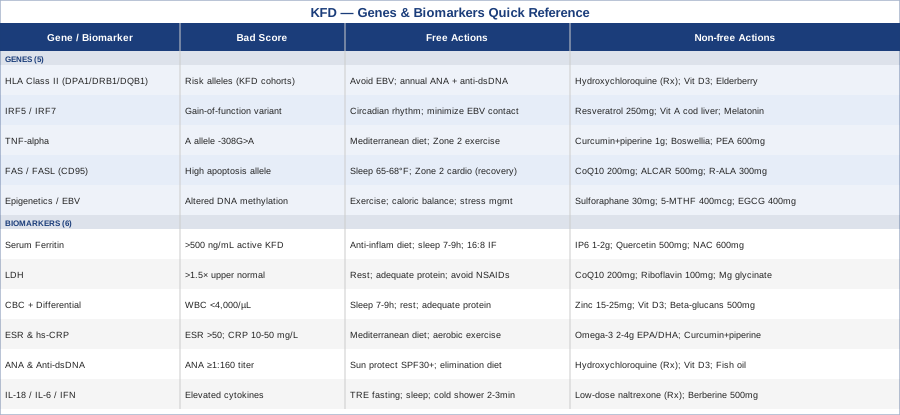
6 Biomarkers That Matter Most in Kikuchi-Fujimoto Disease
Tracking the right biomarkers during a KFD episode does three things simultaneously: it helps confirm the diagnosis by showing a characteristic pattern; it helps exclude dangerous mimics like lymphoma or systemic lupus erythematosus; and it gives you a real-time window into disease activity and trajectory. The six below represent the most useful combination, moving from the most accessible and affordable to the more specialized.
Biomarker 1: Serum Ferritin
Why it matters: Ferritin is both an iron-storage protein and an acute-phase reactant. In KFD, elevated ferritin reflects intense macrophage activation in affected lymph nodes — the same histiocytes responsible for the necrotizing pathology are releasing ferritin in large quantities as they process apoptotic debris. The degree of elevation is clinically meaningful: levels between 500 and 5,000 ng/mL are consistent with active KFD, while levels above 10,000 ng/mL raise concern for macrophage activation syndrome (MAS), a rare but potentially life-threatening complication occasionally associated with KFD and other hyperinflammatory states.
Serial ferritin measurements are one of the most practical tools for monitoring resolution. Values that decline week to week over four to eight weeks support a typical KFD course. Values that plateau or rise warrant reassessment — either for disease progression, an alternative diagnosis, or evolving autoimmune disease. Physicians like Peter Attia have noted that ferritin should never be interpreted in isolation: it rises with inflammation, with iron overload, and with a range of other conditions, so context is essential.
How to measure it: Serum ferritin is available at all standard commercial labs. Out-of-pocket cost typically ranges from $20 to $55. It can be added to a standard iron panel or ordered individually. During active KFD, measuring every four to six weeks provides meaningful trend data. After resolution, retesting at three and six months confirms recovery and establishes a personal baseline.
If the score is bad — the plan without supplements
When ferritin is elevated during active KFD, the primary lever is reducing the inflammatory burden that drives it. Eliminating refined carbohydrates, seed oils, and ultra-processed foods reduces the acute-phase response acutely and sustainably. Alcohol should be stopped entirely during the active phase — alcohol raises ferritin independently of inflammation through hepatic mechanisms. Consistent sleep of seven to nine hours per night matters more than most interventions: sleep deprivation directly elevates IL-6, which stimulates hepatic ferritin synthesis. A 16:8 intermittent fasting window has shown some evidence for reducing ferritin in iron-replete individuals through autophagy induction, though this should be implemented cautiously during acute illness when caloric needs are already elevated.
If the score is bad — the plan with supplements or equipment
IP6 (inositol hexaphosphate) at 1–2g daily taken on an empty stomach functions as a natural chelator and antioxidant with some evidence for reducing iron-related oxidative stress. Quercetin at 500–1,000mg daily (with food for absorption) has anti-inflammatory properties demonstrated in human trials and may help modulate macrophage activation. NAC (N-acetyl cysteine) at 600mg twice daily supports glutathione synthesis, which helps regulate inflammatory macrophage activity. These can be considered alongside standard medical care rather than instead of it. Cycle NAC at five days on, two days off if using long-term; high doses can cause nausea and NAC interacts with nitroglycerin. IP6 can reduce absorption of minerals — take separately from other supplements and meals.
Biomarker 2: Lactate Dehydrogenase (LDH)
Why it matters: LDH is an intracellular enzyme released when tissue is damaged or when cells undergo rapid programmed death. In KFD, the necrotizing paracortical foci in affected lymph nodes — areas where lymphoid cells die in large numbers — drive LDH elevation into the bloodstream. Most active KFD cases show LDH 1.5 to 3 times above the upper limit of normal, which is a diagnostically helpful finding in a patient presenting with lymphadenopathy and fever.
LDH also performs a critical exclusionary function. Markedly elevated LDH — more than three times the upper limit of normal — in a patient with lymphadenopathy should always prompt consideration of lymphoma, particularly non-Hodgkin's lymphoma or Hodgkin's disease, both of which can mimic KFD in young adults. Serial measurements that normalize over four to eight weeks support the KFD diagnosis, while persistently high or worsening LDH warrants tissue biopsy if not already completed.
How to measure it: LDH is a routine lab test at all standard labs, costing $15–40. It requires no special preparation, though hemolyzed samples can falsely elevate results. Normal range is approximately 140–280 U/L (lab-specific ranges vary slightly). Monthly tracking during the active episode provides a clear resolution trajectory.
If the score is bad — the plan without supplements
Elevated LDH in KFD reflects disease activity rather than an independently treatable metabolic problem — it resolves as the disease resolves. Physical rest is the most important intervention: vigorous exercise raises LDH further and delays tissue recovery. Adequate protein intake of 1.2–1.6g per kilogram of body weight daily supports the cellular repair processes that bring LDH back to normal. Avoid prolonged NSAID use beyond fever management, since some NSAIDs can mildly elevate LDH with chronic use.
If the score is bad — the plan with supplements or equipment
CoQ10 at 200–400mg daily (ubiquinol form for those over 35) supports mitochondrial function and reduces oxidative damage that amplifies cellular death. Riboflavin (vitamin B2) at 100–200mg daily is a critical cofactor for enzymes involved in cellular energy metabolism and tissue clearance. Magnesium glycinate at 300–400mg nightly supports cellular ATP synthesis and has a calming effect that improves sleep quality. These are safe for extended use at standard doses. Magnesium at doses above 400mg can cause loose stools in some people.
Biomarker 3: Complete Blood Count with Differential
Why it matters: The CBC in active KFD has a characteristic pattern that is both diagnostically helpful and clinically informative. Leukopenia — a white blood cell count below 4,000/µL — occurs in approximately 40–60% of KFD cases, often with relative neutropenia. Bosch and colleagues (Lancet, 2004) documented this as one of the consistent findings in KFD, distinguishing it from bacterial lymphadenitis where leukocytosis is expected. The differential additionally shows atypical lymphocytes — activated T lymphocytes and plasmacytoid monocytes that represent the cellular immune response underlying KFD pathology.
Tracking the CBC over time provides one of the clearest windows into disease resolution. A recovering white blood cell count trending back toward 5,000–7,000/µL is a reliable sign of improvement. Persistent or deepening leukopenia after six weeks of illness warrants investigation for bone marrow involvement or evolution to a more severe systemic condition.
How to measure it: A complete blood count with differential is one of the least expensive standard lab tests, costing $15–35. During active disease with leukopenia present, measuring weekly to biweekly is appropriate. Once values begin recovering, monthly monitoring until normalization is sufficient. No preparation is required.
If the score is bad — the plan without supplements
Leukopenia in KFD is driven by immune redistribution and peripheral consumption — white blood cells are being actively used in affected lymph nodes — rather than primary bone marrow failure. Protecting immune function through consistent sleep (seven to nine hours nightly, since sleep directly regulates white blood cell production and release from bone marrow) is the highest-yield non-supplemental approach. Avoid intense physical exercise during the acute phase, as strenuous exercise acutely reduces circulating lymphocyte counts. Maintain adequate caloric and protein intake, since nutritional deficiency significantly compounds leukopenia.
If the score is bad — the plan with supplements or equipment
Zinc glycinate or bisglycinate at 15–25mg daily supports white blood cell maturation and function; do not exceed 40mg daily and take with food to avoid nausea. A five-days-on, two-days-off cycling protocol prevents copper depletion with long-term use. Vitamin D3 at 2,000–5,000 IU daily (with 100mcg of K2-MK7) supports both innate and adaptive immune cell function; test 25-OH vitamin D levels first and aim for 40–60 ng/mL. Beta-glucans from mushroom extracts or purified yeast beta-1,3/1,6-glucan at 500mg daily have shown modest evidence for supporting innate immune cell production and function in clinical studies. Take beta-glucans in the morning on an empty stomach for best absorption.
Biomarker 4: ESR and High-Sensitivity CRP
Why they matter: Erythrocyte sedimentation rate (ESR) and C-reactive protein (CRP) are the workhorses of inflammatory monitoring, and both are typically elevated in active KFD. ESR usually exceeds 50 mm/hour in active disease; CRP is often mildly to moderately elevated — which is itself diagnostically useful, since bacterial infections typically drive CRP far higher (above 100 mg/L), whereas KFD tends to show CRP in the 10–50 mg/L range.
High-sensitivity CRP (hs-CRP), consistently recommended by Peter Attia as a more precise inflammatory marker than standard CRP, adds sensitivity below the detection threshold of conventional CRP assays. In the context of KFD monitoring, hs-CRP above 3 mg/L confirms active inflammation and, when tracked over time, provides a sensitive indicator of disease resolution or resurgence. The ESR-to-CRP ratio has some utility in distinguishing inflammatory from infectious causes, though this should inform rather than replace clinical judgment.
How to measure it: ESR costs $10–25 and standard CRP costs $15–40 at most labs. High-sensitivity CRP is $20–50. Both should be ordered simultaneously for the most useful paired interpretation. During active disease, monthly measurements track the inflammatory trajectory; both markers should normalize within eight to twelve weeks of disease resolution in a typical course.
If the score is bad — the plan without supplements
The Mediterranean dietary pattern — consistent olive oil use (at least two tablespoons of extra virgin olive oil daily for its oleocanthal content), fatty fish three times weekly, plentiful vegetables and legumes, minimal refined grains and seed oils — is the most thoroughly evidenced nutritional approach to reducing CRP. Chronic sleep restriction independently elevates CRP and should be corrected before attributing elevated CRP to disease activity alone. Moderate aerobic exercise at three to five sessions per week reduces hs-CRP over time, though during the acute KFD phase, limit activity to gentle walking and resume more vigorous exercise only after leukopenia and fever resolve.
If the score is bad — the plan with supplements or equipment
Omega-3 fatty acids (EPA and DHA) at 2–4g daily are the most evidence-supported supplement for reducing CRP, endorsed by Thomas Dayspring and cardiovascular researchers for their anti-inflammatory mechanisms. Use a triglyceride-form fish oil or algae-derived omega-3 for superior bioavailability. Curcumin with piperine at 500–1,000mg daily has been shown in multiple meta-analyses to reduce both ESR and CRP. Take with a fat-containing meal to improve absorption; cycle at eight weeks on, two weeks off to avoid potential iron absorption interference. Curcumin interacts with anticoagulant medications — check with your physician if applicable.
Biomarker 5: Antinuclear Antibodies and Anti-dsDNA
Why they matter: This pairing is arguably the most consequential in KFD management. Approximately 25–30% of KFD patients have a positive ANA at diagnosis, and a subset of those also show anti-double-stranded DNA (anti-dsDNA) positivity. More importantly, KFD can serve as the initial presentation of evolving systemic lupus erythematosus — Bosch and colleagues (Lancet, 2004) described this temporal relationship as clinically significant, with some patients developing full SLE weeks to months after an apparently isolated KFD episode.
ANA titers at 1:160 or above — particularly in a homogeneous or speckled pattern — are more concerning for SLE than lower titers. Anti-dsDNA is more specific for lupus and should be tested in any KFD patient with a positive ANA, prominent systemic features such as joint pain or rash, or recurrent disease. The clinical implication is that a KFD diagnosis is not only a present diagnosis but sometimes a warning of future autoimmune disease — making longitudinal autoantibody monitoring part of appropriate long-term care.
How to measure it: ANA by indirect immunofluorescence (IIF) is the gold standard and costs $50–150. If ANA is positive at 1:80 or above, reflex testing to the ENA (extractable nuclear antigen) panel and anti-dsDNA is appropriate. The full autoantibody panel typically costs $150–300. Retest at 6 and 12 months after diagnosis regardless of initial result, given the risk of delayed autoimmune evolution.
If the score is bad — the plan without supplements
A positive ANA does not automatically indicate lupus — low-positive ANA is found in a portion of healthy women — but it does warrant specific lifestyle adjustments. Sun protection is a practical priority: UV light can trigger lupus flares in predisposed individuals, and consistent SPF 30+ with sun avoidance during peak hours is an inexpensive, zero-risk intervention. An elimination diet trial — removing gluten, dairy, nightshades, eggs, and legumes for 30–60 days to identify immunological triggers — is the dietary approach most commonly recommended in the autoimmune literature for ANA-positive patients. Consistent sleep and stress management are foundational given the established relationship between HPA axis dysregulation and autoantibody production.
If the score is bad — the plan with supplements or equipment
Hydroxychloroquine (Plaquenil) is not a supplement but a prescription medication and the most directly relevant pharmacological option for KFD patients with positive ANA or lupus overlap: it reduces autoantibody production, prevents KFD recurrence, and has proven preventive properties against full SLE evolution. Discuss this with your rheumatologist — this is not a self-treatment option. Vitamin D3 at 4,000–5,000 IU daily with K2 (to achieve 25-OH levels of 50–70 ng/mL) has immune-regulatory effects relevant to ANA-positive states, including modulation of regulatory T-cell activity. Fish oil at 3–4g EPA+DHA daily is commonly used alongside hydroxychloroquine in early SLE management for its complementary anti-inflammatory effects. Side effects at these doses are generally limited to GI discomfort and occasional "fish burps"; enteric-coated preparations reduce this.
Biomarker 6: IL-18, IL-6, and the Type I Interferon Signature
Why they matter: KFD is not simply a generic inflammatory condition — it is driven by a specific cytokine environment dominated by type I and type II interferon signaling and marked by exceptionally elevated IL-18. Research has shown that IL-18 correlates with disease severity in KFD and is particularly relevant as a marker of macrophage activation — elevated IL-18 in the context of high ferritin is a combination that should alert clinicians to monitor closely for macrophage activation syndrome.
The type I interferon signature — a pattern of gene expression in peripheral blood monocytes driven by interferon stimulation — has emerged from the SLE and KFD literature as a potential marker for distinguishing KFD from other lymphadenopathies and for monitoring autoimmune risk. While not yet routine clinical practice, academic rheumatology centers increasingly use interferon signature testing for complex autoimmune cases, and this is likely to become more accessible in the coming years. For most KFD patients, IL-6 alongside ferritin gives a practical and affordable proxy for macrophage activation and disease severity.
How to measure it: IL-6 and IL-18 as serum cytokine levels are available at specialized labs and academic medical centers, typically costing $100–300 per marker. The full interferon signature test remains largely research-grade, costing $300–600 and available primarily through academic rheumatology programs. For routine monitoring, IL-6 can be ordered as a standalone test at Quest or LabCorp for $75–150 and provides clinically useful information at a manageable cost.
If the score is bad — the plan without supplements
Elevated IL-18 and interferon markers reflect active macrophage and T-cell activation that is closely tied to disease activity. Time-restricted eating (a 16:8 fasting window) activates autophagy, which clears apoptotic debris and reduces macrophage activation signals — a small but relevant mechanism. Sleep optimization remains the most powerful free lever: sleep deprivation is among the strongest independent drivers of IL-6 and IL-18 elevation in human studies. Cold exposure — cold showers of 2–3 minutes daily or brief cold-water immersion — has shown preliminary evidence for modulating cytokine release patterns in healthy individuals, though direct evidence in KFD does not yet exist.
If the score is bad — the plan with supplements or equipment
Low-dose naltrexone (LDN) at 1.5–4.5mg at bedtime is a prescription option with growing evidence in autoimmune and inflammatory conditions; it modulates macrophage activation through toll-like receptor 4 signaling — directly relevant to the interferon-driven pathology of KFD. This is appropriate to discuss with a physician for recurrent or severe cases. Berberine at 500mg twice daily (with meals) has demonstrated significant IL-6 and TNF-alpha reduction in clinical trials of metabolic and inflammatory conditions and may offer complementary benefit at a low cost. Cycle berberine at eight weeks on, four weeks off, to prevent potential gut microbiome disruption from prolonged continuous use. GI discomfort is the most common side effect; avoid during pregnancy.
What Genetics Research Reveals About KFD
The population distribution of Kikuchi-Fujimoto disease offers an early clue that genetics matters here. The condition is disproportionately common in East Asian populations — particularly Japanese, Korean, and Chinese — and in young women under 40. This pattern points toward specific immunogenetic factors that both increase susceptibility to KFD and may shape its clinical course. Understanding which variants are implicated gives a framework for proactive monitoring and individualized risk reduction.
Gene 1: HLA Class II — DPA1, DRB1, and DQB1
What these genes do: Human leukocyte antigen (HLA) genes encode the antigen-presentation molecules that allow immune T cells to recognize foreign and self-antigens. HLA-DPA1*01:03, HLA-DRB1*08:03, HLA-DQB1*06:01, and the class I allele HLA-A*33 have each appeared with increased frequency in KFD case series compared to healthy controls in Asian cohorts. These alleles are not rare — they are reasonably common in East Asian populations — and this prevalence likely explains a portion of the geographic clustering of KFD diagnoses.
Carriers of these alleles may mount unusually vigorous T-cell responses to viral antigens from Epstein-Barr virus (EBV), human herpesvirus-6 (HHV-6), or cytomegalovirus (CMV) — viruses repeatedly identified as potential KFD triggers. The same HLA class II alleles are associated with elevated autoimmune risk, directly linking genetic KFD susceptibility to the known KFD-SLE overlap.
If the gene is bad — the plan without supplements
HLA variants are fixed at birth and cannot be modified. Their downstream effects, however, can be meaningfully managed. Minimizing viral exposure burden — consistent sleep to maintain antiviral immune competence, avoiding sharing saliva-contact items during illness season (EBV is spread primarily through saliva), and reducing immune-suppressing behaviors like chronic alcohol use and chronic sleep debt — reduces the likelihood of a virus-triggered KFD episode. Annual ANA and anti-dsDNA testing is appropriate for any person who carries KFD-associated HLA variants and has had even one confirmed KFD episode, given the autoimmune linkage.
If the gene is bad — the plan with supplements or equipment
Hydroxychloroquine (200–400mg daily, prescription) has direct evidence for preventing KFD recurrence and is particularly relevant for carriers of high-risk HLA alleles who have experienced one KFD episode — discuss this with your rheumatologist before and after any recurrence. Vitamin D3 at 4,000 IU daily with K2 helps regulate HLA class II-mediated T-cell responses — deficiency amplifies T-cell reactivity. Elderberry extract standardized to flavonoids at 500mg daily during viral respiratory season (October through March in the Northern Hemisphere) has evidence for reducing severity and duration of EBV and influenza infections relevant to this population. Elderberry should be cycled during viral season only (four to six months maximum), avoided during active KFD flares where immune over-activation is already present, and should not be used as a year-round supplement.
Gene 2: IRF5 and IRF7 — The Interferon Regulatory Factors
What these genes do: Interferon regulatory factors are transcription proteins that control the type I interferon response — the primary antiviral alarm system of innate immunity. IRF5 variants, particularly the rs2004640 polymorphism, are among the most replicated genetic associations across multiple autoimmune diseases including SLE, Sjögren's syndrome, and inflammatory bowel disease. IRF7 polymorphisms affect the amplitude of the type I interferon response to viral infection. Gain-of-function variants in either gene prime the immune system to produce more interferon in response to the same viral stimulus.
In KFD, the affected lymph nodes are infiltrated by plasmacytoid dendritic cells — the dominant producers of type I interferon in the human body — and the disease process is characterized by an intense interferon signature. IRF5 or IRF7 variants that amplify this response likely explain why some people develop full KFD histology from a viral trigger that produces only mild illness in most others.
If the gene is bad — the plan without supplements
A high-interferon genetic background means the immune system is primed to overreact to viral stimuli. Protecting circadian rhythm is particularly important because IRF3 and IRF7 activation is regulated by the molecular clock — disrupted sleep-wake timing and irregular light exposure heighten their baseline activation even in the absence of infection. Prioritize consistent sleep and wake times, morning light exposure, and minimal blue light after 9pm. Minimizing EBV exposure is the most targeted viral-prevention strategy: EBV remains the most commonly identified KFD trigger across published case series, spread primarily through saliva — a practical reason to avoid sharing cups, utensils, or kissing contact during known EBV-active periods.
If the gene is bad — the plan with supplements or equipment
Trans-resveratrol at 250–500mg daily has modulated IRF3 and IRF5-mediated signaling in cellular studies and carries general anti-inflammatory properties in human trials. Take with food to improve absorption; cycle at twelve weeks on, four weeks off. Vitamin A as retinol (from cod liver oil at one teaspoon daily, providing approximately 3,000–5,000 IU retinol alongside vitamin D and omega-3s) helps regulate IRF-mediated immune responses — this balanced form avoids the toxicity risk of isolated high-dose retinol supplements. Melatonin at 0.3–1mg at bedtime (physiological rather than the typical commercial high doses) supports circadian regulation of immune responses and modestly reduces baseline interferon activation. Higher commercial doses (5–10mg) disrupt sleep architecture in many people; start at 0.3mg. No cycling required at physiological doses.
Gene 3: TNF-Alpha Gene Polymorphisms
What this gene does: The TNF-alpha gene (TNFA) -308G>A polymorphism is among the most studied inflammatory gene variants in human medicine. The A allele is associated with higher constitutive TNF-alpha production, amplified inflammatory responses to immune stimuli, and increased susceptibility to multiple autoimmune and inflammatory conditions. This variant appears at elevated frequency in KFD case series and in SLE populations — the two conditions that share both HLA associations and genetic overlap in the TNF-alpha promoter region.
TNF-alpha is a direct driver of the fever, lymph node necrosis, and systemic malaise in KFD. Carriers of the high-production TNFA polymorphism may experience more severe acute disease, more intense systemic symptoms, and potentially a higher rate of complications including macrophage activation.
If the gene is bad — the plan without supplements
The Mediterranean dietary pattern has the strongest dietary evidence for reducing TNF-alpha production. Extra virgin olive oil specifically — at two or more tablespoons daily — contains oleocanthal, a phenolic compound that acts as a natural COX and TNF-alpha inhibitor through a mechanism comparable to ibuprofen at equivalent anti-inflammatory doses, supported by in vitro and some human data. Reducing visceral adipose tissue is the highest-yield long-term intervention: adipocytes are primary TNF-alpha producers, and each kilogram of visceral fat reduction corresponds to measurable reductions in circulating TNF-alpha. Zone 2 aerobic training (four sessions weekly at conversational pace, 45 minutes) reduces TNF-alpha expression in adipose tissue and peripheral monocytes over time.
If the gene is bad — the plan with supplements or equipment
Curcumin with piperine at 1,000mg daily is among the best-evidenced natural TNF-alpha inhibitors, with multiple human clinical trials demonstrating significant reductions with standardized preparations. Cycle at eight weeks on, two weeks off; avoid with anticoagulants. Boswellia serrata standardized to 65% boswellic acids at 400–500mg twice daily directly inhibits the 5-lipoxygenase pathway and reduces TNF-alpha in clinical studies of inflammatory conditions, without the GI side effects associated with NSAIDs. PEA (palmitoylethanolamide) at 600mg twice daily has evidence for reducing TNF-alpha and IL-1 production through PPAR-alpha agonism and is exceptionally well tolerated — no significant side effects, no drug interactions at standard doses, no cycling required.
Gene 4: FAS and FASL — Apoptosis Pathway Variants
What these genes do: FAS (CD95) and FASL (CD95L) encode the death receptor and its ligand that mediate programmed cell death in lymphocytes. The pathological hallmark of KFD — large paracortical foci of karyorrhectic debris surrounded by macrophages — is primarily the result of accelerated lymphocyte apoptosis through exactly this pathway, making FAS and FASL central to the disease mechanism rather than peripheral factors. The FAS -670 A>G promoter polymorphism is associated with altered lymphocyte apoptosis regulation and has been linked to autoimmune lymphoproliferative syndrome and SLE.
Carriers of high-apoptosis FAS variants may be predisposed to more extensive lymph node necrosis in response to the same viral trigger — more apoptotic debris means more intense macrophage cleanup activity, which may translate to more severe KFD histology and more systemic symptoms.
If the gene is bad — the plan without supplements
Mitochondrial health is the central lever for the FAS/FASL pathway: both intrinsic (mitochondria-mediated) and extrinsic (death receptor-mediated) apoptosis converge on mitochondrial function. Consistent high-quality sleep at 65–68°F room temperature with complete darkness is the most impactful free mitochondrial recovery intervention. Zone 2 cardiorespiratory training four times weekly improves mitochondrial biogenesis in lymphocytes and peripheral blood cells over 8–12 weeks, reducing excessive apoptotic signaling — though this should be avoided during active KFD and resumed only in the recovery phase. Avoiding the extremes of both prolonged sedentary behavior and excessive endurance training (which increases lymphocyte apoptosis through cortisol and ROS elevation) is an important nuance.
If the gene is bad — the plan with supplements or equipment
CoQ10 (ubiquinol) at 200–400mg daily protects mitochondrial integrity and directly reduces mitochondria-mediated apoptotic signaling in lymphocytes. Acetyl-L-carnitine (ALCAR) at 500–1,000mg daily supports fatty acid transport into mitochondria and has demonstrated anti-apoptotic properties in immune cell studies. R-alpha lipoic acid (R-ALA) at 300–600mg daily works synergistically with CoQ10 and ALCAR as a mitochondrial antioxidant trio, recycling vitamins C and E while directly protecting mitochondrial membrane potential. Cycle this combination at twelve weeks on, two weeks off. R-ALA can lower blood glucose levels — monitor if you have diabetes or use insulin. GI discomfort at higher doses can be managed by taking with food.
Gene 5: Epigenetic Factors and Viral Susceptibility
What this means: Beyond discrete gene variants, epigenetic regulation — modifications to how genes are expressed without altering the DNA sequence itself — plays a substantial role in KFD susceptibility. DNA methylation patterns on immune regulatory promoters including IFNB1, STAT1, and IL18 appear systematically altered in KFD patients compared to matched controls, consistent with epigenetically enhanced interferon responsiveness. This is not fixed at birth — it is shaped by exposures, stress, nutrition, and viral history over a lifetime.
EBV — the most commonly implicated viral trigger in KFD — uniquely complicates this picture because it can stably alter DNA methylation patterns in infected cells, creating lasting shifts in immune gene expression. This may explain the clinical observation that people with EBV reactivation episodes are disproportionately represented among recurrent KFD patients: persistent epigenetic changes from the initial EBV infection lower the threshold for subsequent KFD-like immune responses.
If the gene is bad — the plan without supplements
Consistent moderate exercise modifies DNA methylation on inflammatory gene promoters in human studies — specifically reducing methylation at anti-inflammatory gene loci and increasing it at pro-inflammatory sites. Caloric balance matters epigenetically: overnutrition from refined carbohydrates and linoleic acid-rich seed oils hypermethylates immune regulatory gene promoters in ways that amplify inflammatory reactivity. Stress management is particularly relevant here: chronic psychological stress elevates cortisol, which alters methylation on immune regulatory genes — specifically reducing methylation at interferon-regulatory gene promoters, making the interferon response even more reactive. Daily stress reduction practices (even ten minutes of structured breathing or stillness) have measurable epigenetic effects with consistent practice over weeks.
If the gene is bad — the plan with supplements or equipment
Sulforaphane from broccoli sprout extract at 30–50mg daily (standardized) is the best-evidenced epigenetic modulator available without prescription, having demonstrated DNA methylation effects on NRF2 and inflammatory gene promoters in human trials. Take with warm (not hot) water on an empty stomach. Methylated folate (5-MTHF) at 400–800mcg daily supports the methyl cycle and appropriate DNA methylation maintenance throughout the genome. Avoid synthetic folic acid if you carry the MTHFR C677T variant, which reduces conversion. EGCG (green tea extract) at 400–600mg daily modulates DNMT (DNA methyltransferase) activity and may help restore methylation patterns on immune genes over time. Cycle at eight weeks on, two weeks off; take with food to prevent nausea; separate from iron-rich meals by at least two hours as EGCG chelates iron.
Ten Immune Insights That Change How You Approach KFD
The Huberman Lab Podcast has dedicated multiple episodes to the immune system, covering everything from innate immunity and interferon responses to how sleep, stress, and lifestyle habits directly reshape immune function. Taken together with insights from researchers like Ruslan Medzhitov and the immunology work referenced throughout these episodes, a number of findings directly challenge the "passive rest" approach commonly applied to KFD. Here are the ten most impactful.
1. Sleep Is the Immune System's Primary Repair Window
Deep sleep — specifically slow-wave sleep in the first half of the night — is when immune memory is consolidated and white blood cell populations are replenished. Even one night of sleep below six hours reduces natural killer cell activity by over 70% in human studies. For someone with active KFD and leukopenia, protecting deep sleep architecture through consistent sleep timing, a cool room, and complete darkness is not optional — it is the highest-yield free intervention available.
2. Fever Is a Feature, Not a Bug
The standard impulse to aggressively suppress fever with NSAIDs or acetaminophen in every case of KFD fever may be counterproductive. A body temperature above 38.5°C inhibits viral replication, activates heat shock proteins, and accelerates lymphocyte migration to infected lymph nodes. Mild to moderate fever (below 39.5°C in otherwise healthy adults) may actually accelerate KFD resolution. Using antipyretics situationally — for comfort or when fever is very high — rather than prophylactically is worth discussing with your physician.
3. The Vagus Nerve Directly Regulates Macrophage Activity
The inflammatory reflex — the pathway through which the vagus nerve modulates TNF-alpha and IL-6 production by macrophages — is now well established in human research. Slow diaphragmatic breathing (five to six breaths per minute) activates vagal tone within minutes, reducing inflammatory cytokine release. For KFD patients with elevated IL-6 and macrophage activation, structured breathing practices of ten to fifteen minutes daily provide a direct, zero-cost anti-inflammatory intervention.
4. Cold Exposure Modulates the Innate Immune System
Regular cold-water immersion or cold showers consistently increases circulating levels of norepinephrine by 200–300%, which suppresses excessive macrophage activation through beta-2 adrenergic receptor signaling. This does not mean cold therapy prevents KFD, but it means that for patients in the recovery phase or between episodes, habitual cold exposure (two to three minutes of cold at the end of a shower daily) may reduce baseline inflammatory tone and macrophage reactivity. Avoid during the acute febrile phase.
5. EBV Lives Permanently in Your B Cells After Primary Infection
One of the most important findings for the KFD community: Epstein-Barr virus does not fully clear the body after primary infection. It establishes lifelong latency in memory B cells, with periodic reactivation particularly during immune suppression (stress, sleep deprivation, illness). Each reactivation event may stimulate the HLA class II and IRF-mediated immune responses that underlie KFD pathology in susceptible individuals. This explains recurrent KFD without reinfection and highlights the importance of immune resilience maintenance even between episodes.
6. Macrophage Phenotype Is Nutritionally Modifiable
Macrophages — the dominant cell type in KFD pathology — exist on a spectrum from pro-inflammatory (M1) to anti-inflammatory (M2) phenotypes, and their polarization is directly influenced by nutrition. Omega-3 fatty acids shift macrophage polarization toward M2; saturated fats from ultra-processed foods and excess omega-6 linoleic acid shift polarization toward M1. The implication: dietary fat quality directly affects the type of macrophage response in affected lymph nodes during active KFD.
7. The Interferon System Has a Recovery Cost
Mounting a strong type I interferon response — which KFD does at scale — is metabolically expensive and immunologically depleting. Following an acute interferon-heavy illness, the immune system enters a period of relative hyporesponsiveness known as immunological tolerance or "immune debt." This explains the notable post-KFD fatigue and vulnerability to secondary infections that many patients describe. Supporting mitochondrial recovery through CoQ10, adequate protein, and progressive reintroduction of exercise over several weeks after clinical resolution addresses this mechanism directly.
8. Chronic Low-Grade Inflammation Is a Different Beast From Acute Inflammation
KFD is an acute hyperinflammatory condition. The risk for some patients is that the acute episode seeds a transition toward chronic low-grade inflammation — elevated hs-CRP, mild ANA positivity, persistent fatigue — that the current medical framework has no standard protocol for addressing. Tracking hs-CRP, ferritin, and ANA at six-month intervals for at least two years after resolution is the practical approach to catching this transition early, when it is most modifiable.
9. Regulatory T Cells Are the Immune System's Off Switch — and Vitamin D Is Their Primary Nutritional Activator
Regulatory T cells (Tregs) suppress excessive immune responses and play a key role in preventing autoimmune disease. Vitamin D, acting through the vitamin D receptor (VDR) on Treg precursor cells, is the most potent nutritional activator of Treg differentiation identified in human immunology. KFD patients with positive ANA or repeated episodes who test as vitamin D deficient (below 30 ng/mL) have a direct, evidence-based reason to optimize vitamin D levels to 50–70 ng/mL through supplementation or safe sun exposure.
10. The Gut Microbiome Shapes the Systemic Interferon Tone
Gut bacteria of the Lactobacillus and Bifidobacterium genera produce short-chain fatty acids (butyrate, propionate) that directly suppress IRF5 and STAT1-mediated interferon signaling in intestinal macrophages and dendritic cells. A gut microbiome depleted of these bacteria — common after antibiotic use, high-sugar diets, or chronic stress — is associated with elevated baseline interferon tone. For KFD patients on antibiotic courses (often given before diagnosis), restoring microbiome diversity through diverse prebiotic vegetables and a high-quality probiotic is not ancillary — it directly modulates the interferon axis central to KFD pathology.
Beyond Rest: Complementary Approaches With Human Evidence
The standard recommendation of rest and NSAIDs for KFD is reasonable for acute symptom management, but it leaves several evidence-supported options unaddressed. Three complementary modalities have particular relevance to KFD's biology: the autoimmune protocol, mindfulness-based stress reduction, and breathing therapies. Each is discussed below with specific protocols and honest caveats about the available evidence.
The Autoimmune Protocol — Sarah Ballantyne
The Autoimmune Protocol (AIP), developed by Dr. Sarah Ballantyne and detailed in her book The Paleo Approach, is a dietary and lifestyle protocol specifically designed to reduce immune activation, promote gut barrier integrity, and lower the inflammatory signals that drive autoimmune tissue damage. Its relevance to KFD is direct: KFD involves intense macrophage and T-cell activation, a positive ANA in roughly a quarter of patients, and documented overlap with SLE — all conditions the AIP was designed to address.
A 2017 study published in Inflammatory Bowel Diseases showed that the AIP diet achieved clinical remission in 73% of inflammatory bowel disease patients in an 11-week trial, with significant reductions in CRP and markers of intestinal inflammation. While no KFD-specific AIP trial exists, the immunological mechanisms overlap substantially: both conditions involve T-cell activation and macrophage-mediated tissue damage downstream of dietary and microbiome-related triggers.
For practical implementation: the elimination phase removes grains, legumes, dairy, eggs, nightshades, nuts, seeds, NSAIDs, and alcohol for a minimum of 30 days. Reintroduction follows a structured protocol — one food every 5–7 days — to identify individual triggers. In the context of KFD, starting AIP during the acute phase and maintaining it through the resolution phase (typically 8–12 weeks total) provides the most clinically relevant window. Work with a registered dietitian familiar with AIP to ensure nutritional adequacy during the elimination phase.
Mindfulness-Based Stress Reduction (MBSR)
Mindfulness-Based Stress Reduction, the eight-week structured program developed by Jon Kabat-Zinn at the University of Massachusetts, has accumulated substantial human clinical evidence for reducing inflammatory markers and modulating immune function in people with chronic illness and autoimmune conditions. The mechanism is primarily through HPA axis regulation — reducing cortisol reactivity to stressors, which in turn reduces the cortisol-driven suppression of regulatory T cells and cortisol-driven amplification of IL-6 and TNF-alpha.
A 2016 meta-analysis published in Brain, Behavior, and Immunity covering 20 randomized controlled trials found that mindfulness-based interventions significantly reduced circulating IL-6, CRP, and TNF-alpha in patient populations. A separate RCT in Psychoneuroendocrinology showed that MBSR reduced inflammatory gene expression in peripheral blood mononuclear cells compared to a relaxation control group — suggesting the effect goes beyond placebo. For KFD patients, MBSR during and after the acute phase addresses the documented relationship between psychological stress and interferon-axis activation.
The standard eight-week MBSR program consists of weekly group sessions of two to two-and-a-half hours, plus a one-day retreat and 45 minutes of daily home practice. For those without access to a local MBSR program, validated digital programs (Insight Timer, Mindfulness-Based Stress Reduction Online through UMASS) provide a structured equivalent. Even a simplified version — 20 minutes of focused breathing and body scan daily — captures a meaningful portion of the benefit. Avoid extended silent retreats during the acute febrile phase of KFD; begin practice during recovery and maintain as a long-term habit given the autoimmune risk context.
Breathing-Based Therapies
Structured breathing practices — specifically slow diaphragmatic breathing at five to six breath cycles per minute (physiological coherence breathing) and extended exhale breathing — directly activate the vagus nerve and shift the autonomic nervous system toward parasympathetic dominance. This is not metaphor: vagal activation measurably reduces TNF-alpha release from macrophages through the cholinergic anti-inflammatory pathway, a mechanism confirmed in both human and animal studies. For KFD patients, where macrophage TNF-alpha production is central to disease pathology, this represents a direct mechanistic application.
A 2020 randomized trial published in Frontiers in Immunology showed that slow breathing at five to six breaths per minute significantly reduced circulating IL-6 and CRP in participants with elevated inflammatory markers compared to an unstructured breathing control. Coherence breathing at this rate — inhale four seconds, exhale six seconds, continuously for ten minutes — produced the most robust heart rate variability (HRV) and anti-inflammatory response of the protocols tested. HRV improvement is itself a proxy for vagal tone and inflammatory regulation.
For practical daily use with KFD: ten to fifteen minutes of coherence breathing (five seconds in, five seconds out, or four in, six out) performed daily — ideally in the morning before checking devices or in the early evening — provides consistent vagal activation. Physiological sigh (double inhale through the nose followed by a long slow exhale) practiced during moments of acute stress provides rapid sympathetic dampening relevant to preventing stress-triggered inflammatory flares. The Huberman Lab has covered both techniques extensively with practical instructions available freely. These practices are entirely safe, have no side effects, and can be performed by anyone regardless of disease phase.
Conclusion
Kikuchi-Fujimoto disease asks more of patients than most self-limiting conditions because its mimics are dangerous, its long-term implications are real, and the default medical response leaves so many practical questions unanswered. Ferritin, LDH, CBC, ESR, ANA, and the cytokine signature are not abstract lab values — they are a direct readout of what your immune system is doing, how severe the activation is, and whether you are on a trajectory toward full resolution or toward autoimmune evolution. Tracking them intelligently, understanding the genetic context that shapes your individual risk, and supporting recovery through evidence-based lifestyle and complementary approaches is a materially better position to be in than waiting passively.
The next smart step is to review which of these biomarkers you have already measured and which are missing, discuss autoantibody longitudinal monitoring with your rheumatologist if you have not already done so, and implement the lifestyle changes that have the broadest evidence base — sleep optimization, anti-inflammatory nutrition, and structured breathing — starting today. These are not replacements for medical care but are the foundation on which good outcomes are built.
Autoimmune: Inflammatory Conditions Connective Tissue Conditions
Infectious: Viral Infections