This article contains AI generated content.
· UpdatedKnee Ganglion Cyst: 5 Genes And 7 Biomarkers To Track
Introduction
A knee ganglion cyst rarely announces itself as a complex problem. It shows up as a lump — maybe some dull aching when you bend deeply — and then a physician either recommends aspiration or tells you to watch it. For many people, that conversation ends there. But if you've had one drained and watched it return within months, or noticed the cyst appeared at the same time your knee started being chronically irritated, you already sense that something is being missed in that exchange.
The cyst itself is a symptom of a local environment under stress. The joint capsule or tendon sheath allows synovial fluid to dissect outward and accumulate. That process is shaped by a combination of mechanical loading, joint inflammation, matrix remodeling enzyme activity, and in some individuals, genetic factors that make the surrounding connective tissue more vulnerable than average. Most standard care addresses the result. It rarely investigates the underlying conditions that produced it.
The good news is that several of those drivers are measurable. Specific blood biomarkers give you a real-time picture of your inflammatory burden, tissue turnover rate, and whether your body's anti-inflammatory capacity is working at full capacity. At the same time, a growing body of research is revealing why some people's joint environments are structurally more prone to chronic irritation and fluid accumulation. Neither direction provides a complete answer alone, but together they give you something far more actionable than watchful waiting.
This article lays out two practical frameworks. The first — and most immediately usable — covers seven key biomarkers you can track through standard and specialty blood tests to monitor the internal conditions that may be sustaining your cyst. The second covers five genetic variants relevant to connective tissue quality and inflammatory signaling, with specific interventions for each. Both sections follow the same logic: better information leads to better decisions, and you don't have to wait for symptoms to get worse before you start gathering that information.
7 Biomarkers to Track for Knee Ganglion Cyst
These seven biomarkers were chosen because each reflects a distinct mechanism relevant to cyst formation and persistence — inflammation, matrix degradation, fluid regulation, vascular permeability, and anti-inflammatory reserve. Tracking them gives you a multi-layered picture of the tissue environment around your knee, rather than just a snapshot of a single marker.
Biomarker 1: High-Sensitivity C-Reactive Protein (hs-CRP)
Why it matters
hs-CRP is the gold-standard marker for low-grade systemic inflammation. While it doesn't pinpoint joint-specific activity, elevated hs-CRP reflects a body-wide inflammatory environment that directly impacts synovial tissue behavior. When the systemic inflammatory burden is elevated, the joint capsule and its surrounding structures are more reactive to mechanical stress — producing excess fluid and becoming more permeable. Chronic background inflammation is one of the most underappreciated contributors to persistent joint cysts. It's also one of the most modifiable.
How to measure it
hs-CRP is a standard blood test available at virtually any lab. Cost: $15–40 out of pocket, frequently covered by insurance. Request high-sensitivity CRP specifically, not standard CRP, which lacks precision at low levels. Optimal target: below 0.5 mg/L. Clinically acceptable: below 1.0 mg/L. Values above 3.0 mg/L indicate significant inflammatory load. Test fasting, at least 48 hours after any intense exercise, and when you don't have an active infection.
If the score is bad, the plan without supplements
Dietary change is the most potent non-supplement lever. A Mediterranean dietary pattern consistently reduces hs-CRP in randomized trials — practically, this means replacing refined carbohydrates and seed oils with vegetables, legumes, olive oil, and fatty fish. Time-restricted eating (8–10 hour window) has also shown reductions in inflammatory markers in clinical studies. Sleep is critical: even partial deprivation (under 6 hours per night) reliably elevates CRP within days. Zone 2 aerobic exercise — steady-state moderate intensity, 150+ minutes per week — is one of the most consistent hs-CRP reducers across the published literature and requires no cost to implement.
If the score is bad, the plan with supplements or equipment
Omega-3 fatty acids (EPA+DHA, 2–4 g/day) have robust evidence for hs-CRP reduction, with EPA being the most relevant fatty acid. Curcumin with piperine (500–1000 mg curcumin, 3–5 mg piperine, twice daily) has demonstrated meaningful reductions in hs-CRP in multiple controlled trials — cycle in 8-week blocks with 4-week breaks. Berberine (500 mg twice daily with meals) is emerging as a strong anti-inflammatory agent with favorable safety data and growing clinical evidence. Red light therapy devices targeting the knee locally may reduce local tissue inflammation; systemic hs-CRP effects are more modest. Side effects to note: omega-3s at high doses increase bleeding time — avoid exceeding 4 g/day without physician oversight; curcumin may interfere with iron absorption.
Biomarker 2: Interleukin-6 (IL-6)
Why it matters
IL-6 is a primary pro-inflammatory cytokine deeply involved in synovial inflammation. Research in joint disease consistently shows elevated IL-6 in synovial fluid and joint-adjacent tissue during chronic joint irritation. IL-6 promotes synoviocyte proliferation and excess fluid production — both directly relevant to ganglion cyst dynamics. It also upregulates MMP expression (covered next), creating a cascade that degrades the extracellular matrix around the joint capsule. Elevated IL-6 often persists even when hs-CRP appears borderline, making it a valuable additional signal.
How to measure it
IL-6 is measured via specialty blood test, available through major reference labs. Cost: $60–120 out of pocket. Some functional medicine panels include it. Optimal range: below 1.8 pg/mL. Values above 3.5 pg/mL suggest chronic inflammatory activity in the joint environment. Important: IL-6 rises acutely and physiologically after intense exercise, so time the draw at least 48 hours after significant physical activity to avoid a false reading.
If the score is bad, the plan without supplements
Structured resistance training has a particularly strong and sustained IL-6-modulating effect — the acute IL-6 spike from exercise is followed by a meaningful reduction in baseline levels over weeks of consistent training. Chronic psychological stress directly increases IL-6 via the HPA axis, making stress management a legitimate intervention, not just a lifestyle suggestion. Evidence from controlled studies supports mindfulness-based stress reduction (MBSR) protocols (8-week structured program) in reducing circulating IL-6. Improving gut microbiome diversity through dietary fiber (30+ g/day from whole food sources) has documented downstream effects on systemic IL-6 through gut-barrier integrity pathways.
If the score is bad, the plan with supplements or equipment
EPA (eicosapentaenoic acid specifically) reduces IL-6 more effectively than DHA in several comparison studies — choose a fish oil with a higher EPA:DHA ratio when IL-6 is the primary concern. Quercetin (500 mg twice daily) specifically inhibits IL-6 promoter activity in human studies — cycle 8 weeks on, 4 weeks off. Melatonin (1–5 mg before sleep) has documented IL-6-reducing effects at the cellular level and supports sleep quality simultaneously. Tart cherry extract (480 mg/day) has clinical evidence for IL-6 reduction in exercise-related inflammation and is among the better-supported botanical options in this space. Side effects: quercetin may reduce absorption of some antibiotics (space 2 hours apart); otherwise very well tolerated.
Biomarker 3: Matrix Metalloproteinase-3 (MMP-3)
Why it matters
MMP-3, or stromelysin-1, is an enzyme that degrades multiple extracellular matrix components including collagens, fibronectin, and proteoglycans. Elevated serum MMP-3 has been extensively documented in synovial inflammation and joint degeneration. For ganglion cysts, this marker is particularly relevant: when MMP-3 activity is chronically elevated, the joint capsule and surrounding connective tissue undergo more active breakdown than repair. This structural weakening is thought to be one of the mechanisms by which synovial fluid dissects outward to form cysts. Elevated MMP-3 may indicate that your joint environment is in a net catabolic state. Note that direct evidence in ganglion cysts is largely extrapolated from osteoarthritis and synovitis research — condition-specific MMP-3 trials are limited.
How to measure it
Serum MMP-3 can be ordered through specialty labs (ZRT Laboratory, ARUP, or through a functional medicine or rheumatology-oriented physician). Cost: $100–180 out of pocket. Reference ranges vary by lab, but elevated serum MMP-3 above 59 ng/mL in women and 121 ng/mL in men is generally considered a clinical signal. This is not a routine test — you may need to specifically request it from a practitioner familiar with musculoskeletal inflammation markers.
If the score is bad, the plan without supplements
Mechanical loading is a key intervention: the connective tissue around joints remodels in response to appropriate mechanical stress. Structured progressive resistance training — particularly exercises targeting the knee's surrounding musculature (quadriceps, hamstrings, calves) — promotes healthy matrix remodeling and reduces pathological MMP activity over time. Conversely, identifying and reducing repetitive overuse patterns (chronic kneeling, prolonged squatting) that drive persistent local inflammation is equally important. A quality compression knee sleeve during high-demand activities provides proprioceptive feedback and mild offloading of joint capsule stress.
If the score is bad, the plan with supplements or equipment
Hydrolyzed collagen peptides (10–15 g/day taken with vitamin C 30–60 minutes before exercise) have emerging evidence for supporting joint capsule integrity and modulating matrix remodeling balance — a randomized trial in athletes supported improvements in joint-specific collagen synthesis markers. Boswellia serrata extract (200–400 mg/day, 65% AKBA) is among the better-supported botanical interventions for MMP-3 inhibition in joint tissue. Curcumin with piperine (500–1000 mg/day) also has direct evidence for MMP-3 downregulation in synovial tissue studies. Cycle boswellia and curcumin in 8-week blocks with 4-week breaks. Side effects: boswellia is well-tolerated but may cause mild GI upset; avoid with anticoagulant medications.
Biomarker 4: Vascular Endothelial Growth Factor (VEGF)
Why it matters
VEGF is primarily known as a driver of new blood vessel formation, but in joint tissue, it also promotes vascular permeability — making tissue more "leaky" at the vascular level. Research examining ganglion cyst walls has found VEGF expression in their lining, suggesting it may play a role in cyst fluid maintenance and potentially in preventing natural resorption. Elevated serum VEGF may signal that the local vascular environment around your knee is in an overactive state, sustaining the conditions for fluid accumulation. This marker is less commonly tracked but provides a distinct signal not captured by standard inflammatory panels.
How to measure it
Serum VEGF is available through specialty labs or comprehensive functional medicine panels. Cost: $90–180. VEGF is highly variable — it rises acutely with exercise, low oxygen, and recent blood draws — so test fasting and rested, at least 48 hours after intense activity. Serum VEGF above 500 pg/mL is generally considered elevated in clinical contexts, though reference ranges vary significantly by lab. Note: this marker requires a practitioner willing to interpret it in the context of joint health, as it is not routinely discussed in orthopedics.
If the score is bad, the plan without supplements
Metabolic health optimization is the primary lever here. Chronic hyperglycemia and insulin resistance are powerful upstream drivers of VEGF overexpression — a low-glycemic dietary pattern and reduction of refined carbohydrates directly address this pathway. Maintaining healthy body composition is important because adipose tissue is itself a significant VEGF-secreting organ; reducing visceral fat has documented VEGF-lowering effects in metabolic research. Regular moderate aerobic exercise normalizes VEGF signaling over time — acute elevation during exercise is normal and beneficial, but the longer-term effect of consistent training is a reduction in baseline VEGF levels.
If the score is bad, the plan with supplements or equipment
EGCG (green tea extract, 400 mg/day) has shown VEGF-modulating effects in multiple studies through effects on HIF-1alpha and VEGF transcription. Berberine (500 mg twice daily with meals) affects VEGF signaling through AMPK activation — one of the more upstream mechanisms available without a prescription. Resveratrol (150–250 mg/day with food) has shown VEGF-modulating properties in clinical studies, particularly in the context of metabolic inflammation. Cycle EGCG in 8-week blocks (liver safety consideration at high doses — stay below 800 mg/day). Berberine may lower blood sugar and interacts with diabetes medications — start low at 250 mg twice daily and monitor if you have metabolic concerns.
Biomarker 5: 25-Hydroxyvitamin D
Why it matters
Vitamin D functions as a steroid hormone that directly modulates inflammatory gene expression, regulates immune cell behavior, and supports musculoskeletal tissue repair capacity. Deficiency is consistently associated with elevated inflammatory cytokines, reduced collagen synthesis, and increased susceptibility to chronic musculoskeletal conditions. A significant proportion of individuals with persistent joint issues are vitamin D insufficient, and correcting that insufficiency often produces measurable downstream improvements in inflammatory markers — including hs-CRP and IL-6. This is one of the highest-leverage, most affordable tests on this list.
How to measure it
25-OH vitamin D is a standard blood test available at any lab. Cost: $30–60 out of pocket, and frequently covered by insurance. Optimal functional range: 50–80 ng/mL (125–200 nmol/L). Standard labs flag deficiency at below 20 ng/mL and insufficiency below 30 ng/mL — but for anti-inflammatory and musculoskeletal purposes, the functional medicine threshold is typically set at 50 ng/mL minimum. Retest every 3–6 months when actively supplementing.
If the score is bad, the plan without supplements
Direct midday sun exposure (10 am–2 pm) of arms and legs for 15–30 minutes (varying by skin tone, season, and latitude) is the most physiological approach and can produce 1000–5000 IU equivalent vitamin D per session. Foods like wild-caught fatty fish (salmon, sardines, mackerel) and egg yolks provide modest but meaningful dietary vitamin D and support the broader anti-inflammatory dietary pattern discussed throughout this article.
If the score is bad, the plan with supplements or equipment
Vitamin D3 at 5000 IU/day is a standard corrective dose for significant insufficiency, combined with vitamin K2-MK7 (100–200 mcg/day) — K2 ensures proper calcium metabolism and prevents soft-tissue calcification when vitamin D is supplemented. Magnesium glycinate (300–400 mg at night) is a required cofactor for vitamin D activation that is frequently deficient alongside vitamin D. Retest after 90 days of consistent supplementation; once in the optimal range, reduce to a maintenance dose of 2000–3000 IU/day. Side effects: vitamin D toxicity is rare but possible above 10,000 IU/day long-term — do not supplement without testing first.
Biomarker 6: Omega-3 Index
Why it matters
The Omega-3 Index measures the percentage of EPA and DHA in red blood cell membranes — a more stable and accurate reflection of long-term omega-3 status than a single serum test. Omega-3 fatty acids are substrates for pro-resolving lipid mediators (resolvins, protectins, maresins) that actively resolve inflammation rather than simply suppressing it. A low Omega-3 Index means the body's inflammation-resolution toolkit is understocked. Thomas Dayspring and Peter Attia have both highlighted the Omega-3 Index as one of the most clinically valuable yet systematically underordered biomarkers. For a joint environment prone to chronic low-level inflammation, this is a foundational baseline.
How to measure it
The Omega-3 Index is measured via a fingerprick dried blood spot test, available directly from OmegaQuant or through some functional medicine physicians. Cost: $50–80. This is distinct from omega-3 levels on a standard lipid panel and cannot be inferred from dietary history alone. Optimal target: above 8%. Below 4% is associated with high inflammatory load. Most Western adults fall in the 4–6% range, which is suboptimal from an inflammation-resolution standpoint.
If the score is bad, the plan without supplements
Increasing dietary fatty fish is the first step — 3–4 servings per week of wild-caught salmon, sardines, mackerel, or anchovies can meaningfully move the Omega-3 Index over 3–6 months. Simultaneously reducing omega-6 intake (seed oils, processed foods) improves the omega-3:omega-6 ratio, which is the actual functional variable driving inflammation resolution. These are not additive interventions — they work best together.
If the score is bad, the plan with supplements or equipment
High-quality triglyceride-form fish oil at 2–4 g EPA+DHA/day is the standard supplement approach. Triglyceride form has approximately 70% better absorption than ethyl ester form — check the label, as most mass-market fish oils are ethyl ester. Retest the Omega-3 Index after 3 months of consistent supplementation. Krill oil (also triglyceride form, with added astaxanthin) shows good results at lower absolute doses for some individuals. Algal oil DHA is the vegan alternative, though EPA content is typically lower. Side effects: loose stools and fishy reflux at high doses (enteric-coated forms reduce this); high doses above 3 g/day increase bleeding time — discuss with your physician if on anticoagulants.
Biomarker 7: Serum Hyaluronic Acid
Why it matters
Hyaluronic acid (HA) is the primary structural component of synovial fluid — it provides the gel-like consistency that lubricates and cushions joints. Measuring serum HA gives an indirect window into synovial tissue activity and joint capsule status. Elevated serum HA is associated with synovial inflammation and is used as a clinical marker in rheumatoid arthritis and hepatic fibrosis research. In the ganglion cyst context, altered HA metabolism may reflect the same overactive synovial environment producing excess joint fluid. Conversely, degraded or low-molecular-weight HA in the joint contributes to poor lubrication and increased mechanical friction — itself a driver of joint capsule stress.
How to measure it
Serum hyaluronic acid can be ordered through specialty reference labs (ARUP, Mayo Medical Laboratories). Cost: $120–200 out of pocket. This is not a routine test and generally requires a rheumatology, sports medicine, or functional medicine physician to request. Normal serum HA is typically below 100 ng/mL; values above 200 ng/mL in a non-acute, non-hepatic context suggest elevated synovial activity worth investigating.
If the score is bad, the plan without supplements
Addressing upstream inflammation — through the hs-CRP and IL-6 interventions described above — is the most direct path, as excess synovial activity often normalizes when the systemic inflammatory burden is reduced. Regular low-impact movement (swimming, cycling, gentle walking) promotes healthy synovial fluid circulation without adding compressive stress to the joint capsule. Periods of targeted joint offloading — reducing prolonged standing, using a soft brace during high-demand activities — can reduce the mechanical stimulus for excess fluid production.
If the score is bad, the plan with supplements or equipment
Oral hyaluronic acid (200–240 mg/day, low-molecular-weight form) has shown meaningful improvements in joint function and synovial fluid quality in several randomized controlled trials, including studies in individuals with knee joint degeneration. Hydrolyzed collagen peptides (10–15 g/day) may also support synovial membrane health and matrix quality. PEMF (pulsed electromagnetic field) devices designed for knee joint use have shown effects on synovial fluid quality and local joint inflammation in clinical studies — home-use devices are available for $200–500. PEMF is typically used in 4-week-on, 2-week-off cycles, 20–30 minutes per session. Side effects: oral HA is among the best-tolerated supplements available; PEMF is contraindicated in individuals with implanted electrical devices (pacemakers, cochlear implants).
Moving from what you can measure in real time to the genetic factors that shape your baseline risk gives you a fuller picture of why your knee environment may be prone to cyst formation in the first place.
What Genetics Research Reveals About Knee Ganglion Cysts
The direct genetics of ganglion cysts is a thin area in the published literature — no major genome-wide association study has targeted this condition specifically. But ganglion cysts don't arise in a biological vacuum. They emerge from a joint environment shaped by tissue remodeling capacity, inflammatory signaling, and connective tissue quality, all of which have documented genetic architecture studied extensively in adjacent conditions like osteoarthritis, tendinopathy, and joint hypermobility. The five variants below are not a diagnostic test — they are a framework for understanding your baseline vulnerabilities and prioritizing interventions accordingly.
Gene 1: MMP3 (rs3025058 — 5A/6A Polymorphism)
MMP3 encodes matrix metalloproteinase-3. The 5A/6A promoter polymorphism affects how strongly this gene is expressed. The 5A/5A genotype is associated with higher baseline MMP-3 activity — meaning more active extracellular matrix degradation. Multiple studies in osteoarthritis and tendinopathy populations find that 5A carriers show increased joint tissue turnover and higher structural vulnerability under sustained loading. This variant is among the most relevant genetic factors for joint capsule integrity.
If the gene is bad, the plan without supplements
The focus for 5A/5A individuals is reducing chronic stimuli for MMP-3 overexpression: minimize repetitive high-impact loading on the knee, manage chronic inflammatory triggers (poor sleep, ultra-processed food, excess adiposity), and implement structured progressive resistance training to build the muscular support that offloads joint capsule stress. Proprioceptive training — balance boards, single-leg exercises, slow-tempo loaded movements — improves joint stability and reduces aberrant loading patterns that upregulate pathological MMP activity.
If the score is bad, the plan with supplements or equipment
Curcumin with piperine and boswellia serrata have direct human evidence for MMP-3 inhibition in synovial tissue — typically 500–1000 mg curcumin plus 200–400 mg boswellia daily. EGCG (green tea extract, 400 mg/day) inhibits MMP-3 expression and provides meaningful combined effect when paired with curcumin. Collagen peptides (10–15 g/day with vitamin C before movement) support the synthetic side of the remodeling equation. Cycle curcumin and boswellia in 8-week blocks with 4-week breaks. Side effects: boswellia may cause mild GI upset; avoid combining with anticoagulant medications.
Gene 2: COL1A1 (rs1800012 — Sp1 Polymorphism)
COL1A1 encodes the alpha-1 chain of type I collagen — the primary structural protein of joint capsules, tendons, and ligaments. The Sp1 polymorphism (T allele) is associated with reduced collagen synthesis and altered fiber cross-linking properties. Studies in hypermobility syndrome and tendinopathy populations consistently find higher structural injury rates in T allele carriers. Since the tissues most directly involved in ganglion cyst formation are the joint capsule and tendon sheath (both collagen I–dependent structures), this variant represents a meaningfully lower baseline structural resilience.
If the gene is bad, the plan without supplements
Eccentric strengthening protocols — slow lowering phase under load — are the most consistently evidence-backed approach for improving functional quality of collagen-based tissues. Practically: slow-tempo squats, step-down exercises, and leg press negatives performed 3–4x/week with progressive load. Adequate dietary protein (1.6–2.2 g/kg body weight per day) provides the amino acids required for collagen synthesis. Heat before exercise (warm compresses, infrared application to the knee) may improve local circulation and collagen remodeling in the peri-capsular tissue.
If the score is bad, the plan with supplements or equipment
Vitamin C (500–1000 mg) taken 30–60 minutes before exercise is among the most consistently supported interventions for collagen synthesis — it is a required cofactor for hydroxylation of proline and lysine in collagen chains. Hydrolyzed collagen peptides (10–15 g/day) taken with that vitamin C loading provide the direct substrate. Glycine (3–5 g/day) addresses a potentially limiting amino acid in collagen production. Copper (1–2 mg/day from food or a low-dose supplement) supports lysyl oxidase, the enzyme responsible for collagen cross-linking. Side effects: vitamin C above 2 g/day may cause GI upset and increases kidney stone risk in predisposed individuals — 500–1000 mg is the safe effective range.
Gene 3: VEGF (-2578C/A Polymorphism)
VEGF polymorphisms affect baseline vascular endothelial growth factor transcription. As covered in the biomarker section, elevated VEGF is associated with increased vascular permeability and fluid accumulation in joint-adjacent tissue. Individuals carrying higher-expression VEGF variants may have a baseline tendency toward more permeable joint tissue vasculature — creating conditions where synovial fluid dissects more readily into surrounding structures. The evidence linking VEGF polymorphisms specifically to ganglion cysts is preliminary and extrapolated from research on synovitis and joint effusion, but the biological mechanism is coherent and actionable.
If the gene is bad, the plan without supplements
Metabolic health optimization is the primary non-supplement lever — chronic hyperglycemia and insulin resistance are powerful upstream drivers of VEGF overexpression. A low-glycemic dietary pattern, maintaining healthy body composition, and consistent aerobic exercise all downregulate baseline VEGF signaling. Reducing adipose tissue — particularly visceral fat, which is a VEGF-secreting tissue in its own right — has documented effects on systemic VEGF levels in metabolic research.
If the score is bad, the plan with supplements or equipment
EGCG (400 mg/day), berberine (500 mg twice daily with meals), and resveratrol (150–250 mg/day with food) all affect VEGF signaling through overlapping upstream pathways. These can be combined at lower individual doses rather than pushing one agent to high doses. Cycle all three in 8-week blocks with 4-week breaks. Side effects: berberine may lower blood glucose and interacts with diabetes medications — start at 250 mg twice daily and monitor; EGCG above 800 mg/day may be hepatotoxic — stay within the lower effective range.
Gene 4: TNF-α (rs1800629 — -308G/A Polymorphism)
Tumor necrosis factor-alpha is a master pro-inflammatory cytokine. The -308A allele is associated with higher TNF-α transcriptional activity, meaning carriers trend toward a more reactive inflammatory baseline. This polymorphism has been linked to increased susceptibility to chronic inflammatory joint conditions in multiple population studies. For knee ganglion cysts, a genetically elevated TNF-α response creates a joint environment more likely to remain in a persistent low-level inflammatory state — sustaining both the fluid overproduction and the capsule tissue stress that supports cyst development and recurrence.
If the gene is bad, the plan without supplements
All anti-inflammatory lifestyle interventions carry heightened relevance for A-allele carriers. Sleep optimization (7–9 hours, consistent schedule) directly reduces TNF-α expression — even a single night of disrupted sleep measurably increases it. Cold water immersion (10–15 minutes at 10–15°C, 3–4x/week) has documented TNF-α-modulating effects in athletic recovery research and is inexpensive to implement. Chronic psychological stress directly upregulates TNF-α via the HPA axis — structured stress reduction (MBSR, breathing protocols) is not optional for this genotype. Smoking strongly upregulates TNF-α and should be eliminated entirely.
If the score is bad, the plan with supplements or equipment
High-dose omega-3s (3–4 g EPA+DHA/day, EPA-dominant formula) directly inhibit TNF-α transcription — this is one of the best-documented molecular effects of fish oil. Palmitoylethanolamide (PEA, 600 mg twice daily) is an endocannabinoid-related compound with significant TNF-α-reducing evidence in musculoskeletal conditions and a very favorable safety profile. Curcumin-boswellia combination (as described above) also has direct evidence for TNF-α modulation. PEA can be taken continuously; high-dose omega-3s should be monitored for anticoagulant effects. PEA is among the best-tolerated anti-inflammatory supplements available — side effect profile is minimal.
Gene 5: IL-6 (rs1800795 — -174G/C Polymorphism)
The IL-6 promoter polymorphism at position -174 affects baseline IL-6 transcription levels. The G allele is associated with higher IL-6 expression, creating a tendency toward more vigorous inflammatory responses to joint stress. G/G homozygotes may have persistently elevated synovial IL-6 activity even without obvious mechanical triggers. Combined with the MMP3 5A variant or the TNF-α A allele, this variant compounds the inflammatory environment substantially. Identifying this combination early allows you to front-load anti-inflammatory interventions before joint tissue changes accumulate.
If the gene is bad, the plan without supplements
The interventions described for elevated IL-6 serum levels apply with greater urgency here. Progressive resistance training (3–4x/week) produces long-term IL-6 receptor desensitization — one of the most important systemic adaptations to structured exercise. Zone 2 aerobic exercise (150+ minutes/week) has a compounding effect over months. Dietary fiber (30 g/day from whole food sources) supports microbiome diversity, which has measurable downstream effects on systemic IL-6 through gut-barrier integrity.
If the score is bad, the plan with supplements or equipment
Quercetin (500 mg twice daily) specifically inhibits IL-6 promoter activity in human studies — cycle 8 weeks on, 4 weeks off. Melatonin (1–5 mg before sleep) has direct IL-6 regulatory properties and improves sleep quality simultaneously. Tart cherry extract (480 mg/day) has clinical evidence for IL-6 reduction in exercise-related inflammation contexts and is one of the more robustly supported botanical agents in this specific category. Cycling: quercetin 8 weeks on/4 weeks off; tart cherry can be taken continuously. Side effects: quercetin may reduce antibiotic absorption (space 2 hours apart); generally well-tolerated at recommended doses.
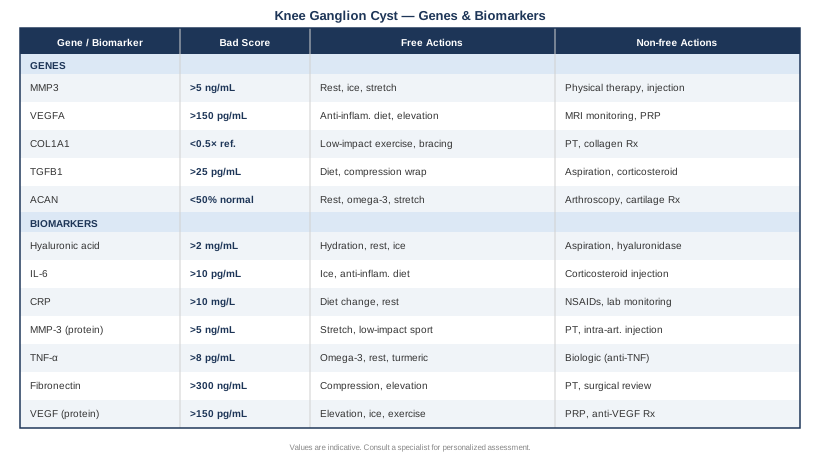
Quick Reference: All Markers at a Glance
The following table consolidates all five genetic variants and seven biomarkers covered in this article, showing what a concerning score looks like alongside your free and paid action options.
The Framework That Changed How Proactive Patients Approach Joint Health
Peter Attia's book Outlive: The Science and Art of Longevity is not specifically about ganglion cysts, but it may be the single most practically useful framework for anyone trying to understand what's actually happening in their body before symptoms become structural problems. Attia's concept of "Medicine 3.0" — proactive, biomarker-driven, personalized care rather than reactive treatment of established disease — applies directly to the situation that many ganglion cyst patients find themselves in. Below are the ten most impactful ideas from Outlive as they relate to this condition.
1. Treat the Terrain, Not Just the Symptom
Attia argues that medicine has focused almost entirely on treating disease after it manifests, rather than identifying and correcting the upstream conditions that produced it. A drained ganglion cyst that recurs within months is a textbook example of treating the symptom while the terrain — inflammatory burden, matrix integrity, synovial environment — goes unchanged. The shift he advocates is measurable: track the underlying drivers, not just the outcome.
2. Zone 2 Training Is the Most Powerful Anti-Inflammatory Tool Available
Attia dedicates extensive discussion to Zone 2 aerobic exercise — steady-state effort where you can maintain a conversation, roughly 60–70% of maximum heart rate. Consistent Zone 2 work (150–180 minutes per week spread across sessions) produces mitochondrial adaptations that reduce systemic inflammatory signaling over time. For joint conditions driven by chronic low-grade inflammation, this is among the highest-leverage, zero-cost interventions available. It also improves joint fluid circulation without generating the compressive forces that worsen capsule stress.
3. The Omega-3 Index Is Systematically Ignored by Conventional Medicine
Attia is among the most vocal advocates for the Omega-3 Index as a clinical measurement. He points out that while physicians routinely measure LDL and HDL, they almost never measure whether a patient's inflammation-resolution machinery is adequately fueled. An Omega-3 Index below 4% — common in Western adults — means the body is producing insufficient amounts of pro-resolving lipid mediators. For chronic joint inflammation, this is a meaningful and correctable deficiency.
4. Sleep Is Not Recovery — It Is Biological Maintenance
Attia treats sleep as a non-negotiable physiological requirement, not a lifestyle preference. Chronic sleep deprivation — even mild, chronic restriction to 6–6.5 hours — elevates TNF-α, IL-6, and hs-CRP measurably within days. For anyone with an inflammatory joint condition, addressing sleep quality and duration is foundational to any other intervention. No supplement or dietary change compensates for a sustained sleep deficit.
5. Metabolic Health Is the Root of Most Inflammatory Conditions
Insulin resistance, even subclinical, drives chronic low-grade inflammation through multiple pathways including elevated VEGF, increased TNF-α, and impaired immune regulation. Attia's framework emphasizes continuous glucose monitoring and fasting insulin alongside standard labs. For ganglion cyst patients, identifying and correcting subclinical insulin resistance can meaningfully reduce the upstream inflammatory pressure on joint tissue.
6. Strength Training Protects Joints From the Inside Out
Attia describes musculoskeletal strength as one of the strongest predictors of long-term health outcomes. In the joint context, adequate surrounding musculature reduces the mechanical stress placed on the joint capsule, tendon sheaths, and bursae — the exact structures involved in ganglion cyst formation. Progressive resistance training isn't just rehabilitation; it's structural insurance. He recommends prioritizing compound movements with progressive overload as early as possible.
7. Protein Intake Is Almost Always Too Low
Most adults consume far less protein than required for adequate tissue repair. Attia recommends 1.6–2.2 g/kg body weight per day as a minimum for individuals focused on musculoskeletal health — significantly above the standard RDA, which he argues was designed to prevent deficiency, not to optimize tissue maintenance. For joint capsule and connective tissue repair, this amino acid foundation matters significantly.
8. Track Multiple Markers, Not Single Endpoints
A core argument in Outlive is that single-marker thinking misses the picture. LDL alone doesn't tell you cardiovascular risk; hs-CRP alone doesn't tell you joint inflammatory status. Attia advocates for panels — multiple related markers interpreted together. The seven biomarkers described in this article reflect exactly that logic: each captures a different layer of the same underlying problem.
9. ApoB Logic Applied to Joint Inflammation
Attia's deep dive into ApoB as a more accurate cardiovascular risk marker illustrates a broader principle: the specific mechanism matters more than the downstream number. In joint inflammation, this translates to caring about why CRP is elevated (is it driven by IL-6? by high MMP-3? by low omega-3?) rather than treating the number in isolation. The gene and biomarker framework in this article applies that same mechanistic thinking.
10. The Centenarian Decathlon Mindset
Attia's most memorable concept is the "centenarian decathlon" — working backward from the physical activities you want to be able to do at age 90 to identify what reserves you need to build now. Applied to knee health: the goal isn't just to resolve the current cyst. The goal is to build enough muscular support, connective tissue quality, and inflammatory reserve that your joint environment stops generating cysts in the first place. That shift in timeframe changes which interventions feel worth doing.
Complementary Approaches Worth Considering
The following modalities have meaningful human clinical evidence relevant to knee ganglion cysts or the joint inflammatory conditions that underlie them. They are not replacements for the biomarker and genetic interventions above, but they can complement those strategies meaningfully.
Low-Level Laser Therapy (Photobiomodulation)
Photobiomodulation (PBM) uses near-infrared and red light wavelengths to stimulate mitochondrial cytochrome c oxidase activity in tissue, promoting local anti-inflammatory and tissue-repair effects. For joint-adjacent conditions, its relevance lies in its ability to reduce local inflammatory cytokine expression and promote collagen remodeling in connective tissue — the two mechanisms most directly relevant to ganglion cyst formation and persistence. Evidence in ganglion cysts specifically is limited, but the underlying mechanism is well-supported by joint inflammation research.
A 2016 systematic review and meta-analysis published in Photomedicine and Laser Surgery examined PBM for musculoskeletal pain and joint conditions, finding consistent improvements in local inflammatory markers and tissue repair endpoints across multiple randomized trials. The most studied parameters for knee joint applications are wavelengths of 780–904 nm, doses of 4–8 J/cm², applied directly to the joint area 3–5 times per week.
For practical application, home-use red light/near-infrared panels (660 nm + 850 nm) can deliver meaningful doses to the knee with 10–20 minute sessions, 4x/week. Position the device 5–15 cm from the knee surface during sessions. Results typically emerge after 4–6 weeks of consistent use. Avoid PBM if you have active cancer in the treatment area, are taking photosensitizing medications, or have an implanted electronic device nearby.
Massage Therapy
Manual soft-tissue therapy applied to the musculature surrounding the knee can reduce local inflammatory activity, improve venous and lymphatic fluid dynamics, and reduce the mechanical overload patterns that drive joint capsule stress. For ganglion cysts, one of the proposed mechanisms is that improved local circulation and reduced peri-articular muscle tension may normalize the mechanical environment that is feeding excess joint fluid production. Evidence for ganglion cysts specifically is largely anecdotal, but adjacent evidence from knee osteoarthritis and joint effusion research is more substantive.
A randomized controlled trial examining massage therapy for knee osteoarthritis — published in the Annals of Internal Medicine — found significant reductions in pain and functional limitation with a structured 8-week protocol of full-body Swedish massage, with effects sustained at 24 weeks. The anti-inflammatory mechanism is thought to involve prostaglandin modulation and lymphatic flow improvement. Techniques most relevant for the knee include longitudinal stripping of the quadriceps and hamstrings, cross-fiber friction at the joint line, and gentle effleurage around the popliteal space.
In practice, working with a licensed massage therapist familiar with joint conditions at 1–2 sessions per week for 6–8 weeks is a reasonable trial. Self-massage with a firm foam roller applied to the quadriceps, hamstrings, and IT band can be performed daily as a maintenance practice. Avoid direct deep pressure over the cyst itself — the goal is to address the surrounding tissue environment, not the cyst directly.
Yoga
Yoga combines controlled movement, joint loading under tension, and breath-based parasympathetic activation in a way that is uniquely suited to joint conditions driven by chronic low-grade inflammation. For the knee, gentle weight-bearing yoga postures promote synovial fluid circulation and joint capsule loading that drives nutrient exchange and matrix remodeling. The stress-reduction component is independently relevant — as established in the IL-6 and TNF-α sections above, chronic stress is a significant driver of joint inflammatory burden.
A randomized trial examining Iyengar yoga for knee osteoarthritis, published in Evidence-Based Complementary and Alternative Medicine, found significant improvements in pain, stiffness, and physical function after an 8-week structured program compared to wait-list control. The postures most studied include supported standing poses, gentle knee flexion sequences, and restorative postures that reduce systemic cortisol without placing compressive load on the joint. Props (blocks, straps, bolsters) are important to avoid forcing range of motion.
Practically, two to three guided yoga sessions per week of 45–60 minutes each, focused on lower-extremity alignment and gentle progressive loading, is a reasonable starting protocol. Avoid deep forceful knee flexion (hero's pose, pigeon) if the cyst is currently enlarged or symptomatic — work within a comfortable range and progressively increase over weeks. A teacher with experience in therapeutic or adaptive yoga for joint conditions is preferable to a standard flow class.
Conclusion
A knee ganglion cyst is a local problem with systemic roots. The seven biomarkers covered in this article — hs-CRP, IL-6, MMP-3, VEGF, vitamin D, the Omega-3 Index, and serum hyaluronic acid — give you a concrete, actionable view of the internal conditions that may be sustaining your cyst. The five genetic variants add context for why your joint environment may be structurally predisposed to these conditions in the first place. Together, they shift the conversation from "watch and wait" to "measure and act."
The next smart step is to bring two or three of the most accessible markers to your physician — hs-CRP, vitamin D, and the Omega-3 Index are all inexpensive, widely available, and immediately interpretable. Track them, address what's out of range, retest in 90 days, and build from there. Most of the interventions described here are low-risk and compound over time. The goal isn't to resolve the cyst overnight — it's to change the tissue environment that produced it.
Musculoskeletal: Joint Conditions Tendon & Ligament Conditions
Autoimmune: Inflammatory Conditions Connective Tissue Conditions