This article contains AI generated content.
· UpdatedKnee Lymphangioma: 5 Genes and 5 Biomarkers to Track
Introduction
A lymphangioma of the knee is one of the rarer diagnoses in musculoskeletal and vascular medicine — a benign but often stubborn malformation of the lymphatic vessels that causes persistent swelling, discomfort, and a great deal of uncertainty about what comes next. For most people who receive this diagnosis, the information they are given is largely reactive: manage symptoms, consider surgery or sclerotherapy if it grows, and monitor with imaging. That is not nothing, but it leaves out the most important layer of understanding.
What the standard approach tends to skip entirely is the underlying biology. Knee lymphangiomas are not random events. They emerge from specific disruptions in the genetic programming that governs how lymphatic vessels form, branch, and stabilize. Over the past decade, molecular research has identified a small set of genes and signaling pathways that appear consistently in lymphatic malformations, and this changes what is possible for both monitoring and management.
Generic lifestyle advice — rest, compression, anti-inflammatory diet — has some real merit. But it cannot be meaningfully optimized without knowing which biological process is actually misfiring. A person with a PIK3CA-driven lymphangioma may respond differently to dietary and pharmacological interventions than someone with a FOXC2-related variant. That kind of precision is increasingly accessible, and it matters.
This article takes a closer look at the genetics and the blood-based biomarkers that current science links most directly to lymphatic malformations. The genetics section maps the key genes involved, what disruption of each one looks like, and what targeted plans exist — with and without supplements — to work around those disruptions. The biomarker section identifies five practical measurements that can help track disease activity and treatment response over time. Together, they offer a more grounded and actionable understanding of a condition that is too often met with a shrug.
Summary
Knee lymphangioma is a benign lymphatic malformation that remains poorly understood in most clinical settings. The good news is that molecular biology has caught up significantly. Research shows that somatic mutations in PIK3CA are present in a meaningful proportion of cases, activating a known signaling cascade that can be targeted through both lifestyle interventions and pharmacological agents. Beyond PIK3CA, mutations in KRAS, VEGFR3, FOXC2, and PTEN define distinct biological subtypes — each with its own implications for monitoring and management.
On the biomarker side, VEGF-C, D-dimer, CRP/IL-6, circulating tumor DNA, and podoplanin offer practical ways to monitor lymphatic activity, inflammation, lesion behavior, and even molecular driver identity — without relying on imaging alone. This article covers all five genes in depth, including what happens when each is disrupted and what can be done about it, with and without supplements. It then summarizes the five most clinically useful biomarkers, including how to measure them and what to do with a poor result. A section on the PI3K-mTOR connection — drawn from Peter Attia's metabolic framework in Outlive — adds context on why pathway-level thinking matters more than diagnosis-level thinking. Four evidence-informed complementary approaches complete the picture, covering dimensions that most standard consultations never reach.
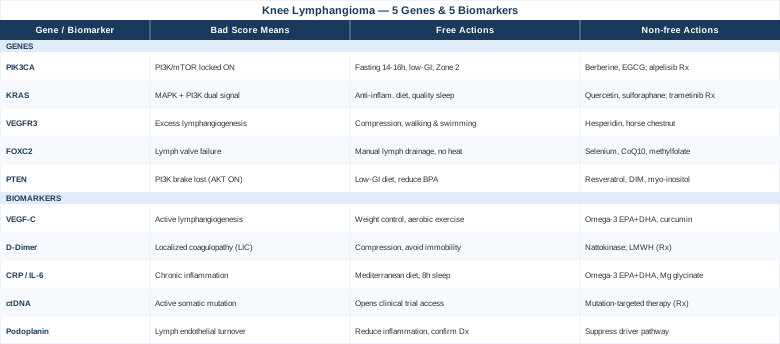
What the Genetics of Knee Lymphangioma Actually Tells You
The shift from viewing lymphatic malformations as purely anatomical problems to understanding them as molecularly driven conditions has happened quietly over the past decade. Large sequencing studies of resected lymphangioma tissue have consistently identified somatic (non-inherited) mutations in a handful of key genes — mutations that occur after fertilization, often in a small population of progenitor cells during early vascular development. These mutations activate growth-signaling pathways that are not supposed to be constitutively active in mature lymphatic endothelium. Identifying which pathway is involved changes both the prognosis and the range of therapeutic options.
This section covers the five genes most directly implicated in lymphatic malformations. For each one, the explanation covers what the gene normally does, what disruption looks like clinically and molecularly, and what can realistically be done in response — through lifestyle changes and through supplements or medical tools.
1. PIK3CA: The Most Common Molecular Driver
PIK3CA encodes the catalytic subunit of phosphatidylinositol 3-kinase (PI3K), an enzyme that sits at the center of the PI3K/AKT/mTOR signaling pathway. This pathway regulates cell growth, survival, and proliferation. In healthy lymphatic endothelium, PI3K activity is tightly controlled and context-dependent. When an activating somatic mutation occurs in PIK3CA, the pathway becomes constitutively active — meaning affected cells receive a continuous, unbounded growth signal regardless of what the body actually requires.
Sequencing studies of tissue from lymphatic malformations have found PIK3CA mutations in a substantial subset of cases, with estimates ranging from 20–50% depending on malformation type and technique used. The most commonly identified hotspot mutations are at codons E542K, E545K, and H1047R — all of which push the PI3K/AKT/mTOR axis into overdrive. This is the same pathway implicated in a wide range of overgrowth syndromes, which is precisely why sirolimus (rapamycin), an mTOR inhibitor, has demonstrated meaningful benefit in complex vascular anomalies in controlled clinical settings. Alpelisib (BYL719), a PI3K-alpha-specific inhibitor, has more recently shown efficacy in PIK3CA-driven overgrowth conditions in specialist settings.
If the Gene Is Altered: The Plan Without Supplements
Even without pharmacological intervention, there are meaningful ways to suppress PI3K/AKT/mTOR pathway activity through diet and lifestyle. The most evidence-supported approach is intermittent fasting or time-restricted eating — specifically a 14–16 hour daily fasting window — which significantly reduces insulin and IGF-1 signaling, the two primary upstream activators of PI3K. A sustained low-glycemic diet (limiting refined carbohydrates, prioritizing fiber, vegetables, and quality protein) achieves a similar suppressive effect chronically. Insulin resistance amplifies PI3K activation; correcting it reduces background pathway noise.
Regular aerobic exercise — 150–300 minutes per week of moderate-intensity activity — independently suppresses mTOR through AMPK activation. AMPK is a cellular energy sensor that directly antagonizes mTOR: when AMPK rises, mTOR falls. Training in a fasted or semi-fasted state (not eating immediately before exercise) has the strongest suppressive effect. Compression therapy for the knee, recommended in any case for lymphatic malformations, indirectly reduces the fluid accumulation that can worsen local tissue signaling environments. Frequency: dietary changes should be sustained daily; exercise should be regular, not cyclical.
If the Score Is Bad: The Plan With Supplements or Equipment
Berberine (500mg, 2–3 times daily with meals) is one of the better-studied natural AMPK activators, functioning in a mechanistically similar way to metformin. It indirectly suppresses mTOR, improves insulin sensitivity, and exerts anti-inflammatory effects. Cycle 8 weeks on, 2–4 weeks off to avoid tolerance. Monitor for gastrointestinal effects (nausea, loose stools are the most common). Do not combine with CYP3A4-inhibiting medications without medical supervision.
EGCG from green tea extract (400–600mg standardized extract, once daily) has demonstrated PI3K pathway-modulating effects in cell and animal studies, including direct PI3K inhibition and Nrf2 activation. Human evidence for lymphangioma specifically is indirect, but the mechanistic basis is sound. Cycle 6–8 weeks on, 2 weeks off. Avoid on an empty stomach. Not recommended during pregnancy or with blood thinners at high doses.
For those with confirmed PIK3CA-mutated lymphangioma under specialist care, discussion of alpelisib or sirolimus may be warranted. Both are prescription-only and require monitoring — alpelisib for hyperglycemia, sirolimus for immunosuppression. These are not supplements; they require vascular anomaly specialist or oncology oversight.
2. KRAS: The Persistent On-Switch
KRAS is one of the RAS family GTPases — small proteins that relay signals from cell surface receptors to downstream kinase cascades including MAPK/ERK and PI3K. Under normal circumstances, KRAS cycles between an active (GTP-bound) and inactive (GDP-bound) state. Activating somatic mutations — most commonly at codon 12 (G12V, G12D) — lock KRAS in the "on" position, creating a continuous proliferative signal in affected cells.
KRAS mutations have been identified in lymphatic malformations, including macrocystic variants and larger cystic hygromas. They occur less frequently than PIK3CA mutations but are clinically significant because they activate both the MAPK and PI3K pathways simultaneously — a dual-pathway activation that may explain more aggressive or treatment-refractory behavior. Research published in the Journal of Experimental Medicine and related journals has confirmed KRAS hotspot mutations in surgically resected lymphatic malformation tissue. NRAS mutations at codon 61 have also been identified and produce a functionally similar state.
If the Gene Is Altered: The Plan Without Supplements
KRAS itself remains notoriously difficult to target directly, which has driven pharmaceutical attention toward downstream effectors (MEK, ERK). From a lifestyle standpoint, the most impactful intervention is a sustained anti-inflammatory, low-glycemic dietary pattern. Chronic low-grade inflammation and insulin signaling are upstream activators of the RAS/MAPK cascade. Reducing dietary omega-6 fatty acids (refined seed oils) and increasing omega-3 sources (fatty fish, sardines, flaxseed) modulates the arachidonic acid pathway, which has meaningful cross-talk with MAPK signaling.
Adequate sleep (7–9 hours, consistently) is underappreciated in this context: sleep deprivation elevates cortisol and pro-inflammatory cytokines, which function as upstream RAS pathway activators. Managing psychological stress through structured practices (see complementary approaches below) also lowers the chronic inflammatory load that keeps MAPK signaling inappropriately elevated.
If the Score Is Bad: The Plan With Supplements or Equipment
Quercetin (500–1000mg daily, ideally with bromelain for improved absorption) has shown MEK/ERK pathway inhibitory effects in multiple cell studies and direct PI3K inhibition at higher concentrations — making it relevant to both KRAS and PIK3CA-driven lesions. Cycle 8–10 weeks on, 2–3 weeks off. Side effects are generally mild; avoid high doses alongside blood-thinning medications.
Sulforaphane (from broccoli sprout extract, 30–60mg of sulforaphane equivalent daily) activates the Nrf2 pathway, which downregulates MAPK-driven inflammatory signaling and has shown anti-proliferative effects in RAS-mutated cell lines in preclinical studies. Take with food; cycle 8 weeks on, 2 weeks off. Well-tolerated in most people; minor GI discomfort occasionally reported.
For specialist-supervised cases, trametinib (a MEK inhibitor) is being studied in RAS pathway-driven vascular anomalies and has shown early positive signals. This remains investigational for lymphangioma specifically and requires specialist referral and institutional protocol access.
3. VEGFR3 (FLT4): The Lymphatic Gateway Gene
VEGFR3 — encoded by the FLT4 gene — is the primary receptor for vascular endothelial growth factors C and D (VEGF-C and VEGF-D), and it is the dominant signaling receptor driving lymphatic endothelial cell growth, differentiation, and survival. Without adequate VEGFR3 signaling during development, lymphatic vessels fail to form properly. With excessive or dysregulated activity in mature tissue, lymphatic endothelial cells can proliferate abnormally and form or expand malformations.
Germline loss-of-function mutations in VEGFR3 are responsible for Milroy disease (primary hereditary lymphedema), while somatic variants affecting VEGFR3 expression and activity have been implicated in sporadic lymphatic malformations. Epigenetic silencing of microRNAs that normally suppress the VEGF-C/VEGFR3 axis can produce a functionally similar state — increased lymphangiogenic signaling without a coding mutation. Elevated serum VEGF-C, which binds VEGFR3 directly, is one of the most informative biomarkers in this context and is discussed in the following section.
If the Gene Is Altered: The Plan Without Supplements
Compression therapy is the most direct mechanical intervention for dysregulated lymphatic vessel biology. Medical-grade compression (20–40 mmHg for the knee, custom-fitted) reduces tissue hydrostatic pressure and mechanically limits lymphatic vessel distension — directly relevant when VEGFR3-driven signals promote excess lymphangiogenesis. Consistency of use is more important than compression intensity; daytime wear at minimum, with trained fitting by a lymphedema therapist.
Regular walking and swimming are the most lymph-friendly forms of exercise: skeletal muscle contraction is the primary pump driving lymph flow in peripheral vessels, and rhythmic low-impact activity supports valve function in lymphatic collectors. Aim for 30–45 minutes of low-impact aerobic activity daily. Avoid prolonged sitting or standing without movement breaks, as venous and lymphatic pooling in the lower limb elevates VEGF-C production locally.
If the Score Is Bad: The Plan With Supplements or Equipment
Hesperidin (a citrus bioflavonoid, 500mg daily) has shown lymphedema-reducing properties in small human trials and is thought to support lymphatic capillary integrity through barrier-strengthening effects. It modulates VEGF signaling indirectly through anti-inflammatory pathways. Continuous use is generally well-tolerated; occasional GI upset is the main side effect.
Horse chestnut seed extract (aescin) (300mg standardized extract, twice daily) carries the best clinical evidence among natural supplements for reducing lymphatic-venous fluid accumulation in lower limb conditions. It works by sealing capillary pores and reducing vascular permeability — directly opposing the increased permeability that drives fluid accumulation around lymphangioma tissue. Cycle 3 months on, 1 month off. Avoid in kidney disease or with concurrent anticoagulant therapy.
Sequential pneumatic compression devices — prescription devices that apply graduated, rhythmic pressure to the lower limb — offer mechanical support for lymph flow when structural lymphatic function is compromised. These are commonly used in decongestive lymphatic therapy and can be prescribed for home use through lymphedema specialist programs.
4. FOXC2: The Valve Blueprint Gene
FOXC2 is a forkhead transcription factor that plays a fundamental role in the development and long-term maintenance of lymphatic vessel valves. It is expressed in lymphatic valve-forming cells and regulates a suite of downstream genes necessary for proper valve architecture, including those governing endothelial cell polarity and junctional stability. When FOXC2 is lost or mutated, lymphatic valves fail to form correctly, lymph flows backward, and local pressure dysregulation follows — creating the stagnant, fluid-accumulating conditions in which malformations expand.
Germline mutations in FOXC2 cause lymphedema-distichiasis syndrome, a hereditary condition, but somatic disruptions and epigenetic silencing of FOXC2 have been observed in sporadic lymphatic malformations. FOXC2 interacts tightly with PROX1 — the master regulator of lymphatic endothelial identity — in a regulatory network; when this network is destabilized, normal lymphatic patterning breaks down at the valve level. Environmental exposures including sustained oxidative stress can promote FOXC2 silencing through DNA methylation.
If the Gene Is Altered: The Plan Without Supplements
Since FOXC2 disruption primarily affects valve architecture and fluid dynamics, the most direct intervention is manual lymphatic drainage (MLD), a specialized massage technique that guides lymph fluid through pathways that bypass dysfunctional valves. Performed by a therapist certified in the Vodder or Casley-Smith technique, sessions of 45–60 minutes, 2–3 times per week, have documented efficacy in improving drainage in valve-compromised lymphatic tissue. Self-drainage techniques taught during sessions can be applied daily at home.
Avoiding sustained heat exposure (hot baths, saunas, prolonged sun exposure to the knee) is important: heat causes vasodilation and increases lymph production at a rate that compromised valves cannot handle, acutely worsening swelling. Maintaining a healthy body weight reduces the lymphatic load that the system must manage chronically.
If the Score Is Bad: The Plan With Supplements or Equipment
Selenium (100–200mcg daily as selenomethionine) supports endothelial function through antioxidative mechanisms that may reduce the oxidative stress-driven epigenetic silencing of genes like FOXC2. Stay within the 200mcg daily ceiling — selenosis is a real and serious risk above 400mcg chronically. Test serum selenium before supplementing; many people are not deficient.
Coenzyme Q10 (ubiquinol form) (100–200mg daily) supports mitochondrial function in endothelial cells, reduces vascular oxidative stress, and has indirect effects on endothelial health and integrity. Cycle 3 months on, 1 month off if desired. Well-tolerated; occasional soft stool at higher doses.
Methylfolate (5-MTHF, 400–800mcg daily) supports methylation homeostasis and may reduce aberrant DNA methylation at lymphatic gene promoters including FOXC2. This is especially relevant when FOXC2 silencing is driven by hypermethylation. Check MTHFR status; individuals with MTHFR variants may need physician-guided dosing adjustments.
5. PTEN: The Lost Brake
PTEN (Phosphatase and Tensin Homolog) is a tumor suppressor gene that acts as the primary biological brake on the PI3K/AKT/mTOR pathway. It directly dephosphorylates PIP3 — the lipid second messenger produced by active PI3K — effectively shutting the downstream cascade down. When PTEN is lost or silenced, the PI3K pathway stays constitutively active without needing PIK3CA to be mutated; the functional result is nearly identical to a PIK3CA gain-of-function mutation.
PTEN loss has been documented in lymphatic malformations associated with PTEN hamartoma tumor syndrome, including Bannayan-Riley-Ruvalcaba syndrome and Cowden syndrome, and somatic PTEN loss or promoter hypermethylation has been found in isolated vascular anomalies. From an epigenetic standpoint, PTEN is one of the most commonly methylation-silenced tumor suppressor genes across tissues, and metabolic and environmental factors — insulin resistance, oxidative stress, BPA exposure — actively promote this silencing. Unlike germline PTEN mutations, epigenetically silenced PTEN is potentially reversible.
If the Gene Is Altered: The Plan Without Supplements
Restoring PTEN's suppressive function pharmacologically is not yet clinically feasible, but reducing the activity of the pathway it controls is achievable through the same anti-insulin-resistance lifestyle described for PIK3CA: low-glycemic diet, intermittent fasting, and regular aerobic exercise. Equally important here is reducing environmental exposure to endocrine disruptors — BPA (from plastic containers and can linings), phthalates (from fragranced personal care products), and certain pesticide residues — all of which promote PTEN promoter methylation in preclinical models.
Practical steps include choosing BPA-free food storage, filtering drinking water, and prioritizing organic produce for the highest-pesticide crops (the Environmental Working Group's "Dirty Dozen" is a practical, frequently updated reference). These are sustainable, low-risk interventions with meaningful epigenetic rationale.
If the Score Is Bad: The Plan With Supplements or Equipment
Resveratrol (250–500mg daily with a fat-containing meal) activates SIRT1, which has been shown to support PTEN expression and reduce AKT phosphorylation in PTEN-compromised tissue in preclinical models. Human evidence is indirect, but the safety profile is strong and mechanistic plausibility is high. Cycle 8–10 weeks on, 2 weeks off. Avoid combining with blood-thinning medications.
DIM (diindolylmethane) from cruciferous vegetables or supplement form (100–200mg daily) has demonstrated PTEN-restoring and PI3K-suppressing effects in hormone-responsive tissue in human studies. Cycle 8 weeks on, 2 weeks off. May influence estrogen metabolism — relevant for individuals on hormonal medications, who should consult a physician before use.
Inositol (myo-inositol, 2–4g daily) functions as a precursor to PIP3, but adequate inositol levels paradoxically support the normal PI3K/PTEN balance rather than amplifying PI3K. It has documented effects on insulin sensitivity and has been used in PTEN-related overgrowth syndromes in small clinical series. Well-tolerated; loose stools are the main side effect at the higher end of the dose range.
5 Biomarkers Worth Tracking in Knee Lymphangioma
Genetics tells you the mechanism; biomarkers tell you the current state. The five measurements below offer practical windows into lymphangioma biology — from lymphangiogenic drive and coagulation activity to systemic inflammation and lesion-specific molecular identity. Not all are routinely ordered in standard care, but most are accessible through specialist referral, and the information they provide can meaningfully guide monitoring and intervention far beyond what imaging alone delivers.
1. VEGF-C: The Lymphangiogenic Signal
VEGF-C (Vascular Endothelial Growth Factor C) is the primary ligand for VEGFR3, the receptor central to lymphatic vessel formation and maintenance. Elevated serum VEGF-C indicates active lymphangiogenic signaling — the kind that drives lesion growth, expansion into surrounding tissue, and increased fluid accumulation. It is one of the most direct available biomarkers of lymphatic malformation activity.
How to Measure It
VEGF-C is measured by ELISA assay from a venous blood sample. It is not included in standard panels and requires specific request, typically through a specialist or research-affiliated laboratory. Cost ranges from approximately $100–$300. Reference ranges vary by laboratory; elevated values above the upper reference limit are most meaningful when trending upward over sequential measurements every 3–6 months.
If the Score Is Bad: The Plan Without Supplements
VEGF-C elevation responds to weight management (adipose tissue is a major source of VEGF-C and related lymphangiogenic factors), reduction of dietary fat load (high-fat meals acutely elevate intestinal VEGF-C production through chylomicron pathway stimulation), and sustained anti-inflammatory dietary patterns. Moderate aerobic exercise — not prolonged high-intensity training, which transiently elevates inflammatory cytokines — lowers TNF-alpha and IL-6, two upstream drivers of VEGF-C transcription.
If the Score Is Bad: The Plan With Supplements or Equipment
Omega-3 fatty acids (EPA/DHA, 2–4g combined daily) from fish oil or algae oil have documented VEGF-suppressing effects in multiple human studies including cancer and inflammatory conditions. Consistent daily use is more effective than cyclical use. Enteric-coated forms reduce the GI side effects associated with higher doses.
Curcumin (as theracurmin or longvida formulation, 500–1000mg daily) has shown VEGF-C suppression in cell and animal models and meaningful anti-inflammatory effects in human trials. Standard curcumin powder is poorly absorbed; formulation quality determines whether blood levels reach therapeutic range. Cycle 8 weeks on, 2 weeks off.
2. D-Dimer: The Coagulation Marker
D-dimer is a fibrin degradation product — a signal that blood clotting has occurred within the body and is being broken down. In lymphatic malformations, a phenomenon called localized intravascular coagulopathy (LIC) occurs within large or complex lesions: slow-moving blood within malformation channels promotes micro-clot formation, which continuously releases D-dimer into circulation. This is not systemic thrombosis risk, but chronically elevated D-dimer is a reliable indicator of lesion vascular activity and internal instability.
How to Measure It
D-dimer is a routine blood test, widely available and inexpensive ($20–$80). Normal is generally below 0.5 mg/L FEU, though laboratory reference ranges vary. In lymphatic malformations, levels consistently above 1.0 mg/L without another clinical explanation suggest active LIC and should prompt specialist review. Serial measurements every 3–6 months are more useful than any single reading.
If the Score Is Bad: The Plan Without Supplements
LIC-driven D-dimer elevation is best managed through compression therapy (which reduces stagnant blood flow within lesion channels) and regular, gentle movement to promote adjacent venous and lymphatic circulation. Prolonged immobility — particularly for a knee lesion — significantly worsens LIC. Long-haul travel and post-surgical immobilization periods should be specifically discussed with a vascular anomaly specialist before they occur.
If the Score Is Bad: The Plan With Supplements or Equipment
Low-molecular-weight heparin (LMWH) is used in specialist vascular anomaly centers to manage LIC-related coagulation in complex malformations — this is a prescription intervention requiring hematology or vascular specialist oversight, not a self-managed supplement. Among non-prescription options, nattokinase (100–200mg standardized to 2000 FU) has fibrinolytic properties studied in coagulation-related conditions, though evidence specific to LIC in lymphangioma is limited. Use only under supervision; contraindicated with anticoagulant medications or in the perioperative period.
3. CRP and IL-6: The Inflammatory Load
High-sensitivity CRP (hs-CRP) and interleukin-6 (IL-6) together reflect the degree of systemic and local inflammation surrounding and within the lesion. Chronic low-grade inflammation is not merely a bystander in lymphangioma — it actively drives VEGF-C expression, promotes lymphangiogenesis, and maintains the local tissue environment in which lesions expand. IL-6 in particular directly stimulates VEGF-C production by adjacent stromal cells, creating a self-amplifying loop.
How to Measure It
Hs-CRP is a standard blood test (under $50), widely available. IL-6 is available through most major clinical laboratories ($50–$150) but requires a specific order — it is not included in standard inflammatory panels. Hs-CRP below 1 mg/L reflects low inflammatory risk; above 3 mg/L reflects elevated chronic inflammation. Resting IL-6 above 3.1 pg/mL suggests chronic inflammatory activation. Both should be measured in a resting, non-acutely-ill state.
If the Score Is Bad: The Plan Without Supplements
The inflammatory load responds to dietary pattern more than any supplement. The Mediterranean diet — emphasizing extra-virgin olive oil, fatty fish, vegetables, legumes, and limited processed meat and refined carbohydrates — has the strongest human RCT evidence for hs-CRP reduction, with trials consistently showing 20–30% reductions over 3–6 months. Restorative sleep (7–9 hours), stress management, and elimination of smoking achieve comparable or greater effects independently.
If the Score Is Bad: The Plan With Supplements or Equipment
Omega-3 fatty acids (2–4g daily EPA+DHA) are among the best-evidenced supplements for reducing both hs-CRP and IL-6, supported by multiple randomized controlled trials across inflammatory conditions. Magnesium glycinate (300–400mg nightly) also reduces CRP in magnesium-deficient individuals — a common deficiency that is frequently missed in standard workups. Test RBC magnesium before supplementing for the most accurate picture of intracellular status. Both supplements are appropriate for continuous use with periodic reassessment every 3–6 months.
4. Circulating Tumor DNA (ctDNA) for Somatic Mutations
Circulating cell-free DNA carrying somatic mutations — commonly called ctDNA in oncology, but increasingly applicable to vascular anomalies — offers the possibility of detecting PIK3CA, KRAS, or other driver mutations from a blood draw rather than requiring surgical tissue. This is particularly relevant for knee lymphangioma because biopsying an active lymphatic lesion carries risks, and many cases are managed without tissue analysis. Liquid biopsy changes that equation.
How to Measure It
Commercially available liquid biopsy panels (offered through clinical laboratories with oncology and rare disease capabilities) can detect low-frequency somatic mutations in cell-free DNA. Cost ranges from $300–$1500 depending on panel breadth and insurance coverage. For lymphangioma, targeted panels covering PIK3CA hotspots and RAS pathway mutations are most relevant. This is an emerging rather than routine application; access typically requires specialist referral, and insurance coverage varies significantly.
If the Score Is Bad: The Plan Without Supplements
A positive ctDNA result confirming a PIK3CA or KRAS mutation does not change immediate medical management in most cases, but it dramatically informs targeted therapy eligibility. It opens access to relevant clinical trials (several trials of PI3K inhibitors and MEK inhibitors in vascular anomalies have been or are currently running at specialized centers), and it allows mutation allele frequency to be tracked over time as a direct lesion activity metric — something no imaging study can provide.
If the Score Is Bad: The Plan With Supplements or Equipment
Once a driver mutation is confirmed by ctDNA, the lifestyle and supplement interventions described in the corresponding gene sections above apply with greater precision. A PIK3CA-positive result points directly to the PI3K-suppression protocol; a KRAS-positive result points to the MAPK/inflammatory reduction protocol. Retesting every 6–12 months offers a non-invasive window into whether the allele frequency is stable, rising (suggesting lesion activity), or declining (suggesting response to intervention).
5. Podoplanin (D2-40): The Lymphatic Identity Marker
Podoplanin, detected clinically through the D2-40 antibody, is a transmembrane glycoprotein expressed specifically on lymphatic endothelial cells. In pathology, it is the definitive marker used to confirm lymphatic origin of a lesion on biopsy — a D2-40-positive result distinguishes a lymphangioma from other vascular malformations. At a more experimental level, circulating podoplanin in blood plasma may reflect lymphatic endothelial activity and lesion burden over time.
How to Measure It
Tissue podoplanin expression via D2-40 immunohistochemistry is performed on surgical or biopsy specimens as part of standard vascular anomaly pathology workup — this is the most established clinical use. Serum podoplanin via ELISA is primarily research-grade ($100–$300 through academic labs) and not yet standard in clinical monitoring. Elevated circulating podoplanin has been associated with greater lymphangiogenic activity in research settings and may become a useful longitudinal tracking tool as the field matures.
If the Score Is Bad: The Plan Without Supplements
Elevated circulating podoplanin reflects active lymphatic endothelial turnover. The most appropriate initial response is to ensure accurate diagnosis and appropriate specialist monitoring — podoplanin is not a primary target for lifestyle modification in isolation. However, reducing the inflammatory environment (see CRP/IL-6) and VEGF-C levels diminishes the stimulus for lymphatic endothelial activation more broadly, and improvements in those markers tend to track with podoplanin normalization.
If the Score Is Bad: The Plan With Supplements or Equipment
There are no supplements that directly normalize podoplanin. As an indirect biomarker of lymphangiogenic activity, it is expected to trend downward in response to any intervention that effectively suppresses the underlying molecular driver — whether dietary and lifestyle changes targeting PI3K signaling, or specialist-guided targeted therapy. Use it as a response-tracking marker rather than a direct intervention target.
What Peter Attia's Longevity Framework Reveals About the PI3K-mTOR Axis
With the molecular and biomarker picture in place, it is worth stepping back to examine the broader metabolic framework that governs the pathways described above. Peter Attia's Outlive: The Science and Art of Longevity contains one of the clearest accessible explanations of the PI3K/AKT/mTOR network available outside of academic literature. This pathway — which Attia frames as the central regulator of the biological trade-off between growth and maintenance — is precisely the pathway most commonly dysregulated in PIK3CA-driven lymphatic malformations. Reading the book through this lens produces a number of insights that can change how someone approaches their condition.
1. PI3K/mTOR Is the Master Growth Switch
Attia describes the PI3K/AKT/mTOR axis as the cellular growth program: when it is on, cells grow; when it is suppressed, cells repair and maintain. In lymphangioma driven by PIK3CA mutation or PTEN loss, this switch is jammed permanently in the "on" position in affected cells. Understanding this makes every physiological intervention that suppresses the axis — fasting, low-glycemic eating, berberine, Zone 2 exercise — make biological sense rather than being vague lifestyle recommendations.
2. Fasting Suppresses mTOR More Than Any Supplement
Attia makes a compelling, data-grounded case that periods of fasting — specifically 14–16 hours of daily time-restricted eating and occasional 24–36 hour extended fasts — produce mTOR suppression that no supplement replicates at the same magnitude. For people with PI3K pathway-driven lymphangioma, this is actionable: consistent daily fasting windows may be the highest-leverage single behavioral intervention available.
3. Insulin Resistance Amplifies the PI3K Axis
One of Outlive's central arguments is that chronic insulin resistance is the upstream metabolic disruption driving many chronic diseases. For lymphangioma, elevated baseline insulin provides sustained PI3K activation through the insulin receptor — amplifying whatever mutation or epigenetic disruption is already present. Attia's glucose and insulin monitoring protocols (continuous glucose monitoring, fasting insulin, HOMA-IR calculation) are directly applicable to lymphangioma management.
4. Rapamycin and Its Clinical Double Life
Attia discusses rapamycin (sirolimus) extensively as a longevity intervention being explored for its mTORC1-suppressing properties. The mechanism he describes for longevity research is operationally identical to what vascular anomaly specialists use clinically for PIK3CA-driven lesions. This convergence is not coincidental — it reflects that the mTOR pathway is a universal cell growth regulator, and suppressing it has effects at both the lesion and the systemic level.
5. Measure Fasting Insulin, Not Just Fasting Glucose
Attia makes a strong case for measuring fasting insulin and calculating HOMA-IR, not just relying on fasting glucose. Elevated fasting insulin with normal glucose — a common and underdiagnosed pattern — indicates PI3K pathway over-activation at the systemic level. A fasting insulin above 10 µIU/mL or HOMA-IR above 1.5 is a signal that the background PI3K signaling environment is elevated and should be addressed.
6. Zone 2 Training as the Strongest mTOR Suppressor Available Over-the-Counter
Attia places Zone 2 aerobic training — roughly 60–70% of maximum heart rate, conversational pace, sustained for 45–60 minutes — at the center of metabolic health optimization. At this intensity, AMPK is strongly activated, mTOR is correspondingly suppressed, and mitochondrial biogenesis is stimulated. For lymphangioma patients who can exercise, structured Zone 2 cardio 3–5 times per week is arguably the most cost-effective long-term intervention in the entire protocol.
7. VO2 Max Reflects and Improves Metabolic Health Broadly
Attia uses VO2 max as a proxy for long-term health and mortality risk. For people managing chronic conditions like lymphangioma, improving VO2 max through aerobic training has downstream benefits on glucose metabolism, insulin sensitivity, and systemic inflammation — all of which feed back into the molecular drivers of lymphangioma lesion behavior. VO2 max is measurable through a supervised graded exercise test or estimated through fitness trackers with reasonable accuracy.
8. Sleep Quality Directly Modulates the PI3K Background Noise
Outlive dedicates substantial coverage to sleep, noting that sleep deprivation acutely elevates insulin resistance and pro-inflammatory cytokines — both of which are upstream activators of the PI3K/mTOR pathway. For someone managing a PIK3CA-driven lymphangioma, chronic poor sleep is not merely a comfort issue; it is a daily biological amplifier of the primary disease mechanism.
9. Omega-3s — Where the Evidence Is Strong Enough to Act On
Attia's approach to supplements is skeptical but explicitly endorses omega-3 fatty acids (EPA/DHA) based on the depth of RCT evidence for reducing systemic inflammation, cardiovascular risk, and VEGF-related signaling. This recommendation appears independently in the biomarker section above for both VEGF-C and CRP reduction — not by coincidence but because the evidence base is consistent and the mechanism is clear.
10. Find a Specialist Who Thinks in Pathways, Not Just Diagnoses
Attia's overarching argument is that medicine works better when practitioners reason in biological mechanisms rather than diagnostic labels. For knee lymphangioma, this means the difference between a surgeon who sees a cyst to drain versus a vascular anomaly specialist who asks which molecular pathway is driving it. Finding the latter — ideally through a multidisciplinary vascular anomaly center — is one of the highest-leverage practical steps any patient in this situation can take.
Complementary Approaches That May Support Lymphatic Health
The molecular and metabolic approaches above form the core of what current science offers for lymphangioma. A set of evidence-informed complementary practices can layer usefully on top of them — not as alternatives, but as additions that address different dimensions: physical drainage, tissue metabolism, circulation, and psychological resilience. The modalities below are selected for meaningful human clinical evidence relevant to lymphatic and chronic condition biology.
Massage Therapy — Manual Lymphatic Drainage
Manual lymphatic drainage (MLD) is a specialized form of gentle massage developed specifically for conditions involving impaired lymph flow. It uses rhythmic, low-pressure strokes that follow the anatomical path of lymphatic collectors, manually moving lymph fluid from areas of stagnation toward functioning nodes and ducts. In lymphatic malformations affecting the knee, MLD reduces local swelling, pain, and tissue heaviness — particularly when performed by a therapist certified in the Vodder or Casley-Smith technique.
Clinical guidelines from the International Society of Lymphology support MLD as a first-line component of combined decongestive therapy for lymphatic dysfunction, and multiple randomized trials in secondary lymphedema have confirmed measurable reductions in limb volume and symptom burden. While direct RCT evidence in isolated knee lymphangioma is limited by the condition's rarity, the lymphatic anatomy and mechanism are directly applicable: the malformation creates local drainage impairment that MLD helps route around, using the same physiological principles validated in related conditions.
In practice, MLD should be performed 1–3 times per week in active or post-treatment phases, with self-drainage techniques taught by the therapist for daily home use. Sessions last 45–60 minutes. Contraindications include active infection, deep vein thrombosis, and cardiac failure — these must be excluded before starting. Compression garments worn after sessions significantly extend the drainage effect.
Low-Level Laser Therapy (Photobiomodulation)
Low-level laser therapy (LLLT), also called photobiomodulation, uses specific wavelengths of near-infrared or red light (typically 600–1000nm, at low power densities) to stimulate cellular metabolic activity, reduce local inflammation, and — in lymphatic tissue — promote lymphatic collector contractility and drainage. The mechanism involves activation of mitochondrial cytochrome c oxidase, which increases ATP production and modulates reactive oxygen species signaling in target cells.
Human evidence for LLLT in lymphedema has grown substantially. Multiple randomized trials and a systematic review published in Photomedicine and Laser Surgery (Baxter GD et al.) confirmed statistically significant reductions in limb volume, tissue fibrosis, and pain in breast cancer-related lymphedema following repeated LLLT sessions. While direct trials in lymphangioma are absent, the documented ability of LLLT to stimulate lymphatic collector contractions and reduce local inflammation justifies cautious consideration under specialist supervision.
For knee lymphangioma, LLLT would be applied locally to the lesion and perilesional tissue — typically 2–3 sessions per week for 4–6 weeks, then reassessed with imaging or volume measurement. Devices should deliver 1–4 J/cm² to the treatment area. A physical therapist or sports medicine physician trained in photobiomodulation should guide protocol selection. Contraindications include active malignancy at the site, pregnancy, and application over growth plates in skeletally immature patients.
Breathing-Based Therapies
Diaphragmatic breathing is one of the most underappreciated drivers of peripheral lymphatic circulation. The thoracic duct — the main lymphatic vessel returning fluid to the bloodstream — runs adjacent to the thoracic spine and responds directly to changes in intrathoracic pressure. When the diaphragm descends during deep inhalation, it creates negative thoracic pressure that draws lymph upward from peripheral vessels, including those in the knee and lower limb. Shallow breathing — common in people managing chronic pain or anxiety — significantly blunts this pump effect.
Structured diaphragmatic breathing protocols have been studied in lymphedema management. Research published in Phlebology (Preston NJ et al.) documented reduced limb volume in cancer-related lymphedema patients following a structured breathing and movement program. While not specific to knee lymphangioma, the anatomical pathway and pressure mechanism are directly applicable to any condition involving peripheral lymphatic impairment.
A practical protocol: 10–15 minutes daily of slow diaphragmatic breathing (4-count inhale, 4-count hold, 6-count exhale) while lying with legs elevated 30–45 degrees creates a measurable effect on thoracic duct flow. Combining this with the self-MLD techniques taught by a lymphedema therapist amplifies the benefit. There are no meaningful contraindications for most people; those with significant respiratory conditions should adapt the protocol under guidance.
Mindfulness Meditation and MBSR
Living with a rare, structurally visible, and potentially recurrent condition like knee lymphangioma carries a psychological burden that vascular medicine rarely addresses directly. Chronic uncertainty, activity restriction, cosmetic impact, and fear of lesion growth or post-treatment recurrence are common and legitimate concerns. Mindfulness-Based Stress Reduction (MBSR), an 8-week structured program, has documented effects on chronic pain, anxiety, and inflammatory markers in chronic condition populations.
A systematic review published in JAMA Internal Medicine (Goyal M et al., 2014) involving 47 randomized trials found significant effects of mindfulness meditation on anxiety, depression, and pain outcomes across chronic conditions. Separately, research has shown that MBSR reduces serum cortisol and IL-6 in participants with elevated baseline stress — both of which are upstream activators of the lymphangiogenic pathways described throughout this article.
MBSR programs are available in-person through hospital and community wellness programs, and validated online formats are offered through the University of Massachusetts Center for Mindfulness and similar institutions. The standard format involves weekly group sessions and 30–45 minutes of daily home practice over 8 weeks. It does not replace medical management but is a well-evidenced addition for quality of life, pain modulation, and inflammatory load reduction — all of which are relevant to the overall biological picture of lymphangioma.
Conclusion
Knee lymphangioma is a condition that asks more of medicine than most practices currently offer. The standard approach — watch it, drain it if it grows, consider surgery — treats the structure but not the biology. The genes and biomarkers described in this article represent a more complete map: PIK3CA, KRAS, VEGFR3, FOXC2, and PTEN define the molecular landscape of most lymphatic malformations, while VEGF-C, D-dimer, CRP/IL-6, ctDNA, and podoplanin offer practical ways to track what is actually happening inside that landscape over time.
None of this is a cure, and any serious targeted intervention — alpelisib, sirolimus, MEK inhibitors — requires specialist oversight, ideally through a multidisciplinary vascular anomaly center. But knowing the molecular profile of a lesion and tracking the relevant biomarkers puts someone in a fundamentally stronger position than waiting passively for the next imaging appointment.
The most useful next step depends on where you currently are. If your lesion has never been molecularly profiled, discuss tissue sequencing or liquid biopsy ctDNA testing with your specialist. If basic inflammatory and coagulation markers have not been checked recently, schedule a standard blood draw. And if the lifestyle framework here is new — low-glycemic diet, Zone 2 aerobic exercise, omega-3 fatty acids, compression therapy — start with what is most evidence-backed and reversible, and build progressively. Better information consistently leads to better decisions. This article is a starting point for those decisions, not a substitute for the clinical partnership needed to navigate them well.
Musculoskeletal: Joint Conditions
Cardiovascular: Vascular Conditions
Autoimmune: Inflammatory Conditions