This article contains AI generated content.
· UpdatedKnee Periarthritis: 5 Genes And 7 Biomarkers To Track
Introduction
The pain sits just outside the joint — around it, not inside it. Sometimes it is the soft tissue below the kneecap, sometimes it is the inner side of the knee where three tendons converge, sometimes it is a bursa quietly inflamed for months before anyone pays attention. Knee periarthritis is not one condition so much as a cluster of soft-tissue problems involving the tendons, ligaments, and bursae that surround the knee joint. It is common, often persistent, and frequently misunderstood.
Standard advice — rest, ice, anti-inflammatories — offers some relief but rarely resolves the root cause. That is because the inflammation you feel in your knee is often the visible tip of a much larger iceberg: metabolic imbalances, nutrient deficiencies, poor connective tissue quality, or genetic variants that quietly alter how your body builds collagen, clears inflammatory signals, or responds to vitamin D. Treating the surface without addressing what drives it underneath is why so many people cycle through the same flares for years.
What blood tests and genetic data offer is specificity. Rather than treating all knee periarthritis the same way, you can identify whether your case is driven by chronic low-grade inflammation, crystal deposition, insulin resistance, poor tissue repair capacity, or connective tissue fragility — and act on that information directly.
This article covers two evidence-informed directions. The first examines seven measurable biomarkers — things you can test in blood today — that often drive or amplify periarticular knee problems, along with practical plans to improve each one. The second looks at five genetic variants that may silently shape your risk and recovery, with concrete compensation strategies. Following those, a metabolic framework from a landmark book challenges the way we think about joint inflammation at its root, and five complementary approaches with real clinical evidence round out the picture. Better information will not fix everything, but it is a much better starting point than guessing.
Summary
This article covers 7 trackable biomarkers — including hs-CRP, IL-6, uric acid, fasting insulin, vitamin D, the omega-3 index, and MMP-3 — each with a practical plan to improve your score with or without supplementation. It then examines 5 genetic variants that may shape your connective tissue quality, inflammatory response, and nutrient utilization: COL5A1, VDR, MTHFR, the IL-6 gene, and MMP3 — with specific compensation protocols for each. After the biomarker and genetic sections, a synthesis of Dr. Benjamin Bikman's metabolic framework offers 10 actionable insights into why insulin resistance may be the upstream driver most people with persistent knee periarthritis are missing. Finally, five complementary modalities — tai chi, photobiomodulation, massage therapy, yoga, and mindfulness-based stress reduction — are evaluated for their clinical evidence specifically in periarticular knee conditions. Whether your main goal is to understand your blood work, make sense of a genetic report, or find approaches backed by real trials, this article gives you a specific and evidence-informed path forward.
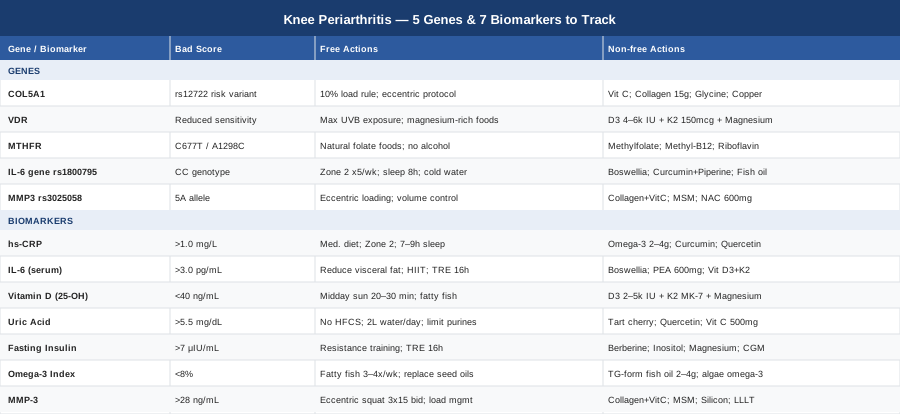
7 Biomarkers to Track When You Have Knee Periarthritis
Blood tests are not just for diagnosing disease after the fact. Used proactively, the right panel tells you where your body's systems are under stress before that stress becomes structural damage. For knee periarthritis specifically, the following seven biomarkers capture the metabolic, inflammatory, nutritional, and tissue-repair signals most closely linked to periarticular soft-tissue dysfunction. Each one is measurable, improvable, and worth understanding in the context of your own case.
1. hs-CRP: Your Body's Inflammation Alert System
High-sensitivity C-reactive protein (hs-CRP) is produced by the liver in response to pro-inflammatory cytokines circulating in the blood. Elevated hs-CRP reflects systemic low-grade inflammation — the same environment in which periarticular tissues become hypersensitive, fail to recover between loading cycles, and accumulate microdamage. Research consistently shows that individuals with elevated hs-CRP are more likely to develop musculoskeletal soft-tissue problems and respond more poorly to conservative treatment. Optimal levels are below 1.0 mg/L; values between 1.0 and 3.0 indicate borderline risk, and above 3.0 is clinically elevated.
How to Measure It
hs-CRP is a standard blood test available at virtually any clinical laboratory. Cost ranges from $10 to $30 through standard lab orders. It is often included in broader cardiovascular panels. Because hs-CRP fluctuates with transient infection or minor illness, baseline readings ideally come from two tests taken at least two weeks apart in a stable health state.
If the Score Is High, the Plan Without Supplements
The most powerful non-supplement intervention for hs-CRP is dietary. Removing ultra-processed foods, refined seed oils, and excess added sugar — the main dietary drivers of persistent low-grade inflammation — produces measurable reductions in hs-CRP within four to eight weeks. Zone 2 aerobic exercise (a pace where conversation is possible) five days per week for thirty to forty-five minutes is one of the most reliably documented ways to lower chronic systemic inflammation. Improving sleep quality to seven to nine hours per night is comparably important; sleep fragmentation independently elevates hs-CRP. A whole-food, Mediterranean-pattern diet has meta-analytic support for reducing hs-CRP by twenty to thirty percent. See studies on Mediterranean diet and CRP on PubMed. No specific cycling is needed for lifestyle-based interventions; these should be maintained continuously.
If the Score Is High, the Plan With Supplements or Equipment
Omega-3 fatty acids (EPA + DHA combined): 2–4 g per day with meals. Consistent daily use; no cycling required. Monitor for blood-thinning effects if on anticoagulants. Curcumin with piperine for absorption: 500–1000 mg curcumin with 20 mg piperine twice daily. Cycle eight weeks on, two to four weeks off; may cause GI discomfort at higher doses. Quercetin: 500 mg twice daily with food; generally well tolerated. Ginger extract (standardized): 1–2 g per day. Take with food to minimize nausea. Consider a continuous-use low-frequency infrared sauna protocol (three sessions per week, twenty minutes each) — emerging evidence suggests repeated mild heat stress reduces hs-CRP in people with musculoskeletal conditions.
2. Interleukin-6 (IL-6): The Cytokine Behind Tendon Breakdown
IL-6 is a pro-inflammatory cytokine produced by immune cells, adipose tissue, and — critically — the periarticular soft tissues themselves under repetitive mechanical stress or metabolic pressure. Elevated serum IL-6 is directly associated with tendinopathy, bursitis, and delayed soft-tissue healing. Visceral fat is a significant IL-6 source, which helps explain why metabolic syndrome and knee periarthritis so often coexist. Review IL-6 and tendinopathy research on PubMed. Optimal fasting levels are typically below 3.0 pg/mL, though reference ranges vary by laboratory.
How to Measure It
IL-6 is not a standard panel test in most primary care settings. It requires a specific blood order, often at specialty or research-oriented labs. Cost ranges from $50 to $150 depending on the provider. Rheumatologists and sports medicine physicians are the most likely to order it. Since IL-6 spikes transiently after exercise, testing should be done at least twenty-four to forty-eight hours after any intense physical activity.
If the Score Is High, the Plan Without Supplements
Reducing visceral adiposity is the single most impactful lifestyle intervention, because adipose tissue is a sustained IL-6 emitter independent of other inflammatory triggers. High-intensity interval training paradoxically reduces chronic IL-6 despite causing an acute spike during the session — the net effect on resting IL-6 is consistently negative across multiple trials. Cold-water immersion (ten to fifteen minutes in fourteen to sixteen degrees Celsius water) immediately post-exercise has shown reliable acute reductions in circulating IL-6, usable three to four times per week without specific cycling. Time-restricted eating (a fourteen to sixteen-hour fasting window) reduces IL-6 independent of caloric intake in metabolically compromised individuals.
If the Score Is High, the Plan With Supplements or Equipment
Boswellia serrata (AKBA standardized extract): 300–500 mg three times per day with meals. Cycle eight weeks on, four weeks off; generally well tolerated but monitor for GI sensitivity. Palmitoylethanolamide (PEA): 600 mg twice daily; excellent safety profile, no cycling required, takes four to six weeks for full effect. Vitamin D3 combined with K2 (see below) directly modulates IL-6 expression at the gene level — correcting deficiency should be considered a foundational step. Compression therapy devices (pneumatic compression garments) used for twenty minutes post-training show evidence of reducing local inflammatory cytokine accumulation in overuse periarticular injury models.
3. 25-OH Vitamin D: The Connective Tissue Guardian
Vitamin D is not just a bone nutrient. The vitamin D receptor (VDR) is expressed in muscle cells, tendon fibroblasts, and immune cells — all directly relevant to periarticular knee health. Low vitamin D is associated with higher pain sensitivity, reduced tendon healing capacity, impaired muscle function, and elevated inflammatory markers. See vitamin D and musculoskeletal research on PubMed. A significant proportion of people with chronic periarticular pain have vitamin D levels in the suboptimal or deficient range. Target serum level: 40–60 ng/mL (100–150 nmol/L). Below 30 ng/mL is deficient; below 20 ng/mL is severely deficient.
How to Measure It
The 25-hydroxyvitamin D blood test is widely available. Cost is typically $30 to $80 depending on insurance and lab. It can be ordered by any general practitioner. Retest every three to six months when actively supplementing to avoid toxicity — vitamin D accumulates in fat tissue.
If the Score Is Low, the Plan Without Supplements
Midday sun exposure (UVB active) with arms and legs uncovered for twenty to thirty minutes provides approximately 10,000–20,000 IU of vitamin D per session depending on skin tone, latitude, and season. Dietary sources are limited but meaningful: wild-caught salmon, sardines, mackerel, and egg yolks provide meaningful amounts. Prioritizing these three to four times per week alongside sun exposure can shift levels in mild deficiency. No specific cycling is needed for sun-based vitamin D.
If the Score Is Low, the Plan With Supplements or Equipment
Vitamin D3: 2000–5000 IU per day as a maintenance dose; up to 10,000 IU under medical supervision in severe deficiency. Always combine with vitamin K2 (MK-7) at 100–200 mcg per day to guide calcium toward bone and away from soft tissue calcification — a particularly relevant concern in periarticular conditions. Magnesium glycinate at 300–400 mg per day: without adequate magnesium, the liver and kidneys cannot convert vitamin D to its active form efficiently. A UVB lamp (narrowband, 311 nm) used for six to ten minutes per session, three times weekly, is a medically validated option for those in low-sunlight environments. No specific cycling is needed for D3; retest levels at three-month intervals to calibrate dose.
4. Uric Acid: The Crystal Risk Marker
Most people associate uric acid exclusively with gout — a dramatic acute flare in the great toe. But calcium pyrophosphate and monosodium urate crystal deposition in periarticular soft tissues (tendons, bursae, ligaments) is a recognized driver of knee periarthritis that often goes undiagnosed. Even subacute elevation in uric acid promotes low-grade crystal deposition and persistent periarticular irritation without triggering a classic gout attack. Review uric acid and periarticular studies on PubMed. Target level: below 5.5 mg/dL for optimal tissue safety; standard lab upper limits (6.0 for men, 5.5 for women) are not always strict enough for people with periarticular complaints.
How to Measure It
Uric acid is a routine blood chemistry test, often part of a metabolic panel. Cost is typically $10 to $25. It requires no fasting and can be ordered by any primary care physician. Test in the morning when levels are most stable; avoid purine-heavy meals the day before.
If the Score Is High, the Plan Without Supplements
Dietary modification is highly effective. Eliminate high-fructose corn syrup and limit fructose broadly — the link between dietary fructose and uric acid production is mechanistically direct and well documented. Limit organ meats, anchovies, and shellfish. Reduce alcohol, particularly beer. Increase hydration to at least two liters of water per day, which promotes uric acid excretion. Losing five to ten percent of body weight in overweight individuals reduces uric acid significantly. Limit red meat to three to four servings per week maximum. These changes implemented consistently can reduce uric acid by one to two mg/dL over six to twelve weeks.
If the Score Is High, the Plan With Supplements or Equipment
Tart cherry extract: 480–500 mg standardized extract twice daily, or eight ounces of unsweetened tart cherry juice daily. Multiple trials show uric acid reduction of 0.5–1.5 mg/dL; no cycling required. Side effects: minimal, possible mild digestive looseness. Quercetin: 500 mg twice daily — inhibits xanthine oxidase, the enzyme that generates uric acid; cycle eight weeks on, four off. Vitamin C: 500 mg per day promotes renal uric acid excretion; generally very safe but at high doses may cause kidney stones in predisposed individuals. Celery seed extract: 75 mg standardized, once daily; mild diuretic effect that supports uric acid clearance. For persistently elevated levels despite lifestyle changes, a prescribing physician should evaluate pharmacological urate-lowering options.
5. Fasting Insulin and HbA1c: The Metabolic-Joint Connection
Pes anserine bursitis — one of the most common knee periarthritis presentations — is so strongly associated with type 2 diabetes and insulin resistance that it is sometimes used as a clinical indicator of undiagnosed metabolic dysfunction. But you do not need to have frank diabetes for insulin resistance to impair periarticular tissue health. Hyperinsulinemia promotes advanced glycation end-products (AGEs) in tendon and connective tissue, stiffening the matrix and impairing mechanical resilience. Review insulin resistance and tendon research on PubMed. Target: fasting insulin below 5–7 μIU/mL (many labs flag normal up to 25, which is far too permissive); HbA1c below 5.4% for optimal metabolic health.
How to Measure It
Fasting insulin must be specifically requested — it is not automatically included in standard panels. Cost: $25 to $60 for insulin, $15–40 for HbA1c. Test after at least eight hours of fasting. Combining both tests with a fasting glucose gives you a much more complete metabolic picture than glucose alone.
If the Score Is High, the Plan Without Supplements
Resistance training three to four times per week is the most potent non-pharmacological insulin sensitizer available. Activating GLUT4 transporters in muscle tissue directly lowers baseline insulin need. Time-restricted eating (a sixteen to eighteen-hour overnight fast, seven days per week) reduces insulin exposure significantly without any caloric counting. Reducing refined carbohydrates — particularly sugar, white flour products, and fruit juice — is the foundational dietary step. Walking for ten to fifteen minutes after each meal blunts postprandial insulin spikes. Most people see meaningful improvements in fasting insulin within four to eight weeks on this combined approach. No cycling; these are continuous lifestyle practices.
If the Score Is High, the Plan With Supplements or Equipment
Berberine: 500 mg three times daily with meals. Evidence is robust for lowering fasting insulin and HbA1c. Cycle eight weeks on, four weeks off — extended continuous use may affect gut flora; some also report mild GI discomfort initially. Myo-inositol: 2 g twice daily; excellent safety profile, no cycling required, particularly relevant if there is any ovarian or hormonal involvement. Magnesium glycinate: 300–400 mg daily (magnesium deficiency impairs insulin signaling directly). Continuous glucose monitor (CGM): available over the counter in some countries, now also available by prescription as a two-week diagnostic tool — seeing your real-time glucose response to foods is one of the most powerful behavior-change tools available. No specific side effects for CGM use.
6. Omega-3 Index: Your Anti-Inflammatory Reserve
The omega-3 index measures the percentage of EPA and DHA in red blood cell membranes — a reflection of your medium-term dietary intake of omega-3 fatty acids. This index is a far more meaningful measure of your anti-inflammatory fatty acid status than any dietary recall or snapshot supplement history. In periarticular conditions, higher omega-3 status is associated with lower tendon inflammation, faster soft-tissue healing, and reduced need for anti-inflammatory medication. Review omega-3 index and musculoskeletal research on PubMed. Peter Attia commonly targets above 8–10%. Most Western adults test at 4–5%, which is associated with significantly higher inflammatory burden.
How to Measure It
The omega-3 index requires a specialized dried blood spot test rather than standard lab venipuncture. OmegaQuant is the most validated commercial provider. Cost: $50 to $85. A finger-prick card is mailed to the patient, then returned by mail. Results arrive within ten to fourteen days. Retest every three to six months while supplementing to track progress.
If the Score Is Low, the Plan Without Supplements
Dietary EPA and DHA are concentrated in fatty fish. Targeting three to four servings per week of sardines, mackerel, wild salmon, or anchovies (in that order of cost efficiency and omega-3 density) is the most practical food-first approach. Simultaneously reducing high-dose linoleic acid (omega-6) consumption from seed oils (sunflower, soybean, corn oil) improves the omega-3/omega-6 ratio even without increasing omega-3 intake. Replacing seed oils with olive oil or avocado oil is a practical starting step.
If the Score Is Low, the Plan With Supplements or Equipment
Triglyceride-form fish oil (higher bioavailability than ethyl ester forms): 2–4 g of combined EPA + DHA daily with a fat-containing meal. To move the index from 5% to 10% typically requires consistent supplementation for three to six months at this dose. No specific cycling; long-term use is well supported. Side effects: fishy burps (take with main meal; refrigerate capsules), mild platelet inhibition at higher doses — relevant if on anticoagulants. Algae-based omega-3 (same dose range) is an evidence-supported plant-based alternative with equivalent bioavailability to fish oil. Consider re-testing the omega-3 index at the three-month mark to confirm dose adequacy.
7. MMP-3 (Matrix Metalloproteinase-3): The Tissue Degradation Signal
Matrix metalloproteinase-3 is an enzyme responsible for breaking down extracellular matrix components including collagen, fibronectin, and proteoglycans — the structural materials of tendons, ligament, and bursae. Elevated serum MMP-3 reflects accelerated periarticular tissue breakdown exceeding the body's capacity to rebuild. In people with chronic tendinopathy and recurrent periarticular bursitis, MMP-3 is frequently elevated even when hs-CRP is borderline. Review MMP-3 and tendinopathy research on PubMed. Reference range: typically below 28 ng/mL in adults, though ranges vary by lab and sex.
How to Measure It
MMP-3 testing is not standard in most primary care labs. It is most commonly ordered by rheumatologists evaluating inflammatory arthritis but can be requested as a standalone panel at specialty labs. Cost ranges from $80 to $200 depending on the lab and how the test is ordered. A sports medicine physician or functional medicine practitioner may be more familiar with its clinical utility in tendinopathy contexts.
If the Score Is High, the Plan Without Supplements
The most evidence-based non-pharmacological approach to reducing pathological MMP-3 activity in tendinous tissue is progressive eccentric loading. Eccentric protocols (slow lengthening contractions under load) trigger collagen synthesis, upregulate tissue inhibitors of metalloproteinases (TIMPs), and remodel degraded tendon matrix. For the knee specifically, a standard approach is the eccentric single-leg squat (slow twelve-second descent from standing, body weight only) performed three sets of fifteen repetitions twice daily, with expected progression over twelve weeks. Load management — reducing sudden increases in training volume — prevents the mechanical stress that upregulates MMP activity in the first place.
If the Score Is High, the Plan With Supplements or Equipment
Collagen peptides: 15–20 g per day taken thirty to sixty minutes before exercise with 50 mg vitamin C — this combination is supported by a study demonstrating doubled collagen synthesis in tendons when timed correctly around exercise. See collagen and tendon synthesis studies on PubMed. Daily use; no cycling required. MSM (methylsulfonylmethane): 1.5–3 g per day; evidence suggests it modulates MMP activity in periarticular tissues, well tolerated. Silicon as orthosilicic acid: 10–20 mg per day; supports collagen cross-linking and may indirectly reduce MMP-mediated breakdown. Low-level laser therapy (LLLT) devices for home use — 810–980 nm wavelength, applied directly to the periarticular area — show meaningful evidence for reducing local MMP activity and promoting collagen remodeling in tendinopathy.
5 Genes That Shape How Your Knee Periarthritis Develops
Understanding your genetic variants will not override lifestyle, but it will calibrate your strategy significantly. Two people with identical hs-CRP levels may respond completely differently to the same supplement based on their underlying genotype. The following five genes have the strongest human evidence for influencing periarticular tissue health, inflammation management, and recovery capacity in the context of knee periarthritis.
COL5A1: The Collagen Architecture Gene
What This Variant May Affect
COL5A1 encodes the alpha-1 chain of type V collagen — a critical regulator of collagen fibril diameter and the structural integrity of tendons and ligaments. Several single nucleotide polymorphisms in COL5A1, particularly the rs12722 variant, are associated with significantly elevated risk of chronic tendinopathy, ligament injuries, and slower connective tissue healing. See COL5A1 and tendon injury studies on PubMed. Athletes with the risk variant report higher rates of Achilles tendinopathy, patellar tendinopathy, and general periarticular recurrence — the same conditions common in knee periarthritis. This is one of the better-studied gene-tendon relationships in sports medicine genetics.
If the Gene Is Bad, the Plan Without Supplements
The structural response to a poor COL5A1 profile is meticulous load management. Apply a maximum ten percent increase in weekly training volume — this "ten percent rule" prevents the accumulation of micro-tears that exceed repair capacity when fibril quality is genetically reduced. Prioritize a fifteen to twenty minute connective tissue warm-up (joint rotations, dynamic stretching, submaximal rehearsal sets) before any explosive or heavy lower-body work. Avoid jump-heavy training without progressive preparation. Eccentric loading protocols are particularly important here: they stimulate fibroblast activity and collagen remodeling even in genetically fragile tendons. Post-exercise cold immersion (ten minutes in fifteen to sixteen-degree water) may support recovery. No cycling; these are permanent structural habits for anyone with the risk variant.
If the Gene Is Bad, the Plan With Supplements or Equipment
Vitamin C (500–1000 mg per day): essential cofactor for prolyl hydroxylase, the enzyme that hydroxylates proline residues during collagen synthesis — a non-negotiable step in forming stable collagen triple helices. Collagen peptides (15–20 g pre-exercise): provide the amino acid building blocks that fibroblasts need for matrix repair; take thirty to sixty minutes before loading with vitamin C. Glycine supplementation: 3–5 g per day; glycine is the most abundant amino acid in collagen and is often rate-limiting in high-output tissue repair. Copper: 1–3 mg per day — copper is the cofactor for lysyl oxidase, the enzyme that cross-links collagen fibrils into their final load-bearing structure. Excess copper can be problematic; do not exceed 3 mg without monitoring. No cycling required for most of these; review at six-month intervals.
VDR: The Vitamin D Receptor Sensitivity Gene
What This Variant May Affect
Even when serum vitamin D levels appear adequate, certain VDR variants — particularly BsmI, FokI, and TaqI polymorphisms — reduce receptor binding efficiency, meaning the same blood level of vitamin D produces weaker downstream signaling in muscle, tendon, and immune cells. People with these variants may need significantly higher circulating vitamin D to achieve the same biological effect as someone with standard receptor function. Review VDR variants and musculoskeletal function on PubMed
If the Gene Is Bad, the Plan Without Supplements
Maximize ultraviolet B exposure during peak sun hours (10am–2pm), aiming for twenty-five to thirty minutes daily on arms, legs, and torso when possible. Use dietary sources aggressively: daily consumption of fatty fish, egg yolks, and UV-exposed mushrooms can meaningfully support vitamin D without supplementation in mild deficiency. Minimize factors that reduce vitamin D conversion: avoid excessive sunscreen during your dedicated sun-exposure window; prioritize magnesium from food (pumpkin seeds, dark leafy greens, nuts) since the conversion of vitamin D to its active form requires magnesium.
If the Gene Is Bad, the Plan With Supplements or Equipment
With VDR risk variants, standard supplementation doses are often insufficient. Vitamin D3 at 4000–6000 IU per day is typically needed to keep serum levels at the 50–60 ng/mL target; always pair with K2 (MK-7) at 150–200 mcg daily. Magnesium glycinate (300–400 mg per day) is essential to activate the conversion pathway. Boron (3–6 mg per day) supports vitamin D metabolism by inhibiting the enzyme that degrades 25-OH vitamin D. A UVB phototherapy lamp can supplement dietary and oral intake. Monitor serum 25-OH D every three months until stable; toxicity from D3 over-supplementation is possible above 150 ng/mL.
MTHFR: The Methylation and Connective Tissue Link
What This Variant May Affect
MTHFR (methylenetetrahydrofolate reductase) variants — particularly C677T and A1298C — reduce the body's ability to convert dietary folate into its active methylated form (L-5-methyltetrahydrofolate). The downstream consequence is elevated homocysteine, a sulfur-containing amino acid that at elevated levels oxidizes and degrades collagen cross-links, stiffens periarticular connective tissue, and impairs soft-tissue healing. Elevated homocysteine in the context of periarthritis is underappreciated and rarely screened for in standard workups. Review MTHFR and connective tissue studies on PubMed
If the Gene Is Bad, the Plan Without Supplements
Prioritize food sources of natural folate (not folic acid, which many MTHFR variants cannot process): dark leafy greens (spinach, arugula, romaine), asparagus, lentils, chickpeas, and liver. Consume eggs daily — choline supports methylation pathways that MTHFR bypasses. Minimize alcohol completely if homocysteine is elevated, as alcohol directly depletes B12 and folate. Avoid fortified foods with synthetic folic acid — for MTHFR homozygous variants, these may actually worsen the methylation bottleneck.
If the Gene Is Bad, the Plan With Supplements or Equipment
Methylfolate (L-5-MTHF): 400–800 mcg per day — this is the active form that bypasses the MTHFR enzyme entirely. Start at 400 mcg and assess tolerance; some people experience overstimulation (anxiety, irritability) at higher doses, which resolves with dose reduction. Cycle five days on, two days off if sensitivity is an issue. Methylcobalamin (active B12): 500–1000 mcg per day, sublingual form for best absorption. Riboflavin (B2): 25–50 mg per day — riboflavin is the cofactor for MTHFR enzyme activity; even with variants, B2 support can meaningfully increase residual enzyme function. Betaine (TMG): 500–1000 mg per day as an alternative methylation donor that bypasses MTHFR entirely. Monitor homocysteine levels (blood test) every six months to confirm the protocol is working.
IL-6 Gene (rs1800795): The Inflammation Amplifier
What This Variant May Affect
The rs1800795 polymorphism in the IL-6 gene promoter region influences basal IL-6 transcription. The CC genotype is associated with higher resting IL-6 production — meaning that individuals with this variant produce more IL-6 in response to the same mechanical or metabolic stimulus compared to GG carriers. In the context of knee periarthritis, this translates to a potentially more inflammatory response to overuse, a longer recovery window after exacerbation, and a greater reliance on anti-inflammatory interventions to maintain symptom control. Review IL-6 genotype and inflammation studies on PubMed
If the Gene Is Bad, the Plan Without Supplements
Zone 2 aerobic training (four to five sessions per week, thirty to forty-five minutes each) has the most consistent evidence for reducing resting IL-6 in people with pro-inflammatory genotypes over an eight to twelve week training adaptation period. Adequate sleep (seven to nine hours) is non-negotiable — IL-6 production surges during sleep deprivation regardless of genotype, but the effect is amplified in CC carriers. Cold-water immersion (twelve to fourteen degrees Celsius, ten to fifteen minutes post-training) acutely attenuates the training-induced IL-6 spike. Stress management through a structured daily practice (even five minutes of controlled breathing) reduces cortisol — cortisol drives IL-6 in a bidirectional manner in people with this variant.
If the Gene Is Bad, the Plan With Supplements or Equipment
Boswellia serrata (AKBA form): 300–500 mg three times daily with food; cycle eight weeks on, four weeks off. Curcumin with piperine: 500 mg curcumin, 20 mg piperine, twice daily; cycle six to eight weeks on, two weeks off. Fish oil (EPA + DHA): 3–4 g per day — EPA specifically downregulates the same transcription factor (NF-κB) through which the CC variant amplifies IL-6 production. Long-term use; no cycling required. Combination protocols (omega-3 + boswellia + curcumin) appear to have additive effects in human inflammatory marker studies, making a combined protocol more appropriate here than any single agent.
MMP3 (rs3025058): The Tissue Breakdown Accelerator
What This Variant May Affect
The rs3025058 polymorphism in the MMP3 gene affects a length polymorphism in the gene promoter region. The 5A allele is associated with significantly higher MMP-3 expression, meaning individuals with this variant produce more matrix metalloproteinase-3 and experience more aggressive extracellular matrix breakdown in response to mechanical stress or inflammation. In periarticular context, this genotype predisposes to faster tendon and bursal tissue degradation, slower structural healing, and potentially higher recurrence rates when underlying triggers are not fully addressed. Review MMP3 variants and connective tissue research on PubMed
If the Gene Is Bad, the Plan Without Supplements
Eccentric loading programs are the most studied non-pharmacological strategy for modulating MMP-driven tendon degradation. Eccentric contractions stimulate the production of TIMPs (tissue inhibitors of metalloproteinases), which counterbalance MMP activity at the local tissue level. For the knee, a practical protocol is the single-leg seated heel-drop or slow eccentric squat — three sets of fifteen repetitions twice daily, seven days per week, for twelve weeks. Avoid complete rest during flares (it reduces TIMP production) — active recovery with low-load movement is superior. Load management is paramount: the 5A allele makes you more susceptible to the type of volume spikes that trigger MMP-3 upregulation.
If the Gene Is Bad, the Plan With Supplements or Equipment
Collagen peptides with vitamin C (15–20 g with 50–100 mg vitamin C, thirty minutes pre-exercise) — see MMP-3 biomarker section for full rationale. MSM: 2–3 g per day; has shown evidence for reducing MMP-related cartilage and soft-tissue breakdown in human trials. NAC (N-acetyl cysteine): 600 mg twice daily — antioxidant that modulates NF-κB activity and reduces transcription of MMP genes; cycle eight weeks on, two to four weeks off; generally well tolerated. Low-dose doxycycline (20 mg twice daily, prescription only): a recognized MMP inhibitor class — discuss with a rheumatologist for off-label use in refractory tendinopathy with confirmed elevated MMP-3. This is not for self-prescription.
What "Why We Get Sick" by Dr. Benjamin Bikman Reveals About Chronic Joint Pain
Published in 2020 and grounded in extensive mechanistic and clinical research, Why We Get Sick by Dr. Benjamin Bikman — a researcher specializing in cell biology and bioenergetics at Brigham Young University — makes the case that insulin resistance is the common upstream driver of most chronic inflammatory diseases. Most physicians treating knee periarthritis never think about insulin metabolism. Bikman's framework suggests they should. Here are the ten most impactful insights from his work as they apply to periarticular knee conditions.
1. Insulin Resistance Is the Upstream Cause You Are Not Testing For
Bikman's central argument is that insulin resistance is not just a precursor to diabetes — it is a primary driver of chronic inflammation, oxidative stress, and tissue dysfunction throughout the body. Periarticular soft tissue, with its high collagen content and metabolic demand during healing, is particularly vulnerable to the environment created by hyperinsulinemia. Most people with knee periarthritis are never screened for insulin resistance beyond a fasting glucose test, which is the last marker to become abnormal. By then, the tissue-level damage has often been accumulating for years.
2. Fasting Insulin Is the Test Your Doctor Probably Did Not Order
Fasting glucose can remain "normal" (below 100 mg/dL) while fasting insulin is already two to three times elevated — indicating the pancreas is working hard to compensate. Bikman emphasizes that fasting insulin below 5–7 μIU/mL is associated with optimal tissue health, even though most labs flag normal as below 25. Testing fasting insulin alongside HbA1c is the minimum metabolic screen for anyone with persistent periarticular inflammation that does not fully resolve with standard treatment.
3. Advanced Glycation End-Products Stiffen Your Tendons
Chronically elevated blood glucose and insulin drive the non-enzymatic attachment of sugar molecules to collagen proteins — forming advanced glycation end-products (AGEs). In tendons and periarticular tissue, AGE accumulation reduces mechanical flexibility, increases brittleness, and impairs the tissue's ability to absorb and distribute load. Bikman explains this as a literal stiffening of the connective tissue matrix — a process that cannot be reversed with anti-inflammatory medications but can be meaningfully slowed by reducing insulin exposure.
4. Visceral Fat Is an Endocrine Organ Feeding Your Knee Inflammation
Bikman devotes significant space to the endocrine activity of visceral adipose tissue. Belly fat does not just sit inertly — it continuously secretes IL-6, TNF-alpha, and other pro-inflammatory cytokines directly into the portal circulation. Even a modest reduction in visceral fat (five to eight percent of body weight) produces measurable decreases in circulating IL-6 and hs-CRP that no supplement can match. For knee periarthritis, this means that abdominal circumference is a more meaningful clinical variable than most physicians acknowledge.
5. Fructose and Uric Acid: The Connection Nobody Explains
One of Bikman's most practically useful chapters covers the metabolic pathway linking fructose consumption to uric acid production. The liver processes fructose differently from glucose — fructose metabolism generates uric acid as a byproduct regardless of serum uric acid baseline. Over time, this drives both hyperuricemia and the kind of periarticular crystal deposition that produces chronic bursitis and tendinitis even in people who never experience a classic gout attack. Eliminating high-fructose corn syrup and limiting concentrated fruit consumption has direct mechanistic relevance to periarticular knee health.
6. Low-Carbohydrate Eating Reduces Inflammatory Markers Faster Than NSAIDs
Bikman cites multiple clinical trials showing that a well-formulated low-carbohydrate diet reduces hs-CRP, IL-6, and other inflammatory markers within four to eight weeks — a magnitude of reduction that exceeds what most anti-inflammatory supplements achieve, and without the gastrointestinal and cardiovascular risks associated with chronic NSAID use. This does not mean extreme restriction; reducing total carbohydrate to 50–100 g per day while maintaining protein and fat intake is the practical threshold for producing this effect in most people.
7. Time-Restricted Eating as an Insulin Reset
Bikman presents a strong case for time-restricted eating (TRE) — specifically a sixteen to eighteen-hour overnight fast — as a way to lower baseline insulin levels without any change in caloric intake or macronutrient composition. Even independently of weight loss, TRE reduces fasting insulin by allowing insulin-sensitive pathways to down-regulate and reset. For people with periarticular inflammation driven partly by metabolic factors, combining TRE with targeted dietary changes is one of the most accessible and evidence-supported interventions available.
8. AMPK Activation: The Metabolic Switch That Turns Down Joint Inflammation
AMPK (AMP-activated protein kinase) is described by Bikman as a master metabolic switch that, when activated, directly suppresses inflammatory pathways via NF-κB inhibition. AMPK is activated by fasting, exercise (particularly resistance training), cold exposure, and certain compounds (berberine, metformin). In the context of knee periarthritis, maintaining regular AMPK-activating behaviors creates a biochemical environment that is fundamentally less hospitable to chronic periarticular inflammation, independent of any specific treatment.
9. The Liver-Knee Link: Hepatic Insulin Resistance Reaches Your Joints
Hepatic insulin resistance — when the liver stops responding appropriately to insulin signals — drives elevated VLDL production, higher triglycerides, and increased inflammatory lipid mediators that circulate systemically. Bikman explains how these lipid-related inflammatory signals reach and amplify soft-tissue inflammation throughout the body, including in periarticular structures. Elevated fasting triglycerides (above 150 mg/dL) are a useful surrogate marker for this hepatic process and should prompt closer metabolic evaluation in anyone with persistent knee periarthritis.
10. Treating the Root Cause Often Resolves What Seemed Like a Local Problem
Bikman's framework closes with a compelling clinical argument: when the metabolic root cause is adequately addressed — through dietary change, movement, fasting, and where necessary pharmacological support — inflammatory conditions that seemed purely orthopedic often substantially improve or resolve. This is not a claim that knee periarthritis is entirely metabolic, but it is a well-grounded argument that metabolic optimization should be a primary intervention alongside, not after, mechanical and structural treatments.
Complementary Approaches With Real Clinical Evidence
Moving beyond blood markers and metabolic optimization, several evidence-supported modalities offer meaningful adjunctive benefit for knee periarthritis. The five below have been selected specifically for the quality of human clinical evidence in periarticular or adjacent musculoskeletal conditions.
Tai Chi
Tai chi is a slow-movement, weight-bearing martial art traditionally practiced for health and balance. Its relevance to knee periarthritis lies in several simultaneous mechanisms: eccentric lower-body loading that progressively strengthens periarticular muscles, proprioceptive training that reduces pathological mechanical loading patterns on the knee, and documented reductions in systemic inflammatory markers with consistent practice. The slow, controlled movements impose gentle eccentric demand on quadriceps, hamstrings, and pes anserine muscle group — the same tissues involved in most knee periarthritis presentations.
A landmark randomized controlled trial published in the New England Journal of Medicine demonstrated that twice-weekly tai chi sessions over twelve weeks produced significant reductions in knee pain, functional disability, and depression compared to a stretching control group in adults with knee conditions. More recent meta-analyses confirm reductions in pain visual analogue scores of twenty to thirty percent in chronic knee conditions with eight to twelve weeks of regular practice.
For practical application, beginners should start with a beginner's Tai Chi class or a well-produced video program (the Yang-24 form is the most studied) three times per week, thirty to forty-five minutes per session. The evidence base is strong enough to consider this a primary intervention — not a complement — particularly for individuals with fear of loading or proprioceptive deficits secondary to chronic periarticular pain. No specific side effects; monitor for any increase in knee discomfort in the first two weeks and adjust posture if so.
Low-Level Laser Therapy (Photobiomodulation)
Low-level laser therapy (LLLT), also called photobiomodulation, uses non-thermal near-infrared and red light (typically 630–980 nm) at low power densities to stimulate mitochondrial activity in target tissue. In periarticular structures, this translates to increased ATP production in tendon fibroblasts, reduced local prostaglandin E2 and IL-6 levels, and enhanced collagen synthesis in damaged tissue. The mechanism is biologically plausible, well characterized in vitro, and now supported by multiple RCTs in musculoskeletal conditions.
A Cochrane-reviewed meta-analysis of LLLT for musculoskeletal pain found statistically significant pain reduction compared to sham treatment in tendinopathy and periarticular conditions. See LLLT and tendinopathy RCT data on PubMed The most studied protocol for knee periarticular conditions involves 810–980 nm wavelength devices, applied at 4–8 J/cm² per point, three sessions per week for four to six weeks. Clinic-based devices deliver higher power and more precise dosing; consumer-grade devices at 100–500 mW require longer exposure times to achieve therapeutic dose.
At-home LLLT devices are now available at $200–$800 for handheld near-infrared devices. Apply directly to the periarticular site with skin contact, following manufacturer dosing guides. Treatments are painless and take five to twelve minutes per session. Evidence is strongest for tendinopathy and bursitis specifically, making this one of the most evidence-matched adjunctive tools for knee periarthritis. Caution: do not use over active tumors or directly over the eyes; limited data in pregnancy.
Massage Therapy
Manual therapy applied to periarticular soft tissues addresses several drivers of chronic knee periarthritis: hypertonic muscles that alter load distribution on periarticular structures, restricted fascial layers that limit tissue glide, and neuromuscular patterns of guarding that perpetuate the pain cycle. Deep transverse friction massage applied specifically to the pes anserine tendon complex and iliotibial band has been the subject of targeted clinical study, showing improvements in pain scores and function compared to passive electrotherapy in periarticular conditions.
Human trial data on massage and periarticular knee conditions are available on PubMed. A pragmatic RCT involving deep tissue massage to the periarticular knee area twice weekly over six weeks found significant improvements in pain and range of motion compared to exercise alone. The evidence is strongest when massage specifically targets the involved structure (pes anserine, IT band, quadriceps tendon) rather than applying generic Swedish massage to the general leg area.
Practically, seek a therapist trained in sports massage or myofascial release with experience in knee conditions. Two sessions per week for the first four weeks, then weekly maintenance, is a reasonable protocol. For those without access, foam rolling of the IT band, quadriceps, and hamstrings for five to eight minutes daily is a documented self-administered approximation. Side effects are minimal: transient soreness post-session is normal and typically resolves within twenty-four to forty-eight hours.
Yoga
Yoga offers a unique combination of progressive loading, active stretching, proprioceptive challenge, and parasympathetic nervous system activation — all relevant to the biopsychosocial picture of knee periarthritis. Specifically, yoga poses that develop hip external rotation strength and flexibility (such as pigeon pose, warrior II, and chair pose) reduce the valgus load on the medial periarticular structures of the knee, directly addressing one of the most common biomechanical contributors to pes anserine bursitis and medial tendinopathy. Multiple systematic reviews support yoga for chronic musculoskeletal knee pain, with effect sizes comparable to physical therapy in sedentary adults.
Review yoga RCT data for knee pain on PubMed A well-designed RCT in adults with chronic knee pain found that twice-weekly Iyengar yoga over eight weeks produced significant improvements in pain intensity, functional capacity, and quality of life compared to a wait-list control group. Iyengar yoga, which uses props to ensure safe alignment, is particularly suitable for people with active periarticular inflammation as it allows progressive loading without forcing compromised ranges of motion.
Begin with two to three yoga sessions per week of thirty to forty-five minutes each — a beginner or gentle yoga format (not hot yoga, which may exacerbate inflammatory flares). Avoid deep knee flexion past ninety degrees in the initial weeks if patellar or quadriceps tendinopathy is active. Use props liberally. The long-term benefit of hip and thigh strengthening on knee periarticular mechanics makes yoga a sustainable, low-cost intervention; side effects are minimal when proper alignment guidance is followed.
Mindfulness-Based Stress Reduction (MBSR)
Chronic pain of any type is not purely nociceptive — the nervous system's sensitivity, mood, and stress load fundamentally alter pain perception and inflammatory output. MBSR, developed at the University of Massachusetts Medical School, is an eight-week structured program combining mindfulness meditation, body scanning, and gentle yoga to develop a more adaptive relationship with pain. It is not a psychological bypass of real tissue pathology; rather, it directly reduces cortisol, lowers systemic IL-6, and reduces pain catastrophizing — a cognitive pattern strongly predictive of chronic pain persistence regardless of its physical origin.
Review MBSR and musculoskeletal pain RCT data on PubMed A systematic review of MBSR in chronic musculoskeletal pain found significant reductions in pain intensity and disability, with effects sustained at six-month follow-up. While direct evidence in knee periarthritis specifically is limited compared to its evidence base in low back pain and fibromyalgia, the shared mechanisms of central sensitization and inflammatory amplification make the findings translatable.
The formal MBSR program runs eight weeks with a ninety-minute weekly group session and forty-five minutes of daily home practice. Quality digital formats are available for those without access to in-person programs (the Jon Kabat-Zinn curriculum is the original reference). Expect results primarily in the four to eight week range; early weeks often increase body awareness without yet reducing pain. No side effects; a small minority of people find intensive meditation practice temporarily destabilizing and should work with a facilitator in that case.
Conclusion
Knee periarthritis is not a simple mechanical problem with a simple fix. The way your body builds and repairs connective tissue, manages inflammation, responds to metabolic load, and processes key nutrients is shaped by biomarkers and genetic variants that most standard clinical evaluations never examine. Testing seven targeted biomarkers — and understanding five genetic variants if you have access to a gene panel — gives you a precise map of where to direct your efforts rather than cycling through generic treatments that miss the actual drivers.
The metabolic framework from Bikman's work adds another layer: for many people, reducing insulin resistance and chronic hyperinsulinemia may be the single highest-leverage intervention available. And evidence-supported complementary approaches — from tai chi to photobiomodulation — offer adjunctive tools with meaningful clinical backing.
The next smart step is to start with what is most accessible: order an hs-CRP, vitamin D, uric acid, fasting insulin, and HbA1c test at your next medical appointment and bring the results back with a specific question in mind. That conversation, informed by the frameworks in this article, will be far more productive than a generic "what do I do about my knee?" Better data leads to better decisions. That is the only kind of hope worth putting your energy toward.
Musculoskeletal: Joint Conditions Tendon & Ligament Conditions
Autoimmune: Inflammatory Conditions Connective Tissue Conditions