This article contains AI generated content.
· UpdatedLeptospirosis Genes and Biomarkers — 5 Genes and 7 Biomarkers to Track
Introduction
When you or someone you care about has been through leptospirosis, recovery rarely follows a clean, predictable path. Some people shake off the infection in a week. Others face persistent fatigue, kidney complications, or recurring symptoms that no one around them can fully explain. If that gap between "you should be fine now" and how you actually feel has ever left you frustrated, you are not imagining it — and you are not alone in wondering why.
The issue is that leptospirosis is typically discussed in terms of antibiotics and supportive care. That is the right starting point, but what happens after the bacteria are cleared — and why two people with identical exposures end up on very different trajectories — rarely gets adequate attention in a standard clinical encounter. Genetics, immune response, organ resilience, and the specific biological markers reflecting damage all matter. And most people never track them.
This article takes a more specific approach. Rather than offering generic advice about rest and hydration, it focuses on the measurable markers that can tell you how your body is actually handling the infection, and on the genetic variants that may shape your susceptibility and severity. Because knowing what is working against you is often the first step toward doing something about it.
Better information does not guarantee better outcomes, but it does lead to smarter conversations with doctors, earlier detection of complications, and more targeted strategies. What follows covers two frameworks: first, the seven most clinically important biomarkers to track across diagnosis, severity, and recovery — with practical steps for each abnormal result; and second, the five key genes that appear to influence immune recognition and inflammatory response. Beyond those two core frameworks, you will also find a synthesis of immune-recovery research drawn from a rigorous science communication source, and three complementary modalities with actual clinical evidence for post-infection recovery.
Summary
This article maps out 7 critical biomarkers — from Leptospira IgM antibodies to urine protein ratio — that reflect how your body is handling leptospirosis at every stage: diagnosis, severity assessment, and long-term recovery. For each, you will find how to measure it, what the numbers actually mean, and what you can do when a result is off track, both with and without supplements. A complementary genetics section then covers 5 key immune genes — TLR2, TLR4, CD14, TNF-α, and IL-10 — variants that research suggests may explain why some people clear the infection smoothly while others spiral toward Weil's disease or post-leptospirosis syndrome. Beyond biomarkers and genetics, the article synthesizes the most actionable immune-recovery science from the Huberman Lab research framework, distilled into ten practical findings, and closes with three complementary modalities — microbiome restoration, breathing therapy, and mindfulness — each with real clinical evidence relevant to infection recovery. If you have ever wondered why your recovery stalled, why complications emerged when they seemed avoidable, or why you appear more vulnerable to environmental exposure than others, the most likely answers are in the sections below.
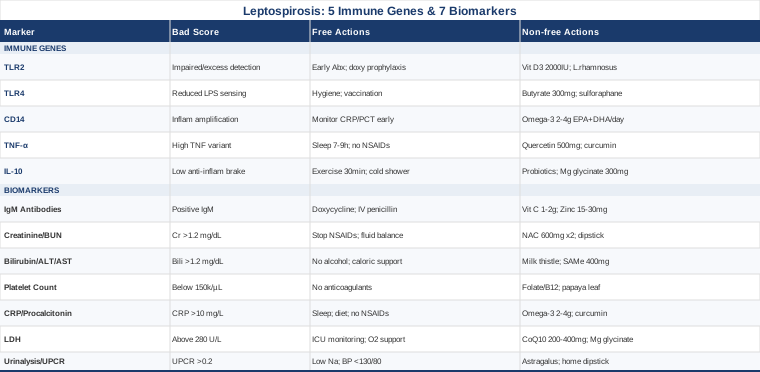
7 Biomarkers to Track Throughout Leptospirosis
Leptospirosis is unusual among bacterial infections because it can simultaneously attack multiple organ systems — kidneys, liver, lungs, and the vascular system — within days of onset. That breadth makes severity impossible to assess on symptoms alone. Biomarkers give you and your medical team an objective picture of what is being damaged, how severely, and whether recovery is progressing as expected. The seven below are among the most clinically validated for diagnosis, severity staging, and post-infection monitoring.
1. Leptospira IgM Antibodies (ELISA and MAT)
Why it matters: Leptospira IgM antibodies are the primary diagnostic marker for acute infection. IgM appears in the blood within the first week — usually days five to seven — making it the most practical early indicator that the immune system has encountered the bacteria. Without this marker, early leptospirosis is easily mistaken for dengue fever, malaria, or viral hepatitis, all of which share overlapping symptoms.
Two tests measure this response. The ELISA IgM test (enzyme-linked immunosorbent assay) is faster and more widely accessible. The Microscopic Agglutination Test (MAT) is the gold standard, capable of confirming diagnosis and identifying the specific Leptospira serogroup involved. MAT requires specialized laboratory equipment and live bacterial cultures, so it is typically performed at reference centers rather than routine clinical labs.
How to measure it: ELISA IgM requires a standard blood draw, is available at most clinical labs in endemic areas, and typically costs $30–$80. MAT requires a reference laboratory, costs $80–$200, and results may take several days. Both require a blood sample collected during the acute phase, ideally before antibiotics are started for greatest diagnostic sensitivity.
Reference range: A positive ELISA IgM result in the appropriate clinical context strongly supports leptospirosis. A MAT titer of 1:400 or higher with a compatible illness is diagnostic. Seroconversion — a fourfold rise in titer between acute and convalescent samples drawn two to four weeks apart — is the definitive confirmation per World Health Organization criteria.
If the score is bad — the plan without supplements: A positive IgM confirms the diagnosis; the immediate priority is antibiotic therapy. Doxycycline at 100mg twice daily is standard for mild-to-moderate disease. Intravenous penicillin G or ceftriaxone is indicated for severe disease. Do not delay treatment while waiting for MAT confirmation. Supportive care — adequate hydration, monitoring urine output, and strict avoidance of nephrotoxic medications including NSAIDs and aminoglycosides — is equally essential from day one.
If the score is bad — the plan with supplements or equipment: No supplement replaces antibiotics in acute leptospirosis. During convalescence, supporting immune resolution makes biological sense. Vitamin C at 1–2g per day has plausibility for immune function and vascular repair. Zinc at 15–30mg per day supports T-cell response. Both should be introduced only after the acute phase and discussed with your physician. Monitoring IgM levels over subsequent weeks can confirm clearance; persistently elevated titers beyond three months may indicate ongoing immune activation and warrant re-evaluation by an infectious disease specialist.
2. Serum Creatinine and Blood Urea Nitrogen (BUN)
Why it matters: Acute kidney injury is the most common serious complication of leptospirosis and a leading cause of death from the disease. Leptospira bacteria damage the tubular cells of the kidney directly and through inflammatory mediators. Serum creatinine rises when the kidneys can no longer filter waste adequately; BUN rises in parallel. Together, they are the most direct measure of renal injury and consistently rank among the strongest predictors of dialysis requirement and mortality.
In outcome studies across multiple populations, creatinine above 3 mg/dL at admission is associated with significantly increased mortality risk. Multiple studies indexed on PubMed confirm creatinine trajectory as one of the most reliable severity indicators available at the bedside.
How to measure it: A basic metabolic panel or renal function panel covers creatinine and BUN together. This is universally available; cost is $10–$40 as part of a panel. The derived eGFR (estimated glomerular filtration rate) is the most clinically useful measure of kidney function. Cystatin C is a more sensitive alternative, less influenced by muscle mass and body composition; cost $25–$60. Serial measurements every 24–48 hours are important in acute illness.
Normal ranges: Creatinine 0.6–1.2 mg/dL (men), 0.5–1.1 mg/dL (women). BUN 7–20 mg/dL. eGFR above 90 mL/min/1.73m² is normal.
If the score is bad — the plan without supplements: Rising creatinine in leptospirosis requires immediate clinical response. Eliminate all nephrotoxic agents: NSAIDs, contrast agents, aminoglycoside antibiotics. Maintain careful fluid balance — both dehydration and fluid overload worsen outcomes. If creatinine continues to rise and urine output falls below 0.5 mL/kg/hour, renal replacement therapy may become life-saving. Most leptospirosis-associated acute kidney injury is non-oliguric and fully reversible with appropriate support — creatinine normalization within two to four weeks is common with good management.
If the score is bad — the plan with supplements or equipment: Once the acute phase resolves and creatinine trends downward, evidence-informed supportive measures include: N-acetylcysteine (NAC) at 600mg twice daily during and after the acute phase as an antioxidant for tubular cells (evidence drawn from AKI prevention trials rather than leptospirosis-specific data); adequate protein intake of 1.0–1.2g/kg/day once creatinine stabilizes, to support tissue repair without overloading filtration; and home monitoring with portable urinalysis dipstick tests ($15–$30 for a pack) to detect persistent proteinuria. Repeat formal labs every four to six weeks until creatinine consistently normalizes.
3. Total Bilirubin and Liver Enzymes (ALT and AST)
Why it matters: Liver involvement is what distinguishes classical leptospirosis from Weil's disease — the severe form defined by the triad of jaundice, renal failure, and bleeding. Elevated bilirubin reflects both impaired liver cell processing and, in leptospirosis, hemolysis (destruction of red blood cells). ALT and AST indicate the degree of hepatocyte damage.
A diagnostic distinction worth knowing: unlike most forms of hepatitis where ALT rises dramatically, leptospirosis typically produces moderate enzyme elevation — usually two to five times the upper limit of normal — but disproportionately high bilirubin. This pattern of high bilirubin with modest transaminase elevation is actually characteristic and diagnostically useful. Bilirubin above 3 mg/dL with jaundice and concurrent renal impairment defines Weil's disease, which carries substantially higher mortality.
How to measure it: A comprehensive metabolic panel or liver function panel covers all relevant markers in a single blood draw. Cost is $15–$50 and the test is widely available. Alkaline phosphatase and gamma-glutamyl transferase may also be elevated and provide additional diagnostic context.
Normal ranges: Total bilirubin 0.1–1.2 mg/dL. ALT 7–56 U/L. AST 10–40 U/L.
If the score is bad — the plan without supplements: Jaundice in leptospirosis typically resolves with antibiotic therapy and supportive care over two to four weeks. Eliminate alcohol and all hepatotoxic medications completely. Ensure adequate caloric intake to fuel liver repair. Monitor bilirubin weekly until normalization. If prothrombin time becomes prolonged — signaling impaired clotting factor synthesis — fresh frozen plasma or vitamin K administration may be required.
If the score is bad — the plan with supplements or equipment: During recovery from leptospirosis-related hepatitis, hepatoprotective supplementation may be reasonable once antibiotic treatment is well established. Milk thistle (silymarin) at 140–420mg three times daily has a documented hepatoprotective mechanism and human evidence from viral hepatitis contexts. SAMe (S-adenosylmethionine) at 400–800mg per day supports methylation pathways and bile flow, relevant for the cholestatic injury pattern seen in leptospirosis liver involvement. Cycle both for eight to twelve weeks and retest liver enzymes monthly. Avoid these during the acute infected phase.
4. Platelet Count
Why it matters: Thrombocytopenia — low platelet count — occurs in 40 to 70% of leptospirosis patients and functions as both a diagnostic clue and a severity marker. Leptospira bacteria cause platelet destruction through direct endothelial damage, immune complex deposition, and increased platelet consumption. When combined with vascular injury, falling platelets create the hemorrhagic manifestations that characterize severe leptospirosis: petechiae, pulmonary hemorrhage, and gastrointestinal bleeding.
A count below 100,000/µL in the context of fever and suspected exposure is a significant alarm signal. Below 50,000, hemorrhagic risk becomes substantial. Research consistently identifies thrombocytopenia as one of the most reliable predictors of severe leptospirosis and mortality across different populations and geographic regions.
How to measure it: A complete blood count (CBC) captures platelet count; cost is $10–$30 and universally available. Serial monitoring every 24–48 hours during acute illness is important because platelet counts can fall rapidly and the decline curve carries prognostic information.
Normal range: 150,000–400,000/µL (150–400 × 10⁹/L).
If the score is bad — the plan without supplements: Platelet transfusion is indicated when counts fall below 10,000–20,000/µL with active bleeding, or prophylactically below 10,000/µL. Eliminate all antiplatelet agents and anticoagulants. Corticosteroids are not routinely indicated. Platelet recovery typically mirrors the resolution of the active infection — once effective antibiotics are clearing the bacteria, counts usually begin rising within three to five days. If recovery is slow, reassess for secondary complications.
If the score is bad — the plan with supplements or equipment: During the recovery phase, supporting platelet production involves: ensuring adequate folate (400–800mcg/day) and B12 (500mcg/day or higher if deficient), since both are required for thrombopoiesis; and considering papaya leaf extract at 5–25mL of standardized juice, which has preliminary human evidence from dengue studies suggesting a platelet-supporting effect. Direct evidence in leptospirosis is limited — use with physician oversight. Retest CBC weekly until platelets consistently exceed 150,000/µL.
5. C-Reactive Protein (CRP) and Procalcitonin
Why it matters: CRP is the body's inflammatory alarm bell — it rises within hours of infection or tissue damage and reflects the systemic intensity of the immune response. In leptospirosis, CRP rises steeply and is useful for monitoring whether inflammation is being brought under control after antibiotic initiation. Procalcitonin is more specific to bacterial infection (versus viral), rises earlier and more steeply in serious systemic bacterial illness, and can help guide antibiotic therapy decisions.
CRP above 100 mg/L in leptospirosis correlates with more severe disease in multiple clinical cohorts. Procalcitonin above 2 ng/mL suggests significant systemic bacterial involvement. Both serve as monitoring tools: falling CRP over 48–72 hours after starting antibiotics is reassuring; stable or rising CRP suggests treatment inadequacy or an emerging complication such as secondary pneumonia.
How to measure it: Standard CRP runs $10–$30 on a routine chemistry panel. High-sensitivity CRP (hs-CRP) at $15–$40 is more precise at low levels and is preferable for monitoring during recovery once the acute-phase response has subsided. Procalcitonin costs $20–$80 and is available at hospitals and larger reference labs. A fingerstick CRP device for home use is now available in some countries ($50–$150 for the device; $8–$15 per strip) for self-monitoring during recovery.
Normal ranges: CRP below 10 mg/L (below 5 mg/L for optimal inflammatory health on hs-CRP). Procalcitonin below 0.1 ng/mL in healthy adults.
If the score is bad — the plan without supplements: Persistent high CRP despite antibiotics should prompt investigation for complications — uncontrolled focus of infection, abscess, secondary pneumonia, or post-leptospirosis uveitis (which can appear weeks later). Reducing avoidable inflammatory triggers — poor sleep, high-sugar diet, alcohol — is genuinely important and not just generic advice. Avoid NSAIDs for inflammation management in leptospirosis: they impair kidney function and can worsen renal complications.
If the score is bad — the plan with supplements or equipment: To support CRP normalization during convalescence: omega-3 fatty acids at 2–4g EPA+DHA per day are well-documented for anti-inflammatory effects with no known interaction with standard leptospirosis antibiotics. Curcumin with piperine at 500–1000mg curcumin plus 5–10mg piperine for absorption addresses inflammation via the NF-κB pathway — avoid during the acute phase when systemic inflammatory response is still needed for bacterial clearance. Retest hs-CRP monthly during recovery; a target below 2 mg/L is ideal for long-term health. Cycle omega-3s indefinitely; cycle curcumin eight weeks on, four weeks off.
6. Lactate Dehydrogenase (LDH)
Why it matters: LDH is an enzyme released from cells when they are damaged or destroyed. Because it rises from virtually any cell type — red blood cells, liver cells, kidney cells, and muscle cells — an elevated LDH in leptospirosis is a broad signal of multi-organ cellular destruction. More specifically, very high LDH above 1000 U/L is associated with severe pulmonary hemorrhage leptospirosis (SPHL), one of the most feared complications of the disease, characterized by diffuse alveolar bleeding and respiratory failure.
LDH is not condition-specific, but in the context of confirmed leptospirosis with markedly elevated levels, it helps gauge the overall burden of cellular injury and guides decisions about intensive care admission and monitoring intensity.
How to measure it: LDH is part of a standard chemistry panel; blood draw; cost $10–$35. LDH isoenzyme fractionation can distinguish cardiac (LDH-1) from liver and RBC sources (LDH-2, LDH-3), but this level of specificity is rarely necessary in leptospirosis management.
Normal range: 140–280 U/L (exact cutoffs vary by laboratory).
If the score is bad — the plan without supplements: Markedly elevated LDH in leptospirosis should trigger ICU-level monitoring. Pulmonary hemorrhage requires respiratory support — mechanical ventilation in severe cases. Corticosteroids, particularly methylprednisolone, have been used in SPHL in case series with some benefit, though evidence from randomized trials is limited; their use is a clinical judgment call in severe cases. Once the acute infection is controlled, LDH typically falls within one to two weeks as cellular repair begins.
If the score is bad — the plan with supplements or equipment: During recovery from LDH elevation: CoQ10 at 200–400mg per day supports mitochondrial energy production in recovering cells; evidence draws from post-cardiac and post-critical illness contexts. Magnesium glycinate at 300–400mg per day supports cellular enzyme function and recovery; low-risk and broadly recommended. Home pulse oximetry monitoring (a device costs $20–$40) is a practical tool during pulmonary recovery — target SpO₂ above 95% at rest; alert a physician if readings fall below this threshold.
7. Urinalysis and Urine Protein-to-Creatinine Ratio (UPCR)
Why it matters: The kidneys are the primary target organ in leptospirosis. Even when serum creatinine appears only mildly elevated, urine testing often reveals the true extent of tubular injury. Proteinuria (protein leaking into the urine), granular casts (cellular debris from damaged tubules), and hematuria (blood in the urine) are early warning signs of renal involvement. The UPCR provides a more precise quantification of protein loss than a dipstick alone and is the standard monitoring tool for persistent post-infection kidney damage.
Studies following leptospirosis survivors have found that a meaningful proportion have evidence of chronic kidney dysfunction — including persistent proteinuria and reduced eGFR — months to years after the acute episode, often without symptoms. This makes post-recovery urine monitoring important even when creatinine has normalized.
How to measure it: A urinalysis dipstick can be done at home or in clinic at $1–$3 per strip and detects protein, blood, and leukocytes. A first-morning urine spot UPCR sent to a lab costs $15–$40 and provides accurate protein quantification. A 24-hour urine protein collection at $30–$80 total is the most precise method and appropriate for confirming persistent proteinuria before specialist referral.
Normal ranges: Urine protein: negative or trace on dipstick. UPCR below 0.2 mg/mg (equivalently, below 200 mg/g creatinine).
If the score is bad — the plan without supplements: Persistent proteinuria beyond one to three months warrants nephrology referral. Sodium intake below 2g per day reduces glomerular filtration pressure. Blood pressure control to below 130/80 mmHg is essential — even mild hypertension accelerates proteinuria-related damage. ACE inhibitors or ARBs, prescribed by a physician, are the standard of care for proteinuria-related kidney protection and should be considered with a nephrologist if UPCR remains persistently elevated.
If the score is bad — the plan with supplements or equipment: Astragalus membranaceus at 2–4g of dried root equivalent or a standardized extract shows preliminary human evidence for proteinuria reduction in chronic kidney conditions — not leptospirosis-specific, but biologically plausible. Avoid during antibiotic treatment. Low-protein diet adjustment to 0.8g/kg/day temporarily reduces filtration burden if creatinine remains mildly elevated — do not go lower, as muscle wasting becomes a risk. Home dipstick monitoring weekly for the first three months post-discharge; if protein is consistently negative, taper to monthly checks.
The Genetic Side: 5 Immune Genes That May Shape Your Risk and Recovery
Most people who contract leptospirosis never understand why they got so much sicker than a colleague with the same exposure. Genetics offers a partial answer. Variants in genes controlling innate immune recognition, inflammatory signaling, and anti-inflammatory regulation appear to shape both susceptibility and disease trajectory. This research is still developing — most studies have been conducted in Brazilian and Southeast Asian populations where leptospirosis is endemic — but it points to biologically meaningful differences that are worth understanding. Knowing your genetic terrain does not change the treatment approach, but it does inform where to focus preventive strategies and long-term monitoring.
TLR2 — The Front-Line Bacterial Detector
What it does: TLR2 (Toll-Like Receptor 2) is one of the body's primary first-line bacterial detectors. When Leptospira bacteria enter the body, their outer membrane lipoproteins are recognized by TLR2, triggering an innate immune alarm that mobilizes neutrophils and activates the inflammatory cascade. Research has established that functional variants in TLR2 can either blunt or exaggerate this first response, affecting both how quickly bacteria are cleared and how severe the ensuing inflammatory damage becomes. Hypofunction variants may impair early detection; hyperfunction variants may contribute to excessive tissue damage.
If the gene is bad — the plan without supplements: TLR2 hypofunction argues for not delaying antibiotic initiation at the first sign of compatible illness in an endemic area. For people who live in or regularly travel to high-risk regions, prophylactic doxycycline at 200mg once weekly is recommended by the WHO for short-term high-risk exposures (flood response, disaster relief work) — and it is particularly pertinent for those with known innate immune recognition limitations. Early testing rather than watchful waiting is the most practical adaptation.
If the score is bad — the plan with supplements or equipment: Vitamin D at 2000–4000 IU per day has been shown in human studies to upregulate TLR2 expression on immune cells. Maintaining blood 25-OH vitamin D at 40–60 ng/mL is a foundational strategy with a strong safety profile. Probiotics containing Lactobacillus rhamnosus strains may modestly enhance TLR2-mediated immune training through gut-immune axis signaling. Cycle both continuously; recheck vitamin D levels every six months.
TLR4 — The LPS Sensor
What it does: TLR4 (Toll-Like Receptor 4) recognizes bacterial lipopolysaccharide (LPS). Leptospira LPS was long thought to evade TLR4 recognition due to its atypical structure, but research has clarified that TLR4 plays a meaningful modulatory role in shaping the host inflammatory response. Studies indicate that TLR4 variants — notably Asp299Gly and Thr399Ile — which reduce LPS sensing may affect immune response strength in leptospirosis and related gram-negative bacterial infections.
If the gene is bad — the plan without supplements: TLR4 hypofunction increases gram-negative bacterial infection risk broadly. Practical strategies: stricter hygiene around animal contact and flood-contaminated water, annual health checks including baseline kidney and liver function panels for early damage detection, and where available, regional leptospirosis vaccination for occupationally exposed workers (vaccines exist in some endemic countries including Cuba, France, and China).
If the score is bad — the plan with supplements or equipment: Butyrate — derived from fermented foods or supplemented at 300–600mg per day — has been shown to modulate TLR4 signaling pathways through epigenetic mechanisms. Sulforaphane from broccoli sprouts (equivalent to 50–100mg per day of a standardized extract) influences innate immune signaling via Nrf2 pathway activation. Cycle sulforaphane eight weeks on, four weeks off. Both support general innate immune tone rather than leptospirosis-specific protection.
CD14 — The Inflammatory Amplifier
What it does: CD14 is a co-receptor that works alongside TLR4 to recognize bacterial components at the cell surface. The C-159T polymorphism in the CD14 promoter region affects the level of CD14 expression on immune cell surfaces — higher expression means more amplified early inflammatory signaling. In leptospirosis, genetic association studies in endemic populations suggest this variant may influence disease severity. This is a gene where the problem can go in either direction: too little CD14 means slow bacterial recognition; too much may contribute to inflammatory overshoot.
If the gene is bad — the plan without supplements: The high-CD14-expression variant associated with exaggerated inflammation argues for close monitoring of inflammatory markers — CRP and procalcitonin — from early in the illness and a lower threshold for clinical escalation when those markers rise rapidly. Communicating this history to treating physicians can inform their monitoring strategy and decisions about escalation timing.
If the score is bad — the plan with supplements or equipment: Omega-3 fatty acids at 2–4g EPA+DHA per day downregulate CD14-mediated LPS sensitivity in mechanistic studies and are a low-risk long-term strategy. Dietary patterns matter: prolonged high-fat, high-refined-carbohydrate diets appear to upregulate CD14 expression via gut-derived endotoxemia — a diet based on whole foods reduces this chronic inflammatory pressure.
TNF-α — The Inflammatory Master Switch
What it does: TNF-alpha (Tumor Necrosis Factor alpha) is a master inflammatory cytokine. The -308 G/A promoter polymorphism increases TNF-α production capacity. In many infectious diseases including leptospirosis, this variant has been associated with stronger inflammatory response and, in some studies, more severe disease outcomes including pulmonary hemorrhage and kidney injury. This is a case where more immune activity is not always better — excessive TNF-α can drive vascular damage, pulmonary hemorrhage, and multi-organ failure rather than simply clearing the infection faster.
If the gene is bad — the plan without supplements: People with the high-TNF-α variant should especially minimize additional inflammatory triggers during and after infection. No NSAIDs (already contraindicated in leptospirosis). No alcohol. Prioritize sleep at 7–9 hours with consistent timing — this is the single most evidence-backed non-pharmacological regulator of TNF-α levels. In severe leptospirosis with evidence of cytokine-mediated organ injury, corticosteroids are occasionally considered by clinicians — understanding this genetic predisposition may make that a more informed conversation.
If the score is bad — the plan with supplements or equipment: Quercetin at 500–1000mg per day inhibits TNF-α production via the NF-κB pathway; well-tolerated; cycle eight weeks on, four weeks off. Resveratrol at 150–500mg per day with meals has anti-inflammatory effects through multiple pathways; use with caution alongside anticoagulants; not recommended during acute infection. Curcumin at 500mg twice daily with piperine provides direct NF-κB and TNF-α modulation with consistent evidence across inflammatory conditions. All three are post-acute-phase strategies, not replacements for antibiotic management.
IL-10 — The Anti-Inflammatory Brake
What it does: IL-10 (Interleukin-10) is the immune system's primary anti-inflammatory brake. It limits damage from excessive immune activation and promotes tissue repair once the infectious threat is contained. IL-10 polymorphisms at positions -1082, -819, and -592 create haplotypes associated with low or high production capacity. In leptospirosis, research suggests that this balance is clinically significant: low IL-10 producers may allow inflammation to escalate unchecked, while very high IL-10 may impair bacterial clearance. Getting this balance right is part of why recovery trajectories differ so dramatically between individuals.
If the gene is bad — the plan without supplements: Low-IL-10 variants that increase the risk of inflammatory overshoot respond well to behavioral interventions. Strict sleep discipline — 7–9 hours with a consistent wakeup time — is foundational. Regular moderate aerobic exercise at 30 minutes per day, five days per week, reliably increases IL-10 production across multiple human trials. Cold exposure — cold showers at 10–15°C for two to three minutes — stimulates anti-inflammatory vagal tone via the autonomic nervous system. These are evidence-backed tools that cost nothing and carry no side effects.
If the score is bad — the plan with supplements or equipment: Probiotics with Lactobacillus rhamnosus and Bifidobacterium longum at 10–50 billion CFU per day have human gut-immune axis evidence for increasing IL-10 production; maintain for at least three months continuously. Magnesium glycinate at 300–400mg at night supports broad immune-regulatory function including anti-inflammatory pathways; continue indefinitely given its wide safety margin. Vitamin D3 combined with K2 — vitamin D at 2000–4000 IU daily plus K2 at 100mcg — supports IL-10 induction in innate immune cells; monitor serum 25-OH vitamin D to ensure levels reach 40–60 ng/mL.
What the Immune Recovery Science Actually Recommends — 10 Research-Based Insights
The Huberman Lab has dedicated multiple episodes to immune function, innate immunity, and post-illness recovery. While no episode addresses leptospirosis specifically, the body of research cited — spanning cell biology, exercise physiology, and nutritional immunology — maps directly onto the questions that matter most for leptospirosis survivors: why some people recover faster, what slows the anti-inflammatory resolution phase, and what behavioral tools actually have mechanistic evidence behind them. The following ten points synthesize the most impactful findings with clear, practical application.
1. Sleep Is the Most Powerful Immune Modulator Available
Multiple human studies establish that even a single night of sleep under six hours measurably reduces natural killer cell activity and impairs cytokine regulation. During leptospirosis recovery — particularly the first two to four weeks after hospital discharge — protecting sleep is not optional. The target is seven to nine hours with a consistent wakeup time. Morning light exposure within the first hour of waking anchors the circadian rhythm, which regulates the cortisol pattern that, in turn, governs the daily immune cycle.
2. Nasal Breathing Activates Front-Line Mucosal Defenses
The nasal passages produce nitric oxide, which carries direct antibacterial and antiviral properties and helps regulate local immune surveillance. Mouth breathing bypasses this system entirely. During leptospirosis recovery, particularly if there was any respiratory involvement, nasal breathing training during sleep (mouth tape is widely used) and humidified air during dry seasons support the mucosal defense layer that represents the first barrier to reinfection.
3. Moderate Exercise Accelerates Immune Cell Mobilization
Research cited across multiple Huberman episodes confirms that 30–40 minutes of moderate aerobic exercise mobilizes circulating T cells, natural killer cells, and produces IL-6 and IL-10 in proportions that support immune resolution. However, high-intensity training is transiently immunosuppressive. During early leptospirosis recovery, moderate walking or light cycling is definitively better than intensity-driven training before creatinine and LDH have normalized.
4. Cold Exposure as a Controlled Hormetic Tool
Short cold exposures — cold showers at 10–15°C for two to three minutes, or cold immersion — trigger norepinephrine release, which has downstream anti-inflammatory signaling effects. This approach is not appropriate during acute febrile illness. Once creatinine has normalized and all fever has resolved, two to three short cold exposures per week may support immune rebalancing and help address the post-infection fatigue that many leptospirosis survivors report.
5. Vitamin D Is a Gatekeeper for Innate Immunity — Not a Supplement, a Hormone
Huberman repeatedly frames vitamin D as a hormone rather than a supplement because its receptor (VDR) is present in virtually every immune cell type. Deficiency impairs the production of antimicrobial peptides, reduces TLR signaling efficiency, and blunts innate immune response speed. Testing serum 25-OH vitamin D is cheap ($30–$50) and critically important post-leptospirosis. The functional target is 40–60 ng/mL — not just "within the normal range."
6. Zinc Is Required for T Cell Development and Cytokine Production
Zinc deficiency — which is common even in populations with adequate caloric intake — impairs T cell development, reduces cytokine production efficiency, and slows wound and tissue healing. Evidence cited in the immune function research base suggests zinc acetate or gluconate taken early in bacterial infection can reduce severity. Dose: 15–30mg elemental zinc daily. Do not exceed 40mg per day long-term due to copper depletion risk; consider a copper supplement at 1–2mg/day if zinc is used chronically.
7. Heat Exposure and Sauna for Immune Reconstitution
Sauna use at 80–90°C for 15–20 minutes induces heat shock proteins, which support cellular repair, and activates immune cell recruitment from lymphoid tissue. In the post-infection recovery phase — after acute illness is fully resolved and creatinine is normal — sauna sessions two to three times per week may support immune reconstitution and accelerate clearance of tissue damage byproducts. Avoid completely during active fever, renal compromise, or platelet counts below 100,000/µL.
8. Morning Sunlight Beyond Vitamin D Synthesis
Morning sunlight exposure — 10–20 minutes within the first hour of waking — regulates the morning cortisol peak, which serves as the primary daily immune-activation signal. A well-timed cortisol pattern prevents the blunted immune response associated with cortisol dysregulation, which is common after severe illness and hospitalization. This is a zero-cost daily intervention with credible mechanistic support.
9. Blood Glucose Stability Directly Protects Neutrophil Function
Research establishes that high blood glucose — even from a single high-sugar meal — reduces neutrophil phagocytic capacity for up to five hours. During leptospirosis recovery, when the immune system is still working to resolve tissue damage, maintaining stable blood glucose through whole foods, adequate dietary protein, and avoidance of refined carbohydrates has a direct protective effect on immune cell function. This is not generic wellness advice — it is mechanistically relevant to the recovery phase.
10. Supporting the Transition From Inflammatory Attack to Anti-Inflammatory Resolution
One of the most clinically useful research insights is that the immune system's shift from pro-inflammatory attack to anti-inflammatory repair requires specific biological inputs. Specialized pro-resolving mediators (SPMs) derived from omega-3 fatty acids — including resolvins and protectins — actively signal the end of the inflammatory cascade. Post-leptospirosis fatigue and persistent organ dysfunction may partly reflect incomplete resolution of this inflammatory phase. Omega-3 supplementation at 2–4g EPA+DHA per day, combined with adequate sleep and low-intensity movement, provides the biological substrate for this resolution process.
Complementary Approaches Worth Considering
The following three modalities have the most meaningful clinical evidence in contexts directly relevant to leptospirosis recovery — specifically post-antibiotic gut restoration, autonomic nervous system rebalancing, and the psychological burden of severe infection. These are adjuncts to medical care, not substitutes.
Microbiome-Directed Therapies
Antibiotic treatment for leptospirosis — while unambiguously necessary — disrupts the gut microbiome significantly. Both doxycycline and penicillin alter the composition and diversity of gut bacteria for weeks to months after treatment ends. This disruption matters beyond digestion: a depleted microbiome impairs immune regulation, reduces production of short-chain fatty acids that feed intestinal cells, and contributes to the persistent fatigue and cognitive fog that characterize post-leptospirosis syndrome in a subset of survivors.
A randomized study published in Cell (Suez et al., 2018) found that a personalized dietary intervention using fermented foods and high-fiber intake outperformed generic multi-strain probiotic supplementation in restoring post-antibiotic microbiome diversity. This finding reframes the conventional "take a probiotic after antibiotics" recommendation: food composition matters more than capsule quantity. Fermented foods — yogurt, kefir, kimchi, sauerkraut — combined with diverse prebiotic fiber from asparagus, garlic, leeks, and onions appear to be more effective drivers of microbial recovery.
In practice: begin fiber-rich foods from the day after antibiotic completion, as soon as oral intake is tolerated. Add a multi-strain probiotic containing both Lactobacillus and Bifidobacterium species at 10–50 billion CFU per day for at least eight weeks. Prebiotic fiber supplementation with inulin or FOS at 5–10g per day alongside probiotics supports a more complete microbial recovery. Avoid proton pump inhibitors unless specifically indicated, as they further impair the gut environment. Reassess symptoms — bloating, irregular bowel, fatigue, mood — at four and eight weeks as functional benchmarks of gut recovery.
Breathing-Based Therapies
Respiratory complications occur in a subset of leptospirosis patients, from mild dyspnea to severe pulmonary hemorrhage. Even in patients without clinical lung disease, systemic inflammatory response often impairs diaphragmatic function and reduces respiratory efficiency. Breathing-based therapies address both the mechanical and autonomic aspects of recovery. Slow diaphragmatic breathing at five to six breaths per minute — specifically at the 0.1 Hz resonance frequency — activates the vagus nerve and measurably reduces cortisol and pro-inflammatory cytokine production.
A randomized trial published in Frontiers in Human Neuroscience found that slow-paced breathing significantly increased heart rate variability (HRV) and reduced salivary cortisol compared to control breathing patterns. HRV is a reliable proxy for vagal tone and anti-inflammatory autonomic regulation — both of which are under sustained stress during severe infection. For leptospirosis survivors, improving HRV is not about fitness but about restoring the autonomic balance needed for immune resolution and organ repair.
In practice: begin a daily five-minute slow breathing session — inhale four seconds, exhale six seconds, through the nose — starting in the first week of convalescence. This is safe at any stage of recovery and can be done during hospital monitoring. Gradually increase to ten to fifteen minutes daily over two to three weeks. Free apps including Othership and Insight Timer offer guided slow-breathing sessions. If pulmonary hemorrhage occurred, begin only with physician clearance and after a course of supervised respiratory physiotherapy.
Mindfulness Meditation and MBSR
Post-leptospirosis syndrome — characterized by persistent fatigue, cognitive fog, sleep disturbance, and low mood lasting three to six months after microbiological cure — is increasingly recognized in the medical literature, particularly following severe disease with hospitalization. These symptoms are not fully explained by residual organ dysfunction. The psychological burden of intensive care, the experience of acute life-threatening illness, and subsequent physical deconditioning all contribute. Mindfulness-Based Stress Reduction (MBSR) has one of the strongest evidence bases among non-pharmacological interventions for exactly this type of post-illness syndrome.
A meta-analysis of 47 randomized trials published in JAMA Internal Medicine found that mindfulness meditation programs produced moderate, statistically significant improvements in anxiety, depression, and pain across chronic illness populations. For post-infection fatigue states specifically, mindfulness training helps regulate the hypothalamic-pituitary-adrenal (HPA) axis, reduces rumination that perpetuates the stress response, and improves sleep quality — all of which are impaired in post-leptospirosis syndrome.
In practice: a structured MBSR program runs eight weeks with weekly two-to-three-hour group sessions and daily home practice of 30–45 minutes. Multiple online MBSR programs are now available at low cost or free. For leptospirosis recovery, a reduced-entry format — ten minutes of daily mindfulness practice beginning in the second week of convalescence — is realistic and builds naturally toward longer practice. For patients who develop full Post-Leptospirosis Syndrome (PLOS), a complete eight-week structured MBSR program with an experienced facilitator is appropriate and evidence-supported.
Conclusion
Leptospirosis is an infection that can, for some people, leave consequences that extend well beyond the clearance of bacteria. The good news is that the biological markers that matter — kidney function, liver integrity, platelet dynamics, inflammatory burden, and immune antibody response — are all measurable, trackable, and in many cases improvable through deliberate and targeted intervention. The genetic factors that appear to shape your susceptibility are not destiny; they are information that helps calibrate your strategy and communicate more precisely with the clinicians supporting your care.
The most useful next step is straightforward: if you have recovered from leptospirosis and still do not feel right, ask specifically for creatinine, UPCR, LDH, hs-CRP, and a complete blood count. If you live in or regularly visit endemic regions, understand your exposure risk and know the prophylaxis options before you need them. And if recovery feels stuck, examine the foundational inputs — sleep quality, gut microbiome health, vitamin D status, and inflammatory burden — before reaching for more complex interventions. Better information, tracked systematically over time, is the most durable advantage you can build for yourself.
Respiratory: Lung Conditions
Digestive: Liver & Gallbladder Conditions
Autoimmune: Inflammatory Conditions
Urological: Kidney Conditions