This article contains AI generated content.
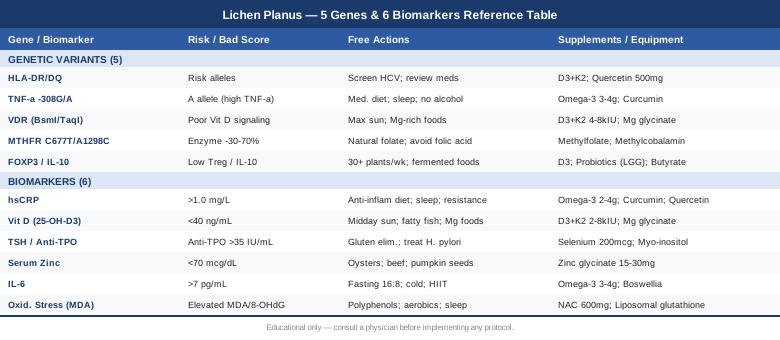
· UpdatedLichen Planus Genes And Biomarkers — 5 Genes And 6 Biomarkers To Track
Introduction
If you have lichen planus, you probably already know how inconsistent the condition can be. Some weeks are manageable; others feel like a flare arrived from nowhere. You follow the general advice — reduce stress, avoid triggers, use the topical corticosteroids — and still the lesions return. That cycle is exhausting, and it often leaves people wondering whether there is something more specific, more personal, happening under the surface.
Generic guidance for lichen planus is designed for a broad population, not for you individually. It does not account for why your immune system is overreacting in the first place, whether your body is chronically inflamed even outside of visible flares, or whether certain biological deficiencies are quietly amplifying your susceptibility. Treating the surface without addressing what's driving the immune dysfunction underneath often leads to partial, temporary results.
This article takes a different approach. Rather than repeating what your dermatologist or dentist has already told you, it looks at the measurable, trackable biological signals that research has linked specifically to lichen planus — the inflammatory markers, the nutritional gaps, the genetic variants, and the epigenetic patterns that may be making your immune system more reactive. None of this replaces medical care, but it gives you better questions to ask and smarter directions to investigate.
What follows covers two complementary angles. The first maps out six specific biomarkers that research consistently associates with lichen planus severity and activity — each with a practical plan to address them. The second explores five genetic variants that may affect your susceptibility and inflammatory output, along with lifestyle and supplementation strategies to compensate for them. Beyond those two core areas, you will also find a podcast summary packed with overlooked insights, and a curated review of complementary therapies that have actual clinical evidence for this condition.
Summary
This article examines lichen planus through two lenses that standard medical consultations rarely cover: measurable biomarkers and genetic risk variants. The six biomarkers tracked here — hsCRP, vitamin D, thyroid antibodies, serum zinc, interleukin-6, and oxidative stress markers — are not random choices. Each one appears repeatedly in the peer-reviewed literature on LP, and each one has an actionable correction plan whether or not supplements are part of your approach.
The genetics section covers five variants: HLA-DR/DQ, TNF-α (-308G/A), VDR, MTHFR, and FOXP3/IL-10. For each, the article explains not just what the gene does, but what to do about it if you carry the risk variant — including both supplement-free lifestyle strategies and specific targeted supplementation protocols with dosing, cycling, and side-effect notes.
Beyond biomarkers and genetics, you will find a summary of the most relevant Huberman Lab insights on immune regulation and autoimmunity, plus five complementary approaches with genuine clinical evidence for lichen planus specifically. These include Sarah Ballantyne's Autoimmune Protocol, low-level laser therapy for oral LP, microbiome-directed strategies, mindfulness-based stress reduction, and Chinese herbal medicine.
The goal is not to offer a cure. It is to give you a clearer picture of what may be driving your condition — and a practical, science-informed framework for addressing it.
6 Biomarkers That Reveal What Is Driving Your Lichen Planus
Lichen planus is fundamentally an inflammatory condition mediated by T lymphocytes that attack the basal layer of epithelial cells. What drives the intensity and persistence of that immune response varies significantly from person to person. Tracking specific biomarkers gives you a window into the biological environment your immune system is operating in — and more importantly, gives you something concrete to act on.
The six markers below were selected based on the consistency of their association with LP in the peer-reviewed literature, their practical availability for testing, and the strength of evidence linking improvement in the marker with improvement in the condition.
1. hsCRP — Reading the Background Level of Inflammation
High-sensitivity C-reactive protein (hsCRP) is produced by the liver in response to inflammatory signals. In people with active lichen planus, multiple studies have documented elevated hsCRP compared to healthy controls, particularly in oral LP patients. The value of tracking hsCRP lies not just in diagnosis but in monitoring: it can tell you whether your systemic inflammation is worsening, stabilizing, or improving over time — even when skin lesions look similar.
Peter Attia and other precision medicine clinicians recommend keeping hsCRP below 0.5 mg/L for optimal health, with an ideal target under 0.3 mg/L. In most LP patients, levels are higher during flares. A standard CRP test will not capture the low-grade chronic inflammation that matters here; you specifically need the high-sensitivity version.
Research on hsCRP and lichen planus on PubMed
How to Measure It
hsCRP is a standard blood test available at most labs and general practitioners. Cost ranges from $10 to $30 out of pocket, and it is frequently covered by insurance as part of a cardiovascular or inflammatory panel. Request it specifically as high-sensitivity CRP to ensure the sensitive assay is used. Retest every 8–12 weeks when tracking the effect of an intervention.
If the Score Is Bad, the Plan Without Supplements
If your hsCRP is above 1.0 mg/L consistently, the most effective non-supplement interventions are: - Shift to an anti-inflammatory dietary pattern: emphasize omega-3-rich fish (salmon, sardines, mackerel) at least 3x per week, colorful vegetables, and olive oil; reduce ultra-processed foods and refined carbohydrates - Prioritize 7–9 hours of sleep per night; even one night of poor sleep measurably elevates IL-6 and CRP - Reduce sustained psychological stress through structured practices (covered in depth later in this article) - Brief resistance training 3–4x per week has been shown to lower hsCRP significantly over 8–12 weeks - Eliminate or significantly reduce alcohol, which directly raises CRP through gut permeability and liver burden
If the Score Is Bad, the Plan With Supplements or Equipment
- Omega-3 (EPA + DHA): 2–4 g/day of combined EPA and DHA from a high-quality triglyceride-form fish oil. This dose has the strongest evidence for lowering hsCRP. Cycle is open (daily use is appropriate). Take with meals to reduce fishy aftertaste. High doses (above 4 g/day) may affect platelet aggregation; monitor if you take blood thinners. - Curcumin (as BCM-95 or liposomal): 500 mg twice daily. Standard curcumin has poor absorption; bioavailable forms are necessary. Evidence for reducing CRP in inflammatory conditions is strong. Potential interaction with anticoagulants at higher doses. - Quercetin: 500 mg once or twice daily. Inhibits NF-κB, the primary driver of CRP production. Cycle 5 days on, 2 days off. Generally well-tolerated.
2. Vitamin D (25-OH-D3) — The Immune Regulator That Most LP Patients Are Deficient In
The connection between vitamin D and lichen planus is one of the most replicated findings in LP research. Studies from multiple countries have documented significantly lower 25-OH-D3 levels in LP patients compared to healthy controls — including both cutaneous and oral forms of the condition. This is not a coincidence: vitamin D plays a direct and critical role in immune tolerance.
At the molecular level, vitamin D promotes the differentiation of regulatory T cells (Tregs), which act as a braking system on immune overactivation. It also suppresses Th17 cells, the pro-inflammatory subset that drives much of the tissue damage seen in LP. When vitamin D is deficient, this balance shifts toward inflammation and reduced self-tolerance — exactly the pattern seen in lichen planus.
Studies on vitamin D deficiency and lichen planus on PubMed
How to Measure It
The test is 25-hydroxyvitamin D (25-OH-D3), sometimes listed as "vitamin D, 25-hydroxy." Cost is $30–$80 out of pocket, often covered by insurance. Thomas Dayspring and Peter Attia both recommend targeting a level of 40–60 ng/mL (100–150 nmol/L) for immune-related conditions. Retest every 3 months while adjusting dosage.
If the Score Is Bad, the Plan Without Supplements
- Direct midday sun exposure on arms and legs for 20–30 minutes, 4–5 days per week (depending on skin tone and latitude). Darker skin requires longer exposure for the same synthesis. - Include vitamin D-rich foods consistently: fatty fish, egg yolks, UV-exposed mushrooms, and fortified foods (though food-based vitamin D alone rarely corrects a significant deficiency). - Optimize magnesium intake through food (dark leafy greens, seeds, nuts), since magnesium is required for vitamin D metabolism to its active form.
If the Score Is Bad, the Plan With Supplements or Equipment
- Vitamin D3 + K2: Start at 2,000–4,000 IU/day of D3 combined with 100–200 mcg of MK-7 K2. Retest at 12 weeks and adjust upward if levels are still below 40 ng/mL. Some individuals need 5,000–8,000 IU/day to reach optimal levels, especially those with VDR gene variants (covered in the genetics section). Take with a fat-containing meal for best absorption. - Magnesium glycinate: 200–400 mg/day in the evening. Magnesium is a cofactor in multiple steps of vitamin D activation and is depleted by both stress and poor diet. Reduces to bowel-tolerance level if loose stools occur. - Do not exceed 10,000 IU/day without medical supervision and regular blood testing; vitamin D toxicity, though uncommon, causes hypercalcemia.
3. TSH and Anti-TPO Antibodies — The Overlooked Thyroid Connection
One of the most underappreciated associations in lichen planus is its link to autoimmune thyroid disease. Multiple studies and systematic reviews have found that LP patients have a significantly higher prevalence of elevated anti-thyroid peroxidase antibodies (anti-TPO) and Hashimoto's thyroiditis compared to the general population. In some studies, anti-TPO elevation is found in 20–30% of LP patients.
This is not just coincidence. Both LP and Hashimoto's involve a failure of immune tolerance — the immune system attacking self-tissue. They share underlying immune pathways involving Th1 predominance and dysregulated regulatory T cells. Identifying an active thyroid autoimmune process is clinically significant because untreated thyroid autoimmunity maintains a state of systemic immune dysregulation that will continue to feed LP flares.
Studies on LP and thyroid autoimmunity on PubMed
How to Measure It
Request a full thyroid panel: TSH, Free T4, Free T3, Anti-TPO, and Anti-Thyroglobulin (Anti-TG). Total cost out of pocket ranges from $50–$150 depending on the lab. A normal TSH alone is not enough — many patients with elevated thyroid antibodies have normal TSH initially. Anti-TPO above 35 IU/mL is generally considered elevated, though the significance of mildly elevated levels is debated.
If the Score Is Bad, the Plan Without Supplements
- Identify and reduce dietary triggers: gluten elimination is the most studied intervention for reducing anti-TPO antibody levels. A 6-month strict elimination trial is reasonable to assess personal response. - Reduce evening blue-light exposure and prioritize sleep; the HPA axis directly modulates thyroid autoimmunity via cortisol patterns. - Treat any latent infections that may be driving molecular mimicry — Helicobacter pylori, for example, has been linked to both LP and thyroid autoimmunity. - Work with a physician to rule out iodine excess (from supplements or heavily iodized foods), which can exacerbate thyroid autoimmunity in susceptible individuals.
If the Score Is Bad, the Plan With Supplements or Equipment
- Selenium (as selenomethionine): 200 mcg/day. This is one of the best-studied interventions for reducing anti-TPO antibodies, with multiple randomized controlled trials showing significant reductions. Do not exceed 400 mcg/day. Long-term use above 200 mcg/day should be supervised. Cycle: 5 days on, 2 days off for extended use. - Myo-inositol + D-chiro-inositol (40:1 ratio): 2 g/day, specifically studied in combination with selenium for Hashimoto's. Well-tolerated with minimal side effects. - Vitamin D3 + K2 (as above): directly modulates thyroid autoimmunity as well as LP-specific immune dysfunction.
4. Serum Zinc — The Mineral Most LP Patients Are Running Low On
Serum zinc deficiency is one of the most consistently documented nutritional findings in lichen planus research. Studies published in peer-reviewed dermatology and oral medicine journals have repeatedly found significantly lower zinc levels in LP patients compared to healthy controls. Zinc is not a peripheral player here — it is directly involved in T lymphocyte function, natural killer cell activity, cytokine regulation, and keratinocyte integrity.
Low zinc promotes a shift toward pro-inflammatory cytokine production and impairs the function of regulatory T cells. In the skin, zinc is critical for barrier repair and wound healing. Oral lichen planus studies have shown that zinc supplementation can improve lesion severity — not just correct a deficiency on paper.
Research on zinc and lichen planus on PubMed
How to Measure It
A serum zinc test costs $30–$60 out of pocket and is available at any standard laboratory. Normal range is approximately 70–120 mcg/dL; most LP studies find patients clustering toward or below the lower end of this range. Note that serum zinc is not a perfect measure of total body zinc status, but it remains the most practical clinical option. Test in the morning before eating (food intake temporarily alters serum zinc).
If the Score Is Bad, the Plan Without Supplements
- Increase dietary zinc consistently: oysters are by far the richest source; other practical options include beef, lamb, pumpkin seeds, hemp seeds, cashews, and lentils. - Reduce phytate intake, as it significantly impairs zinc absorption. Soaking, sprouting, or fermenting legumes and grains reduces phytate content. - Avoid taking zinc-competing minerals (calcium, iron) at the same meal.
If the Score Is Bad, the Plan With Supplements or Equipment
- Zinc glycinate or zinc picolinate: 15–30 mg/day with food. These chelated forms have better absorption and less GI irritation than zinc sulfate. Take with a small meal, not on an empty stomach. Side effects at therapeutic doses are generally minimal. - Cycling: Use for 8–12 weeks, retest, then reduce to a maintenance dose of 8–15 mg/day. Long-term high-dose zinc depletes copper — always supplement with 1–2 mg of copper if using zinc for more than 8 weeks, or cycle off periodically. - Do not exceed 40 mg/day without medical supervision.
5. Interleukin-6 — The Cytokine at the Center of LP Pathogenesis
Interleukin-6 (IL-6) is a central inflammatory cytokine that plays a key role in lichen planus at the tissue level. Elevated IL-6 in LP lesions and serum has been documented extensively. It drives Th17 cell differentiation — the immune pathway most strongly implicated in LP-type tissue destruction — and promotes the production of acute-phase proteins including CRP. If hsCRP is the smoke alarm, IL-6 is the fire itself.
Tracking IL-6 is more advanced than standard practice, but it provides unique insight. A patient may have normalized CRP through lifestyle changes while IL-6 remains elevated — signaling that the underlying immune driver is still active. It can also reveal treatment response more sensitively than clinical lesion scoring alone.
Research on IL-6 and lichen planus on PubMed
How to Measure It
IL-6 is available through standard laboratory panels, though it is less commonly ordered than CRP. Cost ranges from $50–$150. Some specialty labs (LabCorp, Quest) offer it directly. Normal levels are typically below 2.0 pg/mL; values above 7–10 pg/mL are clinically significant. Request alongside hsCRP for a more complete inflammatory picture. Retest every 8–12 weeks.
If the Score Is Bad, the Plan Without Supplements
- Intermittent fasting (16:8 or 14:10 window) consistently lowers IL-6 through multiple pathways including reduced adipose tissue inflammation and enhanced autophagy. A 6–8 week commitment is typically needed to see measurable change. - Cold exposure (cold showers 3–5 minutes, or cold plunge 1–3 minutes at 10–15°C) acutely suppresses IL-6 and chronically downregulates inflammatory signaling. Start gradually; 2–3x per week is sufficient. - High-intensity interval training 2–3x per week reduces chronic IL-6 more effectively than moderate-intensity steady-state exercise. - Reduce visceral adipose tissue if present — adipocytes are a major source of IL-6.
If the Score Is Bad, the Plan With Supplements or Equipment
- Omega-3 EPA + DHA: 3–4 g/day (same formulation as for hsCRP). EPA specifically competes with arachidonic acid and reduces the IL-6 signaling cascade. - Boswellia serrata (AKBA standardized): 300–500 mg twice daily. Inhibits 5-lipoxygenase, a key upstream enzyme in IL-6 production. Well-tolerated; cycle 8 weeks on, 2 weeks off. - Resveratrol (trans-resveratrol): 250–500 mg/day with a fat-containing meal for absorption. Inhibits NF-κB and IL-6 transcription. Potential mild estrogenic activity — relevant context if hormonally sensitive.
6. Oxidative Stress Markers — The Silent Amplifier
Oxidative stress has emerged as a significant and underappreciated contributor to lichen planus. Studies measuring malondialdehyde (MDA) — a byproduct of lipid peroxidation — consistently find it elevated in LP patients. At the same time, antioxidant enzymes including superoxide dismutase, catalase, and glutathione peroxidase are reduced. 8-hydroxydeoxyguanosine (8-OHdG), a marker of oxidative DNA damage, is also elevated.
This matters because oxidative stress and immune dysregulation feed each other in a reinforcing cycle. Reactive oxygen species activate NF-κB (the master inflammatory switch), which increases cytokine production, which generates more oxidative stress. Breaking this cycle is one of the most underexplored levers for LP management.
Research on oxidative stress markers in LP on PubMed
How to Measure It
Standard labs do not routinely offer oxidative stress panels. Specialty functional medicine labs including Genova Diagnostics and Doctor's Data offer oxidative stress assessments (8-OHdG in urine, plasma MDA, glutathione levels). Cost ranges from $100–$300 depending on the panel. If this is cost-prohibitive, a proxy approach is to track the indirect markers already listed (hsCRP, IL-6) alongside dietary and lifestyle inputs. Retest every 3–6 months.
If the Score Is Bad, the Plan Without Supplements
- Maximize polyphenol intake through whole foods: dark berries, green tea, extra virgin olive oil, dark leafy greens, and colorful vegetables. These provide direct antioxidant activity and upregulate endogenous antioxidant enzyme production (Nrf2 pathway). - Reduce consumption of oxidized fats: avoid fried foods, processed seed oils (canola, sunflower, soybean when heated), and rancid nuts. - Aerobic exercise 3–5x per week upregulates endogenous antioxidant defenses through the Nrf2 pathway. Overtraining without recovery has the opposite effect. - Manage sleep consistently — poor sleep dramatically increases oxidative stress markers.
If the Score Is Bad, the Plan With Supplements or Equipment
- NAC (N-acetylcysteine): 600 mg twice daily. NAC is a direct precursor to glutathione — the body's primary antioxidant — and is one of the most evidence-backed interventions for restoring antioxidant capacity. Cycle 8 weeks on, 2 weeks off. Well-tolerated; rare GI upset at higher doses. - Liposomal glutathione: 250–500 mg/day. More direct than NAC for immediate glutathione support. Use in combination with NAC rather than as a substitute; they act at different steps. - Alpha-lipoic acid (R-ALA form): 200–300 mg/day. Regenerates other antioxidants including vitamins C and E, and has independent antioxidant activity. Take away from food. Note: may lower blood glucose; relevant for diabetics. - Vitamin C (buffered): 500–1000 mg/day in divided doses. Avoid mega-dosing without monitoring; excessive vitamin C can paradoxically increase oxidative stress in susceptible individuals.
What Your Genes May Reveal About Lichen Planus
Genetics does not determine your fate with lichen planus, but it does help explain why two people with similar lifestyles can have dramatically different disease courses. The five genes covered here are among the best-studied in LP research. Understanding which variants you carry — available through consumer genomic testing (23andMe, AncestryDNA) or clinical genetic panels — allows for more targeted compensation strategies.
A note on framing: carrying a risk variant does not mean you will develop severe LP. It means your baseline may require more deliberate lifestyle and nutritional support to maintain immune balance. Most of what follows is about working with your biology, not against it.
1. HLA-DR and HLA-DQ — The Susceptibility Gateway
Human leukocyte antigen (HLA) genes on chromosome 6 are the strongest genetic risk factors for lichen planus. Specific alleles — particularly HLA-DRB1*01, HLA-DRB1*09, and HLA-DQ variants — have been associated with LP susceptibility across multiple populations. HLA genes govern how your immune system recognizes and presents antigens: the right (or wrong) combination can make your T cells more likely to misidentify your own epithelial cells as targets.
This is also where molecular mimicry becomes relevant. When a pathogen, drug, or foreign material shares peptide sequences with your own tissue, HLA variants that predispose LP may amplify the mistaken immune response. Known molecular mimicry triggers in LP include hepatitis C virus, certain amalgam dental fillings, and specific medications including NSAIDs, beta-blockers, and some antimalarials.
Research on HLA alleles and LP susceptibility on PubMed
If the Gene Is Risk-Variant, the Plan Without Supplements
- Screen for hepatitis C if not already done; HCV infection is strongly associated with LP through molecular mimicry, and treating it can dramatically improve LP. - Review all current medications with your physician for known LP-inducing potential. The drug-induced variant of LP (lichenoid reaction) resolves upon discontinuation. - Consider consulting a biological dentist about dental metal assessment if you have oral LP that is refractory to treatment. - Minimize new immune activations: stay current on health screenings, treat infections promptly, and avoid unnecessary immune stimulants.
If the Gene Is Risk-Variant, the Plan With Supplements or Equipment
- Immune-modulating vitamin D3 + K2 (as outlined above): particularly important for HLA risk carriers, as vitamin D directly influences antigen-presenting cell behavior. - Quercetin: 500 mg/day. Quercetin has documented activity in modulating antigen presentation pathways and reducing Th1/Th17 overactivation. Cycle 5 days on, 2 days off. - For HCV-related LP specifically, antiviral therapy (not supplements) is the gold standard and should be prioritized in conversation with your physician.
2. TNF-α Gene (-308G/A) — Controlling the Volume of Inflammation
The TNF-α gene promoter polymorphism -308G/A is one of the most studied genetic variants in LP. Individuals carrying the A allele produce higher basal levels of TNF-α — the inflammatory cytokine that drives keratinocyte apoptosis in LP lesions. Studies from multiple countries have found this variant enriched in LP patients compared to controls.
Gary Brecka, who has made precision genomics more accessible to general audiences, frequently discusses how TNF-α variants create what he describes as a "high-flame" inflammatory phenotype — one that responds poorly to standard advice and requires more specific nutritional countermeasures. The practical implication is that if you carry this variant, your inflammatory responses are likely amplified, which means both triggers and anti-inflammatory interventions will have larger effects.
Research on TNF-α polymorphism and LP on PubMed
If the Gene Is Bad, the Plan Without Supplements
- A consistent Mediterranean-pattern diet is the most evidence-backed dietary approach for lowering circulating TNF-α. Studies with 12+ week adherence show measurable reductions. - Consistent sleep (7–9 hours) reduces TNF-α levels. Sleep deprivation directly induces TNF-α production; this is not optional if you carry this variant. - Reduce or eliminate alcohol, which directly increases TNF-α through toll-like receptor 4 activation in the gut lining. - Moderate-intensity exercise 4–5x per week (not overtraining) consistently reduces resting TNF-α over 8–12 weeks.
If the Gene Is Bad, the Plan With Supplements or Equipment
- Omega-3 EPA + DHA (3–4 g/day): EPA directly suppresses TNF-α production through eicosanoid pathway competition. This is the single best-evidenced supplement for TNF-α modulation. - Curcumin (BCM-95 or phospholipid complex): 500–1000 mg/day. Curcumin specifically inhibits NF-κB, the transcription factor that activates TNF-α gene expression. The epigenetic effect here is clinically significant. - EGCG (green tea extract, standardized to 50% EGCG): 400–800 mg/day. Potent NF-κB inhibitor. Take with food; on an empty stomach it can cause nausea. Cycle 8 weeks on, 2 off. - Berberine: 500 mg twice daily with meals. Newer evidence shows berberine's anti-inflammatory mechanism includes TNF-α suppression alongside its better-known metabolic effects. Potential interaction with medications metabolized by CYP3A4.
3. VDR — When the Body Struggles to Use Vitamin D
You can have adequate vitamin D levels and still have impaired vitamin D signaling. The vitamin D receptor (VDR) gene has multiple polymorphisms — BsmI, TaqI, FokI, and ApaI — that have been studied specifically in lichen planus populations, with several studies finding significant associations between risk VDR variants and LP susceptibility.
What this means practically: if you carry VDR risk variants, you may need higher serum 25-OH-D3 levels than average to achieve the same immunomodulatory effect. You might supplement vitamin D adequately on paper but still have inadequate downstream signaling. This also explains why some LP patients respond dramatically to vitamin D correction while others see minimal effect at standard doses.
Research on VDR gene polymorphisms and LP on PubMed
If the Gene Is Bad, the Plan Without Supplements
- Maximize sun exposure deliberately: full-body exposure in midday summer sun for 20–30 minutes (skin type dependent) produces significantly more vitamin D than arm and face exposure alone. - Eat vitamin D-rich foods alongside fat for best absorption: salmon, mackerel, egg yolks, UV-exposed mushrooms. - Increase magnesium through diet (seeds, nuts, leafy greens, dark chocolate): magnesium activates the enzyme that converts 25-OH-D to the active 1,25-OH-D2 form, which is what binds the VDR. VDR dysfunction is partially compensatable by maximizing everything upstream.
If the Gene Is Bad, the Plan With Supplements or Equipment
- Higher-dose vitamin D3 + K2: VDR risk carriers often need to target the upper end of the 40–60 ng/mL range, and some evidence suggests 60–80 ng/mL may be more appropriate. This typically requires 4,000–8,000 IU/day and must be supervised with regular testing (every 12 weeks minimum). - Magnesium glycinate: 300–400 mg/day in the evening. Non-negotiable in this context. - Vitamin A (as retinol, not beta-carotene): VDR and RAR (retinoic acid receptor) work cooperatively. Modest retinol from food or a balanced multivitamin supports VDR expression. Avoid mega-dosing retinol as it competes with vitamin D at higher doses.
4. MTHFR — Methylation, Homocysteine, and the Autoimmune Cascade
The MTHFR gene — methylenetetrahydrofolate reductase — is one of the most discussed genes in the functional medicine space, largely due to Gary Brecka's work popularizing its clinical relevance. The C677T and A1298C polymorphisms reduce enzyme activity by 30–70%, impairing the conversion of folic acid to its active form (methylfolate) and disrupting the methylation cycle.
The link to lichen planus is indirect but meaningful: MTHFR variants lead to elevated homocysteine, which is a marker of oxidative stress and endothelial inflammation. Elevated homocysteine activates inflammatory pathways, depletes SAM-e (the body's primary methyl donor), and impairs immune regulation. In an already immune-dysregulated individual, methylation dysfunction adds a layer of systemic stress that makes LP harder to control. While MTHFR is less studied specifically in LP than the other genes in this section, the mechanistic case for its relevance is strong.
Research on MTHFR and autoimmune inflammation on PubMed
If the Gene Is Bad, the Plan Without Supplements
- Prioritize whole-food sources of natural folate (not folic acid, which requires MTHFR to process): dark leafy greens (spinach, arugula, romaine), asparagus, broccoli, avocado, eggs, and legumes. - Avoid synthetic folic acid found in many fortified foods and standard B vitamins if you have confirmed MTHFR variants — folic acid can paradoxically block folate receptors when MTHFR function is impaired. - Reduce alcohol consumption significantly; alcohol directly inhibits folate absorption and the methylation cycle. - Increase choline-rich foods (eggs, liver): choline supports an alternative methylation pathway (BHMT) that can compensate when MTHFR is underperforming.
If the Gene Is Bad, the Plan With Supplements or Equipment
- Methylfolate (5-MTHF), 400–800 mcg/day: The active form that bypasses the MTHFR enzyme. Start low (400 mcg) as some people experience overmethylation symptoms (anxiety, irritability) at higher doses. Form: look for Quatrefolic or Metafolin on the label. - Methylcobalamin (B12), 500–1000 mcg/day: Works in concert with methylfolate in the methylation cycle. Sublingual absorption is superior to standard tablets. - P5P (pyridoxal-5-phosphate, active B6): 10–25 mg/day. Works alongside B12 and methylfolate in the homocysteine recycling pathway. - TMG (trimethylglycine/betaine): 500–1000 mg/day. Provides methyl groups through the BHMT alternative pathway. Practical and inexpensive. Mild GI effects possible — take with food. - Monitor homocysteine levels as a functional readout: a well-supported methylation cycle should keep homocysteine below 9 μmol/L.
5. FOXP3 and IL-10 — The Regulatory T Cell Axis
FOXP3 is the master transcription factor for regulatory T cells (Tregs), the immune cells responsible for preventing the immune system from attacking the body's own tissues. In LP lesional tissue, FOXP3+ Tregs are significantly reduced or functionally impaired compared to healthy tissue. The IL-10 gene (-1082G/A polymorphism) similarly affects the production of IL-10, the primary anti-inflammatory cytokine that Tregs use to suppress immune overactivation.
When IL-10 production is genetically lower and FOXP3 expression is impaired, the immune system's braking mechanism is weakened — making self-tolerance less robust. This is one reason some individuals seem biologically primed for autoimmune-type conditions like lichen planus. The good news: FOXP3 and IL-10 expression are epigenetically modifiable — they respond to diet, microbiome composition, and specific nutrients.
Research on FOXP3 and regulatory T cells in LP on PubMed
If the Gene Is Bad, the Plan Without Supplements
- Prioritize gut microbiome diversity: a diverse gut microbiome is the strongest known natural inducer of Treg differentiation in the gut and systemically. Eat 30+ different plant foods per week (each counts, including spices), include fermented foods daily (kefir, kimchi, sauerkraut, kombucha), and minimize antibiotic use. - Short-chain fatty acids produced by gut bacteria — especially butyrate from fiber fermentation — directly upregulate FOXP3 expression in the colon and systemic circulation. Increase resistant starch intake (cooked and cooled rice, green bananas, legumes). - Chronic psychological stress reduces Treg function through cortisol and adrenaline pathways. Stress reduction is mechanistically meaningful here, not just general wellness advice.
If the Gene Is Bad, the Plan With Supplements or Equipment
- Vitamin D3: One of the most potent known inducers of FOXP3 expression and Treg differentiation. This reinforces why vitamin D optimization is non-negotiable for LP with this variant. - Lactobacillus rhamnosus GG or Lactobacillus reuteri: Both strains have documented evidence for upregulating Treg populations and IL-10 production. Dose: as per specific product (typically 5–10 billion CFU/day). Best taken consistently for at least 8 weeks. - Sodium butyrate or tributyrin: 300–600 mg/day. Directly upregulates FOXP3 expression via HDAC inhibition (epigenetic mechanism). Cycle 8 weeks on, 4 off. Well-tolerated; some GI adjustment in the first week. - Resveratrol: 250 mg/day. Has shown Treg-promoting effects in animal models and early human studies through Sirt1 activation. Take with a fat-containing meal.
The Huberman Lab Insights That Apply Directly to Autoimmunity and LP
The Huberman Lab podcast has produced a remarkable body of accessible, research-grounded content on immune function, inflammation, stress physiology, and the gut-brain axis — all of which are deeply relevant to lichen planus. While no single episode focuses on LP specifically, the underlying biology it covers is directly applicable. The following 10 insights synthesize the most relevant content for LP management.
1. Sleep Is Not Negotiable for Immune Regulation
Huberman returns to sleep as a foundational variable in almost every health context he covers. The immune relevance is specific: the balance between pro-inflammatory (Th1/Th17) and anti-inflammatory (Treg) responses is re-calibrated during deep sleep. Chronic short sleep shifts this balance toward the pro-inflammatory side. For LP patients, achieving consistent, high-quality sleep is likely more impactful than most supplements.
2. Morning Sunlight Sets the Immune Circadian Clock
Beyond vitamin D synthesis, direct morning sunlight exposure (ideally 10–30 minutes outdoors within 30–60 minutes of waking) sets cortisol timing correctly, which influences immune cell activity patterns throughout the day. Cortisol peaks properly in the morning suppress inflammatory cytokine release. This effect is independent of vitamin D and adds another reason to prioritize light exposure.
3. The Physiological Sigh Rapidly Reduces Stress Hormones
Huberman has extensively covered the physiological sigh — a double inhale through the nose followed by a full exhale through the mouth — as the fastest known technique to reduce acute stress. Repeated use (5–10 cycles) activates the vagus nerve and reduces cortisol and adrenaline within minutes. For LP patients whose flares are stress-linked, having a rapid physiological tool for acute stress management is practically significant.
4. Cold Exposure Has Genuine Anti-Inflammatory Effects
In episodes covering deliberate cold exposure, Huberman details how cold water immersion (or cold showers) significantly reduces pro-inflammatory cytokines including IL-6 and TNF-α through norepinephrine release and metabolic shifts. The protocol he references most: 1–3 minutes at 10–15°C, 2–4 times per week. This is not discomfort theater — the cytokine-lowering effect has been replicated in multiple studies.
5. Gut Microbiome Diversity Directly Affects Systemic Immunity
In collaboration with Dr. Justin Sonnenburg (Stanford microbiologist), Huberman has discussed a landmark 2021 Cell study showing that a high-fiber, diverse-plant diet increases microbiome diversity and measurably reduces systemic inflammatory markers. Fermented food consumption showed even stronger effects on immune regulation. For LP, which involves immune dysregulation, this gut-immune axis is a direct intervention lever.
6. Resistance Training Reduces Chronic Inflammation More Than Cardio
Huberman has discussed research showing that resistance exercise at moderate intensity (3–4 sets per muscle group, 2–3x per week) produces larger and more sustained reductions in inflammatory biomarkers than equivalent volumes of steady-state cardio. This is counterintuitive but has important implications for LP patients who assume any exercise is equivalent.
7. Chronic Stress Suppresses Regulatory T Cell Function
The HPA axis response to psychological stress directly impairs Treg cell function through glucocorticoid receptor signaling. Huberman has covered multiple stress-reduction protocols — breathing, NSDR (non-sleep deep rest), yoga nidra — that measurably reduce cortisol within single sessions and improve HPA axis calibration over weeks of practice. For LP patients with FOXP3 or IL-10 gene variants, this effect is especially relevant.
8. Omega-3 Intake Should Be From Food First, Then Supplemented
Consistent across his nutrition content, Huberman emphasizes that EPA and DHA from whole food sources (fatty fish) produce more sustained benefits than supplementation alone, because whole foods provide cofactors that enhance absorption and utilization. 2–4 servings of fatty fish per week is the baseline recommendation; supplementation fills the gap but does not replace food-based omega-3 patterns.
9. Photobiomodulation Has Documented Tissue-Healing and Anti-Inflammatory Effects
Huberman has dedicated significant content to red light and near-infrared therapy, citing research on its effects on mitochondrial function, anti-inflammatory signaling, and tissue healing. Red light at 630–670 nm and near-infrared at 800–850 nm penetrate tissue and reduce oxidative stress markers. This is directly relevant to LP and is covered in more detail in the complementary therapies section below.
10. Vitamin D + Magnesium + K2 Is the Minimum Triad
In multiple episodes discussing micronutrient optimization, Huberman has emphasized that vitamin D supplementation without adequate magnesium produces suboptimal results because magnesium is required at multiple steps of vitamin D activation. The K2 addition is important for directing calcium to bone rather than arteries at higher D3 doses. This triad represents the minimum coherent vitamin D protocol for immune support.
Complementary Approaches With Clinical Evidence for Lichen Planus
The following five approaches were selected specifically for their relevance to lichen planus, not for chronic disease in general. Each has at least some clinical evidence in human populations, though the strength varies and is noted below.
The Autoimmune Protocol (AIP) — Sarah Ballantyne
The Autoimmune Protocol, developed by Dr. Sarah Ballantyne in "The Paleo Approach," is a structured dietary elimination and reintroduction framework specifically designed for autoimmune conditions. It removes dietary triggers of intestinal permeability and immune activation — including grains, legumes, dairy, eggs, nuts, seeds, nightshades, alcohol, and NSAIDs — while maximizing nutrient density through organ meats, seafood, vegetables, and fermented foods. The protocol then systematically reintroduces foods to identify individual triggers. Lichen planus, as a T-cell-mediated autoimmune condition, is directly within the scope of conditions AIP was designed for.
The underlying rationale is well-supported by the research literature on intestinal permeability, molecular mimicry, and immune activation. Studies on related autoimmune conditions including inflammatory bowel disease, Hashimoto's, and rheumatoid arthritis have shown measurable reductions in inflammatory biomarkers (CRP, IL-6) with AIP adherence. Direct RCT evidence for LP specifically is limited, but multiple case series and patient reports indicate significant improvement in LP severity with strict AIP adherence. A search of the AIP evidence base on PubMed shows a growing clinical literature.
For LP specifically: commit to a strict 30-day elimination phase before assessing results. The reintroduction phase is essential — it identifies which specific foods are personal triggers rather than assuming all eliminated foods are permanently problematic. The protocol is demanding and benefits from working with a registered dietitian familiar with AIP, particularly to prevent nutritional gaps during the elimination phase.
Mindfulness-Based Stress Reduction (MBSR)
Psychological stress is one of the most consistently reported triggers for lichen planus flares in clinical surveys, and stress management is routinely recommended — but rarely given practical structure. MBSR, an 8-week structured program developed by Jon Kabat-Zinn at UMass Medical School, provides exactly that structure. It combines seated meditation, body scanning, and mindful movement in a format that has been rigorously studied in multiple clinical populations.
For inflammatory skin conditions, the evidence for mindfulness-based interventions is growing. A randomized controlled trial published in Psychosomatic Medicine demonstrated that MBSR significantly reduced psychological distress and improved psoriasis clearance rates in conjunction with standard phototherapy compared to controls. LP has not been studied in a dedicated MBSR RCT, but given the overlapping stress-immune mechanisms, the application is scientifically sound. Related research on mindfulness and inflammatory skin conditions on PubMed.
Practically: formal MBSR programs are available through medical centers and online platforms (Palouse Mindfulness offers a free online adaptation). A minimum of 30 minutes of daily practice for 8 weeks is required for clinical effect. The most LP-relevant sessions are body scan practice (reduces skin-focused anxiety) and sitting meditation with breath awareness (reduces cortisol and vagus nerve activation). Short-term consistency matters more than perfect technique.
Low-Level Laser Therapy (LLLT) / Photobiomodulation for Oral LP
For oral lichen planus specifically, low-level laser therapy has accumulated a meaningful evidence base that distinguishes it from most alternative interventions. LLLT at 630–660 nm (red light) or 800–980 nm (near-infrared) stimulates mitochondrial activity in mucosal cells, reduces oxidative stress locally, and downregulates pro-inflammatory cytokines in the treated tissue. For painful erosive or atrophic oral LP lesions, LLLT has shown consistent benefit in clinical trials.
A systematic review and meta-analysis published in Photomedicine and Laser Surgery covering multiple randomized controlled trials found that LLLT significantly reduced oral LP lesion size and pain scores compared to control or topical corticosteroids alone. The evidence quality is moderate to good for oral LP. Research on LLLT and oral LP on PubMed.
Typical protocols in the research literature use 3–5 J/cm² per session, 1–2 sessions per week for 4–8 weeks. This requires a dental professional or oral medicine specialist with LLLT equipment — it is not a home-use intervention at therapeutic doses, though low-powered consumer red light devices may offer partial benefit for oral lesions. For cutaneous LP, the evidence is thinner; most controlled trials focus on the oral variant.
Microbiome-Directed Therapies
The gut-immune axis has become one of the most active areas of research in dermatology and oral medicine. Emerging evidence suggests that LP patients have distinct gut microbiome profiles compared to healthy controls, with reduced diversity and lower populations of Treg-inducing bacteria (including Faecalibacterium prausnitzii and Bifidobacterium species). This is not surprising given what is known about the role of the gut microbiome in training and calibrating the systemic immune response.
While dedicated microbiome intervention RCTs for LP are still limited, trials in related autoimmune dermatological conditions including psoriasis have shown that probiotic supplementation reduces inflammatory markers and improves disease activity scores. A pilot clinical study published on PubMed examining oral microbiome dysbiosis in oral LP found significant differences in bacterial profiles, supporting the rationale for microbiome-directed intervention. Research on LP and microbiome on PubMed.
Practical protocol: introduce high-diversity fermented foods daily (kefir, kimchi, sauerkraut, full-fat yogurt with live cultures). Supplement with Lactobacillus rhamnosus GG and/or Bifidobacterium longum at 10–20 billion CFU/day for at least 8–12 weeks. Simultaneously increase prebiotic fiber through resistant starch and inulin-rich foods (chicory, garlic, onion, asparagus) to feed beneficial bacteria. Evidence is early but mechanistically compelling; the intervention carries minimal risk.
Chinese Herbal Medicine
Chinese herbal medicine has a longer clinical history with lichen planus — particularly oral LP — than most Western practitioners recognize. Multiple formulas and individual herbs have been studied in Chinese clinical settings with genuine randomized controlled trial designs. The most studied include Licorice root (Glycyrrhiza glabra), which has both anti-inflammatory and mucosal-protective effects, and compound formulas including Liuwei Dihuang Wan, which has been tested in oral LP specifically.
A systematic review published in Evidence-Based Complementary and Alternative Medicine examining multiple RCTs found that Chinese herbal formulas showed comparable or superior efficacy to topical corticosteroids for oral LP symptom relief with fewer adverse effects. The evidence quality varies significantly by study, and most trials come from Chinese institutions with limited Western replication. Research on Chinese herbal medicine and oral LP on PubMed.
Practical considerations: if exploring this approach, work with a licensed traditional Chinese medicine practitioner who can individualize formula selection rather than using OTC herbal products independently. Standardized extracts are preferred over raw herb decoctions for quality control. Licorice-based preparations should be used cautiously in people with hypertension, as deglycyrrhizinated licorice (DGL) eliminates this concern while maintaining mucosal benefits. Treatment courses are typically 8–12 weeks before assessing response.
Conclusion
Lichen planus is not a condition that responds well to passive management. The evidence reviewed here — from inflammatory biomarkers to genetic variants to microbiome composition — consistently points in the same direction: your immune system's behavior in LP is shaped by measurable, addressable biological variables, not random chance.
The most useful first step is to identify which of the six biomarkers covered here are out of range for you. Vitamin D and hsCRP are affordable, widely available, and actionable within weeks. Thyroid antibodies and zinc are often overlooked in standard LP care but have direct clinical relevance. IL-6 and oxidative stress markers are more advanced but provide the clearest picture of what is driving active disease.
If you have access to genetic testing, the five genes discussed in the bonus section can explain why standard interventions work better for some patients than others, and they point toward specific nutritional compensations that would otherwise be trial and error.
None of this replaces a relationship with a physician or specialist experienced in LP. What it does is give you more specific, better-informed questions to bring to that relationship — and a set of biological variables you can actively track and influence. More information is not always more hope, but in the case of lichen planus, understanding your specific drivers is almost always more productive than managing symptoms alone.
Skin: Inflammatory Skin Conditions
Endocrine & Metabolic: Thyroid Conditions
Autoimmune: Inflammatory Conditions Autoimmune Skin Conditions