This article contains AI generated content.
· UpdatedLipoma Arborescens — 5 Genes and 7 Biomarkers to Track
Introduction
Living with lipoma arborescens means living with something most people — including many doctors — have never heard of. The swelling, the stiffness, the frustrating return of symptoms after arthroscopic treatment: these are real, and they deserve more than a shrug or a generic anti-inflammatory protocol. If you have been told to "manage it" without any real explanation of why your synovial tissue is filling with fat cells, this article is for you.
Lipoma arborescens is not simply a mechanical problem inside a joint. It is a biological one. The abnormal, villous lipomatous proliferation of synovial tissue that defines this condition does not happen in a vacuum. It tends to cluster in people with a history of chronic joint irritation, inflammatory arthropathies, metabolic syndrome, or obesity. That overlap is not coincidental — it points toward shared biological drivers that blood tests and, increasingly, genetic panels can help illuminate.
Generic advice like "lose weight" or "reduce inflammation" is technically correct but practically useless without a baseline. Knowing which inflammatory signals are elevated, how your fat-tissue signaling is dysregulated, and whether your genome predisposes you to accelerated adipogenesis in unusual places gives you a much sharper tool than any protocol designed for the average patient.
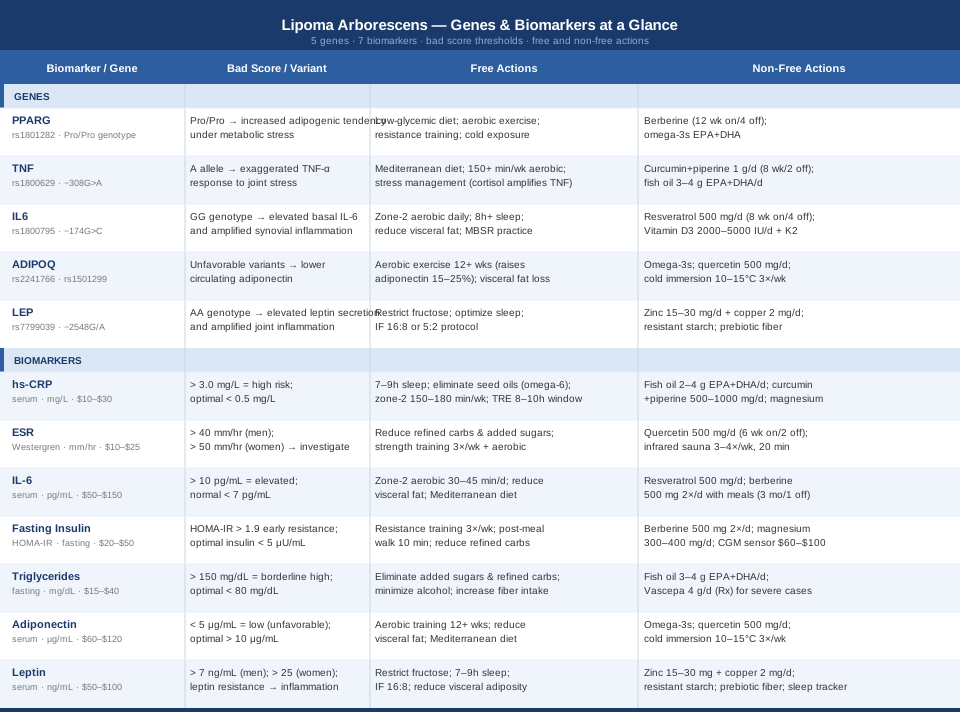
That is the purpose of this article. The main section walks through seven biomarkers that are particularly relevant to lipoma arborescens — why each one matters, how to measure it affordably, and what to do when the result is bad, both with and without supplements. A second section explores the five genes most implicated in the biology of this condition. A table summarizes everything at a glance. Beyond that, you will find a synthesis of the best science-backed book on metabolic and inflammatory health, plus four complementary approaches that carry genuine evidence for joint inflammation. No cure promises here — only better information, which is the prerequisite for better decisions.
7 Biomarkers to Track in Lipoma Arborescens
Lipoma arborescens sits at the intersection of two biological worlds: chronic synovial inflammation and disordered adipogenesis. The biomarkers below were chosen because they speak directly to one or both of those processes. Tracking them before and after any intervention gives you something far more valuable than symptom diaries alone.
1. High-Sensitivity C-Reactive Protein (hs-CRP)
Why it matters: CRP is produced by the liver in response to interleukin-6 (IL-6) and other pro-inflammatory cytokines. In lipoma arborescens, chronic low-grade or episodic synovial inflammation is the background condition. Elevated hs-CRP does not diagnose lipoma arborescens, but persistently high levels suggest that the systemic inflammatory environment driving synovial changes is still active. Peter Attia, in particular, treats hs-CRP as one of the fundamental metabolic health signals — not because it is specific, but because it integrates information from multiple inflammatory pathways at once.
How to measure it: Standard blood draw ordered through a primary care physician or direct-to-consumer labs. Cost ranges from $10 to $30 USD. Request the high-sensitivity version (hs-CRP), not the standard CRP, which misses low-grade chronic inflammation. Target: below 0.5 mg/L for optimal metabolic health; below 1.0 mg/L is generally acceptable. Above 3.0 mg/L signals high cardiovascular and inflammatory risk.
If the score is bad — plan without supplements: The most powerful hs-CRP reducers are also free. Prioritize sleep (7–9 hours, consistent schedule), reduce ultra-processed food intake, and introduce zone-2 cardiovascular exercise (walking, cycling, swimming) at 150–180 minutes per week. Eliminating vegetable seed oils high in omega-6 linoleic acid (soybean, corn, sunflower oil) for 8–12 weeks has been shown in multiple trials to measurably reduce systemic inflammation. Time-restricted eating in an 8–10 hour window may further reduce CRP by improving metabolic signaling. A 2017 meta-analysis in PLOS One confirmed that dietary pattern changes significantly reduce hs-CRP in adults with chronic inflammation.
If the score is bad — plan with supplements or equipment: Fish oil (EPA+DHA, 2–4 g/day with meals, cycling off every 3 months) has robust evidence for reducing hs-CRP. Curcumin with piperine (500–1000 mg/day, taken with a fat-containing meal) has shown significant CRP reduction in randomized trials; cycle 8 weeks on, 2 weeks off to avoid tolerance. Magnesium glycinate (300–400 mg before bed) has anti-inflammatory properties, especially relevant if dietary intake is insufficient. Note: high-dose fish oil can increase bleeding risk in those on blood thinners.
2. Erythrocyte Sedimentation Rate (ESR)
Why it matters: ESR is a non-specific but sensitive marker of systemic inflammation and acute-phase response. In the context of lipoma arborescens associated with rheumatoid arthritis or other inflammatory arthropathies, ESR helps track disease activity over time. An elevated ESR when other inflammatory markers are normal can point to low-grade ongoing synovial activity that might not yet be clinically obvious.
How to measure it: Standard blood draw, often included in complete blood count or inflammatory panels. Cost: $10–$25. Normal range varies by age and sex (Westergren method). For adult men under 50: below 15 mm/hr. For women under 50: below 20 mm/hr. Above 40–50 mm/hr in a lipoma arborescens patient warrants investigation for an underlying inflammatory arthritis.
If the score is bad — plan without supplements: ESR responds to the same lifestyle levers as hs-CRP: sleep quality, dietary glycemic load, and movement. Specifically, reducing refined carbohydrates and added sugars has an outsized impact on ESR in individuals with concurrent metabolic syndrome. Moderate-intensity strength training three times per week, combined with aerobic exercise, is associated with ESR reduction over 12 weeks in adults with chronic inflammatory conditions.
If the score is bad — plan with supplements or equipment: Beyond fish oil and curcumin (see hs-CRP section), consider quercetin (500 mg/day with meals, 6 weeks on, 2 weeks off) which has shown anti-inflammatory effects in several human trials. Infrared sauna use (3–4 sessions/week, 20 minutes at 60–70°C) is increasingly popular for chronic inflammation reduction, though evidence specific to ESR is observational rather than from randomized controlled trials. Side effects of sauna: dehydration risk; contraindicated in cardiovascular disease without physician clearance.
3. Interleukin-6 (IL-6)
Why it matters: IL-6 is the cytokine most directly implicated in the inflammatory signaling that drives synovial cell proliferation and adipogenic differentiation. In lipoma arborescens, IL-6 from synovial fibroblasts and intra-articular fat pads (particularly Hoffa's fat pad in the knee) may actively promote the lipomatous transformation of synovial villi. Research published in Arthritis Research and Therapy has documented elevated IL-6 in synovial fluid of patients with inflammatory joint conditions, providing the mechanistic rationale for tracking this cytokine.
How to measure it: Serum IL-6 can be ordered through specialty labs or functional medicine physicians. Cost: $50–$150. Some direct-to-consumer panels include it. Normal serum level: below 7 pg/mL. Elevated levels above 10 pg/mL in a lipoma arborescens patient suggest active synovial inflammation that may be driving or sustaining the lipomatous process.
If the score is bad — plan without supplements: Exercise is one of the most potent natural IL-6 modulators — but the relationship is nuanced. Acute intense exercise transiently raises IL-6, while regular moderate exercise chronically lowers basal IL-6 levels. The target: 30–45 minutes of zone-2 aerobic work daily or near-daily. Reducing visceral adiposity (the fat around organs) is critical, as visceral fat is one of the largest producers of circulating IL-6. A Mediterranean-pattern diet has demonstrated IL-6 reduction in multiple randomized trials.
If the score is bad — plan with supplements or equipment: Resveratrol (500 mg/day with a fat-containing meal, cycled 8 weeks on, 4 weeks off) has shown IL-6 suppression in small but controlled human studies. Berberine (500 mg twice daily with meals, cycled 3 months on, 1 month off) reduces both IL-6 and other inflammatory markers while also improving insulin sensitivity. Note: berberine has antibiotic properties and can alter gut flora with prolonged use; monitor for digestive tolerance.
4. Fasting Insulin and HOMA-IR
Why it matters: This is perhaps the most underappreciated biomarker in the lipoma arborescens picture. Insulin resistance promotes adipogenesis — the differentiation of precursor cells into fat cells — by upregulating PPAR-gamma pathways (covered in the genetics section below). In patients with lipoma arborescens who have concurrent metabolic syndrome, persistently elevated insulin may be one of the biological signals driving the expansion of lipomatous tissue in synovial membranes. Thomas Dayspring and Peter Attia both emphasize that fasting insulin is one of the most informative single biomarkers most standard labs still omit from routine panels.
How to measure it: Fasting insulin is ordered alongside fasting glucose to calculate HOMA-IR (Homeostatic Model Assessment of Insulin Resistance): fasting insulin (μU/mL) × fasting glucose (mmol/L) / 22.5. Cost: $20–$50 for the pair. Target fasting insulin: below 5 μU/mL (optimal); below 10 μU/mL (acceptable). HOMA-IR below 1.0 is optimal; above 1.9 suggests early insulin resistance; above 2.9 indicates significant resistance.
If the score is bad — plan without supplements: Insulin resistance responds powerfully to exercise — particularly a combination of resistance training (3×/week, compound movements, progressive overload) and post-meal walking (10 minutes within 30 minutes of eating, significantly blunts postprandial glucose and insulin spikes). Reducing dietary refined carbohydrates and increasing protein and fiber have direct and measurable effects on insulin sensitivity within 4–8 weeks. Prioritizing 7–9 hours of quality sleep is non-negotiable: a single night of 4-hour sleep meaningfully impairs insulin sensitivity.
If the score is bad — plan with supplements or equipment: Berberine (500 mg twice daily with meals) has a well-documented insulin-sensitizing effect comparable to low-dose metformin in some trials, with the advantage of not requiring a prescription. Magnesium (glycinate or malate form, 300–400 mg/day) improves insulin receptor function; many adults are deficient. Alpha-lipoic acid (600 mg/day before meals, cycle 12 weeks on, 4 weeks off) has shown insulin-sensitizing properties in diabetic and pre-diabetic populations. A continuous glucose monitor (CGM) worn for 2 weeks is an excellent diagnostic tool that reveals personalized glycemic responses without being a permanent expense; cost: $60–$100 for a two-week sensor.
5. Fasting Triglycerides
Why it matters: Elevated fasting triglycerides are a direct marker of impaired lipid metabolism and often accompany insulin resistance. In lipoma arborescens, the systemic excess of circulating lipids may contribute to ectopic fat deposition — including within synovial tissue. Allan Sniderman and Thomas Dayspring have emphasized that fasting triglycerides above 100 mg/dL should already prompt dietary review, and above 150 mg/dL represents clinically significant metabolic dysfunction. The triglyceride/HDL ratio (below 1.5 in mg/dL units) is also a practical proxy for insulin resistance.
How to measure it: Part of a standard fasting lipid panel; cost: $15–$40. Must be fasted 10–12 hours before the draw. Target: below 80 mg/dL (optimal); below 100 mg/dL (good); 150–199 mg/dL (borderline high); above 200 mg/dL (high risk).
If the score is bad — plan without supplements: Fasting triglycerides respond faster to dietary change than almost any other biomarker. Eliminating added sugars and refined carbohydrates (the primary dietary driver of elevated triglycerides) for 4 weeks typically drops levels by 20–40%. Replacing refined carbohydrates with non-starchy vegetables, legumes, and whole food fats is the foundational step. Alcohol, even in moderate quantities, significantly raises triglycerides and should be minimized when levels are elevated.
If the score is bad — plan with supplements or equipment: High-dose prescription omega-3 (icosapentaenoic acid, EPA, 4 g/day — Vascepa or equivalent) is FDA-approved for severe hypertriglyceridemia and has the strongest evidence among all triglyceride-lowering interventions. For non-prescription use, high-quality fish oil at 3–4 g EPA+DHA/day is effective for moderate elevations. Cycle fish oil use with 3 months on, 1 month off if used long-term at high doses. Niacin (extended-release, 500–1500 mg/day) is potent but has flushing side effects and should be used only under medical supervision.
6. Adiponectin
Why it matters: Adiponectin is an anti-inflammatory adipokine — a hormone produced by fat cells — that tends to be low in obesity, insulin resistance, and chronic inflammatory states. In joint biology, low adiponectin is associated with increased synovial inflammation and cartilage degradation. Restoring adiponectin signaling is emerging as a therapeutic target in metabolic arthropathies. For lipoma arborescens patients with metabolic dysfunction, low adiponectin is a signal that the protective arm of fat-tissue signaling has been compromised.
How to measure it: Serum adiponectin is not part of standard panels and requires specialty lab ordering; cost: $60–$120. Normal values vary but: above 10 μg/mL is generally considered favorable. Below 5 μg/mL in combination with elevated insulin and triglycerides strongly implicates metabolic adipose dysfunction.
If the score is bad — plan without supplements: Adiponectin levels rise with weight loss (particularly visceral fat reduction), aerobic exercise, and improved sleep quality. The relationship between aerobic exercise and adiponectin is well-established: a 2005 study in Circulation found that 12 weeks of aerobic training significantly increased adiponectin in adults with metabolic syndrome. Anti-inflammatory dietary patterns (Mediterranean, whole food plant-forward) also consistently raise adiponectin in observational and intervention studies.
If the score is bad — plan with supplements or equipment: Omega-3 fatty acids have been shown to increase adiponectin secretion in several randomized trials. Quercetin (500 mg/day with meals) has demonstrated adiponectin-raising effects in a small randomized controlled trial. Cold exposure — cold showers progressing to cold water immersion (10–15 minutes at 10–15°C, 3 times/week) — activates brown adipose tissue and has been associated with favorable adipokine shifts, though evidence specific to adiponectin remains early-stage.
7. Leptin
Why it matters: Where adiponectin is protective, leptin — when chronically elevated — is pro-inflammatory. In adipose-rich conditions like obesity and metabolic syndrome, leptin is produced in excess and begins to drive inflammatory signaling in joints. Synovial fibroblasts and chondrocytes express leptin receptors, and elevated leptin promotes matrix metalloproteinase production and synovial hyperplasia. Chronically elevated leptin in the context of lipoma arborescens may actively accelerate synovial lipomatous change by promoting both adipogenesis and local inflammation simultaneously.
How to measure it: Serum leptin, specialty labs; cost: $50–$100. Reference range for fasted adults: men, 1–7 ng/mL; women, 4–25 ng/mL (varies significantly by body fat percentage). Context matters: elevated leptin with high BMI is expected but still unfavorable. Leptin resistance — where leptin is high but the body no longer responds to its satiety signal — is diagnosed clinically by the combination of elevated leptin, persistent hunger, and inability to lose weight despite effort.
If the score is bad — plan without supplements: Reducing visceral adiposity through sustained caloric moderation and aerobic exercise is the primary driver of leptin reduction. Fructose restriction is specifically indicated: dietary fructose promotes leptin resistance by impairing hypothalamic leptin receptor sensitivity independent of calorie count. Sleep is again critical — a single night of sleep deprivation raises leptin dysregulation measurably. Research in PLoS Medicine demonstrated that sleep restriction significantly altered leptin and ghrelin in ways promoting weight gain and inflammation.
If the score is bad — plan with supplements or equipment: Zinc supplementation (15–30 mg/day with food, not on an empty stomach, cycle with copper at 1–2 mg/day to prevent copper depletion) has shown leptin-modulating effects in deficient adults. Resistant starch and prebiotic fiber (inulin, green banana flour, cooled cooked potato) fed to gut microbiota that produce short-chain fatty acids may improve leptin sensitivity over 8–12 weeks. Time-restricted eating (16:8 protocol) has demonstrated leptin reduction in small controlled trials, likely through caloric restriction and improved circadian alignment.
With these seven biomarkers established as a baseline, it becomes possible to move from reactive symptom management to proactive biological monitoring. Understanding which signals are off — and by how much — shapes a far more targeted intervention strategy. The genetics section below adds another layer to this picture.
Genetics and Epigenetics: What the Research Suggests
Direct genetic research on lipoma arborescens specifically is extremely limited due to the rarity of the condition. What follows draws from adjacent science: the genetics of adipogenesis, synovial inflammation, and adipokine signaling. This is early-stage mapping, not established clinical genomics. If you have access to a consumer genetic panel (23andMe, AncestryDNA) or a clinical SNP analysis through a functional medicine provider, these genes are worth reviewing with a knowledgeable clinician.
Gene 1: PPARG (Peroxisome Proliferator-Activated Receptor Gamma)
What it does: PPARG encodes the master transcription factor of adipogenesis — it is the molecular switch that turns precursor cells into fat cells. In synovial tissue, PPARG-expressing fibroblast-like synoviocytes can be driven toward an adipogenic fate under conditions of chronic inflammation and metabolic stress. Tontonoz and Spiegelman's foundational research published in Cell established PPARG as the central regulator of fat cell development, and subsequent work has confirmed its expression in synovial tissue.
Key variants: The Pro12Ala polymorphism (rs1801282) in PPARG2 is the most studied. The Pro/Pro genotype (common allele) is associated with higher PPARG activity and, under metabolically unfavorable conditions, increased adipogenic tendency. The Ala allele appears mildly protective against insulin resistance and excessive adipogenesis.
If the gene is unfavorable — plan without supplements: Since elevated PPARG activity is driven by insulin resistance and high circulating free fatty acids, the most direct intervention is reducing the substrate load: low-glycemic eating pattern, consistent aerobic exercise, and visceral fat reduction. Cold exposure activates brown adipose thermogenesis in a way that partially counterbalances excessive white adipose PPARG activity. Resistance training reduces PPARG activity in muscle and adipose tissue by improving insulin sensitivity at the receptor level.
If the gene is unfavorable — plan with supplements or equipment: Berberine functions in part as a natural PPARG modulator, reducing its pro-adipogenic activity while preserving its anti-inflammatory functions. Omega-3 fatty acids modulate PPARG isoform signaling toward anti-inflammatory rather than pro-adipogenic pathways. Cycle berberine 12 weeks on, 4 weeks off. Note: berberine interacts with some medications; review with a physician before combining with prescription drugs.
Gene 2: TNF (Tumor Necrosis Factor Alpha)
What it does: TNF-alpha is one of the most potent pro-inflammatory cytokines in joint biology. It drives synovial cell proliferation, promotes production of matrix metalloproteinases (which degrade cartilage), and directly stimulates adipokine secretion from intra-articular fat pads. In inflammatory arthropathies associated with lipoma arborescens (like rheumatoid arthritis), TNF-alpha is a primary driver of the inflammatory cascade.
Key variants: The -308G>A promoter polymorphism (rs1800629) is the most studied TNF variant. The A allele is associated with significantly higher TNF-alpha production in response to inflammatory stimuli, and carriers of this variant tend to show exaggerated inflammatory responses to joint injury, infection, or metabolic stress.
If the gene is unfavorable — plan without supplements: Anti-inflammatory diet is particularly important for TNF high-producers. The Mediterranean pattern with high olive oil intake has demonstrated TNF-alpha reduction in multiple randomized trials. Consistent aerobic exercise (at least 150 minutes/week) reduces resting TNF-alpha significantly over 12 weeks. Stress management is underrated here: cortisol amplifies TNF production, so chronic psychological stress worsens the picture for TNF-sensitive individuals.
If the gene is unfavorable — plan with supplements or equipment: Curcumin with piperine (1000 mg/day with a fat-containing meal) directly inhibits the NF-kB pathway that drives TNF-alpha production. Fish oil at 3–4 g EPA+DHA daily has demonstrated TNF-alpha reduction in systematic reviews. Cycle curcumin 8 weeks on, 2 weeks off. Note: high-dose curcumin can interact with blood-thinning medications.
Gene 3: IL6 (Interleukin-6)
What it does: The IL6 gene produces the interleukin-6 protein, the cytokine that drives hs-CRP elevation, stimulates the acute-phase response, and promotes synovial fibroblast proliferation. Elevated synovial IL-6 has been documented in multiple inflammatory joint conditions and is increasingly recognized as a driver of the intra-articular microenvironment that may sustain lipomatous transformation in lipoma arborescens.
Key variants: The -174G>C promoter variant (rs1800795) affects IL-6 transcription. The G allele is associated with higher IL-6 production in inflammatory conditions. Carriers of the GG genotype may show a more robust systemic and local inflammatory response to joint pathology.
If the gene is unfavorable — plan without supplements: Regular zone-2 aerobic exercise is the most powerful modulator of basal IL-6 in this context. Chronic moderate exercise consistently reduces resting IL-6 even in genetically predisposed individuals. Sleep extension (prioritizing 8+ hours) and reducing visceral adiposity are the two other most impactful free interventions. Mindfulness-based stress reduction has demonstrated measurable IL-6 reduction in several randomized trials.
If the gene is unfavorable — plan with supplements or equipment: Resveratrol (500 mg/day, cycled 8 weeks on, 4 weeks off) has shown IL-6 suppression in human trials of metabolically compromised adults. Vitamin D3 supplementation (2000–5000 IU/day, with K2 100–200 mcg to support calcium metabolism) has immunomodulatory effects on IL-6 production, particularly in those who are deficient — a common finding in chronic inflammatory disease. Have serum 25-OH vitamin D checked before supplementing; target 50–70 ng/mL.
Gene 4: ADIPOQ (Adiponectin)
What it does: The ADIPOQ gene encodes adiponectin, the protective anti-inflammatory adipokine discussed in the biomarkers section. Genetic variants that reduce ADIPOQ expression or impair adiponectin secretion lower the joint's natural anti-inflammatory protection, potentially creating an environment more permissive to synovial hyperplasia and lipomatous change.
Key variants: Multiple SNPs have been studied, including rs2241766 (+45 T>G) and rs1501299 (+276 G>T). Carriers of unfavorable variants in these positions consistently show lower circulating adiponectin levels across diverse populations, with associated increases in metabolic and inflammatory risk.
If the gene is unfavorable — plan without supplements: Aerobic exercise is the most consistent lifestyle driver of adiponectin upregulation regardless of genetic background. Studies show that even carriers of low-adiponectin variants can raise serum levels by 15–25% through 12 weeks of consistent moderate aerobic training. Visceral fat reduction remains the most important structural intervention since visceral adipose tissue actively suppresses adiponectin secretion from subcutaneous fat.
If the gene is unfavorable — plan with supplements or equipment: Omega-3 fatty acids and quercetin have both shown adiponectin-raising effects in small controlled trials. Regular cold water immersion (10–15°C, 10 minutes, 3 times/week) activates brown adipose tissue and may improve adipokine profiles, though this remains an area of emerging rather than established research. Combine with aerobic exercise for additive effect.
Gene 5: LEP (Leptin)
What it does: The LEP gene encodes leptin. Variants that increase basal leptin expression or reduce leptin receptor sensitivity (see also LEPR gene) contribute to the chronically elevated leptin state discussed in the biomarkers section. Genetically elevated leptin drives synovial inflammation through direct leptin receptor activation on synovial fibroblasts, chondrocytes, and macrophages.
Key variants: The -2548G/A promoter polymorphism (rs7799039) influences LEP transcription. The A allele is associated with higher leptin secretion in response to caloric excess. Homozygous AA carriers may show amplified leptin-mediated inflammatory responses in joints under metabolic stress.
If the gene is unfavorable — plan without supplements: Reducing fructose intake and improving sleep are the two most targeted free interventions for leptin-sensitive individuals. Intermittent fasting (16:8 daily or 5:2 protocol) has demonstrated leptin reduction that is partially independent of total caloric intake, suggesting a circadian and meal-timing component to leptin regulation that can be exploited without expensive interventions.
If the gene is unfavorable — plan with supplements or equipment: Zinc (15–30 mg with meals), resistant starch (15–20 g/day from green banana flour or cooled cooked potato), and prebiotic fiber supplementation have all shown leptin-modulating effects in human studies. Cycle zinc supplementation with copper (2 mg copper for every 15–30 mg zinc) to prevent copper depletion. A wearable sleep tracker (Oura Ring, WHOOP) can objectively identify sleep quality patterns that directly worsen leptin dysregulation, enabling targeted behavioral correction.
Summary Table: Genes and Biomarkers at a Glance
The Book That May Change How You Think About This
Outlive: The Science and Art of Longevity by Peter Attia (2023) is not a book about lipoma arborescens. It is something more useful: a rigorous, evidence-dense framework for thinking about metabolic health, inflammation, and the biomarker-driven approach to preventing and reversing chronic disease. For anyone dealing with a condition rooted in adipose dysfunction and chronic low-grade inflammation, it is arguably the most practically actionable book currently available.
1. Medicine 3.0: Treating Disease Before It Announces Itself
Attia's central thesis is that conventional medicine is reactive — it treats disease after diagnosis. The better approach is to track biomarkers early and intervene before pathology is entrenched. For lipoma arborescens, this means not waiting for recurrence after synovectomy, but actively monitoring the metabolic signals that sustain the underlying biology.
2. The Horsemen of Chronic Disease Are Metabolically Connected
Attia argues that cardiovascular disease, metabolic dysfunction, cancer, and neurodegenerative disease share common upstream drivers: insulin resistance, chronic inflammation, and mitochondrial dysfunction. Lipoma arborescens, when associated with metabolic syndrome, sits within this web — not as a coincidence, but as another downstream consequence of the same disrupted signaling.
3. Insulin Resistance Is the Root of More Problems Than Medicine Acknowledges
One of the book's most important contributions is its detailed treatment of insulin resistance as a multi-decade process that begins decades before a diabetes diagnosis. Fasting insulin and HOMA-IR are Attia's preferred early-warning biomarkers. His threshold — fasting insulin below 6 μU/mL — is considerably tighter than most clinical guidelines, and for good reason: the damage accumulates well before clinical thresholds are crossed.
4. Zone 2 Training Is the Most Underused Tool in Metabolic Medicine
Attia devotes significant space to zone-2 aerobic exercise — steady-state activity at a heart rate where you can hold a conversation but could not sing. This training modality improves mitochondrial efficiency, reduces insulin resistance, lowers systemic inflammation, and shifts adipokine profiles more than any single supplement. For lipoma arborescens patients post-synovectomy, non-weight-bearing zone-2 (cycling, swimming) is a practical option.
5. The Lipid Panel You're Getting Is Not the Lipid Panel You Need
Standard lipid panels miss critical information. Attia, alongside Thomas Dayspring and Allan Sniderman, advocates for ApoB (apolipoprotein B) as the key lipid biomarker — it counts the actual number of atherogenic particles, not just their cholesterol content. This is separate from the lipoma arborescens picture, but in a patient with elevated triglycerides and insulin resistance, the full lipid story matters.
6. VO2 Max Is the Single Most Powerful Predictor of Long-Term Health
Attia presents data showing that VO2 max (maximum oxygen uptake) is a stronger predictor of all-cause mortality than almost any biomarker. Improving cardiorespiratory fitness reduces systemic inflammation, improves adipokine profiles, and enhances insulin sensitivity — all relevant to the metabolic drivers of lipoma arborescens. VO2 max can be estimated with a CPET (cardiopulmonary exercise test, $500–$1500) or approximated with wearable devices.
7. Muscle Is a Metabolically Protective Organ
Attia argues strenuously that muscle mass — measured via DEXA scan (cost: $50–$150) — is protective against insulin resistance, metabolic syndrome, and systemic inflammation. Resistance training that builds lean mass progressively over time is one of the few interventions that simultaneously reduces visceral fat, improves insulin sensitivity, and lowers inflammatory cytokine levels. For joint patients, this means upper-body and non-loading lower-body strength training, adapted as needed.
8. Sleep Is the Non-Negotiable Foundation
Attia is emphatic: sleep deprivation worsens insulin resistance, elevates cortisol (which amplifies TNF-alpha), suppresses adiponectin, and raises leptin — hitting nearly every biomarker discussed in this article simultaneously. He recommends 7–9 hours in a cool (65–68°F / 18–20°C), dark room, with consistent bed and wake times. A wearable device provides objective data that makes the cost of poor sleep impossible to ignore.
9. Nutrition Has No Optimal Template — Only Principles
Rather than prescribing a single diet, Attia presents principles: caloric awareness without obsession, adequate protein (1.6–2.2 g/kg of body weight), dietary fat quality (emphasizing omega-3s and limiting linoleic acid excess), and near-elimination of ultra-processed foods and added sugars. These principles align directly with the interventions discussed throughout this article.
10. Emotional Health Drives Physical Biology More Than Medicine Admits
In the final section of Outlive, Attia discusses psychological health as a biological driver — not a soft add-on. Chronic psychological stress elevates cortisol, worsens insulin resistance, amplifies IL-6 and TNF-alpha production, and disrupts sleep. For someone managing a recurrent joint condition like lipoma arborescens, the stress load of diagnosis, recurrence fear, and limited activity is real and measurably inflammatory.
Complementary Approaches Worth Considering
Lipoma arborescens is rare enough that no complementary modality has been studied in this specific population. The approaches below are selected for their evidence in adjacent conditions — chronic joint inflammation, synovial disease, and metabolic arthropathies — and are included with that context made explicit.
Mindfulness-Based Stress Reduction (MBSR)
MBSR is an 8-week structured program developed by Jon Kabat-Zinn that combines meditation, body scan, and mindful movement. Its relevance to lipoma arborescens lies in the clear mechanistic link between psychological stress, cortisol dysregulation, and inflammatory cytokine amplification — including IL-6 and TNF-alpha, both discussed above. Chronic stress is not a soft concern in a condition driven by inflammation; it is a measurable biological input.
A 2013 randomized controlled trial published in Brain, Behavior, and Immunity found that MBSR training in healthy adults significantly reduced markers of inflammation, including IL-6, compared to a health education control group. The effect was mediated by reduced cortisol reactivity and improved autonomic nervous system balance.
Practically: MBSR programs are available online (including through platforms like Palouse Mindfulness, which is free) and in hospital settings. A formal 8-week commitment of 30–45 minutes daily is the validated protocol. For lipoma arborescens patients managing recurrence anxiety or chronic pain, even abbreviated mindfulness practice (20 minutes/day, 5 days/week) has shown anti-inflammatory and analgesic benefits in pain neuroscience research. No significant side effects have been documented; some individuals experience temporary increases in emotional awareness that require support.
Tai Chi
Tai chi is a traditional Chinese practice combining slow, controlled movements with breathing and mindfulness. Its relevance to lipoma arborescens is primarily through its documented effects on knee joint health, range of motion, pain, and systemic inflammatory markers — without the mechanical loading stress of conventional exercise that may be contraindicated in active joint disease.
A 2016 randomized controlled trial published in Annals of Internal Medicine found that tai chi was equally effective as physical therapy for knee osteoarthritis, with significant improvements in pain, physical function, and quality of life at 12 and 52 weeks. While this was conducted in osteoarthritis, the joint-protective mechanisms — reduced mechanical loading, improved periarticular muscle strength, anti-inflammatory neurological effects — are likely transferable to other chronic knee joint conditions including lipoma arborescens.
The practical protocol: two to three 60-minute sessions per week of supervised tai chi, ideally through a certified instructor familiar with joint-adapted modifications. Online programs are widely available but quality varies significantly. Yang style is generally recommended for beginners and for those with joint limitations. Results typically become noticeable at 8–12 weeks. Tai chi carries minimal injury risk and is appropriate for most adults; balance issues in elderly participants should be monitored.
Low-Level Laser Therapy (Photobiomodulation)
Low-level laser therapy (LLLT) — also called photobiomodulation — uses specific wavelengths of red and near-infrared light (typically 630–1070 nm) to stimulate mitochondrial activity in cells, reduce local inflammation, and promote tissue healing. In the context of synovial joint disease, LLLT has been studied for its capacity to reduce intra-articular inflammation and improve joint function without thermal tissue damage.
A 2010 systematic review and meta-analysis in the Lancet found that LLLT significantly reduced pain and disability in patients with chronic musculoskeletal pain, including joint conditions, when applied at appropriate dosing parameters. The anti-inflammatory mechanism involves reduced prostaglandin synthesis and modulation of cytokine production at the tissue level.
For practical application: seek a physiotherapy or rehabilitation clinic offering therapeutic laser (Class 3B or 4 devices; not consumer-grade red light panels, which have insufficient power density). Treatment sessions of 8–15 minutes over the affected joint, 3 times per week for 4–6 weeks, represent a typical therapeutic course. Cost per session: $30–$75. At-home near-infrared devices (Joovv, PlatinumLED) at 60–120 mW/cm² can provide maintenance therapy; evidence for home devices is less robust but accumulating. No serious side effects have been documented; avoid direct eye exposure to the beam.
Massage Therapy
Therapeutic massage of the periarticular tissues — muscles, tendons, and lymphatic structures surrounding an affected joint — can reduce localized edema, improve range of motion, and provide modest pain relief in chronic joint conditions. For lipoma arborescens, particularly when joint effusion is a recurring symptom, manual lymphatic drainage (a specialized massage technique) offers a rationale beyond general relaxation.
A 2015 randomized controlled trial published in Complementary Therapies in Clinical Practice found that manual lymphatic drainage significantly reduced knee swelling and pain in patients with post-surgical joint effusion — a clinical analog to the effusion seen in lipoma arborescens. The mechanism involves improved lymphatic clearance of inflammatory mediators from the joint space.
Practically: seek a licensed massage therapist trained in manual lymphatic drainage (MLD) or sports massage with joint condition experience. One or two sessions per week during periods of active swelling is appropriate. Sessions of 45–60 minutes targeting the quadriceps, hamstrings, and periarticular knee structures are most relevant for knee-located disease. Avoid deep tissue massage directly over an actively inflamed or recently operated joint. Cost: $70–$150 per session depending on location and practitioner credentials.
Conclusion
Lipoma arborescens sits at a frustrating intersection: it is rare enough to receive little research attention, yet its biological drivers — chronic synovial inflammation, metabolic adipokine dysregulation, and insulin resistance — are shared with some of the most studied conditions in modern medicine. That overlap is an opportunity.
The seven biomarkers outlined here — hs-CRP, ESR, IL-6, fasting insulin/HOMA-IR, triglycerides, adiponectin, and leptin — form a practical monitoring framework that most physicians can order, most labs can process, and most patients can act on without waiting for a specialist appointment. The five genes provide a deeper layer of biological context for those who want to understand their predispositions and fine-tune their interventions accordingly.
The next smart step is simple: choose two or three biomarkers from this list that you have never had measured, get them tested, and bring the results to a physician or functional medicine clinician who is comfortable interpreting them in context. Track them every three to six months alongside any intervention you adopt. Better information does not guarantee recovery — but it is the only tool that makes recovery a rational pursuit rather than a guessing game.
Endocrine & Metabolic Autoimmune
Musculoskeletal: Joint Conditions
Endocrine & Metabolic: Metabolic Syndrome Obesity
Autoimmune: Inflammatory Conditions