This article contains AI generated content.
· UpdatedLiposarcoma Genes and Biomarkers — 8 Genes and 6 Biomarkers to Track
Introduction
A liposarcoma diagnosis puts you in a strange position. The medical system mobilizes quickly around surgery, imaging, and sometimes systemic therapy — but the underlying molecular reality of your tumor, which genes are driving it and what biological signals it's producing, often stays buried in pathology reports that are hard to interpret and rarely translated into anything you can act on. You're managing a serious disease, but the information you'd need to engage with it intelligently is scattered across oncology consults and research papers that assume a radiology background you don't have.
Generic cancer advice — eat better, reduce stress, sleep more — is not wrong, but it was built for average populations with average cancers. Liposarcoma is not an average cancer. Depending on the subtype, it may be driven by a chromosomal amplification, a gene fusion, or the collapse of a tumor suppressor network. The difference between well-differentiated liposarcoma and myxoid liposarcoma at the gene level is substantial, and treating both the same way misses the point entirely.
This article works differently. It starts from the molecular biology of liposarcoma and moves outward toward what you can actually do with that information. The first strategy maps the eight most clinically important genes — explaining what each does, what its alteration means for disease behavior, and what practical steps are available with and without supplements. The second strategy identifies six measurable biomarkers worth tracking before, during, and after treatment, selected for clinical relevance and real-world accessibility. Beyond those two frameworks, you'll find a summary of the metabolic cancer model that is reshaping oncology thinking, and a review of four complementary approaches with the most credible human evidence for cancer patients.
The goal is not to replace your oncology team. It's to put you in a position where you can engage with them more precisely. Better information consistently leads to better decisions — and this is where that process starts.
Summary
This guide covers 8 key genes that define different liposarcoma subtypes — including MDM2, CDK4, TP53, FUS-DDIT3, and PTEN — with specific action plans for each, both lifestyle-based and supplement-supported. It then tracks 6 measurable biomarkers from affordable blood tests to advanced liquid biopsy, explaining what each one reveals and how to respond to concerning results. Beyond the molecular angle, you'll find a 10-point breakdown of the metabolic cancer framework that reframes how insulin, fasting, and diet relate to tumor biology — plus four complementary modalities (mindfulness, qigong, gut microbiome support, and breathing therapy) with the strongest evidence in cancer patient populations. Whether you're at diagnosis, mid-treatment, or in long-term surveillance, this article gives you a more complete and actionable map of your disease.
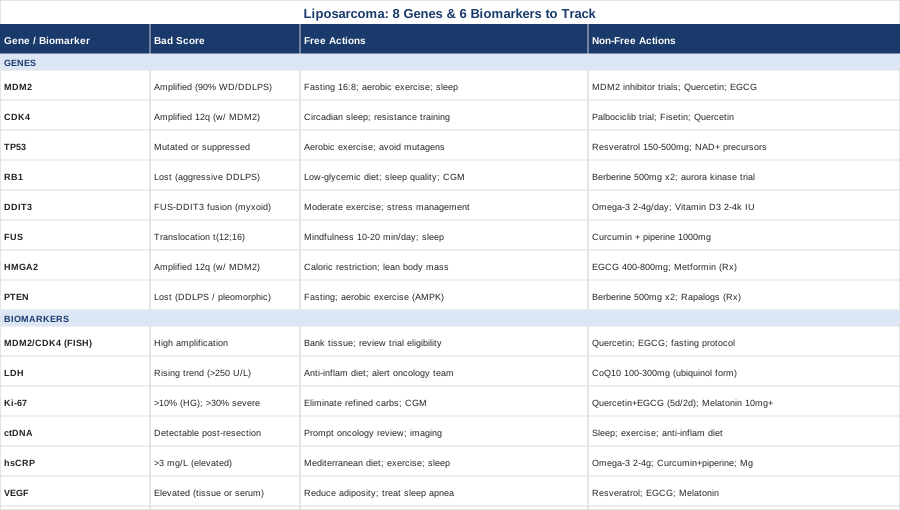
8 Key Genes in Liposarcoma — What the Research Reveals
The molecular classification of liposarcoma is among the most clearly defined in all of soft tissue oncology. Three major genomic events account for the vast majority of cases: the 12q amplicon (MDM2, CDK4, HMGA2), the t(12;16) translocation creating the FUS-DDIT3 fusion, and the complex chromosomal rearrangements of pleomorphic disease involving TP53 and RB1 loss. Knowing which category applies to your tumor determines which therapeutic targets are relevant, which clinical trials you may be eligible for, and which biological pathways are most logically addressed through lifestyle and complementary interventions.
Gene 1: MDM2 — The Dominant Driver
MDM2 (Mouse Double Minute 2 homolog) is amplified in approximately 90% of well-differentiated and dedifferentiated liposarcomas, making it the most diagnostically significant gene in this disease. MDM2 encodes an E3 ubiquitin ligase that binds, ubiquitylates, and degrades TP53 — the cell's primary tumor suppressor. When MDM2 is overexpressed due to gene amplification, p53 is constitutively inactivated even when DNA damage would otherwise trigger cell cycle arrest or apoptosis. The cell's main alarm system is effectively disabled.
MDM2 amplification is detectable by fluorescence in situ hybridization (FISH) or immunohistochemistry (IHC) on tumor tissue and has become a standard component of diagnostic workup, distinguishing well-differentiated liposarcoma from benign lipoma and confirming dedifferentiated disease. It is also the primary predictive biomarker for eligibility in MDM2 inhibitor clinical trials — currently one of the most promising targeted therapy frontiers in this disease.
If MDM2 is amplified — the plan without supplements:
The most evidence-backed lifestyle intervention for supporting the p53 pathway when MDM2 is overexpressed is intermittent fasting. Caloric restriction and fasting reduce circulating IGF-1 and insulin, which feed into the upstream signals that promote MDM2 expression. A 16:8 daily eating window is the most accessible protocol. Moderate aerobic exercise — 30 to 45 minutes at 60–70% maximum heart rate, 4 to 5 sessions per week — activates p53 in exercising tissues and reduces systemic inflammatory signals that compound MDM2 activity. Prioritizing 7–8 hours of uninterrupted sleep supports circadian integrity, which directly modulates DNA repair enzyme activity and p53 function. These are daily habits maintained continuously, not cycled.
If MDM2 is amplified — the plan with supplements:
Quercetin (500–1000 mg/day, standardized extract) has demonstrated interference with the MDM2-p53 protein interaction in preclinical cell studies, promoting p53 stabilization in cancer cell lines. Human clinical evidence in liposarcoma is absent — this is early-stage science. Cycle 5 days on, 2 days off; GI discomfort is the most common side effect at higher doses. EGCG (green tea catechin extract, 400–800 mg/day) has shown MDM2 downregulation in multiple in-vitro systems; take with food to reduce GI irritation, and monitor liver enzymes at sustained doses since high EGCG can be hepatotoxic in susceptible individuals. Most importantly: discuss MDM2 inhibitor trial eligibility (AMG 232, HDM201, DS-3032b) with your oncologist — these drugs specifically target this pathway in a way no supplement can approximate.
Gene 2: CDK4 — The Cell Cycle Accelerator
CDK4 (Cyclin-Dependent Kinase 4) occupies the same chromosomal amplicon as MDM2 at 12q13-15 and is co-amplified in most well-differentiated and dedifferentiated liposarcomas. CDK4 phosphorylates and inactivates the retinoblastoma protein (pRb), releasing the brake on cell cycle progression into S-phase. When CDK4 is overexpressed from amplification, cells cycle continuously regardless of external restraining signals — and pRb can no longer enforce the G1 checkpoint that prevents premature replication.
The MDM2+/CDK4+ amplification profile is now functionally diagnostic for WDLPS/DDLPS in the appropriate histologic context and carries direct therapeutic implications: multiple CDK4/6 inhibitors are being studied in this disease with Phase II data already in hand.
If CDK4 is amplified — the plan without supplements:
Circadian rhythm optimization is the most mechanistically relevant lifestyle lever for CDK4. Cell cycle progression — including CDK4 activity — is governed by circadian clock proteins (CLOCK, BMAL1, PER, CRY). Disrupted circadian biology from irregular sleep timing, chronic artificial light exposure, or night shift work uncouples circadian checkpoints from CDK4 regulation. Consistent sleep timing (same bedtime and wake time, 7–8 hours in darkness) restores this coupling. Morning bright light exposure (10–30 minutes of direct outdoor light within 30 minutes of waking) and elimination of blue-light exposure after 8 PM (glasses or device night mode) are the highest-yield circadian interventions. Resistance training three times per week modulates cyclin D1 expression and contributes to healthier systemic cell cycle biology.
If CDK4 is amplified — the plan with supplements:
Fisetin (100–200 mg/day with a fat-containing meal for absorption) has preclinical evidence for CDK inhibition and senolytic activity; Quercetin shares similar properties at the doses described above. More clinically significant: CDK4/6 inhibitors (palbociclib, ribociclib, abemaciclib) have been specifically evaluated in CDK4-amplified liposarcoma. A Phase II study of palbociclib demonstrated disease stabilization in a meaningful proportion of patients. Side effects — neutropenia, fatigue, QT prolongation with ribociclib — require monitoring but are manageable. These are prescription therapies requiring oncologist evaluation. Fisetin is generally well-tolerated; cycle 5 days on, 2 days off.
Gene 3: TP53 — The Fallen Guardian
TP53 encodes p53, the transcription factor that responds to cellular DNA damage by triggering cell cycle arrest, repair, senescence, or apoptosis. Roughly half of all human cancers involve p53 dysfunction. In liposarcoma, p53 is disrupted in two distinct ways: direct mutational loss (more common in pleomorphic liposarcoma) and functional suppression through MDM2 overexpression (WDLPS/DDLPS). Either mechanism removes the primary damage-response system from the cell — the alarm sounds but no one responds.
TP53 mutation status is assessed by tumor DNA sequencing and informs both prognosis and therapeutic eligibility. Mutant p53 protein accumulation (from its failure to be degraded) is detectable by IHC and can serve as a surrogate marker.
If TP53 is mutated or suppressed — the plan without supplements:
Regular moderate-intensity aerobic exercise is the most evidence-based lifestyle strategy for supporting p53 pathway activity and immune surveillance when tumor p53 function is compromised. Studies across diverse cancer patient populations confirm that 150 minutes per week of moderate aerobic activity increases natural killer cell activity and modulates pro-tumor inflammatory cytokines. Eliminating known TP53 mutagens — tobacco and processed meat (which generates nitrosamine mutagens) — reduces ongoing DNA damage burden that compounds the p53 deficit. A whole-food dietary pattern rich in polyphenols from vegetables and fruits reduces oxidative DNA damage without the dosing unpredictability of isolated antioxidant supplements, some of which may blunt chemotherapy's oxidative mechanism.
If TP53 is mutated or suppressed — the plan with supplements:
Resveratrol (150–500 mg/day, trans-resveratrol form) activates SIRT1, a deacetylase that intersects with the p53-MDM2 axis and may promote p53 activity through regulatory deacetylation. Human evidence in sarcoma is absent — this remains preclinical data. Cycle 5 days on, 2 days off; may mildly inhibit CYP enzymes at high doses, creating drug interaction risk during chemotherapy. NAD+ precursors (NMN or NR, 250–500 mg/day) support PARP enzymes central to DNA repair upstream of p53 activation. Generally considered safe; pause during cytotoxic chemotherapy unless cleared by your oncologist. Side effects are typically mild at standard doses.
Gene 4: RB1 — When the Brake Is Severed
RB1 encodes the retinoblastoma protein (pRb), which normally prevents premature cell division by sequestering transcription factors required for S-phase entry until CDK4 phosphorylation releases them in a regulated fashion. When RB1 is itself lost or mutated — which occurs in aggressive dedifferentiated liposarcoma — pRb no longer exists to receive that signal. The cell cycle accelerator (CDK4 amplification) is floored while the brake has been physically removed.
RB1 loss is assessed by IHC (loss of nuclear staining) or sequencing and has clinical importance as a potential predictor of resistance to CDK4/6 inhibitors: if pRb isn't present, drugs that target CDK4 may not produce the intended cell cycle arrest regardless of CDK4 amplification status.
If RB1 is lost — the plan without supplements:
RB1 loss cannot be restored. However, reducing the metabolic environment that maximally drives proliferation when intrinsic brakes are absent remains actionable. Low-glycemic nutrition — emphasizing non-starchy vegetables, lean protein, and healthy fats over refined carbohydrates — reduces insulin and IGF-1 signaling that compounds the proliferative pressure created by RB1 absence. Continuous glucose monitoring (Abbott Libre, Dexcom) provides real-time dietary feedback on glucose spikes for those who want to optimize precisely. Sleep quality optimization supports immune surveillance, which becomes more critical when intrinsic cell cycle control is compromised.
If RB1 is lost — the plan with supplements:
The combination of RB1 loss and CDK4 amplification may predict differential sensitivity to aurora kinase inhibitors — this remains investigational and should be explored through oncology consultation and trial eligibility review. For supportive supplementation, Berberine (500 mg twice daily with meals) activates AMPK and has demonstrated cell cycle modulatory effects in multiple cancer cell line studies; direct evidence in RB1-loss liposarcoma is absent. Cycle 8 weeks on, 2–4 weeks off; monitor for drug interactions via CYP2D6, particularly during chemotherapy. GI side effects are dose-dependent and manageable with gradual titration.
Gene 5: DDIT3 — The Myxoid Fusion Gene
DDIT3 (also called CHOP) is involved in the defining chromosomal translocation of myxoid liposarcoma: t(12;16)(q13;p11), which creates the FUS-DDIT3 fusion oncogene. This fusion protein locks adipocyte precursors in a proliferative, undifferentiated state by disrupting normal CCAAT/enhancer-binding protein (C/EBP) transcription programs that govern fat cell maturation. The fusion is detectable by FISH or RT-PCR on tumor tissue and is essentially pathognomonic for this subtype. An EWSR1-DDIT3 variant occurs in a minority of cases.
This is a biologically separate disease from MDM2-amplified liposarcoma, despite arising from the same tissue type. Knowing which subtype you have is not a detail — it determines which treatments are appropriate, which clinical trials apply, and which of the gene-based strategies described in this article are relevant to your situation.
If FUS-DDIT3 is present — the plan without supplements:
No lifestyle intervention directly targets the FUS-DDIT3 fusion protein. The most meaningful clinical step is ensuring treatment is subtype-appropriate: trabectedin (Yondelis) has the most established evidence specifically in myxoid liposarcoma and works in part by modulating the transcription programs disrupted by the fusion. Radiation sensitivity is also higher in myxoid liposarcoma than in other subtypes. Maintaining healthy body composition through consistent moderate physical activity (8,000–10,000 steps daily plus two resistance sessions per week) reduces adipose-derived inflammatory signaling. Quality sleep and regular stress management reduce immunosuppressive cortisol chronically.
If FUS-DDIT3 is present — the plan with supplements:
Omega-3 fatty acids (EPA+DHA, 2–4 g/day from high-quality fish oil) support an anti-inflammatory adipose microenvironment and have demonstrated anti-tumor effects in multiple soft tissue tumor models. Direct evidence in FUS-DDIT3 liposarcoma is limited. Take with the largest meal; pause 1 week before surgery due to mild platelet-inhibitory effects; no cycling required. Vitamin D3 (2000–4000 IU/day with K2) — many liposarcoma patients present with low vitamin D, and deficiency correlates with poorer outcomes across multiple cancer types. Test serum 25(OH)D and target 50–70 ng/mL. Toxicity begins above 100 ng/mL; at supplemented doses, this is rarely a concern.
Gene 6: FUS — The Translocation Catalyst
FUS (FUsed in Sarcoma) is an RNA-binding protein involved in transcription regulation, RNA splicing, and DNA repair under normal conditions. The t(12;16) translocation places the FUS transcriptional activation domain upstream of the DDIT3 coding sequence, creating an oncogene whose product behaves in a way that neither FUS nor DDIT3 does alone — constitutively active and impossible for the cell to downregulate through normal mechanisms. FUS translocation is tested alongside DDIT3 as part of standard myxoid liposarcoma FISH workup.
Patients whose tumors show histologic features of myxoid liposarcoma but test negative for FUS-DDIT3 should be tested for EWSR1-DDIT3 as an alternative translocation partner — a distinct but related molecular diagnosis.
If FUS translocation is present — the plan without supplements:
Chronic psychological stress elevates cortisol, which suppresses immune surveillance and promotes the inflammatory cytokine environment that favors tumor progression. Structured mindfulness practice (10–20 minutes per day of breath-focused attention) and regular social engagement — both buffer cortisol reactivity and have documented immune effects in cancer patients. Sleep continuity (7–8 hours without fragmentation) remains the single highest-yield immune intervention available. These are not general wellness platitudes — they are the most evidence-consistent free interventions for cancer patients and deserve the same prioritization as pharmacological support.
If FUS translocation is present — the plan with supplements:
Curcumin with piperine (standardized curcumin 1000–1500 mg/day, always with 5–10 mg piperine for absorption) has demonstrated NF-κB suppression, IL-6 reduction, and anti-tumor effects across multiple soft tissue tumor models. Curcumin modulates CYP3A4 and drug efflux transporters, creating interaction potential with certain chemotherapy agents. Always clear with your oncologist before using curcumin during active treatment. Cycle 8 weeks on, 2 weeks off; GI discomfort at high doses is manageable by taking with meals and splitting the dose.
Gene 7: HMGA2 — The Chromatin Amplifier
HMGA2 (High Mobility Group AT-hook 2) resides on chromosome 12q14-15, adjacent to MDM2 and CDK4, and is frequently co-amplified as part of the same 12q amplicon. HMGA2 is an architectural transcription factor that remodels chromatin to increase transcriptional accessibility for growth-promoting programs. It is normally expressed during embryonic development but silenced in adult tissue — its reactivation in liposarcoma promotes a more stem-like, proliferative, and dedifferentiation-prone state.
HMGA2 is increasingly recognized as both a diagnostic marker and an independent prognostic indicator in WDLPS/DDLPS. High HMGA2 expression may mark tumors at elevated risk for progression to dedifferentiated disease over time.
If HMGA2 is amplified — the plan without supplements:
Because HMGA2 is co-amplified with MDM2 and CDK4, the relevant lifestyle plan overlaps entirely: caloric restriction, circadian sleep optimization, and anti-hyperinsulinemic nutrition address the growth-signaling environment that HMGA2 amplification feeds into downstream. There is no separate lifestyle strategy specific to HMGA2 that diverges meaningfully from the MDM2/CDK4 plan — addressing those handles the upstream biology. One additional emphasis: maintaining lean body composition is particularly relevant, since HMGA2 is a key driver of adipose stem cell behavior and reducing adipose expansion limits the stem cell niche that high HMGA2 promotes.
If HMGA2 is amplified — the plan with supplements:
EGCG has demonstrated HMGA2 downregulation in thyroid and colorectal cancer cell line models — extrapolation to liposarcoma is mechanistically plausible but not directly studied. Metformin (prescription, 500–1000 mg/day, used off-label in cancer contexts) activates AMPK and has shown HMGA2 suppression through Let-7 microRNA upregulation in multiple cancer models. The oncology literature is increasingly interested in metformin as a metabolic co-intervention in cancer patients — raising this as a question with your oncologist is appropriate. Metformin is not a self-supplementation option; it requires physician supervision and monitoring.
Gene 8: PTEN — The mTOR Regulator
PTEN (Phosphatase and Tensin Homolog) is a lipid phosphatase and tumor suppressor that restrains the PI3K/AKT/mTOR signaling axis by dephosphorylating PIP3. When PTEN is lost or mutated — which occurs in a subset of dedifferentiated and pleomorphic liposarcomas — the PI3K pathway runs without its primary check, driving unchecked mTORC1 activation, enhanced protein synthesis, and accelerated cell growth. PTEN loss is also associated with resistance to certain therapies and with a more aggressive clinical phenotype overall.
PTEN status is assessed by IHC (loss of nuclear and cytoplasmic staining in tumor cells) or comprehensive tumor sequencing. Combined with PIK3CA mutation testing, it frames eligibility for mTOR inhibitor trials and predicts response to rapalog therapy.
If PTEN is lost — the plan without supplements:
Intermittent fasting and caloric restriction are the most evidence-backed mTOR-inhibiting lifestyle interventions available. When glucose and amino acids are limited, mTORC1 activity falls — this is the same pathway that PTEN normally restrains pharmacologically. Protein timing also matters: keeping leucine-rich protein intake within a compressed daily window (rather than continuous protein grazing through the day) reduces chronic mTORC1 stimulation. Aerobic exercise at 65–75% of maximum heart rate activates AMPK, which phosphorylates and inhibits mTORC1 through the TSC1/2 complex. Target 150+ minutes per week, continuous habit.
If PTEN is lost — the plan with supplements:
Berberine (500 mg twice daily with meals) is the most evidence-supported accessible compound for AMPK activation and downstream mTOR inhibition. Multiple cancer cell line studies demonstrate berberine suppresses mTORC1 and promotes autophagy in PTEN-loss contexts. Rapalogs — everolimus, temsirolimus — are the pharmacological mTOR inhibitors with the most developed clinical trial evidence in sarcoma. Discuss eligibility with your oncologist; everolimus trials in PTEN-loss soft tissue sarcomas have shown modest but real activity. Berberine cycle: 8 weeks on, 2–4 weeks off; monitor for CYP2D6-mediated drug interactions during chemotherapy; GI effects are dose-dependent and manageable with gradual dose escalation.
6 Biomarkers Worth Monitoring in Liposarcoma
Tumor genetics answer what is driving the disease. Biomarkers answer how the disease is behaving right now — and how your body is responding to it. These are two different and complementary questions. Blood and tissue biomarkers matter most for surveillance: detecting recurrence before symptoms appear, gauging systemic inflammation, and tracking treatment response between imaging appointments. The six markers below were selected for clinical relevance, cost-accessibility, and the quality of information they actually deliver.
Biomarker 1: MDM2 and CDK4 by FISH and IHC
Why it matters: MDM2 and CDK4 amplification testing is simultaneously diagnostic and prognostic. The presence and level of amplification inform risk stratification for dedifferentiation, guide eligibility for targeted therapy trials, and determine which second-line options are most biologically rational.
How to measure it: FISH on formalin-fixed paraffin-embedded (FFPE) tumor tissue is the reference standard; IHC is a widely available companion test and is often used for initial screening. Ordered as part of standard diagnostic workup. Cost: $200–$600; typically covered under diagnostic insurance codes. Request that MDM2 copy number ratio be reported explicitly if your pathology report does not include it.
If the score is bad — the plan without supplements: High MDM2 amplification should immediately trigger investigation of MDM2 inhibitor trial eligibility. Ensure tumor tissue is banked (FFPE blocks or additional unstained slides) for future molecular testing as the therapeutic landscape evolves rapidly. CDK4/6 inhibitor trial eligibility should be reviewed in parallel.
If the score is bad — the plan with supplements: Per the genetics section: quercetin, EGCG, and intermittent fasting as complementary support during conventional treatment. Avoid strong CYP3A4 inhibitors (grapefruit, high-dose St. John's Wort) if on concurrent investigational agents.
Biomarker 2: Lactate Dehydrogenase (LDH)
Why it matters: LDH is an enzyme released by cells undergoing rapid proliferation or damage. Elevated serum LDH in sarcoma correlates with higher tumor burden, more aggressive histology, and worse overall survival in multiple retrospective analyses. It is non-specific — infections, muscle injury, and hemolysis all raise LDH — but as a cheap, longitudinal monitoring signal, trending values between imaging appointments provides meaningful information.
How to measure it: Standard blood draw; included in comprehensive metabolic panels. Cost: $15–$50 out of pocket; typically covered by insurance. Normal range varies by lab (usually 100–250 U/L). Draw fasting, and at least 48 hours after intense exercise, which acutely elevates LDH from muscle damage and can confound tumor-derived signal.
If the score is bad — the plan without supplements: A rising LDH trend in liposarcoma surveillance should prompt communication with your oncology team and review of imaging schedule. Anti-inflammatory dietary patterns (Mediterranean model) may partially lower LDH driven by systemic inflammation rather than tumor burden, but the primary response to rising LDH in cancer monitoring is clinical, not nutritional.
If the score is bad — the plan with supplements: No supplement reliably reduces cancer-driven LDH. Prioritize clinical evaluation when values trend upward. CoQ10 (100–300 mg/day, ubiquinol form for better absorption) supports mitochondrial function and is used in some integrative oncology protocols for fatigue management during chemotherapy; effects on LDH specifically are not established. Fat-soluble; take with meals. Generally safe long-term.
Biomarker 3: Ki-67 Proliferation Index
Why it matters: Ki-67 is a nuclear protein expressed exclusively in actively cycling cells. Its percentage on IHC directly reflects how fast the tumor is growing. In liposarcoma, Ki-67 above 10% is associated with higher histologic grade and dedifferentiated features; above 30% typically marks high-grade or pleomorphic disease. Ki-67 is one of the most actionable histologic biomarkers for treatment urgency and surveillance interval decisions.
How to measure it: IHC on biopsy or surgical specimen, performed by pathology. Cost: typically part of standard pathology workup ($100–$300); usually covered by insurance. Ask specifically for the Ki-67 percentage to be reported if it does not appear in your initial pathology note — it is not always included automatically.
If the score is bad — the plan without supplements: High Ki-67 warrants more aggressive conventional treatment evaluation. On the lifestyle side, eliminate refined carbohydrates and added sugars: rapidly proliferating cells have disproportionate glucose uptake, and insulin-driven growth signaling amplifies their metabolic advantage. Keeping postprandial blood glucose flat (trackable in real time with a continuous glucose monitor) reduces the metabolic environment that favors high-Ki-67 disease. All caloric restriction and exercise strategies from the genetics section apply in parallel.
If the score is bad — the plan with supplements: Quercetin 500 mg (morning) + EGCG 400 mg (afternoon) as a stacked anti-proliferative approach, 5 days on / 2 days off — both have demonstrated anti-proliferative activity in sarcoma cell line models. Melatonin at pharmacological doses (10–20 mg at bedtime) has anti-proliferative and pro-apoptotic properties across multiple tumor models and is increasingly discussed in integrative oncology settings; liposarcoma-specific evidence is absent. Titrate up from 5 mg to manage morning grogginess, which is the main side effect at high doses. Always clear with your oncologist during active treatment.
Biomarker 4: Circulating Tumor DNA (ctDNA)
Why it matters: ctDNA is tumor-derived DNA shed into the bloodstream, detectable by a liquid biopsy blood draw. For liposarcoma — where MDM2 amplification and FUS-DDIT3 fusion are molecularly distinctive — ctDNA offers the potential to monitor tumor burden and detect recurrence before it appears on imaging. The field is moving fast: several commercial platforms now offer comprehensive panel-based ctDNA detection applicable to sarcoma.
How to measure it: Commercial liquid biopsy panels from Guardant Health (Guardant360), Foundation Medicine (FoundationOne Liquid CDx), or academic medical center research protocols. Cost: $1,000–$3,000 per test; insurance coverage is variable and improving, often requiring prior authorization. Not yet standard of care in liposarcoma surveillance, but worth discussing with your oncologist for high-risk disease or post-resection monitoring in high-grade cases.
If the score is bad — the plan without supplements: Detectable ctDNA after curative resection is a clinical signal requiring prompt oncology review and typically imaging confirmation. The appropriate response is accelerated clinical follow-up — not a supplemental protocol. The value of ctDNA monitoring is in earlier action before symptomatic recurrence, not in optimizing the biomarker value itself.
If the score is bad — the plan with supplements: Support immune surveillance through all established strategies — sleep, exercise, anti-inflammatory diet, stress management — since the immune system's capacity to detect and clear circulating tumor cells may matter at the margin. No supplement has demonstrated ctDNA clearance in liposarcoma. The clinical signal takes priority.
Biomarker 5: High-Sensitivity C-Reactive Protein (hsCRP)
Why it matters: hsCRP is the most widely available and affordable systemic inflammation marker in clinical practice. In oncology, elevated pre-treatment CRP correlates with worse survival across multiple retrospective sarcoma analyses. The mechanism: high systemic inflammation promotes tumor-supportive cytokines — IL-6, TNF-α, IL-8 — that facilitate angiogenesis, immune evasion, and metastatic signaling in the tumor microenvironment. CRP is both a barometer of that environment and a genuinely modifiable target through lifestyle.
How to measure it: Standard blood draw; request the high-sensitivity version specifically. Cost: $10–$50; usually covered by insurance. Optimal: under 1.0 mg/L. Intermediate: 1–3 mg/L. Elevated: above 3 mg/L. Test fasting, without acute infection or recent significant exercise, for an accurate baseline. Track serially at each oncology appointment as part of routine labs.
If the score is bad — the plan without supplements: Mediterranean dietary pattern (olive oil, fatty fish, vegetables, legumes, minimal ultra-processed food) reduces CRP by 20–30% in randomized controlled trials — this is whole-pattern data, not isolated nutrients. Aerobic exercise (150+ minutes per week) reduces chronic CRP independent of weight loss. Sleep quality (7–9 uninterrupted hours) and cortisol management are both independently associated with CRP reduction, since cortisol directly stimulates hepatic CRP synthesis. Alcohol reduction to under one drink daily — or elimination — produces measurable CRP improvement within weeks.
If the score is bad — the plan with supplements: Omega-3 fatty acids (EPA+DHA, 2–4 g/day) reduce CRP by 10–20% across meta-analyses — one of the most replicated supplement effects in inflammation biology. No cycling required; pause 1 week before surgery. Curcumin with piperine (1000 mg/day + 10 mg piperine) reduces CRP and IL-6 in multiple randomized trials; cycle 8 weeks on, 2 weeks off. Magnesium glycinate (300–400 mg at bedtime) is associated with CRP reduction and simultaneously improves sleep architecture — a notable two-for-one at low cost. Safe long-term at these doses.
Biomarker 6: VEGF (Vascular Endothelial Growth Factor)
Why it matters: VEGF is the primary driver of tumor angiogenesis — the formation of new blood vessels required for tumors to sustain themselves beyond a few millimeters. Elevated VEGF in liposarcoma tissue correlates with higher vascularity, larger tumor size at presentation, and more aggressive behavior. Serum VEGF has been studied as a monitoring marker in sarcoma patients receiving anti-angiogenic therapy, and the VEGF pathway served as a central biological rationale for the PALETTE Phase III trial that established pazopanib in soft tissue sarcoma (van der Graaf et al., Lancet 2012).
How to measure it: Serum VEGF ELISA at a reference laboratory. Cost: $50–$200. VEGF expression in tumor tissue by IHC is more clinically standardized; serum VEGF has known variability from platelet contamination during collection and requires EDTA tube collection with immediate processing for reliable values. Track serially — trends are more informative than single values.
If the score is bad — the plan without supplements: Reducing excess adiposity is the most direct available intervention — adipose tissue is a primary VEGF source, and VEGF drops measurably with fat loss in overweight individuals. Treating sleep apnea is critical and often overlooked: nocturnal hypoxia is the strongest physiological stimulus for VEGF expression via the HIF-1α pathway. If you snore or have daytime sleepiness and have never had a sleep study, this is worth prioritizing. Moderate regular exercise reduces basal VEGF with training adaptation despite acutely raising it during sessions.
If the score is bad — the plan with supplements: Resveratrol (150–500 mg/day) has demonstrated VEGF downregulation in multiple cell line and animal models. EGCG inhibits VEGF receptor signaling in multiple sarcoma and carcinoma models. Melatonin at pharmacological doses (10–20 mg at bedtime) has anti-angiogenic properties demonstrated in lab models and is discussed in some integrative oncology protocols. If anti-angiogenic therapy (pazopanib, sorafenib) is being considered or used, discuss all supplements that modulate angiogenesis with your oncologist before adding them — additive vascular or bleeding risk may apply.
The Cancer Code — 10 Insights That May Change How You Think About Liposarcoma
The Cancer Code (2020), by Dr. Jason Fung, synthesizes decades of cancer biology research to reframe cancer not as random genetic bad luck but as a disease of dysregulated cellular growth programs — driven by hormonal and metabolic environments as much as by mutations alone. While it is not a liposarcoma-specific text, its framework maps with unusual precision onto the molecular biology of this disease: the MDM2-mTOR-PI3K axis that drives most liposarcoma subtypes is exactly the kind of growth signaling network Fung argues is meaningfully influenced by lifestyle and metabolic conditions. The book references foundational cancer biology research across dozens of studies and is one of the more scientifically grounded popular accounts of the field. The following are the ten most practically useful insights for anyone managing a liposarcoma diagnosis.
1. Cancer Reactivates Ancient Growth Programs
Fung argues that cancer is not a random mutation cascade but the reactivation of highly conserved cellular growth programs that belong to embryonic development — programs that should be silenced in adult tissue. In liposarcoma, MDM2 amplification and CDK4 overactivation are textbook examples: they unlock a proliferative program that adipocyte precursors should have exited permanently. Understanding this reframing makes the metabolic strategies below more intuitive.
2. Insulin and IGF-1 Are the Most Controllable Cancer Promoters in Most People's Lives
High insulin and IGF-1 — driven primarily by refined carbohydrate intake, excess caloric intake, and physical inactivity — feed directly into the mTOR, PI3K, and CDK4-related growth pathways that characterize aggressive liposarcoma. Insulin reduction through dietary change is among the most modifiable variables a patient has direct control over, and its downstream effects touch multiple genes discussed in this article simultaneously.
3. Intermittent Fasting Addresses Multiple Tumor Biology Pathways at Once
Fasting reduces IGF-1, lowers insulin, suppresses mTOR, activates AMPK, promotes autophagy, and upregulates p53 — simultaneously addressing five of the eight genes in this article through a single behavioral intervention. This convergence is the mechanistic reason fasting protocols have accumulated serious scientific interest in oncology research settings.
4. Obesity Creates a Tumor-Supportive Microenvironment
For liposarcoma — a tumor arising within fatty tissue — this point carries unusual weight. Adipose tissue secretes leptin (pro-proliferative), VEGF (pro-angiogenic), and inflammatory adipokines that support local tumor growth, immune evasion, and angiogenesis. Excess adiposity is not merely a metabolic background condition in this cancer; it is an active contributor to the tumor ecology.
5. The Immune System Is the Most Powerful Anti-Cancer System You Have — and It Is Suppressible
Chronic sleep deprivation, unmanaged psychological stress, poor nutrition, and physical inactivity each independently reduce natural killer cell activity and T-cell surveillance. These suppressors are additive. Restoring sleep quality, stress resilience, anti-inflammatory nutrition, and regular movement is the restoration of the body's primary defense system against residual disease — not an optional wellness add-on.
6. mTOR Responds to Every Meal
Every meal activates mTOR in proportion to its glucose and leucine content. The architecture of your eating — timing, composition, and inter-meal gaps — determines your baseline mTOR tone across the day. For PTEN-loss liposarcoma, where mTOR runs without its primary molecular check, designing meals to minimize chronic mTOR activation is the most accessible form of pathway management available outside a clinical trial.
7. Caloric Restriction Outperforms Any Single Drug in Pre-Clinical Models
No approved cancer drug simultaneously reduces IGF-1, insulin, and mTOR while activating AMPK and autophagy and reducing systemic inflammation. Caloric restriction does all of this simultaneously. This is not an argument against pharmacological treatment — it is an argument for taking caloric modulation as seriously as supplement stacks that target only one pathway at a time.
8. Sugar Does Not Directly Feed Tumors — Insulin Does
The popular framing that sugar feeds cancer is directionally useful but mechanistically imprecise. Dietary sugar elevates insulin, which activates PI3K, mTOR, and CDK4-related growth signaling — the hormonal environment that glucose generates is the problem, not glucose molecules per se. Reducing refined carbohydrates reduces insulin, and with it the upstream driver of multiple pathways documented in liposarcoma genetics.
9. Cancer Biology Develops Over Years — and So Does Its Metabolic Context
The genetic alterations in liposarcoma — MDM2 amplification, chromosomal translocations — develop against a background of cellular stress, oxidative damage, and metabolic dysfunction that accumulates over time. This means that metabolic and lifestyle interventions initiated at any point in the disease timeline, including well after diagnosis, can influence the tumor microenvironment, immune function, and residual disease biology in ways that may be clinically meaningful.
10. Conventional Treatment and Metabolic Strategy Are Not Either/Or
Fung's most practically useful message: surgery, systemic therapy, and radiation work through entirely different mechanisms from metabolic and lifestyle interventions. They are not alternatives competing for the same treatment slot — they are parallel tracks addressing the disease from different directions simultaneously. Patients who engage both, under appropriate medical supervision, are addressing more biological angles at once, and the evidence from diverse cancer populations increasingly supports this integrated approach.
Complementary Approaches with Meaningful Evidence for Liposarcoma Patients
Managing liposarcoma involves sustained medical complexity — surgery, potential systemic therapy, radiation, and long-term surveillance collectively create a physiological and psychological load that is difficult to understate. Complementary approaches cannot alter tumor genetics or replace oncology treatment, but the best-supported ones can meaningfully improve quality of life, reduce treatment side effects, lower systemic inflammation, and support the immune surveillance that long-term monitoring depends on. The four approaches below have the most credible human clinical evidence in cancer patient populations.
Mindfulness-Based Stress Reduction (MBSR)
MBSR is a structured 8-week program combining mindfulness meditation, body scan practice, gentle yoga-based movement, and group education developed at the University of Massachusetts Medical Center. Its relevance for liposarcoma patients is physiological before it is psychological: chronic stress elevates cortisol, suppresses natural killer cell activity, and promotes the IL-6 and TNF-α inflammatory cytokine profile that supports tumor microenvironments. MBSR directly targets this stress-immune-inflammation cascade through measurable biological mechanisms.
A randomized controlled trial by Carlson et al. in breast and prostate cancer patients demonstrated significant reductions in cortisol levels, improvements in CD4+ T-cell counts, and sustained reductions in psychological distress following the 8-week program — with effects maintained at 12-month follow-up. A subsequent Cochrane review of mindfulness interventions in cancer patients confirmed consistent reductions in anxiety, depression, and fatigue across multiple tumor types and treatment phases.
For liposarcoma patients: the 8-week MBSR protocol is available through most cancer center integrative programs and freely through the validated Palouse Mindfulness online course. It requires 30–45 minutes per day during the active program and 10–20 minutes daily for maintenance. Compatible with all treatment phases, including surgery recovery and chemotherapy. Evidence is strongest for anxiety, depression, and quality of life outcomes; effects on tumor biology are indirect through the neuroimmune pathways described above.
Qigong
Qigong is a gentle movement and breath-coordination practice that combines slow, intentional physical motion with regulated breathing and focused attention. In cancer populations, it has been specifically studied for its effects on treatment-related fatigue, sleep disturbance, cortisol, and immune function — outcomes directly relevant during chemotherapy or post-operative recovery when conventional exercise capacity is limited and more vigorous prescriptions become temporarily impractical.
A systematic review and meta-analysis by Zeng et al. (2014) analyzing 13 randomized controlled trials of qigong in cancer patients found statistically significant improvements in cancer-related fatigue, sleep quality, and overall quality of life. Natural killer cell activity showed favorable trends in several included trials. A subsequent systematic review confirmed the fatigue benefit with moderate evidence quality. Evidence specific to liposarcoma is absent — all data comes from mixed cancer populations, predominantly breast and lung cancer, and should be interpreted accordingly.
For liposarcoma patients: 20–30 minutes of qigong five days per week is an accessible starting protocol. Guided sessions are widely available through cancer center integrative medicine programs and online platforms with no equipment required. Qigong is particularly appropriate during post-surgical recovery or mid-chemotherapy periods when conventional aerobic exercise is contraindicated. It is a low-barrier, low-risk intervention with moderate evidence quality — real benefit in likely, but not yet definitive for this specific cancer.
Gut Microbiome-Directed Approaches
The gut microbiome has emerged as a meaningful modulator of cancer immunotherapy response, chemotherapy tolerability, and systemic inflammatory tone. Research published in Science (Gopalakrishnan et al., 2018) demonstrated that pre-treatment gut microbiome composition predicted response to anti-PD-1 immunotherapy in melanoma patients, with high microbial diversity and enrichment of specific species (Bifidobacterium, Faecalibacterium prausnitzii, Akkermansia muciniphila) associated with significantly better response rates. Sarcoma immunotherapy trials are actively ongoing, and microbiome status may similarly influence outcomes in these settings.
For liposarcoma patients, the most actionable microbiome intervention is nutritional: 30+ grams of dietary fiber per day from vegetables, legumes, and whole grains is the strongest available driver of gut microbial diversity. Multi-strain probiotic supplementation with Lactobacillus and Bifidobacterium species (10–50 billion CFU per day) is most appropriate following antibiotic courses that occur during treatment — these commonly deplete beneficial species. Fermented foods (yogurt, kefir, kimchi, sauerkraut) provide additional strains not present in most capsule formulas.
Start with dietary fiber before focusing on probiotic supplementation — fiber is the substrate that determines long-term microbial ecology, while probiotic capsules produce primarily transient effects without adequate substrate. Avoid overuse of broad-spectrum antibiotics for minor infections where watchful waiting is clinically reasonable. Fecal microbiota transplant research in cancer is ongoing and promising but not yet clinically applicable outside of trials. Evidence quality: emerging human data in cancer; plausible, low-risk, and with dietary fiber component already validated for general health.
Breathing-Based Therapies
Slow, controlled breathing — specifically at 4.5–6 breaths per minute, the resonance frequency or coherent breathing range — activates the parasympathetic nervous system via baroreceptor stimulation, measurably reducing acute cortisol, heart rate, and sympathetic tone. In cancer patients, these techniques have been studied for anxiety reduction, pre-procedural distress, chemotherapy-related nausea management, pain modulation, and post-surgical recovery support.
A randomized trial by Charalambous et al. in chemotherapy patients demonstrated that structured slow breathing exercises significantly reduced acute anxiety and nausea during treatment. Independently, heart rate variability (HRV) research shows that higher HRV — which improves measurably and rapidly with regular breathing practice — correlates with lower systemic inflammatory markers and better immune competence, both directly relevant to liposarcoma patients at all disease stages.
For liposarcoma patients: practice 5–10 minutes of coherent breathing (5-second inhale, 5-second exhale through the nose) before oncology appointments, imaging scans, or any high-stress clinical encounter. The 4-7-8 technique (4-second inhale, 7-second hold, 8-second exhale) is effective for pre-sleep anxiety and acute distress management. No equipment is required, though a biofeedback wearable (HeartMath Inner Balance sensor, Garmin HRV monitoring) provides objective confirmation of practice benefit through HRV measurement. This is the lowest-barrier complementary intervention available — zero cost, zero contraindications, immediate measurable effect.
Conclusion
Liposarcoma is one of the most molecularly well-characterized soft tissue sarcomas — and that specificity is an advantage. Knowing whether your tumor carries MDM2 amplification, a FUS-DDIT3 fusion, or PTEN loss is not just a pathology detail: it determines which therapeutic targets are relevant, which clinical trials you may qualify for, and which biological pathways respond meaningfully to the lifestyle and complementary strategies described in this article.
The six biomarkers covered here — MDM2/CDK4 testing, LDH, Ki-67, ctDNA, hsCRP, and VEGF — create a monitoring framework that extends beyond scheduled imaging. Tracking inflammation and tumor biology longitudinally gives you more information between scans and a more active role in your own care.
Your next smart step: review your pathology report with your oncologist specifically for MDM2 and CDK4 amplification status, confirmed histologic subtype, and Ki-67 percentage. If these haven't been tested, request them — they are increasingly standard. At your next blood draw, ask for LDH and hsCRP if they aren't already included. Ask your oncologist directly about clinical trial eligibility for MDM2 inhibitors or CDK4/6 inhibitors based on your molecular profile. And commit to the basics that cost nothing: consistent sleep, anti-inflammatory nutrition, structured movement, and daily breathing practice — each of which has measurable biological effects on the pathways documented in this disease.
Better information leads to better decisions. That process starts with knowing exactly what is driving your tumor — and this is where that process begins.