This article contains AI generated content.
· UpdatedMaffucci Syndrome — 3 Genes and 6 Biomarkers to Track
Introduction
Living with Maffucci syndrome means sitting at an unusual intersection of orthopedic, vascular, and oncological concerns — and too often, receiving guidance that amounts to "monitor and wait." The surveillance is legitimate, but the absence of anything actionable between appointments leaves many patients with a diagnosis and no map. That disconnect is not your imagination.
Generic chronic disease advice rarely holds up against Maffucci's unusual biology. The syndrome is driven by somatic mosaic mutations — genetic changes that occur during early embryonic development, vary from cell to cell, and cannot be detected by standard germline genetic tests. This makes Maffucci fundamentally different from most inherited conditions and explains why standard health protocols rarely address what is actually happening at the cellular level.
What recent molecular research has changed is the clarity of the target. The identification of IDH1 and IDH2 mutations as the primary molecular drivers of this syndrome opened a window into its metabolic underpinnings — and created possibilities for monitoring and support that go well beyond routine imaging. There is also a third gene, PTH1R, with specific implications for bone biology, and a growing set of measurable biomarkers that can track disease activity between scans.
This article covers both angles in depth. The first section examines the three key genes implicated in Maffucci syndrome — what their malfunction triggers at the cellular level, and what lifestyle, nutritional, and supplementation strategies may help modulate those downstream effects. The second covers the six most clinically useful biomarkers to track: how to measure them, what abnormal values suggest, and what to do about each one. Neither genetics nor biomarkers are a cure, but both are tools for making more informed, more proactive decisions — and in a condition as rare and under-researched as Maffucci syndrome, that difference is not small.
Summary
Maffucci syndrome is driven at the molecular level by mutations in IDH1, IDH2, and sometimes PTH1R. These genes are not broken in the hereditary sense — they mutated during early development, leaving a mosaic of affected cells throughout the body. The consequences are profound: IDH mutations flood cells with a toxic oncometabolite called 2-hydroxyglutarate (2-HG), which shuts down key epigenetic repair enzymes and silences tumor suppressor genes. The result is an internal biological environment that quietly favors abnormal cell growth, impaired energy metabolism, and chronic inflammation.
What this article reveals is that each of these three genes has a specific, targetable downstream effect — and that several of those effects can be modulated through diet, sleep, targeted supplementation, and precise laboratory monitoring. The six biomarkers covered here are not standard blood tests that your doctor will automatically order: they include 2-HG (the direct metabolite of IDH mutation activity), VEGF (hemangioma driver), and high-sensitivity inflammatory markers that reflect the systemic conditions enabling lesion growth.
Beyond genes and biomarkers, the article also explores a metabolic framework drawn from cancer biology research that directly addresses the Warburg effect seen in IDH-mutant cells — plus five complementary approaches with meaningful clinical evidence, and a ten-point summary of a major book that challenges how most clinicians think about conditions like this one. If you have been managing Maffucci syndrome with imaging alone, this article will give you a considerably richer set of tools to work with.
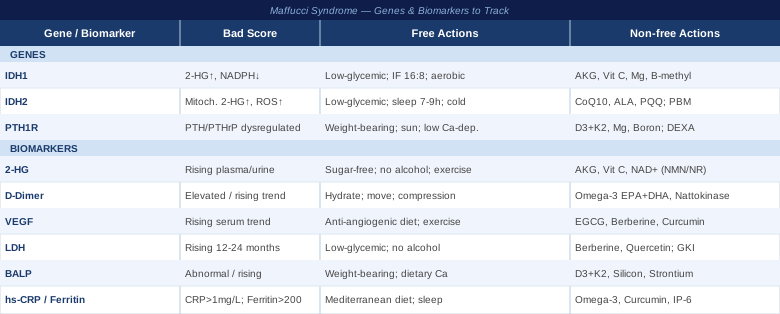
The Genetic Foundation of Maffucci Syndrome: What IDH1, IDH2, and PTH1R Reveal
Pansuriya et al. (2011, Nature Genetics) were among the first to confirm that somatic mosaic mutations in IDH1 and IDH2 underlie the majority of Maffucci syndrome cases. This finding reframed the syndrome from a descriptive clinical entity into a molecularly characterized metabolic disorder — and opened a pathway to strategies grounded in biochemistry rather than symptom management alone.
The word "somatic mosaic" matters here. These mutations are not inherited from your parents and cannot be passed to children in the traditional sense. They arose during early embryonic cell division and are present in some cells but not others, distributed unevenly throughout the body. Standard germline genetic testing will not find them. Tissue testing of enchondromas or hemangiomas will. This distinction shapes every decision about monitoring and intervention.
IDH1: The Cytoplasmic Enzyme That Changed Function
IDH1 (Isocitrate Dehydrogenase 1) normally converts isocitrate to alpha-ketoglutarate (alpha-KG) in the cytoplasm and peroxisomes, generating NADPH as a byproduct. NADPH is critical — it powers the cell's antioxidant defense system and drives the folate-methionine methylation cycle. Alpha-KG is equally important: it is a required cofactor for dozens of enzymes involved in DNA repair and gene regulation.
The most common IDH1 mutation in Maffucci (R132) strips away this normal function and replaces it with a damaging one: the mutant enzyme converts alpha-KG into 2-hydroxyglutarate (2-HG), an oncometabolite. As Ward et al. (2010, Cancer Cell) established, 2-HG is structurally similar to alpha-KG and competitively inhibits every enzyme that depends on alpha-KG to function — including TET family DNA demethylases and Jumonji-domain histone demethylases. The result is a cascade of epigenetic dysfunction: the genome becomes hypermethylated, silencing genes that normally suppress tumor growth and regulate cellular differentiation.
The simultaneous drop in NADPH production increases oxidative stress, disrupts antioxidant defenses, and impairs the methylation cycle — a connection made visible by researchers like Ali Torkamani at Scripps Research. Torkamani's work on genome interpretation highlights how layered genetic vulnerabilities compound: when an IDH1 mutation is combined with common MTHFR polymorphisms (which impair methylation recycling independently), the epigenetic disruption becomes significantly worse. Knowing whether you carry MTHFR variants alongside IDH1 mutation burden is clinically meaningful information.
If the IDH1 Gene Is Affected: The Plan Without Supplements
Because IDH1 mutations in Maffucci are somatic rather than germline, they cannot be corrected at the genetic level. The practical strategy is to reduce the metabolic conditions that allow IDH1-mutant cells to thrive, and to minimize the downstream damage from 2-HG accumulation.
Dietary approach: A low-glycemic or ketogenic-adjacent diet reduces glucose flux through the TCA cycle, limiting the substrate available to mutant IDH1-expressing cells. Eliminating added sugars and refined carbohydrates is the highest-leverage, first-line dietary change — applied daily, no cycling needed. Moderate protein intake (0.7–1.0 g per pound of lean body mass) prevents excess glutamine from feeding adjacent tumor-like metabolic pathways.
Intermittent fasting: Time-restricted eating within a 14:10 or 16:8 window lowers fasting insulin and IGF-1, both of which drive proliferation signaling in IDH-mutant cells. Apply 5 days per week at minimum; daily application is appropriate for most healthy adults. Do not combine with extreme caloric restriction without physician supervision.
Low-impact aerobic exercise: 30–45 minutes of walking, swimming, or cycling, 5 days per week, improves mitochondrial efficiency, reduces systemic inflammation, and shifts cellular energy utilization away from glycolysis. Avoid high-impact activities near tumor-bearing bones.
Annual MRI surveillance: No lifestyle change replaces imaging. Annual or biannual MRI of known enchondroma and hemangioma locations is non-negotiable. Any new pain, unexplained rapid growth, or change in neurological sensation should trigger prompt clinical review.
If the IDH1 Gene Is Affected: The Plan With Supplements or Equipment
The following are not established treatments for Maffucci syndrome. Evidence comes from IDH-mutant glioma and leukemia research and from mechanistic studies. Discuss each with a knowledgeable physician before starting.
Alpha-Ketoglutarate (AKG): Since 2-HG occupies the same enzyme binding sites as alpha-KG, supplementing AKG creates competition that may partially restore alpha-KG-dependent enzyme activity. Dose: 1–3 g/day of calcium AKG, taken with meals. Cycling: continuous use is well-tolerated; some functional medicine practitioners use a 5-days-on, 2-days-off cycle to avoid adaptive downregulation. Side effects: mild GI discomfort at higher doses; rare headache. Do not combine with IDH-inhibitor chemotherapy agents without oncology guidance.
Vitamin C (Ascorbate): TET enzymes disabled by 2-HG are also vitamin C-dependent. Restoring vitamin C levels supports whatever residual TET activity remains. Oral dose: 1–3 g/day in divided doses. Some IDH-mutant glioma research has explored intravenous vitamin C at pharmacological doses (10–75 g), which requires medical supervision and established IV access — not a home protocol. Side effects of oral use: loose stools, risk of oxalate kidney stones in predisposed individuals. Daily continuous use is appropriate at 1–2 g.
Magnesium Glycinate or Malate: IDH1 enzymes require magnesium as a structural cofactor. Magnesium deficiency — extremely common in modern populations — impairs whatever functional IDH1 activity remains. Dose: 200–400 mg elemental magnesium at night. Daily; no cycling needed. Side effects: loose stools at doses above 400 mg; glycinate and malate forms are best tolerated.
Methylated B-vitamins (if MTHFR variant confirmed): Following Gary Brecka's methylation framework, standard genetic panels can identify MTHFR C677T or A1298C polymorphisms. If present, replacing folic acid with methylfolate (400–800 mcg/day of L-5-MTHF) and standard B12 with methylcobalamin (500–1000 mcg/day) directly addresses the compounded methylation deficit. TMG (betaine) at 500–1000 mg/day adds methyl donor capacity. Daily use; side effects are rare at these doses but can include mild overstimulation in sensitive individuals.
Equipment — Infrared Sauna: Regular infrared sauna use (3–4 sessions/week, 20–30 minutes at 50–60°C) stimulates heat shock protein expression, supports detoxification pathways, and reduces systemic inflammatory load. Avoid near active hemangiomas or with cardiac complications. Not a replacement for medical monitoring.
IDH2: The Mitochondrial Counterpart
Amary et al. (2011, Nature Genetics) confirmed IDH2 mutations as a co-driver of enchondroma formation. IDH2 (Isocitrate Dehydrogenase 2) performs the same biochemical reaction as IDH1 but operates exclusively within the mitochondria, where it plays a central role in TCA cycle energy production and mitochondrial NADPH generation.
When IDH2 carries a gain-of-function mutation (most commonly at R172 or R140), 2-HG again accumulates — but this time inside the mitochondria. The consequences overlap with IDH1 mutations but carry an additional burden specific to mitochondrial biology: impaired ATP production, elevated reactive oxygen species (ROS) within the electron transport chain, and reduced capacity for fatty acid oxidation. IDH2-mutant cells tend toward a state of energetic instability that compounds the epigenetic disruption already caused by 2-HG.
If the IDH2 Gene Is Affected: The Plan Without Supplements
Mitochondria-supporting diet: The same low-glycemic, moderate-protein framework applies. Because IDH2 mutations create particular inefficiency in fatty acid oxidation, ensuring adequate intake of healthy fats (extra-virgin olive oil, avocado, fatty fish, walnuts) supports the mitochondria's remaining metabolic flexibility. Avoid prolonged fasting beyond 24 hours without physician oversight, as it can place additional stress on already-impaired mitochondria.
Sleep optimization: Deep, slow-wave sleep is the primary window for mitochondrial repair and quality control. Target 7–9 hours with a consistent sleep schedule; minimize blue light after 8 PM; keep bedroom temperature between 16–19°C. No supplement produces the mitochondrial benefits of consistent, quality sleep.
Cold exposure: Brief cold exposure — 1–3 minutes of cold shower or cold-water immersion, 3–4 times per week — activates PGC-1alpha, a master regulator of mitochondrial biogenesis. The evidence base is robust in healthy populations. Maffucci patients should proceed cautiously, avoiding application near known hemangioma sites, and confirm cardiovascular tolerance with their physician before starting.
If the IDH2 Gene Is Affected: The Plan With Supplements or Equipment
CoQ10 (Ubiquinol form): Ubiquinol is the active, reduced form of CoQ10 and is directly involved in the mitochondrial electron transport chain. IDH2-mutant cells generate elevated mitochondrial oxidative stress; ubiquinol buffers this directly. Dose: 100–300 mg/day with a fat-containing meal. Daily use; no cycling required. Side effects: rare GI upset; mild blood pressure lowering — relevant when combined with antihypertensives.
Alpha-Lipoic Acid (R-form): R-lipoic acid is a mitochondrial cofactor and a potent recycler of antioxidants including vitamins C and E and glutathione. It directly supports the pyruvate dehydrogenase and alpha-KG dehydrogenase complexes adjacent to the IDH2 pathway. Dose: 300–600 mg/day. Take away from meals for better absorption. Cycle: 5 days on, 2 days off to prevent feedback inhibition. Side effects: potential hypoglycemia in diabetics; mild GI discomfort; avoid with thyroid-blocking medications without physician guidance.
PQQ (Pyrroloquinoline Quinone): PQQ stimulates mitochondrial biogenesis and acts as a mitochondria-specific antioxidant. Dose: 10–20 mg/day. Daily use in the morning. Side effects: rare headache or overstimulation at higher doses; excellent general safety profile.
AKG and Vitamin C — the same protocols described for IDH1 apply equally here. Both address the shared 2-HG-driven downstream effects regardless of which IDH enzyme is mutated.
Equipment — Photobiomodulation (Red and Near-Infrared Light): Red and near-infrared light at 630–850 nm stimulates cytochrome c oxidase in the mitochondrial electron transport chain, improving ATP production efficiency. Devices range from targeted wands to full-body panels. Protocol: 10–20 minutes per session, 4–5 sessions per week. Avoid direct application over active hemangiomas or areas with known vascular pathology. Consumer panels cost $200–$1,500. This is a supportive tool, not a medical intervention.
PTH1R: The Bone Signaling Gene
While IDH1 and IDH2 mutations account for the large majority of Maffucci cases, PTH1R (Parathyroid Hormone 1 Receptor) emerges as a relevant contributor in a subset of patients and in related enchondromatosis presentations. This gene encodes the receptor for both parathyroid hormone (PTH) and parathyroid hormone-related peptide (PTHrP), which together govern cartilage differentiation and bone remodeling through the Indian Hedgehog/PTHrP feedback axis.
PTH1R governs how growth plate chondrocytes receive differentiation signals. Activating mutations — where the receptor remains persistently "on" — signal chondrocytes to keep proliferating rather than mature into functioning bone cells. The result is an accumulation of undifferentiated chondrocytes that form enchondroma-like structures. The pathway is distinct from IDH-related mechanisms and calls for a partly different set of modulation strategies.
If the PTH1R Gene Is Affected: The Plan Without Supplements
Weight-bearing exercise: Mechanical loading through walking, body-weight exercise, or carefully adapted resistance training stimulates bone remodeling through mechanotransduction, a pathway that operates partially independently of PTH1R signaling. 3–4 sessions per week of moderate resistance training, adapted carefully around skeletal deformity or at-risk bones. Physical therapy guidance is strongly advisable before starting.
Midday sunlight exposure: Natural UVB exposure (10–20 minutes of midday sun on arms and legs without sunscreen) produces cutaneous vitamin D3, which directly interacts with PTH at the kidney and parathyroid gland level. Normalizing vitamin D status helps regulate PTH/PTHrP dynamics even in the presence of a receptor variant. Daily exposure is ideal in practice.
Reduce calcium-depleting lifestyle factors: Excess alcohol, high caffeine intake (above 4 cups/day), and very high sodium diets all increase urinary calcium loss, triggering compensatory PTH secretion that places additional pressure on an already dysregulated PTH1R system. Reducing these inputs is a non-supplement intervention with direct relevance to PTH burden.
If the PTH1R Gene Is Affected: The Plan With Supplements or Equipment
Vitamin D3 + K2 (MK-7 form): Correcting vitamin D deficiency normalizes PTH secretion and reduces the chronic overstimulation of PTH1R. Test first (25-OH vitamin D blood level); target 40–60 ng/mL. Typical supplemental dose: 2,000–5,000 IU/day D3 combined with 100–200 mcg/day K2 in MK-7 form — K2 directs calcium toward bone matrix proteins rather than soft tissue. Daily use; retest every 3–6 months initially. Side effects: hypercalcemia at doses above 10,000 IU/day (rare below 5,000 IU); MK-7 K2 has an excellent safety profile.
Magnesium Glycinate: Magnesium is required for the enzymatic conversion of vitamin D to its active form and for PTH secretion regulation. 200–400 mg/day. Daily. Side effects: loose stools at high doses.
Boron: Boron modulates PTH and estrogen pathways, supports vitamin D metabolism, and has documented influence on bone mineral density. Dose: 3–6 mg/day from food (prunes, raisins, almonds) or supplements. Daily. Side effects: very safe at dietary doses; exercise caution in kidney disease.
DEXA Scan (equipment): Annual or biannual dual-energy X-ray absorptiometry provides precise bone mineral density data at specific skeletal sites. This is particularly valuable for Maffucci patients with significant enchondroma burden, as it tracks structural bone loss that standard X-rays may miss until late-stage. Cost: $100–$300; available at most hospital radiology departments.
The Epigenetic Common Thread: DNA Hypermethylation Across All Three Genes
Despite different mechanisms, IDH1, IDH2, and PTH1R dysfunction converge on a shared downstream consequence: epigenetic dysregulation. For IDH1 and IDH2, 2-HG production drives the CpG island methylator phenotype (CIMP) — widespread DNA hypermethylation that silences tumor suppressor genes and disrupts cellular differentiation. For PTH1R, the disrupted Indian Hedgehog pathway indirectly alters chromatin accessibility in developing chondrocytes.
This shared epigenetic layer is arguably the most accessible intervention target without pharmaceutical tools:
Polyphenol-rich diet: EGCG (from green tea), resveratrol, curcumin, and sulforaphane (from broccoli sprouts) all have documented effects on DNMT and TET enzyme activity. Include daily through food or supplementation. Sulforaphane from supplement: 30–60 mg/day, or consume 50 g of fresh broccoli sprouts daily.
Aerobic exercise as epigenetic modifier: Moderate-intensity aerobic exercise produces measurable global DNA methylation changes in cancer-adjacent tissue. 30–45 minutes, 5 days per week.
Sleep architecture protection: DNMT3L — a methyltransferase maintenance enzyme — is regulated by circadian rhythm and sleep depth. Chronically disrupted sleep impairs epigenetic maintenance in a compounding way. 7–9 hours on a consistent schedule is the most accessible epigenetic intervention available.
Moving from the genetic picture to what can be measured in real time, the following six biomarkers form a practical and increasingly accessible monitoring panel for Maffucci syndrome patients who want to track disease activity between imaging appointments.
6 Biomarkers Worth Tracking in Maffucci Syndrome
1. 2-Hydroxyglutarate (2-HG): The Direct Marker of IDH Activity
Why it matters: 2-HG is the direct metabolic output of IDH1 and IDH2 mutations — it is produced specifically by mutant enzyme activity and has no significant physiological role at elevated levels. Measuring 2-HG in plasma or urine gives a direct read on how active IDH-mutant cells are. In IDH-mutant glioma and leukemia patients, 2-HG levels have been used to monitor treatment response and early recurrence. While Maffucci-specific reference data are limited, the same principle applies: a rising trend should prompt clinical review.
How to Measure It
2-HG measurement requires mass spectrometry and is available through specialized reference laboratories including Mayo Clinic Laboratories and ARUP Laboratories. It is not a standard clinical panel item, and your physician will need to specifically request it. Cost: $150–$400 depending on laboratory and context. Plasma measurement is preferred; urine can be used for trend monitoring. Establish a baseline, then retest every 6–12 months.
If the Score Is Elevated: The Plan Without Supplements
Elevated 2-HG is primarily addressed by reducing the metabolic conditions that support IDH-mutant cell activity.
Low-glycemic, sugar-restricted diet: High glucose flux feeds TCA cycle activity, increasing substrate availability to mutant IDH enzymes. Strict avoidance of added sugars, refined carbohydrates, and sweetened beverages reduces this indirectly but meaningfully. Daily practice.
Eliminate alcohol: Alcohol metabolism disrupts the NADH/NAD+ ratio and increases oxidative stress, worsening the metabolic environment in IDH-mutant cells. This is one of the highest-return, zero-cost interventions available.
Increase metabolic flexibility through exercise: Regular moderate aerobic exercise shifts cellular metabolism toward fat oxidation and away from glucose-dependent glycolysis, partially reducing substrate availability for IDH-mutant enzyme activity. 30–45 minutes, 5 days per week.
If the Score Is Elevated: The Plan With Supplements or Equipment
Alpha-Ketoglutarate (AKG): 1–3 g/day of calcium AKG. Direct competition with 2-HG at enzyme binding sites. (Full protocol in IDH1 section.)
Vitamin C: 1–3 g/day orally, divided doses. Directly supports TET enzyme function that 2-HG inhibits. (Full protocol in IDH1 section.)
NAD+ Precursors (NMN or NR): IDH mutations reduce NADPH; restoring NAD+ pool supports redox balance and may reduce the cellular oxidative stress driving 2-HG-related epigenetic silencing. Dose: 250–500 mg/day. Cycling: daily or 5 days on, 2 days off. Side effects: rare flushing (less common than with niacin); generally well-tolerated. Monitor uric acid if predisposed to gout — NMN may slightly increase uric acid in some individuals.
2. D-Dimer and Coagulation Markers: Tracking Vascular Lesion Activity
Why it matters: Hemangiomas — one of the defining features of Maffucci syndrome — can cause localized intravascular coagulation. In some cases, this extends to systemic consumptive coagulopathy (Kasabach-Merritt phenomenon), a serious and potentially life-threatening complication. Elevated D-dimer reflects ongoing coagulation activity within vascular lesions and is an accessible early indicator of hemangioma-related thrombotic risk. Maffucci patients also carry an elevated lifetime risk of venous thromboembolism and vascular malignancy. Monitoring D-dimer serially provides a cost-effective window into vascular activity between imaging.
How to Measure It
D-dimer is a standard blood test available at virtually any clinical laboratory and is routinely covered by insurance when ordered for thrombosis evaluation. Cost: $20–$80. A complete coagulation panel — including fibrinogen, platelet count, and PT/INR — provides better context. Measure at baseline and at each disease review appointment. Trend analysis over time is more informative than any single value.
If the Score Is Elevated: The Plan Without Supplements
Persistent elevated D-dimer in a Maffucci patient is a clinical finding, not a self-managed one. Report it to your hematologist or vascular specialist before adjusting any protocol. Supportive lifestyle measures while awaiting evaluation include:
Maintaining robust hydration (2–3 liters/day) to reduce blood viscosity. Avoiding prolonged immobility — move and stretch every 45–60 minutes during sedentary work. Wearing graduated compression stockings (15–20 mmHg) on long travel days or during periods of reduced mobility.
If the Score Is Elevated: The Plan With Supplements or Equipment
Omega-3 fatty acids (EPA+DHA): 2–4 g/day from high-quality fish oil. Modest antiplatelet and anti-inflammatory properties are well-documented. Side effects: fishy aftertaste; increased bleeding time — discuss with your physician before combining with any anticoagulant or antiplatelet medication.
Nattokinase: A fibrinolytic enzyme derived from natto (fermented soy), used in cardiovascular support protocols in Japan and increasingly studied in the West. Dose: 100–200 mg/day (2,000–4,000 FU). Caution: significant anticoagulant activity — absolutely do not use alongside warfarin, heparin, or direct oral anticoagulants without physician supervision. Cycle: 8–12 weeks on, then reassess. Medical anticoagulation may be clinically indicated in some Maffucci patients with significant hemangioma burden — that decision belongs to your physician.
3. Vascular Endothelial Growth Factor (VEGF): Reading Hemangioma Activity
Why it matters: VEGF is the primary molecular driver of new blood vessel formation (angiogenesis) and is the central growth signal in hemangioma development and expansion. Elevated serum VEGF correlates with hemangioma activity, lesion size, and growth rate across vascular tumor conditions. Persistently rising VEGF may also be an early signal of transformation toward angiosarcoma — a rare but serious complication of Maffucci syndrome. Importantly, VEGF trends over time can reveal vascular biology changes that structural imaging alone may miss until lesions are already substantially larger.
How to Measure It
Serum VEGF is measured by ELISA and is available through reference labs and many hospital systems, though it is not yet a standard oncological monitoring test for Maffucci patients. You may need to specifically request it with clinical justification. Cost: $50–$200. Establish a baseline value and retest every 6 months to identify trends. A single elevated value is less meaningful than a rising trend over multiple time points.
If the Score Is Elevated: The Plan Without Supplements
Anti-angiogenic diet: Research on food and angiogenesis supports a diet rich in VEGF-modulating compounds: tomatoes and tomato paste (lycopene), green tea (EGCG), dark chocolate above 70% cocoa (epicatechins), and cruciferous vegetables (sulforaphane). While direct evidence in Maffucci is absent, these foods are safe, well-studied, and mechanistically appropriate.
Weight management: Adipose tissue is a major systemic source of VEGF. Maintaining a healthy body composition directly reduces baseline VEGF levels, independent of any supplement.
Regular moderate exercise: Though exercise acutely elevates VEGF, chronic adaptation to moderate aerobic training normalizes VEGF signaling over time. 30 minutes, 5 days per week.
If the Score Is Elevated: The Plan With Supplements or Equipment
EGCG (standardized green tea extract): 400–800 mg/day. EGCG inhibits VEGF receptor (VEGFR-2) signaling in multiple cell culture and animal studies. Side effects: liver toxicity risk at doses above 1 g/day; always take with food. Cycle: 6–8 weeks on, 2 weeks off. Avoid on an empty stomach.
Berberine: 500 mg, 2–3 times/day with meals. Multiple cancer cell line studies document anti-VEGF and anti-angiogenic properties, along with inhibition of hypoxia-inducible factor (HIF-1α), which drives VEGF transcription. Side effects: GI discomfort, especially initially; lowers blood sugar — monitor if diabetic; interacts with certain statins and cyclosporine. Cycle: 3 months on, 1 month off.
Curcumin (liposomal or with piperine): 500–1,000 mg/day. Documented NF-kB and VEGF signaling inhibition in preclinical studies. Side effects: GI upset; mild blood-thinning effect at higher doses; low bioavailability without a delivery enhancement — use liposomal or piperine-enhanced forms. Daily use.
4. Lactate Dehydrogenase (LDH): A Proxy for Metabolic Dysregulation
Why it matters: LDH is a general marker of cell turnover and glycolytic activity — it rises when cells are dying rapidly or when the "Warburg effect" (aerobic glycolysis) is active. IDH-mutant cells exhibit the Warburg effect: they preferentially ferment glucose to lactate even in the presence of oxygen, generating LDH as a byproduct. In Maffucci syndrome, persistently rising LDH can serve as an accessible early warning marker for malignant transformation — whether an enchondroma is evolving toward chondrosarcoma or a hemangioma toward angiosarcoma. Peter Attia consistently includes LDH in his recommended cancer-surveillance panels precisely because of its sensitivity to cellular turnover rate.
How to Measure It
LDH is included in standard comprehensive metabolic panels. Cost: $10–$30, often included in routine annual bloodwork. The key is serial measurement: a single slightly elevated value means little; an upward trend over 12–24 months warrants immediate clinical review. Establish a personal baseline and track at every annual check.
If the Score Is Elevated: The Plan Without Supplements
Strict low-glycemic diet: Reducing glycolytic substrate directly lowers LDH production in metabolically dysregulated cells. A whole-food, low-sugar diet is the primary intervention. No refined carbohydrates, no sweetened beverages, minimal alcohol.
Alcohol elimination: Alcohol is directly hepatotoxic and elevates LDH through liver cell damage — which can confound cancer surveillance by masking a true rise related to tumor burden.
Imaging review for unexplained elevation: Any LDH elevation that cannot be explained by infection, liver disease, or intense exercise in a Maffucci patient should prompt MRI review of known lesion sites and oncology consultation. Do not manage an unexplained rise with supplements alone.
If the Score Is Elevated: The Plan With Supplements or Equipment
Berberine: 500 mg, 2–3 times/day. Documented glycolysis-reducing effects in cancer biology research; reduces glucose uptake and LDH production indirectly. (See VEGF section for full side effect profile.)
Quercetin: 500–1,000 mg/day. Has demonstrated LDH-modulating effects in metabolic normalization studies. Side effects: generally safe; potential interactions with certain antibiotics (quinolones) and anticoagulants at higher doses.
Ketone monitoring (GKI): Tracking the Glucose Ketone Index — fasting blood glucose (mmol/L) divided by fasting blood ketones (mmol/L) — provides a real-time metabolic health readout. A GKI below 6 indicates a metabolically healthy state; below 3 is considered therapeutic. Devices (Keto-Mojo, Abbott Precision Xtra) cost $35–$60; strips cost $1–$2 per test. Daily monitoring during dietary interventions; weekly otherwise.
5. Bone-Specific Alkaline Phosphatase (BALP): Tracking Skeletal Turnover
Why it matters: Bone-specific alkaline phosphatase reflects osteoblast activity and the rate of bone formation — a direct measure of how actively the skeleton is remodeling. In Maffucci syndrome, enchondromas disrupt normal bone architecture at specific sites, and BALP provides a window into both skeletal health and fracture risk that standard X-rays may not capture early. Unlike total alkaline phosphatase (which also reflects liver, intestinal, and placental sources), BALP isolates the bone signal. Thomas Dayspring's emphasis on isoenzyme-specific markers over broad composite tests applies directly here: when total ALP is elevated, you need BALP to know whether it's coming from bone or liver.
How to Measure It
BALP is measured by immunoassay and available through reference labs. Cost: $50–$150. Total alkaline phosphatase from a standard metabolic panel can serve as a first-pass screen; if elevated, request BALP to isolate the bone component. Osteocalcin is a complementary bone formation marker worth measuring simultaneously. Baseline plus annual retesting is a reasonable cadence for most Maffucci patients.
If the Score Is Abnormal: The Plan Without Supplements
Weight-bearing exercise: Mechanical loading stimulates osteoblast activity and helps normalize bone turnover. 3–4 sessions per week of walking, body-weight exercise, or adapted resistance training. See the PTH1R section above for full details.
Dietary calcium from food-first sources: Dairy, leafy greens (bok choy, kale), canned fish with bones, and fortified alternatives. Aim for 800–1,200 mg/day from food before considering calcium supplements, which carry their own cardiovascular and kidney stone risk profiles at high doses.
DEXA scan: Annual or biannual DEXA provides precise bone mineral density data by skeletal region, allowing early detection of density loss in enchondroma-affected areas before fractures occur. Cost: $100–$300. Request this specifically — it is not routinely offered to Maffucci patients but is clinically justified.
If the Score Is Abnormal: The Plan With Supplements or Equipment
Vitamin D3 + K2 (MK-7): MK-7 K2 activates osteocalcin (a BALP-adjacent marker) and Matrix Gla Protein, directing calcium specifically into bone matrix rather than arterial walls. Full protocol in PTH1R section above.
Silicon (bioavailable form): 5–10 mg/day of orthosilicic acid, bamboo extract, or horsetail extract. Supports collagen type I synthesis and bone matrix quality. Side effects: very low at dietary doses; rare GI discomfort. Daily use; well-tolerated long-term.
Strontium Citrate: Strontium incorporates into bone matrix and has been studied for its ability to stimulate osteoblasts while reducing osteoclast activity. OTC dose: 340–680 mg elemental strontium per day, taken separately from calcium (separate by at least 2 hours). Cycle: 6 months on, 1 month off due to incomplete long-term data in healthy populations. Side effects: nausea, loose stools initially; do not use during pregnancy; prescription strontium ranelate (EU) has additional cardiac monitoring requirements.
6. High-Sensitivity CRP and Ferritin: The Systemic Inflammation Panel
Why it matters: Chronic low-grade inflammation is both a driver of IDH-mutant tumor biology and a product of it. Elevated high-sensitivity C-reactive protein (hs-CRP) and ferritin reflect systemic inflammatory load, which directly modulates VEGF expression, epigenetic stability, and the tumor microenvironment. Peter Attia consistently includes hs-CRP among his foundational metabolic health markers because it is inexpensive, widely available, and frequently elevated years before clinical disease progression makes itself visible. Ferritin doubles as an acute phase reactant and an iron storage marker — and iron overload itself drives oxidative stress that worsens IDH-mutant cellular biology.
How to Measure It
Both hs-CRP and ferritin are standard blood tests. Cost: $10–$50 each, routinely covered by insurance. Target hs-CRP below 1.0 mg/L (ideally below 0.5 mg/L); ferritin between 30–100 ng/mL for most adults. Ferritin above 200 ng/mL may reflect iron overload, active inflammation, or both — context matters. Measure every 6 months alongside other biomarkers.
If the Score Is Elevated: The Plan Without Supplements
Mediterranean-pattern diet: The strongest dietary intervention for reducing hs-CRP — extra-virgin olive oil, fatty fish 3+ times/week, colorful vegetables, legumes, minimal refined carbohydrates, and elimination of processed seed oils. Applies to both hs-CRP and ferritin (by reducing iron-driven oxidative inflammation).
Sleep and stress management: Poor sleep and chronic psychological stress are among the most potent drivers of CRP elevation in otherwise healthy adults. These should be addressed before any supplement is added.
For high ferritin specifically: Rule out genetic hemochromatosis (HFE gene testing). Regular blood donation — every 8 weeks for eligible donors — safely reduces ferritin without cost. Reduce red meat to 1–2 servings per week; avoid cast-iron cooking with acidic foods. Do not take iron supplements unless confirmed deficient by full iron panel.
If the Score Is Elevated: The Plan With Supplements or Equipment
Omega-3 fatty acids (EPA+DHA): 2–4 g/day. The strongest clinical evidence base for reducing hs-CRP among over-the-counter options. Multiple meta-analyses confirm the effect at 3+ g/day. Side effects: fishy aftertaste; increased bleeding time at higher doses. Daily continuous use.
Curcumin (liposomal or piperine-enhanced): 500–1,000 mg/day. Multiple meta-analyses confirm significant CRP-lowering effects. Daily use. (See VEGF section for full side effect and cycling details.)
Quercetin + Bromelain: 500 mg quercetin with 100–200 mg bromelain per day. The combination improves quercetin absorption and adds bromelain's own anti-inflammatory activity. Side effects: mild GI discomfort; bromelain may modestly increase bleeding; avoid in individuals with pineapple allergy.
IP-6 (Inositol Hexaphosphate) for high ferritin: IP-6 has mild iron-chelating properties and may reduce iron-driven oxidative stress. Dose: 1–2 g/day on an empty stomach. Cycle: 3 months on, 1 month off. Side effects: may reduce mineral absorption if taken with meals — always take 2 hours away from food and other supplements.
The Cancer Metabolism Framework That May Reframe How You Think About Maffucci
Cancer as a Metabolic Disease by Thomas Seyfried (Wiley, 2012) was not written for Maffucci syndrome patients. But its framework maps onto IDH-mutant biology with unusual precision — and it challenges some of the assumptions embedded in standard oncological care in ways that have direct practical implications.
Seyfried's central thesis, built from decades of research at Boston College, is that cancer originates primarily from mitochondrial metabolic dysfunction rather than from random genetic mutation. Genetic mutations like IDH1 and IDH2, in his framing, are downstream consequences of that dysfunction — not the initiating cause. This inversion of the standard model has generated controversy in academic oncology, but it also generates concrete, testable, and implementable recommendations that map directly onto Maffucci syndrome management.
1. Mitochondrial Dysfunction May Precede Genomic Instability
Damaged mitochondria generate the reactive oxygen species that eventually damage nuclear DNA — potentially including IDH genes. Protecting mitochondrial function throughout life may therefore be relevant not just for managing existing lesions but for limiting expansion into new cell populations.
2. The Warburg Effect Is the Core Problem
IDH-mutant cells shift toward aerobic glycolysis regardless of oxygen availability, producing energy inefficiently but generating biosynthetic building blocks for growth. Reducing glucose availability directly attacks this metabolic preference in a way that does not depend on genetic correction.
3. Glucose and Glutamine Are the Two Primary Tumor Fuels
Seyfried identifies glucose and glutamine as the fuels upon which metabolically dysregulated cells depend. Restricting glucose alone forces these cells toward glutamine dependence; targeting both simultaneously — through dietary restriction combined with EGCG or other glutamine-modulating compounds — creates a microenvironmental pressure that normal cells, with their metabolic flexibility, can survive but IDH-mutant cells struggle to adapt to.
4. The Ketogenic Diet as Metabolic Therapy
A well-formulated ketogenic diet (70–80% fat, 15–20% protein, 5–10% carbohydrate) elevates blood ketones to 1–3 mmol/L. Normal, metabolically flexible cells readily use ketones as fuel; IDH-mutant cells with impaired mitochondria cannot do so efficiently. Studies in IDH-mutant glioma patients suggest that ketogenic diet combined with standard treatment may support metabolic normalization, though Maffucci-specific clinical data do not yet exist.
5. Hyperbaric Oxygen as Metabolic Stress
Seyfried has proposed and tested — in preclinical models — the use of hyperbaric oxygen therapy (HBOT) alongside ketogenic diet. HBOT creates an oxygen-rich environment that is selectively stressful for cells relying on glycolysis (the Pasteur effect inhibits glycolysis under high-oxygen conditions), while normal, oxidative cells tolerate it well. This is experimental and not established as a management strategy for Maffucci syndrome, but it represents an active research direction worth following.
6. Insulin and IGF-1 Are Tumor Promoters
Fasting insulin and IGF-1 stimulate glucose uptake and drive proliferation signaling in IDH-mutant cells. Keeping fasting insulin below 5 mU/L and IGF-1 in the lower half of the normal range — through dietary restriction, exercise, sleep, and carbohydrate management — reduces this promotional pressure without pharmaceutical intervention.
7. The Press-Pulse Strategy
Seyfried's "press-pulse" framework applies continuous metabolic pressure (ketogenic diet, caloric restriction) and adds periodic acute pulses (extended fasting, specific compounds, hypoxic or hyperoxic challenge) to overwhelm IDH-mutant cells' adaptive capacity. This framework is being formalized in clinical trials for IDH-mutant glioma and may have implications for enchondromatosis research as the field matures.
8. Fermentation Zones and Vascular Hypoxia
Seyfried describes "fermentation zones" — hypoxic, glucose-rich tissue microenvironments where abnormal glycolytic metabolism thrives. Hemangioma sites within Maffucci syndrome may create exactly these conditions: localized hypoxic pockets that signal VEGF and support IDH-mutant cell activity. Maintaining aerobic fitness and circulatory health reduces hypoxic tissue burden throughout the body.
9. Inflammation and the Bystander Effect
Inflammatory cytokines (TNF-alpha, IL-6, IL-8) promote aerobic glycolysis in neighboring healthy cells through a bystander effect, expanding the metabolically dysregulated zone. Reducing systemic inflammation through diet, sleep, and targeted supplements does not just lower CRP — it may reduce the tumor-promoting microenvironmental signals available to IDH-mutant lesions.
10. Glucose Ketone Index as a Daily Monitoring Tool
Seyfried proposes the Glucose Ketone Index (GKI) — fasting blood glucose in mmol/L divided by fasting blood ketones in mmol/L — as a practical real-time proxy for metabolic health. A GKI below 6 indicates a metabolically healthy state; below 3 is considered a therapeutic ketogenic state in cancer research contexts. Consumer glucose/ketone meters such as the Keto-Mojo or Abbott Precision Xtra make this a practical daily monitoring tool. Cost: $35–$60 for the device; $1–$2 per test strip. For Maffucci patients pursuing dietary metabolic therapy, integrating GKI with the biomarker panel described above creates a comprehensive, actionable monitoring system that connects daily metabolic choices to disease biology in real time.
The following complementary modalities do not replace any of the above, but for some patients they address dimensions — pain, stress biology, inflammatory regulation — that genetics and biomarkers alone do not fully capture.
Complementary Approaches With Evidence Worth Considering
Mindfulness Meditation and MBSR for Chronic Disease Management
Mindfulness-Based Stress Reduction (MBSR) is an 8-week structured program combining meditation, body scanning, and gentle movement, originally developed by Jon Kabat-Zinn at the University of Massachusetts Medical School. For rare conditions like Maffucci syndrome — which carry chronic uncertainty, repeated surgeries, and persistent fear of malignant transformation — the psychoneuroimmunological dimension is often underappreciated. Chronic psychological stress elevates cortisol, which directly suppresses immune surveillance, upregulates inflammatory cytokines (including IL-6 and TNF-alpha), and impairs DNA repair processes. All of these are already under pressure in IDH-mutant biology.
Research by Linda Carlson and colleagues, published in randomized controlled trial format in cancer survivors, demonstrated that MBSR reduced inflammatory markers including IL-6 and NF-kB expression in peripheral blood cells over a 12-month follow-up. These are the same inflammatory pathways that promote VEGF expression and Warburg-effect glycolysis in Maffucci-associated lesions. The evidence is indirect but mechanistically coherent and the risk-benefit profile is excellent.
For Maffucci patients, MBSR is best accessed through formal 8-week programs, available in person at hospital wellness centers or online through the free Palouse Mindfulness program. Practice 30–45 minutes daily for the full 8-week cycle; evidence suggests that consistent daily practice produces immune marker changes that sporadic use does not. No known risks at standard practice intensities; maintain medical monitoring independently.
Biofeedback for Pain and Autonomic Regulation
Biofeedback uses real-time physiological data — heart rate variability (HRV), skin conductance, muscle tension signals — to train conscious regulation of autonomic nervous system responses. Maffucci syndrome frequently involves chronic musculoskeletal pain from skeletal deformity, pathological fractures, and post-surgical recovery, for which long-term pharmacological pain management carries significant risks. Biofeedback offers a drug-free pain modulation strategy with a solid evidence base across chronic pain populations.
HRV biofeedback has been studied in systematic reviews as a pain management tool. A 2019 analysis by Lehrer and colleagues in Pain Medicine found that HRV biofeedback produced statistically significant reductions in pain catastrophizing and sympathetic nervous system overactivation in chronic pain patients. For Maffucci patients, HRV biofeedback is particularly relevant because elevated sympathetic tone — driven by chronic disease burden and pain — also elevates inflammatory cytokines, creating a feedback loop between pain perception and systemic inflammation that directly affects disease biology.
Apply using wearable HRV measurement devices (Elite HRV app with Polar H10 chest strap; Garmin HRV4Training; Whoop) and practice coherent breathing at resonance frequency: inhale 5 seconds, exhale 5 seconds, continuously for 20 minutes, twice daily. Takes 4–8 weeks of consistent practice to show measurable HRV improvement. No adverse effects; entry-level equipment cost $30–$150. Best combined with formal biofeedback sessions with a trained practitioner initially.
Low-Level Laser Therapy and Photobiomodulation for Bone and Soft Tissue
Low-level laser therapy (LLLT) — also called photobiomodulation (PBM) — delivers non-thermal red or near-infrared light (typically 630–850 nm) to stimulate cytochrome c oxidase in the mitochondrial electron transport chain, increasing ATP production and reducing local oxidative stress. For Maffucci syndrome, its potential relevance spans two areas: improving bone quality in regions adjacent to enchondromas and reducing local inflammation around vascular and skeletal lesions where standard anti-inflammatory approaches are insufficient.
A 2016 systematic review in Lasers in Surgery and Medicine found meaningful evidence for LLLT reducing musculoskeletal pain and improving tissue healing outcomes in controlled clinical settings. Bone-adjacent PBM has been specifically studied in fracture healing; at least one controlled study (Shakouri et al.) demonstrated improved bone formation markers following orthopedic procedures with adjunctive LLLT. Evidence specific to enchondromatosis or Maffucci syndrome does not exist; these findings are extrapolated from closely related orthopedic contexts, and the mechanistic rationale (mitochondrial support, reduced local inflammation) is direct.
Protocol: 630–850 nm device delivering 10–20 mW/cm², applied for 10–20 minutes per session, 3–4 sessions per week. Apply to areas of pain, post-surgical recovery, or known bone involvement. Avoid direct application over active hemangiomas, areas of known vascular pathology, or near the eyes. Consumer devices: $100–$800. Prescription class IV lasers, available through physical therapy clinics, deliver higher irradiance with shorter treatment times. Evidence quality is moderate for pain and moderate for bone healing.
Breathing-Based Therapies for Autonomic and Inflammatory Regulation
Structured breathing practices — including diaphragmatic breathing, extended-exhale techniques, and Buteyko-style CO2 tolerance training — modulate the autonomic nervous system via the vagus nerve and have measurable effects on inflammatory cytokine levels. For Maffucci patients managing chronic pain, anxiety about disease progression, and the physiological stress burden of surgical recovery, breathing practices offer an accessible, cost-free, and genuinely physiologically active tool.
A 2018 randomized trial published in Frontiers in Human Neuroscience (Zaccaro et al.) found that slow breathing practices at 6 breaths per minute significantly reduced sympathovagal balance markers and reduced circulating IL-1β over an 8-week intervention in healthy volunteers. For Maffucci patients, reducing IL-1β is directly relevant — this cytokine drives prostaglandin production, upregulates VEGF expression, and contributes to the inflammatory microenvironment that surrounds active lesions.
Apply the extended-exhale technique (inhale 4 counts, exhale 8 counts) or Box Breathing (4 counts in, hold 4, exhale 4, hold 4) for 10–15 minutes per day, morning or pre-sleep. Coherent Breathing at 5.5 breaths per minute (app-guided) is an effective, accessible starting point. No adverse effects at standard intensities. Avoid prolonged breath-holding protocols (Wim Hof method) near water, if prone to fainting, or with active cardiovascular involvement. Cost: zero with manual practice; guided apps cost $0–$10/month.
Microbiome-Directed Therapies and Gut-Immune Axis Support
The gut microbiome modulates systemic inflammation, influences DNA methylation through short-chain fatty acid (SCFA) production — specifically butyrate, which inhibits HDAC enzymes and supports epigenetic stability — and affects immune surveillance capacity via the gut-immune axis. For Maffucci patients, this means that gut microbiome health directly influences the systemic inflammatory and epigenetic environment in which IDH-mutant lesions exist.
Routy et al. (2018, Science) demonstrated that gut microbiome composition significantly predicted immunotherapy response across multiple cancer types, establishing the microbiome as an active modulator of tumor-immune dynamics rather than a passive bystander. Butyrate-producing bacteria including Faecalibacterium prausnitzii, Akkermansia muciniphila, and Bifidobacterium species directly inhibit HDAC enzymes — the same histone-modifying enzymes that are dysregulated downstream of IDH1 and IDH2 mutations. Wastyk et al. (2021, Cell) showed that high-fermented-food diets increased microbiome diversity more reliably than high-fiber diets alone in a controlled crossover study.
Protocol: 20–30 g/day of prebiotic fiber from vegetables, legumes, flaxseed, and resistant starch. Daily fermented foods — yogurt, kefir, kimchi, sauerkraut, or kombucha — each providing different microbial diversity. Probiotic supplementation with multi-strain formulas (combined Lactobacillus and Bifidobacterium, 10–50 billion CFU) as a complement to dietary foundation. Cycle: continuous for 3 months, then reassess with symptom and energy tracking. Side effects: initial bloating that resolves within 1–2 weeks as microbiome composition shifts; in immunocompromised individuals, discuss probiotic supplementation with your physician before starting.
Conclusion
Maffucci syndrome is rare, molecularly complex, and consistently under-resourced when it comes to personalized, actionable guidance. But the identification of IDH1 and IDH2 mutations as its molecular drivers has created a genuinely navigable map — one that connects a specific genetic malfunction to measurable downstream biomarkers and to practical lifestyle, nutritional, and monitoring strategies with mechanistic grounding.
No protocol in this article replaces regular imaging, specialist follow-up, or prompt attention to new symptoms. The surveillance framework your medical team has established is the non-negotiable foundation. What this article adds is the biological context that makes monitoring more meaningful and the layer of daily choices — dietary, supplemental, and lifestyle — that can influence the cellular environment between appointments.
The next smart step is narrow and concrete: identify which of the six biomarkers you have not yet measured, pick one dietary change to implement consistently for the next 8 weeks, and bring the IDH1/IDH2 discussion to your next specialist appointment. Better metabolic information, used carefully and in collaboration with qualified physicians, leads to better decisions — and in a condition as uncommon as Maffucci syndrome, that clarity is not a small advantage.
Cancer & Oncology Endocrine & Metabolic
Musculoskeletal: Bone Conditions
Cardiovascular: Vascular Conditions
Autoimmune: Inflammatory Conditions