This article contains AI generated content.
· UpdatedMajeed Syndrome — 1 Gene and 7 Biomarkers To Track
Introduction
Living with Majeed syndrome means navigating a condition that very few physicians have encountered in practice. The triad of recurrent bone pain that resembles infection but contains no bacteria, a form of anemia that does not respond to iron, and inflammatory skin episodes that appear without obvious triggers creates a clinical picture that most standard care frameworks are not designed to handle. Finding a specialist who has seen more than one or two cases in their career is genuinely difficult, and that reality shapes the kind of guidance most families actually receive.
The standard advice — reduce inflammation, eat a clean diet, manage stress — is not wrong, but it lacks the specificity that Majeed syndrome requires. This is a condition with a known genetic root, a defined molecular mechanism, and predictable downstream effects across three separate organ systems simultaneously. Advice borrowed from generic inflammatory disease management misses much of what matters here. The more useful question is not simply "how do I reduce inflammation?" but rather "which measurements tell me whether the disease is active, what exactly is driving it, and which inputs can actually move those dials?"
This article focuses on two things that tend to receive less attention in clinical settings: the seven biomarkers worth tracking regularly to monitor disease activity and guide decisions, and the single gene — LPIN2 — whose malfunction drives the entire cascade. Both angles offer something actionable. Regular biomarker tracking removes guesswork and creates a trend-based picture of disease behavior over time. Understanding the gene helps explain why certain interventions work better than others, and what compensatory approaches have biological logic behind them.
The evidence base specific to Majeed syndrome is thin by necessity — with fewer than 100 cases reported in the global medical literature, large clinical trials will never exist. But the underlying biology is increasingly well understood, and many of the monitoring and management principles translate intelligently from related autoinflammatory conditions where the research is richer. What follows is an honest, practical attempt to give you the most useful available information — calibrated to what the science actually supports, not what sounds reassuring.
Summary
Majeed syndrome is driven by a single mutation in the LPIN2 gene, which disables lipin-2, an enzyme that acts as a molecular brake on one of the body's most dangerous inflammatory pathways. When that brake fails, IL-1β production surges chronically, bone becomes a target for sterile inflammation, red blood cell production breaks down at the marrow level, and the skin joins in. Understanding this mechanism changes how you monitor and manage the disease — and reveals which interventions have genuine biological logic behind them.
Seven biomarkers offer a far more complete picture than a standard inflammatory panel alone: high-sensitivity CRP and ESR track systemic inflammation in real time, IL-1β levels reveal how active the core pathway is, hemoglobin and reticulocytes map the bone marrow's output, ferritin bridges iron status and inflammation, bone-specific alkaline phosphatase gives an early signal for skeletal flares, and serum calprotectin captures the neutrophil-driven activity the other markers can miss. For each, this article covers what it reveals, how to measure it affordably, and what to do — with and without supplements — when the result is out of range.
The genetics section explains precisely what LPIN2 does at the molecular level, why losing it creates this specific triad, and what approaches have rational support for compensating around the deficiency. The Peter Attia framework offers ten high-leverage insights applicable to this disease despite not being written for it. The complementary section covers the Autoimmune Protocol, mindfulness-based stress reduction, photobiomodulation, and microbiome-directed strategies — each with a realistic assessment of the evidence and practical instructions. Together, these layers give a more complete toolkit than any single perspective can.
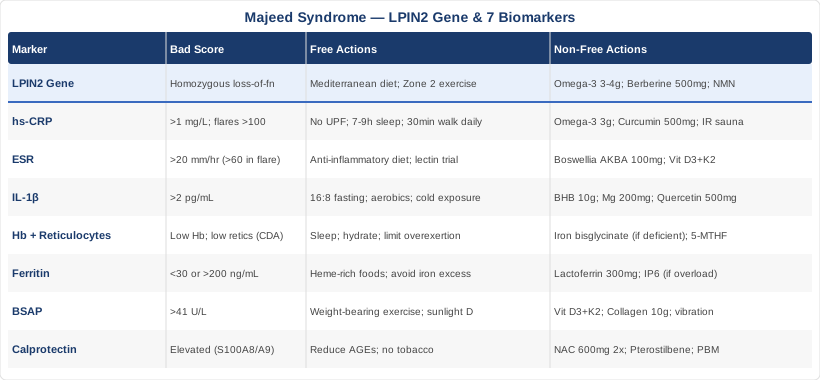
7 Biomarkers Worth Tracking in Majeed Syndrome
Why Routine Labs Leave Gaps
Most clinical monitoring for Majeed syndrome relies on symptom assessment plus a basic inflammatory panel — usually CRP, ESR, and a complete blood count. That is a reasonable starting point, but it leaves significant blind spots. Majeed syndrome disrupts three organ systems simultaneously, and monitoring them in isolation creates a lagging and incomplete picture. A bone flare may begin biochemically weeks before it becomes symptomatic. Anemia may worsen incrementally in ways that a once-yearly CBC misses. And the NLRP3-driven IL-1β activity at the core of the disease is not directly captured by any standard panel.
A systematic approach to biomarker tracking — seven markers, measured at consistent intervals, interpreted as trends rather than snapshots — shifts this from reactive crisis management toward genuine disease surveillance. Most of these tests are available through standard laboratories or direct-to-consumer services. The key is combining them into a coherent panel and tracking changes over time.
Biomarker 1: High-Sensitivity C-Reactive Protein (hs-CRP)
Why it matters
CRP is the most reliable general-purpose marker of systemic inflammation and is consistently elevated during Majeed syndrome flares. It is produced by the liver in response to IL-6, which itself rises in response to IL-1β — the central cytokine generated by LPIN2 mutation-driven inflammasome overactivation. The high-sensitivity version (hs-CRP) detects elevations as low as 0.1 mg/L, making it useful not only during active disease but also for detecting subclinical inflammatory activity between episodes that can be missed by symptom assessment alone.
During Majeed syndrome flares, hs-CRP can exceed 100 mg/L. Optimal baseline target is below 1.0 mg/L. Any consistent downward trend toward that range is a meaningful signal that a management change is working, even before symptoms improve substantially.
How to measure it
hs-CRP is a standard blood test available at virtually all clinical laboratories, typically costing $15–$50 when ordered through a physician or $20–$40 through direct-to-consumer services. Testing frequency: every 4–8 weeks during active or unstable disease; every 3 months during stable remission. Always interpret alongside ESR and symptoms — hs-CRP rises with infection, injury, and intense exercise, so isolated elevations require context.
If the score is elevated — the plan without supplements
The most impactful non-supplemental interventions with evidence for hs-CRP reduction: elimination of ultra-processed foods and refined seed oils (replacing with extra-virgin olive oil, which has demonstrated anti-inflammatory properties in multiple dietary trials); time-restricted eating in a 10–12 hour daily window, which reduces metabolic inflammation without requiring caloric restriction; consistent 7–9 hours of quality sleep per night, since sleep deprivation acutely elevates hs-CRP within 48 hours; and a daily walking program of 30–45 minutes at a comfortable conversational pace, shown across multiple trials to lower basal CRP over 8–12 weeks of consistent practice. These are foundational, not temporary — they do not require cycling and carry no meaningful side effects.
If the score is elevated — the plan with supplements or equipment
Omega-3 fatty acids (EPA + DHA), 3–4 grams daily of combined EPA and DHA from a high-quality fish oil or algae-based source. Multiple meta-analyses support meaningful hs-CRP reduction at this dose range. Take with meals. Side effects: mild fish breath, GI loosening at high doses; no cycling required for long-term use. Curcumin in a bioavailable formulation (BCM-95 or Meriva phospholipid complex), 500–1000 mg daily. Randomized trials in inflammatory conditions show significant CRP reductions over 8–12 weeks. Side effects: GI sensitivity at high doses; avoid if on anticoagulants. No cycling required at moderate doses. Infrared sauna: 20–30 minutes at 55–65°C, 3–4 times per week. Emerging evidence links regular infrared sauna use to reduced CRP and ESR. Important caution: consult your physician before initiating sauna use if the anemia component of your disease is significant, as heat stress increases cardiovascular demand on a reduced red blood cell supply.
Biomarker 2: Erythrocyte Sedimentation Rate (ESR)
Why it matters
ESR provides complementary information to hs-CRP by tracking inflammation on a different timescale. Where CRP rises and falls within 24–48 hours of an inflammatory stimulus, ESR changes over days to weeks — making it more reflective of cumulative or background inflammatory load rather than acute flares. In Majeed syndrome management, this makes ESR a useful complement: hs-CRP tells you what is happening now; ESR tells you what the inflammatory trajectory has been over the preceding weeks.
One interpretive complexity specific to Majeed syndrome: congenital dyserythropoietic anemia (CDA) independently affects ESR, since red blood cell morphology and concentration influence how quickly cells sediment. A rising ESR in a Majeed syndrome patient should be considered in the context of concurrent hemoglobin and reticulocyte trends before attributing it solely to inflammation.
Normal range: approximately 0–20 mm/hr in children; up to 30 mm/hr in adults. During active Majeed syndrome flares, ESR frequently exceeds 60–80 mm/hr.
How to measure it
ESR is a standard test included in most inflammatory panels, costing $10–$30. Always request it alongside hs-CRP and CBC — interpreting it in isolation produces limited insight. Trending ESR monthly during active disease periods and every 3 months during remission gives a useful long-arc signal of disease trajectory. Together, hs-CRP and ESR moving in opposite directions (one falling, one rising) can flag cases where the shorter-arc and longer-arc inflammatory dynamics are decoupled, which sometimes happens early in a treatment change.
If the score is elevated — the plan without supplements
The dietary and sleep foundations described for hs-CRP apply equally here. One additional approach worth considering for persistently elevated ESR: a 6–8 week structured elimination trial removing high-lectin foods (whole grains, legumes, nightshades), which some researchers associate with driving chronic low-grade immune activation. This is not a permanent prescription but a diagnostic tool — if ESR improves meaningfully during the elimination, that data is informative regardless of the mechanism.
If the score is elevated — the plan with supplements or equipment
Boswellia serrata (AKBA-standardized extract), 100–200 mg of the concentrated AKBA fraction once daily. Studies in inflammatory bone and joint conditions show measurable reductions in ESR and CRP over 8–12 weeks. Side effects: occasional GI discomfort; avoid during pregnancy. Vitamin D3 + K2 (MK-7 form): titrate to a serum 25-OH vitamin D level of 50–80 ng/mL; typical supplemental dose is 2000–5000 IU D3 with 100–200 mcg K2 MK-7 daily. Low vitamin D status correlates with elevated ESR and amplified inflammasome activity in autoinflammatory conditions. Monitor blood levels every 6 months. No cycling required; excellent long-term safety profile at these doses.
Biomarker 3: Interleukin-1 Beta (IL-1β)
Why it matters
IL-1β is not just one inflammatory marker among many in Majeed syndrome — it is the central molecular driver of the entire disease. When lipin-2 is absent due to LPIN2 mutation, the NLRP3 inflammasome is chronically over-assembled in macrophages, producing sustained excess IL-1β. This is the cytokine that directly drives bone inflammation, suppresses erythropoiesis in the marrow, and activates pathological skin responses. The most effective pharmacological treatments for Majeed syndrome — anakinra (IL-1 receptor antagonist) and canakinumab (anti-IL-1β monoclonal antibody) — work specifically because they block this pathway.
Measuring IL-1β directly offers the clearest window into whether the disease's core mechanism is active. In healthy individuals, serum IL-1β is typically undetectable or below 2 pg/mL. In active autoinflammatory disease, values are measurably elevated, though the short half-life and episodic release pattern of IL-1β mean that timing of the test matters significantly.
How to measure it
Serum IL-1β requires a specialized cytokine panel, not a standard inflammatory screen. It is available through academic medical centers, reference laboratories such as ARUP or Quest Specialty, and some concierge medicine platforms. Cost ranges from $80–$200 USD, or within a broader cytokine multiplex panel at $150–$350. Test during active symptomatic periods for the highest yield. Since IL-1β has a short half-life, pairing it with serum IL-6 (which rises more stably in response to IL-1β and provides a buffered signal) improves interpretive reliability. Quarterly monitoring during stable periods, and targeted testing during suspected flares, is a practical approach.
If the score is elevated — the plan without supplements
Non-pharmacological approaches to NLRP3 and IL-1β reduction focus on removing triggers that assemble the inflammasome. Mild nutritional ketosis: beta-hydroxybutyrate (BHB), produced endogenously during fasting or carbohydrate restriction, is an endogenous NLRP3 inhibitor shown in cell and early human studies to directly block inflammasome assembly. A time-restricted eating protocol (16:8) or a modified low-carbohydrate diet generating mild ketosis (BHB 0.5–1.5 mM) is a practical approach. Sustained moderate aerobic exercise (rather than high-intensity bouts, which can transiently spike IL-1β) shows NLRP3-suppressing effects at the cellular level over time. Deliberate cold exposure — cold showers or brief cold-water immersion at 10–15°C for 5–10 minutes — has early evidence for norepinephrine-mediated NLRP3 pathway modulation. Consult your physician before starting cold protocols given the cardiovascular demands they place on the anemia component.
If the score is elevated — the plan with supplements or equipment
Exogenous beta-hydroxybutyrate (BHB) salts or esters: providing 10–15 grams of BHB per serving, shown in mechanistic studies to inhibit NLRP3 assembly. This is early-stage human evidence but mechanistically well-grounded. Side effects: GI discomfort at higher doses; begin at 5 grams and titrate. Magnesium glycinate or threonate, 200–400 mg elemental magnesium at bedtime. Magnesium deficiency is associated with increased NLRP3 activity; repleting toward adequate levels has shown IL-1β-lowering signals in observational data. Side effects: loose stool at higher doses; glycinate form is well tolerated by most. Quercetin, 500–1000 mg daily with food. In vitro and animal studies consistently show quercetin inhibits NLRP3 assembly; human data is preliminary but the safety profile is favorable. Side effects: minimal at these doses; flag for your physician if on antibiotics or immunosuppressants, as interactions exist.
Biomarker 4: Complete Blood Count — Hemoglobin and Reticulocytes
Why it matters
The anemia in Majeed syndrome is not iron-deficiency anemia, and it is not classic hemolytic anemia. It is congenital dyserythropoietic anemia (CDA) — a bone marrow production defect in which abnormal, ineffective red blood cells are generated rather than normal ones. This distinction is clinically critical, because supplementing iron into a CDA patient who does not also have confirmed iron deficiency risks iron overload — a genuinely dangerous outcome — not recovery from anemia.
Hemoglobin tracks anemia severity at a given moment. The reticulocyte count (and ideally the reticulocyte production index, RPI) reveals how hard the marrow is trying to compensate. When reticulocyte count is inappropriately low relative to the degree of anemia, that pattern confirms a production problem rather than a destruction problem — the signature of CDA. These two values together are more informative than hemoglobin alone.
How to measure it
A CBC with differential is standard and inexpensive ($15–$50). Request an absolute reticulocyte count and reticulocyte hemoglobin content (CHr or RetHe) specifically — these are not always auto-generated. Monitoring frequency: monthly during active disease or treatment adjustments; every 3 months during stable periods. Periodic bone marrow examination may be needed to assess CDA severity at the morphological level, as guided by your hematologist.
If hemoglobin is low — the plan without supplements
Because CDA is a production defect, not a nutritional deficiency, the most powerful non-supplemental intervention is reducing the inflammatory burden that directly suppresses erythropoiesis. The IL-1β excess driven by LPIN2 mutation suppresses red cell maturation in the marrow — this is one reason why IL-1 blockade with anakinra or canakinumab improves the anemia in Majeed syndrome, not only the bone pain. Non-pharmacologically: maximizing sleep quality and duration (growth hormone and erythropoietin both peak during deep sleep and support marrow output); maintaining consistent hydration; and reducing physical overexertion during low-hemoglobin periods to prevent unnecessary cardiovascular demand on a reduced oxygen-carrying capacity.
If hemoglobin is low — the plan with supplements or equipment
Do not supplement iron without first confirming iron deficiency through serum ferritin and transferrin saturation — iron overload is a real risk in CDA, particularly in patients who have received transfusions. If iron deficiency is confirmed as a co-occurring problem: iron bisglycinate at 25–50 mg elemental iron every other day (alternate-day dosing achieves equivalent absorption with fewer GI side effects, as shown in recent absorption studies), taken with a vitamin C-containing food and away from calcium-rich meals or tea. 5-MTHF (methylfolate) at 400–800 mcg daily: CDA increases red cell turnover and raises folate demand, and the active methylated form bypasses MTHFR variants that reduce conversion efficacy. Methylcobalamin (B12), 1000 mcg sublingual daily, and copper bisglycinate at 1–2 mg elemental copper daily round out the erythropoiesis-support stack. Side effects of iron: GI discomfort, constipation; monitor ferritin and transferrin saturation every 6–8 weeks to avoid overrepletion.
Biomarker 5: Serum Ferritin
Why it matters
Ferritin carries a dual role in Majeed syndrome that makes it simultaneously essential and easy to misinterpret. As an iron storage protein, ferritin reflects the body's iron reserves. As an acute-phase reactant, ferritin also rises with inflammation — independent of actual iron status. In a condition where both iron dysregulation from CDA and active systemic inflammation coexist, a "normal" or even "high" ferritin does not automatically mean adequate iron stores. The inflammation can falsely inflate ferritin even when functional iron deficiency is present.
The standard approach recommended by specialists like Thomas Dayspring and Allan Sniderman for separating these two signals: pair ferritin with transferrin saturation. If ferritin is elevated but transferrin saturation is low (under 20%), that pattern points toward inflammatory ferritin elevation rather than iron sufficiency. If both ferritin and transferrin saturation are high, iron overload becomes a concern — particularly relevant in Majeed syndrome patients who have received multiple red cell transfusions over time.
Target range in a non-acute context: ferritin 30–100 ng/mL with transferrin saturation 20–35%. Values above 200 ng/mL in the absence of an active flare warrant investigation for overload.
How to measure it
Serum ferritin is inexpensive and standard ($15–$40). Always order it alongside transferrin saturation and TIBC for meaningful interpretation — never in isolation. Frequency: every 3 months during active management; more frequently when transfusions are part of the treatment plan. Direct-to-consumer services typically offer the ferritin + iron panel at $25–$50.
If ferritin is low (confirmed iron deficiency) — the plan without supplements
Prioritize bioavailable dietary iron: red meat, liver, and shellfish (especially clams and oysters, among the highest heme-iron sources per serving). Pair with vitamin C-containing foods to enhance non-heme iron absorption. Avoid calcium-rich foods, tea, and coffee within 2 hours of iron-rich meals, as these inhibit absorption. Note that CDA patients with genuine iron deficiency may absorb dietary iron less efficiently than normal due to hepcidin regulation changes — dietary optimization is supportive, not a full replacement for medical management.
If ferritin is elevated due to inflammation — the plan without supplements
The primary strategy is controlling disease activity (reducing IL-1β burden), not restricting dietary iron. Avoid megadose iron supplementation entirely. An anti-inflammatory dietary pattern reduces the acute-phase response that is driving ferritin up independent of iron stores.
If ferritin is abnormal — the plan with supplements or equipment
For confirmed iron deficiency: iron bisglycinate as described in the CBC section. Lactoferrin (300–600 mg daily): a milk-derived protein that binds iron in the gut and carries immunomodulatory properties, shown in trials to improve iron status in ineffective-erythropoiesis-type anemias with a lower risk of driving free-radical iron overload. Side effects: mild GI effects; check for dairy sensitivity. IP6 (inositol hexaphosphate) at 1–2 grams daily, taken away from meals, may modestly reduce iron overload when confirmed — preliminary evidence; discuss with your hematologist before use. Therapeutic phlebotomy (supervised) remains the most physiologically direct intervention for confirmed iron overload in patients whose hemoglobin permits it; physician supervision is essential.
Biomarker 6: Bone-Specific Alkaline Phosphatase (BSAP)
Why it matters
Chronic recurrent multifocal osteomyelitis (CRMO) is the skeletal centerpiece of Majeed syndrome — sterile bone lesions that behave like infection without containing any pathogen, recurring across years, typically affecting the metaphyses of long bones, the clavicle, and the spine. Bone-specific alkaline phosphatase (BSAP) is produced by osteoblasts — the bone-building cells — and rises whenever bone remodeling is active. In CRMO, periods of active lesion formation are accompanied by elevated BSAP, sometimes before MRI findings become apparent and consistently before symptoms peak.
Tracking BSAP creates an early biochemical warning system for bone flares. Combined with whole-body MRI (the imaging gold standard for CRMO activity) and clinical symptom tracking, it produces a more complete picture of skeletal disease than any single modality. As Peter Attia has noted in his clinical work, bone metabolic markers are systematically underused in practice — and in a condition where bone disease defines the diagnosis, that gap is especially worth closing.
Normal adult range: typically 15–41 U/L (laboratory-dependent); pediatric ranges differ. Total alkaline phosphatase from a standard metabolic panel is a rough proxy but lacks specificity — liver disease, growth, and pregnancy also raise total ALP.
How to measure it
BSAP is available through specialty reference laboratories and some academic medical center panels. Cost: $40–$120. Request it specifically by name, not total ALP. Pairing BSAP with a bone resorption marker — CTX (C-terminal telopeptide of type I collagen), available for $50–$100 — gives a fuller picture of the remodeling balance: high BSAP with high CTX indicates active destructive-and-attempted-repair cycling; high BSAP with low CTX suggests net bone formation. Assess every 3–6 months during stable disease; more frequently when new musculoskeletal symptoms emerge.
If BSAP is elevated — the plan without supplements
Weight-bearing exercise during remission periods: counterintuitively, mechanically loading bone during non-flare periods stimulates productive osteoblast activity and builds structural reserve. Walking, resistance training with physician clearance, and whole-body vibration platforms (25–35 Hz, 10 minutes daily) have all shown bone-protective effects in inflammatory bone conditions. The goal is not to push through bone pain — it is to maximize bone capital during windows of relative health. Sunlight-derived vitamin D optimization: 10–20 minutes of midday sun exposure to large skin surface areas when practical, targeting serum 25-OH vitamin D in the 50–80 ng/mL range. Dietary vitamin K2 from fermented foods (natto, aged cheeses, fermented dairy) helps activate osteocalcin and direct calcium appropriately into bone matrix rather than soft tissue.
If BSAP is elevated — the plan with supplements or equipment
Vitamin D3 + K2 (MK-7 form): 2000–5000 IU D3 with 100–200 mcg MK-7 K2 daily. This combination is among the best-supported interventions in bone metabolic research, with a strong safety profile at these doses. Monitor blood 25-OH-D every 6 months to avoid over-supplementation. Hydrolyzed collagen peptides (type I/III), 10–15 grams daily, ideally taken 30–60 minutes before a workout with vitamin C. Randomized trials in bone health populations show improvement in bone density markers and reduced bone pain over 3–6 months of consistent use. Side effects: minimal; occasional mild GI discomfort. Whole-body vibration therapy via platforms such as Power Plate at 35–40 Hz, 10–15 minutes, 5 days per week. Studies in osteoporosis and inflammatory bone conditions show improvement in bone density markers and reduction in bone pain. Begin only during stable, non-flare periods; contraindicated when active bone lesions are present. No cycling required for this modality.
Biomarker 7: Serum Calprotectin (S100A8/A9)
Why it matters
Serum calprotectin — the heterodimer formed by S100A8 and S100A9 proteins — is released by activated neutrophils and macrophages during innate immune activation. It has emerged as one of the most sensitive and condition-specific markers of autoinflammatory disease activity, particularly in conditions where IL-1β and the NLRP3 inflammasome drive pathology. In Majeed syndrome, neutrophilic inflammation is a core feature of both the bone lesions and the skin manifestations (the pustular psoriasis or Sweet syndrome-like eruptions that complete the clinical triad).
Unlike CRP, which reflects a hepatic downstream response to upstream cytokine signals, serum calprotectin directly measures the activation level of the immune cells causing the damage. In several CRMO cohorts and periodic autoinflammatory fever syndrome studies, serum calprotectin has been found more responsive to disease activity than CRP or ESR in a meaningful proportion of patients — making it a useful addition to the panel for cases where standard markers seem to underestimate symptomatic severity.
How to measure it
Serum calprotectin is not part of standard panels and requires a specialty laboratory order. Cost: $80–$180 USD. Fecal calprotectin (measuring gut-specific inflammatory activity) is more widely available and less expensive ($50–$100), but serum is more appropriate for tracking systemic autoinflammatory disease. Measure every 3–6 months during stable periods; during suspected flares, test alongside hs-CRP and ESR for a more complete picture. Note: serum calprotectin also rises with bacterial infection — always interpret in full clinical context.
If serum calprotectin is elevated — the plan without supplements
Neutrophil activation in Majeed syndrome is downstream of the same IL-1β-NLRP3 cascade described throughout this article, so all non-supplemental NLRP3-reducing strategies reduce calprotectin output secondarily. One additional specific measure: reducing dietary advanced glycation end products (AGEs) — favoring lower-heat cooking methods (steaming, slow cooking, sous vide) over high-heat char — has shown measurable reductions in S100A8/A9 release from monocytes and macrophages in observational data. Eliminating tobacco exposure (active or passive) is essential; nicotine directly activates macrophage S100A8/A9 production via nicotinic acetylcholine receptors.
If serum calprotectin is elevated — the plan with supplements or equipment
NAC (N-acetylcysteine), 600 mg twice daily. NAC replenishes intracellular glutathione and has direct inhibitory effects on neutrophil activation and S100A8/A9 release in inflammatory conditions. Side effects: sulfuric odor, occasional nausea; take with food. Suggested cycling: 8–12 weeks on, 2–4 weeks off for long-term use. Pterostilbene (bioavailable resveratrol analog), 100–200 mg daily. Early evidence suggests pterostilbene suppresses S100A8/A9 via sirtuin pathway modulation. Side effects: minimal at this dose; mild blood-thinning effects at higher doses — flag for your physician if on anticoagulants. Photobiomodulation (red/near-infrared light) using panels at 660 nm and 850 nm, 10–15 minutes over inflamed tissue, 5 days per week. Emerging evidence shows PBM reduces neutrophil-mediated inflammation at target tissues. This modality is covered in more detail in the complementary approaches section.
The LPIN2 Gene — What the Mutation Actually Does
Understanding the genetics of Majeed syndrome is not merely academic. It explains why the condition behaves as it does, why treatments targeting IL-1β are more effective than those targeting TNF-α or IL-6, and what non-pharmacological approaches have genuine mechanistic rationale. It also tells families what to expect from carrier testing and genetic counseling.
What Lipin-2 Actually Does
The LPIN2 gene, located on chromosome 18p11.31, encodes lipin-2 — one of three members of the lipin phosphatidate phosphatase family in humans. Lipins convert phosphatidic acid (PA) into diacylglycerol (DAG), a step with significant consequences for both lipid metabolism and inflammatory signaling. Lipin-2 is expressed primarily in the liver and — most relevantly for Majeed syndrome — in macrophages and monocytes, the front-line cells of the innate immune system.
In macrophages, lipin-2 functions as a direct suppressor of the NLRP3 inflammasome. When lipin-2 is functional, it clears phosphatidic acid from the cell membrane, limits NLRP3 scaffold assembly, and caps IL-1β production at safe levels. When LPIN2 carries homozygous loss-of-function mutations, this brake is removed. The NLRP3 inflammasome runs in a chronically over-assembled state, and IL-1β production is unconstrained.
Phosphatidic acid — the substrate that accumulates when lipin-2 is absent — is not merely a metabolic intermediate sitting passively. PA is itself a pro-inflammatory signaling lipid that promotes NLRP3 assembly and NF-κB activation. When lipin-2 cannot clear it, the cell accumulates this pro-inflammatory lipid signal, which in macrophages translates directly into sustained IL-1β and TNF-α output. The result is a self-amplifying inflammatory loop: IL-1β drives bone lesion formation, directly suppresses erythropoiesis in the marrow, and activates pathological responses in skin keratinocytes — generating all three hallmarks of the syndrome from a single molecular defect.
Why the Three Organ Systems?
The involvement of bone, blood, and skin in Majeed syndrome is not coincidental — it follows from where lipin-2-deficient macrophages concentrate their activity. Bone marrow is rich in tissue-resident macrophages (osteoclast precursors and marrow macrophages) that drive the sterile osteomyelitis lesions. The erythropoietic niche in bone marrow is directly suppressed by IL-1β excess — the same cytokine that drives bone inflammation also impairs red blood cell maturation. Skin macrophages and keratinocytes, when activated by systemic IL-1β, produce the neutrophilic skin eruptions that complete the triad. All three are downstream of the same upstream defect.
Genetic Architecture and Inheritance
Majeed syndrome is inherited in an autosomal recessive pattern — both copies of LPIN2 must carry pathogenic variants for the phenotype to manifest. Heterozygous carriers with one mutated copy are phenotypically normal, which explains why the syndrome can appear unexpectedly in families with no prior history of bone or hematological disease. The syndrome occurs more frequently in populations with higher rates of consanguineous marriage, consistent with autosomal recessive inheritance.
Known pathogenic variants include missense, nonsense, frameshift, and splice-site mutations distributed throughout the gene, all resulting in loss of lipin-2 function. The seminal identification of LPIN2 as the causal gene was published by Ferguson and colleagues in 2005 (PMID 15994878).
For family-member testing, comprehensive LPIN2 gene sequencing with deletion/duplication analysis is the appropriate test, available through medical genetics laboratories and panels covering autoinflammatory gene sets. When a specific pathogenic variant is already identified in the family, targeted variant testing is faster and more cost-effective. Genetic counseling before and after testing is strongly recommended.
Can the LPIN2 Deficiency Be Compensated?
The critical functional question is whether lipin-1 or lipin-3 — the other two lipin family members — can substitute for missing lipin-2. Evidence from animal models suggests partial functional redundancy, but in human macrophages, lipin-2 appears to be the dominant isoform for inflammasome regulation. Compensation from family members is incomplete, which is why the inflammatory phenotype is so penetrant even in individuals with otherwise healthy immune function.
The gene-compensatory plan without supplements: Since the mutation is permanent, the strategy is reducing the environmental burden on the missing enzyme's function. Reducing dietary intake of saturated fats (which preferentially generate PA species in macrophage membranes and increase the substrate burden) via a Mediterranean or anti-inflammatory dietary pattern reduces the PA accumulation problem at its source. Consistent moderate aerobic exercise upregulates PGC-1α activity in a way that partially compensates for the lost nuclear lipid metabolism function of lipin-2. Maintaining metabolic health (low fasting insulin, stable blood glucose) reduces baseline macrophage activation and lowers the basal level at which the NLRP3 system is primed.
The gene-compensatory plan with supplements: Omega-3 fatty acids (EPA + DHA, 3–4 g daily): EPA shifts macrophage membrane phospholipid composition away from arachidonic acid-derived PA species, reducing the pro-inflammatory substrate pool that accumulates without lipin-2. This does not fix the gene but addresses the underlying substrate problem. Berberine, 500 mg twice daily (or prescription metformin if appropriate): AMPK activation by berberine reduces NLRP3 inflammasome assembly through multiple independent pathways and may partially substitute for absent lipin-2-mediated inflammasome suppression. Side effects: GI discomfort, particularly early; take with meals. Cycle 8–10 weeks on, 2–4 weeks off for long-term use; avoid concurrent strong CYP enzyme inhibitors. Nicotinamide riboside (NR) or NMN, 500–1000 mg daily: NAD+ precursors support SIRT1 activity, which intersects with both the nuclear lipid metabolism function of lipin-2 and NLRP3 regulation via deacetylation. Evidence in this specific context is preliminary; the safety profile at these doses is well-established.
A Perspective That May Change How You Think About This Condition
Ten Things Peter Attia's "Outlive" Teaches That Apply Directly Here
Outlive: The Science and Art of Longevity by Peter Attia, MD (2023) was not written for Majeed syndrome patients. But its frameworks for biomarker-guided medicine, inflammation management, and long-range disease strategy translate directly and usefully to this condition. Ten of its most applicable insights follow.
1. Single Lab Values Mean Far Less Than Trends
Attia argues compellingly that a single hs-CRP reading is nearly uninformative; a CRP trend from 15 to 3 mg/L over 6 months tells a completely different story. For Majeed syndrome management, this is the single most important shift in mindset the book enables: establish a baseline panel now, measure consistently, and manage to trajectories rather than snapshots.
2. Insulin Resistance Amplifies Every Inflammatory Condition
Metabolic dysfunction — particularly insulin resistance and elevated fasting insulin — independently activates NF-κB and primes NLRP3, layering additional inflammatory stimulus on top of the LPIN2-driven baseline. Attia's targets: fasting glucose below 90 mg/dL and fasting insulin below 5 mIU/L. Moving toward these numbers is a real disease-modification lever, not merely metabolic housekeeping.
3. Acute Versus Chronic Inflammation Are Fundamentally Different Problems
Attia draws a sharp conceptual line between inflammation that resolves (protective) and inflammation that persists (destructive). Majeed syndrome is a textbook case of the second category, where the molecular switch is permanently biased toward activation. Treating it episodically — reacting only to flares — misses the ongoing subclinical inflammatory burden that accumulates between episodes. Proactive biomarker monitoring bridges this gap.
4. Sleep Is the Highest-Leverage Therapeutic Input
Attia devotes significant space to sleep as an immune regulator. Deep NREM sleep is when glymphatic clearance of inflammatory debris peaks, when erythropoietin secretion is highest (relevant for the CDA component), and when cortisol resets. For Majeed syndrome patients, where both pain and anemia impair sleep quality, and where poor sleep worsens both, the causal loop runs in multiple directions. Seven to nine hours, consistent schedule, dark and cool environment — this is foundational.
5. VO2max as an Inflammation Proxy
Higher cardiorespiratory fitness correlates strongly with lower baseline CRP and IL-6 at the population level. Building aerobic capacity during remission periods should be framed not as general fitness improvement but as a direct anti-inflammatory strategy. Zone 2 training — a sustainable aerobic pace where conversation is comfortable — is Attia's specific emphasis.
6. Zone 2 Training and Mitochondrial Function
Zone 2 exercise improves mitochondrial function and reduces mitochondrial reactive oxygen species — one of the upstream triggers for NLRP3 inflammasome activation. For Majeed syndrome patients with active bone lesions, non-weight-bearing Zone 2 modalities like cycling or swimming accomplish this benefit without skeletal loading during vulnerable periods.
7. Protein Adequacy Is Non-Negotiable in Inflammatory Disease
Chronic inflammatory disease drives a net protein-catabolic state. For patients managing CDA as well, adequate amino acid supply directly supports erythropoiesis. Attia's target — 1.6–2.2 grams of protein per kilogram of body weight daily, with attention to leucine-rich sources — is particularly relevant here.
8. Bone Health Is a Decades-Long Project Starting in Childhood
For Majeed syndrome patients experiencing recurrent bone lesions from early childhood, protecting residual bone health during remission through weight-bearing exercise, vitamin D and K2 optimization, and adequate dietary calcium is a long-horizon priority that most pediatric management plans underemphasize.
9. Do Not Wait for Crisis to Track and Act
Attia's "last meal mentality" describes the failure mode of waiting until a crisis before paying attention to inputs. For Majeed syndrome, the equivalent is monitoring only during flares. The highest-leverage moments for intervention — building bone, improving metabolic health, reducing basal NLRP3 priming — occur during remission, not during crisis.
10. Come to Clinical Appointments with Data, Not Just Symptoms
For a condition as rare as Majeed syndrome, where most physicians are managing significant diagnostic and therapeutic uncertainty, arriving at appointments with a six-month biomarker trend, a flare diary with timing and severity, and a specific question is genuinely transformative. Patients who bring organized data to rare disease appointments consistently receive more tailored and thoughtful management.
Complementary and Supportive Approaches
The Autoimmune Protocol — Sarah Ballantyne
The Autoimmune Protocol (AIP), developed by PhD scientist Sarah Ballantyne and detailed in The Paleo Approach, is a structured elimination and reintroduction dietary framework developed for conditions where dysregulated immune activation drives systemic symptoms. Majeed syndrome is technically classified as an autoinflammatory rather than autoimmune disease — a distinction based on the relative dominance of innate versus adaptive immunity — but the overlap is substantial. Both categories involve chronic immune activation, both are influenced by gut barrier integrity and the microbiome, and the NLRP3-IL-1β axis is influenced by gut-derived lipopolysaccharides (LPS) that cross a permeable intestinal barrier and directly prime the inflammasome.
The AIP eliminates major dietary triggers for innate immune activation — gluten, dairy, legumes, nightshades, eggs, nuts and seeds, alcohol, seed oils, and processed foods — during a 30–90 day elimination phase, then systematically reintroduces foods to identify individual triggers. The protocol simultaneously emphasizes nutrient-dense foods including bone broth, organ meats, and fermented vegetables, and integrates sleep and stress management as non-negotiable components. A pilot study published in Inflammatory Bowel Diseases (Konijeti et al., 2017, PMID 28858071) demonstrated significant clinical remission in IBD patients following AIP — a condition sharing important overlapping mechanisms with autoinflammatory disease.
For practical application in Majeed syndrome: initiate the elimination phase during a stable, non-flare period. Work with a registered dietitian familiar with autoinflammatory conditions if possible. The elimination phase is demanding and should not be maintained indefinitely — the reintroduction phase, which follows after a minimum of 30 days, is essential and clinically informative. Foods that reproducibly trigger symptom elevation during reintroduction should be removed; foods that are well-tolerated should be reintroduced, preserving dietary breadth and nutritional adequacy.
Mindfulness-Based Stress Reduction (MBSR)
MBSR is an 8-week structured program combining breath-focused meditation, body scan practice, and gentle movement, originally developed by Jon Kabat-Zinn. It has one of the strongest mind-body evidence bases among all behavioral interventions for inflammatory conditions. Mechanistically, MBSR reduces cortisol dysregulation, downregulates NF-κB gene expression in peripheral blood mononuclear cells (documented in randomized controlled trials), and produces measurable reductions in circulating IL-6 and hs-CRP over 8–12 weeks of consistent practice.
For Majeed syndrome, where the chronic pain of bone disease, the fatigue of persistent anemia, and the unpredictability of flares create a significant psychological burden that further activates the HPA-stress-inflammation axis, stress reduction is not a soft peripheral intervention — it is a direct biological input. The stress-inflammation loop in autoinflammatory conditions is real, and NF-κB activation by cortisol dysregulation adds to the already-overactive NLRP3-IL-1β baseline.
The practical protocol: 8-week MBSR course (in-person programs at medical centers or validated digital equivalents), with a commitment to 20–45 minutes of daily home practice. Free and low-cost resources including the Insight Timer app and UCLA Mindful provide accessible starting points. Managing expectations is important: MBSR will not correct an LPIN2 mutation. But it reliably moves the inflammatory biomarkers tracked in this article — particularly hs-CRP and IL-6 — within a realistic range over consistent practice, which represents meaningful leverage on a genetically driven baseline.
Low-Level Laser Therapy / Photobiomodulation
Photobiomodulation (PBM) uses red (630–700 nm) and near-infrared (800–900 nm) light to stimulate cellular energy production via cytochrome c oxidase in the mitochondrial electron transport chain. At target tissues, this translates into reduced oxidative stress, enhanced local circulation, faster tissue repair, and reduced local production of inflammatory mediators. PBM has accumulated a meaningful human evidence base for musculoskeletal pain, bone healing, and inflammatory tissue conditions across multiple systematic reviews, though it has not been studied directly in Majeed syndrome given the condition's rarity.
In adjacent conditions including inflammatory arthritis, bone healing acceleration, and inflammatory skin disease, PBM studies have consistently documented pain reduction and reduced local inflammatory marker production. The mechanistic overlap with CRMO — sterile bone inflammation in need of accelerated repair and local inflammation modulation — provides rational support for application, even in the absence of condition-specific trials. Additionally, PBM has been shown in cell studies to reduce neutrophil activation and S100A8/A9 production, making it potentially relevant for the calprotectin biomarker discussed above.
Practical protocol for home application: a near-infrared LED panel emitting 850 nm (and optionally 660 nm for combination benefit), delivering 100–200 mW/cm² at the surface, held 5–10 cm from the target area, for 10–15 minutes per session over affected bone sites, 5 days per week. Do not apply directly over active open skin lesions. Begin during remission rather than during acute bone flares. A 12-week minimum trial is appropriate given the gradual nature of photobiomodulation effects on bone and deep tissue. No significant adverse effects have been documented at standard doses in peer-reviewed literature. Devices vary widely in quality; prioritize those with published irradiance specifications over marketing claims.
Microbiome-Directed Therapies
The gut microbiome has emerged as a meaningful modulator of autoinflammatory disease activity in recent years. In CRMO cohorts, preliminary microbiome studies have identified reduced populations of short-chain fatty acid (SCFA)-producing bacteria — the microbes that maintain gut barrier integrity and dampen NLRP3 activation. Butyrate, an SCFA produced by commensal bacteria from dietary fiber, has been shown in macrophage models to directly inhibit NLRP3 inflammasome assembly, making the microbiome-NLRP3 connection particularly relevant for LPIN2-driven disease where the inflammasome is already maximally primed by the genetic defect.
The dietary foundation: a high-diversity, prebiotic-rich diet including resistant starch sources (cooked-then-cooled potatoes, rice, legumes as tolerated post-AIP reintroduction), inulin-rich vegetables (chicory root, leek, Jerusalem artichoke, garlic, onion), and polyphenol-rich plant foods. This feeds SCFA-producing bacteria and increases endogenous butyrate production. Diversity of plant foods — targeting 30 or more different plant sources per week — has been associated in observational microbiome research with greater microbial richness and SCFA output.
Alongside dietary approaches: probiotic supplementation with clinically documented strains, particularly Lactobacillus rhamnosus GG and Bifidobacterium longum, at minimum 10 billion CFU daily, refrigerated, taken with or after meals. Side effects: temporary gas and bloating in the first 1–2 weeks, which generally resolves. Sodium butyrate (enteric-coated) at 300–600 mg three times daily is an emerging direct supplementation option for NLRP3 inhibition via the butyrate pathway, where dietary sources are insufficient — evidence remains preliminary but the mechanistic rationale is compelling and the safety profile is favorable.
Conclusion
Majeed syndrome is rare, genetically fixed, and not yet curable — but it is increasingly understood, and that understanding creates specific, trackable, and actionable targets. One gene, one failed enzyme, one overactivated inflammasome: the simplicity of the mechanism is both the challenge and, in some ways, the opportunity.
The seven biomarkers described here — hs-CRP, ESR, IL-1β, hemoglobin and reticulocytes, ferritin, bone-specific alkaline phosphatase, and serum calprotectin — give a more complete and more actionable picture of disease activity than standard monitoring provides. Tracking them consistently, as trends over time, moves disease management from reactive to proactive. The genetics section explains why this condition behaves as it does and what compensatory logic can be applied around the missing lipin-2 function. The complementary approaches — the Autoimmune Protocol, MBSR, photobiomodulation, and microbiome-directed nutrition — each add a layer of evidence-informed support to standard medical care, not replacements for it.
The most useful next step is simple: identify one biomarker from this list that you are not currently tracking, order the test, establish a baseline, and bring that data to your next specialist appointment. Build from there. Better information, consistently gathered and intelligently interpreted, is what moves the picture from helpless to manageable — and that shift is available to anyone willing to measure carefully and act deliberately.
Skin Endocrine & Metabolic Autoimmune
Musculoskeletal: Bone Conditions
Skin: Inflammatory Skin Conditions
Autoimmune: Inflammatory Conditions