This article contains AI generated content.
· UpdatedMarfan Syndrome Genes and Biomarkers – 5 Genes And 6 Biomarkers To Track
Introduction
If you or someone close to you has been diagnosed with Marfan syndrome, you already know that the standard conversation often stops at a list of restrictions: avoid contact sports, monitor your aorta annually, see a cardiologist. These recommendations exist for good reason. But they leave a significant gap between what is medically known and what you can actually do to understand and influence your own trajectory.
Marfan syndrome is not a single, uniform condition. It is a spectrum. Two people carrying different mutations in the FBN1 gene can have very different clinical courses — one progressing toward aortic surgery in their twenties, another remaining relatively stable into their fifties. Yet most guidance treats both identically. Without knowing which biological signals are most active in your own body, it is difficult to make decisions that go beyond the baseline.
This article takes a more precise approach. It focuses on the measurable — the biomarkers you can track over time, and the genes most relevant to the condition's underlying biology. Neither of these gives you a complete picture alone, but together they point toward a level of understanding that generic advice simply cannot offer. The goal is not to replace your medical team but to help you come to those conversations better informed.
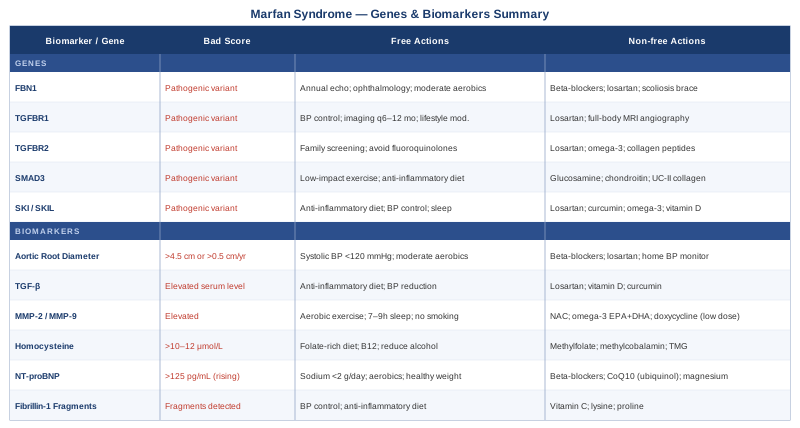
The first section covers six key biomarkers — from aortic imaging to blood-based molecular markers — each with practical guidance on how to measure them, what to do if results are concerning, and what interventions (with and without supplements) have meaningful support. The second section walks through five genes central to Marfan pathology, explaining what each one does and how its dysfunction can be partially compensated for. Between them, these two frameworks offer a genuinely actionable foundation.
6 Biomarkers to Track for Marfan Syndrome
Biomarker monitoring in Marfan syndrome is evolving. Some of the markers below are already standard clinical practice; others are emerging tools increasingly used in specialty centers and precision medicine contexts. Tracking them consistently over time — ideally in partnership with a cardiologist or geneticist familiar with connective tissue disorders — helps you understand your trajectory, not just your current snapshot.
Biomarker 1: Aortic Root Diameter
Why it matters: The most critical measurable biomarker in Marfan syndrome is the diameter of the aortic root at the level of the sinuses of Valsalva. Progressive dilation of this section of the aorta is the primary driver of the syndrome's most dangerous complication — aortic dissection. This is the number that guides the most consequential clinical decisions, including timing of prophylactic surgery.
What it reveals: An aortic root diameter above 4.5 cm is typically a threshold for surgical consideration, though guidelines vary slightly by body size, sex, mutation type, and rate of growth. Rate of progression matters enormously: growth exceeding 0.5 cm per year signals accelerating risk regardless of absolute size. In children and adolescents, clinicians use Z-scores adjusted for body surface area rather than raw millimeter values to account for normal growth.
How to measure it: Transthoracic echocardiography (TTE) is the standard imaging tool, costing approximately $200–$500 USD depending on facility and insurance. Cardiac MRI or CT angiography offers higher precision for complex anatomy or surgical planning and ranges from $500 to $2,000. Annual echocardiography is standard for most Marfan patients; more frequent monitoring is warranted when dilation is progressing or dimensions are approaching surgical thresholds.
If the score is bad — plan without supplements: Blood pressure control is the cornerstone — targeting systolic BP below 120 mmHg reduces hemodynamic wall stress. Avoiding high-intensity isometric exercise (heavy weightlifting, competitive contact sports, Valsalva-producing movements) is essential. Moderate aerobic exercise — swimming, cycling at a comfortable pace, walking — is generally well-tolerated and beneficial. Physical activity should be discussed individually with a cardiologist given the degree of aortic involvement.
If the score is bad — plan with supplements or equipment: Beta-blockers (atenolol, propranolol) reduce heart rate and blood pressure, directly decreasing mechanical stress on the aortic wall. Losartan, an angiotensin receptor blocker, was specifically studied in Marfan syndrome for its ability to reduce TGF-β-driven aortic remodeling; results from the Pediatric Heart Network trial were mixed but showed benefit in some subgroups. Home blood pressure monitors ($30–$60 USD) used daily provide actionable data. Magnesium glycinate (200–400 mg/day, continuous) supports smooth muscle relaxation and blood pressure. Side effect: GI sensitivity at higher doses — titrate gradually.
Biomarker 2: TGF-β (Transforming Growth Factor Beta)
Why it matters: TGF-β dysregulation is not simply a consequence of Marfan syndrome — it is a central mechanism. Fibrillin-1 normally sequesters latent TGF-β in the extracellular matrix, preventing its excessive activation. When fibrillin-1 is deficient or dysfunctional, TGF-β is released in excess, driving smooth muscle cell dysfunction, matrix remodeling, and inflammation — particularly in the aortic wall. Understanding your TGF-β levels provides a direct window into how active this process is in your body.
What it reveals: Elevated serum TGF-β1 or TGF-β2 correlates with active aortic disease in Marfan patients and has been observed in multiple research cohorts. It is not yet a standalone clinical diagnostic marker, but when interpreted alongside echocardiographic data and clinical history, it adds meaningful information about disease activity and treatment response. Research published in Circulation and Nature Medicine has documented this relationship in human Marfan cohorts.
How to measure it: TGF-β1 and TGF-β2 are measurable via ELISA-based blood assays, available through specialty labs such as LabCorp or Quest Diagnostics. Cost: $80–$250 USD depending on the panel. This is not a standard clinical order at most primary care offices, but is increasingly available through functional medicine practitioners, Marfan specialty centers, and academic medical programs.
If the score is bad — plan without supplements: Hemodynamic stress reduction (blood pressure control, moderate-intensity exercise only) indirectly reduces TGF-β-driven vascular remodeling. An anti-inflammatory dietary pattern — reducing ultra-processed foods, increasing omega-3-rich fatty fish, leafy vegetables, and limiting sugar — has documented effects on TGF-β regulation in cardiovascular tissues.
If the score is bad — plan with supplements or equipment: Losartan targets the AT1 receptor upstream of TGF-β activation and is the most studied pharmacological intervention for TGF-β-related aortic pathology in Marfan syndrome. Vitamin D optimization (targeting 25-OH vitamin D levels of 50–70 ng/mL) has modest published evidence for TGF-β modulation. Bioavailable curcumin (500–1000 mg/day of BCM-95 or a piperine-enhanced form) shows TGF-β-modulating properties in preclinical and some human studies, though Marfan-specific human data is absent. Take with food; cycle every 8–12 weeks. Side effect: occasional GI sensitivity.
Biomarker 3: Matrix Metalloproteinases (MMP-2 and MMP-9)
Why it matters: Matrix metalloproteinases are enzymes that degrade the extracellular matrix — the structural scaffolding of the aortic wall, joints, and connective tissues throughout the body. In Marfan syndrome, excess TGF-β upregulates MMP-2 and MMP-9, which break down collagen and elastin fibers, progressively weakening the aortic wall. Elevated MMP levels in blood correlate with aortic dilation and connective tissue turnover, providing a biochemical signal of how fast structural degradation is occurring.
What it reveals: Studies in Marfan patients and related thoracic aortic aneurysm conditions have documented elevated serum MMP-9 in patients with active aortic root dilation compared to those with stable disease. MMP-2 has been implicated in deeper aortic tissue remodeling. These markers tell you not just how large the aorta currently is but whether it is actively being broken down — an important distinction for risk stratification.
How to measure it: MMP-2 and MMP-9 serum assays are available through specialty labs. Cost: $100–$300 USD per marker. Like TGF-β testing, this is not yet standard clinical practice in most settings but is used in Marfan specialty clinics and research programs.
If the score is bad — plan without supplements: Moderate aerobic exercise has a documented favorable effect on MMP balance compared to high-intensity resistance training. An antioxidant-rich diet reduces the oxidative stress that drives MMP upregulation. Sleep optimization (7–9 hours per night) is critical, as sleep deprivation activates inflammatory pathways that increase MMP expression. Smoking cessation is mandatory — tobacco dramatically upregulates MMP-9.
If the score is bad — plan with supplements or equipment: Doxycycline at sub-antimicrobial doses is the most studied MMP inhibitor in aortic aneurysm research and has reached small human trials, though routine Marfan-specific use is not established. N-acetylcysteine (NAC, 600–1200 mg/day) has antioxidant activity that reduces oxidative drivers of MMP upregulation. Omega-3 fatty acids (EPA+DHA, 2–4 g/day) reduce MMP-driving inflammation. Cycle NAC at 8 weeks on, 2 weeks off. Side effect: NAC may cause GI discomfort; high-dose omega-3 can affect platelet function — note if taking anticoagulants.
Biomarker 4: Homocysteine
Why it matters: Elevated homocysteine independently damages endothelial tissue, promotes oxidative stress, and contributes to arterial stiffening — all of which amplify the cardiovascular risks already present in Marfan syndrome. The connection is not coincidental: homocystinuria, a distinct genetic condition, causes connective tissue abnormalities — ectopia lentis, skeletal features, vascular risk — that closely resemble Marfan syndrome. Even at sub-homocystinuria elevations, high homocysteine contributes to vascular damage in genetically susceptible individuals.
What it reveals: Homocysteine above 10–12 µmol/L is considered suboptimally elevated. Above 15 µmol/L constitutes hyperhomocysteinemia. For a Marfan patient already managing aortic risk, an elevated homocysteine adds a modifiable layer of vascular vulnerability that is entirely addressable. Peter Attia consistently includes homocysteine in comprehensive cardiovascular risk panels because of its independent predictive value.
How to measure it: Standard fasting blood test, available everywhere. Cost: $20–$80 USD, often covered by insurance when ordered as part of cardiovascular risk assessment.
If the score is bad — plan without supplements: Increase dietary methyl donors: folate-rich leafy greens and legumes, B12-rich animal products (meat, eggs, dairy), and B6-rich foods (poultry, fish, chickpeas). Reduce alcohol and excessive coffee. Regular moderate exercise supports homocysteine clearance through metabolic pathways.
If the score is bad — plan with supplements or equipment: The evidence-based protocol is methylated B vitamins: methylfolate (400–800 mcg/day), methylcobalamin (1000 mcg/day), and pyridoxal-5-phosphate (P5P, 25–50 mg/day). For individuals carrying MTHFR variants (particularly C677T), methylated forms are essential — folic acid supplements are not effectively converted. Trimethylglycine (TMG, 500–1000 mg/day) directly donates methyl groups to reduce homocysteine via betaine-homocysteine methyltransferase. Continuous use is appropriate. Side effect: high B6 above 100 mg/day long-term risks peripheral neuropathy — stay within cited ranges.
Biomarker 5: NT-proBNP
Why it matters: NT-proBNP is a peptide released by cardiac myocytes in response to increased wall stress and volume overload — essentially a distress signal from the heart. In Marfan syndrome, progressive aortic root dilation strains the left ventricular outflow, and mitral valve prolapse (which occurs in 50–75% of Marfan patients) can add volume overload to the left ventricle. Both create the conditions for NT-proBNP elevation — and for gradual cardiac dysfunction that may not produce obvious symptoms until it is advanced.
What it reveals: NT-proBNP above 125 pg/mL in adults under 75 is elevated. Critically, a rising trend over serial measurements is more important than any single value — it can flag worsening cardiac loading before symptoms appear, giving time to intervene. Thomas Dayspring and Allan Sniderman advocate strongly for NT-proBNP as a standard part of cardiac risk monitoring in high-risk individuals.
How to measure it: Standard blood test, $30–$100 USD. Widely available; often insurance-covered when ordered in the context of cardiac evaluation. It should complement, not replace, echocardiography.
If the score is bad — plan without supplements: Sodium restriction to under 2 g/day reduces fluid retention and cardiac preload. Maintaining a healthy body weight removes unnecessary cardiac work. Moderate-intensity aerobic exercise is beneficial for cardiac efficiency, but high-intensity training should be discussed with your cardiologist given aortic involvement. Sleep position with a slightly elevated head may reduce nocturnal cardiac strain.
If the score is bad — plan with supplements or equipment: Beta-blockers (already indicated for aortic protection in Marfan syndrome) are the primary pharmacological tool against cardiac remodeling. Coenzyme Q10 (ubiquinol form, 100–300 mg/day) has supporting evidence in heart failure contexts for mitochondrial cardiac function. Magnesium glycinate (300–400 mg/day) supports cardiac rhythm regulation and reduces wall stress. Continuous use is appropriate for both. Side effect: CoQ10 is well tolerated; magnesium above 400 mg may cause loose stools — titrate gradually.
Biomarker 6: Fibrillin-1 Fragments (Serum and Urinary)
Why it matters: Fibrillin-1 is the protein directly encoded by FBN1, the primary Marfan gene. As fibrillin-1 microfibrils are cleaved by proteases in the extracellular matrix, fragments are released into the bloodstream and appear in urine. These fragments represent a direct molecular readout of connective tissue degradation — not just a downstream consequence but an upstream signal of the core pathological process.
What it reveals: Elevated fibrillin-1 fragment levels indicate active microfibril breakdown and matrix remodeling. Published research from Marfan research programs has documented their correlation with aortic disease severity and suggested utility for monitoring treatment response to therapies targeting the fibrillin-TGF-β axis. This is still an emerging biomarker — reference ranges are not yet standardized in clinical practice — but it is one of the more direct signals of underlying disease activity. The GeneReviews entry on Marfan Syndrome provides molecular context on fibrillin-1's role in the extracellular matrix.
How to measure it: Currently available primarily through specialized research labs and academic Marfan specialty centers. Not yet a standard commercial test. Cost ranges widely ($150–$400 if accessible through specialty panels). For most patients, this is a biomarker to watch as clinical availability grows over the next few years.
If the score is bad — plan without supplements: Strategies that reduce TGF-β-driven MMP activity and mechanical aortic stress should indirectly reduce fibrillin degradation. Anti-inflammatory diet, blood pressure control, and avoiding repeated high-impact mechanical stress on joints and connective tissues all apply.
If the score is bad — plan with supplements or equipment: Vitamin C (500–1000 mg/day) is essential for hydroxylation reactions in collagen and matrix protein synthesis. Lysine (500–1000 mg/day) and proline provide substrate for extracellular matrix protein cross-linking. While no Marfan-specific human trials exist for these supplements, their mechanism aligns clearly with connective tissue biology and the risk profile is low. Continuous use is reasonable. Side effects: minimal at these doses; very high vitamin C (above 2 g/day) can cause loose stools and kidney stone risk in susceptible individuals.
With a clear map of these six biomarkers in hand, the next natural step is understanding the genetic architecture underneath them — the specific gene variants that drive these signals in the first place.
Understanding the Key Genes Behind Marfan Syndrome
Genetic testing has become increasingly accessible and increasingly actionable. For Marfan syndrome, understanding which genes are involved — and what the functional consequences of specific variants are — can sharpen the picture provided by biomarkers and guide more personalized interventions. The five genes below cover the core of Marfan and Marfan-related connective tissue pathology.
Gene 1: FBN1 (Fibrillin-1)
What it does: FBN1 encodes fibrillin-1, a large glycoprotein that forms the backbone of extracellular matrix microfibrils throughout the body — in aortic wall tissue, ocular zonule fibers, periosteum, and lung parenchyma. More than 1,800 distinct pathogenic variants have been identified in FBN1. Mutations lead to structurally abnormal or quantitatively reduced fibrillin-1, impairing microfibril formation and releasing sequestered TGF-β into its active form.
What it affects: Aortic root dilation is the central risk. Ectopia lentis (lens dislocation), tall stature with disproportionately long limbs, pectus deformities, scoliosis, and dural ectasia are all fibrillin-1-mediated. Genotype-phenotype correlations exist but are imperfect — the same mutation in two family members can have meaningfully different penetrance and severity.
If the gene is bad — plan without supplements: Annual echocardiography, ophthalmologic evaluation, and scoliosis monitoring form the backbone. Moderate aerobic exercise only; avoidance of Valsalva maneuvers and contact sports. Physical therapy targeting core stability and joint protection reduces secondary mechanical stress on already-compromised connective tissues.
If the gene is bad — plan with supplements or equipment: Beta-blockers and losartan are the two pharmacological interventions directly targeting FBN1-driven pathology. Vitamin C, lysine, and proline support residual connective tissue synthesis. Regular magnesium and omega-3 reduce systemic inflammation and vascular stress. A scoliosis monitoring brace, where indicated clinically, is a physical equipment intervention directly relevant to FBN1 skeletal manifestations.
Gene 2: TGFBR1 (TGF-Beta Receptor 1)
What it does: TGFBR1 encodes the type I receptor for transforming growth factor beta. Pathogenic variants in TGFBR1 cause Loeys-Dietz syndrome type 1 — a condition that phenotypically overlaps significantly with Marfan syndrome but carries a more aggressive aortic course, often with dissection occurring at smaller aortic diameters. Many patients with suspected Marfan syndrome who test negative for FBN1 mutations are found to carry TGFBR1 or TGFBR2 variants.
What it affects: Aortic aneurysm and dissection at smaller diameters than in FBN1-positive Marfan, arterial tortuosity throughout the body, hypertelorism, bifid uvula, and cleft palate. Skeletal and skin findings overlap with Marfan syndrome. The aortic risk in TGFBR1/2 mutations is considered more severe — surgical thresholds are set lower.
If the gene is bad — plan without supplements: More aggressive cardiovascular monitoring than standard Marfan guidelines (imaging every 6–12 months, full aortic imaging including branch vessels). Strict blood pressure control. Given the severity of this variant, lifestyle modification alone is insufficient — this gene warrants close specialist oversight.
If the gene is bad — plan with supplements or equipment: Losartan is particularly relevant here, given its direct TGF-beta receptor-blocking mechanism. Omega-3 fatty acids and curcumin as adjuncts for TGF-β modulation. Full-body MRI angiography annually to detect arterial aneurysm elsewhere, since TGFBR1 mutations affect vessels beyond the aorta.
Gene 3: TGFBR2 (TGF-Beta Receptor 2)
What it does: TGFBR2 encodes the type II TGF-beta receptor, which forms a functional complex with TGFBR1 to transduce TGF-β signaling. Mutations in TGFBR2 cause Loeys-Dietz syndrome type 2 and are also found in familial thoracic aortic aneurysm and dissection (FTAAD). The clinical presentation is similar to TGFBR1 with considerable overlap with Marfan features.
What it affects: Similar aortic and arterial findings to TGFBR1, with comparable severity. Skin laxity, easy bruising, and musculoskeletal manifestations are often more pronounced than in FBN1 mutations. Some TGFBR2 patients have more aggressive skeletal dysplasia.
If the gene is bad — plan without supplements: Same aggressive monitoring as TGFBR1. Genetic cascade screening of first-degree relatives is critical since penetrance is high and clinical consequences are severe. Avoidance of fluoroquinolone antibiotics is warranted (there is evidence these drugs impair connective tissue integrity in already-compromised individuals).
If the gene is bad — plan with supplements or equipment: As with TGFBR1: losartan, omega-3, vitamin C. Careful physical therapy for joint protection. Given the skin laxity component, silica-rich mineral water and collagen peptides (10–15 g/day hydrolyzed collagen) may support dermal and joint connective tissue — no Marfan-specific data, but biologically plausible and low-risk.
Gene 4: SMAD3
What it does: SMAD3 encodes a downstream signal transducer in the TGF-β pathway. SMAD3 variants cause aneurysm-osteoarthritis syndrome (AOS), characterized by thoracic aortic aneurysm with a high rate of dissection, and early-onset osteoarthritis. This combination is unusual and diagnostically important — someone presenting with both aortic pathology and premature joint disease should be considered for SMAD3 sequencing.
What it affects: Aortic and arterial aneurysms (often involving branch vessels), early-onset osteoarthritis, and skeletal manifestations. Dissection can occur at smaller aortic diameters. The osteoarthritis component is driven by TGF-β-mediated cartilage degradation, paralleling the vascular damage mechanism.
If the gene is bad — plan without supplements: Joint protection is essential — low-impact exercise, avoiding repetitive high-impact activities, appropriate physical therapy. Cardiovascular monitoring mirrors TGFBR1/2 recommendations. Anti-inflammatory diet has dual relevance here, supporting both joint and vascular health.
If the gene is bad — plan with supplements or equipment: Glucosamine sulfate (1500 mg/day) and chondroitin sulfate (1200 mg/day) have human clinical evidence for osteoarthritis symptom management (though disease modification is debated). Type II collagen (40 mg/day undenatured, UC-II) has shown favorable results in osteoarthritis trials. Omega-3 fatty acids are relevant for both joint and vascular benefit. Frequency: continuous use is appropriate for all. Side effects: glucosamine is generally well tolerated; avoid if shellfish allergic (choose a plant-derived form).
Gene 5: SKI / SKIL (SKI Proto-Oncogene / SKI-Like)
What it does: The SKI gene encodes a nuclear co-repressor that normally suppresses TGF-β target gene expression. Mutations in SKI cause Shprintzen-Goldberg syndrome, a Marfan-like condition with craniosynostosis, intellectual disability, and cardiovascular features. More broadly, SKI/SKIL variants represent an upstream regulatory layer in the TGF-β axis. Gary Brecka and precision genetics researchers have highlighted how disrupted TGF-β regulatory genes (including SKI and SKIL) interact with downstream fibrillin and receptor pathways, creating compounding vulnerability.
What it affects: When SKI function is reduced, TGF-β target genes are less suppressed — effectively amplifying TGF-β-driven tissue remodeling even when fibrillin and receptor genes are intact. In the context of Marfan syndrome, SKI/SKIL variants can worsen disease severity by amplifying the TGF-β signal that FBN1 mutations release.
If the gene is bad — plan without supplements: The same TGF-β-reduction lifestyle strategies apply: anti-inflammatory diet, blood pressure control, moderate exercise, adequate sleep. Given the upstream regulatory role of SKI, any intervention that reduces TGF-β signaling load will be additive in its benefit.
If the gene is bad — plan with supplements or equipment: Interventions targeting the TGF-β axis downstream of SKI: losartan (pharmacological), curcumin, omega-3, and vitamin D optimization. Ali Torkamani's research on polygenic risk scoring in connective tissue disorders emphasizes that gene combinations often matter more than single variants — SKI dysfunction in the presence of FBN1 or TGFBR mutations creates a compounding effect that warrants more aggressive monitoring of all the biomarkers in the primary section.
What Peter Attia's "Outlive" Teaches Us About Marfan Syndrome Management
Peter Attia's Outlive: The Science and Art of Longevity is not a Marfan syndrome book. But for anyone managing a condition where aortic and cardiovascular risk is the central concern, it may be the most practically useful read available. Attia — a physician with deep expertise in longevity medicine, cardiovascular biology, and precision health — builds a framework for cardiovascular risk that maps directly onto what Marfan patients face decades earlier than the general population.
1. The Aorta Is the Overlooked Organ
Attia argues that structural cardiovascular risk — the kind residing in vessel walls rather than in lipid panels — is systematically undertreated in conventional medicine. For Marfan patients, this message is unusually direct: your primary risk is mechanical, not metabolic. The lesson is to ensure imaging protocols are never skipped or delayed, and to advocate for the most precise imaging available (cardiac MRI over echocardiography when dimensions are borderline or rising).
2. Tracking Is Not Optional — It Is the Intervention
One of Attia's central arguments is that what gets measured gets managed. He is explicit: a biomarker ignored is a risk unmanaged. For Marfan syndrome, this means building a consistent tracking cadence across aortic imaging, NT-proBNP, homocysteine, and TGF-β markers — not waiting for symptoms, because symptoms in aortic disease often come too late.
3. Blood Pressure: The Number Most People Get Wrong
Attia is categorical that systolic blood pressure should be below 120 mmHg for high-cardiovascular-risk individuals, and below 110 mmHg in certain contexts. Most clinical practices still target 140 mmHg as the intervention threshold. For Marfan patients, where every millimeter of mercury matters at the aortic wall, getting blood pressure optimized well below conventional thresholds is likely to have outsized impact. Home blood pressure monitoring twice daily is his recommendation.
4. Zone 2 Training Is the Safest and Most Effective Exercise Protocol
Attia's detailed framework for Zone 2 exercise — sustained aerobic exercise at a pace where you can hold a conversation, targeting 150–200 minutes per week — aligns perfectly with what Marfan guidelines permit. This intensity range improves cardiac efficiency, mitochondrial density, and metabolic health without the hemodynamic spikes of interval training or resistance exercise. It directly addresses the exercise restriction challenge many Marfan patients face.
5. Muscle Mass Is Cardiovascular Medicine
Outlive argues compellingly that low muscle mass is an independent predictor of cardiovascular and all-cause mortality. For Marfan patients who rightly avoid heavy isometric exercise, the challenge is maintaining adequate muscle mass through safer modalities — resistance bands, machine-based training at controlled load, swimming with structured technique. Attia's emphasis: the goal is not to avoid resistance training entirely but to optimize the dose and modality for the individual's specific risk profile.
6. Sleep as Aortic Medicine
Attia dedicates significant attention to sleep as a non-negotiable cardiovascular intervention. Poor sleep drives elevated catecholamines, blood pressure surges, and systemic inflammation — all of which increase aortic wall stress in Marfan patients. His recommendation of 7–9 hours of consistent, structured sleep in a cool, dark environment is directly actionable.
7. Omega-3s and TGF-β: The Anti-Inflammatory Foundation
Attia recommends EPA+DHA at 2–4 g/day for most high-cardiovascular-risk patients based on REDUCE-IT and related trial data. In Marfan syndrome, the anti-inflammatory mechanism is additionally relevant given the TGF-β-MMP axis. He advocates measuring omega-3 index (target: above 8%) rather than guessing at dose.
8. The Importance of the Lipid Panel Beyond LDL
While lipid-related risk is secondary in Marfan syndrome (relative to structural risk), Attia and Thomas Dayspring's work on apolipoprotein B as the primary lipid atherogenicity marker remains relevant — because Marfan patients live long enough, with excellent aortic monitoring and surgical care, that secondary cardiovascular disease becomes an important issue in midlife and beyond.
9. Glucose Regulation Protects Vascular Tissue
Attia emphasizes that even modest elevations in fasting glucose and insulin accelerate endothelial damage. For Marfan patients already dealing with aortic wall fragility, reducing endothelial glycation through low-glycemic dietary patterns, time-restricted eating, and regular aerobic exercise protects the vascular biology that is already under structural pressure.
10. Polypharmacy Caution — Know What Each Drug Does
Attia is explicit about the importance of understanding the mechanism of each prescribed medication, not just its name. For Marfan patients often on beta-blockers and potentially losartan, fluoroquinolone antibiotics (cipro, levofloxacin) carry a specific connective tissue risk and should be flagged with every prescribing physician. This is a practical, immediately applicable takeaway from an evidence-based framework.
Complementary and Mind-Body Approaches
Complementary modalities for Marfan syndrome must be selected with particular care. The condition involves structural cardiovascular vulnerability, joint hypermobility, and connective tissue fragility — making some physical modalities potentially harmful without appropriate modification. The three approaches below have the most relevant clinical evidence and the most manageable risk profiles.
Biofeedback for Blood Pressure and Heart Rate Regulation
Biofeedback is a technique that uses real-time physiological monitoring — typically of heart rate, blood pressure, or heart rate variability — to teach voluntary regulation of autonomic nervous system activity. For Marfan patients, whose primary modifiable cardiovascular risk factor is blood pressure, the ability to consciously lower blood pressure and heart rate through biofeedback training is directly clinically relevant. Reduced sympathetic tone decreases the hemodynamic stress on the aortic wall with every heartbeat.
A 2019 meta-analysis in Applied Psychophysiology and Biofeedback reviewed heart rate variability biofeedback across multiple cardiovascular conditions and found consistent reductions in blood pressure and improvements in autonomic regulation. Heart rate variability (HRV) biofeedback with slow paced breathing (around 6 breaths per minute) is the best-studied protocol, practiced for 20 minutes daily. Devices such as the Polar H10 chest strap paired with HRV-based apps (HeartMath emWave or the Visible app) make this accessible at home for $50–$200 USD.
For Marfan patients, HRV biofeedback is realistic as a daily practice. Twenty minutes of slow-paced breathing (5-second inhale, 5-second exhale) while monitoring real-time HRV via a chest strap provides both the training signal and the relaxation benefit. The evidence base is for general cardiovascular benefit and autonomic regulation; Marfan-specific trials do not exist, but the mechanism is directly applicable and the risk is minimal.
Mindfulness Meditation (MBSR) for Autonomic and Inflammatory Modulation
Mindfulness-Based Stress Reduction (MBSR) is an 8-week structured program combining meditation, body scan practices, and gentle movement. Its relevance for Marfan syndrome is twofold: first, chronic stress and anxiety elevate catecholamines and blood pressure, worsening hemodynamic load on the aorta; second, psychological stress has documented effects on inflammatory cytokine production, including TGF-β and interleukins relevant to aortic wall remodeling.
A 2013 randomized controlled trial published in JAMA Internal Medicine found that MBSR produced meaningful reductions in blood pressure in patients with prehypertension, with effects comparable to some pharmacological approaches. For Marfan patients, blood pressure reduction from any source is additive to beta-blocker and losartan therapy. A separate meta-analysis in Brain, Behavior, and Immunity documented reductions in inflammatory biomarkers including CRP and interleukins following MBSR programs.
A practical starting point is the free 8-week MBSR curriculum available through the University of Massachusetts Center for Mindfulness, supplemented by daily 10–15 minute guided meditation practices. Apps such as Insight Timer provide free structured programs. The goal is not elimination of anxiety about a serious medical condition but rather a measurable reduction in physiological stress response. Patients should be aware that the gentle yoga component of standard MBSR may need modification given hypermobility — a seated or lying variation is perfectly appropriate.
Breathing-Based Therapies for Cardiovascular and Respiratory Support
Marfan syndrome affects the lungs — spontaneous pneumothorax is a recognized complication, and pulmonary parenchymal changes are present in some patients. Beyond respiratory complications, breathing mechanics directly affect intrathoracic pressure and aortic hemodynamics. Forced expiration against resistance (as in Valsalva maneuvers) transiently spikes aortic pressure — a risk relevant to exercise, coughing, and breath-holding activities. Trained diaphragmatic breathing, by contrast, reduces sympathetic tone, lowers resting heart rate, and reduces mean arterial pressure.
A 2021 study published in JACC: Heart Failure demonstrated that device-guided slow breathing (the FDA-cleared RESPeRATE device) produced clinically meaningful blood pressure reductions — approximately 9 mmHg systolic — in hypertensive patients over 8 weeks. The mechanism is direct: slowed breathing at 4–6 breaths per minute activates baroreceptors and reduces sympathetic vascular tone. For Marfan patients, this represents a blood pressure reduction tool with minimal equipment cost ($300–$400 for RESPeRATE, or achievable free with paced breathing guided by a smartphone metronome at 6 breaths/minute).
Practically, 15 minutes of slow diaphragmatic breathing daily — either device-guided or self-paced at 5 seconds in and 5 seconds out — is achievable and sustainable. Patients should be taught to breathe into the lower abdomen, avoiding thoracic expansion patterns that could increase intrathoracic pressure. A physiotherapist familiar with connective tissue disorders can provide technique guidance in one to two sessions. This is one of the few interventions in this article with near-zero risk and meaningful cardiovascular benefit through a mechanism directly relevant to Marfan pathophysiology.
Conclusion
Marfan syndrome is not a condition where more information leads to more anxiety — it leads to better decisions. The six biomarkers covered in this article give you trackable signals of what is happening in your aorta, your connective tissues, and your cardiovascular biology over time. The five genes give you a framework for understanding why those signals are occurring and how they interact. Together, they point toward interventions that go beyond generic advice.
The most important next step is to build a consistent monitoring cadence. Start with what is already accessible: annual echocardiography, homocysteine, NT-proBNP, and blood pressure tracking at home. Ask your cardiologist or geneticist whether TGF-β or MMP testing makes sense given your specific case. If genetic testing has not included TGFBR1, TGFBR2, SMAD3, and SKI alongside FBN1, it may be worth revisiting.
Better information does not replace specialist care — it makes specialist care more effective. Bring what you learn here to your next medical appointment and use it to ask more specific questions.
Musculoskeletal: Bone Conditions Joint Conditions Spine Conditions
Cardiovascular: Heart Conditions Blood Pressure Conditions Blood Vessel Conditions Vascular Conditions
Respiratory: Lung Conditions
Autoimmune: Connective Tissue Conditions