This article contains AI generated content.
· UpdatedMayaro Fever — 5 Genes and 7 Biomarkers to Track
Introduction
Mayaro fever rarely makes headlines outside of tropical medicine circles, yet for people living in or returning from South American rainforest regions, it can mean weeks of debilitating joint pain, exhaustion, and fever that lingers far longer than expected. It is caused by the Mayaro virus (MAYV), an alphavirus transmitted by Haemagogus mosquitoes, and it is frequently misdiagnosed as dengue or chikungunya because the initial symptoms are nearly identical. That misidentification matters more than most doctors acknowledge, because the biological processes driving Mayaro fever's worst outcomes — especially its tendency to cause persistent arthralgia — are specific enough that a generic "rest and fluids" approach leaves patients without a real roadmap for recovery.
What makes Mayaro fever particularly frustrating is that two people bitten by the same infected mosquito can have dramatically different outcomes. One recovers fully within two weeks. The other carries joint stiffness and fatigue for months. That difference is not random. It reflects measurable biological variation — in inflammatory signaling, in how the immune system escalates and then resolves its response, and increasingly, in specific genetic variants that affect how the innate immune system responds to alphaviruses in general. Generic advice cannot account for that variation. Knowing your inflammatory and immune status at key timepoints gives you, and your clinician, something actionable to work with.
This article takes a more specific approach. Rather than repeating the standard clinical advice about NSAIDs and hydration, it maps the biomarkers most worth tracking — from acute phase through recovery — and introduces the genetic factors that current alphavirus research suggests may influence susceptibility and severity. The goal is not to replace clinical care but to equip you with a more precise framework for understanding what is happening inside your body and how to support recovery more intelligently.
There is real reason for measured optimism here. The biology of Mayaro fever is becoming better understood each year, largely because of research into related alphaviruses like chikungunya. Tools that were once research-only — cytokine panels, genetic screening, high-sensitivity inflammatory markers — are increasingly accessible. Better information genuinely does lead to better decisions, whether that means catching a prolonged inflammatory response before it becomes chronic, or identifying a genetic predisposition that changes how aggressively you approach early intervention.
Summary
This article covers two core frameworks for understanding Mayaro fever beyond the standard clinical advice:
- 7 biomarkers to track from acute illness through recovery, including which ones predict prolonged joint disease, how to measure each one affordably, and what to do if results are outside the healthy range — with and without supplements - 5 genes (bonus section) with polymorphisms linked to alphavirus severity, including practical plans for compensating for high-risk variants through diet, lifestyle, and targeted supplementation - A deep dive into what the latest immune science reveals about viral recovery — drawn from the Huberman Lab's immune function framework — with 10 actionable insights that most clinicians never discuss with patients - Complementary approaches with real clinical evidence, including mindfulness-based stress reduction, yoga, and microbiome-directed strategies specifically relevant to post-viral joint recovery
Whether you are in the acute phase right now, managing a slow recovery, or trying to understand your risk before traveling to an endemic area, this article gives you a testable, evidence-aware map through the biology of Mayaro fever.
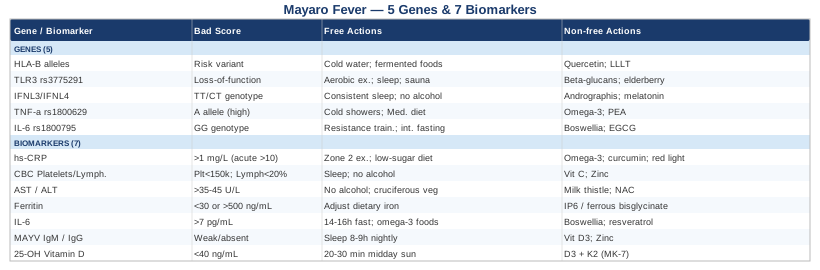
7 Biomarkers to Track During and After Mayaro Fever
The challenge with Mayaro fever biomarkers is that most clinical guidelines still treat this virus as a variant of dengue fever diagnostically, which leads to a narrow panel focused almost entirely on platelet counts and liver enzymes. That picture misses the immunological story — particularly the cytokine-driven joint inflammation that defines long Mayaro syndrome. The following seven biomarkers cover the full arc from acute viral replication through resolution and identify where recovery can stall.
Biomarker 1: High-Sensitivity C-Reactive Protein (hs-CRP)
Why it matters: CRP is an acute-phase protein produced by the liver in response to IL-6 signaling. During Mayaro fever, it rises sharply within the first 48 hours and is one of the most reliable indicators of systemic inflammatory load. More importantly, studies of chikungunya — the closest well-researched alphavirus analog — show that patients with persistently elevated CRP at the 4-week mark are significantly more likely to develop chronic arthralgia. There is good reason to expect the same pattern in Mayaro, given that both viruses activate similar inflammatory cascades and replicate in synovial tissue.
How to measure it: Standard CRP testing costs $10–$30 at most labs. High-sensitivity CRP (hs-CRP), which detects lower-level chronic inflammation, costs $20–$50 and is more useful for monitoring recovery. Measure at: day 1–3 (acute baseline), day 14 (mid-recovery), and week 6 (resolution check). Normal hs-CRP: below 1.0 mg/L (low cardiovascular risk range); during acute illness, expect 10–100+ mg/L.
If the score is bad — the plan without supplements: Sustained elevation beyond four weeks points to unresolved joint inflammation. Without supplements, the most evidence-based lever is cold-contrast hydrotherapy applied to affected joints (10 minutes cold, 3 minutes warm, repeated 3 cycles, once daily), elimination of refined carbohydrates and vegetable seed oils from the diet, and targeted aerobic exercise at low intensity (zone 2 heart rate, 30 minutes 4–5 times per week), which consistently reduces hs-CRP through improved mitochondrial function and reduced oxidative stress. Avoid high-intensity training during acute illness — it transiently spikes IL-6 and CRP.
If the score is bad — the plan with supplements or equipment: Omega-3 fatty acids (EPA + DHA, 2–4 g/day) reduce hs-CRP through prostaglandin modulation; effect is measurable at 6–8 weeks. Curcumin with piperine (500 mg curcumin + 5 mg piperine, twice daily) inhibits NF-κB, a transcription factor central to alphavirus-driven inflammation. Cycle curcumin 8 weeks on, 2 weeks off if using long-term. Potential side effect: mild GI upset; avoid high-dose curcumin if on blood thinners. Red light therapy (photobiomodulation) applied directly over inflamed joints (630–850 nm, 10–15 minutes per session, 3–4 times weekly) has evidence from multiple RCTs in arthritis populations for reducing local CRP and inflammation markers.
Biomarker 2: Complete Blood Count — Platelets and Lymphocytes
Why it matters: Two components of the CBC are particularly informative in Mayaro fever. Thrombocytopenia (low platelet count, typically below 150,000/μL) appears in a significant proportion of Mayaro cases, especially in the first week, and its depth correlates with overall disease severity. Lymphocyte count tells a parallel story: initial lymphopenia (low lymphocytes) during acute viremia is expected, but failure of lymphocytes to recover to normal levels by week 3–4 can signal impaired viral clearance and is a red flag for prolonged immune activation. Research published by Brazilian investigators tracking Mayaro outbreaks in the Amazon basin has consistently identified these two CBC parameters as early severity markers.
How to measure it: A full CBC costs $15–$40 and is available at virtually every clinical lab. Measure at day 3–5 (acute peak), day 14, and day 28. Target platelets: above 150,000/μL. Target lymphocyte percentage: 20–40% of total white cell count.
If the score is bad — the plan without supplements: Platelet recovery is largely driven by bone marrow function, which responds well to adequate sleep (7–9 hours), reduction of inflammatory load, and avoiding alcohol entirely during recovery. Lymphocyte normalization requires sufficient rest from high-stress activities and avoidance of overtraining. Implement sleep optimization as a non-negotiable: consistent sleep/wake timing, room temperature below 67°F (19°C), and complete darkness stimulate deeper recovery sleep shown to accelerate immune reconstitution.
If the score is bad — the plan with supplements or equipment: Vitamin C (1–2 g/day in divided doses) supports lymphocyte proliferation and platelet production via antioxidant protection of megakaryocytes; reduce to 500 mg/day maintenance after normalization. Zinc (25–40 mg/day with food) is critical for T-cell maturation and lymphocyte restoration; use for 4–8 weeks, then drop to 10–15 mg/day maintenance to avoid copper depletion. Do not exceed 40 mg/day long-term.
Biomarker 3: AST and ALT (Liver Transaminases)
Why it matters: Mild to moderate liver involvement is common in Mayaro fever, with elevated AST and ALT appearing in a substantial fraction of patients. This is not a sign of severe hepatitis, but it does indicate that the liver's detoxification and metabolic workload is increased — which matters because the liver plays a central role in producing acute-phase proteins, metabolizing antivirals if used, and clearing inflammatory mediators. Persistently elevated transaminases beyond 3–4 weeks suggest ongoing hepatic inflammation and may impair recovery if not addressed. Research on Mayaro and related alphaviruses consistently identifies hepatic involvement as a disease marker.
How to measure it: AST and ALT are part of a basic metabolic panel ($20–$60) or can be ordered as a standalone liver panel. Reference ranges: ALT below 35 U/L for women, below 45 U/L for men; AST below 35 U/L. Measure at diagnosis and again at weeks 3 and 6.
If the score is bad — the plan without supplements: The most powerful dietary lever is complete alcohol avoidance for the duration of recovery and for at least 4 weeks after normalization. Remove ultra-processed foods and fructose-heavy beverages, as high fructose intake directly raises liver fat and transaminases. Prioritize cruciferous vegetables (broccoli, cauliflower, Brussels sprouts) which upregulate glutathione synthesis, the liver's primary antioxidant defense.
If the score is bad — the plan with supplements or equipment: Milk thistle (silymarin, 140–420 mg/day) has multiple RCT evidence for reducing liver enzymes in hepatic inflammation; run for 8–12 weeks with reassessment. Generally well-tolerated; mild laxative effect at high doses. N-acetylcysteine (NAC, 600 mg twice daily) is a glutathione precursor shown to reduce transaminase levels and support liver recovery. Cycle: 8 weeks on, 2–4 weeks off. Rare side effect: GI discomfort at higher doses.
Biomarker 4: Ferritin
Why it matters: Ferritin is one of the most underutilized biomarkers in acute viral illness management. While clinicians monitor it in conditions like hemophagocytic lymphohistiocytosis and macrophage activation syndrome, it is rarely checked routinely in tropical fevers — yet markedly elevated ferritin (above 500–1000 ng/mL) during Mayaro fever signals hyperactivated macrophage function and systemic immune stress well beyond what standard CRP captures. Ferritin also reflects iron status relevant to immune cell energy production. Conversely, low ferritin (below 30 ng/mL) before or during infection impairs lymphocyte activity and is associated with poorer viral clearance in alphavirus research.
How to measure it: Standalone ferritin test costs $20–$50. Optimal range for immune function and recovery: 50–150 ng/mL. Measure at baseline and at week 4.
If the score is bad — elevated ferritin: Without supplements, focus on resolving the underlying inflammatory driver (diet quality, sleep, CRP management as above). Reduce heme iron intake (red meat) temporarily. With supplements: IP6 (inositol hexaphosphate, 800 mg/day on an empty stomach) chelates excess iron and has preliminary evidence for reducing serum ferritin in hyperferritinemia states. Use only while ferritin is genuinely elevated; reassess at 6–8 weeks.
If the score is bad — low ferritin: Without supplements, increase dietary iron through organ meats, clams, and lentils paired with vitamin C for absorption. With supplements: ferrous bisglycinate (25–50 mg elemental iron, taken away from coffee and calcium) is the best-tolerated oral form; reassess at 6 weeks. Avoid iron supplementation unless confirmed deficient, as excess iron promotes viral and bacterial replication.
Biomarker 5: Interleukin-6 (IL-6)
Why it matters: IL-6 is the master regulator of the acute-phase response in alphavirus infection. It drives CRP production, fever, and — critically — synovial inflammation that underlies Mayaro's joint involvement. High circulating IL-6 in the first week correlates with both symptom severity and the probability of developing post-acute arthralgia. Studies on chikungunya patients have demonstrated that IL-6 levels at day 7 are among the strongest predictors of joint pain at 3 months — and given the biological overlap with Mayaro, this biomarker deserves close attention in recovery monitoring.
How to measure it: IL-6 is increasingly available at clinical labs ($50–$150). Some panels include it alongside other cytokines (TNF-alpha, IL-1β). A point-of-care IL-6 test exists in some research centers. Reference range: below 7 pg/mL. Measure at day 5–7 and at week 4.
If the score is bad — the plan without supplements: Time-restricted eating (14–16 hour daily fast) consistently reduces IL-6 in metabolic and inflammatory studies; this approach is safe and practical during recovery provided adequate caloric intake within the eating window. Prioritize omega-3 rich foods (sardines, salmon, mackerel, flaxseed) and cold-pressed olive oil, which downregulate IL-6 at the transcriptional level.
If the score is bad — the plan with supplements or equipment: Boswellia serrata (AKBA extract, 100–200 mg/day) selectively inhibits 5-LOX, reducing leukotriene-driven IL-6 amplification; run 8 weeks with 2-week breaks. Resveratrol (250–500 mg/day with a fatty meal) inhibits NF-κB and STAT3, both upstream drivers of IL-6 transcription. Take with food to improve bioavailability; cycle 6 weeks on, 2 weeks off. At high continuous doses, resveratrol may act as a mild estrogen mimic — be aware if you have hormone-sensitive conditions.
Biomarker 6: Mayaro-Specific IgM and IgG Antibodies
Why it matters: Antibody testing is not just for diagnosis — it also tells you whether your immune system has mounted and resolved a proper adaptive response. IgM antibodies appear within 3–5 days of symptom onset and peak in weeks 1–2, then decline over 1–3 months. IgG antibodies develop by week 2 and persist for years, conferring long-term protection. Failure to detect IgM when clinically expected suggests either very early testing or an impaired humoral response. Persistent high-titer IgM beyond 90 days can indicate unusual immune dynamics or early chronic infection. Cross-reactivity with chikungunya antibodies is a known diagnostic challenge and must be accounted for with plaque reduction neutralization testing (PRNT) or cross-absorption assays.
How to measure it: ELISA-based MAYV IgM/IgG: available at specialized reference labs and major academic medical centers, particularly in Brazil, Peru, and Colombia. Cost: $80–$200 per panel. In the United States and Europe, the CDC and certain academic labs can perform confirmatory PRNT. Measure at day 5–7 (IgM check) and day 28+ (IgG confirmation).
If the response is weak: Without supplements, sleep quality is the single most evidence-supported lever for antibody titer development — the majority of antibody consolidation occurs during slow-wave sleep. Prioritize 8–9 hours of total sleep per night during the 3–4 weeks following acute illness. With supplements: Vitamin D3 (2000–4000 IU/day based on serum 25-OH D levels) enhances B-cell function and antibody class switching; critical if baseline vitamin D is below 30 ng/mL. Zinc (as noted above) supports T-helper cell function needed for effective IgG production.
Biomarker 7: 25-OH Vitamin D
Why it matters: Vitamin D functions as a potent immunomodulator, not merely a bone nutrient. The vitamin D receptor (VDR) is expressed on virtually every immune cell type including macrophages, dendritic cells, and T and B lymphocytes. In the context of alphavirus infection, vitamin D deficiency is associated with amplified inflammatory cytokine production — precisely the pattern that drives prolonged Mayaro fever joint involvement. Multiple studies across respiratory and tropical viral infections show that vitamin D sufficiency (above 40 ng/mL) is associated with shorter illness duration, lower peak CRP, and reduced risk of post-acute sequelae. This is one of the most modifiable and affordable biomarkers to track. The immunomodulatory role of vitamin D in viral infections has extensive support in the literature.
How to measure it: 25-OH vitamin D test costs $30–$70 at most labs. Optimal range for immune function: 40–60 ng/mL (100–150 nmol/L). Measure at diagnosis and recheck at week 6–8.
If the score is bad — the plan without supplements: For every 15 minutes of midday sun exposure on 40% of body surface (arms, legs, face), healthy adults synthesize approximately 10,000–20,000 IU of vitamin D3. Daily sun exposure of 20–30 minutes around solar noon, without sunscreen during that window, is an effective way to raise serum 25-OH D over several weeks. Note: skin pigmentation and latitude significantly affect synthesis efficiency.
If the score is bad — the plan with supplements or equipment: Vitamin D3 with K2 (MK-7 form): For levels below 20 ng/mL, 5000–10,000 IU D3 daily for 8–12 weeks, then retest and drop to a maintenance dose. Always pair with K2 (100–200 mcg MK-7/day) to direct calcium appropriately and avoid arterial calcification. For levels 20–30 ng/mL, 3000–5000 IU/day for 8 weeks, then recheck. Side effect: vitamin D toxicity is possible at very high doses over extended periods — retest at 8 weeks and do not exceed 10,000 IU/day without lab guidance.
The seven biomarkers above give you a complete, tiered picture of your immune response — from the acute inflammatory surge through adaptive immune resolution and nutrient status. Moving now to the genetic dimension adds a layer of why: understanding which biological amplifiers you were born with can make the biomarker results easier to interpret.
The Genetics Behind Your Mayaro Fever Response
Research into the genetics of Mayaro fever specifically is still in early stages — this must be stated clearly. Most insights in this section are drawn from well-studied genetic variants in chikungunya and other alphaviruses, which share fundamental replication strategies, cellular tropism, and inflammatory mechanisms with MAYV. Where Mayaro-specific genetic data exists, it will be highlighted; otherwise, the alphavirus framework is the best available proxy and is used as such by tropical medicine researchers.
Gene 1: HLA-B Alleles (Human Leukocyte Antigen)
The HLA system governs how your immune cells present viral peptides to cytotoxic T lymphocytes. Specific HLA-B alleles — particularly HLA-B*35 and HLA-B*07 — have been associated with differential severity in alphavirus infections including chikungunya. HLA-B*35 variants appear linked to a more exuberant CD8+ T-cell response, which may accelerate viral clearance but also increase bystander tissue inflammation in joints. Conversely, certain HLA-B haplotypes associated with impaired peptide presentation may leave viremia elevated longer, extending the window of viral replication in synovial tissue.
If the gene shows a risk variant — plan without supplements: Cold-water immersion for inflamed joints (12°C for 10 minutes, once daily during acute phase) selectively reduces CD8+ T-cell trafficking into peripheral tissues without broadly suppressing viral clearance. Prioritize foods that support regulatory T-cell (Treg) activity: fermented vegetables, fiber-rich legumes, and polyphenol-dense berries.
If the gene shows a risk variant — plan with supplements or equipment: Quercetin (500–1000 mg/day, with fat-containing meal) modulates CD8+ T-cell hyperactivation via STAT1 inhibition and has shown anti-inflammatory effects in viral infection models. Run for 6–8 weeks during and after acute illness; cycle with 2-week breaks. Low-level laser therapy (LLLT, 810 nm, 10 minutes per joint, 3x weekly) reduces local T-cell mediated inflammation without systemic immunosuppression.
Gene 2: TLR3 (Toll-Like Receptor 3)
TLR3 recognizes double-stranded RNA, a signature of alphavirus replication. Rare loss-of-function TLR3 variants (particularly TLR3 p.Leu412Phe, rs3775291) reduce innate recognition of viral RNA and have been linked to susceptibility to serious viral encephalitis and severe forms of arboviral infection. When TLR3 function is impaired, the early interferon-beta response that should limit viral replication in the first 24–48 hours is delayed — which can allow higher peak viral titers and a more violent compensatory immune response later.
If the gene is unfavorable — plan without supplements: Maximize endogenous interferon stimulation through consistent moderate-intensity aerobic exercise in the pre-exposure period (not during active illness). Sleep optimization (as discussed under CBC) is the strongest lifestyle driver of TLR3-mediated innate immunity. Sauna use (15–20 minutes at 80°C, 3–4x per week) when not acutely ill has been shown to upregulate heat shock proteins that enhance TLR3 signaling.
If the gene is unfavorable — plan with supplements or equipment: Beta-glucans (500–1000 mg/day) prime macrophage and dendritic cell innate sensing, partially compensating for reduced TLR3 signaling via alternative pattern recognition pathways. Run continuously during high-risk travel periods; generally well-tolerated. Elderberry extract (sambucol, standardized) has evidence for amplifying innate cytokine responses in early viral infection; use at onset of symptoms for up to 5 days, not beyond, to avoid excessive immune stimulation.
Gene 3: IFNL3 / IFNL4 (Interferon Lambda 3 and 4)
The IFNL3 rs12979860 and IFNL4 rs368234815 variants are the most studied interferon-lambda polymorphisms in viral infection. The CC genotype at rs12979860 is strongly associated with superior endogenous interferon lambda production — the front-line antiviral defense at mucosal and endothelial surfaces. Individuals carrying the TT or CT genotype produce less IFNL3, mount a slower interferon response, and in multiple alphavirus models show higher early viral loads and more prolonged febrile phases. These variants are also among the most easily tested through commercial genomic panels.
If the genotype is unfavorable — plan without supplements: The interferon response is highly sensitive to circadian rhythm disruption. Interferon genes are transcribed in a time-of-day pattern, with peak expression tightly coupled to the morning cortisol rise. Maintaining a completely regular sleep schedule — same wake time every day — is the most powerful non-pharmacological lever for maximizing IFNL3 output at baseline. Reduce alcohol to zero during illness (alcohol directly suppresses interferon signaling within hours of consumption).
If the genotype is unfavorable — plan with supplements or equipment: Andrographis paniculata (400 mg standardized extract, 3x daily) has multiple RCTs showing induction of endogenous interferon production in viral respiratory and arboviral infections; use during acute illness for up to 7–10 days only. Potential side effect: allergic reactions in sensitive individuals. Melatonin (0.5–3 mg at bedtime) during the acute infection phase upregulates interferon signaling pathways and reduces viral-driven oxidative stress; evidence from several viral infection studies suggests benefit at low, physiological doses.
Gene 4: TNF-Alpha -308 G/A Polymorphism (rs1800629)
The TNF-alpha rs1800629 A allele (the "high producer" variant) is strongly associated with elevated basal and stimulated TNF-alpha production. In alphavirus infection, where TNF-alpha is a central driver of the acute inflammatory cascade and synovial inflammation, carrying the A allele creates a predisposition toward more severe and prolonged joint pain. Studies in rheumatic disease and viral arthritis populations consistently show that A-allele carriers have higher CRP, more extensive joint involvement, and slower functional recovery. Testing for this variant is available through commercial genomic services.
If the gene is unfavorable — plan without supplements: Cold therapy applied systemically (cold shower 2–3 minutes finishing each shower during recovery phase) reduces TNF-alpha via sympathetic nervous system modulation and catecholamine release. Mediterranean dietary pattern (high olive oil, fish, legumes, vegetables) reduces TNF-alpha gene expression through polyphenol-mediated histone deacetylase inhibition — an epigenetic mechanism that is particularly relevant for high-producer genotypes.
If the gene is unfavorable — plan with supplements or equipment: Omega-3 fatty acids (EPA at 2–3 g/day) directly compete with arachidonic acid for COX and LOX enzymes, reducing TNF-alpha production at the source. Effect is dose-dependent and develops over 4–6 weeks. Palmitoylethanolamide (PEA, 600–1200 mg/day) has emerging evidence as a natural TNF-alpha modulator with a particularly favorable safety profile; run 8–12 weeks.
Gene 5: IL-6 Promoter Polymorphism rs1800795 (-174 G/C)
The IL-6 -174 G/C (rs1800795) polymorphism determines baseline IL-6 transcription rate. The GG genotype produces significantly more IL-6 than CC in response to inflammatory stimuli — which directly maps onto the biomarker discussion above. In alphavirus infections, GG homozygotes have been documented to show higher peak fever, greater CRP elevation, and — in chikungunya cohort data — higher rates of persistent arthralgia at 6 months. This variant is testable through standard clinical genomic panels and most DTC genomic services.
If the gene is unfavorable — plan without supplements: Resistance training (2–3 sessions per week, moderate intensity) consistently reduces basal IL-6 gene expression over 8–12 weeks through skeletal muscle myokine signaling — specifically increased IL-15 and irisin, which counterregulate IL-6 promoter activity. Begin this only after the acute phase has fully resolved (typically 3–4 weeks post-onset). Caloric restriction or intermittent fasting (as noted under IL-6 biomarker section) reduces IL-6 promoter activity through mTOR inhibition.
If the gene is unfavorable — plan with supplements or equipment: Boswellia serrata (as above) is specifically relevant here as it inhibits the 5-LOX/leukotriene pathway upstream of IL-6 amplification — making it a logical choice for GG genotype carriers. EGCG from green tea extract (400–800 mg/day of standardized extract, or 4–6 cups of green tea daily) suppresses IL-6 gene transcription via STAT3 and AP-1 inhibition; cycle 6 weeks on, 2 weeks off, and take with food to avoid GI irritation.
The genetic picture adds meaningful nuance to the biomarker data. A person with elevated IL-6 and the GG genotype at rs1800795 has a different risk profile than one with elevated IL-6 and a CC genotype — and the response plan should reflect that difference. With that biological map in place, the next layer involves the broader science of immune recovery from viral illness.
What the Huberman Lab Immune Framework Reveals About Viral Recovery
The Huberman Lab podcast has dedicated multiple episodes to the mechanistic science of immune function — how the body detects, responds to, and resolves viral threats. While no episode addresses Mayaro fever directly, the immune architecture discussed applies precisely to alphavirus recovery, and the insights below have particular relevance for people navigating post-Mayaro joint inflammation and fatigue. Drawn principally from hubermanlab.com episodes featuring Dr. Roger Seheult, Dr. Rhonda Patrick, and standalone immune episodes, the following 10 points represent the highest-leverage concepts for Mayaro recovery.
1. Sleep Is When Adaptive Immunity Consolidates
The majority of T-cell and B-cell memory formation occurs during slow-wave sleep. Shortcutting to 6-hour nights during illness recovery is one of the most counterproductive things you can do — it measurably reduces antibody titers and impairs viral clearance. Target 8–9 hours during the acute phase and 7.5–8 hours through the full recovery period.
2. Morning Sunlight Is an Immunomodulatory Signal
10–30 minutes of morning sunlight exposure (within 90 minutes of waking) sets the circadian clock in immune cells, synchronizing interferon production timing with peak viral threat windows. This is distinct from vitamin D synthesis and occurs even on cloudy days through blue-light spectrum exposure.
3. The Cortisol-Inflammation Relationship Is Bidirectional
Acute cortisol (from a healthy morning rise) is anti-inflammatory and helps contain immune overactivation. Chronic psychological stress keeps cortisol elevated in the wrong pattern, which paradoxically amplifies chronic IL-6 and TNF-alpha. Managing psychological stress during recovery is not a soft recommendation — it is a measurable immune intervention.
4. Nasal Breathing Matters More Than People Think
Nasal breathing produces nitric oxide in the paranasal sinuses, which has direct antiviral properties and improves oxygen delivery to recovering tissues. Huberman emphasizes consistent nasal breathing during sleep (mouth taping is one option) and during low-intensity exercise as a practice that supports overall immune resilience.
5. Cold Exposure Has a Specific Immune Timing
Cold water immersion increases norepinephrine dramatically, which has downstream effects on NK cell activity and macrophage polarization. Huberman's protocol: brief cold exposure (2–3 minutes at discomfort threshold) 3–4 times per week — but not immediately after exercise, where it blunts the training adaptation response. During acute illness, full-body cold immersion should be avoided; targeted cold application to joints is safer.
6. Sauna Use Accelerates Immune Reconstitution Post-Infection
Sauna use 3–4 times per week (15–20 minutes at 80–100°C) has been associated in Finnish cohort data with reduced incidence of pneumonia and shorter infection duration. The mechanism involves heat shock protein (HSP70) induction, which enhances antigen presentation and accelerates lymphocyte proliferation. Resume sauna use gradually as fever fully resolves — not during active febrile illness.
7. Zone 2 Cardio Is the Exercise Prescription for Immune Recovery
Moderate-intensity aerobic exercise (zone 2: conversational pace, roughly 60–70% max heart rate) enhances NK cell and T-cell circulation, reduces systemic inflammation, and improves mitochondrial function in immune cells. High-intensity exercise during recovery does the opposite, transiently suppressing immune function. Return to zone 2 when fever-free for 7+ days; build back over 3–4 weeks before any intensity escalation.
8. Alcohol Is the Single Largest Modifiable Immune Suppressor
Even moderate alcohol consumption measurably reduces TLR signaling, impairs interferon production, disrupts sleep architecture (reducing slow-wave sleep by up to 25%), and suppresses natural killer cell activity — all of which are critical during Mayaro recovery. The evidence here is unusually consistent across multiple mechanisms. Zero alcohol until full recovery is not excessive caution; it is biology.
9. Gut Health Directly Regulates Systemic Immune Tone
70–80% of immune tissue is gut-associated. Mayaro fever often disrupts gut flora through fever, poor intake, and sometimes antibiotic use for suspected secondary infections. A dysbiotic gut microbiome amplifies systemic inflammatory tone through leaky gut-driven LPS translocation — directly worsening IL-6 and CRP levels. Prioritize fermented foods (yogurt, kefir, sauerkraut, kimchi) and prebiotic fiber during and after recovery.
10. Hyperactivation Is the Enemy of Recovery
The biggest insight from Huberman's immune framework is that the immune system has two failure modes: underactivation (susceptibility) and hyperactivation (tissue damage). Mayaro fever's post-acute joint syndrome is a hyperactivation problem — the virus has cleared but immune cells continue attacking synovial tissue. Recognizing this pattern changes the strategy entirely: the goal shifts from immune stimulation to immune regulation, through the levers described above.
Complementary Approaches With Evidence for Mayaro Fever Recovery
The four approaches below were selected specifically for their relevance to the two dominant post-Mayaro challenges: joint pain/stiffness and fatigue-driven immune dysregulation. Evidence is drawn from human clinical studies; where Mayaro-specific trials are absent, closely analogous conditions are cited with that limitation noted.
Mindfulness Meditation and MBSR for Post-Viral Arthralgia
Mindfulness-based stress reduction (MBSR) is an 8-week structured program that combines body scan meditation, sitting meditation, and mindful movement. Its relevance to Mayaro recovery is twofold: it directly reduces psychological stress (and therefore chronic cortisol patterns that perpetuate IL-6 elevation), and it has demonstrated measurable reductions in inflammatory markers including CRP and TNF-alpha in multiple randomized controlled trials. A 2016 RCT published in Brain, Behavior, and Immunity found that an 8-week MBSR program reduced inflammatory gene expression in a broad immune panel, including NF-κB target genes — precisely the pathway driving alphavirus joint inflammation.
The standard MBSR protocol is 8 weeks of 2.5-hour weekly group sessions plus 45 minutes of daily home practice. For post-Mayaro application specifically: begin once acute fever has resolved (week 2–3 of illness), focus the body scan practice on affected joints as a means of reducing pain catastrophizing (which amplifies perceived pain intensity and worsens inflammatory signaling through the hypothalamic-pituitary axis). Online MBSR programs are widely available at low cost.
Evidence is limited specifically for alphavirus arthritis, but the biological mechanism is directly relevant and the risk of harm is essentially zero. This is one of the lowest-risk, highest-leverage adjunct tools for persistent joint pain management post-Mayaro fever.
Yoga for Post-Viral Joint Recovery
Yoga's application in post-viral arthralgia recovery is supported by multiple RCTs in chikungunya populations — the closest available analog to Mayaro. A 2017 study of chikungunya patients in India found that 12 weeks of gentle yoga practice (3 sessions per week) produced significantly greater reductions in joint pain scores and morning stiffness compared to standard physiotherapy alone. The mechanisms include improved joint range of motion through gentle loading, activation of the parasympathetic nervous system (reducing inflammatory signaling), and increased BDNF and endorphin release that modulate pain perception centrally.
The specific protocol for post-Mayaro application: begin with restorative yoga (fully supported poses, bolsters and blankets) in weeks 2–4 post-fever, progressing to gentle Hatha yoga by weeks 4–8. Avoid hot yoga during the recovery period as elevated core temperature can temporarily worsen joint inflammation. Prioritize poses that mobilize the ankle, knee, and wrist joints — the most commonly affected sites in Mayaro arthralgia. Aim for 3 sessions per week of 30–45 minutes each.
This approach carries essentially no contraindications when implemented gently and progressively. The specific evidence base for Mayaro is absent but the chikungunya data and mechanistic logic are sufficiently similar to consider this a well-founded recommendation.
Microbiome-Directed Therapy for Systemic Inflammation
The gut microbiome regulates systemic inflammatory tone through short-chain fatty acid (SCFA) production, barrier integrity, and direct immune cell education. Relevant to Mayaro recovery, a dysbiotic gut (disrupted during acute illness through stress, poor intake, and fever) amplifies systemic IL-6 and CRP through increased intestinal permeability and LPS translocation. A randomized trial published in Gut Microbes found that probiotic supplementation during and after acute viral infection significantly accelerated normalization of inflammatory cytokines compared to placebo.
The practical protocol: during and after Mayaro illness, supplement with a high-diversity probiotic (at least 10–15 billion CFU/day, multiple strains including Lactobacillus rhamnosus GG, Bifidobacterium longum, and Lactobacillus plantarum). Pair with prebiotic fiber (10–15 g/day of inulin, FOS, or psyllium). Fermented food consumption is a dietary parallel: 2–3 servings daily of live-culture foods (yogurt, kefir, sauerkraut, kimchi) over 4–8 weeks. The high-fiber, high-fermented-food dietary pattern shown by researchers at Stanford to increase microbiome diversity and reduce 19 inflammatory markers — including IL-6 — over 10 weeks is directly applicable here. This study (Wastyk et al., 2021) is available on PubMed.
Breathing-Based Therapies for Immune Regulation and Pain
Controlled breathing techniques — particularly extended-exhale breathing and CO2 tolerance training — activate the vagus nerve and the parasympathetic nervous system, producing measurable reductions in inflammatory cytokines including TNF-alpha and IL-6. The physiological mechanism involves vagus nerve stimulation of the cholinergic anti-inflammatory pathway, a well-characterized circuit in which acetylcholine release from vagal fibers directly suppresses macrophage TNF-alpha production. Wim Hof breathing has attracted research attention for dramatically reducing lipopolysaccharide-induced inflammatory responses in trained individuals, though this protocol (involving hyperventilation) should be used cautiously and should not be practiced during the acute febrile phase.
For post-Mayaro recovery application: a practical, low-risk protocol is the 4-7-8 breathing technique (inhale 4 seconds, hold 7 seconds, exhale 8 seconds; 4 cycles, 2–3 times daily). This activates the parasympathetic nervous system within minutes and can be practiced from day 1 of illness without risk. For a more powerful protocol once fully recovered (week 4+), box breathing (4-4-4-4) practiced for 10–15 minutes daily has been used in clinical studies to reduce anxiety-related inflammatory amplification and improve HRV (heart rate variability) — an objective marker of vagal tone and anti-inflammatory nervous system activity.
Conclusion
Mayaro fever is a condition where most people receive only a diagnosis and discharge instructions — without the biological framework to understand why their recovery is slow, why their joints still hurt at week 6, or what their blood markers are actually telling them. The seven biomarkers in this article give you a structured, affordable way to track your recovery across its full arc, from acute inflammation through immune resolution. The five genes provide context for why your individual response may differ from the textbook case and point toward specific interventions tailored to your biology rather than average population data.
The honest summary is that there are no shortcuts, but there is a clear direction: reduce the inflammatory drivers, support your immune regulation rather than just stimulation, and track the numbers that actually map onto the biology of alphavirus recovery. Most of those numbers can be checked at a routine lab for under $200 total. The next smart step is to request a targeted panel from your clinician — covering at minimum hs-CRP, ferritin, CBC, liver enzymes, and 25-OH vitamin D — and use the results as a starting point for the interventions described here.
Musculoskeletal: Joint Conditions
Digestive: Liver & Gallbladder Conditions
Autoimmune: Inflammatory Conditions
Infectious: Viral Infections