This article contains AI generated content.
· UpdatedMeasles — 5 Genes and 7 Biomarkers to Track
Introduction
Most people think about measles in binary terms: vaccinated or not, immune or not. That framing made sense when measles was a near-universal childhood illness and herd immunity was fragile. Today, in a world where many adults carry vaccine-derived immunity from decades ago, where outbreaks periodically resurface, and where individual biology plays a larger role in outcomes than most realize, the binary view is no longer enough.
Not everyone who receives the MMR vaccine generates the same level of protection. Not everyone exposed to measles virus develops the same severity of illness. Some people's immunity wanes over years while others maintain strong titers for decades. A portion of this variation traces directly back to genetics, nutritional status, and immune signaling — all of which can be measured, and some of which can be meaningfully improved.
Public health advice — get vaccinated, isolate if sick, support your immune system — is correct and important. But it leaves a gap for anyone who wants to understand their specific situation. Does your immunity still hold? Is your body nutritionally equipped to fight a measles exposure? Are there genetic variants shaping how your immune system responds to this virus? These are concrete, answerable questions.
This article works through the seven biomarkers most worth tracking for measles immunity and recovery, then examines five genes that influence susceptibility, vaccine response, and viral defense. It also covers a landmark research finding about measles' long-term immune consequences that challenges conventional assumptions about the disease — and closes with complementary approaches that have clinical support. The goal is not a miracle framework, but a sharper picture that enables better-informed conversations with your doctor and better decisions for yourself.
Summary
This article covers 7 actionable biomarkers — from measles antibody titers to vitamin A and zinc — explaining what each one reveals, how to measure it (with cost ranges), and what to do when results are low. It then examines 5 genes — including SLAMF1, MX1, and HLA variants — that shape how your immune system encounters measles and responds to vaccination, with practical plans for each genetic risk. A dedicated section covers the science of measles-induced immune amnesia, a genuinely surprising finding with real implications for anyone who had measles before vaccination became widespread. Complementary approaches with clinical evidence for immune support and respiratory recovery round out the picture.
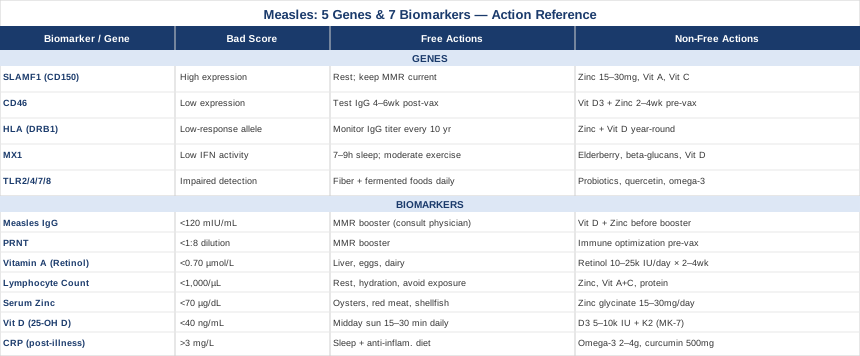
7 Biomarkers to Track for Measles Immunity and Recovery
Biomarker testing for measles is underused outside of outbreak investigations and clinical diagnosis. Yet for anyone who wants to verify their immunity status, track recovery, or identify nutritional vulnerabilities before exposure, these markers provide exactly the kind of actionable data that population-level guidance cannot. What follows prioritizes markers that are both meaningful and accessible, following the evidence-first approach championed by clinicians like Peter Attia and Thomas Dayspring for preventive health tracking.
1. Measles-Specific IgG Antibody Titer
Why it matters: Measles IgG is the primary marker of immunity, whether from prior infection or vaccination. It reflects the presence of antibodies capable of neutralizing the measles virus. A titer above 120–200 mIU/mL is generally considered protective, though the precise threshold varies by assay. Many adults vaccinated in childhood, particularly those who received only one dose before two-dose schedules became standard in the 1990s, may have titers that have drifted below protective levels without knowing it.
How to measure it: A standard blood draw measures measles IgG by enzyme-linked immunosorbent assay (ELISA). Cost ranges from $30–$80 out of pocket and is often covered when medically indicated. This test is available through most primary care providers and can also be ordered through direct-to-consumer lab services.
If the score is low — the plan without supplements: A titer below the protective threshold calls for review with your physician, who will typically recommend an MMR booster. No supplementation compensates for absent antibodies. Re-testing 4–6 weeks after a booster confirms whether the immune response was adequate.
If the score is low — the plan with supplements or equipment: While no supplement replaces the MMR vaccine, optimizing immune function before and after vaccination may support a stronger antibody response. Vitamin D3 (2,000–4,000 IU daily), zinc (15–30 mg daily, short-term), and adequate protein intake support B-cell function and antibody production. Timing: begin supplementation 2–4 weeks before a planned booster if possible, continue for 4 weeks after. Cycling: zinc should not exceed 40 mg/day and should not be taken continuously beyond 8 weeks without monitoring copper levels, as high-dose zinc depletes copper.
2. Neutralizing Antibody Titer (PRNT)
Why it matters: The Plaque Reduction Neutralization Test (PRNT) is the gold standard for assessing functional immunity to measles. Unlike standard IgG ELISA, which measures antibody quantity, PRNT measures whether those antibodies can actually neutralize live measles virus. It is more precise but more expensive, and primarily used in research settings, outbreak investigations, and cases where IgG results are ambiguous.
How to measure it: PRNT requires a specialized laboratory and is not routinely available through standard clinical channels. Cost ranges from $150–$400, usually requiring a physician order and referral to a public health or research laboratory. For most people, standard measles IgG is sufficient; PRNT becomes relevant when standard serology gives equivocal results or when precise immunity confirmation matters (e.g., before travel to outbreak-affected regions).
If the score is low — without supplements: Same protocol as IgG: discuss booster with your physician. PRNT results below 1:8–1:16 dilution are generally considered non-protective.
If the score is low — with supplements or equipment: No supplementation protocol directly raises PRNT. The focus should be on ensuring the immune system is in optimal condition before revaccination, as described under IgG above.
3. Serum Vitamin A (Retinol)
Why it matters: Vitamin A deficiency is one of the most consistently documented risk factors for severe measles and measles-related mortality. Retinol supports the integrity of mucosal barriers, modulates innate and adaptive immune responses, and is essential for recovery from measles-induced tissue damage. The World Health Organization recommends high-dose vitamin A supplementation for children with measles in settings where deficiency is prevalent — a practice based on evidence showing reduced complication rates and mortality. Even in high-income countries, subclinical deficiency exists in specific populations (malabsorption disorders, restrictive diets, inflammatory bowel disease).
How to measure it: Serum retinol is measured via blood draw. Deficiency is defined as < 0.70 µmol/L (< 20 µg/dL); insufficiency falls between 0.70–1.05 µmol/L. Cost: $30–$80. Routine ordering requires a physician's request, though direct-to-consumer testing is available in many regions.
If the score is low — without supplements: Increase dietary retinol from animal liver (beef or chicken liver is among the richest sources), eggs, and dairy. Beta-carotene from orange and dark leafy vegetables can partially compensate but is less efficient in people with certain polymorphisms in the BCMO1 gene, which limits beta-carotene conversion. During active measles infection, maintaining adequate hydration and caloric intake supports retinol mobilization from liver stores.
If the score is low — with supplements or equipment: Retinol palmitate or retinol acetate supplements are effective at correcting deficiency. Standard supplementation in adults: 10,000–25,000 IU/day for 2–4 weeks to correct documented deficiency, then reducing to a maintenance dose of 3,000–5,000 IU/day. Important cycling note: preformed vitamin A is fat-soluble and accumulates; do not exceed 10,000 IU/day long-term without monitoring serum retinol. Pregnant women should not exceed 10,000 IU/day due to teratogenic risk. During acute measles in pediatric settings, the WHO protocol uses high-dose supplementation (50,000–200,000 IU for two days based on age) — this clinical protocol should only be followed under medical supervision.
4. Lymphocyte Count (via Complete Blood Count)
Why it matters: Measles virus has a particular affinity for immune cells, especially lymphocytes bearing the SLAMF1 receptor. During acute infection, lymphopenia — an abnormally low lymphocyte count — is one of the hallmark findings and reflects direct viral destruction of immune cells. Monitoring lymphocyte count during and after measles provides insight into the severity of immune system involvement and recovery trajectory. A count below 1,000 cells/µL indicates significant immunosuppression; below 500 cells/µL signals serious risk.
How to measure it: A complete blood count (CBC) with differential is one of the most accessible and inexpensive tests in medicine. Cost: $10–$40 with a physician order, often included in standard panels. It is typically ordered during any acute febrile illness evaluation.
If the score is low — without supplements: Rest, adequate caloric intake, and hydration are the primary supports during the acute immunosuppressive phase. Avoid secondary exposures to other pathogens. Monitor for signs of bacterial superinfection (fever persisting beyond the typical measles course, productive cough, ear pain), which becomes more likely with severe lymphopenia.
If the score is low — with supplements or equipment: Recovery of lymphocyte counts after measles can take weeks to months depending on the initial severity. Supporting immune reconstitution includes: vitamin A and vitamin C (both support lymphocyte production and function); zinc (10–30 mg/day for 4–8 weeks) supports thymic function and T-cell maturation; adequate protein is essential for lymphocyte synthesis. Some integrative practitioners also use bovine colostrum as a source of immunoglobulins and growth factors supporting immune cell proliferation — evidence remains limited but the safety profile is good.
5. Serum Zinc
Why it matters: Zinc is central to the function of over 300 enzymes and plays a specific role in antiviral immune defense. Zinc-dependent proteins are involved in interferon signaling, natural killer cell activity, and T-cell differentiation. Low zinc has been independently associated with greater measles severity in pediatric populations. Like vitamin A, zinc deficiency is more common than commonly assumed, particularly in elderly individuals, people with inflammatory bowel disease, heavy alcohol users, and those on plant-based diets high in phytates (which inhibit zinc absorption).
How to measure it: Serum zinc is the most practical test, though it does not perfectly reflect total body zinc status (zinc is primarily intracellular). Reference range: 70–120 µg/dL for adults. Cost: $25–$60. Functional zinc testing (whole blood zinc, or RBC zinc) is more accurate but less widely available and costs $50–$100.
If the score is low — without supplements: Increase dietary zinc from red meat, shellfish (especially oysters, which are among the richest food sources), poultry, and legumes. Reduce phytate intake by soaking and sprouting grains and legumes before consumption, which improves zinc bioavailability.
If the score is low — with supplements or equipment: Zinc glycinate or zinc picolinate are the best-tolerated and most bioavailable forms. Dosing: 15–30 mg elemental zinc per day, taken with food to reduce nausea. Duration: 4–8 weeks to restore status, then reassess. Critical side effects and cycling notes: zinc supplementation above 40 mg/day over an extended period depletes copper, which can cause anemia and neurological symptoms. If supplementing zinc beyond 8 weeks, add 2–3 mg copper daily, or use a zinc/copper combination supplement. Zinc should be taken separately from iron supplements and at least two hours away from tetracycline antibiotics, which zinc binds and inactivates.
6. 25-OH Vitamin D
Why it matters: Vitamin D functions as an immune modulator, influencing both innate and adaptive immunity. Vitamin D receptors (VDR) are expressed on B cells, T cells, and macrophages; vitamin D upregulates antimicrobial peptides like cathelicidin and modulates inflammatory responses. While no study has directly linked vitamin D deficiency to measles severity with the strength of evidence seen for vitamin A, the broader immune-supporting role of vitamin D is well-established. A landmark 2017 BMJ meta-analysis of 25 randomized controlled trials found that vitamin D supplementation significantly reduced the risk of acute respiratory infections, particularly in those with baseline deficiency. Given measles' primary route of transmission via the respiratory tract, adequate vitamin D status is a reasonable immune priority.
How to measure it: Serum 25-hydroxyvitamin D (25-OH D) is the standard measure. Optimal range for immune function: 40–60 ng/mL (100–150 nmol/L). Cost: $30–$80. Widely available, often included in annual wellness panels.
If the score is low — without supplements: Regular midday sun exposure (15–30 minutes on arms and legs depending on skin tone and latitude) supports endogenous vitamin D synthesis. Dietary sources are limited but include fatty fish, cod liver oil, and egg yolks. This alone is rarely sufficient to correct significant deficiency.
If the score is low — with supplements or equipment: Vitamin D3 (cholecalciferol) is more effective than D2 at raising serum levels. Loading protocol for documented deficiency (< 20 ng/mL): 5,000–10,000 IU/day for 8–12 weeks, then retest and adjust to a maintenance dose of 2,000–4,000 IU/day. Always combine with vitamin K2 (100–200 mcg/day of MK-7 form) to direct calcium to bones rather than arterial walls — particularly important at higher doses taken long-term. Side effects are rare at these doses but can include hypercalcemia at very high doses over extended periods; periodic testing (every 3–6 months) keeps levels in the optimal range.
7. C-Reactive Protein (CRP) and Inflammatory Markers
Why it matters: CRP is an acute-phase reactant that rises sharply in response to infection and inflammation. During measles, elevated CRP reflects the intensity of the systemic inflammatory response. Tracking CRP helps distinguish uncomplicated measles (moderate elevation) from complicated disease involving bacterial superinfection or measles encephalitis (much higher elevation, often alongside clinical deterioration). Post-illness, CRP normalization confirms resolution of the acute inflammatory phase. Elevated CRP weeks after apparent recovery may signal complications or secondary infection.
How to measure it: High-sensitivity CRP (hs-CRP) is the preferred test. Reference ranges: < 1 mg/L (low risk), 1–3 mg/L (moderate), > 3 mg/L (high). During acute measles, levels above 40–80 mg/L are not uncommon. Cost: $15–$50. Standard in most clinical settings.
If the score is high after recovery — without supplements: Resolution follows recovery from infection. Prioritize sleep (7–9 hours), light movement as tolerated, and anti-inflammatory foods (fatty fish, colorful vegetables, olive oil) once appetite returns. Avoid NSAIDs routinely during acute measles in pediatric patients unless specifically directed by a physician, as they may mask fever needed for immune function.
If the score is persistently high — with supplements or equipment: For post-illness inflammatory persistence: omega-3 fatty acids (fish oil, 2–4 g EPA+DHA per day) have demonstrated CRP-lowering effects in meta-analyses of randomized trials. Curcumin with piperine (500–1000 mg/day) has anti-inflammatory evidence in human studies, though specific measles data is absent. Cycling: 8–12 week courses with a 4-week break. Monitor CRP every 6–8 weeks until it normalizes.
---
With biomarkers mapped, it is worth turning to the genetic layer — because knowing your numbers is more useful when you understand why they may be drifting in the first place.
The Genetics Behind Measles Susceptibility and Vaccine Response
Individual variation in measles outcomes — who gets seriously ill, whose vaccine response lasts decades, whose immunity wanes — is not random. A meaningful part of it is genetic. Research into measles receptor biology, interferon defense, and vaccine immunogenetics has identified several genes where common variants carry real functional consequences. These are not rare mutations; several are polymorphisms found in a substantial fraction of the population.
Gene 1: SLAMF1 (CD150) — The Primary Measles Entry Gate
What it does: Signaling Lymphocytic Activation Molecule Family Member 1 (SLAMF1), also called CD150, is the primary receptor through which wild-type measles virus enters immune cells — particularly T cells, B cells, and dendritic cells. Tatsuo et al. first demonstrated in 2000 that SLAM/CD150 serves as a cellular receptor for measles virus, identifying the molecular gateway through which the pathogen establishes infection in lymphocytes. Variants in SLAMF1 expression or structure can theoretically influence how efficiently measles virus gains entry to immune cells.
What variants may affect: Higher surface expression of SLAMF1 on lymphocytes may increase vulnerability to measles-induced lymphocyte destruction. Variants that reduce SLAMF1 expression or alter binding affinity could confer partial protection against lymphopenia. SLAMF1 also serves important roles in immune signaling beyond infection; it is involved in T-cell activation, B-cell differentiation, and NK cell function.
If the gene is unfavorable — the plan without supplements: SLAMF1 cannot be meaningfully altered through lifestyle, but its downstream consequences — severe lymphopenia during measles — can be mitigated. During any febrile illness: avoid secondary exposures, prioritize rest, and monitor lymphocyte counts closely. Ensuring full MMR vaccination history reduces the likelihood of wild-type measles exposure where SLAMF1 expression matters most.
If the gene is unfavorable — the plan with supplements or equipment: Supporting lymphocyte resilience: zinc (15–30 mg/day), vitamin A (3,000–5,000 IU/day as maintenance), and vitamin C (500–1,000 mg/day) support lymphocyte production and survival. If genetic testing reveals high SLAMF1 expression risk, these baseline supports are worth maintaining through infection season rather than starting only when sick. Note: individual SLAMF1 genetic testing is not routinely available through consumer platforms; most information comes from research or comprehensive genomic sequencing.
Gene 2: CD46 — The Vaccine Strain Receptor
What it does: CD46 (Cluster of Differentiation 46, also called Membrane Cofactor Protein) serves as the receptor used by laboratory-adapted and vaccine strains of measles virus, in contrast to SLAMF1 which wild-type virus primarily exploits. CD46 is broadly expressed across most human nucleated cells and plays a role in complement regulation — protecting cells from complement-mediated destruction. Its interaction with vaccine-strain measles virus is central to how attenuated vaccines establish a productive immune response without causing full disease.
What variants may affect: CD46 polymorphisms have been studied in relation to both measles vaccine immunogenicity and complement-related conditions. Variants that alter CD46 expression levels or binding affinity may influence how efficiently vaccine-strain measles replicates enough to generate a robust immune response without causing excessive cellular infection.
If the gene is unfavorable — the plan without supplements: Poor vaccine response due to CD46 variants is the most clinically relevant concern. The practical solution is verifying IgG titer 4–6 weeks post-vaccination. If titers remain below protective threshold despite full vaccination, discuss with your physician — in some cases a third MMR dose generates adequate response; in others, documented non-response requires other protective strategies (avoiding exposure, household vaccination to maintain ring immunity).
If the gene is unfavorable — the plan with supplements or equipment: Pre-vaccination immune optimization: vitamin D3 (2,000–4,000 IU/day), zinc (15–25 mg/day) starting 2–4 weeks before and continuing 4 weeks after vaccination may support a more robust antibody response. Evidence is indirect (based on studies of vaccine immunogenicity in nutritionally optimized vs. deficient populations) rather than CD46-specific. Avoid immune-suppressing factors in the week before vaccination: high-dose corticosteroids, heavy alcohol, significant sleep deprivation.
Gene 3: HLA Genes — Shaping the Adaptive Immune Response
What they do: Human Leukocyte Antigen (HLA) genes — particularly HLA-A, HLA-B, and HLA-DRB1 — encode the proteins that present viral peptides to T cells. The quality and breadth of the T-cell response to measles antigen, whether from infection or vaccination, is substantially shaped by HLA haplotype. Certain HLA alleles associate with stronger measles-specific T-cell responses; others associate with weaker responses. Research groups studying MMR vaccine immunogenetics, including work by Ovsyannikova and colleagues published in Human Immunology and Vaccine, have identified HLA-DRB1 variants that significantly correlate with variability in measles antibody titers post-vaccination.
What variants may affect: Individuals carrying low-response HLA haplotypes may achieve lower post-vaccination antibody titers and may experience faster titer waning over time. This does not mean immunity fails entirely, but it explains a proportion of the observed variability in population serology studies.
If the gene is unfavorable — the plan without supplements: The most direct response to a potentially low-response HLA profile is proactive titer monitoring — testing measles IgG every 10 years in adulthood rather than assuming childhood vaccination remains adequate. If titers are low, a booster restores protection. Documenting a booster vaccination and scheduling follow-up titer testing is the most practical management without any supplementation.
If the gene is unfavorable — the plan with supplements or equipment: Same immune-optimization principles apply around vaccination windows. Additionally, maintaining baseline zinc and vitamin D sufficiency year-round — rather than only around vaccination events — supports T-cell diversity and the quality of antigen presentation, which may partly compensate for HLA-related T-cell response limitations. HLA typing is available through ancestry/genomic platforms (23andMe, AncestryDNA provide HLA estimates; clinical HLA typing costs $100–$300).
Gene 4: MX1 — Interferon's Antiviral Enforcer
What it does: MX Dynamin-Like GTPase 1 (MX1) encodes MxA, a protein induced by type I interferons (IFN-α and IFN-β) that is one of the body's key antiviral defense mechanisms. MxA works by interfering with the nuclear import of viral genomic material — essentially trapping certain RNA viruses, including measles, before they can hijack cellular machinery for replication. MX1 expression is tightly linked to interferon signaling: when interferons are produced in response to viral detection, MX1 is rapidly upregulated.
What variants may affect: Polymorphisms in the MX1 promoter region have been associated with differential antiviral activity. Individuals carrying low-activity MX1 variants may generate a weaker early interferon response, giving measles virus a longer window for initial replication before adaptive immunity engages. This early window is critical — measles establishes a systemic infection before most immune defenses are fully mobilized.
If the gene is unfavorable — the plan without supplements: Sleep is one of the most powerful drivers of interferon production. Even one night of sleep deprivation significantly blunts IFN-α responses. Prioritizing 7–9 hours of sleep consistently, particularly during cold and flu season, keeps interferon signaling robust. Exercise at moderate intensity (30–45 minutes, 4–5 days/week) also supports innate immune function. Avoiding chronic alcohol use, which suppresses interferon production, is particularly important for individuals with weak MX1 variants.
If the gene is unfavorable — the plan with supplements or equipment: Several supplements support interferon pathway activity: Elderberry (Sambucus nigra) extract has shown interferon-stimulating activity in human cell studies, with clinical trials suggesting reduced viral illness duration; dose: 150–300 mg standardized extract daily during high-exposure periods. Beta-glucans (from baker's yeast or oats, 250–500 mg/day) prime innate immune activation. Vitamin D3 (maintaining levels above 40 ng/mL) directly supports interferon signaling via VDR pathways. Cycling: beta-glucans and elderberry can be used continuously through seasonal risk windows but taking a 2-week break monthly is reasonable to prevent immune habituation. These are supportive measures, not substitutes for vaccination.
Gene 5: TLR Variants — Innate Immune Detection
What they do: Toll-Like Receptors (particularly TLR2, TLR4, TLR7, and TLR8) are pattern recognition receptors that detect conserved molecular signatures of pathogens. TLR7 and TLR8 specifically recognize single-stranded RNA — the genomic material of measles virus — and trigger the downstream interferon and inflammatory cascades that constitute the first-wave antiviral response. Polymorphisms in TLR genes influence both the sensitivity of this detection system and the magnitude of the response it triggers.
What variants may affect: Reduced-function TLR7 or TLR8 variants have been associated with altered innate responses to RNA viruses in human studies. Interestingly, excessive TLR activity can also cause problems: some TLR4 variants that increase inflammatory sensitivity may contribute to more severe measles-associated inflammation. The relationship between TLR genotype and measles outcome is still being mapped in the literature, with most strong evidence coming from studies of related RNA viruses (influenza, RSV, SARS-CoV-2).
If the gene is unfavorable — the plan without supplements: Microbiome diversity is a key modulator of TLR activity and sensitivity. A diverse gut microbiome produces short-chain fatty acids and other metabolites that fine-tune TLR signaling, reducing excessive inflammatory responses while maintaining pathogen detection. Diet rich in fermented foods, prebiotic fiber (onions, garlic, chicory root, asparagus), and variety of plant foods supports microbiome-mediated TLR calibration.
If the gene is unfavorable — the plan with supplements or equipment: Probiotic supplementation (multi-strain products including Lactobacillus and Bifidobacterium species, 10–50 billion CFU/day) modulates TLR responsiveness from the gut. Quercetin (500–1,000 mg/day) has demonstrated TLR4 modulating activity in human studies, reducing excessive inflammatory signaling without impairing pathogen recognition. Omega-3 fatty acids (2–4 g EPA+DHA/day) support TLR4 modulation and reduce pro-inflammatory downstream signaling. Cycling: probiotics are generally safe long-term; quercetin can be used in 8-week cycles with a 2-week break. TLR genotyping is available through comprehensive genomic sequencing and some research-oriented consumer platforms.
---
Beyond what biomarkers and genes reveal in isolation, there is a body of recent science that fundamentally reframes how measles should be thought about — not just as an acute infection, but as a disease with lasting immune consequences that the medical mainstream has only recently begun to fully appreciate.
What Recent Research on Measles Immune Amnesia May Change for You
The Landmark Finding
In 2019, Mina and colleagues published a landmark study in Science demonstrating that measles infection causes profound and long-lasting depletion of pre-existing antibody memory — a phenomenon they termed "immune amnesia". Using protein microarrays capable of measuring antibody responses to hundreds of pathogens simultaneously, the team found that children who contracted measles lost between 11% and 73% of their prior pathogen-specific antibody repertoire. This memory loss persisted for months after recovery from the acute illness.
10 Things Worth Knowing About Measles Immune Amnesia
1. Measles is not just a temporary illness. The infection directly destroys long-lived memory B cells — the cells responsible for maintaining protective antibodies against diseases you have previously encountered or been vaccinated against. The measles virus's affinity for SLAMF1-expressing immune cells means it preferentially attacks precisely the cells that store immunological memory.
2. Recovery from acute measles does not mean immune recovery. Children who appeared to fully recover still showed dramatically reduced antibody diversity weeks to months later. The immune system was, in a real sense, partially reset — losing memory of encounters it had accumulated over years.
3. This explains historical patterns of childhood mortality. Pre-vaccine era childhood mortality from pneumonia, diarrheal illness, and other infections tended to spike in the 2–3 years following community measles outbreaks. Immune amnesia provides a mechanistic explanation: measles was leaving surviving children vulnerable not because of the virus itself, but because it had erased their defenses against everything else.
4. The effect scales with severity. Children who experienced more severe measles (higher viral burden, longer illness, more pronounced lymphopenia) lost a greater fraction of their prior antibody memory. This reinforces the importance of monitoring CBC and lymphocyte counts during measles — not just for immediate safety, but as a predictor of post-illness immune vulnerability.
5. Vaccination prevents immune amnesia entirely. Children who received MMR vaccination showed none of the antibody memory depletion seen in those who had natural measles infection. This finding adds an entirely new dimension to the case for vaccination — not just protection from measles itself, but preservation of the broader immune memory built over a lifetime.
6. Even adults who had measles decades ago may carry traces of this effect. If you contracted measles before vaccines were available or during a pre-vaccination childhood, your subsequent illness history may have been shaped in part by the immune amnesia it induced. Adults who had severe childhood measles may have acquired immunity to secondary pathogens more slowly than peers who avoided the disease.
7. Re-exposure risk is underappreciated. Someone who appears fully recovered from measles and tests clear on routine labs may still have substantially depleted pathogen-specific antibody repertoire. Standard clinical recovery criteria do not capture this. Broad immune reconstitution testing — which is not routinely done — would be required to quantify the loss.
8. Nutritional status modifies the depth of immune amnesia. Vitamin A deficiency amplifies measles severity and tissue damage. The more severe the initial infection, the greater the memory cell destruction. Maintaining vitamin A, vitamin D, and zinc sufficiency before and during illness may reduce the depth of immune amnesia by limiting the extent of lymphocyte destruction.
9. Immune reconstitution takes months, not days. After measles, naive B cells must re-encounter antigens and rebuild memory gradually — a process that can take 4–6 months or longer for partial restoration. During this window, the immune system is genuinely weakened against a broad spectrum of pathogens, not just measles. Practical implication: be especially vigilant about secondary infections and consider delaying elective medical procedures (which carry infection risk) for several months post-measles.
10. This research challenges the "once you've had it you're fine" narrative. The long-term consequence of measles infection extends well beyond the two-week illness. For anyone making decisions about measles vaccination — for themselves or their children — immune amnesia represents a documented, quantified long-term harm of natural infection that goes far beyond the acute illness itself.
---
The science of measles immunity is complemented by several evidence-based approaches that support immune function and recovery. The strongest candidates for measles-specific relevance are explored below.
Complementary Approaches for Immune Support and Recovery
Microbiome-Directed Therapies
The gut microbiome is now recognized as a central regulator of immune function, including the innate and adaptive responses relevant to measles. Approximately 70% of immune cells reside in gut-associated lymphoid tissue, where microbial signals continuously calibrate immune readiness. Dysbiosis — an imbalanced gut microbiome — is associated with impaired vaccine immunogenicity, heightened inflammatory responses, and slower recovery from viral infections. Measles itself causes gastrointestinal symptoms in many cases, which may transiently alter microbiome composition.
A 2018 randomized trial published in Cell found that dietary fiber intake and baseline gut microbiome composition significantly predicted immune responses to influenza vaccination — with high-fiber diets and diverse microbiomes associated with stronger responses. While measles-specific microbiome data is limited, the mechanistic overlap with viral immune responses is direct. Separately, clinical trials using probiotic supplementation during and after viral respiratory infections show reductions in illness duration and severity.
Practical application: prioritize prebiotic fiber (20–30 g/day from vegetables, legumes, and whole grains) and include fermented foods (yogurt with live cultures, kefir, sauerkraut, kimchi) daily. During and after measles illness, add a multi-strain probiotic (10–50 billion CFU) for 4–8 weeks to support microbiome restoration. Begin cautiously if the illness is severe — very high-dose probiotics are not appropriate during acute febrile illness in immunocompromised individuals.
Breathing-Based Therapies
Measles is a respiratory illness; the virus enters via the upper respiratory tract and spreads through droplets. In recovering patients, respiratory mucosa rehabilitation is often as important as systemic immune support. Breathing-based interventions — including diaphragmatic breathing, pursed-lip breathing, and slow-paced respiratory techniques — have documented effects on respiratory mucosal health, inflammatory cytokine profiles, and autonomic immune regulation.
A systematic review and meta-analysis published in Frontiers in Immunology (2022) examining breath-focused practices found that slow-paced breathing techniques reduce circulating pro-inflammatory markers including CRP and IL-6, while increasing heart rate variability — a marker of parasympathetic tone associated with better immune regulation. Though no study has tested breathing interventions in measles patients specifically, the respiratory recovery context makes this directly relevant.
The simplest protocol to begin post-illness: practice 4-7-8 breathing (inhale for 4 counts, hold for 7, exhale for 8) twice daily for 10 minutes. Alternatively, box breathing (4 counts each phase) performed in the morning supports daily autonomic calibration. Begin gently during early recovery when energy is limited; increase duration and pace as stamina returns. No equipment is required, though biofeedback devices (Muse headband, Garmin HRV tracking) can help confirm parasympathetic response improvement over time.
Mindfulness Meditation and MBSR
Chronic psychological stress suppresses immune function through cortisol-mediated lymphocyte inhibition, reduced natural killer cell activity, and impaired antibody response. During and after measles illness — which is often frightening for parents and distressing for adults — stress management is not merely a comfort measure but an immune consideration. Mindfulness-Based Stress Reduction (MBSR) has accumulated the strongest evidence among mind-body interventions for immune outcomes.
A landmark randomized controlled trial by Davidson et al. (2003) found that an 8-week MBSR program significantly increased antibody titers following influenza vaccination and was associated with greater left-sided prefrontal brain activation — a pattern linked to positive affect and immune competence. The vaccination-immunogenicity finding is directly relevant to anyone relying on MMR-derived protection.
Practical entry point: a standard 8-week MBSR course (online options are widely available for $30–$300) provides structured, evidence-based instruction. For a lower-commitment start during illness recovery: 10–20 minutes of guided body scan meditation daily using free apps (Insight Timer, Calm). The immune benefits of stress reduction accumulate over weeks; this is a practice with a 3–6 week onset for measurable physiological effects, not an acute intervention.
Chinese Herbal Medicine
Several Chinese herbal preparations with documented antiviral and immunomodulatory properties have been studied in the context of measles and related viral illnesses in the Chinese medical literature. Andrographis paniculata (Chuan Xin Lian), commonly used in traditional Chinese and Ayurvedic medicine for febrile viral illnesses, has demonstrated antiviral activity against measles virus in cell culture studies and has been used in clinical settings in East Asia during measles outbreaks. Isatis indigotica (Ban Lan Gen) is another herb with documented antiviral activity in Asian clinical research, though rigorous randomized trial data for measles specifically remains limited.
A 2017 systematic review examining herbal formula interventions in Chinese children with measles (published in the journal Evidence-Based Complementary and Alternative Medicine) found that certain preparations reduced fever duration and complication rates compared to supportive care alone, though the quality of included trials was variable. Most evidence comes from the Chinese literature and warrants cautious interpretation in an international context.
If exploring this avenue: consult a licensed practitioner in Traditional Chinese Medicine rather than self-prescribing. Andrographis standardized extracts are available in the Western market (600 mg/day of standardized extract containing 4–6% andrographolides) and are generally well-tolerated for short courses (up to 2 weeks). Caution: andrographis may interact with immunosuppressive medications and should be avoided in pregnancy. This approach is most relevant as supportive therapy during recovery, not as a primary treatment for active measles.
Relaxation Training and Progressive Muscle Relaxation
The physiological stress of both measles illness and the anxiety that surrounds it — particularly for caregivers of sick children — activates the sympathetic nervous system and suppresses immune recovery. Progressive Muscle Relaxation (PMR), a structured technique involving sequential tension and release of muscle groups, reduces sympathetic arousal and has documented effects on immune markers including Natural Killer cell activity and immunoglobulin secretion.
A randomized trial published in Brain, Behavior, and Immunity found that PMR training over 6 weeks led to improved NK cell cytotoxicity and reduced cortisol reactivity compared to control groups. In the context of post-measles immune reconstitution — when NK cells and lymphocytes are gradually rebuilding — any intervention that reduces cortisol-mediated immune suppression is meaningfully supportive.
PMR requires no equipment and can be learned from guided recordings (widely available free online) in one to two sessions. A standard protocol involves 20–30 minutes daily, working through 8–12 muscle groups from feet to head. Best applied in the evening to support sleep quality — itself a primary immune recovery tool. Side effects are negligible; the technique is appropriate for all ages, including children recovering from measles.
Conclusion
Measles is one of the most infectious diseases known, but its consequences — and your resilience against them — are not fixed. The biomarkers covered here, from measles IgG titers to vitamin A and zinc, give you concrete, testable numbers that translate directly into action. The genetic picture adds an explanatory layer: why some people's vaccine responses are stronger, why some encounter more severe lymphopenia, and why innate antiviral defenses vary so much from person to person.
The immune amnesia research shifts the frame entirely. Measles is not just a two-week illness. It is an event with documented month-long immune consequences that extend to the broad antibody memory built over years of prior exposure. That finding alone makes the case for vaccination — and for understanding your current immunity status — more compelling than it has ever been.
The most practical next step is straightforward: verify your measles IgG titer, assess your vitamin A, D, and zinc status, and discuss any gaps with your physician. If you had measles before vaccination was available, consider asking your doctor about broader immune function evaluation. None of this requires extraordinary resources — most of it starts with a single blood panel. Better data, even a few targeted numbers, reliably produces better decisions.