This article contains AI generated content.
· UpdatedMelioidosis Genes and Biomarkers: 5 Genes and 6 Biomarkers to Track
Introduction
Melioidosis sits in an uncomfortable place in modern medicine — serious enough to carry a significant mortality rate in endemic regions, yet overlooked enough that many people who develop it, or who are at genuine risk, receive little guidance beyond broad-stroke infection control advice. If you live in Southeast Asia or northern Australia, or have traveled through these regions, the name Burkholderia pseudomallei may already be familiar to you. For everyone else, this pathogen remains almost invisible — and that's part of the problem.
What most general advice misses is that not everyone exposed to B. pseudomallei gets sick, and not everyone who gets sick follows the same clinical course. Individual risk is shaped by underlying conditions like diabetes, chronic kidney disease, and excessive alcohol use — but also by genetic variations that influence how the immune system recognizes and responds to this bacterium. Two people with similar exposure histories can have wildly different outcomes, and the difference often comes down to biology that goes unexamined.
This article takes a more precise approach. Rather than restating the general population risks, it focuses on the specific biomarkers most useful for tracking severity, monitoring treatment, and supporting recovery — and on the genetic variants that shape individual susceptibility. Both layers of information are emerging from a growing body of research centered primarily in Thailand, Australia, and the UK, and while some findings are still preliminary, the picture is becoming clearer.
The goal here is not to replace clinical management. Melioidosis is a serious infection that requires proper antibiotic treatment and medical supervision. But understanding the signals your body is sending — through lab markers, genetic predispositions, and immune function indicators — can sharpen the conversation with your healthcare team and help you make more informed decisions at every step.
Summary
This article covers two main biological lenses for understanding melioidosis risk and recovery. The biomarker section identifies six key lab values — including procalcitonin, serum albumin, and ferritin — that reveal disease severity, treatment response, and potential complications, with specific guidance on what to do when each marker is out of range. The genetics section examines five gene variants (TLR2, TLR4, TNF-α, IL-10, MBL2) that influence immune recognition of Burkholderia pseudomallei and may explain why some individuals are far more vulnerable than others. Beyond these two core strategies, the article also summarizes immune optimization research relevant to people managing melioidosis risk or recovering from it — drawing on protocols from researchers like Andrew Huberman — and reviews four complementary modalities with the strongest clinical rationale for this condition, including microbiome therapy after long antibiotic courses and breathing rehabilitation for pulmonary complications. If you have been diagnosed, are recovering, or simply want to understand your risk profile more deeply, the information here gives you a structured starting point.
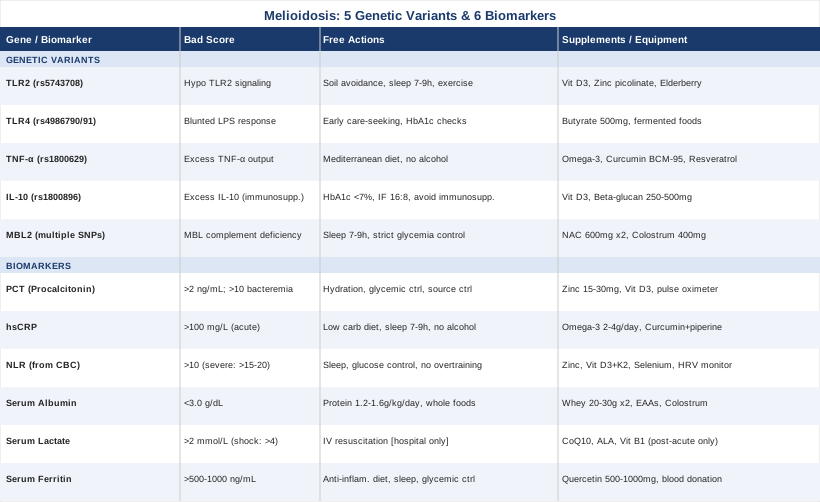
6 Biomarkers to Track in Melioidosis
Biomarkers matter in melioidosis because this infection is exceptionally good at mimicking other conditions — tuberculosis, community-acquired pneumonia, even septicemia of unclear origin. By the time a culture result confirms B. pseudomallei, critical hours may have passed. The six biomarkers below serve multiple functions: some assist with early recognition, others track severity, and several guide the long treatment course that follows diagnosis. Together they form a practical monitoring framework for patients, clinicians, and anyone at elevated risk.
1. Procalcitonin (PCT)
Why it matters: Procalcitonin is the most specific serum marker for bacterial infection and sepsis. In melioidosis, PCT rises in proportion to bacterial load and systemic inflammation. Studies from northeastern Thailand — where melioidosis is hyperendemic — have shown that PCT values above 10 ng/mL correlate strongly with bacteremia and predict worse outcomes. It also responds faster than CRP to antibiotic therapy, making it useful for tracking treatment response during the intensive phase of care.
How to measure it: PCT is measured through a standard venous blood draw. It is available in most hospital laboratories and increasingly in reference labs. Cost ranges from $40 to $100 USD depending on the facility and country. Point-of-care devices now exist for rapid testing in clinical settings, though these are less common outside hospitals.
If the score is bad, the plan without supplements: A PCT above 2 ng/mL warrants immediate medical escalation. The first priority is confirming the infectious source through blood cultures and imaging. If melioidosis is suspected clinically or epidemiologically, treatment should not wait for culture results. Current guidelines recommend intravenous ceftazidime or meropenem for the intensive phase. Non-supplement strategies to support PCT normalization include adequate hydration, early source control (drainage of abscesses if present), and strict glycemic management, since uncontrolled diabetes significantly impairs bacterial clearance.
If the score is bad, the plan with supplements or equipment: There is no supplement that directly lowers PCT — doing so artificially without treating the underlying infection would be counterproductive. However, micronutrients that support innate immune function may help the body clear infection more effectively when used adjunctively: zinc (15–30 mg/day with food) supports neutrophil and macrophage function; vitamin D3 at 2000–4000 IU/day has immune-regulatory effects relevant to bacterial infections. These should be used as support, not treatment. Home pulse oximeters are useful to detect early respiratory compromise in pulmonary melioidosis and should be used daily during acute illness.
2. High-Sensitivity C-Reactive Protein (hsCRP)
Why it matters: CRP is a liver-produced acute-phase protein that rises rapidly in response to bacterial infection and tissue damage. In melioidosis, CRP is consistently elevated — often dramatically so — and its trajectory over the course of antibiotic treatment reflects how well the body is clearing infection. While less specific than PCT, hsCRP is more widely available and affordable, making it the practical first-line inflammatory marker in lower-resource settings. It also has value in the eradication phase of treatment (oral co-trimoxazole for 3–6 months) where PCT is rarely re-measured.
How to measure it: Standard blood draw; available at virtually all labs worldwide. hsCRP (high-sensitivity) costs $15–35 USD. Regular CRP is cheaper but less precise at lower values. Baseline testing every 2–4 weeks during eradication therapy is practical.
If the score is bad, the plan without supplements: During acute disease, CRP should be expected to be elevated (often >100 mg/L) and will decline with appropriate antibiotics. If CRP remains persistently elevated or rises again after initial treatment, this suggests treatment failure, relapse, or a secondary focus of infection (undrained abscess, osteomyelitis). These scenarios require imaging reassessment and discussion with an infectious disease specialist. Lifestyle inputs during recovery — limiting refined carbohydrates, prioritizing sleep (7–9 hours), reducing alcohol consumption — all reduce baseline inflammatory burden and support faster normalization.
If the score is bad, the plan with supplements or equipment: Omega-3 fatty acids (2–4 g/day of EPA+DHA combined) have documented anti-inflammatory effects and can help reduce background CRP over 4–8 weeks. Cycle after 12 weeks with a 4-week break. Curcumin with piperine (500–1000 mg/day) has modest CRP-lowering evidence in chronic inflammatory conditions — relevant during the long eradication phase. Side effects of omega-3 at high doses include mild bleeding risk; take with food.
3. Neutrophil-to-Lymphocyte Ratio (NLR) from CBC
Why it matters: The NLR — calculated simply by dividing the absolute neutrophil count by the absolute lymphocyte count from a standard complete blood count — has emerged as one of the most practical prognostic tools in melioidosis and sepsis broadly. A high NLR (above 10) reflects both the overwhelming neutrophilic response to acute infection and the simultaneous lymphopenia that develops under severe physiological stress. Research on sepsis and severe bacterial infections consistently shows that a high NLR at hospital admission predicts longer stays, higher complication rates, and increased mortality. In melioidosis specifically, lymphopenia is an independent predictor of 28-day mortality.
How to measure it: No separate test is needed — the NLR is derived from a complete blood count (CBC) with differential, which costs $20–50 USD and is standard in virtually any clinical setting. Calculate it yourself: neutrophils (%) ÷ lymphocytes (%). A ratio above 10 at presentation warrants closer monitoring; above 15–20 suggests severe systemic involvement.
If the score is bad, the plan without supplements: An elevated NLR at diagnosis is a signal to increase monitoring intensity, not a separate treatment target. Clinically, it should trigger daily reassessment and lower the threshold for ICU evaluation. During recovery, the NLR should be trended — normalization toward 2–4 over the first 1–2 weeks of treatment indicates an appropriate response. If it doesn't normalize, investigate for secondary infections or immunosuppression. Prioritizing sleep, avoiding overtraining, and managing blood glucose all support lymphocyte recovery.
If the score is bad, the plan with supplements or equipment: Lymphocyte function depends heavily on adequate zinc, vitamin D, and selenium. Selenium (100–200 mcg/day) as selenomethionine supports NK cell activity; cycle 8 weeks on, 4 weeks off due to narrow therapeutic window. Vitamin D3 at 4000 IU/day (with K2 100 mcg) supports T-lymphocyte differentiation. Wearable heart rate variability (HRV) monitors (such as Oura ring or Garmin HRV status) provide a real-time proxy for immune and autonomic recovery — persistent low HRV during the eradication phase is an early sign of ongoing physiological burden.
4. Serum Albumin
Why it matters: Albumin is one of the most consistently cited prognostic markers in melioidosis outcomes research. Low serum albumin — a reflection of both malnutrition and the acute-phase response that redirects protein synthesis away from albumin — has been associated with significantly higher mortality in patients with melioidosis, particularly in Thailand and Australia. Studies from the Mahidol-Oxford Tropical Medicine Research Unit have identified hypoalbuminemia as an independent predictor of death, even after adjusting for other factors. It also reflects the body's protein-synthesizing capacity, which is critical for immune cell production and tissue repair during the long recovery period.
How to measure it: Serum albumin is included in most comprehensive metabolic panels. Cost ranges from $15–40 USD. Normal range is typically 3.5–5.0 g/dL. Values below 3.0 g/dL at admission are particularly concerning in the context of melioidosis.
If the score is bad, the plan without supplements: Low albumin during acute illness is partly driven by the inflammatory response itself and will improve with successful infection treatment. However, nutritional rehabilitation is critical. Adequate protein intake — at minimum 1.2–1.6 g of protein per kilogram of body weight per day — is essential during the eradication phase. Whole food protein sources (eggs, fish, poultry, legumes) are preferable to ultra-processed protein products. In patients with co-existing diabetes, coordinating with a registered dietitian to optimize protein without spiking blood glucose is important.
If the score is bad, the plan with supplements or equipment: Whey protein supplementation (20–30 g twice daily) is one of the most evidence-supported strategies for raising albumin in malnourished patients; cycle 8–12 weeks, reassess. Essential amino acid blends (EAAs, 10–15 g/day) are an alternative with good tolerability. Colostrum supplements have some evidence for supporting gut barrier function and protein absorption in infection recovery contexts. Side effects of high-dose whey in those with renal compromise (common in melioidosis patients) include increased filtration burden — check creatinine before supplementing aggressively.
5. Serum Lactate
Why it matters: Lactate is a direct marker of tissue hypoperfusion — the point at which organs are not receiving enough oxygenated blood to function normally. In the context of septic melioidosis, elevated serum lactate (above 2 mmol/L) signals that the infection has overwhelmed compensatory mechanisms and is disrupting cellular metabolism. Lactate above 4 mmol/L defines septic shock and is associated with very high mortality without immediate aggressive resuscitation. It is a real-time severity marker that guides fluid therapy and escalation decisions in emergency settings.
How to measure it: Point-of-care lactate testing is available in most emergency departments and costs $20–50 USD. Serial measurements every 2–4 hours during active resuscitation are standard of care in septic patients. Home measurement is not practical; this is a hospital-based biomarker during acute illness.
If the score is bad, the plan without supplements: Elevated lactate during melioidosis sepsis is a medical emergency. The response is clinical: aggressive IV fluid resuscitation (targeting lactate clearance of >10% over 2 hours), vasopressors if MAP remains below 65 mmHg, and immediate initiation of IV meropenem or ceftazidime. No lifestyle or supplement intervention addresses acute hyperlactatemia — this marker belongs entirely to the acute care domain. During recovery, lactate normalization is expected within 24–72 hours of effective resuscitation and should be confirmed before any step-down from intensive care.
If the score is bad, the plan with supplements or equipment: In the recovery phase (post-acute), mitochondrial support through CoQ10 (100–200 mg/day with fat-containing meal) and alpha-lipoic acid (300–600 mg/day in split doses) supports cellular energy metabolism, which can remain impaired for weeks after sepsis. B-complex vitamins — particularly B1 (thiamine 100 mg/day) and B2 — are important cofactors for lactate metabolism. Cycling: 8 weeks on, 2–4 weeks off for CoQ10. Side effects: ALA can lower blood glucose — monitor in diabetics.
6. Serum Ferritin
Why it matters: Ferritin is an iron-storage protein that also functions as an acute-phase reactant, rising dramatically during severe infections and systemic inflammation. In melioidosis, highly elevated ferritin (above 500–1000 ng/mL) reflects macrophage activation and a state of intense cytokine release. Some patients with very severe disease develop macrophage activation syndrome (MAS), a potentially fatal complication in which ferritin can rise to tens of thousands of ng/mL. Even at more moderate elevations, ferritin provides a useful window into the severity of the host inflammatory response — distinct from what PCT and CRP capture.
How to measure it: Ferritin is part of an iron panel or can be ordered alone; costs $20–50 USD. Optimal range in adults is approximately 30–150 ng/mL for women and 30–300 ng/mL for men in non-infectious conditions. During active melioidosis, very high values are expected — the clinical concern is values that remain persistently elevated during treatment or continue rising despite antibiotics.
If the score is bad, the plan without supplements: Extremely high ferritin requires evaluating for macrophage activation syndrome, which would need specialist management (sometimes involving corticosteroids or other immunomodulatory agents alongside antibiotics). For moderate persistent elevation during recovery, the same strategies that lower systemic inflammation apply: glycemic control, sleep optimization, moderate-intensity physical activity as tolerated, and anti-inflammatory dietary patterns (Mediterranean-style, low processed food, high polyphenols).
If the score is bad, the plan with supplements or equipment: Quercetin (500–1000 mg/day) has iron-chelating properties and has shown modest ferritin-lowering effects in early research. Cycle 8 weeks with 4-week break; take away from meals. Important caveat: do not use supplements aimed at reducing ferritin if the baseline is low or normal, as iron deficiency can develop. Regular blood donation (if medically cleared post-illness) also reduces ferritin over time. Avoid iron-containing supplements during active infection — elevated ferritin is partly protective, as the body is deliberately sequestering iron away from the bacteria.
The Genetic Side: 5 Variants That Shape Your Risk
Understanding the biomarker picture is one level of analysis. Understanding the genetic context that sits beneath it adds another. Host genetics in melioidosis remain an active research area, with most studies conducted in Southeast Asian populations where the disease is endemic. The genes below are not fate determinants — they shift probabilities, not certainties. But knowing your variant status can inform targeted prevention and immune optimization strategies.
Gene 1: TLR2 (rs5743708)
What it affects: Toll-like receptor 2 is a frontline pattern-recognition receptor on immune cells. It detects lipoproteins on the surface of Burkholderia pseudomallei and initiates the innate immune alarm. The rs5743708 variant (Arg753Gln) reduces TLR2 signaling efficiency, meaning the immune system may be slower to mount an initial response against the bacterium. Early human studies from Thai populations have shown associations between certain TLR2 polymorphisms and altered susceptibility to intracellular bacterial infections.
If the gene is bad, the plan without supplements: If you carry a hypofunctional TLR2 variant and live in or travel to endemic areas, reducing soil and water exposure is paramount — wear closed shoes, avoid soil exposure after rain, and treat even minor cuts promptly. Optimizing sleep (7–9 hours per night) significantly supports innate immune responsiveness at the cellular level. Consistent moderate aerobic exercise (150 minutes per week) upregulates TLR expression on immune cells in healthy individuals.
If the score is bad, the plan with supplements or equipment: Vitamin D3 (2000–5000 IU/day depending on baseline 25-OH-D levels) has documented effects on TLR expression and innate immune priming. Zinc picolinate (25–30 mg/day, cycle 8 weeks on, 4 weeks off) supports macrophage TLR function. Elderberry extract (600 mg/day during high-exposure periods) has some evidence for supporting innate immune priming, though direct TLR2 data is limited.
Gene 2: TLR4 (rs4986790/rs4986791)
What it affects: TLR4 recognizes lipopolysaccharide (LPS), a component of gram-negative bacterial cell walls including B. pseudomallei. The co-segregating variants Asp299Gly (rs4986790) and Thr399Ile (rs4986791) produce a hyporesponsive TLR4 receptor that generates a blunted initial inflammatory signal in response to LPS. This hyporesponsiveness has a dual edge: it may reduce immunopathology but also delay bacterial clearance. These variants are more common in individuals of European descent and are linked to altered susceptibility to gram-negative sepsis broadly.
If the gene is bad, the plan without supplements: People with hyporesponsive TLR4 variants should prioritize aggressive early care-seeking at any sign of infection during travel to endemic zones — the typical fever and inflammation signals that prompt people to seek care may be blunted. Maintaining up-to-date health checks including fasting glucose and HbA1c is important, as diabetes dramatically amplifies the risk that TLR4 hyporesponsiveness creates.
If the score is bad, the plan with supplements or equipment: Butyrate (as sodium butyrate 500–1000 mg/day or from a high-fiber diet) supports intestinal TLR4 signaling and mucosal immunity. Fermented foods (kefir, kimchi) also modulate TLR4 tone through gut microbiome pathways. Cycling: ongoing for dietary sources; supplement for 12 weeks with 4-week break. Side effects: butyrate is generally well tolerated; GI bloating at higher doses is the main complaint.
Gene 3: TNF-α (-308 G/A, rs1800629)
What it affects: Tumor necrosis factor-alpha is a master cytokine in bacterial infection response. The -308 G>A promoter polymorphism (rs1800629) is associated with higher baseline TNF-α production — which sounds protective, but in severe infections can contribute to excessive cytokine release, amplifying tissue damage and organ dysfunction beyond what the bacteria cause directly. In tropical infections including melioidosis, TNF-α -308 A allele carriers may face higher risk of immunopathological complications during severe disease. Evidence remains mostly from sepsis research broadly rather than melioidosis specifically.
If the gene is bad, the plan without supplements: Carriers of the A allele should prioritize anti-inflammatory lifestyle strategies that reduce baseline TNF-α output: a Mediterranean-style diet, consistent aerobic exercise, stress reduction, and avoidance of excess alcohol (a direct TNF-α inducer). These reduce the inflammatory starting point from which a severe infection escalates.
If the score is bad, the plan with supplements or equipment: Omega-3 fatty acids (EPA+DHA at 2–4 g/day) directly suppress TNF-α production and have good long-term safety. Curcumin (BCM-95 formulation, 500 mg twice daily) is one of the better-studied TNF-α modulators; cycle 12 weeks on, 4 weeks off. Resveratrol (250–500 mg/day) has NF-κB inhibitory effects that reduce TNF-α downstream signaling — evidence is stronger in animal models than humans, so expectations should be modest. Side effects: omega-3 thins blood at high doses; discontinue 1 week before any elective surgery.
Gene 4: IL-10 (rs1800896)
What it affects: Interleukin-10 is the primary anti-inflammatory counter-regulatory cytokine in bacterial infections. Too little IL-10 leads to runaway inflammation; too much impairs bacterial clearance by dampening macrophage activation. The -1082 G/A promoter variant (rs1800896) influences IL-10 expression levels. High IL-10 producers (GG genotype) may have impaired ability to kill intracellular bacteria like B. pseudomallei, which survives inside macrophages. This represents a genuine tension: IL-10 protects against immunopathology but can create an immunosuppressive environment the bacterium exploits.
If the gene is bad, the plan without supplements: High IL-10 producers should be especially vigilant about the conditions that compound immunosuppression: poorly controlled diabetes (optimizing HbA1c to below 7%), avoiding immunosuppressive medications where possible, and discussing prophylaxis options with a physician when traveling to endemic areas. Intermittent fasting (16:8 protocol) has shown modest immunostimulatory effects in some research, potentially counterbalancing excess IL-10 tone.
If the score is bad, the plan with supplements or equipment: Vitamin D3 fine-tunes IL-10 regulation rather than simply suppressing or stimulating it, making it particularly relevant here (2000–4000 IU/day). Beta-glucan (from oats or mushrooms, 250–500 mg/day) stimulates macrophage activity through non-IL-10 pathways, providing immune activation that bypasses the IL-10 suppression. Cycling: 8 weeks on, 4 weeks off for beta-glucan. Note: evidence here is largely mechanistic; direct clinical data in melioidosis IL-10 polymorphism carriers does not yet exist.
Gene 5: MBL2 (Mannose-Binding Lectin)
What it affects: Mannose-binding lectin is a soluble innate immune protein that directly recognizes carbohydrate patterns on bacterial surfaces and activates complement. MBL2 deficiency — caused by a range of well-characterized single nucleotide polymorphisms in the MBL2 gene — is one of the most common human immune deficiencies, affecting up to 10–15% of some populations. Research published in the Journal of Infectious Diseases has found that MBL deficiency is associated with increased susceptibility to gram-negative bacterial infections and impaired opsonization of pathogens including those related to Burkholderia species. MBL is a particularly relevant gene in the context of diabetes, which also impairs complement function.
If the gene is bad, the plan without supplements: MBL-deficient individuals can partially compensate through upregulating alternative complement pathways, which requires adequate serum zinc, magnesium, and vitamin D. Prioritizing consistent sleep (7–9 hours) and managing glycemia rigorously are the most evidence-backed behavioral compensators. Given that MBL deficiency compounds the diabetes-melioidosis risk link, HbA1c monitoring every 3–6 months is advisable for carriers of MBL2 deficiency variants in endemic areas.
If the score is bad, the plan with supplements or equipment: N-acetylcysteine (NAC, 600 mg twice daily) supports complement activation pathways and macrophage oxidative burst — relevant for compensating complement deficiency. Cycle 8 weeks on, 2–4 weeks off. Colostrum (400–500 mg/day) provides preformed immune complexes including lectins that may partially compensate for reduced endogenous MBL. Evidence for MBL-specific compensation through supplements remains early; these should be viewed as supportive rather than definitive.
Immune Optimization Research You Should Know About
Moving from genetics and lab markers into the practical daily protocols that support immune resilience, a growing body of neuroscience and physiology research — most accessibly synthesized by Andrew Huberman and his collaborators — offers a systems-level view of how to strengthen the immune conditions that matter for melioidosis risk and recovery.
The Huberman Framework for Infection Resilience
Huberman has published extensively accessible research summaries on how the autonomic nervous system, sleep architecture, and circadian regulation interact with immune function. While no episode targets melioidosis specifically, his Huberman Lab Podcast episode "How to Prevent & Treat Colds and Flu" and the companion episode on immune system function draw heavily from peer-reviewed immunology and are directly applicable to anyone seeking to reduce susceptibility to bacterial infection. Here are the ten most impactful insights, applied to the melioidosis context:
1. Sleep Timing Is as Important as Sleep Duration
Sleeping before midnight optimizes release of growth hormone and prolactin, both of which support T-lymphocyte regeneration. A melioidosis patient on long-term co-trimoxazole therapy — which depletes certain immune populations — benefits disproportionately from consistent, early sleep timing.
2. Brief Cold Exposure Upregulates Norepinephrine and Innate Immunity
Cold water exposure (30–90 seconds of cold shower or cold plunge at 55–60°F) triggers norepinephrine release, which transiently activates innate immune cells. Huberman references the Kox et al. study showing trained cold-and-breathing participants had reduced inflammatory responses to endotoxin. This protocol is potentially useful during recovery — not during acute illness.
3. Nasal Breathing Reduces Infection Risk
Nasal breathing filters and conditions inhaled air, increases nitric oxide concentration (which has antimicrobial properties), and reduces respiratory infection risk. Consistent nasal breathing during exercise and sleep is particularly relevant for pulmonary melioidosis prevention and recovery.
4. Moderate Exercise Enhances Immune Surveillance; Overtraining Suppresses It
There is a U-shaped relationship between exercise intensity and immune function. Moderate-intensity cardio (zone 2, 150–180 minutes per week) upregulates natural killer cell activity. Intense training exceeding 90–120 minutes per session temporarily suppresses secretory IgA and creates an open window for infection. This nuance matters especially during the eradication phase of melioidosis treatment.
5. Stress Chronically Suppresses IL-2 and T-Cell Proliferation
Chronic psychological stress, mediated by cortisol, directly suppresses the IL-2 pathway critical for T-cell expansion. Managing stress is not merely psychological self-care — it is immunologically necessary for anyone who has survived severe infection and is rebuilding immune competence.
6. Vitamin D3 + K2 Is the Most Under-Corrected Immune Variable
Huberman consistently emphasizes that vitamin D deficiency — affecting an estimated 40–50% of adults globally — is the most underappreciated modifiable immune variable. For melioidosis susceptibility, vitamin D's role in macrophage activation (including the cathelicidin pathway) directly applies. Target 25-OH-D levels of 40–60 ng/mL.
7. Deliberate Breathing Protocols Modulate Inflammatory Tone
Cyclic sighing (5 minutes of double-inhale-then-long-exhale breathing) reduces cortisol and activates the parasympathetic nervous system, reducing pro-inflammatory signaling. Daily practice during the long oral treatment phase supports immune regulation.
8. Light Exposure in the First Hour After Waking Anchors Cortisol Rhythm
Morning bright light (10 minutes of outdoor light within 30–60 minutes of waking) anchors the cortisol awakening response, which Huberman identifies as a key driver of daytime immune alertness. Disrupted cortisol rhythm, common in hospitalized or severely ill patients, impairs immune coordination.
9. Fasting Protocols May Support Immune Recycling Through Autophagy
Periods of fasting (12–16 hours) trigger autophagy — cellular recycling — which clears dysfunctional immune cells and supports renewal. This is relevant during recovery from severe melioidosis, where immune cell populations may have been significantly depleted or dysregulated.
10. Gut Health Is the Downstream Target of Almost Every Protocol
Huberman synthesizes research from Sonnenburg, Sonnenburg, and Sonnenburg demonstrating that a high-fiber, fermented-food diet increases microbiome diversity and systemic IgA levels — foundational for mucosal immunity. After the prolonged antibiotic courses required in melioidosis, intentional microbiome rehabilitation is not optional — it is a prerequisite for restoring systemic immune competence.
Complementary Approaches Worth Considering
The following modalities each have meaningful clinical rationale for people managing melioidosis — either during the prolonged treatment phase, in recovery, or for long-term risk reduction. None replaces antibiotic therapy. All can be integrated thoughtfully alongside standard care.
Microbiome-Directed Therapies
Melioidosis treatment requires some of the longest antibiotic courses in infectious disease medicine: 10–14 days of IV ceftazidime or meropenem, followed by 3–6 months of oral co-trimoxazole. This extended antibiotic exposure devastates the gut microbiome, with documented reductions in microbial diversity, loss of short-chain fatty acid producers, and increased susceptibility to opportunistic pathogens like Clostridioides difficile. The gut microbiome, in turn, is tightly coupled to systemic immune tone — microbiome disruption compounds the immune vulnerability that melioidosis itself creates.
A meta-analysis in Alimentary Pharmacology and Therapeutics demonstrated that probiotic supplementation alongside antibiotic therapy significantly reduced antibiotic-associated diarrhea and C. difficile incidence. Lactobacillus rhamnosus GG and Saccharomyces boulardii are the strains with the strongest evidence base for this purpose.
In practice: begin a high-quality multi-strain probiotic (10–50 billion CFU/day) at the start of the eradication phase and continue for 4–8 weeks after antibiotics conclude. Take probiotics 2 hours away from antibiotics to reduce antagonism. Add fermented foods (kefir, kimchi, live-culture yogurt) daily where tolerated. Post-antibiotic dietary emphasis on prebiotic fibers (oats, leeks, garlic, legumes) helps re-establish butyrate-producing bacteria. Side effects are generally mild — increased gas initially, resolving within 1–2 weeks.
Breathing-Based Therapies
Pulmonary melioidosis — presenting as pneumonia, lung abscess, or chronic cough — occurs in over 50% of melioidosis cases. Even after successful antibiotic treatment, residual lung impairment, reduced respiratory muscle strength, and ventilatory inefficiency are common, particularly in patients who required intensive care. Breathing rehabilitation directly addresses these sequelae and can meaningfully accelerate functional recovery.
A randomized controlled trial published in Respiratory Medicine demonstrated that structured breathing exercises significantly improved FEV1, lung volumes, and quality of life in post-pneumonia patients. Pursed-lip breathing, diaphragmatic breathing, and inspiratory muscle training were the main modalities studied. These findings are directly applicable to post-melioidosis pulmonary recovery.
Practically: begin breathing rehabilitation once medically cleared (typically 4–6 weeks after acute discharge). Daily practice of 10–15 minutes of diaphragmatic breathing in the morning, followed by 5–10 minutes of pursed-lip breathing, provides a structured starting point. An inspiratory muscle training device (threshold IMT) used for 5 minutes twice daily at 30% of maximal inspiratory pressure is evidence-supported for post-ICU respiratory muscle weakness. Escalate under supervision of a respiratory physiotherapist if any exercise intolerance, dyspnea, or oxygen desaturation persists.
Chinese Herbal Medicine
Chinese herbal medicine (CHM) has a long tradition of use in bacterial infection management and immune modulation, and several well-characterized herbal compounds — Astragalus membranaceus, Andrographis paniculata, and Scutellaria baicalensis — have undergone modern pharmacological investigation with relevance to intracellular bacterial infections and sepsis recovery. The evidence is primarily from in vitro and animal studies, with a smaller number of clinical trials in related conditions. Direct clinical evidence in melioidosis does not yet exist, so this modality should be viewed as supportive adjunct care under qualified supervision.
Andrographis paniculata extract has been studied in multiple randomized trials for bacterial respiratory infections, with a systematic review in Phytomedicine showing reduced duration and severity of respiratory symptoms. Astragalus (Huang Qi) has documented immunostimulatory properties, including upregulation of macrophage and NK cell activity. These are relevant to the immune restoration phase of melioidosis recovery.
In practice: any CHM use during active antibiotic treatment should be disclosed to and reviewed by the treating physician, as herb-drug interactions (particularly with co-trimoxazole) are possible. Andrographis at 400 mg standardized extract (10% andrographolide) daily can be considered during the recovery phase — 8 weeks on, 4 weeks off. Astragalus root extract (500–1000 mg daily) is appropriate as longer-term immune support for at-risk individuals in endemic areas. Avoid unverified compound formulations; stick to standardized single-herb preparations from reputable sources.
Mindfulness Meditation / MBSR
The association between psychological stress and immune suppression is mechanistically established: chronic stress elevates cortisol, which suppresses lymphocyte proliferation, reduces natural killer cell cytotoxicity, and impairs vaccine responses. For melioidosis patients — many of whom emerge from severe sepsis, prolonged hospitalization, and months of antibiotic treatment with significant psychological burden — the immune consequences of unmanaged stress during recovery are not trivial.
Mindfulness-Based Stress Reduction (MBSR) is the most rigorously studied meditation protocol for immune outcomes. A randomized trial published in Brain, Behavior, and Immunity demonstrated that an 8-week MBSR program significantly reduced pro-inflammatory cytokine levels and improved psychological well-being in adults with chronic health challenges. These effects are directly relevant to post-sepsis immune normalization.
The standard MBSR protocol involves 45-minute daily practice over 8 weeks, with a structured curriculum of body scan, sitting meditation, and mindful movement. In the context of post-melioidosis recovery, starting with 10–15 minutes daily and building to the full protocol is realistic. Free MBSR curricula are available through academic medical centers; structured apps (Insight Timer, Waking Up) provide guided sessions. The commitment is modest relative to the immune benefit; the evidence for chronic inflammation reduction is among the strongest of any behavioral intervention.
Conclusion
Melioidosis is not a condition to manage passively. It is an infection that leaves biological signatures — in inflammatory markers, in immune cell populations, in the gut microbiome — that can be tracked, monitored, and meaningfully influenced during both the treatment and recovery phases. The six biomarkers covered here give you specific, measurable signals to watch. The five genetic variants explain some of the invisible biology beneath susceptibility. And the complementary strategies — from microbiome rehabilitation to breathing exercises to stress management — fill in the practical layers that antibiotics alone cannot address.
The most important next step is not a supplement purchase or a genetic test. It is a conversation with an infectious disease specialist or, if you are in an endemic area, a tropical medicine physician who can help you interpret your lab values in clinical context, review your risk factors honestly, and build a monitoring plan suited to your specific situation. Better information leads to better questions, and better questions lead to better care.
Respiratory: Lung Conditions
Endocrine & Metabolic: Diabetes & Blood Sugar
Autoimmune: Inflammatory Conditions
Infectious: Bacterial Infections