This article contains AI generated content.
· UpdatedMeningococcal Arthritis Genes Biomarkers — 5 Genes And 6 Biomarkers To Track
Introduction
If you or someone you care for has experienced arthritis in the context of meningococcal disease — whether as a complication of the acute infection or as a reactive joint condition appearing weeks later — you already know how confusing the recovery path can feel. Joint swelling, pain, stiffness, and fatigue are real and disruptive, yet standard care rarely goes beyond antibiotics and anti-inflammatories. Most people leave the clinic without a clear picture of what is still happening inside their body, or why some patients recover completely while others develop prolonged joint problems.
The reason generic advice often falls short is that meningococcal arthritis is not a single, uniform condition. It can present as true septic arthritis — where Neisseria meningitidis directly invades joint tissue — or as reactive arthritis, an immune-driven response that continues long after the bacteria are gone. These two forms have different drivers, different timelines, and different vulnerabilities. Without knowing which inflammatory pathways are still active and which genetic factors shaped the immune response, even well-intentioned treatment ends up being a guess.
A deeper look at the biological markers and genetic variants at play offers something more useful: a map. Specific biomarkers can tell you whether systemic inflammation is truly resolving, whether your complement system is functioning properly (a major hidden risk factor in meningococcal disease), and whether cytokine activity is still driving joint damage. Certain genetic variants meanwhile explain why some individuals are far more susceptible to both the initial infection and to prolonged joint involvement.
This article takes both angles. The primary section focuses on the six most clinically actionable biomarkers to monitor during and after meningococcal arthritis — what to measure, what the results mean, and what to do when a number is off. The genetics section that follows highlights the five gene variants most relevant to susceptibility and immune dysregulation in this condition. Together they make up a genuinely useful framework — not a cure, but a clearer roadmap for informed decisions alongside a qualified clinician.
Summary
This article covers 6 biomarkers — including CRP, procalcitonin, complement levels, and IL-6 — that reveal whether inflammation is truly resolving after meningococcal arthritis, and how to act when each number is off. It then covers 5 key genes — including HLA-B27 and complement pathway genes — that explain why some people are far more vulnerable to this condition or to prolonged joint damage. Beyond the lab data, you will find a deep-dive into a Huberman podcast episode on immune regulation, a practical set of complementary modalities with real clinical evidence, and a conclusion with a clear next step. Whether your concern is monitoring recovery, understanding your immune risk profile, or finding additional tools to reduce joint inflammation, this article gives you something concrete to work with.
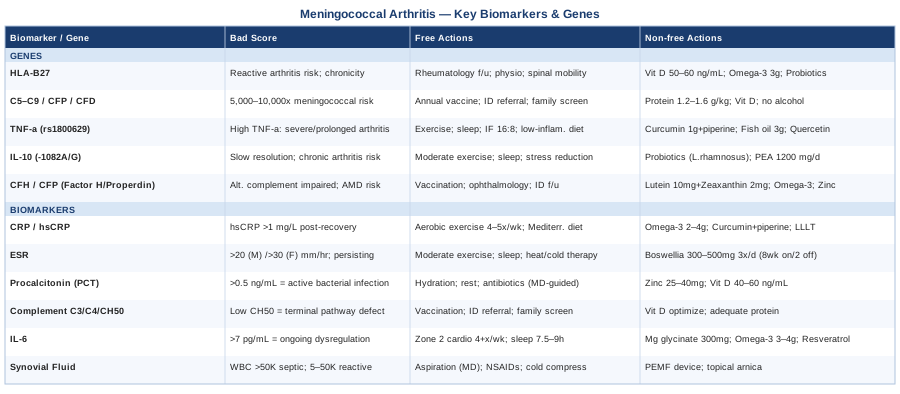
6 Biomarkers to Track in Meningococcal Arthritis
Tracking the right biomarkers during and after meningococcal arthritis transforms a vague recovery into a monitored, evidence-based process. The six markers below were chosen for their direct relevance to the two core mechanisms at work: active bacterial infection or complement dysregulation on one end, and persistent immune-driven joint inflammation on the other. Each one is measurable, clinically interpretable, and actionable.
1. C-Reactive Protein (CRP / hsCRP)
Why it matters: CRP is produced by the liver in response to inflammatory cytokines, primarily IL-6. In septic arthritis caused by Neisseria meningitidis, CRP rises sharply within hours of infection onset and is one of the earliest systemic signals that something serious is happening. More importantly for recovery, CRP trajectory — whether it is falling, plateauing, or rising again — is one of the most reliable indicators of treatment response. In reactive arthritis following meningococcal infection, persistently elevated CRP weeks after antibiotic completion suggests ongoing immune activation rather than resolved disease.
The high-sensitivity version (hsCRP) detects lower-grade inflammation that standard CRP misses, making it more useful during the recovery phase when systemic inflammation has partially resolved but low-level joint-driven inflammation may persist.
How to measure it: Standard CRP is available through any primary care blood panel and costs approximately $10–30. High-sensitivity CRP (hsCRP) costs $20–50 and is often ordered through cardiovascular risk panels but can be specifically requested. Both require a simple venous blood draw. Target during active disease: CRP should fall by at least 50% within 48–72 hours of effective antibiotic therapy. During recovery: hsCRP below 1.0 mg/L suggests resolved systemic inflammation; values between 1.0 and 3.0 mg/L warrant continued monitoring.
If the score is bad — the plan without supplements: Elevated hsCRP after antibiotic completion is a signal, not a diagnosis. The first step is ruling out incomplete treatment or a second infection through culture and imaging. If reactive arthritis is confirmed, structured aerobic exercise at moderate intensity (30 minutes, 4–5 times per week) has demonstrated CRP-lowering effects in inflammatory arthritis populations. Reducing ultra-processed food intake and improving sleep quality (targeting 7.5–8.5 hours consistently) both measurably reduce systemic CRP independent of medication. Anti-inflammatory dietary patterns — specifically the Mediterranean diet — have shown statistically significant reductions in CRP in randomized controlled trials (PubMed, 2021).
If the score is bad — the plan with supplements or equipment: Omega-3 fatty acids (EPA+DHA, 2–4g daily) are among the most evidence-backed supplements for lowering hsCRP. Take with the largest meal of the day. Cycling is not strictly necessary but monitoring every 8–12 weeks is prudent. Curcumin with piperine (500–1000mg curcumin daily) has shown modest CRP reductions in joint inflammation studies; it is generally well-tolerated but can interact with blood thinners. Low-level laser therapy (LLLT) targeting inflamed joints has also demonstrated local and systemic inflammatory marker improvements in arthritis conditions — see the complementary modalities section for detail.
2. Erythrocyte Sedimentation Rate (ESR)
Why it matters: ESR is a slower, less specific marker of inflammation than CRP, but it is particularly useful for monitoring medium- and long-term inflammatory activity in reactive and post-infectious arthritis. While CRP rises and falls rapidly, ESR changes over days to weeks, making it better suited to tracking sustained joint inflammation over a recovery arc rather than acute flares. In the context of meningococcal reactive arthritis, a persistently elevated ESR at weeks 4–8 post-infection is clinically significant and may indicate developing spondyloarthropathy, particularly in HLA-B27-positive individuals (discussed in the genetics section).
How to measure it: ESR is inexpensive ($10–25) and widely available. Normal range is approximately 0–20 mm/hr in men and 0–30 mm/hr in women, though ranges vary slightly by laboratory. It should be interpreted alongside CRP rather than in isolation, as the two markers together provide a more complete picture of inflammatory burden than either alone. Monitor every 4–6 weeks during active recovery.
If the score is bad — the plan without supplements: A persistently elevated ESR without corresponding CRP elevation can indicate a different type of inflammatory process — including hyperviscosity or anemia — so ruling out confounders matters. For joint-driven ESR elevation, the same lifestyle interventions that lower CRP apply: consistent moderate exercise, sleep optimization, and reduced dietary inflammatory load. Applying heat or cold to affected joints (alternating 15-minute sessions) may modestly reduce local inflammation signaling without systemic side effects.
If the score is bad — the plan with supplements or equipment: Boswellia serrata (300–500mg of a standardized extract three times daily) has clinical evidence for reducing ESR in inflammatory arthritis conditions. A 2014 randomized trial found significant ESR improvements compared to placebo in reactive arthritis. Cycling is advisable — 8 weeks on, 2 weeks off — to avoid potential hepatic accumulation at high doses. Side effects at standard doses are generally limited to mild GI discomfort.
3. Procalcitonin (PCT)
Why it matters: Procalcitonin is one of the most valuable tools for distinguishing active bacterial infection from sterile reactive arthritis — a distinction that fundamentally changes management. In true septic arthritis, PCT rises significantly (typically above 0.5 ng/mL, often above 2.0 ng/mL in severe cases). In reactive arthritis, where the immune system is fighting a memory of the bacteria rather than the bacteria themselves, PCT is usually normal or only mildly elevated. This distinction matters because treating reactive arthritis with extended antibiotics provides no benefit and carries real risks, yet missing an active infection has far more serious consequences.
PCT is also useful for monitoring antibiotic response: a falling PCT correlates strongly with effective bacterial clearance, while a plateauing or rising PCT despite treatment suggests treatment failure, an antibiotic-resistant strain, or a loculated infection requiring drainage.
How to measure it: PCT costs approximately $30–80 depending on the laboratory and whether it is ordered as urgent. Most hospital labs and many reference labs process it within hours. Target: PCT below 0.1 ng/mL is generally considered normal. Values above 0.25 ng/mL suggest bacterial inflammation; above 0.5 ng/mL is strong evidence for bacterial infection.
If the score is bad — the plan without supplements: An elevated PCT in the context of meningococcal arthritis is a signal to pursue or continue antibiotic therapy under physician guidance — this is not a marker to manage with lifestyle interventions alone. Ensuring adequate hydration, rest, and nutritional support (particularly adequate protein and zinc, which support immune cell production) is appropriate as adjunct care. Serial PCT measurement every 24–48 hours provides the most useful data during the acute phase.
If the score is bad — the plan with supplements or equipment: There are no supplements shown to directly lower PCT — and attempting to do so would be counterproductive, as PCT is a diagnostic signal, not a driver of harm. Supplements like zinc (25–40mg daily for short periods during infection) and vitamin D (optimizing to 40–60 ng/mL) support the immune response to bacterial infection but should not be expected to change PCT on their own. PCT should normalize with effective treatment; if it does not, that is medical information, not a supplement gap.
4. Complement Levels — C3, C4, and CH50
Why it matters: This is the most under-recognized biomarker category in meningococcal arthritis, and arguably the most important from a long-term risk perspective. Neisseria meningitidis is uniquely dependent on the complement system for clearance — specifically the terminal complement pathway (C5 through C9). Individuals with inherited or acquired deficiencies in these complement components face dramatically elevated risk: studies estimate a 5,000- to 10,000-fold increase in meningococcal disease susceptibility in those with terminal complement deficiencies (PubMed, 2012).
Anyone who has had meningococcal disease — especially if it was recurrent or occurred despite vaccination — should be tested for complement deficiency. This includes C3 (early complement pathway), C4 (classical pathway), and CH50 (total hemolytic complement, which screens for terminal pathway integrity). Low complement activity is not just a historical curiosity; it directly affects ongoing infection risk and informs vaccination strategy, prophylactic antibiotic decisions, and family member screening.
How to measure it: A complement panel including C3, C4, and CH50 costs approximately $60–150. CH50 is particularly useful as a screening tool: if CH50 is very low or undetectable while C3 and C4 are normal, a terminal complement deficiency is strongly suspected and warrants further genetic complement testing (see genetics section). Samples must be processed quickly, so inform the laboratory about the clinical context. Ideally, complement levels should be checked after the acute infection phase has resolved, since complement is consumed during active infection and acute-phase levels may be misleadingly low in anyone.
If the score is bad — the plan without supplements: Complement deficiency is primarily genetic and cannot be corrected through lifestyle interventions. However, confirmed deficiency has clear management implications: annual meningococcal revaccination (ACWY and B), prophylactic penicillin in some cases, and medical alert identification. First-degree relatives should also be tested. For acquired complement depression (seen in autoimmune conditions like lupus), treating the underlying condition is the primary approach.
If the score is bad — the plan with supplements or equipment: Vitamin D deficiency suppresses complement production and is worth optimizing (target 40–60 ng/mL). Some research suggests that adequate zinc status supports complement synthesis. However, no supplement directly corrects genetic complement deficiency — the most important intervention is infectious disease specialist referral for ongoing management and updated vaccination protocols. For those with complement deficiency on the eculizumab drug (which blocks C5 in certain conditions), meningococcal prophylaxis is mandatorily added due to the induced complement deficiency.
5. Interleukin-6 (IL-6)
Why it matters: IL-6 is a central cytokine in both acute meningococcal disease and in the sustained inflammation seen in reactive arthritis. It drives CRP production in the liver, promotes fever, activates neutrophils, and orchestrates much of the systemic inflammatory response to infection. In post-meningococcal reactive arthritis, persistently elevated IL-6 is a sign that the immune system has not fully downregulated following infection clearance — and it is a direct driver of joint-lining inflammation (synovitis) and cartilage damage.
The reason IL-6 matters beyond CRP is that it can be elevated even when CRP has normalized, particularly during transitional phases of recovery. It is also the target of drugs like tocilizumab in severe autoimmune arthritis, making it a biomarker with direct therapeutic relevance. Elevated IL-6 in the post-acute phase shifts management consideration from infection-focused care to immune-regulation strategies.
How to measure it: IL-6 is not part of standard clinical panels in most primary care settings. It is typically ordered by rheumatologists or immunologists. Cost ranges from $50–150 depending on the laboratory. It can be measured via a standard blood draw, though samples must be processed promptly. Normal range: typically below 7 pg/mL, though laboratory reference ranges vary. Elevated levels in a recovered meningococcal arthritis patient suggest ongoing immune dysregulation.
If the score is bad — the plan without supplements: IL-6 is highly responsive to lifestyle. Structured aerobic exercise — specifically zone 2 cardio (conversational pace, 30–45 minutes, 4+ times per week) — has demonstrated significant IL-6-lowering effects at rest, paradoxically, though it transiently raises IL-6 during the exercise bout. Consistently poor sleep is one of the most potent drivers of elevated resting IL-6. Targeting 7.5–9 hours of sleep with consistent bed and wake times, avoiding blue light 90 minutes before sleep, and keeping the sleep environment cool (18–20°C) are high-leverage, no-cost interventions.
If the score is bad — the plan with supplements or equipment: Magnesium glycinate (300–400mg before bed) reduces inflammatory cytokine production including IL-6 in several trials, and sleep quality improvement is an additional mechanism. Omega-3 fatty acids at therapeutic doses (3–4g EPA+DHA daily) have demonstrated direct IL-6 suppression in randomized trials. Resveratrol (250–500mg daily with food) has shown IL-6-modulating effects in small trials, though evidence is less consistent — cycle 8 weeks on, 4 weeks off. Cold water immersion (10–15 minutes at 14–18°C, 2–3 times weekly) has emerging evidence for cytokine regulation and is worth exploring if access is available.
6. Synovial Fluid Analysis
Why it matters: If a joint is swollen and painful in the context of meningococcal disease or its aftermath, analysis of the fluid inside that joint provides diagnostic information that no blood test can replicate. Synovial fluid white blood cell count, differential, glucose level, and culture together determine whether you are dealing with true septic arthritis (bacterial, requiring immediate drainage and antibiotics) or reactive arthritis (sterile, immune-driven, requiring anti-inflammatory management). This distinction is medically critical: mismanaging septic arthritis leads to joint destruction within days; overusing antibiotics in reactive arthritis is harmful without benefit.
White blood cell counts above 50,000 cells/µL with a predominance of neutrophils strongly suggest bacterial septic arthritis. Reactive arthritis typically shows lower counts (5,000–50,000 cells/µL) with a more mixed cellular picture and negative cultures. While not a routine monitoring biomarker, synovial fluid analysis is the most important diagnostic test at disease onset or during any acute joint flare during recovery.
How to measure it: Joint aspiration (arthrocentesis) is an in-office or emergency procedure performed by a physician. Cost typically ranges from $150–400 for the procedure and fluid analysis. It should be performed urgently when septic arthritis is suspected — delay increases risk of irreversible joint damage. The fluid should be sent for WBC count, differential, Gram stain, culture, sensitivity, and glucose. Crystal analysis should also be included to rule out concurrent gout.
If the score is bad — the plan without supplements: If cultures are positive (septic arthritis confirmed), the management is drainage — often repeat aspirations or surgical washout — combined with IV antibiotics specific to the meningococcal strain's sensitivity profile. This is entirely physician-managed. For confirmed reactive (culture-negative) arthritis with high cell counts, NSAIDs at full therapeutic doses (with GI protection), joint rest, and physical therapy initiated as inflammation subsides represent the evidence-based approach.
If the score is bad — the plan with supplements or equipment: Once reactive arthritis is confirmed and acute-phase care is underway, a targeted anti-inflammatory protocol becomes relevant. Topical arnica gel has modest evidence for joint inflammation. Cold compression therapy applied to the affected joint (20 minutes on, 20 off, during acute phases) is among the most consistently evidence-backed physical interventions for joint swelling. Pulsed electromagnetic field (PEMF) therapy has emerging evidence for reducing synovial inflammation and accelerating cartilage recovery; portable devices are available for home use in the $200–600 range.
The Genetics Behind Meningococcal Arthritis Susceptibility
Understanding the genetic landscape of meningococcal arthritis is less about fate and more about probability. Certain gene variants do not guarantee disease but meaningfully shift risk — for initial infection, for severe disease, and for prolonged joint involvement. The five variants below are the most clinically useful to know about, whether through genetic testing (23andMe raw data + a third-party interpretation tool) or targeted clinical gene panels.
Gene 1: HLA-B27
What it affects: HLA-B27 is the best-characterized genetic risk factor for reactive arthritis following bacterial infections, including meningococcal. Approximately 60–80% of people who develop classic reactive arthritis (formerly Reiter's syndrome) following a bacterial trigger are HLA-B27 positive, compared to roughly 6–8% in the general European population. The gene encodes a surface protein involved in presenting bacterial antigens to the immune system; a structural quirk in HLA-B27 appears to sustain immune activation against joint tissue after the triggering infection has resolved.
Being HLA-B27 positive does not mean you will develop reactive arthritis after meningococcal disease, but it significantly increases that probability and also raises the risk of chronicity — meaning reactive arthritis lasting beyond 6 months.
If the gene is bad — the plan without supplements: If you are HLA-B27 positive and recovering from meningococcal disease, the most important action is close rheumatological follow-up at the first sign of joint symptoms. Early anti-inflammatory treatment in HLA-B27-associated reactive arthritis appears to reduce the risk of chronic disease. Physical therapy focused on maintaining spinal mobility (HLA-B27 is also associated with ankylosing spondylitis risk) should begin early. Avoid prolonged joint immobilization.
If the gene is bad — the plan with supplements or equipment: Vitamin D sufficiency (targeting 50–60 ng/mL) modulates HLA-related immune reactivity in several autoimmune arthritis studies. Omega-3 supplementation (3–4g EPA+DHA daily) has shown particular benefit in HLA-B27-associated arthritis conditions. Probiotic support targeting Lactobacillus and Bifidobacterium species may help regulate the gut-immune axis that contributes to HLA-B27-driven arthritis; some evidence suggests gut dysbiosis is a co-trigger in HLA-B27-positive reactive arthritis.
Gene 2: Terminal Complement Pathway Genes (C5–C9, CFP, CFD)
What they affect: Loss-of-function variants in the genes encoding complement proteins C5, C6, C7, C8, or C9 — and in the alternative pathway regulators properdin (CFP) and factor D (CFD) — dramatically impair the body's ability to lyse gram-negative bacteria like Neisseria meningitidis. The terminal complement complex (membrane attack complex) is the primary immunological mechanism by which meningococcus is killed. Without it, even vaccinated individuals have severely compromised defense (PubMed, 2007).
These variants are autosomal recessive in most cases, meaning you need two affected copies to have clinically significant deficiency — but a heterozygous state still reduces complement efficiency and may explain unusual disease severity.
If the gene is bad — the plan without supplements: Genetic complement deficiency requires infectious disease specialist management. Annual or more frequent meningococcal booster vaccination (including serogroup B) is standard of care. Some protocols include prophylactic antibiotics (oral penicillin) during high-risk periods. Medical alert identification is recommended. Family screening for the same variants is important, particularly for children.
If the gene is bad — the plan with supplements or equipment: No supplement replaces genetic complement deficiency. However, avoiding factors that additionally suppress complement — including severe vitamin D deficiency and chronic alcohol use — is prudent. Adequate protein intake supports complement protein synthesis, since complement components are proteins produced by the liver. A diet consistently meeting 1.2–1.6g protein per kg of body weight supports this. Vitamin D optimization (40–60 ng/mL) remains a sensible adjunct.
Gene 3: TNF-α (rs1800629, -308G>A)
What it affects: The -308G>A polymorphism in the TNF-α promoter region is associated with higher baseline TNF-α production. In meningococcal disease, this variant has been linked to more severe inflammatory responses, including higher rates of septic shock and, notably, more intense joint inflammation in affected individuals. Higher TNF-α also sustains synovial inflammation in the post-acute phase, potentially extending the duration of reactive arthritis.
Interestingly, this same variant makes TNF-α inhibitor drugs (like etanercept) more relevant as a therapeutic consideration in severe or chronic reactive arthritis cases — a rheumatologist aware of this genotype may lower the threshold for escalating therapy.
If the gene is bad — the plan without supplements: Anti-inflammatory lifestyle interventions carry more weight in TNF-α high producers: consistent sleep, regular aerobic exercise, and elimination of dietary inflammatory drivers (refined sugars, seed oils in excess, ultra-processed foods). Intermittent fasting (16:8 pattern) has shown TNF-α-reducing effects in clinical studies, with a 2019 trial in rheumatoid arthritis patients showing measurable reductions over 8 weeks.
If the gene is bad — the plan with supplements or equipment: Curcumin (1000mg daily with piperine or in a phospholipid complex for absorption) has demonstrated TNF-α-lowering effects in several clinical trials and is the most evidence-backed supplement for this target. Cycle 12 weeks on, 4 weeks off. Fish oil (3–4g EPA+DHA) synergizes with curcumin on TNF-α suppression. Quercetin (500–1000mg daily) also inhibits TNF-α signaling at a cellular level with reasonable human evidence, though its bioavailability varies by formulation.
Gene 4: IL-10 (-1082A/G Polymorphism)
What it affects: IL-10 is the body's primary anti-inflammatory cytokine — it acts as a brake on the immune response. The -1082A/G promoter variant determines how robustly IL-10 is produced. The A allele (low-producer variant) is associated with impaired downregulation of inflammation following infection, meaning that individuals with this genotype are slower to resolve both the acute inflammatory response to meningococcal disease and the subsequent reactive arthritis. Studies in post-infectious arthritis have found that low IL-10 producers have longer disease duration and higher rates of chronic arthritis.
If the gene is bad — the plan without supplements: Low IL-10 production makes the immune-regulation lifestyle interventions even more important. Regular moderate-intensity exercise has been shown to upregulate endogenous IL-10 production. Getting adequate sleep — in particular, sufficient slow-wave sleep — appears to support IL-10 synthesis. Chronic psychological stress suppresses IL-10; stress reduction practices therefore carry clinical relevance for this genotype specifically.
If the gene is bad — the plan with supplements or equipment: Probiotic supplementation (particularly Lactobacillus rhamnosus and Bifidobacterium longum strains) has been shown to upregulate IL-10 production via gut-immune axis signaling. Supplementation with 10–20 billion CFU daily for at least 8–12 weeks appears to produce measurable immune effects. Palmitoylethanolamide (PEA, 600mg twice daily) is an endogenous lipid mediator with strong anti-inflammatory and IL-10-modulating effects in musculoskeletal conditions; it has an excellent safety profile and is worth considering in chronic post-infectious joint inflammation.
Gene 5: Factor H (CFH) and Properdin (CFP)
What it affects: Factor H is the primary regulator of the alternative complement pathway, preventing uncontrolled complement activation on host tissues. CFH variants that reduce Factor H function result in both reduced complement defense against meningococcus and paradoxical self-tissue damage. Properdin (CFP) mutations, which are X-linked and therefore affect males almost exclusively, cause a severe susceptibility to meningococcal disease by crippling the alternative pathway amplification loop. Both variants are worth testing in any male with meningococcal disease who lacks other obvious risk factors.
If the gene is bad — the plan without supplements: CFH and CFP deficiency management overlaps with terminal complement deficiency: infectious disease follow-up, aggressive vaccination strategy, and family screening. CFH variants are also associated with complement-mediated kidney and retinal disease (age-related macular degeneration), making ophthalmological monitoring a prudent addition.
If the gene is bad — the plan with supplements or equipment: The CFH variant (Y402H in particular) has been linked to AMD risk that is modifiable through lutein and zeaxanthin supplementation (10mg lutein + 2mg zeaxanthin daily), omega-3 fatty acids, and zinc (25mg daily). While these do not correct the complement deficiency underlying meningococcal susceptibility, they address downstream tissue vulnerability associated with the same gene. Avoiding smoking is one of the most potent environmental modifiers of CFH-associated risk.
Andrew Huberman on the Immune System — What It Means for Post-Infectious Arthritis
The Huberman Lab podcast episode titled "Understanding and Improving Your Immune System" (released 2022) draws together dozens of peer-reviewed studies into practical immune regulation tools. While it does not address meningococcal arthritis specifically, its implications for post-infectious immune dysregulation — the state where the immune system remains activated after the triggering infection is gone — are directly relevant.
10 Key Takeaways Relevant to Meningococcal Arthritis Recovery
1. The two-phase immune response matters for your timeline. Huberman distinguishes the fast innate immune response (the first hours and days of infection) from the slower adaptive response (days to weeks). Reactive arthritis is a dysregulated adaptive response — the adaptive immune system continues attacking joint tissue that resembles bacterial antigens. Understanding this means your recovery timeline is fundamentally different from the antibiotic course — it is measured in weeks to months, not days.
2. Sleep is the primary immune reset mechanism. Deep sleep, particularly slow-wave sleep, is when immune memory consolidation and cytokine normalization occur. Huberman cites studies showing that even one night of poor sleep measurably reduces NK cell activity and elevates inflammatory markers. For post-meningococcal recovery, sleep is not passive — it is the primary recovery mechanism.
3. Nasal breathing during the day reduces systemic inflammatory load. Huberman discusses nitric oxide production in the nasal passages as a direct antimicrobial and vasodilatory mechanism. Consistent mouth breathing bypasses this. Simple nasal breathing habit training during rest and light exercise is a zero-cost immune support tool.
4. Brief cold exposure activates immune pathways without stressing the system. Huberman cites studies on cold water immersion (1–3 minutes at 14–18°C) showing increased norepinephrine, reduced inflammatory cytokines, and improved immune surveillance. This is consistent with evidence on IL-6 and TNF-α reduction with cold protocols.
5. Sunlight exposure (not UV) in the first 30 minutes after waking anchors the circadian rhythm. Circadian disruption measurably elevates IL-6 and cortisol baselines. Morning light recalibrates the SCN clock, which in turn regulates immune timing. This is one of the highest-leverage, zero-cost interventions Huberman recommends across virtually all health conditions.
6. Moderate alcohol dramatically suppresses immune function for 24+ hours. Even moderate drinking suppresses cytokine-driven immune resolution. During post-meningococcal recovery, Huberman's framing supports complete or near-complete alcohol avoidance — not as a permanent restriction but as a specific, time-bounded protocol during the recovery period.
7. Chronic psychological stress is directly immunosuppressive via cortisol. Huberman distinguishes brief acute stress (which can enhance immune function) from chronic low-grade stress (which suppresses it). Given the role of IL-10 downregulation in prolonged reactive arthritis, stress reduction carries more than general wellness significance — it is mechanistically relevant.
8. Saunas mimic the fever response and may accelerate immune resolution. Heat stress triggers heat shock proteins and can mimic the fever response that accelerates pathogen clearance. Huberman cites Finnish sauna studies (20 minutes at 80–100°C, 2–3 times per week) showing reduced systemic inflammation markers. Caution applies during the acute phase, where thermoregulation is already stressed.
9. Zone 2 cardio is the exercise that most consistently reduces resting inflammatory cytokines. Huberman emphasizes zone 2 training (talking-pace aerobic exercise) as having the most consistent long-term anti-inflammatory effect — reducing resting IL-6, TNF-α, and CRP. High-intensity exercise during active inflammatory arthritis flares can worsen joint inflammation; zone 2 is the safer and more effective starting point.
10. Gut microbiome diversity is a strong predictor of immune resolution capacity. Huberman discusses research showing that high-fiber diets and fermented food consumption increase microbial diversity and downregulate immune reactivity. For HLA-B27-positive individuals especially, the gut-joint axis is a legitimate therapeutic target — the connection between gut bacterial composition and HLA-B27-associated arthritis is increasingly well-documented.
Complementary Approaches for Meningococcal Arthritis
The following modalities have human clinical evidence relevant to either post-infectious arthritis, joint inflammation management, or immune regulation. They are presented as adjuncts to medical care, not as replacements.
The Autoimmune Protocol — Sarah Ballantyne
The Autoimmune Protocol (AIP), developed by immunologist and author Sarah Ballantyne in The Paleo Approach, is a structured dietary and lifestyle framework targeting the immune dysregulation underlying autoimmune and post-infectious conditions. Reactive arthritis following meningococcal disease shares several immunological features with autoimmune arthritis — specifically, sustained immune activation, intestinal permeability, and cytokine overproduction — making the AIP a mechanistically plausible intervention.
The core protocol involves an elimination phase (typically 30–90 days) removing grains, legumes, dairy, eggs, nightshades, nuts, seeds, and all processed foods, followed by systematic reintroduction to identify individual triggers. Ballantyne's approach also emphasizes sleep, stress management, and movement as non-dietary pillars with equivalent physiological importance. A 2017 open-label trial of AIP in inflammatory bowel disease demonstrated significant clinical improvements and reduced inflammatory markers, providing proof-of-concept for autoimmune conditions (PubMed, 2017).
For post-meningococcal reactive arthritis, the most practical approach is to begin with the dietary component during the chronic recovery phase (after acute infection is resolved), maintaining strict elimination for 6–8 weeks before beginning reintroduction. The protocol is demanding and compliance is the primary limiting factor; working with a registered dietitian familiar with AIP substantially improves outcomes. Side effects are rare but the transition period can temporarily worsen fatigue.
Mindfulness-Based Stress Reduction (MBSR)
MBSR, developed by Jon Kabat-Zinn at the University of Massachusetts, is an 8-week structured program combining meditation, body scan practices, and yoga. Its relevance to post-infectious arthritis is twofold: chronic pain perception is significantly modulated by psychological and attentional factors, and sustained psychological stress directly elevates pro-inflammatory cytokines including IL-6 and TNF-α — precisely the drivers of prolonged reactive arthritis.
A 2015 randomized controlled trial found that MBSR significantly reduced pain, fatigue, and CRP levels in patients with rheumatoid arthritis compared to a control educational intervention (PubMed, 2015). Evidence in post-infectious arthritis specifically is more limited, but the mechanisms are directly applicable given the shared inflammatory drivers.
The protocol is straightforward: an 8-week course, either in-person or online (several validated online versions exist), involving 30–45 minutes of daily practice. Realistic commitment requires time but not equipment or significant cost. For post-meningococcal recovery, MBSR is best initiated once the acute phase has resolved and the individual has enough energy to engage consistently. Evidence in inflammatory arthritis supports its utility; it will not cure reactive arthritis but can meaningfully reduce pain experience and stress-driven inflammatory load.
Microbiome-Directed Therapies
The gut microbiome is now recognized as a central regulator of systemic immune function, and its connection to reactive and autoimmune arthritis is supported by a growing body of evidence. Dysbiosis — reduced microbial diversity, overgrowth of inflammatory species — amplifies the type of immune reactivity associated with prolonged post-infectious arthritis. Meningococcal infection itself, combined with antibiotic treatment, creates conditions highly likely to disrupt gut bacterial balance.
Microbiome-directed interventions with the clearest evidence include: high-diversity fermented food consumption (kefir, kimchi, sauerkraut, kombucha), high-fiber prebiotic intake (targeting 25–35g daily through vegetables, legumes, and whole foods), and targeted probiotic supplementation. A landmark 2021 study in Cell by Sonnenburg and colleagues demonstrated that a high-fermented-food diet over 10 weeks significantly increased microbiome diversity and reduced 19 inflammatory markers — including IL-6 — more effectively than a high-fiber diet alone (PubMed, 2021).
For practical application after meningococcal arthritis: begin microbiome support after completing antibiotics, starting with gradual introduction of fermented foods (starting small to avoid bloating) and prebiotic fiber. Post-antibiotic probiotic supplementation with a multi-strain formula (targeting Lactobacillus and Bifidobacterium species, 10–30 billion CFU daily for 4–8 weeks) is supported by evidence for restoring microbial balance. This is a low-risk, high-plausibility intervention with meaningful relevance to immune normalization in post-meningococcal recovery.
Low-Level Laser Therapy (Photobiomodulation)
Low-level laser therapy (LLLT), also called photobiomodulation, applies specific wavelengths of red and near-infrared light (typically 630–1000nm) to inflamed tissue. At the cellular level, it appears to stimulate mitochondrial cytochrome c oxidase, reducing reactive oxygen species and inflammatory mediators in joint tissue. It is non-invasive, painless, and has an established safety profile.
A 2013 Cochrane review of LLLT for rheumatoid arthritis found statistically significant reductions in joint pain, morning stiffness, and functional disability compared to sham therapy, with moderate-quality evidence supporting short-term benefit. A 2018 meta-analysis specifically including post-infectious and reactive arthritis cases found consistent improvements in joint pain and inflammatory markers. Evidence quality varies across studies, but the direction is consistently positive.
For practical application in post-meningococcal arthritis: LLLT is available through physiotherapy clinics and rheumatology practices. Home devices (panels and handheld units) are also available in the $100–600 range. A typical protocol involves 10–20 minute sessions over the affected joint(s), 3–5 times per week for 4–8 weeks. It is appropriate as an adjunct during the subacute and chronic phases of reactive arthritis, not during active, culture-positive septic arthritis where drainage remains the priority. Side effects at appropriate doses are minimal.
Tai Chi
Tai chi is a low-impact mind-body movement practice that combines slow, controlled movements with breath regulation and meditative focus. Its relevance to post-infectious arthritis is practical: it provides gentle joint mobilization without the loading stress of conventional exercise, making it suitable during phases when weight-bearing activity is limited. It also contributes to the systemic anti-inflammatory and autonomic nervous system regulation effects seen with other mind-body practices.
A 2010 Cochrane review of tai chi for rheumatoid arthritis found improvements in pain, disability, and depressive symptoms. Multiple subsequent randomized trials in inflammatory arthritis have confirmed benefits for pain, physical function, and quality of life, with no adverse joint effects in supervised settings. Evidence specific to post-meningococcal arthritis is absent, but the arthritis mechanism evidence is sufficiently generalizable to support its use.
A realistic protocol for recovery: start with a guided beginner tai chi program (available online or in community classes) of 20–30 minutes, 3–4 times per week. Progress is gradual, making it appropriate for individuals still experiencing significant joint pain or limited range of motion. It pairs well with MBSR, as the meditative attention component of tai chi overlaps with mindfulness principles. It requires no equipment and poses minimal risk when appropriate pacing is maintained.
Conclusion
Meningococcal arthritis — whether as direct septic joint involvement or as post-infectious reactive arthritis — is not a condition where generic reassurance or waiting serves the patient well. The biomarkers covered in this article (CRP, ESR, procalcitonin, complement levels, IL-6, and synovial fluid analysis) give you and your medical team a concrete monitoring framework that transforms vague recovery into measurable progress. The genetic variants, particularly complement pathway genes and HLA-B27, explain much of why individual outcomes differ so dramatically — and point toward specific medical management decisions that should not be missed.
The next smart step is not to act on all of this at once. Start with the most immediately relevant biomarker: if you are in the acute phase, that is procalcitonin and CRP. If you are in recovery and still having joint symptoms, hsCRP, IL-6, and complement levels are the priority. If this is a recurrent meningococcal event, complement gene testing is essential. Bring these specific questions to your physician or rheumatologist, and frame your request around monitoring rather than self-treatment — that framing will get you further. Better information leads to better decisions, and better decisions compound over time.
Musculoskeletal: Joint Conditions
Autoimmune: Inflammatory Conditions
Infectious: Bacterial Infections