This article contains AI generated content.
· UpdatedMicroscopic Polyangiitis - 4 Genes And 6 Biomarkers To Track
Introduction
Living with microscopic polyangiitis means navigating a condition that most people — including some physicians — have never heard of. The symptoms are real and often debilitating: kidney dysfunction, pulmonary issues, skin changes, fatigue that doesn't respond to rest. But the explanations offered are frequently too broad, and the monitoring too passive. Many patients leave appointments knowing they have MPA, but not knowing how to tell whether it is stable, improving, or quietly getting worse.
The challenge is that MPA is not one disease in the way a broken bone is one injury. It is a dysregulation of the immune system that affects small blood vessels throughout the body, driven by anti-neutrophil cytoplasmic antibodies (ANCA) targeting myeloperoxidase (MPO). That specificity matters. It means there are precise biological signals worth tracking — not just general inflammation — and specific genetic factors that may explain why some individuals develop MPA while others with similar exposures do not.
Generic health advice misses the point for a condition like this. "Eat well" and "reduce stress" are not wrong, but they are incomplete. What actually matters is whether your MPO-ANCA titer is trending up, whether your kidney filtration rate is holding, whether your gut microbiome is amplifying the systemic immune signal that fuels each flare. Those are the details that change outcomes.
This article takes a more useful approach. The core section tracks six biomarkers that reveal what is actually happening in your body — how to measure them, what a bad reading signals, and what can be done without and with supplementation. A genetics section covers four genes that shape MPA susceptibility and behavior, each with a practical response plan. Beyond that, you will find a synthesis of the most relevant podcast insights for autoimmune inflammation, plus five complementary approaches with genuine clinical rationale. Better information is where better decisions start.
Summary
This article identifies six biomarkers critical for tracking microscopic polyangiitis — starting with MPO-ANCA, the defining immune marker, then moving through eGFR for kidney filtration, hsCRP and ESR for systemic inflammation, urine protein-to-creatinine ratio for early kidney damage, complete blood count for immune status, and IL-6 as a cytokine window into disease activity. For every biomarker, you will find measurement methods, cost ranges, and concrete improvement plans — with and without supplements.
The genetics section covers four key variants: HLA-DQ (the immune antigen presentation gene), PTPN22 (the T cell signaling regulator), IRF5 (the interferon amplifier), and SERPINA1 (the neutrophil protease inhibitor) — each with a specific action plan when the variant is unfavorable.
Beyond biomarkers and genes, the article summarizes the most applicable insights from Andrew Huberman's inflammation and autoimmunity research, presents Sarah Ballantyne's Autoimmune Protocol as the most structured dietary intervention for MPA, and covers four additional complementary approaches with real human evidence. This is a complete toolkit — not a cure, but a framework for more informed, more proactive management of a difficult condition.
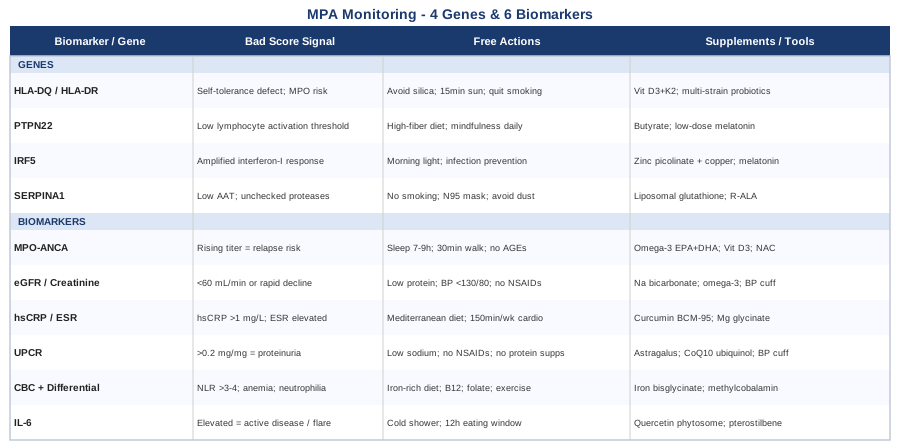
6 Biomarkers to Track in Microscopic Polyangiitis
Understanding which signals to follow in MPA is one of the most practically useful steps a patient can take. These six biomarkers span immune activity, organ function, and systemic inflammation — the three dimensions that define disease behavior in MPA. Together, they form a monitoring framework that turns clinic visits into data-driven conversations rather than passive check-ins.
1. MPO-ANCA (Myeloperoxidase Anti-Neutrophil Cytoplasmic Antibody)
Why It Matters
MPO-ANCA is the hallmark biomarker of microscopic polyangiitis. It is an autoantibody that targets myeloperoxidase — an enzyme abundant in neutrophil granules — and directly triggers the small-vessel inflammation that defines MPA. Monitoring MPO-ANCA titers is essential for tracking disease activity, predicting relapse risk, and evaluating whether immunosuppressive treatment is working. Rising titers often precede clinical relapse by weeks to months, making this biomarker a critical early warning system. In remission, titers typically fall — though some patients remain ANCA-positive even when clinically stable, which is why results must always be interpreted alongside symptoms and organ function tests. Research published across multiple vasculitis cohort studies confirms that serial MPO-ANCA monitoring significantly improves the detection of subclinical disease reactivation compared to clinical assessment alone.
How to Measure It
MPO-ANCA is measured from a blood draw via ELISA (enzyme-linked immunosorbent assay), which is now the gold standard due to its greater analytical specificity over older indirect immunofluorescence (IIF) methods. Many labs offer combined ANCA panels. Cost typically ranges from $100 to $300 depending on the laboratory and whether ordered alone or bundled. Most rheumatologists and nephrologists order this routinely. In stable remission, testing every 3 to 6 months is appropriate. During active disease, monthly monitoring is often warranted.
If the Score Is Bad — The Plan Without Supplements
A rising MPO-ANCA titer requires prompt communication with your rheumatologist. While pharmacological decisions belong to your physician, several non-supplemental interventions directly support immune regulation. Consistent sleep of 7 to 9 hours is one of the most potent anti-inflammatory tools available — even one night of poor sleep measurably increases circulating IL-6 and neutrophil activation markers. Low-intensity aerobic exercise — walking 30 to 45 minutes daily — reduces systemic inflammatory tone without provoking immune flares in the way high-intensity training can. Eliminating ultra-processed foods, particularly those high in advanced glycation end products (AGEs) from charred and fried cooking, reduces neutrophil priming — a mechanism directly relevant to ANCA pathophysiology. Avoiding silica dust and occupational chemical exposures is especially critical, as these are well-documented environmental triggers for ANCA-vasculitis flares.
If the Score Is Bad — The Plan With Supplements or Equipment
Omega-3 fatty acids (EPA + DHA): 2 to 4 grams per day of combined EPA and DHA from high-quality fish oil has well-documented effects on neutrophil activity and inflammatory cytokine production. EPA in particular converts to resolvins and protectins — lipid mediators that actively resolve inflammation rather than simply suppressing it. Take with the largest meal to maximize absorption. Continuous use is generally safe for extended periods, though some clinicians recommend a 4-week break every 3 to 4 months. Primary side effect: blood thinning at high doses — communicate with your physician especially if on anticoagulants or rituximab protocols.
Vitamin D3 with K2: Vitamin D plays a regulatory role in T cell differentiation and has been associated with ANCA-vasculitis severity in observational studies. Target serum 25-OH-D levels of 50 to 70 ng/mL. Typical protocol: 3000 to 5000 IU D3 daily alongside 100 to 200 mcg K2 (MK-7 form). No cycling required. Check blood levels every 6 months. Side effects: hypercalcemia is possible at very high doses — testing prevents this.
N-acetylcysteine (NAC): 600 to 1200 mg daily may reduce oxidative stress in neutrophils, potentially dampening ANCA-driven priming. Take on an empty stomach for best absorption. Cycling is not required at standard doses. Side effects: mild GI discomfort in a minority of users.
2. eGFR and Serum Creatinine
Why It Matters
The kidney is one of the most commonly and severely affected organs in MPA. The characteristic lesion — pauci-immune focal necrotizing glomerulonephritis — can progress to chronic kidney disease (CKD) or end-stage renal disease (ESRD) if not detected and treated early. Estimated glomerular filtration rate (eGFR) is calculated from serum creatinine alongside age, sex, and body size using the CKD-EPI equation, and provides a real-time estimate of kidney filtration capacity. An eGFR above 90 mL/min/1.73m² is generally normal; values below 60 indicate moderate CKD; below 30 signals severe impairment. In active MPA, a rapid decline in eGFR over weeks is a medical emergency. Peter Attia's framework for longevity medicine consistently emphasizes tracking eGFR as a trajectory, not a single value — the rate of decline is often more informative than any individual number.
How to Measure It
Both eGFR and creatinine are measured from a standard blood draw, usually as part of a comprehensive metabolic panel (CMP). Cost: $20 to $60. In stable MPA with no active kidney disease, every 3 months is appropriate. During active disease or high-dose immunosuppressive treatment, monthly measurement is often necessary. Request that your physician include both eGFR and creatinine as separate values on the lab report so that trajectory can be calculated precisely over time.
If the Score Is Bad — The Plan Without Supplements
Declining eGFR requires immediate medical escalation, but non-pharmacological strategies are also meaningful. Dietary protein moderation — not elimination — reduces the filtration burden on damaged glomeruli. Nephrology guidelines generally suggest 0.6 to 0.8 g/kg body weight per day in established CKD, calibrated with your physician based on nutritional needs. Strict blood pressure control (targeting below 130/80 mmHg) is one of the most powerful modifiable factors for slowing CKD progression — every 10 mmHg reduction in systolic blood pressure measurably reduces GFR decline. Sodium restriction to under 2 grams daily reduces both blood pressure and proteinuria. Strict avoidance of NSAIDs (ibuprofen, naproxen, diclofenac) is essential — these reduce renal blood flow and can cause acute kidney injury even with one-time use in CKD patients.
If the Score Is Bad — The Plan With Supplements or Equipment
Sodium bicarbonate: In CKD-associated metabolic acidosis (confirmed by blood bicarbonate levels below 22 mEq/L), sodium bicarbonate supplementation (600 to 1000 mg daily, titrated by blood tests) has been shown in randomized trials to slow GFR decline. This should be managed by a nephrologist, not self-administered. No cycling; dose is adjusted based on monitoring. Side effects: sodium load can affect blood pressure — monitor carefully.
Omega-3 fatty acids: Show emerging evidence for reducing proteinuria and preserving kidney function in inflammatory kidney disease. 2 to 4 g daily with food. Side effects as described above.
Home blood pressure monitor: A high-quality validated upper-arm cuff (cost: $30 to $80) is arguably the most impactful piece of "equipment" a person with MPA-related nephropathy can own. Twice-daily measurement (morning and evening) captures blood pressure variability that clinic visits miss entirely and provides real data for medication titration.
3. hsCRP and ESR (Systemic Inflammation Markers)
Why It Matters
High-sensitivity C-reactive protein (hsCRP) and erythrocyte sedimentation rate (ESR) are non-specific but highly practical markers of systemic inflammation. In MPA, both tend to be substantially elevated during active disease and fall toward normal during sustained remission. They serve as accessible, inexpensive directional signals for monitoring overall inflammatory burden between ANCA tests. Peter Attia has consistently emphasized hsCRP as one of the most informative and underused routine biomarkers available — not because it diagnoses conditions, but because its trajectory over time tells a meaningful story. In known MPA, a rising hsCRP without obvious infectious cause should raise suspicion of subclinical disease activity and prompt earlier specialist contact.
How to Measure It
hsCRP: standard blood draw, cost $20 to $50. Request high-sensitivity CRP specifically — standard CRP assays are less sensitive at low-normal ranges. ESR: blood draw, cost $10 to $30. Optimal hsCRP for cardiovascular and inflammatory purposes is below 1 mg/L; in active MPA, values frequently exceed 50 mg/L. ESR above 20 mm/hr in men and 30 mm/hr in women generally indicates meaningful inflammation. Track both every 3 months in stable disease; monthly during any concern for flare activity.
If the Score Is Bad — The Plan Without Supplements
Dietary interventions are among the most evidence-supported ways to reduce systemic CRP without supplementation. A Mediterranean-style dietary pattern — centered on olive oil, fatty fish, legumes, nuts, and colorful vegetables — has been shown in multiple randomized trials to reduce hsCRP by 15 to 30% over 12 weeks in inflammatory conditions. Eliminating refined sugars and trans fats is equally important. Consistent moderate aerobic exercise — 150 minutes per week at a conversational pace — reduces CRP by approximately 20 to 25% in chronic inflammatory conditions, independent of weight change. Adequate sleep, as emphasized throughout this article, directly suppresses IL-6 and CRP via circadian immune regulation. Reducing psychosocial stress through any sustainable practice (see mindfulness section below) also shows measurable CRP effects.
If the Score Is Bad — The Plan With Supplements or Equipment
Curcumin (high-bioavailability form): 500 to 1000 mg daily of a clinically validated formulation such as BCM-95 or Meriva (phospholipid complex) has demonstrated significant CRP reductions in multiple human randomized trials in inflammatory conditions. Standard curcumin powder without a bioavailability enhancer is largely ineffective. Take with food. Cycling: continuous use is well-studied up to 6 months; take a 4-week break afterward. Side effects: mild GI discomfort at higher doses; potential interaction with anticoagulants — discuss with your physician.
Magnesium glycinate: 300 to 400 mg daily. Magnesium deficiency is independently associated with elevated CRP in population studies. The glycinate form is best tolerated by the GI tract. No cycling required. Side effects: loose stools at higher doses — start at 200 mg and increase over 2 weeks.
Infrared sauna: Emerging evidence supports heat stress protocols reducing CRP through heat-shock protein activation and improved vascular function. Sessions of 20 minutes, 3 to 4 times per week at 150 to 170°F, have been used in cardiovascular inflammation research. Equipment cost: $300 to $5000 depending on model. Important note: always discuss with your rheumatologist and nephrologist before beginning a sauna protocol in MPA — heat stress can affect kidney perfusion and blood pressure, which requires monitoring in this population.
4. Urine Protein-to-Creatinine Ratio (UPCR)
Why It Matters
Proteinuria — protein in the urine — is one of the earliest and most sensitive indicators of active glomerulonephritis in MPA. The urine protein-to-creatinine ratio (UPCR) measures the ratio of protein to creatinine in a spot urine sample, providing a reliable estimate of 24-hour protein excretion without requiring a cumbersome timed collection. A ratio above 0.2 mg/mg (equivalent to approximately 200 mg/g) is generally considered abnormal in non-pregnant adults. In MPA, tracking UPCR longitudinally can detect subclinical kidney inflammation before eGFR begins to decline — offering a critical earlier intervention window. It also confirms response to immunosuppressive therapy, with falling UPCR one of the clearest signals that kidney protection is improving.
How to Measure It
A spot urine sample (first morning void is preferred) is sufficient for UPCR. Cost: $20 to $60 in most laboratory settings. It can often be ordered alongside a routine urinalysis. Testing frequency should mirror eGFR — every 3 months in stable disease, monthly during active disease. For directional monitoring between visits, over-the-counter urine dipstick tests ($20 to $40 for a pack) can detect significant proteinuria, though they are less precise than UPCR and should not replace laboratory testing.
If the Score Is Bad — The Plan Without Supplements
All kidney-protective strategies outlined under eGFR apply here. Of particular relevance to UPCR: strict blood pressure management is specifically associated with reduced proteinuria, often dramatically. RAAS-blocking medications (ACE inhibitors or ARBs) prescribed by physicians are the most evidence-supported pharmacological intervention for proteinuria reduction in glomerular disease — this is one area where medication has a dominant evidence base that lifestyle cannot fully replicate. Non-pharmacologically, limiting sodium intake to under 2 g daily amplifies the effect of RAAS blockade. Avoiding high-protein supplements (protein powders, amino acid megadosing) is reasonable during active glomerulonephritis — excess dietary protein increases glomerular pressure in already-damaged nephrons.
If the Score Is Bad — The Plan With Supplements or Equipment
Astragalus membranaceus extract: A Chinese herbal compound with preliminary clinical evidence for reducing proteinuria in glomerulonephritis, particularly from Chinese clinical trials. Mechanisms include improved podocyte integrity and reduced oxidative stress. Typical dose: 250 to 500 mg standardized extract daily. Critically: discuss with your nephrologist before use — herb-drug interactions with immunosuppressants are possible. Cycling: 3 months on, 1 month off. Side effects: generally mild; rare GI discomfort.
Validated home blood pressure monitor: As noted above, consistent blood pressure monitoring directly influences proteinuria management and is arguably the most impactful equipment investment available for this biomarker.
Coenzyme Q10 (ubiquinol form): 100 to 200 mg daily. Has shown renoprotective properties in oxidative stress models and some small human trials in kidney disease. Take with fat-containing food. Cycling: continuous use is generally safe; reassess every 6 months. Side effects: minimal at these doses; may mildly lower blood pressure — monitor.
5. Complete Blood Count (CBC) With Differential
Why It Matters
The CBC provides a composite snapshot of immune system status and reveals important MPA-related patterns. During active disease, you may see leukocytosis (elevated white blood cells), neutrophilia, reactive thrombocytosis (elevated platelets as an acute-phase response), and normocytic anemia — the anemia of chronic disease driven by inflammatory suppression of erythropoiesis. Each of these signals disease activity independent of ANCA titers and provides important context. The neutrophil-to-lymphocyte ratio (NLR) — calculated from the CBC differential — is gaining recognition across inflammatory medicine research as a composite measure of immune stress. A persistently elevated NLR above 3 to 4 in an MPA patient in nominal remission suggests ongoing immune activation that other markers may miss. Monitoring the CBC is also essential for safety when on cyclophosphamide or azathioprine, which can cause dangerous myelosuppression.
How to Measure It
Standard blood draw, cost $20 to $50. Always specify "with differential" when ordering — the differential gives the neutrophil and lymphocyte counts needed to calculate NLR. Order at minimum every 3 months in stable MPA. Monthly or biweekly when on myelosuppressive agents, per your physician's protocol. Calculate NLR simply by dividing absolute neutrophil count by absolute lymphocyte count — this takes 10 seconds and adds meaningful analytical value to routine CBC results.
If the Score Is Bad — The Plan Without Supplements
Persistent anemia in MPA is typically anemia of chronic disease rather than iron deficiency — it is driven by inflammatory suppression of erythropoiesis and does not respond well to iron supplementation unless actual iron deficiency is also confirmed. The most effective non-supplemental strategy is reducing the underlying inflammatory burden through better disease control — every intervention that lowers MPO-ANCA activity and CRP also supports recovery of normal erythropoiesis over time. Ensuring adequate dietary iron from food (red meat, lentils, dark leafy greens), adequate B12 (eggs, meat, dairy or supplemented if vegan), and adequate folate supports the baseline requirements for red blood cell production. Moderate exercise stimulates endogenous erythropoietin production. Adequate sleep supports growth hormone and erythropoietin rhythms.
If the Score Is Bad — The Plan With Supplements or Equipment
Iron bisglycinate: Only if iron deficiency is confirmed by low ferritin (below 30 ng/mL) and low transferrin saturation (below 20%). Dose: 25 to 50 mg daily of iron bisglycinate, which is far gentler on the GI tract than ferrous sulfate. Take on an empty stomach or with vitamin C for enhanced absorption. Cycle until ferritin normalizes, typically 3 to 6 months. Side effects: constipation, dark stools. Do not supplement iron without confirming deficiency — excess iron generates oxidative stress that is counterproductive in ANCA-vasculitis.
Methylcobalamin (B12): If macrocytic anemia or low-normal B12 is found, 500 to 1000 mcg sublingual methylcobalamin daily bypasses any absorption issues. No cycling required. Side effects: essentially none at these doses.
Folate (methylfolate): 400 to 800 mcg daily of methylfolate (the active form, bypassing MTHFR conversion issues). Important for patients on methotrexate, which depletes folate. No cycling required. Side effects: rare; may unmask B12 deficiency — test both before supplementing.
6. Interleukin-6 (IL-6)
Why It Matters
IL-6 is a pleiotropic cytokine that sits near the center of the inflammatory cascade driving ANCA-associated vasculitis. It stimulates acute-phase protein production (including CRP and fibrinogen), promotes neutrophil recruitment to inflamed vessels, and supports the survival of ANCA-producing B cells. Elevated IL-6 is consistently found during MPA flares and correlates meaningfully with disease severity. While IL-6 is not yet standard monitoring practice in most MPA clinics, it is gaining relevance — particularly given growing research interest in IL-6 pathway inhibitors (such as tocilizumab) as adjunctive treatments in refractory ANCA vasculitis. Understanding your IL-6 baseline during remission provides a meaningful reference point and can help quantify the impact of lifestyle changes on inflammatory tone over time.
How to Measure It
IL-6 is measured from a blood draw, but the sample must be processed promptly and is more technically demanding than standard markers. Cost: $50 to $150. Availability varies — request it through your rheumatologist or a specialized reference lab. Note that IL-6 spikes acutely with minor infections, recent exercise, or significant psychological stress — a single elevated measurement should not be over-interpreted. Ideally measure it in a stable, resting state, in the morning, without recent illness. Track every 3 to 6 months alongside other markers.
If the Score Is Bad — The Plan Without Supplements
Cold exposure: Cold water immersion (57 to 60°F water for 2 to 3 minutes) or consistent cold showers cause a controlled catecholamine surge that, practiced consistently 3 to 5 times per week, progressively reduces resting inflammatory cytokine levels including IL-6. Begin gradually — 30 seconds at the end of a warm shower — and build over several weeks. Important caution: avoid cold immersion during severe active MPA with renal or pulmonary involvement without physician clearance, as peripheral vasoconstriction affects kidney perfusion.
Time-restricted eating: Restricting food intake to a 10 to 12 hour window daily — for example, eating only between 8am and 6pm — has been associated with significant reductions in circulating IL-6 and CRP in multiple human trials on metabolic and inflammatory conditions. No equipment required. Start with a 12-hour window and tighten over 4 to 6 weeks. Ensure adequate caloric intake within the window — this is not caloric restriction, only temporal restriction.
If the Score Is Bad — The Plan With Supplements or Equipment
Quercetin phytosome: 500 to 1000 mg daily of a high-bioavailability form (phytosome or quercetin chalcone). Human studies show modest but meaningful IL-6 reduction in inflammatory conditions via NF-kB inhibition. Take with food. Cycling: 8 weeks on, 2 weeks off. Side effects: generally well-tolerated; mild headache in some individuals at higher doses.
Resveratrol (pterostilbene form): 100 to 500 mg daily — pterostilbene is significantly more bioavailable than standard resveratrol and shows cleaner dose-response data. Human trials in inflammatory conditions show IL-6 reduction and NF-kB modulation. Take with a fat-containing meal. Cycling: 3 months on, 1 month off. Side effects: mild GI effects at higher doses; potential mild estrogenic activity at high doses — discuss with your physician if relevant.
High-intensity interval training (HIIT) — with careful calibration: While overtraining worsens IL-6, appropriately dosed HIIT (2 sessions per week, 20 minutes, well-separated from other intense activity) stimulates anti-inflammatory myokine release (IL-10, IL-1Ra) that measurably reduces chronic IL-6 baseline over 8 to 12 weeks. Begin only during confirmed remission and with physician clearance. Monitor recovery carefully — excessive post-exercise fatigue signals too much intensity for current disease status.
The Genetic Factors Behind MPA: 4 Genes That May Shape Your Disease
Biomarkers tell you what is happening right now. Genetics offer a different kind of insight — not a diagnosis or destiny, but a map of biological tendencies that can explain why MPA develops, why it behaves differently in different people, and which specific mechanisms are most worth targeting. These four genes are the most relevant to MPA based on current research, each with a practical response plan when the variant is unfavorable.
Gene 1: HLA-DQ and HLA-DR (MHC Class II Region)
What It Affects
The human leukocyte antigen (HLA) region is the most consistently replicated genetic risk factor for ANCA-associated vasculitis. HLA-DQ and HLA-DR alleles govern how the immune system presents self-antigens — including myeloperoxidase — to T helper cells in the thymus and periphery. Certain HLA-DQ and HLA-DR variants impair the deletion of autoreactive T cells during immune development, allowing MPO-targeting lymphocytes to survive and escape into circulation. Genome-wide association studies (GWAS) in large AAV cohorts have confirmed strong HLA associations specific to the MPO-ANCA/MPA phenotype.
This variant cannot be changed, but its downstream consequences — specifically the failure of immune self-tolerance — can be modulated by environmental and lifestyle factors. Understanding your HLA status shifts the focus from "why did I get MPA" to "what exposures must I specifically avoid and what biological pathways should I support."
If the Gene Is Bad — The Plan Without Supplements
The most important non-supplemental intervention for HLA-risk individuals is environmental trigger management. Silica dust exposure is one of the most established environmental triggers for ANCA-vasculitis in genetically susceptible individuals — occupational exposure in construction, mining, and ceramics must be minimized with appropriate respiratory protection. Staphylococcus aureus nasal carriage has been specifically linked to MPA flares in HLA-susceptible individuals — regular nasal hygiene (saline irrigation) and prompt treatment of upper respiratory infections reduces this trigger. Smoking cessation is critical — tobacco-derived compounds worsen HLA-mediated antigen presentation dysregulation. Ultraviolet light exposure, conversely, has been studied for its modest immunomodulatory effects in autoimmune conditions — reasonable sun exposure (15 to 20 minutes daily) is beneficial rather than harmful for most MPA patients.
If the Gene Is Bad — The Plan With Supplements or Equipment
Vitamin D3 with K2: HLA variants influence antigen presentation efficiency — vitamin D plays a direct regulatory role in this process, modulating dendritic cell behavior and T helper cell polarization. Maintaining optimal vitamin D status (50 to 70 ng/mL) is especially important for HLA-risk individuals. Protocol: 3000 to 5000 IU D3 daily with 100 to 200 mcg K2 (MK-7 form). Check blood levels every 6 months. No cycling required. Side effects: hypercalcemia at excessive doses — blood testing prevents this.
Multi-strain probiotics targeting immune tolerance: Gut microbiome composition directly influences HLA-mediated antigen presentation and Th1/Th17 balance. Strains including Lactobacillus rhamnosus GG and Bifidobacterium longum have been shown to modulate autoimmune T cell responses in human and animal models. Dose: 20 to 50 billion CFU daily from a multi-strain formulation. Cycling: 3 months on, 1 month off. Side effects: mild gas and bloating initially, resolving within 1 to 2 weeks.
Gene 2: PTPN22 (Protein Tyrosine Phosphatase Non-Receptor Type 22)
What It Affects
PTPN22 encodes a protein that regulates the activation threshold of both T cells and B cells. The R620W variant (rs2476601) is one of the most studied and consistently replicated genetic risk factors across autoimmune diseases, including rheumatoid arthritis, type 1 diabetes, systemic lupus erythematosus, and ANCA-associated vasculitis. This amino acid change reduces the inhibitory function of the encoded phosphatase, effectively lowering the activation threshold for autoreactive lymphocytes — allowing immune cells that should remain dormant to become active and produce autoantibodies including ANCA.
Carriers of one or two copies of this variant have a modestly elevated risk of MPA, though penetrance is low — most carriers never develop the condition. Its clinical relevance lies in explaining why some patients seem more prone to autoimmune cascades and why remission maintenance can be more challenging.
If the Gene Is Bad — The Plan Without Supplements
Since PTPN22 affects lymphocyte activation thresholds, strategies that reduce chronic low-grade immune stimulation are directly relevant. Gut microbiome optimization through a diverse, high-fiber diet is one of the most practical and evidence-supported interventions — a dysbiotic gut continuously exposes the immune system to inflammatory microbial fragments (LPS) that sustain background immune activation. A diet rich in fermentable fibers (25 to 35 g daily from varied plant foods) feeds short-chain fatty acid-producing bacteria, which support regulatory T cell (Treg) differentiation — directly counteracting PTPN22-driven immune activation imbalance.
Chronic stress reduction is not a generic wellness suggestion here — it is mechanistically specific. Chronic psychological stress sustains HPA axis activation and elevates cortisol in patterns that, paradoxically, drive Th17 inflammatory polarization over time in autoimmune-prone individuals with PTPN22 variants. Daily mindfulness practice of even 10 minutes shows measurable effects on cortisol diurnal rhythm and inflammatory markers in controlled trials.
If the Gene Is Bad — The Plan With Supplements or Equipment
Butyrate (sodium butyrate or tributyrin): 300 to 600 mg daily. Butyrate, a short-chain fatty acid produced by gut bacteria from fiber fermentation, directly supports Treg differentiation and intestinal barrier integrity — two mechanisms that counteract PTPN22-driven immune dysregulation. Take with food. Cycling: 3 months on, 1 month off. Side effects: mild GI adjustment in the first week, then generally well-tolerated.
Melatonin: Beyond its sleep role, melatonin has direct immunomodulatory effects — it shifts the T cell balance toward regulatory phenotypes (Tregs over Th17) through MT1/MT2 receptor signaling in lymphocytes. Low-dose use is most appropriate: 0.5 to 3 mg taken 30 minutes before bed. Start at the lowest effective dose. Cycling: consider 5 nights on, 2 nights off to preserve receptor sensitivity. Side effects: morning drowsiness (dose-related), vivid dreams.
Gene 3: IRF5 (Interferon Regulatory Factor 5)
What It Affects
IRF5 encodes a transcription factor that drives type I interferon responses and polarizes macrophages toward the pro-inflammatory M1 phenotype. Risk alleles in IRF5 have been identified as susceptibility variants for systemic lupus erythematosus, inflammatory bowel disease, and more recently, ANCA-associated vasculitis. The mechanism involves amplified type I interferon signaling, a pathway also triggered by viral infections, nucleic acid-containing immune complexes, and dysregulated gut-derived microbial signals. For MPA patients, IRF5 risk variants may contribute to a more aggressive inflammatory phenotype or an increased sensitivity to infection-triggered disease flares.
Early studies in AAV genetics (as referenced in the European Vasculitis Study Group GWAS literature) suggest IRF5 variants cluster more strongly in MPO-ANCA positive patients than in PR3-ANCA positive patients — making this variant particularly relevant for MPA.
If the Gene Is Bad — The Plan Without Supplements
Circadian light management: Type I interferon signaling is modulated by circadian rhythms. Regular morning light exposure (10 to 30 minutes outdoors within 1 hour of waking) stabilizes circadian immune regulation and has plausible mechanistic relevance to IRF5-driven interferon dysregulation. Avoiding blue light in the 2 hours before sleep supports melatonin onset and parasympathetic immune tone. These are zero-cost interventions with meaningful biological rationale.
Proactive infection prevention: IRF5 amplifies the immune response to viral nucleic acids. Standard infection prevention — consistent hand hygiene, up-to-date vaccinations (as approved by your rheumatologist given your immunosuppressive regimen), avoiding sick contacts during active disease — takes on added clinical relevance for IRF5-risk individuals, where minor infections may disproportionately trigger immune cascades.
If the Gene Is Bad — The Plan With Supplements or Equipment
Zinc picolinate: 15 to 25 mg daily (always paired with 1 to 2 mg copper to prevent copper deficiency from competitive absorption). Zinc modulates IRF5-driven macrophage polarization and has well-documented antiviral immune effects. Take with food to reduce nausea. Cycling: 3 months on, 1 month off. Side effects: nausea on empty stomach; long-term high-dose zinc without copper causes deficiency — pairing is essential.
Low-dose melatonin: As noted under PTPN22, melatonin also suppresses type I interferon signaling through direct MT1/MT2 receptor activity in immune cells — making it particularly relevant for IRF5-risk individuals. 0.5 to 1 mg nightly. Same cycling protocol as above. Side effects: drowsiness, vivid dreaming.
Gene 4: SERPINA1 (Alpha-1 Antitrypsin)
What It Affects
SERPINA1 encodes alpha-1 antitrypsin (AAT), a serine protease inhibitor that protects tissues from neutrophil-derived proteases including elastase, proteinase 3, and cathepsin G. The Z allele (Glu342Lys) and S allele of SERPINA1 produce reduced or dysfunctional AAT protein, leaving these neutrophil proteases insufficiently inhibited. This is directly relevant to MPA because once ANCA antibodies prime and activate neutrophils, the resulting protease release damages vascular endothelium and glomerular structures. Insufficient AAT means the damage is less controlled.
Carriers of one or two Z alleles have been identified in vasculitis cohorts at higher frequency than the general population, with some studies suggesting that even heterozygous (MZ) carriers experience more severe glomerular damage during MPA flares. Knowing your SERPINA1 status adds important context to disease severity risk.
If the Gene Is Bad — The Plan Without Supplements
Smoking cessation is the most critical intervention for SERPINA1 variant carriers — tobacco compounds both accelerate AAT consumption (by promoting neutrophil degranulation) and directly damage the lung parenchyma that AAT normally protects. For those in occupational settings with chemical or dust exposures, appropriate respiratory protection (N95 or better) becomes particularly important. If serum AAT levels are measured and fall below 80 mg/dL, this becomes a specific medical finding warranting specialist referral — AAT augmentation therapy (intravenous infusions of purified AAT) is an FDA-approved intervention for AAT deficiency-related lung disease and may have relevance to vasculitis severity in some patients.
If the Gene Is Bad — The Plan With Supplements or Equipment
Liposomal glutathione: 100 to 250 mg daily in the morning. Glutathione protects against the oxidative burden generated by uninhibited neutrophil protease activity and has been shown to support endogenous AAT function. The liposomal form bypasses GI degradation. Cycling: 3 months on, 1 month off. Side effects: minimal at these doses; mild sulfur odor in some individuals.
Alpha lipoic acid (R-ALA form): 100 to 300 mg daily. Supports glutathione regeneration and reduces neutrophil-mediated oxidative damage. Take with food to minimize GI effects. Cycling: 3 months on, 1 month off. Side effects: mild GI discomfort at higher doses; may lower blood glucose — monitor if diabetic.
AAT serum level testing: Request a serum alpha-1 antitrypsin level test if SERPINA1 variants are confirmed. Cost: approximately $50 to $100. This single test can reveal clinically significant deficiency that changes the conversation with your specialist entirely.
What Andrew Huberman's Research on Inflammation and Autoimmunity Reveals
Andrew Huberman's Huberman Lab podcast has dedicated significant attention to inflammation, autoimmunity, the gut-immune axis, and autonomic nervous system regulation — all of which are directly relevant to MPA. Drawing from the research he references across multiple episodes, the following ten insights represent the most applicable and highest-impact findings for someone managing an ANCA-associated vasculitis.
1. Gut Health Is Not Peripheral to Autoimmunity — It Is Central
Approximately 70% of the immune system resides in or adjacent to the gut-associated lymphoid tissue. Gut dysbiosis — disrupted microbial balance — allows bacterial fragments (lipopolysaccharides) to translocate into circulation and sustain low-grade immune activation. In MPA, this continuous microbial immune stimulus compounds ANCA-driven vasculitis. Huberman consistently cites this pathway when discussing autoimmune disease in general.
2. Sleep Is the Most Consistently Underestimated Immune Regulator
Huberman references research showing that even one night of inadequate sleep increases IL-6 by 40 to 60% and suppresses natural killer cell activity. For MPA patients, consistently poor sleep functions as a chronic inflammatory provocation. The protocol: fixed sleep and wake times (even on weekends), a cool dark room, and no food or alcohol within 2 to 3 hours of bed.
3. Morning Sunlight Has Measurable Immune Timing Effects
Circadian disruption worsens autoimmune phenotypes by misaligning the timing of cytokine release and immune cell activity. Morning outdoor light exposure within the first hour of waking sets the circadian pacemaker with documented downstream immune effects. Protocol: 10 to 30 minutes outdoors, no sunglasses, even on overcast days. A UV-transmitting skylight is second-best; indoor lighting is inadequate.
4. Cold Exposure Resets Inflammatory Cytokine Baselines
Cold water immersion triggers a catecholamine surge (adrenaline, noradrenaline) that, practiced consistently, progressively reduces resting IL-6 and other inflammatory cytokine baselines. Huberman references studies with 2 to 3 minutes at 50 to 57°F water, 3 to 5 times per week. Begin gradually. Build the habit before expecting the anti-inflammatory effect — it accumulates over 4 to 8 weeks of consistent practice.
5. Nasal Breathing Reduces Pro-Inflammatory Autonomic Tone
Habitual mouth breathing sustains elevated cortisol and sympathetic nervous system dominance. Nasal breathing — through its nitric oxide production and vagal activation — shifts the body toward parasympathetic dominance, reducing the chronic inflammatory tone associated with sympathetic excess. Huberman discusses nasal breathing even during sleep, citing methods such as mouth taping and positioning adjustments.
6. Zone 2 Cardio Is the Anti-Inflammatory Exercise Protocol
Zone 2 training — aerobic exercise at approximately 60 to 70% of maximum heart rate, where you can still hold a conversation — produces a robust release of anti-inflammatory myokines (including IL-10 and IL-1 receptor antagonist) without the cortisol spike of high-intensity effort. Huberman consistently recommends 150 to 180 minutes per week as the evidence-supported target. For MPA, this should be calibrated to disease activity with physician guidance.
7. Overtraining Is a Real Risk in Autoimmune Disease
High-intensity exercise in the setting of active autoimmune disease can transiently amplify IL-6 release in a counterproductive range. Huberman explicitly notes this dual-edged nature of exercise in autoimmune contexts. Monitor post-exercise recovery quality as a practical guide — persistent fatigue lasting more than 24 hours after exercise signals excessive intensity.
8. EPA-Rich Fish Oil Is Among the Most Evidence-Backed Immune Modulators
Huberman has covered omega-3 research across multiple episodes. EPA specifically converts to resolvins and protectins — lipid mediators that actively resolve inflammation rather than suppressing it. He recommends at least 1.5 to 2 grams of EPA daily from high-quality fish oil with food, citing consistent evidence for its effects on circulating inflammatory markers. This aligns directly with the dosing in the MPO-ANCA biomarker section above.
9. Social Connection Reduces Measurable Inflammatory Markers
Multiple studies cited across Huberman's episodes show that social isolation significantly increases CRP and IL-6. Conversely, meaningful social engagement — not social media, but in-person or quality voice-based interaction — measurably reduces inflammatory tone through oxytocin-mediated and vagal mechanisms. For MPA patients managing fatigue and frequent illness, the behavioral implication is that social withdrawal itself becomes a health risk.
10. The Vagal Inflammatory Reflex Is a Pharmacological Target Without a Pill
Huberman frequently discusses the physiological basis of the vagal anti-inflammatory reflex: the vagus nerve directly suppresses pro-inflammatory cytokine production in the spleen and liver. Practical vagal stimulation — diaphragmatic breathing, humming, gargling, and the cyclic sigh breath pattern (one long nasal inhale followed by a second shorter inhale to fully expand the lungs, then a long slow exhale) — produces measurable reductions in heart rate variability-indexed sympathetic tone. For MPA, daily 5-minute breathwork practice is one of the most accessible, zero-cost interventions with solid physiological rationale.
Evidence-Based Complementary Approaches for MPA
The following approaches are not replacements for immunosuppressive therapy — attempting to manage MPA without appropriate medical treatment would be dangerous. They are evidence-informed additions that may reduce inflammatory burden, improve quality of life, and support remission maintenance alongside standard care.
The Autoimmune Protocol (AIP) — Sarah Ballantyne
The Autoimmune Protocol (AIP), developed by Dr. Sarah Ballantyne and detailed in her book The Paleo Approach, is a structured elimination diet specifically designed to remove dietary triggers of autoimmune inflammation while maximizing nutrient density. It eliminates foods associated with gut barrier disruption or immune stimulation — including grains, legumes, dairy, eggs, nightshades, nuts, seeds, alcohol, and industrial seed oils — while emphasizing organ meats, fatty fish, bone broth, fermented vegetables, and colorful non-nightshade produce. For MPA, where immune dysregulation is the central mechanism and gut health influences systemic immune activity, AIP has direct mechanistic rationale.
The most cited human clinical evidence for AIP comes from a pilot study published in Inflammatory Bowel Diseases (Konijeti et al., 2017), demonstrating clinical and endoscopic remission in Crohn's disease and ulcerative colitis within 6 weeks using AIP. While direct MPA-specific trials do not yet exist, the same gut-immune mechanisms — LPS translocation, Th17/Treg imbalance, barrier dysfunction — are directly relevant to ANCA vasculitis pathophysiology. AIP includes a structured elimination phase (30 to 90 days) followed by a systematic reintroduction phase that identifies individual food sensitivities rather than imposing lifetime restrictions.
Begin the AIP elimination phase during a stable remission period, not during an active flare when caloric and nutritional demands are elevated and GI disruption is counterproductive. Work with a registered dietitian familiar with AIP to ensure nutritional adequacy, particularly for calcium, zinc, and B vitamins that can drop during elimination. Ballantyne's website provides extensive free resources. This protocol requires genuine commitment and preparation — approach it as a multi-month structured experiment with a defined endpoint, not an open-ended dietary prison.
Mindfulness-Based Stress Reduction (MBSR)
MBSR is an 8-week structured program developed by Jon Kabat-Zinn combining mindfulness meditation, body scan techniques, and gentle yoga. For MPA, the clinical relevance is direct: psychological stress is a well-documented trigger for autoimmune flares, sustaining HPA axis activation that amplifies IL-6, TNF-alpha, and CRP through both hormonal and neural-immune pathways. MBSR addresses this pathway through documented structural changes in brain regions governing stress reactivity — the amygdala, prefrontal cortex, and insula — that accumulate with consistent practice.
A randomized controlled trial published in Psychoneuroendocrinology demonstrated that MBSR significantly reduced salivary cortisol and improved natural killer cell activity in a population under chronic health stress. Meta-analyses covering more than 3500 participants confirm MBSR's effects on CRP and IL-6 reduction across inflammatory conditions. The standard protocol is 8 weekly sessions of 2.5 hours with daily home practice of 30 to 45 minutes, plus a one-day silent retreat at week 6.
Palouse Mindfulness offers a free evidence-based MBSR curriculum online — a fully accessible starting point. For MPA patients managing fatigue, the body scan meditation is particularly well-matched to physical symptom experience and is available in 10-minute formats that preserve the benefit without the energy demand of longer sessions. Consistent brief practice outperforms occasional long sessions in building measurable physiological resilience.
Microbiome-Directed Therapies
Microbiome-directed therapies — including targeted probiotic supplementation, prebiotic fiber, and fermented food integration — aim to restore a diverse, functional gut microbial community. In ANCA-associated vasculitis research, emerging evidence identifies significant gut dysbiosis characterized by reduced microbial diversity and depletion of SCFA-producing species. A 2022 study published in Frontiers in Immunology identified specific microbiome alterations in AAV patients compared to healthy controls, including reduced Faecalibacterium prausnitzii — one of the most important anti-inflammatory gut bacteria. These imbalances generate persistent immune stimulation that amplifies ANCA-driven inflammation.
While interventional probiotic trials specific to MPA are not yet available, microbiome-targeted interventions are supported by mechanistic evidence from related autoimmune conditions and growing observational data from AAV cohorts. Practical protocol: increase dietary fiber intake to 25 to 35 grams daily from diverse plant sources (targeting variety, not any single source), add 1 to 2 servings of fermented foods daily (kefir, kimchi, sauerkraut, unsweetened yogurt), and consider a multi-strain probiotic containing Lactobacillus and Bifidobacterium species alongside Akkermansia muciniphila (emerging as a key barrier-supporting species).
Introduce dietary fiber increases slowly — a sudden jump can cause significant GI discomfort that discourages continuation. Patients on cyclophosphamide or azathioprine may have significantly disrupted microbiomes from these drugs and may benefit from higher-potency probiotic formulations; discuss with your gastroenterologist or rheumatologist. Fermented foods can be introduced safely in most MPA patients, though very high doses of live cultures during periods of significant immunosuppression warrant physician discussion.
Breathing-Based Therapies
Controlled breathing practices — diaphragmatic breathing, box breathing, cyclic sighing, and 4-7-8 protocols — directly modulate the autonomic nervous system through vagal afferent signaling, shifting immune tone toward parasympathetic anti-inflammatory dominance. For MPA patients with pulmonary involvement (alveolar hemorrhage is a serious potential complication), structured breathing rehabilitation also directly supports lung function recovery and reduces chronic dyspnea through improved respiratory muscle efficiency. The inflammatory reflex — vagal suppression of TNF-alpha, IL-1, and IL-6 production in the spleen and liver — is one of the most exciting and well-supported mind-body mechanisms in current immunological research.
Research from the Feinstein Institutes on the vagal anti-inflammatory reflex has established the physiological basis of breathing-driven immune regulation. A structured breathing intervention study in systemic inflammatory conditions found significant CRP reductions over 8 weeks compared to control. The American Thoracic Society supports structured breathing rehabilitation for chronic lung conditions, including those secondary to vasculitis. For MPA-specific application, the cyclic sigh protocol — one long nasal inhale to expand the chest, a second shorter inhale through the nose to fully inflate alveoli, then a long slow exhale through the mouth — has the strongest evidence for rapid parasympathetic activation per session.
Begin with 5 minutes of structured breathing practice each morning, ideally before any caffeinated beverages or food. This protocol is safe for most MPA patients in stable remission. Those with active pulmonary involvement or significant respiratory compromise should involve their pulmonologist before beginning any structured breathing program — certain hyperventilation-adjacent protocols (such as the Wim Hof method) are specifically contraindicated in active inflammatory lung disease. Progress gradually to 10 to 15 minutes daily over 4 weeks, and use a simple app like Othership or even a basic timer for consistency.
Yoga for MPA: Gentle Practice, Genuine Evidence
Gentle yoga integrates physical postures, controlled breathing, and mindfulness in a single practice — combining three independently evidence-supported anti-inflammatory approaches. For MPA patients, the key is selecting restorative or Iyengar-style yoga rather than high-intensity formats like hot yoga or power vinyasa, which can drive dehydration, blood pressure swings, and inflammatory stress responses that are counterproductive in vasculitis.
A 2015 meta-analysis in the Journal of Alternative and Complementary Medicine identified significant reductions in CRP and cortisol with regular yoga practice across chronic inflammatory populations. A randomized controlled trial in rheumatoid arthritis — a related autoimmune condition — found that 8 weeks of yoga reduced inflammatory markers and improved quality of life significantly compared to control. For MPA, the most relevant applications are restorative postures that support adrenal recovery, pranayama (breath control) sequences for vagal activation, and savasana (deep relaxation) for parasympathetic consolidation.
Three sessions per week of 30 to 45 minutes of gentle or restorative yoga is a practical and achievable protocol. Yoga with Adriene on YouTube provides free accessible sessions including specifically restorative content. For MPA patients with renal involvement, follow any fluid restriction guidance from your nephrologist and avoid heated environments. Avoid inverted postures (headstands, shoulder stands) during active systemic disease. Communicate any new musculoskeletal symptoms to your physician before attributing them to the yoga practice — vasculitic neuropathy can mimic musculoskeletal pain.
Conclusion
Microscopic polyangiitis is a condition where precision matters far more than optimism. A rising MPO-ANCA titer caught before symptoms escalate represents a different disease experience than one discovered after kidney function has significantly declined. Understanding your SERPINA1 or PTPN22 status gives you — and your medical team — a more accurate picture of your biological vulnerabilities, not a sentence.
The framework in this article is not a substitute for immunosuppressive therapy. That remains the medical cornerstone of MPA management. What this article offers is the next layer: six biomarkers worth tracking proactively, four genetic factors worth investigating, lifestyle and nutritional strategies grounded in real mechanisms, and complementary practices that can meaningfully reduce the inflammatory burden running beneath the surface.
The most useful next step is concrete: bring this framework to your next rheumatology or nephrology appointment. Ask about MPO-ANCA trending (not just current value), discuss UPCR as part of routine monitoring, and request hsCRP on your next metabolic panel. If genetic testing is available to you — through clinical genetic counseling or consumer platforms — understanding your HLA, PTPN22, IRF5, and SERPINA1 status adds a layer of precision that can genuinely shape how you and your physician approach prevention and treatment calibration. Better information, consistently applied, tends to lead to better decisions — and in MPA, those decisions compound over time into meaningfully better outcomes.
Cardiovascular: Vascular Conditions
Respiratory: Lung Conditions
Autoimmune: Inflammatory Conditions
Urological: Kidney Conditions