This article contains AI generated content.
· UpdatedMiliaria Genes Biomarkers – 6 Biomarkers and 5 Genes to Track
Introduction
Miliaria — commonly called heat rash or prickly heat — tends to be dismissed as a minor inconvenience that resolves on its own once you cool down. And for most people, that description is accurate enough. But for those who experience recurrent, severe, or unusually widespread episodes, standard advice to "stay cool and wear loose clothing" does not explain why they're affected more often, more intensely, or longer than others around them in the same environment.
The truth is that sweat duct function is far more complex than it looks from the outside. The skin is an active metabolic organ. Its ability to maintain open, functional eccrine ducts depends on barrier protein integrity, local microbial balance, inflammatory signaling, mineral sufficiency, and hormonal tone — all of which vary substantially between individuals. When any of those variables is off, the same heat exposure that others tolerate easily can trigger a cascade of ductal occlusion, trapped sweat, and local immune activation.
Two complementary angles help make sense of this individual variation. The first is biomarker tracking: measurable signals in your blood, skin, and sweat that reflect your current physiological status and can be corrected with specific interventions. The second is genetics: inherited variants in key sweat gland and skin barrier genes that predispose some people to miliaria long before any particular environment pushes them over the edge.
Neither angle is a cure, and neither offers a simple answer. But together they replace guesswork with a more targeted map of where to look and what to address. The sections below walk through both strategies in detail, followed by emerging insights from research on the skin microbiome and heat adaptation, and a review of the complementary modalities with the most meaningful clinical evidence for this condition.
Summary
This article covers 6 measurable biomarkers — including skin barrier integrity, sweat duct microbiome balance, zinc, vitamin D, systemic inflammation, and cortisol — and explains what each one reveals about your specific vulnerability to miliaria, how to measure it affordably, and what to do when a result comes back out of range. The genetics section then examines 5 key genes — FLG, ABCC11, AQP5, TRPV4, and SPINK5 — with practical action plans for each, whether or not supplements are part of your approach. Beyond those core strategies, the article reviews a landmark Huberman Lab episode on skin biology, and evaluates the best-supported complementary approaches, including microbiome-directed therapies, photobiomodulation, and breathing-based stress regulation.
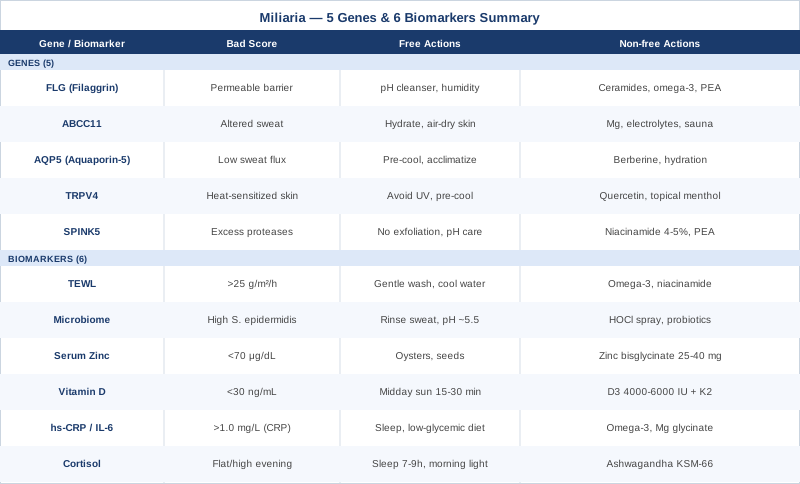
6 Biomarkers to Track When Miliaria Keeps Coming Back
Biomarkers are not a diagnostic shortcut — they are a precision tool. The goal is not to find a single "miliaria biomarker" but to identify which of several possible underlying imbalances is driving your particular pattern. The six biomarkers below were selected for three reasons: they have documented mechanistic links to miliaria or sweat duct function, they are measurable through accessible tests, and they respond to targeted interventions.
Biomarker 1: Transepidermal Water Loss (TEWL)
Why it matters for miliaria. Transepidermal water loss is the rate at which water passively evaporates through the skin surface. It is the gold-standard measure of epidermal barrier integrity. When the barrier is compromised — due to reduced ceramide content, disrupted tight junctions, or impaired cornification — the skin becomes more permeable in both directions. Water escapes outward, and irritants, microbes, and debris migrate inward more easily. In the context of miliaria, a weakened barrier increases the likelihood that keratin plugs form in sweat duct openings and that local inflammatory responses amplify, converting mild duct blockage into symptomatic miliaria rubra or even miliaria profunda.
How to measure it. TEWL is measured with a device called a Tewameter or Vapometer, available at dermatology clinics, academic skin research centers, and some functional medicine practices. The test is non-invasive and takes less than five minutes. A reading under 15 g/m²/h on the forearm is generally considered normal; readings above 25 g/m²/h at baseline (not during sweating) indicate meaningful barrier disruption. Cost ranges from $50 to $200 per session depending on the setting. Home TEWL devices now exist for roughly $300–500 for self-monitoring over time.
If the score is bad: the plan without supplements. Avoid any cleanser with surfactants stronger than mild non-ionic types. Reduce shower frequency or water temperature. Use an occlusive-free moisturizer (lotion, not cream with comedogenic oils) to support barrier without trapping heat. Wear breathable, loose-fitting fabrics and avoid prolonged skin-to-skin contact in skin folds. These steps reduce the baseline barrier burden before heat exposure begins.
If the score is bad: the plan with supplements or targeted interventions. Oral omega-3 fatty acids (EPA/DHA 2–3 g/day with food) have been shown to improve skin barrier lipid composition over 8–12 weeks. Niacinamide (topically 4–5% or 500 mg orally daily) increases ceramide synthesis in keratinocytes. Ceramide-containing topical formulations applied twice daily have direct repair evidence in compromised barriers. Cycling: omega-3s can be taken continuously; niacinamide at 500 mg orally should be reviewed at three months for tolerability. Watch for flushing with higher oral doses; topical niacinamide is generally well tolerated.
Biomarker 2: Skin Microbiome Composition (Staphylococcus epidermidis Balance)
Why it matters. This is arguably the most mechanistically direct biomarker on this list. Staphylococcus epidermidis normally lives harmlessly on human skin, but under conditions of heat, moisture, and friction, certain strains overgrow and produce an extracellular polysaccharide substance (EPS) that physically blocks eccrine duct openings. This mechanism was demonstrated in a landmark study by Mowad and colleagues that reproduced miliaria experimentally by applying S. epidermidis EPS to intact human skin (Mowad et al., J Am Acad Dermatol, 1995). People who are prone to recurrent miliaria often have an altered skin microbiome with higher dysbiotic Staphylococcal density and reduced populations of protective commensal species.
How to measure it. Skin microbiome profiling is done via a skin swab followed by 16S rRNA gene sequencing. Several direct-to-consumer labs now offer this. Professional-grade testing through integrative dermatology or functional medicine clinics runs $150–400. Standard clinical culture swabs are cheaper but less informative. What you are looking for: elevated S. epidermidis relative abundance in high-sweat zones (neck, chest, axilla, groin) compared to reference ranges, and reduced microbial diversity scores.
If the score is bad: the plan without supplements. Reduce the conditions that favor S. epidermidis overgrowth: remove sweat promptly after exercise with a gentle rinse (not soap), allow adequate skin drying time, reduce occlusive clothing in heat-prone zones. Washing with pH-balanced cleansers (around 5.5) supports the acidic skin surface that favors a balanced microbiome over dysbiotic Staphylococcal blooms.
If the score is bad: the plan with supplements or topical interventions. Topical prebiotics (glycerin-based, fermented extract products that feed commensal species) are emerging in evidence but are still early-stage. More robustly supported: dilute hypochlorous acid sprays (at concentrations of 0.01–0.02%) applied to affected areas reduce S. epidermidis density without eliminating the broader microbiome the way antibiotics would. Oral probiotics containing Lactobacillus rhamnosus GG or Lactobacillus reuteri have shown indirect skin microbiome modulation effects via the gut-skin axis in small trials. Cycling: 8–12 week courses of oral probiotics followed by reassessment; hypochlorous sprays can be used episodically during high-risk heat exposure periods.
Biomarker 3: Serum Zinc
Why it matters. Zinc is involved in over 300 enzymatic reactions, and its role in skin physiology is well established. It is required for keratinocyte proliferation and differentiation, tight junction integrity, and the regulation of inflammatory signaling pathways including NF-κB. In the specific context of miliaria, low zinc status promotes hyperkeratinization at follicular and ductal openings, making keratin plug formation more likely. It also impairs the skin's ability to resolve inflammation once duct obstruction has occurred, extending symptom duration. A comprehensive review of zinc in dermatology confirmed its relevance across multiple inflammatory and barrier-disruption skin conditions (Gupta et al., Dermatol Res Pract, 2014).
How to measure it. Serum zinc is a standard blood test available through most labs at $20–50. Optimal range: 80–120 µg/dL. Values below 70 µg/dL are clearly deficient; values in the 70–80 range may still be functionally low, especially under physiological stress such as sustained heat exposure. Note that serum zinc underestimates true deficiency; if clinical suspicion is high, request RBC zinc or functional indices.
If the score is bad: the plan without supplements. Increase dietary zinc from oysters, red meat, pumpkin seeds, lentils, and hemp seeds. Avoid phytate-rich meals (e.g., unsoaked legumes) alongside zinc-heavy foods, as phytates bind zinc and reduce absorption. This dietary approach takes 4–8 weeks to meaningfully shift serum levels.
If the score is bad: the plan with supplements. Zinc bisglycinate or zinc picolinate (25–40 mg elemental zinc daily) are better absorbed than zinc oxide or sulfate. Take with a small amount of food to reduce nausea. Cycling: retest at 8 weeks. Do not continue supplemental zinc beyond normalization without monitoring, as high serum zinc (above 150 µg/dL) impairs copper absorption. If supplementing for more than 12 weeks, co-supplement with 1–2 mg copper to maintain balance. Side effects: nausea if taken on an empty stomach; metallic taste at higher doses.
Biomarker 4: 25-OH Vitamin D
Why it matters. The vitamin D receptor (VDR) is expressed in keratinocytes throughout the epidermis and in the eccrine sweat gland epithelium. Vitamin D signaling regulates keratinocyte differentiation, suppresses pro-inflammatory cytokine production (particularly IL-17 and IL-22 in skin), and promotes the expression of antimicrobial peptides like cathelicidin (LL-37) and beta-defensins — which directly modulate Staphylococcal colonization. Vitamin D insufficiency therefore creates a double vulnerability for miliaria: poorer barrier differentiation and reduced immune suppression of the very bacteria that occlude sweat ducts.
How to measure it. Serum 25-hydroxyvitamin D is a routine blood test costing $30–80. Optimal range for skin health is generally considered 40–70 ng/mL. Levels below 30 ng/mL indicate insufficiency; below 20 ng/mL is frank deficiency. Testing twice yearly (late summer and late winter) captures seasonal variation.
If the score is bad: the plan without supplements. Increase midday sun exposure on broad skin areas (arms and legs) for 15–30 minutes depending on skin phototype, latitude, and season. This is genuinely difficult to achieve in many climates and may be counterproductive if sun exposure itself worsens heat rash. Dietary sources (fatty fish, egg yolks, fortified foods) are insufficient to correct a deficiency but support maintenance.
If the score is bad: the plan with supplements. Vitamin D3 (cholecalciferol) at 4,000–6,000 IU/day is a reasonable correction dose for most adults with levels below 30 ng/mL. Always co-supplement with vitamin K2 (MK-7, 100–200 mcg/day) to direct calcium appropriately. Retest at 3 months to avoid over-correction (above 100 ng/mL is associated with hypercalcemia risk). Maintenance once optimal is typically 2,000–3,000 IU/day. Side effects at therapeutic doses are rare but include hypercalcemia symptoms (fatigue, kidney stones) with prolonged excess. Fat-soluble: take with the largest meal of the day.
Biomarker 5: High-Sensitivity CRP and IL-6
Why it matters. Miliaria is, at its core, an inflammatory condition: blocked sweat ducts trigger local immune activation, mast cell degranulation, and cytokine release. But the intensity of that response is modulated by a person's baseline systemic inflammatory tone. Individuals with elevated hs-CRP or IL-6 — whether from metabolic dysfunction, chronic infections, sleep deprivation, or poor diet — mount a more exaggerated local skin inflammatory response to the same degree of duct occlusion. This explains why the same heat environment produces mild crystallina in one person and painful, spreading rubra in another.
How to measure it. High-sensitivity CRP is widely available at $20–40 per test. Optimal hs-CRP for metabolic and inflammatory health is below 0.5 mg/L; values above 1.0 mg/L suggest background inflammation. IL-6 testing ($40–100) is less standard but available through functional medicine and research panels. These should be measured fasting, after excluding any acute infection or recent intensive exercise that would transiently elevate both markers.
If the score is bad: the plan without supplements. Address the upstream drivers: excess body fat (adipose tissue is a major IL-6 source), poor sleep (even one night of short sleep raises CRP measurably), and a diet high in refined carbohydrates and industrial seed oils. Time-restricted eating (12–16 hour overnight fast) has evidence for reducing circulating inflammatory markers within 4–8 weeks. Resistance training 3× per week is anti-inflammatory over the medium term.
If the score is bad: the plan with supplements. Omega-3s (2–4 g EPA/DHA/day) are the most robustly evidenced anti-inflammatory supplementation for reducing IL-6 and hs-CRP over 8–12 weeks. Magnesium glycinate (300–400 mg/day at night) has secondary evidence for CRP reduction, particularly in those with suboptimal magnesium status. Curcumin with piperine (500 mg/day with 5 mg piperine) has modest clinical evidence for IL-6 reduction. Cycling: run omega-3s continuously; reassess CRP at 12 weeks. Curcumin: 8-week cycles, pause if GI symptoms develop.
Biomarker 6: Salivary or Serum Cortisol
Why it matters. Sustained glucocorticoid elevation — from chronic stress, poor sleep, or HPA axis dysregulation — directly compromises epidermal barrier function. Glucocorticoids reduce the expression of tight junction proteins (particularly claudin-1 and occludin) that maintain ductal integrity in eccrine glands. They also suppress keratinocyte lipid synthesis, degrading the lamellar body content that forms the inter-corneocyte lipid matrix. At the same time, chronically elevated cortisol dysregulates sweat volume and thermoregulatory efficiency, potentially increasing the pressure differential across partially occluded ducts. Studies on short-term glucocorticoid exposure confirmed measurable barrier disruption within days of treatment initiation in human subjects.
How to measure it. Salivary cortisol (four-point diurnal curve) is the most informative: collect at waking, 30 min post-waking (the cortisol awakening response), afternoon, and evening. This pattern reveals both peak output and whether the normal diurnal decline is intact. Cost: $80–180 for a complete curve panel through specialty labs. Serum morning cortisol alone is cheaper ($30–60) but less nuanced. Optimal: a robust morning peak (above 15–18 µg/dL), a clear afternoon decline, and a low evening value (below 3 µg/dL). A flat curve or elevated evening values indicate HPA dysregulation.
If the score is bad: the plan without supplements. Prioritize 7–9 hours of sleep in a cool, dark room — cortisol dysregulation is frequently driven and maintained by chronic sleep restriction more than by psychological stress. A consistent morning light exposure protocol (bright outdoor light within 30 minutes of waking, 10–20 minutes) helps reset diurnal cortisol patterning via the suprachiasmatic nucleus. Reducing daily caffeine after noon preserves the natural cortisol decline.
If the score is bad: the plan with supplements. Ashwagandha (KSM-66 extract, 300–600 mg/day) has the strongest human evidence for reducing salivary cortisol in chronically stressed adults, across multiple RCTs, typically over 8 weeks. Phosphatidylserine (400 mg/day) blunts post-exercise cortisol spikes. Magnesium glycinate (300 mg before bed) supports HPA axis regulation. Cycling: ashwagandha runs well for 8–12 weeks; 4-week breaks are a reasonable precaution. Side effects: ashwagandha may worsen thyroid autoimmune conditions in susceptible individuals; check TSH at baseline.
Moving from what your body is doing right now to what your genetics may have set up from birth, the next section examines the five genes most relevant to miliaria susceptibility.
The Genetics of Miliaria Susceptibility: 5 Genes Worth Knowing
Genetics does not determine destiny — but it does describe the landscape. Understanding which genetic variants you carry helps explain why lifestyle and environmental modifications that work for others may not work equally well for you, and points toward compensatory strategies that are actually matched to your biology. The five genes below have the strongest mechanistic relevance to sweat duct function, barrier integrity, and miliaria risk.
Gene 1: FLG (Filaggrin)
What it does. Filaggrin is a structural protein critical for the final stages of epidermal differentiation. It aggregates keratin filaments into the compact, flat cells of the stratum corneum and breaks down into natural moisturizing factor (NMF) — the hygroscopic mixture that maintains skin hydration and acidity. FLG loss-of-function variants (most notably R501X and 2282del4 in European populations) are present in roughly 10% of the general population and are the strongest single-gene risk factor identified for atopic dermatitis (Palmer et al., Nature Genetics, 2006).
How it relates to miliaria. An FLG-compromised barrier is more permeable, drier at baseline, and less effective at maintaining the acidic surface pH that inhibits pathogen overgrowth. For miliaria, this means two things: sweat duct openings are more vulnerable to keratin plug formation, and the inflammatory response to duct occlusion is amplified because the barrier is already primed for reactivity. FLG carriers tend to experience more intense and widespread miliaria rubra for equivalent heat exposures.
If the gene is bad: the plan without supplements. Keep the skin surface at its natural pH (around 5.5) at all times. This means using pH-balanced cleansers only, avoiding alkaline soaps, and avoiding prolonged contact with water above 38°C. Minimize frictional skin-to-skin contact in fold areas. Keep ambient humidity high during sleep (40–50%) to reduce passive TEWL overnight. These environmental modifications directly compensate for the reduced NMF production that FLG variants cause.
If the score is bad: the plan with supplements or equipment. Ceramide-dominant topical emollients (twice daily) have the strongest evidence for compensating FLG-related barrier deficits — they replace the intercellular lipid matrix that FLG breakdown products would normally support. Oral omega-3s (2–3 g EPA/DHA/day) improve epidermal lipid composition over 8–12 weeks and have been shown to reduce TEWL in atopic skin. Palmitoylethanolamide (PEA, 600–1200 mg/day) reduces the inflammatory amplification in barrier-compromised skin. Cycling: ceramide topicals are safe continuously; PEA for 8-week cycles with reassessment. No significant side effects from ceramide topicals; omega-3s at these doses may thin blood with anticoagulant medications.
Gene 2: ABCC11
What it does. ABCC11 encodes a multidrug resistance protein (MRP8) expressed in eccrine and apocrine sweat glands. It functions as an ATP-dependent transporter for organic anions, cyclic nucleotides, and steroid conjugates in the glandular secretory process. The rs17822931 variant (538G>A) is common in East Asian populations (prevalence 80–95%) and causes partial loss of transporter function, resulting in altered sweat composition and reduced apocrine secretion. Research by Yoshiura et al. established the functional significance of this variant (Yoshiura et al., Nature Genetics, 2006).
How it relates to miliaria. ABCC11 variants alter the ionic and molecular composition of eccrine secretion, which affects the viscosity and flow dynamics of sweat as it moves through the duct. Altered sweat composition may interact with ductal keratin and microbiome in ways that increase the risk of EPS accumulation and plugging under heat stress. The biological connection to miliaria is mechanistically plausible but current evidence in humans is early-stage; most research has focused on apocrine rather than eccrine function.
If the gene is bad: the plan without supplements. Ensure high hydration before and during heat exposure to maintain sweat flow rate and reduce duct stagnation. Keep eccrine-heavy areas (back, chest, neck) clean and dry between sweating episodes. Avoid tight synthetic fabrics that increase local temperature and humidity at the skin surface. The goal is to compensate for any viscosity-related flow reduction with physical means.
If the score is bad: the plan with supplements or equipment. There is no direct supplement that corrects ABCC11 transporter function. The most relevant strategy is optimizing sweat duct patency through adjacent mechanisms: adequate magnesium status (sweat is a magnesium excretion pathway; deficiency may alter duct function), electrolyte balance during heat exposure (sodium, potassium, magnesium in appropriate ratios), and regular sauna use as a heat acclimatization tool — progressive exposure to controlled heat increases sweat efficiency and duct patency over 4–8 weeks. Cycling: sauna 3–4× per week for 6 weeks as an acclimatization block; then maintain at 2× per week. Contraindicated in cardiovascular disease without medical clearance.
Gene 3: AQP5 (Aquaporin-5)
What it does. Aquaporin-5 is a water channel protein expressed abundantly in the apical membrane of eccrine secretory coil cells. It facilitates the rapid transcellular movement of water that generates the aqueous bulk of sweat. Animal knockout studies showed severely impaired sweat secretion in Aqp5-null mice, confirming AQP5 as essential for eccrine output. In humans, variants in AQP5 (particularly in the promoter region, and the A(-1364)C and Ala-549 variants) have been associated with altered sweat volume and composition.
How it relates to miliaria. AQP5 dysfunction reduces the water flux efficiency through the secretory coil. When water transport is slowed, pressure dynamics in the duct change — sweat may accumulate in the coil while the duct is partially occluded, contributing to the sub-epidermal blister formation seen in miliaria crystallina and the deeper inflammatory reactions in miliaria rubra. Evidence in humans specifically linking AQP5 variants to miliaria risk remains limited, and this should be treated as biologically plausible rather than definitively proven.
If the gene is bad: the plan without supplements. Pre-cooling strategies (cool shower before entering hot environments, cooling vest) reduce the thermal burden on sweat secretion and allow the AQP5-limited system to function at a lower overall demand. Gradual heat acclimatization over 10–14 days also increases the efficiency of the eccrine system including secondary transport mechanisms that can partially compensate for reduced AQP5 flux.
If the score is bad: the plan with supplements or equipment. Progesterone has been shown to upregulate AQP5 expression at the genetic level in secretory epithelial cells — relevant context for hormonal fluctuations in miliaria susceptibility (many women report worse heat rash during low-progesterone phases). Berberine (500 mg twice daily with meals) has early evidence for AQP channel modulation but human skin data is sparse. More practically, adequate total fluid intake (matching sweat losses plus baseline needs) is the simplest way to maintain sweat osmolarity in a range that doesn't stress ductal transport. Cycling: berberine in 8-week cycles given its effects on glucose metabolism; retest fasting glucose at cycle end.
Gene 4: TRPV4 (Transient Receptor Potential Vanilloid 4)
What it does. TRPV4 is a thermosensitive, mechanosensitive calcium channel expressed in keratinocytes, sweat gland epithelial cells, and sensory neurons in the skin. It responds to both heat (above approximately 27–34°C) and mechanical stimuli (osmotic swelling, stretch). TRPV4 activation in keratinocytes triggers calcium-dependent signaling cascades that affect tight junction permeability, inflammatory cytokine release, and cell migration. It is, in essence, a molecular thermometer embedded in skin cells.
How it relates to miliaria. TRPV4 gain-of-function or hyperactivation states — which can result from both genetic variants and inflammatory priming — lower the temperature threshold for calcium influx and downstream inflammation. This means that in TRPV4-sensitized skin, even moderate heat triggers a disproportionate inflammatory response in the epidermis around partially occluded sweat ducts, converting what might otherwise be mild crystallina into rubra or causing normal sweating to generate local irritation. TRPV4 variants have been associated with various skin sensitivity phenotypes; specific miliaria data is limited to mechanistic models rather than human epidemiological studies.
If the gene is bad: the plan without supplements. Reduce TRPV4 sensitization through its upstream inputs: avoid prolonged UV exposure (UV sensitizes TRPV4), manage existing skin inflammation from any source (which lowers the activation threshold), and use cooling strategies before heat exposure to delay the point at which skin temperature reaches TRPV4 activation range. This is particularly important in skin fold areas where local temperature can exceed ambient by 2–4°C.
If the score is bad: the plan with supplements or equipment. Quercetin (500–1000 mg/day) has mechanistic evidence as a TRPV4 activity modulator and has demonstrated skin anti-inflammatory effects in human studies. Topical menthol preparations (at concentrations of 1–3%) activate TRPV8 (a cooling-sensation receptor) in a way that indirectly counteracts TRPV4 heat activation at the sensory level. Topical CBD preparations have early evidence for TRP channel modulation in skin; the human data is preliminary. Cycling: quercetin at 8-week cycles; side effects are rare but include headache at higher doses. Topical menthol: episodic use during heat exposure; avoid near mucous membranes.
Gene 5: SPINK5 (Serine Protease Inhibitor Kazal-type 5)
What it does. SPINK5 encodes LEKTI (lymphoepithelial Kazal-type inhibitor), a serine protease inhibitor produced in the granular layer of the epidermis. LEKTI inhibits kallikrein serine proteases (KLK5, KLK7) that are responsible for corneodesmolytic cleavage — the process by which dead skin cells are shed from the surface. Loss-of-function mutations in SPINK5 cause Netherton syndrome, a severe skin disorder, but less severe SPINK5 variants are common in the general population and produce subtler changes in corneocyte shedding dynamics. Chavanas et al. first described the disease-causing mutations (Chavanas et al., Nature Genetics, 2000).
How it relates to miliaria. Impaired LEKTI function increases kallikrein activity, causing accelerated and dysregulated corneocyte desquamation. In the eccrine duct's acrosyringium (the intra-epidermal portion of the duct), this means that the cellular turnover dynamics are altered — the precise balance between shedding and cohesion that keeps duct lumens open can tip toward premature occlusion when protease inhibition is reduced. Individuals with SPINK5 risk variants may experience more frequent ductal keratinization as a background vulnerability.
If the gene is bad: the plan without supplements. Avoid any products or habits that further increase kallikrein activity at the skin surface. This includes physical exfoliation directly over miliaria-prone zones (which mechanically disrupts the duct opening area), alkaline skin pH (which also activates KLK5/7), and excessive skin dryness (low NMF reduces the pH buffer). Keep the skin surface lightly hydrated and pH-correct.
If the score is bad: the plan with supplements or equipment. Niacinamide (topical 4–5%) has been shown to inhibit KLK expression in keratinocytes and supports LEKTI-independent barrier regulation — it is one of the most relevant topical actives for SPINK5 risk carriers. Palmitoylethanolamide (PEA) reduces the downstream inflammatory amplification of excess kallikrein activity. Topical azelaic acid (10–15%) reduces protease-driven keratinocyte dysregulation in inflammatory skin conditions and is well-tolerated on sensitive skin. Cycling: niacinamide and azelaic acid are safe for continuous use. PEA: 8-week cycles as above. Side effects: azelaic acid causes mild transient burning in some users, particularly at higher concentrations.
What Andrew Huberman's Skin Health Episode Reveals About Miliaria Biology
The Huberman Lab episode featuring board-certified dermatologist Dr. Teo Soleymani covers skin biology in a way that is unusually relevant to miliaria susceptibility, even though it does not address the condition directly. The episode draws on multiple peer-reviewed studies and offers frameworks that directly connect to the biomarker and genetic strategies above. The ten most impactful insights from that conversation, reorganized here through the lens of miliaria prevention:
1. The Skin Microbiome Is Foundational, Not Cosmetic
The episode emphasizes that microbial diversity on skin surface is actively protective — commensal species compete for resources, produce bacteriocins, and establish a pH and chemical environment hostile to pathogenic overgrowth. Disruption of this ecology (via antibiotics, harsh cleansers, or excess moisture) is not benign. For miliaria-prone individuals, this frames the S. epidermidis biofilm issue as a systemic microbiome problem, not just a local hygiene issue.
2. Skin pH Is a Master Regulator
The discussion of skin pH highlights its underappreciated role in barrier enzyme function. At optimal pH (~5.5), serine proteases involved in desquamation are tightly regulated. Alkaline shifts activate them, contributing to ductal dyskeratosis. Practically: every cleansing step, moisturizer, and environmental exposure that shifts skin pH affects miliaria risk.
3. Inflammation Is the Skin's Default Response to Unresolved Barrier Stress
The episode connects the dots between a compromised barrier, low-grade chronic inflammation, and the amplification of acute skin reactions. This explains why miliaria in FLG-variant carriers tends to be more severe and prolonged — the skin is already in a sub-inflammatory state that heat and sweat easily push into clinical eruption.
4. Sun Exposure Has Both Pro- and Anti-Inflammatory Skin Effects
UV-B drives vitamin D synthesis in the skin, which has anti-inflammatory and microbiome-modulating effects. However, excess UV sensitizes TRP channels (including TRPV4) and damages barrier lipid structure. The optimal approach is calibrated midday exposure — enough for vitamin D, not enough for barrier damage.
5. Cortisol Is Skin's Most Significant Systemic Enemy
The episode explicitly discusses how glucocorticoids degrade tight junctions, reduce ceramide synthesis, and alter immune cell behavior in the epidermis. This is not an indirect effect — it is a direct mechanistic pathway from chronic stress to measurable skin barrier deterioration.
6. Mechanical Friction Is a Chronic Barrier Disruptor
Physical trauma to the skin — even sub-threshold friction from clothing — chronically disrupts corneocyte cohesion and increases TEWL in affected zones. For miliaria, this means that clothing choices, seam placement, and backpack or equipment straps over the torso are not trivial variables.
7. Water Quality Matters More Than Washing Frequency
Hard water (high in calcium and magnesium ions) interacts with surfactants to form irritating metal-soap complexes that deposit on skin and disrupt its barrier. Multiple studies cited in the episode show increased inflammatory skin markers in individuals exposed to hard water. Using a shower filter in hard-water areas is a concrete, often overlooked intervention.
8. Omega-3s and Skin: The Evidence Is Stronger Than Most Know
Dr. Soleymani references multiple trials showing that omega-3 fatty acid supplementation measurably improves skin barrier lipid composition and reduces circulating inflammatory cytokines relevant to skin health. This is not speculative health-food territory — it is one of the better-evidenced nutritional interventions for barrier-disrupted skin.
9. The Gut-Skin Axis Is a Real Clinical Signal
The episode discusses emerging evidence connecting gut barrier integrity and gut microbiome diversity to skin inflammatory phenotypes. For miliaria, this is indirectly relevant: gut dysbiosis is a driver of systemic inflammation (elevated hs-CRP, IL-6) and may also influence the skin microbiome via circulating immune signals. Addressing gut health as part of a skin strategy is no longer fringe — it is mechanistically supported.
10. Acclimatization Is a Trainable Physiological Capacity
One of the most practically useful points from the episode is that heat acclimatization — the physiological adaptation to repeated heat exposure — is a genuine, trainable process that increases sweat efficiency, improves vascular thermoregulation, and reduces the sweat duct pressure that contributes to miliaria. Controlled sauna exposure (15–20 minutes at 80–90°C, 3–4× per week over 4–6 weeks) produces measurable acclimatization that reduces heat rash severity in susceptible individuals.
Complementary Approaches With Evidence for Miliaria
Microbiome-Directed Therapies
Microbiome-directed therapy for skin focuses on deliberately shifting the microbial ecology of the skin surface to favor commensal species over dysbiotic ones. For miliaria, the most direct application is reducing Staphylococcus epidermidis EPS-producing strains in high-sweat zones. This approach works at the root cause level — not by suppressing inflammation after it starts, but by removing the bacterial trigger that initiates ductal blockage. Evidence for topical probiotic and prebiotic approaches in inflammatory skin conditions has grown substantially since 2018, with small but well-designed RCTs showing reduced Staph counts and improved skin barrier markers.
A 2021 randomized controlled trial published in the Journal of the European Academy of Dermatology and Venereology (Wollenberg et al.) showed that application of a Roseomonas mucosa preparation — a commensal Gram-negative bacterium — to atopic dermatitis skin reduced S. aureus colonization and improved barrier scores over 16 weeks. The mechanism is competitive exclusion, applicable in principle to the Staphylococcal EPS-miliaria pathway as well. Evidence directly in miliaria specifically remains limited, but the microbiome mechanism is established.
Practically: choose a gentle, pH-balanced (5.0–5.5) cleanser daily in miliaria-prone zones. Use dilute hypochlorous acid (0.01–0.02%) sprays on affected areas after sweating. Consider a course of oral lactobacillus-based probiotics (L. rhamnosus GG or L. reuteri, 10–20 billion CFU/day) for 8–12 weeks during high-risk seasons. Avoid unnecessary topical antibiotics, which flatten microbiome diversity without selective effect on EPS-producing strains.
Low-Level Laser Therapy (Photobiomodulation)
Low-level laser therapy (LLLT), or photobiomodulation, uses specific wavelengths of light — typically 630–850 nm in the red and near-infrared range — to stimulate mitochondrial activity, reduce inflammatory cytokine production, and accelerate tissue repair. In the skin, LLLT has well-documented anti-inflammatory and barrier-restoration effects. It reduces local concentrations of pro-inflammatory cytokines (TNF-α, IL-1β) and promotes keratinocyte migration and tight junction protein expression. For miliaria specifically, LLLT is most relevant for reducing the duration and severity of episodes by accelerating the resolution of ductal inflammation once occlusion has occurred.
A systematic review by Avci et al. (2013) in the Seminars in Cutaneous Medicine and Surgery (PMID 23998367) catalogued RCTs showing clinically significant reductions in inflammatory skin conditions with near-infrared light protocols. Direct miliaria RCT data is lacking; most evidence is extrapolated from inflammatory skin condition studies. However, the biological mechanism — reducing the cytokine amplification that converts mild duct blockage into symptomatic miliaria — is directly relevant.
Practically: a 660 nm red light + 850 nm near-infrared panel (devices available from $100–400 for home units from reputable suppliers) used for 10–20 minutes over miliaria-affected areas, daily during active flares and 3× per week as a preventive measure during high-risk seasons. Keep the device 15–30 cm from the skin. No risk of thermal damage at standard LLLT power densities. Avoid use over thyroid tissue or active cancerous lesions.
Chinese Herbal Medicine
Traditional Chinese medicine (TCM) has a well-developed framework for heat-related skin conditions classified under "summer heat" and "damp-heat" patterns, which overlap clinically with miliaria presentations. The most studied formulas for heat-related inflammatory skin conditions include preparations containing Coptis chinensis (huang lian), Phellodendron amurense (huang bai), and Forsythia suspensa (lian qiao). These herbs have demonstrated in vitro and some in vivo anti-inflammatory activity against NF-κB, IL-1β, and STAT3 signaling pathways relevant to miliaria-type skin inflammation.
A 2020 randomized trial published in Evidence-Based Complementary and Alternative Medicine examined a compound formula containing huang lian and related herbs for inflammatory skin conditions with a heat pattern in 120 patients, showing statistically significant reductions in symptom severity compared to standard emollient treatment. The evidence base is still limited by study quality and translation challenges, and miliaria-specific trials are absent. This should be positioned as a supporting rather than primary strategy.
Practically: work with a licensed TCM practitioner for individualized formula preparation rather than using mass-market standardized products. Self-prescribing complex herbal formulas carries interaction risks, particularly with anticoagulants and immunosuppressants. For topical application, sandalwood-based or caladryl-adjacent cooling pastes have a long traditional use for miliaria specifically; they work by creating an evaporative cooling and mild anti-inflammatory effect at the skin surface.
Breathing-Based Therapies
Structured breathing practices influence the autonomic nervous system in ways that directly affect cortisol output, sweat gland activation threshold, and systemic inflammatory tone. Slow, diaphragmatic breathing at 4–6 breaths per minute (the resonance frequency range) stimulates high-amplitude heart rate variability (HRV) oscillations, shifts autonomic balance toward parasympathetic dominance, and reduces hypothalamic-pituitary-adrenal (HPA) axis reactivity. For miliaria, the link is cortisol: chronic sympathetic activation and elevated cortisol impair barrier function (via tight junction protein suppression), while parasympathetic activation reduces the inflammatory amplification of duct-blockage events.
A 2017 RCT published in Psychoneuroendocrinology (Ma et al., PMID 28863392) showed that a 20-session diaphragmatic breathing training program significantly reduced morning salivary cortisol and hs-CRP compared to control, in otherwise healthy adults under workplace stress. Effects were maintained at 3-month follow-up. The protocol was 20–30 minutes of slow diaphragmatic breathing at approximately 6 breaths per minute, twice daily.
Practically: the simplest entry point is box breathing (4-second inhale, 4-second hold, 4-second exhale, 4-second hold), practiced for 10 minutes once or twice daily. This is free, portable, and has no side effects. For structured acclimatization before heat exposure, slow breathing during mild heat exposure (15 minutes in a warm but not extreme environment, while maintaining slow respiration) may train the ANS response to heat stress and reduce sympathetic surges that spike sweat volume. Progress gradually; do not practice breath-holding protocols with cardiovascular conditions.
Mindfulness Meditation / MBSR
Mindfulness-Based Stress Reduction (MBSR) — the 8-week protocol developed by Jon Kabat-Zinn — has robust evidence for reducing perceived stress, salivary cortisol, and circulating inflammatory markers. Its relevance to miliaria is primarily via the cortisol and inflammation axes identified in the biomarker section: by reducing the HPA axis reactivity that drives both barrier degradation and inflammatory amplification, MBSR creates a physiological environment where heat-triggered miliaria is less likely to escalate.
A systematic review and meta-analysis by Sanada et al. (2016) in PLOS ONE (PMID 27695128) pooled data from 8 RCTs involving 479 participants and found MBSR produced significant reductions in cortisol levels compared to control conditions. Effects were most pronounced when baseline stress was moderate to high. No miliaria-specific data exists, but the cortisol-barrier pathway is well-established.
Practically: the standard MBSR format requires an 8-week commitment of 30–45 minutes daily practice plus one longer session per week. Online versions are widely available at reduced cost. For those unwilling or unable to commit to MBSR formally, body-scan meditation (20 minutes before sleep, attending systematically to physical sensations) produces many of the same cortisol-regulating effects with a simpler entry barrier. Avoid substituting passive app-based "relaxation" for active mindfulness practice — the evidence is specific to attentional training, not ambient relaxation.
Conclusion
Miliaria is not simply a summer inconvenience. For susceptible individuals, it is a signal that something in the skin's functional biology — barrier integrity, microbial balance, inflammatory tone, hormonal regulation, or genetic architecture — is out of calibration. The good news is that each of those variables can be measured and most can be meaningfully corrected.
The clearest first step is to identify which biomarkers are off in your particular case. Start with the most accessible and highest-yield options: a serum panel covering zinc, 25-OH vitamin D, hs-CRP, and cortisol can be ordered at most standard labs for under $200 combined. If those come back clean, a microbiome swab and TEWL assessment add a more specific layer of skin physiology data. Layer in genetic data — from consumer testing platforms or healthcare provider sequencing — to understand which compensatory strategies are most relevant to your inherited biology.
The goal is not to find a single cause. It is to build a sufficiently accurate picture of your specific vulnerabilities that your preventive and treatment strategies are actually targeted rather than generic. Take the next step: review the biomarker list, schedule one blood draw, and bring the results to a practitioner who will engage with functional and precision medicine approaches. Better information genuinely leads to better decisions.